Morning Question #7 – Toxicology not picking up bath salts?

By David Joel Miller, MS, Licensed Therapist & Licensed Counselor.

New drugs

Bath salts.
Photo courtesy of Pixabay.com

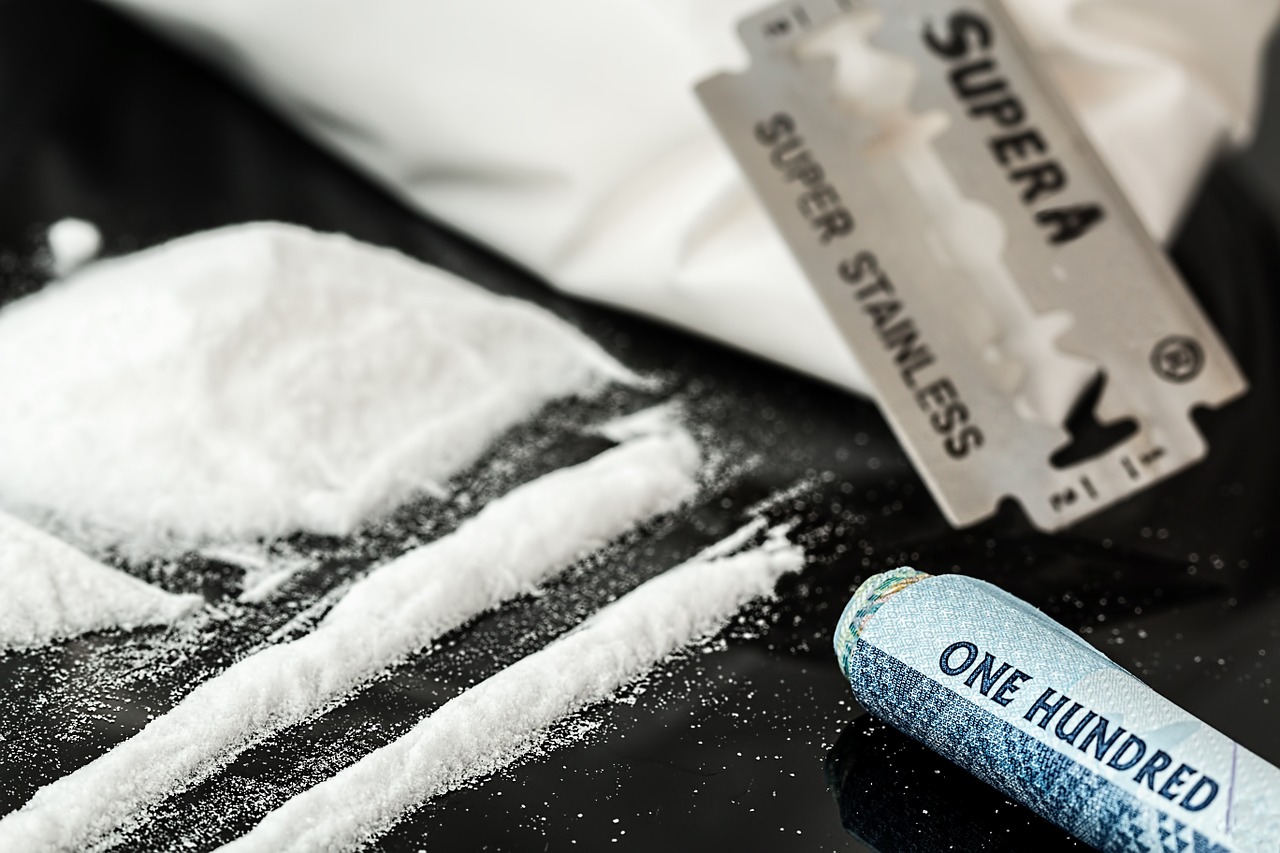
Do drug tests find Bath Salts?

The jury is still out on that one. Bath salts can be made from hundreds, maybe thousands of chemicals. Standard drug testing and hospital toxicology screens just are not designed to find a whole lot of drugs that are rare or unusual. Drug users are constantly looking for ways to beat drug tests and the labs look for ways to catch the cheaters. The wheel keeps going around. I think that there are lots of kids and older drug users, playing with synthetic drugs these days, and those drugs do not show up on standard drug tests.

If the person asking this is referring to those high-profile cases that make the news. Those CSI types are pretty good at finding things so if they say something was not there, I am a lot more confident it wasn’t there than when someone is reading a standard 5-panel instant drug test.

Staying connected with David Joel Miller

Seven David Joel Miller Books are available now!

My newest book is now available. It was my opportunity to try on a new genre. I’ve been working on this book for several years, but now seem like the right time to publish it.

Story Bureau.

Story Bureau is a thrilling Dystopian Post-Apocalyptic adventure in the Surviving the Apocalypse series.

Baldwin struggles to survive life in a post-apocalyptic world where the government controls everything.

As society collapses and his family gets plunged into poverty, Baldwin takes a job in the capital city, working for a government agency called the Story Bureau. He discovers the Story Bureau is not a benign news outlet but a sinister government plot to manipulate society.

Bumps on the Road of Life. Whether you struggle with anxiety, depression, low motivation, or addiction, you can recover. Bumps on the Road of Life is the story of how people get off track and how to get your life out of the ditch.

Dark Family Secrets: Doris wants to get her life back, but small-town prejudice could shatter her dreams.

Casino Robbery Arthur Mitchell escapes the trauma of watching his girlfriend die. But the killers know he’s a witness and want him dead.

Planned Accidents  The second Arthur Mitchell and Plutus mystery.

Letters from the Dead: The third in the Arthur Mitchell mystery series.

What would you do if you found a letter to a detective describing a crime and you knew the writer and detective were dead, and you could be next?

Sasquatch. Three things about us, you should know. One, we have seen the past. Two, we’re trapped there. Three, I don’t know if we’ll ever get back to our own time.

For these and my upcoming books; please visit my Author Page – David Joel Miller

Want the latest blog posts as they publish? Subscribe to this blog.

For videos, see: Counselorssoapbox YouTube Video Channel

Is counseling supposed to hurt?

By David Joel Miller, MS, Licensed Therapist & Licensed Counselor.

Counseling questions

Counseling questions.
Photo courtesy of Pixabay.com

Does counseling need to make you feel bad to work?

Sometimes counseling involves looking at painful things. Clients don’t like doing things that will hurt. I don’t like making them hurt either. I want them to have a happy life, not a pain-filled one. But sometimes the counselor needs to take you there if they are going to help you.

Clients come to see the therapist like an accident victim, they are covered in bruises. Handling them roughly just increases the pain for no good reason. No counselor should add to the client’s pain for the sake of “being honest” with them or getting them to face problems. But if your counselor wants you to heal, they made need to help you walk through the pain. Sometimes the burn victim needs the wounds cleaned if they are to heal even when the wound cleaning process makes them hurt.

The client’s life may be like an old refrigerator, full of things they should have thrown out a long time ago, things that smell and are messy. A good counselor helps you clean that stuff out. They aren’t horrified by the discolored things or the smelly ones. If the whole cleaning out process becomes too much we may need to leave some things untouched for a while until you are feeling well enough to let go of some more of the rotten things from your past.

If you have a wound, physical or emotional, it needs cleaning. It may hurt more if you leave it. Long untended wounds take the most effort to heal. You may not be up to feeling all that pain at once. Like peeling an onion you may need to work at your pain until you cry and then next time peel away another layer.

Doctors know when it is better to open up a wound, feel the pain, and then let that wound heal slowly from the inside out. A good counselor should be able to work with you on that type of emotional healing.

The beginning counselor may try to quickly cover up the pain, get you to look away and avoid the thing that could lead to your healing. I would love to end each session with a few words of encouragement, tell the client everything will be fine. I know sometimes that is not true. They need gentle honesty.

Often that one hour of therapy is the hour we operate on the longstanding pain. I see them for that one hour. The rest of the week that client has to carry that burden for 167 hours until I see them again. The real healing happens in that other time outside the therapy hour when the client heals slowly from the inside out without the burden of the memories that we have let out during our session.

Counseling doesn’t always need to hurt, sometimes we clear up confusion or we help clients talk through a choice in life. The kind of counseling where I get to teach new life skills or coach someone to improve their game of life, those make me happy.

But sometimes I know I need to sit with the client while they let out that pain from the past and begin their healing journey.

Staying connected with David Joel Miller

Seven David Joel Miller Books are available now!

My newest book is now available. It was my opportunity to try on a new genre. I’ve been working on this book for several years, but now seem like the right time to publish it.

Story Bureau.

Story Bureau is a thrilling Dystopian Post-Apocalyptic adventure in the Surviving the Apocalypse series.

Baldwin struggles to survive life in a post-apocalyptic world where the government controls everything.

As society collapses and his family gets plunged into poverty, Baldwin takes a job in the capital city, working for a government agency called the Story Bureau. He discovers the Story Bureau is not a benign news outlet but a sinister government plot to manipulate society.

Bumps on the Road of Life. Whether you struggle with anxiety, depression, low motivation, or addiction, you can recover. Bumps on the Road of Life is the story of how people get off track and how to get your life out of the ditch.

Dark Family Secrets: Doris wants to get her life back, but small-town prejudice could shatter her dreams.

Casino Robbery Arthur Mitchell escapes the trauma of watching his girlfriend die. But the killers know he’s a witness and want him dead.

Planned Accidents  The second Arthur Mitchell and Plutus mystery.

Letters from the Dead: The third in the Arthur Mitchell mystery series.

What would you do if you found a letter to a detective describing a crime and you knew the writer and detective were dead, and you could be next?

Sasquatch. Three things about us, you should know. One, we have seen the past. Two, we’re trapped there. Three, I don’t know if we’ll ever get back to our own time.

For these and my upcoming books; please visit my Author Page – David Joel Miller

Want the latest blog posts as they publish? Subscribe to this blog.

For videos, see: Counselorssoapbox YouTube Video Channel

Morning Question #6 – Could a father’s meth use cause Schizoaffective Disorder?

By David Joel Miller, MS, Licensed Therapist & Licensed Counselor.

Drugs

Stimulant drugs.
Photo courtesy of Pixabay.com

Schizoaffective Disorder and Meth use.

Schizoaffective Disorder is an unusual condition, though I think it is underdiagnosed. Think about traveling through a swamp full of lots of muck but here and there are some small islands of land. Sometimes you have one foot on land, sometimes two, and other times none. People with Schizoaffective Disorder can have episodes of psychosis, episodes of depression, or Bipolar disorder, sometimes both and sometimes neither. Depending on who sees them and when they are seen the diagnosis can change all over the place.

Mental Health conditions do not seem to be caused by any one gene. Most likely they are caused by the interaction of many genes, risk factors, environmental influences, and so on. Dad doing drugs is not likely to have caused that. Sometimes dad was doing drugs because he had a mental illness or there was a history of some disorder in the family that put him at risk.

Mom’s drug use during pregnancy is another matter. The more she uses the bigger the problem. The day she uses can determine what part of the baby was developing that day and what was affected. Mom’s drug use can result in mental retardation or learning disabilities but so far I have not seen any research out there that says the parent’s drug use before the child was born changed the child’s genes and caused a mental illness. If someone has seen that please leave a comment.

The parent’s drug use after the baby is born?

There are all kinds of research that says growing up in the home with a substance abuser can affect a child’s mental health.

Staying connected with David Joel Miller

Seven David Joel Miller Books are available now!

My newest book is now available. It was my opportunity to try on a new genre. I’ve been working on this book for several years, but now seem like the right time to publish it.

Story Bureau.

Story Bureau is a thrilling Dystopian Post-Apocalyptic adventure in the Surviving the Apocalypse series.

Baldwin struggles to survive life in a post-apocalyptic world where the government controls everything.

As society collapses and his family gets plunged into poverty, Baldwin takes a job in the capital city, working for a government agency called the Story Bureau. He discovers the Story Bureau is not a benign news outlet but a sinister government plot to manipulate society.

Bumps on the Road of Life. Whether you struggle with anxiety, depression, low motivation, or addiction, you can recover. Bumps on the Road of Life is the story of how people get off track and how to get your life out of the ditch.

Dark Family Secrets: Doris wants to get her life back, but small-town prejudice could shatter her dreams.

Casino Robbery Arthur Mitchell escapes the trauma of watching his girlfriend die. But the killers know he’s a witness and want him dead.

Planned Accidents  The second Arthur Mitchell and Plutus mystery.

Letters from the Dead: The third in the Arthur Mitchell mystery series.

What would you do if you found a letter to a detective describing a crime and you knew the writer and detective were dead, and you could be next?

Sasquatch. Three things about us, you should know. One, we have seen the past. Two, we’re trapped there. Three, I don’t know if we’ll ever get back to our own time.

For these and my upcoming books; please visit my Author Page – David Joel Miller

Want the latest blog posts as they publish? Subscribe to this blog.

For videos, see: Counselorssoapbox YouTube Video Channel

Does sleep paralysis cause or is it caused by mental illness?

Sleep paralysis

Sleep paralysis.
Photo courtesy of pixabay.

By David Joel Miller, MS, Licensed Therapist & Licensed Counselor.

More on Sleep paralysis.

Remember this is written from a therapist’s point of view. If there is any chance that you or someone you know has a medical problem, have it checked out by a doctor first. But if the doctor finds nothing medically wrong with you that does not mean you are going crazy. It might mean that you can benefit from some counseling to help you better cope with stress.

Many people who experience sleep paralysis, hypnogogic hallucinations, or “exploding head syndrome,” think they are going crazy or fatally ill. Knowing that these are explainable phenomena and have simple treatment can reduce the concerns. Sleep Paralysis and many related sleep problems are often triggered by stress. More stress, good or bad stress, and the chances of an attack increases.

People who become fearful of another occurrence of Sleep Paralysis can “prime the pump” and increase the risks of a second bout in the same way people who experience panic attacks begin to worry about having another episode.

If clients describe these events as dreams the doctor is likely to reassure them that it is normal. Patients who explain these events as demons, spirits, or believe they actually saw a supernatural being are likely to be prescribed a psychiatric medication. Antipsychotics, antidepressants, and anti-anxiety medications (Benzodiazepines) are all believed to increase the incidence of Sleep Paralysis and Hypnogogic Hallucinations (Gangdev, 2004.)

Other things that have been reported to increase the risks of having an episode of Sleep Paralysis include being physically ill, such as having the flu, watching or experiencing emotionally upsetting events, such as having an argument.

If the paralysis or hallucinations only occur when going to sleep and waking up they are most likely sleep-related and not the result of a mental illness. Gangdev, in his article, asked the question: “It is possible that a small proportion of patients diagnosed with schizophrenia who experience hallucinations may actually be experiencing escaped REM-related dream activity during the wakeful state?”

There is a significant overlap between sleep paralysis and Narcolepsy. Narcolepsy includes not only sleep paralysis but hypnogogic and hypnopompic hallucinations, daytime sleepiness, and Cataplexy (sudden unexplained loss of muscle tone.)

Sleep Paralysis without any cataplexy or daytime sleepiness is not considered to be associated with Narcolepsy and is referred to as Isolated Sleep Paralysis (ISP.) Penn reported that 16 % of medical students reported at least one episode of sleep paralysis. That makes me think that long hours and sleep deprivation may be a major cause of many of these events.

Sleep Paralysis is far more common in African-Americans and in one study of Nigerian subjects more than half had experienced ISP. It is also common in Japanese Subjects.

People who have a Sleep Paralysis event find it helpful to get up move about and make sure they are fully awake before attempting to return to bed. People who do not get out of bed have an increased risk of having multiple episodes of sleep paralysis in the same night. Sleeping flat on your back looking up at the ceiling (supine position) is much more likely to cause a Sleep Paralysis experience than sleeping on your side.

Knowing that episodes of Sleep Paralysis and Hypnogogic Hallucinations are relatively common and most often harmless can help someone cope with these experiences.

Staying connected with David Joel Miller

Seven David Joel Miller Books are available now!

My newest book is now available. It was my opportunity to try on a new genre. I’ve been working on this book for several years, but now seem like the right time to publish it.

Story Bureau.

Story Bureau is a thrilling Dystopian Post-Apocalyptic adventure in the Surviving the Apocalypse series.

Baldwin struggles to survive life in a post-apocalyptic world where the government controls everything.

As society collapses and his family gets plunged into poverty, Baldwin takes a job in the capital city, working for a government agency called the Story Bureau. He discovers the Story Bureau is not a benign news outlet but a sinister government plot to manipulate society.

Bumps on the Road of Life. Whether you struggle with anxiety, depression, low motivation, or addiction, you can recover. Bumps on the Road of Life is the story of how people get off track and how to get your life out of the ditch.

Dark Family Secrets: Doris wants to get her life back, but small-town prejudice could shatter her dreams.

Casino Robbery Arthur Mitchell escapes the trauma of watching his girlfriend die. But the killers know he’s a witness and want him dead.

Planned Accidents  The second Arthur Mitchell and Plutus mystery.

Letters from the Dead: The third in the Arthur Mitchell mystery series.

What would you do if you found a letter to a detective describing a crime and you knew the writer and detective were dead, and you could be next?

Sasquatch. Three things about us, you should know. One, we have seen the past. Two, we’re trapped there. Three, I don’t know if we’ll ever get back to our own time.

For these and my upcoming books; please visit my Author Page – David Joel Miller

Want the latest blog posts as they publish? Subscribe to this blog.

For videos, see: Counselorssoapbox YouTube Video Channel
What are Personality Disorders?

By David Joel Miller, MS, Licensed Therapist & Licensed Counselor.

What is

What are personality disorders?
Photo courtesy of Pixabay.

Update.

In the new DSM-5, the five-axis system was eliminated. Personality disorders are now included in the full list of mental, emotional, and behavioral disorders, just like any other mental health issue. I have left this post here, as originally posted because much of this information remains relevant. Not all of the changes we expected in the DSM-5 took place. For the current status take a look at some of the newer posts.

How many Personality Disorders are there?

Personality Disorders are a special class of mental illnesses that are considered different in kind and nature from other mental health problems. Mental illnesses in all their shades are recorded on Axis I. There are currently over 300 recognized Mental illnesses. Most mental illnesses have several standard treatments and if severe enough are likely to be covered by insurance or public funding. Not so with personality disorders.

Personality Disorders are kept separate. They are recorded on Axis II in a separate and small class of problems that just don’t seem to ever change or get better. They have long been considered like mental retardation, something we need to help with, but something that just won’t change. Personality Disorders are a short list, rarely over a dozen labels, though the list changes over time.

Personality Disorders are conditions in which the person to be diagnosed “deviates from expectations of their culture.” There are different. But that is not enough for the diagnosis to be imposed.

This pattern of “differentness” is “Pervasive and inflexible.” They stick to their irritating pattern no matter what. This pattern starts in adolescence or early adulthood and they just don’t change, “grow up” or “grow out of it.” So this pattern of differentness is “stable over time.” It is as if people with a personality disorder get stuck in one way of behaving and then can’t change their approach when they are in a different time or place.

This differentness needs to also cause them problems getting along with other people, holding a job or make them unhappy to get the diagnosis. They are not just a little different some of the time but a lot different all the time.

Some people could care less if they have a personality disorder or not. But most people who have a Personality Disorder are suffering, want, and need help, no matter how we label or understand their problem.

Currently, there are ten recognized Personality Disorders in three groups or “clusters.” The DSM-5 due out next year probably will reduce that list to six personality disorders and a new “Personality Disorder Trait Specified.” Not sure what will happen to the people who have a disorder now when their diagnosis is abolished. Will they be declared cured? Or maybe we just give them a new mental illness to compensate them for their loss.

When I was in Grad School I though these personality disorders were interesting, did extra research, and even wrote some papers on the topic. I considered specializing in treating these disorders. But what I discovered is that most people with a personality disorder come to the therapist for Depression, Anxiety, and relationship problems just like anyone else. Also since these are “inflexible” patterns, only two of these disorders end up in treatment with any regularity.

Here are the clusters as they stand now with the included diagnosis. The descriptors are mine with my apologies to the APA. Clusters A and C first as Cluster B is the biggie.

Cluster A: These are the “Weird” people.

Paranoid Personality Disorder – They are scared all the time. Most are NOT Schizophrenic. We don’t see many of these people unless family or police call us as they are so afraid they never leave home. This diagnosis disappears with the DSM-5. Lots of luck on that one.

Schizoid Personality Disorder

Loners. They do not like being around other people even family. They don’t have or want friends. They would make great hermits. When the DSM-5 arrives they are all cured and free to head for a cave in the hills. Just watch out for the zoning enforcement people as those dudes like to talk.

Schizotypal Personality Disorder.

Odd, superstitious, and believe in signs, spirits, and the supernatural. They may not have friends outside the family or only one close partner. If they think about something that needs to be done, say doing the laundry and then you go do it, they will believe that their thought caused you to do it. They often dress in odd ways. This description has been applied to people who look like “witches” etc. The DSM has an exemption here if they belong to a group that agrees with their beliefs. For the record Modern “Witches” who call themselves Wiccan do not wear funny clothes all the time and do not qualify for the diagnosis of Schizotypal. This is more common than the last two Personality Disorders and stays in the new DSM-5.

Group C Scared People

Avoidant Personality Disorder – they would like friends they are just sure no one will like them and so they avoid people. They are also sure people will criticize them or put them down so they don’t try. This one stays.

Dependent Personality Disorder.

Needy, clingy afraid they will be abandoned. They always need help and what to be told and what to do. This diagnosis goes. Find yourself a dominant partner before your diagnosis is repealed or get help and become less needy.

Obsessive-Compulsive Personality Disorder.

This goes beyond everyday OCD. They want everyone else to do things just so. They are often stingy with money, needs to control everything and they have the rule book to do it. Often they cannot get anything done because their rules are so complex they can’t follow them. This one stays.

Cluster B personality disorders.

The people who cause others problems. Cluster B diagnoses are the most common diagnosis in prisons.

Antisocial Personality Disorder.

They disregard the rights of others and violate those rights. This is the number one diagnosis of men in prison. This one needs a whole post all by itself.

Borderline Personality Disorder – The main ingredient here is lots of pain. Unstable interpersonal relationships, poor self-image, unstable mood, often impulsive with a chaotic life. Most people who are diagnosed with Borderline Personality Disorder are women. This traditionally is the number one diagnosis of women in prison. Many women with this diagnosis have been victims of one kind or another at an early age. They did what they had to do to cope in a bad situation but now the way they cope is not working. There are some really good treatments for this, especially DBT, but it takes a time to heal.

Histrionic Personality Disorder.

Excessive emotionality and attention-seeking sometimes referred to uncomplimentary as “Drama Queens.” Not common in practices and we are doing away with this diagnosis when the DSM-5 comes out. Most of these folks have their own T. V. shows by now so they can pay for therapy even without a diagnosis.

Narcissistic Personality Disorder.

We’re keeping this one. Not sure why. First, we treat you for low self-esteem and then we tell you that you are Narcissistic. Most people who come for marriage counseling tell me their partner is Narcissistic.

This should be on a continuum. Is this a political season? How can we tell the Narcissists from the candidates? Don’t you need to be a lot Narcissistic to think you should be running the show? Does the top Narcissist get to run a Bank or Wall Street?

Running out of time and this post is going long. More on Personality Disorders to come. Do any of you have any thoughts on the topic?

Staying connected with David Joel Miller

Seven David Joel Miller Books are available now!

My newest book is now available. It was my opportunity to try on a new genre. I’ve been working on this book for several years, but now seem like the right time to publish it.

Story Bureau.

Story Bureau is a thrilling Dystopian Post-Apocalyptic adventure in the Surviving the Apocalypse series.

Baldwin struggles to survive life in a post-apocalyptic world where the government controls everything.

As society collapses and his family gets plunged into poverty, Baldwin takes a job in the capital city, working for a government agency called the Story Bureau. He discovers the Story Bureau is not a benign news outlet but a sinister government plot to manipulate society.

Bumps on the Road of Life. Whether you struggle with anxiety, depression, low motivation, or addiction, you can recover. Bumps on the Road of Life is the story of how people get off track and how to get your life out of the ditch.

Dark Family Secrets: Doris wants to get her life back, but small-town prejudice could shatter her dreams.

Casino Robbery Arthur Mitchell escapes the trauma of watching his girlfriend die. But the killers know he’s a witness and want him dead.

Planned Accidents  The second Arthur Mitchell and Plutus mystery.

Letters from the Dead: The third in the Arthur Mitchell mystery series.

What would you do if you found a letter to a detective describing a crime and you knew the writer and detective were dead, and you could be next?

Sasquatch. Three things about us, you should know. One, we have seen the past. Two, we’re trapped there. Three, I don’t know if we’ll ever get back to our own time.

For these and my upcoming books; please visit my Author Page – David Joel Miller

Want the latest blog posts as they publish? Subscribe to this blog.

For videos, see: Counselorssoapbox YouTube Video Channel

Morning Question # 5 How often and how long should you see a therapist?

By David Joel Miller, MS, Licensed Therapist & Licensed Counselor.

Therapist

Therapist.
Photo courtesy of Pixabay.com

Short answer: see a therapist as much as you need, no more, no less.

Longer answer: There is nothing special about the once a week, 50-minute hour, therapy session. Psychoanalysts often see clients twice a week or more. If you have a personality disorder, especially Borderline Personality Disorder, at least 2 to 3 times a week is recommended. Once to work on current problems, once to learn skills to avoid having more crisis type problems and more sessions as needed for addressing the past and long-term suffering.

In substance abuse, the preferred method of treatment is lots of sessions and meetings in the beginning, and then less as time goes on. Many programs begin with residential around the clock treatment to make quick gains followed by daily group sessions to consolidate the gains and lastly weekly follow-up sessions.

In Coaching or goal setting situations a single session may be all you need. That first session is sometimes followed by a booster session every so often.

Most of the time the number of sessions, frequency, and duration of treatment is determined by who is paying. Insurance may limit you. So might public funding. Court-ordered treatment may set a minimum. If you need more sessions your provider should be able to advocate for you and help you get what you need.

The more serious the illness the more treatment will be needed. For some conditions you will need to stay on medication for the rest of your life and that medication will need monitoring even when you discontinue therapy.

The question of how much, how often, and for how long are definitely things to discuss with your provider.

Staying connected with David Joel Miller

Seven David Joel Miller Books are available now!

My newest book is now available. It was my opportunity to try on a new genre. I’ve been working on this book for several years, but now seem like the right time to publish it.

Story Bureau.

Story Bureau is a thrilling Dystopian Post-Apocalyptic adventure in the Surviving the Apocalypse series.

Baldwin struggles to survive life in a post-apocalyptic world where the government controls everything.

As society collapses and his family gets plunged into poverty, Baldwin takes a job in the capital city, working for a government agency called the Story Bureau. He discovers the Story Bureau is not a benign news outlet but a sinister government plot to manipulate society.

Bumps on the Road of Life. Whether you struggle with anxiety, depression, low motivation, or addiction, you can recover. Bumps on the Road of Life is the story of how people get off track and how to get your life out of the ditch.

Dark Family Secrets: Doris wants to get her life back, but small-town prejudice could shatter her dreams.

Casino Robbery Arthur Mitchell escapes the trauma of watching his girlfriend die. But the killers know he’s a witness and want him dead.

Planned Accidents  The second Arthur Mitchell and Plutus mystery.

Letters from the Dead: The third in the Arthur Mitchell mystery series.

What would you do if you found a letter to a detective describing a crime and you knew the writer and detective were dead, and you could be next?

Sasquatch. Three things about us, you should know. One, we have seen the past. Two, we’re trapped there. Three, I don’t know if we’ll ever get back to our own time.

For these and my upcoming books; please visit my Author Page – David Joel Miller

Want the latest blog posts as they publish? Subscribe to this blog.

For videos, see: Counselorssoapbox YouTube Video Channel

Sleep Paralysis – What causes it? Is it related to PTSD or demons?

By David Joel Miller, MS, Licensed Therapist & Licensed Counselor.

Sleep paralysis.
Photo courtesy of Pixabay.com

Is Sleep Paralysis related to PTSD or the supernatural?

Imagine awakening suddenly in the middle of the night. Sitting on your chest is a demon; there are ghosts, dead people, or spirits standing around your bed. You try to scream but nothing comes from your throat. You would run if you could but your legs won’t work. You are awake and paralyzed. Looking up at the demons you are helpless to do anything beyond saying a silent prayer inside your head. You are experiencing Sleep Paralysis.

Sleep Paralysis is one of those unusual problems. This condition is especially terrifying to someone who has the disorder.  If you have a belief in the supernatural you may dread falling asleep.

Sleep Paralysis has long been more the province of legends and the supernatural than included in the area of mental health. This experience has been connected to many otherworldly phenomena. Similar experiences were described during the Salem witchcraft trials.

Today we have a scientific explanation that satisfies some, some of the time, but are we sure?

In Sleep Paralysis you can see, move your eyes and breathe, but the rest of your body is unable to move.  Some episodes of Sleep Paralysis last seconds. The average is six minutes. Occasional an episode of sleep paralysis will last longer than 6 minutes or on rare occasion’s hours.

Many people with Sleep Paralysis, up to 30% also have a history of Panic Attacks. It is more common among those with PTSD or anxiety disorders. Sleep Paralysis is also most common among those with minority status, especially African-Americans (Sharpless et al 2010.)

Other researchers have suggested that dissociation may be related to the old or “Lizard brains” freeze response to threat or danger. The same mechanism might explain the inability to move despite overwhelming terror found in Sleep Paralysis. Fear and anxiety may both cause and be the consequence of Sleep Paralysis.

Sleep paralysis is more common with overtired or sleep-deprived individuals. It is also associated with taking Antidepressants, Benzodiazepines, and some other medications. Ohayon et al., 1999 (Cited by Sharpless) also suggested a relationship between SSRIs and Sleep Paralysis but Sharpless did not find a connection.

Sleep paralysis can occur when falling asleep or when awakening from sleep. Its main characteristic is not being able to move for an extended period of time. This condition occurs naturally during REM sleep but we don’t know we are becoming paralyzed when we are asleep.

The episodes of paralysis while awake are most often accompanied by very vivid hallucinations. The more vivid the hallucinations the more terrifying the Sleep Paralysis. Sometimes the person will experience hearing sounds. Even when experiencing the full symptoms of Sleep Paralysis, both the visions and the inability to move, many people describe the experience as a “dream” (Fukuda et al, 2000.)

If the hallucinations occur when falling asleep they are called Hypnogogic. Hallucinations that occur when awakening are called Hypnopompic.

Sleep paralysis may be connected with a physical disorder such as Narcolepsy. Reports suggest that those who hear sounds are most likely to also have narcolepsy. Sleep paralysis has also been associated with Migraines. If this occurs more than once or causes significant distress it is wise to seek medical attention.

Sleep paralysis is more likely to occur when someone has moved to a new location, is under stress, or has consumed an excessive amount of alcohol.

Mental health practitioners, therapists, and counselors are mostly concerned with two relationships between sleep and mental health. Is the problem with sleep caused by a mental illness? Symptoms of depression include changes in sleep and appetite. Depression can be seen as the cause of a sleep problem.

Sometimes sleep issues can create symptoms that are diagnosed as mental illness. Nightmares play a role in maintaining depression and PTSD.

Beyond those two alternatives, most other sleep issues are in the providence of medical doctors. There are plenty of sleep problems that are in the International classification of sleep disorders that are not directly included in the DSM.

The following are past posts on connections between sleep and mental health issues.

Getting Rid of Nightmares that Maintain Depression and PTSD

Trauma Steals Your Sleep 

Staying connected with David Joel Miller

Seven David Joel Miller Books are available now!

My newest book is now available. It was my opportunity to try on a new genre. I’ve been working on this book for several years, but now seem like the right time to publish it.

Story Bureau.

Story Bureau is a thrilling Dystopian Post-Apocalyptic adventure in the Surviving the Apocalypse series.

Baldwin struggles to survive life in a post-apocalyptic world where the government controls everything.

As society collapses and his family gets plunged into poverty, Baldwin takes a job in the capital city, working for a government agency called the Story Bureau. He discovers the Story Bureau is not a benign news outlet but a sinister government plot to manipulate society.

Bumps on the Road of Life. Whether you struggle with anxiety, depression, low motivation, or addiction, you can recover. Bumps on the Road of Life is the story of how people get off track and how to get your life out of the ditch.

Dark Family Secrets: Doris wants to get her life back, but small-town prejudice could shatter her dreams.

Casino Robbery Arthur Mitchell escapes the trauma of watching his girlfriend die. But the killers know he’s a witness and want him dead.

Planned Accidents  The second Arthur Mitchell and Plutus mystery.

Letters from the Dead: The third in the Arthur Mitchell mystery series.

What would you do if you found a letter to a detective describing a crime and you knew the writer and detective were dead, and you could be next?

Sasquatch. Three things about us, you should know. One, we have seen the past. Two, we’re trapped there. Three, I don’t know if we’ll ever get back to our own time.

For these and my upcoming books; please visit my Author Page – David Joel Miller

Want the latest blog posts as they publish? Subscribe to this blog.

For videos, see: Counselorssoapbox YouTube Video Channel
The Long Courageous Battle – Reblog

By David Joel Miller.

Sorry, the original link seems to have disappeared. The gist of the post was that people seem to get lots of credit for fighting physical illnesses but little if any praise for struggling with their emotional or mental challenges.  

waywardweed's avatarWaywardweed's Blog

Another community fund raiser for a poor soul stricken with a horrific illness. Spaghetti suppers are planned, raffles, prizes, trips to Disneyworld. No doubt it’s for a worthy cause, but where are the helping hands for persons with mental illnesses or their families trying desperately to hold on? Where’s the offer of a ride to the doctor or a neighbor bringing dinner so you can get a break? At best you’ll get an “I’m sorry” and at worst avoidance with someone crossing the street to dodge that strange looking person who happens to be your loved one. Where I live there is even a suit before the State Supreme Court to keep a clubhouse for persons with MI out of a particular neighborhood.

Then there are the obituaries reading Mr. or Ms. X died after a “long courageous battle” with cancer or whatever. Well, what if Mr. X committed suicide due…

View original post 151 more words

Morning Question # 4 – Is there a mental illness you can’t recover from?

By David Joel Miller, MS, Licensed Therapist & Licensed Counselor.

Confused brain

Mental illness.
Photo courtesy of Pixabay.com

That depends on what you mean by recover.

People, in my opinion, can and do recover from a wide range of mental illnesses and substance use disorder problems. Recovery means that you get your hope back and you get your life back. It does not mean that you are cured or can cease your vigilance when it comes to self-care.

Somebody with type-two diabetes can lose some weight; get their blood sugar under control. They may even be able to live without medication. But does that mean they can or should begin to overeat or neglect their health again?

Someone with a serious mental illness may get their condition under control. They may be able to have happy relationships and friends. They get their hope and happiness back. Many people with mental illness are able to work, volunteer, or do productive activities again.

Millions of people have “recovered” from alcoholism, by which they mean they are no longer in a hopeless state of mind or body.”

To me, recovery is a process, not a destination. We can all move from unwell to less well to more well. But recovery only lasts when you continue to do the work to maintain it.

So – NO – I have not seen a mental or emotional illness from which you can’t recover if you are willing to do the work of recovery. Some recovery roads are just longer and more difficult than others.

When a question or comment comes in or someone uses a search term that needs a short answer but not a post. Time permitting; I post answers, like this one to those questions in the early morning.

Staying connected with David Joel Miller

Seven David Joel Miller Books are available now!

My newest book is now available. It was my opportunity to try on a new genre. I’ve been working on this book for several years, but now seem like the right time to publish it.

Story Bureau.

Story Bureau is a thrilling Dystopian Post-Apocalyptic adventure in the Surviving the Apocalypse series.

Baldwin struggles to survive life in a post-apocalyptic world where the government controls everything.

As society collapses and his family gets plunged into poverty, Baldwin takes a job in the capital city, working for a government agency called the Story Bureau. He discovers the Story Bureau is not a benign news outlet but a sinister government plot to manipulate society.

Bumps on the Road of Life. Whether you struggle with anxiety, depression, low motivation, or addiction, you can recover. Bumps on the Road of Life is the story of how people get off track and how to get your life out of the ditch.

Dark Family Secrets: Doris wants to get her life back, but small-town prejudice could shatter her dreams.

Casino Robbery Arthur Mitchell escapes the trauma of watching his girlfriend die. But the killers know he’s a witness and want him dead.

Planned Accidents  The second Arthur Mitchell and Plutus mystery.

Letters from the Dead: The third in the Arthur Mitchell mystery series.

What would you do if you found a letter to a detective describing a crime and you knew the writer and detective were dead, and you could be next?

Sasquatch. Three things about us, you should know. One, we have seen the past. Two, we’re trapped there. Three, I don’t know if we’ll ever get back to our own time.

For these and my upcoming books; please visit my Author Page – David Joel Miller

Want the latest blog posts as they publish? Subscribe to this blog.

For videos, see: Counselorssoapbox YouTube Video Channel

Support meetings for family members?

By David Joel Miller, MS, Licensed Therapist & Licensed Counselor.

Family torn apart

Family.
Photo courtesy of Pixabay.com

What kind of support is available for the families of people in recovery?

Why are there so few support group meetings for the families of recovering people?

There are lots of meetings for people in substance abuse recovery. In my local area in any given week, there are over 350 A.A. meetings and 50 N.A. meetings. Most towns have a local office. Call information and they can connect you with a local number who can direct you to a close-by meeting. There are all kinds of online meeting directories.

In an area the same size there might be a few Al-Anon meetings, say ten per week or so.  Sometimes one or two Nar-Anon meetings, but that is about it. Outside the major cities, just try to find a meeting for a family member.

When it comes to meetings that support family members of the mentally ill the situation is even worse.

To begin with, there are relatively few support meetings for someone with a mental illness. Many end up in A.A. and N.A. meetings because the co-occurrence of substance use disorders and mental illness is so common. The few self-help meetings that do exist specifically for people with a mental illness are usually affiliated with a particular psychiatric hospital or mental health system.

The best resources for family members are usually the websites of the large national associations in the mental health field. In many areas, the National Alliance on Mental Illness (NAMI) has local chapters and meetings.

I have had a few emails, my child, parent, spouse or relative has a mental illness, abuses substances, or is in recovery and their issues have taken a toll on the family, where can we get help? Often I have to admit I don’t have a ready resource referral.

One reason for the lack of support groups for family members is the reluctance of family members to concede that the whole experience has harmed them. Counselors often hear something to the effect of – Fix them – they are the ones with the problem. The idea expressed or implied is that if the recovering person gets better the whole family will be fixed. It does not work that way. The addict’s problems have affected the family. Living with a mentally ill person can strain any relationship. Those stresses on the family build up over time.

It is not unusual to have a person enter recovery only to have the spouse file for divorce or have the family decide they no longer want to see them. If someone you have been close to, has a mental health or addiction problem or has entered recovery, consider that you need help to heal also.

Here are a few websites for some national groups that offer online resources and they may also be able to direct you to additional resources for the members of the family.

If you know of other resources that should be listed here please share. Comments are welcome.

Nar-Anon               Al-Anon        National Alliance on Mental Illness

Hope you all find the resources you need to recover, individually and as a family. Have the happiest life you can.

Other posts about support systems can be found at:

How supportive is your support system?

Can one person be a support system?

How do you develop a support system?

Staying connected with David Joel Miller

Seven David Joel Miller Books are available now!

My newest book is now available. It was my opportunity to try on a new genre. I’ve been working on this book for several years, but now seem like the right time to publish it.

Story Bureau.

Story Bureau is a thrilling Dystopian Post-Apocalyptic adventure in the Surviving the Apocalypse series.

Baldwin struggles to survive life in a post-apocalyptic world where the government controls everything.

As society collapses and his family gets plunged into poverty, Baldwin takes a job in the capital city, working for a government agency called the Story Bureau. He discovers the Story Bureau is not a benign news outlet but a sinister government plot to manipulate society.

Bumps on the Road of Life. Whether you struggle with anxiety, depression, low motivation, or addiction, you can recover. Bumps on the Road of Life is the story of how people get off track and how to get your life out of the ditch.

Dark Family Secrets: Doris wants to get her life back, but small-town prejudice could shatter her dreams.

Casino Robbery Arthur Mitchell escapes the trauma of watching his girlfriend die. But the killers know he’s a witness and want him dead.

Planned Accidents  The second Arthur Mitchell and Plutus mystery.

Letters from the Dead: The third in the Arthur Mitchell mystery series.

What would you do if you found a letter to a detective describing a crime and you knew the writer and detective were dead, and you could be next?

Sasquatch. Three things about us, you should know. One, we have seen the past. Two, we’re trapped there. Three, I don’t know if we’ll ever get back to our own time.

For these and my upcoming books; please visit my Author Page – David Joel Miller

Want the latest blog posts as they publish? Subscribe to this blog.

For videos, see: Counselorssoapbox YouTube Video Channel