
Sharing made me a new person – group therapy.

By David Joel Miller, MS, Licensed Therapist & Licensed Counselor.

Support group

Group.

Group therapy can be very helpful.

The group really helped me, sharing made me a new person. The client was trying to describe the way that being in group counseling had benefited them. I am a believer in group therapy. I have seen the things that happen when a group is on task and working. The clients can see it also.

There is a saying in groups that “we are only as sick as our secrets.” One powerful way in which groups can help people is to allow them to tell their stories in a supportive environment.  When it works it can be magic.

Twelve-step groups are self-help group’s not professional therapy. But in the addiction field, we quickly learned the value of being in a group that understood what you are going through and who were all supportive of your recovery. In mental health groups, we see the same results. People all sharing about their life struggles makes us feel more connected and less alone. Powerful things happen in peer support groups.

Some professionals are leery of groups. They have suggested to me that group counseling is a lesser sort. They tell me that “real therapy” takes place with one client and one therapist in the room. I try to avoid arguing. Then why do we do couples counseling and family counseling if it is best done in an individual session I ask? I try to listen politely to their answers.

Most of life is about relationships. We are wounded in our relationships and most often we are healed by a helping, supportive relationship. Sometimes that relationship is a counselor, sometimes it is a group.

Not all groups are safe places to tell your most painful life events. In therapy groups, it is up to the leader to make groups a safe place. In self-help groups, it can be riskier. We talk about confidentiality and anonymity but that is no guarantee that someone will not break the rules and repeat what another person said. The longer the group has been together the safer people feel but it is never without risks.

What I often see happen is that people try to keep things secret in group, that everyone else in the group knew already. When someone is arrested for a DUI it is in the paper but when they come to a group, they hint vaguely about a self-control problem and demand confidentiality.

More than once a client has told me something in a private session and then a few weeks later their courage now turned up a notch, they tell the whole group. In almost every case the result was that the group understood and supported them in their disclosure and the person, now having publicly admitted their defects of character, finds they have unburdened themselves and are no longer kept in pain by that secret.

Some of us have spent our whole life’s trying to hide our true selves from others. There is something very freeing about opening up and sharing about our total selves, warts and all. People who have to hide themselves from others not only cover up their flaws, they cover up their endearing qualities also.

Sharing who you really are can indeed make you a whole new person.

Staying connected with David Joel Miller

Seven David Joel Miller Books are available now!

My newest book is now available. It was my opportunity to try on a new genre. I’ve been working on this book for several years, but now seem like the right time to publish it.

Story Bureau.

Story Bureau is a thrilling Dystopian Post-Apocalyptic adventure in the Surviving the Apocalypse series.

Baldwin struggles to survive life in a post-apocalyptic world where the government controls everything.

As society collapses and his family gets plunged into poverty, Baldwin takes a job in the capital city, working for a government agency called the Story Bureau. He discovers the Story Bureau is not a benign news outlet but a sinister government plot to manipulate society.

Bumps on the Road of Life. Whether you struggle with anxiety, depression, low motivation, or addiction, you can recover. Bumps on the Road of Life is the story of how people get off track and how to get your life out of the ditch.

Dark Family Secrets: Doris wants to get her life back, but small-town prejudice could shatter her dreams.

Casino Robbery Arthur Mitchell escapes the trauma of watching his girlfriend die. But the killers know he’s a witness and want him dead.

Planned Accidents  The second Arthur Mitchell and Plutus mystery.

Letters from the Dead: The third in the Arthur Mitchell mystery series.

What would you do if you found a letter to a detective describing a crime and you knew the writer and detective were dead, and you could be next?

Sasquatch. Three things about us, you should know. One, we have seen the past. Two, we’re trapped there. Three, I don’t know if we’ll ever get back to our own time.

For these and my upcoming books; please visit my Author Page – David Joel Miller

Want the latest blog posts as they publish? Subscribe to this blog.

For videos, see: Counselorssoapbox YouTube Video Channel
Not everyone who hears voices is psychotic

By David Joel Miller, MS, Licensed Therapist & Licensed Counselor.

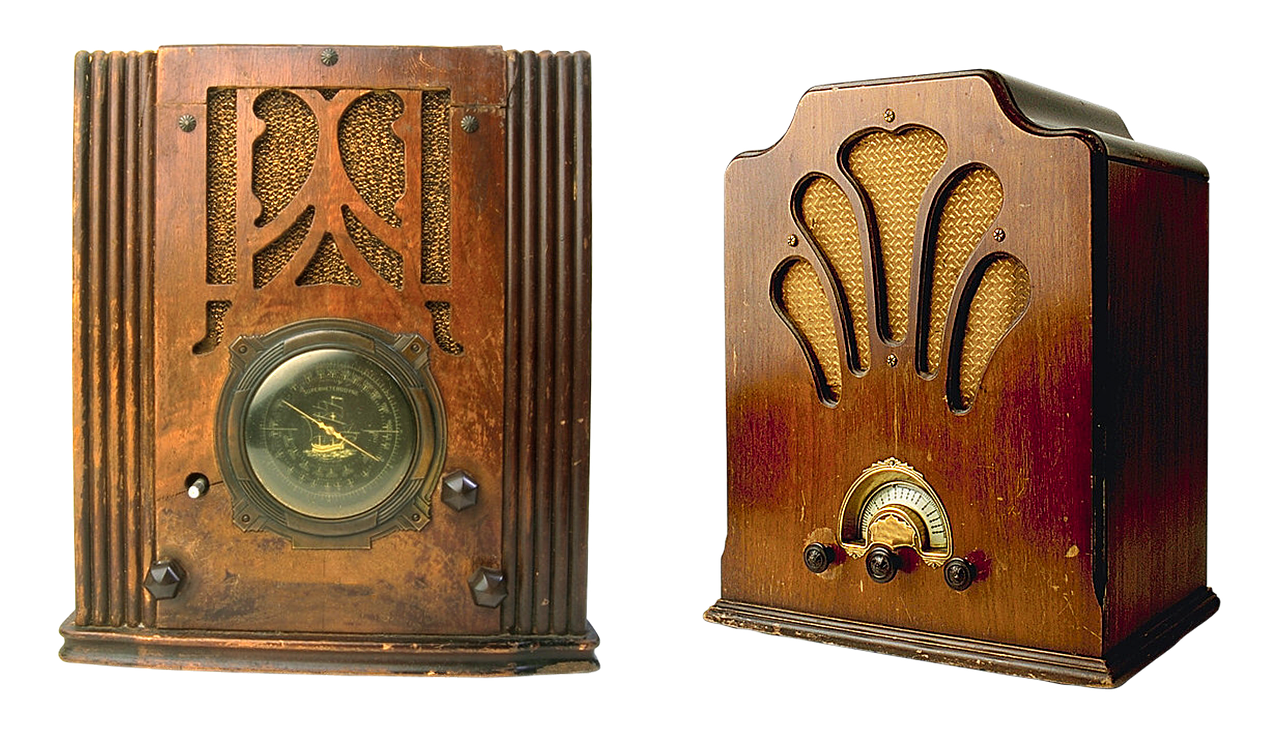
All radios

Not everyone who hears voices is psychotic.
Photo courtesy of Pixabay.com

Did you hear that?

People in our society tend to think that hearing voices means you are crazy. We tell stories about this and we laugh at jokes, sometimes not too nice stories and jokes. It makes some of us feel safer to think that those who hear voices are not like us. We say that, even when we have heard the voices.

The truth is that most people hear voices. Sometimes we count the voices towards a mental illness and sometimes we don’t. The counting makes something a problem and other things, not so much.

The majority of all teenagers hear and have heard voices. One author says as many as 70% of all teens hear voices. Don’t be so quick here.

Have you ever thought you heard someone calling your name, looked over your shoulder, and saw no one there? Did you shrug it off? Did you pretend it didn’t happen? Some people think if they don’t admit they have symptoms then they are all right.

Truth is our brains sometimes try to help us out and sometimes they are wrong when they do it. You hear a sound. You can’t make it out. Your brain turns it into the closest thing to something it recognizes, tells you someone is calling your name. Sometimes it may only be your own thoughts but if you are concentrating on something you forget which is in your head and which is in your ear. Your brain makes up a story to help you out. Sometimes the brain is wrong.

Sometimes we get thoughts in our head. It is like someone is telling us to do this – no don’t. Some people interpret this as an angel on one shoulder and the devil on the other or maybe it was your conscience. For a moment the voices sound real. But when you try to get them to stop can you make them shut up? People with a psychosis like schizophrenia can’t make the voices stop when they try.

Ever see or hear a dead relative come back to talk with you? How about an angel or a religious figure? One rule psychologists follow is if this thing you see or hear is religious in nature or if you are grieving then we tend to disregard that experience. It happens a lot, you should get over it on your own. If not seek help.

If the thing you see or hear is all good and encourages you to do well, we are not so worried here. Unless it bothers you or the voices get too loud for you to think. But if the voice in your head tells you to kill people or break laws, we think this may be a big problem.

Ever been lying in bed and thought you saw or heard something in the room? When you are about to fall asleep or if you are asleep and start to wake up, images, and experiences from your dream world can get dragged into the conscious world. We have special names for this, hypnogogic and hypnopompic hallucinations. We don’t count those experiences as a mental illness either, not most of the time because most normal people have these.

I should also mention that most hallucinations involve hearing things. Most of the time when people see things it is drug or alcohol-induced. People with mental illness usually hear things, at least in the early stages.

We should also mention here that auditory hallucinations caused by mental illness are about the rarest kind of mental illness. There is much more depression and anxiety out there than schizophrenia. Not all people with schizophrenia are paranoid and not all people with paranoia have schizophrenia. Not by a long shot.

So aren’t people with schizophrenia violent and scary. No, not really. People with a mental illness are no more likely to get violent than anyone else. If someone is hearing voices give them some room, don’t crowd them, and for sure call for some professional help.

So don’t people who hear voices scare me? Not half as much as the person who just found out their spouse was cheating on them and now they have brought their gun to work to fix this situation.

There is a great training on what to do if you encounter someone with a mental health crisis. That program is called Mental Health First Aid. Have I mentioned that before? Check my other posts for more info. This was just a quick look at the whole area of hallucinations and mental illness. If you or someone you know has a problem in these areas please seek out professional care.

Staying connected with David Joel Miller

Seven David Joel Miller Books are available now!

My newest book is now available. It was my opportunity to try on a new genre. I’ve been working on this book for several years, but now seem like the right time to publish it.

Story Bureau.

Story Bureau is a thrilling Dystopian Post-Apocalyptic adventure in the Surviving the Apocalypse series.

Baldwin struggles to survive life in a post-apocalyptic world where the government controls everything.

As society collapses and his family gets plunged into poverty, Baldwin takes a job in the capital city, working for a government agency called the Story Bureau. He discovers the Story Bureau is not a benign news outlet but a sinister government plot to manipulate society.

Bumps on the Road of Life. Whether you struggle with anxiety, depression, low motivation, or addiction, you can recover. Bumps on the Road of Life is the story of how people get off track and how to get your life out of the ditch.

Dark Family Secrets: Doris wants to get her life back, but small-town prejudice could shatter her dreams.

Casino Robbery Arthur Mitchell escapes the trauma of watching his girlfriend die. But the killers know he’s a witness and want him dead.

Planned Accidents  The second Arthur Mitchell and Plutus mystery.

Letters from the Dead: The third in the Arthur Mitchell mystery series.

What would you do if you found a letter to a detective describing a crime and you knew the writer and detective were dead, and you could be next?

Sasquatch. Three things about us, you should know. One, we have seen the past. Two, we’re trapped there. Three, I don’t know if we’ll ever get back to our own time.

For these and my upcoming books; please visit my Author Page – David Joel Miller

Want the latest blog posts as they publish? Subscribe to this blog.

For videos, see: Counselorssoapbox YouTube Video Channel

Five Axes Diagnosis Esoterica

By David Joel Miller MS, Licensed Therapist & Licensed Counselor.

Medical record

Diagnosis.
Photo courtesy of Pixabay.com

Five Axes Diagnosis Esoterica.

Update

With the release of the DSM-5 using 5 axes may soon be a thing of the past.

Professionals will be looking for this information or most of it. We just won’t be separating it and reporting it this way. I left this post up for those who would like to see the way things used to be.

So in a previous post, we talked about some of the reasons clinicians might be reluctant to tell you about your diagnosis, how the diagnosis is based on the DSM-4 (soon to be the DSM-5) from the APA and how diagnosis are categories while people are on a continuum so sometimes people do not fit the diagnosis neatly. We left off with the ideas that there are 5 axis and that most people stop after knowing more or less their diagnosis on Axis one.

Axis One.

The DSM has over 400 diagnoses. Not just mental illnesses but all sorts of other problems that might take you in to see a counselor. They include mental illnesses, emotional and behavioral problems. This section covers about 750 pages of the DSM. My list below is VERY oversimplified

The major sections, not in order are things most of us have heard about:

1. Adjustment Disorders – life’s problems grown large.

2. Anxiety.

3. Mood disorders meaning Depression and Bipolar.

4. Psychosis, like Schizophrenia and Schizoaffective.

5. Disorders first seen in childhood – like ADHD, learning disorders, and Autism. (But NOT mental retardation!)

6. Sex, eating, and sleeping.

7. Substance abuse.

8. Dementia, physical stuff caused by emotions.

There is a section in the back where other codes, mostly the “V” codes are listed. “V” codes are largely about relationships like parent-child conflicts and partner conflicts. While counselors work in these areas many insurance plans to not pay to treat these things.

Axis Two.

The things we put on axis two are things that we used to think were untreatable – that is just the way you are stuff. This includes personality disorders and mental retardation, a strange mix. Both issues now have appropriate treatments.

Personality disorders are treated using therapies like DBT. Most women in prison are diagnosed with Borderline Personality Disorder. Sometimes in practice, the boundary between Borderline and Bipolar gets fuzzy.

Most men in prison get a diagnosis of Antisocial Personality Disorder. This is also generally treatable if the client wants to change.

Mental retardation can be treated using behavioral techniques as long as we have realistic expectations. The distinction between mental retardation and developmental delays can get fuzzy. Some people call all of these delays and avoid the politically sensitive issue of saying someone has mental retardation. It is also possible for someone with mental retardation to have an axis one problem like depression.

Axis Three

Did you know that medical conditions can cause symptoms that look like a mental illness? All good therapists like to have clients see a primary care doctor, specialists if needed, to make sure this the problem is not a brain tumor or hormone issue. Things like pregnancy, brain injury and poisoning all get confused with mental illness. In seniors, a lot of this dementia and cognitive decline is the result of the side effects of medications the senior is taking. Please, however, do not start or stop meds without talking with your doctor first. Ideally, your doctor and your therapist should be talking and on the same page if you have any medical conditions that may affect your mental state.

Axis Four – Psychosocial and environmental problems

Stressors for short. Not having friends or a family or having a poor relationship with them can cause lots of emotional problems. We also include people with social and educational problems. Being arrested or a victim of crime might get you an Axis Four diagnosis, as would not having medical care or living in poverty. We don’t always talk with clients about these issues as much as we should but these issues are at the core of client’s problems a lot of the time. Note that no matter how severe your unemployment problems are if you can’t qualify for an Axis One diagnosis like Depression you may have difficulty getting counseling for your employment or other problem.

If stressors are interacting with your mental health you might want to see a professional or clinician counselor who specializes in individual therapy centered on both these areas. In California, we call this specialty Licensed Professional Clinical Counselors (LPCC’s.)

Axis Five.

This is a summary scale. Imagine how hard it is, to sum up, a client’s whole life on a 0-100 scale. Imagine getting a pass-fail grade on your life. Imagine trying to grade someone’s life. Lots of other scales have been suggested for this. Insurance types like it because if your GAF number goes up it shows the therapy is working. This makes them happier about paying. Mostly we use this in making decisions about hospitalization or urgent care.

I don’t ever remember telling a client their GAF because it does not much matter unless there is something that needs doing right now and in that case, I want to talk about what it is we need to do now.

So there we have it in two brief posts a very simplified look at the process of diagnoses.

Staying connected with David Joel Miller

Seven David Joel Miller Books are available now!

My newest book is now available. It was my opportunity to try on a new genre. I’ve been working on this book for several years, but now seem like the right time to publish it.

Story Bureau.

Story Bureau is a thrilling Dystopian Post-Apocalyptic adventure in the Surviving the Apocalypse series.

Baldwin struggles to survive life in a post-apocalyptic world where the government controls everything.

As society collapses and his family gets plunged into poverty, Baldwin takes a job in the capital city, working for a government agency called the Story Bureau. He discovers the Story Bureau is not a benign news outlet but a sinister government plot to manipulate society.

Bumps on the Road of Life. Whether you struggle with anxiety, depression, low motivation, or addiction, you can recover. Bumps on the Road of Life is the story of how people get off track and how to get your life out of the ditch.

Dark Family Secrets: Doris wants to get her life back, but small-town prejudice could shatter her dreams.

Casino Robbery Arthur Mitchell escapes the trauma of watching his girlfriend die. But the killers know he’s a witness and want him dead.

Planned Accidents  The second Arthur Mitchell and Plutus mystery.

Letters from the Dead: The third in the Arthur Mitchell mystery series.

What would you do if you found a letter to a detective describing a crime and you knew the writer and detective were dead, and you could be next?

Sasquatch. Three things about us, you should know. One, we have seen the past. Two, we’re trapped there. Three, I don’t know if we’ll ever get back to our own time.

For these and my upcoming books; please visit my Author Page – David Joel Miller

Want the latest blog posts as they publish? Subscribe to this blog.

For videos, see: Counselorssoapbox YouTube Video Channel

What is wrong with me?

By David Joel Miller, MS, Licensed Therapist & Licensed Counselor.

What is wrong with me?
Photo courtesy of Pixabay.com

Ever wonder what is wrong with you?

Lots of clients ask me that question. Occasionally they want to know their diagnoses. Most of the time they are asking a whole lot more.

Discussing a diagnosis with a client is a controversial thing. Some clinicians feel that a diagnosis is a label and the client is a whole lot more than their label. What a client needs right now may have very little to do with their long-term diagnosis. Someone who has the symptoms of schizophrenia may come to see the counselor because they can’t get along with their spouse. The schizophrenia may make the situation more complicated but what they need right now is relationship counseling just like any other person. I see the point of avoiding labels but don’t always agree about withholding the diagnosis.

Other people tell me that knowing their diagnosis is empowering. If you can put a name on your problem and you know there are treatments for this problem, then you have some hope of recovery. If the professionals can’t tell you what is wrong you may start to think there is no hope for you. Alcoholics Anonymous encourages its members to admit they are alcoholics. If you know that you have this disease then you know what or do. Don’t drink! But if you think you have a “lack of control” or poor willpower you can keep on trying to control your drinking while racking up more DUI’s.

I take the approach that if the client asks me what the diagnosis is then I owe them an answer and an explanation. Personally, I don’t think “Why is it important for you to know that?” is an answer. It annoys me when clinicians do that. Lots of clients tell me it annoys them when their counselor says things like that. So how do therapists come up with these diagnoses that end up in the client’s charts?

A warning here. Diagnosis is not a do it yourself program. What I am saying here is meant as general information, not a personal assessment. That said, if you have questions ask your provider. If you don’t like the answer ask for a second opinion.

Some basics first. The way in which mental illness is diagnosed keeps changing as research and our understanding changes. There are also some gray areas in which the clinician needs to make a judgment call.

Diagnosis of mental illness is most often made by using a book called the DSM-4-TR. This stands for the “Diagnostic and Statistical Manual of Mental Disorders, fourth edition, text revision. The DSM-5 is due out soon but so far there is lots of disagreement about the changes that may be made. This book is published by the American Psychiatric Association (NOT the American Psychological Association type APA) so while we all have to go by their book, the psychiatrists get to write the book.

There are a lot of complicated rules about who gets to hand out Diagnoses and whether or not they need to be cosigned by a Psychiatrist. I won’t try to explain all that just now.

Therapists and counselors have to take at least one master’s level class, sometimes two in using the DSM and they get thousands of hours of supervised training while pursuing their license. You would think that would take all the guess-work out of diagnoses – it doesn’t. Let me explain why.

Diagnoses are categories. The client gets a named diagnosis like Depression. People don’t always come in nice discrete categories. Everyone gets sad or depressed sometimes. When is it severe enough that we say you have depression, not just normal sadness? We have 32 different shades of mood disorders (296.xx’s) plus specifiers for each and say 6 or more other flavors tucked away in other places. (Cyclothymic, Dysthymic, Adjustment Disorder with Depressed Mood etc.)  See why your psychiatrist might have a headache even before you get to their office? See why we might each have a few “favorite diagnosis” that we use more than others? But the problem doesn’t end there.

Let’s take one diagnosis category – Major Depressive Disorder.  To hand this one out the client must meet criteria A, B, C, D, and E. AND under criteria A there are 9 “Notes.” The client needs to have note one or two and at least four other of the noted characteristics. So we interview you and you sort of have note one but not note two. Then we see you have the three of the others, but we are just not sure if you have the fourth one or not. Now we have a problem.

If we say no to either of the maybe’s you are out. You do not have depression. But if we say yes to the two questionable calls you are in – you get the diagnosis. This makes me want to scream.

In research studies, they use “strict” criteria. Any doubt and they do not give out the diagnosis. In practice, if you come close and we think you need help and that you might get worse, then you are in. If you are suicidal, does it matter how many times a week you are able to feel pleasure or how much you sleep?

We should be done now but we are not. Not by a long shot. There is a hierarchy of diagnosis. Sometimes one diagnosis trumps another, sometimes not.  You can have depression and anxiety but not depression and Bipolar disorder.

Stop screaming.

Lots of people come in and tell me they have been diagnosed with Depression, Manic Depression, and Bipolar. I nod my head yes and let it go.

Bipolar is the new name for manic depression, the same thing, new name, mostly to confuse us. Bipolar may not be any better a name than manic depression. Both make it sound like you are either manic or depressed. Kay Redfield Jamison says, and I very much agree, that it is possible to have both at once, we call this mixed states. Some psychiatrists want to take it out of the next DSM. I think it needs to stay, but who am I to argue.

Why can’t you have depression and Bipolar? Because the description of bipolar includes having one manic or hypomanic episode! Most people start out diagnosed with depression but once you have even one teensy weensy bit of hypomanic episode we change the diagnosis to Bipolar.

I want to thank DeeDee whose post suggested the idea for this post. Her post on the GAF got me started about how we keep the diagnosis a secret. It is now clear I will not get this all into one post. So watch for a future post in which we tackle the mysteries of five-axis diagnosis and other esoterica.

Staying connected with David Joel Miller

Seven David Joel Miller Books are available now!

My newest book is now available. It was my opportunity to try on a new genre. I’ve been working on this book for several years, but now seem like the right time to publish it.

Story Bureau.

Story Bureau is a thrilling Dystopian Post-Apocalyptic adventure in the Surviving the Apocalypse series.

Baldwin struggles to survive life in a post-apocalyptic world where the government controls everything.

As society collapses and his family gets plunged into poverty, Baldwin takes a job in the capital city, working for a government agency called the Story Bureau. He discovers the Story Bureau is not a benign news outlet but a sinister government plot to manipulate society.

Bumps on the Road of Life. Whether you struggle with anxiety, depression, low motivation, or addiction, you can recover. Bumps on the Road of Life is the story of how people get off track and how to get your life out of the ditch.

Dark Family Secrets: Doris wants to get her life back, but small-town prejudice could shatter her dreams.

Casino Robbery Arthur Mitchell escapes the trauma of watching his girlfriend die. But the killers know he’s a witness and want him dead.

Planned Accidents  The second Arthur Mitchell and Plutus mystery.

Letters from the Dead: The third in the Arthur Mitchell mystery series.

What would you do if you found a letter to a detective describing a crime and you knew the writer and detective were dead, and you could be next?

Sasquatch. Three things about us, you should know. One, we have seen the past. Two, we’re trapped there. Three, I don’t know if we’ll ever get back to our own time.

For these and my upcoming books; please visit my Author Page – David Joel Miller

Want the latest blog posts as they publish? Subscribe to this blog.

For videos, see: Counselorssoapbox YouTube Video Channel

New Counseling Website

New Counseling and Therapy Website

Update.

After trying this for a while, I discovered I didn’t have the time to write two blogs. I am still teaching and writing books, as well as producing a few videos for my YouTube channel. I do still see a few clients for counseling but these days this is all done by distance counseling methods. 

The new website for my counseling practice launched yesterday. Honest. This is no Joke. That I got this up and running is truly amazing, me, that old guy, who used to think that a “computer” was that guy in accounting, has my own therapist website. Mostly it is about information for my clients in private practice here in Fresno California. There is a page of “Frequently Asked Questions” about counseling and therapy that some of you may want to look at. Shortly there will also be a page of suggested resources. So check it out and let me know what you think.

I would never have gotten it done had it not been for the experience of using WordPress to do this blog. Don’t panic though. The counselorssoapbox.com blog will continue also. That’s it then.