Health Improvement programs – what works what doesn’t

By David Joel Miller, MS, Licensed Therapist & Licensed Counselor.

Full ashtray

Smoking cigarettes.
Photo courtesy of Pixabay.com

Have you seen any shortage of weight loss programs?

Not from what I can see. Weight loss especially quick weight loss and get in shape fast programs are everywhere. In the vast literature of “self-improvement,” weight loss and fitness is king. Some programs work, at least a little. Many do not, especially in the long run.

SAMHSA recently looked at health improvement programs targeted towards the mentally ill. It is especially difficult for people on psychiatric meds to maintain or reduce their weight. Fitness is a goal that eludes many mentally ill. Psychiatric meds pack on the pounds or demolish the appetite and result in severe weight loss. There seems to be no middle ground.

So what worked and what did not?

Short-term improvement programs did not work!

The longer the program the better! We have all heard about quick weight loss programs. A very few really do take some weight off quickly in time for that reunion. The problem with quick weight loss programs is that the weight comes right back on a, d usually brings some of its friends. The net result – you weigh more after the crash diet than before.

For long-term permanent weight loss, even weight management to stabilize weight, six months was a minimum time. The longer the length of time in the program the more effective it was.

Wellness education by itself did not work!

Reading books and taking classes do not work unless coupled with a set of activates that produce the desired results. Having a guide or a partner who does the activities with you is much more effective than listening to a teacher tell you how to do something healthy and then having to do the activity on your own.

Diet alone rarely works.

Programs that include diet or improved nutrition were only effective when they also included an increase in activities. Conversely, an increase in activity is often offset when the increase in appetite which makes you hungry and you eat more. It takes both an increase in activity and a reduction in food intact to result in significant weight loss.

Interestingly though, people who increased their activity and exercised more had improved health even when they did not diet and lost no weight.

Conclusions about health improvement programs for the mentally ill.

While these are important ideas for everyone, they are especially important to those with mental illnesses. More than 42% of adults with serious mental illness are obese. Over 80 % of those with schizophrenia do not physically exercise despite the fact the anti-psychotics are notorious for causing weight gain. Research suggests that as little as a 5% weight loss improves health.

It is important to reiterate that more than half of all the cigarettes smoked in America are consumed by someone with a mental health or substance abuse disorder. There has been some research that suggests that nicotine is soothing to those with emotional problems. Anyone who has worked in the mental health field learns to identify the person with psychosis by the scent of tobacco even before they see the client. People with psychosis often are two and three packs per day smokers. Even if nicotine may have an effect on some of the brain’s receptors and make people with psychosis feel better I remain concerned about the poisonous effects of nicotine. Additionally, anything on fire is likely to cause damage to the body when sucked into the lungs.

A healthy lifestyle for someone with a mental illness should include not just weight loss but an improved activity level and other lifestyle changes that result in a healthier life. Those changes are more likely to be effective when the health improvement program includes others as active participants, continues over a long time frame, and involves exercise, diet, and improved lifestyle choices.

Staying connected with David Joel Miller

Seven David Joel Miller Books are available now!

My newest book is now available. It was my opportunity to try on a new genre. I’ve been working on this book for several years, but now seem like the right time to publish it.

Story Bureau.

Story Bureau is a thrilling Dystopian Post-Apocalyptic adventure in the Surviving the Apocalypse series.

Baldwin struggles to survive life in a post-apocalyptic world where the government controls everything.

As society collapses and his family gets plunged into poverty, Baldwin takes a job in the capital city, working for a government agency called the Story Bureau. He discovers the Story Bureau is not a benign news outlet but a sinister government plot to manipulate society.

Bumps on the Road of Life. Whether you struggle with anxiety, depression, low motivation, or addiction, you can recover. Bumps on the Road of Life is the story of how people get off track and how to get your life out of the ditch.

Dark Family Secrets: Doris wants to get her life back, but small-town prejudice could shatter her dreams.

Casino Robbery Arthur Mitchell escapes the trauma of watching his girlfriend die. But the killers know he’s a witness and want him dead.

Planned Accidents  The second Arthur Mitchell and Plutus mystery.

Letters from the Dead: The third in the Arthur Mitchell mystery series.

What would you do if you found a letter to a detective describing a crime and you knew the writer and detective were dead, and you could be next?

Sasquatch. Three things about us, you should know. One, we have seen the past. Two, we’re trapped there. Three, I don’t know if we’ll ever get back to our own time.

For these and my upcoming books; please visit my Author Page – David Joel Miller

Want the latest blog posts as they publish? Subscribe to this blog.

For videos, see: Counselorssoapbox YouTube Video Channel

Trauma Steals Your Sleep

By David Joel Miller, MS, Licensed Therapist & Licensed Counselor.

sleep

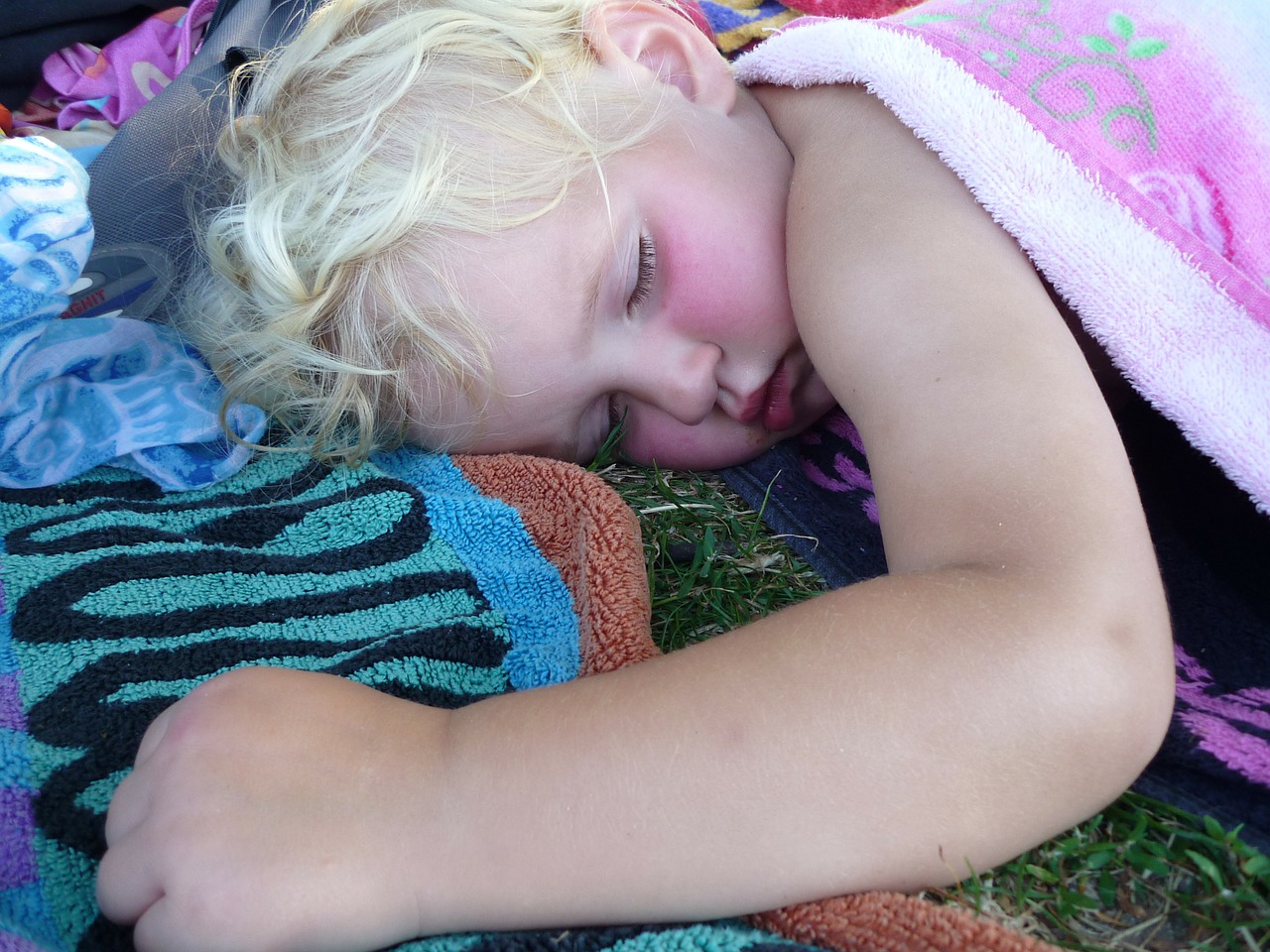
Child sleeping.
Photo courtesy of Pixabay.com

Trauma alters your sleep.

Trauma, especially the kind that produces Post Traumatic Stress Disorder (PTSD) alters the brain in a host of ways. One major result of trauma is a change in sleep patterns. Those changes in sleep result in a host of other mental and behavioral changes. Children who are abused or neglected or witness a traumatic event have problems sleeping. Rates of sleep disorders in abused children and adults with PTSD range from 50% to 90%. The majority of all people who experience trauma have a sleep disruption that causes other mental health problems.

While the trauma and the resulting change in sleep often go unreported, other changes in behavior get noticed. These issues frequently follow child victims of trauma into adulthood. Adult victims of trauma have the same types of outcomes and they or others may think they are just acting childish. There are reasons the brain changes and things that can be done about those changes.

Not everyone who witnesses a traumatic event develops PTSD- we know that. There is a whole area of study on the topic of resilience and why some people can bounce back and others become “traumatized.” Even people with very high resilience can develop PTSD if they experience enough trauma often enough. Children who are abused, molested, or neglected are at high risk, so are women who are abused and anyone witnessing the horrors of modern warfare often enough is likely to develop PTSD.

One result of exposure to trauma is an increase in attention to things that look like the cause of the trauma. We call this hypervigilance and many times it is a good thing.

Say you walk into the street and are hit by a car. In the future, you will be much more careful. If it happens to you as a child you may grow up to be afraid to cross streets. You may even become fearful when your children need to walk to school and feel the need to go with them to keep them safe.

A woman who is beaten and raped by some men wearing a particular color of clothing, something gang-related or a sports team’s logo, will be very careful when she sees that style of clothing again. This may keep her safe if she avoids dangerous situations. But sometimes the increased vigilance becomes a problem.

When someone becomes afraid to leave the house or to go where there are crowds because that feared person can’t be seen? What if they become afraid of all people? What if a dangerous person changes their clothing and they do not get recognized because that woman is looking out for only one clothing style? The vigilance is now turned up too high and focused on too little.

A child who is punished for a poor score on a test may try harder the next time. But if the punishment is excessive – if it turns to abuse – that child may do anything to avoid taking a test – for the rest of their life!

How does this excess vigilance, which started out to protect the person begin to rob them of sleep and undermine their mental health?

The human body and brain move through a series of sleep stages during the night. Some stages are deep and some are shallow. Most people reach a shallow stage and then fall back asleep. Not someone with PTSD.

Children with PTSD as a result of abuse have difficulty falling asleep. Their sleep is shallower all through the night because of the hypervigilance. They wake up many times during the night. When they wake up they become fearful. Is something dangerous about to happen? Was there a sound that woke them up?

Children with disrupted sleep as a result of past trauma are more likely to wet the bed. They are also more likely to get up and check the house to see if they are safe. They may sleepwalk. They may have sudden awakenings as a result of the smallest of noise and it may be hard to get to sleep again after the awakenings. They often have nightmares and sometimes night terrors when they awaken suddenly screaming in fear.

Now a lack of sleep at night makes the person with PTSD very tired the next day. They often get diagnosed with ADHD or Bipolar disorder. I question sometimes, with the clients I see, if a large amount of trauma they experienced in childhood did not cause the brain to grow and connections to form that resulted in the Bipolar condition. Since there is a genetic component to many mental illnesses, and children who have a genetic risk factor may also have parents who have a mental illness. This is not an argument for taking more children away from parents. What I am suggesting is that we need more early intervention. Kids who grow up with PTSD may have trouble being appropriate parents and the problem gets passed on before it is recognized.

During the REM sleep stage, memories are moved from short-term memory to long-term memory. Poor sleep can result in things that were learned one day being forgotten when the person gets up the next morning. Lack of sleep can also result in conditions that look like psychosis.  Staying awake too long by choice or from PTSD results in the brain making things up. Before long you can have problems telling if something is real or if you are dreaming it up. You may walk around all day more than half asleep.

People who are traumatized, with or without PTSD, and who have a sleep disruption, as a result, are much more likely to abuse alcohol or drugs. In many drug treatment programs, clients who report trauma in the past exceed 50%, sometimes the rate approaches 100%.

When the thoughts of the past keep you awake at night it appears to make sense to take something to help you sleep. Many people turn to alcohol which does not make things better, it makes them worse.

As a person drinks more the body develops a tolerance to the alcohol. It takes more and more alcohol to knock the drinker out. Being unconscious is not the same thing as sleeping. This is one reason a person who drinks and passes out is so tired the next morning.

So there you have it. Trauma especially in large doses, the PTSD kind, results in poor sleep. The poor sleep results in lots of symptoms that look like other problems. The treatment of choice here is to work with someone who specializes in treating the Trauma or PTSD and at the same time make getting lots of good sleep a priority.

Staying connected with David Joel Miller

Seven David Joel Miller Books are available now!

My newest book is now available. It was my opportunity to try on a new genre. I’ve been working on this book for several years, but now seem like the right time to publish it.

Story Bureau.

Story Bureau is a thrilling Dystopian Post-Apocalyptic adventure in the Surviving the Apocalypse series.

Baldwin struggles to survive life in a post-apocalyptic world where the government controls everything.

As society collapses and his family gets plunged into poverty, Baldwin takes a job in the capital city, working for a government agency called the Story Bureau. He discovers the Story Bureau is not a benign news outlet but a sinister government plot to manipulate society.

Bumps on the Road of Life. Whether you struggle with anxiety, depression, low motivation, or addiction, you can recover. Bumps on the Road of Life is the story of how people get off track and how to get your life out of the ditch.

Dark Family Secrets: Doris wants to get her life back, but small-town prejudice could shatter her dreams.

Casino Robbery Arthur Mitchell escapes the trauma of watching his girlfriend die. But the killers know he’s a witness and want him dead.

Planned Accidents  The second Arthur Mitchell and Plutus mystery.

Letters from the Dead: The third in the Arthur Mitchell mystery series.

What would you do if you found a letter to a detective describing a crime and you knew the writer and detective were dead, and you could be next?

Sasquatch. Three things about us, you should know. One, we have seen the past. Two, we’re trapped there. Three, I don’t know if we’ll ever get back to our own time.

For these and my upcoming books; please visit my Author Page – David Joel Miller

Want the latest blog posts as they publish? Subscribe to this blog.

For videos, see: Counselorssoapbox YouTube Video Channel