
Things that will make you anxious.

By David Joel Miller, MS, Licensed Therapist & Licensed Counselor.

Anxiety provoking.

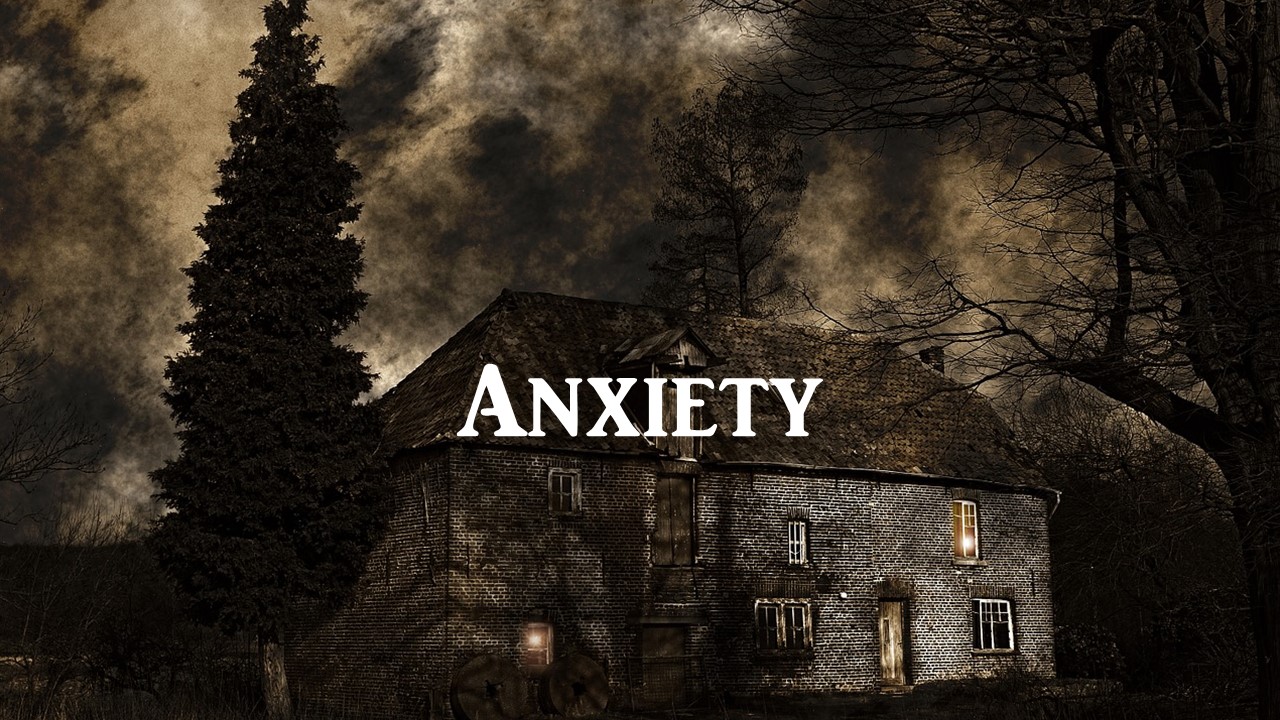
Anxiety.
Photo courtesy of Pixabay.com

How many of these things make you anxious?

If you are high in anxiety and your life is full of stress, some of the things you have surrounding you may be adding to the tension and pressure you are struggling with. Take an inventory of these worry-producing factors and see which ones are part of your life. Consider cutting back on or eliminating things that are fueling your anxiety and stress and see if your life does not become far more pleasant.

Unsupportive relationships increase anxiety.

Having people in your life who like, respect, and support you as a person and friend can be protective when it comes to anxiety and stress. Having to spend a lot of time around those who are uncooperative wears you out and leads to that stressed-out feeling. Consider taking a look at your relationships and decide which ones add to your well-being and which ones need to be curtailed.

Judgmental people surrounding you increase anxiety.

People who are constantly judging you rather than accepting you are guaranteed to increase your anxiety. If you keep getting the message that you do not measure up to others standards, take a look at yourself. Improve what you can and distance yourself from those you will never be able to please no matter what.

Having to constantly be on guard to do and say just the right thing is exhausting. Having people in your life who can accept the real you lets you relax and recharge.

Not getting enough sleep results in anxious days and stressed out nights.

Do not start thinking that sleep is time wasted. Those hours asleep each night help your brain clear the mental wreckage from the day before. Your brain burns a lot of calories each day and that mental exercise creates waste. You need some sleep for the brain to repair.

Chronically sleep-deprived people become grouchy, have difficulty thinking, getting along with others, and begin to make mistakes. When thinking is hard you can easily become overwhelmed and anxious. Increase your sleep to reduce your anxiety and fears.

Your diet is emotionally burning you out.

Poor diet results in trying to run your body on less than adequate fuel. Make sure you get enough to eat. Look to improve your diet in small ways. You do not need to become a healthy diet fascist to learn to eat better.

A healthy balanced diet needs to include plenty of water and less in the way of sugar. Look for ways to make small sustainable changes that help you have the energy to cope with life. When you feel healthy you can better cope with stress.

If exercise has become a spectator sport anxiety increases.

Make sure your body is capable of responding when the challenge comes. Get up and move around. Sever that connection between fear and moving. Dance, walk, play to keep the body used to beneficial movement. Not being fit increases the stress when you do have to move for a reason.

Forgetting to breathe expands anxiety.

When the body is deprived of oxygen it sends out distress messages. Most people only breathe deeply when they are already in a panic. Learn to control your breathing rather than letting anxiety take your breath to unknown places.

Having a job, not a life purpose stresses you out.

If you do your work with a purpose it rewards you twice, once when you enjoy what you do and again when they pay you for having done what gives you pleasure. People who have to endure the workday become progressively more worn out.

Seek out work that gives your life meaning. Look for something you can feel proud you do. Make your daily occupation a means to an end not the end of your existence.

Living to meet other’s expectations increases anxiety.

If you are mostly motivated by trying to please others you will find it difficult to please yourself. Do each daily task as if you were the boss and do it well enough that you would be happy with an employee that worked this hard.

Being on the lookout for what could go wrong magnifies anxiety.

Do you spend most of your day looking for what might go wrong? If you are on the constant lookout for problems you will find them. In that process, you may miss the possible solutions and the happy moments between the problems.

All you do is work, too many miles without downtime adds to anxiety.

If life becomes a grind then it will grind you down. Some people love what they do and it energizes them but other people work to exhaustion and spend their off time worrying about work and teetering on collapse.

You spend more time in the past and the future than in now.

The more time you spend visiting the past and the future the more anxious or depressed you may become. People who anticipate the future with dread, looking for what might go wrong, grow more anxiety than accomplishments.

Ruminating about things, not let things go increases anxiety.

Rumination is that habit humans have of just not being ready to let anything go. You worry you obsess and then you worry some more. If most of your thoughts are about things that need worry, your life has been taken over by the anxiety monster and you are doing his bidding.

Taking things way too seriously grows anxiety.

Is everything in your life deadly serious? Do you need to be right about everything? Then you have lost your perspective and are ripe to be absorbed in your anxiety. In terms of humans history, not much that happens in most of our lives will matter next week let alone next year. But your effort into the things that will really matter.

For more on this topic see:      Anxiety

Staying connected with David Joel Miller

Seven David Joel Miller Books are available now!

My newest book is now available. It was my opportunity to try on a new genre. I’ve been working on this book for several years, but now seem like the right time to publish it.

Story Bureau.

Story Bureau is a thrilling Dystopian Post-Apocalyptic adventure in the Surviving the Apocalypse series.

Baldwin struggles to survive life in a post-apocalyptic world where the government controls everything.

As society collapses and his family gets plunged into poverty, Baldwin takes a job in the capital city, working for a government agency called the Story Bureau. He discovers the Story Bureau is not a benign news outlet but a sinister government plot to manipulate society.

Bumps on the Road of Life. Whether you struggle with anxiety, depression, low motivation, or addiction, you can recover. Bumps on the Road of Life is the story of how people get off track and how to get your life out of the ditch.

Dark Family Secrets: Doris wants to get her life back, but small-town prejudice could shatter her dreams.

Casino Robbery Arthur Mitchell escapes the trauma of watching his girlfriend die. But the killers know he’s a witness and want him dead.

Planned Accidents  The second Arthur Mitchell and Plutus mystery.

Letters from the Dead: The third in the Arthur Mitchell mystery series.

What would you do if you found a letter to a detective describing a crime and you knew the writer and detective were dead, and you could be next?

Sasquatch. Three things about us, you should know. One, we have seen the past. Two, we’re trapped there. Three, I don’t know if we’ll ever get back to our own time.

For these and my upcoming books; please visit my Author Page – David Joel Miller

Want the latest blog posts as they publish? Subscribe to this blog.

For videos, see: Counselorssoapbox YouTube Video Channel

Persistent Depressive Disorder – PDD (F34.1)

By David Joel Miller, MS, Licensed Therapist & Licensed Counselor.

What is

What is Persistent Depressive Disorder?
Photo courtesy of pixabay.

What if you don’t ever remember being happy?

Persistent Depressive Disorder – PDD (F34.1) is new to the DSM-5. The DSM is the book professionals use to identify mental illnesses. This diagnosis is the result of merging Dysthymia and another group of symptoms which was being researched as Chronic Major Depression. Some other variations on the depressive theme were being called Minor Depressive Disorder, which did not get recognized as such but kind of fits here.

While we may label these conditions as chronic or minor, there is nothing minor about them if you are someone who has this condition?

The defining characteristic of Persistent Depressive Disorder – PDD, is a pervasive sadness that just won’t go away. People who have this condition are always sad or unhappy. They may describe themselves as “always down” or having the blues. While this can cause a lot of impairment, people who have PDD come to think of their chronic sadness as “Just the way I am.”

It is estimated that about two percent of the U. S. population has PDD. Many people with PDD also experience a substance use disorder. There is also an overlap between PDD and Cluster B and Cluster C personality disorders, both of which, to my way of thinking, may have their roots in negative childhood experiences.

Persistent Depressive Disorder (PDD) is more disabling than Major Depressive Disorder.

PDD has been identified on brain scans and seems to affect at least four separate brain regions. PDD is long-lasting, at least two years, often more. During this time someone with PDD may also experience an episode of Major Depressive Disorder. While the major depressive episode may come and go the PDD often remains relatively constant. Because of this constant feature, people with PDD may not be able to ever feel really happy and their functioning, day-to-day, is more impacted than those with Major Depressive Disorder only.

Persistent Depressive Disorder (PDD) is chameleon-like.

Chronic unending depression has a lot of variations. This disorder can exhibit itself a great many ways. As a result, there are eighteen separate specifiers that can and should be added after the F43.1 These specifiers are not exclusive, so one person may also get several specifiers added to the Persistent Depressive Disorder (PDD) diagnosis.

Specifiers include with:

Anxious distress – anxiety commonly co-occurs with depression.

Mixed features

Melancholy features

Atypical features

Mood-congruent psychotic features

Mood-incongruent psychotic features

Peripartum features

In partial remission

In full remission

Early onset – before 21

Late onset – at or after age 21

Pure dysthymia syndrome

Persistent major depressive episode

Intermittent major depressive episode, currently with MDD

Intermittent major depressive episode, currently without MDD

Mild

Moderate

Severe

The symptoms of Persistent Depressive Disorder.

To qualify for PDD a person should have the following symptoms:

  1. Felt depressed or down, or had others see them this way, most of the day, most days, over a two-year period.
  2. Had at least two of the following six symptoms. These symptoms should be caused by emotions not by dieting or working long hours, etc.
  3. Change in appetite either up or down.
  4. Changes in sleep either too much or too little.
  5. Felt low in energy or fatigued a lot.
  6. Low self-esteem.
  7. Difficulty deciding things or poor concentration.
  8. Hopeless.
  9. Most of the usual exclusions. This has to be causing problems with work, school, relationships, should interfere with important activities or upset the client. It should not overlap Bipolar Disorder or Psychotic Disorder but may overlap Major Depressive Disorder. These symptoms should not be the result of medical or substance use issues.
  10. These symptoms have been constant and not gone away for two months or more over the required two-year period.

Be careful with the PDD label.

Calling Persistent Depressive Disorder by the label PDD could be problematic. In the past, we had another PDD – Pervasive Developmental Delay which is now recognized as a part of the Autism Spectrum. Persistent Depressive Disorder – PDD is about depression and has nothing to do with Autism. Be careful in reading articles that if they use the label PDD you know which of these two they are talking about. From here on I will call Persistent Depressive Disorder – PDD.

As with the other things we are calling a mental illness this needs to interfere with your ability to work or go to school, your relationships, your enjoyable activities, or cause you personal distress. Otherwise, you may have the issues but you will not get the diagnoses if this is a personal characteristic, not a problem. If the only time this happens is when you are under the influence of drugs or medicines or because of some other physical or medical problem these symptoms need to be more than your situation would warrant. These other issues may need treating first, then if you still have symptoms you could get this diagnosis.

FYI These “What is” sometimes “What are” posts are my efforts to explain terms commonly used in Mental Health, Clinical Counseling, Substance Use Disorder Counseling, Psychology, Life Coaching, and related disciplines in a plain language way. Many are based on the new DSM-5; some of the older posts were based on the DSM-IV-TR, both published by the APA. For the more technical versions please consult the DSM or other appropriate references.

More “What is” posts will be found at “What is.”  and Depression  

Staying connected with David Joel Miller

Seven David Joel Miller Books are available now!

My newest book is now available. It was my opportunity to try on a new genre. I’ve been working on this book for several years, but now seem like the right time to publish it.

Story Bureau.

Story Bureau is a thrilling Dystopian Post-Apocalyptic adventure in the Surviving the Apocalypse series.

Baldwin struggles to survive life in a post-apocalyptic world where the government controls everything.

As society collapses and his family gets plunged into poverty, Baldwin takes a job in the capital city, working for a government agency called the Story Bureau. He discovers the Story Bureau is not a benign news outlet but a sinister government plot to manipulate society.

Bumps on the Road of Life. Whether you struggle with anxiety, depression, low motivation, or addiction, you can recover. Bumps on the Road of Life is the story of how people get off track and how to get your life out of the ditch.

Dark Family Secrets: Doris wants to get her life back, but small-town prejudice could shatter her dreams.

Casino Robbery Arthur Mitchell escapes the trauma of watching his girlfriend die. But the killers know he’s a witness and want him dead.

Planned Accidents  The second Arthur Mitchell and Plutus mystery.

Letters from the Dead: The third in the Arthur Mitchell mystery series.

What would you do if you found a letter to a detective describing a crime and you knew the writer and detective were dead, and you could be next?

Sasquatch. Three things about us, you should know. One, we have seen the past. Two, we’re trapped there. Three, I don’t know if we’ll ever get back to our own time.

For these and my upcoming books; please visit my Author Page – David Joel Miller

Want the latest blog posts as they publish? Subscribe to this blog.

For videos, see: Counselorssoapbox YouTube Video Channel
What is Disruptive Mood Dysregulation Disorder?

By David Joel Miller, MS, Licensed Therapist & Licensed Counselor.

What is Disruptive Mood Dysregulation Disorder?
Photo courtesy of Pixabay.com

Maybe that child does not have Bipolar Disorder?

Disruptive Mood Dysregulation Disorder F34.8 was added to the new DSM-5 (Diagnostic and Statistical Manual of Mental Disorders) partially because way too many children were getting diagnoses of Bipolar Disorder. Most of these children grew up and never had an episode of mania or hypomania, the one thing that is required for a Bipolar Diagnosis.

The research supports the idea that a particular type of childhood depression was not getting the treatment it deserved. As a result, a lot of children were getting diagnoses they should not have had. Bipolar is only one of these possible incorrect diagnoses.

Some of the prominent symptoms of Disruptive Mood Dysregulation Disorder (DMDD) are temper tantrums and chronic irritability. These symptoms are quite different from the pressured uncontrollable behavior seen in Bipolar. DMDD has also been misdiagnosed as several other psychiatric disorders in the past.

One reason this has been getting noticed is that children who have a particular group of symptoms now recognized as DMDD rarely grow up to have Bipolar Disorder or behavioral disorders. What they develop as they grow are significant levels of depression and anxiety.

Disruptive Mood Dysregulation Disorder (DMDD) is similar to depression.

DMDD shares some characteristics with other forms of Depression. In both DMDD and the other depressions, there are mood issues, sadness, feeling empty, or being chronically irritable. These mood issues result in changes to the body, physical symptoms, as well as changes in thinking and behavior. The result is that the person with DMDD or depression can’t function well even when they want to. DMDD is now found in the DSM chapter on depression. For many with adult depression, their issues all started in childhood with DMDD.

What are the symptoms of Disruptive Mood Dysregulation Disorder (DMDD?)

Disruptive Mood Dysregulation Disorder (DMDD) results in temper tantrums.

Children with Disruptive Mood Dysregulation can’t respond to frustration appropriately. The result of this lack of frustration tolerance is frequent temper tantrums or outbursts. These outbursts may be expressed verbally, or behaviorally. The defining characteristic of these temper outbursts is that they are excessive for the child’s developmental stage.

Even when this child is not having temper tantrums they are almost always in an angry or irritable mood. This angry irritable mood should be something that others can readily see by observing the child.

Age of onset of Disruptive Mood Dysregulation Disorder (DMDD.)

DMDD is only diagnosed if the symptoms first appear between the age of 6 and 18. The expectation is that the symptoms of depression seen with DMDD are inconsistent with the person’s developmental level. This is an issue of not being able to regulate your emotions.

Before age six we expect young or school-age children to have difficulty regulating emotions and to react with sadness, irritability, or temper tantrums when frustrated. Young children may become frustrated and not able to exercise self-control no matter what the encouragement or punishment they receive.

Even if this disorder does not get recognized and diagnosed until later teen years the child must have had these symptoms before age ten. This separates DMDD from things that may be typical of adolescents during the teenage years.

Frequency and duration of Disruptive Mood Dysregulation Disorder (DMDD.)

On average, a child with DMDD should be having three or more episodes of mood dysregulation per week. This separates out the child who has occasional difficulties in response to a stressor from those who just can’t regulate emotions and are triggered more easily than they should be given their age.

These temper outbursts and mood dysregulation should go on most of the time for a year or more. This is no passing phase. Even if there are brief periods when the irritable angry mood is not present these periods of better mood should not last for more than three months.

Mood dysregulation happens in more than one place.

For us to think this child’s issue is a disorder we would expect the symptoms to appear in more than one setting, school, home, organized activates, and so forth. In at least one of these settings, probably more, the outbursts are expected to be severe.

If there is mania it is not Disruptive Mood Dysregulation Disorder (DMDD.)

For a small group of children, there will be symptoms of mania or hypomania. If that is present then yes Bipolar Disorder is more appropriate and they are likely to develop more severe bipolar symptoms over time. Early treatment for childhood Bipolar Disorder can reduce the severity and impact of the disease but only if we are getting the diagnosis correctly.

One other difference between Disruptive Mood Dysregulation Disorder (DMDD) and Bipolar is the way symptoms fluctuate. DMDD fluctuates in response to frustration. Bipolar symptoms come and go as a function of time.

Other Disruptive Mood Dysregulation Disorder (DMDD) issues.

DMDD has a lot of co-morbidity with other disorders. Children with DMDD are at increased risk of abusing a substance and developing a substance use disorder (SUD.) And yes, we see SUD in elementary school children.

Because girls tend to internalize problems, while boys externalize, there is likely to be a bias in the diagnosis of Disruptive Mood Dysregulation Disorder (DMDD.) Only time will tell if this turns out to be another label for young boys.

Symptoms of Disruptive Mood Dysregulation Disorder (DMDD) are likely to change as the child grows and matures. It will be interesting to see if children who receive the DMDD diagnosis go on to experience Major Depression or some other adult mental health issues. Hopefully, treatment for this disorder while the child is young can prevent lifelong problems.

As with the other things we are calling a mental illness DMDD needs to interfere with the child’s ability to go to school, their relationships, and enjoyable activities or cause them personal distress. Otherwise, they may have the issues but not get the diagnoses. If the only time this happens is when under the influence of drugs or medicines or because of some other physical or medical problem these symptoms need to be more than the situation would warrant. Other issues may need treating first, then if the child still has symptoms they could get this diagnosis.

FYI These “What is” sometimes “What are” posts are my efforts to explain terms commonly used in Mental Health, Clinical Counseling, Substance Use Disorder Counseling, Psychology, Life Coaching, and related disciplines in a plain language way. Many are based on the new DSM-5; some of the older posts were based on the DSM-IV-TR, both published by the APA. For the more technical versions please consult the DSM or other appropriate references.

Staying connected with David Joel Miller

Seven David Joel Miller Books are available now!

My newest book is now available. It was my opportunity to try on a new genre. I’ve been working on this book for several years, but now seem like the right time to publish it.

Story Bureau.

Story Bureau is a thrilling Dystopian Post-Apocalyptic adventure in the Surviving the Apocalypse series.

Baldwin struggles to survive life in a post-apocalyptic world where the government controls everything.

As society collapses and his family gets plunged into poverty, Baldwin takes a job in the capital city, working for a government agency called the Story Bureau. He discovers the Story Bureau is not a benign news outlet but a sinister government plot to manipulate society.

Bumps on the Road of Life. Whether you struggle with anxiety, depression, low motivation, or addiction, you can recover. Bumps on the Road of Life is the story of how people get off track and how to get your life out of the ditch.

Dark Family Secrets: Doris wants to get her life back, but small-town prejudice could shatter her dreams.

Casino Robbery Arthur Mitchell escapes the trauma of watching his girlfriend die. But the killers know he’s a witness and want him dead.

Planned Accidents  The second Arthur Mitchell and Plutus mystery.

Letters from the Dead: The third in the Arthur Mitchell mystery series.

What would you do if you found a letter to a detective describing a crime and you knew the writer and detective were dead, and you could be next?

Sasquatch. Three things about us, you should know. One, we have seen the past. Two, we’re trapped there. Three, I don’t know if we’ll ever get back to our own time.

For these and my upcoming books; please visit my Author Page – David Joel Miller

Want the latest blog posts as they publish? Subscribe to this blog.

For videos, see: Counselorssoapbox YouTube Video Channel

How to scare an anxious person.

By David Joel Miller, MS, Licensed Therapist & Licensed Counselor.

Anxiety provoking.

Anxiety.
Photo courtesy of Pixabay.com

How many of these things scare you?

People who are high in anxiety are easily frightened. A great many things can scare someone with high anxiety.

Unfortunately, it is often the person who is high in anxiety who is scaring themselves. How many of these thoughts do you entertain that result in feeding your anxiety monster until he is out of control?

Threaten them. 50% chance of an earthquake in the next few years.

Lots of bad things MAY happen. Particularly in the realm of nature and the environment. That earthquakes, hurricanes, tornadoes, and other weather phenomena may happen, does not guarantee they will.

Even in those places where these catastrophic events take place the chances that you and yours will get through unharmed are better than the chances you will be injured. Don’t waste a lot of effort considering low probability events when there are high probability events around the corner.

Does the chance something may happen, justify your using up space in your brain worrying about what may happen at some point off in the future. Eventually we humans all die but happy people live their life based on positive beliefs.

Asking “what if” questions will scare you.

Putting doubt in your head is a proven method to increase anxiety. Ruminating about the future is a sure-fire way to crank up your anxiety. Ask repeatedly “what if” questions about the future and you will discover plenty of possibilities to go wrong.

Attitude towards waiting, traffic jams, lines, being late, can increase anxiety.

For people high in anxiety any waiting is anxiety-provoking. Where someone with less anxiety might interpret the wait is a chance to relax and de-stress the anxious person will use the time to worry about what might happen, how this is not the way things are “supposed” to go. Anxious people can catastrophize about any delay in plans.

Remind yourself everyone is watching. Public speaking, presentations, inspections.

There are lots of situations in life where people might be watching you. Giving a bad talk or presentation might get you noticed in an unfavorable light.

The best remedy for that kind of unfavorable attention is to know what you are talking about and to thoroughly prepare that talk. Most of the time you will find that people are paying far less attention to you than you might wish. Even worse than doing a poor presentation, for the person who speaks a lot, is giving a good one and having no one notice.

One thing you will discover if you investigate what others think about you is that most of the time, those other people are far too preoccupied with their own lives to notice what you did or did not do.

Tell them to “dress appropriately.”

Fuzzy directions can create immense anxiety. Planning to be on time only works if you know what is “on time” for the particular function you will be attending. What is appropriate for one situation and a group of people can be very inappropriate for another.

The best way to quiet this fear is to do your homework or ask what is the proper time or attire.

Ask if they noticed that mole, rash, lump, itch.

You can spend countless hours of frantic involvement with your worries as you go over every inch of your body looking for imperfections to diagnose. Stop stressing and head to the doctor. They should be able to tell you what that mark is and put your mind to rest.

You are not wrong to ask a friend about some new mark you see on their body, just do it in a gentle way knowing that the high anxiety person may anxious themselves beyond belief at your question.

Have them work in a place with sudden unexplained noises.

Someone with high anxiety is always on the lookout for sudden unexplained events, noises, and movement. Put that person on a worksite that has random unexplained sights and sounds and by the end of the day, they are ready to become the proverbial basket case.

Worse than ending up in that sort of environment by chance is the person with high anxiety who ignores their mental health needs and takes on an unsuitable job or those anxious people who are living in a situation with those random, sight, and sound triggers.

Wait till the last minute, for appointments, gas, or essentials.

If you are a high anxiety person you know how unnerving last-minute changes of plans can be. You have planned things out in advance to prevent unexpected occurrences and suddenly plans get changed with possible “catastrophic” results.

If you have to live or work with an anxious person, plan ahead to avoid these last-minute emergencies. Stopping for gas on the way to the appointment may be no problem for you but the high anxiety person will come unglued at the thought that you may run out of gas or that you might be late for that appointment and then they would not be seen by the doctor and their cancer would go undiagnosed and they might die as a result —- See how that anxiety train picks up speed as they ruminate about unforeseen plan changes?

Take them for a drive along the cliff when the river floods.

There are a number of things that trigger anxiety so commonly these items made it into the most recent Diagnostic and Statistical Manual of Mental Disorders (DSM-5) in the section on specific phobias. While people can be specifically afraid of these things they can also be triggers for high anxiety even when the person with the fear attack is unaware of the phobia.

The list of Specific Phobias includes animals, nature, blood and surgery, close or confined places, choking, vomiting, and even costumed creatures.

If you have a person with anxiety in your life, try to avoid doing these things and triggering that person’s anxiety. If you are an anxious person, how many of these things are you creating for yourself, and are you willing to try some counseling to get past those anxiety triggers?

For more on this topic see:   Anxiety

Staying connected with David Joel Miller

Seven David Joel Miller Books are available now!

My newest book is now available. It was my opportunity to try on a new genre. I’ve been working on this book for several years, but now seem like the right time to publish it.

Story Bureau.

Story Bureau is a thrilling Dystopian Post-Apocalyptic adventure in the Surviving the Apocalypse series.

Baldwin struggles to survive life in a post-apocalyptic world where the government controls everything.

As society collapses and his family gets plunged into poverty, Baldwin takes a job in the capital city, working for a government agency called the Story Bureau. He discovers the Story Bureau is not a benign news outlet but a sinister government plot to manipulate society.

Bumps on the Road of Life. Whether you struggle with anxiety, depression, low motivation, or addiction, you can recover. Bumps on the Road of Life is the story of how people get off track and how to get your life out of the ditch.

Dark Family Secrets: Doris wants to get her life back, but small-town prejudice could shatter her dreams.

Casino Robbery Arthur Mitchell escapes the trauma of watching his girlfriend die. But the killers know he’s a witness and want him dead.

Planned Accidents  The second Arthur Mitchell and Plutus mystery.

Letters from the Dead: The third in the Arthur Mitchell mystery series.

What would you do if you found a letter to a detective describing a crime and you knew the writer and detective were dead, and you could be next?

Sasquatch. Three things about us, you should know. One, we have seen the past. Two, we’re trapped there. Three, I don’t know if we’ll ever get back to our own time.

For these and my upcoming books; please visit my Author Page – David Joel Miller

Want the latest blog posts as they publish? Subscribe to this blog.

For videos, see: Counselorssoapbox YouTube Video Channel

What is Acute Stress Disorder?

By David Joel Miller, MS, Licensed Therapist & Licensed Counselor.

What is

What is Acute Stress Disorder?
Photo courtesy of Pixabay.

Stress can knock you down and leave you in the mud.

Most people have heard of the granddaddy of all the Trauma- and Stressor-Related Disorders, Posttraumatic Stress Disorder, far fewer people have heard of the smaller member of this family, Acute Stress Disorder.

Acute Stress Disorder is a condition in which something bad happens and it knocks you for a loop but eventually, it goes away. We do not want to make the normal problems of living into a mental disorder so we only begin counting things as possible disorders when the stressor is still affecting your life at least 3 days after the incident.

A great many people experience some stressor which does not end up becoming PTSD. If you are still having symptoms a month after the event we start thinking this may become long-term and then you get the designation of Posttraumatic Stress Disorder.

We want to keep normal life events out of this equation, so expected events like having an elderly person in your family die an expected death do not count as a trauma disorder, either Acute Stress Disorder or Posttraumatic Stress Disorder.

The full text of the DSM-5 includes a detailed description of how to recognize Acute Stress Disorder but here is a short description of the condition.

Four conditions need to be met for this trauma to be Acute Stress Disorder.

  1. You get exposed to something that could kill or seriously injure you or someone close to you.
  2. It happens in the real world. Movies, TV, or your imagination does not count.
  3. This is unexpected.
  4. You can’t escape the results of this experience. You re-experience the events in more ways than one. Think of people who investigate child abuse or first responders at shootings or those who recover body parts in the war zone in addition to those who were the direct victim.

This experiencing and re-experiencing causes you problems.

The DSM-5 lists 14 symptoms. I will not repeat them all here. For the full text see the DSM-5. These 14 symptoms are clustered in 5 categories. To get Acute Stress Disorder you need to have at least 9 of the 14 symptoms but they can be from any category.

1.The experience keeps coming back.

You may have nightmares, intrusive thoughts, flashbacks, spacing out and this may be triggered by either internal thoughts or external triggers.

2. This experience bums you out.

Basically, you get into and stay in a really negative mood.

3.The trauma spaces you out.

You may get overwhelmed and just “bounce” mentally. In more clinical language we would call this dissociation.

4.The result of the experience is it keeps you away from things.

You may find yourself avoiding people, places, or things that remind you of the trauma. Some people do not like to be alone or they may use drugs and alcohol to knock themselves out rather than just falling asleep.

5.You are on edge and stay that way.

This could come out as poor sleep, being irritable or angry all the time, be losing your ability to concentrate, or being easily triggered by any little thing. People in this condition are always on high alert for something that might go wrong. The door slams down the block and those with Acute Stress Disorder will jump at a sound others will not notice.

As with the other things we are calling a mental illness, this needs to interfere with your ability to work or go to school, your relationships, your enjoyable activities, or cause you personal distress. Otherwise, you may have the issues but you will not get the diagnoses if this is a preference, not a problem. If the only time this happens is when you are under the influence of drugs or medicines or because of some other physical or medical problem this problem needs to be more than your situation would warrant. These other issues need treating first, then if you still have symptoms you could get this diagnosis.

FYI These “What is” sometimes “What are” posts are my efforts to explain terms commonly used in Mental Health, Clinical Counseling, Substance Use Disorder Counseling, Psychology, Life Coaching, and related disciplines in a plain language way. Many are based on the new DSM-5; some of the older posts were based on the DSM-IV-TR, both published by the APA. For the more technical versions please consult the DSM or other appropriate references.

Staying connected with David Joel Miller

Seven David Joel Miller Books are available now!

My newest book is now available. It was my opportunity to try on a new genre. I’ve been working on this book for several years, but now seem like the right time to publish it.

Story Bureau.

Story Bureau is a thrilling Dystopian Post-Apocalyptic adventure in the Surviving the Apocalypse series.

Baldwin struggles to survive life in a post-apocalyptic world where the government controls everything.

As society collapses and his family gets plunged into poverty, Baldwin takes a job in the capital city, working for a government agency called the Story Bureau. He discovers the Story Bureau is not a benign news outlet but a sinister government plot to manipulate society.

Bumps on the Road of Life. Whether you struggle with anxiety, depression, low motivation, or addiction, you can recover. Bumps on the Road of Life is the story of how people get off track and how to get your life out of the ditch.

Dark Family Secrets: Doris wants to get her life back, but small-town prejudice could shatter her dreams.

Casino Robbery Arthur Mitchell escapes the trauma of watching his girlfriend die. But the killers know he’s a witness and want him dead.

Planned Accidents  The second Arthur Mitchell and Plutus mystery.

Letters from the Dead: The third in the Arthur Mitchell mystery series.

What would you do if you found a letter to a detective describing a crime and you knew the writer and detective were dead, and you could be next?

Sasquatch. Three things about us, you should know. One, we have seen the past. Two, we’re trapped there. Three, I don’t know if we’ll ever get back to our own time.

For these and my upcoming books; please visit my Author Page – David Joel Miller

Want the latest blog posts as they publish? Subscribe to this blog.

For videos, see: Counselorssoapbox YouTube Video Channel

Is it Anxiety, Stress or PTSD?

By David Joel Miller, MS, Licensed Therapist & Licensed Counselor.

Stress person

Stress.
Photo courtesy of Pixabay.com

Just how stressed out are you?

Everyone experiences a little stress in their day-to-day life.  Having anxiety in your life is considered just a part of modern life.  But sometimes that stress and anxiety overwhelm people.  The things that get called trauma come in all shapes and sizes.  Many times these traumas resolve in a short period of time.  Traumas that don’t resolve, that hang on for long periods of time and interrupt your daily life, can turn into a serious mental illness such as an anxiety disorder a stress-related disorder, or even Posttraumatic Stress Disorder.

If you’re struggling with difficulties, anxieties, stress, or even some traumatic events it is helpful to know just what kind of problem you’re dealing with.  Some things will sort themselves out on their own.  Other times anxiety, stress, and trauma need professional help.  Here are some of the problems that you might be experiencing and some thoughts about how to tell the different problems apart.

Stress.

Stress is the reaction the body has to challenges from the environment.  Stress can be small and repeated or large and dramatic.  Even good things can be stressful.  That first day on a new job can be full of stress even when you really want that job.  Many people get sick the first week on a new job.  Weddings or the birth of a baby can be stressful also, even when these have been something you have looked forward to.

Most of the time people have stress and it goes away.  But over time people can accumulate a great deal of stress, and this can result in physical, emotional, and mental illnesses.  One very important life skill is learning how to manage and reduce stress.  Take a look at the other posts on counselorssoapbox.com about stress and stress management.

Animals get stressed and so do people.

Humans are not the only creatures to get stressed.  Animals in the wild can have a very stressful life.  Sapolsky wrote a very interesting book called Why Zebras Don’t Get Ulcers.”  The main difference between humans and animals seems to be how they adjust to stress after it has come and gone.  Animals who were stressed returned to a low-stress state very quickly.  Humans get stressed and years later they are still experiencing that stress.  For humans, this accumulation of stress over time can result in chronic illnesses.

Anxiety.

Anxiety is a normal human response.  But when it gets out of control it can become a disease.  If you’re in a dangerous situation, anxiety and even fear can help you stay safe.  If the volume on your anxiety is turned up too high, it can cause you to overreact to many everyday situations.  Sometimes people have what they call anxiety attacks.  For a brief period of time, they feel excessive anxiety but eventually, these anxieties attacks subside.

When this high anxiety continues too long and begins to interfere with your daily life, your job, or your relationships, it is excessive and may be diagnosed as an anxiety disorder.  There are a number of different recognized Anxiety disorders depending on the particular features of your anxiety.

Post-Traumatic Stress Disorder or PTSD.

Post-traumatic Stress Disorder or PTSD is a diagnosable mental illness.  Sometimes in life people experience overwhelming traumatic experiences.  They may witness a violent death, a tornado, hurricane, or other natural disasters.  In these events, the person may fear that they or someone close to them is going to die.

This condition was originally identified in the veterans returning from war zones.  It has since been identified in civilian populations who have been exposed to traumatic events and feared for their lives.

As a result of this trauma, people begin to develop difficulties functioning.  Some people will struggle with these problems for a short period of time, a month or so.  Other people will very quickly return to normal function.  In some cases, as a result of these traumatic experiences, people will continue to have symptoms for years afterward.  These continuing symptoms may be PTSD.

Complex trauma.

Repeated traumatization becomes more difficult to heal from.  There has been a good deal of research and writing about a condition that is sometimes called complex trauma.  While it’s not an official diagnosis, is helpful for many people to think about it this way.  Someone may be able to experience a trauma and recover from it.  If that same person experiences the same trauma repeatedly, each time it becomes more difficult to recover.

If you are struggling with anxiety, stress or PTSD consider getting professional help.

Staying connected with David Joel Miller

Seven David Joel Miller Books are available now!

My newest book is now available. It was my opportunity to try on a new genre. I’ve been working on this book for several years, but now seem like the right time to publish it.

Story Bureau.

Story Bureau is a thrilling Dystopian Post-Apocalyptic adventure in the Surviving the Apocalypse series.

Baldwin struggles to survive life in a post-apocalyptic world where the government controls everything.

As society collapses and his family gets plunged into poverty, Baldwin takes a job in the capital city, working for a government agency called the Story Bureau. He discovers the Story Bureau is not a benign news outlet but a sinister government plot to manipulate society.

Bumps on the Road of Life. Whether you struggle with anxiety, depression, low motivation, or addiction, you can recover. Bumps on the Road of Life is the story of how people get off track and how to get your life out of the ditch.

Dark Family Secrets: Doris wants to get her life back, but small-town prejudice could shatter her dreams.

Casino Robbery Arthur Mitchell escapes the trauma of watching his girlfriend die. But the killers know he’s a witness and want him dead.

Planned Accidents  The second Arthur Mitchell and Plutus mystery.

Letters from the Dead: The third in the Arthur Mitchell mystery series.

What would you do if you found a letter to a detective describing a crime and you knew the writer and detective were dead, and you could be next?

Sasquatch. Three things about us, you should know. One, we have seen the past. Two, we’re trapped there. Three, I don’t know if we’ll ever get back to our own time.

For these and my upcoming books; please visit my Author Page – David Joel Miller

Want the latest blog posts as they publish? Subscribe to this blog.

For videos, see: Counselorssoapbox YouTube Video Channel

What operating system is installed in your brain?

By David Joel Miller, MS, Licensed Therapist & Licensed Counselor.

Brain Apps

Brain Apps.
Photo courtesy of Pixabay.com

How is your brain programmed to handle life?

Most of us like to think that we have a lot of free will, we can make choices.  Psychology tells us that many of those choices we think we’re making are the result of programming, early life learning, which has created a default way in which we deal with life.

Sometimes it is helpful to think of these default operating systems as blueprints for living which we developed in childhood.  Many people find that the problems they deal with in adult life are things they learned between the ages of eight and eighteen which worked back then but do not work well as adults.

These default operating systems can sometimes work well and help us get through things.  Other times we find that there are flaws, fatal errors in our programming, which result in a less than ideal life. If you’re finding life isn’t going the way you thought it would, you may want to take a look at that programming and see if it doesn’t need an update.

Here are the most common brain operating system problems.

Act out, behavioral solutions.

For many people, this is the default setting.  When upset or angry they act out.  People who opt for the behavioral solution may become violent, throw things, yell at people, or swear.  In action-adventure movies, this is the way the hero frequently behaves.

Acting out and behavioral solutions are a typically male way of reacting.  In athletic competition, young men and women are encouraged to be aggressive.  Outside of athletic competition, these behaviors are unacceptable.

In school, many boys get in trouble for this and may be suspended or expelled.  Later on in life using behavioral solutions to life’s problems may get you arrested, put in jail or result in prison time.  Developing the skill to think it over before using a behavioral solution is an important part of the developmental process.

Stay inside your head, isolate.

A second response pattern which is often learned in childhood is to avoid problems by withdrawing and pulling inside.  Historically girls tended to use this strategy. When stressed they would often sit at their desks staring at their work.

The result of using the isolating, withdrawal strategy, is to avoid confrontations.  It may also result in you being considered less intelligent or incapable of doing the work.

High alert, stay in fear. Scan for the negative.

A certain amount of vigilance and anxiety can be protective.  Too much anxiety becomes a problem.  People who adopt a strategy of using high attention to avoid danger can become over-anxious.  This can result in hypervigilance.  People with hypervigilance often have an exaggerated startle response.  The door slams down the hall and they jump out of their seats.

Avoidance. Use drugs, don’t trust.

Another common way of dealing with problem situations is simply to avoid interacting with the situation.  Avoidance can be as simple as just don’t talk to or see someone who is upsetting.  Other common avoidance techniques are using alcohol, drugs, or another behavioral addiction.

Some people avoid painful situations simply by not interacting with others.  They may avoid friendships or close intimate relationships.  People who have been disappointed by others try to avoid additional disappointments by not putting their trust in other people.

Don’t feel.

In some family’s feelings are a banned substance.  The goal of not feeling was to avoid anything that would be upsetting.  In family’s like this people never talk about their pain or their hurt.  While this strategy may seem like a good way to avoid unpleasant emotions, it has some long-lasting negative effects.

If you grew up in a home which never dealt with feelings, you may be totally unprepared for the feelings that you do have.  People who never learned how to manage anger, pain, and sadness, are at high risk to be overwhelmed by these feelings when they do experience them.

People who have a history of not feeling are likely to also say that they have never experienced happiness.  In order to experience positive emotions, you also need to be able to experience the negative ones.  Consistently avoiding feelings can leave people feeling numb.

What are the rules? Tell me what to do.

When people don’t develop basic skills to make decisions, they may have a strong tendency to rely on extensive rules.  These people are often attracted to dogmatic leaders.  And they’re likely to be very legalistic.  You can easily spot these people.  They frequently can cite the exact rule that they believe applies to this situation.  What they find difficult to do is to function in situations where there are unclear rules or were new rules need to be made.

Rule users are also likely to try to impose their beliefs about what things should be like on other people.  They are likely to be intolerant of variation and nonconformity.

File everything for future use. Hold onto the hurts.

Another way of coping with life’s uncertainties is to never express how you feel about things.  People who adopt this strategy, often do a thing called gunny sacking.  When someone does something to bother or upset them they will hold onto that slight for later use.  They pick these little resentments up, one at a time, holding onto them for future use.  When the gunny sack gets full they unload the entire list of past resentments on the other person.

Act on those feelings, impulsivity.

Some people rather than using feelings as information feel compelled to do whatever those feelings urge them to do.  They become, in effect, slaves to those feelings.  Rather than taking ownership of their feelings, they believe that other people make them happy, make them sad, or make them angry.  Since they ascribe their feelings to another person, they also believe the other person is responsible for that feeling and for their actions.

Beat your body into submission.

Some people, when under stress, take it out on themselves.  They may engage in an excess of exercise or even in physical abuse.  These people are at high risk to become cutters or in other ways engage in self-injurious behavior.

No Starter.

Some people adopt a strategy of dealing with the risks of life but trying to avoid taking any risks.  They simply never begin anything and therefore never fail at anything.  The downside of this strategy is that by never starting anything they are never successful at anything.

No brakes.

Other people avoid the uncertainties of life by trying to never accept any feedback on their actions.  Once they begin on a course of action no matter how many difficulties they may encounter they continue going forward.  These are the people who find it impossible to admit they’ve made a mistake.

Not many functions. No vocabulary.

Some people’s brains are programmed for a limited number of functions.  They simply haven’t developed the skills necessary to do other things.  A lot of what humans do is symbolic.  We use words to talk about the feelings in our lives and what we want to do.  Some people lack the vocabulary to express the feelings they do have.

An executive function that decides what routine to use.

The most desirable and most effective operating system for humans is one that involves a great deal of executive function, the ability to think about, communicate about, and make decisions.  People with a good executive function are able to set a new course, stick to that course, and accomplish great things.

This is a brief description of possible human operating systems.  Many people probably use several of these methods on a daily basis.  Which of these mental operating systems have you developed?  Consider increasing the number of apps your brain has available for day-to-day life.

Staying connected with David Joel Miller

Seven David Joel Miller Books are available now!

My newest book is now available. It was my opportunity to try on a new genre. I’ve been working on this book for several years, but now seem like the right time to publish it.

Story Bureau.

Story Bureau is a thrilling Dystopian Post-Apocalyptic adventure in the Surviving the Apocalypse series.

Baldwin struggles to survive life in a post-apocalyptic world where the government controls everything.

As society collapses and his family gets plunged into poverty, Baldwin takes a job in the capital city, working for a government agency called the Story Bureau. He discovers the Story Bureau is not a benign news outlet but a sinister government plot to manipulate society.

Bumps on the Road of Life. Whether you struggle with anxiety, depression, low motivation, or addiction, you can recover. Bumps on the Road of Life is the story of how people get off track and how to get your life out of the ditch.

Dark Family Secrets: Doris wants to get her life back, but small-town prejudice could shatter her dreams.

Casino Robbery Arthur Mitchell escapes the trauma of watching his girlfriend die. But the killers know he’s a witness and want him dead.

Planned Accidents  The second Arthur Mitchell and Plutus mystery.

Letters from the Dead: The third in the Arthur Mitchell mystery series.

What would you do if you found a letter to a detective describing a crime and you knew the writer and detective were dead, and you could be next?

Sasquatch. Three things about us, you should know. One, we have seen the past. Two, we’re trapped there. Three, I don’t know if we’ll ever get back to our own time.

For these and my upcoming books; please visit my Author Page – David Joel Miller

Want the latest blog posts as they publish? Subscribe to this blog.

For videos, see: Counselorssoapbox YouTube Video Channel

What is “Conditions for Further Study?”

By David Joel Miller, MS, Licensed Therapist & Licensed Counselor.

What is

What is?
Photo courtesy of pixabay.

Are there more mental illnesses than we know about?

“Conditions for Further Study” is a chapter in the DSM-5 which describes some possible mental illnesses that have not yet gotten full official recognition. These are not something a clinician can diagnose or one which insurance companies will pay to treat, not by these descriptions anyway.

You would think that by now we would have identified every possible mental, emotional or behavioral disorder, and come up with sure-fire treatments for each of them. Unfortunately, it doesn’t work that way.

Periodically a new disease comes along. It wasn’t all that long ago that no one had ever heard of AIDS or even HIV. The same thing, sort of, is happening in mental health. Researchers would like to be sure that when they tell you about the characteristics of and the treatment for a mental illness that everyone who was a subject in the research had the same disease.

Clinicians know that not everyone who has the same “diagnostic label” has the same symptoms. So you get a group of people who supposedly all have the same thing, say PTSD, and then you give them tests and assessments. For some things, personality characteristics like say introversion and extraversion, people will be on a continuum.

For other things like Posttraumatic Stress Disorder there will be clusters of people who all have similar symptoms and then clusters of other people who have different symptoms.

Lumpers and splitters.

Some people want only a few categories, like dogs and cats. The trouble with this is that Poodles are very different from Rottweilers. The house cat sitting on my desk is nowhere near like a Lion. So while we want to be specific about a mental, emotional or behavioral disorder someone might have, we also want to avoid creating several billion mental illness descriptions, one for each person.

Researchers and clinicians who notice these different clusters may become convinced that there are differences in symptoms that should be categorized as separate illnesses. For example, not all PTSD is alike. The PTSD that results from combat may show different features than the PTSD we see in battered women or abused children. Currently, they may all get a diagnosis of PTSD but there are different treatment approaches. Some clinicians have taken to referring to the form of PTSD that is the result of repeated abuse as “complex trauma” even though this is not officially a DSM diagnosis.

Are behavioral disorders a mental illness?

We see some similarities between drug and alcohol use disorders and some behaviors. Children and adolescents get some behavioral disorder diagnoses, things I sometimes refer to as “bad kid” diagnosis. But in adults not much in the way of behavior currently, meets the criteria for a mental illness.

So far the only behavior that has gotten included in the Substance-Related and Addictive Disorders chapter is Gambling. Other behaviors, internet usage, compulsive gaming and pornography all have features that look like the loss of impulse control seen in Gambling.

Some of the major things that counselors treat are not diagnoses.

Anger is a huge reason for referrals to therapy, yet anger currently is not a specific diagnosis. While anger may be the reason for referral, currently it is seen as a symptom of some other problem, not a specific diagnosis. Despite the common practice of court-ordered Anger Management classes, Anger is not a diagnosis.

Suicidal behavior is not an official mental illness either.

Same problem with non-suicidal self-injury sometimes called cutting. Currently, the only place this fits is under Borderline Personality Disorder where it may be a symptom. This seems problematic. Does adding Non-Suicidal self-injury inflate the number of people with a diagnosis of Borderline Personality Disorder? Can you have one without the other? Shouldn’t someone who is thinking about killing themselves qualify for a diagnosis for that reason alone?

Disorders of special populations.

Several group-specific problems may be the focus of treatment but so far are not recognized as mental illnesses. This is a particularly acute problem for the treatment of military personnel. Moral Injury is a situation in which you are required to do something that violates your sense of right and wrong. In civilian life, you may find ways to avoid this dilemma but in the military, there are few choices. Sometimes to do one good thing, following orders, you have to do something else that troubles your conscience.

Military sexual trauma is another non-DSM issue. In combat, you count on your comrades to keep you safe. Being raped by someone in your unit is a very traumatic incident. Having to continue to have good relationships with your abuser in order to stay alive is a tough situation.

Certainly, there are other problems, cultural or situational, that have not yet reached official disorder status but that require more research.

Do Conditions for further study make it to become a full diagnosis?

In each edition of the DSM, there are a number of proposed new diagnoses. Most do not make it as a separate mental illness. After much research, they may get lumped in with existing disorders. Many of these proposed new disorders have long specific names. My observation is that the fewer words in the name the more likely it will get its own place in the DSM. Binge Eating Disorder made it. I have my doubts that Neurobiological Disorder Associated with Prenatal Alcohol Exposure will make it unless it gets a short name.  (More on Fetal Alcohol Exposure Problems is coming up in future posts.)

Currently, there are 8 “Conditions for Further Study” listed in the DSM-5. The DSM-IV-TR had 16, most of which disappeared in this revision.

What are those Conditions for Further Study in the DSM-5?

  1. Attenuated Psychosis Syndrome.
  2. Depressive Episodes with Short-Duration Hypomania
  3. Persistent Complex Bereavement.
  4. Caffeine Use Disorder.
  5. Internet Gaming Disorder.
  6. Neurobiological Disorder Associated with Prenatal Alcohol Exposure.
  7. Suicidal Behavior Disorder.
  8. Non-Suicidal Self-Injury.

FYI These “What is” sometimes “What are” posts are my efforts to explain terms commonly used in Mental Health, Clinical Counseling, Substance Use Disorder Counseling, Psychology, Life Coaching, and related disciplines in a plain language way. Many are based on the new DSM-5; some of the older posts were based on the DSM-IV-TR, both published by the APA. For the more technical versions please consult the DSM or other appropriate references.

Staying connected with David Joel Miller

Seven David Joel Miller Books are available now!

My newest book is now available. It was my opportunity to try on a new genre. I’ve been working on this book for several years, but now seem like the right time to publish it.

Story Bureau.

Story Bureau is a thrilling Dystopian Post-Apocalyptic adventure in the Surviving the Apocalypse series.

Baldwin struggles to survive life in a post-apocalyptic world where the government controls everything.

As society collapses and his family gets plunged into poverty, Baldwin takes a job in the capital city, working for a government agency called the Story Bureau. He discovers the Story Bureau is not a benign news outlet but a sinister government plot to manipulate society.

Bumps on the Road of Life. Whether you struggle with anxiety, depression, low motivation, or addiction, you can recover. Bumps on the Road of Life is the story of how people get off track and how to get your life out of the ditch.

Dark Family Secrets: Doris wants to get her life back, but small-town prejudice could shatter her dreams.

Casino Robbery Arthur Mitchell escapes the trauma of watching his girlfriend die. But the killers know he’s a witness and want him dead.

Planned Accidents  The second Arthur Mitchell and Plutus mystery.

Letters from the Dead: The third in the Arthur Mitchell mystery series.

What would you do if you found a letter to a detective describing a crime and you knew the writer and detective were dead, and you could be next?

Sasquatch. Three things about us, you should know. One, we have seen the past. Two, we’re trapped there. Three, I don’t know if we’ll ever get back to our own time.

For these and my upcoming books; please visit my Author Page – David Joel Miller

Want the latest blog posts as they publish? Subscribe to this blog.

For videos, see: Counselorssoapbox YouTube Video Channel

How anxiety holds you back.

By David Joel Miller, MS, Licensed Therapist & Licensed Counselor.

How anxiety holds you back.
Photo courtesy of pixabay.

Ways your fears keep you from living.

Anxiety and his friends “The Pack of Fears” are sneaky. They try to tell you that they are protecting you from bad things happening. Anxiety and Fear are like an abusive controlling lover wanting all your attention. Anxiety’s constant insistence that you pay him all your attention prevents you from turning your gaze to positive, happy things.

When you listen to Anxiety a lot, he begins to think he can tell you anything. Remember that sometimes your fears are telling you lies. The key is to become a discriminating listener and discover when your fears are warning you of real danger and when they are just trying to keep you from doing something new.

If you have been listening to Anxiety and the chorus of Fear a lot, here are some of the ways they have been holding you back from having the happy, positive life you deserve.

There are no good surprises.

When you expect the worst and avoid unexpected things that might make you anxious you make unexpected pleasant possibilities impossible.  In the negative zone, people expect anything out of the ordinary to be bad and harmful. The result of this thinking is to never be in the places where pleasant surprises occur.

People who live in the positive zone allow new and unique things to occur in their lives and they are able to see the positive when unexpected things happen. Some of the happiest moments in life are the result of serendipitous pleasant occurrences, but you have to go where those happy moments are to experience them.

Your comfort zone limits who you become.

Since Anxiety wants you to stay close to home, the wall of fear grows high. You can’t experience things outside that wall and your world, over time, shrinks. The pleasures you might have discovered just beyond that wall of fears won’t become a part of your life as long as you stay behind the fear wall.

Flowers don’t grow well in the dark shade of negativity. The longer you stay inside your comfort zone prison the harder it becomes to escape. Over time the wall of fears grows higher and you can be crushed by the weight of those fears pressing in on you.

That fear wall can keep out all the things that might have made you smile and laugh. Fears keep you from getting in on things that could have made your life a joyful place.

Your dreams all become nightmares. You can only imagine bad things happening.

Since Anxiety tells you to expect the worst and prepare for the worst, you see only two things happening, the worst and the almost worst. If you can’t imagine wonderful, joyful things happening you can’t have big dreams for yourself.

With no dreams to pursue, life in that walled prison of fears becomes a lifetime sentence to suffer.

They protect you from the uncomfortable part of growth.

Developing your personal strengths and growth as a person requires emotional exercise. You need to stretch your abilities to develop as a person. Exercise can leave you with sore muscles sometimes. Fear will tell you not to participate in life because you might get hurt. Eventually, your muscles, physical, mental, and emotional ones, will become soft and underdeveloped.

People who exercise their bodies become healthier. Those who don’t grow flabby and weak. Same in the emotional realm. If you avoid learning the hard lessons in life by not trying, you will be ill-prepared for the inevitable bumps on the road of life.

Fear of bad experiences prevents the good ones.

The price you pay for trying to avoid confronting Anxiety and his gang of fears is that they keep you captive and away from living a happy productive life.  Your own doubts become one of life’s worst bullies.

If you have allowed Anxiety and Fear to hold you hostage and your life has become a prison walled off from happiness, isn’t it time you began to confront those fears and see just what bullies they are?

How are you going to stand up to Anxiety and banish the voices of fear?

For more on this topic see Emotions and Feelings. and  Anxiety

Staying connected with David Joel Miller

Seven David Joel Miller Books are available now!

My newest book is now available. It was my opportunity to try on a new genre. I’ve been working on this book for several years, but now seem like the right time to publish it.

Story Bureau.

Story Bureau is a thrilling Dystopian Post-Apocalyptic adventure in the Surviving the Apocalypse series.

Baldwin struggles to survive life in a post-apocalyptic world where the government controls everything.

As society collapses and his family gets plunged into poverty, Baldwin takes a job in the capital city, working for a government agency called the Story Bureau. He discovers the Story Bureau is not a benign news outlet but a sinister government plot to manipulate society.

Bumps on the Road of Life. Whether you struggle with anxiety, depression, low motivation, or addiction, you can recover. Bumps on the Road of Life is the story of how people get off track and how to get your life out of the ditch.

Dark Family Secrets: Doris wants to get her life back, but small-town prejudice could shatter her dreams.

Casino Robbery Arthur Mitchell escapes the trauma of watching his girlfriend die. But the killers know he’s a witness and want him dead.

Planned Accidents  The second Arthur Mitchell and Plutus mystery.

Letters from the Dead: The third in the Arthur Mitchell mystery series.

What would you do if you found a letter to a detective describing a crime and you knew the writer and detective were dead, and you could be next?

Sasquatch. Three things about us, you should know. One, we have seen the past. Two, we’re trapped there. Three, I don’t know if we’ll ever get back to our own time.

For these and my upcoming books; please visit my Author Page – David Joel Miller

Want the latest blog posts as they publish? Subscribe to this blog.

For videos, see: Counselorssoapbox YouTube Video Channel