What is Aftercare?

By David Joel Miller, MS, Licensed Therapist & Licensed Counselor.

What is

What is Aftercare?
Photo courtesy of Pixabay.

How does aftercare relate to treatment?

Aftercare is continuing or follow-up care that is received after the initial intense round of treatment. This is common in counseling those with a substance use disorder. It should be more common for those with most types of mental illness also. Aftercare is intended to prevent a return to active symptoms of the disorder. In the case of substance use disorders, this means aftercare should reduce the risk of relapse.

This term probably originated back in the days when the 28-day rehab was common practice. You got your initial drug or alcohol treatment in a residential treatment center and then after that initial period, you went home. Remember that while medical treatment for physical health problems has been around for centuries, treatment for substance use disorders and mental illness are relatively new procedures.

It is easier staying clean and especially sober when you are in a residential program. It is possible to get drugs and alcohol into a rehab facility but many of the people who are there are really trying to quit and they will report that kind of thing. Programs try their hardest to keep drugs out, kind of like jails do.

What often happened when people left the program was that they ended up back in the same environment as before. Everywhere you go there are people using drugs, drinking, and so on. The temptation to revert to the old ways of behavior is tremendous. Think of the alcoholic in early recovery. Everywhere they go there is alcohol. Why even the grocery store is out to get them. You have to walk past the wine to get produce and the beer is in front of the meat case.

To help people who had done a residential drug treatment program stay sober aftercare of some kind is a big help. This may be as little as one time a week or it could be more. Some aftercare’s are even a meeting every night.

Having this ongoing connection to other clean and sober people helps keep the person focused on their recovery and reduced the temptation to do what others were doing and get high or drunk. If you hang out with sober people you are less likely to drink.

Recently we have seen this same aftercare advantage with those with a mental illness. You can go see a therapist, get and take meds but if at the end of a few weeks you go back to your old way of living and nothing changes then you can end up feeling the way you used to feel. The depression has returned.

Staying connected to meds and therapy longer reduces the risk of relapse. One study I read reported that those who stayed on antidepressant meds for two years had fewer relapses even after discontinuing the medications.

Whatever you do to change your life. Keep doing it after that initial change effort starts working. That is aftercare in practice. Maintaining your changes is the primary purpose of attending an aftercare program.

FYI These “What is” sometimes “What are” posts are my efforts to explain terms commonly used in Mental Health, Clinical Counseling, Substance Use Disorder Counseling, Psychology, Life Coaching, and related disciplines in a plain language way. Many are based on the new DSM-5, some of the older posts were based on the DSM-IV-TR, both published by the APA. For the more technical versions please consult the DSM or other appropriate references.

You might also want to check out these other posts Drug Use, Abuse, and Addiction 

Staying connected with David Joel Miller

Seven David Joel Miller Books are available now!

My newest book is now available. It was my opportunity to try on a new genre. I’ve been working on this book for several years, but now seem like the right time to publish it.

Story Bureau.

Story Bureau is a thrilling Dystopian Post-Apocalyptic adventure in the Surviving the Apocalypse series.

Baldwin struggles to survive life in a post-apocalyptic world where the government controls everything.

As society collapses and his family gets plunged into poverty, Baldwin takes a job in the capital city, working for a government agency called the Story Bureau. He discovers the Story Bureau is not a benign news outlet but a sinister government plot to manipulate society.

Bumps on the Road of Life. Whether you struggle with anxiety, depression, low motivation, or addiction, you can recover. Bumps on the Road of Life is the story of how people get off track and how to get your life out of the ditch.

Dark Family Secrets: Doris wants to get her life back, but small-town prejudice could shatter her dreams.

Casino Robbery Arthur Mitchell escapes the trauma of watching his girlfriend die. But the killers know he’s a witness and want him dead.

Planned Accidents  The second Arthur Mitchell and Plutus mystery.

Letters from the Dead: The third in the Arthur Mitchell mystery series.

What would you do if you found a letter to a detective describing a crime and you knew the writer and detective were dead, and you could be next?

Sasquatch. Three things about us, you should know. One, we have seen the past. Two, we’re trapped there. Three, I don’t know if we’ll ever get back to our own time.

For these and my upcoming books; please visit my Author Page – David Joel Miller

Want the latest blog posts as they publish? Subscribe to this blog.

For videos, see: Counselorssoapbox YouTube Video Channel
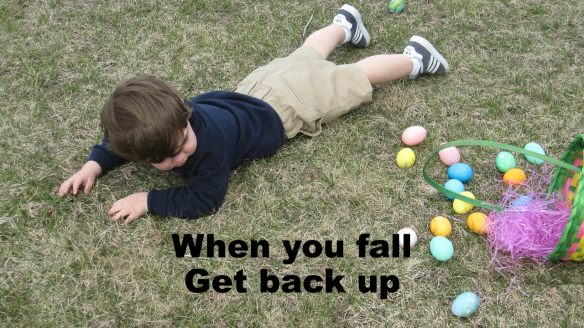
When You Fall Get Back Up.

Sunday Inspiration    Post By David Joel Miller.

Falling down

When you fall get back up.
Photo courtesy of Pixabay.com

It’s about getting back up.

“There is no disgrace in being knocked down, there is only shame in not getting back up; never quit!”

― Ken Poirot

“We all make mistakes, have struggles, and even regret things in our past. But you are not your mistakes, you are not your struggles, and you are here NOW with the power to shape your day and your future.”

― Steve Maraboli, Unapologetically You: Reflections on Life and the Human Experience

Wanted to share some inspirational quotes with you.  Sunday seemed like a good time to do this. If any of these quotes strike a chord with you please share them.

Is this the year you will change?

By David Joel Miller, MS, Licensed Therapist & Licensed Counselor.

Changing your life

Time for a life change?
Photo courtesy of Pixabay.com

Will anything change for you this year?

Look at that! New Year’s come and gone. Some resolutions have already been abandon. Change is hard, staying the same is easier. Have you ever thought that someday you will make some changes, but time continues on and nothing much changes? You may even have told yourself that you are too old to change, yet all around you others are making changes, small ones, major ones. Some of those people are older than you. Some have illnesses and challenges. And yet they change. Have you asked yourself when will you finally make those changes?

You may see from the blog title, counselorssoapbox Counseling, Therapy, Recovery, and a Happy Life, that I believe in people having a happy life. I believe in wellness and recovery. You can too. Improving your life does not need to be done all at once in huge seismic shifts. That old snowball effect, small changes mounting up, is at work here. Let’s start walking through the process of making life improvements and see where it takes us.

Self-improvement begins with finding out where you are.

Anyone can benefit from a conscious effort to make their life better. You start by looking at where you are and then you decide where you want to go. Don’t get sidetracked into how awful your current life is. View any problems you have as opportunities for improvement.

Some people call this process taking a life inventory. It is important to add to your inventory, not just the marked down and worthless items, but those skills and talents that may take you where you need to go. Make a concerted effort to look for undeveloped talents, those things you said you would do someday that you have not yet tried. One of those yet to be tried activities may be just the thing that has been missing from your life.

Do not rush the inventory process. If you sketch out a house on the back of a napkin you could rush out, buy materials, and start building. It is better to have a good blueprint. This keeps you from having to tear down your house because you forgot the foundation or a way to install electrical and plumbing.

Put your life improvement plan down in writing.

Some time back, a few decades ago, I started working on a written Happy Emotional Life Plan (H.E.L.P.) I carry this around in a loose-leaf binder. This plan is one section in the binder that includes sections for the classes I teach and my other important life activities. I look at this plan periodically, about once per week. It reminds me of where I have been and where I am going. It is surprising many years, when I get to the end of the year, how far I have come.

Along the way, I discovered that a WRAP plan (Wellness and Recovery Action Plan) was a part of the things I needed to work on. Staying emotionally healthy is a prerequisite for me if I want to reach my goals. But my H.E.L.P. plan includes a bunch of other things also.

You do not need to be lost to check a road map.

Having a Happy Emotional Life Plan does not require you to believe there is something wrong with you. Take a look at the post “Why do successful people have coaches” for more on the way in which anyone can use some help in reaching their life goals.

No matter how difficult or awful the place you are in you can still benefit from doing some things to make your life a better place.

It is not just where you are going but how you wish to travel that matters.

Part of creating a life change plan, one that will make your life what you want it to be, is getting clear on your values. Values clarification should always come before setting goals. If a goal for you is having more money, why do you want that and what are you willing to do or not do to get there.

Don’t try to visit all the countries in Europe in one week.

A common error in trying to improve your life is to try to tackle too many goals at once. People in early recovery from mental illness, substance use, disintegrating relationships and so on often make the mistake of trying to fix all their problems the first week.

You may decide you would like a more abundant life so you take a job working forty plus hours a week. Then you see the need for more education so you enroll in school as a full-time student. Some love in your life would make things better so you begin dating and start a new relationship. All that gets done in the first week of the year. What will you do for the second week?

Trying to make too many changes at once reduces the chances of success. Start by making a few small changes and practice them over and over until those new habits become automatic.

Start any self-improvement plan with a few selected goals and as you make progress towards those goals you can add more to the list.

Plans for self-improvement are life maps for a journey.

It is easier to say you want to be healthy. Taking action on that goal is more difficult. Break those goals you have set up into small steps. Take one step at a time and see how far you can travel. Include periodic reviews for your goals and progress as part of a life plan review.

Sometimes it helps to consult a travel adviser or guide.

If your life plan includes some serious renovations consider getting some professional help. A career counselor can help you look for the new job you want. If you have emotional or relationship issues you need to work on, then a counselor or therapist can help.

Throughout this year we will revisit this theme of transforming your life into the one you would like to have and how you can navigate this process of change.

How are you wanting to change yourself and the life you live?

Staying connected with David Joel Miller

Seven David Joel Miller Books are available now!

My newest book is now available. It was my opportunity to try on a new genre. I’ve been working on this book for several years, but now seem like the right time to publish it.

Story Bureau.

Story Bureau is a thrilling Dystopian Post-Apocalyptic adventure in the Surviving the Apocalypse series.

Baldwin struggles to survive life in a post-apocalyptic world where the government controls everything.

As society collapses and his family gets plunged into poverty, Baldwin takes a job in the capital city, working for a government agency called the Story Bureau. He discovers the Story Bureau is not a benign news outlet but a sinister government plot to manipulate society.

Bumps on the Road of Life. Whether you struggle with anxiety, depression, low motivation, or addiction, you can recover. Bumps on the Road of Life is the story of how people get off track and how to get your life out of the ditch.

Dark Family Secrets: Doris wants to get her life back, but small-town prejudice could shatter her dreams.

Casino Robbery Arthur Mitchell escapes the trauma of watching his girlfriend die. But the killers know he’s a witness and want him dead.

Planned Accidents  The second Arthur Mitchell and Plutus mystery.

Letters from the Dead: The third in the Arthur Mitchell mystery series.

What would you do if you found a letter to a detective describing a crime and you knew the writer and detective were dead, and you could be next?

Sasquatch. Three things about us, you should know. One, we have seen the past. Two, we’re trapped there. Three, I don’t know if we’ll ever get back to our own time.

For these and my upcoming books; please visit my Author Page – David Joel Miller

Want the latest blog posts as they publish? Subscribe to this blog.

For videos, see: Counselorssoapbox YouTube Video Channel
Is the world a good or bad place?

By David Joel Miller, MS, Licensed Therapist & Licensed Counselor.

Good world or bad world?
Photo courtesy of Pixabay.com

You create the world you live in.

The question of whether the world is inherently a good place seems like a simple question on the surface, but how you answer the question and why you chose the answer you do has a profound effect on your life.

How would we go about finding out the answer to this question?

Should you look for evidence or trust your gut?

Is this something you “just know” or do your beliefs dictate that answer?

The evidence for a bad world.

There is certainly a huge amount of evidence that the world is, in fact, an awful place. Each night on the evening news we see a number of stories about crimes and killings, disasters, and suffering.

Our history books are a litany of examples of how terrible a place the world can be. From the Holocaust to the killing fields from what was Yugoslavia to the invasion of Chad, everything bears witness that man is capable of constant unabated cruelty to his fellow man.

Each night the stories from the Middle East bring us yet another example of ways in which this world is a horrific place. Are there no limits to how bad our world can be? Is the story of our world a horror-filled nightmare?

On rare occasions, we get good news.

Most newscasts try to wrap up their parade of suffering, with a “feel-good story.” Mother Teresa feeds the poor and the fireman rescued a trapped puppy or kitten. There are stories of people opening their homes to the victims of tragedies and those who try to do good in the world.

This episodic dose of good news seems like a dash of salt on the wounds of all the terrible things in the world. Are there so few good things happening in the world or is there a systematic basis in our media to present the bad in preference to the good?

Bad news sells the paper or the broadcast. A sprinkling of good news may keep us from throwing away the paper and turning off the broadcast. Is good news really such a rarity or is it that we have an insatiable appetite for the dark and evil side of mankind?

Forgive at this point the gender basis of the term mankind. While males seem to stand in the spotlight of bad behavior. I have little doubt that some women are capable of equivalent misdeeds.

When we add up all the evidence for good and bad we don’t get a total.

Every person on earth may be having a different experience of the goodness and the badness of this world. Even collecting all those scores and adding them or subtracting them won’t give us the result we are looking for. Times change, things get worse and then better and then worse again. We can’t ever be sure we have the final tabulation of the worth of the experience of life here on earth. How else may we determine the goodness or badness of this planet?

Some people just can’t help believing in the good of their fellow humans.

There are those people, disgustingly happy people, who despite the evidence see this world as a good and happy place. They chose to see things in a rosy glow despite all the evidence to the contrary.

Psychology tells us, at least one of the classes I took did, that realistic people are depressed and happy people live in an unrealistic world. So are happy people really delusional? And if so should we medicate them to make them more realistically depressed? Possibly continuing to believe in a good and beneficial world in some ways makes the world a tad better.

Some people staunchly believe that all people are essentially bad.

This point of view appears to be a widely held one, particularly by parents of small children who report they are convinced that unless supervised every moment from birth to death these children will, at the first opportunity, do all manner of nasty things.

There are those religious groups who will insist that being sinfully evil is the inherent nature of man and that only a large dose of following rituals and self-punishment to the tune they are playing will suffice to make these people less than totally unacceptable to some religious body and presumably their specific higher power.

You get to choose your worldview.

All the evidence notwithstanding, you can decide that you will like and enjoy the trip we call life. Or you can insist on thinking the worse about what will happen.

Jeff Bell in his book about overcoming OCD “When in Doubt Make Belief.” Talks about the helpfulness of creating beliefs that reduce your doubt. My view is that belief creates hope, and hope makes recovery and a happy life possible.

Cognitive Behavioral Therapy along with positive psychology recommends picking beliefs that are helpful. For me, that would be believing those things that result in having a happy life regardless of the evidence to the contrary. If the belief is helpful it may be useful.

This also means that you may need to be aware that there will always be exceptions. You can insist that people are basically good and a few people will do evil things or you can insist that most people are evil and a few occasionally do good deeds. The choice is yours.

Personally, I go for having a happy life even though that means I may miss seeing some of the bad in the world. You can do either. The choice is up to you. Which belief do you want?

Staying connected with David Joel Miller

Seven David Joel Miller Books are available now!

My newest book is now available. It was my opportunity to try on a new genre. I’ve been working on this book for several years, but now seem like the right time to publish it.

Story Bureau.

Story Bureau is a thrilling Dystopian Post-Apocalyptic adventure in the Surviving the Apocalypse series.

Baldwin struggles to survive life in a post-apocalyptic world where the government controls everything.

As society collapses and his family gets plunged into poverty, Baldwin takes a job in the capital city, working for a government agency called the Story Bureau. He discovers the Story Bureau is not a benign news outlet but a sinister government plot to manipulate society.

Bumps on the Road of Life. Whether you struggle with anxiety, depression, low motivation, or addiction, you can recover. Bumps on the Road of Life is the story of how people get off track and how to get your life out of the ditch.

Dark Family Secrets: Doris wants to get her life back, but small-town prejudice could shatter her dreams.

Casino Robbery Arthur Mitchell escapes the trauma of watching his girlfriend die. But the killers know he’s a witness and want him dead.

Planned Accidents  The second Arthur Mitchell and Plutus mystery.

Letters from the Dead: The third in the Arthur Mitchell mystery series.

What would you do if you found a letter to a detective describing a crime and you knew the writer and detective were dead, and you could be next?

Sasquatch. Three things about us, you should know. One, we have seen the past. Two, we’re trapped there. Three, I don’t know if we’ll ever get back to our own time.

For these and my upcoming books; please visit my Author Page – David Joel Miller

Want the latest blog posts as they publish? Subscribe to this blog.

For videos, see: Counselorssoapbox YouTube Video Channel

What is Recycling?

By David Joel Miller, MS, Licensed Therapist & Licensed Counselor.

Recyclable materials

Recycling.
Photo courtesy of Pixabay.com

Do you really believe in recycling?

We have heard a lot about recycling in the last few years. Containers are marked recyclable. There are recycling centers and articles galore on the internet about how to recycle and what to recycle. Some people even describe themselves as “recyclers.” The biggest question in my mind is what precisely is getting recycled. Is recycling about things or about people?

People who talk recycling may be speaking many different languages.

It recently came to my attention that when people say recycle they may be talking about many totally different behaviors. They are also not in agreement on what needs to be recycled. Let me explain.  I have been in the habit of thinking of myself as a recycler for a long time. Other people just recently joined the recycling activity. We don’t all approach recycling in the same way or for the same reasons.

Cities have put on a big push to encourage recycling.

Cities, counties, sanitation districts, and so on have been pushing recycling because they needed to reduce the amount of materials entering landfills. Eventually, the dumps get full, and then we need to create another. All this, burying things, and then digging new holes for the next batch costs money. Bury less stuff and the agency involved spends less money. Money matters, but it is not the only thing that should matter.

All that waste that gets buried and then some of it decomposes. That results in gasses. Some of those gasses are flammable, some dumps are burning underground and some have exploded. Avoiding these problems is a good thing but that alone does not motivate a lot of people to recycle.

The residues of all that buried stuff are full of chemicals. Some of these substances are toxic and if water flows through all that rubbish it can reach the groundwater.  I am OK with drinking bottled water but do we really want to have to use that bottled stuff for cooking and bathing? How much caustic chemical do you want to rub all over your body in your morning shower?

All these are wonderful reasons to recycle, but that is not what most people in my town, and I will guess yours also, are thinking about when they talk about being recyclers.

Recycling centers pay cash for bottles and cans.

Paying cash for glass, metals and some plastics has really increased the amount of material getting recycled and this has kept a lot of stuff out of our landfills. It has also created a sort of marginal form of employment.

What many people mean when they say they recycle is that they separate out the part of their trash that they can sell to someone and get cash for. The rest of that stuff may be reusable but unless they are getting paid for it, they couldn’t be bothered.

Nowadays lots of people are picking up bottles and cans along the roadside and going through trash cans digging out things they can take somewhere and get money for.

I have witnessed “recyclers” who pull a couple of cans from the trash can for the few cents they will bring all the while tossing an armload of paper which could have been remanufactured into that self-same trash.

Thrift stores and charities do another kind of recycling.

There was a time when things were scarcer and it paid to repair broken items. Becoming a “repair” person was a potential occupation. Today many things are less expensive to replace than to repair. Worn or unwanted items get donated to thrift stores and charities.

Those items that are still in usable condition can be resold to fund future operations. Most charities receive a whole lot of donations that are hardly usable or which would require more cost and effort to repair than what they will bring. Disposing of the unsalvageable donations has become a significant problem for many charities.

Lots of waste materials can be used to create new things.

Paper can be reprocessed to make the next generation of paper. My belief is that many more things could be reprocessed or reused but the economics of collecting enough material and then reprocessing that material exceeds the cost of just making new items from scratch.

Briefly, we flirted with the idea of using garbage and waste food products to make alcohol. Vegetable-based fuel can be made but with the increased production of petroleum products and the decline in prices alternative fuels are becoming less and less viable.

Recycling may be useful to mankind in improving the environment, but to the individual, unless the recycling center will pay you to bring things in most people do not see these items as in any way recyclable.

Sometimes people need to recycle themselves.

People that were discarded by society because of their problems can be recycled also.

The mentally ill can recover. The addict and the alcoholic can get clean and sober and resume their place in society.

Staying connected with David Joel Miller

Seven David Joel Miller Books are available now!

My newest book is now available. It was my opportunity to try on a new genre. I’ve been working on this book for several years, but now seem like the right time to publish it.

Story Bureau.

Story Bureau is a thrilling Dystopian Post-Apocalyptic adventure in the Surviving the Apocalypse series.

Baldwin struggles to survive life in a post-apocalyptic world where the government controls everything.

As society collapses and his family gets plunged into poverty, Baldwin takes a job in the capital city, working for a government agency called the Story Bureau. He discovers the Story Bureau is not a benign news outlet but a sinister government plot to manipulate society.

Bumps on the Road of Life. Whether you struggle with anxiety, depression, low motivation, or addiction, you can recover. Bumps on the Road of Life is the story of how people get off track and how to get your life out of the ditch.

Dark Family Secrets: Doris wants to get her life back, but small-town prejudice could shatter her dreams.

Casino Robbery Arthur Mitchell escapes the trauma of watching his girlfriend die. But the killers know he’s a witness and want him dead.

Planned Accidents  The second Arthur Mitchell and Plutus mystery.

Letters from the Dead: The third in the Arthur Mitchell mystery series.

What would you do if you found a letter to a detective describing a crime and you knew the writer and detective were dead, and you could be next?

Sasquatch. Three things about us, you should know. One, we have seen the past. Two, we’re trapped there. Three, I don’t know if we’ll ever get back to our own time.

For these and my upcoming books; please visit my Author Page – David Joel Miller

Want the latest blog posts as they publish? Subscribe to this blog.

For videos, see: Counselorssoapbox YouTube Video Channel

Not all triggers are bad.

By David Joel Miller, MS, Licensed Therapist & Licensed Counselor.

puppy makes you feel good

Puppy loves you!
Positive triggers.
Photo courtesy of Pixabay.com

Sometimes you need to get triggered.

The concept of “triggers,” things that you might see, hear, feel or do that could set off a change in thinking, feeling, and behavior is an established part of the way of thinking in the recovery field. People learn something called “relapse prevention” in an effort to avoid having things set off a craving for drugs, alcohol, or a return of depressive symptoms.

Just avoiding negative triggers is not enough for many people. You need some things in your life that trigger positive behaviors and emotions also.

Psychologists use the word “prime” instead of trigger for part of what we are talking about here. The concept is that seeing or experiencing something can “prime” your brain for a particular emotional response. Once primed it is easier to experience that feeling.

An example of a negative “prime” or trigger.

You walk into the house and see pictures of your ex. There are some broken things from your last fight. Lots of reminders of your disastrous relationship. The result? You are triggered to feel depressed or even to drink and use.

An example of a positive “prime” or trigger.

What if you redecorated that place? Put those old photos away. Go somewhere new with a friend and replace those photos with some new pictures. Same place, but this new environment, a few new things, some happy-making pictures can set off a positive mood.

Below is a list of things that might be positive triggers for you.

Things that make you feel loved are positive triggers.

What says love to you? Is that restricted to a sexual partner? Think about things that have made you feel loved in the past. Mementos from a friendship, reminders of parents, children, or things that you have done for yourself to express self-love. Consider buying yourself a gift. Something you will see each time you come through that door that says I care about myself.

For some people, this happy trigger can be a pet. What says unconditional love like the greeting a pet gives you when you come home? Don’t have or haven’t had a pet? Look for a picture of that animal you want to have someday. Put that pet substitute in a prominent place. Tell yourself and the animal picture each time you see it that one day this will be yours.

For others, your love trigger would be a souvenir you bought for yourself or pictures of a place you plan to take yourself someday.

Have you started a new hobby? Put out reminders of this new part of your life so that when you walk through the door you feel at home and loved.

Boost your self-confidence.

Look for things that bring up memories of feeling good about yourself. Did you win a contest once? This does not need to be some grand accomplishment. Small doses of self-esteem mount up.

Nothing builds self-esteem as quickly as doing something for another with no expectation of receiving anything in return. What if you volunteered to help someone else? Would that help you feel good about yourself?

Trigger happiness.

What makes you feel happy? What puts a smile on your face? Rent some funny movies. Put up pictures of funny sayings. Write out your favorite jokes and post them in prominent places.

Have you seen a picture online that makes you smile? Make it your wallpaper or print out a copy and post it where you will see it often.

Cute cat videos get a lot of looks because they help us feel good about things. Bookmark those happy videos. When you feel down revisit the positive things you have experienced.

Have people in your life that trigger feeling good.

Evaluate your friends and the people you spend time with. Do they help you feel good about yourself? If not start renovating your friendships. You may want a picture of a religious figure, you know the one I mean.

Was there someone whose life you admired? Find or draw a picture of them and put it up where it can trigger your inspiration.  Work on making new positive friends. Deepen friendships with others that trigger your positive emotions.

Smells are great memory triggers.

Is there a scent from your past that reminds you of happy times? Cinnamon at Christmas or flowers in springtime. Scents are strong memory cures. Herbs have been used for centuries because of the positive emotions they create. Get yourself a lavender or sage plant. Try some potpourri or some strongly scented cooking. Whatever scents trigger you in a positive way, work on having them with you more often.

Replace those negative triggers with a positive one.

As you work on your recovery be alert for the things that trigger negative feelings. Does something make you depressed, anxious, or remind you of bad times? What makes you want to drink or use? Work on exchanging those triggers for positive ones that will support your recovery and happiness.

Staying connected with David Joel Miller

Seven David Joel Miller Books are available now!

My newest book is now available. It was my opportunity to try on a new genre. I’ve been working on this book for several years, but now seem like the right time to publish it.

Story Bureau.

Story Bureau is a thrilling Dystopian Post-Apocalyptic adventure in the Surviving the Apocalypse series.

Baldwin struggles to survive life in a post-apocalyptic world where the government controls everything.

As society collapses and his family gets plunged into poverty, Baldwin takes a job in the capital city, working for a government agency called the Story Bureau. He discovers the Story Bureau is not a benign news outlet but a sinister government plot to manipulate society.

Bumps on the Road of Life. Whether you struggle with anxiety, depression, low motivation, or addiction, you can recover. Bumps on the Road of Life is the story of how people get off track and how to get your life out of the ditch.

Dark Family Secrets: Doris wants to get her life back, but small-town prejudice could shatter her dreams.

Casino Robbery Arthur Mitchell escapes the trauma of watching his girlfriend die. But the killers know he’s a witness and want him dead.

Planned Accidents  The second Arthur Mitchell and Plutus mystery.

Letters from the Dead: The third in the Arthur Mitchell mystery series.

What would you do if you found a letter to a detective describing a crime and you knew the writer and detective were dead, and you could be next?

Sasquatch. Three things about us, you should know. One, we have seen the past. Two, we’re trapped there. Three, I don’t know if we’ll ever get back to our own time.

For these and my upcoming books; please visit my Author Page – David Joel Miller

Want the latest blog posts as they publish? Subscribe to this blog.

For videos, see: Counselorssoapbox YouTube Video Channel

Is Recovery Practical?

By David Joel Miller, MS, Licensed Therapist & Licensed Counselor.

Ball recovery

Recovery and Resiliency.
Photo courtesy of Pixabay.com

We may need to rethink what recovery really is.

Just returned from a really great training titled “Making Recovery Practical.” The most important part of this training was its clear declaration that recovery is possible. Those of you who have been readers here for a long time know that I am a strong proponent of the concept of recovery.

In my professional life, I have seen many people recover. Unfortunately, many professionals still act as if people do not and should not recover. This prompted me to think I needed to write a few more posts about what recovery is and how it is that people do recover.

The presenter of this training was Dr. Mark Ragins, who is the medical director of the –MHA Villages Integrated Service Agency. Mental Health America Los Angeles is an affiliate of Mental Health America.   The particular training I attended was sponsored by the Fresno County Department of Behavioral Health.

Dr. Ragins covered a great amount of material in a very short time. If you ever get a chance to hear Dr. Ragins speak I would highly recommend him. While I won’t be able to say it the way Dr. Ragins did, in this and upcoming posts I would like to explore some of his “Making recovery possible” themes with all of you. What follows are my thoughts on the subject inspired by Dr. Ragins presentation but not specifically the material from his presentation.

The world changed and our approach to mental illness needs to change.

Societal responses to problems are most often about reacting to an immediate critical problem. It is much easier to motivate help for people impacted by flooding or hurricane damage than it is to do projects to prevent flooding. We typically do many things to cope with a recession after it happens, bail out the banks, and spend money to create jobs. It is hard to develop the political will to make structural changes that would prevent future bubbles from bursting and creating the next recession or depression. We now know that waiting for a serious mental illness to develop is waiting too long.

Our approach to mental illness has been largely the same. Wait for someone to “get sick” send them to a doctor or hospital and expect that they will “get fixed.” If mental illness is a disease why can’t the doctors “cure” them?

The diseases doctors treat have changed.

The medical model, like the financial model, the employment model, and so on is based on treating acute problems, not chronic illnesses. Break a leg and you get a cast, maybe surgery and medications and the leg heals. Medicine is good at treating acute problems. It is not so good at treating chronic problems.

Most medical and mental illnesses these days are chronic problems.

Doctors spend most of their time these days managing chronic illness, diabetes, high blood pressure, obesity, and its related complications. Same thing is true of mental illnesses. We are better at treating sudden issues like suicidal thoughts than we are at treating chronic conditions like depression or anxiety. Psychosis is all too often treated by the “put them on meds and then tell them to stay home and let others run their lives approach.”

Helping people manage their symptoms too often turns into professionals trying to manage people.

Black and white thinking does not work well in a colorful world.

We, as in professionals, used to think there were two kinds of people, the mentally ill and the “normal” people. Recently we have realized that most of those things we call mental illnesses and substance use disorders are chronic conditions, not acute ones. You may become more depressed or less depressed depending on other factors in your life. Substance abuse gets better if you stop drinking and using but being dry or putting down the drugs is not the same thing as being really sober or recovered.

Recovery means different things to different people.

Recovery from a chronic disease or disorder is not about a cure. It is about managing your life to have the best life possible regardless of whatever challenges someone is facing. The psychiatrist’s idea of recovery might be not hearing the voices and taking their meds as prescribed. Your idea of recovery might be having a relationship, a place of your own, and being able to engage in productive activates regardless of whether you hear the voices or not.

We need a new focus in the treatment of mental and emotional issues.

Rather than so much focus on the disease model and what disease does that person have? What is sorely needed is a focus on wellness, resiliency, and recovery. How can someone having had an episode of this thing we are calling mental illness learn to increase their wellness and live the manner of life they chose to live.

For far too long we have focused on what the mentally ill can’t do and the result has been convincing ourselves, the mentally ill, and society that they will never get better. As we shift the focus from expecting a full, complete “cure” to learning how to reduce or manage the symptoms of a chronic condition it becomes increasingly clear that recovery and a full life are possible.

Stay tuned and in future blog posts, we will talk again about wellness tools and how to make recovery possible.

Staying connected with David Joel Miller

Seven David Joel Miller Books are available now!

My newest book is now available. It was my opportunity to try on a new genre. I’ve been working on this book for several years, but now seem like the right time to publish it.

Story Bureau.

Story Bureau is a thrilling Dystopian Post-Apocalyptic adventure in the Surviving the Apocalypse series.

Baldwin struggles to survive life in a post-apocalyptic world where the government controls everything.

As society collapses and his family gets plunged into poverty, Baldwin takes a job in the capital city, working for a government agency called the Story Bureau. He discovers the Story Bureau is not a benign news outlet but a sinister government plot to manipulate society.

Bumps on the Road of Life. Whether you struggle with anxiety, depression, low motivation, or addiction, you can recover. Bumps on the Road of Life is the story of how people get off track and how to get your life out of the ditch.

Dark Family Secrets: Doris wants to get her life back, but small-town prejudice could shatter her dreams.

Casino Robbery Arthur Mitchell escapes the trauma of watching his girlfriend die. But the killers know he’s a witness and want him dead.

Planned Accidents  The second Arthur Mitchell and Plutus mystery.

Letters from the Dead: The third in the Arthur Mitchell mystery series.

What would you do if you found a letter to a detective describing a crime and you knew the writer and detective were dead, and you could be next?

Sasquatch. Three things about us, you should know. One, we have seen the past. Two, we’re trapped there. Three, I don’t know if we’ll ever get back to our own time.

For these and my upcoming books; please visit my Author Page – David Joel Miller

Want the latest blog posts as they publish? Subscribe to this blog.

For videos, see: Counselorssoapbox YouTube Video Channel

When being OK is not a good thing.

By David Joel Miller, MS, Licensed Therapist & Licensed Counselor.

ok

When being OK is not a good thing.
Photo courtesy of Pixabay.com

Some days being OK is a long way from being good.

The other day I asked someone how they were doing.

They said, “I am doing OK and that’s not a good thing.”

This got me to thinking about how often we ask someone how they are doing and take that OK as a positive response.

Sometimes doing OK is a really bad thing. Let me explain.

What does being OK mean to a homeless person?

Ask any homeless person how they are doing and you are likely to get an OK unless they trust you enough for a more factual response like “How do you think I am doing? Or “My life sucks!”

For a homeless person, OK may mean they had something to eat last night or yesterday. It could mean that they didn’t get rolled or beaten for their belongings last night. It is a long way from being able to say they got their needs, physical, emotional, or medical, met any time recently.

What OK may mean for a homeless person is that their mental illness or drug addiction hasn’t totally destroyed them – yet.

What’s OK mean when you have a mental illness?

People with a mental illness try their hardest to be “OK” as if trying could prevent mental illness. For some, an OK day means they are not suicidal today. The voices are at a manageable level or their depression has not gotten so horrific that they are unable to get out of bed. Maybe OK means they are not suicidal – today.

Being OK when you have a mental illness is a long way from being stable or symptoms free. Mostly when you have a mental illness and you are having an OK day you are trying really hard to not show how difficult your life really is.

What is OK for the couple who can’t get along?

The couple in relationship counseling, for them OK may mean that today they didn’t fight, not as much anyway. For them, OK may be a day when they are not planning their divorce. Sometimes it means that despite the separation or the divorce today they managed to get up and pretend they were over the break-up and having a happy life.

Maybe today “OK” for people with a troubled or failing relationship means a day where the pain is a little less acute. Sometimes OK just means I will make it through today but I don’t know about tomorrow.

How is OK for the terminally ill person?

Sit around a waiting room in a critical care facility or visit the intensive care wards in any hospital. You will find some incredibly sick people in some severe pain. Ask them how they are doing?  You will probably get an OK.

For the terminally ill “OK” may mean that the pain isn’t any worse today than yesterday. More likely it means they are trying their hardest to hang on and make some sense of this experience that we call life. OK may mean that they are resigned to their suffering.

What is an OK day for the elderly?

What’s OK to someone in a long-term care facility? Not the fancy kind the well-to-do see but the publicly funded ones where people who have no family and friends left, go to be stored until they cede their bed to the next occupant when they die.

You hear a lot of OK’s in those kinds of facilities. What that means is that they have become numb to loneliness or isolation. It may mean that they have managed to get out of bed today or that they are doing their best to just sit there waiting for whatever.

What is OK for the addict/ alcoholic?

For the addict, an OK day may mean that the withdrawal symptoms are getting less painful. This may be the day that they were able to make it all day without drinking or using even when the cravings were about to drive them crazy.

If today your own mind was not yelling at you all day that you needed a drink or some dope that might be an OK day. If you were able to make it to a meeting or treatment today even while having those thoughts and cravings the whole time, then for you today was an OK day.

Saying OK does not mean you are cured, that you will never drink or use again. It means that you just might make it through today clean and sober.

Forgive me if I question you.

So if when I ask you how you are doing and you tell me “OK,” can you see why I might ask you if that is a good thing or a bad thing? See for some people an OK day is nowhere near a good day.

Next time you have someone tell you they are OK and you know they are going through it, think of a way to make them laugh or smile. Is there a way you can lighten that load and make their OK day less burdensome? Maybe you can be the one who can make someone’s OK day just a little brighter.

Staying connected with David Joel Miller

Seven David Joel Miller Books are available now!

My newest book is now available. It was my opportunity to try on a new genre. I’ve been working on this book for several years, but now seem like the right time to publish it.

Story Bureau.

Story Bureau is a thrilling Dystopian Post-Apocalyptic adventure in the Surviving the Apocalypse series.

Baldwin struggles to survive life in a post-apocalyptic world where the government controls everything.

As society collapses and his family gets plunged into poverty, Baldwin takes a job in the capital city, working for a government agency called the Story Bureau. He discovers the Story Bureau is not a benign news outlet but a sinister government plot to manipulate society.

Bumps on the Road of Life. Whether you struggle with anxiety, depression, low motivation, or addiction, you can recover. Bumps on the Road of Life is the story of how people get off track and how to get your life out of the ditch.

Dark Family Secrets: Doris wants to get her life back, but small-town prejudice could shatter her dreams.

Casino Robbery Arthur Mitchell escapes the trauma of watching his girlfriend die. But the killers know he’s a witness and want him dead.

Planned Accidents  The second Arthur Mitchell and Plutus mystery.

Letters from the Dead: The third in the Arthur Mitchell mystery series.

What would you do if you found a letter to a detective describing a crime and you knew the writer and detective were dead, and you could be next?

Sasquatch. Three things about us, you should know. One, we have seen the past. Two, we’re trapped there. Three, I don’t know if we’ll ever get back to our own time.

For these and my upcoming books; please visit my Author Page – David Joel Miller

Want the latest blog posts as they publish? Subscribe to this blog.

For videos, see: Counselorssoapbox YouTube Video Channel

How does a counselor help you create a happy life?

By David Joel Miller, MS, Licensed Therapist & Licensed Counselor.

Counseling questions

Counseling questions.
Photo courtesy of Pixabay.com

What would a life coach or counselor do to help you?

The traditional way of thinking about things was that you should just automatically be well and happy and that if you were not then you were sick or there was something wrong with you. If you were sick or mentally ill then you went to the doctor and they gave you some pills to make you better.

Over the last hundred years or so, new ways of looking at things have emerged. First, there was talk therapy, the talking cure that involved going to see a counselor, and talking through your issues. Still, this was mostly deficit-based. You were sick and the professional was supposed to know how to fix you. The sicker you were the more you needed to talk about and the longer you needed to talk.

Recently we have seen some new trends emerging. Healthy living can keep you physically healthy and thinking more helpful thoughts might prevent the occurrence of a mental illness or at least make it get better faster. There are things you can do to work on yourself and the counselor, sometimes now a “life coach”, can help you learn how to create that better less stressful life you want.

Yes, we know that there may be some difficulties that are genetic or the result of trauma or injury, but even for those conditions, there are ways you can reduce your stress and help to keep yourself mentally well.

This new emphasis on mental wellness and recovery has gone by several names. Strength-based counseling and positive psychology are two of the prominent ones. WRAP also belongs on that list.

If you were to go to a life coach or counselor that worked from a more strength-based approach how would they go about helping you?  Also, how might you go about preparing to help yourself.

1. Get clear on your values.

A beginning exercise would involve getting clear on your values. Is money important to you? Is family? Which is more important? Lots of people spend time in life pursuing goals only to find out that the things they had to do to get there were not consistent with their values.

There are several good exercises that can help you get clear on your values. You could also spend some time thinking about what is important to you. A good counselor would spend some time with you making sure you know the guiding principles of your life before sending you off on a quest for your happy life.

2. Counselors help you set goals.

Goals are about where you want to go. Values are about how you want to take the trip. Do you want to be wealthy? Why? Are you OK with cheating people to get there or is being honest more important to you than the money?

Now don’t go saying you do not want to be successful you are not all about money. There are lots of other goals that are more important to many people than money. Just if you are working hard to get a good education so you can get a good job so you can make a lot of money is that success if helping the less fortunate was your value?

You could use the money to help others or you might choose to work in a program that paid less but that helped the needy.

Do you want to be a great athlete? Or is a writer more your thing? Maybe being a great father or mother is your priority. No one goal is the “best” in and of itself. Just pick the one that speaks to you and check it against the value yardstick you created in step one.

Most people have several goals and find they need to prioritize them. It takes time to reach goals and you need to be sure you work on the big ones rather than leaving those to a someday that never comes. A good counselor or life coach can help you figure this out.

3. Counselors can help you create a plan to reach goals.

Say your goal was to have more friends. Maybe you are shy and meeting people is hard. The counselor could help you devise a plan to stretch your comfort zone and begin to expand your circle of friends.

4. Counselors can aid you in learning needed skills.

Shy people often lack social or people skills. Rather than saying that this is just the way you are, we used to blame that on your being introverted, your counselor might teach you some social skills and help you create opportunities to practice these skills.

5. A counselor can monitor your progress – hold you accountable.

Having to check in each week and let the counselor know how you did on the homework or practice assignments can motivate you to keep working on your skills. Nothing so keeps you accountable as having to pay that other person each week and knowing you will be largely wasting your money if you pay to go in and tell them you didn’t do the work.

If you find you can’t or don’t want to do the required practice, that is important information for your life change project. Talk this part through and see if it is fear or if the goals are wrong or you picked goals that do not match your values. Some people at this point come to the realization that those goals are not really their goals. They are what their parents wanted for them or what they think they should be working towards.

6. Counselors assist in revising the plan as needed.

When plans do not work or when you breeze through them and decide that goal was too easy, you need to revise your plan. A good counselor can help you keep updating your plans and taking your life game to the next level.

From all these points you can see that none of this is about any diagnosable mental illness. It is about creating a happy life. People with a happy life have way less depression or anxiety and stress, well they just eat that for breakfast.

While this happy life planning may not fit well with staying sick so you can get free therapy, still it can beat the heck out of a not-happy life. Consider investing in and working on a life plan that helps you build the happy, well life you are looking for.

Staying connected with David Joel Miller

Seven David Joel Miller Books are available now!

My newest book is now available. It was my opportunity to try on a new genre. I’ve been working on this book for several years, but now seem like the right time to publish it.

Story Bureau.

Story Bureau is a thrilling Dystopian Post-Apocalyptic adventure in the Surviving the Apocalypse series.

Baldwin struggles to survive life in a post-apocalyptic world where the government controls everything.

As society collapses and his family gets plunged into poverty, Baldwin takes a job in the capital city, working for a government agency called the Story Bureau. He discovers the Story Bureau is not a benign news outlet but a sinister government plot to manipulate society.

Bumps on the Road of Life. Whether you struggle with anxiety, depression, low motivation, or addiction, you can recover. Bumps on the Road of Life is the story of how people get off track and how to get your life out of the ditch.

Dark Family Secrets: Doris wants to get her life back, but small-town prejudice could shatter her dreams.

Casino Robbery Arthur Mitchell escapes the trauma of watching his girlfriend die. But the killers know he’s a witness and want him dead.

Planned Accidents  The second Arthur Mitchell and Plutus mystery.

Letters from the Dead: The third in the Arthur Mitchell mystery series.

What would you do if you found a letter to a detective describing a crime and you knew the writer and detective were dead, and you could be next?

Sasquatch. Three things about us, you should know. One, we have seen the past. Two, we’re trapped there. Three, I don’t know if we’ll ever get back to our own time.

For these and my upcoming books; please visit my Author Page – David Joel Miller

Want the latest blog posts as they publish? Subscribe to this blog.

For videos, see: Counselorssoapbox YouTube Video Channel

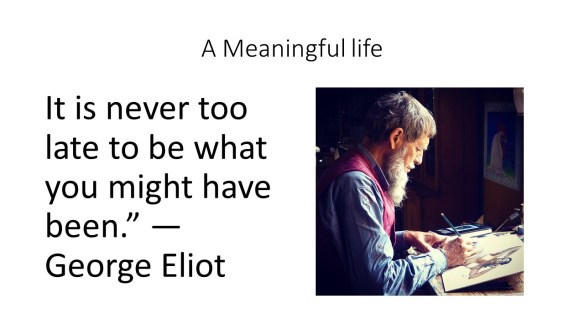
A meaningful life

Sunday Inspiration

Photo courtesy of Pixabay.com

Photo courtesy of Pixabay.com

What life awaits you?

Wanted to share some inspirational quotes with you.  Sunday seemed like a good time to do this. If any of these quotes strike a chord with you please share them.