
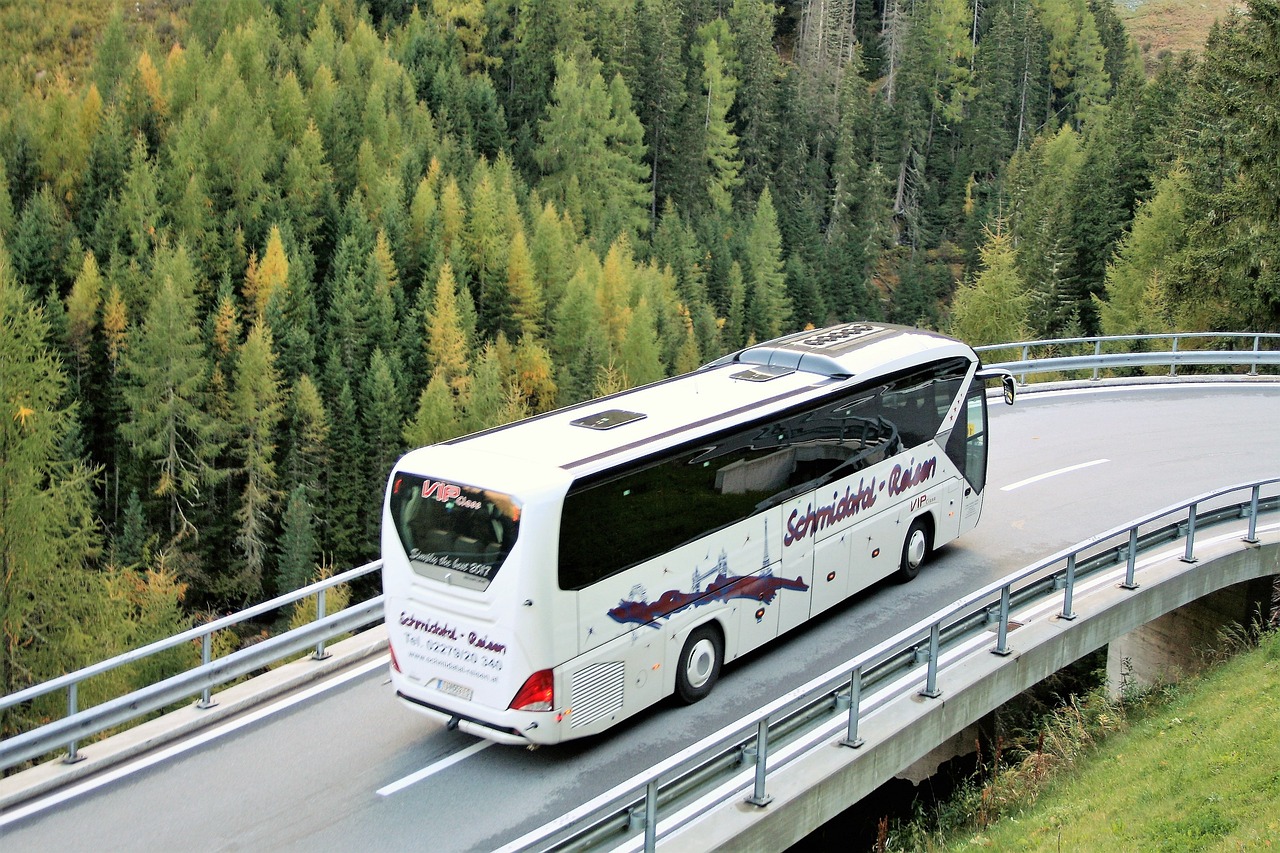
Riding the life bus.

Life is a lot like a bus ride

How full is your life bus?
Photo courtesy of Pixabay.com

Riding the life bus.

By David Joel Miller, MS, Licensed Therapist & Counselor.

Life is a lot like a bus ride.

A metaphor I frequently use for my own life is how it has resembled a bus ride. Throughout life, as we ride along, people get on the bus, and they get off the bus. The longer you ride life’s bus, the emptier it gets.

Did you start life with a full busload of people?

If your life has been anything like mine and the lives of most other people I know, you started with some people riding the bus with you. Initially, you probably had a mother, a father, and maybe some grandparents. Unless you were the first or only child, you had older siblings, brothers, and/or sisters.

Did you start your life journey on an empty bus?

Some people begin life on a close-to-empty bus. You might’ve grown up in a home with a single mother or father or been raised by a grandparent or even a nonrelative. When you were first born, there may have been other people in the home taking the ride of life with you. But some of those people may have gotten off your bus even before you were old enough to remember them.

When you went to school, more people came into your life.

When you begin school, other people come into your life. I remember going to kindergarten and first grade. I made some new friends. Then we moved, and those early friends left my life. The more you move, the more people come and go, and the fewer people ride through life with you.

Sometimes, people get off the bus, and you never see them again.

Typically, the first people to get off the bus are grandparents or great-grandparents, if you are fortunate enough to have had the chance to meet them. Gradually, other older relatives exit your life. Sometimes, one or even both of your parents leave your life. When people leave because of death, you don’t see them again, at least not in this life.

Sometimes, people come back into your life.

Sometimes, a person who has ridden partway on the journey of life comes back into your life. I moved several times and, more than once, ended up meeting people at another school that I had gone to school with earlier. Sometimes, you are disconnected or alienated from a parent or grandparent and reconnect later in your life. Some people even reconnect with an old boyfriend or girlfriend from back in the day. It can be a very happy occasion when you reconnect with someone. But sometimes, you only reconnect for a short ride.

The people around you may keep changing.

One constant in life seems to be the way people come into your life and exit it. Some people you share the ride of life with are a joy to be around. Some people are a real pain. Well, you know what I mean.

Changing the route you travel in life means you ride with other people.

Family members may move away. You may get into relationships, and you may get out of them. Close friends may die or move away. Moving because of work changes your social circle. If you stop riding the same route, work a different job, or attend a different school, you probably lost contact with old friends forever.

As you get towards the end of the line, the bus gets empty.

One of the great challenges of accumulating more miles on your journey, adding more years to life’s tally, is that the life bus gets emptier. It takes a lot of effort to stay connected to other people. Unless you periodically invite more people to share your life’s journey, you may find yourself driving the bus all alone.

One way to avoid the loneliness that comes from traveling through life all alone is to make an extra effort at every stop to invite other people into your life. Sometimes, it pays to greet them at the bus stop and invite them to join you in your travels.

Making new friends and keeping your life full of companions requires a particular set of skills we call “making friends.” Whether you’re good at making friends or it’s a challenge, you must continue adding people to your life. Having friends and a support system is the best cure for loneliness. Loneliness is, after all, the result of having many people leave your life but not being able to invite more people to join you on the next leg of your life journey.

More on the topic of making and keeping friends can be found at: Friends

Recommended Mental Health Books

David Miller at counselorssoapbox.com is an Amazon Affiliate and may receive a small Commission if you purchase a book or product using the link on this page. Using the link will not increase the cost to you.

Does David Joel Miller see clients for counseling and coaching?

Yes, I do. I can see private pay clients if they live in California, where I am licensed. If you’re interested in information about that, please email me or use the contact me form.

Recently, I began working with a telehealth company called Grow Therapy. If you’d like to make an appointment to work with me, contact them, and they can do the required paperwork and show you my available appointments. The link for making an appointment to talk with me is: David Joel Miller, LMFT, LPCC 

Life coaching clients must be working toward a specific problem-solving goal. Coaching is not appropriate if you have a diagnosable mental health problem. Also, life coaching is not covered by insurance. If you think life coaching for creativity or other life goals might be right for you, contact me directly.

Staying in touch with David Joel Miller.

Want the latest blog posts as they are published? Subscribe to this blog.

For more information about my writing journey, my books, and other creative activities, please subscribe to my blog at davidjoelmillerwriter.com

Seven David Joel Miller Books are available on Amazon now! And more are on the way.

For more about my books, please visit my Amazon Author Page – David Joel Miller

For information about my work in mental health, substance abuse, and having a happy life, please check out https://counselorssoapbox.com

For videos, see: Counselorssoapbox YouTube Video Channel

How full is your life bus?

Life is a lot like a bus ride

How full is your life bus?
Photo courtesy of Pixabay.com

How full is your life bus?

By David Joel Miller, MS, Licensed Therapist & Counselor.

Life is a lot like a bus ride.

A metaphor I frequently use for my own life is how it has resembled a bus ride. Throughout life, as we ride along, people get on the bus, and they get off the bus. The longer you ride life’s bus, the emptier it gets.

Did you start life with a full busload of people?

If your life has been anything like mine and the lives of most other people I know, you started with some people riding the bus with you. Initially, you probably had a mother, a father, and maybe some grandparents. Unless you were the first or only child, you had older siblings, brothers, and/or sisters.

Did you start your life journey on an empty bus?

Some people begin life on a close-to-empty bus. You might’ve grown up in a home with a single mother or father or been raised by a grandparent or even a nonrelative. When you were first born, there may have been other people in the home taking the ride of life with you. But some of those people may have gotten off your bus even before you were old enough to remember them.

When you went to school, more people came into your life.

When you begin school, other people come into your life. I remember going to kindergarten and first grade. I made some new friends. Then we moved, and those early friends left my life. The more you move, the more people come and go, and the fewer people ride through life with you.

Sometimes, people get off the bus, and you never see them again.

Typically, the first people to get off the bus are grandparents or great-grandparents if you are fortunate enough to have had the chance to meet them. Gradually, other older relatives exit your life. Sometimes, one or even both of your parents leave your life. When people leave because of death, you don’t see them again, at least not in this life.

Sometimes, people come back into your life.

Sometimes, a person who has ridden partway on the journey of life comes back into your life. I moved several times and, more than once, ended up meeting people at another school that I had gone to school with earlier. Sometimes, you are disconnected or alienated from a parent or grandparent and reconnect later in your life. Some people even reconnect with an old boyfriend or girlfriend from back in the day. It can be a very happy occasion when you reconnect with someone. But sometimes, you only reconnect for a short ride.

The people around you may keep changing.

One constant in life seems to be the way people come into your life and exit it. Some people you share the ride of life with are a joy to be around. Some people are a real pain. Well, you know what I mean.

Changing the route you travel in life means you ride with other people.

Family members may move away. You may get into relationships, and you may get out of them. Close friends may die or move away. Moving because of work changes your social circle. If you stop riding the same route, work a different job, or attend a different school, you probably lost contact with old friends forever.

As you get towards the end of the line, the bus gets empty.

One of the great challenges of accumulating more miles on your journey, adding more years to life’s tally, is that the life bus gets emptier. It takes a lot of effort to stay connected to other people. Unless you periodically invite more people to share your life’s journey, you may find yourself driving the bus all alone.

One way to avoid the loneliness that comes from traveling through life all alone is to make an extra effort at every stop to invite other people into your life. Sometimes, it pays to greet them at the bus stop and invite them to join you in your travels.

Making new friends and keeping your life full of companions requires a particular set of skills we call “making friends.” Whether you’re good at making friends or it’s a challenge, you must continue adding people to your life. Having friends and a support system is the best cure for loneliness. Loneliness is, after all, the result of having many people leave your life but not being able to invite more people to join you on the next leg of your life journey.

More on the topic of making and keeping friends can be found at: Friends

Recommended Mental Health Books

David Miller at counselorssoapbox.com is an Amazon Affiliate and may receive a small Commission if you purchase a book or product using the link on this page. Using the link will not increase the cost to you.

Does David Joel Miller see clients for counseling and coaching?

Yes, I do. I can see private pay clients if they live in California, where I am licensed. If you’re interested in information about that, please email me or use the contact me form.

Recently, I began working with a telehealth company called Grow Therapy. If you’d like to make an appointment to work with me, contact them, and they can do the required paperwork and show you my available appointments. The link for making an appointment to talk with me is: David Joel Miller, LMFT, LPCC 

Staying in touch with David Joel Miller.

Want the latest blog posts as they are published? Subscribe to this blog.

For more information about my writing journey, my books, and other creative activities, please subscribe to my blog at davidjoelmillerwriter.com

Seven David Joel Miller Books are available on Amazon now! And more are on the way.

For more about my books, please visit my Amazon Author Page – David Joel Miller

For information about my work in mental health, substance abuse, and having a happy life, please check out https://counselorssoapbox.com

For videos, see: Counselorssoapbox YouTube Video Channel
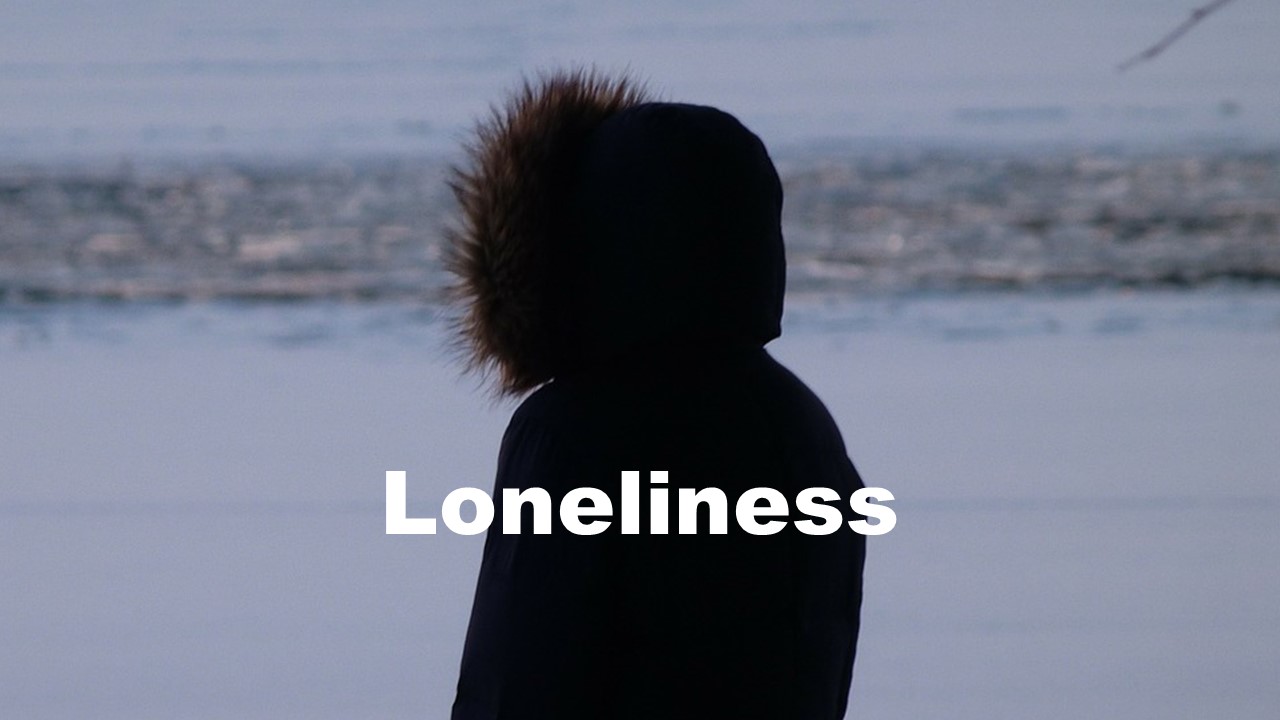
Lonely.

Lonely Flower

Lonely.
Photo courtesy of Pixabay.com

Lonely.

Sunday Inspiration.     Post by David Joel Miller.

“If you’re lonely when you’re alone, you’re in bad company.”

― Jean-Paul Sartre

“All alone! Whether you like it or not, alone is something you’ll be quite a lot!”

― Dr. Seuss, Oh, the Places You’ll Go! and The Lorax

“The trouble is not that I am single and likely to stay single, but that I am lonely and likely to stay lonely.”

― Charlotte Brontë

Wanted to share some inspirational quotes with you.  Today seemed like a good time to do this. There are an estimated 100,000 words in the English language that are feelings related. Some emotions are pleasant, and some are unpleasant, but all feelings can provide useful information. If any of these quotes strike a chord with you, please share them.

Look at these related posts for more on this topic and other feelings.

Emotions and Feelings.                      Inspiration

Staying in touch with David Joel Miller.

For more information about my writing journey, my books, and other creative activities, please subscribe to my blog at davidjoelmillerwriter.com

Seven David Joel Miller Books are available on Amazon now! And more are on the way.

For these and my upcoming books, visit my Amazon Author Page – David Joel Miller

For information about my work in mental health, substance abuse, and having a happy life, Please check out counselorssoapbox.com

For videos, see: Counselorssoapbox YouTube Video Channel

Loneliness is a disease that changes the brain.

Person alone

Loneliness.
Photo courtesy of Pixabay.com

By David Joel Miller, MS, Licensed Therapist & Licensed Counselor.

Loneliness doesn’t just feel bad; it makes you sick.

According to the British Psychological Society, researchers have concluded that loneliness, rather than being the result of physical and mental health problems, may be a direct cause. Higher than normal levels of loneliness have been connected with a number of physical diseases. Loneliness not only changes the way you think about things and your feelings but eventually, over time, it can change the very structure and chemistry of your brain. Here are some of the ways that loneliness affects your physical and mental health.

Loneliness is bad for your physical health.

Loneliness, living alone, and poor social connections are as bad for your health as smoking 15 cigarettes a day. (Holt-Lunstad, 2010) Loneliness is worse for you than obesity. (Holt-Lunstad, 2010)

Loneliness impairs your sleep.

One study in Health Psychology found that loneliness impairs the quality of sleep and leaves you feeling more tired the next day, even if you get the same number of hours of sleep that night.

This connection works in both directions. Being lonely impairs the quality of your sleep. Poor sleep quality impairs your daytime functioning, making you more likely to avoid others and increases your loneliness.

Lonely people have difficulty falling asleep and staying asleep.

Being lonely increases sleep latency, meaning it takes you longer to fall asleep and may result in difficulty staying asleep. Both of these lead to daytime drowsiness and impaired health and functioning.

Lonely people have higher blood pressure.

Loneliness can increase your blood pressure as much is thirty points. Loneliness increases the blood pressure just about as much as losing weight decreases it. People with the highest blood pressure also are likely to score highest on measures of loneliness.

Being lonely decreases your resistance to diseases.

Loneliness leads to chronic stress and inflammation, which can weaken your immune system. It’s the feeling of being lonely rather than the objective measure of social isolation, which leads to reduced resistance to diseases. Even when you have plenty of relationships, you can feel lonely if the quality of those relationships is poor

Lonely people have impaired cognitive function.

While being lonely affects sleep and lack of sleep impairs cognitive function, the relationship goes even deeper. When you’re using up a lot of your cognitive abilities being under constant stress and feeling lonely, you don’t have much capacity left to focus your thinking.

Lonely people have an increased risk of developing dementia.

Considering all the other things loneliness does to your nervous system, it’s not surprising that being lonely puts you at an increased risk of developing dementia. Of course, that probably runs in the other direction also, people with dementia are more likely to experience loneliness. Lonely people are more likely to suffer from dementia, heart disease, and depression. (Valtorta et al, 2016) (James et al, 2011) (Cacioppo et al, 2006)

Loneliness causes depression.

Feelings of loneliness are a major factor in depression. Not feeling loved or supported is depressing. People with depression tend to avoid other people and often have negative thinking patterns. If you believe you’re being rejected, you are likely to develop depression.

You won’t live as long if you’re lonely.

Chronic loneliness shortens the lifespan. Other mental illnesses reduce lifespan also. Having a mental or emotional problem that goes untreated puts you at risk for early death. Loneliness is likely to increase your risk of death by 29% (Holt-Lunstad, 2015)

Health risk information from The Campaign to End Loneliness.

For more on this topic, look at the materials on The Campaign to End Loneliness website.

Have you been feeling more or less lonely lately? What have you done to cope with feelings of loneliness and isolation?

Staying connected with David Joel Miller

Seven David Joel Miller Books are available now!

My newest book is now available. It was my opportunity to try on a new genre. I’ve been working on this book for several years, but now seem like the right time to publish it.

Story BureauStory Bureau is a thrilling Dystopian Post-Apocalyptic adventure in the Surviving the Apocalypse series.

Baldwin struggles to survive life in a post-apocalyptic world where the government controls everything.

As society collapses and his family gets plunged into poverty Baldwin takes a job in the capital city working for a government agency called the Story Bureau. He discovers the Story Bureau is not a benign news outlet but a sinister government plot to manipulate society.

Bumps on the Road of Life. Whether you struggle with anxiety, depression, low motivation, or addiction, you can recover. Bumps on the Road of Life is the story of how people get off track and how to get your life out of the ditch.

Dark Family Secrets: Doris wants to get her life back, but small-town prejudice could shatter her dreams.

Casino Robbery Arthur Mitchell escapes the trauma of watching his girlfriend die. But the killers know he’s a witness and want him dead.

Planned Accidents  The second Arthur Mitchell and Plutus mystery.

Letters from the Dead: The third in the Arthur Mitchell mystery series.

What would you do if you found a letter to a detective describing a crime and you knew the writer and detective were dead?

Sasquatch. Three things about us, you should know. One, we have seen the past. Two, we’re trapped there. Three, I don’t know if we’ll ever get back to our own time.

For these and my upcoming books; please visit my Author Page – David Joel Miller

Want the latest blog posts as they publish? Subscribe to this blog.

For videos see: Counselorssoapbox YouTube Video Channel

How do you combat loneliness?

Person alone

Loneliness.

By David Joel Miller, MS, Licensed Therapist & Licensed Counselor.

Why is loneliness on the rise?

With all the electronic interconnectedness we have these days, you wouldn’t expect people to be increasingly lonely. But the reality of the situation is that social media friends don’t take the place of real in-person friends. An increase in electronic connections doesn’t equate to an increase in friendships and emotional connections.

Loneliness causes enough damage to your brain’s structure and function that experts have begun to believe it should be considered a disease. Being lonely affects both your physical and your mental health. What can you do to combat loneliness? Here are a few of the strategies that some people have adopted to tackle their feelings of loneliness.

New research published in Aging & Mental Health by Alejandra Morlett Paredes from the University of California, San Diego, and colleagues describes some possible coping strategies for loneliness.

Many of the coping mechanisms directly challenge the causes of loneliness. As people age, we experience losses. People you loved and who have loved you may have exited your life. Over the years, you may lose physical and mental abilities. There’s less time left to do anything and you may begin to wonder what your life has meant. While you may be surrounded by lots of people, the loss of quality relationships can make you lonely even in a crowd.

Acceptance of your limitations reduces isolation.

People who continue to insist they should be able to do the things they were able to do earlier in life are more likely to isolate. Accept that some activities may be more difficult for you to do. You may also have to make some accommodations for reduced abilities. Focus on what you can do, not what you can’t do. Embrace the use of newer technologies. If you need one, use a wheelchair to increase your mobility. Don’t be afraid to ask for help when you need it. Don’t feel embarrassed by your limitations.

Practicing self-compassion reduces feelings of loneliness.

There’s no evidence that being critical of yourself will motivate you. Practicing effective self-compassion allows you to accept yourself as you are. Treat yourself as well as you would others. If you have been hard on others your whole life, learn to be more empathetic and compassionate towards them, and then use those new skills to increase your compassion toward yourself.

Engaging with your spirituality helps reduce feelings of loneliness.

Spirituality can increase your feeling of connectedness both to other people and to your meaning and purpose in life. Even when you can’t be physically present with other people who share your religion or spirituality, practicing the behaviors your faith tells you that you should be doing helps to maintain those connections. Pray, meditate, and practice good thoughts and deeds.

Stay socially connected and develop new friendships.

One aspect of loneliness is a lack of social connectedness. Friendships are built and strengthened by shared activities. The more things you do, the more friendships you can make. In the coronavirus age, many of these shared activities must be done when not physically present with each other.

When we first began socially distancing, I expected to feel more disconnected from my usual social circle. We’ve all learned to use videoconferencing and frequent emails to maintain those feelings of connectedness. Sharing about topics that are of mutual interest has helped to reinforce our connectedness.

Strengthen the relationships with the people you spend your time with.

A second aspect of loneliness is the feeling that the relationships you have aren’t meeting your needs. Sometimes that means you need to change your relationships. But that’s not the only option. Use your time around others to strengthen your relationships. Learn to communicate with those you care about in more positive ways. If your primary relationships aren’t meeting your emotional needs, consider either individual counseling to work through your own issues or relationship counseling to improve the communication between you and the others who are significant in your life.

Research the strategies others use to cope with loneliness.

There are several articles available on the Internet these days on how to cope with feelings of loneliness. Read some of these and try incorporating some of their suggestions into your life. One article I found particularly interesting was from the British Psychological Society, which reported on some of the strategies older adults use for combating loneliness.

If you have found any strategies that have helped you cope with loneliness, please leave a comment below.

Staying connected with David Joel Miller

Seven David Joel Miller Books are available now!

My newest book is now available. It was my opportunity to try on a new genre. I’ve been working on this book for several years, but now seem like the right time to publish it.

Story Bureau.

Story Bureau is a thrilling Dystopian Post-Apocalyptic adventure in the Surviving the Apocalypse series.

Baldwin struggles to survive life in a post-apocalyptic world where the government controls everything.

As society collapses and his family gets plunged into poverty, Baldwin takes a job in the capital city, working for a government agency called the Story Bureau. He discovers the Story Bureau is not a benign news outlet but a sinister government plot to manipulate society.

Bumps on the Road of Life. Whether you struggle with anxiety, depression, low motivation, or addiction, you can recover. Bumps on the Road of Life is the story of how people get off track and how to get your life out of the ditch.

Dark Family Secrets: Doris wants to get her life back, but small-town prejudice could shatter her dreams.

Casino Robbery Arthur Mitchell escapes the trauma of watching his girlfriend die. But the killers know he’s a witness and want him dead.

Planned Accidents  The second Arthur Mitchell and Plutus mystery.

Letters from the Dead: The third in the Arthur Mitchell mystery series.

What would you do if you found a letter to a detective describing a crime and you knew the writer and detective were dead, and you could be next?

Sasquatch. Three things about us, you should know. One, we have seen the past. Two, we’re trapped there. Three, I don’t know if we’ll ever get back to our own time.

For these and my upcoming books; please visit my Author Page – David Joel Miller

Want the latest blog posts as they publish? Subscribe to this blog.

For videos, see: Counselorssoapbox YouTube Video Channel

Loneliness.

Loneliness.

Person alone

Loneliness.

Sunday Inspiration.     Post by David Joel Miller.

“The most terrible poverty is loneliness, and the feeling of being unloved.”

― Mother Teresa

“The worst loneliness is to not be comfortable with yourself.”

― Mark Twain

“Loneliness does not come from having no people about one, but from being unable to communicate the things that seem important to oneself, or from holding certain views which others find inadmissible.”

― Carl Gustav Jung

“If you’re lonely when you’re alone, you’re in bad company.”

― Jean-Paul Sartre

Wanted to share some inspirational quotes with you.  Today seemed like a good time to do this. There are an estimated 100,000 words in the English language that are feelings related. Some emotions are pleasant, and some are unpleasant, but all feelings can provide useful information. If any of these quotes strike a chord with you, please share them.

Look at these related posts for more on this topic and other feelings.

Emotions and Feelings.

Inspiration

Do you have friends who are fake friends?

By David Joel Miller, MS, Licensed Therapist & Licensed Counselor.

Fake Friends?
Photo courtesy of Pixabay.com’

Some friendships are very conditional.

When things are going well, you’re likely to have many friends, but once things get tough, those friends disappear. When you’re throwing the party, they are there, when it comes time for the cleanup those friends have vanished. When your life is working, these friends want to be associated with you, but when times get hard, they moved on.

One article I read described these folks as “Clear weather friends.” When life is sunny, you see this person, but the first raindrop washes them away. There are many names for these people, fake friends, pretend friends, Fairweather friends, clear weather friends, unreliable friends. Underneath all their pretensions they want something from you, but they’re not willing to reciprocate.

It’s tempting to put up with these fair-weather friends thinking that without them they would have no friends. When you feel lonely, you may be tempted to settle for fair-weather friends. The worst form of loneliness is caused by poor quality relationships rather than by having too few relationships. So how can you spot these fair-weather friends?

Fairweather friends are never wrong.

Their motto is “I’m right; everyone should be able to see that.” If you’re afraid to disagree with them for fear of losing a friend, that’s a fake friend. When they let you know that you must always agree with them to keep their friendship, what you have is a fake friend, not a BFF.

When problems arise, you can’t tell Fairweather friends.

Fake friends expect you to listen to all their problems, but when your troubles come they don’t want to hear about it. They especially don’t want to hear when you have a problem with them. While they expect you to be empathetic toward their issues when you talk about your difficulties, their answer is, “you need to get over it.”

With Fairweather friend’s criticism is a one-way St.

Fairweather friends feel free to criticize you. They may preface the comments with the statement “I’m just being honest.” But their honesty always consists of telling you what’s wrong with you. They have no problem pointing out your every flaw. What a fake friend can’t take is anything remotely like you criticizing them.

You must always agree with fake friends.

Fake friends will tell you that “If you disagree with me about that there’s something wrong with you. I write, I know I’m right.” Rather than sympathy and understanding when challenged, they always attack. With Fairweather friends, it’s not possible to agree to disagree. They will always insist on being right and on your agreeing with as a condition of keeping their friendship.

Fake friends enjoy criticizing you.

Fairweather friends enjoy telling you what’s wrong with you. Rather than building you up, they tear you down to make themselves feel better. If you have a friend, and every time you’re with them, you come away from that visit feeling worse than when it started, good chance you’ve identified a pretend friend.

Fake friends are not empathetic.

Fairweather friends don’t want to hear about how you feel. How you feel is not important to them. They may even tell you that you shouldn’t feel that way. When you’re upset, you’re likely to hear, “Stop being so emotional.” They dismiss your feelings. But these Fairweather friends have no problem burdening you with their miseries. When it comes to conflicts, fair-weather friends will tell you, “If it upsets you, it is your problem.”

Why don’t you believe me, if I said it then it’s true?

Fake friends have the belief that if they say something, that makes it true. They expect you to believe what they say even when all the evidence contradicts their statement. They like to say, “Why don’t you believe me, would I lie to you?”

I don’t want to talk about it.

Pretend friends avoid discussing difficult topics. When problems arise in the friendship, they want to sweep everything under the rug and pretend it’s all your fault. Lack of openness is a characteristic of fake friends.

You will find related posts under – friends, Relationships, and Loneliness.

Staying connected with David Joel Miller

Seven David Joel Miller Books are available now!

My newest book is now available. It was my opportunity to try on a new genre. I’ve been working on this book for several years, but now seem like the right time to publish it.

Story Bureau.

Story Bureau is a thrilling Dystopian Post-Apocalyptic adventure in the Surviving the Apocalypse series.

Baldwin struggles to survive life in a post-apocalyptic world where the government controls everything.

As society collapses and his family gets plunged into poverty, Baldwin takes a job in the capital city, working for a government agency called the Story Bureau. He discovers the Story Bureau is not a benign news outlet but a sinister government plot to manipulate society.

Bumps on the Road of Life. Whether you struggle with anxiety, depression, low motivation, or addiction, you can recover. Bumps on the Road of Life is the story of how people get off track and how to get your life out of the ditch.

Dark Family Secrets: Doris wants to get her life back, but small-town prejudice could shatter her dreams.

Casino Robbery Arthur Mitchell escapes the trauma of watching his girlfriend die. But the killers know he’s a witness and want him dead.

Planned Accidents  The second Arthur Mitchell and Plutus mystery.

Letters from the Dead: The third in the Arthur Mitchell mystery series.

What would you do if you found a letter to a detective describing a crime and you knew the writer and detective were dead, and you could be next?

Sasquatch. Three things about us, you should know. One, we have seen the past. Two, we’re trapped there. Three, I don’t know if we’ll ever get back to our own time.

For these and my upcoming books; please visit my Author Page – David Joel Miller

Want the latest blog posts as they publish? Subscribe to this blog.

For videos, see: Counselorssoapbox YouTube Video Channel

Loneliness.

Loneliness.
Photo courtesy of Pixabay.com

Sunday Inspiration.     Post by David Joel Miller.

“The most terrible poverty is loneliness, and the feeling of being unloved.”

― Mother Teresa

“If you’re lonely when you’re alone, you’re in bad company.”

― Jean-Paul Sartre

“The trouble is not that I am single and likely to stay single, but that I am lonely and likely to stay lonely.”

― Charlotte Brontë

“If one’s different, one’s bound to be lonely.”

― Aldous Huxley, Brave New World

Wanted to share some inspirational quotes with you.  Today seemed like a good time to do this. There are an estimated 100,000 words in the English language that are feelings related. Some emotions are pleasant, and some are unpleasant, but all feelings can prove useful information. If any of these quotes strike a chord with you, please share them.

Look at these related posts for more on this topic and other feelings.

Loneliness

Emotions and Feelings.

Inspiration

What loneliness is trying to tell you?

By David Joel Miller, MS, Licensed Therapist & Licensed Counselor.

Lonely person

Loneliness.
Photo courtesy of Pixabay.com

There is more than one type of loneliness.

As many as one in five people may be experiencing harmful Loneliness. Like other emotions, loneliness can sometimes be a good thing and other times be a significant emotional disturbance. Recently researchers examined harmful loneliness, its impact on psychological health and its connection with early childhood trauma.

Loneliness is not one of those disorders for which we have a test. The only way to measure loneliness is by personal report. While loneliness can cause significant mental health issues, the way the professional knows the client is lonely is when the client says they are lonely.

People who are low in loneliness.

Some people report little or no Loneliness. These people are generally satisfied with both the quality of their relationships and the quantitative of relationships they have. In a survey of the general population, close to 60% of people reported that they rarely felt lonely.

Social loneliness is a result of not enough personal contact.

Approximately 8% of people report having social loneliness. They are satisfied with the quality of the relationships they do have but feel they don’t have enough close relationships. Social loneliness is sometimes seen as a helpful thing. It tells you that you don’t have enough contact with other people and you need to expand your social circle.

Emotional loneliness is the result of poor-quality relationships.

Approximately 25% of people report being emotionally lonely.  They have enough friendships and other social relationships but are frequently dissatisfied with the quality of their close relationships. How supportive your close relationships are, determines whether feelings of loneliness may result in emotional issues.

Some people are both socially and emotionally lonely.

About one in eight people report that they are unhappy with their close relationships and that they also do not have enough friendships and other social relations. People with both types of loneliness are also more likely to have been the victims of trauma and to report Trust issues.

Who suffers the most from loneliness?

A little more than half the people in one survey reported that they were rarely lonely. They were neither socially nor emotionally isolated and lonely. Loneliness had the least impact on these people.

People who had good close relationships, but not enough social contact were slightly bothered by their loneliness. People who had social relationships but were unhappy with their close personal friendship were more likely to suffer from the ill effects of loneliness. Those people who were most likely to report suffering because of their loneliness were those who are both socially and emotionally lonely.

People who were either emotionally lonely or both socially and emotionally lonely are much more likely to suffer from depression, anxiety, and were more likely to have another emotional disorder. People who had been the victim of an early childhood trauma were far more likely to report poor quality personal relationships and resulting emotional loneliness.

Having high quality close emotional relationships is most likely to buffer someone from the ill effects of loneliness. Not feeling close to your romantic partner or your family is most likely to create the kind of negative loneliness that is harmful to your mental health.

If you are bothered by loneliness, ask yourself whether it is the result of too few friendships or not feeling close to your partner or family. Improving the quality of the relationships you do have is most likely to reduce your loneliness. If loneliness is dragging you down, consider getting professional help. Professional counseling can help you improve your part of the relationship and couples, or family counseling may help improve your close relationships.

Staying connected with David Joel Miller

Four David Joel Miller Books are available now!

Bumps on the Road of Life. Whether you struggle with anxiety, depression, low motivation, or addiction, you can recover. Bumps on the Road of Life is the story of how people get off track and how to get your life out of the ditch.

Casino Robbery is a novel about a man with PTSD who must cope with his symptoms to solve a mystery and create a new life.

Planned Accidents  The second Arthur Mitchell and Plutus mystery.

SasquatchWandering through a hole in time, they encounter Sasquatch. Can they survive?

For these and my upcoming books; please visit my Author Page – David Joel Miller Books are now available on Amazon, Kobo, iBooks, Barnes & Noble, and many other online stores.

Want the latest blog posts as they publish? Subscribe to this blog.

For videos see: Counselorssoapbox YouTube Video Channel

Want the latest on news from recoveryland, the field of counseling, my writing projects, speaking and teaching? Please sign up for my newsletter at – Newsletter. I promise not to share your email or to send you spam, and you can unsubscribe at any time.

Where you live can make you lonely.

By David Joel Miller, MS, Licensed Therapist & Licensed Counselor.

Lonely person

Loneliness.
Photo courtesy of Pixabay.com

Where you live can make you lonely.

Where do you think people, are most likely to be lonely?

When I saw the research on location and loneliness, I was surprised.

It seemed logical the people who live in remote, rural areas would have less human contact and would be lonelier. That’s not what the research showed.

The highest rates of loneliness are reported in crowded, urban areas. It’s not surprising then that with more than half the world’s population living in large cities loneliness is on the rise. Here are some of the reasons we think people who live in large cities experience more loneliness.

Not knowing people in the neighborhood makes you lonely.

One of the common complaints about small towns is that everyone knows everyone else’s business. It’s harder, maybe impossible, to be anonymous in a small town. The upside of having everyone else know about you is that you know about them. In a large city, you may live in an apartment for years and never get to know other people in nearby apartments. That lack of connection results in loneliness. One cure for loneliness is to frequent places where people know your name.

Lots of crime around you increases loneliness.

If you live in an area with a high crime rate, you avoid other people. In cities with high murder rates, people stay indoors at night. If you believe you live in a high crime area, you are likely to stay boarded up in your dwelling, hiding from other people. Work with other civic-minded people to reduce crime and dispel the loneliness.

Not expecting help makes you feel lonely.

When you don’t know people nearby, you don’t expect them to help you. People who have close relationships with those around them feel safer and are less likely to feel lonely. In crowded areas, people are often reluctant to help those around them. When there are many people present everyone tends to think someone else will take care of it. The result of this thinking is that when everyone expects someone else to help no one may act.

Not feeling safe where you live can make you lonely.

Lack of safety, feeling at risk, and vulnerable increases your isolation and loneliness. People who feel unsafe barricade themselves behind locked doors.

Being afraid to leave the house makes you lonely.

Fear isolates people. As your fear of leaving your house increases, you will feel a corresponding increase in loneliness. People in poor, crowded, environments, become increasingly lonely because they try to avoid contact with others who they fear will harm them. Not feeling safe has resulted in a generation of kids who grow up playing in their homes, connecting only with electronics because their parents are afraid to let them go outside.

People who are afraid to go walking after dark experience an increase in loneliness.

Have you noticed the news stories about a group of people who all go walking together after dark? The premise here is that people’s fear of leaving their homes after dark increases their loneliness and increases isolation, and turns the streets over to people out to harm others.

If you live in a neighborhood was well-lit streets and has a busy shopping area close to your home are more likely to go out at night. When you must travel long distances, alone in your car, to connect with other people are likely to stay home and feel lonely.

What do you do if where you live makes you feel lonely?

The greatest cure for loneliness is human connections. Get to know your neighbors. Enlarge your social network. For some people moving to another neighborhood where they feel safe and accepted is an option. For other people, the solution is to work to change the neighborhood in which you live. Join community groups dedicated to making your neighborhood safer and a better environment. Make friends and be a friend. Loneliness, the feeling, tells you that you need more human connection. Increasing your social connections will help you overcome that feeling of loneliness.

David Joel Miller MS is a Licensed Marriage and Family Therapist (LMFT) and a Licensed Professional Clinical Counselor (LPCC.)  Mr. Miller provides supervision for beginning counselors and therapists and teaches at the local college in the Substance Abuse Counseling program.

Staying connected with David Joel Miller

Seven David Joel Miller Books are available now!

My newest book is now available. It was my opportunity to try on a new genre. I’ve been working on this book for several years, but now seem like the right time to publish it.

Story Bureau.

Story Bureau is a thrilling Dystopian Post-Apocalyptic adventure in the Surviving the Apocalypse series.

Baldwin struggles to survive life in a post-apocalyptic world where the government controls everything.

As society collapses and his family gets plunged into poverty, Baldwin takes a job in the capital city, working for a government agency called the Story Bureau. He discovers the Story Bureau is not a benign news outlet but a sinister government plot to manipulate society.

Bumps on the Road of Life. Whether you struggle with anxiety, depression, low motivation, or addiction, you can recover. Bumps on the Road of Life is the story of how people get off track and how to get your life out of the ditch.

Dark Family Secrets: Doris wants to get her life back, but small-town prejudice could shatter her dreams.

Casino Robbery Arthur Mitchell escapes the trauma of watching his girlfriend die. But the killers know he’s a witness and want him dead.

Planned Accidents  The second Arthur Mitchell and Plutus mystery.

Letters from the Dead: The third in the Arthur Mitchell mystery series.

What would you do if you found a letter to a detective describing a crime and you knew the writer and detective were dead, and you could be next?

Sasquatch. Three things about us, you should know. One, we have seen the past. Two, we’re trapped there. Three, I don’t know if we’ll ever get back to our own time.

For these and my upcoming books; please visit my Author Page – David Joel Miller

Want the latest blog posts as they publish? Subscribe to this blog.

For videos, see: Counselorssoapbox YouTube Video Channel