
Is your life where you want it to be?

Climbing Life’s Mountains.
Photo courtesy of Pixabay.com

Climbing Life’s Mountains.

By David Joel Miller, MS, Licensed Therapist & Counselor.

Is your life where you wanted it to be?

Many of the people I talk to in my therapy practice who are in their twenties, thirties, and even forties, men and women both, tell me that they are not where they should be in life. While there can be many reasons for that, I wanted to talk to you today about some of the more common reasons people fail to reach their goals, and even when they do, they don’t feel that they are successful enough.

In a previous post, I talked about how I view my personal process of setting and achieving goals as being metaphorically like an Indoor Mountain Climber. For this post, I will use that metaphor and expand on it. Whether the mountain you’re trying to climb is outdoors or a challenge in your home or work life, there are some questions you need to ask yourself.

How did I pick that goal?

Most people spend more time shopping for a used car than they do picking out a college major or a life partner. Not knowing the person you’re moving in with and not knowing what you will be doing once you get your degree and are working in that field leads to a lot of disappointment.

It’s common to underestimate how hard it is to climb the mountain you have chosen. People who have been in a career field for ten years often compare themselves to people who have been on the job for thirty or forty years and feel they have a lot of ground to catch up. When you have been climbing your mountain for a few hours, and you look up towards the summit, it can easily look like you have not gotten anywhere.

Most overnight successes spent years developing their skills before they got their big break. When you’re partway into your career, don’t complain that you’re not yet at the top of your profession. Take a good look around at how long those people above you have been climbing. It also helps to prevent discouragement to look at those people who are just starting out and realize how far you’ve come.

Did you pick the wrong mountain to climb?

Many people reach a point where they look around and say to themselves, “I think I’m climbing the wrong mountain.” A lot of people discover that the career they are pursuing doesn’t provide the rewards they’re looking for. What you learn in school are the basics. What you learn on the job is the reality.

Lots of things are fun when you’re first learning a new subject. Especially if you are like me and love learning just for the sake of learning. However, once you get on the job, those abstract theoretical questions can become the drudgery of doing the same task over and over. If you are going to spend all day filling out forms, you need to enjoy that process, or there needs to be some other reward in your outside of work life to keep you doing it.

Making a large salary won’t make you happy.

Studies of happiness tell us we have made a mistake in how we evaluate happiness. Happiness and unhappiness are not at opposite ends of a spectrum. Happiness is one feeling, and unhappiness is another. When life is hard, if you live in poverty and struggle to provide the basics of life, it’s likely you will be unhappy. But even in unhappy circumstances, when your partner or children hug you and tell you how much they appreciate you, it makes you happy.

This separateness of happiness and unhappiness explains to me why more money can reduce unhappiness but it will not by itself increase happiness. Spending money on things only makes you happy for a very brief period of time.

If you don’t have a car, buying one that runs makes you less unhappy. Buying a brand-new fancy prestige car may make you happy for a while, but that happiness is off, and you must keep trading up for the newest and latest prestige item.

Everyone needs something that gives their life meaning and purpose.

If you can find and pursue the one thing that gives your life meaning and purpose, you are much more likely to find happiness. For some people, their work is a way to earn enough money so that on their time off, they can do those things that give their life meaning and purpose. Other people are able to find a job which in and of itself fills their life with meaning and purpose.

Have you achieved the right balance between things that support you physically and those activities that give your life meaning and purpose?

Does David Joel Miller see clients for counseling and coaching?

Yes, I do. I can see private pay clients if they live in California, where I am licensed. If you’re interested in information about that, please email me or use the contact me form.

Recently, I began working with a telehealth company called Grow Therapy. If you’d like to make an appointment to work with me, contact them, and they can do the required paperwork and show you my available appointments. The link for making an appointment to talk with me is: David Joel Miller, LMFT, LPCC 

Staying in touch with David Joel Miller.

Want the latest blog posts as they are published? Subscribe to this blog.

For more information about my writing journey, my books, and other creative activities, please subscribe to my blog at davidjoelmillerwriter.com

Seven David Joel Miller Books are available on Amazon now! And more are on the way.

For more about my books, please visit my Amazon Author Page – David Joel Miller

For information about my work in mental health, substance abuse, and having a happy life, please check out https://counselorssoapbox.com

For videos, see: Counselorssoapbox YouTube Video Channel

Life is a road trip.

Life is a road trip

Life is a road trip.
Photo courtesy of Pixabay.com

Life is a road trip.

By David Joel Miller, MS, Licensed Therapist & Counselor.

Have you ever taken a road trip without a map?

I think life is a lot like a road trip. My life has been a road trip without a map. I don’t know about you, but when I came home from the hospital after being born, I didn’t get that instruction booklet that told me where to go and what to do.

For most of my life, I’ve been driving along, heading for one destination or another. Sometimes, I encountered a closed road and had to change my direction. Without that grand plan for life, you can encounter lots of dead ends. Sometimes, you come to a fork in the road and have to decide whether you go to the left or the right. The longer I’ve been traveling the road of life, the more I wonder what would’ve happened if I had made different turns and selected different routes along the way.

Early in life, you follow the flow of traffic.

In the beginning, your life direction is largely set by your parents or by the other people in the home where you live. If you come from a dysfunctional family where driving backward is the norm, you pick that up as a habit, and the longer you do it, the harder it gets to change.

When you begin attending school, you start learning and accepting directions from people outside your family. In the early grades, it’s likely to be “do what the teacher says.” A little later, people start to follow the Maxim, “We should do what the principal says.” This becomes an appeal to a higher authority. Some people stick to that habit for the rest of their lives.

Sometimes, the directions are contradictory.

Trying to navigate life’s challenges can get very confusing when the directions you get contradict each other. For some people, this results from having one parent tell you one thing and the other parent tell you something entirely different. The more you move around, spending time with grandparents or stepparents, the harder it becomes to decide which directions to follow. Some people just give up following the rules and follow the motto “do whatever you want.”

Sometimes, the road is bumpy.

Everyone has parts of their life that feel like navigating a road full of potholes. Depending on your driving skill and the options you have, some bumps are barely noticeable, and others can throw you completely off course. Not everyone who goes down a particular stretch of road hits the same potholes.

I’ve learned that some people have an early life event but quickly recover, while other people are injured so severely by that event that they struggle for the rest of their lives.

Other times, you run out of gas.

Thinking about this metaphor, taking the road trip of life, I’ve learned that there are people and times when you can keep going on and on no matter what’s happening. But other times, driving over rough roads wears you out. Sometimes, you just run out of gas and give up on the trip altogether.

One form of running out of gas is professional burnout, a condition where going to work each day is so tiring that you can’t rest up. When you’re worn out from taking the course you have been following, you may decide you don’t want to travel with the people that are currently in your life. Sometimes, you get so discouraged that you doubt your ability to chart a course in life.

For times like these, the only alternative is to give up your travel plans and chart a new life. Over the last few years, I’ve seen a lot of people who burned out at their current jobs, went back to school, and started off on a new career, which took them in a totally different direction.

Occasionally, you discover something magnificent.

Sometimes, the struggle of driving that winding road requires traveling a little more slowly, but if you take the time to look around, you may be surrounded by magnificent scenery. Some of the best things that happen in life can result from a serendipitous experience.

What if you make a wrong turn?

I’ve heard from researchers who have studied end-of-life regrets that the greatest regrets don’t come from the roads you took. At the end of life, the largest regrets usually come from the times you played it safe and stayed on the straight interstate freeway. It’s those side roads that you always wanted to take but passed up in your hurry to get to the end of your journey that you are likely to regret.

So, how is your life road trip going?

Are you happy with the direction your life is going? Are there side trips you wanted to take but never let yourself go there? When you get to the end of your journey, what wonderful stories will you have to tell? If the life you’re living is not taking you where you want to go, how might you change your direction?

Does David Joel Miller see clients for counseling and coaching?

Yes, I do. I can see private pay clients if they live in California, where I am licensed. If you’re interested in information about that, please email me or use the contact me form.

Staying in touch with David Joel Miller.

Want the latest blog posts as they are published? Subscribe to this blog.

For more information about my writing journey, my books, and other creative activities, please subscribe to my blog at davidjoelmillerwriter.com

Seven David Joel Miller Books are available on Amazon now! And more are on the way.

For more about my books, please visit my Amazon Author Page – David Joel Miller

For information about my work in mental health, substance abuse, and having a happy life, please check out https://counselorssoapbox.com

For videos, see: Counselorssoapbox YouTube Video Channel
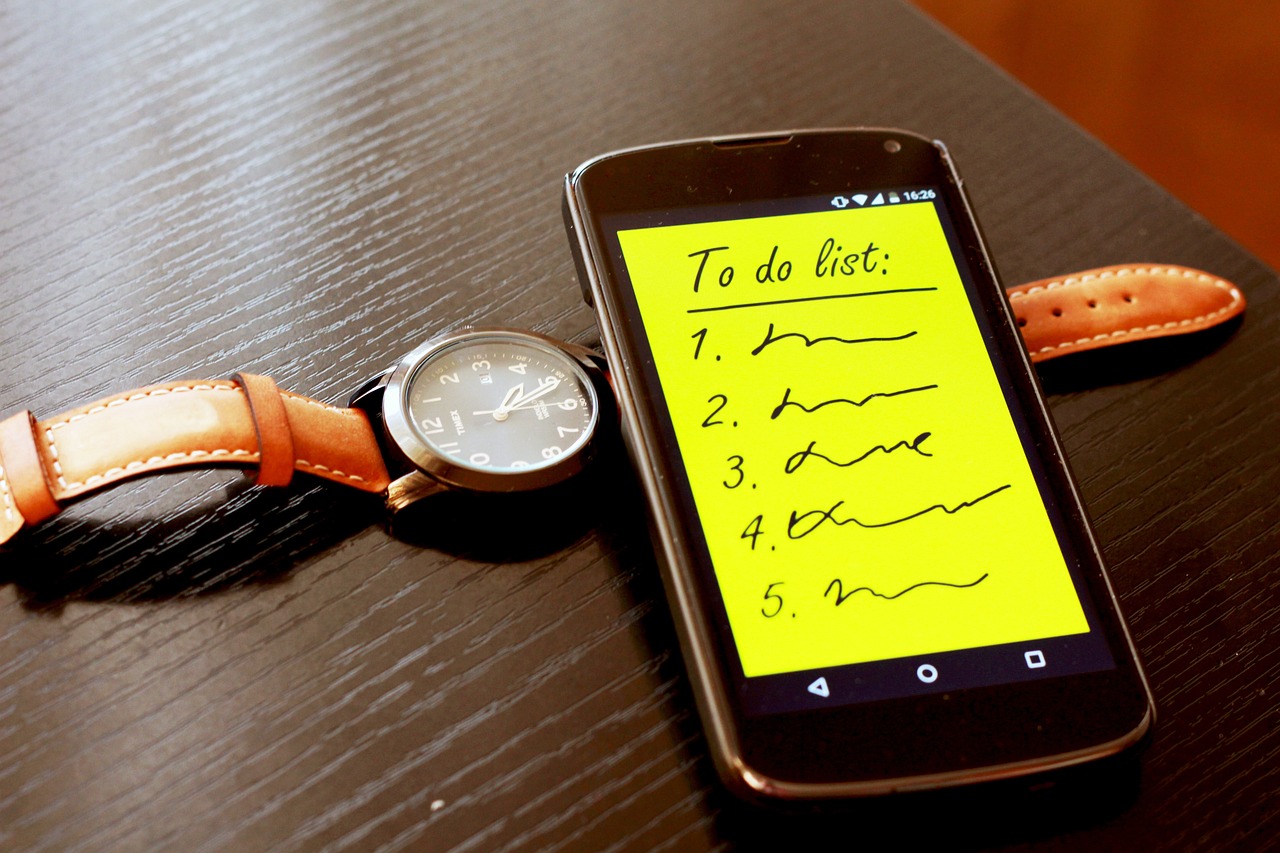
To-do lists cause anxiety and depression

Picture of a to-do list on a smartphone

Has your to-do list become your enemy.
Photo courtesy of Pixabay.

To-do lists cause anxiety and depression

By David Joel Miller, MS, Licensed Therapist & Counselor.

Is your to-do list getting you down?

I’ve been struggling with my to-do list for a long time. I probably should say to-do lists, plural. I do a lot of different things in a day. I spend my day teaching classes, doing supervision, and of course, as a licensed mental health professional, I see a lot of clients. To-do lists have become a big problem for me and almost everyone I know. I think I may have found a solution for this problem.

Rattling around in my brain all day are those ideas for creative things I would like to do. There’s a blog post, a YouTube video, and that novel I’m working on. There are also all those topics that pop into my head that I need to research because no matter how long you have been working with clients, someone will present with a new problem that you wish you knew more about.

Trying to remember six things I want to do when I’m done with this session fills my head up so much I can’t concentrate. As a result, I have learned to use a little pad that sits next to me on my desk as a sort of external hard drive.

Every time an idea pops into my head, I quickly write it on the pad, which means I don’t have to remember it. Then, when the list gets full, I tear off the sheet and toss it onto a pile on my desk. That pile has become the home of my to-do lists. Periodically I go through those notes and try to create one or two consolidated to-do lists. The sheer number of things waiting on those pages to be done used to be overwhelming.

The to-do list phobia syndrome.

My pile of to-do lists became so large that I started placing a book on top of them just so I didn’t have to look at them. I’ve learned from the work I’m doing with both counseling and coaching clients that I’m not the only one who struggles with massive to-do lists. Many of my clients tell me that the length of their to-do list is making them anxious, and at the end of the day, when they look at the items they have been able to complete and see how many remain, they become overwhelmed and depressed.

Does the sheer length of your to-do list make you feel like a failure? I do know, of course, that the reality is that many of those things on my to-do list don’t absolutely have to be done. I need to show up for my counseling appointments and my classes. I need to turn in my timesheets and do my billing if I want to get paid. But all those other things that I feel like I “must” or “should” be doing were making me anxious.

Before long, I think we will have to add a diagnosis for a new phenomenon I’m calling “to-do list phobia.”

Do you delete emails with the word “do” in the subject line?

Have you reached the point where as soon as you see the phrase in the subject line containing the word “do,” that email goes straight to the deleted email file? I had begun ignoring any communication which began with “I need you to do something for me” or “please do this as soon as possible.”

In fact, I was beginning to toss to-do lists of my own making directly into the recycle bin in the hopes that having written down the desire to do this at some point in the future would be enough to keep that thought from returning to my brain.

If you’ve reached the point where just looking at your to-do list, knowing that you have one, and seeing how little you have gotten done on it in the course of the day is leading to anxiety or depression, you have probably contracted a case of “to-do phobia syndrome.” By the way, that’s not an official diagnosis. Still, I see enough people obsessed with productivity and terrified by the undone things on their to-do lists that I think it’s helpful to look at the results of too many things on a to-do list as a productivity impairing syndrome.

How to make your to-do list your friend.

I have found one thing that seems to change my to-do lists from adversaries punishing me for my shortcomings into welcoming friends who encourage me to enjoy the things I do.

One reason I think to-do lists become the enemy for many people rather than helpful friends is that they view those lists as things they HAVE to do. That’s the way I had been looking at it. I get to my desk each morning and would find the list with ten or more things I HAD to do today. At the end of the day, looking back at the things I scratched off, I had finished maybe three out of the ten items. Thirty percent of the items completed feel more like a failure than a success.

Start making lists of things you WANT to do.

I stopped thinking about my to-do list as things I should do or must do and started looking at them as things I WANTED to do. Accomplishing three things that I wanted to do today feels pretty good. I know I won’t live forever. However, part of my life philosophy is that I try to keep moving forward rapidly enough to stay ahead of the Grim Reaper. It will never be possible for me to do all the things I want to do in this lifetime, but I’ve sure been able to do a lot of them.

What would it look like for you if you stopped beating yourself up with things you had to do and started looking forward to things that you wanted to do? If the things on your to-do list aren’t things you really want to do, maybe it’s time to re-examine the direction your life is going.

Does David Joel Miller see clients for counseling and coaching?

Yes, I do. I can see private pay clients if they live in California, where I am licensed. If you’re interested in information about that, please email me or use the contact me form.

Staying in touch with David Joel Miller.

Want the latest blog posts as they publish? Subscribe to this blog.

For more information about my writing journey, my books, and other creative activities, please subscribe to my blog at davidjoelmillerwriter.com

Seven David Joel Miller Books are available on Amazon now! And more are on the way.

For these and my upcoming books, please visit my Amazon Author Page – David Joel Miller

For information about my work in mental health, substance abuse, and having a happy life, please check out counselorssoapbox.com

For videos, see: Counselorssoapbox YouTube Video Channel

Common Challenges Remote Workers Face

Remote Worker
Source: Unsplash.com | By: Yasmina H. | Rights: Free to use under the Unsplash License

Over 4.3 million people in the U.S. work remotely. While many thrive in the new work-from-home space, some still struggle with the various psychological challenges that present themselves in remote work. These challenges not only inhibit the productivity of workers but also play a key role in the mental and physical well-being of employees. 

Below are some of the most common challenges remote workers face and strategies to help overcome them. 

Overworking Yourself

In 2021, unplugging was the most common challenge faced by remote workers and continues to be the number one challenge in 2022 as well. It can be easy to forget to take a break or overwork yourself when working from home. However, not taking breaks or forgetting to unplug when the work day is over can lead to feelings of fatigue, stress, and burnout. 

Remember, it’s okay to take breaks and allow yourself to reset once in a while. Productive breaks are important during the work day both at home and in the office. It allows you to concentrate better, maintain your energy, stay motivated, and keep you mentally refreshed.

If you struggle with taking breaks, try out the Pomodoro Technique. The method advocates working in chunks and taking often, but brief, breaks throughout the day. This time management strategy can be a great way to encourage breaks, increase focus, and allow you to optimize your productivity without feeling overwhelmed

Along with breaks, it’s important to set a hard start and end time or goal each day; so you know when to stop working. When working remotely, it can be easy to stay on the clock even throughout the night. When your work day is over, shut down your computer and silence your work notifications. This will allow you to truly unplug and enjoy your personal time. 

Separating Personal and Professional Life

When you work where you live, it can be hard to separate your personal and professional life. This can increase feelings of anxiety, stress, and frustration. As a remote worker, it’s important to maintain a barrier between work and personal life. 

A great way to separate the two is by having your own dedicated workspace. Create an office separate from where you sleep. It’s important to avoid doing work in your bedroom to help practice sleep therapy, maintain your room’s relaxing nature, and have a physical barrier between your personal and professional life.

To maintain that division, try renting a coworking space or working in a coffee shop. However, if you want to avoid paying fees or having to purchase coffee daily, create your own office space right at home. If you own a home, consider using a home equity loan to construct an optimal covid safe office. This will give you the divide you need while also increasing the value of your home. Constructing an office space is especially advantageous if you have others in your household who work from home, you have kids that need parental supervision, or if you have conditions that don’t allow you to leave your home. Having this space will allow you to create that needed divide, while still being able to enjoy the advantages of working at home. Regardless of what you chose, having a physical separation will clearly define your work and personal life, allowing both to coexist without interfering with each other.

Feeling Isolated

Another major psychological challenge remote workers face is feelings of isolation. It can be easy to forget to leave your house when working remotely. Additionally, not having the typical social interactions from a traditional workplace can make working from home a lonely experience.

To help avoid feelings of loneliness, make an effort to leave your house. Take the time to go for a walk or do an activity outside of your workspace to get your daily dose of sunlight. If possible, take one day a week to work outside your home. This could be as easy as working from your porch or backyard. If you have friends or coworkers in your city, consider meeting up at a coffee shop, public university, or library to do work together. Leaving your home office will help you to feel less isolated, and working with others will help mitigate feelings of loneliness. 

Making Meaningful Connections

Making friends is tough when you enter the workplace, especially when you never got the chance to meet with your coworkers in person. Because of this, it can be difficult for remote workers to feel like they belong and are connected to the company.

In a traditional workspace, conversation happens naturally, but with remote work, it takes a little more effort. Take the extra step to meet your fellow remote workers in a virtual one-on-one to get to know them better and help foster that meaningful connection. Whether it be a casual hello, a shoutout for good work, or starting a conversation, don’t be afraid to speak up in the communication channels you have set up. If allowed, start same-interest group chats, like a music group chat or a movies chat. This will connect you with like-minded people and stimulate fun and more personal conversations.

Along with reaching out to fellow employees, there are also little things that you can do to help create a deeper connection. When possible, have your camera turned on. Seeing a face rather than a still image will create a more personal connection with your teammates. Likewise, participate in video and chat discussions to establish your presence. This will make people more comfortable reaching out to you and allow you to open up to others more. 

Staying Motivated

There are many distractions at home that can make you lose focus and motivation. When working from home, regardless of your position, you become more of your own manager. Since there isn’t anyone watching over your shoulder or coworkers present to keep you motivated, you have to find ways to self-motivate. For some, this may be easy, but for others finding motivation is a difficult task. 

Having a dedicated workspace away from the noise is always a great start. But what’s perhaps more important is having a morning routine. Just like how a nighttime routine gets you ready for bed, a morning routine can give you an energized start to the day and allow you to stay motivated to accomplish your goals. Start your day with food and an energizing beverage. Create daily goals and a schedule to keep you guided while working from home. Rather than working in silence, play music, or, if it’s not too distracting, a podcast. If allowed, put away your phone or have it on do not disturb during the work day. All of this will mitigate common work from home distractions and keep you focused on the task at hand. 

Another way to help you stay motivated is by having virtual study halls with teammates. If you’re the type of person to be motivated by others, hosting virtual study halls is a great way to work alongside your coworkers remotely. As mentioned earlier, remember to take breaks when needed. Try going on a walk to get some fresh air and a clear mind. Energizing breaks like these can be the perfect reset and give you more balance during your work day. 

Do you have imposter syndrome?

Imposter syndrome.
Photo courtesy of Pixabay.com

By David Joel Miller, MS, Licensed Therapist & Licensed Counselor.

Could you have imposter syndrome?

Imposter syndrome is a term probably everyone has heard recently. The term, and probably its prevalence, is a lot more common now than in the past. One way to understand this is to imagine someone who looks like they have a skill, they know they’re wearing the uniform of the job, but they don’t actually know how to do what they’re supposed to do. Many people with professional credentials or who have been hired to do a particular job may feel like imposters because they lack confidence in their ability to do the job adequately.

Imposter syndrome is a common reason people seek counseling.

Officially imposter syndrome is not a recognized diagnosis. But imposter syndrome and some related conditions result in high levels of anxiety and often depression. What we used to think was that it was primarily a problem of women working in male-dominated professions. We now see this phenomenon almost universally. We find similar insecurities among children and adolescents who feel they don’t measure up and have the abilities of their classmates.

In the past studies of several professions, we found that almost 100% of people in a given vocation rated themselves as above average. However, because of higher job stress and the increasing rate of burnout, we find more people today who believe they are in over their heads and don’t measure up to the abilities of their colleagues and coworkers.

Imposter syndrome is common.

One survey concluded that roughly 75% of people in certain occupations feel like they are imposters pretending to be competent at their jobs but not really having the skills they require. Of course, many professional licenses or certifications call for only a minimum level of competency. So, when the people in a profession compare themselves to famous practitioners, they are likely to feel that they don’t measure up.

Even at elite universities and colleges, students feel like imposters. They can see other students getting all A’s apparently with these. While they may have gotten admitted, the students frantically study, trying to keep their grades up to the level of their peers. The saying at some colleges is there only two grades. You either get an A, or you get the other grade. In this way of thinking, if you’re not a straight-A student, you’re a failure.

Imposter syndrome is more than a fear of failure.

Many people experience a fear of failure. Even the most talented people sometimes fail. People with imposter syndrome not only feel like a failure, they believed they don’t measure up. The belief that you don’t have the skills or talent needed to perform the job you’re doing satisfactorily is a significant part of imposter syndrome. People with imposter syndrome believe they are essentially defective.

People with imposter syndrome feel like frauds.

They often suffer from a high level of anxiety about their job performance and life in general. Since they don’t feel capable of doing the jobs they are performing, they live in constant fear of being found out.

Imposter syndrome has increased with more online work.

Constantly being on camera, whether working from home or being a student taking online classes, has created an incredible pressure to always be perfect. Many clients I’ve worked with have reported that the stress of working online has been overwhelming. I’m hearing increasingly common reports that students become so self-conscious that they will turn their cameras off and would rather take a failing grade than have to be constantly in the view of all their classmates. Getting teased and bullied about your appearance also contributes to an increase in anxiety.

Online work isn’t the only reason for an increase in imposter syndrome.

As more and more people become accustomed to working online were developing new skills and competencies for doing work this way. I’ve seen some outstanding teaching and counseling being done in the online virtual format. I was hearing of cases of imposter syndrome well before the Covid pandemic. With 24-7 media coverage and the ability to live stream, everything anyone does can be quickly recorded and rapidly disseminated. This feeling that you can never make a mistake or misspeak has resulted in many people feeling inadequate for today’s world.

Comparing up is one reason you may experience imposter syndrome.

Social media has been especially damaging to self-esteem. Someone with ten friends on social media compares themselves to someone with 500 or 1000. That upward comparison makes you feel inadequate. Very few people ever compare themselves down to someone who only has one friend.

You can overcome imposter syndrome.

Even in high-stress jobs, people do overcome their feelings of vulnerability and beliefs that they are inadequate for the job they’re doing. Counseling can help. Working on improving your skills also contributes to overcoming the feeling. And most importantly, accepting that you’re a fallible human and sometimes will make mistakes can take you a long way towards overcoming imposter syndrome.

In an upcoming post, I want to talk to you in more detail about specific techniques you can apply to overcome insecurities, feelings you don’t measure up, and overcome imposter syndrome.

Staying connected with David Joel Miller

Seven David Joel Miller Books are available now! And more are on the way.

For these and my upcoming books, please visit my Author Page – David Joel Miller.

Want the latest blog posts as they publish? Subscribe to this blog.

For videos, see: Counselorssoapbox YouTube Video Channel.

Signs you are overwhelmed and stressed out.

By David Joel Miller, MS, Licensed Therapist & Licensed Counselor.

Overwhelmed.
Photo courtesy of Pixabay.com

Is this normal, or are you overwhelmed and stressed out?

Stress is a normal part of life. During the night, when you sleep, the body produces stress hormones which is one reason that with adequate sleep, you can jump out of bed in the morning. Throughout the day, those stress hormones should be used up and by the end of the day, you should feel tired and ready to rest again. When you become overwhelmed and stressed out through the day, this can lead to damaged physical and mental health, mental illness, and job burnout. Here are some of the symptoms that should become overwhelmed and stressed out.

If you chronically feel anxious, you’re getting stressed out.

Anxiety should be restricted to those times when you are in a dangerous or difficult situation. If you feel anxious all the time and the smallest thing startles you, your anxiety is getting excessive and you may be developing a mental illness called generalized anxiety disorder.

If your nerves are shot, you’re being overwhelmed.

Your body should reset to a normal non-anxious state when the anxiety-producing situation ends. If you’re starting to feel like things are getting on your last nerve, that’s not normal. Once you start feeling like your nerves are shot, you’re headed for difficulty and should seek professional assistance before you completely burnout.

If you constantly feel burdened and heavy, the stress is getting to you.

One of the early signs of burnout, excessive stress, is when you feel physically and emotionally exhausted, and you are no longer able to rest during your time off. Occasionally going through a stressful period and being exhausted is normal. But if you’re not able to recover during your downtimes, you’re seriously overwhelmed.

When it is hard to breathe, the cause may be stress.

With any physical symptoms, you should always check with a doctor first. But if you discover that you’re finding it hard to breathe when you’re anxious, possibly even having panic attacks, your body may be telling you you’ve reached the limit of your ability to manage stress.

If you are always stressed and tense, you may be emotionally overwhelmed.

Your body reacts to emotional stress in the same way it reacts to physical stress. If you are developing aches and pains and there doesn’t seem to be a physical cause your body may be telling you, you’re under too much emotional stress.

When you are constantly irritable, it may be a sign of too much stress.

When a small child is sick, they become irritable and push people away. Adults who are under a lot of stress and become overwhelmed become irritable. Irritability and even anger is a way of pushing people away and creating the space you need to rest up from excessive stress.

If there is no fun in your life, the cause may be stress.

The inability to feel pleasure is one of the symptoms of depression. There’s a lot of overlap between major depressive disorder a diagnosable mental illness, and excessive levels of anxiety. Too much stress in your life can leave you overwhelmed, burned out, and can lead to depression and anxiety.

Changes in your sleep and appetite can be the result of stress.

Having difficulty sleeping, or sleeping longer than usual and still not feeling rested our both signs of depression. Milder brief episodes of these sleep changes may be simply the result of too much stress. But if you change in sleeping habits goes on for very long, you should see a mental health professional before it turns into debilitating major depressive disorder.

Changes in appetite can also be a sign of difficulty adjusting to stress or the beginning of a mental illness. When depressed, some people find it difficult to eat, while other people cope with their stress by emotional eating. If you develop sudden cravings for sweets and carbohydrates, it may be the result of depression or another mental illness.

Staying connected with David Joel Miller

Seven David Joel Miller Books are available now!

My newest book is now available. It was my opportunity to try on a new genre. I’ve been working on this book for several years, but now seem like the right time to publish it.

Story Bureau.

Story Bureau is a thrilling Dystopian Post-Apocalyptic adventure in the Surviving the Apocalypse series.

Baldwin struggles to survive life in a post-apocalyptic world where the government controls everything.

As society collapses and his family gets plunged into poverty, Baldwin takes a job in the capital city, working for a government agency called the Story Bureau. He discovers the Story Bureau is not a benign news outlet but a sinister government plot to manipulate society.

Bumps on the Road of Life. Whether you struggle with anxiety, depression, low motivation, or addiction, you can recover. Bumps on the Road of Life is the story of how people get off track and how to get your life out of the ditch.

Dark Family Secrets: Doris wants to get her life back, but small-town prejudice could shatter her dreams.

Casino Robbery Arthur Mitchell escapes the trauma of watching his girlfriend die. But the killers know he’s a witness and want him dead.

Planned Accidents  The second Arthur Mitchell and Plutus mystery.

Letters from the Dead: The third in the Arthur Mitchell mystery series.

What would you do if you found a letter to a detective describing a crime and you knew the writer and detective were dead, and you could be next?

Sasquatch. Three things about us, you should know. One, we have seen the past. Two, we’re trapped there. Three, I don’t know if we’ll ever get back to our own time.

For these and my upcoming books; please visit my Author Page – David Joel Miller

Want the latest blog posts as they publish? Subscribe to this blog.

For videos, see: Counselorssoapbox YouTube Video Channel

Warning signs you’re overtired and stressed out.

By David Joel Miller, MS, Licensed Therapist & Licensed Counselor.

Stress person

Stress.
Photo courtesy of Pixabay.com

Stress can be either physical or emotional.

Some stress is more harmful than others. Physical stress wears out the body, but it also makes it harder to regulate your emotions. Emotional stress makes it difficult for you to think and can also interfere with sleep, appetite, and mood, leading to depression and anxiety. One of the early symptoms of job burnout is feeling both physically and emotionally tired and not being able to rest up during your hours away from work or stress. Below is a list of symptoms that may mean you are overtired, stressed out, and headed for long-term physical and emotional problems.

You have stopped feeling pleasure.

Loss of pleasure, particularly the inability to feel pleasure, is one of the warning signs of depression. If things that used to make you happy no longer do, you’re headed for problems. Life is a mixture of the good and bad, but if you’ve reached a point where you no longer can recognize and enjoy the good things when they happen, something is wrong.

If you can’t sleep, stress may be the cause.

The inability to sleep, or poor sleep quality, can be the result of many things, very few of which are good. Sleeping far too much or inability to sleep is a symptom of depression. Lying awake at night unable to fall asleep because your mind is racing and you’re full of anxiety should tell you that something is wrong. It’s possible to be too physically tried to fall asleep. But more often, the cause of an inability to sleep is stress, anxiety, depression, or an even a more severe mental illness.

Stress can cause weird, upsetting dreams.

Today most therapists spend far less time on dream analysis than we did in the past. What a dream means to one person and what it means to someone else may be very different. But if you’ve noticed a change in your dreams, you need to look at what else is going on in your life. If your dreams are upsetting, you start by examining what is going on in your life. Weird upsetting dreams are one sign that your stress levels are just too high.

Tight, aching muscles can be a sign of stress fatigue.

If your muscles are tight, aching, and you haven’t recently put them under physical strain, probably excess stress is the cause. With any physical symptoms, it’s always a good idea to see a doctor and rule out an organic cause. But if your body is complaining, and you can find a physical reason why stress is the likely culprit.

Falling asleep in the daytime is a sign of fatigue.

Sleeping during the daytime suggests you’re not getting enough rest at night. Emotional stress can be just as exhausting as physical activity. If your spending enough time in bed, but still tired during the daytime, stress, and pressure are likely reasons.

Brain fog can be a sign you are overtired.

Being overtired and stressed out can result in cognitive challenges. If you find you are walking around in a fog, having difficulty making decisions, stress is a likely culprit. Like a computer that is unable to take in new input until it processes something, your brain can be so overloaded with stress that it is unable to function efficiently.

Irritability is a symptom of excessive stress.

When a baby doesn’t feel well, they become irritable. They may try to push caregivers away. If you find that you are becoming more irritable, more temperamental, or shorter with those around you, it’s essential to pay attention to how much stress you are under and what is causing it. There are lots of techniques you can use to reduce stress, but you must practice stress reduction before you break. Once your irritability has caused problems in your relationships with others, you may not be able to repair the damage your irritability has caused.

Cravings can be the result of being stressed out.

People who are under a lot of stress often find that there eating changes. Rather than craving healthy foods, you may begin to crave carbohydrates and sugar. People with a history of using drugs and alcohol discovered that constant cravings for drugs and alcohol are often the result of stress. Pay attention to your cravings; they’re trying to tell you something beyond just that you want that food or drug.

Stress causes headaches that won’t go away.

Lots of things can cause headaches, and it’s important to rule those physical causes out. But if you suffer from chronic headaches, and your doctor hasn’t found a physical reason, a likely culprit is stress, particularly stress of the emotional kind.

Digestive upset is a sign of stress.

Pressure and stress can also upset your digestive system. Episodes of both diarrhea and constipation can be the direct result of stress. Do what you need to do to take care of yourself. It’s important to re-examine your life and find out whether your life is that stressful or if some of your reaction to stress is the result of a negative stress mindset.

Being chronically thirsty may be a sign of excess stress.

If you’re experiencing chronic thirst, and it is not caused by either physical dehydration or medical problems such as diabetes, it may be the result of high levels of stress.

If you recognize several of these symptoms of excess stress and they are interfering with your quality of life, now is the time to re-examine your life and reduce your stress. You may want to learn and practice some stress reduction techniques. For the emotional varieties of stress, consider working with a counselor on shifting your stress mindset.

For more on this topic see:     Stress

Staying connected with David Joel Miller

Seven David Joel Miller Books are available now!

My newest book is now available. It was my opportunity to try on a new genre. I’ve been working on this book for several years, but now seem like the right time to publish it.

Story Bureau.

Story Bureau is a thrilling Dystopian Post-Apocalyptic adventure in the Surviving the Apocalypse series.

Baldwin struggles to survive life in a post-apocalyptic world where the government controls everything.

As society collapses and his family gets plunged into poverty, Baldwin takes a job in the capital city, working for a government agency called the Story Bureau. He discovers the Story Bureau is not a benign news outlet but a sinister government plot to manipulate society.

Bumps on the Road of Life. Whether you struggle with anxiety, depression, low motivation, or addiction, you can recover. Bumps on the Road of Life is the story of how people get off track and how to get your life out of the ditch.

Dark Family Secrets: Doris wants to get her life back, but small-town prejudice could shatter her dreams.

Casino Robbery Arthur Mitchell escapes the trauma of watching his girlfriend die. But the killers know he’s a witness and want him dead.

Planned Accidents  The second Arthur Mitchell and Plutus mystery.

Letters from the Dead: The third in the Arthur Mitchell mystery series.

What would you do if you found a letter to a detective describing a crime and you knew the writer and detective were dead, and you could be next?

Sasquatch. Three things about us, you should know. One, we have seen the past. Two, we’re trapped there. Three, I don’t know if we’ll ever get back to our own time.

For these and my upcoming books; please visit my Author Page – David Joel Miller

Want the latest blog posts as they publish? Subscribe to this blog.

For videos, see: Counselorssoapbox YouTube Video Channel
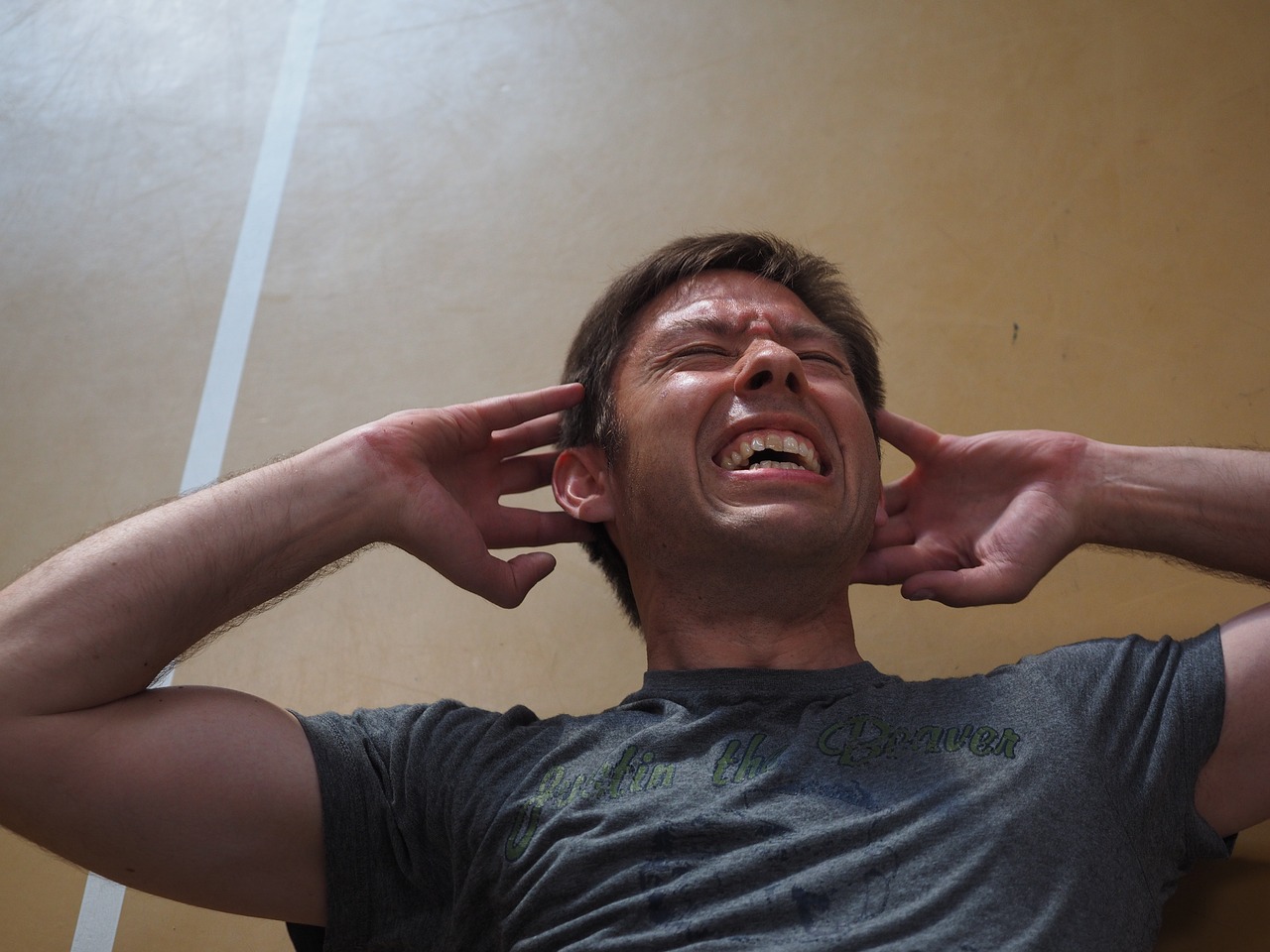
Ways to Prevent Burnout.

By David Joel Miller MS Licensed Therapist & Licensed Counselor.

Burnout.
Photo courtesy of Pixabay.com

Solutions to keep you from being the victim of burnout.

The stress of life in this century is increasing the number of people reporting burnout. Several factors are at play here. The time spent in formal education has increased dramatically. Many people today graduate from school ready to begin their work career already buried in student loan debt. The available jobs on planet Earth have shifted from working with plants in agriculture and things in manufacturing to working with people. Life itself has simply become more stressful. Before you experience burnout, here are some things you can do to protect yourself.

Get adequate sleep.

One of the first signs of burnout is feeling physically and emotionally exhausted. It’s tempting to believe you can stay up late and still be productive the next day. Eventually, you will develop a sleep deficit, and your ability to cope with stress will decline.

Avoid alcohol and drugs.

Alcohol and drugs may make you feel better in the short run, but when they wear off, you will be more depleted than before. Using drugs and alcohol to cope is a sure way to accelerate your journey to burnout.

Maintain friendships and social connections.

Having positive friendships and social support buffers you from stress. As life’s demands increase, people are tempted to reduce their social connections. Having a support system will help you get through stressful times. Time spent with friends is not a waste of time which could’ve been productive at work, it’s an investment in maintaining your ability to cope with stress.

Avoid perfectionism.

There are a few things that require perfection or near perfection. If you allow the quest for perfection to spill over into areas where it’s not needed, you increase your stress level possibly to the breaking point.

Scheduled downtime, don’t over-schedule yourself.

Machines can’t run and 100 hundred percent of capacity, neither can humans. Cramming your schedule full of work and the rest of your time full of frantic leisure activities can exceed your physical and emotional resources.

Use relaxation tools, meditation, deep breathing, etc.

Don’t wait until after your burnout, to learn stress reduction techniques. Simple relaxation tools can lower your level of stress and keep you physically and emotionally well.

Take your breaks.

When times are stressful, it’s tempting to try to keep up your productivity by working through lunch and skipping breaks. Temporarily this may increase what you get done, but over the long haul, your productivity will decline. Ultimately neglecting self-care results in exhaustion which leads to burnout.

Learn to say no.

Avoid taking on projects and responsibilities you don’t have the energy and resources to accomplish. Failure to say no results in becoming overwhelmed. After your burn out someone else will do your job and probably they will say no to excessive demands. Setting proper boundaries can help you continue to function effectively over a much longer period.

Practice disconnecting; you can unplug.

Leaving work at the job is important. Avoid taking work home with you whenever possible. When you’re spending time with family or friends, be fully present with them. Don’t continue to think about work during your leisure time.

Make self-care a priority, eat well, exercise.

Make taking care of yourself your top priority. Believe that you matter. Create a life in which you thrive by eating well, sleeping, and getting healthy exercise. Pursue the things that interest you and invest some time in self-improvement.

Improve your job skills, so you have options.

Avoid getting locked into doing the same work over and over. Keep your options open. Continuing to improve your job skills and learning new skills gives you additional options. Being able to move from one position to another or even from one company to another keeps you from getting trapped. Having other options reduces the chance that you will stay on the job past the point of burnout.

More posts about – Burnout.

Staying connected with David Joel Miller

Seven David Joel Miller Books are available now!

My newest book is now available. It was my opportunity to try on a new genre. I’ve been working on this book for several years, but now seem like the right time to publish it.

Story Bureau.

Story Bureau is a thrilling Dystopian Post-Apocalyptic adventure in the Surviving the Apocalypse series.

Baldwin struggles to survive life in a post-apocalyptic world where the government controls everything.

As society collapses and his family gets plunged into poverty, Baldwin takes a job in the capital city, working for a government agency called the Story Bureau. He discovers the Story Bureau is not a benign news outlet but a sinister government plot to manipulate society.

Bumps on the Road of Life. Whether you struggle with anxiety, depression, low motivation, or addiction, you can recover. Bumps on the Road of Life is the story of how people get off track and how to get your life out of the ditch.

Dark Family Secrets: Doris wants to get her life back, but small-town prejudice could shatter her dreams.

Casino Robbery Arthur Mitchell escapes the trauma of watching his girlfriend die. But the killers know he’s a witness and want him dead.

Planned Accidents  The second Arthur Mitchell and Plutus mystery.

Letters from the Dead: The third in the Arthur Mitchell mystery series.

What would you do if you found a letter to a detective describing a crime and you knew the writer and detective were dead, and you could be next?

Sasquatch. Three things about us, you should know. One, we have seen the past. Two, we’re trapped there. Three, I don’t know if we’ll ever get back to our own time.

For these and my upcoming books; please visit my Author Page – David Joel Miller

Want the latest blog posts as they publish? Subscribe to this blog.

For videos, see: Counselorssoapbox YouTube Video Channel

Work.

Sunday Inspiration.     Post by David Joel Miller.

Work.

Work.
Photo courtesy of Pixabay.com

Work.

“If you work really hard, and you’re kind, amazing things will happen.”

― Conan O’Brien

“Be steady and well-ordered in your life so that you can be fierce and original in your work.”

― Gustave Flaubert

“One, remember to look up at the stars and not down at your feet. Two, never give up work. Work gives you meaning and purpose and life is empty without it. Three, if you are lucky enough to find love, remember it is there and don’t throw it away.”

― Stephen Hawking

Wanted to share some inspirational quotes with you.  Today seemed like a good time to do this. If any of these quotes strike a chord with you, please share them.

Look at these related posts for more on this topic and other feelings.

Emotions and Feelings.

Inspiration

Why you are burned out.

By David Joel Miller, MS, Licensed Therapist & Licensed Counselor.

Match on fire

Burnout.
Photo courtesy of Pixabay.com

Are you experiencing burnout?

Burnout has been one of the major problems of the last century, and it’s getting worse, not better. As more people work in jobs that involve contact with other people, stress has been magnified. Among social workers burnout was called “compassion fatigue.” Teachers experience burnout, so do bankers. Customer service representatives and those who work in phone centers commonly experience burnout.

High levels of stress, particularly in situations where you are low in your abilities to control the situation, can result in burnout. Once you experience burnout, you may never be able to return to that job again. For some people, burnout is so complete that they become disabled and are never able to work afterward. Here are some of the things that may be putting you at high risk for burnout.

Trying to do too much results in burnout.

Worldwide, everyone seems to be doing more and finding less happiness. Today most families are either single parents or both parents work. With more hours put in on the job, there is less time for children, relationships, and self-care.

The price we have paid for more material possessions has been long commutes, more stress on the job, and declining life satisfaction. Recently we have seen a tremendous increase in anxiety disorders, depression, and stress-related disorders. Poor mental and emotional health is resulting in poor physical health. If your whole life consists of running from one thing to the next you’re at high risk to break down and not be to do anything in the future.

When you don’t say no, you take on too much.

Whether it’s on the job, or in your personal life; not being able to say no puts you at an increased risk of burnout. If you’re one of those people, who feel guilty when you say no, you are sacrificing your health for other people’s approval. Taking on that one more project may be the one to many that lead to emotional exhaustion.

Not taking care of your body, leads to burnout.

Most people are chronically sleep-deprived, not out of necessity but out of choice. In that respect electricity, has been a mixed blessing. People set their alarms so they can get up before the sun. It’s a rush to get yourselves and your family ready for the day. The evenings are spent binging on electronic entertainment. It’s common for people of all ages to stay up late online, frantically pursuing pleasure. Junk food provides the bulk of the fuel for human bodies today. Being overweight or obese adds another burden, physically and mentally, for you to carry around each day. Poor physical self-care leaves you emotionally depleted as well and at high risk for permanent burnout.

When other people’s opinion matters too much, you risk burnout.

Social media likes have become the measure of personal satisfaction. A diet of craving other people’s approval leaves you starved for self-esteem. If you don’t feel good about yourself, you will never be able to get enough approval from others. One of the first signs of burnout is feeling chronically, physically, and emotionally exhausted.

You will burn out if your brain never gets time off.

It’s common for people in therapy to report that their mind races. An unquiet mind can be a symptom of a particular mental illness, but it can also indicate stimulus overload. The human brain is designed to do most things automatically, without thought. Fewer things require serious deep thinking. When your brain is full of things you need to remember, and you are thinking deeply, your thought processes will slow down. When your brain is full, trying to do your daily job, life can be overwhelming.

Pursuing someone else’s goals causes burnout.

Some people look forward to their daily tasks. When you enjoy what you do each day, it energizes you. If you are pursuing your passions, are on the jazz about what you do each day, you were unlikely to experience burnout. Many people find they can tolerate an unpleasant workday if their leisure time allows them to pursue their passions. The more of each day you spend pursuing someone else’s goals, the less time you will have to reach your objectives.

Negative thoughts result in burnout.

The thoughts you have, produce the feelings you feel. If your typical way of thinking is pessimistic, full of negative, unhelpful thoughts, you will become emotionally drained. As burnout progresses people move from feeling physically and emotionally exhausted to being cynical and negative about other people, the situation, and the future. When you begin to feel that you are incompetent, unable to do your daily task correctly, you are at the end of the line for burnout.

More posts about – Burnout.

David Joel Miller MS is a Licensed Marriage and Family Therapist (LMFT) and a Licensed Professional Clinical Counselor (LPCC.)  Mr. Miller provides supervision for beginning counselors and therapists and teaches at the local college in the Substance Abuse Counseling program.

Staying connected with David Joel Miller

Seven David Joel Miller Books are available now!

My newest book is now available. It was my opportunity to try on a new genre. I’ve been working on this book for several years, but now seem like the right time to publish it.

Story Bureau.

Story Bureau is a thrilling Dystopian Post-Apocalyptic adventure in the Surviving the Apocalypse series.

Baldwin struggles to survive life in a post-apocalyptic world where the government controls everything.

As society collapses and his family gets plunged into poverty, Baldwin takes a job in the capital city, working for a government agency called the Story Bureau. He discovers the Story Bureau is not a benign news outlet but a sinister government plot to manipulate society.

Bumps on the Road of Life. Whether you struggle with anxiety, depression, low motivation, or addiction, you can recover. Bumps on the Road of Life is the story of how people get off track and how to get your life out of the ditch.

Dark Family Secrets: Doris wants to get her life back, but small-town prejudice could shatter her dreams.

Casino Robbery Arthur Mitchell escapes the trauma of watching his girlfriend die. But the killers know he’s a witness and want him dead.

Planned Accidents  The second Arthur Mitchell and Plutus mystery.

Letters from the Dead: The third in the Arthur Mitchell mystery series.

What would you do if you found a letter to a detective describing a crime and you knew the writer and detective were dead, and you could be next?

Sasquatch. Three things about us, you should know. One, we have seen the past. Two, we’re trapped there. Three, I don’t know if we’ll ever get back to our own time.

For these and my upcoming books; please visit my Author Page – David Joel Miller

Want the latest blog posts as they publish? Subscribe to this blog.

For videos, see: Counselorssoapbox YouTube Video Channel