
Stress

By David Joel Miller, MS, Licensed Therapist & Licensed Counselor.
Stressed

Feeling stressed out?
Photo courtesy of Pixabay.com

Stress!

“Can you feel the stress in this room?”

The person next to me bent over and whispered in my ear. “Yes,” I replied. “I have never felt it this strongly,” they said.

Are you feeling it too?

These days people are collapsing under stress as never before. Fear is stalking us.

We are daily reminded of two wars – should we make that three – and counting? Housing prices continue to crumble; most homeowners are underwater if they haven’t lost their home to foreclosure already. Unemployment is up – stubbornly up. In my area, unemployment flirts with the 20% mark. Is it any wonder we are stressed?

The gridlock in Washington hasn’t reduced the stress level of anyone I know. Did I hear that right – politicians almost let us default on the NATIONAL DEBT! And the stock market makes my stomach hurt worse than any roller coaster I ever rode on. Consumer confidence is near the bottom. Did I read that right – one credit card company emailed me a warning – I did not owe them anything but they were warning me THEY didn’t have the money to lend me?

Are company presidents really bragging about the number of American jobs they have eliminated?  It is not just the low-skilled unemployed that are out of work. People with college degrees are unable to find jobs; some are running out of unemployment benefits. And the once safe place – government employment – has become a scary place as huge numbers of government employees at all levels are being laid off.

There was a time when the way to escape economic uncertainty was to go back to school, usually to college, and get a degree. A degree is still a wonderful thing, but occupations are changing so rapidly a degree is no guarantee of finding a job.

California has traditionally been the land of second chances. And third and fourth … But as the budgets shrink colleges everywhere are raising tuition, cutting classes, and capping enrollment  So even if someone chooses to go back to school there are no guarantees of admission, classes, or a career afterward. That is causing students a lot of stress.

Being a parent is even more stressful. Lots of kids are not finishing school. The numbers going to juvenile halls show no sign of declining. Teen pregnancies and drug use are everywhere you look. If parents had known the risks beforehand we might not have become parents.

It’s only adults that stress right? Kids don’t understand stress, right? They don’t know we are stressed, we are hiding it well. Wrong! The hospital emergency rooms are seeing those kids. I read on the internet, a study which said over the last ten years the number of children admitted to psychiatric hospitals has continued to rise. These are kids who say they want to commit suicide, kids who wish they were never born, or they wish that they were dead.

No, not every kid says that, but the numbers who do are rising. Kids who never before knew what homelessness meant are learning the hard way. Kids tell me they have moved 3 – 4 – 7 times or more because the family couldn’t pay the rent. Several families move in together in a house too small for one family.

Some kids get kicked out of school. I am seeing a wave of home-schooled; self-taught students who couldn’t be kept in the classroom anymore because of their behavior – or their parent’s behavior.

Lots of those kids who end up in contact with the official system, welfare, Child protective services, juvenile hall, where are their parents? They are in prison and jail. In our society, for a long time, one in three black men went to prison. But the numbers are changing now. More Hispanics, more women, and more white men are going to prison. Nowadays everyone gets a chance to do time.

Our prisons are overcrowded and soon we will have to start letting people out to make room for the new prisoners.

Some kids are looking forward to seeing their parents freshly released from prison; some are scared for the same reason.

It’s the drugs, right? We have been fighting the war on drugs so long, our battle flag is torn and covered in blood. More children and younger ones are trying drugs. Some are doing drugs with their parents; others are stealing their parent’s drugs.

And it’s not just the same old drugs, six new drugs, maybe more, have arrived on the streets of America in the last couple of years. Some of these drugs aren’t illegal yet. Most don’t show on the hospital screening tests. And the kids who tell me they are using drugs – they keep getting younger and younger.

And the drugs that hurt the most are not the rare illegal ones. They are not the ones that sneak in through the windows but the ones that we openly carry in the front door. Alcohol and Tobacco-related deaths account for over 95 percent of all drug-related deaths. Abused prescription drugs are in second place with all illegal drugs a distant third.

So what causes these children to succumb to all this stress?  Why do some parents cave in under the stress and others make it through? In the future, I will write more about my thoughts on withstanding stress, but now I would like to know –

What do you think?

How do you cope with stress?

How can those of us that are in the helping professions, counselors, therapists, doctors, nurses, and others – how can we help people to withstand these horrific levels of stress?

Staying connected with David Joel Miller

Seven David Joel Miller Books are available now!

My newest book is now available. It was my opportunity to try on a new genre. I’ve been working on this book for several years, but now seem like the right time to publish it.

Story Bureau.

Story Bureau is a thrilling Dystopian Post-Apocalyptic adventure in the Surviving the Apocalypse series.

Baldwin struggles to survive life in a post-apocalyptic world where the government controls everything.

As society collapses and his family gets plunged into poverty, Baldwin takes a job in the capital city, working for a government agency called the Story Bureau. He discovers the Story Bureau is not a benign news outlet but a sinister government plot to manipulate society.

Bumps on the Road of Life. Whether you struggle with anxiety, depression, low motivation, or addiction, you can recover. Bumps on the Road of Life is the story of how people get off track and how to get your life out of the ditch.

Dark Family Secrets: Doris wants to get her life back, but small-town prejudice could shatter her dreams.

Casino Robbery Arthur Mitchell escapes the trauma of watching his girlfriend die. But the killers know he’s a witness and want him dead.

Planned Accidents  The second Arthur Mitchell and Plutus mystery.

Letters from the Dead: The third in the Arthur Mitchell mystery series.

What would you do if you found a letter to a detective describing a crime and you knew the writer and detective were dead, and you could be next?

Sasquatch. Three things about us, you should know. One, we have seen the past. Two, we’re trapped there. Three, I don’t know if we’ll ever get back to our own time.

For these and my upcoming books; please visit my Author Page – David Joel Miller

Want the latest blog posts as they publish? Subscribe to this blog.

For videos, see: Counselorssoapbox YouTube Video Channel
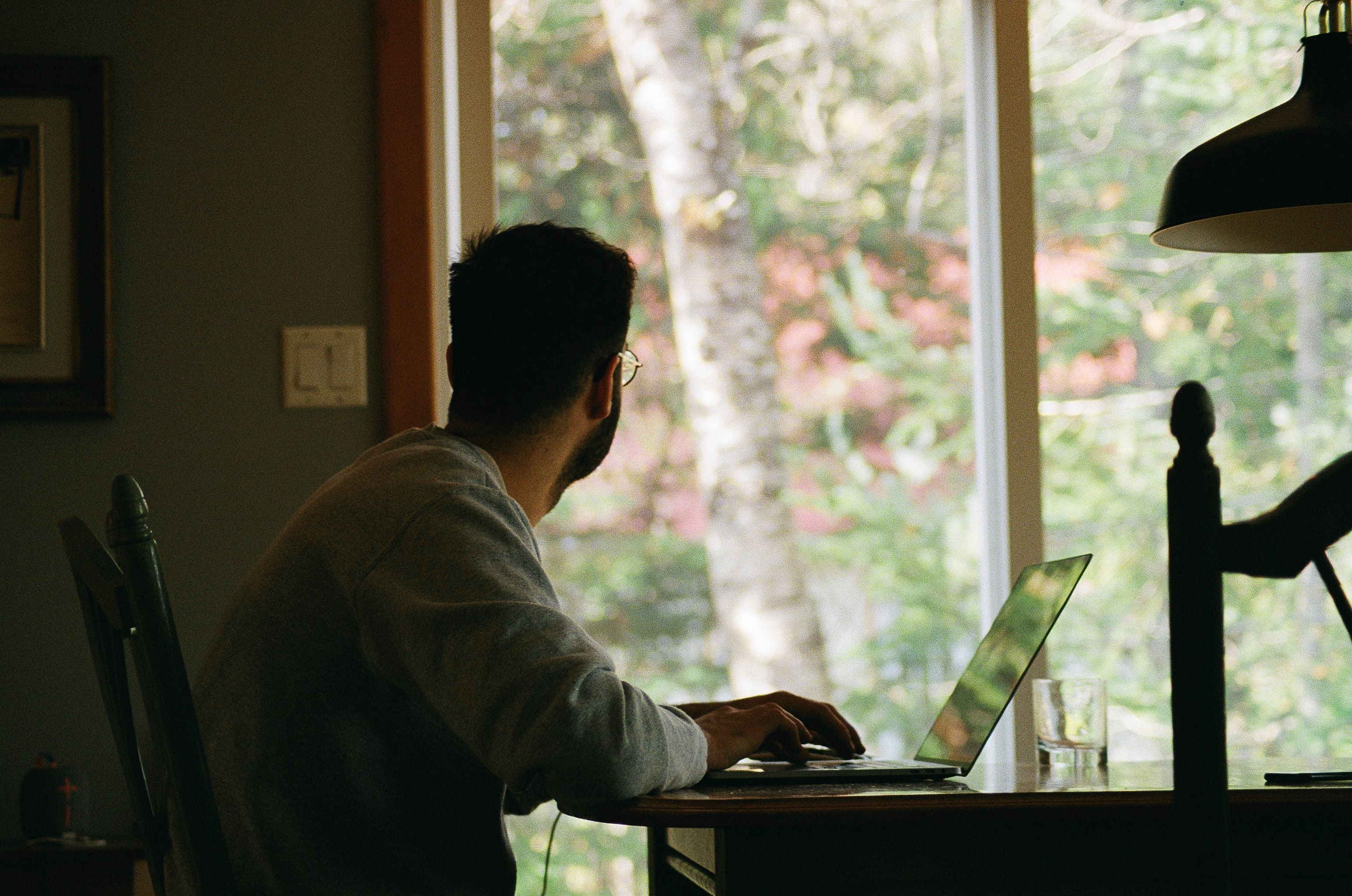
Common Challenges Remote Workers Face

Remote Worker
Source: Unsplash.com | By: Yasmina H. | Rights: Free to use under the Unsplash License

Over 4.3 million people in the U.S. work remotely. While many thrive in the new work-from-home space, some still struggle with the various psychological challenges that present themselves in remote work. These challenges not only inhibit the productivity of workers but also play a key role in the mental and physical well-being of employees. 

Below are some of the most common challenges remote workers face and strategies to help overcome them. 

Overworking Yourself

In 2021, unplugging was the most common challenge faced by remote workers and continues to be the number one challenge in 2022 as well. It can be easy to forget to take a break or overwork yourself when working from home. However, not taking breaks or forgetting to unplug when the work day is over can lead to feelings of fatigue, stress, and burnout. 

Remember, it’s okay to take breaks and allow yourself to reset once in a while. Productive breaks are important during the work day both at home and in the office. It allows you to concentrate better, maintain your energy, stay motivated, and keep you mentally refreshed.

If you struggle with taking breaks, try out the Pomodoro Technique. The method advocates working in chunks and taking often, but brief, breaks throughout the day. This time management strategy can be a great way to encourage breaks, increase focus, and allow you to optimize your productivity without feeling overwhelmed. 

Along with breaks, it’s important to set a hard start and end time or goal each day; so you know when to stop working. When working remotely, it can be easy to stay on the clock even throughout the night. When your work day is over, shut down your computer and silence your work notifications. This will allow you to truly unplug and enjoy your personal time. 

Separating Personal and Professional Life

When you work where you live, it can be hard to separate your personal and professional life. This can increase feelings of anxiety, stress, and frustration. As a remote worker, it’s important to maintain a barrier between work and personal life. 

A great way to separate the two is by having your own dedicated workspace. Create an office separate from where you sleep. It’s important to avoid doing work in your bedroom to help practice sleep therapy, maintain your room’s relaxing nature, and have a physical barrier between your personal and professional life.

To maintain that division, try renting a coworking space or working in a coffee shop. However, if you want to avoid paying fees or having to purchase coffee daily, create your own office space right at home. If you own a home, consider using a home equity loan to construct an optimal covid safe office. This will give you the divide you need while also increasing the value of your home. Constructing an office space is especially advantageous if you have others in your household who work from home, you have kids that need parental supervision, or if you have conditions that don’t allow you to leave your home. Having this space will allow you to create that needed divide, while still being able to enjoy the advantages of working at home. Regardless of what you chose, having a physical separation will clearly define your work and personal life, allowing both to coexist without interfering with each other.

Feeling Isolated

Another major psychological challenge remote workers face is feelings of isolation. It can be easy to forget to leave your house when working remotely. Additionally, not having the typical social interactions from a traditional workplace can make working from home a lonely experience.

To help avoid feelings of loneliness, make an effort to leave your house. Take the time to go for a walk or do an activity outside of your workspace to get your daily dose of sunlight. If possible, take one day a week to work outside your home. This could be as easy as working from your porch or backyard. If you have friends or coworkers in your city, consider meeting up at a coffee shop, public university, or library to do work together. Leaving your home office will help you to feel less isolated, and working with others will help mitigate feelings of loneliness. 

Making Meaningful Connections

Making friends is tough when you enter the workplace, especially when you never got the chance to meet with your coworkers in person. Because of this, it can be difficult for remote workers to feel like they belong and are connected to the company.

In a traditional workspace, conversation happens naturally, but with remote work, it takes a little more effort. Take the extra step to meet your fellow remote workers in a virtual one-on-one to get to know them better and help foster that meaningful connection. Whether it be a casual hello, a shoutout for good work, or starting a conversation, don’t be afraid to speak up in the communication channels you have set up. If allowed, start same-interest group chats, like a music group chat or a movies chat. This will connect you with like-minded people and stimulate fun and more personal conversations.

Along with reaching out to fellow employees, there are also little things that you can do to help create a deeper connection. When possible, have your camera turned on. Seeing a face rather than a still image will create a more personal connection with your teammates. Likewise, participate in video and chat discussions to establish your presence. This will make people more comfortable reaching out to you and allow you to open up to others more. 

Staying Motivated

There are many distractions at home that can make you lose focus and motivation. When working from home, regardless of your position, you become more of your own manager. Since there isn’t anyone watching over your shoulder or coworkers present to keep you motivated, you have to find ways to self-motivate. For some, this may be easy, but for others finding motivation is a difficult task. 

Having a dedicated workspace away from the noise is always a great start. But what’s perhaps more important is having a morning routine. Just like how a nighttime routine gets you ready for bed, a morning routine can give you an energized start to the day and allow you to stay motivated to accomplish your goals. Start your day with food and an energizing beverage. Create daily goals and a schedule to keep you guided while working from home. Rather than working in silence, play music, or, if it’s not too distracting, a podcast. If allowed, put away your phone or have it on do not disturb during the work day. All of this will mitigate common work from home distractions and keep you focused on the task at hand. 

Another way to help you stay motivated is by having virtual study halls with teammates. If you’re the type of person to be motivated by others, hosting virtual study halls is a great way to work alongside your coworkers remotely. As mentioned earlier, remember to take breaks when needed. Try going on a walk to get some fresh air and a clear mind. Energizing breaks like these can be the perfect reset and give you more balance during your work day.

I am reposting this post. The original post had some bad links and I feel that achieving worklife balance in this era of remote working has a huge impact on people’s mental health. Thanks for reading and will be talking with you again soon. David Joel Miller, LMFT, LPCC