Connections, Friends, Relationships, And Feeling Lonely.

People on path

Path to a better relationship.
Photo courtesy of Pixabay.com

Connections, Friends, Relationships, And Feeling Lonely.

By David Joel Miller, MS, Licensed Therapist, Counselor, and Certified Life Coach.

Are you lonely tonight?

Feeling lonely is a serious physical and mental health threat. By one estimate, feeling lonely causes as much damage to your health as smoking 8 cigarettes a day. Humans, like many other animals, depend on our mothers, our family, and our tribe for our very survival. Without the food, shelter, and protection older humans provide us, most would not make it to adulthood. Our relationships are a primary source of the way we develop our values and how we find meaning and purpose in our life or fail to find that meaning.

Generally, we think of adults and families as a positive thing. My work as a therapist has taught me that while some families provide enough for the person to survive to adulthood, many people leave their childhood and adolescent years with significant emotional wounds. Some people work through those wounds in their adult relationships, with their children, or by going through therapy. Other people perpetuate the same wounds on their children that we’re inflicted on them.

Relationships affect how you navigate life.

Throughout our life relationships play a major impact on our happiness. By relationships, I’m not talking simply about the primary, sexual relationships most of us will experience. Most people, when they go to a therapist for relationship counseling, are talking about marriage or couples counseling. But the other relationships in your life are equally important. How you make connections with other humans, the quantity and quality of your friendships, will have a major impact on your life.

Regardless of which relationships we’re talking about, creating new relationships, maintaining them, and sometimes ending them, are skills that need to be developed across the lifespan. Some people learned these lessons well, and others struggle to make or maintain relationships. Let’s look at some general aspects of how we create these various human relationships.

Relationships typically form around shared activities.

If you went to the same school, played the same sport, attended a religious service, or engaged in a cultural activity, you made friends because of the shared activities. Research tells us that most friendships involve at least three shared interests. Some people make long-lasting friends on the job if they work there long enough. But usually, those friendships, like school friendships, fade away if you do not have several other common interests.

Spending time together promotes familiarity, trust, and emotional safety. Finding things that you have in common increases that bond. Discovering significant differences can drive you apart. Whether your relationship with a friend or a partner can survive a serious disagreement depends both on your attitude and personality, and the number of other things that you have in common.

To build a good connection, you need to feel like you matter.

Social scientists called this attunement. It’s the feeling of being seen and understood. Spending time and conversation listening to each other and sharing honestly adds to this feeling of emotional closeness. Having empathy, the ability to look at things from the other person’s point of view, builds connection. A shared sense of humor helps. The more things you have in common, the more likely you will be able to make the relationship work. But even in couples with huge differences in their background, emotional closeness can overcome a lot of obstacles.

Relationships are maintained by an ongoing give and take.

A successful relationship can’t be a one-way street. The exchanges must move in both directions. One person may be able to provide more in one direction than the other. Both people should care about each other and should be supportive. It’s also important that there be openness and honesty between them. That doesn’t mean that you tell a friend all your secrets or the secrets of your partner and family, but you should feel comfortable letting them know who you really are.

Successful relationships also express appreciation and affection for each other. Good relationships involve shared time together. Some of these definitions of equal exchange have changed in the modern electronic era. One person may send more texts or messages than the other, but they should both be actively engaged in communication.

Successful relationships also involve some form of commitment to continue to see and talk with the other person and to care about them. When you don’t hear from a friend for several months, and your emails and texts go unanswered, the relationship is not likely to last.

Being from the same tribe for developing a sense of “us.”

If you share the same identity and values, have similar beliefs, or are working towards similar goals, it’s much easier to maintain a good relationship. Believing in common cultural values is helpful. By culture, I don’t necessarily mean race or ethnicity or religion. Friends often develop a joint “friendship” culture of the things that they do together.

Definitely, having shared interests contributes to a good relationship.

Historically, being of the same religion led to many friendships. Today, people often substitute other interests, such as hobbies, causes, or possessions like cars. Having a common interest gives you something to talk about and something to do together.

A good relationship should feel safe.

You may be able to tolerate a relationship where there are elements of danger, but it’s not likely to meet your emotional needs. Over time, it should feel safe to be vulnerable and let the other person see who you really are inside. We all have hopes and dreams, some of which we may not feel safe sharing with other people, but in a good relationship, that other person should be your safe person.

Overtime relationships should deepen.

In the early stages, being together might be fun and enjoyable. But as time progresses, going through the hard times together will bring you closer together or drive you apart. Being able to share your fears with each other and creating common stories about “remember the time” will bring you closer together.

There are some thoughts about connections, making and keeping friends, and the importance of having people in your life to avoid the feeling of loneliness. In future posts, I want to talk more about some of these themes and about other things that might help you go through whatever transition you’re going through in your life today.

Recommended Mental Health Books

David Miller at counselorssoapbox.com is an Amazon Affiliate and may receive a small Commission if you purchase a book or product using the link on this page. Using the link will not increase the cost to you.

Does David Joel Miller see clients for counseling and coaching?

Yes, I do. I can see private pay clients if they live in California, where I am licensed. If you’re interested in information about that, please email me or use the contact me form.

Recently, I began working with a telehealth company called Grow Therapy. If you’d like to make an appointment to work with me, contact them, and they can do the required paperwork and show you my available appointments. The link for making an appointment to talk with me is: David Joel Miller, LMFT, LPCC 

Life coaching clients must be working toward a specific problem-solving goal. Coaching is not appropriate if you have a diagnosable mental health problem. Also, life coaching is not covered by insurance. If you think life coaching for creativity or other life goals might be right for you, contact me directly.

Staying in touch with David Joel Miller.

Want the latest blog posts as they are published? Subscribe to this blog.

For more information about my writing journey, my books, and other creative activities, please subscribe to my blog at davidjoelmillerwriter.com

Seven David Joel Miller Books are available on Amazon now! And more are on the way.

For more about my books, please visit my Amazon Author Page – David Joel Miller

For information about my work in mental health, substance abuse, and having a happy life, please check out https://counselorssoapbox.com

For videos, see: Counselorssoapbox YouTube Video Channel

Relationships, Past, Present, And Future

Couple

Relationship.
Photo courtesy of Pixabay.com

Relationships, Past, Present, And Future.

By David Joel Miller, MS, Licensed Therapist, Counselor, and Certified Life Coach.

How can you tell when you’re in a relationship?

When most people describe their relationships, they’re talking about romantic, sexual relationships. I had a client come back for a follow-up session and tell me they did not need relationship counseling because they were not in a relationship and did not plan to get into another one either.

Then they spent the rest of the hour describing their conflicts with their parents, who were separated, several exes, their boss, their coworkers, and we ended with a quick summary of all the problems they were having in parenting their children, some of whom were still minors and some who were adults.

It’s important to realize we have lots of relationships with lots of people, even when we’re not in the primary sexual love relationship. No matter what you do, you’d never completely get that ex out of your mind, even when you get them out of your bedroom. Those fights you had with them, the things they liked and didn’t like, continue to rattle around in your head pretty much forever.

How you go about getting into relationships and getting out of them continues to affect you long after they’re gone. The problems you had with your parents may have affected your relationship with your romantic partner, and cumulatively, all these problems may be affecting your relationships at work and in your social life.

What makes it a relationship?

As I started to work on this series of posts, I decided to do something a little different. I consulted with two esteemed sources of knowledge, Professor Google and Advanced Researcher ChatGPT. The question I asked was relatively straightforward, but it got very different answers.

The question I posed TO AI was

“Please define a relationship and explain how someone gets into and out of relationships.”

Professor Google clearly answered, presuming that a relationship had to do with romantic and or sexual activity. He emphasized the connection or bond between two or more people, their interactions, their shared experiences, and especially underlined the need for an emotional attachment and then investment in each other over time.

Having started in that direction a lot of the rest of Professor Google’s answer involved how a couple becomes attracted to each other, initiates a romance or courtship, and how they, over time, develop a couple’s identity. Professor Google emphasized their need to merge their social circles and to develop interdependence.

Research assistant ChatGPT, however, approached the question from a more sociological perspective. He emphasized the need for an ongoing connection of two or more people and described relationships as being divided into at least five separate types.

Clearly, Mr. ChatGPT included as type 1 romantic relationships, but he went on to include familial, professional, and casual relationships.

Mr. ChatGPT emphasized as key elements of a relationship, there needed to be interactions that involve communication and shared experiences. He also emphasized the need for mutual recognition, that they both acknowledge that they were in a relationship and have some connections.

Using this broader multi-type blueprint for relationships results in including a lot of non-romantic and non-sexual relationships.

Mr. ChatGPT emphasized that they must have shared expectations about roles, boundaries, and behaviors which are continuing over time and are not brief.

Using this definition of a relationship minimizes the role of attraction in creating a relationship, it emphasizes shared goals and objectives.

I believe that while Mr. Google’s model allows for love at first sight and arranged marriages to be considered relationships, Mr. ChatGPT’s definition requires a more thoughtful and sequenced approach. In fact, Mr. ChatGPT states, “entering is a process, not a single step.” To meet these criteria, couples need to fully develop their connection before it meets the definition of a relationship.

Using Mr. ChatGPT’s definition requires that the parties involved, not necessarily a couple, possibly an entire group of people, need to have a continuing reason to keep the relationship going. This definition allows for a very simple soft ending when one person decides to leave the relationship. It even allows a large number of people to end their mutual relationship.

Tying this back to our discussion of transitions in life, we can see that getting into and out of a great many relationships outside the primary romantic or sexual relationship can be stressful events.

In future blog posts, I’ll talk about how starting and ending all sorts of relationships can involve difficult transitions.

If something I’ve said here rings a bell with you or interests you in any way, please leave a comment and feel free to ask me any questions. My best wishes to everyone, regardless of the direction your life is going right now. We can’t always pick the direction of life’s journey, but we can’t pick our approach to those changes.

Recommended Mental Health Books

David Miller at counselorssoapbox.com is an Amazon Affiliate and may receive a small Commission if you purchase a book or product using the link on this page. Using the link will not increase the cost to you.

Does David Joel Miller see clients for counseling and coaching?

Yes, I do. I can see private pay clients if they live in California, where I am licensed. If you’re interested in information about that, please email me or use the contact me form.

Recently, I began working with a telehealth company called Grow Therapy. If you’d like to make an appointment to work with me, contact them, and they can do the required paperwork and show you my available appointments. The link for making an appointment to talk with me is: David Joel Miller, LMFT, LPCC 

Life coaching clients must be working toward a specific problem-solving goal. Coaching is not appropriate if you have a diagnosable mental health problem. Also, life coaching is not covered by insurance. If you think life coaching for creativity or other life goals might be right for you, contact me directly.

Staying in touch with David Joel Miller.

Want the latest blog posts as they are published? Subscribe to this blog.

For more information about my writing journey, my books, and other creative activities, please subscribe to my blog at davidjoelmillerwriter.com

Seven David Joel Miller Books are available on Amazon now! And more are on the way.

For more about my books, please visit my Amazon Author Page – David Joel Miller

For information about my work in mental health, substance abuse, and having a happy life, please check out https://counselorssoapbox.com

For videos, see: Counselorssoapbox YouTube Video Channel

Riding the life bus.

Life is a lot like a bus ride

How full is your life bus?
Photo courtesy of Pixabay.com

Riding the life bus.

By David Joel Miller, MS, Licensed Therapist & Counselor.

Life is a lot like a bus ride.

A metaphor I frequently use for my own life is how it has resembled a bus ride. Throughout life, as we ride along, people get on the bus, and they get off the bus. The longer you ride life’s bus, the emptier it gets.

Did you start life with a full busload of people?

If your life has been anything like mine and the lives of most other people I know, you started with some people riding the bus with you. Initially, you probably had a mother, a father, and maybe some grandparents. Unless you were the first or only child, you had older siblings, brothers, and/or sisters.

Did you start your life journey on an empty bus?

Some people begin life on a close-to-empty bus. You might’ve grown up in a home with a single mother or father or been raised by a grandparent or even a nonrelative. When you were first born, there may have been other people in the home taking the ride of life with you. But some of those people may have gotten off your bus even before you were old enough to remember them.

When you went to school, more people came into your life.

When you begin school, other people come into your life. I remember going to kindergarten and first grade. I made some new friends. Then we moved, and those early friends left my life. The more you move, the more people come and go, and the fewer people ride through life with you.

Sometimes, people get off the bus, and you never see them again.

Typically, the first people to get off the bus are grandparents or great-grandparents, if you are fortunate enough to have had the chance to meet them. Gradually, other older relatives exit your life. Sometimes, one or even both of your parents leave your life. When people leave because of death, you don’t see them again, at least not in this life.

Sometimes, people come back into your life.

Sometimes, a person who has ridden partway on the journey of life comes back into your life. I moved several times and, more than once, ended up meeting people at another school that I had gone to school with earlier. Sometimes, you are disconnected or alienated from a parent or grandparent and reconnect later in your life. Some people even reconnect with an old boyfriend or girlfriend from back in the day. It can be a very happy occasion when you reconnect with someone. But sometimes, you only reconnect for a short ride.

The people around you may keep changing.

One constant in life seems to be the way people come into your life and exit it. Some people you share the ride of life with are a joy to be around. Some people are a real pain. Well, you know what I mean.

Changing the route you travel in life means you ride with other people.

Family members may move away. You may get into relationships, and you may get out of them. Close friends may die or move away. Moving because of work changes your social circle. If you stop riding the same route, work a different job, or attend a different school, you probably lost contact with old friends forever.

As you get towards the end of the line, the bus gets empty.

One of the great challenges of accumulating more miles on your journey, adding more years to life’s tally, is that the life bus gets emptier. It takes a lot of effort to stay connected to other people. Unless you periodically invite more people to share your life’s journey, you may find yourself driving the bus all alone.

One way to avoid the loneliness that comes from traveling through life all alone is to make an extra effort at every stop to invite other people into your life. Sometimes, it pays to greet them at the bus stop and invite them to join you in your travels.

Making new friends and keeping your life full of companions requires a particular set of skills we call “making friends.” Whether you’re good at making friends or it’s a challenge, you must continue adding people to your life. Having friends and a support system is the best cure for loneliness. Loneliness is, after all, the result of having many people leave your life but not being able to invite more people to join you on the next leg of your life journey.

More on the topic of making and keeping friends can be found at: Friends

Recommended Mental Health Books

David Miller at counselorssoapbox.com is an Amazon Affiliate and may receive a small Commission if you purchase a book or product using the link on this page. Using the link will not increase the cost to you.

Does David Joel Miller see clients for counseling and coaching?

Yes, I do. I can see private pay clients if they live in California, where I am licensed. If you’re interested in information about that, please email me or use the contact me form.

Recently, I began working with a telehealth company called Grow Therapy. If you’d like to make an appointment to work with me, contact them, and they can do the required paperwork and show you my available appointments. The link for making an appointment to talk with me is: David Joel Miller, LMFT, LPCC 

Life coaching clients must be working toward a specific problem-solving goal. Coaching is not appropriate if you have a diagnosable mental health problem. Also, life coaching is not covered by insurance. If you think life coaching for creativity or other life goals might be right for you, contact me directly.

Staying in touch with David Joel Miller.

Want the latest blog posts as they are published? Subscribe to this blog.

For more information about my writing journey, my books, and other creative activities, please subscribe to my blog at davidjoelmillerwriter.com

Seven David Joel Miller Books are available on Amazon now! And more are on the way.

For more about my books, please visit my Amazon Author Page – David Joel Miller

For information about my work in mental health, substance abuse, and having a happy life, please check out https://counselorssoapbox.com

For videos, see: Counselorssoapbox YouTube Video Channel

What are the major life transitions?

Hallway of transitions
Photo courtesy of Pixabay.com

What are the major life transitions?

By David Joel Miller, MS, Licensed Therapist, Counselor, and Certified Life Coach.

When does something qualify as a life transition?

I think this is an important question to answer. We need to separate significant life transitions from those everyday occurrences. A life transition is a time when you go through a significant change. The places you go, the people you see, the things you do, all begin to shift.

As a result of these shifts, you begin to change too. You struggle to learn new ways of being. You have to learn new skills. And most importantly, things that used to work for you, either physical or mental skills, don’t work as well as they used to.

I think that life transitions have different significances as we age. Early life transitions can be huge and daunting. Late-life transitions are more likely to be painful and require acceptance. Here’s a brief list of the things that I think of as significant life transitions.

Relationships involve transitions.

Either moving into or out of a family or starting or ending a long-term relationship with other people requires you to make a transition. Those relationships may involve a significant other, a sexual partner, or work relationships. The topic of relationships is often misunderstood. There’s a lot more to relationships than just romantic and sexual connections. If you’ve ever had to deal with an ex, you know that you can have a bad relationship even after the good part of the relationship is gone. In a future post, I’ll talk more about a whole lot of other relationships you need to navigate in your lifetime.

The role you play in life may change.

We transitioned from being children living at home to independent adults with our own places. We become students and then graduates. You may change from one career or occupation to another. You enter a legally recognized relationship, such as marriage or a partnership. Eventually, you may become a grandparent and then someone’s elderly relative.

You acquire or lose privileges.

Getting your driver’s license used to be the major rite of passage. Losing it is a major loss. You may achieve a job or professional title. When you retire, you stop being referred to by that title.

Your body doesn’t work as well as it used to.

Because of injury or disease, there are limitations on the things you can eat, what you can do, and the places you can go. It may involve adaptive technology, such as glasses, hearing aids, or a prosthetic limb.

Your health status may change. When you’re experiencing diseases or illnesses, an increasing amount of your time may be taken up by doctor visits, special diets, and learning to cope with having that condition or illness.

Your economic fortune changes.

There are times in life when your economic fortune moves up, and with that increase comes increased bills and responsibilities. Other people, or you at other times, may move from being someone who can support themselves to someone who needs financial assistance. Some people reach a point of homelessness.

How do you dope with life’s transitions?

So how could these blog posts help you cope with all these things? First, I think it helps to recognize that you are, in fact, going through a transition and that those feelings you’re having are understandable and normal based on what’s happening to you. Secondly, you need to find coping mechanisms to help you get through these transitions.

One of those coping mechanisms will be your friends and support system, and we will talk more about those people in future posts.

This blog will probably bounce around a lot. I’d like to share with you what I’ve learned and what I’ve experienced about navigating life’s transitions.

Recommended Mental Health Books

David Miller at counselorssoapbox.com is an Amazon Affiliate and may receive a small Commission if you purchase a book or product using the link on this page. Using the link will not increase the cost to you.

Does David Joel Miller see clients for counseling and coaching?

Yes, I do. I can see private pay clients if they live in California, where I am licensed. If you’re interested in information about that, please email me or use the contact me form.

Recently, I began working with a telehealth company called Grow Therapy. If you’d like to make an appointment to work with me, contact them, and they can do the required paperwork and show you my available appointments. The link for making an appointment to talk with me is: David Joel Miller, LMFT, LPCC 

Life coaching clients must be working toward a specific problem-solving goal. Coaching is not appropriate if you have a diagnosable mental health problem. Also, life coaching is not covered by insurance. If you think life coaching for creativity or other life goals might be right for you, contact me directly.

Staying in touch with David Joel Miller.

Want the latest blog posts as they are published? Subscribe to this blog.

For more information about my writing journey, my books, and other creative activities, please subscribe to my blog at davidjoelmillerwriter.com

Seven David Joel Miller Books are available on Amazon now! And more are on the way.

For more about my books, please visit my Amazon Author Page – David Joel Miller

For information about my work in mental health, substance abuse, and having a happy life, please check out https://counselorssoapbox.com

For videos, see: Counselorssoapbox YouTube Video Channel

What happens when you get stressed out?

Stressed out

Stressed Out.
Photo courtesy of Pixabay.com

What happens when you get stressed out?

By David Joel Miller, MS, Licensed Therapist, Counselor, and Certified Life Coach.

Experiencing stress is universal.

It’s not just humans that experience stress. The experience of stress seems to affect all animals, and in highly similar ways. How you handle those feelings of stress and the long-term results can vary from individual to individual. Life transitions can be especially stressful.

In populations of animals that are under stress, illness, and mortality rates go up. The same thing happens to humans. What varies from person to person can be which of the common reactions to stress are most prominent, and what are the subsequent results. Let’s begin with a list of the common reactions and see how many of these might be familiar to you.

The difference between stress and anxiety.

Stress is that automatic response to danger. Anxiety is the fear we get that something bad is about to happen. Stress can produce anxiety, and anxiety could be stressful, but the ways in which you manage these two emotions are different. In later sections, I’ll talk about ways of coping with both stress and anxiety and how to differentiate the two.

The 4F’s of stress response.

Common immediate physiological responses to stress are sometimes described as the 4F’s. We seem to share these immediate responses with all other vertebrates. Even little lizards will respond in these ways when frightened or stressed.

Robert Sapolsky, in his book Why Zebras Don’t Get Ulcers, describes the response of a zebra to suddenly seeing a lion coming their way. I’ll borrow a little of that description here just to give you an idea.

Do you freeze up when under stress?

Anything that startles you or stresses you may cause you to freeze up. It’s an immediate and initial response. Police officers must be overtrained so that when they pull their gun, they can make an instant decision. Freezing up in those kinds of crisis situations could result in an officer’s death.

When you’re stressed out, do you end up speechless? Is your first response confusion? Don’t think you’re alone. Stress is like an automatic circuit breaker, temporarily shutting down your nervous system, giving you time to think about the situation and decide what you want to do.

What would the zebra do? They would freeze up, hoping that the lion would think they were a rock and walk on by. But that freeze only lasts for a few seconds, and then, without even thinking, the second of the 4F’s kicks in.

Does stress make you flee?

The nervous system of our poor zebra, now under stress, begins to secrete large amounts of stress hormones. The blood flow to the zebra’s brain is now redirected to the four legs. Zebra is ready to run away at top speed.

Additionally, the hormones cause the zebra’s bowel and bladder to open up, dropping all that undigested grass and urine on the ground and lightening the load.

Under stress, do you become confused or have difficulty thinking? Do you sometimes feel you have an upset stomach and need to go to the bathroom? You’re feeling the same symptoms of stress that the zebra would feel, and so do all other vertebrae.

Under stress, do you fight?

Now our zebra is up against the rocks, and the lion is still coming. The zebra’s instinctive response is to kick as hard as possible at the lion’s head. That zebra might well be thinking, “lion, if you’re going to try to eat me, I’m going to hurt you really bad.”  The zebra now kicks at the lion’s head, and if he is lucky enough to hit the lion in the eye, the lion may run away in pain.

We humans, when under stress, often feel an overwhelming urge to strike back at the person or thing that is stressing us. Sometimes we do that physically, and other times we may do it symbolically by saying nasty things or acting out in other ways.

Do you look for friends or romantic partners when under stress?

The last of the 4F’s has been described by several authors and goes by several names. It is sometimes described as flirt, friend, or fornicate. Under stress, most vertebrae will seek out others of their own kind either for sexual activity, to pass on their genes before they die, or for friendship and affiliation to comfort themselves.

Learning to recognize the symptoms of stress can help you cope.

Becoming aware that you are under stress and recognizing some of the common responses to stress can help reduce the impact on your body and your mind. Over the long term, continuing stress can be damaging both to your body and to your mental health.

Think about the ways in which you can learn to better cope with chronic stress and the things you might be able to do to change the situation.

Recommended Mental Health Books

David Miller at counselorssoapbox.com is an Amazon Affiliate and may receive a small Commission if you purchase a book or product using the link on this page. Using the link will not increase the cost to you.

Does David Joel Miller see clients for counseling and coaching?

Yes, I do. I can see private pay clients if they live in California, where I am licensed. If you’re interested in information about that, please email me or use the contact me form.

Recently, I began working with a telehealth company called Grow Therapy. If you’d like to make an appointment to work with me, contact them, and they can do the required paperwork and show you my available appointments. The link for making an appointment to talk with me is: David Joel Miller, LMFT, LPCC 

Life coaching clients must be working toward a specific problem-solving goal. Coaching is not appropriate if you have a diagnosable mental health problem. Also, life coaching is not covered by insurance. If you think life coaching for creativity or other life goals might be right for you, contact me directly.

Staying in touch with David Joel Miller.

Want the latest blog posts as they are published? Subscribe to this blog.

For more information about my writing journey, my books, and other creative activities, please subscribe to my blog at davidjoelmillerwriter.com

Seven David Joel Miller Books are available on Amazon now! And more are on the way.

For more about my books, please visit my Amazon Author Page – David Joel Miller

For information about my work in mental health, substance abuse, and having a happy life, please check out https://counselorssoapbox.com

For videos, see: Counselorssoapbox YouTube Video Channel

Old Age, Descending from Life’s Peaks

Old Age, Descending from Life’s Peaks
Photo courtesy of Pixabay.com

By David Joel Miller, MS, Licensed Therapist, Counselor, and Certified Life Coach.

Eventually, we all must face the reality that, however well we were doing in life, we can’t do as much, or do it for as long, or as well, as we used to. Some of these changes come on gradually, but some of them are sudden and dramatic. I’ll share with you through the course of this series of blog posts some of my experiences with climbing down the backside of life’s mountain of accomplishments.

The fact that I was getting old and things were becoming more difficult for me to do has come on gradually. I think people with severe physical limitations recognize their challenges earlier than those people who have emotional and cognitive changes as a result of aging.

I had not expected to start having these experiences quite yet. I had put off retiring until I reached the age of 70, trying to maximize my retirement since I had started putting away money at a rather late point in my career. Working as a counselor, sitting here talking with people all day, experience and learning count for a lot. I hope I will be able to do it for a while longer, but the state of California convinced me that I need to be careful in monitoring my abilities.

I received a notice in the mail that I would need to go in to the Department of Motor Vehicles office and take both my eye and my written exam in person. Once you reach 70 in the state of California, there is no more automatic renewal and no more doing it remotely. I suppose that with technology that could change again, but the point is that past 70, there would be extra scrutiny on my ability to drive.

I have been driving since the middle of the 1960s and have had a relatively good driving record. In fact, I consider myself a more careful driver than most, and at least average or better in skill level. But it would appear that the state is suspicious of my abilities for no reason other than the number of trips I’ve made around the sun.

This presumption that past 70, someone miraculously becomes an incompetent driver is either a serious case of age discrimination or an indication that that’s the point in the lifespan of a human when we can reasonably expect to have declining abilities. On a recent trip to Texas to visit a somewhat distant relative, I took a look at their driver’s handbook and discovered that they wait until 85 years of age before they require any office license tests. Presumably, either the eyesight or the cognition of people living in Texas is superior to that of people living in California.

In all fairness, I can say my studying to take my California driver’s exam was not wasted effort. It appears that there have been a lot of new driving laws passed since I first got my license in the 1960s. Back then, we didn’t have to study blue zones, entering bike zones before making a right turn, rules for roundabouts, signs on the back of slow-moving vehicles, and most importantly, laws about possession of an open container of marijuana in a passenger vehicle.

While there was a humorous element to this experience, it drove home the principle that, at some point in the future, it may not be safe for me to continue driving. That opened the door to my considering for myself and for other people my age the inevitable process of losing the ability to do things that we had worked so hard should be able to do. Professionals have to ask themselves, will there come a time when they can’t safely and competently practice their profession?

As humans age, we gradually lose certain abilities. Not all of these losses are necessarily either awful or crucial. We do need to make sure that things people have to recognize as their age advances will be declines in at least some areas of functioning.

It is worth noting that just as there are many paths to climb life’s mountain and reach your peak potential, there are just as many ways in which the declines of old age will manifest themselves.

Recommended Mental Health Books

David Miller at counselorssoapbox.com is an Amazon Affiliate and may receive a small Commission if you purchase a book or product using the link on this page. Using the link will not increase the cost to you.

Does David Joel Miller see clients for counseling and coaching?

Yes, I do. I can see private pay clients if they live in California, where I am licensed. If you’re interested in information about that, please email me or use the contact me form.

Recently, I began working with a telehealth company called Grow Therapy. If you’d like to make an appointment to work with me, contact them; they can handle the required paperwork and show you my available appointments. The link for making an appointment to talk with me is: David Joel Miller, LMFT, LPCC. 

Life coaching clients must be working toward a specific problem-solving goal. Coaching is not appropriate if you have a diagnosable mental health problem. Also, life coaching is not covered by insurance. If you think life coaching for creativity or other life goals might be right for you, contact me directly.

Staying in touch with David Joel Miller.

Want the latest blog posts as they are published? Subscribe to this blog.

For more information about my writing journey, my books, and other creative activities, please subscribe to my blog at davidjoelmillerwriter.com

Seven David Joel Miller Books are available on Amazon now! And more are on the way.

For more about my books, please visit my Amazon Author Page – David Joel Miller.

For information about my work in mental health, substance abuse, and having a happy life, please check out https://counselorssoapbox.com

For videos, see: Counselorssoapbox YouTube Video Channel.

Climbing Life’s Mountain

Climbing Life’s Mountain
Photo courtesy of Pixabay.com

By David Joel Miller, MS, Licensed Therapist, Counselor, and Certified Life Coach.

The process of living life is a lot like climbing a metaphoric mountain. I hope you’ll bear with me as I describe my experience climbing my own life mountain and what I’ve learned as I begin to consider the process of climbing back down the other side. We spend many years trying to reach goals farther up the mountain.

From where I live and look out my window, there’s a range of mountains off in the distance. I’m not a professional mountain climber by any means. I’ve driven over to the mountains several times and gotten far enough up to see some of the sights, but I’ve never hiked up into the rough country near the top, and I know virtually nothing about what lies in the steep valley behind this range of mountains.

The same has been true with my life mountain. I started off life at the base of a very small hill, not really knowing what to expect. That first hill we must climb is developmental, learning to walk and talk. Some of us have great climbing coaches; others were mainly left on their own. Some people were born into a family of people who had gotten injured on their climb up their life mountain and who took their pain out on their children.

As we begin to climb, the very first gentle slope of elementary school, we discovered that there was not one and only one path to take in life. From year to year, we get different teachers who teach us different ways to approach this task of becoming the best we can be. Sometimes those adults who guide us are more encouraging than others. Some of the adults are negative and punitive.

Being repeatedly told that you’re not good enough, criticized for your failures, can lead to a condition called learned helplessness. As a professional therapist, I’ve worked with a number of clients who are struggling to overcome all that negative self-talk they were raised with.

Eventually, you should climb up the mountains in your life; you’re likely to meet other climbers. Some of them become friends, and some become romantic interests. If you’re a typical life mountain climber, you probably stopped by the caves at the local hillside and spent some time with your romantic partner. Eventually, young, inexperienced mountain climbers on life’s mountain become parents and have to pause their efforts to achieve the climb they had started until their own children are launched into life.

Eventually, most climbers run out of energy or run out of life and realize that they have climbed as high as they’re going to climb. No matter how much you accomplish in life, no matter how far you climb the mountain, there’s always another range of mountains that looks higher, farther off in the distance. That’s why it seems that successful people are never satisfied with their success. They must always keep climbing higher.

There are a lot of different trails to take you climbing on the mountain. Some trails keep you walking for a long time, but you end up right back where you started. Some trails are steep and slippery. You may, with enough exertion, move to a much higher vantage point on the mountain of life.

All the while you’re climbing while you are trying to get somewhere in life, you’re not likely to see much of what’s on the other side of the mountains. Every goal of accomplishment has its letdown.

The longer you live, the more you realize there’s no turning around and going back the way you came. You will never get younger. Self-care, diet, exercise, and good mental health may keep you energetic longer. Strenuous workouts might even give you strength and energy you didn’t know you had. But eventually, the process of living life will wear on you.

If you’re observant, at every phase along this life journey, you will discover that you can’t turn around. The trails all either go up, becoming increasingly more challenging, or they turn off to the side and detour you around to the back of the mountains.

What we eventually learn about the back of the mountain is that it is an equally challenging process of decline. Some people become ill and die suddenly. They fall off the Cliff or are caught in a landslide.

The next part of our journey will occur when we ask ourselves just how far up the mountain do we want to climb and at what cost. And then what will we do as we begin to lose those things, physical, financial, and emotional, that we acquired? In the next blog post, I want to begin the discussion of how the process of aging may rob us of the things we acquired in our journey to whatever pinnacle on the mountain we reached.

Recommended Mental Health Books

David Miller at counselorssoapbox.com is an Amazon Affiliate and may receive a small Commission if you purchase a book or product using the link on this page. Using the link will not increase the cost to you.

Does David Joel Miller see clients for counseling and coaching?

Yes, I do. I can see private pay clients if they live in California, where I am licensed. If you’re interested in information about that, please email me or use the contact me form.

Recently, I began working with a telehealth company called Grow Therapy. If you’d like to make an appointment to work with me, contact them, and they can do the required paperwork and show you my available appointments. The link for making an appointment to talk with me is: David Joel Miller, LMFT, LPCC 

Life coaching clients must be working toward a specific problem-solving goal. Coaching is not appropriate if you have a diagnosable mental health problem. Also, life coaching is not covered by insurance. If you think life coaching for creativity or other life goals might be right for you, contact me directly.

Staying in touch with David Joel Miller.

Want the latest blog posts as they are published? Subscribe to this blog.

For more information about my writing journey, my books, and other creative activities, please subscribe to my blog at davidjoelmillerwriter.com

Seven David Joel Miller Books are available on Amazon now! And more are on the way.

For more about my books, please visit my Amazon Author Page – David Joel Miller

For information about my work in mental health, substance abuse, and having a happy life, please check out https://counselorssoapbox.com

For videos, see: Counselorssoapbox YouTube Video Channel

Every lesson needs a story

Stories
Photo courtesy of Pixabay.com

Every lesson needs a story.

By David Joel Miller, MS, Licensed Therapist, Counselor, and Certified Life Coach.

One of my core character strengths is the love of learning. I’ve spent the better part of 70-plus years going to school, either as a student or a teacher, and some semesters I’ve done both: take classes and teach them.

It’s fine to learn general principles, but I have been told, and I have found it true, that the deepest form of learning comes from capturing the truth of something in a story.

When working with students, interns, and, often, clients, I have found that they resonate more with the stories I tell than with cold, hard facts. Often, as I’m thinking about a problem, an image comes to mind. Throughout this series of blog posts, I want to share some of those stories with you.

One explanation of this phenomenon comes from anthropology, along with some conjecture about human origins. Long before humans had written language, we sat around the fireplace at night, or our ancestors held up in a cave, and the wise old men and women told stories.

Hearing that you shouldn’t do something because it was dangerous and that the way to escape that danger was to do something else is hard to remember. But when you hear the story of how a young boy named Harry Potter or the girl Katniss Everdeen overcame their difficulties, you’re likely to remember it.

All the great religious books, from the original five books of the Bible through to the end of Jesus’ teachings and the Book of Revelation, tell stories. So do the sacred scriptures of the Muslims and the Hindus. I find that in my counseling work, things often make more sense to me, and to the clients, if I can capture their essence in a story. So, forgive me if this series of blog posts is heavily populated by stories.

Of course, I can’t tell the stories of real clients as that would violate their confidentiality or anonymity. But I can tell you stories that are about composite or fictional characters, and sometimes I tell stories about purely imaginary people.

Over the next weeks, I want to tell you some of my favorite life stories. I hope you’ll let me know if you recognize these stories and especially if you’ve lived them.

The first story I want to tell you is called “Climbing Life Mountain.” At first glance, it’s a relatively simple, straightforward story. But as we begin to develop the characters and the plot, I think you will see how this simple metaphor explains a lot about what happens to one person and not another, and how some people are able to overcome the worst of adversity, while others struggle even in the best of situations.

This metaphor is significant because most of what happens on the backside of the mountain, the descent of the old people from the peaks they had reached, has long been hidden from the view of the large mass of people climbing the front of the mountains. I believe that how one ends life matters just as much as how one begins it.

Note also that some of the most difficult challenges and also the most enjoyable had long been hidden from view in the caves scattered around the mountain. Getting together with a partner, engaging in sexual activities, and the birth of children have largely been hidden from the rest of the tribe.

I hope that you will check in next week when we begin our journey up the metaphorical mountain of life and try to understand how the things that happened in childhood and adolescence supposedly turn us all into adults, then gradually get shed in our journey down the other side of the mountain.

Recommended Mental Health Books

David Miller at counselorssoapbox.com is an Amazon Affiliate and may receive a small Commission if you purchase a book or product using the link on this page. Using the link will not increase the cost to you.

Does David Joel Miller see clients for counseling and coaching?

Yes, I do. I can see private pay clients if they live in California, where I am licensed. If you’re interested in information about that, please email me or use the contact me form.

Recently, I began working with a telehealth company called Grow Therapy. If you’d like to make an appointment to work with me, contact them, and they can do the required paperwork and show you my available appointments. The link for making an appointment to talk with me is: David Joel Miller, LMFT, LPCC 

Life coaching clients must be working toward a specific problem-solving goal. Coaching is not appropriate if you have a diagnosable mental health problem. Also, life coaching is not covered by insurance. If you think life coaching for creativity or other life goals might be right for you, contact me directly.

Staying in touch with David Joel Miller.

Want the latest blog posts as they are published? Subscribe to this blog.

For more information about my writing journey, my books, and other creative activities, please subscribe to my blog at davidjoelmillerwriter.com

Seven David Joel Miller Books are available on Amazon now! And more are on the way.

For more about my books, please visit my Amazon Author Page – David Joel Miller

For information about my work in mental health, substance abuse, and having a happy life, please check out https://counselorssoapbox.com

For videos, see: Counselorssoapbox YouTube Video Channel

Recommended Mental Health Books

Books

Recommended Mental Health Books
Photo courtesy of Pixabay.com

Recommended Mental Health Books

By David Joel Miller, MS, Licensed Therapist, Counselor, and Certified Life Coach.

David Miller at counselorssoapbox.com is an Amazon Affiliate and may receive a small Commission if you purchase a book or product using this link. Using the link will not increase the cost to you.

Transitions.

Transitions. Making Sense of Life Changes. 2nd edition. William Bridges.

Kindle edition https://amzn.to/4qFNu95                   Paperback https://amzn.to/4sXBSj5

Grief and loss.

Widow to Widow. Genevieve Davis Ginsburg.

Kindle edition.            https://amzn.to/4t6G5RV                  Paperback. https://amzn.to/4biZfxs

Happiness and Positive Thinking.

What You Can Change and What Can’t. The Complete Guide to Successful Self-Improvement.

Martin E. P. Seligman, PhD.

Kindle edition.                                                                        Paperback. https://amzn.to/45rJuAC

Authentic happiness. Martin Seligman.

Kindle edition.            https://amzn.to/4qMvVnY                 Paperback. https://amzn.to/4pUxI9f

Flourish. Martin Seligman.

Kindle edition.            https://amzn.to/4q2uiB3                    Paperback. https://amzn.to/3YUyLLj

Learned optimism. Martin Seligman.

Kindle edition.              https://amzn.to/3O3eErS                  Paperback. https://amzn.to/4qFdcdI

Habits.

The Power of Habit. Charles Duhigg.

Kindle edition.            https://amzn.to/4rd9I1R                     Paperback. https://amzn.to/3LTs7Sz

Thinking Fast and Slow. Daniel Kahneman.

Kindle edition.            https://amzn.to/49PVnl6                    Paperback. https://amzn.to/4sUWvwF

Relationships.

The 7 Principles for Making Marriage Work. John Gottman.

Kindle edition.            https://amzn.to/49X6uc8                   Paperback. https://amzn.to/4bN3MZ6

Parenting and Child Development.

Raising Good Humans. Doctor Thomas Lickona.

Kindle edition.            https://amzn.to/4ac6FRT                   Paperback. https://amzn.to/49H3X6Y

Recovery and Substance Abuse.

Alcoholics Anonymous, Fourth Edition: The official “Big Book” from Alcoholics Anonymous

Kindle edition.            https://amzn.to/4thfMIT

Hardcover            https://amzn.to/3NFMHGu

Adult Children of Alcoholics.

Kindle edition.            https://amzn.to/4qNAezq                  Paperback.            https://amzn.to/4pRMYDz

Success and becoming more Optimistic.

Mindset. Changing the way you think to fulfill your potential. Doctor Carol S Dweck.

Kindle edition.            https://amzn.to/4acIrHc                     Paperback. https://amzn.to/45Ycb8k

The books above are ones that I find myself recommending on a regular basis. I will probably add to this list as time goes on, so if you have any questions, please send them my way.

As a reminder, Amazon’s terms of service required me to tell you that:

David Miller at counselorssoapbox.com is an Amazon Affiliate and may receive a small Commission if you purchase a book or product using this link. Using the link will not increase the cost to you.

Does David Joel Miller see clients for counseling and coaching?

Yes, I do. I can see private pay clients if they live in California, where I am licensed. If you’re interested in information about that, please email me or use the contact me form.

Recently, I began working with a telehealth company called Grow Therapy. If you’d like to make an appointment to work with me, contact them, and they can do the required paperwork and show you my available appointments. The link for making an appointment to talk with me is: David Joel Miller, LMFT, LPCC 

Life coaching clients must be working toward a specific problem-solving goal. Coaching is not appropriate if you have a diagnosable mental health problem. Also, life coaching is not covered by insurance. If you think life coaching for creativity or other life goals might be right for you, contact me directly.

Staying in touch with David Joel Miller.

Want the latest blog posts as they are published? Subscribe to this blog.

For more information about my writing journey, my books, and other creative activities, please subscribe to my blog at davidjoelmillerwriter.com

Seven David Joel Miller Books are available on Amazon now! And more are on the way.

For more about my books, please visit my Amazon Author Page – David Joel Miller

For information about my work in mental health, substance abuse, and having a happy life, please check out https://counselorssoapbox.com

For videos, see: Counselorssoapbox YouTube Video Channel

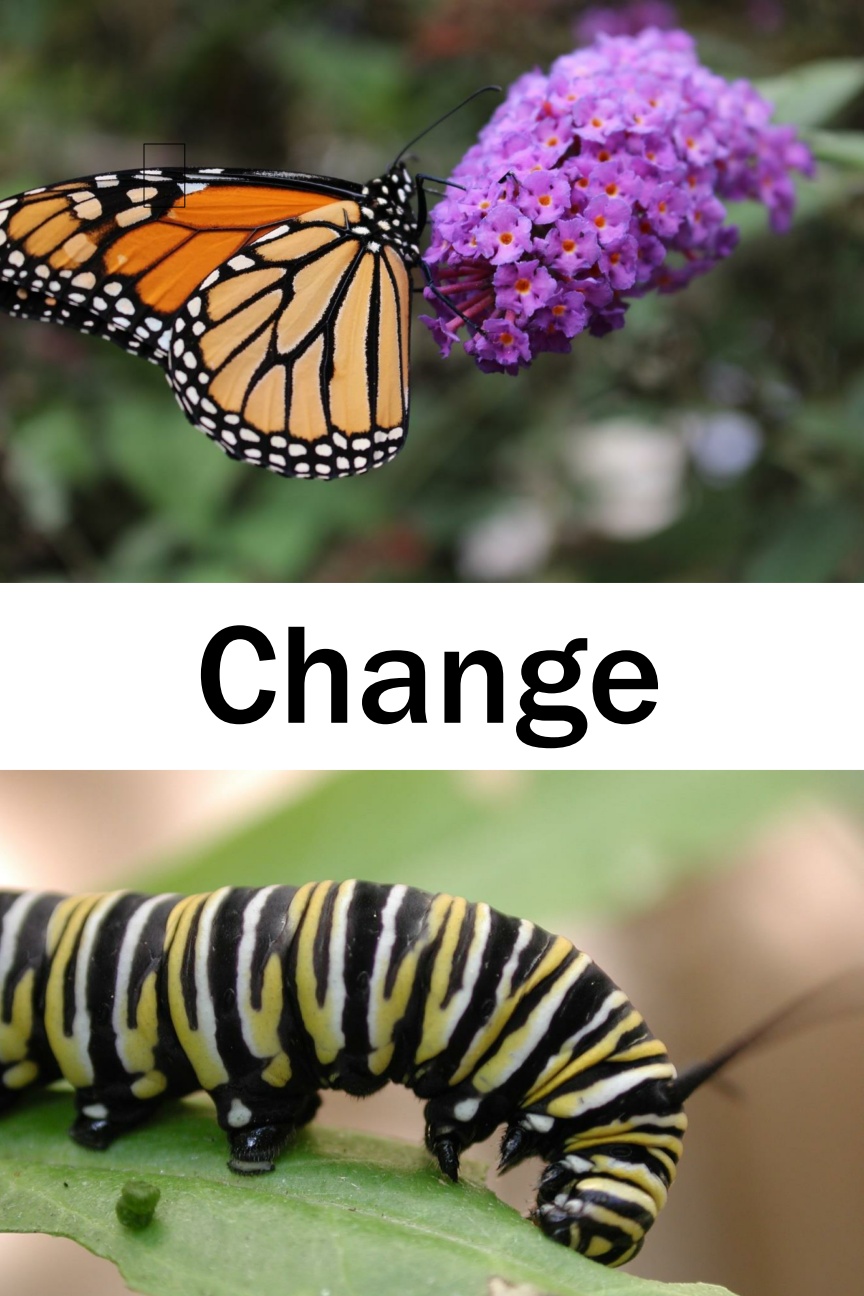
The Hows and Whys of Change.

Change

Experiencing change.
Photo courtesy of Pixabay.com

The Hows and Whys of Change.

By David Joel Miller, MS, Licensed Therapist, Counselor, and Certified Life Coach.

There are two principal competing methods for navigating a life transition. Though many people choose a third option and do little or nothing till it is too late.

Make sure you know where you’re going before you leave.

This option was traditionally summarized as “look before you leap.”

If you are working at a job that you hate, one that is draining the life out of you, it’s often best to look for a new job first before quitting your current job. More than once, I have counseled someone who is unhappy with their current job, that the best time to look for a job is when you have one. Having some source of income keeps you going while you’re looking for your preferred job.

Rushing to change your situation can often end you up in a worse place than before. More than once, I’ve seen somebody leave a relationship to begin a new relationship only to have that replacement relationship turn out worse than the present one.

One way to summarize the problem with rushing from one situation to another is “wherever you go, there you are.” Sometimes it’s not the job or the relationship that’s causing the problem. If the problem is something you need to learn or change about yourself, then staying in your current situation while you work through those issues can be the best course of action.

You have to end something before you can start something new.

This is essentially what’s behind door number 2. Walking away from the known into uncertainty can be a very scary task. As long as you’re busy working at a job you don’t like, you may find it difficult to go out and apply for a new job. If you stay stuck in a dysfunctional relationship, you may never achieve true happiness.

Cautious and fearful people spend a lot of time trying to be sure about their decisions. But you will never know what you don’t know. As long as your life is full, you have neither the room nor the time to explore alternatives.

Many people who have successfully navigated severe life transitions have reported that they had to go through an ending of one life path and the resulting period of uncertainty before they could discover the direction they wanted to go in the future.

So why do you have to go through a transition?

If you’re facing a life change, some kind of transition, it’s worth considering how this change came about and what, if any, options you have. There are two principal causes of change in our lives: external events, those things that are thrust upon us, and things that are internal, a matter of our individual wants and preferences.  People lose their jobs through layoffs, getting fired, or company closures. Romantic relationships end because you and your partner can’t get along, or your partner decides to end the relationship.

Sometimes relationships end because your life partner dies. How long you need to go through the grieving process varies from person to person. But sooner or later, there will be the emotion of grief and loss.

Physical health changes across the lifespan. Sometimes health issues are a result of conditions out of our control, such as genetics, heredity, accidents, injuries, and other conditions outside our control. Other times, it’s a result of unhealthy living or things that we probably should have attended to sooner.

In the process of planning a way forward through these life transitions, it’s often wise to take a look at the causes to avoid repeating the same course of action. If you find that you are repeating patterns in your life, it may be worth the effort to look at your past and to do some work on yourself, either by utilizing self-help groups, education, or by formal counseling and therapy.

Other times, you don’t have the option of spending time analyzing the past because the crisis is upon you and you must move forward. We will begin this process by looking at how you move forward, but in the future section, I want to suggest you take a look at how your past may be influencing your present.

Recommended Mental Health Books

David Miller at counselorssoapbox.com is an Amazon Affiliate and may receive a small Commission if you purchase a book or product using the link on this page. Using the link will not increase the cost to you.

Does David Joel Miller see clients for counseling and coaching?

Yes, I do. I can see private pay clients if they live in California, where I am licensed. If you’re interested in information about that, please email me or use the contact me form.

Recently, I began working with a telehealth company called Grow Therapy. If you’d like to make an appointment to work with me, contact them, and they can do the required paperwork and show you my available appointments. The link for making an appointment to talk with me is: David Joel Miller, LMFT, LPCC 

Life coaching clients must be working toward a specific problem-solving goal. Coaching is not appropriate if you have a diagnosable mental health problem. Also, life coaching is not covered by insurance. If you think life coaching for creativity or other life goals might be right for you, contact me directly.

Staying in touch with David Joel Miller.

Want the latest blog posts as they are published? Subscribe to this blog.

For more information about my writing journey, my books, and other creative activities, please subscribe to my blog at davidjoelmillerwriter.com

Seven David Joel Miller Books are available on Amazon now! And more are on the way.

For more about my books, please visit my Amazon Author Page – David Joel Miller

For information about my work in mental health, substance abuse, and having a happy life, please check out https://counselorssoapbox.com

For videos, see: Counselorssoapbox YouTube Video Channel