
What is an evidence based practice?

By David Joel Miller, MS, Licensed Therapist & Licensed Counselor.

Counseling questions

Counseling questions.
Photo courtesy of Pixabay.com

Which therapy methods really work?

If you have a particular “mental illness” what treatment would be best for you and how would you find someone who did that type of therapy? Should you seek out a CBT therapist or a DBT one? Is there really a difference?

The answer is more difficult to find than you might think.

The fields of counseling and therapy are full of practitioners who each have created their own varieties of treatment. Unfortunately what works for one client does not always work for another. Also what works when one therapist uses it does not always seem to work when another counselor tries it.

So how do we establish what methods work and what are wastes of time and money? If insurance, private or public programs, are going to provide or pay for the treatment they want some assurance that the treatment will work. If you are paying out of your own pocket you deserve the same level of confidence.

Some “schools” of therapy have been very resistant to being evaluated; others have embraced the processes of evaluation. There are at this point in time more questions than answers.

National Registry of Evidence-Based Programs and Practices.

Creating a list or registry of therapies that work is one possible solution. Here in the U. S., the most comprehensive list is found at the National Registry of Evidence-Based Programs and Practices. This is however not the only list.

The last time I looked, this database contained 340 different programs or practices that had been registered and evaluated. Not all of these programs are equal. Some have many studies and are deemed very reliable and others have few studies, with only small groups of people and are still questionable.

Nevertheless, having a list that we can look at helps narrow down the range of treatments that may be helpful. This list also seems to rule out some treatments that are questionable or unhelpful.

Just looking up your condition and finding a treatment that was shown to work in a particular study is not the whole answer. Given one treatment model, not all therapists are equally good at using it. A treatment that worked well with military veterans may not be right for teens. The group or “population” being treated matters.

Another factor is how close to the original method a therapist works. Some providers will stay very close to the original model and others will vary what they do depending on the client. Some methods seem to work best when the practitioner sticks to the “script.” Other methods work better when tailored to the client. Some practices have detailed manuals the provider is supposed to follow and others are more general theories

No matter what theory or method a therapist uses the success of the treatment is hugely influenced by the relationship between the therapist and the client. If you think this person can help you then they can. If you do not believe in what the therapist is doing then it is much less likely to be helpful.

While professions continue to develop ways to be helpful to clients what you should be looking for is someone who can help you with your particular problem. Find someone who feels right to you if possible. Expect that you will need to do some work and sometimes that work will feel uncomfortable. Therapy may even feel painful at times when you have to face traumas and hurts from the past.

Keep in mind that good therapy is not something the therapist does to you, but a process you and they do together that helps you create the best life possible.

Staying connected with David Joel Miller

Seven David Joel Miller Books are available now!

My newest book is now available. It was my opportunity to try on a new genre. I’ve been working on this book for several years, but now seem like the right time to publish it.

Story Bureau.

Story Bureau is a thrilling Dystopian Post-Apocalyptic adventure in the Surviving the Apocalypse series.

Baldwin struggles to survive life in a post-apocalyptic world where the government controls everything.

As society collapses and his family gets plunged into poverty, Baldwin takes a job in the capital city, working for a government agency called the Story Bureau. He discovers the Story Bureau is not a benign news outlet but a sinister government plot to manipulate society.

Bumps on the Road of Life. Whether you struggle with anxiety, depression, low motivation, or addiction, you can recover. Bumps on the Road of Life is the story of how people get off track and how to get your life out of the ditch.

Dark Family Secrets: Doris wants to get her life back, but small-town prejudice could shatter her dreams.

Casino Robbery Arthur Mitchell escapes the trauma of watching his girlfriend die. But the killers know he’s a witness and want him dead.

Planned Accidents  The second Arthur Mitchell and Plutus mystery.

Letters from the Dead: The third in the Arthur Mitchell mystery series.

What would you do if you found a letter to a detective describing a crime and you knew the writer and detective were dead, and you could be next?

Sasquatch. Three things about us, you should know. One, we have seen the past. Two, we’re trapped there. Three, I don’t know if we’ll ever get back to our own time.

For these and my upcoming books; please visit my Author Page – David Joel Miller

Want the latest blog posts as they publish? Subscribe to this blog.

For videos, see: Counselorssoapbox YouTube Video Channel

What is causing the ADHD epidemic?

By David Joel Miller, MS, Licensed Therapist & Licensed Counselor.

Sad child

ADHD?
Photo courtesy of Pixabay.com

What is Attention Deficit Hyperactivity Disorder (ADHD) and why is it on the rise?

ADHD appears to be everywhere. It is spreading faster than obesity. In my therapy practice, most of my adult clients tell me that they were diagnosed with ADHD at some time in the past. Most of them have children with an ADHD diagnosis. It is common for the young people who come to see me to have, as their first diagnosis, ADHD.

ADHD is now something everyone gets. Over a nine-year period, the number of girls diagnosed with ADHD increased by 600% (Robinson et al., 2002.) It is no longer exclusively a diagnosis of children as adults and even senior citizens are receiving the diagnosis.

One author tells us that if the current trend continues, within 20 years, half of all children will be on an ADHD med (paraphrased from Shannon, 2009.)

Why is ADHD so common and what is fueling its spread?

To answer this question there a number of factors we need to look at. What is ADHD? Even more basic, what is Attention, and what is hyperactivity? We also need to know is attention abilities something you are born with or does it develop over time? Are there things you can do to improve your attention or is this just the way you are? Are there alternatives to taking stimulant meds and do those alternatives really work?

The relationship with other mental emotional and behavioral disorders is also important. There is a lot of overlap between having ADHD and having Autism, depression, anxiety and substance use disorders.

There are also cultural factors in ADHD. Certain population groups are more likely to get the ADHD diagnosis than others. Who gets diagnosed also is affected dramatically by who does the “testing” and who gives out the diagnosis.

There has been a lot of research on ADHD and its treatment recently. As I am able to read that research I want to report back to you what I find out and how you may be able to apply these ideas to your life or the life of someone you care about.

From the day a child is born there is pressure to behave in certain ways. Some children are more active than others. Some from day one have better abilities to “pay attention” but genetics is not the whole story of why some people are diagnosed with ADHD and others are not.

Learning to pay attention.

Regardless of age, a person can learn skills to improve their ability to “pay attention.” We can also learn skills to reduce or increase our behavior. Let’s begin our review of the ADHD phenomenon.

ADHD is not one thing but several.

We professionals used to have two separate diagnoses for these issues, Attention Deficit Disorder (ADD) and Attention Deficit Hyperactivity Disorder (ADHD.) If you go back farther in the psychiatric literature these issues had other names.

The idea was that some people, mainly children, were not good at “paying attention.”  Mostly we thought that this was a lack of effort on their part and that they just needed to listen better. Most people with a predominantly inattentive issue did not cause anyone any problems and so did not get noticed until they were much older and came asking for help. Sometimes this inability to “pay attention” was written off as low intelligence or a learning disability. Sometimes those things were factors but often they were not.

We have studied attention a lot and it turns out there are a number of different skills that we call “paying attention” and that those skills develop with time and can be learned. More on the subject of what attention is and how it develops in upcoming posts.

Most ADHD diagnoses are about Behavior!

Most ADHD diagnoses come about because the child’s behavior is upsetting an adult. The child does not stay in their seat, talks too much, and generally disrupts the classroom. Some parents tell us that their children are “hurricanes” and are always in motion. So if the child does not stay in one place, moves a lot, and causes problems for adults, this gets them evaluated and probably diagnosed.

Hyperactivity is very situational. If a child runs all through the soccer practice and is fast at running around the track, they get A’s from the coach and may become track stars or pro soccer players. That same child who is never in their seat in the classroom will get in trouble and probably placed on meds.

To avoid this ADHD diagnosis the child needs to develop the ability to regulate his behavior. A whole lot of factors, like diet and opportunities for physical activity, can affect a child’s ability to sit still. When most people lived on farms and in rural communities there were more opportunities to “work off” that energy. Now, most people on planet earth live in cities and they stay inside a lot more.

Some of my clients have told me they are not allowed to go outside because of the gangs and the drive-bys. Their parents tell me they are scared to let the kids out of the house. One client has two bullets in him from drive-bys. Any questions why his kids never leave the house?

One theory is that ADHD, the hyperactivity part, is a failure of human evolution to keep up with our changing environment. This may also be true of the inattentive part as we will talk about in the future.

ADHD also coexists with depression and anxiety

Many children’s first diagnosis is ADHD. They are then placed on stimulant medication to treat this hyperactivity on the premise that the behavior problems are caused by an inability to “pay attention” meaning a failure to do what the adult says.

It does not stop there. Before long, because their behavior is causing adults problems, we change this diagnosis to “Disruptive Behavior Disorder.” Eventually, this may run the gamut of “bad child diagnoses” to Oppositional Defiant Disorder or even Conduct Disorder.

In the teen years or adulthood, we then discover that this person was depressed or had an anxiety disorder all this time.

One treatment for anxiety disorders in adults is to tell them to avoid caffeine or other stimulants. This is a conflict if they are taking stimulant meds for their “ADHD.”

I fully believe that there are children who warrant the diagnosis of Disruptive Behavior Disorder, Oppositional Defiant Disorder, or even Conduct Disorder. They and the others in their lives need help. Just saying that we professionals and society need to be looking for depression and anxiety issues also.

So the next stop would need to be this area of attention. What is the ability to “pay attention” how much are we born with and how does it develop.

The day you were born you had some ability to “pay attention.” In the next attention post, let’s look at this day-one ability and how your attention abilities change and develop over time.

Please think about how you learned to pay attention or what the barriers to that were.

Staying connected with David Joel Miller

Seven David Joel Miller Books are available now!

My newest book is now available. It was my opportunity to try on a new genre. I’ve been working on this book for several years, but now seem like the right time to publish it.

Story Bureau.

Story Bureau is a thrilling Dystopian Post-Apocalyptic adventure in the Surviving the Apocalypse series.

Baldwin struggles to survive life in a post-apocalyptic world where the government controls everything.

As society collapses and his family gets plunged into poverty, Baldwin takes a job in the capital city, working for a government agency called the Story Bureau. He discovers the Story Bureau is not a benign news outlet but a sinister government plot to manipulate society.

Bumps on the Road of Life. Whether you struggle with anxiety, depression, low motivation, or addiction, you can recover. Bumps on the Road of Life is the story of how people get off track and how to get your life out of the ditch.

Dark Family Secrets: Doris wants to get her life back, but small-town prejudice could shatter her dreams.

Casino Robbery Arthur Mitchell escapes the trauma of watching his girlfriend die. But the killers know he’s a witness and want him dead.

Planned Accidents  The second Arthur Mitchell and Plutus mystery.

Letters from the Dead: The third in the Arthur Mitchell mystery series.

What would you do if you found a letter to a detective describing a crime and you knew the writer and detective were dead, and you could be next?

Sasquatch. Three things about us, you should know. One, we have seen the past. Two, we’re trapped there. Three, I don’t know if we’ll ever get back to our own time.

For these and my upcoming books; please visit my Author Page – David Joel Miller

Want the latest blog posts as they publish? Subscribe to this blog.

For videos, see: Counselorssoapbox YouTube Video Channel

What is a mental health relapse?

By David Joel Miller, MS, Licensed Therapist & Licensed Counselor.

Relapse

Relapse.
Photo courtesy of Pixabay.com

Do people with depression, anxiety, or emotional problems relapse?

The term “Relapse” is increasingly being applied to mental illnesses and for good reasons.  Many people are familiar with the idea that people with a substance use disorder, alcoholics, and drug addicts can relapse. The idea that people with a mental illness can relapse is becoming a recognized part of the mental (or behavioral) health field.

Wellness and recovery.

We know more now than ever before about mental and emotional illness. Professionals no longer think of the mentally ill as somehow different from others. We now know that them is us. In their lifetime half of all Americans will experience the occurrence of an emotional or mental health problem that meets the criteria for a mental illness.

Looking at mental health issues as chronic conditions rather than once and forever problems has helped us to understand how someone with a mental health issue can “relapse.”

Mental health and illness lie on a continuum.

There are not two discrete groups, the well and the ill. People who appear to be emotionally and mentally well may gradually develop symptoms. Disorders can come on suddenly or slowly. People with mental health issues can and do recover. They get better.

Along this continuum, people can move from unwell (ill) to less unwell to well. Others can move from well to unwell. Across your lifespan, you will probably make many trips back and forth on the continuum. You get sad and depressed or anxious and then you get better.

People can have a mental illness and then get better.

For professional treatment, we have set the point at which people get diagnosed as mentally ill very far over on the continuum. Your condition needs to interfere with school or work, prevent you from having good relationships, upset you, or impair some important part of your life for it to be diagnosed as a mental illness.

Plenty of people get life problems that almost, but not quite reach the point of being mental illnesses. These people benefit from counseling also if they are able to get some. For milder issues (subclinical) self-help books, blogs like this one, religious and social activities, and so on can help them maintain their mental health.

Mental illnesses are often chronic conditions.

Mental and emotional issues are a lot like being overweight and developing type two diabetes. Once you have been diagnosed as a diabetic it is unlikely that this will come off your medical file. You may take medications, exercise, and watch your diet. All those things may get your blood sugar back under control.

With chronic conditions, and mental and emotional disorders fit this pattern well, even once you recover there will be things that you need to do to keep your condition under control.

Our understanding of the need to do things to maintain mental health recovery is informed by the stages of change model. See Stages of Change for a list of all the posts on this process.

In that model, we discovered that when someone recovers from a condition, excess weight, substance use, depression or just the normal problems of life, there are things that they will need to do to maintain those changes. We call that recovery the “Maintenance steps or Maintenance Stage of Change.

People with mental illnesses do relapse.

By relapse, I mean a return to symptoms or an increase in symptoms that were previously under control. Sometimes that relapse is a result of new life events. Someone with PTSD or complex trauma may experience another trauma or something that reminds them of past trauma.

Someone with depression or anxiety may have an experience that is sad or makes them anxious. As these levels of emotion rise, the person may become overwhelmed. If their support system is not being supportive or their coping skills are overwhelmed then the person moves to being less well, less able to cope and they may experience another episode of whatever we chose to call their mental or emotional issue.

This continuum of wellness and the possibility of recovery is easier to see when we talk about relatively well know conditions. Anxiety, the most common of all mental illness, and depression, that cousin of sadness, are good examples of how the journey from wellness to illness and back may occur.

We have all experienced some anxiety and can see how it may get better or worse. Depression is understandable. Sometimes in life, we get sad, if we get too sad or stuck there too long that might turn into Major Depressive Disorder.

What about really serious mental illnesses, the ones where it is harder to understand the symptoms. Do people with Borderline Personality Disorder, Schizophrenia or Dissociative Identify Disorder ever recover?

There sure do. There are treatments for all those conditions. Most of these treatments are skills-based. Someone who hears voices all the time, they can learn to listen to the police officers voice and not the one in their head. This is not easy, it takes lots of skill development and practice, but many people with even the most serious of emotional issues do recover.

Do you get the picture that I and other mental health professions are coming to be strong believers in wellness and recovery? Recovery happens. If recovery happens, sometimes there may be a return of symptoms. When that happens we expect a return to doing the things that helped the first time to help them recover even faster than the first time.

If there are other skills they need to learn, well during a relapse is a really great time to try out new skills and find a way to create your happy life, however, you define it.

Staying connected with David Joel Miller

Seven David Joel Miller Books are available now!

My newest book is now available. It was my opportunity to try on a new genre. I’ve been working on this book for several years, but now seem like the right time to publish it.

Story Bureau.

Story Bureau is a thrilling Dystopian Post-Apocalyptic adventure in the Surviving the Apocalypse series.

Baldwin struggles to survive life in a post-apocalyptic world where the government controls everything.

As society collapses and his family gets plunged into poverty, Baldwin takes a job in the capital city, working for a government agency called the Story Bureau. He discovers the Story Bureau is not a benign news outlet but a sinister government plot to manipulate society.

Bumps on the Road of Life. Whether you struggle with anxiety, depression, low motivation, or addiction, you can recover. Bumps on the Road of Life is the story of how people get off track and how to get your life out of the ditch.

Dark Family Secrets: Doris wants to get her life back, but small-town prejudice could shatter her dreams.

Casino Robbery Arthur Mitchell escapes the trauma of watching his girlfriend die. But the killers know he’s a witness and want him dead.

Planned Accidents  The second Arthur Mitchell and Plutus mystery.

Letters from the Dead: The third in the Arthur Mitchell mystery series.

What would you do if you found a letter to a detective describing a crime and you knew the writer and detective were dead, and you could be next?

Sasquatch. Three things about us, you should know. One, we have seen the past. Two, we’re trapped there. Three, I don’t know if we’ll ever get back to our own time.

For these and my upcoming books; please visit my Author Page – David Joel Miller

Want the latest blog posts as they publish? Subscribe to this blog.

For videos, see: Counselorssoapbox YouTube Video Channel

What is selective tolerance?

By David Joel Miller, MS, Licensed Therapist & Licensed Counselor.

What is

What is selective tolerance?
Photo courtesy of Pixabay.

Not all tolerance is created equal

What is tolerance?

Tolerance, as it applies to medications and drugs, is having less and less of a reaction to a drug the more it is used or having to use increasing amounts of the drug to get the same result. Tolerance, in the sense in which I am using the term here, is the way in which repeated exposures to something produce less and less of a reaction. People get used to things and so does your physical body.

When it comes to substances, whether they are legal, prescribed or street drugs, tolerance is that characteristic of the body to learn to resist things. The body develops an “immunity” or reacts less and less strongly the more times it experiences something.

Over time the drug addict uses more and more of their particular drug of choice. The person taking prescribed medications may also develop a tolerance resulting in needing a larger dose to achieve the same result or eventually they may need to be switched to a different drug.

Tolerance used to be one of the two symptoms that were used to define addiction. Withdrawal was the other one. Because tolerance and withdrawal are characteristics of many substances, not just drugs of abuse, we have had to look at other symptoms to define a problematic use of substances. We now call that problematic use a “substance use disorder.”

What is selective tolerance?

Selective tolerance is those times when someone develops a tolerance to one effect of the drug but not another. The body “selects” one action to develop tolerance to and not another.

A simple example of selective tolerance.

Coffee contains caffeine, a stimulant drug. Many people drink it first thing in the morning to help them wake up and get going. It is also common to find that consuming a caffeinated beverage to late in the evening results in not being able to sleep well that night. It is recommended that you not consume caffeine in the afternoon or evening so that you will get a full night’s sleep.

Have you ever known someone who could drink a lot of coffee or caffeinated soda just before bedtime and still sleep like a rock? Most of us have. That person has “built up a tolerance” to caffeine’s sleep interfering characteristic.

That same person will have some caffeine, probably a lot of it, the next morning, and report that the caffeine helps them wake up and get going.

How can this be? Did they develop a tolerance to caffeine or not?

It appears that they have developed a tolerance to one action of the caffeine but not the other. That is the thing we call selective tolerance.

It is quite possible that psychological factors play a role here, but there are lots of other times when someone develops a tolerance to one of a drug’s effects and not another.

There have been some divided opinions on whether drinking coffee is good or bad. My belief is that for most people, most of the time, coffee has more positive than negatives. The choices it up to you.

Could you develop selective tolerance to the effects of alcohol?

The research says that many people do just that. This may be why we see very inconsistent results in research on some of alcohol’s effects. I am not being an apologist for alcohol by saying this, just trying to get the story right. Despite the problems, alcohol causes our society another round of prohibition is unlikely.

My view is that those countries that have a total ban on alcohol often have high levels of problems with another drug. Many countries with a total ban on alcohol have a worse problem than the U. S. does when it comes to Heroin. The solution, such as it is, seems to be better educated on the effects of drugs on the mind and the body. Hence this blog.

Heavy alcohol drinkers develop tolerance to alcohol’s motor coordination effects.

Those who drink a lot find ways to hide the fact that they are under the influence. More concentration on walking straight may keep the drunk out of jail.  Research shows that many heavy drinkers do develop a tolerance to the motor coordination effects.

Heavy drinkers do not develop a tolerance to the bad decision-making effects

One key result of alcohol’s effects on the brain is disinhibiting the drinker. Under the influence, people say and do things that they would not do when sober. One study reported that they found no tolerance developing to alcohol’s disinhibiting effects in heavy drinkers (Miller, M., et al, 2012, no relation to me I know of.)

This study also notes that recent drinking patterns are predictive of tolerance. You do not need to be an alcoholic, a chronic drinker, or even a heavy lifetime user of alcohol to show tolerance to some of its effects.

So we conclude that people do develop selective tolerance to the effects of alcohol and probably most other drugs. Drinking a lot of alcohol is still not a good idea. While your liver may develop tolerance with repeated doses of alcohol, it can also develop Fatty liver, alcoholic hepatitis, and cirrhosis.

Use all medications and drugs with caution and be aware that while you may be developing some tolerance, getting used to using this drug, there are probably other effects the drug is having on your body and your mind that you are unaware of.

Staying connected with David Joel Miller

Seven David Joel Miller Books are available now!

My newest book is now available. It was my opportunity to try on a new genre. I’ve been working on this book for several years, but now seem like the right time to publish it.

Story Bureau.

Story Bureau is a thrilling Dystopian Post-Apocalyptic adventure in the Surviving the Apocalypse series.

Baldwin struggles to survive life in a post-apocalyptic world where the government controls everything.

As society collapses and his family gets plunged into poverty, Baldwin takes a job in the capital city, working for a government agency called the Story Bureau. He discovers the Story Bureau is not a benign news outlet but a sinister government plot to manipulate society.

Bumps on the Road of Life. Whether you struggle with anxiety, depression, low motivation, or addiction, you can recover. Bumps on the Road of Life is the story of how people get off track and how to get your life out of the ditch.

Dark Family Secrets: Doris wants to get her life back, but small-town prejudice could shatter her dreams.

Casino Robbery Arthur Mitchell escapes the trauma of watching his girlfriend die. But the killers know he’s a witness and want him dead.

Planned Accidents  The second Arthur Mitchell and Plutus mystery.

Letters from the Dead: The third in the Arthur Mitchell mystery series.

What would you do if you found a letter to a detective describing a crime and you knew the writer and detective were dead, and you could be next?

Sasquatch. Three things about us, you should know. One, we have seen the past. Two, we’re trapped there. Three, I don’t know if we’ll ever get back to our own time.

For these and my upcoming books; please visit my Author Page – David Joel Miller

Want the latest blog posts as they publish? Subscribe to this blog.

For videos, see: Counselorssoapbox YouTube Video Channel

What is binge drinking?

By David Joel Miller, MS, Licensed Therapist & Licensed Counselor.

Drinking

Binge drinking.
Photo courtesy of Pixabay.com

Why binge drinking matters.

Binge drinking is a pattern of drinking that has been linked to a host of physical, mental, and behavioral problems.

In the binge drinking pattern, the drinker consumes a large quantity of alcohol on one drinking occasion. Anyone might experience an occasional episode of heavy drinking but with consistently heavy drinkers or binge drinkers, their typical pattern of consumption is that when they drink the get drunk.

The concept of binge drinking relates more to how high the level of alcohol in the bloodstream goes rather than when or how much the drinker consumed over a unit of time.

So if someone chooses to drink a lot one night why is this of any concern to others? Why should it matter to the drinker if their pattern of drinking is a binge-drinking pattern? First the concerns and then some more precise definitions of what qualifies as binge drinking.

There are two principal concerns with binge drinking.

1. Alcohol damages the drinker’s brain and body.

The higher the blood alcohol content (BAC) the more damage to the body. Alcohol and its primary breakdown product, Acetaldehyde, are highly toxic to the body. In small amounts, the body can cope with this foreign substance. Above a certain point, there is damage to the body. A single episode of binge drinking is likely to leave minimal long-term damage. Repeated binge drinking will leave more long-term damage.

At high enough levels many substances can cause death. For alcohol, that point is a blood alcohol content around .60 (point six zero.)

Have one drink per day and it may be healthy, or non-harmful anyway. Save those drinks up and consume them all on one night and the damage may be permanent.

Blood alcohol level is also related to repeated head trauma (Winquist et al., 2008.) Long-term high levels of alcohol damages brain cells in the prefrontal cortex which may decrease by 10% or more. Binge drinking also causes cells surrounding the lateral vertices to shrink resulting in an expansion of this fluid-filled cavity in your brain by about 42%. Alcohol and especially heavy or binge drinking cause these cells in your brain to shrink resulting in more empty, blood-filled spaces in the brain (Wolerock, 2009.)

High blood alcohol levels also result in memory loss and the creation of false memories, a process called confabulation.

2. Intoxicated people hurt themselves and others.

At high blood alcohol levels, there is an increased risk of harming self and others. Most places set strict limits on the legal level of alcohol in the bloodstream you may have and still drive. Those limits are admittedly imprecise. Two people with the same blood alcohol content may not be equally impaired, but the higher the level goes for any given individual the more impaired they become.

Increasing blood alcohol levels reduce coordination, lower inhibitions, and impair judgment and memory. Intoxicated people, those who have binge drank on this occasion are 55 times more likely to attempt suicide. They are the major source of serious and fatal car accidents. They are more likely to commit crimes and harm others.

There are exceptions, sober people can do bad things, many intoxicated people do not commit crimes, but the higher the blood alcohol content the more the risks.

There is also a severe risk if the person binge drinking is or becomes pregnant. The unborn fetus does not have a developed liver. So mom-to-be needs to have her liver do the alcohol detox for this unborn child. We used to think a drink or two each day was OK. Now we are convinced that any alcohol during pregnancy is a bad idea and binge drinking is especially risky for mom and unborn child.

What is the definition of binge drinking?

Most definitions of Binge drinking are common sense approximations. Using blood alcohol content would be more precise but all that blood drawing is inconvenient.

The definition of binge drinking we use here in the United States is five or more standard drinks for a man, 4 or more for a woman on any particular drinking occasion. This is roughly the amount of alcohol that will make you legally too drunk to drive.

Standard drinks are calculated so that regardless of what you are drinking you can estimate how much alcohol is in your drink.

Despite what many people think, the alcohol in any alcoholic beverage is the same substance, ethanol. So this “I only drink Beer” I can’t have a drinking problem is nonsense. All those other statements about why one beverage is better than others, nothing to do with the alcohol.

When it comes to blood alcohol content, alcohol is alcohol.

In the U. S. a twelve-ounce beer is one standard drink. A four or five-ounce glass of wine is also a standard drink. If you are drinking whiskey, scotch, vodka, etc., then one ounce of a 90 to 100 proof beverage is a standard drink.

No cheating here

People will try to fool themselves. You know that drinking a tall can or 40-ounce beer is not one standard drink. Right? Neither is drinking 151 (a beverage with 75 ½ % alcohol.)

Alcohol content can vary from state to state or country to country. Outside the U. S., tell me the alcohol content of beers is higher. Pouring more of a beverage in a glass does not let you count it as one standard drink either.

The amount of alcohol it takes to make one person’s blood alcohol content reach .08 or .10 may vary. Some tell me it’s not fair that others can drink a lot and not get arrested for driving drunk and they ended up in jail after only a few. Why this happens is a subject for another blog post.

Binge drinking is not a moral thing.

Some people have argued that telling people to not binge drink is making a moral judgment. They should be able to tie one on if they choose. Choosing to binge drink, drink till you get legally drunk (or illegally drunk if you prefer that term) does not necessarily make you a bad person.

If you drive 60 miles per hour in a 25 mile per hour school zone and a child runs out, your braking distance is a lot longer than if you were driving the prescribed 25.  There is more likelihood that you will harm a person’s crossing the street and if you hit them you could mess up the rest of your life also.

Similar case with binge drinking. If you binge drink this can increase the risk that you will damage yourself health-wise or harm others if you drive or are around them. We are just saying there is a warning out on this behavior.

Now if this is your typical pattern of behavior, when you drink you always binge and end up drunk this is a worry. If having developed some problems due to your excessive drinking in the past you continue to binge drink then this is a bigger problem.

If your drinking, binge, or otherwise is interfering with your life, consider changing your drinking pattern. If when you try to control your drinking you find you keep losing control, it is time for some professional help.

This blog is largely devoted to the topics of mental health and substance use disorders. Especially those times when people have both issues, which is called co-occurring disorders. Alcohol is one of the top problems in this area. Stay tuned for more on alcohol’s effect on your body, brain, and your mental health.

Past posts on this topic you may want to look at include:

Dangers of Binge Drinking

Alcohol prevents healing

6 Myths about alcoholism

Blackouts – common or rare?

What is confabulation? Relationship to false memories and Wernicke-Korsakoff’s syndrome 

Staying connected with David Joel Miller

Seven David Joel Miller Books are available now!

My newest book is now available. It was my opportunity to try on a new genre. I’ve been working on this book for several years, but now seem like the right time to publish it.

Story Bureau.

Story Bureau is a thrilling Dystopian Post-Apocalyptic adventure in the Surviving the Apocalypse series.

Baldwin struggles to survive life in a post-apocalyptic world where the government controls everything.

As society collapses and his family gets plunged into poverty, Baldwin takes a job in the capital city, working for a government agency called the Story Bureau. He discovers the Story Bureau is not a benign news outlet but a sinister government plot to manipulate society.

Bumps on the Road of Life. Whether you struggle with anxiety, depression, low motivation, or addiction, you can recover. Bumps on the Road of Life is the story of how people get off track and how to get your life out of the ditch.

Dark Family Secrets: Doris wants to get her life back, but small-town prejudice could shatter her dreams.

Casino Robbery Arthur Mitchell escapes the trauma of watching his girlfriend die. But the killers know he’s a witness and want him dead.

Planned Accidents  The second Arthur Mitchell and Plutus mystery.

Letters from the Dead: The third in the Arthur Mitchell mystery series.

What would you do if you found a letter to a detective describing a crime and you knew the writer and detective were dead, and you could be next?

Sasquatch. Three things about us, you should know. One, we have seen the past. Two, we’re trapped there. Three, I don’t know if we’ll ever get back to our own time.

For these and my upcoming books; please visit my Author Page – David Joel Miller

Want the latest blog posts as they publish? Subscribe to this blog.

For videos, see: Counselorssoapbox YouTube Video Channel

What is Postpartum or Peripartum Depression?

By David Joel Miller, MS, Licensed Therapist & Licensed Counselor.

Is this postpartum depression or just the baby blues?

Postpartum depression.
Photo courtesy of Pixabay.

The idea that a woman can get sad, blue, even depressed as a result of giving birth has been around for a long time. Professionals have struggled with what this is and how to be helpful and we continue to struggle with those issues.

We knew that depression around the time of delivery causes a lot of suffering for the mother. Sometimes it becomes a problem for the father and other family members. And yes, we now know that having a depressed mother, immediately after birth, or later in childhood, can affect the child, possible for the rest of that child’s life.

There has been a reluctance to keep creating new disorders for each and every cause of depression. One way out of this dilemma has been to keep the same set of symptoms for depression regardless of what has caused the depression.

For depression, there is a list of specifiers for types. Most of those specifiers have to do with the way the symptoms present. Some people eat more and some eat less and so on.

Only two causes have gotten their own specifiers, seasonal pattern as in seasonal affective disorder and Postpartum Depression. Postpartum Depression is now called Peripartum Depression to also include depression that sets in before the birth of the child.

Symptoms of Peripartum Depression.

Symptoms of Peripartum depression are very similar to the symptoms of other forms of depression. Sleep disturbance, if it is over and above that caused by having a newborn who cries when it has needs, is one symptom. Changes in appetite and loss of interest in things that used to make you happy are other common signs this is depression and not just the normal getting used to being a parent.

Feeling hopeless or like a bad mother are serious symptoms of depression. Some women will become much more irritable or anxious than before pregnancy. You may also feel numbed out or disconnected from life and from those around you. Worrying, excessively about the child’s safety can also be a symptom of a mental health issue.

The new DSM (DSM-5) reports the frequency of Peripartum Depression at 3% to 6% of all women. The sheer fact that it gets its own separate specifiers suggests to me that the rate of women with depression during and after the birth of a child is higher than any 6%.

Some studies have followed women for the first year after the birth of the first child and they find significant stress and higher rates of depression over that year time period.

Research studies have reported that rates of “Baby Blues” those brief episodes of sadness that occur during and after pregnancy can run as high as 80% in some populations.

One reason for the discrepancy in the numbers is that we used to talk about mood disorders and treat Depression and Bipolar as part of the same mood disorder family. These two conditions have gotten a divorce and are now living in separate chapters in the new DSM-5. While Postpartum or Peripartum depression may only get 6% the new Peripartum Bipolar Disorder should also have some numbers. So far I have not seen any statistics on the number of women who develop Peripartum Bipolar Disorder but the new DSM-5 clearly allows for this possibility.

Some of these cases in which a woman develops symptoms during and after pregnancy also reach the point of having delusional or psychotic features. In these cases, the mother may believe there is something wrong with the child, that the child is evil or a similar delusion. Women who develop psychosis after the birth of one child have a risk (from 30% to 50%) of having psychotic symptoms during each pregnancy thereafter.

Another reason the rates of Peripartum Depression may be understated is that some women do not develop symptoms quickly enough to get the diagnoses in the first 4 to 6 weeks. After that, the diagnoses will probably be Major Depression and the Peripartum specific will get left off.

Those milder cases of sadness that happen during pregnancy and after delivery, the things that are popularly called baby blues, they most likely will not get a diagnosis at all. For a while there was a study of something called Minor Depression, there was even a set of proposed symptoms for minor depression in the older DSM-4. That has now been dropped.

While some cases of baby blues may not get the official nod of a diagnosis of “with Peripartum onset,” they need treatment. If you have been sad or depressed during pregnancy or afterward, consider getting professional help. Let the professional worry about what the correct diagnosis code should be.

If you have ever thought that your child was cursed or evil, get help fast before you harm that child and yourself.

What causes a woman to be at high risk for Peripartum or Postpartum Depression? There are at least 7 factors that put you at risk for postpartum depression. More on those factors in a coming blog post.

Staying connected with David Joel Miller

Seven David Joel Miller Books are available now!

My newest book is now available. It was my opportunity to try on a new genre. I’ve been working on this book for several years, but now seem like the right time to publish it.

Story Bureau.

Story Bureau is a thrilling Dystopian Post-Apocalyptic adventure in the Surviving the Apocalypse series.

Baldwin struggles to survive life in a post-apocalyptic world where the government controls everything.

As society collapses and his family gets plunged into poverty, Baldwin takes a job in the capital city, working for a government agency called the Story Bureau. He discovers the Story Bureau is not a benign news outlet but a sinister government plot to manipulate society.

Bumps on the Road of Life. Whether you struggle with anxiety, depression, low motivation, or addiction, you can recover. Bumps on the Road of Life is the story of how people get off track and how to get your life out of the ditch.

Dark Family Secrets: Doris wants to get her life back, but small-town prejudice could shatter her dreams.

Casino Robbery Arthur Mitchell escapes the trauma of watching his girlfriend die. But the killers know he’s a witness and want him dead.

Planned Accidents  The second Arthur Mitchell and Plutus mystery.

Letters from the Dead: The third in the Arthur Mitchell mystery series.

What would you do if you found a letter to a detective describing a crime and you knew the writer and detective were dead, and you could be next?

Sasquatch. Three things about us, you should know. One, we have seen the past. Two, we’re trapped there. Three, I don’t know if we’ll ever get back to our own time.

For these and my upcoming books; please visit my Author Page – David Joel Miller

Want the latest blog posts as they publish? Subscribe to this blog.

For videos, see: Counselorssoapbox YouTube Video Channel
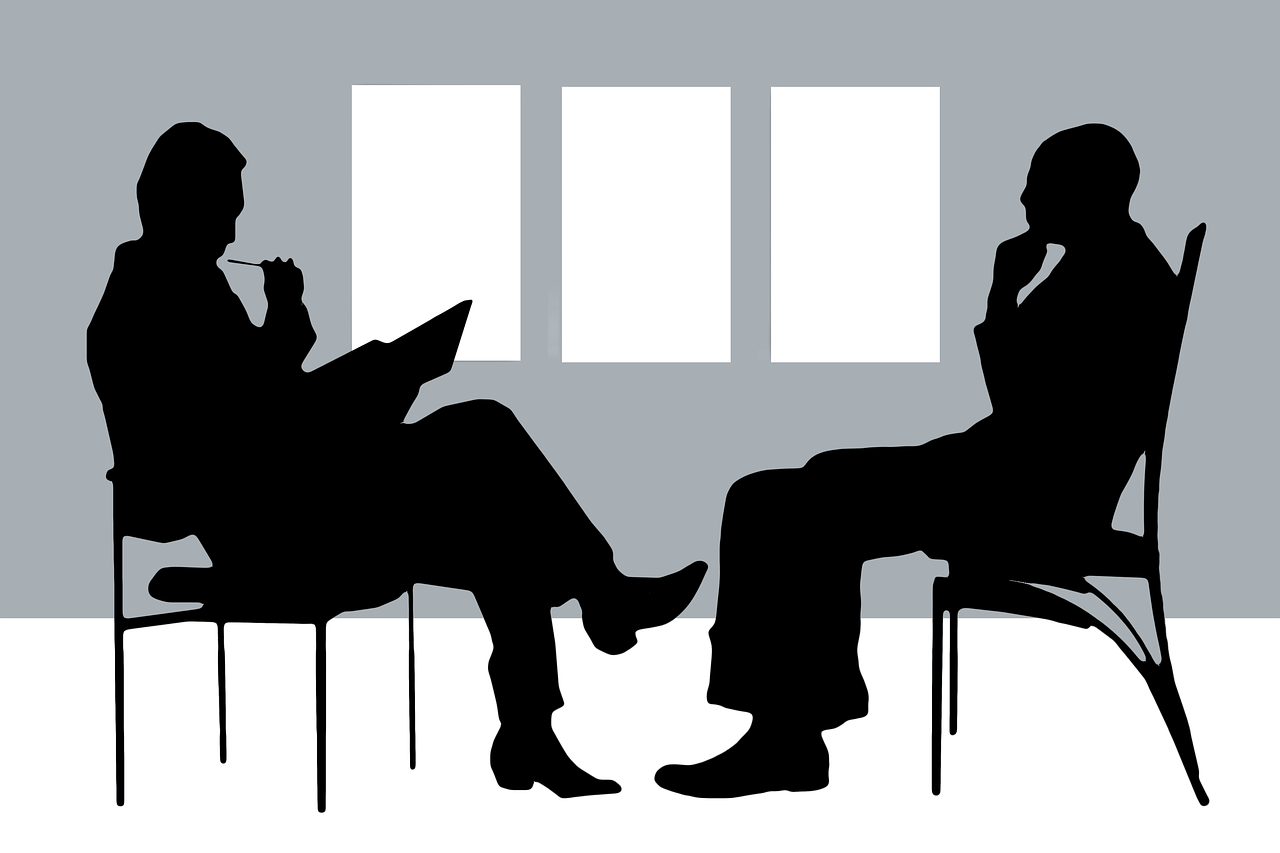
What is a Licensed Counselor?

By David Joel Miller, MS, Licensed Therapist & Licensed Counselor.

Therapist

Counselor. 
Photo courtesy of Pixabay.com

What is a Licensed Counselor?

I wrote this in response to a question from U. K. on how our mental health system works. It has since occurred to me that one major difference between the U. S. system and those in other countries is the funding source. When you have a national health care system most of the expenditures are paid for by the government so if you get on the list and can provide services or you work for the government you get paid. The government can have some amount of control over quality.

Here in the U. S. most service is paid for by the individual directly or indirectly through the purchase of insurance. No money or insurance and you may get no services. This requires the government to regulate who can open an office and then sell medical or psychological services.

We have a licensing system for most professions so that just anyone does not open up an office and then start doing surgeries that kill people before they get sued and have to stop. The point of licensing is to control entry into a profession and ensure some minimum level of consumer protection.

Here then is the somewhat edited version of my reply to her question about how we do things in the American Mental health system.

Thanks for the comment. Interesting question. It had not occurred to me that there might be such differences in the U.K. Now I am thinking that given the number of readers of counselorssoapbox.com from countries other than the U. S. I need to say more.

Most of this has to do with our legal and governmental system. Not being either a lawyer or a politician. (We do not have separate Barristers and Solicitors but combined most of what they do into one group – lawyers who are also called Attorneys, and sometimes counselors in the sense of legal counselors.)

This whole area is a bit complicated.

Regulation of professions is left to what we call states. Each of the 50 states may have their own law or some may not require a license to practice a particular profession. So in one of our states if you graduate from a school with a degree in counseling you may be able to open an office and charge people for counseling. In another, there may be strict regulations on the quality of your degree, your internship, and your experience under another professional before you can get a license. If a state has high standards other states may accept that license. People who come from states with no or low standards will find that if they move to a state with high standards their background may not allow them to practice that profession. For example, if you become a doctor in a third world country many U. S. states will require that person to do more work and take more tests before they can become a doctor in that state. The big states like New York and California generally have the highest standards.

(With the health care expansion this year the ability to bill federal programs may alter this thinking a bit.)

In California, we have 29 separate codes and the one of those that regulate counselors and other professionals is called the “Business and Professions Code (BPC.)”

In the BPC there are sections for each regulated profession. Contractors have a section, hairdressers, and so on. Doctors and nurses have their own sections also.

In the mental health field in California, we recognize a number of professions.

Psychiatrists are licensed as Medical Doctors.

Psychologists are licensed by the board of psychology

The Department of Health Care Services, Alcohol and Drug Programs licenses drug and alcohol programs but not drug counselors. So the programs have a set of standards on who they can hire.

The Board of Behavioral Sciences licenses Clinical Social Workers, Marriage and Family Therapists, and Professional Clinical Counselors.

Without a state-issued license, you may not practice a profession except in a few places specifically listed in the law as “exempt settings.”  (Schools can hire school counselors who do not have to be licensed.)

The goal of this procedure is to protect the public from people who do not have the training and skills doing work that might harm or cheat the client. This process also gives clients some redress for wrongs short of a suit in court.

The law sets out the specific things you need to do to be issued a license. And each profession has their separate list of the things they can do and the requirements to qualify to do those things.

For example:

A Professional Clinical Counselor would need to possess a Bachelor’s degree (4 years), in almost any subject, or take some remedial classes called prerequisites, to enter a master’s in counseling program. They would then need to complete and graduate from an accredited or approved Master’s program (5th and 6th-year college.)

After graduation, that person must register with the Board of Behavioral Science (BBS) who evaluated the education they have, and if it meets the board’s requirement the candidate receives an intern number.

From this point on the prospective counselor is required to be supervised by a licensed person until they receive their own license.

They must accumulate a total of 3,000 hours of supervised experience.  There are some complicated rules on what counts and what doesn’t count and how much supervision they need for each hour of client contact.

When they have accumulated those supervised hours, the applicant submits the paperwork to BBS and if this is approved they are eligible to test. In my own experience, I took first a long test on specific questions to show that I understood the process of doing therapy, the laws and the ethics, and so on. If you pass that first test you then return for a second test in which you are given stories (vignettes) and you apply your knowledge to answer questions about Howe you would work with these people.

If you pass both tests you are then sent an application for a license.

At each step of this process, you pay a fee for BBS to handle your paperwork.

Once you send in your approved application and pay the fee, if all has gone well you will be issued a license to practice Professional Clinical Counseling in California. You can then work for someone else or open your own office.

But it does not end there

Every two years you will need to complete a certain number of approved continuing education classes, and pay a fee to renew your license.

After the first two years of being licensed, you can take a class, and then you are eligible to begin supervising newly registered people.

So do things operate differently in the area in which you reside?

Staying connected with David Joel Miller

Seven David Joel Miller Books are available now!

My newest book is now available. It was my opportunity to try on a new genre. I’ve been working on this book for several years, but now seem like the right time to publish it.

Story Bureau.

Story Bureau is a thrilling Dystopian Post-Apocalyptic adventure in the Surviving the Apocalypse series.

Baldwin struggles to survive life in a post-apocalyptic world where the government controls everything.

As society collapses and his family gets plunged into poverty, Baldwin takes a job in the capital city, working for a government agency called the Story Bureau. He discovers the Story Bureau is not a benign news outlet but a sinister government plot to manipulate society.

Bumps on the Road of Life. Whether you struggle with anxiety, depression, low motivation, or addiction, you can recover. Bumps on the Road of Life is the story of how people get off track and how to get your life out of the ditch.

Dark Family Secrets: Doris wants to get her life back, but small-town prejudice could shatter her dreams.

Casino Robbery Arthur Mitchell escapes the trauma of watching his girlfriend die. But the killers know he’s a witness and want him dead.

Planned Accidents  The second Arthur Mitchell and Plutus mystery.

Letters from the Dead: The third in the Arthur Mitchell mystery series.

What would you do if you found a letter to a detective describing a crime and you knew the writer and detective were dead, and you could be next?

Sasquatch. Three things about us, you should know. One, we have seen the past. Two, we’re trapped there. Three, I don’t know if we’ll ever get back to our own time.

For these and my upcoming books; please visit my Author Page – David Joel Miller

Want the latest blog posts as they publish? Subscribe to this blog.

For videos, see: Counselorssoapbox YouTube Video Channel
What is it like to have an invisible illness?

What is it like to have an invisible illness? It is hard for others to understand when you have depression, anxiety, Lupus or any of a host of other illnesses for which the symptoms are not clearly visible.

Just came across a post titled “The Spoon Theory” by Christine that explains this issue.

Hope you find this as informative as I did.

What is a Therapists Scope?

By David Joel Miller, MS, Licensed Therapist & Licensed Counselor.

Therapist

Therapist.
Photo courtesy of Pixabay.com

Therapists and Counselors need to remember what is in and what is out of their “scope.”

In school, every beginning counselor is taught to pay attention to scope issues. It is not something that we talk to clients about very often. Somehow, a while out of school, a lot of professionals forget about this issue. One reason it is so hard to keep clear is that there are in fact two different “scopes.” Recently a reader commented about their therapist mentioning something as being out of their scope. That comment suggested this post.

Counselors need to remember both their scope of practice and their scope of competency.

1. Scope of practice.

Scope of practice is defined by the law in your jurisdiction. If you get an MFT license you are allowed to do some things, a Licensed Professional Counselor does certain things, an LCSW has their set of allowable things, and so on.

This gets confusing sometimes. We professionals know for example who can do certain kinds of testing and who cannot. The clients do not usually know this and may come to a professional for something that their license does not allow.

In cases like that, we should always refer clients to someone who can help.

A social work license does not allow you to cut hair, or do tax returns, for example. The Therapist or social worker may have been trained as a beautician before becoming a social worker and they may have done tax returns to help pay the cost of going to school, still that Behavioral Science license does not allow them to do those things with their therapy clients.

If a person has two different licenses, say they are lawyers and they are therapists, there are all sorts of rules about what they have to do to keep those two professions separate so as not to confuse clients as to what they are allowed to do and not do.

Every group has a code of ethics and that may influence what a professional does or does not do, but scope of practice is largely a legal issue defined by the law that permitted the licensing of that profession in the first place.

In a future post, I want to tell you about codes of ethics, who have to follow them, and why.

In many places, coaches are not licensed. That means that those who call themselves life coaches do not need to have had any training to do coaching. What the life coach should not do is treat a recognized illness like Major Depressive Disorder. They can help you with say “motivation.” But if you have low motivation because of your depression that is outside their “scope of practice.” They would need to have a license as a counselor, therapist, or social worker to treat a mental illness.

2. Scope of Competency.

To become a licensed counselor, social worker, or therapist there are certain classes everyone needs to take. The typical program at the master’s level would include about 60-semester college units. Some programs might go up to 65 units, some programs include only 45 units. Most classes are 3 units so that means about 20 classes. If they take a few 1 or 2 unit classes they might get up to say, 25 classes.

The beginning mental health professional would get a class in how to diagnose and a couple of classes in how to treat mental and emotional problems but with over 400 recognized mental, emotional, and behavioral issues in the DSM-4 no one ever gets much training in working with specific issues in their program.

For example, a substance abuse counselor in a two-year (A.S,) program would take 36 college units in drug abuse counseling. Most licensed people LMFT’s, LPCC’s and LCSW’s will get one to three units in Substance abuse.

So if you only had a one-unit class in counseling the drug dependent, say that was a one-unit class one weekend, that person would not feel very competent in working with someone with a drug problem.

Many of us had at most a few minute’s discussion of eating disorders. Dissociative Identity Disorder and Body Dysmorphic Disorder probably were not talked about at all in a therapist’s formal training.

So while a person may be licensed as a particular mental health professional they may realize that they just do not know enough about the disorder that the client has to be able to work effectively with that client.

We call this lack of skill in a particular disorder or technique something outside the therapist’s “Scope of competency.”

Most mental health professionals will find they do more studying, read more books, and attend more trainings after graduation than they have done in their master’s level training programs. If you do not continue to study and learn, more and more things will turn up that are outside your scope of competency.

There are ways to expand your scope of competency. Get more education and training in a particular disorder or technique, work with a supervisor or consultant who is knowledgeable in the area, and do more supervised experience in that area. Some professionals do all that and over time grow their scope of competency. Others may decide that they will restrict their practice to the problems they feel competent in working on.

So if you have a relatively common problem, say depression or excess anxiety, most professional counselors can help you. But if you have a more difficult problem, substance use disorder, eating disorders or many of the trauma-related disorders you may need to seek out someone who understands and knows more about your issue.

Hope that explains the very basics of scope of practice and scope of competency.

Staying connected with David Joel Miller

Seven David Joel Miller Books are available now!

My newest book is now available. It was my opportunity to try on a new genre. I’ve been working on this book for several years, but now seem like the right time to publish it.

Story Bureau.

Story Bureau is a thrilling Dystopian Post-Apocalyptic adventure in the Surviving the Apocalypse series.

Baldwin struggles to survive life in a post-apocalyptic world where the government controls everything.

As society collapses and his family gets plunged into poverty, Baldwin takes a job in the capital city, working for a government agency called the Story Bureau. He discovers the Story Bureau is not a benign news outlet but a sinister government plot to manipulate society.

Bumps on the Road of Life. Whether you struggle with anxiety, depression, low motivation, or addiction, you can recover. Bumps on the Road of Life is the story of how people get off track and how to get your life out of the ditch.

Dark Family Secrets: Doris wants to get her life back, but small-town prejudice could shatter her dreams.

Casino Robbery Arthur Mitchell escapes the trauma of watching his girlfriend die. But the killers know he’s a witness and want him dead.

Planned Accidents  The second Arthur Mitchell and Plutus mystery.

Letters from the Dead: The third in the Arthur Mitchell mystery series.

What would you do if you found a letter to a detective describing a crime and you knew the writer and detective were dead, and you could be next?

Sasquatch. Three things about us, you should know. One, we have seen the past. Two, we’re trapped there. Three, I don’t know if we’ll ever get back to our own time.

For these and my upcoming books; please visit my Author Page – David Joel Miller

Want the latest blog posts as they publish? Subscribe to this blog.

For videos, see: Counselorssoapbox YouTube Video Channel

What is Dissociation?

By David Joel Miller, MS, Licensed Therapist & Licensed Counselor.

Confusion.

Confusion.
Photo courtesy of Pixabay.com

Does Dissociation really happen? What causes it?

Personally, I think there is more misunderstanding around this condition than most other mental health issues. First off Dissociation is way more common than most people realize. It comes in varying intensities; much of it is mild and goes unrecognized, denied and undiagnosed.

Dissociation, particularly Dissociative Identity Disorder has so much stigma around it that when we see it in clinical practice, I believe most clinicians call it something else more acceptable, like stress or Posttraumatic Stress Disorder, and let it go at that. This leaves people with more severe cases of dissociation with less than adequate treatment.

My view is that milder forms of dissociation are a normal protective behavior for most vertebrates, humans included. Under stress, the brain stem engages the “F’s” and takes over the functions of the brain to ensure survival.

Dissociation in its milder forms is, as I understand it, a functional survival mechanism. It is a close cousin to daydreaming and alcoholic blackouts.

Some simple examples of Dissociation.

I am driving along, I am thinking about something I need to do tonight. In my mind, I am picturing a set of slides that I want to create for the PowerPoint. I realize all of a sudden that I am miles past my freeway exit and I have no memory of driving this way. My mind has blanked out.

At this point, I turn around, drive as fast as I can, and reach my destination. Do I tell everyone about my “zoning out?” Not a chance. I make some lame excuse about traffic and getting off work late.

Next example, more severe

A woman who was gang-raped in the past is walking around downtown. She sees some men who are wearing gang colors and look kind of like the men that assaulted her. She becomes frightened and crosses the street, she begins walking fast to get away. A few minutes later she slows down. Her panic is subsiding. She looks around and finds she is walking through a neighborhood and she has no idea where she is or how she got here.

So now we can see a mechanism by which someone who is upset might do actions like run away and be functioning essentially on autopilot. High levels of stress, like high levels of alcohol in blackouts, might shut off the connection between current functioning and memory.

Does that mean this woman has some form of Dissociative Disorder?

Maybe, maybe not. The new DSM-5 lists five major kinds of Dissociative Disorders plus some specifiers and or sub-types.

This woman, now upset because this past problem, memories of the rape, is messing up her life and also a lot worried because she ended up in a strange neighborhood with no memory of how she got there comes to see a therapist.

She begins to talk about her experience. She had an experience that brought back memories of her rape (Intrusive thoughts.) She tried to avoid things, ran away (avoidance, yes.) She has been anxious for several nights since and has lost sleep over this. Maybe even had a nightmare and this has been affecting her home life and her relationship.

At this point she gets assessed, a treatment plan created and treatment begins.

She was embarrassed so she left out the part about walking for a while and having no memory how she got there.

Her diagnosis – it’s likely to be Posttraumatic Stress Disorder.

In clinical settings, stress-related disorders get diagnosed a lot more than dissociative disorders. Sometimes it is a judgment call. Which disorder are this woman’s symptoms more like? But I think we professionals may be overlooking a lot of dissociative symptoms. The result may be that in outpatient settings we are under-diagnosing Dissociative Disorder and over-diagnosing PTSD.

In carefully controlled research the prevalence of Dissociative Disorders of all 5 types exceeded 5% of the population. That makes dissociation up to 17 times more common than Schizophrenia.

Dissociative Disorders are the next chapter over in the DSM-5 from stress-related disorders. We see a huge overlap between those two groups. There is also an overlap with Borderline Personality Disorder another misunderstood condition.

If we think of all these conditions as reasonable responses to stress given the person’s biology and experiences we can see how some of the things that occur to a person with dissociation make sense.

Dissociative Disorders are most commonly found in the aftermath of traumatic events. Some of the symptoms of dissociation are embarrassment, confusion, and a desire to hide the existence of your symptoms. If you are the victim of trauma and let on how much the trauma affected you, this might put you at risk to be revictimized.

People under stress will have gaps in their memory. People with dissociation may also not know they have those gaps until someone asks about something they can’t remember. This is referred to in the literature as “amnesia about the amnesia.”

Dissociative Disorders, all 5 of them according to the DSM-5, include both positive and negative symptoms. In the past the only other disorder that I remember being described that way was Schizophrenia, but as I think about them other disorders have both also.

Positive and negative symptoms do not mean they are good and bad. What this means is that people with a disorder lose the ability to do some things others can do. This loss is called negative symptoms.

They also develop symptoms that others do not have. These added symptoms are called positive symptoms.

Since I believe people can and do recover I think that these areas of altered functioning can vary in intensity and can get better or worse depending on time, traumas, conditions, and treatment. More on negative and positive symptoms in future posts.

Another area of concern in talking about dissociation is something called state or trait theory. Trait would imply that once you got it you always got it. So if you dissociate then you are a goner and who wants to believe that. But if dissociation is a state then you can move into and out of it.

One other cause of Dissociative symptoms are efforts to reprogram or expose someone to “thought reform.” This mental reprogramming, like brainwashing, results in a brain that at some level believes two contradictory things. Can you see how that brain could pop in and out of contact with others?

Last, despite all the press about extreme cases of dissociation and the recurrent belief that this is something that only happens to women, the research tells me it is, in fact, more common among men than women. I have some theories about why that might be but that like the rest of this needs to wait till another post.

Dissociative disorders vary from person to person and from time to time. Nothing I can say will fit everyone and there is a lot to be said for listening to the “lived experience” of those who have these disorders. More to come on this topic, but in the meantime what do all of you think about this?

Staying connected with David Joel Miller

Seven David Joel Miller Books are available now!

My newest book is now available. It was my opportunity to try on a new genre. I’ve been working on this book for several years, but now seem like the right time to publish it.

Story Bureau.

Story Bureau is a thrilling Dystopian Post-Apocalyptic adventure in the Surviving the Apocalypse series.

Baldwin struggles to survive life in a post-apocalyptic world where the government controls everything.

As society collapses and his family gets plunged into poverty, Baldwin takes a job in the capital city, working for a government agency called the Story Bureau. He discovers the Story Bureau is not a benign news outlet but a sinister government plot to manipulate society.

Bumps on the Road of Life. Whether you struggle with anxiety, depression, low motivation, or addiction, you can recover. Bumps on the Road of Life is the story of how people get off track and how to get your life out of the ditch.

Dark Family Secrets: Doris wants to get her life back, but small-town prejudice could shatter her dreams.

Casino Robbery Arthur Mitchell escapes the trauma of watching his girlfriend die. But the killers know he’s a witness and want him dead.

Planned Accidents  The second Arthur Mitchell and Plutus mystery.

Letters from the Dead: The third in the Arthur Mitchell mystery series.

What would you do if you found a letter to a detective describing a crime and you knew the writer and detective were dead, and you could be next?

Sasquatch. Three things about us, you should know. One, we have seen the past. Two, we’re trapped there. Three, I don’t know if we’ll ever get back to our own time.

For these and my upcoming books; please visit my Author Page – David Joel Miller

Want the latest blog posts as they publish? Subscribe to this blog.

For videos, see: Counselorssoapbox YouTube Video Channel