Content.

Sunday Inspiration.     Post by David Joel Miller.

Contentment

Content.
Photo courtesy of Pixabay.com

Content.

“When you are content to be simply yourself and don’t compare or compete, everyone will respect you.”

― Lao Tzu, Tao Te Ching

“If you look for perfection, you’ll never be content.”

― Leo Tolstoy, Anna Karenina

“I learned this, at least, by my experiment; that if one advances confidently in the direction of his dreams, and endeavors to live the life which he has imagined, he will meet with a success unexpected in common hours..”

― Henry David Thoreau

Wanted to share some inspirational quotes with you.  Today seemed like a good time to do this. If any of these quotes strike a chord with you, please share them.

How to stop overthinking.

By David Joel Miller, MS, Licensed Therapist & Licensed Counselor.
Overthinking.
Photo courtesy of Pixabay.com

Overthinking is harmful to your mental health.

People who do a lot of overthinking, sometimes called rumination, increase their anxiety and their sadness. Unchecked overthinking, far from being helpful, can result in worry and leads to mental health issues such as anxiety disorders and depression. In overthinking your mind becomes your adversary, not your ally. If your mind is constantly turning things over and over and is wearing you out or if you find your overthinking has begun to interfere with your sleep and your relationships, it’s time to do something to put a stop to that overthinking.

If you suffer from overthinking here are some ways to get off that destructive path.

Notice when you overthink.

Overthinking can become an insidious habit. Become aware of when you are feeling distressed or anxious. The first step in getting overthinking out of your life is to become aware of how frequently you are overthinking. Avoid the trap of overthinking your overthinking.

Practice thought stopping.

When a child is doing something, they shouldn’t, we tell them to “knock that off.” When your mind starts taking you into bad neighborhoods, tell that mind to “stop that.” Another technique for stopping negative thoughts is to shift your focus to something positive. Search your memory for the happiest event in your life or imagine a happy event. When your brain begins to overthink possible negative occurrences, tell it to move to the positive.

Focus on the things that are likely to happen.

Most worry and overthinking is the result of an excessive focus on things that might or could happen but are very unlikely. Don’t spend large amounts of time thinking about things that are unlikely to happen. Most of the things we worry about never happen. Overthinking low probability events distracts you from dealing with the things that need doing today to prevent problems in the future.

Become a happiness expert.

Overthinking makes you an expert on unhappiness. Having a laser focus on what could go wrong obscures your vision of what could go right. People who are high in anxiety and depression develop a cognitive bias towards the negative. They don’t see the positive in their lives, and when they do they discount it. Notice small positive events in your life. When something good happens, don’t blink right away. Continue to look at and think about those positive, happy occurrences.

Avoid perfection paralysis.

Frequently people who are high in overthinking consider themselves perfectionists. An excessive focus on perfection can leave you paralyzed. Pursue excellence. Try to become the best person possible, but avoid an emphasis on absolute perfection. Whatever you achieve should be valued.

Accept yourself as you are.

Failure to accept yourself, as you are, leads to a lot of unhappiness. However, you are, is perfectly acceptable. Acceptance values how far you have come. If you spend all your time looking for flaws you will miss your unique, individual qualities. Acceptance of yourself, others as they are, and the world the way it is rather than insisting that people places, and things must be the way you want them to be will increase your happiness and reduce your anxiety-provoking overthinking.

Inventory what you have not what’s missing.

Our society today, with its emphasis on the lifestyles of the rich and famous, has resulted in a lot of people believing their life is missing something. Constantly thinking about what’s missing from your life robs you of the enjoyment of the things you do have. When your focus is on keeping up with the Trumps, you will never have enough. When you adopt an attitude of gratitude, you can enjoy the people and the things you do have rather than grieve over your lack of those things that others have.

Take the long view.

Overthinking takes the short view. The focus is on what’s lacking now, the problems of today. Ask yourself what difference today’s problem will make 20 years from now? How about 50 years from now? When you start focusing on where you want to be in the future the problems of today shrink and become insignificant.

Reframe the scary as exciting.

Before an athletic contest, teams try to psych themselves up. If you expect to be beaten badly, it will take all the energy out of your performance. Worry about failing a test is likely to result in lower scores. Go into life’s adventures expecting them to be exciting and regardless of what you do you can have fun. Focusing on the scary parts of life prevents you from ever-living.

Get into action.

A great way to overcome overthinking is to get into action. Stop ruminating about what could go wrong and start doing. Some of what you do today will be the great memories you will be storing up for the future.

Recommended Mental Health Books

David Miller at counselorssoapbox.com is an Amazon Affiliate and may receive a small Commission if you purchase a book or product using the link on this page. Using the link will not increase the cost to you.

Staying connected with David Joel Miller

Seven David Joel Miller Books are available now!

My newest book is now available. It was my opportunity to try on a new genre. I’ve been working on this book for several years, but now seem like the right time to publish it.

Story Bureau.

Story Bureau is a thrilling Dystopian Post-Apocalyptic adventure in the Surviving the Apocalypse series.

Baldwin struggles to survive life in a post-apocalyptic world where the government controls everything.

As society collapses and his family gets plunged into poverty, Baldwin takes a job in the capital city, working for a government agency called the Story Bureau. He discovers the Story Bureau is not a benign news outlet but a sinister government plot to manipulate society.

Bumps on the Road of Life. Whether you struggle with anxiety, depression, low motivation, or addiction, you can recover. Bumps on the Road of Life is the story of how people get off track and how to get your life out of the ditch.

Dark Family Secrets: Doris wants to get her life back, but small-town prejudice could shatter her dreams.

Casino Robbery Arthur Mitchell escapes the trauma of watching his girlfriend die. But the killers know he’s a witness and want him dead.

Planned Accidents  The second Arthur Mitchell and Plutus mystery.

Letters from the Dead: The third in the Arthur Mitchell mystery series.

What would you do if you found a letter to a detective describing a crime and you knew the writer and detective were dead, and you could be next?

Sasquatch. Three things about us, you should know. One, we have seen the past. Two, we’re trapped there. Three, I don’t know if we’ll ever get back to our own time.

For these and my upcoming books; please visit my Author Page – David Joel Miller

Want the latest blog posts as they publish? Subscribe to this blog.

For videos, see: Counselorssoapbox YouTube Video Channel

Bored.

Sunday Inspiration.     Post by David Joel Miller.

Bored.

Bored.
Photo courtesy of Pixabay.com

Bored.

“If you end up with a boring miserable life because you listened to your mom, your dad, your teacher, your priest, or some guy on television telling you how to do your shit, then you deserve it.”

― Frank Zappa

“I warn you, if you bore me, I shall take my revenge.”

― J.R.R. Tolkien

“Before you were born, your parents weren’t as boring as they are now. They got that way from paying your bills, cleaning your clothes and listening to you talk about how cool you thought you were. So before you save the rain forest from the parasites of your parent’s generation, try delousing the closet in your own room.”

― Bill Gates

Wanted to share some inspirational quotes with you.  Today seemed like a good time to do this. If any of these quotes strike a chord with you, please share them.

“Is life not a thousand times too short for us to bore ourselves?”

― Friedrich Nietzsche

How long are assessments and treatment plans good for?

By David Joel Miller, MS, Licensed Therapist & Licensed Counselor.

Assessment.
Photo courtesy of Pixabay.com

When do you have to do a new assessment or treatment plan?

At 1st glance, it would seem like we ought to be able to come up with a specific number to answer this question. It’s a whole lot more complicated than that. Think of this like asking how long the food you buy at the grocery store is good for. The correct answer should be – it all depends.

For the counselor or therapist, this matters because redoing assessments and treatment plans can take a lot of time, time you would rather be spending with the client. For clients, this comes up when they must redo paperwork they have completed previously.

Three possible answers to these questions, the theoretical answer, the answer that pleases the funding source, and the program’s policies.

Theoretical reasons to reassess.

There’s a difference between an assessment, the form you fill out, and assessment, the process. Initially, the counselor does an assessment to gather information, define the client’s problem, and develop a plan for treatment. This process is documented by filling in an assessment form. The information should be used to develop a plan of care.

Assessment, the process, continues throughout treatment. Any time new information becomes available, the assessment, the diagnosis, and the plan of care, may need to be revised. If it’s a small piece of information, a note in the chart may be sufficient. If a whole new problem is discovered, it may require a new assessment.

Reassessing is primarily a matter of clinical judgment. As long as the client stays in treatment and nothing changes, the original assessment should still be valid. Presumably, a client in treatment should be getting better. At some point, it would be good practice to reassess to verify whether the original problem still exists and needs treatment.

Clients who leave treatment, and then return, should be interviewed, to see if anything has changed, and a new treatment plan is developed.

Funding sources have their assessment rules.

People who pay for other people’s treatment what to know they’re getting their money’s worth. Insurance companies, criminal justice, Medi-Cal, Drug Medi-Cal, Medicare, Medicaid, may all have varying requirements. A lot of the rules beginning counselors learn about how long assessments and treatment plans are good for come from the rules of the funding source their program works with.

Your program or agency’s rules about treatment plans and assessments.

Some agencies set their own policies and procedures for how long an assessment and treatment plan are good for. One agency locally creates treatment plans good for a full year, another creates treatment plans for 90 days, and does updates every 30 days. When an agency works with multiple funding streams, they frequently do their assessments and new treatment plans frequently enough to satisfy the funding stream with the shortest time requirement.

Thanks to the reader who sent in the original question on this topic. I hope it helps you understand why there’s so much variation in how frequently assessments and treatment plans are done and revised.

Staying connected with David Joel Miller

Seven David Joel Miller Books are available now!

My newest book is now available. It was my opportunity to try on a new genre. I’ve been working on this book for several years, but now seem like the right time to publish it.

Story Bureau.

Story Bureau is a thrilling Dystopian Post-Apocalyptic adventure in the Surviving the Apocalypse series.

Baldwin struggles to survive life in a post-apocalyptic world where the government controls everything.

As society collapses and his family gets plunged into poverty, Baldwin takes a job in the capital city, working for a government agency called the Story Bureau. He discovers the Story Bureau is not a benign news outlet but a sinister government plot to manipulate society.

Bumps on the Road of Life. Whether you struggle with anxiety, depression, low motivation, or addiction, you can recover. Bumps on the Road of Life is the story of how people get off track and how to get your life out of the ditch.

Dark Family Secrets: Doris wants to get her life back, but small-town prejudice could shatter her dreams.

Casino Robbery Arthur Mitchell escapes the trauma of watching his girlfriend die. But the killers know he’s a witness and want him dead.

Planned Accidents  The second Arthur Mitchell and Plutus mystery.

Letters from the Dead: The third in the Arthur Mitchell mystery series.

What would you do if you found a letter to a detective describing a crime and you knew the writer and detective were dead, and you could be next?

Sasquatch. Three things about us, you should know. One, we have seen the past. Two, we’re trapped there. Three, I don’t know if we’ll ever get back to our own time.

For these and my upcoming books; please visit my Author Page – David Joel Miller

Want the latest blog posts as they publish? Subscribe to this blog.

For videos, see: Counselorssoapbox YouTube Video Channel
Psychologists disagree about what psychology is.

By David Joel Miller, MS, Licensed Therapist & Licensed Counselor.

The Psyche

Why you shouldn’t trust psychological research.
Photo courtesy of Pixabay.com

Psychology does not mean the same thing to everyone.

There appears to be a lot of disagreement about what psychology is and what psychologists do. Many people look to psychology for answers to everyday life problems like why are they are anxious or depressed or how can they be happier or more productive. Unfortunately, a lot of psychological research is completely unhelpful in solving people’s everyday problems.

Looking the word psychology up in the dictionary gives us things like; the study of the human mind, or the science of behavior and mind. Some of the definitions include efforts to classify psychology as a science, a field of study, an academic discipline, an effort to understand either individuals or groups. Every definition I looked at included a great deal of ambiguity.

For example, on the one hand, we say psychology is the study of the human mind, but a great deal of research is conducted on rats or other lab animals. One criticism of psychology is that it is a soft science. It occurs at the intersection of a great many disciplines, including sociology, medical science, anatomy, the humanities, and philosophy. The boundary between psychology and counseling or therapy is hard to define.

No one theory has arisen which explains all the phenomena psychology attempts to study. Frequently it is difficult to decide what topics are outside of psychology. Parapsychology, hypnotism, and the supernatural are generally excluded from the definition of psychology.

Other accounts of psychology try to define it by specifying what it is that psychology studies. Psychology often studies thinking, referred to as cognition, brain function, motivation, intelligence, and personality. In general, definitions of psychology exclude the topic of emotions or feelings. Occasionally affect, the way emotions are displayed, get investigated.

In recent years, psychology appears to be diverging into two unrelated areas. Many recent inquiries occur in the field of neurobiology, the structure, and the functioning of the brain and nervous system. The other area of study involves metacognition, that is thinking about thinking. Lots of psychological research involves interviews, questionnaires, and global tests in an effort to understand what people think about and how that thinking affects their behavior.

The practical applications of psychology have been disappointing.

Early in psychology’s development as a science, there were high hopes. Some proponents hoped it to be used to cure the diseases of the mind. Businesspeople hoped it would be useful in convincing people to buy a certain product. Politicians and religious groups hope psychology could be used to get people to think correctly and to identify those who might commit crimes or cause problems. Despite advances in psychological thinking, psychology still has limited ability to predict who will become violent or commit a crime.

Efforts continue to apply psychology, the discipline of trying to understand the mind, and the process of thinking about a particular endeavor to practical issues. The American Psychological Association, the principal organization for all psychologists in America currently has 54 separate divisions, each with a distinctive focus.

Here are some of the ways that the study of psychology has developed.

Evolutionary psychology.

Evolutionary psychology overlaps, to some extent, other disciplines such as anthropology. It tries to explain how certain patterns thinking may have been useful to the human species and resulted in our survival. Common thinking patterns in humans may be the result of having to solve similar problems repeatedly.

Cognitive psychology.

The primary focus in cognitive psychology is the processes that underlie human and animal mental activity. Most of cognitive psychology is directed towards research. Some of this research has been applied to therapy and counseling using the cognitive-behavioral model. Cognitive psychology studies memory, problem-solving, attention, learning, perception, and reasoning. Sometimes feelings and emotions are also included as the topics of cognitive psychology studies.

Social Psychology.

Social psychology focuses on the topic of how humans interact with each other. Why do people conform and how are people persuaded to do or think something? Beliefs and attitudes, as well as stereotypes and prejudices, are topics for social psychology. Social psychologists investigate groups, why some people become leaders and some followers. There’s been some effort to apply the findings of social psychology to individual life events. The topics of how self-esteem, social class, nationality, or migration affect people’s thinking.

Educational psychology.

Educational psychology might better be referred to as the psychology of teaching. It studies how humans learn in an educational setting. Its focus is on teaching students and meeting their learning objectives. It would look at curriculum and teaching activities and would need to be very depending on student characteristics. Educational psychology could include teaching those with learning disabilities, meeting the needs of advanced gifted students, making school campus safe and supportive, and encouraging socially acceptable behaviors on the school campus.

School Psychology.

School psychology is sometimes seen as a part of educational psychology and sometimes as a separate discipline. While educational psychology views things from the teachers and administrator’s perspective, school psychologists look at things from the student’s perspective.  Many school psychologists focus on the problems the student has in being academically successful. What classes should the student take, what personal problems may be interfering with students’ academic successes, and what classes clients may need to take to graduate on time. School psychologists may use some clinical counseling psychology techniques, but their primary goal is often academic success.

Organizational psychology.

This subfield of psychology has been referred to by many names. Is sometimes called industrial psychology, workplace psychology, personnel psychology, or employment psychology. Its primary interests are selecting employees, retaining employees, and maximizing productivity.

Industrial psychologists study the effects work environments, management styles, pay scales, and job satisfaction may have on employee’s productivity.

Positive psychology.

The focus of positive psychology is on people who were currently healthy and maintaining that health. The effort is to focus on having a happy life rather than on what is wrong. Some conclusions from positive psychology being applied to the fields of counseling psychology and coaching psychology.

Forensic psychology.

Forensic psychology studies psychology as a relates to the criminal justice population. It looks at what causes people to commit crimes, which criminals should be granted parole, and which need to remain in prison. While we need to rely on this field for making some decisions, its ability to predict future behavior has disappointed a lot of people. Saying that a certain percentage of criminals if discharged from prison will never commit another crime, is not much help when we know that another percentage will re-offend.

Clinical psychology.

Clinical psychology technical is psychology which occurs in the clinic. Generally, this refers to people with a serious and persistent mental illness. Clinical psychologists are licensed professionals with a doctoral degree. Some clinical psychologists work in private practice where they may do testing for IQ, ADHD, disability applications, or custody evaluations. Clinical psychologists are specially trained to use batteries of tests and to write reports rendering their evaluation. Some clinical psychologists see ongoing patients for psychotherapy, particularly those with serious mental illnesses that need frequent contact to function outside the psychiatric hospital.

Counseling psychology.

Counseling psychology tries to apply principles learned in psychological research to the treatment of mental, emotional, or behavioral disorders. Some counseling psychologists practice as licensed clinical psychologists, others may be licensed under one of the other mental health specialties.

Coaching psychology.

Coaching psychology is a new specialized part of psychology. Coaches are generally not licensed and may or may not have had formal training. The scope of practice for coaching psychologists includes those people who want to improve their performance and reaching life goals. Treating people with a mental or emotional disorder is outside the scope of practice for coaching psychologists or life coaches unless they are trained and licensed to treat mental illness.

Research psychology.

Most research psychology involves either physical neuroscience or studies of presumably normal people. The majority of research psychology is conducted by faculty members at the larger universities. Occasionally research psychology happens in a mental health setting but even here is usually restricted to a very small group of patients with one specific disorder.

Comparative psychology.

Comparative psychology studies thinking and behavior in species other than humans. There have been some efforts to compare animal behavior to human behavior. What we learned in animals often doesn’t apply to human thinking feeling and behaving.

Community Psychology.

The effects of housing on people’s thinking and behavior.

Health psychology.

Health psychology works in the area of how to keep people healthy and the effects that physical illness may be having on their mental and emotional health.

Abnormal psychology and adjustment psychology.

Abnormal psychology is the realm of those things we call mental illness. Adjustment psychology is about the problems of living life. When most people ask psychology for answers these two disciplines they are thinking of. Abnormal psychology and adjustment psychology are the principal topics of the counselorssoapbox.com blog.

There are probably a great many other “psychologies.”

It seems every time I read another article about psychology, I find another label for a specific subset of psychological research, thinking, or practice.

The conclusion.

This is a short list of some of the types of psychology. It does not include all of the 54 divisions of the APA, and this is clearly my opinion. If any of you read this work in the field of psychology, I would welcome your comments and your opinions. When you see how specialized the various types of psychology are, I think you can see why we’ve been expecting results from the study of psychology it hasn’t been able to provide.

In future posts, I want to look at the many ways in which psychology has affected our current thinking and those ways in which psychology has let people down.

Recommended Mental Health Books

David Miller at counselorssoapbox.com is an Amazon Affiliate and may receive a small Commission if you purchase a book or product using the link on this page. Using the link will not increase the cost to you.

Staying connected with David Joel Miller

Seven David Joel Miller Books are available now!

My newest book is now available. It was my opportunity to try on a new genre. I’ve been working on this book for several years, but now seem like the right time to publish it.

Story Bureau.

Story Bureau is a thrilling Dystopian Post-Apocalyptic adventure in the Surviving the Apocalypse series.

Baldwin struggles to survive life in a post-apocalyptic world where the government controls everything.

As society collapses and his family gets plunged into poverty, Baldwin takes a job in the capital city, working for a government agency called the Story Bureau. He discovers the Story Bureau is not a benign news outlet but a sinister government plot to manipulate society.

Bumps on the Road of Life. Whether you struggle with anxiety, depression, low motivation, or addiction, you can recover. Bumps on the Road of Life is the story of how people get off track and how to get your life out of the ditch.

Dark Family Secrets: Doris wants to get her life back, but small-town prejudice could shatter her dreams.

Casino Robbery Arthur Mitchell escapes the trauma of watching his girlfriend die. But the killers know he’s a witness and want him dead.

Planned Accidents  The second Arthur Mitchell and Plutus mystery.

Letters from the Dead: The third in the Arthur Mitchell mystery series.

What would you do if you found a letter to a detective describing a crime and you knew the writer and detective were dead, and you could be next?

Sasquatch. Three things about us, you should know. One, we have seen the past. Two, we’re trapped there. Three, I don’t know if we’ll ever get back to our own time.

For these and my upcoming books; please visit my Author Page – David Joel Miller

Want the latest blog posts as they publish? Subscribe to this blog.

For videos, see: Counselorssoapbox YouTube Video Channel

Bewildered.

Sunday Inspiration.     Post by David Joel Miller.

Confused and Bewildered

Bewildered.
Photo courtesy of Pixabay.com

Bewildered.

“I have never been lost but I was bewildered once for three days.”

― Daniel Boone

“No man, for any considerable period, can wear one face to himself and another to the multitude, without finally getting bewildered as to which may be the true.”

― Nathaniel Hawthorne, The Scarlet Letter

“I’ll be all right in a minute, I’m just bewildered – by life…”

― Tennessee Williams, The Glass Menagerie

Wanted to share some inspirational quotes with you.  Today seemed like a good time to do this. If any of these quotes strike a chord with you, please share them.

Do you overthink things?

By David Joel Miller, MS, Licensed Therapist & Licensed Counselor.

Woman thinking

Overthinking.
Photo courtesy of Pixabay.com

The more you think about things, the worse you feel.

Overthinking, sometimes described as rumination, is a common feature of several emotional problems, especially anxiety disorders. These constant thoughts can leave you both physically and emotionally exhausted. At times, you may feel as though your thoughts are racing away without you. Because you think these thoughts so often and they are so upsetting, you may begin to believe that the things you think about are very real possibilities.

Overthinking what might happen in the future increases your anxiety. Overthinking your past, beyond the point of learning from your mistakes, can result in depression. Don’t fall into the trap of believing that going over and over the same issue in your mind, in the same way, will result in additional insight. Overthinking increases self-doubt. The over-anxious brain is constantly on the lookout for threats and magnifies the smallest risk to terrifying proportions. Here are some of the common causes of overthinking.

Overthinking is about judging yourself too much.

Overthinkers judge themselves more harshly than they judge others. Self-evaluation, looking at both the things you do well and the things that you could improve on can be helpful. If your self-evaluation does not move beyond repeatedly reviewing less-than-perfect behaviors, you are judging yourself too harshly. Using the same scale to judge yourself that you use to judge others can reduce excessive self-criticism and prevent overthinking.

Comparing up causes overthinking.

Overthinkers always compare themselves to others who are better looking, more successful, or seem more important. Constantly comparing yourself to others who have more or accomplish more, results in discounting everything you have accomplished. Rather than comparing yourself to someone you admire and feeling you are inferior, look for ways to learn from what they do, and improve your performance.

Focusing on the negative increases your anxiety.

When you constantly look for the negative, that’s what you will find. Avoid focusing on what’s wrong in your life. Look for opportunities to improve yourself and the life you’re living. Spend less time thinking about what’s wrong and more time focused on the actions you need to take to reach your goals. Overthinkers look for the negative and disregard the positive.

Too much attention to other people’s opinions is harmful.

If you constantly are focused on other people’s opinions of you, your self-doubt increases. Everyone will have an opinion about your life. Sometimes it’s helpful to seek out advice and information from teachers or mentors. Too much attention to other people’s opinions results in you not having an opinion of your own. Be very careful whose opinion of you receives your attention. You are living a real-life, and the person whose opinion matters most is yours.

Not knowing who you are creates confusion.

Not having a clear picture of who you are, results in a great deal of confusion and uncertainty. Be careful not to be simply a reflection of other people’s opinions. Get clear on your values, your goals, and the person you want to become. Learning about yourself is one of the most important tasks you will undertake in your life.

Believing mistakes mean you are flawed undermines your self-confidence.

Focusing only on your mistakes puts you on the path to overthinking, self-doubt, and anxiety. Don’t fall into the trap of believing that you must be perfect to have value. All humans make mistakes. Cut yourself some slack. Accept that making mistakes is a necessary part of learning, growing, and becoming who you can be. Learn from life experiences but don’t judge yourself harshly. Looking only at your mistakes leads to a very negative, biased, opinion about your self-worth.

Being overly judgmental of others creates uncertainty.

Avoid judging others using a stretched yardstick. If you expect an unreasonably high standard from others, you will find that you are unable to measure up to the standard you have set. The more judgmental you are of the people you meet, the more difficult it will become for you to feel good about yourself. Humans are not infallible computers, but then computers frequently make mistakes also. Avoid expecting impossibly high standards from yourself or others. Accept that you like all other humans are a work in progress.

Work on making overthinking a thing of the past. If you’re overthinking has gotten out of control, consider working with a counselor or therapist to get your thoughts back on a helpful path.

Staying connected with David Joel Miller

Seven David Joel Miller Books are available now!

My newest book is now available. It was my opportunity to try on a new genre. I’ve been working on this book for several years, but now seem like the right time to publish it.

Story Bureau.

Story Bureau is a thrilling Dystopian Post-Apocalyptic adventure in the Surviving the Apocalypse series.

Baldwin struggles to survive life in a post-apocalyptic world where the government controls everything.

As society collapses and his family gets plunged into poverty, Baldwin takes a job in the capital city, working for a government agency called the Story Bureau. He discovers the Story Bureau is not a benign news outlet but a sinister government plot to manipulate society.

Bumps on the Road of Life. Whether you struggle with anxiety, depression, low motivation, or addiction, you can recover. Bumps on the Road of Life is the story of how people get off track and how to get your life out of the ditch.

Dark Family Secrets: Doris wants to get her life back, but small-town prejudice could shatter her dreams.

Casino Robbery Arthur Mitchell escapes the trauma of watching his girlfriend die. But the killers know he’s a witness and want him dead.

Planned Accidents  The second Arthur Mitchell and Plutus mystery.

Letters from the Dead: The third in the Arthur Mitchell mystery series.

What would you do if you found a letter to a detective describing a crime and you knew the writer and detective were dead, and you could be next?

Sasquatch. Three things about us, you should know. One, we have seen the past. Two, we’re trapped there. Three, I don’t know if we’ll ever get back to our own time.

For these and my upcoming books; please visit my Author Page – David Joel Miller

Want the latest blog posts as they publish? Subscribe to this blog.

For videos, see: Counselorssoapbox YouTube Video Channel
Confident.

Sunday Inspiration.     Post by David Joel Miller.

Self-assured

Confident.
Photo courtesy of Pixabay.com

Confident.

“I learned this, at least, by my experiment: that if one advances confidently in the direction of his dreams, and endeavors to live the life which he has imagined, he will meet with a success unexpected in common hours.”

― Henry David Thoreau, Walden: Or, Life in the Woods

“You gain strength, courage, and confidence by every experience in which you really stop to look fear in the face. You are able to say to yourself, ‘I have lived through this horror. I can take the next thing that comes along.’ You must do the thing you think you cannot do.”

― Eleanor Roosevelt, You Learn by Living: Eleven Keys for a More Fulfilling Life

“Man often becomes what he believes himself to be. If I keep on saying to myself that I cannot do a certain thing, it is possible that I may end by really becoming incapable of doing it. On the contrary, if I have the belief that I can do it, I shall surely acquire the capacity to do it even if I may not have it at the beginning.”

― Mahatma Gandhi

Wanted to share some inspirational quotes with you.  Today seemed like a good time to do this. If any of these quotes strike a chord with you, please share them.

Urge Surfing Prevents Relapses.

By David Joel Miller, MS, Licensed Therapist & Licensed Counselor.

Urge Surfing Prevents Relapses.

Urge Surfing Prevents Relapses.
Photo courtesy of Pixabay.com

Don’t let urges knock you down.

Urge surfing is an idea that comes from substance use disorder treatment. Learning to cope with urges can help prevent relapses into depression, anxiety, substance use disorders, and many other mental, emotional, and behavioral disorders.

A coworker and I discussed the similarities between surfing on the ocean and surfing urges. He is an avid surfer and tells me that not having a good relationship with the waves can leave scars. Ignoring urges and what is causing them can leave mental and emotional scars.

What is an urge?

Urges are sudden, intense impulses to do something. People with urges often feel compelled to act. When the idea enters the mind, it can become a compulsion. Urges can be intense, unpleasant sensations. Once the urge arises, it is hard to avoid acting on it. Wrestling with urges results in a lot of relapses into unhelpful thinking, and unhealthy behaviors.

Urges rise and fall.

Urges, in the early stages, can come on slowly and gradually, other times they rise rapidly, like a heavy ocean swell. You could easily be swept away before you realize the danger of the urge. The challenge with urges is to maintain your position without being carried away by the urge. Typically urges last 20 to 30 minutes.

Concentrating too much on ocean waves leaves you unprepared when they arrive. You should prepare for the rising and falling urges ahead of time also.

Wrestling urges, wears you out.

The typical response to urges is to try to avoid thinking about them and resist acting. The more you struggle, the more tired you become. Trying to not think about something makes the thought grow. To defeat urges you need to do two things. First, do not give in. Sometimes giving in and sometimes not amounts to intermittent reinforcement, one of the hardest things to overcome. Second, don’t exhaust yourself swimming directly into the urge. Practice floating above the surface, riding out the comings and goings of urges.

Urges can affect your thinking, your feelings, and your behavior.

Surfers who develop a negative attitude don’t last long. If you engage in self-criticism, telling yourself you should have caught the last wave, you need to wait for the next one; you don’t surf, you get washed ashore. Having cravings and urges is a natural part of recovery. Don’t beat yourself up for having urges. Having urges can make you feel like you’re not doing recovery correctly. Don’t let your urges take you places you should not go. Stick to the behaviors that will further your recovery.

Make peace with your urges.

Surfing the urges allows you to reach a place of neutrality where you neither wrestle the urge nor give in to it. What you need to do is to step back from the urge and begin to watch it as an outside observer. From this vantage point, you will see that your urges rise and fall. If you can stay in this relaxed state for a time, the urge recedes.

Accept that it is okay to feel however you are feeling.

You do not have to take action to change your feelings. Your life is a real life. There are things you like about it, and there are things that you will not like. Sometimes you will feel happy, and sometimes sad. Sometimes you will be calm, and sometimes you will be anxious. The key to making peace with your feelings, and not being swept away by urges, is to learn to recognize what you are feeling without rushing to change that feeling.

What feeling is coming up for you?

As you feel the urges rising, work on identifying what that feeling is. Are you feeling anxious, depressed, or frustrated? When urges rise, you may be thinking about others. Are you telling yourself it’s not fair that you must quit drinking or drugging, while others are continuing to do these things?

Learn the signs of oncoming cravings.

A water surfer notices the wave coming. Begins to paddle before the wave reaches them. They are up to speed when the wave reaches them. Notice the onset of uncomfortable feelings when urges are on the rise. Pay attention to increases in unhelpful thoughts. Watch your body for signs of negative emotions, that pain in the neck, the queasy stomach.

Practice urge reduction skills before the urge waves wash over you. Learn grounding techniques, scanning your body for tension, and use other relaxation methods. Breathing is especially important when it comes to keeping your head above water. Positive self-talk, affirmations, and grounding techniques can keep you prepared for the next round of urges.

Staying connected with David Joel Miller

Seven David Joel Miller Books are available now!

My newest book is now available. It was my opportunity to try on a new genre. I’ve been working on this book for several years, but now seem like the right time to publish it.

Story Bureau.

Story Bureau is a thrilling Dystopian Post-Apocalyptic adventure in the Surviving the Apocalypse series.

Baldwin struggles to survive life in a post-apocalyptic world where the government controls everything.

As society collapses and his family gets plunged into poverty, Baldwin takes a job in the capital city, working for a government agency called the Story Bureau. He discovers the Story Bureau is not a benign news outlet but a sinister government plot to manipulate society.

Bumps on the Road of Life. Whether you struggle with anxiety, depression, low motivation, or addiction, you can recover. Bumps on the Road of Life is the story of how people get off track and how to get your life out of the ditch.

Dark Family Secrets: Doris wants to get her life back, but small-town prejudice could shatter her dreams.

Casino Robbery Arthur Mitchell escapes the trauma of watching his girlfriend die. But the killers know he’s a witness and want him dead.

Planned Accidents  The second Arthur Mitchell and Plutus mystery.

Letters from the Dead: The third in the Arthur Mitchell mystery series.

What would you do if you found a letter to a detective describing a crime and you knew the writer and detective were dead, and you could be next?

Sasquatch. Three things about us, you should know. One, we have seen the past. Two, we’re trapped there. Three, I don’t know if we’ll ever get back to our own time.

For these and my upcoming books; please visit my Author Page – David Joel Miller

Want the latest blog posts as they publish? Subscribe to this blog.

For videos, see: Counselorssoapbox YouTube Video Channel
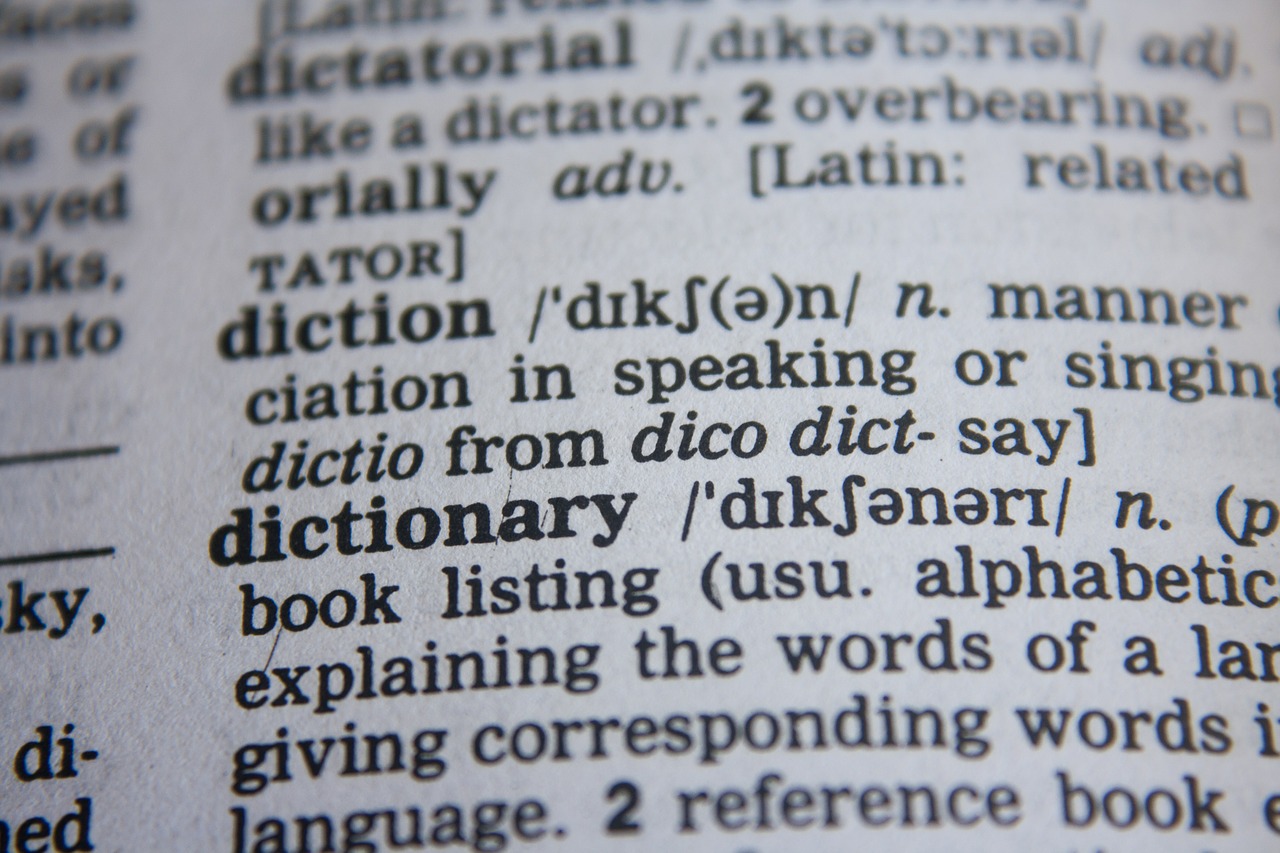
Looking it up in the dictionary won’t help.

By David Joel Miller, MS, Licensed Therapist & Licensed Counselor.

Dictionary

Looking it up in the dictionary won’t help.
Photo courtesy of Pixabay.com

Please don’t say look it up in the dictionary.

A lot of people think the way to find the one “true, correct” meaning of a word is to look it up in the dictionary. It is just not that simple. The problem with agreeing on the meaning of the word psychology is a good example.

Depending on your age, the historical period you attended school, and the education system you attended, you probably used a very different dictionary. For my grandmother’s generation, the preferred dictionary was probably the Century Dictionary and Cyclopedia. For my generation, it was most likely Webster’s dictionary. Today the most likely choice is likely to be one of the online dictionaries. The more dictionaries you use, the more definitions you get.

The written and spoken words existed before the dictionaries.

The way the early dictionaries were created was to collect examples of how the words were used and then based on that context describe the meaning the writer had in mind. Older dictionaries might include a larger number of meanings or a particular word. Examples they listed would be heavy with quotations from Chaucer, Shakespeare, and Dickens, but probably also included many examples from other lesser-known authors. The writing came first, and that determined the meaning, not the other way around.

New words keep getting added to the dictionary as they are created. Existing words may have additional meaning added to their description as people using an existing word in a new way.

Professions have highly specialized dictionaries.

In interpreting legal documents and court orders, lawyers don’t refer to the same dictionary you might be using. They commonly look words up in “Black’s Law Dictionary.” People who work in the mental health field may use the DSM-5 or the ICD. Other professionals have their own specialized dictionaries.

Professional vocabularies are supposed to be used in very precise ways. In diagnosing bipolar disorder, there are specific criteria for a manic episode, a hypomanic episode, and a major depressive episode. The specific variety of bipolar disorder is diagnosed using these episodes.

When people today describe someone as bipolar, but they’re often describing is someone who is moody, irritable, or grouchy. Other times the term is applied to someone who’s moods change quickly. All these ways the word bipolar is being used may have little to do with the technical definition of bipolar disorder.

The term narcissism in psychology describes the trait of feeling good about yourself roughly the equivalent of self-esteem. In mental health, narcissism refers to  Narcissistic Personality Disorder a serious mental illness.

Researchers may create “operational” definitions.

For research, psychologists might define a characteristic based on the score on a verbal screening instrument. People scoring above a certain number on the depression scale are considered depressed.

On an IQ scale, those with a score of 84 or below could be described as having intellectual challenges or disabilities, scoring 85 or above would be considered normal. Other than on that one test that one day, these two people might be impossible to tell apart.

There is a difference between denotative and connotative meanings.

Denotative meanings, those are the meanings that form the bulk of the contents of dictionaries. Hot, cool, and cold, these words all describe temperature. Scientists might define this in terms of the energy state of molecules. But in popular culture, those words, hot or cool might describe the newest, in, popular, music or personality, or fashion style.

Can you see how looking it up in the dictionary doesn’t always solve communication problems?

Staying connected with David Joel Miller

Seven David Joel Miller Books are available now!

My newest book is now available. It was my opportunity to try on a new genre. I’ve been working on this book for several years, but now seem like the right time to publish it.

Story Bureau.

Story Bureau is a thrilling Dystopian Post-Apocalyptic adventure in the Surviving the Apocalypse series.

Baldwin struggles to survive life in a post-apocalyptic world where the government controls everything.

As society collapses and his family gets plunged into poverty, Baldwin takes a job in the capital city, working for a government agency called the Story Bureau. He discovers the Story Bureau is not a benign news outlet but a sinister government plot to manipulate society.

Bumps on the Road of Life. Whether you struggle with anxiety, depression, low motivation, or addiction, you can recover. Bumps on the Road of Life is the story of how people get off track and how to get your life out of the ditch.

Dark Family Secrets: Doris wants to get her life back, but small-town prejudice could shatter her dreams.

Casino Robbery Arthur Mitchell escapes the trauma of watching his girlfriend die. But the killers know he’s a witness and want him dead.

Planned Accidents  The second Arthur Mitchell and Plutus mystery.

Letters from the Dead: The third in the Arthur Mitchell mystery series.

What would you do if you found a letter to a detective describing a crime and you knew the writer and detective were dead, and you could be next?

Sasquatch. Three things about us, you should know. One, we have seen the past. Two, we’re trapped there. Three, I don’t know if we’ll ever get back to our own time.

For these and my upcoming books; please visit my Author Page – David Joel Miller

Want the latest blog posts as they publish? Subscribe to this blog.

For videos, see: Counselorssoapbox YouTube Video Channel