Tranquility

By David Joel Miller, MS, Licensed Therapist & Licensed Counselor.

Tranquility:

free of any disturbance or commotion, free from or showing no signs of anxiety or agitation.

“A lonely day is God’s way of saying that he wants to spend some quality time with you.”
― Criss Jami

“We are not going to change the whole world, but we can change ourselves and feel free as birds. We can be serene even in the midst of calamities and, by our serenity, make others more tranquil. Serenity is contagious. If we smile at someone, he or she will smile back. And a smile costs nothing. We should plague everyone with joy. If we are to die in a minute, why not die happily, laughing? (136-137)”
― Swami SatchidanandaThe Yoga Sutras

“Our life depends on the kind of thoughts we nurture. If our thoughts are peaceful, calm, meek, and kind, then that is what our life is like. If our attention is turned to the circumstances in which we live, we are drawn into a whirlpool of thoughts and can have neither peace nor tranquility.”
― Elder Thaddeus of VitovnicaOur Thoughts Determine Our Lives: The Life and Teachings of Elder Thaddeus of Vitovnica

“The very secret of life for me, I believed, was to maintain in the midst of rushing events an inner tranquility.”
― Margaret Bourke-WhitePortrait of Myself

Quotes from GoodReads 

For more about David Joel Miller and my work in the areas of mental health, substance abuse and Co-occurring disorders see the about the author page. For information about my other writing work beyond this blog check out my Google+ page or the Facebook author’s page, up under David Joel Miller. Posts to the “books, trainings, and classes” category will tell you about those activities. If you are in the Fresno California area, information about my private practice is at counselorfresno.com. A list of books I have read and can recommend is over at http://www.counselorfresno.com/recommended-books/

If you would like to stay connected to the posts on counselors soapbox, hear about the progress of my book in progress or the flow of the conversation about mental health and substance abuse issues – please subscribe or follow counselors soapbox.

You will find the follow button at the very tip-top of the page, in the black area, next to the counselorssoapbox.com name. And don’t forget to hit the share and the like buttons at the end of each post.

New feature! Now a “Contact me” button is located on the black bar just under the picture and next to the “About the Author – David Joel Miller” button.

Is A.A. a religious group?

By David Joel Miller, MS, Licensed Therapist & Licensed Counselor.

AA big book

Alcoholics Anonymous big book.

A.A. describes itself in its literature as a spiritual program, not a religious one.

Members of A.A. are free to practice or not practice any religion they chose. Among the members of A.A., you will find Christians of most all the denominations. You will also find Jews, Buddhists, Hindus, Pagans, and both agnostics and atheists.

How it possible to be a member of a spiritual group and not believe in a specific deity?

The A.A. literature says “God as you understand him.” No particular understanding is prescribed. Clearly, some members are more emphatic about their particular faith and its role in their recovery than others.

“Him” here is in the English language tradition of not having gender-neutral pronouns. Using “They or Them” for God did not work also. So I think that there should be no objection if your understanding of God or your higher power were a she, them, or it.

What does matter is that this “higher power” has some ability to help you live your life on a more spiritual basis.

One member, who described themselves as an atheist reported that they understood their higher power as god, as opposed to GOD. Their higher power was a formula for making better more spiritual decisions.

g = Good

O = orderly

d = direction

Some members in early recovery find that simply checking out decisions with their sponsor or the group can improve the quality of those decisions and help them stay sober. For the time being the group can function as a “higher power.”

There is one other description of this process of making progress in A.A. that might help explain why the program does not insist on any particular religious belief.

If you are on the path to recovery, keep looking, you just might find a higher power.

The posts I write about A.A. are from my perspective as a therapist and clinical counselor and do not necessarily reflect the views of A.A. World Services. For more on A.A. and their program of recovery check out the “A.A. Big Book” titled Alcoholics Anonymous at the links below or contact A.A. World Services at their website.

The Big Book of Alcoholics Anonymous

The classic text on Alcoholism, recovery this is the book that started off the whole 12 step phenomenon.

Alcoholics Anonymous from The Anonymous Press

One of the kindle editions – At 99 cents this is such a bargain. This edition needed a separate listing. No kindle reader? No Problem, if you have a computer you can download a free Kindle reader.

Staying connected with David Joel Miller

Seven David Joel Miller Books are available now!

My newest book is now available. It was my opportunity to try on a new genre. I’ve been working on this book for several years, but now seem like the right time to publish it.

Story Bureau.

Story Bureau is a thrilling Dystopian Post-Apocalyptic adventure in the Surviving the Apocalypse series.

Baldwin struggles to survive life in a post-apocalyptic world where the government controls everything.

As society collapses and his family gets plunged into poverty, Baldwin takes a job in the capital city, working for a government agency called the Story Bureau. He discovers the Story Bureau is not a benign news outlet but a sinister government plot to manipulate society.

Bumps on the Road of Life. Whether you struggle with anxiety, depression, low motivation, or addiction, you can recover. Bumps on the Road of Life is the story of how people get off track and how to get your life out of the ditch.

Dark Family Secrets: Doris wants to get her life back, but small-town prejudice could shatter her dreams.

Casino Robbery Arthur Mitchell escapes the trauma of watching his girlfriend die. But the killers know he’s a witness and want him dead.

Planned Accidents  The second Arthur Mitchell and Plutus mystery.

Letters from the Dead: The third in the Arthur Mitchell mystery series.

What would you do if you found a letter to a detective describing a crime and you knew the writer and detective were dead, and you could be next?

Sasquatch. Three things about us, you should know. One, we have seen the past. Two, we’re trapped there. Three, I don’t know if we’ll ever get back to our own time.

For these and my upcoming books; please visit my Author Page – David Joel Miller

Want the latest blog posts as they publish? Subscribe to this blog.

For videos, see: Counselorssoapbox YouTube Video Channel
Alcohol prevents healing.

By David Joel Miller, MS, Licensed Therapist & Licensed Counselor.

Liquor

Alcoholic beverages.
Photo courtesy of Pixabay.com

Is a little alcohol medicinal?

We have long known that chronic alcoholics had a whole lot more health problems than non-alcoholics. Heavy drinkers get hurt a lot. They fall down and break things. We blamed it on their being drunk and uncoordinated.

Now, there is word, that drinking may also inhibit the ability of the body to repair cells. This inhibition seems to be at the molecular and cellular level.

This reduced ability to heal is not simply the result of problem drinkers having a poorer diet and other unsatisfactory health practices, although those are large issues also. It would appear that alcohol fundamentally impairs the ability of the body to repair cells that are damaged.

To test this theory out, that too much alcohol may inhibit healing, a study was done in mice. By raising the alcohol level to .20 over twice the legal DUI level researchers were able to see the effects of acute alcohol levels on healing rather than only looking at the long-term effects of excessive drinking.

These “binge drinking” mice, who had broken bones, were unable to heal at the same rate as their un-inebriated fellow mice.

Drinkers that break bones may have a reduced ability to heal, may heal more slowly and there are more complications during the recuperation process.

Those binge-drinking mice appear to have explained the problem. The presence of alcohol in the bloodstream and therefore in every cell in the body reduces the ability for bones to heal when damaged. We now suspect that binge drinking can result in poor healing in many other areas.

Drinking alcohol may be an old home remedy for pain, suffering, and sleeplessness but new research tells us it is a hindrance not a help for those applications.

Staying connected with David Joel Miller

Seven David Joel Miller Books are available now!

My newest book is now available. It was my opportunity to try on a new genre. I’ve been working on this book for several years, but now seem like the right time to publish it.

Story Bureau.

Story Bureau is a thrilling Dystopian Post-Apocalyptic adventure in the Surviving the Apocalypse series.

Baldwin struggles to survive life in a post-apocalyptic world where the government controls everything.

As society collapses and his family gets plunged into poverty, Baldwin takes a job in the capital city, working for a government agency called the Story Bureau. He discovers the Story Bureau is not a benign news outlet but a sinister government plot to manipulate society.

Bumps on the Road of Life. Whether you struggle with anxiety, depression, low motivation, or addiction, you can recover. Bumps on the Road of Life is the story of how people get off track and how to get your life out of the ditch.

Dark Family Secrets: Doris wants to get her life back, but small-town prejudice could shatter her dreams.

Casino Robbery Arthur Mitchell escapes the trauma of watching his girlfriend die. But the killers know he’s a witness and want him dead.

Planned Accidents  The second Arthur Mitchell and Plutus mystery.

Letters from the Dead: The third in the Arthur Mitchell mystery series.

What would you do if you found a letter to a detective describing a crime and you knew the writer and detective were dead, and you could be next?

Sasquatch. Three things about us, you should know. One, we have seen the past. Two, we’re trapped there. Three, I don’t know if we’ll ever get back to our own time.

For these and my upcoming books; please visit my Author Page – David Joel Miller

Want the latest blog posts as they publish? Subscribe to this blog.

For videos, see: Counselorssoapbox YouTube Video Channel

A stone can take away worry?

By David Joel Miller, MS, Licensed Therapist & Licensed Counselor.

Polished stones.
Picture courtesy of pixabay.

Can a worry stone help?

One of the oldest of human traits is the interest we have in picking up little bits of our environment. From the days in the caves, humans have been attracted to bits of nature, shiny stones, seashells and the like.

Many people carry small bits of stones in their pocket as good luck pieces, talismans, amulets or a relief from anxiety or worry.

In this modern era, we tend to dismiss these little bits of nature as irrelevant, unscientific or no more than a part of the placebo effect.

The truth is that those who own and carry these objects, many of them, swear that they are helpful in managing their anxiety. I am reluctant to dismiss anything that works, knowing that much of what we humans believe works because we chose to believe it.

There are plenty of legends about how a particular stone may be helpful in managing an emotion. Some of those stones continue to this day as part of our symbolic heritage. It is intriguing how many “rational, scientific” people have some small item tucked away in a pocket that they rub when uncomfortable.

Diamonds are given for engagements rings. Their unusual hardness and rarity were thought to bring good luck to the relationship. Their expense was thought to encourage the man to hold on to this bride rather than lose such an expensive object.

Amethysts were thought to help prevent drunkenness. Those who carry one and reach for it when they feel the urge to drink report that as long as you keep rubbing the stone you won’t pick up the drink.

Some people take great comfort in small objects that remind them of their faith or religious devotion. Many a person has rubbed the plating off a cross or worn out a set of prayer beads. The cross or the beads, of course, are not usually thought of as the source of the help, but they are a way of reminding yourself of your spiritual connection.

There are books full of the lore of minerals and stones. Each particular variety is seen as a symbol of an emotion and a way of centering oneself.

There are commercially prepared “worry stones,” complete with a hollowed out portion ready to fit the finger with which you rub.

Many other people opt for carrying a small shiny polished stone available from many rock and mineral shops or gift stores.

Other people collect some stone or shell from the places they travel. (Be careful not to take things that are protected on reservations or national parks.)

Do you have some small object, stone or jewelry piece that you rub in times of stress and does it help you discharge that emotion?

Staying connected with David Joel Miller

Seven David Joel Miller Books are available now!

My newest book is now available. It was my opportunity to try on a new genre. I’ve been working on this book for several years, but now seem like the right time to publish it.

Story Bureau.

Story Bureau is a thrilling Dystopian Post-Apocalyptic adventure in the Surviving the Apocalypse series.

Baldwin struggles to survive life in a post-apocalyptic world where the government controls everything.

As society collapses and his family gets plunged into poverty, Baldwin takes a job in the capital city, working for a government agency called the Story Bureau. He discovers the Story Bureau is not a benign news outlet but a sinister government plot to manipulate society.

Bumps on the Road of Life. Whether you struggle with anxiety, depression, low motivation, or addiction, you can recover. Bumps on the Road of Life is the story of how people get off track and how to get your life out of the ditch.

Dark Family Secrets: Doris wants to get her life back, but small-town prejudice could shatter her dreams.

Casino Robbery Arthur Mitchell escapes the trauma of watching his girlfriend die. But the killers know he’s a witness and want him dead.

Planned Accidents  The second Arthur Mitchell and Plutus mystery.

Letters from the Dead: The third in the Arthur Mitchell mystery series.

What would you do if you found a letter to a detective describing a crime and you knew the writer and detective were dead, and you could be next?

Sasquatch. Three things about us, you should know. One, we have seen the past. Two, we’re trapped there. Three, I don’t know if we’ll ever get back to our own time.

For these and my upcoming books; please visit my Author Page – David Joel Miller

Want the latest blog posts as they publish? Subscribe to this blog.

For videos, see: Counselorssoapbox YouTube Video Channel

What is an addiction?

By David Joel Miller, MS, Licensed Therapist & Licensed Counselor.

Hands with pills

Addiction.
Photo courtesy of Pixabay

How many addictions are there?

More and more things seem to be getting labeled as addictions.  This mushrooming of addictions has resulted in a lot of skepticism about whether all these items are real addictions or just excuses by people who do too much of one thing or another.

The mental health professions don’t typically use the word addiction. We use other terms to help explain why what is commonly called an addiction may look so different in different people.

Let’s explore this problem by starting with the best known of all addictions, drug addiction, and then see what other things might qualify as addictions.

Drug addiction.

Most drugs, legal and illegal, result in two specific reactions in the body, tolerance, and withdrawal. Tolerance means that over time your body builds up a resistance to the drug so that it takes more and more of the same drug to get the same effect.

Physically addicting drugs all result in tolerance in the body.

Withdrawal is the phenomenon of symptoms that occur when the level of the drug in the bloodstream begins to drop. As many an alcoholic knows if you can keep the level of alcohol in the bloodstream up, you can hold off the hangover for a while. Eventually, you fall asleep or more precisely pass out, and then the blood alcohol level drops.

The drop in the level of drug in the bloodstream, not the absolute level is what is causing the withdrawal symptoms, sometimes also referred to as “abstinence syndrome.”

When someone has been abusing drugs, including alcohol, we take them to a detox. They go through a lot of symptoms, some very unpleasant, as the drugs leave their system. So after 3 days or so, defiantly in a week, almost all drugs (except marijuana) are out of the system.

The carvings problem.

No drug (alcohol) in the system, the hangover, or other withdrawal symptoms go away. In the case of heroin, the shakes, diarrhea, vomiting, goosebumps, and all the other classic symptoms of opiate withdrawal end, and the person, now with no detectable drugs in their system are discharged to go home.

The majority of all people who go through detox, somewhere over 90%, will relapse or use again in a month or so after the detox.

If the drugs are all out of their system why are they still exhibiting addictive behaviors?

The problem with addiction is not the chemical dependency in the body, as awful as that can be. The real problem of addiction is that it is a problem of the mind.

We might call this manifestation of addiction a psychological dependency on the drug to differentiate it from a physical addiction. Even when no drugs are in the body the cravings remain in the brain.

Behavioral Addictions.

So can people really be addicted to things like shopping, sex, or compulsive spending?

My belief is that these kinds of activities can also be addicting but are not automatically addiction.

Each activity produces thoughts, those thoughts move through the brain chemically. Change your thinking and your brain chemistry changes. Some experiences, falling in love, having sex, can produce chemical changes in the brain that can be like an addiction.

One key criterion for addiction is the loss of control, if you lose control of an activity you are approaching addiction land.

Continued use of a substance or continued repetition of a behavior despite negative consequences, loss of control over a behavior fits this pattern.

Hypothetical example.

A client says she is “addicted to poodles.” She has poodle skirts, poodle statues, and pictures all over her house. Her husband gripes about all these poodle things but they are still together after 25 years. She says she is “addicted to poodles.” I think she has an unusually large interest, even an obsession with poodles, but so far it does not sound like an addiction.

Let’s say she also has 25 live poodles in the one-room apartment and that she has spent all of their money on poodle stuff this month leaving them with no money for rent and food. Now has her poodle addiction crossed the line?

So while excessive involvement in many things might possibly reach the level of being an addiction the more strongly rewarding things like drugs, alcohol, sex or risk-taking (gambling) produce such high levels of chemicals in the brain that many people might become “Addicted” to these behaviors. Most people are not likely to develop an addiction to poodles. The internet on the other hand –

Let’s leave that for now.

So in many ways, I see addiction, to drugs or other things, as a special case of OCD. The person can’t stop thinking about the object of their addiction and with chemicals or behaviors like gambling once they start they lose control over the substance or the activity.

Most recently we are recognizing that it is possible to have a problem with a chemical or behavior way short of developing an addiction. We might call this a “Use Disorder” or with behaviors we might think of it as an impulse control problem.

However you see this, loss of control over a chemical or an activity can cause someone a lot of life problems and needs treatment.

Staying connected with David Joel Miller

Seven David Joel Miller Books are available now!

My newest book is now available. It was my opportunity to try on a new genre. I’ve been working on this book for several years, but now seem like the right time to publish it.

Story Bureau.

Story Bureau is a thrilling Dystopian Post-Apocalyptic adventure in the Surviving the Apocalypse series.

Baldwin struggles to survive life in a post-apocalyptic world where the government controls everything.

As society collapses and his family gets plunged into poverty, Baldwin takes a job in the capital city, working for a government agency called the Story Bureau. He discovers the Story Bureau is not a benign news outlet but a sinister government plot to manipulate society.

Bumps on the Road of Life. Whether you struggle with anxiety, depression, low motivation, or addiction, you can recover. Bumps on the Road of Life is the story of how people get off track and how to get your life out of the ditch.

Dark Family Secrets: Doris wants to get her life back, but small-town prejudice could shatter her dreams.

Casino Robbery Arthur Mitchell escapes the trauma of watching his girlfriend die. But the killers know he’s a witness and want him dead.

Planned Accidents  The second Arthur Mitchell and Plutus mystery.

Letters from the Dead: The third in the Arthur Mitchell mystery series.

What would you do if you found a letter to a detective describing a crime and you knew the writer and detective were dead, and you could be next?

Sasquatch. Three things about us, you should know. One, we have seen the past. Two, we’re trapped there. Three, I don’t know if we’ll ever get back to our own time.

For these and my upcoming books; please visit my Author Page – David Joel Miller

Want the latest blog posts as they publish? Subscribe to this blog.

For videos, see: Counselorssoapbox YouTube Video Channel

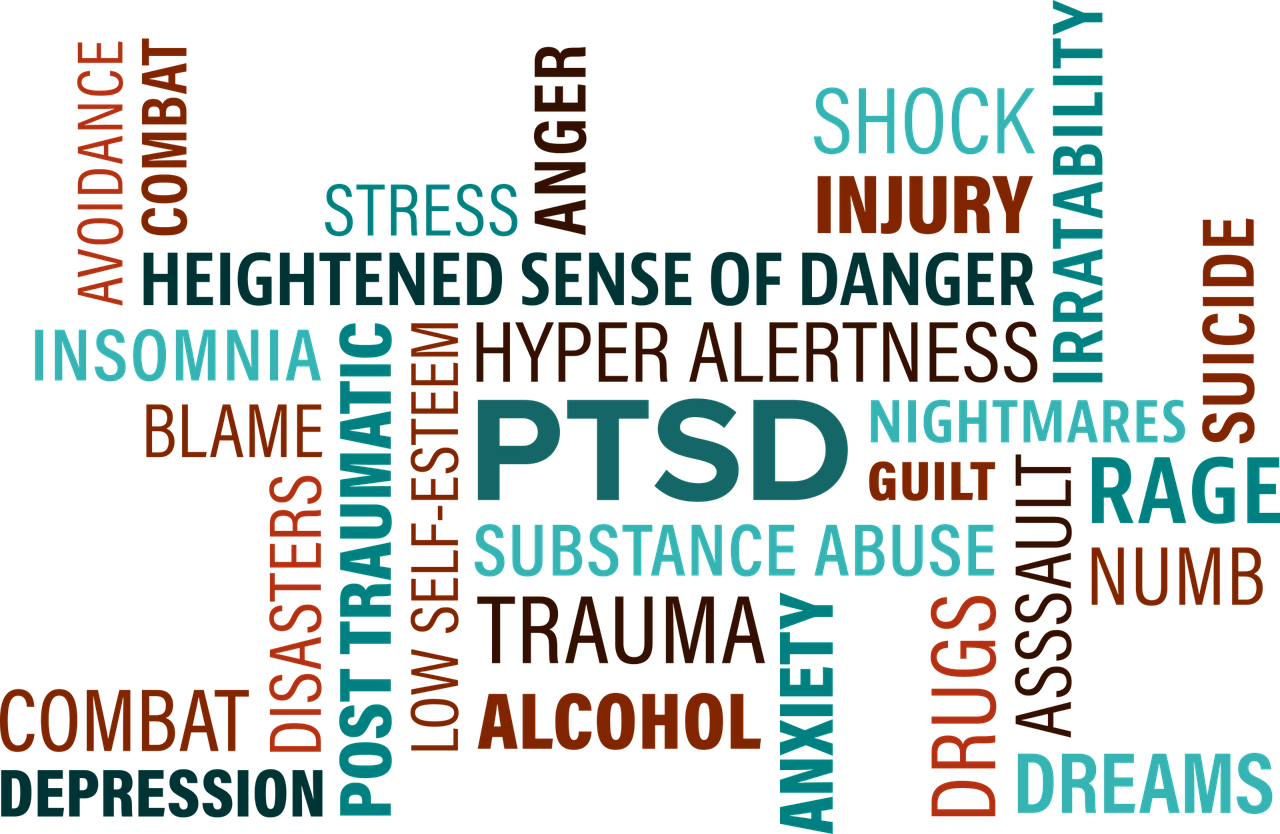
What is secondary trauma?

Injury

Trauma.
Photo courtesy of Pixabay.

By David Joel Miller, MS, Licensed Therapist & Licensed Counselor.

Can you be traumatized by something that did not happen to you?

Secondary trauma.

Secondary trauma is the traumatic result of watching someone else be injured or their life threatened.  It is just as real as if the incident happened to you and can last long after the incident is over.

One place where we saw a lot of secondary trauma, this might also go by the name of vicarious trauma, were the incidents of September 11th. Children who watched the planes fly into the towers over and over on Television became frightened even though the events were thousands of miles away. They believed, because of the repeated showings, that thousands of planes were hitting thousands of buildings and that any moment the planes might hit buildings in their neighborhood.

This points out that events do not need to happen to you to be traumatic.  Watching a close family member be injured or killed can be as traumatic as if it happened to you. One reason there seems to be more Post-traumatic Stress Disorder among military veterans is the number of horrific incidents they witness during a tour of duty.

Watching others you are close to being killed or injured has a traumatic effect on you even if you are far enough away to escape injury.

Humans are endowed with very vivid imaginations. This raises the question can people be traumatized by fictional things, things that never happened?

As we grow older our ability to distinguish reality from fiction should improve. Young children are not always able to tell the difference. Plenty of children develop fears, night terrors or long-term phobias because adults watch horror or other graphic entertainment. They allow the kids to watch along with them since the adults are not overly frightened they expect the child to be able to understand the difference.

Unfortunately many young children these days are not able to tell the real from the imaginary especially in video format where great effort has been expended to make the horror as realistic as possible.

So whether the trauma was real or imagined, whether it happened to you or someone you know and care about, those traumas can and do traumatize people. We call this trauma, secondary traumatization because the victim of the physical attack may not be the person who suffers the most or the longest.

If you have been traumatized by watching someone else be harmed, there is help available. If your child develops fears or phobias after watching a video, talk with them about reality and fiction. If the problems continue, get professional help.

Staying connected with David Joel Miller

Seven David Joel Miller Books are available now!

My newest book is now available. It was my opportunity to try on a new genre. I’ve been working on this book for several years, but now seem like the right time to publish it.

Story Bureau.

Story Bureau is a thrilling Dystopian Post-Apocalyptic adventure in the Surviving the Apocalypse series.

Baldwin struggles to survive life in a post-apocalyptic world where the government controls everything.

As society collapses and his family gets plunged into poverty, Baldwin takes a job in the capital city, working for a government agency called the Story Bureau. He discovers the Story Bureau is not a benign news outlet but a sinister government plot to manipulate society.

Bumps on the Road of Life. Whether you struggle with anxiety, depression, low motivation, or addiction, you can recover. Bumps on the Road of Life is the story of how people get off track and how to get your life out of the ditch.

Dark Family Secrets: Doris wants to get her life back, but small-town prejudice could shatter her dreams.

Casino Robbery Arthur Mitchell escapes the trauma of watching his girlfriend die. But the killers know he’s a witness and want him dead.

Planned Accidents  The second Arthur Mitchell and Plutus mystery.

Letters from the Dead: The third in the Arthur Mitchell mystery series.

What would you do if you found a letter to a detective describing a crime and you knew the writer and detective were dead, and you could be next?

Sasquatch. Three things about us, you should know. One, we have seen the past. Two, we’re trapped there. Three, I don’t know if we’ll ever get back to our own time.

For these and my upcoming books; please visit my Author Page – David Joel Miller

Want the latest blog posts as they publish? Subscribe to this blog.

For videos, see: Counselorssoapbox YouTube Video Channel

CAMFT – CALPCC and the future of mental health in California

By David Joel Miller

If you are not a Marriage and Family Therapist (LMFT) or a Professional Clinical Counselor (LPCC) you may not have heard about the commotion going on here in California.

CAMFT has for a very long time been the primary voice of MFT’s both in California and Nationally. CAMFT membership exceeds 30,000 MFTs, far more than the membership of the American Association of Marriage and Family Therapists.

While California was an early adopter of the MFT profession it was the last state to adopt the licensing of Professional Clinical Counselors.

CALPCC has become the state-wide organization for the Licensed Professional Clinical Counselors. This new sister profession is off to a dramatic start.

Some of you may be aware that I hold both licenses. I elected to become dually licensed because I feel that there are differences in the things that the two specialties do and personally I have times when I practice both professions.

Since I have two licensees I am a member of both CALPCC and CAMFT. I also have been honored to serve on the board of directors for CALPCC.

Now that there are three mental health licenses (LCSW’s MFT’s and LPCC’s) here in California we are still sorting things out. (Four if you count the registration and certification of Substance abuse counselors.)

Both the LMFT’s and the LPCC’s face challenges ahead.

MFT’s were founded on system theory and the requisite skill set includes couples or marriage counseling. Some but not all LPCC’s are trained to do marriage counseling. The challenge for MFT’s consists of maintaining that there is something different about what they do. This becomes a particular challenge as more and more MFT’s are working in county agencies with individual clients rather than seeing couples and families.

LPCC’s have specialized training that some, but not all MFT’s received, particularly in the areas of career counseling and substance abuse work. LPCC’s also have skills in working with nonverbal clients. Because LPCC’s are the newest profession there has been a reluctance to open jobs, especially in the public, governmental sector for LPCC’s even when their skill set might be a better match than an MFT’s.

Recently CAMFT’s board of directors proposed changing their bylaws so that all mental health professionals could become members. This would leave MFT’s with no organization to represent their interests and two competing organizations for LPCC’s.

Now a group of CAMFT members has succeeded in triggering a vote on the CAMFT bylaws to return CAMFT to an MFT only organization.

No less than H. Dan Smith, two-time CAMFT president, has sent out a letter in support of retaining the old bylaws to keep CAMFT an MFT only organization.

Personally, I think this is a good idea.

If you are an MFT, MFT student or intern, and plan to continue to practice Marriage and Family therapy as a specialty then I believe you should vote for the old bylaws and become or stay a member of CAMFT.

If you consider yourself a counselor and are a counseling student, PCCI (intern) or a Licensed Professional Clinical Counselor (LPCC) then I encourage you to join and support CALPCC. You might also want to like CALPCC on FaceBook.

If you are one of that group that now holds both licenses I believe you owe it to yourself to continue membership in both groups.

5 Issues in Coping with recovery

By David Joel Miller, MS, Licensed Therapist & Licensed Counselor.

Ball recovery

Recovery and Resiliency.
Photo courtesy of Pixabay.com

The journey to recovery land is an adventure.

Recovery, whether it is from depression, anxiety, or substance abuse, involves learning to cope with a whole lot of changes in your life. Those problems in your life have mounted up and now you have to face making some changes.

There are likely to be changes in your financial life as a result of your disorder. Many people enter recovery at the insistence of the governmental systems. You may have ended up homeless, or unemployed and when you ask for help you got referred to a program.

Even if you still have a job and a place to stay, the result of your disorder may be that you have to alter your habits. You may also have a lot of wreckage that needs to be repaired. Many recovering people find that they have impaired relationships with others in their life. They want to set those things right or they have to adjust to the changes.

Some of the recovery-related challenges may involve doing things that you never thought you could do. Other changes mean doing without things that in the past you thought were necessities and that you could never do without.

Once saying in recovery circles is that in recovery you need to change everything, your playgrounds, playmates, and your toys. There is a whole lot of truth to that observation.

Here are some of the areas of your life that may need to change as you move in the direction of recovery.

Transportation issues in Recovery.

You may be used to driving your car, but new in recovery many people find that they have to find another form of transportation.

If you lost your license, you need to stop driving. Many people who have their licenses revoked or suspended can’t accept that they need to stop driving. The drive anyway. Often they get caught driving without a license and create more wreckage. Maybe they go to jail, maybe their car gets impounded and they can’t get it back.

You may need to rely on others for transportation, learn to take the bus, or arrange to walk a lot more than you ever imagined.

Finances change in recovery.

In recovery, many people find they need to make changes in their finances. You may be unable to work, or unable to work full-time during your recovery process. You may have lost your job as a result of your disorder or your disorder may be the consequence of being out of work.

Many people find they lose their house, have to move to a cheaper place, or otherwise need to downsize their expenses. Living on food stamps, welfare or a part-time job can be a major challenge.

Ironically many people find that once they cut down, they are able to live on far less than they used to and still have more time and are less stressed. Having a lot costs a lot, and the struggle to maintain things can be a major source of stress.

Relationships connect with recovery.

In recovery, it is important to take a look at your relationships. What you may find is that those relationships you have been clinging to are not healthy. Some people find that while they were in their addiction or their disorder they have left old positive friends and taken up with questionable ones. Others have alienated people who used to be supportive. Repairing damaged relationships, cutting off unhealthy ones, and setting new boundaries with the people you chose to keep in your life are all parts of recovery.

Loneliness may visit you during your recovery.

It is not just the tangible things that change in recovery. There is a lot of work to do on learning to feel and to manage your emotions.

Some people are so used to filling their life with others, activity and commotion, even drama, that just being with themselves is a new experience.

Being alone should not mean you are lonely. You can be lonely anywhere, even in a crowd, but getting comfortable with yourself is a big part of recovery.

Boredom and recovery.

Another emotion that causes a lot of problems for people in recovery is boredom. If you are used to regulating your emotions by reaching for chemicals or for other people, then simply being alone can feel boring at first.

With time you can learn to relax and enjoy the time you get to spend with yourself.

Rather than complaining about all the life changes you need to make in recovery, relax and enjoy the journey, you will find that the trip to “recoveryland” is an enjoyable, lifelong journey.

Staying connected with David Joel Miller

Seven David Joel Miller Books are available now!

My newest book is now available. It was my opportunity to try on a new genre. I’ve been working on this book for several years, but now seem like the right time to publish it.

Story Bureau.

Story Bureau is a thrilling Dystopian Post-Apocalyptic adventure in the Surviving the Apocalypse series.

Baldwin struggles to survive life in a post-apocalyptic world where the government controls everything.

As society collapses and his family gets plunged into poverty, Baldwin takes a job in the capital city, working for a government agency called the Story Bureau. He discovers the Story Bureau is not a benign news outlet but a sinister government plot to manipulate society.

Bumps on the Road of Life. Whether you struggle with anxiety, depression, low motivation, or addiction, you can recover. Bumps on the Road of Life is the story of how people get off track and how to get your life out of the ditch.

Dark Family Secrets: Doris wants to get her life back, but small-town prejudice could shatter her dreams.

Casino Robbery Arthur Mitchell escapes the trauma of watching his girlfriend die. But the killers know he’s a witness and want him dead.

Planned Accidents  The second Arthur Mitchell and Plutus mystery.

Letters from the Dead: The third in the Arthur Mitchell mystery series.

What would you do if you found a letter to a detective describing a crime and you knew the writer and detective were dead, and you could be next?

Sasquatch. Three things about us, you should know. One, we have seen the past. Two, we’re trapped there. Three, I don’t know if we’ll ever get back to our own time.

For these and my upcoming books; please visit my Author Page – David Joel Miller

Want the latest blog posts as they publish? Subscribe to this blog.

For videos, see: Counselorssoapbox YouTube Video Channel

Cute is hard work


Love yourself

Love yourself
Photo courtesy of Pixabay.com

You think your job is hard? Try being cute all day!

See you all again tomorrow. 

How do you become a member of A.A.?

By David Joel Miller, MS, Licensed Therapist & Licensed Counselor.

AA big book

Alcoholics Anonymous big book.

Is A.A. membership expensive?

What do you have to do to get accepted into membership?

A.A. is one of the more unusual organizations when it comes to becoming a member.

They do not charge a membership fee. There are no monthly or annual dues to pay. They do pass a basket and the money people donate is used to defray the expenses. No one is ever pressured to put something in the basket.

Unlike other groups who have frequent solicitations for funds, A.A. asks that only members contribute. Members are never required to contribute, but most give something, even if it is just the small change in their pockets.

There are no creeds to agree to. No catechisms to learn or memorize. They do read some things, but only those who want to read. There are no membership committees and no application forms to fill out.

You do not even need to be an alcoholic or agree to take the twelve steps to become a member. The twelve steps in A.A. are, like most everything else in the program, “suggestions” not requirements.

You do not need to agree to believe in a particular religion or worship any particular deity. In fact, you do not even need to believe in a God to be a member.

There is in fact only one requirement for membership in A.A.

“The only requirement for membership is a desire to stop drinking.”

If you can honestly say that you want to stop drinking, then you have qualified for membership.

Having become a member there is a suggestion that you get a book and read it, come to some meetings and find a sponsor to help you work your steps. None of those things are however requirements, they are suggestions.

Essentially, you are a member if you say you are a member.

With membership does come some duties. You, as a new member, will be asked to respect other member’s anonymity. You will also be asked to refrain from making public statements on behalf of A.A. Beyond that not much will be asked of you unless you chose to participate in your recovery.

All in all, A.A. is an easy group to join. So ask yourself “Do I want to stop drinking?” If so, head for a meeting because you have already qualified to become a member whether you knew it or not.

The posts I write about A.A. are from my perspective as a therapist and clinical counselor and do not necessarily reflect the views of A.A. World Services or A.A. members. For more on A.A. and their program of recovery check out the “A.A. Big Book” titled Alcoholics Anonymous at the links below or contact A.A. World Services at their website.

The Big Book of Alcoholics Anonymous

The classic text on Alcoholism recovery this is the book that started off the whole 12-step phenomenon.

Alcoholics Anonymous from The Anonymous Press

One of the Kindle editions – At 99 cents this is such a bargain. This edition needed a separate listing. No Kindle reader? No Problem, if you have a computer you can download a free Kindle reader.

Staying connected with David Joel Miller

Seven David Joel Miller Books are available now!

My newest book is now available. It was my opportunity to try on a new genre. I’ve been working on this book for several years, but now seem like the right time to publish it.

Story Bureau.

Story Bureau is a thrilling Dystopian Post-Apocalyptic adventure in the Surviving the Apocalypse series.

Baldwin struggles to survive life in a post-apocalyptic world where the government controls everything.

As society collapses and his family gets plunged into poverty, Baldwin takes a job in the capital city, working for a government agency called the Story Bureau. He discovers the Story Bureau is not a benign news outlet but a sinister government plot to manipulate society.

Bumps on the Road of Life. Whether you struggle with anxiety, depression, low motivation, or addiction, you can recover. Bumps on the Road of Life is the story of how people get off track and how to get your life out of the ditch.

Dark Family Secrets: Doris wants to get her life back, but small-town prejudice could shatter her dreams.

Casino Robbery Arthur Mitchell escapes the trauma of watching his girlfriend die. But the killers know he’s a witness and want him dead.

Planned Accidents  The second Arthur Mitchell and Plutus mystery.

Letters from the Dead: The third in the Arthur Mitchell mystery series.

What would you do if you found a letter to a detective describing a crime and you knew the writer and detective were dead, and you could be next?

Sasquatch. Three things about us, you should know. One, we have seen the past. Two, we’re trapped there. Three, I don’t know if we’ll ever get back to our own time.

For these and my upcoming books; please visit my Author Page – David Joel Miller

Want the latest blog posts as they publish? Subscribe to this blog.

For videos, see: Counselorssoapbox YouTube Video Channel