Angry

Anger burning

Anger
Photo courtesy of Pixabay.com

Sunday Inspiration.     Post by David Joel Miller.

“For every minute you are angry you lose sixty seconds of happiness.”

― Ralph Waldo Emerson

“Angry people are not always wise.”

― Jane Austen, Pride and Prejudice

“Anybody can become angry — that is easy, but to be angry with the right person and to the right degree and at the right time and for the right purpose, and in the right way — that is not within everybody’s power and is not easy.”

― Aristotle

Wanted to share some inspirational quotes with you.  Today seemed like a good time to do this. There are an estimated 100,000 words in the English language that are feelings related. Some emotions are pleasant, and some are unpleasant, but all feelings can provide useful information. If any of these quotes strike a chord with you, please share them.

Look at these related posts for more on this topic and other feelings.

Emotions and Feelings.

Inspiration

Signs of gaslighting.

Gaslighting
Photo courtesy of Pixabay.com

By David Joel Miller, MS, Licensed Therapist & Licensed Counselor.

What is gaslighting?

Gaslighting is the attempt to manipulate a person or group psychologically. The perpetrator wants to get the victim to doubt their own perceptions. Gaslighting is done to obtain power and control over the victim. The process happens slowly and gradually until the victim comes to question their perception of reality.

The origin of the term is a play from the late nineteen-thirties, which was later turned into a movie. When someone is gaslighting, they are trying to convince you that you are insane and that what you’re seeing happen isn’t happening.

Abusers often resort to gaslighting techniques to try to convince their victims that they are not doing anything wrong. By destroying the victim’s sense of reality, the abuser gains control over that individual. Cults often engage in gaslighting to convince their followers that only the leader correctly perceives things. To be effective, the person doing the gaslighting has to get the victim to doubt their own perceptions. Gradually the judgment of the victim is invalidated, and they look to the abuser for their sense of reality.

One technique that is used for gaslighting is to repeat a lie that they want others to believe continually. Repeating something often enough and loudly enough can convince many people to believe that lie and to doubt their perceptions.

Gaslighting techniques, sometimes called disinformation campaigns, have become extremely common on social media. Something completely untrue can spread rapidly when an altered video or non-true news story is reposted often enough. Both antisocial sociopaths and narcissists make extensive use of gaslighting methods. Here are some ways that you can spot attempts to gaslight.

They tell blatant lies.

The lies are often so extreme that they are hard to believe. No matter how often they are challenged, the perpetrator sticks to their deception and attacks the victim. By using huge lies, they keep the victims from knowing when they’re telling the truth, and when they are lying. The goal is to keep the victim emotionally off-balance.

When challenged, they deny everything, even if you have evidence.

The person using gaslighting techniques never admits they’re wrong about anything. They explain away the evidence. Tell you that you miss read something or you are misinterpreting things. Their repeated denials can get you to question your perceptions.

They tell you that you are wrong, crazy, or just imagining things.

When confronted with something the gaslighter has done, they will deny that the actions ever took place. You may know you saw them doing something, but they will offer a different explanation. They’ll tell you that you didn’t see what you thought you did. That makes excuses that you’ve been stressed out recently, that you’re taking things too seriously. They may even tell you that something you remember didn’t happen or didn’t happen the way you remember it.

They withhold information from you.

The person doing the gaslighting will tell you that you don’t need to think about that. They will try to handle everything for you. As with other forms of abuse, they’ll try to cut you off from other sources of information. Abusers often take over controlling the finances and may object to your seeing your family or friends.

They wear you down over time.

The person using gaslighting never lets up. The lying and contradicting you, coupled with attacks on your perceptions, are relentless. They stick to their script, gradually wearing their victims down.

Their actions don’t match their words.

They often give you stories of what they’re going to do and why it’s for your benefit. But when you look at their actions, they don’t match the promises they made and are primarily for their own self-interest.

They distract from their behavior by projecting it on you.

Do you think your partner is cheating on you? If you confront them about this, they’re likely to accuse you of being the cheater. Criticize their drinking or drug use, and they’ll find something you do and accuse you of being addicted to reading books, watching your TV show, or eating your favorite dessert.

Degrading comments are followed by positive reinforcement.

They’ll tell you that you’re stupid or crazy. Often these degrading comments come in the form of jokes. After running you down repeatedly, they’ll offer you a small amount of praise for some minor things you did. The goal here is to get you to doubt your abilities and to be hungry for their praise and approval.

They block or are unsupportive of your growth.

Anytime you try to develop a new friendship or new interest, the abuser is likely to tell you that that person is no good for you, and you will never be able to handle the new activity.

Gaslighters hide things from their victim’s.

People who engage in gaslighting may have secret bank accounts, a second cell phone, and develop other ways to hide information.

Abusers try to change you.

They may tell you that you need to change your appearance, your habits, or your interests. They will often use derogatory comments about you to undermine your self-esteem, gradually changing their victims into the person they want them to be.

Abusers try to isolate you.

Techniques frequently used by those people who are gaslighting others are to cut them off from their families and friends. They tell you that people you are close to are jealous of your relationship and out to harm you. They may also tell friends and family that you’ve been acting crazy and are close to a mental breakdown. The goal is to eliminate any contact you have with other people so that no one supports your version of reality.

Have you been affected by gaslighting? What have you done to try to reestablish your independence?

Recommended Mental Health Books

David Miller at counselorssoapbox.com is an Amazon Affiliate and may receive a small Commission if you purchase a book or product using the link on this page. Using the link will not increase the cost to you.

Staying connected with David Joel Miller

Seven David Joel Miller Books are available now!

My newest book is now available. It was my opportunity to try on a new genre. I’ve been working on this book for several years, but now seems like the right time to publish it.

Story Bureau.

Story Bureau is a thrilling Dystopian Post-Apocalyptic adventure in the Surviving the Apocalypse series.

Baldwin struggles to survive life in a post-apocalyptic world where the government controls everything.

As society collapses and his family gets plunged into poverty, Baldwin takes a job in the capital city, working for a government agency called the Story Bureau. He discovers the Story Bureau is not a benign news outlet but a sinister government plot to manipulate society.

Bumps on the Road of Life. Whether you struggle with anxiety, depression, low motivation, or addiction, you can recover. Bumps on the Road of Life is the story of how people get off track and how to get your life out of the ditch.

Dark Family Secrets: Doris wants to get her life back, but small-town prejudice could shatter her dreams.

Casino Robbery Arthur Mitchell escapes the trauma of watching his girlfriend die. But the killers know he’s a witness and want him dead.

Planned Accidents  The second Arthur Mitchell and Plutus mystery.

Letters from the Dead: The third in the Arthur Mitchell mystery series.

What would you do if you found a letter to a detective describing a crime and you knew the writer and detective were dead, and you could be next?

Sasquatch. Three things about us, you should know. One, we have seen the past. Two, we’re trapped there. Three, I don’t know if we’ll ever get back to our own time.

For these and my upcoming books; please visit my Author Page – David Joel Miller

Want the latest blog posts as they publish? Subscribe to this blog.

For videos, see: Counselorssoapbox YouTube Video Channel

Hungry.

Hungry.

Hungry.
Photo courtesy of Pixabay.com

Sunday Inspiration.     Post by David Joel Miller.

“A bone to the dog is not charity. Charity is the bone shared with the dog, when you are just as hungry as the dog.”

― Jack London

“There are people in the world so hungry, that God cannot appear to them except in the form of bread.”

― Mahatma Gandhi

“At the end of life, we will not be judged by how many diplomas we have received, how much money we have made, how many great things we have done.

We will be judged by “I was hungry, and you gave me something to eat, I was naked, and you clothed me. I was homeless, and you took me in.”

― Mother Teresa

Wanted to share some inspirational quotes with you.  Today seemed like a good time to do this. There are an estimated 100,000 words in the English language that are feelings related. Some emotions are pleasant, and some are unpleasant, but all feelings can provide useful information. If any of these quotes strike a chord with you, please share them.

Look at these related posts for more on this topic and other feelings.

Emotions and Feelings.

Inspiration

Why didn’t they ask me that?

Why didn’t they ask me that?
Photo courtesy of Pixabay.com

By David Joel Miller, MS, Licensed Therapist & Licensed Counselor.

Most people don’t ask enough questions.

A typical comment after many social interactions is, they didn’t ask me any questions. Whether it’s a job interview or first date, many people don’t ask enough questions. They leave that social interaction without the information they needed. Not asking questions can also make the person you talk to think you are uninterested in them or the topic of your meeting. So, if you want to make a better first impression, or second, or even third, learn to ask more questions. Of course, there’s a right way and a wrong way to ask those questions. Here are some of the reasons people don’t ask enough questions.

People who are busy thinking about themselves don’t ask about others.

People who want to impress you, or sell you something, often talk about themselves rather than asking you questions. If you leave the interaction thinking all that person did was talk about themselves, you’re probably right. If you want better relationships with others, learn to balance your talking with your listening. Create space for the other person to talk and encourage them by asking questions about them.

Apathetic people don’t ask questions.

If someone you’re talking to doesn’t ask about you and your day, they probably don’t care. When you have a conversation, if you don’t ask the other person questions, you’re likely to convey the impression that you don’t care about them, even if that’s not the way you feel. To strengthen relationships, take an interest in the other person. Ask questions that invite them to share more about themselves and their interests

People are afraid of asking the wrong question.

Many people don’t ask enough questions because they are afraid of sounding ignorant, incompetent, or rude. Don’t let your fear of asking the wrong question keep you from using questions to gather information and strengthen a relationship.

Some people underestimate the value of a good question.

People who ask more questions are generally perceived as being more likable. A good question can be an opportunity to learn from someone more knowledgeable. Asking the right question can also be your chance to show a genuine interest in someone else. People who asked more questions were more likely to know about others interests and habits. If you ask questions, the other person is more likely to want to continue the conversation.

Overconfident people talk instead of asking questions.

If you spend the majority of your time and interactions talking, you conveyed the impression that you think you have all the answers and that the other person’s information or ideas are unimportant. If you ask more questions, you may be surprised at the things you learn. You can discover the person you’re talking to doesn’t agree with you, and they may have some valuable ideas you haven’t heard yet.

Don’t be afraid to ask a stupid question.

People who are high in anxiety or are insecure may avoid asking questions for fear of appearing stupid. The dumbest questions and the ones you don’t ask. Most people are delighted to talk about themselves, their latest project, or their lives. Asking them questions shows that you’re interested. No one ever knows all the answers.

How can you learn to use questions to improve your relationships?

Asking good questions, the kind that improves relationships, and gathers information is a skill that can be learned. Here are some tips on becoming better at using questions in your conversation.

Most people like to be asked questions about themselves.

The proper way to use questions to improve relationships is to ask people questions they will enjoy answering. This type of question demonstrates that you are genuinely interested in the other person. Avoid questions that put people on the spot or ask for overly personal Information.

Plan ahead, create several questions you plan to ask.

Notice that journalists who interview prominent people almost always have a list of questions they have prepared ahead of time. Sometimes they even submit these questions to the person they’ll be interviewing in advance. Knowing what you want to ask, maybe also doing some research ahead of time, helps you to ask intelligent, informed questions. Better questioning creates a better relationship.

It’s okay to ask questions about multiple topics.

Limiting your questioning of someone else to questions on only one topic can convey the wrong impression. Repeated questions on one subject can feel like the person is being interrogated. It can also suggest that you are only looking for answers to your questions and not genuinely interested in the other person.

Asking follow-up questions gets the answers you need.

If you discover something new about the person, you’re talking can go deeper into that subject by asking additional questions. Learn to be curious and asked for more information about the things you discover.

Don’t abuse questions.

Many people become anxious when they are asked a question. It’s common for people to use questions as weapons rather than as requests for information. Do you remember as a child when a parent or other adult asking you, “why did you do that?” Things like “how could you be that stupid?” isn’t someone looking for information, it’s someone looking to hurt you.

When asking other people questions, be especially alert for times when a question may trigger an emotional response. Be careful about asking questions that may be too personal or uncomfortable.

The Harvard business review in its article The Surprising Power of Questions found that learning to ask good questions is an important business skill people need to develop.

How comfortable are you asking and answering questions?

Staying connected with David Joel Miller

Six David Joel Miller Books are available now!

Bumps on the Road of Life. Whether you struggle with anxiety, depression, low motivation, or addiction, you can recover. Bumps on the Road of Life is the story of how people get off track and how to get your life out of the ditch.

Dark Family Secrets: Doris wants to get her life back, but small-town prejudice could shatter her dreams.

Casino Robbery Arthur Mitchell escapes the trauma of watching his girlfriend die. But the killers know he’s a witness and want him dead.

Planned Accidents  The second Arthur Mitchell and Plutus mystery.

Letters from the Dead: The third in the Arthur Mitchell mystery series.

What would you do if you found a letter to a detective describing a crime and you knew the writer and detective were dead?

Sasquatch. Three things about us, you should know. One, we have seen the past. Two, we’re trapped there. Three, I don’t know if we’ll ever get back to our own time.

For these and my upcoming books; please visit my Author Page – David Joel Millerhttps://www.amazon.com/David-Joel-Miller/e/B076P1JPYF

Want the latest blog posts as they publish? Subscribe to this blog.

For videos see: Counselorssoapbox YouTube Video Channel

Contempt.

Sunday Inspiration.     Post by David Joel Miller.

Contempt

Contempt.
Photo courtesy of Pixabay.com

“JUDGE: Are you trying to show contempt for this court?

MAE WEST: I was doin’ my best to hide it.”

― Mae West

“Familiarity breeds contempt and children.”

― Mark Twain

“To argue with a man who has renounced the use and authority of reason, and whose philosophy consists in holding humanity in contempt, is like administering medicine to the dead, or endeavoring to convert an atheist by scripture.”

― Thomas Paine, The American Crisis

Wanted to share some inspirational quotes with you.  Today seemed like a good time to do this. There are an estimated 100,000 words in the English language that are feelings related. Some emotions are pleasant, and some are unpleasant, but all feelings can provide useful information. If any of these quotes strike a chord with you, please share them.

Look at these related posts for more on this topic and other feelings.

Emotions and Feelings.

Inspiration

Today’s not Monday, is it?

Man writing

Writing.
Photo courtesy of Pixabay.com

By David Joel Miller, MS, Licensed Therapist & Licensed Counselor.

Just when I thought life couldn’t get any busier.

For some of you who have been reading this blog over the preceding years, you’ve noticed that I rarely miss publishing a post on Mondays. But in the frantic activity of the last week, Monday of this week was overlooked. I decided to take this opportunity to tell you why Monday didn’t get its appropriate respect this week.

The usual schedule for the counselorssoapbox blog has been a post every Sunday about a feeling related word. I try to include a picture that illustrates the idea along with some quotations featuring the word of the week. Some of these quotations are humorous, and some are insightful.

Monday has typically been reserved for a post on mental health, substance abuse, or having a happy life. I suppose skipping this week’s Monday post was my way of doing a little personal self-care.

Sometimes Wednesday features a Writing Wednesday post about my fiction and nonfiction books and my writing process. And when possible, the other days of the week might feature anything else; I’ve managed to write. I just never know what these will be until I get them finished.

There are new things in the works.

Starting next week, I will be teaching another class about drugs, alcohol, and substance use disorders, The topic, and the material are very similar to the way I’ve taught this class in the classroom in the past. But the content has been redesigned. Over the summer, I took a course on how to teach online and my class on The Effects Of Drugs And Alcohol On The Body and The Brain, also known as the Physical and Psychological Effects of Drugs, and sometimes called Chemical Dependency Counseling has been completely redesigned. If you’d like to look at the videos for this class, you will find them on my counselorssoapbox YouTube channel on the playlist SUD-CD. To get academic credit for the course, you would need to be enrolled through Fresno City College.

Two new novels are due to be published shortly.

I spent the first seven months of this year working on several new novels. Two of these novels are currently in the revision and proofreading stages. Since sometimes, the details change when I go to publish them. I will tell you more about them as we get closer to the publication date.

Both are in new genres. Having started my novel writing efforts so late in life, I’ve approached novel writing the same way most people approach relationships as a teenager. I tried to date as many genres as possible without getting married to anyone genre category.

Throughout my life, I’ve read widely, and I can’t say there’s any single category of book, either fiction or nonfiction, which doesn’t interest me. So, I must at least spend some time with some new genres in my writing.

One of the novels I plan to publish before the year is out will be a dystopian, post-apocalyptic novel about a country that takes over the control of social media to control the way people think. This novel is not necessarily connected to the recent COVID-19 pandemic or current political events. As a teenager, I thoroughly enjoyed reading both Utopian and dystopian novels. Brave New World and 1984 were two of my favorite books. The working title for this book is Story Bureau.

The second novel features a reporter exploring the paranormal phenomena. This book will include both a ghost story and a mystery, and the current working title for this book is Oaktree Hotel Hauntings. For those of you who read and liked my time travel adventure titled Sasquatch Attacks, this novel features the return of reporter Nancy Nusbaum who is now working for the Paranormal News.

The Counselorssoapbox YouTube channel continues to grow.

I’ve added several new videos to the Counselorssoapbox YouTube channel. Some of these are shorter videos on substance use disorders. I’m also working on some new mental health videos. While I enjoy all the things I’m doing, I still need to take some time out to eat and sleep.

The mental health field continues to change.

Both my private practice clients and the supervision I do have moved online. Staying mentally healthy in the coronavirus era has been a challenge for both clients and counselors. As humans, we all need some social connection, but we also need to be careful to minimize our contacts and the spread of the virus. My self-care plan also includes an emphasis on devoting some time out of my schedule to stay in touch with those people in my support system who I currently can’t see is much as I would like.

So that’s an update on my life both personally and professionally. How are you all taking care of yourself these days? Please feel free to leave a comment or question in the comment box below or use the contact me form.

Staying connected with David Joel Miller

Seven David Joel Miller Books are available now!

My newest book is now available. It was my opportunity to try on a new genre. I’ve been working on this book for several years, but now seem like the right time to publish it.

Story Bureau.

Story Bureau is a thrilling Dystopian Post-Apocalyptic adventure in the Surviving the Apocalypse series.

Baldwin struggles to survive life in a post-apocalyptic world where the government controls everything.

As society collapses and his family gets plunged into poverty, Baldwin takes a job in the capital city, working for a government agency called the Story Bureau. He discovers the Story Bureau is not a benign news outlet but a sinister government plot to manipulate society.

Bumps on the Road of Life. Whether you struggle with anxiety, depression, low motivation, or addiction, you can recover. Bumps on the Road of Life is the story of how people get off track and how to get your life out of the ditch.

Dark Family Secrets: Doris wants to get her life back, but small-town prejudice could shatter her dreams.

Casino Robbery Arthur Mitchell escapes the trauma of watching his girlfriend die. But the killers know he’s a witness and want him dead.

Planned Accidents  The second Arthur Mitchell and Plutus mystery.

Letters from the Dead: The third in the Arthur Mitchell mystery series.

What would you do if you found a letter to a detective describing a crime and you knew the writer and detective were dead, and you could be next?

Sasquatch. Three things about us, you should know. One, we have seen the past. Two, we’re trapped there. Three, I don’t know if we’ll ever get back to our own time.

For these and my upcoming books; please visit my Author Page – David Joel Miller

Want the latest blog posts as they publish? Subscribe to this blog.

For videos, see: Counselorssoapbox YouTube Video Channel

Puzzled.

Sunday Inspiration.     Post by David Joel Miller.

Puzzled

Puzzled.
Photo courtesy of Pixabay.com

“And the Grinch, with his Grinch-feet ice cold in the snow,

stood puzzling and puzzling, how could it be so? It came without ribbons. It came without tags. It came without packages, boxes, or bags. And he puzzled and puzzled ’till his puzzler was sore. Then the Grinch thought of something he hadn’t before. What if Christmas, he thought, doesn’t come from a store? What if Christmas, perhaps, means a little bit more?”

― Dr. Seuss, How the Grinch Stole Christmas!

“Who in the world am I? Ah, that’s the great puzzle.”

― Lewis Carroll, Alice in Wonderland

“The truth may be puzzling. It may take some work to grapple with. It may be counterintuitive. It may contradict deeply held prejudices. It may not be consonant with what we desperately want to be true. But our preferences do not determine what’s true.”

― Carl Sagan

Wanted to share some inspirational quotes with you.  Today seemed like a good time to do this. There are an estimated 100,000 words in the English language that are feelings related. Some emotions are pleasant, and some are unpleasant, but all feelings can provide useful information. If any of these quotes strike a chord with you, please share them.

Look at these related posts for more on this topic and other feelings.

Emotions and Feelings.

Inspiration

Recommended Mental Health Books

David Miller at counselorssoapbox.com is an Amazon Affiliate and may receive a small Commission if you purchase a book or product using the link on this page. Using the link will not increase the cost to you.

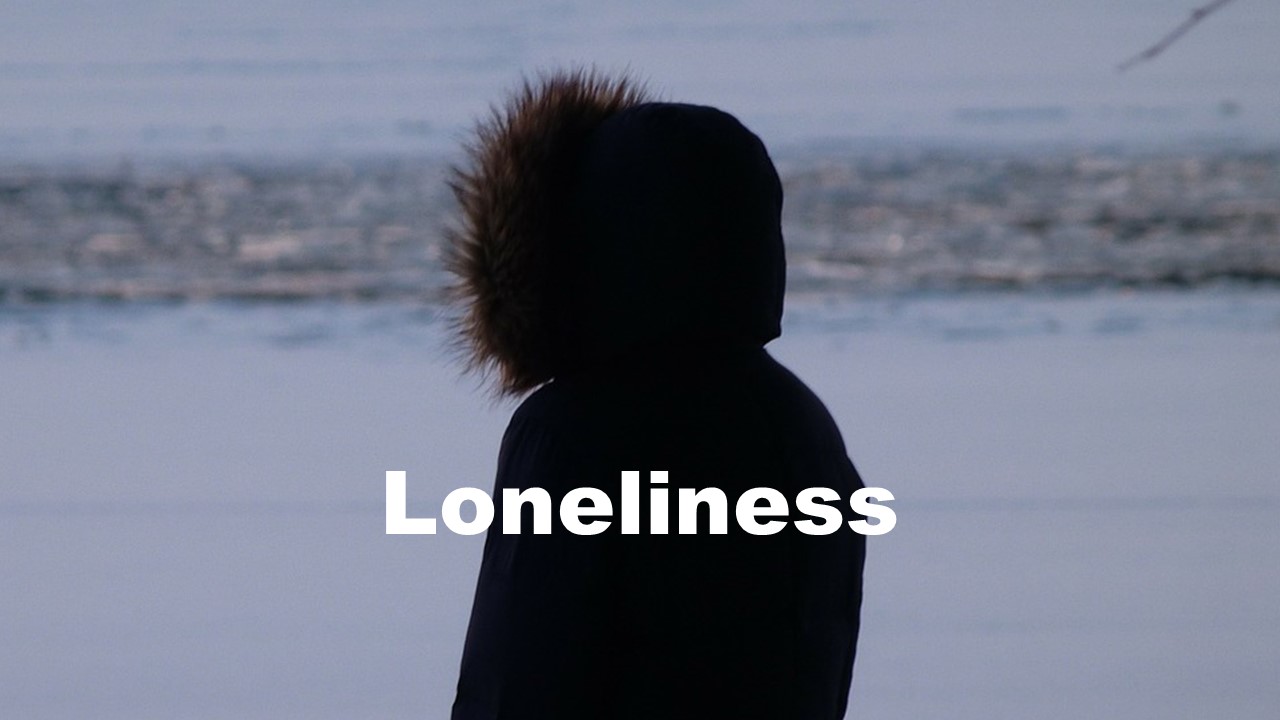
How do you combat loneliness?

Person alone

Loneliness.

By David Joel Miller, MS, Licensed Therapist & Licensed Counselor.

Why is loneliness on the rise?

With all the electronic interconnectedness we have these days, you wouldn’t expect people to be increasingly lonely. But the reality of the situation is that social media friends don’t take the place of real in-person friends. An increase in electronic connections doesn’t equate to an increase in friendships and emotional connections.

Loneliness causes enough damage to your brain’s structure and function that experts have begun to believe it should be considered a disease. Being lonely affects both your physical and your mental health. What can you do to combat loneliness? Here are a few of the strategies that some people have adopted to tackle their feelings of loneliness.

New research published in Aging & Mental Health by Alejandra Morlett Paredes from the University of California, San Diego, and colleagues describes some possible coping strategies for loneliness.

Many of the coping mechanisms directly challenge the causes of loneliness. As people age, we experience losses. People you loved and who have loved you may have exited your life. Over the years, you may lose physical and mental abilities. There’s less time left to do anything and you may begin to wonder what your life has meant. While you may be surrounded by lots of people, the loss of quality relationships can make you lonely even in a crowd.

Acceptance of your limitations reduces isolation.

People who continue to insist they should be able to do the things they were able to do earlier in life are more likely to isolate. Accept that some activities may be more difficult for you to do. You may also have to make some accommodations for reduced abilities. Focus on what you can do, not what you can’t do. Embrace the use of newer technologies. If you need one, use a wheelchair to increase your mobility. Don’t be afraid to ask for help when you need it. Don’t feel embarrassed by your limitations.

Practicing self-compassion reduces feelings of loneliness.

There’s no evidence that being critical of yourself will motivate you. Practicing effective self-compassion allows you to accept yourself as you are. Treat yourself as well as you would others. If you have been hard on others your whole life, learn to be more empathetic and compassionate towards them, and then use those new skills to increase your compassion toward yourself.

Engaging with your spirituality helps reduce feelings of loneliness.

Spirituality can increase your feeling of connectedness both to other people and to your meaning and purpose in life. Even when you can’t be physically present with other people who share your religion or spirituality, practicing the behaviors your faith tells you that you should be doing helps to maintain those connections. Pray, meditate, and practice good thoughts and deeds.

Stay socially connected and develop new friendships.

One aspect of loneliness is a lack of social connectedness. Friendships are built and strengthened by shared activities. The more things you do, the more friendships you can make. In the coronavirus age, many of these shared activities must be done when not physically present with each other.

When we first began socially distancing, I expected to feel more disconnected from my usual social circle. We’ve all learned to use videoconferencing and frequent emails to maintain those feelings of connectedness. Sharing about topics that are of mutual interest has helped to reinforce our connectedness.

Strengthen the relationships with the people you spend your time with.

A second aspect of loneliness is the feeling that the relationships you have aren’t meeting your needs. Sometimes that means you need to change your relationships. But that’s not the only option. Use your time around others to strengthen your relationships. Learn to communicate with those you care about in more positive ways. If your primary relationships aren’t meeting your emotional needs, consider either individual counseling to work through your own issues or relationship counseling to improve the communication between you and the others who are significant in your life.

Research the strategies others use to cope with loneliness.

There are several articles available on the Internet these days on how to cope with feelings of loneliness. Read some of these and try incorporating some of their suggestions into your life. One article I found particularly interesting was from the British Psychological Society, which reported on some of the strategies older adults use for combating loneliness.

If you have found any strategies that have helped you cope with loneliness, please leave a comment below.

Staying connected with David Joel Miller

Seven David Joel Miller Books are available now!

My newest book is now available. It was my opportunity to try on a new genre. I’ve been working on this book for several years, but now seem like the right time to publish it.

Story Bureau.

Story Bureau is a thrilling Dystopian Post-Apocalyptic adventure in the Surviving the Apocalypse series.

Baldwin struggles to survive life in a post-apocalyptic world where the government controls everything.

As society collapses and his family gets plunged into poverty, Baldwin takes a job in the capital city, working for a government agency called the Story Bureau. He discovers the Story Bureau is not a benign news outlet but a sinister government plot to manipulate society.

Bumps on the Road of Life. Whether you struggle with anxiety, depression, low motivation, or addiction, you can recover. Bumps on the Road of Life is the story of how people get off track and how to get your life out of the ditch.

Dark Family Secrets: Doris wants to get her life back, but small-town prejudice could shatter her dreams.

Casino Robbery Arthur Mitchell escapes the trauma of watching his girlfriend die. But the killers know he’s a witness and want him dead.

Planned Accidents  The second Arthur Mitchell and Plutus mystery.

Letters from the Dead: The third in the Arthur Mitchell mystery series.

What would you do if you found a letter to a detective describing a crime and you knew the writer and detective were dead, and you could be next?

Sasquatch. Three things about us, you should know. One, we have seen the past. Two, we’re trapped there. Three, I don’t know if we’ll ever get back to our own time.

For these and my upcoming books; please visit my Author Page – David Joel Miller

Want the latest blog posts as they publish? Subscribe to this blog.

For videos, see: Counselorssoapbox YouTube Video Channel

Pleasure.

Sunday Inspiration.     Post by David Joel Miller.

Pleasure

Pleasure.
Photo courtesy of Pixabay.com

“The person, be it gentleman or lady, who has not pleasure in a good novel, must be intolerably stupid.”

― Jane Austen, Northanger Abbey

“To give pleasure to a single heart by a single act is better than a thousand heads bowing in prayer.”

― Mahatma Gandhi

“Eating and reading are two pleasures that combine admirably.”

― C.S. Lewis

Wanted to share some inspirational quotes with you.  Today seemed like a good time to do this. There are an estimated 100,000 words in the English language that are feelings related. Some emotions are pleasant, and some are unpleasant, but all feelings can provide useful information. If any of these quotes strike a chord with you, please share them.

Look at these related posts for more on this topic and other feelings.

Emotions and Feelings.

Inspiration

How to increase your emotional resilience.

Resiliant

Resilient.
Photo courtesy of Pixabay.com

By David Joel Miller, MS, Licensed Therapist & Licensed Counselor.

Emotional resilience will get you through the tough times.

When life gets difficult you may get knocked down and off track. Once they are down, some people have difficulty getting back up. Other people bounce back readily. That ability to come back after a setback is a quality, we call emotional resilience. I think there are several other kinds of resilience, such as financial resilience for example. Having a little money in your savings account can help you recover from an unexpected bill. Having the skill of emotional resilience can help you recuperate from an unanticipated emotional challenge.

Resilience is not something you’re born with, nor is it something some people have while other people don’t. Everyone seems to be able to recover from a few things. The people who are high in emotional resilience have developed the skills needed to recover from all sorts of emotional challenges. My first book, a nonfiction book about recovering from adjustment disorders, is titled Bumps on the Road of Life and talks about how to recover from setbacks. Resilience is one of those ways to get back on track. Below are some methods to perfect your resilience skill.

Encouraging optimism makes you more resilient.

Optimism isn’t a fixed trait that you either have or don’t have. You can teach your children to be more optimistic. If your past didn’t foster optimism, you could make a deliberate effort to grow that optimism.

Recognize that everyone has difficulties, whether you are aware of them are not. Think of problems as outside yourself. Don’t come to believe that because you have problems, that means there something wrong with you. Your challenges or the obstacles before you are something you need to overcome, or they are conditions you need to accept. That doesn’t mean you’re necessarily the cause of your difficulties.

Learn to view problems as temporary. Situations change with time. No matter how difficult things have been for you in the past, there’s always the possibility that things can get better. Look for the good in other people. Don’t fall into the trap of believing the world is a bad place and nothing will ever get any better.

Become a resiliency expert.

Seek out people who appear to be exceptionally resilient. Study them as examples of resiliency. There’s plenty of examples of people who gave up. You won’t learn much from studying the people who let obstacles defeat them. Study how people have overcome adversity. Take notes about the steps they took to get their lives back on track. Develop a plan, maybe even several plans, for ways you can make small improvements in your life. Don’t become impatient. Small steps taken repeatedly can take you a long way.

Keeping up your hope increases your resilience.

Hope is a characteristic that needs to be nurtured. Hope consists of two elements. First, the belief that if you try things, you will be able to accomplish them. Second, the belief that you can design multiple paths to reaching your goals.

Don’t expect to be perfect at everything you try the first time. The more things you try, the more you will find you can do some things better than others. Develop the belief that if you try, you will be able to succeed. Don’t fall into the trap of black or white thinking. Resilient people don’t believe they have to be perfect or they are failures. Give yourself credit for things you do and for improvements you make.

Learn relaxation and stress reduction techniques to improve resilience.

Stress is normal. Everyone has stress in their life from time to time. Some people have a lot of stress a lot of the time. Resilient people learn simple techniques to reduce that stress. Learn how to relax and how to have fun. Consider taking up mindfulness or meditation. Deep breathing is another technique that can help to dissipate stress.

Paying less attention to the news takes the burden off your shoulders.

An excessive diet of news can leave you with a biased view of the world no matter which news provider you view. Most news broadcasts focus on all the bad news stories, ending with maybe one feel-good happy story. The truth is that those bad news stories were collected from all over the world. If you look around you, everyday people near you are doing good things.

Take good care of your mind and body.

Maximize your physical health by getting plenty of sleep. Try to work exercise into your daily schedule and be sure to drink plenty of water. When you feel better, you do better. Practice good self-care. People who feel good about the things they’re doing to improve themselves are better equipped to handle life’s challenges.

Becoming more emotionally healthy increases resiliency.

Mental health isn’t something you either have or don’t have. Regardless of your mental health challenges, you can do things to become more mentally healthy. If you have a mental illness, talk to a counselor or therapist. Consider medication. Increasing exercise and improving self-care can reduce mental health symptoms. Increase the size of your support system by reaching out and developing more reciprocal relationships.

Limit your worry and rumination to conserve emotional energy.

Limit you thinking about the future to those things that you have some control over. Prepare for possibilities by having some extra supplies on hand and some money in a savings account. But don’t waste time contemplating future events that are outside your control. Endlessly ruminating, going over and over the things that are bothering you sap your emotional energy and drain you of resilience.

Would being more resilient be a skill worth learning?

Staying connected with David Joel Miller

Seven David Joel Miller Books are available now!

My newest book is now available. It was my opportunity to try on a new genre. I’ve been working on this book for several years, but now seem like the right time to publish it.

Story Bureau.

Story Bureau is a thrilling Dystopian Post-Apocalyptic adventure in the Surviving the Apocalypse series.

Baldwin struggles to survive life in a post-apocalyptic world where the government controls everything.

As society collapses and his family gets plunged into poverty, Baldwin takes a job in the capital city, working for a government agency called the Story Bureau. He discovers the Story Bureau is not a benign news outlet but a sinister government plot to manipulate society.

Bumps on the Road of Life. Whether you struggle with anxiety, depression, low motivation, or addiction, you can recover. Bumps on the Road of Life is the story of how people get off track and how to get your life out of the ditch.

Dark Family Secrets: Doris wants to get her life back, but small-town prejudice could shatter her dreams.

Casino Robbery Arthur Mitchell escapes the trauma of watching his girlfriend die. But the killers know he’s a witness and want him dead.

Planned Accidents  The second Arthur Mitchell and Plutus mystery.

Letters from the Dead: The third in the Arthur Mitchell mystery series.

What would you do if you found a letter to a detective describing a crime and you knew the writer and detective were dead, and you could be next?

Sasquatch. Three things about us, you should know. One, we have seen the past. Two, we’re trapped there. Three, I don’t know if we’ll ever get back to our own time.

For these and my upcoming books; please visit my Author Page – David Joel Miller

Want the latest blog posts as they publish? Subscribe to this blog.

For videos, see: Counselorssoapbox YouTube Video Channel