Feelings fill you up.

By David Joel Miller, MS, Licensed Therapist & Licensed Counselor.

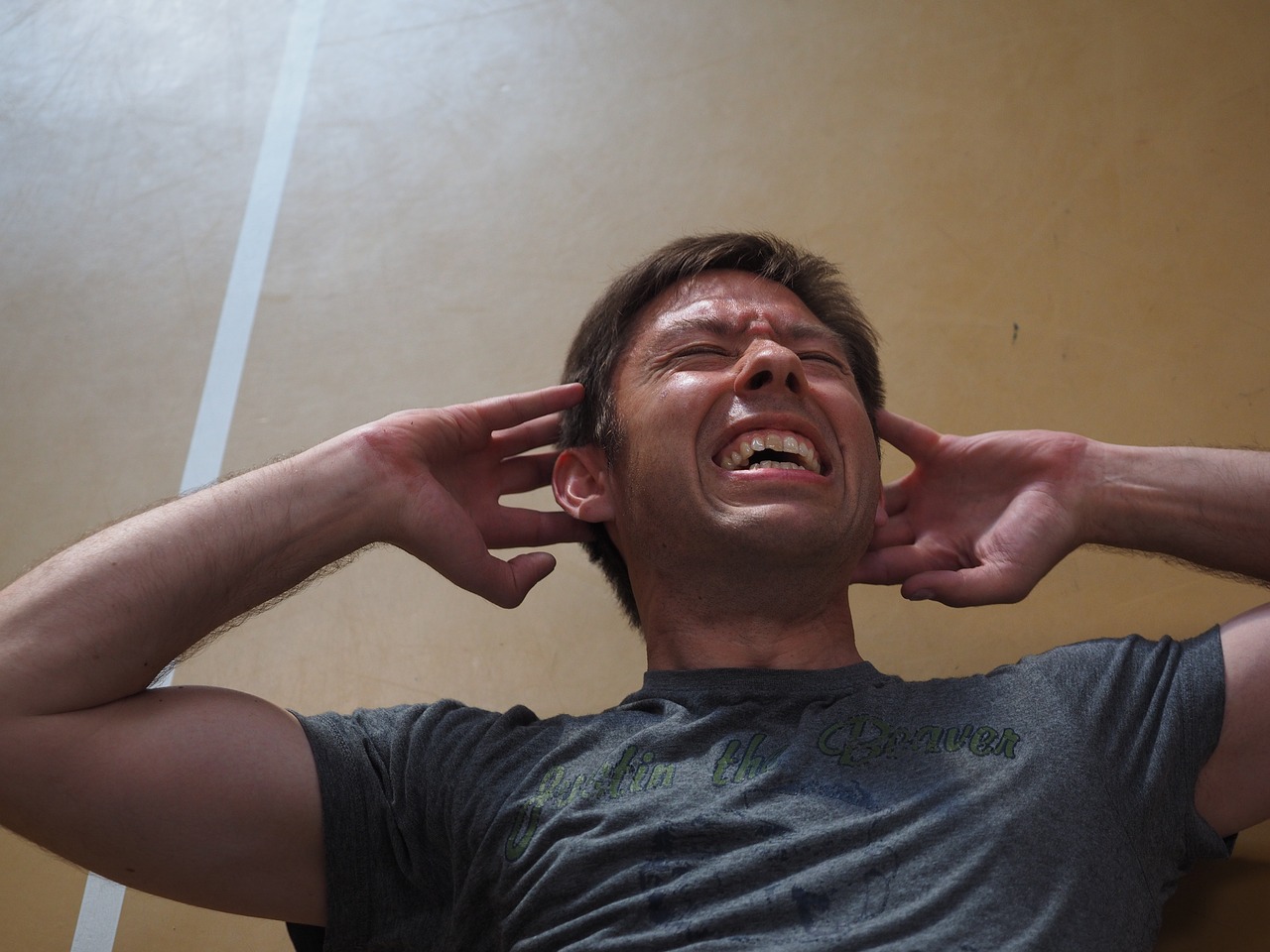
Angry child

What is he feeling?
Photo courtesy of Pixabay.com

Some feelings expand like blowing up a balloon.

Remember the old saying “nature abhors a vacuum?” This is especially true when it comes to feelings. Emotions and feelings are an essential part of human nature. Somewhere along the line, feelings got a bad rap. Some people think the way to deal with feelings is to stuff them down inside and pretend they don’t exist. Other people believe whatever they feel needs to be released before they explode. They justify dumping their feelings all over others by saying venting feelings is healthy.

It’s essential to learn to manage feelings.

Learning to manage feelings is a three-part process. First, you need to learn to recognize that you are feeling something. Next, you will need to determine what this feeling is. Lastly, you’ll need to decide what you want to do with it.

What you don’t want to do is dismiss positive feelings as unimportant and hold onto the negative feelings, the anger, the fear, and the resentment, as you watch them grow.

Have you ever noticed that whenever you feel intensifies when you hold onto that feeling? Going over that feeling repeatedly, a process called rumination, causes it to take root and grow.

Anger expands rapidly.

Have you ever tried to simply sit with your anger? You will notice the longer you sit holding that anger, the larger it becomes. Anger is a high-pressure emotion. It can quickly take over all the space in a human being. Hold onto a little irritation, long enough, and will become chronically filled with rage. Learning to de-escalate your anger is an important skill.

Negative emotions make you heavy and bloated.

Just like some food can upset your stomach, negative emotions, anger, fears, resentments, can leave you feeling tired and drained of energy. It is best to consume these feelings in minimal quantities. Better yet, for good health, avoid putting these feelings into your system in the first place. When you can’t avoid negative emotions, try taking some positive feelings to settle your stomach.

Gratitude is a satisfying feeling.

If you consume a little gratitude each day, you will find your life becomes more satisfying. Like a desert, there is always room for a bit of gratefulness. No matter how happy you feel, you will find there is still room for a little more gratitude.

Some feelings are like cut flowers.

Some feelings will never fill you up. Peak excitement feelings like alcohol, drugs, and sex, frequently are confused with happiness. All these feelings increase the amount of dopamine, the feel-good neurotransmitter chemical, in the brain – temporarily. The problem with trying to fill up on peak experience feelings is that they fade very quickly. You can’t create a beautiful garden by planting cut flowers. An occasional bouquet of flowers in the house can be lovely. But if you try to fill your life with only cut flowers, it quickly comes to look and smell like a funeral parlor. Once people feel these sharp feelings, the bloom fades very quickly. Requiring them to continually hunt for more peak experience feelings to fill their emptiness.

Some feelings are timid and need room to grow.

Some of the most satisfying feelings, contentment, serenity, and satisfaction, grow slowly and are quickly crowded out by the more aggressive, faster-growing feelings. If you spend time cultivating these shy, slow-growing feelings, they will eventually fill your life with joy.

What feelings are you cultivating?

Staying connected with David Joel Miller

Seven David Joel Miller Books are available now!

My newest book is now available. It was my opportunity to try on a new genre. I’ve been working on this book for several years, but now seem like the right time to publish it.

Story Bureau.

Story Bureau is a thrilling Dystopian Post-Apocalyptic adventure in the Surviving the Apocalypse series.

Baldwin struggles to survive life in a post-apocalyptic world where the government controls everything.

As society collapses and his family gets plunged into poverty, Baldwin takes a job in the capital city, working for a government agency called the Story Bureau. He discovers the Story Bureau is not a benign news outlet but a sinister government plot to manipulate society.

Bumps on the Road of Life. Whether you struggle with anxiety, depression, low motivation, or addiction, you can recover. Bumps on the Road of Life is the story of how people get off track and how to get your life out of the ditch.

Dark Family Secrets: Doris wants to get her life back, but small-town prejudice could shatter her dreams.

Casino Robbery Arthur Mitchell escapes the trauma of watching his girlfriend die. But the killers know he’s a witness and want him dead.

Planned Accidents  The second Arthur Mitchell and Plutus mystery.

Letters from the Dead: The third in the Arthur Mitchell mystery series.

What would you do if you found a letter to a detective describing a crime and you knew the writer and detective were dead, and you could be next?

Sasquatch. Three things about us, you should know. One, we have seen the past. Two, we’re trapped there. Three, I don’t know if we’ll ever get back to our own time.

For these and my upcoming books; please visit my Author Page – David Joel Miller

Want the latest blog posts as they publish? Subscribe to this blog.

For videos, see: Counselorssoapbox YouTube Video Channel
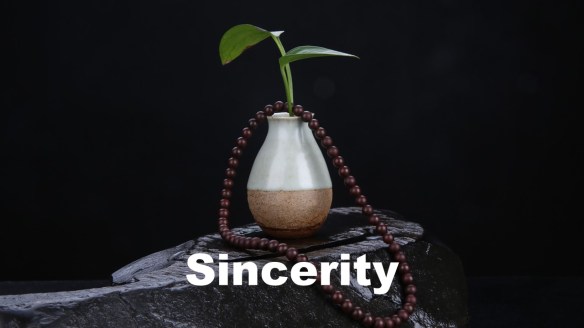
Sincerity

Sunday Inspiration.     Post by David Joel Miller.

Sincerity.
Photo courtesy of Pixabay.com

“You can be sincere and still be stupid.”

― Fyodor Dostoevsky

“Any emotion, if it is sincere, is involuntary.”

― Mark Twain

“Hold faithfulness and sincerity as first principles.”

― Confucius, The Analects

Wanted to share some inspirational quotes with you.  Today seemed like a good time to do this. There are an estimated 100,000 words in the English language that are feelings related. Some emotions are pleasant, and some are unpleasant, but all feelings can provide useful information. If any of these quotes strike a chord with you, please share them.

Look at these related posts for more on this topic and other feelings.

Emotions and Feelings.

Inspiration

Is nicotine a stimulant or a depressant? Video

Is nicotine a stimulant or a depressant? Video

A counselorssoapbox.com video by David Joel Miller, LMFT, LPCC.

Some people describe smoking as stimulating, others report that a cigarette calms them down. Is the nicotine in tobacco a stimulant or a depressant? This video examines why people sometimes experience tobacco as a stimulant and at other times as a depressant.

Stop being overwhelmed and get something done.

By David Joel Miller, MS, Licensed Therapist & Licensed Counselor.

Overwhelmed.
Photo courtesy of Pixabay.com

Do you feel overwhelmed and unproductive?

Has your life spun out of control? Are you hectic busy, but it feels like you never get anything done? With more options than ever before for things to do, everyone seems to be working harder and accomplishing less. Sometimes it looks like there isn’t enough time to stop and breathe. If you’re working harder but achieving less, here are some techniques to get your life under control and start accomplishing things.

To accomplish more, focus on one task at a time.

The idea that people can multitask has turned out to be one of the dead-end streets on the road to productivity. It’s possible to learn to do two tasks simultaneously, but most people who try to multitask, spend so much of their day switching back-and-forth that they never really accomplish anything. Focus on one task you need to work on and allocate some time to doing it. When that time has been used on that task, close it up and put it to the side, take a break, and then move on to the next project. When you’re doing something, really do that activity. Be present with whatever it is you’re doing.

Allocate enough time for the things you are planning to do.

An overscheduled life leads to lots of things undone, half done, or never completed. People who overschedule are frequently chronically late. Be realistic about how much time will actually be required for each task. If a job is too big to do in the available time, break that task into smaller segments and work on them one at a time. This will give you the feeling of accomplishment in small doses and keep you moving toward your goal.

Improve focus by cutting off the distractions.

Whatever the task at hand, even if that task is having fun, give it your full attention. Life often intrudes on our plans, but the more you can do to insulate yourself from those distractions, the better. Try to have a place where people won’t interrupt you as you work on your task. Turn off the Internet apps, ignore the text messages, and entirely focus on the project you’re working on. A short period when you’re fully present can accomplish more than all day long when you’re distracted.

Win more by psyching yourself up.

Your ability to do something is significantly influenced by the attitude you take toward it. If you approach things as stressful, they will stress you out. People with an attitude called positive stress mindset approach new situations as opportunities. People with a negative stress mindset approach new situations as stressful.

Top performing athletes do not become stressed out because of the pressure of the big game; they see it as their opportunity to accomplish something. With every goal you’re working towards, look for the possibilities, not the stress.

Use positive self-talk to move forward.

People tell themselves they can’t, are telling the truth, and they rarely do. Tell yourself you can, and you’re a lot farther along the path. Our brains tend to believe the things we tell ourselves repeatedly. Avoid negative self-talk and handicapping. Don’t start making excuses for your failure before you’ve even started your project. You’ll get a lot more accomplished by being your own cheerleader than by letting your inner critic run the show.

Don’t tell yourself that this is impossible, or you can’t do it. Saying you can’t usually means you don’t want to. Get honest with yourself. Either you want to do it, or you don’t. If you do, then tell yourself you will get this done one way or another.

Just because you can doesn’t mean you should.

In this modern era, there are more movies to watch than there is lifetime to watch them. More new books are published every day than any one person could possibly read. Social media has become a maze that never ends. Trying frantically to stay current in any of these areas is overwhelming. Learn to limit yourself to consuming each of these diversions in moderation. Making more social media posts each day doesn’t make you more successful unless that’s your job, and they are paying you for posting. Avoid trying to do things only because all these distractions are there, crying for your attention.

Learn to say no to make time for the yeses.

One of the largest sources of that overwhelmed feeling is taking on tasks that fill up your day, which you definitely don’t want to do. People who are overwhelmed often set their automatic response to requests as “yes, I’ll do that.” Frequently, after they’ve said yes and had time to think about it, they wish they didn’t have to do what they just committed to. When approached to do things, learn to say no to the things you don’t want to do. When you’re unsure about where you’ll find the time to do something, tell people you’ll have to think about it and get back to them. A primary key to productivity is the things you cut out of your schedule in order to leave room for the important items.

Break the task into bite-sized pieces.

Most great accomplishments aren’t something you can easily sit down and do it a few minutes. People who say they will write their book when they have the time seldom do. Books get written one page, one paragraph, at a time. For the big tasks, break them down into smaller components. Make sure you continue to allocate some dedicated time each day to work on that project.

Try adopting some of these methods and practicing them every day until they become habits, and then enjoy your new, more productive life.

Recommended Mental Health Books

David Miller at counselorssoapbox.com is an Amazon Affiliate and may receive a small Commission if you purchase a book or product using the link on this page. Using the link will not increase the cost to you.

Staying connected with David Joel Miller

Seven David Joel Miller Books are available now!

My newest book is now available. It was my opportunity to try on a new genre. I’ve been working on this book for several years, but now seems like the right time to publish it.

Story Bureau.

Story Bureau is a thrilling Dystopian Post-Apocalyptic adventure in the Surviving the Apocalypse series.

Baldwin struggles to survive life in a post-apocalyptic world where the government controls everything.

As society collapses and his family gets plunged into poverty, Baldwin takes a job in the capital city, working for a government agency called the Story Bureau. He discovers the Story Bureau is not a benign news outlet but a sinister government plot to manipulate society.

Bumps on the Road of Life. Whether you struggle with anxiety, depression, low motivation, or addiction, you can recover. Bumps on the Road of Life is the story of how people get off track and how to get your life out of the ditch.

Dark Family Secrets: Doris wants to get her life back, but small-town prejudice could shatter her dreams.

Casino Robbery Arthur Mitchell escapes the trauma of watching his girlfriend die. But the killers know he’s a witness and want him dead.

Planned Accidents  The second Arthur Mitchell and Plutus mystery.

Letters from the Dead: The third in the Arthur Mitchell mystery series.

What would you do if you found a letter to a detective describing a crime and you knew the writer and detective were dead, and you could be next?

Sasquatch. Three things about us, you should know. One, we have seen the past. Two, we’re trapped there. Three, I don’t know if we’ll ever get back to our own time.

For these and my upcoming books; please visit my Author Page – David Joel Miller

Want the latest blog posts as they publish? Subscribe to this blog.

For videos, see: Counselorssoapbox YouTube Video Channel
 

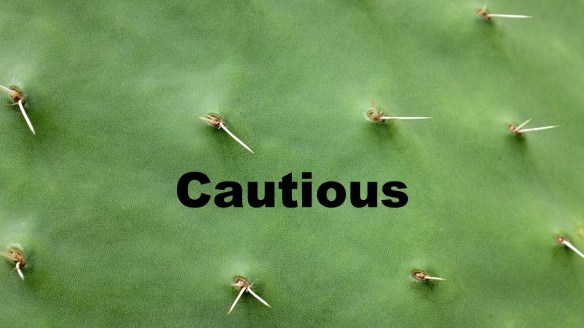
Cautious

Sunday Inspiration.     Post by David Joel Miller.

Cautious.
Photo courtesy of Pixabay.com

“How prone to doubt, how cautious are the wise!”

― Homer

“The policy of being too cautious is the greatest risk of all.”

― Jawaharlal Nehru

“By striving to do the impossible, man has always achieved what is possible. Those who have cautiously done no more than they believed possible have never taken a single step forward.”

― Mikhail Bakunin

“The cautious seldom err.”

― Confucius

Wanted to share some inspirational quotes with you.  Today seemed like a good time to do this. There are an estimated 100,000 words in the English language that are feelings related. Some emotions are pleasant, and some are unpleasant, but all feelings can provide useful information. If any of these quotes strike a chord with you, please share them.

Look at these related posts for more on this topic and other feelings.

Emotions and Feelings.

Inspiration

6 Reasons you can’t make up your mind. – Video

A counselorssoapbox.com video by David Joel Miller, LMFT, LPCC

Are you one of those people who struggles with decisions? Does your family or friends call you indecisive? There may be several reasons why you find it hard to make decisions. Struggling with decisions uses up a lot of mental capacity and may result in confusion or even memory challenges. In this video we will explore 6 different types of decisions and why you may find it difficult to choose.

Is perfectionism ruining your life?

By David Joel Miller, MS, Licensed Therapist & Licensed Counselor.

Perfectionism.
Photo courtesy of Pixabay.com

Shouldn’t striving to be better be a good thing?

The word perfection is used in two very different ways. Striving to be the best you can be and make things better sounds like a good thing. Saying that a summer day or vacation was perfect sounds like a high compliment. But there’s a dark underside to the quest for perfection. When your focus shifts from making things better to an emphasis on detecting flaws, perfectionism can make you and the people around you miserable. Perfectionism can turn out to be a very destructive form of self-sabotage. Here are some ways in which perfectionism may be harming you.

Not doing something until you can do it perfectly is destructive.

More than one writer who waited to send their book off to a publisher until it was perfect died with their book never submitted. Continuing to work on something until it’s perfect, means that that one project will never be finished. Perfectionism is a prime enemy of creativity and productivity. In generating new ideas, it’s essential to allow them to grow and develop, not keep them bottled up until every flaw has been filed away.

Focusing on outside appearances instead of inner quality is harmful.

Whether it’s the perfect look or the latest fashion, focusing on outside appearances rather than the intrinsic qualities of things can cause you a lot of harm. Character, whether it’s in people or things, comes from the wear and tear of life.

Living life by lists, schedules, and absolute rules will make you miserable.

Trying to govern your life by rigid control standards is not a way to be perfect, it’s a way to make you and all those around you miserable. Lots of arbitrary rules don’t improve performance, but it does destroy creativity and spontaneity. A life ruled by long lists of musts and shoulds is oppressive.

Rigid perfectionism means you are never able to relax and enjoy life.

The constant emphasis on perfectionism can end up being a mental filter in which you never see the good in anything but instead always detect a flaw. The focus on perfectionism in everything can rob you of the ability to accept people and things the way they are. Allow each person to be unique and individual rather than require them all to meet your preconceived notion of the correct way to be.

Perfectionism is the father of procrastination.

Saying you will wait until something can be done perfectly, is an alibi for never doing it at all. Perfecting any talent requires repeated practice. Saying you won’t do something until you can do it perfectly, robs you of all the opportunities to practice and improve on what you’re doing.

The search for the perfect prevents you from ever deciding.

This is sometimes called paralysis by analysis. You go on searching for years for the perfect piece of furniture or the ideal automobile, all the while coping with a rickety old chair or a car that needs repeated repair. Part of life is developing the ability to make decisions. Some of those decisions will turn out better than others. But not deciding is a decision to do nothing. Rarely is doing nothing the perfect solution.

The belief in the perfect prevents you from changing your mind.

Don’t let your belief that there is only one correct way to do something, prevent you from seeing other opportunities when they present themselves. The “correct” way of keeping financial records on green column paper from the nineteen fifties is a very inefficient way to keep those same records in the modern computer era. New technologies, new materials, and new environments all call for changing your mind. Businesses that fail to change with the times eventually ceased to exist.

Perfectionism says if you want it done right, you have to do it yourself.

Trying to do everything yourself severely limits what you can accomplish. Perfectionists can be very hard to live with. Since they believe the way they do it is the one and only way it should be done, they find it very difficult to delegate anything. Whether it’s at work or in relationships, there needs to be a sharing of tasks. If you insist that you will do everything, you’ll become cynical about other people and risk ending up living and working alone. Loneliness is not on the path to improvement.

Staying connected with David Joel Miller

Seven David Joel Miller Books are available now!

My newest book is now available. It was my opportunity to try on a new genre. I’ve been working on this book for several years, but now seem like the right time to publish it.

Story Bureau.

Story Bureau is a thrilling Dystopian Post-Apocalyptic adventure in the Surviving the Apocalypse series.

Baldwin struggles to survive life in a post-apocalyptic world where the government controls everything.

As society collapses and his family gets plunged into poverty, Baldwin takes a job in the capital city, working for a government agency called the Story Bureau. He discovers the Story Bureau is not a benign news outlet but a sinister government plot to manipulate society.

Bumps on the Road of Life. Whether you struggle with anxiety, depression, low motivation, or addiction, you can recover. Bumps on the Road of Life is the story of how people get off track and how to get your life out of the ditch.

Dark Family Secrets: Doris wants to get her life back, but small-town prejudice could shatter her dreams.

Casino Robbery Arthur Mitchell escapes the trauma of watching his girlfriend die. But the killers know he’s a witness and want him dead.

Planned Accidents  The second Arthur Mitchell and Plutus mystery.

Letters from the Dead: The third in the Arthur Mitchell mystery series.

What would you do if you found a letter to a detective describing a crime and you knew the writer and detective were dead, and you could be next?

Sasquatch. Three things about us, you should know. One, we have seen the past. Two, we’re trapped there. Three, I don’t know if we’ll ever get back to our own time.

For these and my upcoming books; please visit my Author Page – David Joel Miller

Want the latest blog posts as they publish? Subscribe to this blog.

For videos, see: Counselorssoapbox YouTube Video Channel
Daylight Savings.

Sunday Inspiration.     Post by David Joel Miller.

Daylight Savings.
Photo courtesy of Pixabay.com

My calendar tells me today is the day we enter daylight savings time. Hopefully, you’ve already changed your clocks. With all the years of my life, I’ve saved this time; I wonder what happened all those extra hours. Here are some thoughts about daylight savings time. While this is not exactly a feeling, the change is sure to create feelings in most of us.

“Out of the effort to cut back on civilian use of fuel, it was the Federal Fuel Administration that first introduced daylight saving time a year later, in 1918.”

― Arthur Herman, 1917: Vladimir Lenin, Woodrow Wilson, and the Year That Created the Modern Age

“There are very few things in the world I hate more than Daylight Savings Time. It is the grand lie of time, the scourge of science, the blight on biological understanding.”

― Michelle Franklin

“I object to being told that I am saving daylight when my reason tells me that I am doing nothing of the kind… At the back of the Daylight Saving scheme, I detect the bony, blue-fingered hand of Puritanism, eager to push people into bed earlier, and get them up earlier, to make them healthy, wealthy, and wise in spite of themselves.”

― Robertson Davies, The Papers of Samuel Marchbanks

I wanted to share some inspirational quotes with you.  Today seemed like a good time to do this. There are an estimated 100,000 words in the English language that are feelings related. Some emotions are pleasant, and some are unpleasant, but all feelings can provide useful information. If any of these quotes strike a chord with you, please share them.

Look at these related posts for more on this topic and other feelings.

Emotions and Feelings.

Inspiration

Anger triggers – what get you angry? – Video.

Anger triggers – what get you angry? – Video.

A counselorssoapbox.com video by David Joel Miller, LMFT, LPCC

Learning to recognize what’s triggering your anger is a first step in learning to manage your anger. In this video, we look at possible anger triggers and how to recognize when you becoming angry.

Signs of a healthy relationship.

By David Joel Miller, MS, Licensed Therapist & Licensed Counselor.

Couple

Good Relationship.
Photo courtesy of Pixabay.com

Is your relationship healthy, or are you headed for trouble?

Every relationship has its ups and downs. Those happy, feel-good movies always seem to end at the wedding. With more than half of all marriages ending in divorce and a lot of people moving in and out of relationships without ever marrying, what will tell if your relationship is headed in the right direction?

Don’t fall into the trap of thinking that the way to tell if your relationship is happy is to take a hard look at your partner. In most failed relationships, both parties believe the problem was the other person. To predict a good relationship, take a hard look at yourself and see how you may have changed as a part of this relationship.

Who you are isn’t a fixed commodity. While some likes and dislikes may be with you for a lifetime, many people find their personality changes gradually across the lifespan. We change because of life experiences, new learning, and we often change in relationships. While primary sexual relationships may change people in easily identifiable ways, your relationship with your children, your boss, and coworkers can also impact how you see yourself.

Liking yourself is a sign of a healthy relationship.

If you found that your self-confidence and self-esteem have declined since you been in this relationship, that’s a bad sign. While every relationship has its challenges and fluctuations, your interactions with your partner should leave you feeling loved and supported, not worthless.

You have done or are doing your own work is a good sign.

When couples come for marriage counseling, they often complain that the problem is their communication. While that’s sometimes true, more often, the problem is neither one of them has worked on themselves. The most troublesome issues in relationships are often the baggage people brought with them when they moved in together.

If you got into the relationship expecting that your partner would fix you and make you happy, you’re headed for disappointment. People with this point of view often get into another relationship as quickly as they can, thinking that changing partners will fix them. Two sick people don’t make for a healthy relationship. Both parties in a relationship should be working on their own issues and improving together, not expecting their partner to make them okay.

If your partner is okay the way they are, that’s a good sign.

If you enter a relationship telling yourself that you will change them or planning that your partner will need to change in some way, even if that partner says they’re willing, you’re headed in the wrong direction. Under stress, people revert to their customary behavior. Life can be stressful especially when you’re in a close intimate relationship. If you’re starting out thinking your partner will need to change for this to work, think again.

You’re not threatened if your partner disagrees with you about something.

Nobody’s perfect, and everybody may disagree. But if you continuously are finding fault with your partner, look at yourself and why you selected a partner like that. If having your partner disagrees threatens your self-esteem, that’s not a good sign for either of you or the relationship. People in healthy relationships can work through issues together. They can agree to disagree, or they can find solutions that will meet both of their needs.

You don’t feel you have to censor what you say.

A healthy relationship is one in which you can express your thoughts and feelings. If there are topics that you can’t talk about and things you’re not allowed to say, in the presence of your partner, you probably are not in a healthy relationship.

While it should be okay for you to say things, that doesn’t excuse blurting out rude or hurtful words. You can’t justify your lack of tact by saying you are just being honest. It’s tough to stay in a relationship when your partner is always running down your family, your friends, or the work you do.

Now that there is an “us,” you can still be you.

In the early stages of most relationships, people want to spend a tremendous amount of time together. As the relationship progresses, one person may start to wonder if now that there is an us, do I still get to be me? You should still be able to engage in hobbies and activities that you use to enjoy before you became a couple. You shouldn’t have to give up your likes and personality and always do with your partner wants. In healthy relationships, there’s a good balance of doing things together and people being able to have their separate activities.

Practicing healthy communication styles indicates a healthy relationship.

Sometimes it’s not so much the disagreement, but the way it’s expressed. When you disagree, can you do it without stonewalling, attacking, criticizing, and blaming? Disagreeing about a topic is something you can work through. Using your communication as a way of crushing your partner to bend them to your will, is a sure sign of an unhealthy relationship. If disagreements turn into personal attacks, pointing out the other’s faults, or looking for blame, you’re communicating in a very unhealthy manner. Relationships that include a lot of refusals to talk about things and the silent treatment are headed for trouble.

In healthy relationships, you’re able to make joint decisions.

Healthy relationships are characterized by people’s ability to make joint decisions that are in the interest of both parties. If your relationship involves one person just going ahead and doing what they want without consulting the other, that’s a very problematic sign. One person in the relationship shouldn’t always have to give in. Joint decisions don’t have to be win-lose. The goal here should be to find solutions to problems that work for both of you.

Healthy relationships include joy and happiness.

To maintain a healthy relationship, positive interactions need to exceed negative interactions significantly. When you think about your relationship, if all you remember the bad times, you’re in an unhealthy relationship. There need to be plenty of times when you feel joyful and happy. If you’re not satisfied and you never experience joy, either your relationship is bad or you came into the relationship already unhappy and made your partner responsible for your happiness. Work on being happy all by yourself and you’ll have a happier relationship.

You shouldn’t have “trust issues when the relationship is healthy.”

If your relationship is characterized by trust issues, you must ask yourself why. Is it because you don’t trust yourself? Have you done things you know violated your partner’s trust? Or has your partner done things repeatedly that violate your trust?

In healthy relationships, you can let things go.

The inability to let things go to be both a personal and a relationship issue. If every time there’s a disagreement, one or both of you bring up stuff from years gone by, your either in an unhealthy relationship or you’re creating it being unhealthy.

You are intimate in multiple ways.

Being intimate or close involves more than just sex. Intimate also includes sharing your feelings and sharing experiences. Do you go to for walks together? Do you talk with each other? Joint activities increase the emotional connection.

Your partner is the one you talked to about the difficult things.

When you have challenges in your life, who do you go to? In healthy relationships, it’s the partner people seek out to talk to. If you find yourself going to family or friends instead of your partner, it’s either a sign you’re in an unhealthy relationship or your lack of willingness to communicate with your partner is taking you in that direction.

You make happiness your responsibility.

Don’t make the mistake of believing that if you were with a particular person that you’ll be happy. Don’t expect to wait until you achieve one specific goal or buy a certain thing, and then you’ll be happy. If you’re not satisfied with the journey, you’re very unlikely to be pleased with the destination. Learn to make yourself as happy as possible each day and you’re making an excellent contribution to a healthy relationship.

Staying connected with David Joel Miller

Seven David Joel Miller Books are available now!

My newest book is now available. It was my opportunity to try on a new genre. I’ve been working on this book for several years, but now seem like the right time to publish it.

Story Bureau.

Story Bureau is a thrilling Dystopian Post-Apocalyptic adventure in the Surviving the Apocalypse series.

Baldwin struggles to survive life in a post-apocalyptic world where the government controls everything.

As society collapses and his family gets plunged into poverty, Baldwin takes a job in the capital city, working for a government agency called the Story Bureau. He discovers the Story Bureau is not a benign news outlet but a sinister government plot to manipulate society.

Bumps on the Road of Life. Whether you struggle with anxiety, depression, low motivation, or addiction, you can recover. Bumps on the Road of Life is the story of how people get off track and how to get your life out of the ditch.

Dark Family Secrets: Doris wants to get her life back, but small-town prejudice could shatter her dreams.

Casino Robbery Arthur Mitchell escapes the trauma of watching his girlfriend die. But the killers know he’s a witness and want him dead.

Planned Accidents  The second Arthur Mitchell and Plutus mystery.

Letters from the Dead: The third in the Arthur Mitchell mystery series.

What would you do if you found a letter to a detective describing a crime and you knew the writer and detective were dead, and you could be next?

Sasquatch. Three things about us, you should know. One, we have seen the past. Two, we’re trapped there. Three, I don’t know if we’ll ever get back to our own time.

For these and my upcoming books; please visit my Author Page – David Joel Miller

Want the latest blog posts as they publish? Subscribe to this blog.

For videos, see: Counselorssoapbox YouTube Video Channel