Finding your passion.

By David Joel Miller, MS, Licensed Therapist & Licensed Counselor.

Finding your purpose.
Photo courtesy of Pixabay.com

You are told you should find your passion – but how?

Repeatedly we are told that to be successful in life we should pursue our passion. But how do you discover that passion, and once you have found your passion how do you decide if this is a healthy direction? It’s not unusual for someone to get extremely interested in something and for a year or two pursue it with undivided attention only to drop that activity for something else. Some passions are passing fancies. How do you know if this passion will come and go or does it have the substance that can give your life meaning and purpose?

Pursue something you love doing, not something you’re obsessed with.

An obsession is something which intrusively forces its way into your mind when you’re trying to concentrate on something else. It’s an obsession if you’re preoccupied with the activity to a troubling extent.

To find your passion examine your current interests. Is what you are doing things you love doing for their own sake. Is the practice of the skill it’s own reward or has an obsession taken over your life, trying to lead your mind off in another direction? Successful people often make substantial investments in the training, skills, and practice, that leads them to success. You may need to give up television or taking days off to devote yourself to the education and skills development necessary for success. Will this goal be worth the sacrifices?

Make sure that in the process of pursuing a potential passion you don’t neglect other essential parts of your life. Don’t give up relationships, time with your children, or ignore your physical and mental health while pursuing an obsession. The search for your passion is an area where getting outside opinions from people you trust can be helpful. Don’t let naysayers deter you from reaching your goals, but if several people warn you that you’re headed in a dangerous direction heed their warning.

When your purpose calls answer it.

The unhappiest people are those who feel they had a calling they didn’t answer. Neglecting your calling is worse for your mental health than never having found your purpose. If you discover something which gives your life meaning and purpose, and that you would be happy spending your life doing regardless of the outcome, this is probably your life purpose come knocking. Don’t let fear or trivial things get in the way of dedicating for yourself that something is worthwhile.

Persistence without passion will grind you down.

You probably heard that to become skilled at anything you need to put in thousands of hours of practice. The more you practice something, the better you become at it. Repeatedly doing something that brings you joy takes more dedication than effort. Practicing something when your heart is not in it is likely to wear you out rather than build you up.

Be careful that someone else has not selected your passion for you. The long hours of practice required to fulfill someone else’s dream will rob you of your own life.

What you put effort into may become your passion.

If the goal of what you’re doing is worthwhile, do it wholeheartedly. Doing important things can help you discover what matters most in your life. Whatever you do, seek to do it without reservation. If it’s not worth putting in your best effort try to cut it out of your life. Over time you will find the things that are easy to devote your energy to are the things which you’re passionate about.

Do what you believe in, and you may come to love it.

Just loving something is not enough. Many things in life are enjoyable for a season. Beyond temporary satisfaction, you need to have the belief that this is worthwhile. Approach every task in life as if what you’re trying to do matters. The things you put the most effort into are likely to turn out to be the things you become incredibly passionate about.

Staying connected with David Joel Miller

Seven David Joel Miller Books are available now!

My newest book is now available. It was my opportunity to try on a new genre. I’ve been working on this book for several years, but now seem like the right time to publish it.

Story Bureau.

Story Bureau is a thrilling Dystopian Post-Apocalyptic adventure in the Surviving the Apocalypse series.

Baldwin struggles to survive life in a post-apocalyptic world where the government controls everything.

As society collapses and his family gets plunged into poverty, Baldwin takes a job in the capital city, working for a government agency called the Story Bureau. He discovers the Story Bureau is not a benign news outlet but a sinister government plot to manipulate society.

Bumps on the Road of Life. Whether you struggle with anxiety, depression, low motivation, or addiction, you can recover. Bumps on the Road of Life is the story of how people get off track and how to get your life out of the ditch.

Dark Family Secrets: Doris wants to get her life back, but small-town prejudice could shatter her dreams.

Casino Robbery Arthur Mitchell escapes the trauma of watching his girlfriend die. But the killers know he’s a witness and want him dead.

Planned Accidents  The second Arthur Mitchell and Plutus mystery.

Letters from the Dead: The third in the Arthur Mitchell mystery series.

What would you do if you found a letter to a detective describing a crime and you knew the writer and detective were dead, and you could be next?

Sasquatch. Three things about us, you should know. One, we have seen the past. Two, we’re trapped there. Three, I don’t know if we’ll ever get back to our own time.

For these and my upcoming books; please visit my Author Page – David Joel Miller

Want the latest blog posts as they publish? Subscribe to this blog.

For videos, see: Counselorssoapbox YouTube Video Channel

Justice.

Justice

Justice.
Photo courtesy of Pixabay.com

Justice.

Sunday Inspiration.     Post by David Joel Miller.

“Truth never damages a cause that is just.”

― Mahatma Gandhi

“Justice will not be served until those who are unaffected are as outraged as those who are.”

― Benjamin Franklin

“I have always found that mercy bears richer fruits than strict justice.”

― Abraham Lincoln

“To be wealthy and honored in an unjust society is a disgrace.”

― Confucius, The Analects

Wanted to share some inspirational quotes with you.  Today seemed like a good time to do this. There are an estimated 100,000 words in the English language that are feelings related. Some emotions are pleasant, and some are unpleasant, but all feelings can provide useful information. If any of these quotes strike a chord with you, please share them.

Look at these related posts for more on this topic and other feelings.

Emotions and Feelings.

Inspiration

Sedatives, Hypnotics, and Anxiolytics. Video

Sedatives, Hypnotics, and Anxiolytics. Drugs that help you relax or sleep can help or hinder your life. Todays Video.

Why you worry so much.

By David Joel Miller, MS, Licensed Therapist & Licensed Counselor.

Man worrying,

Worried.
Photo courtesy of Pixabay.com

Excessive worry can lead to poor mental health.

Excessive worry can be a part of generalized anxiety disorder, panic disorder, and can be a symptom of many trauma and stress are related disorders. Life has its problems, and it’s not unusual to worry about the things you need to deal with. An occasional worry is a common thing, but if you find yourself worrying all the time, if worry is taking over your life, you may be on the road to mental health problems. Here are some of the reasons you may be worrying.

If you see doubt as danger, you will worry.

People who learn to focus on the positive aspects of things are less likely to see ambiguous situations as dangerous. When you interpret doubt as danger, the world will become an anxiety-filled situation. Whenever in doubt, look for the opportunities rather than the risks. Sometimes great happiness is hiding behind that question mark.

The unknown is not always dangerous. If you look at life trying to spot every danger, your mind will magnify small challenges into impossible problems. If you look for the positive, you’re likely to find the silver lining.

Is worry is one of your best friends?

If you believe that worry is a good thing, that worrying will keep you safe, you will do a lot more worrying. Worriers tend to think that their worrying will prevent bad things from happening. Unfortunately, many of the worst parts of life are totally outside our control. Believing that worrying will help you solve problems will increase your anxiety. Trying to prepare yourself for every possible bad outcome leads to an increase in worry.

Rather than trying to anticipate every problem, try to focus on the handful of significant challenges. Time spent planning and acting moves your life forward. Time spent worrying but doesn’t lead to a decision to do something is unproductive time.

You may be using the wrong worry rule.

Worriers who try to worry about every possible undesirable outcome become overwhelmed and locked in a repetitive worry cycle. People who are high in perfectionism are far more likely to become worriers. People who adopt the rule “good enough worrying” only worry about the big things that have a high probability of happening. Good enough worriers are less bothered by pathological worry. Learning to stop worrying when you have covered the significant risks will reduce the amount of worrying you do.

Excess worry can be the result of Hypervigilance.

Sometimes, excessive worry is not the result of current problems but has its roots in the past. People with a history of trauma frequently become hypervigilant. Someone slammed the car door out on the street, and the hypervigilant person jumps. Even the smallest unexpected sound can upset them, and their brain adds a threatening interpretation. Because of a history of trauma, the startle response is turned up too high. If you are hypervigilant and are often jumping, examining your history of anxiety and trauma, if you have unhealed wounds from the past, professional counseling may be needed to turn down the level of hypervigilance.

Ask yourself if your worry is helpful or has it taken over your life? Maybe you need to move from worry to action. Stop obsessing about the things that are outside your control and take back control of your life.

Recommended Mental Health Books

David Miller at counselorssoapbox.com is an Amazon Affiliate and may receive a small Commission if you purchase a book or product using the link on this page. Using the link will not increase the cost to you.

Staying connected with David Joel Miller

Seven David Joel Miller Books are available now!

My newest book is now available. It was my opportunity to try on a new genre. I’ve been working on this book for several years, but now seems like the right time to publish it.

Story Bureau.

Story Bureau is a thrilling Dystopian Post-Apocalyptic adventure in the Surviving the Apocalypse series.

Baldwin struggles to survive life in a post-apocalyptic world where the government controls everything.

As society collapses and his family gets plunged into poverty, Baldwin takes a job in the capital city, working for a government agency called the Story Bureau. He discovers the Story Bureau is not a benign news outlet but a sinister government plot to manipulate society.

Bumps on the Road of Life. Whether you struggle with anxiety, depression, low motivation, or addiction, you can recover. Bumps on the Road of Life is the story of how people get off track and how to get your life out of the ditch.

Dark Family Secrets: Doris wants to get her life back, but small-town prejudice could shatter her dreams.

Casino Robbery Arthur Mitchell escapes the trauma of watching his girlfriend die. But the killers know he’s a witness and want him dead.

Planned Accidents  The second Arthur Mitchell and Plutus mystery.

Letters from the Dead: The third in the Arthur Mitchell mystery series.

What would you do if you found a letter to a detective describing a crime, and you knew the writer and detective were dead, and you could be next?

Sasquatch. Three things about us, you should know. One, we have seen the past. Two, we’re trapped there. Three, I don’t know if we’ll ever get back to our own time.

For these and my upcoming books, please visit my Author Page – David Joel Miller

Want the latest blog posts as they publish? Subscribe to this blog.

For videos, see: Counselorssoapbox YouTube Video Channel

Free Kindle copy of Planned Accidents 4/12 to 4/16

Planned Accidents – my latest book will be available free for the Kindle on Amazon from 4/12 to 4/16.

OTC – Over the counter drugs- Video

OTC – over-the-counter medications.

What ingredients are found in over-the-counter medication? Are they safe?

Free Kindle copy of Planned Accidents 4/12 to 4/16

Planned Accidents – my latest book will be available free for the Kindle on Amazon from 4/12 to 4/16.

Can you prevent depression?

By David Joel Miller, MS, Licensed Therapist & Licensed Counselor.

Depressed person

Depression.
Photo courtesy of Pixabay.com

Depression is no joke.

The World Health Organization has identified major depressive disorder as the most significant cause of disability worldwide. Even though depression is a significant source of disability most research on depression has focused on causes and treatment rather than ways to prevent depression or ways to prevent depressive relapses in those who have recovered from an episode of depression. A disease as common as major depression needs more focus on prevention.

Depression can be prevented.

All humans may suffer from some depressive symptoms from time to time, but if those symptoms become severe enough, you will be diagnosed with major depressive disorder. You should know that major depressive disorder rarely goes away on its own, untreated. There are certain lifestyle adjustments you can make which can reduce the likelihood you will get depression or once you have been treated; these techniques can reduce the risk that you will have subsequent episodes of depression. Researchers believe that up to half of all depression could be prevented. More than 30 randomized controlled trials have shown that depression can be prevented.

Preventing depression is different than treating depression.

When can depression be prevented?

You can experience depression at any time in your life, but there are certain times when you will be under stress, and the risks increase. Your quality of life will be much better if you focus on preventing depression rather than waiting until you experience a severe episode of depression.

There are two approaches to preventing depression. One is to try to avoid the first episode of major depressive disorder. The second approach is those efforts made by people who have recovered from a major depressive episode to prevent having a relapse into depression.

Your sleep affects your depression.

Changes in sleep are a symptom of depression. In melancholy depression, people can’t sleep and can’t eat. In atypical depression, people become like the bear ready to hibernate for the winter. They eat everything in sight and then sleep for abnormally long periods. If you have multiple days on end where you can’t sleep, or you feel chronically tired and can’t get out of bed in the morning despite sleeping for more than a healthy number of hours, you should be evaluated for major depressive disorder.

Better sleep requires more than simply more hours in bed.

It’s important to develop good sleep habits. The quality of your sleep matters. Aim for at least seven to eight hours of good restful sleep. Allocate enough hours each night for sleep. Give yourself an hour or two to wind down before bedtime. If you’re having difficulty sleeping because of emotional problems, talk over those problems with your support system or seek professional help.

Smoking is connected to depression.

Depressed people are more likely to begin to smoke, have difficulty quitting, and if they do stop depressed people are more likely to start again. This relationship is bidirectional. Smoking increases the risk you will become depressed. Smoking has been connected to a number of mental health problems. Not having to go through the daily process of taking doses of nicotine and then rapidly withdrawing can increase your emotional stability and reduce the risk of depression.

Increase positive emotions to avoid depression relapses.

Learn to be a happiness expert. Preventing depression includes expanding positive experiences in your life. The more happy, positive feelings you have the less room there is in your emotional life for depression. Magnify the positive to minimize the negative.

Decreasing negative emotions lowers the risk of depressions returned.

Try to rid your life of negative emotions. Too much anger can wear you out emotionally. Loneliness, especially the kind of loneliness that comes from poor quality relationships, quickly needs to depression.

Avoid alcohol to sidestep depression.

Alcohol is a depressant. Even a little bit of alcohol can dampen your mood. If you have a history of alcohol use disorder is probably not safe to drink alcohol. If you’ve recovered from depression drinking alcohol may lead to relapse. If you are recovering or have recovered from depression, why risk a relapse of depression by consuming alcohol?

Continuing treatment for depression longer can prevent relapses.

If you have taken medication for depression don’t discontinue it the minute you feel better. Always consult with your doctor before discontinuing or changing medication. Stopping medication too soon increases the risk of a depression relapse.

Continuing to participate in Cognitive behavioral therapy after the immediate crisis also reduces relapses into depression. If you have done other things to treat your depression continue those life improvement practices also. Staying in treatment a little longer can be very helpful in preventing relapses of depression.

Staying connected with David Joel Miller

Seven David Joel Miller Books are available now!

My newest book is now available. It was my opportunity to try on a new genre. I’ve been working on this book for several years, but now seem like the right time to publish it.

Story Bureau.

Story Bureau is a thrilling Dystopian Post-Apocalyptic adventure in the Surviving the Apocalypse series.

Baldwin struggles to survive life in a post-apocalyptic world where the government controls everything.

As society collapses and his family gets plunged into poverty, Baldwin takes a job in the capital city, working for a government agency called the Story Bureau. He discovers the Story Bureau is not a benign news outlet but a sinister government plot to manipulate society.

Bumps on the Road of Life. Whether you struggle with anxiety, depression, low motivation, or addiction, you can recover. Bumps on the Road of Life is the story of how people get off track and how to get your life out of the ditch.

Dark Family Secrets: Doris wants to get her life back, but small-town prejudice could shatter her dreams.

Casino Robbery Arthur Mitchell escapes the trauma of watching his girlfriend die. But the killers know he’s a witness and want him dead.

Planned Accidents  The second Arthur Mitchell and Plutus mystery.

Letters from the Dead: The third in the Arthur Mitchell mystery series.

What would you do if you found a letter to a detective describing a crime and you knew the writer and detective were dead, and you could be next?

Sasquatch. Three things about us, you should know. One, we have seen the past. Two, we’re trapped there. Three, I don’t know if we’ll ever get back to our own time.

For these and my upcoming books; please visit my Author Page – David Joel Miller

Want the latest blog posts as they publish? Subscribe to this blog.

For videos, see: Counselorssoapbox YouTube Video Channel

Free Kindle copy of Planned Accidents 4/12 to 4/16

Planned Accidents – my latest book will be available free for the Kindle on Amazon from 4/12 to 4/16.

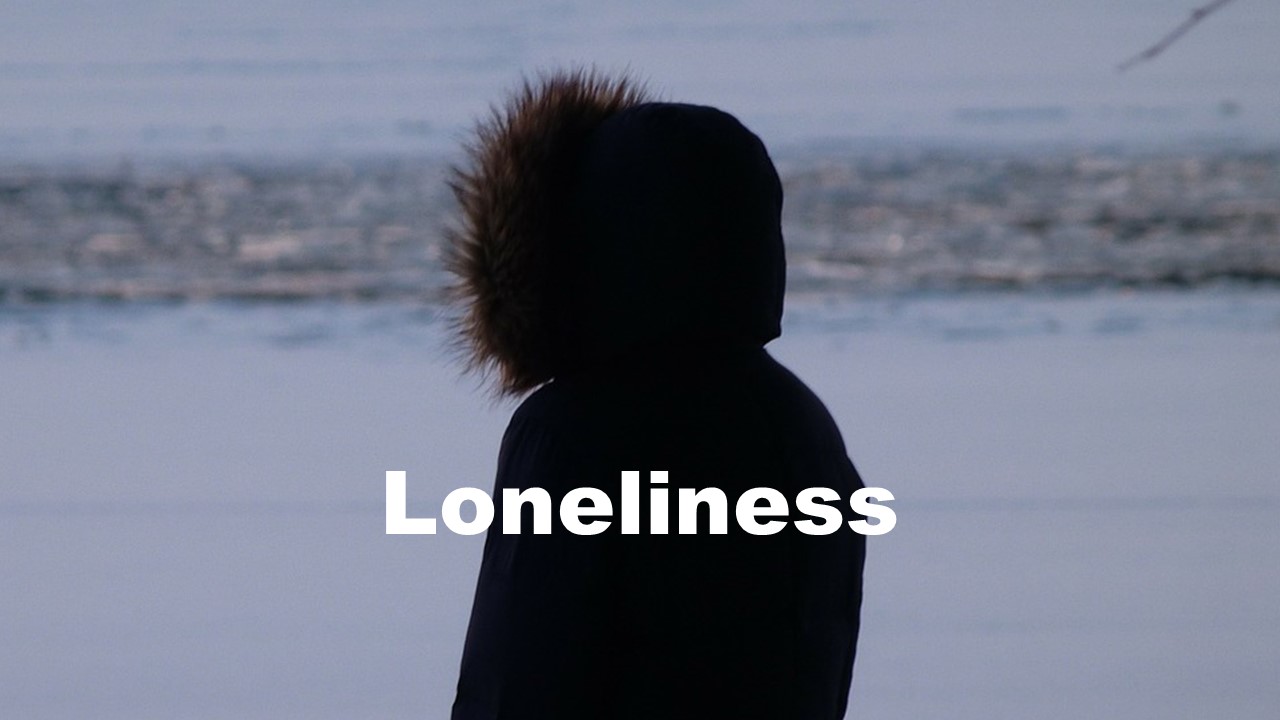
Loneliness.

Loneliness.
Photo courtesy of Pixabay.com

Sunday Inspiration.     Post by David Joel Miller.

“The most terrible poverty is loneliness, and the feeling of being unloved.”

― Mother Teresa

“If you’re lonely when you’re alone, you’re in bad company.”

― Jean-Paul Sartre

“The trouble is not that I am single and likely to stay single, but that I am lonely and likely to stay lonely.”

― Charlotte Brontë

“If one’s different, one’s bound to be lonely.”

― Aldous Huxley, Brave New World

Wanted to share some inspirational quotes with you.  Today seemed like a good time to do this. There are an estimated 100,000 words in the English language that are feelings related. Some emotions are pleasant, and some are unpleasant, but all feelings can prove useful information. If any of these quotes strike a chord with you, please share them.

Look at these related posts for more on this topic and other feelings.

Loneliness

Emotions and Feelings.

Inspiration