Climbing Life’s Mountain

Climbing Life’s Mountain
Photo courtesy of Pixabay.com

By David Joel Miller, MS, Licensed Therapist, Counselor, and Certified Life Coach.

The process of living life is a lot like climbing a metaphoric mountain. I hope you’ll bear with me as I describe my experience climbing my own life mountain and what I’ve learned as I begin to consider the process of climbing back down the other side. We spend many years trying to reach goals farther up the mountain.

From where I live and look out my window, there’s a range of mountains off in the distance. I’m not a professional mountain climber by any means. I’ve driven over to the mountains several times and gotten far enough up to see some of the sights, but I’ve never hiked up into the rough country near the top, and I know virtually nothing about what lies in the steep valley behind this range of mountains.

The same has been true with my life mountain. I started off life at the base of a very small hill, not really knowing what to expect. That first hill we must climb is developmental, learning to walk and talk. Some of us have great climbing coaches; others were mainly left on their own. Some people were born into a family of people who had gotten injured on their climb up their life mountain and who took their pain out on their children.

As we begin to climb, the very first gentle slope of elementary school, we discovered that there was not one and only one path to take in life. From year to year, we get different teachers who teach us different ways to approach this task of becoming the best we can be. Sometimes those adults who guide us are more encouraging than others. Some of the adults are negative and punitive.

Being repeatedly told that you’re not good enough, criticized for your failures, can lead to a condition called learned helplessness. As a professional therapist, I’ve worked with a number of clients who are struggling to overcome all that negative self-talk they were raised with.

Eventually, you should climb up the mountains in your life; you’re likely to meet other climbers. Some of them become friends, and some become romantic interests. If you’re a typical life mountain climber, you probably stopped by the caves at the local hillside and spent some time with your romantic partner. Eventually, young, inexperienced mountain climbers on life’s mountain become parents and have to pause their efforts to achieve the climb they had started until their own children are launched into life.

Eventually, most climbers run out of energy or run out of life and realize that they have climbed as high as they’re going to climb. No matter how much you accomplish in life, no matter how far you climb the mountain, there’s always another range of mountains that looks higher, farther off in the distance. That’s why it seems that successful people are never satisfied with their success. They must always keep climbing higher.

There are a lot of different trails to take you climbing on the mountain. Some trails keep you walking for a long time, but you end up right back where you started. Some trails are steep and slippery. You may, with enough exertion, move to a much higher vantage point on the mountain of life.

All the while you’re climbing while you are trying to get somewhere in life, you’re not likely to see much of what’s on the other side of the mountains. Every goal of accomplishment has its letdown.

The longer you live, the more you realize there’s no turning around and going back the way you came. You will never get younger. Self-care, diet, exercise, and good mental health may keep you energetic longer. Strenuous workouts might even give you strength and energy you didn’t know you had. But eventually, the process of living life will wear on you.

If you’re observant, at every phase along this life journey, you will discover that you can’t turn around. The trails all either go up, becoming increasingly more challenging, or they turn off to the side and detour you around to the back of the mountains.

What we eventually learn about the back of the mountain is that it is an equally challenging process of decline. Some people become ill and die suddenly. They fall off the Cliff or are caught in a landslide.

The next part of our journey will occur when we ask ourselves just how far up the mountain do we want to climb and at what cost. And then what will we do as we begin to lose those things, physical, financial, and emotional, that we acquired? In the next blog post, I want to begin the discussion of how the process of aging may rob us of the things we acquired in our journey to whatever pinnacle on the mountain we reached.

Recommended Mental Health Books

David Miller at counselorssoapbox.com is an Amazon Affiliate and may receive a small Commission if you purchase a book or product using the link on this page. Using the link will not increase the cost to you.

Does David Joel Miller see clients for counseling and coaching?

Yes, I do. I can see private pay clients if they live in California, where I am licensed. If you’re interested in information about that, please email me or use the contact me form.

Recently, I began working with a telehealth company called Grow Therapy. If you’d like to make an appointment to work with me, contact them, and they can do the required paperwork and show you my available appointments. The link for making an appointment to talk with me is: David Joel Miller, LMFT, LPCC 

Life coaching clients must be working toward a specific problem-solving goal. Coaching is not appropriate if you have a diagnosable mental health problem. Also, life coaching is not covered by insurance. If you think life coaching for creativity or other life goals might be right for you, contact me directly.

Staying in touch with David Joel Miller.

Want the latest blog posts as they are published? Subscribe to this blog.

For more information about my writing journey, my books, and other creative activities, please subscribe to my blog at davidjoelmillerwriter.com

Seven David Joel Miller Books are available on Amazon now! And more are on the way.

For more about my books, please visit my Amazon Author Page – David Joel Miller

For information about my work in mental health, substance abuse, and having a happy life, please check out https://counselorssoapbox.com

For videos, see: Counselorssoapbox YouTube Video Channel

Every lesson needs a story

Stories
Photo courtesy of Pixabay.com

Every lesson needs a story.

By David Joel Miller, MS, Licensed Therapist, Counselor, and Certified Life Coach.

One of my core character strengths is the love of learning. I’ve spent the better part of 70-plus years going to school, either as a student or a teacher, and some semesters I’ve done both: take classes and teach them.

It’s fine to learn general principles, but I have been told, and I have found it true, that the deepest form of learning comes from capturing the truth of something in a story.

When working with students, interns, and, often, clients, I have found that they resonate more with the stories I tell than with cold, hard facts. Often, as I’m thinking about a problem, an image comes to mind. Throughout this series of blog posts, I want to share some of those stories with you.

One explanation of this phenomenon comes from anthropology, along with some conjecture about human origins. Long before humans had written language, we sat around the fireplace at night, or our ancestors held up in a cave, and the wise old men and women told stories.

Hearing that you shouldn’t do something because it was dangerous and that the way to escape that danger was to do something else is hard to remember. But when you hear the story of how a young boy named Harry Potter or the girl Katniss Everdeen overcame their difficulties, you’re likely to remember it.

All the great religious books, from the original five books of the Bible through to the end of Jesus’ teachings and the Book of Revelation, tell stories. So do the sacred scriptures of the Muslims and the Hindus. I find that in my counseling work, things often make more sense to me, and to the clients, if I can capture their essence in a story. So, forgive me if this series of blog posts is heavily populated by stories.

Of course, I can’t tell the stories of real clients as that would violate their confidentiality or anonymity. But I can tell you stories that are about composite or fictional characters, and sometimes I tell stories about purely imaginary people.

Over the next weeks, I want to tell you some of my favorite life stories. I hope you’ll let me know if you recognize these stories and especially if you’ve lived them.

The first story I want to tell you is called “Climbing Life Mountain.” At first glance, it’s a relatively simple, straightforward story. But as we begin to develop the characters and the plot, I think you will see how this simple metaphor explains a lot about what happens to one person and not another, and how some people are able to overcome the worst of adversity, while others struggle even in the best of situations.

This metaphor is significant because most of what happens on the backside of the mountain, the descent of the old people from the peaks they had reached, has long been hidden from the view of the large mass of people climbing the front of the mountains. I believe that how one ends life matters just as much as how one begins it.

Note also that some of the most difficult challenges and also the most enjoyable had long been hidden from view in the caves scattered around the mountain. Getting together with a partner, engaging in sexual activities, and the birth of children have largely been hidden from the rest of the tribe.

I hope that you will check in next week when we begin our journey up the metaphorical mountain of life and try to understand how the things that happened in childhood and adolescence supposedly turn us all into adults, then gradually get shed in our journey down the other side of the mountain.

Recommended Mental Health Books

David Miller at counselorssoapbox.com is an Amazon Affiliate and may receive a small Commission if you purchase a book or product using the link on this page. Using the link will not increase the cost to you.

Does David Joel Miller see clients for counseling and coaching?

Yes, I do. I can see private pay clients if they live in California, where I am licensed. If you’re interested in information about that, please email me or use the contact me form.

Recently, I began working with a telehealth company called Grow Therapy. If you’d like to make an appointment to work with me, contact them, and they can do the required paperwork and show you my available appointments. The link for making an appointment to talk with me is: David Joel Miller, LMFT, LPCC 

Life coaching clients must be working toward a specific problem-solving goal. Coaching is not appropriate if you have a diagnosable mental health problem. Also, life coaching is not covered by insurance. If you think life coaching for creativity or other life goals might be right for you, contact me directly.

Staying in touch with David Joel Miller.

Want the latest blog posts as they are published? Subscribe to this blog.

For more information about my writing journey, my books, and other creative activities, please subscribe to my blog at davidjoelmillerwriter.com

Seven David Joel Miller Books are available on Amazon now! And more are on the way.

For more about my books, please visit my Amazon Author Page – David Joel Miller

For information about my work in mental health, substance abuse, and having a happy life, please check out https://counselorssoapbox.com

For videos, see: Counselorssoapbox YouTube Video Channel

Recommended Mental Health Books

Books

Recommended Mental Health Books
Photo courtesy of Pixabay.com

Recommended Mental Health Books

By David Joel Miller, MS, Licensed Therapist, Counselor, and Certified Life Coach.

David Miller at counselorssoapbox.com is an Amazon Affiliate and may receive a small Commission if you purchase a book or product using this link. Using the link will not increase the cost to you.

Transitions.

Transitions. Making Sense of Life Changes. 2nd edition. William Bridges.

Kindle edition https://amzn.to/4qFNu95                   Paperback https://amzn.to/4sXBSj5

Grief and loss.

Widow to Widow. Genevieve Davis Ginsburg.

Kindle edition.            https://amzn.to/4t6G5RV                  Paperback. https://amzn.to/4biZfxs

Happiness and Positive Thinking.

What You Can Change and What Can’t. The Complete Guide to Successful Self-Improvement.

Martin E. P. Seligman, PhD.

Kindle edition.                                                                        Paperback. https://amzn.to/45rJuAC

Authentic happiness. Martin Seligman.

Kindle edition.            https://amzn.to/4qMvVnY                 Paperback. https://amzn.to/4pUxI9f

Flourish. Martin Seligman.

Kindle edition.            https://amzn.to/4q2uiB3                    Paperback. https://amzn.to/3YUyLLj

Learned optimism. Martin Seligman.

Kindle edition.              https://amzn.to/3O3eErS                  Paperback. https://amzn.to/4qFdcdI

Habits.

The Power of Habit. Charles Duhigg.

Kindle edition.            https://amzn.to/4rd9I1R                     Paperback. https://amzn.to/3LTs7Sz

Thinking Fast and Slow. Daniel Kahneman.

Kindle edition.            https://amzn.to/49PVnl6                    Paperback. https://amzn.to/4sUWvwF

Relationships.

The 7 Principles for Making Marriage Work. John Gottman.

Kindle edition.            https://amzn.to/49X6uc8                   Paperback. https://amzn.to/4bN3MZ6

Parenting and Child Development.

Raising Good Humans. Doctor Thomas Lickona.

Kindle edition.            https://amzn.to/4ac6FRT                   Paperback. https://amzn.to/49H3X6Y

Recovery and Substance Abuse.

Alcoholics Anonymous, Fourth Edition: The official “Big Book” from Alcoholics Anonymous

Kindle edition.            https://amzn.to/4thfMIT

Hardcover            https://amzn.to/3NFMHGu

Adult Children of Alcoholics.

Kindle edition.            https://amzn.to/4qNAezq                  Paperback.            https://amzn.to/4pRMYDz

Success and becoming more Optimistic.

Mindset. Changing the way you think to fulfill your potential. Doctor Carol S Dweck.

Kindle edition.            https://amzn.to/4acIrHc                     Paperback. https://amzn.to/45Ycb8k

The books above are ones that I find myself recommending on a regular basis. I will probably add to this list as time goes on, so if you have any questions, please send them my way.

As a reminder, Amazon’s terms of service required me to tell you that:

David Miller at counselorssoapbox.com is an Amazon Affiliate and may receive a small Commission if you purchase a book or product using this link. Using the link will not increase the cost to you.

Does David Joel Miller see clients for counseling and coaching?

Yes, I do. I can see private pay clients if they live in California, where I am licensed. If you’re interested in information about that, please email me or use the contact me form.

Recently, I began working with a telehealth company called Grow Therapy. If you’d like to make an appointment to work with me, contact them, and they can do the required paperwork and show you my available appointments. The link for making an appointment to talk with me is: David Joel Miller, LMFT, LPCC 

Life coaching clients must be working toward a specific problem-solving goal. Coaching is not appropriate if you have a diagnosable mental health problem. Also, life coaching is not covered by insurance. If you think life coaching for creativity or other life goals might be right for you, contact me directly.

Staying in touch with David Joel Miller.

Want the latest blog posts as they are published? Subscribe to this blog.

For more information about my writing journey, my books, and other creative activities, please subscribe to my blog at davidjoelmillerwriter.com

Seven David Joel Miller Books are available on Amazon now! And more are on the way.

For more about my books, please visit my Amazon Author Page – David Joel Miller

For information about my work in mental health, substance abuse, and having a happy life, please check out https://counselorssoapbox.com

For videos, see: Counselorssoapbox YouTube Video Channel

The Hows and Whys of Change.

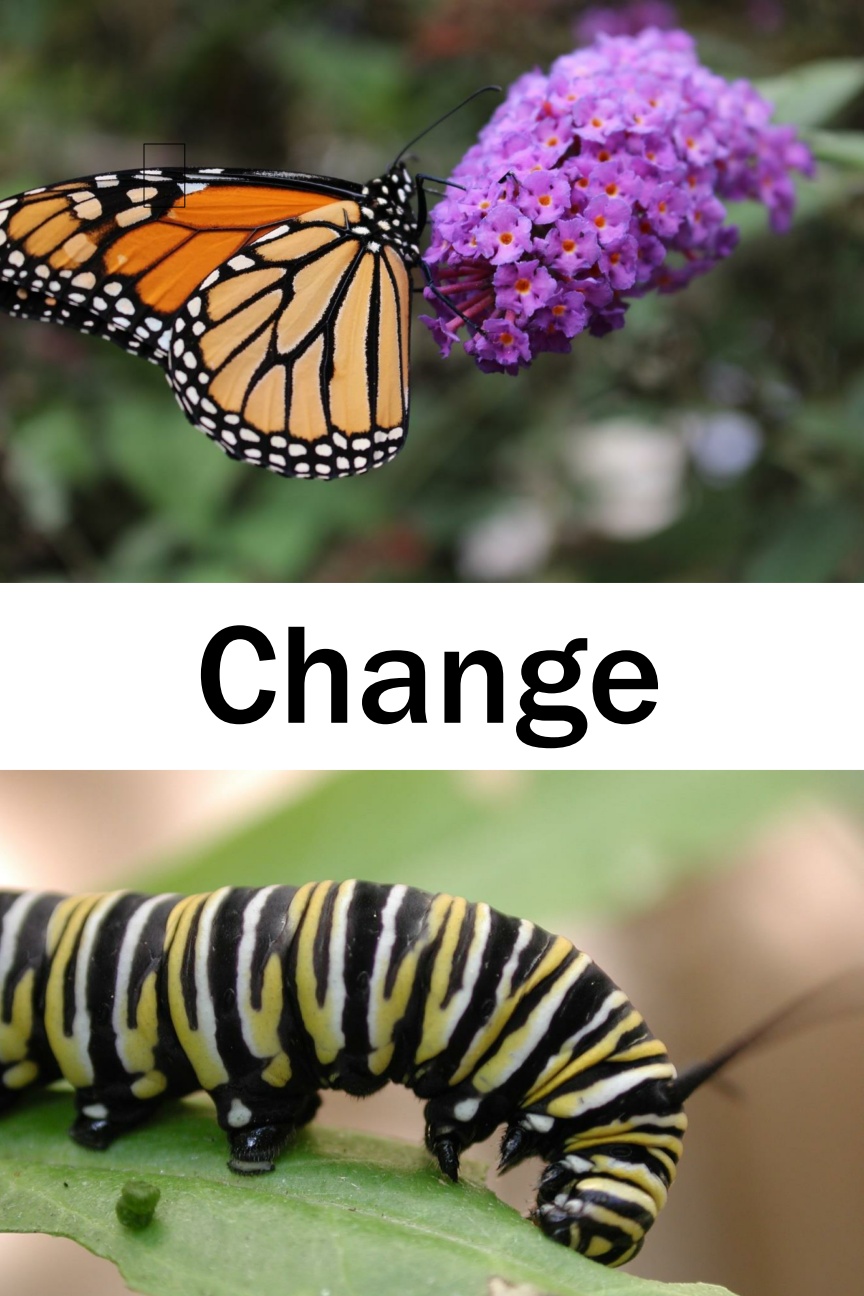
Change

Experiencing change.
Photo courtesy of Pixabay.com

The Hows and Whys of Change.

By David Joel Miller, MS, Licensed Therapist, Counselor, and Certified Life Coach.

There are two principal competing methods for navigating a life transition. Though many people choose a third option and do little or nothing till it is too late.

Make sure you know where you’re going before you leave.

This option was traditionally summarized as “look before you leap.”

If you are working at a job that you hate, one that is draining the life out of you, it’s often best to look for a new job first before quitting your current job. More than once, I have counseled someone who is unhappy with their current job, that the best time to look for a job is when you have one. Having some source of income keeps you going while you’re looking for your preferred job.

Rushing to change your situation can often end you up in a worse place than before. More than once, I’ve seen somebody leave a relationship to begin a new relationship only to have that replacement relationship turn out worse than the present one.

One way to summarize the problem with rushing from one situation to another is “wherever you go, there you are.” Sometimes it’s not the job or the relationship that’s causing the problem. If the problem is something you need to learn or change about yourself, then staying in your current situation while you work through those issues can be the best course of action.

You have to end something before you can start something new.

This is essentially what’s behind door number 2. Walking away from the known into uncertainty can be a very scary task. As long as you’re busy working at a job you don’t like, you may find it difficult to go out and apply for a new job. If you stay stuck in a dysfunctional relationship, you may never achieve true happiness.

Cautious and fearful people spend a lot of time trying to be sure about their decisions. But you will never know what you don’t know. As long as your life is full, you have neither the room nor the time to explore alternatives.

Many people who have successfully navigated severe life transitions have reported that they had to go through an ending of one life path and the resulting period of uncertainty before they could discover the direction they wanted to go in the future.

So why do you have to go through a transition?

If you’re facing a life change, some kind of transition, it’s worth considering how this change came about and what, if any, options you have. There are two principal causes of change in our lives: external events, those things that are thrust upon us, and things that are internal, a matter of our individual wants and preferences.  People lose their jobs through layoffs, getting fired, or company closures. Romantic relationships end because you and your partner can’t get along, or your partner decides to end the relationship.

Sometimes relationships end because your life partner dies. How long you need to go through the grieving process varies from person to person. But sooner or later, there will be the emotion of grief and loss.

Physical health changes across the lifespan. Sometimes health issues are a result of conditions out of our control, such as genetics, heredity, accidents, injuries, and other conditions outside our control. Other times, it’s a result of unhealthy living or things that we probably should have attended to sooner.

In the process of planning a way forward through these life transitions, it’s often wise to take a look at the causes to avoid repeating the same course of action. If you find that you are repeating patterns in your life, it may be worth the effort to look at your past and to do some work on yourself, either by utilizing self-help groups, education, or by formal counseling and therapy.

Other times, you don’t have the option of spending time analyzing the past because the crisis is upon you and you must move forward. We will begin this process by looking at how you move forward, but in the future section, I want to suggest you take a look at how your past may be influencing your present.

Recommended Mental Health Books

David Miller at counselorssoapbox.com is an Amazon Affiliate and may receive a small Commission if you purchase a book or product using the link on this page. Using the link will not increase the cost to you.

Does David Joel Miller see clients for counseling and coaching?

Yes, I do. I can see private pay clients if they live in California, where I am licensed. If you’re interested in information about that, please email me or use the contact me form.

Recently, I began working with a telehealth company called Grow Therapy. If you’d like to make an appointment to work with me, contact them, and they can do the required paperwork and show you my available appointments. The link for making an appointment to talk with me is: David Joel Miller, LMFT, LPCC 

Life coaching clients must be working toward a specific problem-solving goal. Coaching is not appropriate if you have a diagnosable mental health problem. Also, life coaching is not covered by insurance. If you think life coaching for creativity or other life goals might be right for you, contact me directly.

Staying in touch with David Joel Miller.

Want the latest blog posts as they are published? Subscribe to this blog.

For more information about my writing journey, my books, and other creative activities, please subscribe to my blog at davidjoelmillerwriter.com

Seven David Joel Miller Books are available on Amazon now! And more are on the way.

For more about my books, please visit my Amazon Author Page – David Joel Miller

For information about my work in mental health, substance abuse, and having a happy life, please check out https://counselorssoapbox.com

For videos, see: Counselorssoapbox YouTube Video Channel

Life is choked with transitions.

Hallway of transitions
Photo courtesy of Pixabay.com

Life is choked with transitions.

By David Joel Miller, MS, Licensed Therapist, Counselor, and Certified Life Coach.

Over the last few years, my practice as a therapist and counselor has shifted. Some of that is because of COVID and learning to work remotely online, doing telehealth. I’ve found that my practice has shifted from working mainly with young people starting out in life to serving an ever-increasing number of older people.

I hesitate to call these people elderly since most of them are younger than me, but I’m sure that I am the exception that proves the rule. I feel fortunate that, despite being 77 years old, I can still work and be productive.

Two things stand out in my online practice, which are different from what I saw when I worked for the county or in an office in private practice. I am seeing far fewer children or couples, and many more single adults and older adults. While the specific mental health diagnoses vary a great deal, what I see most often is people struggling with life’s transitions.

When the challenges life throws at you are overwhelming, you’re very likely to develop high anxiety, severe depression, a substance use disorder, or some kind of dysfunctional behavior.

For better or worse, I have personally gone through a pretty large number of life transitions. I tell my clients that I have learned a lot more about life’s problems, particularly aging, than I ever wanted to know. I’ve spent a lot of time studying the challenge of transitioning from one thing to another, both by reading the research and by living the experience.

I mentioned these things not because I want anyone to feel sorry for me, but because I’ve developed a special sensitivity to the role that transitions play in all our lives.

There are certainly developmental transitions, and some people experience difficulty navigating those. Progressing through school involves its share of developmental challenges. Graduating, whether it’s from high school or college, and then entering the workforce can be a major transition for many people. In my role as a clinical counselor, I have studied career counseling and the challenges of finding the right job. That task deserves an entire series of posts.

Getting into and out of relationships involves a great many painful as well as joyous transitions. I believe that the increasing lifespan has led to more people ending one relationship and starting another than at any other time in human history. I intend to talk about the changing nature of human relationships in an upcoming post.

At some point, most of us will go through conflicts with our spouses, and some people will experience breakups or divorces. If you live long enough, you may experience the death of a spouse. An increasing number of family members are struggling with a loved one who is in Hospice and dying, or living in a long-term care facility. There’s also the transition of the person who loses individual functioning. Dementia has become more common and causes a great deal of suffering both for the person with dementia and for those who encounter the dementia sufferer.

For something to be considered a mental illness, it has to affect a person in four basic areas. If your problem interferes with social functioning, your ability to have relationships with family and friends, including your romantic partner, then it’s a reason for your problems to be considered a mental illness. Any problem which is severe enough to interfere with occupational functioning is also diagnosable. By occupation, we don’t just mean paid employment. We also would include school or the duties of parenting if that were a full-time activity.

The third criterion for diagnosing someone with a mental illness is that it causes them subjective distress. If something is so upsetting to you that you just can’t stand it, and the pain of this event or condition is unbearable, then we call that a mental illness. And lastly but not least, if what you’re dealing with interferes with your ability to function in some other area that is important to you, even if it is a hobby or a recreational activity, it may qualify as a mental health diagnosis.

From that brief description of reasons why something might be diagnosed, I think we can all see that transitions or changes in any one of those areas can be overwhelming.

Eventually, I will probably get around to discussing most, if not all, of these issues. But being very action-oriented, I thought I’d start with a brief description of what I understand to be the main ways in which people cope with and sometimes overcome the challenges of life’s transitions.

The next stop in our journey of understanding the nature of life transitions and how to overcome them will be a brief review of the two major theories about how to navigate life transitions.

Recommended Mental Health Books

David Miller at counselorssoapbox.com is an Amazon Affiliate and may receive a small Commission if you purchase a book or product using the link on this page. Using the link will not increase the cost to you.

Does David Joel Miller see clients for counseling and coaching?

Yes, I do. I can see private pay clients if they live in California, where I am licensed. If you’re interested in information about that, please email me or use the contact me form.

Recently, I began working with a telehealth company called Grow Therapy. If you’d like to make an appointment to work with me, contact them, and they can do the required paperwork and show you my available appointments. The link for making an appointment to talk with me is: David Joel Miller, LMFT, LPCC 

Life coaching clients must be working toward a specific problem-solving goal. Coaching is not appropriate if you have a diagnosable mental health problem. Also, life coaching is not covered by insurance. If you think life coaching for creativity or other life goals might be right for you, contact me directly.

Staying in touch with David Joel Miller.

Want the latest blog posts as they are published? Subscribe to this blog.

For more information about my writing journey, my books, and other creative activities, please subscribe to my blog at davidjoelmillerwriter.com

Seven David Joel Miller Books are available on Amazon now! And more are on the way.

For more about my books, please visit my Amazon Author Page – David Joel Miller

For information about my work in mental health, substance abuse, and having a happy life, please check out https://counselorssoapbox.com

For videos, see: Counselorssoapbox YouTube Video Channel

Wrapping up 2025 and my life

Changing your life

Time for a life change?
Photo courtesy of Pixabay.com

Wrapping up 2025 and my life.

By David Joel Miller, MS, Licensed Therapist, Counselor, and Certified Life Coach.

There is less than a week to go in 2025, and I’m already thinking about all those things I wanted to do this year that didn’t get done. I’m also very mindful of all the things I hadn’t planned on that I did, or that happened to me.

Since I was born before 1950, I’m painfully aware that the century of my birthday disappeared long before I was ready to leave it and that my time on earth may well be running out. That started me thinking about the meaning of life and all the things that I have learned while making this journey.

Please don’t get me wrong, I’m in no rush to exit this earth. I have told my romantic partner that I have definite plans for my 100th birthday and that she is an essential part of those plans.

There are two contrary forces setting the course of our lives as we age. We have that process of constantly learning new things and having new experiences. At the same time, aging results in some very necessary losses.

Having passed my 75th birthday and rapidly approaching my 80th, I am acutely aware that some things will become more difficult and some things may well become impossible. I’m not especially resigned to that process.

I have told my clients over the last year, and those few friends who will listen, that I have been learning far more about the process of getting old than I ever wanted to know. Entering is just the most recent change in a long string of life changes I’ve experienced. Because people are living longer and the percentage of older people in the population has been growing, there’s more notice being paid to these issues. Still, the principles involved in undergoing change are remarkably similar regardless of what change you are experiencing.

Within that process of aging, each person undergoes certain transitions. Of course, the process of undergoing transitions is not limited to the old or the almost old. The events that happened during COVID. Since roughly 2020, the process of transitional change has accelerated.

In my work as a therapist and counselor, many of my clients are undergoing life transitions. I wanted to get a head start on the blog posts for the year 2026 with this introductory post. During the coming year, as time permits and as my own life transitions allow, I want to talk some more about transitions, navigating those transitions, and, as always, how to have the best life possible.

Life essentially is one transition after another. Each person undergoes transitions as they move from one age group to another. Some people move from house to house or even from family to family. It’s common to move from school to school. And in this process, we undergo a series of new relationships.

Life will also bring economic transitions. There are major life milestones like graduation from school, job and career changes, and achieving certain privileges, such as a driver’s license. Somewhere in the later years, a time we rarely want to think about until it’s forced upon us, sooner or later, most of us will lose abilities and those privileges we worked so hard to achieve.

I thought I would recap for you what I’ve learned about navigating life’s transitions, from my own experiences, the experiences of my clients, and the books and research I have read. Forgive me if this doesn’t progress smoothly and if I take some detours into areas of knowledge I think might be useful to others undergoing one of life’s transitions. Along the way, I would like to share some of the lessons I’ve learned, in the hope that they might be helpful to someone else who is moving along life’s journey.

If any of these topics are relevant to you or to someone in your life, I hope you’ll read these blog posts and share your comments.

Best wishes to everyone in the year 2026 and beyond.

Recommended Mental Health Books

David Miller at counselorssoapbox.com is an Amazon Affiliate and may receive a small Commission if you purchase a book or product using the link on this page. Using the link will not increase the cost to you.

Does David Joel Miller see clients for counseling and coaching?

Yes, I do. I can see private pay clients if they live in California, where I am licensed. If you’re interested in information about that, please email me or use the contact me form.

Recently, I began working with a telehealth company called Grow Therapy. If you’d like to make an appointment to work with me, contact them, and they can do the required paperwork and show you my available appointments. The link for making an appointment to talk with me is: David Joel Miller, LMFT, LPCC. 

Life coaching clients must be working toward a specific problem-solving goal. Coaching is not appropriate if you have a diagnosable mental health problem. Also, life coaching is not covered by insurance. If you think life coaching for creativity or other life goals might be right for you, contact me directly.

Staying in touch with David Joel Miller.

Want the latest blog posts as they are published? Subscribe to this blog.

For more information about my writing journey, my books, and other creative activities, please subscribe to my blog at davidjoelmillerwriter.com

Seven David Joel Miller Books are available on Amazon now! And more are on the way.

For more about my books, please visit my Amazon Author Page – David Joel Miller.

For information about my work in mental health, substance abuse, and having a happy life, please check out https://counselorssoapbox.com

For videos, see: Counselorssoapbox YouTube Video Channel.

The perspective of age

The perspective of age
Photo courtesy of Pixabay.com

The perspective of age.

By David Joel Miller, MS, Licensed Therapist & Counselor.

Things look different as you drive farther down life’s road.

When I’ve gone on long trips, I’ve noticed that the mountains off in the distance don’t seem that far away, but after driving for several hours, those mountains don’t appear to be getting any closer. It’s not until you get to the foothills and start climbing up and down, and up again, that you begin to experience going over those mountains for real. The journey of life is a lot like that trip. As you age, things will look differently.

Your perspective will change as you live life.

I remember being young and anxious to grow up. Getting some of the pleasures of adulthood seemed very attractive. I remember how important it was to me to get first, my learner’s permit and then my driver’s license. Now that I’m past 70, I must retake the driving test in person. I know the numbers are different in other states, but the principle is the same. Eventually, when you get old, you start to lose some things you have become accustomed to.

Moving from one grade to another seemed like such a huge accomplishment. Leaving elementary school for middle school was a giant step. Leaving middle school for high school opened up new horizons. Then came college and graduate school.

When I was young, there was so much to do.

When I finally graduated from high school, the road suddenly took a sharp turn. I hadn’t seen all of the obstacles that would loom ahead of me in life while I rode along on the educational train. Suddenly, I face the challenge of finding a job or going to college. I have embraced lifelong learning, having gone to school for more than 70 years, both as a student and as faculty. Some semesters, I’ve been both taking a class and teaching one. I do a little bit of life coaching in addition to my counseling and therapy work, and I find coaching a lot like teaching a class only to one student at a time.

Only one of my four grandparents had graduated from high school. I don’t believe I had known anyone other than my teachers who had been to college. My conversations about going to college consisted of about fifteen minutes with a high school counselor who wanted to know what college I planned to attend.

With no real plan other than a love of learning, I enrolled at the community college more to avoid giving up going to school than because I understood what college would involve or how having a degree might affect the rest of my life.

Along the road of life, the scenery changed.

First, I got married. Then I went looking for a job. The next thing I knew, I was a father working to support my wife and child. Along that road, there were twists and turns. I got old enough to drink alcohol. Being twenty-one meant I was an adult.

Eventually, I discovered that being an adult meant watching my child grow up, get married, and see my grandchild be born. I also discovered that being an adult meant realizing my drinking was causing me problems and required me to break up with my long-term friend, Ethel, ethyl alcohol.

Growing old is not synonymous with growing up.

Growing old largely depends on the number of trips you make around the sun. Each year, the Earth makes one long rotation around that sun. I think that after a certain number of trips, you start to get dizzy, and it feels like each succeeding trip is moving more rapidly.

Looking back on my life, I realize the tremendous number of things I have had to learn and an even larger number of things I could have learned but haven’t mastered yet. The growing old part is relatively easy. The growing up part, that is hard. Despite being past retirement age, I still don’t know what I want to be when I grow up.

The body becomes high mileage as you age.

I like to think of my body as a vintage car. All the parts are still there, and they work most of the time, but they don’t always work as well as they used to, and sometimes, more than one part is giving me problems at the same time.

The longer you live, the more wear and tear there is on your body. I feel undeservedly lucky that despite my poor care of my body, I am in as good a shape as I am at this age. Eventually, the body begins to accumulate problems. Some people must face more medical challenges than others. Things that were only minor inconveniences can turn into major health challenges.

One thing you see from the perspective of age is that more and more of your life is behind you, and less is ahead. The biggest regrets for most people when they grow old are the things they always wanted to do but never found the time for. Try to live your life so that you have a minimum of regrets when you get to the end.

Does David Joel Miller see clients for counseling and coaching?

Yes, I do. I can see private pay counseling and therapy clients if they live in California, where I am licensed. If you’re interested in information about that, please email me or use the contact me form.

Recently, I began working with a telehealth company called Grow Therapy. If you’d like to make an appointment to work with me, contact them, and they can do the required paperwork and show you my available appointments. The link for making an appointment to talk with me is David Joel Miller, LMFT, LPCC. 

Life coaching clients must be working toward a specific problem-solving goal. Coaching is not appropriate if you have a diagnosable mental health problem. Also, life coaching is not covered by insurance. If you think coaching for creativity or other life goals might be right for you, contact me directly.

Staying in touch with David Joel Miller.

Want the latest blog posts as they are published? Subscribe to this blog.

For more information about my writing journey, my books, and other creative activities, please subscribe to my blog at davidjoelmillerwriter.com

Seven David Joel Miller Books are available on Amazon now! And more are on the way.

For more about my books, please visit my Amazon Author Page – David Joel Miller.

For information about my work in mental health, substance abuse, and having a happy life, please check out https://counselorssoapbox.com

For videos, see Counselorssoapbox YouTube Video Channel

Are you an indoor mountain climber?

Are you an indoor mountain climber?
Photo courtesy of Pixabay.com

Are you an indoor mountain climber?

By David Joel Miller, MS, Licensed Therapist & Counselor.

I think of myself as an indoor mountain climber.

As a child, I was sick a lot and was always skinny. I was not particularly good at sports, but that didn’t keep me from seeking out challenges. I don’t especially like cold and snow or heat and dehydration either, for that matter. Skinning my knuckles, breaking bones, or falling long distances to the rocks below has never particularly appealed to me.

When I first began applying the mountain climber metaphor to my life, I was thinking mainly of intellectual and creative challenges. More recently, I have begun to see how the idea of starting from nothing, achieving some level of success in a particular field, and eventually watching my abilities decline as I age might be an apt metaphor for the entire process of living life.

My interest in intellectual challenges began in elementary school.

I think one of the great turning points in my life was the time my class went on a field trip to the school library. All the other students seemed to know just how to select a book. I had come from a home with virtually no books. What few books we had in our household were religious volumes, not especially suited for a child.

As the other students checked their books out, my teacher watched me with looks somewhere between annoyance and downright anger. Finally, in desperation, the teacher walked over, pulled a book off the shelf, and handed it to me. That book, part of the Laura Ingalls Wilder Little House on the Prairie series, got me started on nonstop reading.

In the early grades, I devoured largely fiction.

Throughout most of my elementary and middle school years, books were my primary friend. I recall several years when I read one book a day on average. Those books were largely escape fiction, and they fueled many of the constant daydreams I explored when I was supposed to be listening to the teacher in class.

In high school, teachers sparked my curiosity about nonfiction topics.

Gradually, I began to read about more and more subjects. Whether I started with the love of learning or it developed in me as a result of reading so many varied books, I can’t be sure. But what I am sure of is that while I struggled with the required subjects in high school, I developed a strong interest in pursuing whatever eclectic subject most interested me.

My college career resembles a hike across an unexplored continent.

I have said many times, and I’m only half joking, that I have been going to school for over 70 years. College extended from the time I was 18 until the present day, when I am 76. Throughout most of that time, I have been taking classes, teaching classes, or often doing both at the very same time.

Along the way, my majors have changed repeatedly.

I have, in no particular order, studied natural history, art, business, economics, psychology, both normal and abnormal, and a host of other topics too long to list here. But what I mainly discovered was that among my top character strengths were love of learning, curiosity, and creativity. I am happiest when I am learning something new and sharing it with others, something that gives my life meaning and purpose.

Sixty-plus years later, my interest returned to fiction when I started to write my own novels. For more about my books, please visit my Amazon Author Page – David Joel Miller

Sitting safely at my desk, I seek out challenges.

Now, in my seventy-sixth year on this planet, I continue to think of myself as an indoor mountain climber. The mountain climber metaphor applies to a lot of people. Some people invest in stocks, and others invest in vintage cars. Your meaning and purpose in life may lie in discovering a new bacteria, proposing a new theory of economics, or learning to rebuild an engine. Most any pursuit can be worthy if it interests you and doesn’t harm others. That not harming others, therein lies the rub.

The process of aging looks a lot like the process of climbing a mountain.

Recently, I realized that mountain climbing as a metaphor not only fits the pursuit of new knowledge and skills, but it also fits many of the things that have happened to me, and that seem to happen to almost everyone as we grow older. I can’t say that I’m an expert on geriatrics. I’ve purposely avoided learning more about that topic than I had to. But recent events, both personally and professionally, have forced me to learn a lot more about some of the things that might happen mentally and physically as I and others accumulate more trips around the sun.

When time permits, I want to tell you about how my life of pursuing various goals has affected my way of looking at the process of aging.

Does David Joel Miller see clients for counseling and coaching?

Yes, I do. I can see private pay clients if they live in California, where I am licensed. If you’re interested in information about that, please email me or use the contact me form.

Recently, I began working with a telehealth company called Grow Therapy. If you’d like to make an appointment to work with me, contact them, and they can do the required paperwork and show you my available appointments. The link for making an appointment to talk with me is: David Joel Miller, LMFT, LPCC 

Recommended Mental Health Books

David Miller at counselorssoapbox.com is an Amazon Affiliate and may receive a small Commission if you purchase a book or product using the link on this page. Using the link will not increase the cost to you.

Staying in touch with David Joel Miller.

Want the latest blog posts as they are published? Subscribe to this blog.

For more information about my writing journey, my books, and other creative activities, please subscribe to my blog at davidjoelmillerwriter.com

Seven David Joel Miller Books are available on Amazon now! And more are on the way.

For more about my books, please visit my Amazon Author Page – David Joel Miller

For information about my work in mental health, substance abuse, and having a happy life, please check out https://counselorssoapbox.com

For videos, see: Counselorssoapbox YouTube Video Channel

I feel like a fifth grader again

Technology
Photo courtesy of Pixabay.com

I feel like a fifth grader again.

By David Joel Miller, MS, Licensed Therapist & Counselor.

Rapidly changing technology makes me feel like an overwhelmed fifth grader.

Last week, I sat at my keyboard and experienced an overwhelming desire to break down and cry. I haven’t felt this overwhelmed and helpless since my elementary school days. Being a senior citizen, I have a lot of life experiences, and being a professional counselor, I have a lot of tools at my disposal. Still, sometimes the frustration gets so bad the only conceivable response is to act as immaturely as possible. Let me tell you about my growing frustration with the tech gods.

Recently, I’ve been struggling more than usual to keep up with rapidly evolving technology. Ever since the start of the Covid epidemic, when we moved to remote technology, I have been struggling to catch up. The upward curve of technological change turned into a vertical wall and is now an overhanging cliff.

I thought I was doing reasonably well. I moved the lecture materials between blackboard, canvas, and canvas companion with the adept skill of a fire juggler. I’ve learned to turn my lecture material into PowerPoints and my PowerPoints into videos. I have even established a YouTube channel so those videos are available continuously around the clock.

Despite some struggles, I’ve managed to keep my primary mental health blog going and occasionally add some posts to my writer’s blog. And through all this, I have written and published seven books. I thought I was doing reasonably well. Then, the avalanche of tech changes collapsed on top of me.

Let me tell you a parable about an overwhelmed ten-year-old.

Once upon a time, in a land far, far, away from sunny California, in a rural area where people ignored troublesome laws, there lived a sheltered, naïve ten-year-old boy. His family’s largest claim to fame was the mass quantities of ethyl alcohol, which they frequently consumed. One particular older male habitually consumed alcohol to the state of extreme incapacitation.

On this particular night, it was imperative that the man who could no longer walk on two legs and was having difficulty crawling on all fours somehow reached home before he froze to death in the snow. Hence, the patriarch of this story decided to have his ten-year-old son drive him back across the open fields to the farmhouse. What follows is my vague remembrance of the conversation between the father and son.

“Son, you gots to drive me home,” The old man said.

“But Dad, I don’t know how to drive,” the boy said.

“It for to is easy, I teaches you how. Here, tase these keys.”

“Now what?”

“Get in car and drive.”

“I can’t get in. The door is locked,” the boy said.

“Unlock the door.”

“How do I do that?”

“Stick the keys in the lock.”

“I put the key in the lock, but the door still won’t open.”

“Did you turn the key?”

“I have to turn the key?”

“Yes, yous got to turn the key.”

“I turned the key around, but the other end won’t fit.”

“Here, Leslie, me dooes it.”

At this point, the conversation is terminated when the patriarch falls face down in the snow, and their connection is terminated. If we were to wait several hours for the older gentleman to regain consciousness, we could listen in on the continuing conversation as the young man struggles to figure out how to put the key into the ignition, put the car into gear, and then drive across the open field without ending up in the ditch. I hope you can see how totally frustrating this might be to the young boy.

Fast forward sixty-five years later.

Four emails arrived in one day, all indicating that the protocols for logging into email accounts have been changed. Each of the four companies the boy, now an elderly adult, works for has decided to change their login, password, and security system. Each has changed in a different direction using different outside vendors.

“Tech support. How can I help you?” The tech bot says.

“I’m having trouble logging into my account.” The man says.

“Did you download the login app? You need to download the login app.” Click.

What download app? The old man asks. Only to be greeted by silence and, finally, the hum of the dial tone.

Wait a minute, wait a minute. If I am hearing a dial tone this is not a cell phone. Click. Again.

Minutes later the man connects with tech support.

“Did you download the login app?” Tech support says.

“What’s an app?” The old man replies. Click.

Clearly, this conversation is going nowhere.

A five-year-old gets to cry.

What does a seventy-five-year-old man get to do?

The old man calls tech service again after struggling for several hours to download the Bloody app.

“I can’t get into my login app. What do I do?”

“What kind of authenticator are you using?”

“What’s an authenticator?” The old man asks. Click.

Imagine that this scenario repeats itself four times with four different vendors.

I don’t have to imagine this. That sort of scenario seems to be happening to me on a regular basis.

I think I could catch up if they would just stop changing things.

How about you? Are you having trouble keeping up with technology?

Does David Joel Miller see clients for counseling and coaching?

Yes, I do. I can see private pay clients if they live in California, where I am licensed. If you’re interested in information about that, please email me or use the contact me form.

Staying in touch with David Joel Miller.

Want the latest blog posts as they are published? Subscribe to this blog.

For more information about my writing journey, my books, and other creative activities, please subscribe to my blog at davidjoelmillerwriter.com

Seven David Joel Miller Books are available on Amazon now! And more are on the way.

For more about my books, please visit my Amazon Author Page – David Joel Miller

For information about my work in mental health, substance abuse, and having a happy life, please check out https://counselorssoapbox.com

For videos, see: Counselorssoapbox YouTube Video Channel

Avoiding the Grim Reaper.

Avoiding the Grim Reaper
Photo courtesy of Pixabay.com

Avoiding the Grim Reaper.

By David Joel Miller, MS, Licensed Therapist & Counselor.

The Grim Reaper’s handiwork is everywhere.

Being one of those older people, I become increasingly conscious of the Grim Reaper and his handiwork. For those unfamiliar with this persona, the Grim Reaper is that long-standing picture of the ways of death stocks humankind just waiting for his opportunity to take one of us.

There was a time in history when the Grim Reaper frequently passed through the human village. I read that in the early eighteen hundreds in the American Midwest, as many as 30% of the people in a town might die every spring. We had a variety of names for the Grim Reaper’s tools. Sometimes, we would call it cholera, yellow fever, scarlet fever, or tuberculosis.

When I was a young person, the Grim Reaper frequently used the disease named polio, which left his victims unable to breathe until they finally died. I remember being among one of the very early groups to receive the polio vaccine, and gradually, this disease, like so many others, disappeared from the front pages of the news.

Gradually, the specter of the Grim Reaper’s nightly visit faded. Rather than a fear of diseases, we have come to fear wars, guns, gun violence, and those various diseases that were uncommon simply because humans had the good sense to die before reaching old age. In some parts of the world, this taker of life still uses wars and famine to reap his harvest.

Covid and other new evolving diseases have ripped the mask off the Grim Reaper.

Covid was definitely a shock to those of us who thought that modern medicine had largely tamed the area of infectious diseases, leaving the Grim Reaper to work only through the disorders of the elderly. Eventually, I expected that cancer, dementia, or some other disease of aging would get me. But if you were like me, you were totally unprepared for the onslaught of Covid and other new infectious diseases.

My strategies for keeping ahead of the Grim Reaper.

For most of my life, I simply ignored the Grim Reaper and lived my life as if Death would have difficulty finding me. I did take some simple precautions. I will describe here my choices and I am not trying to make a political statement about what I think others should do. Personally, I always wear my seatbelt when in the car. I get my vaccines. And when my doctor prescribed some medication for me, I attempt to take it as prescribed.

Beyond those simple precautions, as I have accumulated additional birthdays, I have begun to pay more attention to things I can do to maintain my physical health. Some of those supposed remedies have proven to be either allusive or ineffective.

One thing I have tried to do is to keep moving as much as possible. I think being active certainly keeps me out of the reach of the Grim Reaper for longer than sitting on the couch waiting for his visit. I recently underwent surgery for a problem I had neglected a great many years, and this forced me to take a further look at other things I might do to improve my health.

Walking appears to be mandatory for humans.

After my surgery, my doctor suggested that I should be walking at least 8000 steps a day. I believe that’s a reduction from the previous prescription of 10,000 steps per day. Initially, I thought this would be impossible, but I started with the modest goal of walking 4000 steps per day, which proved quite doable. Over time, I’ve increased that goal and am now routinely walking 4 miles per day, and on a good day, I may walk six or 7 miles.

Walking every day won’t keep me out of the Grim Reaper’s grip forever, but I’m going to make him work to catch up with me.

There is another significant benefit of walking.

I have read repeatedly, and I’ve told many clients my conclusion that walking outdoors, particularly where there are trees and greenery, improves your mental health. Walking outdoors for 15 to 20 minutes a day, five days or more per week, is just as effective at treating depression as taking some antidepressant medications.

Please, however, if you are currently on an antidepressant, don’t stop taking it and turn to walking. Antidepressant discontinuation syndrome, problems you will experience if you suddenly stop taking your medication, is a very real thing. Talk to your doctor before you stop any medication. However, I believe that in addition to medication, changes in behavior, such as walking and changes in thinking, which come from therapy, all work together to reduce depression and may also benefit many other mental health problems.

My attempt to lose weight was delusional.

Somewhere I had gotten the idea that I should lose weight. In fact, three doctors in a row had suggested that I needed to control my weight. Not that it was seriously out of control, but over the years, my weight gradually crept up from being a skinny person first to normal and then to being overweight. My past efforts to lose weight were ineffective, probably because I thought about it while sitting in my desk chair eating a package of cookies.

I somehow mistakenly thought that all this extra walking I had begun to do would miraculously result in weight loss. It didn’t. What it may well have done is convert some of the fat I had into muscles.

On a recent visit to the doctor, I told him I had tried losing weight but to no avail. His answer was that he no longer thought I should attempt to lose weight. I read now that older people, presumably those beyond retirement age, may actually be somewhat healthier if they are slightly above the BMI suggestions for normal weight.

It turns out that all people fall; some of them fall a lot, and a few extra pounds can be some padding. This is certainly no excuse if your blood sugar is out of control, but barring type II diabetes, I think a few extra pounds are not a problem for someone my age. Don’t take my word for this; however, make sure you consult with your personal physician.

Eating a healthy diet has proved to be more elusive.

I’m definitely not a nutritionist and hesitate to give you any advice in this area. I have learned, however, that becoming overly concerned about your diet in your past retirement life may be a mistake. Nutrition is a whole lot more complicated than switching to only eating vegetables. Balance in nutrition is just as important as it is in many other parts of our lives. Some of those foods we think of as unhealthy” when eaten in small amounts, may be beneficial for maintaining a balanced diet. My suggestion is not to go on a crash diet, trying to eat healthy and end up with nutritional deficiencies. Talk to your doctor or a nutritionist before you eliminate food from your diet that you have been eating for a long time.

So those are some of my thoughts and experiences now that I’ve reached a point in life where I am focusing more on trying to stay healthy and keep my life in balance. Comments are welcome. Hope you will continue to read this blog.

Does David Joel Miller see clients for counseling and coaching?

Yes, I do. I can see private pay clients if they live in California, where I am licensed. If you’re interested in information about that, please email me or use the contact me form.

Staying in touch with David Joel Miller.

Want the latest blog posts as they are published? Subscribe to this blog.

For more information about my writing journey, my books, and other creative activities, please subscribe to my blog at davidjoelmillerwriter.com

Seven David Joel Miller Books are available on Amazon now! And more are on the way.

For more about my books, please visit my Amazon Author Page – David Joel Miller

For information about my work in mental health, substance abuse, and having a happy life, please check out https://counselorssoapbox.com

For videos, see: Counselorssoapbox YouTube Video Channel