
Thinking that causes relapses.

By David Joel Miller, MS, Licensed Therapist & Licensed Counselor.

Inebriated people.

Alcoholism.
Photo courtesy of Pixabay.

Your automatic thoughts may be unhelpful.

Practice doesn’t make perfect it makes things permanent. I forget where I read that, but I’ve learned there’s a lot of truth in that statement. When you tell yourself something over and over, you start to believe it. Many people practice their unhelpful thoughts so frequently that they have convinced themselves they have no other choice. Let’s take some common automatic thoughts which may be making your problems worse and setting you up for relapse. I’ll illustrate this with statements about alcohol, but it could equally be true of drugs, behaviors, or mental health problems such as anxiety and depression.

I need a drink.

This unhelpful thought is baked into our society. You will hear it repeatedly on television, in the movies, or in statements made by those around you. The premise here is that the only way to cope with difficult life circumstances, problems, or unpleasant feelings, is to reach for a substance that will temporarily make you forget those problems. When you use a drug or alcohol to avoid feeling that avoidance is only temporary. Once the brief diversion wears off, you will have to face the problem, and it’s likely the problem has gotten worse while you were avoiding it.

If I stop drinking or using, I won’t have any friends.

People who are trying to get clean and sober may discover that all their current friends are drinkers and users. That doesn’t mean you can’t have friends. More than half of the adults in the U.S. have not had a drink in the last 30 days. You’ll probably make lots of friends in sobriety, and you’ll also find it’s an opportunity to reconnect with some of those clean and sober friends you haven’t talked to in a long time.

If I give up drugs and alcohol, I won’t have any more fun.

For a large segment of society fun for adults equates to drinking, using drugs, or having sex. It comes as a shock to many people how much fun you can have clean and sober when your senses are not dulled by substances. There are many enjoyable activities that do not include drugs or alcohol. Learning to have fun without substances can be a challenge if you’ve never done it. Make an effort to connect with people and to attend events that are clean and sober, and you will be surprised how much fun you can have.

Without alcohol, I’ll be miserable all the time.

One of the things we hear people in recovery say is that they were sick and tired of being sick and tired. Chemicals may temporarily change the way you feel, mainly by keeping you from feeling what you’re feeling, but once the chemicals wear off, you will find you feel better than when you had those drugs in your system.

Alcohol helps me get more done.

This used to be a common belief among news reporters and writers. The result of this belief was a lot of alcoholism, physical illnesses, and early deaths. Alcohol may temporarily disinhibit you, allowing you to do things that your brain is telling you not to do, but alcohol is a depressant, not a stimulant. Alcohol damages muscles in virtually every other part of the body. Using alcohol to get more done can result in an alcohol use disorder. Once alcohol has moved from being your solution to being your problem, you will get very little done.

How can you celebrate without alcohol?

Far too many alcohol-fueled celebrations end unhappily. Give sobriety a try. You will find plenty of ways to celebrate that don’t require alcohol or drugs. Using chemicals to celebrate impairs your ability to accomplish anything in the future.

Everybody else drinks, why can’t I?

This is one of those grand lie’s drinkers tell themselves. Everybody does not drink. Not even all the adults drink. One-third of the adult U.S. population doesn’t drink at all. Half of the people in America have not had a drink in the last 30 days. Having even one drink per day moves you into the top 20% heaviest drinkers. Heavy drinkers, particularly alcoholics, deceive themselves with the excuse that everybody else drinks the way I do. The truth is if you drink regularly, you drink way more than most other Americans.

You need a beer on a hot day.

For many people, this is a conditioned response, like Pavlov’s dogs. What you need on a hot day is plenty of water to prevent dehydration. The other thing you need is to get out of the heat whenever possible. Drinking alcohol on a hot day can result in you getting nothing done that day except drinking. Recovering from alcohol consumption can interfere with your functioning for several days after each episode of drinking.

Alcohol just goes with watching sports.

This is another excuse, not a reason. If you enjoy watching sports, you will pay more attention without the depressant drug alcohol in your system. You train your brain to connect these two items you can train your brain to disconnect them. When you do two things together, you condition your mind to expect to do both at the same time. Whatever you have learned, you can unlearn. Learn to pair your recreation with nonalcoholic pleasures.

Staying connected with David Joel Miller

Seven David Joel Miller Books are available now!

My newest book is now available. It was my opportunity to try on a new genre. I’ve been working on this book for several years, but now seem like the right time to publish it.

Story Bureau.

Story Bureau is a thrilling Dystopian Post-Apocalyptic adventure in the Surviving the Apocalypse series.

Baldwin struggles to survive life in a post-apocalyptic world where the government controls everything.

As society collapses and his family gets plunged into poverty, Baldwin takes a job in the capital city, working for a government agency called the Story Bureau. He discovers the Story Bureau is not a benign news outlet but a sinister government plot to manipulate society.

Bumps on the Road of Life. Whether you struggle with anxiety, depression, low motivation, or addiction, you can recover. Bumps on the Road of Life is the story of how people get off track and how to get your life out of the ditch.

Dark Family Secrets: Doris wants to get her life back, but small-town prejudice could shatter her dreams.

Casino Robbery Arthur Mitchell escapes the trauma of watching his girlfriend die. But the killers know he’s a witness and want him dead.

Planned Accidents  The second Arthur Mitchell and Plutus mystery.

Letters from the Dead: The third in the Arthur Mitchell mystery series.

What would you do if you found a letter to a detective describing a crime and you knew the writer and detective were dead, and you could be next?

Sasquatch. Three things about us, you should know. One, we have seen the past. Two, we’re trapped there. Three, I don’t know if we’ll ever get back to our own time.

For these and my upcoming books; please visit my Author Page – David Joel Miller

Want the latest blog posts as they publish? Subscribe to this blog.

For videos, see: Counselorssoapbox YouTube Video Channel
Learning About Alcohol Video Part 4 Problems

Find video on Substance use disorders

Alcohol Problems.  When does alcohol cause problems? How does alcohol affect society? How does alcohol affect the individual and the family?

Who drinks and how much? Alcohol Video Part 3.

Find video on Substance use disorders

Who drinks and how much? Alcohol Ed Part 3.

Learning About Alcohol Part 2 – Video

Find video on Substance use disorders

Why do people drink alcohol? When does alcohol consumption become a problem?

Learning About Alcohol Part 1 – Video

Find video on Substance use disordersAlcohol seems to be everywhere but how much do you really know about it? When does alcohol use become a problem?

Learning about alcohol and drugs.

By David Joel Miller, MS, Licensed Therapist & Licensed Counselor.

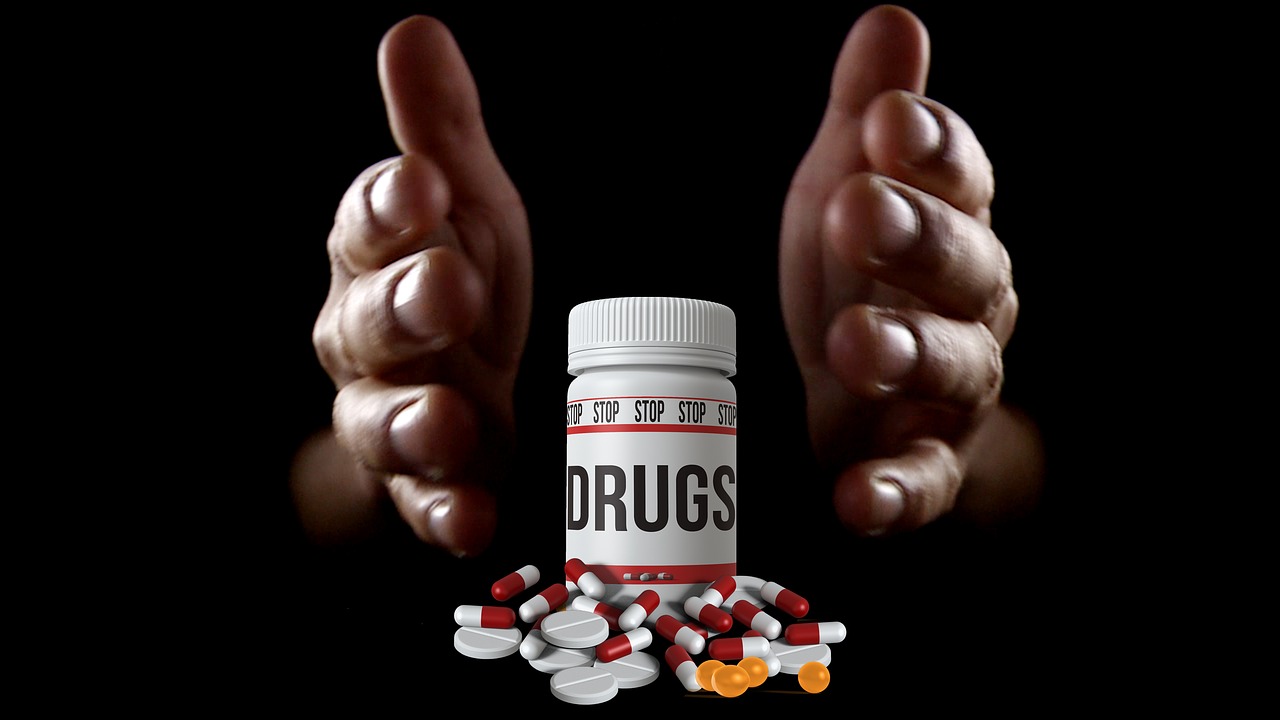
Drugs.

Drugs.
Photo courtesy of Pixabay.

How much do you really know about alcohol and drugs?

Despite the prevalence of drugs and alcohol in our society, many people have never had any formal education about drugs or alcohol. Most people get their education in this area the same way they learn about sex, on the street, and by experimentation.

As a society, we have a love-hate relationship with drugs and alcohol. The consensus seems to be that drinking and doing drugs can be enjoyable, but that “losing control” of that habit can be harmful maybe even deadly. Clearly simplistic solutions, just say no, or saying only bad people have problems is not working.

Ignoring the effects of addiction and alcoholism is easy.

Most people try to ignore the problem until it overwhelms them personally, or someone close to them. It’s reassuring to believe that addiction or alcoholism is something that happens to “those kinds of people,” the weak, or the lazy.

Not everyone who experiments with drugs or alcohol develops a problem. We know that young people are likely to try new and exciting experiences. Initially, it all sounds like fun. Most go on to have typical lives. But increasingly we are seeing people of all ages, including the older generation, whose lives are being damaged by substances.

Most people’s conception of an alcoholic is the homeless bum on the street, someone who can’t work and drinks all day every day. The unpleasant truth is that 95% of all alcoholics have full-time jobs. It’s entirely possible that you meet these hidden alcoholics every day. For every person with a drinking problem, estimates tell us that, 5 to 8 other people are harmed by that person’s drinking.

In some hospitals, half of the beds are taken up by people whose illness is primarily caused by or made worse by the direct results of alcoholism.

The problems with alcoholism and addiction are all around us.

In every city in America of any size, and I feel confident this happens everywhere else on planet Earth, we see the harm caused by the misuse of substances. A quick look at last night’s paper shows several people arrested for DUI. Several accidents in which one or both drivers were intoxicated. And an occasional story about someone dying of a drug overdose.

The war on drugs misled us.

American’s have noticed a staggering increase in the number of people who are dying from overdoses of prescribed opiate drugs. Despite a long-running war on drugs, the devastation is worse now than it was before. Several unpleasant facts emerge from studying substances and substance use disorders.

The majority of drug overdose deaths arise from prescribed medications, not street drugs.

Legal or tolerated drugs, nicotine, and alcohol each kill more people per year than all the illegal street drugs combined. Most of the deaths from drug overdoses involve people who have more than one drug in their bloodstream. Mixing alcohol with other drugs, prescription or street drugs, increases the risk of death.

Many professionals lack education about the effects of drugs and alcohol.

Most professionals working in the mental health field have minimal training in substance-related problems. Most counselors and therapists receive from one to three units in substance-related classes in an entire master’s program. Surveys indicate that the majority of people with substance use disorder, 60% or more, also have a co-occurring disorder. Furthermore, many people with diagnosed mental illness, approximately 50%, also have a substance use disorder.

In my own experience, it is extremely common to find someone with severe depression or high anxiety, who is also abusing substances. Use of alcohol or drugs may temporarily mask symptoms but in the long run, using substances as a crutch makes the problem worse.

Therapists who work with couples often find that one or both parties are using drugs or alcohol, and this is contributing to the marital discord. Unfortunately, many counselors who were not trained in substance use disorders ignore the problem rather than ask about it.

Since I started in the counseling field as a substance use disorder counselor, I’m acutely aware of how commonly mental health problems and alcoholism or addiction occur together. Substance abuse counselors, at least here in California, typically go through a 36-unit program with many of the classes specifically focused on alcohol, drugs, and the process of moving from use to addiction.

Very soon school will be back in session, and this semester I will be teaching several classes in the substance use disorder program. While I don’t want to shift the counselorsoapbox.com blog specifically towards drugs and addiction, I thought it might be useful to share with you some of the material I use in my substance abuse counseling classes. Also, in the near future, I am planning to release some of this material as videos on our very own counselorssoapbox YouTube channel. Stay tuned, and I will let you know how the videos are progressing.

If you made it this far, thanks for reading, and please remember to click like if you enjoyed this post and please leave comments. Talk to you again soon.

Staying connected with David Joel Miller

Seven David Joel Miller Books are available now!

My newest book is now available. It was my opportunity to try on a new genre. I’ve been working on this book for several years, but now seem like the right time to publish it.

Story Bureau.

Story Bureau is a thrilling Dystopian Post-Apocalyptic adventure in the Surviving the Apocalypse series.

Baldwin struggles to survive life in a post-apocalyptic world where the government controls everything.

As society collapses and his family gets plunged into poverty, Baldwin takes a job in the capital city, working for a government agency called the Story Bureau. He discovers the Story Bureau is not a benign news outlet but a sinister government plot to manipulate society.

Bumps on the Road of Life. Whether you struggle with anxiety, depression, low motivation, or addiction, you can recover. Bumps on the Road of Life is the story of how people get off track and how to get your life out of the ditch.

Dark Family Secrets: Doris wants to get her life back, but small-town prejudice could shatter her dreams.

Casino Robbery Arthur Mitchell escapes the trauma of watching his girlfriend die. But the killers know he’s a witness and want him dead.

Planned Accidents  The second Arthur Mitchell and Plutus mystery.

Letters from the Dead: The third in the Arthur Mitchell mystery series.

What would you do if you found a letter to a detective describing a crime and you knew the writer and detective were dead, and you could be next?

Sasquatch. Three things about us, you should know. One, we have seen the past. Two, we’re trapped there. Three, I don’t know if we’ll ever get back to our own time.

For these and my upcoming books; please visit my Author Page – David Joel Miller

Want the latest blog posts as they publish? Subscribe to this blog.

For videos, see: Counselorssoapbox YouTube Video Channel
What is Binge Drinking?

By David Joel Miller, MS, Licensed Therapist & Licensed Counselor.

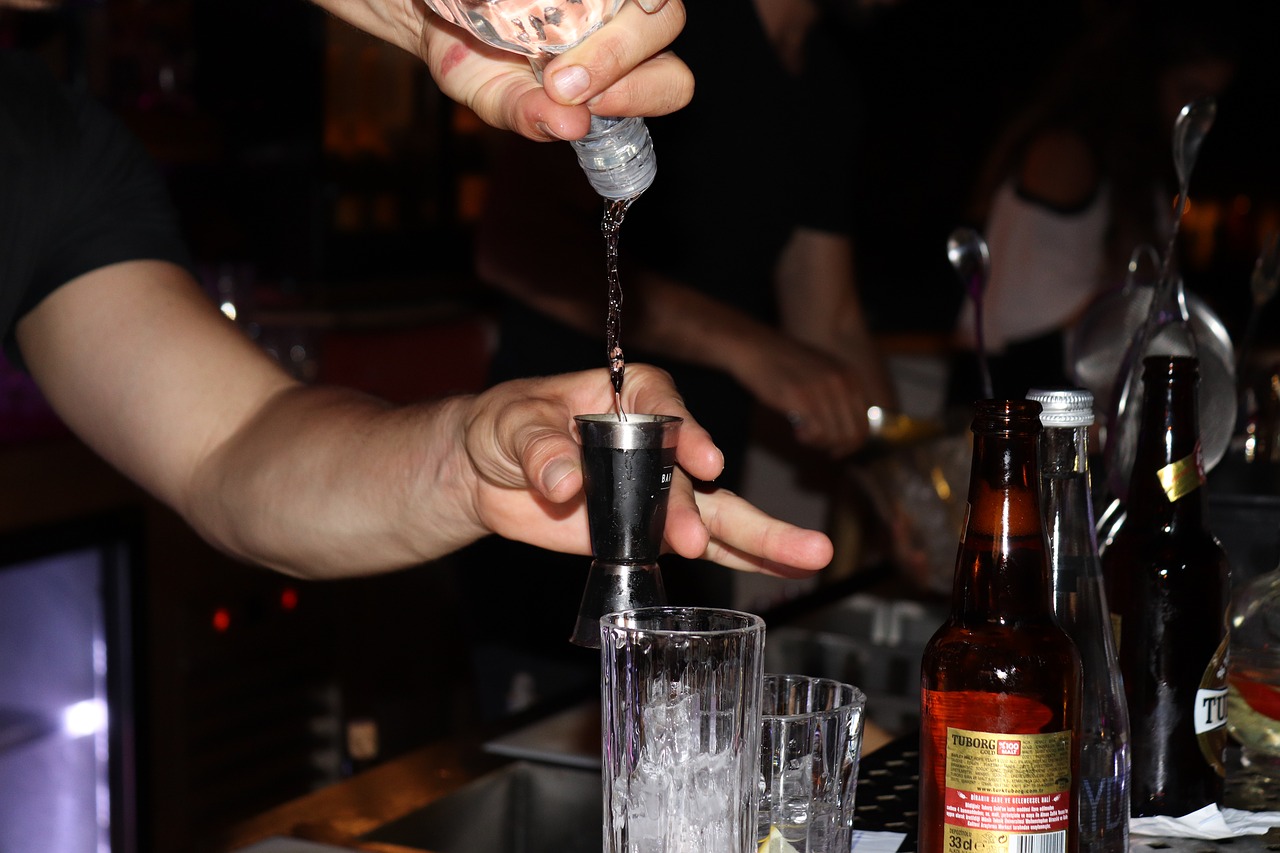
Drinking

Binge drinking.
Photo courtesy of Pixabay.com

Binge drinking is a huge problem.

Some people have one drink after dinner each night. Other people save them up and have all seven on Friday night. Drinking seven drinks on Friday night is not the equivalent of one drink a day. The negative consequences, psychically, mentally, and legally, increase rapidly as the blood alcohol content rises on any one drinking occasion, a practice called binge drinking.

Binge drinking is defined as having five or more drinks on one drinking occasion for a man. For a woman, because of her reduced metabolism of alcohol in the stomach, four drinks on one occasion is considered binge drinking. That one “drinking occasion” could be over a short period of time, like drinking shots, or it might entail a more measure drinking like doing in most of a six-pack over the course of the afternoon.

Lots of people resisted the idea that they could be an “alcoholic” because they did not drink every day. The newer way of thinking about this is that it is not what you drink or how often you drink but what happens when you drink that defines an alcohol use disorder. If when you drink you end up drunk or you drink excessively, then you have an alcohol use disorder.

If you only drink occasionally, but when you do drink you consume a lot, you are a binge drinker and at risk for a great many alcohol-related problems.

Binge drinking alcohol is associated with increased drug use.

Among drinkers between 12 and 25, those whose typical pattern was to binge drink when they drank, they were also much more likely to use multiple other drugs. This pattern of drug use, called Poly-Substance use, is extra risky and correlates with a lot of complications physically, mentally, and legally.

Patterns of drinking can obscure the magnitude of alcohol use problems.

In treatment programs, there has been a tendency to separate drug users from the people who have legal consequences because they drove drunk. Rarely is a drunk driving case a driving problem despite all our efforts to treat DUI’s as if the problem was the driving after drinking.

There are a lot of misconceptions about who drinks, how often they drink, and how much the average American drinks. Half of all Americans have not had a drink in the last month. Ten percent of our population consumes half of all the alcohol. Those who binge drink can hide the existence of an alcohol use disorder for a long time by concentrating that drinking in occasional drinking binges.

Medical problems from Binge drinking.

Binging as well as daily high levels of alcohol consumption are associated with a large number of physical health problems. While one drink a day has been touted as good for everyone but fetuses and potentially pregnant women. Unfortunately the more you drink the more the risks of illness.

Alcohol consumption is associated with an increased risk of cancers, heart disease, problems of the digestive system, a variety of liver maladies, pancreatitis, and the list goes on and on.

Binge Drinking and Fetal Alcohol Spectrum Disorder.

Current thinking is that any amount of drinking on the part of a pregnant woman can affect the fetus. Binge drinking is particularly risky for women who are or may become pregnant. One challenging aspect of this problem is that women frequently do not know they are pregnant until after some period of time has passed. Women who binge drink are at increased risk to drink heavily, engage in risky sexual behaviors, and then find out that they became pregnant during that period of heavy drinking.

Mental Health overlooks a lot of alcohol and drug-related problems.

Those who work in the substance use disorder field see a lot of connections between substance use and mental, emotional, and behavioral disorders. Those who focus specifically on physical or mental health issues are less likely to notice those substance use disorders, especially something like binge drinking.

In drug treatment, those who only use occasionally and even then rarely get into trouble, are at high risk of developing problems eventually if when they use they binge. A small amount of alcohol consumption increases the risk of having problems with depression. Binge drinking even one time a year can result in DUI’s or other legal issues. Even occasional polysubstance abuse can result in life-altering consequences.

If you binge drink there is help available.

If when you drink you binge, or you find you are drinking and using more than intended consider getting help, talking with a professional, before your partying becomes a life-altering or ending event.

For more on these topics see:  Drug Use, Abuse and Addiction    Recovery   What is 

Terms and their meaning can differ with the profession using them. The literature from the Rehab or AOD (Alcohol and Other Drug) field may be very different from that in the mental health field. There is still a large gap between recovery programs and AOD professionals and the terms and descriptions used in the DSM.

FYI These “What is” sometimes “What are” posts are my efforts to explain terms commonly used in Mental Health, Clinical Counseling, Substance Use Disorder Counseling, Psychology, Life Coaching, and related disciplines in a plain language way. Many are based on the new DSM-5; some of the older posts were based on the DSM-IV-TR, both published by the APA. For the more technical versions please consult the DSM or other appropriate references.

Staying connected with David Joel Miller

Seven David Joel Miller Books are available now!

My newest book is now available. It was my opportunity to try on a new genre. I’ve been working on this book for several years, but now seem like the right time to publish it.

Story Bureau.

Story Bureau is a thrilling Dystopian Post-Apocalyptic adventure in the Surviving the Apocalypse series.

Baldwin struggles to survive life in a post-apocalyptic world where the government controls everything.

As society collapses and his family gets plunged into poverty, Baldwin takes a job in the capital city, working for a government agency called the Story Bureau. He discovers the Story Bureau is not a benign news outlet but a sinister government plot to manipulate society.

Bumps on the Road of Life. Whether you struggle with anxiety, depression, low motivation, or addiction, you can recover. Bumps on the Road of Life is the story of how people get off track and how to get your life out of the ditch.

Dark Family Secrets: Doris wants to get her life back, but small-town prejudice could shatter her dreams.

Casino Robbery Arthur Mitchell escapes the trauma of watching his girlfriend die. But the killers know he’s a witness and want him dead.

Planned Accidents  The second Arthur Mitchell and Plutus mystery.

Letters from the Dead: The third in the Arthur Mitchell mystery series.

What would you do if you found a letter to a detective describing a crime and you knew the writer and detective were dead, and you could be next?

Sasquatch. Three things about us, you should know. One, we have seen the past. Two, we’re trapped there. Three, I don’t know if we’ll ever get back to our own time.

For these and my upcoming books; please visit my Author Page – David Joel Miller

Want the latest blog posts as they publish? Subscribe to this blog.

For videos, see: Counselorssoapbox YouTube Video Channel
What is an Alcohol Use Disorder?

By David Joel Miller, MS, Licensed Therapist & Licensed Counselor.

Liquor

Alcoholic beverages.
Photo courtesy of Pixabay.com

How is Alcohol Use Disorder different from Alcoholism?

Used to be a time when doctors treated medical issues, Therapists treated mental illness, Social services treated poverty-related issues, and – well – no one exactly wanted to do anything with drug addicts and alcoholics. Times are changing.

Turns out that no matter where you are and who you work with there is a good chance that people around you are being affected by chemicals, alcohol in particular, long before they reach the “alcoholic” or “Chemically Dependent” stage.

In Drug and Alcohol counseling we used to spend a lot of time debating what made you an alcoholic or addict. Turns out the lines are fuzzy. One estimate is that 90% of alcoholics have full-time jobs. Some people do not drink that often. Half the adult U. S. population did not drink in the last thirty days.

Even if you only drink once a year, say for New Year, if you have gotten into fights while drinking, gotten DUI’s several times, then your only drink once a year is not of much import. If when you drink, bad things happen, then you have an Alcohol Use Disorder. The DSM uses the expression “Problematic Pattern of Alcohol Use.”

What we discovered was that it was not so much what you drink or when you drink that matters when it comes to Alcohol Use Disorders, it is what happens when you drink that is significant.

The Symptoms of Alcohol Use Disorder.

The new DSM-5 has switched to the use of the term “Alcohol Use Disorder” to indicate someone whose use of alcohol is causing them problems whether they are “Alcoholic” or not and lists 11 criteria for Alcohol Use being a problem. Here is my plain language version of those Criteria.

  1. Once you start drinking you drink more than you planned on and/ or keep drinking longer than planned.
  2. You keep trying to cut down on your drinking. In other Alcoholism texts, this is also described as efforts to control your drinking or to quit drinking. See, people do not try to cut down, control, or quit drinking unless it is a problem.
  3. Drinking eats up a lot of your time.
  4. You have cravings for alcohol when you are not drinking.
  5. Drinking gets in the way of work, school, home life, or recreation. A real Alcoholic cuts out this other stuff so they can concentrate on their drinking.
  6. You know that when you drink bad stuff happens but you keep drinking anyway.
  7. You start cutting out other parts of your life to spend more time drinking.
  8. You try to get away with drinking even when you know it makes the situation dangerous.
  9. You keep drinking even though you now realize it is causing you problems.
  10. Your body starts building up tolerance. (See post “What is Tolerance” in the “What is” section.)
  11. You experience “withdrawal” when you stop drinking and the blood alcohol level starts dropping. (See post “What is Withdrawal” in the “What is” section.)

These problems with Alcohol can come in mild, moderate or severe. Mild Alcohol Use Disorder would have 2-3 of these symptoms, Moderate has 4-5 symptoms and severe has 6 or more.

If you or someone you know is exhibiting these symptoms think about treatment and or self-help groups. The sooner Alcohol Use Disorder gets treated the better the life prognosis. While sooner is better it is never too late to get treatment for an alcohol use disorder as long as you are alive.

Terms and their meaning can differ with the profession using them. The literature from the Rehab or AOD (Alcohol and Other Drug) field may be very different from that in the mental health field. There is still a large gap between recovery programs, AOD professionals, and the terms and descriptions used in the DSM.

FYI These “What is” sometimes “What are” posts are my efforts to explain terms commonly used in Mental Health, Clinical Counseling, Substance Use Disorder Counseling, Psychology, Life Coaching, and related disciplines in a plain language way. Many are based on the new DSM-5; some of the older posts were based on the DSM-IV-TR, both published by the APA. For the more technical versions please consult the DSM or other appropriate references.

Staying connected with David Joel Miller

Seven David Joel Miller Books are available now!

My newest book is now available. It was my opportunity to try on a new genre. I’ve been working on this book for several years, but now seem like the right time to publish it.

Story Bureau.

Story Bureau is a thrilling Dystopian Post-Apocalyptic adventure in the Surviving the Apocalypse series.

Baldwin struggles to survive life in a post-apocalyptic world where the government controls everything.

As society collapses and his family gets plunged into poverty, Baldwin takes a job in the capital city, working for a government agency called the Story Bureau. He discovers the Story Bureau is not a benign news outlet but a sinister government plot to manipulate society.

Bumps on the Road of Life. Whether you struggle with anxiety, depression, low motivation, or addiction, you can recover. Bumps on the Road of Life is the story of how people get off track and how to get your life out of the ditch.

Dark Family Secrets: Doris wants to get her life back, but small-town prejudice could shatter her dreams.

Casino Robbery Arthur Mitchell escapes the trauma of watching his girlfriend die. But the killers know he’s a witness and want him dead.

Planned Accidents  The second Arthur Mitchell and Plutus mystery.

Letters from the Dead: The third in the Arthur Mitchell mystery series.

What would you do if you found a letter to a detective describing a crime and you knew the writer and detective were dead, and you could be next?

Sasquatch. Three things about us, you should know. One, we have seen the past. Two, we’re trapped there. Three, I don’t know if we’ll ever get back to our own time.

For these and my upcoming books; please visit my Author Page – David Joel Miller

Want the latest blog posts as they publish? Subscribe to this blog.

For videos, see: Counselorssoapbox YouTube Video Channel
Useful information about Alcohol Use and Abuse

Looking for information about Alcohol Use and Abuse?

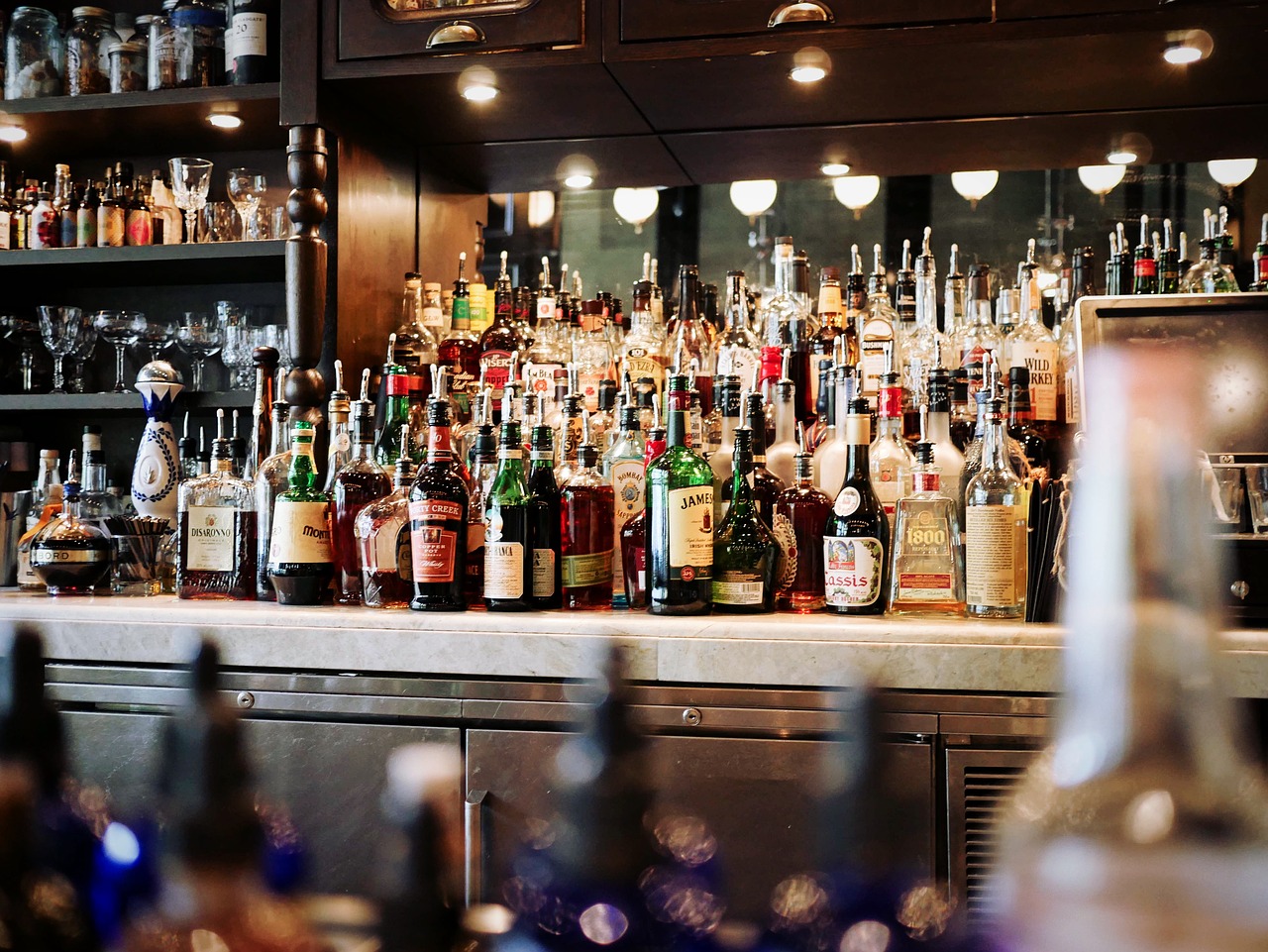
Liquor

Alcoholic beverages.
Photo courtesy of Pixabay.com

By David Joel Miller, MS, Licensed Therapist & Licensed Counselor.

Ever hear of the Alcoholism Awareness Council? I hadn’t. Recently I found this site, or more precisely they found me. Looks like a good source for information on alcohol use, alcohol use disorders, and what we used to refer to as alcohol abuse and dependence. They publish information, both statistics, and the latest research, in the field of alcohol use and abuse. Lots of links on this site to other sources, both researchers and government publications.

So if you are researching the state of alcohol use in America or working on a paper for a substance use class this site might be helpful.

Oh yes – sure, you can read counselorssoapbox.com also. I will do my best to keep you posted on the latest information in the fields of substance use disorders, mental health, and co-occurring disorders. But when you are not here at counselorssoapbox.com reading this blog, you might also want to check out the resources at Alcoholism Awareness Council           http://www.alcohol.org/

If you do check out the Alcoholism Awareness Council, please let me know what you think.

Staying connected with David Joel Miller

Seven David Joel Miller Books are available now!

My newest book is now available. It was my opportunity to try on a new genre. I’ve been working on this book for several years, but now seem like the right time to publish it.

Story Bureau.

Story Bureau is a thrilling Dystopian Post-Apocalyptic adventure in the Surviving the Apocalypse series.

Baldwin struggles to survive life in a post-apocalyptic world where the government controls everything.

As society collapses and his family gets plunged into poverty, Baldwin takes a job in the capital city, working for a government agency called the Story Bureau. He discovers the Story Bureau is not a benign news outlet but a sinister government plot to manipulate society.

Bumps on the Road of Life. Whether you struggle with anxiety, depression, low motivation, or addiction, you can recover. Bumps on the Road of Life is the story of how people get off track and how to get your life out of the ditch.

Dark Family Secrets: Doris wants to get her life back, but small-town prejudice could shatter her dreams.

Casino Robbery Arthur Mitchell escapes the trauma of watching his girlfriend die. But the killers know he’s a witness and want him dead.

Planned Accidents  The second Arthur Mitchell and Plutus mystery.

Letters from the Dead: The third in the Arthur Mitchell mystery series.

What would you do if you found a letter to a detective describing a crime and you knew the writer and detective were dead, and you could be next?

Sasquatch. Three things about us, you should know. One, we have seen the past. Two, we’re trapped there. Three, I don’t know if we’ll ever get back to our own time.

For these and my upcoming books; please visit my Author Page – David Joel Miller

Want the latest blog posts as they publish? Subscribe to this blog.

For videos, see: Counselorssoapbox YouTube Video Channel

What is selective tolerance?

By David Joel Miller, MS, Licensed Therapist & Licensed Counselor.

What is

What is selective tolerance?
Photo courtesy of Pixabay.

Not all tolerance is created equal

What is tolerance?

Tolerance, as it applies to medications and drugs, is having less and less of a reaction to a drug the more it is used or having to use increasing amounts of the drug to get the same result. Tolerance, in the sense in which I am using the term here, is the way in which repeated exposures to something produce less and less of a reaction. People get used to things and so does your physical body.

When it comes to substances, whether they are legal, prescribed or street drugs, tolerance is that characteristic of the body to learn to resist things. The body develops an “immunity” or reacts less and less strongly the more times it experiences something.

Over time the drug addict uses more and more of their particular drug of choice. The person taking prescribed medications may also develop a tolerance resulting in needing a larger dose to achieve the same result or eventually they may need to be switched to a different drug.

Tolerance used to be one of the two symptoms that were used to define addiction. Withdrawal was the other one. Because tolerance and withdrawal are characteristics of many substances, not just drugs of abuse, we have had to look at other symptoms to define a problematic use of substances. We now call that problematic use a “substance use disorder.”

What is selective tolerance?

Selective tolerance is those times when someone develops a tolerance to one effect of the drug but not another. The body “selects” one action to develop tolerance to and not another.

A simple example of selective tolerance.

Coffee contains caffeine, a stimulant drug. Many people drink it first thing in the morning to help them wake up and get going. It is also common to find that consuming a caffeinated beverage to late in the evening results in not being able to sleep well that night. It is recommended that you not consume caffeine in the afternoon or evening so that you will get a full night’s sleep.

Have you ever known someone who could drink a lot of coffee or caffeinated soda just before bedtime and still sleep like a rock? Most of us have. That person has “built up a tolerance” to caffeine’s sleep interfering characteristic.

That same person will have some caffeine, probably a lot of it, the next morning, and report that the caffeine helps them wake up and get going.

How can this be? Did they develop a tolerance to caffeine or not?

It appears that they have developed a tolerance to one action of the caffeine but not the other. That is the thing we call selective tolerance.

It is quite possible that psychological factors play a role here, but there are lots of other times when someone develops a tolerance to one of a drug’s effects and not another.

There have been some divided opinions on whether drinking coffee is good or bad. My belief is that for most people, most of the time, coffee has more positive than negatives. The choices it up to you.

Could you develop selective tolerance to the effects of alcohol?

The research says that many people do just that. This may be why we see very inconsistent results in research on some of alcohol’s effects. I am not being an apologist for alcohol by saying this, just trying to get the story right. Despite the problems, alcohol causes our society another round of prohibition is unlikely.

My view is that those countries that have a total ban on alcohol often have high levels of problems with another drug. Many countries with a total ban on alcohol have a worse problem than the U. S. does when it comes to Heroin. The solution, such as it is, seems to be better educated on the effects of drugs on the mind and the body. Hence this blog.

Heavy alcohol drinkers develop tolerance to alcohol’s motor coordination effects.

Those who drink a lot find ways to hide the fact that they are under the influence. More concentration on walking straight may keep the drunk out of jail.  Research shows that many heavy drinkers do develop a tolerance to the motor coordination effects.

Heavy drinkers do not develop a tolerance to the bad decision-making effects

One key result of alcohol’s effects on the brain is disinhibiting the drinker. Under the influence, people say and do things that they would not do when sober. One study reported that they found no tolerance developing to alcohol’s disinhibiting effects in heavy drinkers (Miller, M., et al, 2012, no relation to me I know of.)

This study also notes that recent drinking patterns are predictive of tolerance. You do not need to be an alcoholic, a chronic drinker, or even a heavy lifetime user of alcohol to show tolerance to some of its effects.

So we conclude that people do develop selective tolerance to the effects of alcohol and probably most other drugs. Drinking a lot of alcohol is still not a good idea. While your liver may develop tolerance with repeated doses of alcohol, it can also develop Fatty liver, alcoholic hepatitis, and cirrhosis.

Use all medications and drugs with caution and be aware that while you may be developing some tolerance, getting used to using this drug, there are probably other effects the drug is having on your body and your mind that you are unaware of.

Staying connected with David Joel Miller

Seven David Joel Miller Books are available now!

My newest book is now available. It was my opportunity to try on a new genre. I’ve been working on this book for several years, but now seem like the right time to publish it.

Story Bureau.

Story Bureau is a thrilling Dystopian Post-Apocalyptic adventure in the Surviving the Apocalypse series.

Baldwin struggles to survive life in a post-apocalyptic world where the government controls everything.

As society collapses and his family gets plunged into poverty, Baldwin takes a job in the capital city, working for a government agency called the Story Bureau. He discovers the Story Bureau is not a benign news outlet but a sinister government plot to manipulate society.

Bumps on the Road of Life. Whether you struggle with anxiety, depression, low motivation, or addiction, you can recover. Bumps on the Road of Life is the story of how people get off track and how to get your life out of the ditch.

Dark Family Secrets: Doris wants to get her life back, but small-town prejudice could shatter her dreams.

Casino Robbery Arthur Mitchell escapes the trauma of watching his girlfriend die. But the killers know he’s a witness and want him dead.

Planned Accidents  The second Arthur Mitchell and Plutus mystery.

Letters from the Dead: The third in the Arthur Mitchell mystery series.

What would you do if you found a letter to a detective describing a crime and you knew the writer and detective were dead, and you could be next?

Sasquatch. Three things about us, you should know. One, we have seen the past. Two, we’re trapped there. Three, I don’t know if we’ll ever get back to our own time.

For these and my upcoming books; please visit my Author Page – David Joel Miller

Want the latest blog posts as they publish? Subscribe to this blog.

For videos, see: Counselorssoapbox YouTube Video Channel