
All about A.A. and N.A.

About A.A. and N.A.

By David Joel Miller.

AA big book

Alcoholics Anonymous big book.

Questions about 12 step meetings?

There have been a lot of counselorssoapbox.com posts about 12 step meetings, A.A. in particular.

As a Licensed Professional Clinical Counselor and a Licensed Marriage and Family Therapist, I work with a lot of people who have substance use issues and mental health issues. We refer to people with both problems as having a “Dual Diagnosis” or more recently as having “Co-occurring disorders.”

People with substance use problems are encouraged to attend 12 step meetings. I wish there were more meetings and support groups for people with mental health issues and dual diagnoses issues.

Mostly, people with multiple problems end up attending 12 step groups. To try to help them feel more comfortable, I have written a number of posts about what they should expect at a meeting. To make these posts easier to find I decided that I should list them all in one place.

Here then are the posts about 12 step groups. If I missed any feel free to remind me and if you have other questions about how A.A. or other 12 step groups work feel free to contact me.

What will you have to do if you go to an A.A. meeting?

What is an Alcoholics Anonymous (A.A.) meeting like?

Is A.A. a religious group?

How do you become a member of A.A.?

What does carrying a court card mean?

What goes on at an A. A. meeting?

What is hitting bottom?

The posts I write about A.A. are from my perspective as a therapist and clinical counselor and do not necessarily reflect the views of A.A. World Services. For more on A.A. and their program of recovery check out the “A.A. Big Book” titled Alcoholics Anonymous at the links below or contact A.A. World Services at their website.

The Big Book of Alcoholics Anonymous

The classic text on Alcoholism, recovery this is the book that started off the whole 12 step phenomenon.

Alcoholics Anonymous from The Anonymous Press

One of the Kindle editions – At 99 cents this is such a bargain. This edition needed a separate listing. No Kindle reader? No Problem, if you have a computer you can download a free Kindle reader.

http://www.aa.org

Staying connected with David Joel Miller

Seven David Joel Miller Books are available now!

My newest book is now available. It was my opportunity to try on a new genre. I’ve been working on this book for several years, but now seem like the right time to publish it.

Story Bureau.

Story Bureau is a thrilling Dystopian Post-Apocalyptic adventure in the Surviving the Apocalypse series.

Baldwin struggles to survive life in a post-apocalyptic world where the government controls everything.

As society collapses and his family gets plunged into poverty, Baldwin takes a job in the capital city, working for a government agency called the Story Bureau. He discovers the Story Bureau is not a benign news outlet but a sinister government plot to manipulate society.

Bumps on the Road of Life. Whether you struggle with anxiety, depression, low motivation, or addiction, you can recover. Bumps on the Road of Life is the story of how people get off track and how to get your life out of the ditch.

Dark Family Secrets: Doris wants to get her life back, but small-town prejudice could shatter her dreams.

Casino Robbery Arthur Mitchell escapes the trauma of watching his girlfriend die. But the killers know he’s a witness and want him dead.

Planned Accidents  The second Arthur Mitchell and Plutus mystery.

Letters from the Dead: The third in the Arthur Mitchell mystery series.

What would you do if you found a letter to a detective describing a crime and you knew the writer and detective were dead, and you could be next?

Sasquatch. Three things about us, you should know. One, we have seen the past. Two, we’re trapped there. Three, I don’t know if we’ll ever get back to our own time.

For these and my upcoming books; please visit my Author Page – David Joel Miller

Want the latest blog posts as they publish? Subscribe to this blog.

For videos, see: Counselorssoapbox YouTube Video Channel

Giving thanks or gobbling turkey?

By David Joel Miller, MS, Licensed Therapist & Licensed Counselor.

Happy Thanksgiving

Happy Thanksgiving.
Photo courtesy of Pixabay.com

What motivates you today on this launch of the Holiday season?

Some people used to call this next month the Christmas season, now it is a pure electronics consumer feast. So before you rush off to capture and kill the latest i-creature, let’s consider what Thanksgiving is and whether we are really thankful for what we have, or are we just craving more?

Thanksgiving is, according to the Century Dictionary of 1891:

1. The act of rendering thanks or expressing gratitude for favors, benefits or mercies. An acknowledgment of benefits received. It cites an older Biblical use of the word to mean acknowledgment by offering.

The illustrative text for this?

Every creature of God is good and nothing to be refused, if it be received with thanksgiving.       1 Tim. iv 4.

2. A public celebration of divine goodness; specifically in the United States.

3. A form of words expressive of thanks to God; a grace.

The first U. S. celebration – 1621 in Plymouth by the Pilgrims and Strangers. (See the book Saints and Strangers by Willison.)  Saints and Strangers, Being the Lives of the Pilgrim Fathers and Their Families

My fun old book, The Century Dictionary, also includes a definition for a “thanksgiver” who is defined as:

One who gives thanks, or acknowledges a benefit, a kindness, or a mercy.

I realize my old Century Dictionary is now a dinosaur, full of words that are no longer in use. Despite the fact that each of the six volumes weighs more than my tower computer and my laptop put together, I still find comfort in knowing that there are good old words there, just waiting for another chance to be used by humans.

So on this day, with its historical connections, I just wonder if some of us could spend some time thinking about what we are thankful for and are we thanksgivers before we all rush off to celebrate the Black Friday and the Cyber Monday festivities?

Staying connected with David Joel Miller

Seven David Joel Miller Books are available now!

My newest book is now available. It was my opportunity to try on a new genre. I’ve been working on this book for several years, but now seem like the right time to publish it.

Story Bureau.

Story Bureau is a thrilling Dystopian Post-Apocalyptic adventure in the Surviving the Apocalypse series.

Baldwin struggles to survive life in a post-apocalyptic world where the government controls everything.

As society collapses and his family gets plunged into poverty, Baldwin takes a job in the capital city, working for a government agency called the Story Bureau. He discovers the Story Bureau is not a benign news outlet but a sinister government plot to manipulate society.

Bumps on the Road of Life. Whether you struggle with anxiety, depression, low motivation, or addiction, you can recover. Bumps on the Road of Life is the story of how people get off track and how to get your life out of the ditch.

Dark Family Secrets: Doris wants to get her life back, but small-town prejudice could shatter her dreams.

Casino Robbery Arthur Mitchell escapes the trauma of watching his girlfriend die. But the killers know he’s a witness and want him dead.

Planned Accidents  The second Arthur Mitchell and Plutus mystery.

Letters from the Dead: The third in the Arthur Mitchell mystery series.

What would you do if you found a letter to a detective describing a crime and you knew the writer and detective were dead, and you could be next?

Sasquatch. Three things about us, you should know. One, we have seen the past. Two, we’re trapped there. Three, I don’t know if we’ll ever get back to our own time.

For these and my upcoming books; please visit my Author Page – David Joel Miller

Want the latest blog posts as they publish? Subscribe to this blog.

For videos, see: Counselorssoapbox YouTube Video Channel

Your emotional tape measure – scaling

By David Joel Miller, MS, Licensed Therapist & Licensed Counselor.

Emotional measurement.
Photo courtesy of Pixabay.com

What tool should we be using to measure emotions?

Most of us know that we can measure a board with a tape measure. There is a big difference between a shelf that is 6 inches long and one that is 72 inches long.

We can check a child’s fever with a thermometer. It matters if your child’s temperature is 98.6 or 106.

You can see if you’re overweight or underweight by standing on a scale. Please fill in the weights as needed.

Does it matter how much of an emotion you are feeling? It may be the difference between ignoring what was said to you and getting into a fight.

What tool do you use to measure the size and shape of your emotions?

Emotions like so many other things in life come in sizes and shapes. We get ourselves into a peck of trouble by equating all emotions as being the same size and importance.

Take anxiety for instance. Most of us are either anxious or we are not anxious. Anxiety is sneaky that way. There is that little kitten size anxiety and there is that big hungry lion size anxiety. It is important to know which is which.

If every time you feel the sound of hissing you run for your life you will be hiding from a lot of kittens. We talked a little about developing a scale of anxiety and learning to adjust the volume in a previous post on “selective desensitization.”

Anger is a similar creature. Lots of people have only two extremes when it comes to anger, not-angry, and violently angry. People caught in these two extreme modes of feeling anger jump from not-angry to furiously angry at the drop of a – well it could be a drop of almost anything.

One method used in anger management is to develop a scale. Say your anger is at zero when you are feeling happy and loved. When you “lose your temper” your anger is at a ten. How might you develop a scale of degrees of anger in-between?

One way of developing this scale or tape measure for your emotions is to find other similar words for your anger and place them on a scale. First, let’s scale the anger creature, and then our old sometimes-friend anxiety.

What other words might describe feeling sort of like anger but more or less intense?

How about – annoyance, irritation, fury, rage, antagonism, ire, wrath, dander, exasperation, rile, aggravate, provoke, and so on. While these words may not say anger to all of you, you can see that there is a lot of difference between rage and irritation. If you go looking I bet you can find more words that describe feelings similar to anger.

Take your list and arrange them by intensity from the most awful total feeling to a very mind form of anger.

Now comes the challenge. When you find yourself going from not-angry to furiously rage-full how can you turn the volume down on that anger and move from an anger rating of 10 to say a 6 or 5?

Learning to turn the volume up and down on emotions is a skill called emotional regulation. Being able to feel the necessary level of feelings when you need them can make your life a whole lot better.

Now, what about reducing anxiety?

Words for your scale might include nervousness, worry, concern, unease, apprehension, disquiet, fretful, angst, fear, terror, dread, horror, distress, panic, alarm, trepidation, and so on.

Again there is a lot of distance between being uneasy and being panicked-in-terror. Work out your own list and then consider – is this anxiety you have right now a 10 or a 9. How might you learn to turn your anxiety volume down?

It is worth noting here that we have talked about two scales, words and numbers. What most people find is that by changing the word they used to describe a feeling it also changes the number they would give it.

So if you are feeling panic but tell yourself well this is not really the worse panic I have ever had so maybe it is really worrying, you may find that the anxiety meter 10 turns down to a 5 or even a 4.

Try constructing an emotional tape measure and learning to scale your feelings and see if this does not help you learn to turn the volume down on negative feelings and turn the volume up on those happy positive feelings.

Staying connected with David Joel Miller

Seven David Joel Miller Books are available now!

My newest book is now available. It was my opportunity to try on a new genre. I’ve been working on this book for several years, but now seem like the right time to publish it.

Story Bureau.

Story Bureau is a thrilling Dystopian Post-Apocalyptic adventure in the Surviving the Apocalypse series.

Baldwin struggles to survive life in a post-apocalyptic world where the government controls everything.

As society collapses and his family gets plunged into poverty, Baldwin takes a job in the capital city, working for a government agency called the Story Bureau. He discovers the Story Bureau is not a benign news outlet but a sinister government plot to manipulate society.

Bumps on the Road of Life. Whether you struggle with anxiety, depression, low motivation, or addiction, you can recover. Bumps on the Road of Life is the story of how people get off track and how to get your life out of the ditch.

Dark Family Secrets: Doris wants to get her life back, but small-town prejudice could shatter her dreams.

Casino Robbery Arthur Mitchell escapes the trauma of watching his girlfriend die. But the killers know he’s a witness and want him dead.

Planned Accidents  The second Arthur Mitchell and Plutus mystery.

Letters from the Dead: The third in the Arthur Mitchell mystery series.

What would you do if you found a letter to a detective describing a crime and you knew the writer and detective were dead, and you could be next?

Sasquatch. Three things about us, you should know. One, we have seen the past. Two, we’re trapped there. Three, I don’t know if we’ll ever get back to our own time.

For these and my upcoming books; please visit my Author Page – David Joel Miller

Want the latest blog posts as they publish? Subscribe to this blog.

For videos, see: Counselorssoapbox YouTube Video Channel
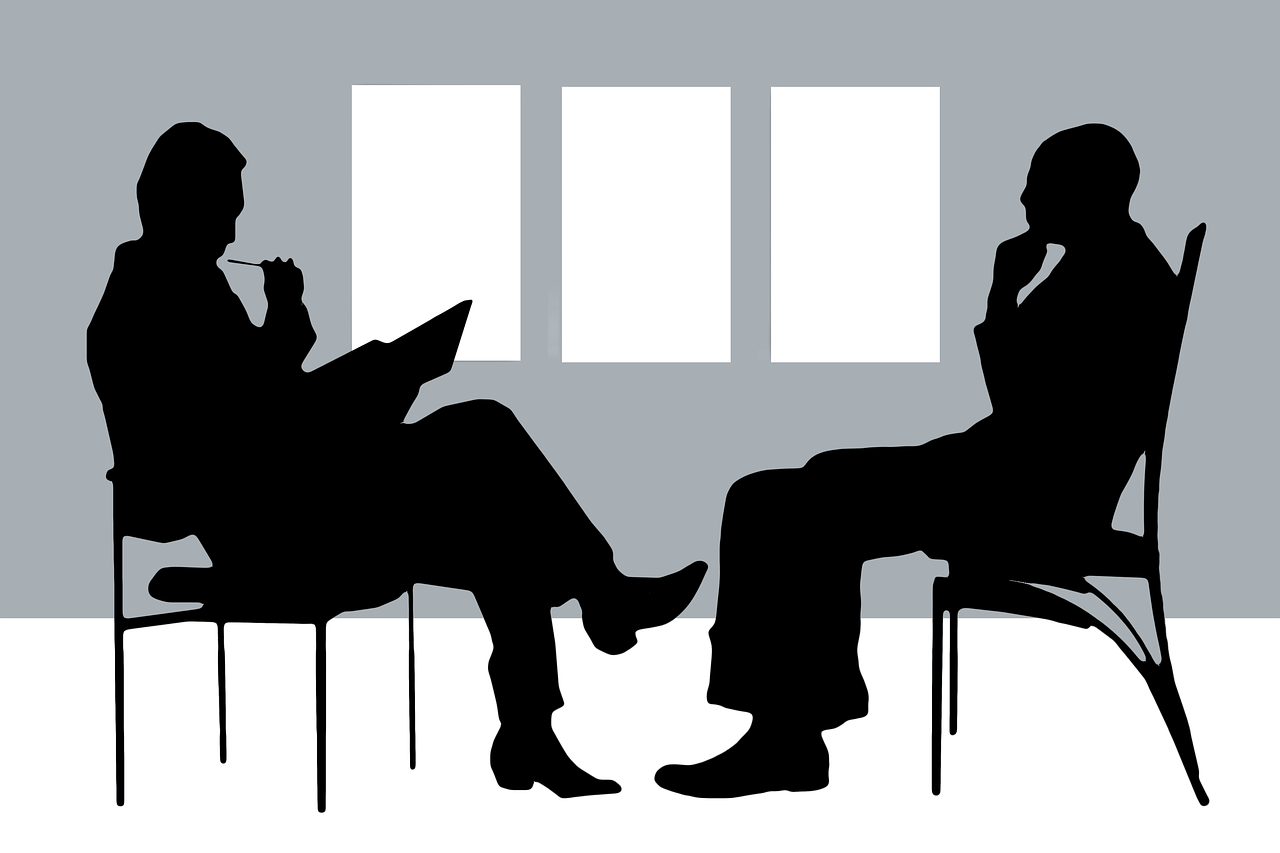
Should your therapist tell you what to do?

By David Joel Miller, MS, Licensed Therapist & Licensed Counselor.

Therapist

Therapist.
Photo courtesy of Pixabay.com

Do therapists and counselors tell people what to do?

Most counselors and therapists will tell you that they do not, under any circumstances, tell clients what to do. Frankly, I think many of my colleagues are fooling themselves more than they are fooling their clients when they say that they do not tell clients what to do.

There are good reasons to tell someone to do things and there are also good reasons to not tell people what to do. This is especially true in something as close and confidential as the counseling relationship.

Clients have told me that they get very upset with their therapists either because the therapist keeps telling them to do something that is inconsistent with their goals and beliefs or because they ask the therapist what they should do and did not get an answer.

There are three questions to examine here. Why do therapists avoid telling clients what to do? Why after saying they would never do this do they then go ahead and try to influence the client’s behavior in more subtle ways, and lastly why counselors can and should tell clients what to do.

Two reasons why the therapist should avoid telling the client what to do.

The goal of counseling is to help clients learn to solve their own problems. Telling clients what to do “fosters dependence” meaning if we make the decisions for you then you do not learn to make them for yourself.

Rather than telling you what to do the counselor should be helping you learn about yourself, what are your values and goals, and then learn how to make the choices that are right for you, not the ones that are good for the therapist.

Second, it is your life, not ours. I do not want to tell someone to get married or divorced and then have to take the blame for things that turn out badly. We are not fortune tellers and do not know what the future holds. You need to pick the outcome that is best for you. While we may have opinions, they are our opinions.

How therapists try to tell you what to do anyway.

Therapists and counselors have opinions, often strong opinions about things. We see certain things as bad for you and other things as good. Not all professionals agree on which is which.

Some marriage therapists refer to themselves as “Gorilla divorce busters.” They believe that all marriages should be saved. So if you go to them for help, no matter how badly you feel in this relationship expect this professional to try to talk you into working on the relationship and out of getting a divorce.

Some therapists take a pro one gender stance. Lots of times this is a pro-feminist stance. They seem to always align with the woman. The message is the man is the problem, get rid of that guy and things will be better.

Personally, over time my position on these gender issues has changed. Most of the time it is neither person’s fault, and if they get divorced they will each be back with a new partner. Pick a partner and you pick a set of problems. So I encourage them to learn the skills they need for a good relationship and practice this with their current partner first.

I also recognize that sometimes even if both people change, the damage they did to each other may mean that they just can’t be together.

Personally, I have worked with so many people who have a substance use disorder that I tend to think most people need to give the drugs or alcohol up. If the couple has most of their fights while drinking I tend to think we need to talk about Alcohol abuse. If the client says they do not want to quit, I go with that. But next week when they get drunk and hit each other again I may ask about that drinking thing again.

I can think of a bunch of other issues that turn up in counseling that might prompt a counselor who has strong opinions to try to influence their client even after that professional says they never tell their clients what to do. Abortion, Homosexuality, and other sexual behaviors all may evoke that behavior in the therapist.

When should a counselor tell a client what to do?

I think, and I may well be in the minority on this, that there are times the counselor may need to tell the client what to do. I usually do this more in the way of providing information or making suggestions, but the point is clear that I think this is what the client should do.

When might a counselor do that? Mostly when I have some information that the client needs and the client does not have that information, some of this borders on social work. I do not do that but I do clinical counseling and there are similarities.

If the client does not have a job, I might do some testing, talk about their job history, and which was their favorite job, and then I might suggest some careers that would be good for the client. I might also suggest some websites to visit and some ways to revise their resume.

If the client is homeless I might suggest some places to go for housing. I might also revisit the drinking problems and suggest that if they stay sober their housing opportunities increase.

When doing Cognitive Behavioral therapy I may give homework. We sometimes call this “conducting behavioral experiments.” I ask the client to do something and then in the next session we talk about how that went. If they did not do the experiment we talk about what got in the way of doing this exercise.

Most of this “advice-giving” is done when the client is trying to adjust to a change in their life and they just do not know where to go or what to do. This “telling” also works best when it is done in the form of suggestions and the client is free to do or not do these things. Either way, I am willing to keep seeing the client and together we work on finding the solution to their problems that work best for them.

Staying connected with David Joel Miller

Seven David Joel Miller Books are available now!

My newest book is now available. It was my opportunity to try on a new genre. I’ve been working on this book for several years, but now seem like the right time to publish it.

Story Bureau.

Story Bureau is a thrilling Dystopian Post-Apocalyptic adventure in the Surviving the Apocalypse series.

Baldwin struggles to survive life in a post-apocalyptic world where the government controls everything.

As society collapses and his family gets plunged into poverty, Baldwin takes a job in the capital city, working for a government agency called the Story Bureau. He discovers the Story Bureau is not a benign news outlet but a sinister government plot to manipulate society.

Bumps on the Road of Life. Whether you struggle with anxiety, depression, low motivation, or addiction, you can recover. Bumps on the Road of Life is the story of how people get off track and how to get your life out of the ditch.

Dark Family Secrets: Doris wants to get her life back, but small-town prejudice could shatter her dreams.

Casino Robbery Arthur Mitchell escapes the trauma of watching his girlfriend die. But the killers know he’s a witness and want him dead.

Planned Accidents  The second Arthur Mitchell and Plutus mystery.

Letters from the Dead: The third in the Arthur Mitchell mystery series.

What would you do if you found a letter to a detective describing a crime and you knew the writer and detective were dead, and you could be next?

Sasquatch. Three things about us, you should know. One, we have seen the past. Two, we’re trapped there. Three, I don’t know if we’ll ever get back to our own time.

For these and my upcoming books; please visit my Author Page – David Joel Miller

Want the latest blog posts as they publish? Subscribe to this blog.

For videos, see: Counselorssoapbox YouTube Video Channel

Support Groups for people with PTSD or Complex Trauma.

By David Joel Miller, MS, Licensed Therapist & Licensed Counselor.

Group.
Photo courtesy of Pixabay.com

Anyone know of support groups for people with PTSD?

This question came in from a reader. They were specifically asking about local support groups here in Fresno. I did not come up with much and so I thought I would offer a few suggestions and then ask those of you out there if anyone else knows of any other resources.

Unfortunately, most of my suggestions may not help the person who asked the question, the resources are limited.

1. Try on-line groups.

I am familiar with some groups or communities on the internet. More and more the specialized groups are becoming self-help or peer-run groups on the internet.

One, in particular, is Trauma and Dissociation which is a Google+ community. You have to have a google+ account to access this but opening an account is easy and free.

You can also try the WordPress Blog: http://traumaanddissociation.wordpress.com/

2. Larger insurance providers may have something to offer if you have private insurance. Kaiser for one has offered some groups. Can anyone add to that list?

3. Your insurance provider may be able to refer you to a private therapist and some of them specialize in PTSD an even smaller number may offer group formats.

4. If you are in substance abuse recovery some A.A. and N. A. groups, while not specifically devoted to people with PTSD can be supportive places for people in substance use recovery who have PTSD or another mental health issues also. Check out the group and make sure you feel comfortable with them before divulging the details of things other than the official topic.

5. VA has some groups and more likely to come in the future as so many veterans are returning from multiple deployments with PTSD and the related MST (Military Sexual Trauma.)

6. Those people who are receiving services through their local Community Mental Health Department should check with them for available groups. In Fresno County, if you have no insurance there are county-run programs for those on Medi-Cal and those with no or very low-income.

It remains to be seen if these groups will be expanded. Personally, I think specialty groups for people with specific issues can be especially powerful. I anticipate that as more people become eligible for services in the government-run systems we will increase the number of groups run by both peers and professionals.

Any other suggestions?

Staying connected with David Joel Miller

Seven David Joel Miller Books are available now!

My newest book is now available. It was my opportunity to try on a new genre. I’ve been working on this book for several years, but now seem like the right time to publish it.

Story Bureau.

Story Bureau is a thrilling Dystopian Post-Apocalyptic adventure in the Surviving the Apocalypse series.

Baldwin struggles to survive life in a post-apocalyptic world where the government controls everything.

As society collapses and his family gets plunged into poverty, Baldwin takes a job in the capital city, working for a government agency called the Story Bureau. He discovers the Story Bureau is not a benign news outlet but a sinister government plot to manipulate society.

Bumps on the Road of Life. Whether you struggle with anxiety, depression, low motivation, or addiction, you can recover. Bumps on the Road of Life is the story of how people get off track and how to get your life out of the ditch.

Dark Family Secrets: Doris wants to get her life back, but small-town prejudice could shatter her dreams.

Casino Robbery Arthur Mitchell escapes the trauma of watching his girlfriend die. But the killers know he’s a witness and want him dead.

Planned Accidents The second Arthur Mitchell and Plutus mystery.

Letters from the Dead: The third in the Arthur Mitchell mystery series.

What would you do if you found a letter to a detective describing a crime and you knew the writer and detective were dead, and you could be next?

Sasquatch. Three things about us, you should know. One, we have seen the past. Two, we’re trapped there. Three, I don’t know if we’ll ever get back to our own time.

For these and my upcoming books; please visit my Author Page – David Joel Miller

Want the latest blog posts as they publish? Subscribe to this blog.

For videos, see: Counselorssoapbox YouTube Video Channel

What is a friend?

By David Joel Miller, MS, Licensed Therapist & Licensed Counselor.

Friendship.

Friendship.
Photo courtesy of Pixabay.com

How do you identify a friend?

Friend, according to the Century Dictionary of 1889 is:

One who is attached to another by feelings of personal regard and preference.

One who entertains for another sentiment which leads him to seek their company and study to promote their welfare.

One not hostile, an ally.

One who is favorable.

Encarta says a friend is:

Someone with whom you are emotionally close

Someone who trusts and is fond of another

Somebody who thinks well of or is on good terms with somebody else

“Friendship is born at that moment when one person says to another: “What! You too? I thought that no one but myself . . .””
― C.S. LewisThe Four Loves

“A friend is someone who knows all about you and still loves you.”
― Elbert Hubbard

“Good friends, good books, and a sleepy conscience: this is the ideal life.”
― Mark Twain

“It is not a lack of love, but a lack of friendship that makes unhappy marriages.”
― Friedrich Nietzsche

“It’s the friends you can call up at 4 a.m. that matter.”
― Marlene Dietrich

Quotes from Goodreads

What does carrying a court card mean?

By David Joel Miller, MS, Licensed Therapist & Licensed Counselor.

What is a “Court Card” and where do you get one?

Alcoholics Anonymous (A.A. Meetings) and the court or treatment facilities are not related.

A. A. has a policy of declining outside money so that they can stay independent and focus on helping the next alcoholic.

So why do so many judges, courts, and rehab programs recommend that people go to A.A? And how do you get a form for the court telling the judge that you went to a meeting if everyone who attends is anonymous?

The simplest solution to this dilemma is the “court card.”

Some courts or probation departments have specific forms they want you to carry and have signed. Others will simply tell you to get a “court card” signed. Programs that require the client to turn in “meeting slips” may also have their own form they want people to use.

In these cases get the form from the person who told you to go to A.A., not from the A.A. meeting.

For practical purposes, most people use any small pieces of paper with their name at the top and a place for the secretary of the meeting to record the date, the name of the meeting, and a place for the secretary to sign.

A.A. meetings are all volunteer-run so they do not have offices, write letters and because of anonymity, they do not keep records of who attends. For those reasons make sure you are nice to the person you ask to sign your paper.

Also, remember to get the court card in before the meeting starts and pick it up after the meeting is over. Take care of your responsibility to get it signed.

Remember if you lose this one there is no going back and getting it signed later. Lose that “court card” and you get to do some more meetings and get a new card or paper signed.

The posts I write about A.A. are from my perspective as a therapist and clinical counselor and do not necessarily reflect the views of A.A. World Services. For more on A.A. and their program of recovery check out the “A.A. Big Book” titled Alcoholics Anonymous at the links below or contact A.A. World Services at their website.

The Big Book of Alcoholics Anonymous

The classic text on Alcoholism and recovery, this is the book that started off the whole 12 step phenomenon.

Alcoholics Anonymous from The Anonymous Press

One of the Kindle editions – At 99 cents this is such a bargain. This edition needed a separate listing. No Kindle reader? No Problem, if you have a computer you can download a free Kindle reader.

http://www.aa.org

Staying connected with David Joel Miller

Seven David Joel Miller Books are available now!

My newest book is now available. It was my opportunity to try on a new genre. I’ve been working on this book for several years, but now seem like the right time to publish it.

Story Bureau.

Story Bureau is a thrilling Dystopian Post-Apocalyptic adventure in the Surviving the Apocalypse series.

Baldwin struggles to survive life in a post-apocalyptic world where the government controls everything.

As society collapses and his family gets plunged into poverty, Baldwin takes a job in the capital city, working for a government agency called the Story Bureau. He discovers the Story Bureau is not a benign news outlet but a sinister government plot to manipulate society.

Bumps on the Road of Life. Whether you struggle with anxiety, depression, low motivation, or addiction, you can recover. Bumps on the Road of Life is the story of how people get off track and how to get your life out of the ditch.

Dark Family Secrets: Doris wants to get her life back, but small-town prejudice could shatter her dreams.

Casino Robbery Arthur Mitchell escapes the trauma of watching his girlfriend die. But the killers know he’s a witness and want him dead.

Planned Accidents  The second Arthur Mitchell and Plutus mystery.

Letters from the Dead: The third in the Arthur Mitchell mystery series.

What would you do if you found a letter to a detective describing a crime and you knew the writer and detective were dead, and you could be next?

Sasquatch. Three things about us, you should know. One, we have seen the past. Two, we’re trapped there. Three, I don’t know if we’ll ever get back to our own time.

For these and my upcoming books; please visit my Author Page – David Joel Miller

Want the latest blog posts as they publish? Subscribe to this blog.

For videos, see: Counselorssoapbox YouTube Video Channel

What does being sad say about you?

By David Joel Miller, MS, Licensed Therapist & Licensed Counselor.

Sad child

Sad.
Photo courtesy of Pixabay.com

What do you tell yourself when you are sad?

Many of us can’t bear to let ourselves be sad. Not because the feeling is so unbearable but because we tell ourselves that if I feel that way there is something wrong with me. That insistence that we should not feel what we feel or that feelings are negative, can keep you from learning the lessons that feeling are trying to teach you.

Those things we tell ourselves to try to avoid feeling what we feel can keep us stuck in those negative feelings a lot longer than if you let yourself feel and then decided what you wanted to do about that feeling.

Do you tell yourself these things when you feel a sad emotion coming on?

1. If I am sad that means I am weak.

Sad or even depressed does not mean weak. Feeling sad means you are normal, especially if the sad is for what you see happening to others. Only a psychopath can see a child being harmed and not feel sad. So unless you are aspiring to become a psychopath let yourself feel sad when things happen that should make you sad.

Being sad is not weak, it is realistic. What you need to do is not stay stuck in the sadness but look for ways to be kind and compassionate to those that suffer.

That list of people who you need to be kind to – your name should be up at the top of the list of people deserving kindness.

2. Do you think being sad is pitiful?

Pity is a looking down on other’s emotions. Why are you looking down at yourself?

Be compassionate with yourself. Beating yourself up or telling yourself not to feel what you feel will undermine your ability to use feelings as a reliable guide to life events. It is not pitiful to be you.

3. If I let myself be sad I am a basket case.

It is not people who feel that end up in emotional trouble. People who try to hold things in eventually meltdown or they become dead inside.

Some feelings have to be felt before you can move on. If someone dies feel the grief. Be sad when sad things happen.

Do not let sad or your efforts to not feel sad take over your life.

4. Being sad makes me inferior.

Being sad is a normal human emotion. Everyone can and does feel sad some of the time. What matters is what you do with that feeling. Do you get sad when you should and then let it pass or do you get stuck there?

You do not need to be less feeling and more numb than others to think of yourself as acceptable.

It is not the feeling sad that defines you, it is what you do with that emotion once it has visited you.

Staying connected with David Joel Miller

Seven David Joel Miller Books are available now!

My newest book is now available. It was my opportunity to try on a new genre. I’ve been working on this book for several years, but now seem like the right time to publish it.

Story Bureau.

Story Bureau is a thrilling Dystopian Post-Apocalyptic adventure in the Surviving the Apocalypse series.

Baldwin struggles to survive life in a post-apocalyptic world where the government controls everything.

As society collapses and his family gets plunged into poverty, Baldwin takes a job in the capital city, working for a government agency called the Story Bureau. He discovers the Story Bureau is not a benign news outlet but a sinister government plot to manipulate society.

Bumps on the Road of Life. Whether you struggle with anxiety, depression, low motivation, or addiction, you can recover. Bumps on the Road of Life is the story of how people get off track and how to get your life out of the ditch.

Dark Family Secrets: Doris wants to get her life back, but small-town prejudice could shatter her dreams.

Casino Robbery Arthur Mitchell escapes the trauma of watching his girlfriend die. But the killers know he’s a witness and want him dead.

Planned Accidents  The second Arthur Mitchell and Plutus mystery.

Letters from the Dead: The third in the Arthur Mitchell mystery series.

What would you do if you found a letter to a detective describing a crime and you knew the writer and detective were dead, and you could be next?

Sasquatch. Three things about us, you should know. One, we have seen the past. Two, we’re trapped there. Three, I don’t know if we’ll ever get back to our own time.

For these and my upcoming books; please visit my Author Page – David Joel Miller

Want the latest blog posts as they publish? Subscribe to this blog.

For videos, see: Counselorssoapbox YouTube Video Channel
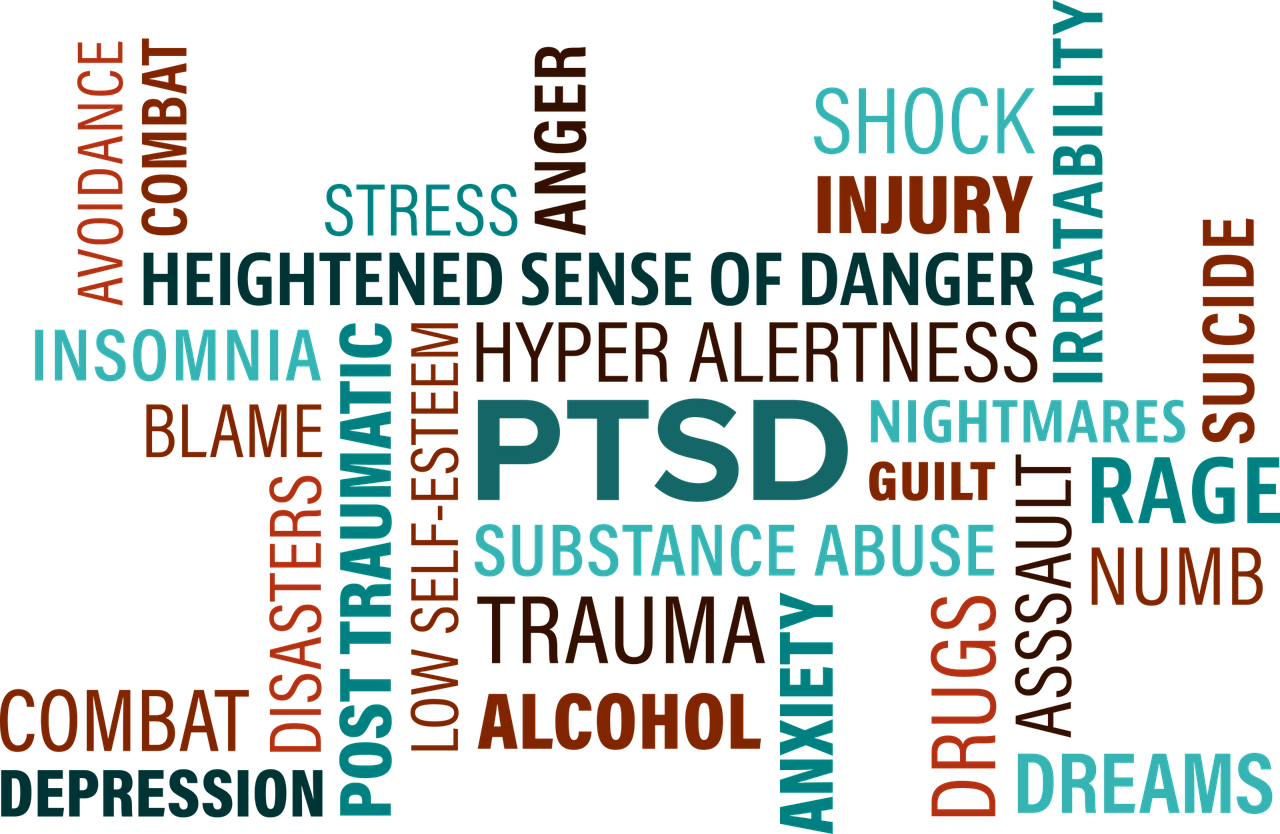
Complex Trauma, Stress and PTSD

By David Joel Miller, MS, Licensed Therapist & Licensed Counselor.

Words about PTSD

PTSD.
Photo courtesy of Pixabay.com

What is Complex Trauma and how is it connected to other emotional problems?

Most therapists recognize the existence of a “thing” that might be called Complex Trauma. We are pretty sure it exists. We see clients with it all the time.  Only it looks different in different people. Sometimes it looks like a stress disorder, sometimes it looks more like Post Traumatic Stress Disorder (PTSD) other times it looks a lot like depression or anxiety.

We, professionals, are just not sure what to call this thing and worse yet we are not all sure how to treat it.

This confusion is aggravated by the problem that there is was no diagnosis for this thing, this complex trauma monster, in the DSM-4. Worse yet, even with the increased attention to stress caused disorders in the new DSM-5 Complex trauma did not make the new book either.

The result is that we have a disorder that we all see in our clients but it looks different in a different light and we give it different names depending on who has this issue.

This problem, this idea that multiple, complex trauma is different from single trauma and that the results of multiple traumas are not a case of two plus two equaling four is not new. With complex trauma two plus two maybe six or even seven.

We know this from reading books and articles on zoology. Humans are not the only creatures who suffer more from repeated traumatization. Other creatures can recover from a single large trauma but when subjected to repeated traumas they lose the ability to adjust.

Let me attempt to explain this problem by using a far-fetched analogy.

Complex Trauma is kind of like a hurricane or monsoon.

Most of us know what a hurricane is, sort of. The wind blows really hard. It damages things and knocks things down. A tree may blow over and smash your roof or the wind may break some windows and blow over some things breaking them. But that is not all.

With the wind comes a lot of rain. The rain fills up creeks and small rivers and then they overflow. Your house may get flooded.

That tree may miss your house when it falls and hit a power pole. That pole may start a fire and your house could burn down. If you live near the coast the tide from the ocean may become a tide surge and sweep your home away.

All of these things are the consequences of the hurricane, but the effect on you and the way your insurance company sees things may be very different depending on whether your house is damaged by a falling tree, flooded, swept away by the tide, or burns due to a falling power line.

Complex trauma is a lot like that. Different people are affected differently. Some get depressed, some get anxious, some people dissociate and others think of harming themselves or others. All of these possibilities and more are the result of the stress or trauma but each person experiences them slightly differently and they all may get different diagnoses.

A different diagnosis may result in a different treatment which means some people are way more responsive to a particular treatment.

We used to think that there was a discrete number of mental illnesses, two, neurosis, or psychoses. Then a hundred or so and in the DSM-4 about 400. Now we are thinking that if we keep splitting up these problems of living we are going to end up with one diagnosis per person. So we are trying to think more in terms of a continuum. Some people are only a tiny bit depressed occasionally and others are major depressed all the time.

This variation in features is also impacting the way professionals see and respond to stress-related problems.

Over the next few weeks as time and space permits, I want to talk more about complex trauma, how it develops and why it is sort of like PTSD, anxiety, and other named disorders, and why it is enough different from those other disorders that clinicians are developing specialized treatments for this issue.

People can and do recover from complex trauma so stay tuned and we will talk about the steps to recovery from this misunderstood disorder.

Staying connected with David Joel Miller

Seven David Joel Miller Books are available now!

My newest book is now available. It was my opportunity to try on a new genre. I’ve been working on this book for several years, but now seem like the right time to publish it.

Story Bureau.

Story Bureau is a thrilling Dystopian Post-Apocalyptic adventure in the Surviving the Apocalypse series.

Baldwin struggles to survive life in a post-apocalyptic world where the government controls everything.

As society collapses and his family gets plunged into poverty, Baldwin takes a job in the capital city, working for a government agency called the Story Bureau. He discovers the Story Bureau is not a benign news outlet but a sinister government plot to manipulate society.

Bumps on the Road of Life. Whether you struggle with anxiety, depression, low motivation, or addiction, you can recover. Bumps on the Road of Life is the story of how people get off track and how to get your life out of the ditch.

Dark Family Secrets: Doris wants to get her life back, but small-town prejudice could shatter her dreams.

Casino Robbery Arthur Mitchell escapes the trauma of watching his girlfriend die. But the killers know he’s a witness and want him dead.

Planned Accidents  The second Arthur Mitchell and Plutus mystery.

Letters from the Dead: The third in the Arthur Mitchell mystery series.

What would you do if you found a letter to a detective describing a crime and you knew the writer and detective were dead, and you could be next?

Sasquatch. Three things about us, you should know. One, we have seen the past. Two, we’re trapped there. Three, I don’t know if we’ll ever get back to our own time.

For these and my upcoming books; please visit my Author Page – David Joel Miller

Want the latest blog posts as they publish? Subscribe to this blog.

For videos, see: Counselorssoapbox YouTube Video Channel
What is kindness?

By David Joel Miller, MS, Licensed Therapist & Licensed Counselor.

Do you know kindness when you see it?

Encarta says Kindness is:

An act that shows consideration and caring

The practice of being or the tendency to be sympathetic and compassionate

The Century Dictionary, 1889 has a lot more definitions:

Good will, Benevolence

Tender feeling, affection, love

Fitness, agreeableness

“Be kind, for everyone you meet is fighting a harder battle.”  ― Plato

“My religion is very simple. My religion is kindness.”  ― Dalai Lama XIV

“Three things in human life are important: the first is to be kind; the second is to be kind; and the third is to be kind.”  ― Henry James

“Kindness is a language which the deaf can hear and the blind can see.”  ― Mark Twain

Have you been kind today?