

Relationship.
Photo courtesy of Pixabay.com
Relationships, Past, Present, And Future.
By David Joel Miller, MS, Licensed Therapist, Counselor, and Certified Life Coach.
How can you tell when you’re in a relationship?
When most people describe their relationships, they’re talking about romantic, sexual relationships. I had a client come back for a follow-up session and tell me they did not need relationship counseling because they were not in a relationship and did not plan to get into another one either.
Then they spent the rest of the hour describing their conflicts with their parents, who were separated, several exes, their boss, their coworkers, and we ended with a quick summary of all the problems they were having in parenting their children, some of whom were still minors and some who were adults.
It’s important to realize we have lots of relationships with lots of people, even when we’re not in the primary sexual love relationship. No matter what you do, you’d never completely get that ex out of your mind, even when you get them out of your bedroom. Those fights you had with them, the things they liked and didn’t like, continue to rattle around in your head pretty much forever.
How you go about getting into relationships and getting out of them continues to affect you long after they’re gone. The problems you had with your parents may have affected your relationship with your romantic partner, and cumulatively, all these problems may be affecting your relationships at work and in your social life.
What makes it a relationship?
As I started to work on this series of posts, I decided to do something a little different. I consulted with two esteemed sources of knowledge, Professor Google and Advanced Researcher ChatGPT. The question I asked was relatively straightforward, but it got very different answers.
The question I posed TO AI was
“Please define a relationship and explain how someone gets into and out of relationships.”
Professor Google clearly answered, presuming that a relationship had to do with romantic and or sexual activity. He emphasized the connection or bond between two or more people, their interactions, their shared experiences, and especially underlined the need for an emotional attachment and then investment in each other over time.
Having started in that direction a lot of the rest of Professor Google’s answer involved how a couple becomes attracted to each other, initiates a romance or courtship, and how they, over time, develop a couple’s identity. Professor Google emphasized their need to merge their social circles and to develop interdependence.
Research assistant ChatGPT, however, approached the question from a more sociological perspective. He emphasized the need for an ongoing connection of two or more people and described relationships as being divided into at least five separate types.
Clearly, Mr. ChatGPT included as type 1 romantic relationships, but he went on to include familial, professional, and casual relationships.
Mr. ChatGPT emphasized as key elements of a relationship, there needed to be interactions that involve communication and shared experiences. He also emphasized the need for mutual recognition, that they both acknowledge that they were in a relationship and have some connections.
Using this broader multi-type blueprint for relationships results in including a lot of non-romantic and non-sexual relationships.
Mr. ChatGPT emphasized that they must have shared expectations about roles, boundaries, and behaviors which are continuing over time and are not brief.
Using this definition of a relationship minimizes the role of attraction in creating a relationship, it emphasizes shared goals and objectives.
I believe that while Mr. Google’s model allows for love at first sight and arranged marriages to be considered relationships, Mr. ChatGPT’s definition requires a more thoughtful and sequenced approach. In fact, Mr. ChatGPT states, “entering is a process, not a single step.” To meet these criteria, couples need to fully develop their connection before it meets the definition of a relationship.
Using Mr. ChatGPT’s definition requires that the parties involved, not necessarily a couple, possibly an entire group of people, need to have a continuing reason to keep the relationship going. This definition allows for a very simple soft ending when one person decides to leave the relationship. It even allows a large number of people to end their mutual relationship.
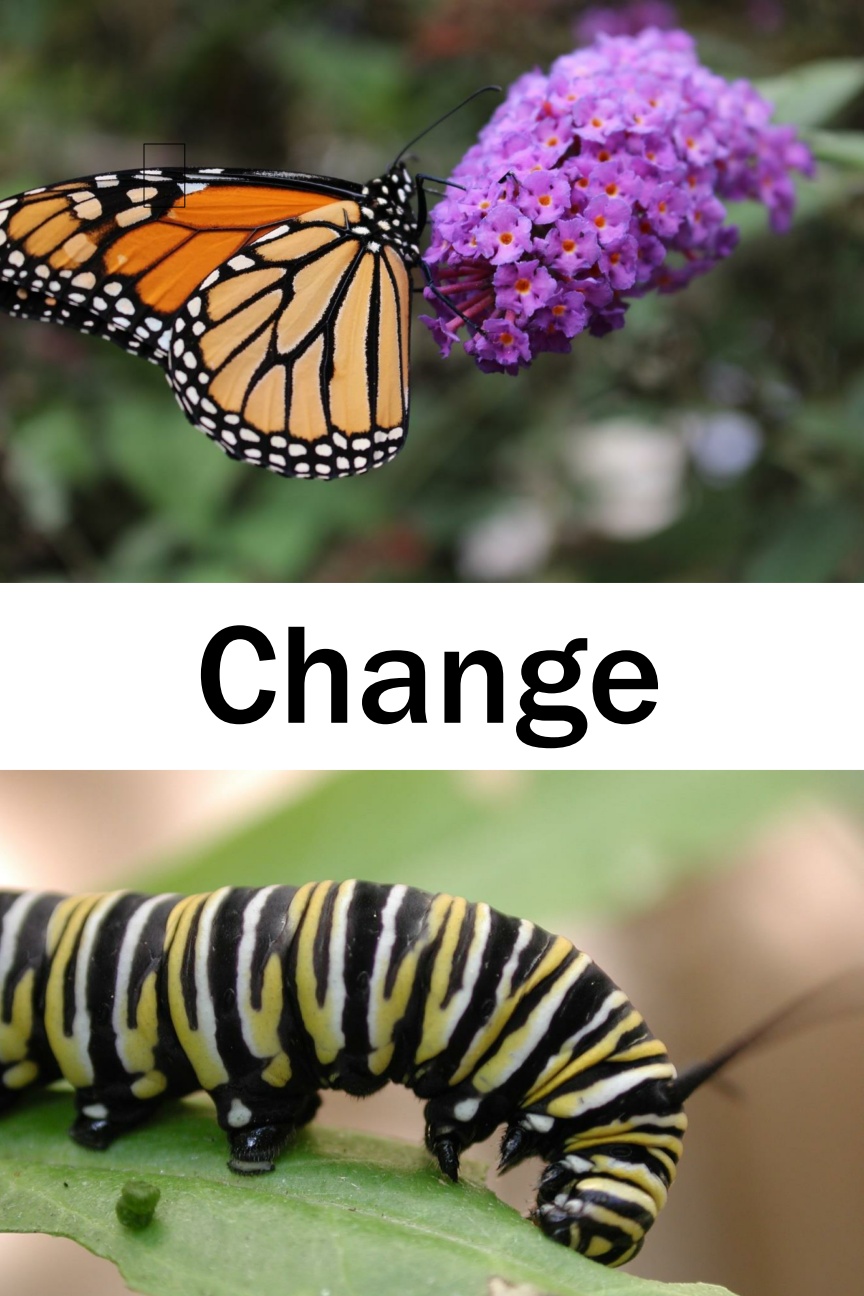
Tying this back to our discussion of transitions in life, we can see that getting into and out of a great many relationships outside the primary romantic or sexual relationship can be stressful events.
In future blog posts, I’ll talk about how starting and ending all sorts of relationships can involve difficult transitions.
If something I’ve said here rings a bell with you or interests you in any way, please leave a comment and feel free to ask me any questions. My best wishes to everyone, regardless of the direction your life is going right now. We can’t always pick the direction of life’s journey, but we can’t pick our approach to those changes.
Recommended Mental Health Books
David Miller at counselorssoapbox.com is an Amazon Affiliate and may receive a small Commission if you purchase a book or product using the link on this page. Using the link will not increase the cost to you.
Does David Joel Miller see clients for counseling and coaching?
Yes, I do. I can see private pay clients if they live in California, where I am licensed. If you’re interested in information about that, please email me or use the contact me form.
Recently, I began working with a telehealth company called Grow Therapy. If you’d like to make an appointment to work with me, contact them, and they can do the required paperwork and show you my available appointments. The link for making an appointment to talk with me is: David Joel Miller, LMFT, LPCC
Life coaching clients must be working toward a specific problem-solving goal. Coaching is not appropriate if you have a diagnosable mental health problem. Also, life coaching is not covered by insurance. If you think life coaching for creativity or other life goals might be right for you, contact me directly.
Staying in touch with David Joel Miller.
Want the latest blog posts as they are published? Subscribe to this blog.
For more information about my writing journey, my books, and other creative activities, please subscribe to my blog at davidjoelmillerwriter.com
Seven David Joel Miller Books are available on Amazon now! And more are on the way.
For more about my books, please visit my Amazon Author Page – David Joel Miller
For information about my work in mental health, substance abuse, and having a happy life, please check out https://counselorssoapbox.com
For videos, see: Counselorssoapbox YouTube Video Channel






 counselorssoapbox