What is Happiness?

By David Joel Miller, MS, Licensed Therapist & Licensed Counselor.

Happy children

Happy.
Photo courtesy of Pixabay.com

Would you know happiness if you felt it?

Happiness is the state of being Happy

Happy: feeling or showing pleasure, contentment, or joy, feeling satisfied that something is right or has been done right

“For every minute you are angry you lose sixty seconds of happiness.”

― Ralph Waldo Emerson

“People are just as happy as they make up their minds to be.”

― Abraham Lincoln

“Happiness is not something ready made. It comes from your own actions.”

― Dalai Lama XIV

“Count your age by friends, not years. Count your life by smiles, not tears.”

― John Lennon

“Happiness is a warm puppy.”

― Charles M. Schulz

Quotes from GoodReads

What really causes Mental illness?

By David Joel Miller, MS, Licensed Therapist & Licensed Counselor.

Could you be mentally ill?

What Causes Mental Illness?

Why do some people get a mental illness and not others?

We have had a lot of theories of mental illness, over the years, most of which have not panned out. So what do we know or think we know at this point? Some things that were suggested as causes of mental illness in the past turned out to be only a little right and a lot wrong. Check past posts for the discussion of that part if you missed it.

Recent studies of the brain have added a lot to our knowledge of how the brain works and what is causing those processes. The picture while having more lines drawn in is far from clear.

Some people would like to think most of what we call mental health issues are the result of something wrong with the brain. Other people will argue that mental illness is caused by a person’s thinking or life experiences. Let’s try to sort this out.I believe the truth is yes to all three possible causes.

Is Mental illness a “brain disease?”

In some ways yes mental illness is a disease of the brain. But in other ways no, there is more to getting a mental illness than just something chemically wrong with the brain.

We believe that mental illness is a real illness. The principle impairments are in the area of the nervous system. So this is not something the person chooses to have or can just snap out of. Mental illness is, I think more complicated than just that statement.

Saying mental illness is a brain disease should not be taken to mean that the person was born with a defective brain. They are not subject to recall or reassignment because of some sort of human lemon law. Yes, some brains are born different, right from the start. Unfortunately thinking that abnormalities in the brain are the one and only cause of mental illness is way too simplistic.

Let’s look at how the brain works, in a grossly oversimplified way, by comparing it to something most of us use every day.

How is your brain like a car?

You call the mechanic and tell him your car is not running, it no-goes.  He tells you to bring it in. You get it towed into the garage. The mechanic checks it, you’re right, it does not start. He tells you it is a lemon, worthless car, get a new one.

Wait a second, you drove this care in the past, it went then, why not now? The analogy here is why does someone seem normal at 12 and at 20 hear voices? Was there a brain bad all that time? Or did something change? How come someone who used to be happy gets depressed? Bad brain? I do not think so.

So the mechanic notices your tires are low, puts air in them, still, the car no-goes.  You check for gas, fill up the tank, but the car still does not run. With people, we do all the stuff that is supposed to make them stop being sad, but they still are depressed.

So the mechanic changes the battery, then the starter, finally the engine turns over. You get in the car and put her in gear and – the car goes nowhere. It still no-goes.

Down the line, you find that there is somewhere in the transmission and it slips or the rear end or drive shaft is bad. It could be lots of things.

The point is that the car has lots of parts – So does your brain.

So your brain has lots of parts and problems in one part may look sort of like problems in another part. Genetics may affect the structure or the functioning of various parts of your brain.

To date, we have identified over one hundred genetic mutations that appear to contribute to schizophrenia. No one mutation explains it and you can have varying amounts of these genes and still not get it. Take these 100 genetic mutations that may relate to schizophrenia and multiply that by 400 to 800 other mental health conditions and you see where this could go.

This is not, 100 times 400 by the way, but 100 times 399, times 398, and so on. One of you math guys can run the numbers if you want but you can see this is a HUGE number.

So a portion of the brain works too fast, too slow, is too large or small, or has wires connected incorrectly. This can all increase the risks that your brain will give results that are different from the results others get.

This may mean a mental illness or it could mean creativity or novel abilities. Sometimes the symptoms we call a mental illness can be connected to something else we call a talent. All very confusing.  Some of these personal differences, like fast thinking speed, may have been adaptive when your ancestors lived in the jungle and had to run from tigers but can get you in trouble if you jump to conclusions and hit someone who was just joking with you.

There are some skill differences in driving a stick shift and an automatic. You can learn to drive both but the skills are slightly different. Unfortunately, our educational system and a lot of the rest of our society is set up as if every brain ran the same way. (Read that as a possible cause of higher rates of ADHD in some schools and not in others.)

Notice that, to belabor this analogy, fluids do not work the same way in all parts of your car. Water is good in the radiator but may be bad if it is in your electrical system or your oil. Same with your brain.

Serotonin or Dopamine or other neurotransmitters may behave differently in various parts of the brain. So saying that the brain has too much or too little dopamine, may be wrong. Saying that there is too much or too little in a particular part of the brain might be closer to the truth but not there yet.

Thoughts change the brain.

Thoughts are moved from one nerve cell to another by chemicals we call neurotransmitters. Since thoughts are carried by chemicals, what you think changes your brain chemistry. That is a major factor behind the effectiveness of talk therapies.

Experiences can change the wiring of the brain. And of course, genetics can affect the shape, size, and efficiency of any number of thousands of parts of the brain.

So your genetics can predispose you to a particular mental illness, your environment can alter those neural circuits and your thoughts can add to or reduce the problems. No one thing is the whole answer but cumulatively they add up to a lot of ways the brain can be different in one way or another. Some of these differences we define as good and some we call mental illnesses.

Someone who has parents with a particular “high risk” gene who is under stress as a child, say abuse or neglect, or who does drugs or has tragedies in their life, all those things can add up to more than this particular brain can handle.

Conclusion:

There is no one thing that causes all cars to no go. There is also no one thing that causes the conditions that we are calling mental, emotional, and behavioral illness. Genetics, at birth and as the genes express themselves across the lifespan, coupled with life experiences and learning and add in beliefs about things or attitude and all together in varying amounts may be the cause of what we are calling mental illness.

Next stop, after a few other things get talked about,  coming soon – What is complex trauma and how does it rewire the brain?

Staying connected with David Joel Miller

Seven David Joel Miller Books are available now!

My newest book is now available. It was my opportunity to try on a new genre. I’ve been working on this book for several years, but now seem like the right time to publish it.

Story Bureau.

Story Bureau is a thrilling Dystopian Post-Apocalyptic adventure in the Surviving the Apocalypse series.

Baldwin struggles to survive life in a post-apocalyptic world where the government controls everything.

As society collapses and his family gets plunged into poverty, Baldwin takes a job in the capital city, working for a government agency called the Story Bureau. He discovers the Story Bureau is not a benign news outlet but a sinister government plot to manipulate society.

Bumps on the Road of Life. Whether you struggle with anxiety, depression, low motivation, or addiction, you can recover. Bumps on the Road of Life is the story of how people get off track and how to get your life out of the ditch.

Dark Family Secrets: Doris wants to get her life back, but small-town prejudice could shatter her dreams.

Casino Robbery Arthur Mitchell escapes the trauma of watching his girlfriend die. But the killers know he’s a witness and want him dead.

Planned Accidents  The second Arthur Mitchell and Plutus mystery.

Letters from the Dead: The third in the Arthur Mitchell mystery series.

What would you do if you found a letter to a detective describing a crime and you knew the writer and detective were dead, and you could be next?

Sasquatch. Three things about us, you should know. One, we have seen the past. Two, we’re trapped there. Three, I don’t know if we’ll ever get back to our own time.

For these and my upcoming books; please visit my Author Page – David Joel Miller

Want the latest blog posts as they publish? Subscribe to this blog.

For videos, see: Counselorssoapbox YouTube Video Channel

What causes Mental, Emotional or Behavioral illness? We have been wrong.

By David Joel Miller, MS, Licensed Therapist & Licensed Counselor.

Sad child

Sad.
Photo courtesy of Pixabay.com

Looks like a lot of the theories about what caused mental illness are wrong.

What causes mental illness? What do we know and what do we think we know?

Many of the things we thought were causing mental illness turns out to not be causes. In the process, we missed a lot of things that are impairing the mental health of our society.

There have always been people who were clearly mentally different from others. We have seen explanations for what causes mental illness to come and go. Today we know more than ever before about the human brain, how it works and some of the problems it may develop, still we are less sure than before about what is causing that thing we call mental illness.

There is hardly a day now when you can turn on the T. V. or read the news online and not hear about someone with a “mental illness” and some terrible thing they have done. This media coverage is leaving more out than they put in and the result is less, not more, understanding about mental illness.

The mentally ill and violence.

As an aside here, the mentally ill, those with serious long-term illnesses, are more likely to be victims of crime than the perpetrators. They get beat up and robbed on a daily basis. This rarely gets on the news unless the perpetrator is a police officer, and even then the sense is that the mentally ill somehow deserved it.

Personally, experience has taught me that I have more to fear from the person who was just served with divorce papers or found out their spouse is cheating and has shown up at a worksite with a gun, than from someone who has a long-term mental illness.

Emotional problems in someone who has not been identified as having a serious and persistent meant illness are the larger threat. It is easy to see in retrospect that there “had to be” something wrong with the person who came to a school with a gun. But if you follow all the people who are diagnosed with schizophrenia, for example, very few of them ever get a gun and shoot up someplace.

Parents and gun violence.

Gun violence at schools and public sites is a huge problem. We need to do something about this. but for the record, for every child killed at a school site by a gunman, 25 to 50 children will be shot and killed at home by a biological parent with a gun. The cure seems simple. Do not let bio parents raise children or own guns. See how simple solutions turn into complex problems and do not always work the way they were intended?

There have been a lot of theories, most of them very simplistic, over the years about the causes of mental illness. Some people continue to cling to the over-simplistic views despite overwhelming evidence to the contrary. But then the flat earth society and those who doubt that some form of evolution has occurred are also still in existence.

In this post let’s look at some of the things that have been suggested as causes for mental illness in a necessarily oversimplified way.

First, the things we now doubt are true about or are not causes of mental illness.

1. Are there are two kinds of people, normal and the mentally ill?

We used to separate emotional problems into two categories, Neurosis and Psychosis. That was it. So people were seen as having a psychosis, they were in effect “crazy” or they had neurosis, problems of living that might respond to talk therapy.

The more this has been studied the less reliable it has become. First, we found that there were people who sort-of had both. They got the label of “Borderlines” then we found there were a whole lot of different kinds of neurosis, like anxiety and depression and OCD. And people with psychosis can also get depressed. You can have two or more problems.

From that two problem view, we continued to study symptoms and the result in the DSM-4 was over 400 recognized mental illnesses.  Even more, possibly another 400 disorders were proposed (the DSM-5 was supposed to simplify this but we still know way less than we would like.) Today we are seeing that some of this splitting up is the result of people moving on a continuum from one level of symptoms to another. People’s illnesses can change over time and they can have more than one illness.

2. For a while we blamed the victim, some people still do.

There was that belief that mental illness was from God or the gods. Some thought that God had caused the mental illness as a punishment for the person’s sins, or the sins of the father or grandfather.

There are still people who take this approach, avoiding the mentally ill or insisting that they should just snap out of it as if being ill was a choice.

We do know that this fallacy like every good lie has some grains of truth embedded in it.

Parents provide both the environment and the heredity. Some life events, like age and use of drugs or alcohol, may increase the risk of a gene mutation. But a risk factor is not a cause, and so we find that some very poor home environments produce some mentally healthy people while “normal” homes produce some very dysfunctional people.

More on the environment versus heredity issues to come.

If the problem is that God is punishing this person somehow then the cure should be a religious conversion. The prescription for mental illness used to be, and in some circles still is, prayer, fasting, self-control or self-abuse, and the like.

Some of the evidence to challenge the “its Gods will” concept of mental illnesses comes from the sudden miraculous improvement in some mental illnesses that medication produces; that and the cases where a person lives a good part of life, often in a “Godly way,” and is suddenly struck by a mental illness. Some of these appear to be the result of the changes our bodies undergo as we age.

3. People said, “It is the mother’s fault.” Occasionally this is read “it is the father’s fault.”

This was popular for a while under the guise that the cause of psychosis was “refrigerator mothers.” We found that there was some truth to emotional problems that resulted from early life experience; we now refer to this as attachment theory.

The idea that a lack of love or poor mothering skills was primarily the cause of serious mental illness has been largely discarded. We now think that there is such a thing as “good enough” parenting. Do a halfway good job and your child should turn out fine. Abuse or neglect can increase the risk of mental or emotional problems but risk is not result.

One new area of study is the role of “complex trauma.” A number of traumas or ongoing trauma change the brain in ways that are different from what we were looking for in the past. This complex trauma can cause more problems than the sum of its parts.  More on Complex Trauma in some upcoming posts.

4. It is just the way they are

There was a school of thought, back when the psychologists seem to offer us answers to all these issues, that mental illness was the result of “personality factors.” Again some truth here, but in my view, not nearly the whole story.

Some children are born “fussy” they are hard to soothe, cry a lot, and get on their parent’s nerves. Those kids may have a fussy temperament or they may have a physical illness. Either way, fussy kids get less care or upset the parents. Maybe the stressed parents yell at the child more. Their life experiences are different from the “naturally happy child.”

Personality can and does change over the lifetime. We can debate how much or why but the fussy child may grow into a contented child and the good child may at the onset of puberty suddenly become the problem child.

All these factors, to me, argue against the idea that mental illness is caused solely by personality.  It points in the direction of gene expression, genes act differently at different points in our lifetime. It also points out the ability of all of us to learn from life and as a result our personality shifts.

Sorry, this ran long. More on the causes and by implication the cures for our mental emotional and behavioral illnesses in some upcoming posts.

Staying connected with David Joel Miller

Seven David Joel Miller Books are available now!

My newest book is now available. It was my opportunity to try on a new genre. I’ve been working on this book for several years, but now seem like the right time to publish it.

Story Bureau.

Story Bureau is a thrilling Dystopian Post-Apocalyptic adventure in the Surviving the Apocalypse series.

Baldwin struggles to survive life in a post-apocalyptic world where the government controls everything.

As society collapses and his family gets plunged into poverty, Baldwin takes a job in the capital city, working for a government agency called the Story Bureau. He discovers the Story Bureau is not a benign news outlet but a sinister government plot to manipulate society.

Bumps on the Road of Life. Whether you struggle with anxiety, depression, low motivation, or addiction, you can recover. Bumps on the Road of Life is the story of how people get off track and how to get your life out of the ditch.

Dark Family Secrets: Doris wants to get her life back, but small-town prejudice could shatter her dreams.

Casino Robbery Arthur Mitchell escapes the trauma of watching his girlfriend die. But the killers know he’s a witness and want him dead.

Planned Accidents  The second Arthur Mitchell and Plutus mystery.

Letters from the Dead: The third in the Arthur Mitchell mystery series.

What would you do if you found a letter to a detective describing a crime and you knew the writer and detective were dead, and you could be next?

Sasquatch. Three things about us, you should know. One, we have seen the past. Two, we’re trapped there. Three, I don’t know if we’ll ever get back to our own time.

For these and my upcoming books; please visit my Author Page – David Joel Miller

Want the latest blog posts as they publish? Subscribe to this blog.

For videos, see: Counselorssoapbox YouTube Video Channel

Will the therapist say I am crazy and lock me up?

By David Joel Miller, MS, Licensed Therapist & Licensed Counselor.

Psychiatric hospital.
Photo courtesy of pixabay.

Being locked up is a fear of some people coming to therapy.

The chances of this happening are very close to zero. The fact that you came in on your own means this is highly unlikely for many reasons.

This idea of the upset person who gets “put away” in a mental hospital, usually called an insane asylum, makes for great T. V or a good novel, but in real life that does not happen, at least not very much and particularly not here in the United States.

Here are the reasons why you are not going to get locked up just for going to see a counselor.

Professionals just do not think of mental illness that way anymore.

The old notion was that there were two kinds of people, normal and crazy. If that were true we would need to lock everyone up because I do not see any normal people in my world. Some people may be more normal or less normal than others, normal being a statistical concept. Being different does not make you crazy.

Mental illness is not the same thing as being crazy.

Mental illness is on a continuum, people get unwell, then they get sick, then they move back in the other direction as they recover. Most people have times in their life when they are anxious or depressed. If someone is shooting at you please get anxious. If a family member dies, I hope you get sad. Do not let that anxiety or depression control you for the rest of your life.

People we call mentally ill get stuck at that “too sad” or “too anxious” and do not seem to get back to a better place without help.

There is a big argument about why. Watch for an upcoming post on the causes of mental illness as I see them.

The therapist expects you to have some problems, so no they are not likely to think you are over the edge just because you came for a little emotional help.

There are only three special reasons you can be confined to a psychiatric hospital against your will.

Holds for involuntary psychiatric hospitalization in this area are only written if the client is a danger to themselves, a danger to others or they are so disabled they can’t feed themselves or clothe themselves. Being poor, or homeless, does not count. I hand you a cookie and you eat it, I offer you a sweater and you put it on, you pass this test.

If you say you are planning to kill yourself then you may be detained until those thoughts pass and you recant that thought. Professionals are suspicious if you were saying you would kill yourself to the police just a few minutes ago and now you are saying that you won’t.

Saying you have thoughts, usually will not get it. You need to also have a plan for when and how you will do it or a history of attempts or some other reason for the official placing you on an involuntary hold to believe this is something you might do.

Being under the influence of drugs or alcohol is a risk factor. People who binge drink or are drunk are 55 times more likely to attempt suicide than sober people. So if when drunk you say you are going to kill yourself and the police are called you may end up in a psychiatric hospital for a very short stay.

Say you are planning to kill someone else, say you also have a gun and you may end up in a hospital or a jail for a while longer. Even then the law just does not let the police or the psych hospital keep people who might someday hurt someone else all that long.

Once the person sobers up or changes their mind, the chances are that they will have to be released even if the police still think that this person may in the future hurt someone.

While this lets some people out who may harm others it also keeps a lot of people from being locked up just because they scare someone else.

The psych hospitals are pretty full and they charge a lot of money.

The hospitals do not want to keep anyone there one minute longer than they have too. The days of years in an asylum are over and gone. Most stays now are a week or less. Stays beyond 30 days are rare.

In crisis units, the stay around here is most often less than a day.

Yes, I know the involuntary hold says 72 hours, but in practice, not many people stay that long. That 72 hours or 3 days is a maximum, not a for-sure.

Most of the complaints I hear are that people were discharged from the hospital before they felt ready, not that they were kept too long.

As soon as someone appears able to cope with life they get let out even if they will need meds or therapy to be able to cope in the future.

Counselors, in most places, are not authorized to write involuntary holds.

Even if a counselor works for the government and writes holds in their day job, they are not able to write them in their private practice. So unless your treating professional is a psychiatrist with treating privileges at the hospital there is a low chance they have that little card that lets them write holds, especially one that would let them write the hold in their private office.

What could happen is if you said you were going to kill yourself or others and you convinced the therapist that you were serious about this, he or she might call the police and get you detained until you change your mind.

There you have it. The things that bring most people to counseling are miles away from the things that might get you locked up in a psych hospital. Stop worrying about this and go get the help you need before you have to live your life in the place of unhappiness.

Staying connected with David Joel Miller

Seven David Joel Miller Books are available now!

My newest book is now available. It was my opportunity to try on a new genre. I’ve been working on this book for several years, but now seem like the right time to publish it.

Story Bureau.

Story Bureau is a thrilling Dystopian Post-Apocalyptic adventure in the Surviving the Apocalypse series.

Baldwin struggles to survive life in a post-apocalyptic world where the government controls everything.

As society collapses and his family gets plunged into poverty, Baldwin takes a job in the capital city, working for a government agency called the Story Bureau. He discovers the Story Bureau is not a benign news outlet but a sinister government plot to manipulate society.

Bumps on the Road of Life. Whether you struggle with anxiety, depression, low motivation, or addiction, you can recover. Bumps on the Road of Life is the story of how people get off track and how to get your life out of the ditch.

Dark Family Secrets: Doris wants to get her life back, but small-town prejudice could shatter her dreams.

Casino Robbery Arthur Mitchell escapes the trauma of watching his girlfriend die. But the killers know he’s a witness and want him dead.

Planned Accidents  The second Arthur Mitchell and Plutus mystery.

Letters from the Dead: The third in the Arthur Mitchell mystery series.

What would you do if you found a letter to a detective describing a crime and you knew the writer and detective were dead, and you could be next?

Sasquatch. Three things about us, you should know. One, we have seen the past. Two, we’re trapped there. Three, I don’t know if we’ll ever get back to our own time.

For these and my upcoming books; please visit my Author Page – David Joel Miller

Want the latest blog posts as they publish? Subscribe to this blog.

For videos, see: Counselorssoapbox YouTube Video Channel

Why people avoid the doctor and the therapist

By David Joel Miller, MS, Licensed Therapist & Licensed Counselor.

What are your reasons for avoiding getting your problems treated?

Therapist

Therapist.
Photo courtesy of Pixabay.com

The scenario is the same only the problems and the treating professional change. You have a problem, a sore that does not heal, a physical or emotional pain that won’t go away, or a troubled relationship, but you avoid getting help.

Why do people so often avoid treatment for a problem?

We see a lot of couples who come for marriage counseling, they have talked about seeing a counselor off and on for a long time. Now when they come to our offices one or both have decided it is over, past the point of repair. They say they can’t stand the pain one day longer.

Why have they waited so long? What made them think they needed to endure that pain at all? Here are some of the faulty beliefs that cause people to avoid therapy.

Talking about problems will make them worse.

Despite this fear’s prevalence, there are plenty of reasons to think just the opposite. Problems caught in the early stage may need small corrections; wait too long and they need major changes.

Admitting you have problems or challenges does not mean giving in to them. Recognizing your challenges gives you something you can work on to improve your life.

Asking for help means I am weak.

It is easy to delude yourself, think you are, or should be superman or superwoman, able to handle everything by yourself. That is just not the way life works. Even experts consult with other experts. Two heads are better than one. Recovering people have sponsors, and in the sphere of emotional problems, counselors and therapists frequently see other professionals when they experience life problems.

People will think I am crazy or incompetent if I go for help.

No one should think that, especially not the therapist.

First off, therapy is confidential. Your counselor is not going to tell and you have the choice of telling or not telling your family and friends.

We all have times in our lives when we need to see a professional or specialist. You see a mechanic for your car repair and you see a lawyer if you have legal issues. Hopefully, you saw one or more teachers that taught you how to read.

Some people are able to do some of these things for themselves, but not many people are doctors, lawyers, and tax accountants. Everyone needs some advice now and then.

Counselors can do several things that are helpful, Give you perspective, no you are not crazy, lots of people in your circumstance would have that issue. They also can help you learn the skills you need to manage or regulate emotions.

Lots of people spend their whole life working at jobs they hate or that are low paying because they did not use the services of a career counselor to help them plan the right career for them.

People also do not seem to come in to learn how to be good parents or good spouses. They do however see their therapist when the child has problems or the marriage is in trouble.

A little early skills training or education can help you reduce life problems or navigate the things that will come along in any life.

Once I lose control, start crying or get angry I will never be able to stop.

This idea is simply not true. Given enough time people regain control. People cry and then they get “cried out” we laugh and then the laughter fades. The problem is not that a feeling will take control of you and you will never return. The issue is that you need to learn to regulate your feelings.

Regulate does not mean destroy them or eradicate them. It means learning to be able to control them, work with them, learn from them, and play with them.

Want proof that you will not be transported to crazyland if you start to cry?

Create some crying time!

Have some sadness you are afraid will overwhelm you? Set aside a time each day, 15 to 30 minutes. At this same time, each day go in a room by yourself and set a timer. For the entire time cry nonstop. Cry as hard as you can. Get that crying out!

What people find is that they are usually not able to keep up the crying for the full-time. They just do not have 30 minutes’ worth of tears in them every day, especially not every day for a week or a month.

You will also find that if you can make yourself cry on schedule, then you will be able to make yourself not cry when you want to do that.

Practice crying when you want to and not crying when you wish to not cry and you will have gone a long way towards learning to “regulate” your emotions.

If you find that regulating emotions is a special challenge for you, this does not mean that there is something wrong with you. It means that there is a skill, “Emotional Regulations Skill” that you still need to learn. A therapist, especially one trained in DBT, can help you learn to regulate your emotions.

For more on “behavioral experiments” like crying at will see the work of Milton Erickson.

I won’t be able to take the pain.

People sometimes think that if they talk about their pain then they will not be able to bear it. You will be able to take the pain of treatment a whole lot better than the pain of staying ill.

One place this fear comes from is the image of the old psychoanalyst making you go through all the sordid details of your life.

While I may be old, I do not think we need to dig up the whole garden of your life to find the weeds that are causing your pain today. A good therapist can help you work on the problem that brought you into treatment and then if you decide you can move on to working on past issues.

Working on our issues may be painful at times but once you face your demons and learn the skills to tame them they shrink like scared little kids.

The Therapist will spill my secrets.

Not likely to happen. Therapists and most counselors have a requirement to keep your secrets, that comes close to that old religious practice of things told under the seal of the confessional is not repeated by the priest.

The law protects most client-therapist conversations. The counselor can lose their license for telling even if you committed a crime.

I have written a lot of posts about what things the counselor must report (If you are suicidal, homicidal, or talk about abuse of a child, elderly person, or disabled person.)

If you have specific concerns look at those posts and if in doubt ask the counselor to tell you about confidentiality before you tell them your secrets.

They will think I am crazy and lock me up.

Extremely, I repeat an extremely low chance of this. See this post: Will they lock me up?

For more on these “therapy interfering beliefs” See the writings of the following: Aaron Beck, Judith Beck, Marsha Linehan, and Milton Erickson, to whom I am indebted for much of the inspiration for this post. Let’s hope I have not distorted their views in the retelling.

Staying connected with David Joel Miller

Seven David Joel Miller Books are available now!

My newest book is now available. It was my opportunity to try on a new genre. I’ve been working on this book for several years, but now seem like the right time to publish it.

Story Bureau.

Story Bureau is a thrilling Dystopian Post-Apocalyptic adventure in the Surviving the Apocalypse series.

Baldwin struggles to survive life in a post-apocalyptic world where the government controls everything.

As society collapses and his family gets plunged into poverty, Baldwin takes a job in the capital city, working for a government agency called the Story Bureau. He discovers the Story Bureau is not a benign news outlet but a sinister government plot to manipulate society.

Bumps on the Road of Life. Whether you struggle with anxiety, depression, low motivation, or addiction, you can recover. Bumps on the Road of Life is the story of how people get off track and how to get your life out of the ditch.

Dark Family Secrets: Doris wants to get her life back, but small-town prejudice could shatter her dreams.

Casino Robbery Arthur Mitchell escapes the trauma of watching his girlfriend die. But the killers know he’s a witness and want him dead.

Planned Accidents  The second Arthur Mitchell and Plutus mystery.

Letters from the Dead: The third in the Arthur Mitchell mystery series.

What would you do if you found a letter to a detective describing a crime and you knew the writer and detective were dead, and you could be next?

Sasquatch. Three things about us, you should know. One, we have seen the past. Two, we’re trapped there. Three, I don’t know if we’ll ever get back to our own time.

For these and my upcoming books; please visit my Author Page – David Joel Miller

Want the latest blog posts as they publish? Subscribe to this blog.

For videos, see: Counselorssoapbox YouTube Video Channel

Why are we so afraid of feelings?

By David Joel Miller, MS, Licensed Therapist & Licensed Counselor.

Man with feelings

Managing feelings.
Photo courtesy of Pixabay.com

Fear of feelings?

You would think that feelings were on the banned substance list. So many people are avoiding them. Failure to feel what we feel is at the root of a lot of mental health problems. Still, people go to great lengths to not feel those feelings.

We hear lots of advice about ways to avoid feelings, think logically, pull yourself together don’t let yourself feel that. The forces of logic have won the day and henceforth feelings are banned.

But we know in our gut that sometimes feelings are telling us the truth when our head wants to mislead us.

Some people grew up in homes where their feelings were invalidated. You said you were sad and you were told you are not sad, you don’t even know what sad is. If you feel that way you are being weak or selfish or some other terrible thing.

Numbing out the feelings.

So you avoided feelings, any and all feelings, and eventually, you became numb, chronically unhappy, or unable to feel any real joy. In your flight from feelings, you may have left a lot of love, friendship, and compassion behind. You may have resorted to drugs or alcohol or other addictions to avoid feeling what you were feeling.

Feelings have been blackballed, put on the most wanted list, and hunted down and exterminated whenever possible. We have become so very afraid that someone will get angry, depressed, or anxious and then something bad will happen. So we tell them to pull themselves together, forget that feeling and think logically.

Logical thinking, the scientific method has resulted in a lot of technological advances. We have more stuff than ever before in the history of the world. Stuff exists now that science fiction writers fantasized about just a few short years ago.

What we haven’t accomplished is any real reduction in pain or unhappiness. We have more pain-killing drugs but no less pain. We have more antidepressants but we have more depression than ever. We teach people to be more rational and there are crimes of passion on every corner.

In this process of avoiding being carried away with excesses of feelings, we have lost the ability to use feelings for the intended purpose.

Your feelings brain.

When we talk about using our brains, what is left out of the equation is just how much of our nervous system lies outside our heads. All those nerve cells, the ones surrounding your stomach, and the ones in your neck, they are trying to tell you things also.

Those expressions, someone is a pain in the neck, or that makes me sick to my stomach, those expressions are full of truth. Those bodily sensations are conveying information to the rest of our beings that we just may need to know.

Those other “thoughts” the ones in our feeling systems ought to get more attention. That skill we call intuition may just be those emotional memories of things in the past that are useful for actions in the present.

By avoiding our feelings for so long we have lost the ability to regulate those emotions. When we do feel something, like sadness, we can easily become overwhelmed.

When feelings are strangers we come to fear their presence. So many of us will do anything, drink, drug, numb out to avoid feeling what it is we are feeling. We become afraid that feelings are enemies out to destroy us rather than old friends here to tell us something.

One huge step in recovery is to learn that we can feel feelings, happiness or sadness, excitement, or anxiety without becoming overwhelmed and carried away. Having a feeling is not the same thing as being taken over by that feeling. Joy does not have to lead to an excessive celebration and sadness or anxiety need not lead to another relapse or flight.

One group of therapists talks about the need to learn distress tolerance. I can feel bad some of the time and that is OK. I will not cease to exist because I feel sad or anxious. It is possible to feel unpleasant feelings, ask what that feeling has to tell us, and then, like so many other thoughts, let that feeling move on.

Not every happy feeling calls for action, a celebration of excess that might lead to a relapse into drug use, overspending or inappropriate sexual activities.

It is possible to feel feelings and let them serve and inform us rather than being controlled by what we feel.

How do you feel about your feelings?

Staying connected with David Joel Miller

Seven David Joel Miller Books are available now!

My newest book is now available. It was my opportunity to try on a new genre. I’ve been working on this book for several years, but now seem like the right time to publish it.

Story Bureau.

Story Bureau is a thrilling Dystopian Post-Apocalyptic adventure in the Surviving the Apocalypse series.

Baldwin struggles to survive life in a post-apocalyptic world where the government controls everything.

As society collapses and his family gets plunged into poverty, Baldwin takes a job in the capital city, working for a government agency called the Story Bureau. He discovers the Story Bureau is not a benign news outlet but a sinister government plot to manipulate society.

Bumps on the Road of Life. Whether you struggle with anxiety, depression, low motivation, or addiction, you can recover. Bumps on the Road of Life is the story of how people get off track and how to get your life out of the ditch.

Dark Family Secrets: Doris wants to get her life back, but small-town prejudice could shatter her dreams.

Casino Robbery Arthur Mitchell escapes the trauma of watching his girlfriend die. But the killers know he’s a witness and want him dead.

Planned Accidents  The second Arthur Mitchell and Plutus mystery.

Letters from the Dead: The third in the Arthur Mitchell mystery series.

What would you do if you found a letter to a detective describing a crime and you knew the writer and detective were dead, and you could be next?

Sasquatch. Three things about us, you should know. One, we have seen the past. Two, we’re trapped there. Three, I don’t know if we’ll ever get back to our own time.

For these and my upcoming books; please visit my Author Page – David Joel Miller

Want the latest blog posts as they publish? Subscribe to this blog.

For videos, see: Counselorssoapbox YouTube Video Channel

The Blue Jay Mind – Do you have Mind Chatter

By David Joel Miller, MS, Licensed Therapist & Licensed Counselor.

Blue Jay.
Photo courtesy of Pixabay.com

Do you have a Blue Jay Mind? Is your mind on overload?

Does your mind feel like it is full? Is your brain always rushing somewhere? Do you sometimes feel like your mind is having a traffic jam?

Have you ever sat outside, a park or the lake, when a flock of Blue Jays or other loud birds had a constant chattering conversation? Does your own mind sound like that sometimes? In meditation, they refer to this as a monkey mind. But we North Americans we don’t see monkeys except in the zoo.

Flocks of loud obnoxious birds; that we see a lot of.

Some days my mind sounds like that squabbling in the tree outside my window.

You know you are not fully crazy; these are not voices in your head. These things that overwhelm you are your own thoughts, but that does not make it any easier to keep that mind of yours under control.

An unquiet mind is an unruly companion.

Some days my brain is just plain full. Is yours? I tell people around me not to tell me one more thing that I need to remember. I say, only half-joking, that if I learn one more thing I will need to forget something I used to know and I am afraid that trying to remember what they are telling me may mean I will forget how to get home tonight.

Do you reach the point of cognitive overload and find that you are working harder and harder to remember less and less? You may be getting old; you may be losing some abilities. If so see your doctor.

There is a simpler explanation.

We only have so many cognitive resources at our command. My computer has just so much storage space and so does my mind.

What we all need to do is reserve some space in our heads for the things that really matter. Learn to simplify our minds and reduce our worries. Less stuff rattling around in our brains results in more calmness, more serenity.

The difficult part of this is to get your mind slowed down and cleared out when you need to. We all can become so accustomed to thinking, thinking, always thinking that for many people it is difficult to shut that mind off when the times come to give your mind a rest.

Some people find mindfulness and meditation training to be helpful to get that mind quiet. Other people need counseling or even medication.

If your mind is constantly racing, if your head is full of noise and most of it is your own thoughts seek help. Just listening to your own thoughts day after day can wear you out.

Staying connected with David Joel Miller

Seven David Joel Miller Books are available now!

My newest book is now available. It was my opportunity to try on a new genre. I’ve been working on this book for several years, but now seem like the right time to publish it.

Story Bureau.

Story Bureau is a thrilling Dystopian Post-Apocalyptic adventure in the Surviving the Apocalypse series.

Baldwin struggles to survive life in a post-apocalyptic world where the government controls everything.

As society collapses and his family gets plunged into poverty, Baldwin takes a job in the capital city, working for a government agency called the Story Bureau. He discovers the Story Bureau is not a benign news outlet but a sinister government plot to manipulate society.

Bumps on the Road of Life. Whether you struggle with anxiety, depression, low motivation, or addiction, you can recover. Bumps on the Road of Life is the story of how people get off track and how to get your life out of the ditch.

Dark Family Secrets: Doris wants to get her life back, but small-town prejudice could shatter her dreams.

Casino Robbery Arthur Mitchell escapes the trauma of watching his girlfriend die. But the killers know he’s a witness and want him dead.

Planned Accidents  The second Arthur Mitchell and Plutus mystery.

Letters from the Dead: The third in the Arthur Mitchell mystery series.

What would you do if you found a letter to a detective describing a crime and you knew the writer and detective were dead, and you could be next?

Sasquatch. Three things about us, you should know. One, we have seen the past. Two, we’re trapped there. Three, I don’t know if we’ll ever get back to our own time.

For these and my upcoming books; please visit my Author Page – David Joel Miller

Want the latest blog posts as they publish? Subscribe to this blog.

For videos, see: Counselorssoapbox YouTube Video Channel

That’s not what’s wrong with you!

By David Joel Miller, MS, Licensed Therapist & Licensed Counselor.

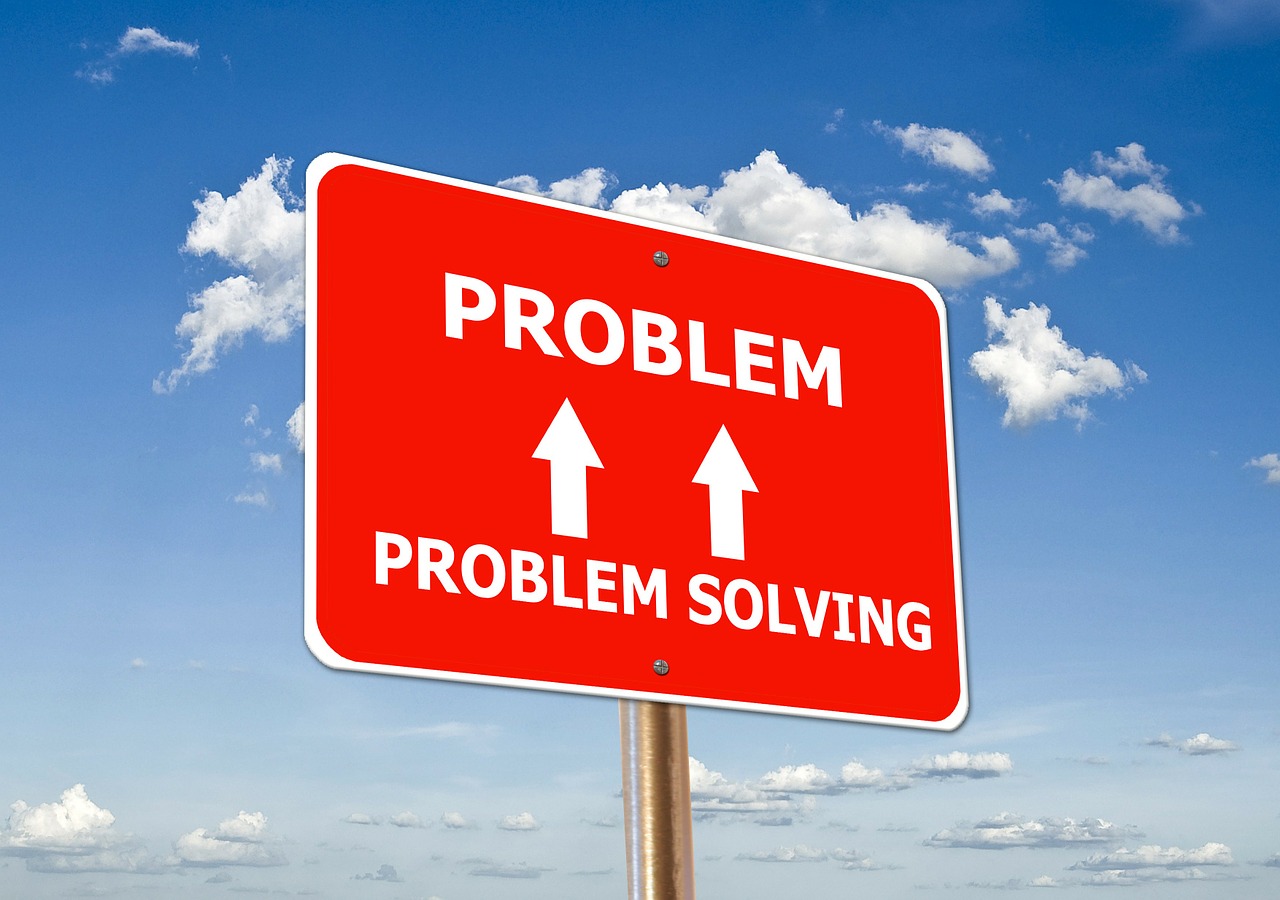
Problem and problem solving

Problem-solving.

Are you sure you really know what your problem is?

There has been a disturbing trend lately in the psychotherapy business. To hear some of my colleagues talk, clients do not have a clue what is wrong with them. Worse than that, if the client did know, they are convinced the client would lie to them.

I have to question these premises. First, some fictional examples may help.

A male client goes to see their therapist. The man says he and his wife are quarreling and he is afraid their marriage will end in divorce. The therapist does a full assessment and informs the client that his problem is not his relationship. His problem is he did not have a good attachment to his mother. He needs to work through all his childhood issues of wanting more from his mother than she gave him.

The client, not conscious of psychological principles, continues to insist that he and his mother got along just fine. The client says that it is possible that all men have mother issues they need to work out before they can properly relate to a woman. What does he know about psychological principles?

So the man undergoes a long examination of his childhood and his relationship with his mother. At the end, he sees how he was not really as close to his mother as he thought.

In the meantime, his wife leaves him and files for divorce. As much as it pains this man to lose the relationship with a woman he really loves and he is also sad about losing contact with his children because the wife has moved them to another state where she lives with her parents.

Still, the man now understands how his underdeveloped relationship with his mother has resulted in his attachment issues with women and he now understands why he will never be able to make a woman happy.

Sound far-fetched? I see things like this more often than you might guess.

Second example. A woman comes to see her therapist because she has been out of work for many months. She is discouraged and getting depressed because of her employment situation and her economic troubles. I am thinking either treatment for depression or help with career counseling, but the treating therapist tells me that would be wrong.

The problem here is that this client grew up in a home with an alcoholic parent. This has left all sorts of scars on the client and the client undergoes treatment for her anger towards that alcoholic parent. The client insists that she got over that stuff a long time ago but the therapist informs this client that she is sicker than she thinks and that she will never be happy again until she gets these childhood issues treated.

The client talks with this therapist for a number of sessions, still unconvinced that she has all that big a problem with her childhood. Eventually, the therapist tells the client that this client needs to stop lying about her hatred towards her father.

Clearly, anyone who grew up with an alcoholic parent has been scarred for life and will probably never be able to work again

By the way, these are fictional composite examples so do not go thinking you know the people I am talking about. You would be wrong.

Counter-transference.

The problems these vignettes illustrate are a phenomenon known as counter-transference. The counselor who has had issues in their childhood, or has others in their life with these issues, is insistent that the client must have the issues that the counselor sees and if the client disagrees then the counselor believes the client is lying.

It can also come from a theoretical orientation that asserts that all adult problems are the result of childhood events.

A more productive approach is for the treating professional to consider that some people who had mother problems or an alcoholic parent may be having problems today because of that past, but most people really have the problem they say they have.

I try, in my practice, to always accept that the problem is what the client says the problem is. This can save a lot of time by working on that issue first and then get back to the other stuff if that still needs doing.

I also find that it saves a lot of my time and the client’s time to avoid arguing with the client. If they tell me things I take it that they believe what they are telling me. They may be mistaken but most people really do believe what they are saying.

Certainly, there are times that clients might stretch the truth. Especially if they have something to gain, like child custody or disability. In those cases, where my results will go to another person or agency I ask a lot more questions. But if the purpose of the therapy is to help the client resolve issues or cope with life problems I find it is worth the effort to start from a place of believing the client.

Most of the time the problem that needs treating is the thing the client says brought them to my office in the first place. If your provider is insistent on treating you for their issue instead of yours consider getting a second opinion.

Staying connected with David Joel Miller

Seven David Joel Miller Books are available now!

My newest book is now available. It was my opportunity to try on a new genre. I’ve been working on this book for several years, but now seem like the right time to publish it.

Story Bureau.

Story Bureau is a thrilling Dystopian Post-Apocalyptic adventure in the Surviving the Apocalypse series.

Baldwin struggles to survive life in a post-apocalyptic world where the government controls everything.

As society collapses and his family gets plunged into poverty, Baldwin takes a job in the capital city, working for a government agency called the Story Bureau. He discovers the Story Bureau is not a benign news outlet but a sinister government plot to manipulate society.

Bumps on the Road of Life. Whether you struggle with anxiety, depression, low motivation, or addiction, you can recover. Bumps on the Road of Life is the story of how people get off track and how to get your life out of the ditch.

Dark Family Secrets: Doris wants to get her life back, but small-town prejudice could shatter her dreams.

Casino Robbery Arthur Mitchell escapes the trauma of watching his girlfriend die. But the killers know he’s a witness and want him dead.

Planned Accidents  The second Arthur Mitchell and Plutus mystery.

Letters from the Dead: The third in the Arthur Mitchell mystery series.

What would you do if you found a letter to a detective describing a crime and you knew the writer and detective were dead, and you could be next?

Sasquatch. Three things about us, you should know. One, we have seen the past. Two, we’re trapped there. Three, I don’t know if we’ll ever get back to our own time.

For these and my upcoming books; please visit my Author Page – David Joel Miller

Want the latest blog posts as they publish? Subscribe to this blog.

For videos, see: Counselorssoapbox YouTube Video Channel

Tranquility

By David Joel Miller, MS, Licensed Therapist & Licensed Counselor.

Tranquility:

free of any disturbance or commotion, free from or showing no signs of anxiety or agitation.

“A lonely day is God’s way of saying that he wants to spend some quality time with you.”
― Criss Jami

“We are not going to change the whole world, but we can change ourselves and feel free as birds. We can be serene even in the midst of calamities and, by our serenity, make others more tranquil. Serenity is contagious. If we smile at someone, he or she will smile back. And a smile costs nothing. We should plague everyone with joy. If we are to die in a minute, why not die happily, laughing? (136-137)”
― Swami SatchidanandaThe Yoga Sutras

“Our life depends on the kind of thoughts we nurture. If our thoughts are peaceful, calm, meek, and kind, then that is what our life is like. If our attention is turned to the circumstances in which we live, we are drawn into a whirlpool of thoughts and can have neither peace nor tranquility.”
― Elder Thaddeus of VitovnicaOur Thoughts Determine Our Lives: The Life and Teachings of Elder Thaddeus of Vitovnica

“The very secret of life for me, I believed, was to maintain in the midst of rushing events an inner tranquility.”
― Margaret Bourke-WhitePortrait of Myself

Quotes from GoodReads 

For more about David Joel Miller and my work in the areas of mental health, substance abuse and Co-occurring disorders see the about the author page. For information about my other writing work beyond this blog check out my Google+ page or the Facebook author’s page, up under David Joel Miller. Posts to the “books, trainings, and classes” category will tell you about those activities. If you are in the Fresno California area, information about my private practice is at counselorfresno.com. A list of books I have read and can recommend is over at http://www.counselorfresno.com/recommended-books/

If you would like to stay connected to the posts on counselors soapbox, hear about the progress of my book in progress or the flow of the conversation about mental health and substance abuse issues – please subscribe or follow counselors soapbox.

You will find the follow button at the very tip-top of the page, in the black area, next to the counselorssoapbox.com name. And don’t forget to hit the share and the like buttons at the end of each post.

New feature! Now a “Contact me” button is located on the black bar just under the picture and next to the “About the Author – David Joel Miller” button.

5 Issues in Coping with recovery

By David Joel Miller, MS, Licensed Therapist & Licensed Counselor.

Ball recovery

Recovery and Resiliency.
Photo courtesy of Pixabay.com

The journey to recovery land is an adventure.

Recovery, whether it is from depression, anxiety, or substance abuse, involves learning to cope with a whole lot of changes in your life. Those problems in your life have mounted up and now you have to face making some changes.

There are likely to be changes in your financial life as a result of your disorder. Many people enter recovery at the insistence of the governmental systems. You may have ended up homeless, or unemployed and when you ask for help you got referred to a program.

Even if you still have a job and a place to stay, the result of your disorder may be that you have to alter your habits. You may also have a lot of wreckage that needs to be repaired. Many recovering people find that they have impaired relationships with others in their life. They want to set those things right or they have to adjust to the changes.

Some of the recovery-related challenges may involve doing things that you never thought you could do. Other changes mean doing without things that in the past you thought were necessities and that you could never do without.

Once saying in recovery circles is that in recovery you need to change everything, your playgrounds, playmates, and your toys. There is a whole lot of truth to that observation.

Here are some of the areas of your life that may need to change as you move in the direction of recovery.

Transportation issues in Recovery.

You may be used to driving your car, but new in recovery many people find that they have to find another form of transportation.

If you lost your license, you need to stop driving. Many people who have their licenses revoked or suspended can’t accept that they need to stop driving. The drive anyway. Often they get caught driving without a license and create more wreckage. Maybe they go to jail, maybe their car gets impounded and they can’t get it back.

You may need to rely on others for transportation, learn to take the bus, or arrange to walk a lot more than you ever imagined.

Finances change in recovery.

In recovery, many people find they need to make changes in their finances. You may be unable to work, or unable to work full-time during your recovery process. You may have lost your job as a result of your disorder or your disorder may be the consequence of being out of work.

Many people find they lose their house, have to move to a cheaper place, or otherwise need to downsize their expenses. Living on food stamps, welfare or a part-time job can be a major challenge.

Ironically many people find that once they cut down, they are able to live on far less than they used to and still have more time and are less stressed. Having a lot costs a lot, and the struggle to maintain things can be a major source of stress.

Relationships connect with recovery.

In recovery, it is important to take a look at your relationships. What you may find is that those relationships you have been clinging to are not healthy. Some people find that while they were in their addiction or their disorder they have left old positive friends and taken up with questionable ones. Others have alienated people who used to be supportive. Repairing damaged relationships, cutting off unhealthy ones, and setting new boundaries with the people you chose to keep in your life are all parts of recovery.

Loneliness may visit you during your recovery.

It is not just the tangible things that change in recovery. There is a lot of work to do on learning to feel and to manage your emotions.

Some people are so used to filling their life with others, activity and commotion, even drama, that just being with themselves is a new experience.

Being alone should not mean you are lonely. You can be lonely anywhere, even in a crowd, but getting comfortable with yourself is a big part of recovery.

Boredom and recovery.

Another emotion that causes a lot of problems for people in recovery is boredom. If you are used to regulating your emotions by reaching for chemicals or for other people, then simply being alone can feel boring at first.

With time you can learn to relax and enjoy the time you get to spend with yourself.

Rather than complaining about all the life changes you need to make in recovery, relax and enjoy the journey, you will find that the trip to “recoveryland” is an enjoyable, lifelong journey.

Staying connected with David Joel Miller

Seven David Joel Miller Books are available now!

My newest book is now available. It was my opportunity to try on a new genre. I’ve been working on this book for several years, but now seem like the right time to publish it.

Story Bureau.

Story Bureau is a thrilling Dystopian Post-Apocalyptic adventure in the Surviving the Apocalypse series.

Baldwin struggles to survive life in a post-apocalyptic world where the government controls everything.

As society collapses and his family gets plunged into poverty, Baldwin takes a job in the capital city, working for a government agency called the Story Bureau. He discovers the Story Bureau is not a benign news outlet but a sinister government plot to manipulate society.

Bumps on the Road of Life. Whether you struggle with anxiety, depression, low motivation, or addiction, you can recover. Bumps on the Road of Life is the story of how people get off track and how to get your life out of the ditch.

Dark Family Secrets: Doris wants to get her life back, but small-town prejudice could shatter her dreams.

Casino Robbery Arthur Mitchell escapes the trauma of watching his girlfriend die. But the killers know he’s a witness and want him dead.

Planned Accidents  The second Arthur Mitchell and Plutus mystery.

Letters from the Dead: The third in the Arthur Mitchell mystery series.

What would you do if you found a letter to a detective describing a crime and you knew the writer and detective were dead, and you could be next?

Sasquatch. Three things about us, you should know. One, we have seen the past. Two, we’re trapped there. Three, I don’t know if we’ll ever get back to our own time.

For these and my upcoming books; please visit my Author Page – David Joel Miller

Want the latest blog posts as they publish? Subscribe to this blog.

For videos, see: Counselorssoapbox YouTube Video Channel