
Sharing made me a new person – group therapy.

By David Joel Miller, MS, Licensed Therapist & Licensed Counselor.

Support group

Group.

Group therapy can be very helpful.

The group really helped me, sharing made me a new person. The client was trying to describe the way that being in group counseling had benefited them. I am a believer in group therapy. I have seen the things that happen when a group is on task and working. The clients can see it also.

There is a saying in groups that “we are only as sick as our secrets.” One powerful way in which groups can help people is to allow them to tell their stories in a supportive environment.  When it works it can be magic.

Twelve-step groups are self-help group’s not professional therapy. But in the addiction field, we quickly learned the value of being in a group that understood what you are going through and who were all supportive of your recovery. In mental health groups, we see the same results. People all sharing about their life struggles makes us feel more connected and less alone. Powerful things happen in peer support groups.

Some professionals are leery of groups. They have suggested to me that group counseling is a lesser sort. They tell me that “real therapy” takes place with one client and one therapist in the room. I try to avoid arguing. Then why do we do couples counseling and family counseling if it is best done in an individual session I ask? I try to listen politely to their answers.

Most of life is about relationships. We are wounded in our relationships and most often we are healed by a helping, supportive relationship. Sometimes that relationship is a counselor, sometimes it is a group.

Not all groups are safe places to tell your most painful life events. In therapy groups, it is up to the leader to make groups a safe place. In self-help groups, it can be riskier. We talk about confidentiality and anonymity but that is no guarantee that someone will not break the rules and repeat what another person said. The longer the group has been together the safer people feel but it is never without risks.

What I often see happen is that people try to keep things secret in group, that everyone else in the group knew already. When someone is arrested for a DUI it is in the paper but when they come to a group, they hint vaguely about a self-control problem and demand confidentiality.

More than once a client has told me something in a private session and then a few weeks later their courage now turned up a notch, they tell the whole group. In almost every case the result was that the group understood and supported them in their disclosure and the person, now having publicly admitted their defects of character, finds they have unburdened themselves and are no longer kept in pain by that secret.

Some of us have spent our whole life’s trying to hide our true selves from others. There is something very freeing about opening up and sharing about our total selves, warts and all. People who have to hide themselves from others not only cover up their flaws, they cover up their endearing qualities also.

Sharing who you really are can indeed make you a whole new person.

Staying connected with David Joel Miller

Seven David Joel Miller Books are available now!

My newest book is now available. It was my opportunity to try on a new genre. I’ve been working on this book for several years, but now seem like the right time to publish it.

Story Bureau.

Story Bureau is a thrilling Dystopian Post-Apocalyptic adventure in the Surviving the Apocalypse series.

Baldwin struggles to survive life in a post-apocalyptic world where the government controls everything.

As society collapses and his family gets plunged into poverty, Baldwin takes a job in the capital city, working for a government agency called the Story Bureau. He discovers the Story Bureau is not a benign news outlet but a sinister government plot to manipulate society.

Bumps on the Road of Life. Whether you struggle with anxiety, depression, low motivation, or addiction, you can recover. Bumps on the Road of Life is the story of how people get off track and how to get your life out of the ditch.

Dark Family Secrets: Doris wants to get her life back, but small-town prejudice could shatter her dreams.

Casino Robbery Arthur Mitchell escapes the trauma of watching his girlfriend die. But the killers know he’s a witness and want him dead.

Planned Accidents  The second Arthur Mitchell and Plutus mystery.

Letters from the Dead: The third in the Arthur Mitchell mystery series.

What would you do if you found a letter to a detective describing a crime and you knew the writer and detective were dead, and you could be next?

Sasquatch. Three things about us, you should know. One, we have seen the past. Two, we’re trapped there. Three, I don’t know if we’ll ever get back to our own time.

For these and my upcoming books; please visit my Author Page – David Joel Miller

Want the latest blog posts as they publish? Subscribe to this blog.

For videos, see: Counselorssoapbox YouTube Video Channel
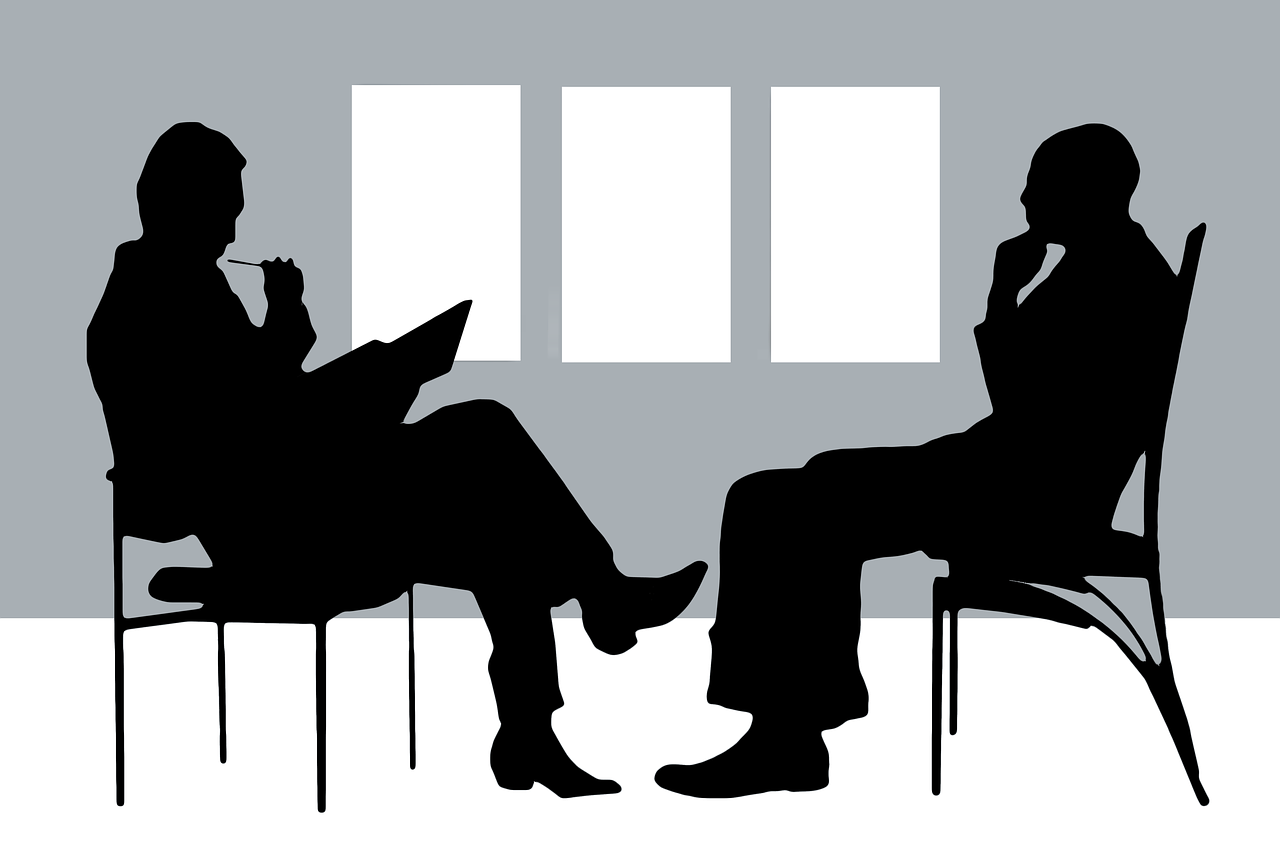
How does therapy help people?

By David Joel Miller, MS, Licensed Therapist & Licensed Counselor.

Therapy

Therapy.
Photo courtesy of Pixabay.com

People ask just how it is that therapy or counseling works.

The short answer is that there are many ways, not just one way in which therapy may work to help someone. Professionals all have their own preferred theory of therapy which is the basis of their practice. What they do is highly influenced by the theory they use, though the truth be told most of us borrow from other theories if we see a procedure that might help a client.

The way counseling might help also varies with the problem the client brings to the office. In the early days, there was one profession that largely dealt with problems of the mind, psychiatrists. Today there are many specialties that work to help people with their problems of living. A caveat here, I have my preferred way of trying to be helpful. This is my opinion so I won’t pretend to fully explain all the procedures.

Therapists are empathetic, non-judgmental listeners.

There are some things people don’t feel comfortable talking to their families and friends about. One school of therapists, Rogerians, believe that most of us have the answers to life’s problems we just need to talk them out. Being able to talk through urges and fantasies helps people to understand themselves and may lead to an improved ability to control their behavior. Clients sometimes say their therapist just sat there, listened, and didn’t tell them anything. If you want or need more than listening, discuss that with your counselor.

Therapy can be a corrective emotional experience.

Many clients tell me they have trust issues. Often this is because there has been no one in their lives they could trust or because they were not trustworthy themselves. If their family was never very affirming, a positive therapist can help them to learn to affirm themselves. Group therapy is especially good at teaching people how to deal with interpersonal problems by allowing them to experiment with new behaviors.

The counselor can provide reality testing.

Clients may come to therapy with incorrect perceptions. People think they are fat when they are normal or below in weight. They think of themselves as too old or too dumb when they are in fact at a normal developmental point in their life. People make plans that they do not have the skills or resources for, they have expectations of others that are not realistic. Having someone to “bounced ideas off” can help ground plans in the real world.

Counselors help people change life stories.

Many people have a “story” about themselves that started in early life and which they have been unable to alter. People with call themselves “a loser.” This personal story, saturated with problems, may keep them from trying new things because they expect to fail at any new effort.  Narrative therapists help people create a new story.  Cognitive therapists would call this a “thinking distortion” and use various methods to get the client to challenge this belief and create a new belief about themselves that was more adaptive. Instead of thinking of themselves as a “loser”, the client may begin to see themselves as a “survivor” who has continued to try in spite of obstacles.

Counselors teach clients new skills.

A substance abuse counselor would teach a client refusal skills. A career counselor might teach his client how to use online career inventories, interviewing skills, or resources to use to conduct a job search. Marriage counselors may teach couples communication skills. Family counselors may teach parenting skills. Skills-based approaches may involve recommendations for books to read and real-life homework to increase skills. School counselors primarily work on academic issues, what classes to take, and how to succeed in school.

Counselors help clients get in touch with themselves.

Exploration of the self, personal growth, and discovery are all legitimate reasons to see a counselor. Counselors don’t make decisions for clients, but they can teach clients decision-making skills and encourage clients to practice these skills. Therapy can help clarify values and assist clients in evaluating choices. People may come to counseling confused and in need of help in gaining clarity.

Psychotherapy can assist in changing personality.

Psychotherapists often focus on basic personality characteristics. Psychologists can give and administer personality tests while psychotherapists can spend time working through personality characteristics the client may wish to change.  Changing an underlying personality characteristic takes more time and effort than the crisis-driven techniques but it can result in long-term changes in coping skills. Psychodynamic therapists work on the unconscious. More cognitive therapists would approach personality issues by trying to help the client gain a new worldview. “Getting a new pair of glasses” results in seeing the world and problems differently.

There are sure to be more ways in which counseling is helpful. What do you think? Are you a client who has been helped? What was helpful? If you are a therapist, what do you think helps clients?

This post was featured in “Best of Blog – May 2012

Staying connected with David Joel Miller

Seven David Joel Miller Books are available now!

My newest book is now available. It was my opportunity to try on a new genre. I’ve been working on this book for several years, but now seem like the right time to publish it.

Story Bureau.

Story Bureau is a thrilling Dystopian Post-Apocalyptic adventure in the Surviving the Apocalypse series.

Baldwin struggles to survive life in a post-apocalyptic world where the government controls everything.

As society collapses and his family gets plunged into poverty, Baldwin takes a job in the capital city, working for a government agency called the Story Bureau. He discovers the Story Bureau is not a benign news outlet but a sinister government plot to manipulate society.

Bumps on the Road of Life. Whether you struggle with anxiety, depression, low motivation, or addiction, you can recover. Bumps on the Road of Life is the story of how people get off track and how to get your life out of the ditch.

Dark Family Secrets: Doris wants to get her life back, but small-town prejudice could shatter her dreams.

Casino Robbery Arthur Mitchell escapes the trauma of watching his girlfriend die. But the killers know he’s a witness and want him dead.

Planned Accidents  The second Arthur Mitchell and Plutus mystery.

Letters from the Dead: The third in the Arthur Mitchell mystery series.

What would you do if you found a letter to a detective describing a crime and you knew the writer and detective were dead, and you could be next?

Sasquatch. Three things about us, you should know. One, we have seen the past. Two, we’re trapped there. Three, I don’t know if we’ll ever get back to our own time.

For these and my upcoming books; please visit my Author Page – David Joel Miller

Want the latest blog posts as they publish? Subscribe to this blog.

For videos, see: Counselorssoapbox YouTube Video Channel