
What will happen if I go for therapy?

By David Joel Miller, MS, Licensed Therapist & Licensed Counselor.

Therapy

Therapy.
Photo courtesy of Pixabay.com

Therapy can be pretty scary if you don’t know what to expect.

Whether it is your first time seeing a therapist or just your first time seeing this particular one you are probably wondering what to expect. The process of seeking professional help for emotional, mental, or behavior problems can make you so anxious some people do not make it to the appointment. Some folks never make the call in the first place.

You probably have one set of concerns on your mind. You know why you are thinking about therapy or at least who told you to go for therapy. The therapist often does not know these things about you.

The therapist has a whole other set of worries on their mind. In the interest of demystifying the whole process, let me try to explain what is happening here and why. To do this we may need to do some head-hopping between your thoughts and what is going on in the therapist’s mind.

In larger practices, you may have to come in beforehand and fill out paperwork. That helps relieve some of the therapist’s anxieties but not yours. In smaller practices, this may all get done at the first visit.

The therapist will want to know who they are supposed to be treating. We call this the “unit of treatment.

Sometimes the person in front of the therapist wants help for themselves. Sometimes they are here because a family member needs help or they need help coping with that other person. Just because a couple shows up does not mean they want marriage therapy. One may need help and the other is being supportive or they may need help telling the kids about the divorce.

So the therapist asks what brings you to therapy. Who will be receiving the counseling and what you want to accomplish by being in therapy?

Once the therapist knows who they are treating they need to go through a bunch of stuff we call “informed consent.” You may or may not care about this stuff but we care.

First, the therapist has to tell you about exceptions to confidentiality. Yes, therapists want to keep your secrets and most of the time most of them do. But there are those pesky exceptions to confidentiality, the things the law says the therapist is not allowed to keep to themselves.

Look back over the last year and the posts about exceptions to confidentiality and what secrets the therapist can and cannot keep are the perennial top read posts.  Shortlist is 1. Danger to self or suicidal, 2 Danger to others, homicidal 3 Gravely disabled, unable to feed and clothe yourself. 4. If you enter your mental status into the court record then the judge can order the therapist to testify about what you said. 5. If you sue the therapist and say they did a bad job, they get to show the judge and jury your record and what you said at the time.

The other thing the therapist is thinking about is how much will you be paying and who is paying the bill. By law, in most places, they must tell you if they take insurance or not and either way how much each session will cost you.

The next thing the therapist is likely to do is an “assessment” of some sort, they need to know what the problem is that they will be treating you for. This identified problem can change over time but your treatment should aim at changing something.

The client may come in saying they are having conflicts with their partner. Later in this first session, they might say they have an “anger management” problem. We want to know how bad that problem is and what might be causing it. In the course of the assessment, if they say that they and their partner fight a lot, the therapist wants to know if this is domestic violence. We also would be asking how much alcohol they drink and what drugs they use.

This is not about being judgmental. It is about seeing what the problems are and how it needs to be treated.

Therapists, especially those paid or reimbursed by insurance will also probably need to create a treatment plan for what they will do and how you and they will know if you are getting better.

Different schools of therapy may proceed differently through these items. Some therapists like to let you do most of the talking, to talk it out. They feel that you already know the answer but you have no one you trust to listen. Other professionals will be looking for things you need and make referrals. They may even give you homework assignments.

If you came in saying that the problem is you are depressed because of your poor relationship with your partner we probably will work on that for a while. Later on, you may find that this relationship is a copy of the one you had with your parents or your parents had with their partners. At that point, we might shift to working on things from childhood.  All the while, as the focus of the session shifts, the therapist is thinking and working on how do we connect this back to the depression. How can a better awareness of where your depression comes from help you reduce the things that are maintaining that depression?

Some problems have quick solutions. Others take a lot longer. Some people may need to stay in therapy for a long time to avoid getting worse and ending up in a psychiatric hospital. Whatever your needs, the therapist should be working towards a thing called termination, the time when you will not need to come to see them anymore.

Those are the things that are likely to happen in the first session. From there the process moves to finding ways to help you get the result you want.

Staying connected with David Joel Miller

Seven David Joel Miller Books are available now!

My newest book is now available. It was my opportunity to try on a new genre. I’ve been working on this book for several years, but now seem like the right time to publish it.

Story Bureau.

Story Bureau is a thrilling Dystopian Post-Apocalyptic adventure in the Surviving the Apocalypse series.

Baldwin struggles to survive life in a post-apocalyptic world where the government controls everything.

As society collapses and his family gets plunged into poverty, Baldwin takes a job in the capital city, working for a government agency called the Story Bureau. He discovers the Story Bureau is not a benign news outlet but a sinister government plot to manipulate society.

Bumps on the Road of Life. Whether you struggle with anxiety, depression, low motivation, or addiction, you can recover. Bumps on the Road of Life is the story of how people get off track and how to get your life out of the ditch.

Dark Family Secrets: Doris wants to get her life back, but small-town prejudice could shatter her dreams.

Casino Robbery Arthur Mitchell escapes the trauma of watching his girlfriend die. But the killers know he’s a witness and want him dead.

Planned Accidents  The second Arthur Mitchell and Plutus mystery.

Letters from the Dead: The third in the Arthur Mitchell mystery series.

What would you do if you found a letter to a detective describing a crime and you knew the writer and detective were dead, and you could be next?

Sasquatch. Three things about us, you should know. One, we have seen the past. Two, we’re trapped there. Three, I don’t know if we’ll ever get back to our own time.

For these and my upcoming books; please visit my Author Page – David Joel Miller

Want the latest blog posts as they publish? Subscribe to this blog.

For videos, see: Counselorssoapbox YouTube Video Channel

Why are we so afraid of feelings?

By David Joel Miller, MS, Licensed Therapist & Licensed Counselor.

Man with feelings

Managing feelings.
Photo courtesy of Pixabay.com

Fear of feelings?

You would think that feelings were on the banned substance list. So many people are avoiding them. Failure to feel what we feel is at the root of a lot of mental health problems. Still, people go to great lengths to not feel those feelings.

We hear lots of advice about ways to avoid feelings, think logically, pull yourself together don’t let yourself feel that. The forces of logic have won the day and henceforth feelings are banned.

But we know in our gut that sometimes feelings are telling us the truth when our head wants to mislead us.

Some people grew up in homes where their feelings were invalidated. You said you were sad and you were told you are not sad, you don’t even know what sad is. If you feel that way you are being weak or selfish or some other terrible thing.

Numbing out the feelings.

So you avoided feelings, any and all feelings, and eventually, you became numb, chronically unhappy, or unable to feel any real joy. In your flight from feelings, you may have left a lot of love, friendship, and compassion behind. You may have resorted to drugs or alcohol or other addictions to avoid feeling what you were feeling.

Feelings have been blackballed, put on the most wanted list, and hunted down and exterminated whenever possible. We have become so very afraid that someone will get angry, depressed, or anxious and then something bad will happen. So we tell them to pull themselves together, forget that feeling and think logically.

Logical thinking, the scientific method has resulted in a lot of technological advances. We have more stuff than ever before in the history of the world. Stuff exists now that science fiction writers fantasized about just a few short years ago.

What we haven’t accomplished is any real reduction in pain or unhappiness. We have more pain-killing drugs but no less pain. We have more antidepressants but we have more depression than ever. We teach people to be more rational and there are crimes of passion on every corner.

In this process of avoiding being carried away with excesses of feelings, we have lost the ability to use feelings for the intended purpose.

Your feelings brain.

When we talk about using our brains, what is left out of the equation is just how much of our nervous system lies outside our heads. All those nerve cells, the ones surrounding your stomach, and the ones in your neck, they are trying to tell you things also.

Those expressions, someone is a pain in the neck, or that makes me sick to my stomach, those expressions are full of truth. Those bodily sensations are conveying information to the rest of our beings that we just may need to know.

Those other “thoughts” the ones in our feeling systems ought to get more attention. That skill we call intuition may just be those emotional memories of things in the past that are useful for actions in the present.

By avoiding our feelings for so long we have lost the ability to regulate those emotions. When we do feel something, like sadness, we can easily become overwhelmed.

When feelings are strangers we come to fear their presence. So many of us will do anything, drink, drug, numb out to avoid feeling what it is we are feeling. We become afraid that feelings are enemies out to destroy us rather than old friends here to tell us something.

One huge step in recovery is to learn that we can feel feelings, happiness or sadness, excitement, or anxiety without becoming overwhelmed and carried away. Having a feeling is not the same thing as being taken over by that feeling. Joy does not have to lead to an excessive celebration and sadness or anxiety need not lead to another relapse or flight.

One group of therapists talks about the need to learn distress tolerance. I can feel bad some of the time and that is OK. I will not cease to exist because I feel sad or anxious. It is possible to feel unpleasant feelings, ask what that feeling has to tell us, and then, like so many other thoughts, let that feeling move on.

Not every happy feeling calls for action, a celebration of excess that might lead to a relapse into drug use, overspending or inappropriate sexual activities.

It is possible to feel feelings and let them serve and inform us rather than being controlled by what we feel.

How do you feel about your feelings?

Staying connected with David Joel Miller

Seven David Joel Miller Books are available now!

My newest book is now available. It was my opportunity to try on a new genre. I’ve been working on this book for several years, but now seem like the right time to publish it.

Story Bureau.

Story Bureau is a thrilling Dystopian Post-Apocalyptic adventure in the Surviving the Apocalypse series.

Baldwin struggles to survive life in a post-apocalyptic world where the government controls everything.

As society collapses and his family gets plunged into poverty, Baldwin takes a job in the capital city, working for a government agency called the Story Bureau. He discovers the Story Bureau is not a benign news outlet but a sinister government plot to manipulate society.

Bumps on the Road of Life. Whether you struggle with anxiety, depression, low motivation, or addiction, you can recover. Bumps on the Road of Life is the story of how people get off track and how to get your life out of the ditch.

Dark Family Secrets: Doris wants to get her life back, but small-town prejudice could shatter her dreams.

Casino Robbery Arthur Mitchell escapes the trauma of watching his girlfriend die. But the killers know he’s a witness and want him dead.

Planned Accidents  The second Arthur Mitchell and Plutus mystery.

Letters from the Dead: The third in the Arthur Mitchell mystery series.

What would you do if you found a letter to a detective describing a crime and you knew the writer and detective were dead, and you could be next?

Sasquatch. Three things about us, you should know. One, we have seen the past. Two, we’re trapped there. Three, I don’t know if we’ll ever get back to our own time.

For these and my upcoming books; please visit my Author Page – David Joel Miller

Want the latest blog posts as they publish? Subscribe to this blog.

For videos, see: Counselorssoapbox YouTube Video Channel

What is an Alcoholics Anonymous (A.A.) meeting like?

By David Joel Miller, MS, Licensed Therapist & Licensed Counselor.

AA big book

Alcoholics Anonymous big book.

What happens at an A. A. Meeting?

This should be an easy question. It’s not. Let me explain what an A. A. meeting is and how very different these meetings can be.

While most people think of Alcoholics Anonymous as meetings you go to, it all started with a book titled aptly enough “Alcoholics Anonymous.” Back then there were few A. A. meetings. Most people learned about Alcoholics Anonymous from buying and reading the book.

Reading the book “Alcoholics Anonymous.”

I continue to recommend that people read the book whether or not they elect to attend meetings.

Over time more and more meetings have sprung up, mostly meetings of people who had read the book and wanted to learn more or get help in participating in the A. A. program of recovery.

With all these groups starting up, they each had to develop their own set of rules. There got to be so many rules that at one point Bill W. one of the two co-founders, said if they followed all those rules, even he could not be a member. The result was that each group or meeting could figure out their own way of doing things as long as their rules did not conflict with the 12 Steps and the Twelve Traditions.

Today there are a whole lot of very different A. A. meetings. Most groups have their meeting times listed and included in schedules and you can find those schedules online or in print form.

Meetings can be categorized by what the program for a meeting will be, who is able to attend, where the meeting is held, and so on. There are also designations for rules for particular meetings.

Types of A. A. meetings.

They can also be categorized by what is on the program at that particular meeting. First the rule types and then the program types.

Smoking and non-smoking meetings.

In the old days, most meetings were smoking allowed. Back then you could tell a good meeting by the full ashtrays. Nowadays more meetings are non-smoking. They may be held in a place that does not allow smoking or the members may have decided to make their meeting a non-smoking one.

Open and closed meetings

There used to be more prejudice about people admitting they had a drinking problem, let alone saying they were alcoholics, so some meetings became closed meetings, meaning that they asked that only alcoholics attend those meetings.

The majority of meetings, especially the large ones, are open meetings that anyone who wants to go can attend. They do ask that if you share, you only talk about alcohol problems and your recovery from alcoholism. Sorry, no commercial pitches or religious and political solicitations are part of this program.

Men’s only or Women’s only meetings

I recommend to female clients that whenever possible they attend a few women’s only meetings. The point of meetings is to work on your recovery not to find a new partner.

Meetings and fellowships

Meetings customarily meet once per week at a particular time and place. They may use any room available; say a church meeting hall, a room at a school, or business. The meeting rents the room from the place and then has its own meeting. The A. A. group may meet at say the Methodist church on Friday night, but it is an A.A. meeting, not a Methodist meeting, so any faith, or those with no faith, are welcome to attend.

A fellowship is a group of meetings that goes in together and rents a room so that there are primarily A. A. meetings in that place. A fellowship might have a morning meeting each day, a noon meeting each day, and one or more evening meetings each day all in the same place.

Go to a fellowship for a few weeks and you will develop a group of clean and sober friends. I encourage clients to try out a fellowship as soon as possible. I also encourage them to try a number of meetings until they find the one that is right for them.

Different A. A. meetings will have different formats.

Speaker meetings

At a speaker meeting, one or a couple of people will get up and talk about their experiences in recovery.

Book studies

At a book study, a portion of the book is read and they people discuss what this means and how they might apply it to their recovery. Books would include the A. A. Big Book, 12 and 12; As Bill sees it, and so on. These meetings do not include reading from any religious books like the Bible or the Koran as that would make the meeting a religious meeting not an A. A. meeting.

Open participation meetings

At this meeting members, (remember you are a member if you decide you want to stop drinking) are encouraged to talk about what is on their mind as it applies to drinking, not drinking, and their recovery from alcoholism.

Meetings, by the way, are not therapy sessions. Sometimes it is hard to tell the difference but the focus of the meeting should be on your problems with alcohol and your efforts to not drink.

The Big Book suggests that people share “in a general way,” what they used to be like, what happened and what they are like now.

So there you have the types of meetings that you might choose to attend, but what will actually happen if you chose to go to an A. A. meeting? If you need to or want to attend a meeting, consider which meeting type you might like to attend or try out several and see what is best for you.

In a future post, I want to describe what the experience of attending an A. A. meeting might be like.

The posts I write about AA are from my perspective as a therapist and clinical counselor and do not necessarily reflect the views of A.A. World Services. For more on A.A. and their program of recovery check out the “A.A. Big Book” titled Alcoholics Anonymous at the links below or contact AA World Services at their website.

The Big Book of Alcoholics Anonymous

The classic text on Alcoholism, recovery this is the book that started off the whole 12 step phenomenon.

Alcoholics Anonymous from The Anonymous Press

One of the Kindle editions – At 99 cents this is such a bargain. This edition needed a separate listing. No Kindle reader? No Problem, if you have a computer you can download a free Kindle reader.

http://www.aa.org

Staying connected with David Joel Miller

Seven David Joel Miller Books are available now!

My newest book is now available. It was my opportunity to try on a new genre. I’ve been working on this book for several years, but now seem like the right time to publish it.

Story Bureau.

Story Bureau is a thrilling Dystopian Post-Apocalyptic adventure in the Surviving the Apocalypse series.

Baldwin struggles to survive life in a post-apocalyptic world where the government controls everything.

As society collapses and his family gets plunged into poverty, Baldwin takes a job in the capital city, working for a government agency called the Story Bureau. He discovers the Story Bureau is not a benign news outlet but a sinister government plot to manipulate society.

Bumps on the Road of Life. Whether you struggle with anxiety, depression, low motivation, or addiction, you can recover. Bumps on the Road of Life is the story of how people get off track and how to get your life out of the ditch.

Dark Family Secrets: Doris wants to get her life back, but small-town prejudice could shatter her dreams.

Casino Robbery Arthur Mitchell escapes the trauma of watching his girlfriend die. But the killers know he’s a witness and want him dead.

Planned Accidents  The second Arthur Mitchell and Plutus mystery.

Letters from the Dead: The third in the Arthur Mitchell mystery series.

What would you do if you found a letter to a detective describing a crime and you knew the writer and detective were dead, and you could be next?

Sasquatch. Three things about us, you should know. One, we have seen the past. Two, we’re trapped there. Three, I don’t know if we’ll ever get back to our own time.

For these and my upcoming books; please visit my Author Page – David Joel Miller

Want the latest blog posts as they publish? Subscribe to this blog.

For videos, see: Counselorssoapbox YouTube Video Channel

The Blue Jay Mind – Do you have Mind Chatter

By David Joel Miller, MS, Licensed Therapist & Licensed Counselor.

Blue Jay.
Photo courtesy of Pixabay.com

Do you have a Blue Jay Mind? Is your mind on overload?

Does your mind feel like it is full? Is your brain always rushing somewhere? Do you sometimes feel like your mind is having a traffic jam?

Have you ever sat outside, a park or the lake, when a flock of Blue Jays or other loud birds had a constant chattering conversation? Does your own mind sound like that sometimes? In meditation, they refer to this as a monkey mind. But we North Americans we don’t see monkeys except in the zoo.

Flocks of loud obnoxious birds; that we see a lot of.

Some days my mind sounds like that squabbling in the tree outside my window.

You know you are not fully crazy; these are not voices in your head. These things that overwhelm you are your own thoughts, but that does not make it any easier to keep that mind of yours under control.

An unquiet mind is an unruly companion.

Some days my brain is just plain full. Is yours? I tell people around me not to tell me one more thing that I need to remember. I say, only half-joking, that if I learn one more thing I will need to forget something I used to know and I am afraid that trying to remember what they are telling me may mean I will forget how to get home tonight.

Do you reach the point of cognitive overload and find that you are working harder and harder to remember less and less? You may be getting old; you may be losing some abilities. If so see your doctor.

There is a simpler explanation.

We only have so many cognitive resources at our command. My computer has just so much storage space and so does my mind.

What we all need to do is reserve some space in our heads for the things that really matter. Learn to simplify our minds and reduce our worries. Less stuff rattling around in our brains results in more calmness, more serenity.

The difficult part of this is to get your mind slowed down and cleared out when you need to. We all can become so accustomed to thinking, thinking, always thinking that for many people it is difficult to shut that mind off when the times come to give your mind a rest.

Some people find mindfulness and meditation training to be helpful to get that mind quiet. Other people need counseling or even medication.

If your mind is constantly racing, if your head is full of noise and most of it is your own thoughts seek help. Just listening to your own thoughts day after day can wear you out.

Staying connected with David Joel Miller

Seven David Joel Miller Books are available now!

My newest book is now available. It was my opportunity to try on a new genre. I’ve been working on this book for several years, but now seem like the right time to publish it.

Story Bureau.

Story Bureau is a thrilling Dystopian Post-Apocalyptic adventure in the Surviving the Apocalypse series.

Baldwin struggles to survive life in a post-apocalyptic world where the government controls everything.

As society collapses and his family gets plunged into poverty, Baldwin takes a job in the capital city, working for a government agency called the Story Bureau. He discovers the Story Bureau is not a benign news outlet but a sinister government plot to manipulate society.

Bumps on the Road of Life. Whether you struggle with anxiety, depression, low motivation, or addiction, you can recover. Bumps on the Road of Life is the story of how people get off track and how to get your life out of the ditch.

Dark Family Secrets: Doris wants to get her life back, but small-town prejudice could shatter her dreams.

Casino Robbery Arthur Mitchell escapes the trauma of watching his girlfriend die. But the killers know he’s a witness and want him dead.

Planned Accidents  The second Arthur Mitchell and Plutus mystery.

Letters from the Dead: The third in the Arthur Mitchell mystery series.

What would you do if you found a letter to a detective describing a crime and you knew the writer and detective were dead, and you could be next?

Sasquatch. Three things about us, you should know. One, we have seen the past. Two, we’re trapped there. Three, I don’t know if we’ll ever get back to our own time.

For these and my upcoming books; please visit my Author Page – David Joel Miller

Want the latest blog posts as they publish? Subscribe to this blog.

For videos, see: Counselorssoapbox YouTube Video Channel
Is A.A. a religious group?

By David Joel Miller, MS, Licensed Therapist & Licensed Counselor.

AA big book

Alcoholics Anonymous big book.

A.A. describes itself in its literature as a spiritual program, not a religious one.

Members of A.A. are free to practice or not practice any religion they chose. Among the members of A.A., you will find Christians of most all the denominations. You will also find Jews, Buddhists, Hindus, Pagans, and both agnostics and atheists.

How it possible to be a member of a spiritual group and not believe in a specific deity?

The A.A. literature says “God as you understand him.” No particular understanding is prescribed. Clearly, some members are more emphatic about their particular faith and its role in their recovery than others.

“Him” here is in the English language tradition of not having gender-neutral pronouns. Using “They or Them” for God did not work also. So I think that there should be no objection if your understanding of God or your higher power were a she, them, or it.

What does matter is that this “higher power” has some ability to help you live your life on a more spiritual basis.

One member, who described themselves as an atheist reported that they understood their higher power as god, as opposed to GOD. Their higher power was a formula for making better more spiritual decisions.

g = Good

O = orderly

d = direction

Some members in early recovery find that simply checking out decisions with their sponsor or the group can improve the quality of those decisions and help them stay sober. For the time being the group can function as a “higher power.”

There is one other description of this process of making progress in A.A. that might help explain why the program does not insist on any particular religious belief.

If you are on the path to recovery, keep looking, you just might find a higher power.

The posts I write about A.A. are from my perspective as a therapist and clinical counselor and do not necessarily reflect the views of A.A. World Services. For more on A.A. and their program of recovery check out the “A.A. Big Book” titled Alcoholics Anonymous at the links below or contact A.A. World Services at their website.

The Big Book of Alcoholics Anonymous

The classic text on Alcoholism, recovery this is the book that started off the whole 12 step phenomenon.

Alcoholics Anonymous from The Anonymous Press

One of the kindle editions – At 99 cents this is such a bargain. This edition needed a separate listing. No kindle reader? No Problem, if you have a computer you can download a free Kindle reader.

Staying connected with David Joel Miller

Seven David Joel Miller Books are available now!

My newest book is now available. It was my opportunity to try on a new genre. I’ve been working on this book for several years, but now seem like the right time to publish it.

Story Bureau.

Story Bureau is a thrilling Dystopian Post-Apocalyptic adventure in the Surviving the Apocalypse series.

Baldwin struggles to survive life in a post-apocalyptic world where the government controls everything.

As society collapses and his family gets plunged into poverty, Baldwin takes a job in the capital city, working for a government agency called the Story Bureau. He discovers the Story Bureau is not a benign news outlet but a sinister government plot to manipulate society.

Bumps on the Road of Life. Whether you struggle with anxiety, depression, low motivation, or addiction, you can recover. Bumps on the Road of Life is the story of how people get off track and how to get your life out of the ditch.

Dark Family Secrets: Doris wants to get her life back, but small-town prejudice could shatter her dreams.

Casino Robbery Arthur Mitchell escapes the trauma of watching his girlfriend die. But the killers know he’s a witness and want him dead.

Planned Accidents  The second Arthur Mitchell and Plutus mystery.

Letters from the Dead: The third in the Arthur Mitchell mystery series.

What would you do if you found a letter to a detective describing a crime and you knew the writer and detective were dead, and you could be next?

Sasquatch. Three things about us, you should know. One, we have seen the past. Two, we’re trapped there. Three, I don’t know if we’ll ever get back to our own time.

For these and my upcoming books; please visit my Author Page – David Joel Miller

Want the latest blog posts as they publish? Subscribe to this blog.

For videos, see: Counselorssoapbox YouTube Video Channel

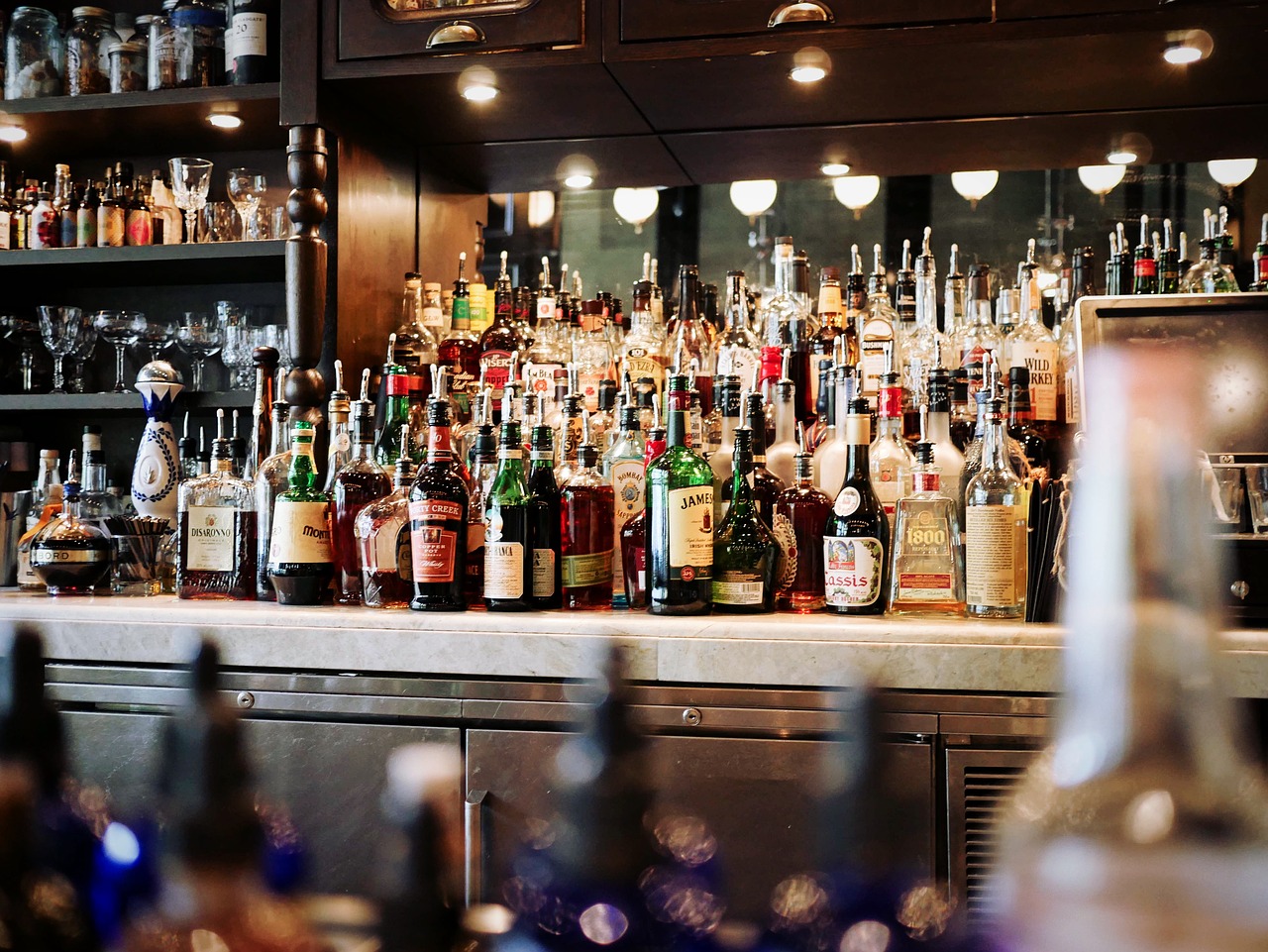
Alcohol prevents healing.

By David Joel Miller, MS, Licensed Therapist & Licensed Counselor.

Liquor

Alcoholic beverages.
Photo courtesy of Pixabay.com

Is a little alcohol medicinal?

We have long known that chronic alcoholics had a whole lot more health problems than non-alcoholics. Heavy drinkers get hurt a lot. They fall down and break things. We blamed it on their being drunk and uncoordinated.

Now, there is word, that drinking may also inhibit the ability of the body to repair cells. This inhibition seems to be at the molecular and cellular level.

This reduced ability to heal is not simply the result of problem drinkers having a poorer diet and other unsatisfactory health practices, although those are large issues also. It would appear that alcohol fundamentally impairs the ability of the body to repair cells that are damaged.

To test this theory out, that too much alcohol may inhibit healing, a study was done in mice. By raising the alcohol level to .20 over twice the legal DUI level researchers were able to see the effects of acute alcohol levels on healing rather than only looking at the long-term effects of excessive drinking.

These “binge drinking” mice, who had broken bones, were unable to heal at the same rate as their un-inebriated fellow mice.

Drinkers that break bones may have a reduced ability to heal, may heal more slowly and there are more complications during the recuperation process.

Those binge-drinking mice appear to have explained the problem. The presence of alcohol in the bloodstream and therefore in every cell in the body reduces the ability for bones to heal when damaged. We now suspect that binge drinking can result in poor healing in many other areas.

Drinking alcohol may be an old home remedy for pain, suffering, and sleeplessness but new research tells us it is a hindrance not a help for those applications.

Staying connected with David Joel Miller

Seven David Joel Miller Books are available now!

My newest book is now available. It was my opportunity to try on a new genre. I’ve been working on this book for several years, but now seem like the right time to publish it.

Story Bureau.

Story Bureau is a thrilling Dystopian Post-Apocalyptic adventure in the Surviving the Apocalypse series.

Baldwin struggles to survive life in a post-apocalyptic world where the government controls everything.

As society collapses and his family gets plunged into poverty, Baldwin takes a job in the capital city, working for a government agency called the Story Bureau. He discovers the Story Bureau is not a benign news outlet but a sinister government plot to manipulate society.

Bumps on the Road of Life. Whether you struggle with anxiety, depression, low motivation, or addiction, you can recover. Bumps on the Road of Life is the story of how people get off track and how to get your life out of the ditch.

Dark Family Secrets: Doris wants to get her life back, but small-town prejudice could shatter her dreams.

Casino Robbery Arthur Mitchell escapes the trauma of watching his girlfriend die. But the killers know he’s a witness and want him dead.

Planned Accidents  The second Arthur Mitchell and Plutus mystery.

Letters from the Dead: The third in the Arthur Mitchell mystery series.

What would you do if you found a letter to a detective describing a crime and you knew the writer and detective were dead, and you could be next?

Sasquatch. Three things about us, you should know. One, we have seen the past. Two, we’re trapped there. Three, I don’t know if we’ll ever get back to our own time.

For these and my upcoming books; please visit my Author Page – David Joel Miller

Want the latest blog posts as they publish? Subscribe to this blog.

For videos, see: Counselorssoapbox YouTube Video Channel

5 Issues in Coping with recovery

By David Joel Miller, MS, Licensed Therapist & Licensed Counselor.

Ball recovery

Recovery and Resiliency.
Photo courtesy of Pixabay.com

The journey to recovery land is an adventure.

Recovery, whether it is from depression, anxiety, or substance abuse, involves learning to cope with a whole lot of changes in your life. Those problems in your life have mounted up and now you have to face making some changes.

There are likely to be changes in your financial life as a result of your disorder. Many people enter recovery at the insistence of the governmental systems. You may have ended up homeless, or unemployed and when you ask for help you got referred to a program.

Even if you still have a job and a place to stay, the result of your disorder may be that you have to alter your habits. You may also have a lot of wreckage that needs to be repaired. Many recovering people find that they have impaired relationships with others in their life. They want to set those things right or they have to adjust to the changes.

Some of the recovery-related challenges may involve doing things that you never thought you could do. Other changes mean doing without things that in the past you thought were necessities and that you could never do without.

Once saying in recovery circles is that in recovery you need to change everything, your playgrounds, playmates, and your toys. There is a whole lot of truth to that observation.

Here are some of the areas of your life that may need to change as you move in the direction of recovery.

Transportation issues in Recovery.

You may be used to driving your car, but new in recovery many people find that they have to find another form of transportation.

If you lost your license, you need to stop driving. Many people who have their licenses revoked or suspended can’t accept that they need to stop driving. The drive anyway. Often they get caught driving without a license and create more wreckage. Maybe they go to jail, maybe their car gets impounded and they can’t get it back.

You may need to rely on others for transportation, learn to take the bus, or arrange to walk a lot more than you ever imagined.

Finances change in recovery.

In recovery, many people find they need to make changes in their finances. You may be unable to work, or unable to work full-time during your recovery process. You may have lost your job as a result of your disorder or your disorder may be the consequence of being out of work.

Many people find they lose their house, have to move to a cheaper place, or otherwise need to downsize their expenses. Living on food stamps, welfare or a part-time job can be a major challenge.

Ironically many people find that once they cut down, they are able to live on far less than they used to and still have more time and are less stressed. Having a lot costs a lot, and the struggle to maintain things can be a major source of stress.

Relationships connect with recovery.

In recovery, it is important to take a look at your relationships. What you may find is that those relationships you have been clinging to are not healthy. Some people find that while they were in their addiction or their disorder they have left old positive friends and taken up with questionable ones. Others have alienated people who used to be supportive. Repairing damaged relationships, cutting off unhealthy ones, and setting new boundaries with the people you chose to keep in your life are all parts of recovery.

Loneliness may visit you during your recovery.

It is not just the tangible things that change in recovery. There is a lot of work to do on learning to feel and to manage your emotions.

Some people are so used to filling their life with others, activity and commotion, even drama, that just being with themselves is a new experience.

Being alone should not mean you are lonely. You can be lonely anywhere, even in a crowd, but getting comfortable with yourself is a big part of recovery.

Boredom and recovery.

Another emotion that causes a lot of problems for people in recovery is boredom. If you are used to regulating your emotions by reaching for chemicals or for other people, then simply being alone can feel boring at first.

With time you can learn to relax and enjoy the time you get to spend with yourself.

Rather than complaining about all the life changes you need to make in recovery, relax and enjoy the journey, you will find that the trip to “recoveryland” is an enjoyable, lifelong journey.

Staying connected with David Joel Miller

Seven David Joel Miller Books are available now!

My newest book is now available. It was my opportunity to try on a new genre. I’ve been working on this book for several years, but now seem like the right time to publish it.

Story Bureau.

Story Bureau is a thrilling Dystopian Post-Apocalyptic adventure in the Surviving the Apocalypse series.

Baldwin struggles to survive life in a post-apocalyptic world where the government controls everything.

As society collapses and his family gets plunged into poverty, Baldwin takes a job in the capital city, working for a government agency called the Story Bureau. He discovers the Story Bureau is not a benign news outlet but a sinister government plot to manipulate society.

Bumps on the Road of Life. Whether you struggle with anxiety, depression, low motivation, or addiction, you can recover. Bumps on the Road of Life is the story of how people get off track and how to get your life out of the ditch.

Dark Family Secrets: Doris wants to get her life back, but small-town prejudice could shatter her dreams.

Casino Robbery Arthur Mitchell escapes the trauma of watching his girlfriend die. But the killers know he’s a witness and want him dead.

Planned Accidents  The second Arthur Mitchell and Plutus mystery.

Letters from the Dead: The third in the Arthur Mitchell mystery series.

What would you do if you found a letter to a detective describing a crime and you knew the writer and detective were dead, and you could be next?

Sasquatch. Three things about us, you should know. One, we have seen the past. Two, we’re trapped there. Three, I don’t know if we’ll ever get back to our own time.

For these and my upcoming books; please visit my Author Page – David Joel Miller

Want the latest blog posts as they publish? Subscribe to this blog.

For videos, see: Counselorssoapbox YouTube Video Channel

Why AA? Reasons therapists recommend you go to AA.

By David Joel Miller, MS, Licensed Therapist & Licensed Counselor.

AA big book

Alcoholics Anonymous big book.

Why do professionals send you to A.A?

Therapists and Counselors treat people with all sorts of serious and persistent mental illnesses so why do they recommend that clients with a drinking problem attend AA meetings?

It turns out that attending meetings provides a lot of benefits that a single therapy session each week can’t provide. In substance abuse treatment programs the standard treatment, after you are over the most immediate problems connected to your drinking or drugging, consists of recommending that clients attend twelve-step meetings.

Here are some of the reasons why professionals recommend A.A.

The 12 steps include a focused system of change.

Embedded in the “working” of steps are the elements of problem identification, change steps, and a program of maintenance. While a therapist may help you work on one problem, depression, or anxiety, the steps are a way of changing your thinking about life and all your problems.

Some people’s only problem is drinking too much, they just quit and are fine. Many others find that once they stop, all the problems they had before they drank are back in force. It takes more than putting the bottle down to stay sober.

Attending meetings helps creates a new set of friends that are clean and sober.

One critical issue in recovery is relapse triggers; hanging out with your old drinking or drugging friends results in a high risk of relapse. Finding friends that do not drink and use requires a change. The more sober friends you make the more support you will have in staying sober.

Seeing others who have changed is very encouraging.

When your therapist tells you that people can change and do recover, you may say yes some people do, but what about me? When you attend meetings and hear the stories of those who have turned their lives around it becomes easy to believe you can do this, especially with the help of people who have themselves recovered.

The longer you stay connected to therapeutic recovery the better the chances.

Continuing to stay in treatment for up to two years has been shown to create better results. Most therapy programs will not cover or include two years of aftercare. A.A. while not professional treatment is a free or very low-cost way to continue to have “booster shots” of recovery for as long as you need them.

Sometimes when I work with mental health clients, I find myself wishing this client had a drinking problem also, and then I could give them a referral to A.A.

There is a serious shortage of self-help, peer recovery groups for those with mental health issues. The few that do exist are often modeled after the 12 step system.

Therapists and counselors do not customarily work the steps with clients. That is something we encourage them to do at the 12 step meeting. What we should do is a process called 12 step facilitation, in which we explain A.A. or other self-help groups, how they work, what the steps are, and encourage people to participate in the meetings.

The posts I write about A.A. or other self-help groups are from my perspective as a therapist and clinical counselor and do not necessarily reflect the views of AA World Services. For more on AA and their program of recovery check out the “AA Big Book” titled Alcoholics Anonymous at the links below or contact AA World Services at their website.

The Big Book of Alcoholics Anonymous

The classic text on Alcoholism, recovery this is the book that started off the whole 12 step phenomenon.

Alcoholics Anonymous from The Anonymous Press

One of the Kindle editions – At 99 cents this is such a bargain. This edition needed a separate listing. No Kindle reader? No Problem, if you have a computer you can download a free Kindle reader.

Staying connected with David Joel Miller

Seven David Joel Miller Books are available now!

My newest book is now available. It was my opportunity to try on a new genre. I’ve been working on this book for several years, but now seem like the right time to publish it.

Story Bureau.

Story Bureau is a thrilling Dystopian Post-Apocalyptic adventure in the Surviving the Apocalypse series.

Baldwin struggles to survive life in a post-apocalyptic world where the government controls everything.

As society collapses and his family gets plunged into poverty, Baldwin takes a job in the capital city, working for a government agency called the Story Bureau. He discovers the Story Bureau is not a benign news outlet but a sinister government plot to manipulate society.

Bumps on the Road of Life. Whether you struggle with anxiety, depression, low motivation, or addiction, you can recover. Bumps on the Road of Life is the story of how people get off track and how to get your life out of the ditch.

Dark Family Secrets: Doris wants to get her life back, but small-town prejudice could shatter her dreams.

Casino Robbery Arthur Mitchell escapes the trauma of watching his girlfriend die. But the killers know he’s a witness and want him dead.

Planned Accidents  The second Arthur Mitchell and Plutus mystery.

Letters from the Dead: The third in the Arthur Mitchell mystery series.

What would you do if you found a letter to a detective describing a crime and you knew the writer and detective were dead, and you could be next?

Sasquatch. Three things about us, you should know. One, we have seen the past. Two, we’re trapped there. Three, I don’t know if we’ll ever get back to our own time.

For these and my upcoming books; please visit my Author Page – David Joel Miller

Want the latest blog posts as they publish? Subscribe to this blog.

For videos, see: Counselorssoapbox YouTube Video Channel

,

Healthy Habits available for adoption

By David Joel Miller, MS, Licensed Therapist & Licensed Counselor.

Would you like to adopt some healthy habits?

One sign of mental illness or substance use disorders is living an unhealthy lifestyle. People with depression do not have the energy to take care of themselves. People who are ill do not have the strength to maintain healthy habits.

Even those who don’t consider themselves “in recovery” find that adopting healthier habits can increase the happiness of their life and reduce the risk of becoming emotionally unhealthy.

One thing I have noticed from my time around the tables and the therapy rooms is that illnesses and diseases take a back seat to discussions of healthy habits. People who are really struggling talk about how hard, impossible it is to take care of themselves. As people recover then begin to talk increasingly about self-care.

Some will say that better self-care promotes recovery and others say that as you recover you begin to pay more attention to your self-care. I suspect there is some of both.

So what things are you doing to take better care of yourself?

Some people feel so responsible for others that they find it hard to spend time, money or effort on self-care.

Taking good care of yourself is not being selfish!

Here are some major areas of self-care that I see clients engaging in as their recovery progresses.

A better, healthier diet is part of self-care.

When you are in your disorder preparing food and eating can be a chore. Depressed people either eat nothing or they eat most everything. Often their food choices are unhealthy. Substance abusers have similar disruptions in their eating. As people begin to recover they pay more attention to what they are eating and how this is affecting them. How is your diet supporting your emotional health and recovery?

Exercise and health maintenance are parts of recovery.

Recovering people often begin an exercise program. They think about seeing a doctor. They get their physical health problems treated.

After years of failure to take care of your body, working on your health can become a priority. Recovering people need to balance their physical recovery with their emotional and spiritual recoveries. It is easy to turn an exercise program or being health conscious into a new addiction. This may be a “better addiction” but it can take you down a wrong path and away from real lasting recovery.

It is important to tell yourself that no matter how much damage to your body your old lifestyle has caused, you are worth taking care of. Depression and inactivity take their toll. So do anxiety and addiction. See to it that you get the health part of your recovery in balance with the other portions.

Setting boundaries with others safeguards recovery.

Part of recovery is learning to say no, set healthy boundaries. As you treat yourself better you will no longer be able to abide by others treating you poorly.

You will also find that you are more able to treat others as they should be treated. You will begin to recognize and respect other’s boundaries.

Safe and comfortable housing promotes recovery.

When you are down and discouraged you stay where you can. Once in recovery, you home becomes important.

You may need help finding a safe place to stay, do not hesitate to use public programs and private resources. Be sure that you make your nest in a place that is supportive of your recovery, not a place of settling for something less than you deserve.

Do what you can to make where ever you stay “your place.”

Improving relationships promotes recovery.

Recovering people want a healthy relationship with their children, parents, and significant others. They also may need to reexamine friendships and try to strengthen healthy supportive relationships, mending breaches where possible, and sometimes they find that there are former associates that need to be let go.

Even if you do not think of yourself as a recovering person, adopting healthy lifestyle practices can improve the quality of your life.

What healthy lifestyle practices are you ready to adopt and take home?

Staying connected with David Joel Miller

Seven David Joel Miller Books are available now!

My newest book is now available. It was my opportunity to try on a new genre. I’ve been working on this book for several years, but now seem like the right time to publish it.

Story Bureau.

Story Bureau is a thrilling Dystopian Post-Apocalyptic adventure in the Surviving the Apocalypse series.

Baldwin struggles to survive life in a post-apocalyptic world where the government controls everything.

As society collapses and his family gets plunged into poverty, Baldwin takes a job in the capital city, working for a government agency called the Story Bureau. He discovers the Story Bureau is not a benign news outlet but a sinister government plot to manipulate society.

Bumps on the Road of Life. Whether you struggle with anxiety, depression, low motivation, or addiction, you can recover. Bumps on the Road of Life is the story of how people get off track and how to get your life out of the ditch.

Dark Family Secrets: Doris wants to get her life back, but small-town prejudice could shatter her dreams.

Casino Robbery Arthur Mitchell escapes the trauma of watching his girlfriend die. But the killers know he’s a witness and want him dead.

Planned Accidents  The second Arthur Mitchell and Plutus mystery.

Letters from the Dead: The third in the Arthur Mitchell mystery series.

What would you do if you found a letter to a detective describing a crime and you knew the writer and detective were dead, and you could be next?

Sasquatch. Three things about us, you should know. One, we have seen the past. Two, we’re trapped there. Three, I don’t know if we’ll ever get back to our own time.

For these and my upcoming books; please visit my Author Page – David Joel Miller

Want the latest blog posts as they publish? Subscribe to this blog.

For videos, see: Counselorssoapbox YouTube Video Channel

When does recovery start?

By David Joel Miller, MS, Licensed Therapist & Licensed Counselor.

Ball recovery

Recovery and Resiliency.
Photo courtesy of Pixabay.com

When will your recovery start?

If we believe in recovery – and I do – we need to ask, when does recovery start? How does someone know that they have begun the process of recovery?

Recognizing what is wrong.

The starting point for recovery is to admit that there is something wrong.

As long as someone continues to pretend that there is nothing wrong nothing changes. I know the old conventional wisdom was to just suck things up and keep going to work doing your tasks, keep trying to control your drinking, and so on.

The result of this effort to deny the problems resulted in a whole lot of unhappy people who kept up pretenses but never felt happy, never was able to do all they should do, until that final breakdown occurred.

The nervous breakdown, the DUI, or the arrest was not the problem. The problem was that there has been an underlying emotional or substance use problem that has gone untreated because people believe that denying you have a disease keeps you from having it.

This happens a lot in the medical field. Lots of people avoid tests for cancer or HIV because they do not want to have the disease. As if not knowing would prevent you from getting it. The result of failing to acknowledge an illness is not avoiding that disease.

Not admitting your problem allows it to get worse.

You need to recognize that something is wrong before you reach a point of not being able to avoid it. Untreated problems may even reach the point of being fatal.

Yes, depression untreated can be fatal. So can alcoholism, and addiction.

Many recovered people report that they began their journey to recovery the day they admitted they had a problem.

If you have been chronically depressed or anxious, you know you have had to make a lot of excuses to get out of things that you were unable to do and still not have to tell people about your emotional problem. You know that relapse is a risk.

Making excuses gets in the way of real recovery.

The alcoholic who tries to stop drinking will often, in the beginning, make excuses for why they are not drinking. They have a headache, they need to get up early tomorrow or they just are not in the mood to drink tonight. Others around them will continue to offer to buy them a drink; they want them to join in the “fun.” Many times those friends are alcoholics also so they do not want someone else admitting a drinking problem as that might imply they have one too.

The depressed person misses a lot of activates because they have no energy to participate. The need to make excuses also. But eventually, those excuses wear thin. People begin to think you are avoiding them rather than understanding that there are days when your emotional condition makes it impossible for you to engage in activities that you used to do.

You can suffer for years trying to pretend you do not have a problem. What you may find is that once you recognize what the problem is, the treatment can be remarkably simple, simple but not easy.

You may be trying to avoid other issues.

Many times these things we call emotional illness are really the symptoms of something else we have been unable to cope with. If you hate your job or have relationship problems and drink to cope, you may think the problem is the alcohol. If you keep drinking to avoid other emotional problems, eventually that alcohol will become a problem also.

Sooner or later you need to face not only the depression or the addiction but also the bad relationships you have with your job or your close family and friends. Avoiding these problems of living causes emotional illnesses.

Once you admit to yourself and others the nature of your problem and become ready to take a good look at how you got this way, you may find that recovery is a whole lot easier than continuing to have the disease.

Staying connected with David Joel Miller

Seven David Joel Miller Books are available now!

My newest book is now available. It was my opportunity to try on a new genre. I’ve been working on this book for several years, but now seem like the right time to publish it.

Story Bureau.

Story Bureau is a thrilling Dystopian Post-Apocalyptic adventure in the Surviving the Apocalypse series.

Baldwin struggles to survive life in a post-apocalyptic world where the government controls everything.

As society collapses and his family gets plunged into poverty, Baldwin takes a job in the capital city, working for a government agency called the Story Bureau. He discovers the Story Bureau is not a benign news outlet but a sinister government plot to manipulate society.

Bumps on the Road of Life. Whether you struggle with anxiety, depression, low motivation, or addiction, you can recover. Bumps on the Road of Life is the story of how people get off track and how to get your life out of the ditch.

Dark Family Secrets: Doris wants to get her life back, but small-town prejudice could shatter her dreams.

Casino Robbery Arthur Mitchell escapes the trauma of watching his girlfriend die. But the killers know he’s a witness and want him dead.

Planned Accidents  The second Arthur Mitchell and Plutus mystery.

Letters from the Dead: The third in the Arthur Mitchell mystery series.

What would you do if you found a letter to a detective describing a crime and you knew the writer and detective were dead, and you could be next?

Sasquatch. Three things about us, you should know. One, we have seen the past. Two, we’re trapped there. Three, I don’t know if we’ll ever get back to our own time.

For these and my upcoming books; please visit my Author Page – David Joel Miller

Want the latest blog posts as they publish? Subscribe to this blog.

For videos, see: Counselorssoapbox YouTube Video Channel