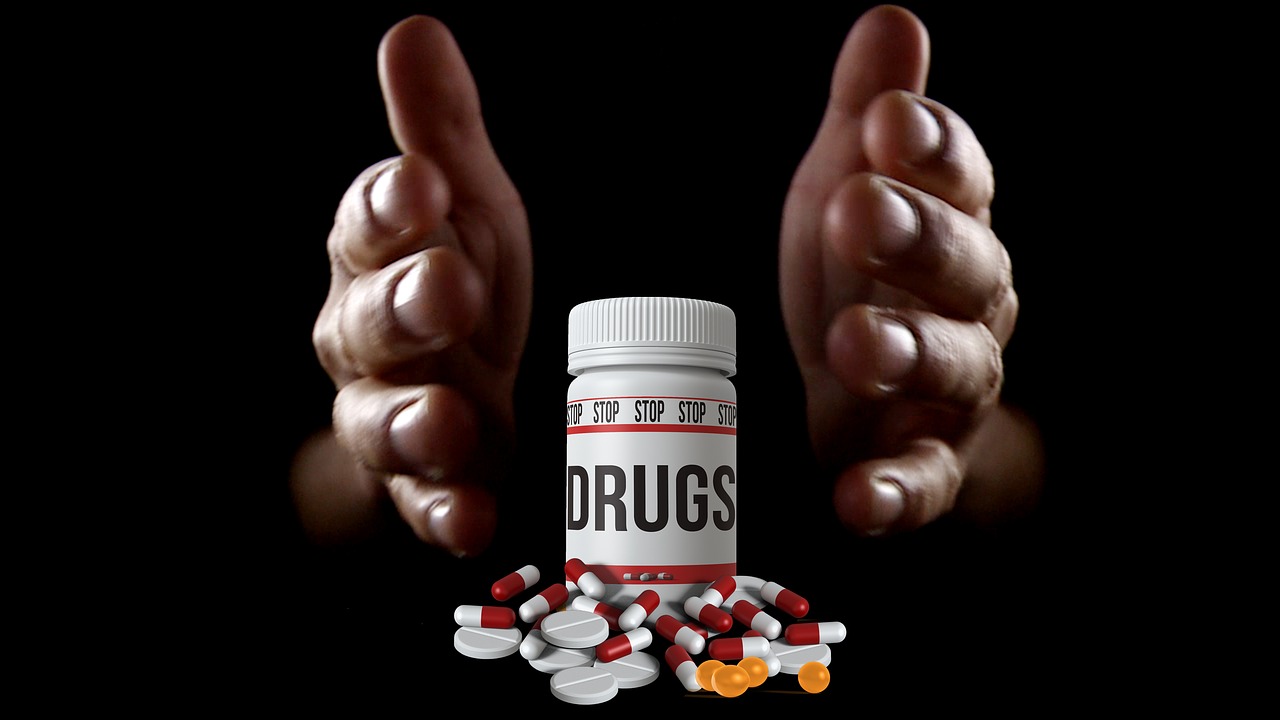
“Speeding up” the third grade

By David Joel Miller, MS, Licensed Therapist & Licensed Counselor.

Sad child

ADHD?
Photo courtesy of Pixabay.com

There must be a connection between Attention Deficit Hyperactivity Disorder (ADHD), Bipolar Disorder, and behavioral problems like Disruptive Behavior Disorder. If they are not connected why do I see so many children who progressively get all three diagnoses?

Recently a child was referred for assessment. The parents were concerned their child might have ADHD. They had been sent by the third-grade teacher with a stern warning that they needed to get this child help before it was too late. The teacher pointed out that she had been teaching for a great many years, she had seen many ADHD children, and that she knew a child with ADHD when she saw one. She was certain that this child had ADHD and needed medication. The teacher had told the parents she was sure of this because the child was in the bottom third of the class.

This troubles me. Now I know that there are people who suffer from ADHD. I have worked with adults who were unable to stay focused enough to succeed on a job without their medication. I have seen children with ADHD who have been struggling in school and then they get put on the right medication. It can work miracles. But this was different. If we are going to refer every child in the bottom third of the class for medications what does that say about us and our educational system? Really does that mean one in three children has ADHD? I find that hard to believe.

Now if this was an isolated incident I could explain it away. But this sort of thing is happening more and more.  Another parent shared with me that they were pressured to have their child evaluated for ADHD. The school had said that the child did not stay in their desk or do their work. Further, the parents were told that if the child continued to ignore the teacher and not do their work they might have to be placed on homeschooling. This parent took the bold step of talking to other parents in the class. Turns out that in this class of about thirty students more than half were on ADHD medication, most of them referred by the teacher and principal.

Have we reached the point where test scores are so important that we need to put a third of a class on stimulant medication to get their test scores up?

And if taking pills to get smarter really works, if drugs make kids smarter, than why only the bottom third? Aren’t we then cheating the top third by not giving them the drugs so they can do better also?

What also bothers me is the number of children who are diagnosed with ADHD who are subsequently suspended, sometimes expelled for fighting and violent behavior. I know from my work with substance abusers that when they abuse stimulants they are more likely to become violent or otherwise act impulsively. So could a stimulant ADHD med increase the child’s level of violence and result in him being expelled for behavioral problems? I asked a couple of psychiatrists about this issue. I was told that yes a side effect of some ADHD medications is an increase in violence.

On interesting new development in the field has been the availability of several newer drugs that are non-stimulant ADHD medications. While every medication has its side effects, and these meds are no exception, if the medication we are giving a child is making the problem worse not better shouldn’t we consider other options? I would if it was my child.

Now, remember here I am a therapist and not a doctor so if this gets you thinking how about talking with your doctor? And please don’t just suddenly stop giving or taking meds without consulting your doctor.

Here is another example of this problem. A child was referred for assessment. Please hold your CPS dialing finger till you read to the end. The caregiver, an older sibling, was trying to help her younger brother. He was constantly in trouble at school. Did not do his homework, daydreams in class, and would not stay in his seat. The teacher (different teacher this time) was sure this was another classic case of ADHD. The sister told me she tried to do what she could but she and her baby’s father were living with friends in a motel room and there was no place for this young man. Still, she was his school contact and she came to help him when she could. His primary care doctor had prescribed ADHD meds, but the minor still was not doing his homework and was not paying attention. His meds had been increased and still no improvement. What to think?

So I interviewed the young man. He reported his father was not around. Bio Father was in prison and would not be released for a few more years. He was staying with his mother but she was in jail right now and would not be released until Monday. So in the meantime, he had been staying with relatives. He had slept on the couch, several different couches for that matter, different relatives on different nights, and most of these homes were small and overcrowded. He had not slept well or eaten well since mom had been arrested. He was sad all the time and nothing made him feel better anymore. So was my diagnosis ADHD? Not on your life. Clearly, this young man was suffering, and I do mean suffering, from depression. The end of the story is, mom was released, the minor, and mom found a safe place to stay and the child is in counseling. I hope mom gets some counseling also.

Did I mention the referral for ADHD whose father was just deported and dad will not be allowed back in the U. S.again? He refuses to do his homework, will not listen to the teacher, and – Well you get the idea.

In each of these cases and so many, more, the first diagnosis was ADHD because of poor schoolwork, inattention, and not following rules, like being out of their seat. Later when the medication did not fix them they get diagnosed with some kind of disruptive behavior diagnosis. But in most cases when we look really carefully there was also a lot of depression and sometimes eventually a manic episode occurs and the diagnosis changes to Bipolar Disorder. Not every child who does not do homework has ADHD.

If you have had an experience with this issue or thoughts you would like to share please contact me. So much for my thoughts on Attention Deficit Hyperactivity Disorder (ADHD), Bipolar Disorder, behavioral problems like Disruptive Behavior Disorder, and Depression.

Staying connected with David Joel Miller

Seven David Joel Miller Books are available now!

My newest book is now available. It was my opportunity to try on a new genre. I’ve been working on this book for several years, but now seem like the right time to publish it.

Story Bureau.

Story Bureau is a thrilling Dystopian Post-Apocalyptic adventure in the Surviving the Apocalypse series.

Baldwin struggles to survive life in a post-apocalyptic world where the government controls everything.

As society collapses and his family gets plunged into poverty, Baldwin takes a job in the capital city, working for a government agency called the Story Bureau. He discovers the Story Bureau is not a benign news outlet but a sinister government plot to manipulate society.

Bumps on the Road of Life. Whether you struggle with anxiety, depression, low motivation, or addiction, you can recover. Bumps on the Road of Life is the story of how people get off track and how to get your life out of the ditch.

Dark Family Secrets: Doris wants to get her life back, but small-town prejudice could shatter her dreams.

Casino Robbery Arthur Mitchell escapes the trauma of watching his girlfriend die. But the killers know he’s a witness and want him dead.

Planned Accidents  The second Arthur Mitchell and Plutus mystery.

Letters from the Dead: The third in the Arthur Mitchell mystery series.

What would you do if you found a letter to a detective describing a crime and you knew the writer and detective were dead, and you could be next?

Sasquatch. Three things about us, you should know. One, we have seen the past. Two, we’re trapped there. Three, I don’t know if we’ll ever get back to our own time.

For these and my upcoming books; please visit my Author Page – David Joel Miller

Want the latest blog posts as they publish? Subscribe to this blog.

For videos, see: Counselorssoapbox YouTube Video Channel
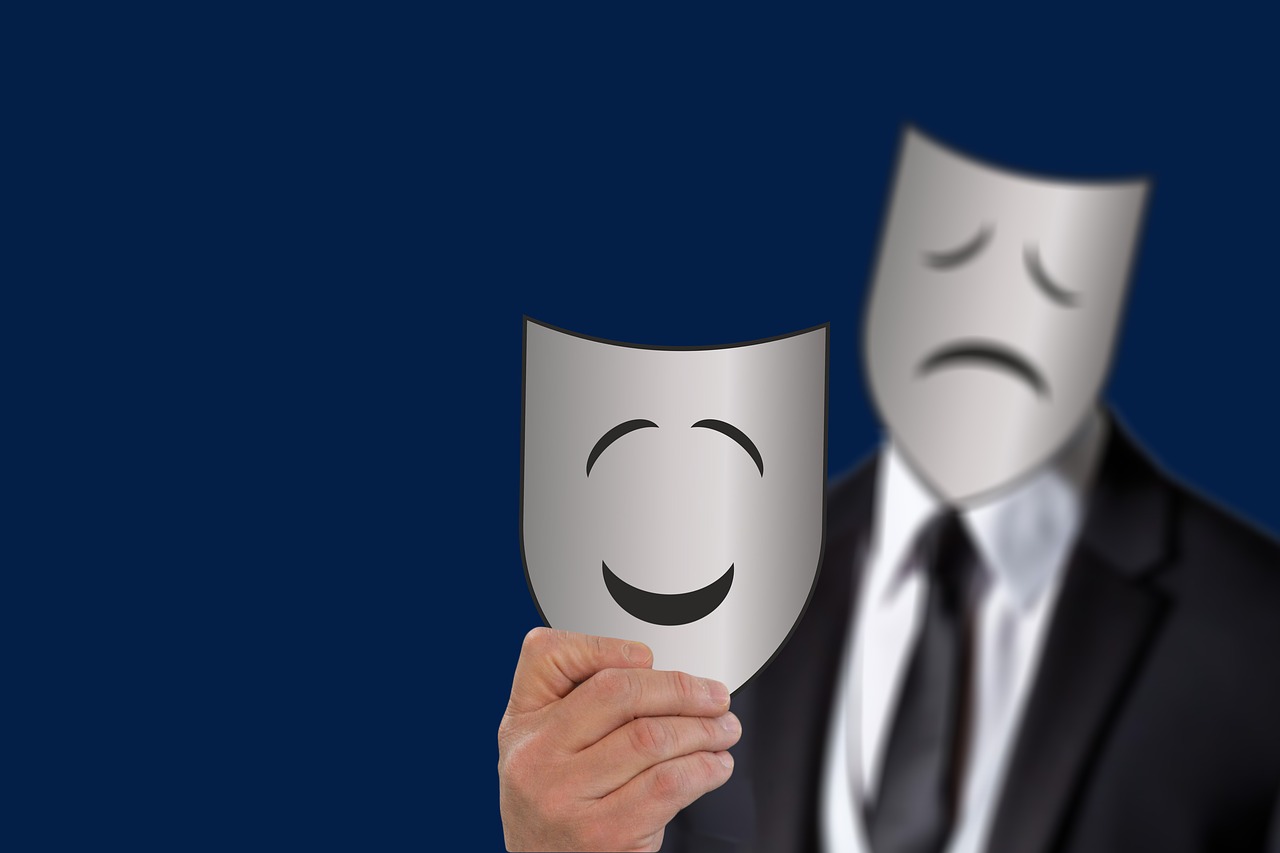
Am I Bipolar?

By David Joel Miller, MS, Licensed Therapist & Licensed Counselor.

Person with masks

Bipolar.
Photo courtesy of Pixabay.com

Am I Bipolar?

Occasionally I get asked this question. More often the person asking the question is asking if their child, spouse, or friend is Bipolar. Almost no one ever asks me if they are depressed. Why the difference?

Most of us know when we are depressed. We know that we can be a little depressed and get over it naturally or we can get a lot depressed and need help. It is also easy to see that there is a difference between being a “little depressed” and suffering from Major Depressive Disorder which is the technical term we professionals use when we diagnose clinical depression that needs treatment.  We also have some other lesser degrees of depression we can diagnose like Dysthymic Disorder. Not so much with bipolar disorder.

Even my more liberal colleagues are uncomfortable with the idea that people could be “a little bit bipolar” even though all people have some of the characteristics of bipolar from time to time. It would be more comfortable to think that there are “those people” meaning the mentally ill – over there and then “us people” the normal ones over here. Forget for a moment that our friends and family may think we belong with the over-there folks. Why is it so hard to accept that most of the symptoms of mental illness are on a continuum from a few to a lot?

With depression, we all accept that if someone in your family dies – say, grandma, for instance, you should be sad. That is assuming, of course, you like grandma. If someone close to you dies we expect you to be sad, depressed even, we have a special name for that – Bereavement. But if five years later you are still stuck at home, too depressed to go to work because of this loss, then we think there is something excessive going on here and you will be diagnosed as depressed, probably diagnosed with Major Depressive disorder. So why don’t we do that with Bipolar disorder?

One caution is in order.  DO NOT ATTEMPT THIS AT HOME! Diagnosis is not a do-it-yourself project. This blog is meant to be informative and as you will see below most of this is not a matter of yes or no answers on a questionnaire. Some “clinical judgment” needs to be used, which is why even professionals sometimes need to consult with other professionals on close calls.

Let’s look at the criteria for Bipolar and see how someone might have all the signs or symptoms and still not qualify for the diagnosis. Some of you who read my earlier blog about Bipolar Disorder will remember that the main difference between depression and bipolar disorder is the occurrence, at least one time, of an episode of large mania or small mania (Hypomania.) I have simplified these descriptions so if you want the long-form, check the DSM.  After the 7 criteria will come the big stuff.

Here are the 7 criteria:

1. Inflated self-esteem or grandiosity.

So this sounds like an occupational disease. Wouldn’t all politicians, entertainers, and sports personalities fit this description? So thinking a lot of yourself could be good self-confidence or it could be grandiosity depending on whether you win or not. Certainly, people with bipolar disorder may be attracted to these kinds of occupations but not everyone in those fields should be diagnosed with bipolar disorder. As with all the other symptoms, this is not a yes or no answer, it is a matter of degree.

2. Decreased need for sleep.

Many people experience a night or two when they are doing something exciting and they get by on less than normal sleep for a day or two. As a society, we like people who get a lot done. But eventually, the novelty wears off and the need for sleep returns. Bipolar people have extended periods of high activities with a reduced need for sleep.  Parents with bipolar children report the child never slept that much. Though most parents don’t think their child sleeps enough when the kid keeps waking you up at night. So again the sleep issue is a matter of degree.

3. More talkative than usual or a pressure to keep talking.

Now we have all met people who talk a lot. And when you are with someone who has not seen you for a while you both may feel the need to say a lot. Some kids are so needy for attention that once the mouth opens they will talk nonstop. None of these things meet the criterion of it only happens occasionally. To really be bipolar disorder the person needs to have an out of control need to do these things.

4. Racing thoughts.

This is from the client’s point of view. They feel that even they are having difficulty keeping up with their own thoughts. Writers have this happen sometimes; the muse strikes and we have trouble getting it down on paper. That is not the same thing. Being a writer does not make you Bipolar. (We are not all bipolar are we?) These fast thoughts are also called flights of ideas, hard to stay on track when your ideas jump from subject to subject.

5. Distractibility.

This involves being pulled away easily or getting stuck on irrelevant things. Now, this is perilously close to ADHD. Kids with bipolar disorder are sometimes given an ADHD diagnosis the first time until the symptoms of bipolar disorder become clearer. More on ADHD at another time.

6. An increase in goal-directed behavior.

This is also a tricky one. If it means studying a lot and getting all “A’s” or making lots of money we may let this go. But if you are really good at having sex with lots of people or working so many hours you forget where you live – then you get diagnosed.

7. Excessive involvement in pleasurable activities that may cause you pain.

The official guide lists too much sex, buying sprees, sexual indiscretions, and foolish business investments. This leaves out gambling, substance abuse and some other impulse control problems.  What is a foolish business investment is also open to question. Should we dump the internet stock and invest in a sound carriage manufacturer’s stock? So see how some interpretation is needed?

Now all the above notwithstanding, for anything to be diagnosed – yes you heard me right – for anything to be diagnosed as a mental illness it must cause one of three things.

A. The problem keeps you from having or keeping a job. For kids, this includes going to school. In fancy-speak, we call this interfering with occupation functioning.

B. It keeps you from having good relationships with your friends or family this is called social functioning.

C. It causes you pain. So if the problem is causing you pain we are much more likely to think it is a mental or emotional disorder than if you and your friends are OK with your difference and you can keep a job.

More next time on some of these problematic diagnoses and on some other relationship issues that you have emailed me about.

Bye for now

David Miller, LMFT, LPCC

Bipolar doesn’t mean moody

By David Joel Miller, MS, Licensed Therapist & Licensed Counselor.

Person with masks

Bipolar.
Photo courtesy of Pixabay.com

Bipolar doesn’t mean moody.

Three psychiatric diagnoses (ADHD, Bipolar, and Schizophrenia) have left the scientific literature and taken up residency in the media and in everyday conversation. The problem with these usages is it devalues the term and pretty soon it is being misused more often than it is used correctly. Bipolar is one of those terms.

Kids report that their peers call them or others “Bipolar.” We hear about it on talk shows. Sometimes parents call their children or their partner Bipolar with no clear idea what the term means. Children are being diagnosed with bipolar disorder at younger and younger ages. Early diagnosis and treatment is a good thing; it may reduce a lifetime of suffering. Referring every kid in first grade who is irritable for a bipolar evaluation is probably not warranted.

Lots of parents want their child “tested” for bipolar disorder. I wish there was a simple test, say blood or urine that would detect the disorder. There may be physical signs or markers, but so far no one seems to be able to detect bipolar disorder other than by a psychological evaluation that involves descriptions of mood and behavior. When many parents want to know if their child is bipolar, what they really mean is the child is irritable or difficult and they need help.

People refer to others who are moody as Bipolar. Bipolar disorder does not mean moody! Some people are naturally moody others get moody when something upsets them. Lack of sleep makes most anyone moody and grouchy. Not everyone with sleep disturbances has bipolar disorder by any stretch of the imagination.

When we talk about bipolar disorder we are talking about a condition, not a person. A person may have bipolar disorder that does not make them “bipolar.”

So what is Bipolar – really? It used to be called Manic Depressive disorder. I see client questionnaires where they report they have family histories of both manic-depressive disorder and Bipolar. I won’t go into the politics behind the name change but it is important to note two things. Bipolar is a mood disorder so it is in the same “family” or chapter as Depression and other mood disorders. The second characteristic is that for the problem to be bipolar it must include Mania or its cousin Hypomania.

Update – In the DSM-5 they did away with the term “mood disorders.” More and more professionals are thinking that Bipolar and Major Depressive Disorder are for-sure two separate things. You may have periods of depression for a while before the mania but we need to be careful to separate the Bipolar from the Major depression.

So what is mania? I won’t repeat the whole DSM-4-TR criteria here if you want that please go to the source. But a couple of things that separate mania and therefore bipolar disorder are important. For some clients, this looks like someone on Meth – without the drugs. This is not a little bit thing that comes and goes. When it occurs the person is debilitated.

Mania involves a period of time where the client’s behavior is elevated, expansive, or irritable. In short, they are “off the hook” and this is not deliberate but uncontrollable. During this time frame, they have a bunch of behaviors that are far too excessive. The DSM lists 7 characteristics and the person should have the majority of these symptoms. Not sleeping and not needing to sleep is a red flag. They are up all night doing things and they don’t even feel tired. They are likely to show grandiosity and excessive self-esteem. They talk faster than those around them can listen and they think faster than they can talk. But the thoughts may make sense only to the person with bipolar disorder. They are likely to get “stuck” on things, too much work, buying sprees, excessive sexual activity, and other risk-taking activities.

Since mania is seductive, who wouldn’t like to be able to have fun twenty-four hours a day and not need to sleep, during manic episodes the client with bipolar may be strongly attracted to stimulant drugs like methamphetamine and cocaine. Alcohol abuse is also common which increases the crash when the manic episode ends. And it always ends.

Most people who truly have bipolar disorder are first diagnosed with depression. One indicator that makes me suspicious is when a depressed client takes an anti-depressant and recovers suddenly and now is “better than ever.” A manic episode is about to occur.

So far talking about Bipolar disorder, with its depressive and manic symptoms makes it sound like the person runs from manic (which is not happy by the way) to depressed. That’s not the whole story. Kay Redfield Jamison writes about what we might call mixed states. It is possible, probably more common than we might think, to have both mania and depression at the same time. Think of the shifting moods like a tire on your car. When it is parked we could mark one side of the tire and call that the back, the other would be the front. But once the tire starts to move you don’t drive on the front or the back but the whole tire. So the person with bipolar may experience a mixture of depression and mania at the same time.

Another feature of Bipolar disorder that separates it from moodiness and depression is the tendency for the elevated thinking to become first delusional and then it may progress to include hallucinations. So the person with bipolar disorder is not only thinking odd thoughts but is very irritated with others that they don’t “get them.”

Hope this explanation got you thinking about Bipolar disorder. If you would like more information, check out the Depression and Bipolar Support Alliance.

As always your comments are welcome. If you like this blog spread the word. If not let me know what might improve it. Till next time.

David Miller, LMFT, LPCC

Are you a rat?

By David Joel Miller, MS, Licensed Therapist & Licensed Counselor.

Truth or lie

Separating truth from lies is hard work.
Photo courtesy of Pixabay.com

Should you ever rat? When is it OK to tell on someone?

We tell kids to talk to the teacher if someone bullies them. We tell them no one likes a tattletale. Teenagers are vehement that it is never OK to tell on your friends. Parents of teens wish someone would tell them when their child is in danger. What things might your child be doing you would want to know about? What things do you hope your friends are keeping secret?

In a previous post, I wrote about the way in which kids will tell their friends and their friend’s parents about things they would never tell their own parents. When you hear those things, what should you keep to yourself, and what is so important you need to tell? Should we accept the rule that we should never rat? Should it be OK if our kids keep those things secret?

Wouldn’t it be nice if there were all or nothing rules for behavior in life? Some people try to make absolute rules, for themselves and for others. They are mighty sure what the right thing to do is until you call one of their actions into question.

Most of the time in life, things are on a continuum, from good to less good to a little bad to a lot bad. Telling a friend’s secret to someone else is on that continuum.

As a parent, I would want to know if my child was thinking of killing themselves. Wouldn’t you? Could your child feel good about themselves if their friend confided to them that they were suicidal and they did nothing? People who talk about suicide may want to be talked out of it, to be reassured that there is someone who cares enough to intervene and stop them. Would you want to be the kind of person who saved a life or the kind who let someone die?

How would you explain to the parents of a murdered child that you knew someone was going to kill their child but you didn’t want to tell? Could you live with yourself after that? How would you feel if your friend bullied someone and they killed themselves?

It is a good idea to talk with your child about morality and ethics before they have to make those tough decisions.

If a teen is endangering their life with drugs and drinking and driving do you owe it to them to talk to them about it? If they don’t want to stop and continue to endanger their life it is permissible to tell someone else who is in a position to stop them.

Every year we hear about a local teen that is killed by driving drunk, being a passenger of a drunk, or being hit by a drunk driver. Does not trying to stop that when you know about it make you a bad friend? Would you rather be a good friend who kept a dead friend’s secrets or a bad friend who saved their life?

Professional counselors and therapists have legal constraints on secrets. We can’t tell things we might like to such as having a client tell us about past crimes. The counseling relationship has a high level of trust and if we violate that trust we keep clients from coming for the help they need.

But there are other things that counselors are legally and ethically required to talk about, like intervening if a client plans to kill themselves or someone else. We also can intervene when someone does not know how to care for themselves even if they want to be left alone.

Knowing when to keep a secret and when you need to tell to protect that friend, others and society is one of the tasks people need to learn to be adults. A parent’s major job is to help their child grow up. That sometimes it is OK to tell is a lesson we all may need to learn.

P. S. I know that tame rats can, in fact, make good pets. I have no idea why we call people who tell on each other rats. Rats don’t tell on each other. At least I don’t think they do.

I know there are some of you who won’t agree with me on this, you are entitled to be wrong.

Still feel free to comment on this or any other blog and feel free to like, forward and recommend to your heart’s content. Till next time, David Miller LMFT, LPCC.

Staying connected with David Joel Miller

Seven David Joel Miller Books are available now!

My newest book is now available. It was my opportunity to try on a new genre. I’ve been working on this book for several years, but now seem like the right time to publish it.

Story Bureau.

Story Bureau is a thrilling Dystopian Post-Apocalyptic adventure in the Surviving the Apocalypse series.

Baldwin struggles to survive life in a post-apocalyptic world where the government controls everything.

As society collapses and his family gets plunged into poverty, Baldwin takes a job in the capital city, working for a government agency called the Story Bureau. He discovers the Story Bureau is not a benign news outlet but a sinister government plot to manipulate society.

Bumps on the Road of Life. Whether you struggle with anxiety, depression, low motivation, or addiction, you can recover. Bumps on the Road of Life is the story of how people get off track and how to get your life out of the ditch.

Dark Family Secrets: Doris wants to get her life back, but small-town prejudice could shatter her dreams.

Casino Robbery Arthur Mitchell escapes the trauma of watching his girlfriend die. But the killers know he’s a witness and want him dead.

Planned Accidents  The second Arthur Mitchell and Plutus mystery.

Letters from the Dead: The third in the Arthur Mitchell mystery series.

What would you do if you found a letter to a detective describing a crime and you knew the writer and detective were dead, and you could be next?

Sasquatch. Three things about us, you should know. One, we have seen the past. Two, we’re trapped there. Three, I don’t know if we’ll ever get back to our own time.

For these and my upcoming books; please visit my Author Page – David Joel Miller

Want the latest blog posts as they publish? Subscribe to this blog.

For videos, see: Counselorssoapbox YouTube Video Channel

7 “New Drugs” parents should be aware of

By David Joel Miller, MS, Licensed Therapist & Licensed Counselor.

Drugs.

Drugs.
Photo courtesy of pixabay.

7 “New Drugs” parents should be aware of.

New drugs and new patterns of drug use continue to emerge. When I first started talking about this in my class for drug and alcohol counselors the thought entered my mind that giving out information on new drugs might encourage their use. I didn’t need to worry about that, the people who want to use them knew about them far before I did. But now that there have been a few overdoses I believe it is important for parents and professions to be aware of these new trends in drug use. So here are six new drugs and one new drug use trend that are beginning to rival the old drug use problems. For up to the minute information on these drug use trends you only have to search the internet.

1. Khat

Khat is a stimulant plant from the Middle East, another of the results of our involvement in wars there. The leaves are chewed while still fresh and moist and are a mild stimulant similar to Coca leaves. The plant and the fresh leaves are rare in the U. S. The synthetic version is becoming more common.

2. Methcathinone

Methcathinone is a synthetic and potent laboratory-produced version of the Khat plant’s active ingredient. It is not illegal or regulated everywhere yet and is growing in popularity. Results are reported as being similar to Methamphetamine.

3. Bath salts.

These are not the kind of bath salts your grandmother might have used. These drugs are being sold in “head” or “smoke” shops not bath boutiques and the label is certainly a misnomer. Common names include such benign-sounding names as “Ivory Wave,” “Purple Wave,” “Vanilla Sky” and “Bliss.”

They are used by smoking and can contain a variety of chemicals. Join Together reports that DEA has placed a temporary ban on three ingredients used in the manufacture of bath salts, Mephedrone, MDPV, and Methylone.

As fast as one ingredient is made illegal the manufacturers switch ingredients. Overdoses can be particularly nasty and use may result in psychoses or death. To re-quote “What a price to get your kicks.”

4. Synthetic Cannabinoids.

These are best known locally under the brand names of “Spice” and “K-2.”  This can be most any dried vegetable material, commonly parsley which has been coated with a synthetic Cannabinoid. There are 300 different chemicals involved so far and more are sure to be discovered. A few have been made controlled substances, mostly this means they are illegal in the U.S. As fast as one is banned another variety comes into use. These are not benign chemicals. Overdoses and toxic results have been reported including hallucinations that have not gone away after withdrawal from the drug.

5. Salvia Divinorum.

An unusual member of the sage family originally from Central America it appears to be the only member of the sage family with psychoactive properties. It was used by Native Americans in religious ceremonies and does not appear to be especially dangerous when used that way. When combined with other drugs, especially synthetics and alcohol the results are reported as being unpredictable. Since stimulants and depressants are the most popular drugs, consciousness-altering drugs like sage have not caught on in popularity the way Methcathinone and bath salts have. As with most dried herbal products the potency and ingredients can vary considerably.

6. Kratom.

Bet you thought I made that up? This has nothing to do with Superman. It is a tree, originally native to South East Asia. The leaf is reported to have both stimulant and depressive properties. In some places it is illegal and in other places, it is totally unregulated. At high doses, it has been reported to have effects similar to morphine. Some of the trees are now in the U. S. but most of the use is by buying leaves and preparations from the internet. The tree does not grow well in cold climates so most of the cases reported are from Florida. Like all other drugs, it is likely to spread over time.

7. Smoking of Heroin by teens.

This is a new twist to an old drug. This trend is occurring in the wealthier and more affluent parts of town. Abuse of pills is now epidemic. Teens have ready access to powerful painkillers. Sometimes these have been prescribed to them for injuries but often these pills are being taken from parents and grandparents medicine cabinets. After a short time, opiate addiction develops. Unable to get more pain pills an exceptionally large number of teens have taken to purchasing heroin to replace the pills. At first, they may be induced to smoke the heroin, thinking that this differentiates them from the drug addicts who use needles. The high price of the drug and the larger quantities needed when smoking result in most switching to needle use. Heroin is consuming a whole new generation.

By the time I get this posted it is likely there will be additions to the list. I hope this helps in the way of information. The only antidote I know of for an increase in drug addiction among our children is parental and societal involvement with kids. Happy, healthy kids are less likely to become addicted and they are more likely to turn to adults for help. Kids with mental health problems, who are estranged from their parents, are at increased risk. Trying to keep drugs out of our communities does not seem to be working as you can see here new drugs of abuse will keep entering our society. The only hope for taming the dragon of addiction is early intervention and treatment.

Great sources of up to date information on drug use trends and laws are THE PARTNERSHIP AT DRUG FREE.ORG and Join Together. They send out frequent updates via email. Check them out at http://www.drugfree.org/join-together

As always comments and questions are welcome.

Staying connected with David Joel Miller

Seven David Joel Miller Books are available now!

My newest book is now available. It was my opportunity to try on a new genre. I’ve been working on this book for several years, but now seem like the right time to publish it.

Story Bureau.

Story Bureau is a thrilling Dystopian Post-Apocalyptic adventure in the Surviving the Apocalypse series.

Baldwin struggles to survive life in a post-apocalyptic world where the government controls everything.

As society collapses and his family gets plunged into poverty, Baldwin takes a job in the capital city, working for a government agency called the Story Bureau. He discovers the Story Bureau is not a benign news outlet but a sinister government plot to manipulate society.

Bumps on the Road of Life. Whether you struggle with anxiety, depression, low motivation, or addiction, you can recover. Bumps on the Road of Life is the story of how people get off track and how to get your life out of the ditch.

Dark Family Secrets: Doris wants to get her life back, but small-town prejudice could shatter her dreams.

Casino Robbery Arthur Mitchell escapes the trauma of watching his girlfriend die. But the killers know he’s a witness and want him dead.

Planned Accidents  The second Arthur Mitchell and Plutus mystery.

Letters from the Dead: The third in the Arthur Mitchell mystery series.

What would you do if you found a letter to a detective describing a crime and you knew the writer and detective were dead, and you could be next?

Sasquatch. Three things about us, you should know. One, we have seen the past. Two, we’re trapped there. Three, I don’t know if we’ll ever get back to our own time.

For these and my upcoming books; please visit my Author Page – David Joel Miller

Want the latest blog posts as they publish? Subscribe to this blog.

For videos, see: Counselorssoapbox YouTube Video Channel