How safe is the neighborhood in your head?

By David Joel Miller, MS, Licensed Therapist & Licensed Counselor.
Comment

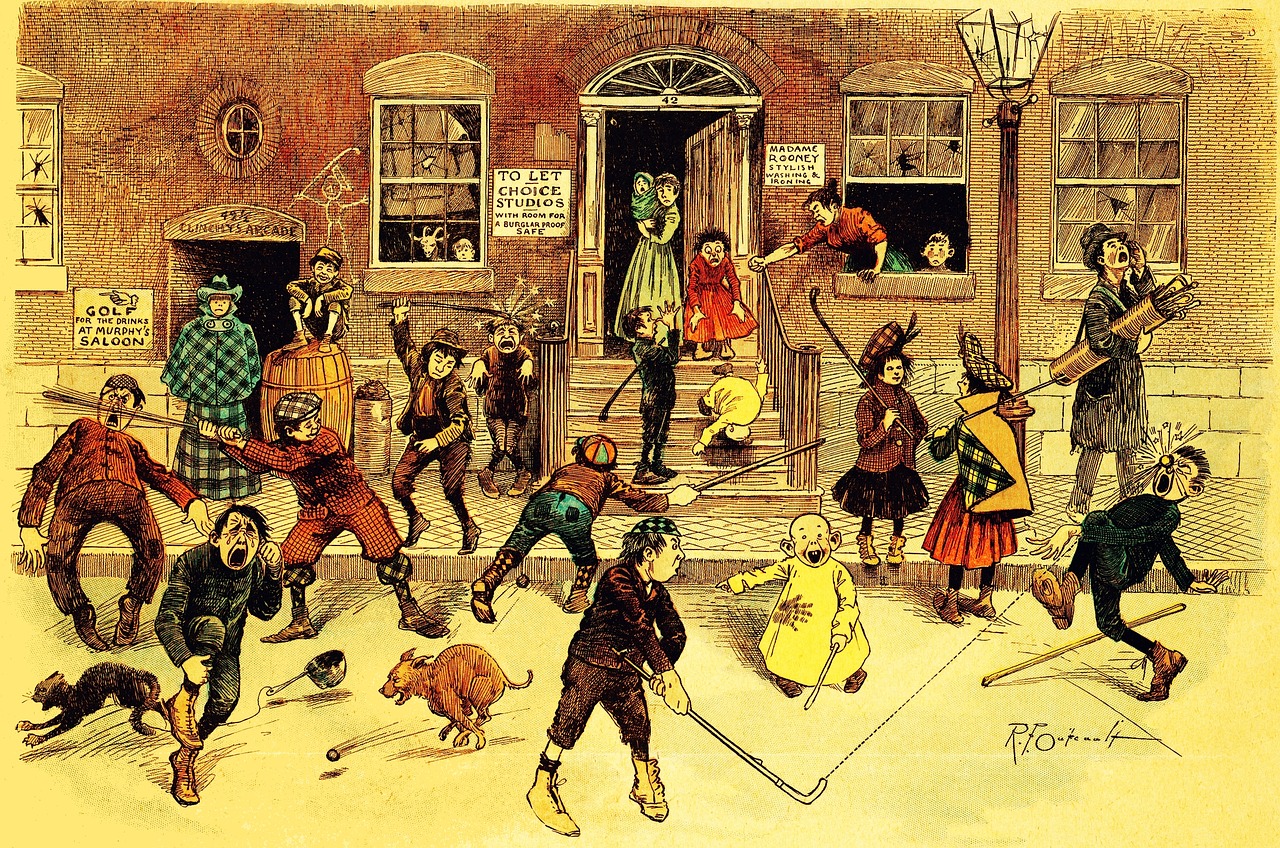
Bad neighborhood.
Photo courtesy of Pixabay.com

When you are alone in your own head – are you in a really dangerous neighborhood?

The idea that your own thinking can be suspect is common among recovering people. One definition of the disease of addiction is that our brains go over to the other side. An alcoholic’s brain will continue to tell you that you need another drink long after the point of intoxication.

What if there was a way to make your head a safe neighborhood to inhabit?

Recovering people are quick to remind the newcomer around those tables that “Your own best thinking got you here.” There is nothing more natural than for an alcoholic to think about drinking. We know that a depressed person’s mind is full of dark and gloomy thoughts.

Some of the triggers for a relapse are of course the places and events of everyday life. But the brooding thoughts in your head can take you back to depression, anxiety, or an active addiction. Relapse triggers are found both inside and outside ourselves.  

But simply avoiding your own thoughts is not enough. Avoiding anxiety-producing situations does not make you less anxious. Not in the long run. As Jon Kabat-Zinn told us “Wherever you go there you are.”

Bill W. seems to agree, telling us that if an alcoholic needs to avoid places where liquor is served then they still have an alcoholic mind.

In the early stages of recovery, the thought of being alone is scary, particularly being alone with nothing to keep you busy. Avoiding your own thoughts is a common way to avoid negative thoughts, but you know they are still there.

Some days it is as if your own mind is out to get you. Your mind may be a scary place but that head of yours is the only home your mind will ever have. Can you learn to live comfortably in that neighborhood?

There are ways to clean up that dangerous neighborhood in your head. Dr. Kelly McGonigal tells us “Your mind can be a safe place to be.”

What is the process you need to undertake to make your own mind a safe place? How might you set up your own internal “Neighborhood Watch” to keep out those unwanted thoughts?

Mind remodeling projects are at the heart of good therapy. Change your thinking to change your life. Working through all those monsters that lurk in your head, cleaning out dysfunctional thoughts, and challenging irrational beliefs can all lead to a healthier mind. But there is more!

In the early days of the recovery movement, before there were twelve steps, they began with just three steps. Back then the first step was “Clean House,” one meaning of which was getting rid of all that mental and emotional garbage that might get you sick again.

The steps also include that last step, “working with others” which tells us that our problems, addictions, and poor mental health, are often because we think too much about ourselves and not enough about others. The reverse side of that coin, codependency, thinking only of others, and not making our mental and emotional health a priority is just as bad.

The part of the mental neighborhood clean-up project that gets neglected is that part about “prayer and meditation.” Somehow it seems a whole lot easier to swallow the prayer part than the meditation. Some of us are inclined to go way off on a religious tangent which can keep us busy and avoid our own heads but it still hasn’t cleaned out the garbage and rebuilt our mental landscape.

That second part “Meditation” is just hard for a westerner to swallow. Some of you probably read that “Medication.” Wouldn’t it be nice if we could find a pill that could cure our addiction or poor mental health? Meds can help some things but they can only go so far. You also need to engage in some mental exercises that strengthen those “right-thinking” muscles.

Why are we westerners so afraid of meditation? Well, it seems like a whole lot of effort, and even then who knows if you are doing it right? It needn’t be that difficult.

Here are some simple thoughts on using meditation to clean out that run-down neighborhood in your head.

Take out the garbage first. Let go of anger, fear, resentments, all those negative emotions, as much as you can at this stage of your recovery. As you learn more you will do better.

You can’t fix a car when you are driving it at 65. You need some downtime for the nerve cells in your brain to grow and heal. Quiet meditation is the time for that. This does not require years of practice and a set of robes. No offense to those who have spent years learning meditation but yes even a few minutes a day can pay off big in making you comfortable in your own skin.

The important thing is not to freak every time a bad or negative thought runs through our minds. That though is just out for exercise. Notice the thought, then let it go. Holding on to that thought, wrestling with it, and trying to prevent it from leaving will cause more wreckage in your head.

Check out more on the dangers of trying to avoid thinking about things in “Don’t think about Elephants.”

Don’t rush to get away from negative thoughts. This is called “Distress tolerance.” Most of us ran from our negative thoughts so much that they kept us from being safe in our own heads.

Remind yourself this is a real-life, sometimes I like it and sometimes I don’t. Let the thought come and go. Same with physical discomfort. Most of us are used to scratching every itch, physical, and mental. Most of the time if you leave that pain alone after a bit it will go away. If not, learn that you can feel discomfort and you will not fall apart.

Hope these suggestions get you started on your mind renewal project. If you have done some mental remodeling let the rest of us know how it worked out.

Staying connected with David Joel Miller

Seven David Joel Miller Books are available now!

My newest book is now available. It was my opportunity to try on a new genre. I’ve been working on this book for several years, but now seem like the right time to publish it.

Story Bureau.

Story Bureau is a thrilling Dystopian Post-Apocalyptic adventure in the Surviving the Apocalypse series.

Baldwin struggles to survive life in a post-apocalyptic world where the government controls everything.

As society collapses and his family gets plunged into poverty, Baldwin takes a job in the capital city, working for a government agency called the Story Bureau. He discovers the Story Bureau is not a benign news outlet but a sinister government plot to manipulate society.

Bumps on the Road of Life. Whether you struggle with anxiety, depression, low motivation, or addiction, you can recover. Bumps on the Road of Life is the story of how people get off track and how to get your life out of the ditch.

Dark Family Secrets: Doris wants to get her life back, but small-town prejudice could shatter her dreams.

Casino Robbery Arthur Mitchell escapes the trauma of watching his girlfriend die. But the killers know he’s a witness and want him dead.

Planned Accidents  The second Arthur Mitchell and Plutus mystery.

Letters from the Dead: The third in the Arthur Mitchell mystery series.

What would you do if you found a letter to a detective describing a crime and you knew the writer and detective were dead, and you could be next?

Sasquatch. Three things about us, you should know. One, we have seen the past. Two, we’re trapped there. Three, I don’t know if we’ll ever get back to our own time.

For these and my upcoming books; please visit my Author Page – David Joel Miller

Want the latest blog posts as they publish? Subscribe to this blog.

For videos, see: Counselorssoapbox YouTube Video Channel

What is Situational Memory?

By David Joel Miller, MS, Licensed Therapist & Licensed Counselor.

Memories.
Photo courtesy of pixabay.

Situational memory.

Situational memory sometimes called “Environmental context-dependent memory” refers to an ability to remember information when in one situation that you are unable to remember in another.

This condition is a lot like state-dependent learning but involves location rather than drug level in the bloodstream as the cause of difficulty in retrieving previously learned information. The existence of situational memory raises the question “Does situational memory influence recovery for those who have been in residential treatment or the hospital?”

Do rehab classes while someone is incarcerated result in knowledge they can use after release?  A simple example of the problem:

During the course of the week, I use several different computers in offices at varying locations. Sitting down at a particular computer workstation “cues” the memory for the password that is needed at that site. From one office I emailed myself a password-protected file that needed more work that night. Once home I found I was unable to remember the password.

The following day, back at the original location I was able to quickly open the file without hesitation despite the lack of anything in the room that contained or reminded me of the password. Simply moving from desk to desk cued my memory for the password.

In a classic example of this phenomenon, researchers found that students who were taught deep-sea diving skills in a classroom on dry land were unable to remember the skill once in the water (Godden, D.R.; Baddeley, 1975). To improve recall the skills needed to be learned under realistic conditions. The effect of context on memory has been one criticism of separating recovering people from their real work environment for treatment.

Do skills learned in rehab or hospitals continue to be remembered after return home?

Current practice is to include ongoing aftercare or relapse-prevention classes after the recovering person returns to the community. Situational memories may also affect those who suffer from PTSD.

Veterans who return to the scene of their service are likely to be “flooded” with returning memories. Watching a motion picture that includes events similar to these memories can also revive painful memories. Treatment for anxiety-based disorders which are triggered by re-exposure to places where a trauma occurred, especially obsessive-compulsive disorder, is likely to use an Exposure and Response Prevention method in which cues to the original memory are invoked while the person is supported in tolerating the distress this causes.

Situations, where we move from one location to another, can result in cases of situational memory or situational forgetting the “Doorway Effect.” Being cognitive misers we humans tend to save memory space by only retrieving knowledge in a situation where it is likely to be needed. Solutions to situational forgetting include over practice and rehearsal of skills and creating secondary memory assistance in the form of written lists or reminders placed where we will see the needed information when needed.

Many people in recovery display the serenity prayer or the twelve steps as a reminder to use their recovery skills in all situations.

It is not just the external situation that affects memory, the internal situation makes a difference also. Depressed people remember mostly negative depressing events. Laughing, smiling, and telling jokes, reduces the ability to access depressing memories. The neighborhood you are in when you are in your own head comes with a landscape full of memories. Since memory has situational components, avoiding the place in which you learned something can result in forgetting of the things learned there.

Recovering people are well-advised to avoid old people, places, and things. Anything that cues urges to use or to engage in other behavior that interferes with recovery can be reduced by substituting new positive cues for the old negative ones.

Staying connected with David Joel Miller

Seven David Joel Miller Books are available now!

My newest book is now available. It was my opportunity to try on a new genre. I’ve been working on this book for several years, but now seem like the right time to publish it.

Story Bureau.

Story Bureau is a thrilling Dystopian Post-Apocalyptic adventure in the Surviving the Apocalypse series.

Baldwin struggles to survive life in a post-apocalyptic world where the government controls everything.

As society collapses and his family gets plunged into poverty, Baldwin takes a job in the capital city, working for a government agency called the Story Bureau. He discovers the Story Bureau is not a benign news outlet but a sinister government plot to manipulate society.

Bumps on the Road of Life. Whether you struggle with anxiety, depression, low motivation, or addiction, you can recover. Bumps on the Road of Life is the story of how people get off track and how to get your life out of the ditch.

Dark Family Secrets: Doris wants to get her life back, but small-town prejudice could shatter her dreams.

Casino Robbery Arthur Mitchell escapes the trauma of watching his girlfriend die. But the killers know he’s a witness and want him dead.

Planned Accidents  The second Arthur Mitchell and Plutus mystery.

Letters from the Dead: The third in the Arthur Mitchell mystery series.

What would you do if you found a letter to a detective describing a crime and you knew the writer and detective were dead, and you could be next?

Sasquatch. Three things about us, you should know. One, we have seen the past. Two, we’re trapped there. Three, I don’t know if we’ll ever get back to our own time.

For these and my upcoming books; please visit my Author Page – David Joel Miller

Want the latest blog posts as they publish? Subscribe to this blog.

For videos, see: Counselorssoapbox YouTube Video Channel

I could never do that – Talking yourself out of success

By David Joel Miller, MS, Licensed Therapist & Licensed Counselor.

Success

Success.
Photo courtesy of Pixabay.com

When we talk to ourselves our brain believes us.

Ever wondered how someone achieves something great despite overwhelming obstacles? The secret to those high achievers is that they believe in themselves.

Tell yourself that you can’t do something and the chances are you won’t be able to do it. Tell yourself that you can be successful and the chances you will become successful increase dramatically. Tell yourself you “are a failure” and you will become one.

Tell yourself often enough that you can’t accomplish anything in your life, that you don’t deserve success, and your brain will start believing you. It will make sure to pull back just as you get close to your goal.

Your brain can actually begin to protect you from success. It knows you “can’t do this” and it makes sure you can’t. Since you have trained your brain to serve you it is hard for it to disagree with the “fail” instruction.

The salesman who goes to work thinking he will make a big sale that day has a better chance of making a sale. It may not be the big sale he expected, but it is something.

The salesman who expects to fail will probably fail to make a sale most of the time. More than once in my life I have gone to a store expecting to buy something and left without making a purchase because the person who was supposed to be helping me was so negative about everything they deflated my desire to buy.

Negativity can be contagious. So can positivity.

One way to improve your chances of success is to begin to believe that you can do it. You also need to believe that you deserve it. We all deserve to have a happy life. The important thing is to define what that success, that happy life, would look like for each of us individually.

When we don’t feel worthy, that this last success was an undeserved fluke, we can stop trying, not expecting anything to go our way again. We can also self-sabotage because we don’t feel that we deserve this benefit.

Many of us learned these negative “fail” messages early in life. We were told we were “stupid” or “worthless” and we began to believe these messages. We repeated them over and over and eventually our brains stored them away as a way to explain life. We avoided trying because we expected to fail.

Sometimes people break out of this trap of negativity and self-doubt because someone else believes in them. One teacher or counselor who believes in a child can make a world of difference in that child’s life.

Other times people find they have to become their own cheerleaders. They begin by telling themselves positive things each day. We call those thoughts positive affirmations. Giving the brain the same message over and over will cause it to believe that message.

Repeatedly I have seen older students who didn’t believe they were that smart, return to school out of desperation. They needed to get a degree that would lead to a job, any job. Along the way, to that degree, they discover that they are a lot smarter and a lot more capable than they ever thought.

They had stopped telling themselves they couldn’t and started telling the brain they had to and the brain came through for them. They did succeed.

Every therapist could tell you stories of clients who came to therapy defeated and discouraged. They believed they couldn’t. Over the course of therapy the client’s perception changed first to maybe I could, and then to I think I can.

As a result of that change of thinking people have gone on to achieve great things. They have finished school and gotten a degree, found jobs, or established and improved relationships all while staying clean and sober and out of their depression.

All these things happen when you begin to believe in yourself.

Staying connected with David Joel Miller

Seven David Joel Miller Books are available now!

My newest book is now available. It was my opportunity to try on a new genre. I’ve been working on this book for several years, but now seem like the right time to publish it.

Story Bureau.

Story Bureau is a thrilling Dystopian Post-Apocalyptic adventure in the Surviving the Apocalypse series.

Baldwin struggles to survive life in a post-apocalyptic world where the government controls everything.

As society collapses and his family gets plunged into poverty, Baldwin takes a job in the capital city, working for a government agency called the Story Bureau. He discovers the Story Bureau is not a benign news outlet but a sinister government plot to manipulate society.

Bumps on the Road of Life. Whether you struggle with anxiety, depression, low motivation, or addiction, you can recover. Bumps on the Road of Life is the story of how people get off track and how to get your life out of the ditch.

Dark Family Secrets: Doris wants to get her life back, but small-town prejudice could shatter her dreams.

Casino Robbery Arthur Mitchell escapes the trauma of watching his girlfriend die. But the killers know he’s a witness and want him dead.

Planned Accidents  The second Arthur Mitchell and Plutus mystery.

Letters from the Dead: The third in the Arthur Mitchell mystery series.

What would you do if you found a letter to a detective describing a crime and you knew the writer and detective were dead, and you could be next?

Sasquatch. Three things about us, you should know. One, we have seen the past. Two, we’re trapped there. Three, I don’t know if we’ll ever get back to our own time.

For these and my upcoming books; please visit my Author Page – David Joel Miller

Want the latest blog posts as they publish? Subscribe to this blog.

For videos, see: Counselorssoapbox YouTube Video Channel

O.C.D. or Obsessive-Compulsive Personality Disorder?

By David Joel Miller, MS, Licensed Therapist & Licensed Counselor.

What is the difference between OCD and Obsessive-Compulsive Personality Disorder?

Obsession

Obsession.
Photo courtesy of Pixabay.com

There are two different mental disorders that share the OCD designation. It seems odd that we have two disorders that share the OCD part of their labels. The way I read the DSM they are rather different disorders.

The result of this dual use of the OCD label is that the two conditions may be getting confused and that people with Obsessive-Compulsive Personality Disorder may not be getting diagnosed or treated the way they should be.

People with Obsessive-Compulsive Disorder have high levels of anxiety and they have rituals they feel compelled to perform that relieve the anxiety.

Think of obsession as not being able to stop thinking about something, in the case of OCD this thing they can’t stop thinking about is usually connected to some perceived danger. This is beyond just being over-anxious about a real danger. Like PTSD there are images that keep popping into the head. Having these thoughts upsets the person. The person with OCD knows these are their own thoughts and that the thoughts are excessive.

The compulsive part has to do with the inability to withstand the thought and the need to do something to relieve the tension. These obsessions are not things like avoiding the alligator, which might keep you safe. They involve things like washing of hands over and over, praying for a long period of time repeating phrases or counting.

The description of OCD reminds me of impulse control disorders like gambling or addiction and has some similarities to overeating disorders.

OCD is a more generalized condition than what you might see in someone who has difficulty controlling only one obsession or compulsion as in an alcoholic who keeps thinking about drinking until they give in and drink. In OCD the compulsions don’t have that direct a relationship.

That is a very over brief description of OCD from the DSM-4-TR.

For more on OCD and its treatment, I would refer you to another site here on WordPress called ocdtalk.

How is OCD different from Obsessive-Compulsive Personality Disorder?

This description of Obsessive-Compulsive Personality Disorder is taken from the proposal for the DSM-5 since it will become final very soon and Obsessive-Compulsive Personality Disorder is one of the personality disorders that the DSM-5 kept.

Obsessive-Compulsive Personality Disorder involves a SIGNIFICANT impairment in self-functioning. Someone with Obsessive-Compulsive Personality Disorder does not just have a few symptoms about one thing but that is the way they are all the time.

Someone with Obsessive-Compulsive Personality Disorder gets their self-worth, their sense of purpose in life from their work or productivity. They are compelled to do something all the time. They have overly high rigid standards and are “inflexible” about meeting these standards. This sounds like that old “black and white thinking” to me.

Someone with Obsessive-Compulsive Personality Disorder is overly moralistic or conscientious. As a result of these excessive standards, they may be unable to complete projects unless they can be done “correctly” or perfectly.

People with Obsessive-Compulsive Personality Disorder lack empathy for others and will put work or moral standards before relationships.

If you are not perfect the person with Obsessive-Compulsive Personality Disorder will not want you for a friend. If you think you are perfect then you may well have Obsessive-Compulsive Personality Disorder or another mental illness.

Other traits of a person with Obsessive-Compulsive Personality Disorder include rigid-compulsive perfectionism and negative “affect.” Meaning they are negative about everything all the time.

A person with Obsessive-Compulsive Personality Disorder is also likely to practice “perseveration” meaning they can’t let something go. They will keep trying to get something just right even after it no longer matters.

I get the picture here of someone who is very “puritanical.” I believe sitcoms call them “anal-retentive.”

People with Obsessive-Compulsive Personality Disorder do not end up in treatment very often, at least not for the personality disorder, but they do drive others around them to therapy.

Did that explain the difference? Feel free to leave a comment. I always feel compelled to reply.

Staying connected with David Joel Miller

Seven David Joel Miller Books are available now!

My newest book is now available. It was my opportunity to try on a new genre. I’ve been working on this book for several years, but now seem like the right time to publish it.

Story Bureau.

Story Bureau is a thrilling Dystopian Post-Apocalyptic adventure in the Surviving the Apocalypse series.

Baldwin struggles to survive life in a post-apocalyptic world where the government controls everything.

As society collapses and his family gets plunged into poverty, Baldwin takes a job in the capital city, working for a government agency called the Story Bureau. He discovers the Story Bureau is not a benign news outlet but a sinister government plot to manipulate society.

Bumps on the Road of Life. Whether you struggle with anxiety, depression, low motivation, or addiction, you can recover. Bumps on the Road of Life is the story of how people get off track and how to get your life out of the ditch.

Dark Family Secrets: Doris wants to get her life back, but small-town prejudice could shatter her dreams.

Casino Robbery Arthur Mitchell escapes the trauma of watching his girlfriend die. But the killers know he’s a witness and want him dead.

Planned Accidents  The second Arthur Mitchell and Plutus mystery.

Letters from the Dead: The third in the Arthur Mitchell mystery series.

What would you do if you found a letter to a detective describing a crime and you knew the writer and detective were dead, and you could be next?

Sasquatch. Three things about us, you should know. One, we have seen the past. Two, we’re trapped there. Three, I don’t know if we’ll ever get back to our own time.

For these and my upcoming books; please visit my Author Page – David Joel Miller

Want the latest blog posts as they publish? Subscribe to this blog.

For videos, see: Counselorssoapbox YouTube Video Channel
3 ways to Cut Down on Stress

By David Joel Miller, MS, Licensed Therapist & Licensed Counselor.

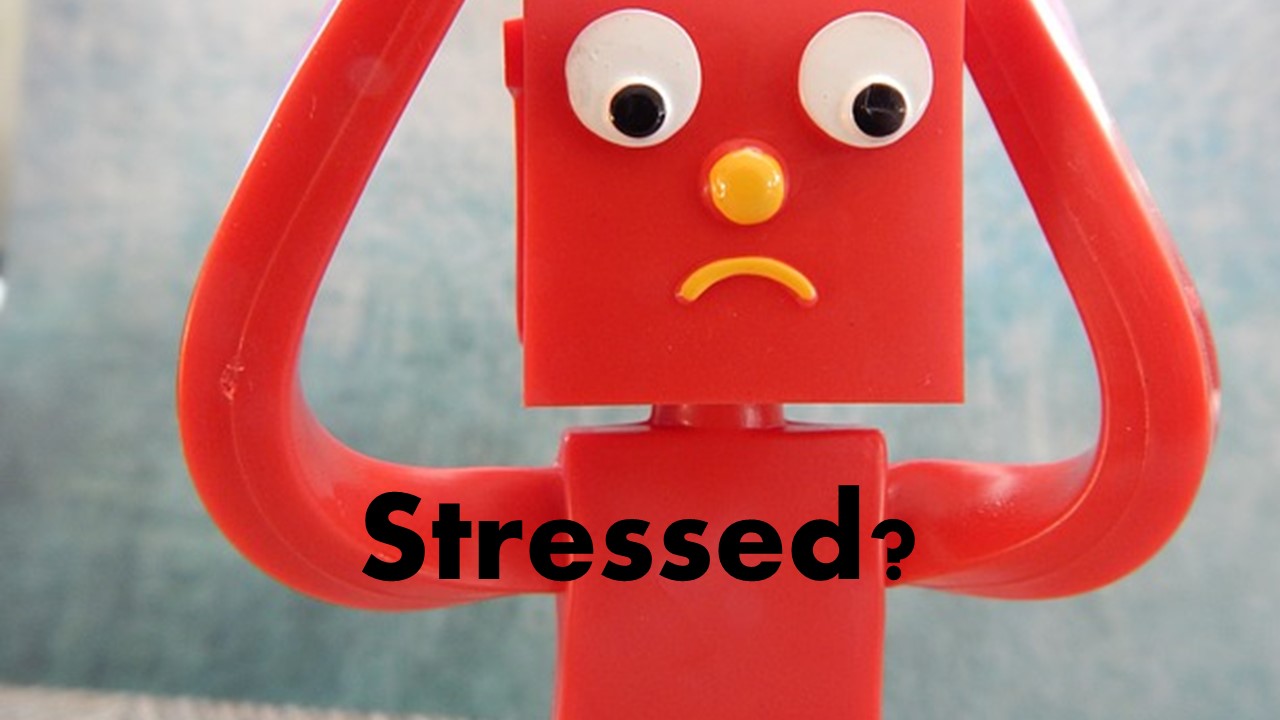
Stressed

Feeling stressed out?
Photo courtesy of Pixabay.com

Trim away the worries and live a healthier life.

Want a reduced stress diet? Try trimming out some of the stress. Just as weight loss programs tell you to trim the fat out of your diet there are three ways to trim excess stress out of your life.

1. Cut off the future

Learn to be mindful and stay in the present. Yes, of course, you should make plans for the future and take the steps needed to get there, but stressing over things that may or may not happen adds a lot of stress to your diet for events you haven’t even tasted yet.

Worrying that you may not get what you want can add a lot of stress to your life today when what you should really be doing is the required work to get where you are going. Stressing over the uncertainty of the future can keep you from enjoying the taste of the present.

2. Cut down on the past

A steady diet of regrets and recriminations about the past can keep you stressed out and unable to live in the present.

The work of grieving over losses and letting go of guilt and shame may require seeing a therapist or counselor. Make the effort to process those old hurts and let them go.

Many of us have resentments towards people who have harmed or wronged us in the past. Holding onto those old wounds keeps us living in the stress of events that have long since ended.

Let the past live in the past and spend your time having the best possible present to enjoy your low-stress diet.

3. Stop trying to eat other people’s dinner – worrying about problems others need to solve

That you care about others is wonderful, but if you are finding your life overrun by stressors then you need to send some of them back where they came from.

You can’t solve problems for others and the more you stress yourself out over their issues the fewer resources you have for your life in the here and now.

If you chose to worry and stress there will always be negative news from around the globe twenty-four-seven. Some people believe that worrying and stressing over what might happen somehow keeps the safe from an unwanted future. It doesn’t work that way.

Prepare for the worst but live in the now. Limit your worrying to the things that you really may be able to influence and practice your acceptance of those things that are out of your control.

Is a reduced stress diet for you?

Try one for a while and see if you are not healthier and happier. If reduced stress does not work for you then you can always go back to worrying about the problems that are out of your control.

Staying connected with David Joel Miller

Seven David Joel Miller Books are available now!

My newest book is now available. It was my opportunity to try on a new genre. I’ve been working on this book for several years, but now seem like the right time to publish it.

Story Bureau.

Story Bureau is a thrilling Dystopian Post-Apocalyptic adventure in the Surviving the Apocalypse series.

Baldwin struggles to survive life in a post-apocalyptic world where the government controls everything.

As society collapses and his family gets plunged into poverty, Baldwin takes a job in the capital city, working for a government agency called the Story Bureau. He discovers the Story Bureau is not a benign news outlet but a sinister government plot to manipulate society.

Bumps on the Road of Life. Whether you struggle with anxiety, depression, low motivation, or addiction, you can recover. Bumps on the Road of Life is the story of how people get off track and how to get your life out of the ditch.

Dark Family Secrets: Doris wants to get her life back, but small-town prejudice could shatter her dreams.

Casino Robbery Arthur Mitchell escapes the trauma of watching his girlfriend die. But the killers know he’s a witness and want him dead.

Planned Accidents  The second Arthur Mitchell and Plutus mystery.

Letters from the Dead: The third in the Arthur Mitchell mystery series.

What would you do if you found a letter to a detective describing a crime and you knew the writer and detective were dead, and you could be next?

Sasquatch. Three things about us, you should know. One, we have seen the past. Two, we’re trapped there. Three, I don’t know if we’ll ever get back to our own time.

For these and my upcoming books; please visit my Author Page – David Joel Miller

Want the latest blog posts as they publish? Subscribe to this blog.

For videos, see: Counselorssoapbox YouTube Video Channel

High Free Marijuana?

By David Joel Miller, MS, Licensed Therapist & Licensed Counselor.

Cannabis

Marijuana.
Photo courtesy of Pixabay.com

There is marijuana that does not get people high.

As I have mentioned in the past, there seems to be a conflict between marijuana that has medicinal properties and marijuana that gets you high.

Marijuana that is more medicinal is believed to be high in a chemical called CBD. CBD does not result in intoxication.

Marijuana that gets you high contains large amounts of THC.

Till now if you smoked medical marijuana you were going to get high and frankly that is what most medical marijuana users want. That may be changing.

Just saw a piece on MSN about an Israeli company that is growing a high CBD variety of marijuana that has medicinal properties but does not get you high.  MSN included a link to the BBC original article that can be found at http://www.bbc.co.uk/news/world-middle-east-20189347

Let me know what you think about this.

Who owns this problem? Why they won’t stop.

By David Joel Miller, MS, Licensed Therapist & Licensed Counselor.

Problem and problem solving

Problem-solving.

Why do some people refuse to change and how do I make them?

Many of the questions to this blog are about getting others to change. This person or that is driving you crazy and you want them to change but they are just refusing.

The reason you may be getting nowhere on resolving the situation just may be that you are trying to solve the wrong problem.

One method for resolving problem behavior that is taught in parenting classes is to look for the ownership of the problem. Here is a simple “child” problem and afterward we will apply this to more adult issues.

Mother goes into the child’s room and it is a mess. Mom yells “you are such a lazy slob, clean this room up.” This is a bad approach for two reasons. Calling the child a slob may establish a core identity that they are a slob. If that is what you are, why try to change? Being called names repeatedly encourages people to give up.

Who owns this problem? Why mom does of course. The child’s room is messy, mom does not like it and it is upsetting mom. More precisely, mom is “choosing to upset herself” over this issue. She could just give up as many mothers do and accept that kid’s rooms are often messy.

Now, what if grandma is coming and it is important to mom that the room be cleaned up? You all know how grandma is.

The solution – make the problem the child’s. Mom now says “if you do not get this room cleaned up by the time grandma arrives you will not be going to the store with her,” or some other suitable negative consequence.

Now, who owns the problem? Why the child does of course. They need to get this job done in time to get grandma to take them shopping and buy them stuff. Now the child is motivated.

An aside here, make very sure that the phrase “room is a mess and needs to be cleaned up” is operationalized. The child needs to know exactly what you want to be done. They would be glad to throw all those dirty clothes in the closet and call the room clean. A specific list of things to be done before grandma arrives would be helpful here.

Now the more adult version of this issue.

Lots of commenters on this blog ask about getting others to change. I see this in the search engine terms also. Everyone wants someone else to change. How do you do that?

There are techniques to help others change or encourage that change and I have described those methods in a post on “Getting others to change.” There is also a series of posts about “How people change.”

Before you launch into that changing effort you need to ask yourself one question.

Who owns this problem?

If the person is isolating in their room, depressed, and thinking of suicide by all means intervene. Professional help is called for here.

But what if your partner does not like to go out and you do?

In that case, you own this problem.

Most of the time, we want others to change it is because their behavior bothers us. We own those problems. We can talk with the person, make changes in our behavior that encourage the change we want, but the other person still may decide they do not want to change.

If a behavior is not interfering with a person’s ability to work, have relationships with family or friends, and is not making them unhappy, why then we professionals don’t see this as a problem for them.

So if the other person is choosing to not change and it is driving you nuts, you need to work on you.

Options here? Acceptance – radical acceptance is a good place to start. Consider changing yourself so you do not “upset yourself” so much. A good place to begin this practice might be with some “Mindfulness,” get centered in the present.

Enjoy the person and the situation for what they are instead of insisting that they change to suit you.

It is next to impossible to change problems that are not yours and most of the time when we try to change others we are trying to get them to solve our problem.

Suggestion – Take another look at the problems in your life and see who really owns them. If you own the problem then begin by changing you.

Staying connected with David Joel Miller

Seven David Joel Miller Books are available now!

My newest book is now available. It was my opportunity to try on a new genre. I’ve been working on this book for several years, but now seem like the right time to publish it.

Story Bureau.

Story Bureau is a thrilling Dystopian Post-Apocalyptic adventure in the Surviving the Apocalypse series.

Baldwin struggles to survive life in a post-apocalyptic world where the government controls everything.

As society collapses and his family gets plunged into poverty, Baldwin takes a job in the capital city, working for a government agency called the Story Bureau. He discovers the Story Bureau is not a benign news outlet but a sinister government plot to manipulate society.

Bumps on the Road of Life. Whether you struggle with anxiety, depression, low motivation, or addiction, you can recover. Bumps on the Road of Life is the story of how people get off track and how to get your life out of the ditch.

Dark Family Secrets: Doris wants to get her life back, but small-town prejudice could shatter her dreams.

Casino Robbery Arthur Mitchell escapes the trauma of watching his girlfriend die. But the killers know he’s a witness and want him dead.

Planned Accidents  The second Arthur Mitchell and Plutus mystery.

Letters from the Dead: The third in the Arthur Mitchell mystery series.

What would you do if you found a letter to a detective describing a crime and you knew the writer and detective were dead, and you could be next?

Sasquatch. Three things about us, you should know. One, we have seen the past. Two, we’re trapped there. Three, I don’t know if we’ll ever get back to our own time.

For these and my upcoming books; please visit my Author Page – David Joel Miller

Want the latest blog posts as they publish? Subscribe to this blog.

For videos, see: Counselorssoapbox YouTube Video Channel

What does “an expectation not an exception” mean when applied to co-occurring disorders?

By David Joel Miller, MS, Licensed Therapist & Licensed Counselor.

Mental illness and addiction go together.
Photo courtesy of Pixabay.com

Are Co-occurring disorders to be expected? – Morning Question #24

Most substance abusers also have some form of mental illness. The two are seen together so often we need to begin by assuming the client could have both and then assess as if both disorders were present. Many substance users had a mental illness before they began using drugs or alcohol. Depression, Bipolar Disorder, and Anxiety are all common among those with an addiction.

People who use and abuse substances are at risk of developing mental health issues as a result of the using experience.

Substances can also alter the brain, resulting in mental illnesses while under the influence, while withdrawing, or after use. Mental illnesses that are the result of drug or alcohol use are called drug-induced illnesses.

Anyone who works with the mentally ill or substance abusers should expect that they will see both of these problems and others on a frequent basis.

Staying connected with David Joel Miller

Seven David Joel Miller Books are available now!

My newest book is now available. It was my opportunity to try on a new genre. I’ve been working on this book for several years, but now seem like the right time to publish it.

Story Bureau.

Story Bureau is a thrilling Dystopian Post-Apocalyptic adventure in the Surviving the Apocalypse series.

Baldwin struggles to survive life in a post-apocalyptic world where the government controls everything.

As society collapses and his family gets plunged into poverty, Baldwin takes a job in the capital city, working for a government agency called the Story Bureau. He discovers the Story Bureau is not a benign news outlet but a sinister government plot to manipulate society.

Bumps on the Road of Life. Whether you struggle with anxiety, depression, low motivation, or addiction, you can recover. Bumps on the Road of Life is the story of how people get off track and how to get your life out of the ditch.

Dark Family Secrets: Doris wants to get her life back, but small-town prejudice could shatter her dreams.

Casino Robbery Arthur Mitchell escapes the trauma of watching his girlfriend die. But the killers know he’s a witness and want him dead.

Planned Accidents  The second Arthur Mitchell and Plutus mystery.

Letters from the Dead: The third in the Arthur Mitchell mystery series.

What would you do if you found a letter to a detective describing a crime and you knew the writer and detective were dead, and you could be next?

Sasquatch. Three things about us, you should know. One, we have seen the past. Two, we’re trapped there. Three, I don’t know if we’ll ever get back to our own time.

For these and my upcoming books; please visit my Author Page – David Joel Miller

Want the latest blog posts as they publish? Subscribe to this blog.

For videos, see: Counselorssoapbox YouTube Video Channel

Attachment Styles – childhood follows you into adult life

By David Joel Miller, MS, Licensed Therapist & Licensed Counselor.

child

Child.
Photo courtesy of Pixabay.com

Are attachment problems a mental illness?

The way you relate to adults, especially your parents or primary caregiver during childhood can affect the way you relate to others for the rest of your life.

Generally, these kinds of problems show up in a very young child, and if severe enough and noticed by a professional they will get diagnosed as a mental illness needing treatment. The only attachment disorder formally recognized as a “DSM” disorder is Reactive Attachment Disorder of Infancy or Early Childhood.

Any therapist in practice with adults will tell you that a lot of what we are working on with our adult clients are things from childhood that need to be addressed now because they are interfering with the client’s relationships at home, at work, or friendships. Or these problems are making the client miserable.

The notion that relationships between caregivers and children will affect their relationships the rest of their life came from many sources, but two, John Bowlby and Harry Harlow were especially important. Bowlby studied orphans after World War Two and Harlow studied monkeys raised by mechanical “mothers.”

Harlow found that monkey babies would nurse from “wire mothers” but when done would go cuddle with soft cloth “mothers” even though the cloth mothers provided no food. The conclusion here seems well established. Just providing for a child’s physical needs, food, and shelter, is not enough. How that child is cuddled and loved affects their development for the rest of their life.

Bowlby discovered that some orphans had been so deficient in “mothering” that they could not relate appropriately to others as they matured. (We now think fathering is important also see “Fatherneed” by Pruett.)

Early relationships with a caregiver need to be sufficiently nurturing for the child to survive, so closeness is important. As the child grows they also need to develop autonomy, the belief they can do things without the caregiver. Balancing closeness and individuality are tasks humans must undergo to become separate adults who are still capable of close intimate relationships with others as adults.

How a child reacts to others is not solely the result of the parent’s behavior. Not every childhood problem is the mother’s fault. Some children are born fearful and clingy and others are born explorers. The difficult, cranky child can train the caregiver to leave it alone.

The application of Attachment theory has caused some problems when some of my colleagues jumped to unwarranted conclusions that every child’s behavior problems were the parents’ fault, often based on observing a child and parent interact during a relatively brief period of time.

Professionals who do attachment work describe children as having one of four ways of attaching to a caregiver. These are from attachment theory and not all people who use this theory agree on these labels and descriptions.

1. Secure attachment.

A securely attached child likes to be with the caregiver and is able to leave the caregiver and explore but runs back to the caregiver when frightened.

2. Avoidant attachment.

This child has come to expect that the caregiver will hurt them or will not meet their needs. This child does not seek out their caregiver and is just as likely to play with a stranger as with the parent.

These children are over quick to make new relationships with people they do not know and do not seem to get upset when the person they are with leaves.

Sometimes it is hard to tell if a child is avoidant with their caregiver or very, very secure, and does not need much contact with the caregiver to feel safe. Parents with very outgoing self-confident children have been accused of failing to bond with their children because of the child’s ability to function without the parent in the room.

3. Anxiously or resistantly attached.

This child is fearful with or without the parent. This child can’t be reassured by either the parent or a stranger. Children like this may become angry when the caregiver leaves and continue to be angry when they return.

4. Disorganized attachment

A child becomes disorganized during interactions with the caregiver. They may resort to the primitive “F’s” and freeze, flee or fight. This child may disassociate, speak incoherently, or have a loss of memory as a result of interacting with a caregiver they perceive as harmful.

These four “types” of attachment are not universally accepted and a person can have elements of one or more attachment style. A particular attachment style can vary from mild to strong in severity and all attachment styles are influenced by an individual’s personality.

The one attachment issue that has made its way into the DSM-4 and can be diagnosed as a separate mental illness is 313.89 Reactive Attachment Disorder of Infancy or Early Childhood which is then divided into two types, Inhibited Type (like resistant above) and Disinhibited type.

A person with disinhibited attachment disorder will form overly close relationships with people they barely know. This is the type of person to stop a stranger on the street and then begin to tell them all about the most intimate personal issues of their life.

These clinical definitions are extreme cases.

Some adults will report their parents were never there for them and were non-affirming. This results in a personality style of being self-sufficient or avoiding others.

Other adults believe that their caregiver was over-involved and controlling and did not allow them to develop a secure sense of self.

Learning life skills that may have been missing from your childhood learning can be described as “inner child work” or “re-parenting.” The goal for the client in these situations should be to develop the attachment skills that are lacking and to learn the developmental tasks that should have been learned at an earlier stage.

Various schools of psychotherapy will approach the task of addressing attachment issues in adults in quite different fashions.

Have you had to go back and work on attachment issues or do you still struggle with these problems? If something worked for you what worked?

Staying connected with David Joel Miller

Seven David Joel Miller Books are available now!

My newest book is now available. It was my opportunity to try on a new genre. I’ve been working on this book for several years, but now seem like the right time to publish it.

Story Bureau.

Story Bureau is a thrilling Dystopian Post-Apocalyptic adventure in the Surviving the Apocalypse series.

Baldwin struggles to survive life in a post-apocalyptic world where the government controls everything.

As society collapses and his family gets plunged into poverty, Baldwin takes a job in the capital city, working for a government agency called the Story Bureau. He discovers the Story Bureau is not a benign news outlet but a sinister government plot to manipulate society.

Bumps on the Road of Life. Whether you struggle with anxiety, depression, low motivation, or addiction, you can recover. Bumps on the Road of Life is the story of how people get off track and how to get your life out of the ditch.

Dark Family Secrets: Doris wants to get her life back, but small-town prejudice could shatter her dreams.

Casino Robbery Arthur Mitchell escapes the trauma of watching his girlfriend die. But the killers know he’s a witness and want him dead.

Planned Accidents  The second Arthur Mitchell and Plutus mystery.

Letters from the Dead: The third in the Arthur Mitchell mystery series.

What would you do if you found a letter to a detective describing a crime and you knew the writer and detective were dead, and you could be next?

Sasquatch. Three things about us, you should know. One, we have seen the past. Two, we’re trapped there. Three, I don’t know if we’ll ever get back to our own time.

For these and my upcoming books; please visit my Author Page – David Joel Miller

Want the latest blog posts as they publish? Subscribe to this blog.

For videos, see: Counselorssoapbox YouTube Video Channel

4 Mindfulness skills to make you more productive

By David Joel Miller, MS, Licensed Therapist & Licensed Counselor.

Mindfulness

Mindfulness.
Photo courtesy of pixabay.

Increase your productivity and happiness starting now.

People who practice four mindfulness skills become more successful in less time than you might think. Mindfulness is applied by highly successful people a lot more often than we suspect.

Mindfulness is a very practical skill. While it is often linked to meditation and eastern practices it has applications that will improve a student’s grades, make a businessman more productive, and reduce emotional conflicts at home or on the job.

Mindfulness means making more efficient use of your brain by practicing 4 thinking skills.

Have you seen someone walking along occupied by their electronic device that walked into an oncoming car? What about that person who is talking on a cell phone who drives straight through a crosswalk full of people?

Lack of mindfulness, that failure to be where you are, and to think about what you are doing is epidemic in our society. We all suffer when people do things in a mindless manner.

Here are four ways to apply mindfulness to your daily life and become happier and more productive.

1. Observe More.

Humans are cognitive misers. We spend the least amount of time observing things and the most amount of time preoccupied with things that are in other times and places.

Happy thoughts and good ideas take some time to soak in. Every day we walk from our homes to our cars but on each of those days, things around us are changing. For some of us, that flower blooms and fades unnoticed. To hold that image of the floral bloom requires as little as 30 seconds of time to pause and really genuinely notice that plant’s celebration of the day.

Observation is not limited to things but should include feelings and processes.

How many government agencies are still having clients fill out lengthy forms with places for several addresses and phone numbers while missing that the clients waiting in line are texting and emailing?

Successful businesses notice the changes in their customer’s patterns and respond to those changes rather than trying to maintain the status quo.

2. Describe more things.

The more words you are able to use the more thoughts you can activate. Most of us have difficulty managing our emotions because we are short on vocabulary to manipulate those feelings. To be able to work with something you first need to see it exists and then you need a word to categorize it.

Men in therapy often struggle with this issue. Men feel good, bad, or ticked off.  When we feel “bad” we try to change that feeling. But bad might also include sad, regretful, or nostalgic.

Sometimes we need to sit with that feeling and see how it might influence our actions and responses to the life we are living.

Feelings are not interferences with our lives, they are useful guides to action.

3. Act with awareness.

Impulsive acts get us in trouble. That few seconds pause to consider if this is an act that will benefit us, in the long run, can make one’s life more effective.

Being on autopilot is not the only way to live. Paying more attention to the things you do throughout your day can increase your efficiency and effectiveness.

As you move through your day pay special attention to the things you are doing and how you are doing them. Are there more productive ways to do them?

Outside consultants get paid big money to come in and point out patterns of inefficient activity, specifically because those who are doing these actions every day have become unaware of what they are doing and why.

4. Accept things without judging them.

Being more mindful will mean noticing things we do that are not as perfect as we would like them. Accept that not everything you do will be perfect. Acceptance does not mean you allow things to happen to yourself or others. You can accept that the thing happened and still mindfully move to change it.

Natural disasters happen more often than we would like. People can become fearful and immobilized or they can choose to spring into action and do what needs doing.

If you fail to accept that something bad has happened, you will stay stuck in the “it shouldn’t, we can’t” stage for a long time.

Denying the realities of life is one defense mechanism that needs to be discarded as soon as possible.

Accepting that things happen whether you like them or not and that you do what you do for better or worse allows you to move forward rather than stay stuck in the negative emotions of regret or self-blame.

Conclusion

There you have four mindfulness skills that can be practiced every day whether you practice any medication or not. Using these four skills can make you happier and more productive.

Do you practice any mindfulness skills? How has mindfulness helped you?

Staying connected with David Joel Miller

Seven David Joel Miller Books are available now!

My newest book is now available. It was my opportunity to try on a new genre. I’ve been working on this book for several years, but now seem like the right time to publish it.

Story Bureau.

Story Bureau is a thrilling Dystopian Post-Apocalyptic adventure in the Surviving the Apocalypse series.

Baldwin struggles to survive life in a post-apocalyptic world where the government controls everything.

As society collapses and his family gets plunged into poverty, Baldwin takes a job in the capital city, working for a government agency called the Story Bureau. He discovers the Story Bureau is not a benign news outlet but a sinister government plot to manipulate society.

Bumps on the Road of Life. Whether you struggle with anxiety, depression, low motivation, or addiction, you can recover. Bumps on the Road of Life is the story of how people get off track and how to get your life out of the ditch.

Dark Family Secrets: Doris wants to get her life back, but small-town prejudice could shatter her dreams.

Casino Robbery Arthur Mitchell escapes the trauma of watching his girlfriend die. But the killers know he’s a witness and want him dead.

Planned Accidents  The second Arthur Mitchell and Plutus mystery.

Letters from the Dead: The third in the Arthur Mitchell mystery series.

What would you do if you found a letter to a detective describing a crime and you knew the writer and detective were dead, and you could be next?

Sasquatch. Three things about us, you should know. One, we have seen the past. Two, we’re trapped there. Three, I don’t know if we’ll ever get back to our own time.

For these and my upcoming books; please visit my Author Page – David Joel Miller

Want the latest blog posts as they publish? Subscribe to this blog.

For videos, see: Counselorssoapbox YouTube Video Channel