Unknown's avatar

About David Joel Miller

David Miller is a California Licensed Marriage and Family Therapist, Clinical Counselor, faculty member at a local college, certified trainer and writer.

Majority of mentally ill do not get treatment.

By David Joel Miller, MS, Licensed Therapist & Licensed Counselor.

Mental Health or Mental Illness

Mental Health or Mental Illness?
Photo courtesy of Pixabay.com

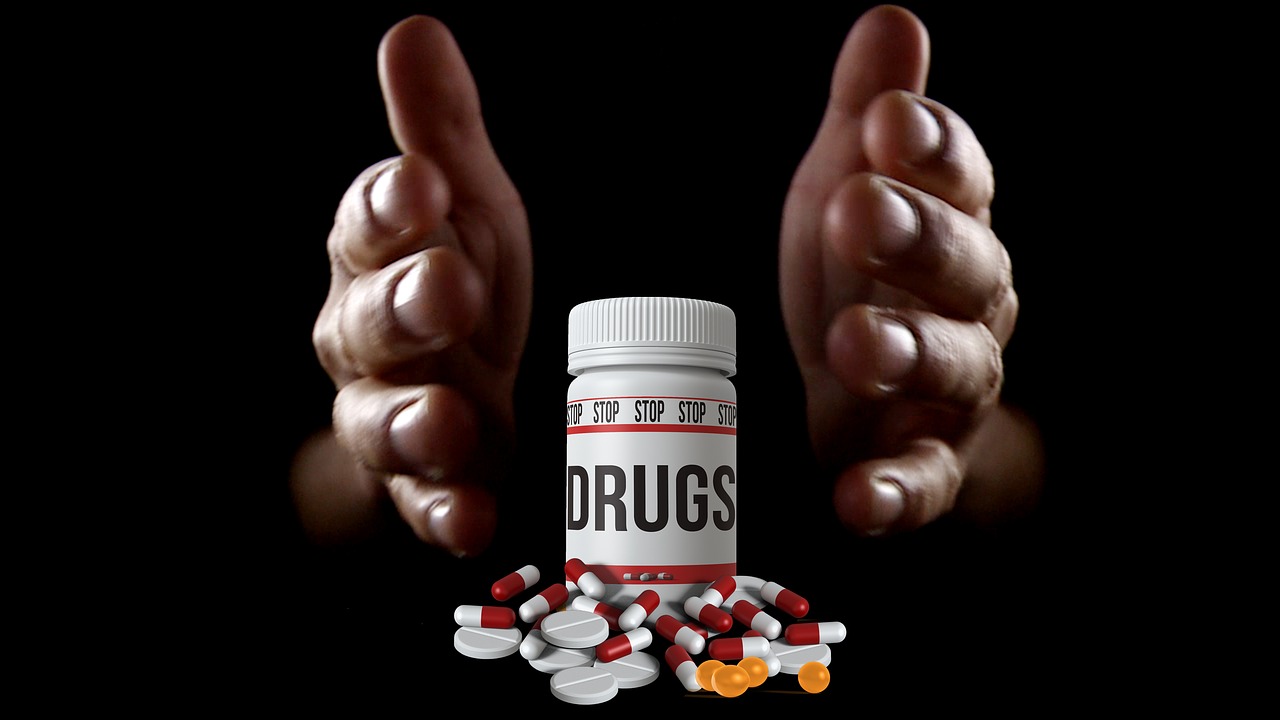
Why is it so hard for the mentally ill and the addicted to get treatment?

Worldwide there is a growing awareness that untreated illness is one of the major problems of our time. There are demonstrable connections between our other major issues and mental illness. Wars and violence are an everyday staple in the news. The trauma and the impact of Post-traumatic Stress Disorder get scant mention and are easily forgotten. Global environmental problems affect physical and mental health.

The heaviest users of physical health services, that 5 percent of the population on which we spend fifty percent of our health budget. The majority of them have either a mental health issue or a substance use disorder. More productivity, measured in days of work missed, is lost due to depression than most of the serious illnesses combined. Why then is it so difficult for those who need treatment for a mental or behavioral disorder to get treatment?

The majority of the mentally ill do not get treatment.

Fifty-five percent of the mentally ill receive no treatment. The statistics for those with a substance use disorder are even worse. Since 2013 the rate of treatment has risen, slightly. But the continuing reality is that majority of mentally ill people do not get treatment.

Every time there is a high-profile violent event, the news asks if that person has a history of mental illness. Even when they have been identified as a mentally ill person the odds are less than fifty-fifty that they were able to access treatment.

People who voluntarily come in for treatment most of the time are those who have depression and they realize they need help. If they are planning on killing themselves or others they may get easier access to the mental health system. If their symptoms are less severe they may be told they are not seriously enough mentally ill to get treated just now. Wait till you begin feeling like killing someone and then call again.

Cost, capacity, and cognitions are keeping people out of treatment.

The cost of treatment has been a major barrier to getting mental health up until now. The expansion of healthcare availability has given a few more people access to behavioral health treatment. Even when someone realizes that they need help their fears about the cost may keep them out of treatment. It is not just direct costs, doctor fees, medications the price of counseling, which is a problem. Some people have copays. There are also travel costs and problems in eating away from home.

The parity provisions in the current law were intended to make sure that behavioral health benefits were just as available as physical health ones. Accessing behavioral health services continue to be a challenge for both client and providers.

Recent surveys tell us that we have at best half the number of therapists that are needed to see the number of people who need services. The result of this imbalance between supply and demand is that there are long waits for services and people who really do need help may get turned away.

Mental illness gets in the way of getting treated.

People with anxiety get nervous around others. They cope by avoiding people. In treatment, they are often too scared to wait in crowded lobbies. They miss appointments and then get dropped for noncompliance. Distance or telemedicine is one possible solution but there are still issues about who can do this and when or if insurance will pay if you just talk with this client by phone or internet.

A symptom of depression is a loss of motivation. Severely depressed people do not have the energy to show up some days. Being symptomatic can get you turned away from treatment.

Drug and alcohol issues get almost no treatment.

Less than 12 percent of those with substance use disorders are getting treatment. Those who do are most frequently referred, mandated, to treatment by the courts or criminal justice system. The days of 28-day inpatient rehabs are largely gone, most insurers want the person using substances to stay in the place where they formerly used a substance and try to get clean there.

Most drug and alcohol treatment is done in outpatient treatment settings. Despite parity laws, it has been increasingly difficult to get insurance to pay for treatment. While we are making some progress at getting a few more of the mentally ill into treatment the percentages of those with a substance use disorder has not changed significantly in recent years.

Among those who really need treatment but don’t get it, a major barrier to treatment is the addict/alcoholics’ own thinking. Most would like to find a way to continue using or drinking and still not be addicted or an alcoholic. Admitting you have an illness, especially the one called addiction is a hard notion for most people to swallow.

More info on the low treatment rates of behavioral health problems can be found at the SAMHSA website.

Staying connected with David Joel Miller

Seven David Joel Miller Books are available now!

My newest book is now available. It was my opportunity to try on a new genre. I’ve been working on this book for several years, but now seem like the right time to publish it.

Story Bureau.

Story Bureau is a thrilling Dystopian Post-Apocalyptic adventure in the Surviving the Apocalypse series.

Baldwin struggles to survive life in a post-apocalyptic world where the government controls everything.

As society collapses and his family gets plunged into poverty, Baldwin takes a job in the capital city, working for a government agency called the Story Bureau. He discovers the Story Bureau is not a benign news outlet but a sinister government plot to manipulate society.

Bumps on the Road of Life. Whether you struggle with anxiety, depression, low motivation, or addiction, you can recover. Bumps on the Road of Life is the story of how people get off track and how to get your life out of the ditch.

Dark Family Secrets: Doris wants to get her life back, but small-town prejudice could shatter her dreams.

Casino Robbery Arthur Mitchell escapes the trauma of watching his girlfriend die. But the killers know he’s a witness and want him dead.

Planned Accidents  The second Arthur Mitchell and Plutus mystery.

Letters from the Dead: The third in the Arthur Mitchell mystery series.

What would you do if you found a letter to a detective describing a crime and you knew the writer and detective were dead, and you could be next?

Sasquatch. Three things about us, you should know. One, we have seen the past. Two, we’re trapped there. Three, I don’t know if we’ll ever get back to our own time.

For these and my upcoming books; please visit my Author Page – David Joel Miller

Want the latest blog posts as they publish? Subscribe to this blog.

For videos, see: Counselorssoapbox YouTube Video Channel
Self-confidence. Believe in yourself.

Sunday Inspiration    Post By David Joel Miller.

Self-confidence. Believe in yourself.

Self-confidence

Self-Confidence
Believe in yourself.
Photo courtesy of Pixabay.com

“Believe you can and you’re halfway there.”

― Theodore Roosevelt

“Once we believe in ourselves, we can risk curiosity, wonder, spontaneous delight, or any experience that reveals the human spirit”

― E.E. Cummings

“Be sure you put your feet in the right place, then stand firm.”

― Abraham Lincoln

Wanted to share some inspirational quotes with you.  Sunday seemed like a good time to do this. If any of these quotes strike a chord with you please share them.

Thanksgiving Day.

Thanksgiving Day.

Post by David Joel Miller.

Happy Thanksgiving

Happy Thanksgiving.
Photo courtesy of Pixabay.com

Today is the traditional Thanksgiving Day celebration here in America. Mostly it is celebrated with lots of food, some family, and assorted other traditions.

For some people, this is a time to eat a lot and watch sports. Other people are planning their “Black Friday” Christmas shopping for tomorrow. A few of us old dinosaurs are remembering that today was created to think about all the things that we have to be grateful for and how this country almost didn’t make it, a couple of times.

Below are a few quotes that remind me of things to think about today.

“After a good dinner, one can forgive anybody, even one’s own relations.”

― Oscar Wilde, A Woman of No Importance

As we express our gratitude, we must never forget that the highest appreciation is not to utter words, but to live by them. ~John Fitzgerald Kennedy

An optimist is a person who starts a new diet on Thanksgiving Day. ~Irv Kupcinet

We can only be said to be alive in those moments when our hearts are conscious of our treasures. ~Thornton Wilder

None is more impoverished than the one who has no gratitude. Gratitude is a currency that we can mint for ourselves, and spend without fear of bankruptcy. ~Fred De Witt Van Amburgh

Thanksgiving is an emotional holiday. People travel thousands of miles to be with people they only see once a year. And then discover once a year is way too often. ~Johnny Carson

Wanted to share some inspirational quotes with you. But these were all I could find. Today seemed like a good time to do this. If any of these quotes strike a chord with you please share them.

When old – you just sit.

By David Joel Miller, MS, Licensed Therapist & Licensed Counselor.

man sitting

When you’re old you just sit.
Photo courtesy of Pixabay.com

Has your life become – just sitting?

Recently I have been talking with and hearing from an increasing number of “older people.” In the past, I have steadfastly avoided learning about the elderly in the belief that I did not know any of them. This belief, that neither I nor anyone I know is yet in that elderly class is constantly getting challenged by people who ask “How old are you?” with an incredulous look.

Those annoying people who sell medical insurance continue to force this topic on me by sending me advertisements asking me to switch my old-age insurance to their company. Worse yet they have been sending those notices to me for some years now. One of my life goals has become to outlive some of these annoying insurance companies.

My thinking, at this junction, is that being old is a combination of the effects of the physical process of aging and the mental attitude one takes towards this process. Self-care along the way is certainly a factor. Unfortunately, I learned that life lesson later rather than earlier. While my body may be accumulating aches and pains, defects of the body, I continue to work on keeping my mental faculties working.

I read somewhere that when you get old you just sit.

This was reported in an article about a woman who had passed her hundredth birthday. Is this a good thing or a bad thing? I can see that it might be nice to be relaxed and no longer stressed running hither and yon. But then it might also be that once you stop moving, at least mentally, your life loses purpose.

I have forgotten who that woman was or what age milestone she had just passed. This is a shame because I have a long-held belief that once you start school you have to stop counting half-years as in four-and-a-half and you do not get to begin counting those half years again until you pass that hundred mark. Anyone who lives past one hundred years ought to be recognized more than once per year.

You are all invited to my one-hundred-and-a-half birthday celebration. My fervent hope is that I will be able to attend it with you and will be lucid enough to realize what this gathering is for.

It has become apparent to me however that a lot of people entering those golden years have neither gold nor years. In fact, one great loss among the elderly is a loss of purpose. What do you do when you can’t go to school or work?

Young people are rushing to enter their disabled-years.

It is fully understandable that as we age we can accumulate injuries and disorders. As life moves on some people find it hard to get up and move around. For them, life’s high point may well be waking up and being able to watch some video entertainment.

What surprises me is the number of very young people who are resigned to sitting worshiping a talking box or a moving wall image. Have you all not heard the more time you spend seated the sooner that chair may become attached to your anatomy?

Despite all the encouragement to get up, out and exercise, more and more people past the age of 5 seem most motivated to sit as much as possible.

Has exercise become a spectator sport?

Lots of people drive in their cars (seated) to a sporting event where they can watch (seated) athletes perform. This is sometimes called “playing” a game.  Though most sporting events past preschool take on all the playfulness of gladiator bouts.

An oft-heard life plan is to work hard enough to make enough money to be able to sit around and do nothing. Once you retire from the active world of work, it would appear that you have to join a gym, take up golf, or otherwise pay others to allow you to exercise.

Why are there so few hero action figures of old people?

There was a time when old people figured prominently in our culture. Think of father time and the Greek god Zeus. Now that I think of it the Christian deity, when he gets any consideration at all is depicted as an elderly man.

It will soon be Christmas. Santa Clause used to be a prominent personality at this time of year. The last few years Saint Nick, and his propensity for generosity has been losing ground to Ghosts, vampires, turkeys, the babies of the New Year, and cupid. Getting the latest entertainment device has supplanted giving the gift of happiness in our common lives.

My suspicion is that one reason for our cultural shift from old people and wisdom to preschool heroes is that giving required getting up and doing, while receiving can be done passively in a seated position.

If, at this time of year you find yourself  “just sitting”, my hope for you is that this is a reward for a lot of lifetime doing, not the beginning of your resignation to spending the rest of your life in the not doing, seated position.

Staying connected with David Joel Miller

Seven David Joel Miller Books are available now!

My newest book is now available. It was my opportunity to try on a new genre. I’ve been working on this book for several years, but now seem like the right time to publish it.

Story Bureau.

Story Bureau is a thrilling Dystopian Post-Apocalyptic adventure in the Surviving the Apocalypse series.

Baldwin struggles to survive life in a post-apocalyptic world where the government controls everything.

As society collapses and his family gets plunged into poverty, Baldwin takes a job in the capital city, working for a government agency called the Story Bureau. He discovers the Story Bureau is not a benign news outlet but a sinister government plot to manipulate society.

Bumps on the Road of Life. Whether you struggle with anxiety, depression, low motivation, or addiction, you can recover. Bumps on the Road of Life is the story of how people get off track and how to get your life out of the ditch.

Dark Family Secrets: Doris wants to get her life back, but small-town prejudice could shatter her dreams.

Casino Robbery Arthur Mitchell escapes the trauma of watching his girlfriend die. But the killers know he’s a witness and want him dead.

Planned Accidents  The second Arthur Mitchell and Plutus mystery.

Letters from the Dead: The third in the Arthur Mitchell mystery series.

What would you do if you found a letter to a detective describing a crime and you knew the writer and detective were dead, and you could be next?

Sasquatch. Three things about us, you should know. One, we have seen the past. Two, we’re trapped there. Three, I don’t know if we’ll ever get back to our own time.

For these and my upcoming books; please visit my Author Page – David Joel Miller

Want the latest blog posts as they publish? Subscribe to this blog.

For videos, see: Counselorssoapbox YouTube Video Channel

Not all triggers are bad.

By David Joel Miller, MS, Licensed Therapist & Licensed Counselor.

puppy makes you feel good

Puppy loves you!
Positive triggers.
Photo courtesy of Pixabay.com

Sometimes you need to get triggered.

The concept of “triggers,” things that you might see, hear, feel or do that could set off a change in thinking, feeling, and behavior is an established part of the way of thinking in the recovery field. People learn something called “relapse prevention” in an effort to avoid having things set off a craving for drugs, alcohol, or a return of depressive symptoms.

Just avoiding negative triggers is not enough for many people. You need some things in your life that trigger positive behaviors and emotions also.

Psychologists use the word “prime” instead of trigger for part of what we are talking about here. The concept is that seeing or experiencing something can “prime” your brain for a particular emotional response. Once primed it is easier to experience that feeling.

An example of a negative “prime” or trigger.

You walk into the house and see pictures of your ex. There are some broken things from your last fight. Lots of reminders of your disastrous relationship. The result? You are triggered to feel depressed or even to drink and use.

An example of a positive “prime” or trigger.

What if you redecorated that place? Put those old photos away. Go somewhere new with a friend and replace those photos with some new pictures. Same place, but this new environment, a few new things, some happy-making pictures can set off a positive mood.

Below is a list of things that might be positive triggers for you.

Things that make you feel loved are positive triggers.

What says love to you? Is that restricted to a sexual partner? Think about things that have made you feel loved in the past. Mementos from a friendship, reminders of parents, children, or things that you have done for yourself to express self-love. Consider buying yourself a gift. Something you will see each time you come through that door that says I care about myself.

For some people, this happy trigger can be a pet. What says unconditional love like the greeting a pet gives you when you come home? Don’t have or haven’t had a pet? Look for a picture of that animal you want to have someday. Put that pet substitute in a prominent place. Tell yourself and the animal picture each time you see it that one day this will be yours.

For others, your love trigger would be a souvenir you bought for yourself or pictures of a place you plan to take yourself someday.

Have you started a new hobby? Put out reminders of this new part of your life so that when you walk through the door you feel at home and loved.

Boost your self-confidence.

Look for things that bring up memories of feeling good about yourself. Did you win a contest once? This does not need to be some grand accomplishment. Small doses of self-esteem mount up.

Nothing builds self-esteem as quickly as doing something for another with no expectation of receiving anything in return. What if you volunteered to help someone else? Would that help you feel good about yourself?

Trigger happiness.

What makes you feel happy? What puts a smile on your face? Rent some funny movies. Put up pictures of funny sayings. Write out your favorite jokes and post them in prominent places.

Have you seen a picture online that makes you smile? Make it your wallpaper or print out a copy and post it where you will see it often.

Cute cat videos get a lot of looks because they help us feel good about things. Bookmark those happy videos. When you feel down revisit the positive things you have experienced.

Have people in your life that trigger feeling good.

Evaluate your friends and the people you spend time with. Do they help you feel good about yourself? If not start renovating your friendships. You may want a picture of a religious figure, you know the one I mean.

Was there someone whose life you admired? Find or draw a picture of them and put it up where it can trigger your inspiration.  Work on making new positive friends. Deepen friendships with others that trigger your positive emotions.

Smells are great memory triggers.

Is there a scent from your past that reminds you of happy times? Cinnamon at Christmas or flowers in springtime. Scents are strong memory cures. Herbs have been used for centuries because of the positive emotions they create. Get yourself a lavender or sage plant. Try some potpourri or some strongly scented cooking. Whatever scents trigger you in a positive way, work on having them with you more often.

Replace those negative triggers with a positive one.

As you work on your recovery be alert for the things that trigger negative feelings. Does something make you depressed, anxious, or remind you of bad times? What makes you want to drink or use? Work on exchanging those triggers for positive ones that will support your recovery and happiness.

Staying connected with David Joel Miller

Seven David Joel Miller Books are available now!

My newest book is now available. It was my opportunity to try on a new genre. I’ve been working on this book for several years, but now seem like the right time to publish it.

Story Bureau.

Story Bureau is a thrilling Dystopian Post-Apocalyptic adventure in the Surviving the Apocalypse series.

Baldwin struggles to survive life in a post-apocalyptic world where the government controls everything.

As society collapses and his family gets plunged into poverty, Baldwin takes a job in the capital city, working for a government agency called the Story Bureau. He discovers the Story Bureau is not a benign news outlet but a sinister government plot to manipulate society.

Bumps on the Road of Life. Whether you struggle with anxiety, depression, low motivation, or addiction, you can recover. Bumps on the Road of Life is the story of how people get off track and how to get your life out of the ditch.

Dark Family Secrets: Doris wants to get her life back, but small-town prejudice could shatter her dreams.

Casino Robbery Arthur Mitchell escapes the trauma of watching his girlfriend die. But the killers know he’s a witness and want him dead.

Planned Accidents  The second Arthur Mitchell and Plutus mystery.

Letters from the Dead: The third in the Arthur Mitchell mystery series.

What would you do if you found a letter to a detective describing a crime and you knew the writer and detective were dead, and you could be next?

Sasquatch. Three things about us, you should know. One, we have seen the past. Two, we’re trapped there. Three, I don’t know if we’ll ever get back to our own time.

For these and my upcoming books; please visit my Author Page – David Joel Miller

Want the latest blog posts as they publish? Subscribe to this blog.

For videos, see: Counselorssoapbox YouTube Video Channel
The Future

Sunday Inspiration    Post By David Joel Miller.

The Future.

the future

Living the Future
Photo courtesy of Pixabay.com

“It’s time to start living the life you’ve imagined.”

― Henry James

Wanted to share some inspirational quotes with you.  Sunday seemed like a good time to do this. If any of these quotes strike a chord with you please share them.

Have you picked the right goal?

By David Joel Miller, MS, Licensed Therapist & Licensed Counselor.

Hitting a target

Goal.
Photo courtesy of Pixabay.com

Not all goals will work out, here are ways to test your life goal.

You’re told that people who accomplish things pick goals and stick to them. We also hear plenty of stories about those who pursue life goals that take them nowhere and could never have been possible. How can you tell if the goals you are considering are worthwhile goals and the right goals for you?

Goals set the direction for your life. How viable are those goals? To measure anything you need a good ruler. Here is a set of measurement standards to help you decide if the goal you are considering is the right goal for you.

Is this goal consistent with my values?

You can pick a goal because it is popular or because you are told that is the thing you should be wanting, but you need to consider if when you reach this goal will you still like yourself. Will you be the person you would like to be?

It is easy to get caught up in the quest for someone else’s goal. Society talks about goals like popularity and financial wealth. If those goals work for you then go for it. But you need to take a good look at what really makes you happy and what you are all about. It is not success if what you value most is family, but you spend your life making money and mailing it home so your family can live without you.

If I do this will my family or friends be proud of me?

There are lots of goals that you could accomplish. Ask yourself if this goal is something you would want your children to share at school. Would you be proud that you accomplished this thing or is this a goal that needs to remain in the secret darkness?

Is it worth doing?

There are lots of things you might devote your life to. You could set all kinds of world records. But which records will make you feel like you have accomplished something and which are simply records for having done something a minute longer than someone else.

Can it be done? Not what they say but your belief.

Do you really believe in your heart that this is a possible goal? It is possible to trick yourself into believing that if you do this or that then you will be happy. If you are not happy in the process of getting there then you are unlikely to be happy when you reach that goal. Don’t be the little kid in you spending your life digging a tunnel to China. Do find better ways to open up connections to far off places.

Can you do it?

Are you the right person to accomplish this goal? To reach goals you need to believe in yourself. Are you that person now or will you need to change yourself to get there? You may need more schooling or have to develop an underdeveloped strength.

Is it possible for you? Pursuing a sports goal when you are physically ill-suited for the sport may set yourself up for failure. You can hate music and practice but be pursuing a goal of fame by being the rock star on stage. Consider other ways you might achieve that goal of fame that are better suited to who you truly are.

If you find that you are not the right person for pursuing this goal then it is also likely that giving your life in pursuit of this goal is not the right thing for you.

What will get in your way – obstacles?

In selecting goals for yourself one often overlooked factor is the obstacles that will get in your way. How much money will this take? How much time will be needed? Do you have those resources or how will you raise the required money? Are you starting on a goal that will take several lifetimes to finish? What part of your plan will need to be modified or given up in order to overcome this obstacle?

When you develop this plan to overcome the obstacle will you find the effort in overcoming that barrier will have reduced the value of reaching that goal to the point you no longer want to pursue it?

Can I get past the obstacles?

Some obstacles can be overcome and some can’t. Flying to the moon would have been an impossible achievement for someone living in colonial America. This goal required the invention of the airplane, missiles, and lots of other technology before it became possible. It required a large team effort.

Some obstacles can be overcome by you alone, others require help from contemporaries and some goals are just outside the possibilities of things as they are now.

Will the goal be worth the cost?

Reaching any goal requires expenditures and sacrifices. Always consider how much time, how much money, and how much pain and effort will be required to reach your objective. Just make sure that once you are there that reaching this goal will have been worth the sacrifices.

If you fail (Don’t make it) can you still be happy?

You want to be a great author and you write your whole life. No one may read that epic in your lifetime. Will it still be worth it? What if you wanted to play in the majors and you spend years trying. Will the journey be its own reward or will your life be ruined because you never made it to that goal?

If the pursuit of your objective is worth the effort by itself this is a great goal. If only the achieving will be worthwhile consider carefully what you will have given up or have lost in the pursuit of an unattained goal.

Staying connected with David Joel Miller

Seven David Joel Miller Books are available now!

My newest book is now available. It was my opportunity to try on a new genre. I’ve been working on this book for several years, but now seem like the right time to publish it.

Story Bureau.

Story Bureau is a thrilling Dystopian Post-Apocalyptic adventure in the Surviving the Apocalypse series.

Baldwin struggles to survive life in a post-apocalyptic world where the government controls everything.

As society collapses and his family gets plunged into poverty, Baldwin takes a job in the capital city, working for a government agency called the Story Bureau. He discovers the Story Bureau is not a benign news outlet but a sinister government plot to manipulate society.

Bumps on the Road of Life. Whether you struggle with anxiety, depression, low motivation, or addiction, you can recover. Bumps on the Road of Life is the story of how people get off track and how to get your life out of the ditch.

Dark Family Secrets: Doris wants to get her life back, but small-town prejudice could shatter her dreams.

Casino Robbery Arthur Mitchell escapes the trauma of watching his girlfriend die. But the killers know he’s a witness and want him dead.

Planned Accidents  The second Arthur Mitchell and Plutus mystery.

Letters from the Dead: The third in the Arthur Mitchell mystery series.

What would you do if you found a letter to a detective describing a crime and you knew the writer and detective were dead, and you could be next?

Sasquatch. Three things about us, you should know. One, we have seen the past. Two, we’re trapped there. Three, I don’t know if we’ll ever get back to our own time.

For these and my upcoming books; please visit my Author Page – David Joel Miller

Want the latest blog posts as they publish? Subscribe to this blog.

For videos, see: Counselorssoapbox YouTube Video Channel
What causes mental illness?

By David Joel Miller, MS, Licensed Therapist & Licensed Counselor.

Could you be mentally ill?

What Causes Mental Illness?

If we find the cause of mental illness can we cure it?

Mental illness is costing us a lot more than most people realize.

Turns out that mental illness, untreated, undertreated, or treated in ways that are not working are costing us a lot more than most of us realize. Cases of violent behavior are an almost daily part of our news media’s presentation. When a tragedy strikes the first question is almost always about the mental health status of the perpetrator of violence. If we could spot the mentally ill and treat them shouldn’t we, society, and the professionals, be able to prevent this violence? Let’s set aside for the moment the uncomfortable truth that the mentally ill are more likely to be victims than perpetrators of violence.

Besides the human cost, mental illness is costing us a ton of money.

When we look at the cost to the economy of disabilities, the largest of all disabilities, as measured by days of work lost, that major disability is Major Depressive Disorder.

Mental illness is the major factor driving up health care costs.

In the discussion of what health care is costing us and how we pay for this ever-increasing cost, the role of mental illness is often overlooked.

Five percent of patients account for HALF of all medical spending. What do those patients have in common? These super heavy users of medical services are not heart patients, not cancer patients, not even diabetes patients, though they may have one, two, or all three of those diseases. The majority of super-heavy users have mental illness, substance use disorders and often they have both of these.

What are these things we are calling mental illnesses?

Over time professionals from a number of different professions have attempted to identify and categorize these things we call mental and emotional illnesses. The professions do not always agree and there are varying lists of just what should be diagnosed as an illness. Two lists are commonly in current use. The DSM (from the American Psychiatric Association) in the United States and the International Classification of Diseases from the World Health Organization. While these two lists are moving closer together there is still not an exact one-to-one correspondence between them.

Most of the things we are calling mental illnesses are in fact “syndromes” groups of people who have symptoms similar enough that they get lumped together even if their conditions are not exactly the same.

Take Depression for example.

We all sort of know what depression is like. If that sadness lasts for more than two weeks and there are changes in sleep and appetite then we start looking for depression. Some people eat more and sleep more like the bear hibernating for winter. Other people can’t sleep, are agitated, pacing around and they lose their appetite. We might think that both are “depressed” but the part of the brain involved may be very different. We also know that the reasons people become depressed can be very different. We can’t be sure that all the people we are calling depressed really have the same disease. So just how many different things can be the “cause” Of depression?

Most of these “disorders” are diagnosed by using checklists of symptoms. We run down the list, you have 5 of 8 symptoms and you get the diagnosis. Cross one of these off and add a different one and you get a different disorder. Before we can be really sure about causes we would need to be reasonably certain that we are looking at the same disorder in all those cases.

Spectrum Disorders may have many causes.

Since these things we are calling mental illness vary in their presentation from one person to another, we needed to create more and more disorders. No two people are exactly alike so in theory, we could end up with one unique mental illness for each and every person on earth.

The other option was to think of these things as “spectrums” that range from mild to severe.  One person could have one symptom and another might have three. But this raises the question if Bob has symptoms 1 and 3 and Mary has symptoms 1 and 4 do they have the same disease? You mathematician types will see that there is a very large number of possible combinations of symptoms that someone might have, not even considering the possible severity of each symptom. Different combinations of symptoms and symptom severities could have different causes.

What is causing these mental illnesses?

Lots of things have been postulated as causes for mental illnesses. The “chemical imbalance” theory has been especially popular. Unfortunately, this idea has not been especially helpful in either diagnosing or treating mental illness. If we could find one specific cause of an illness, depression for example, then we should be able to test and treat people for this illness reliably.

Turns out there are two groups of things that are implicated as causes of mental illnesses. The causes from way back when called distant or distal causes and the recent causes, that just happened which are often called close or proximal causes.

Distant causes of mental illness.

The distant cause of mental illness are things like genetics, or childhood trauma, abuse, and neglect. Inheriting certain genes would up your risk of getting schizophrenia or having an episode of depression. So far this has not worked exactly. Some disorders, schizophrenia and Autism spectrum, for example, have over a hundred different genes that increase the risk of getting this disorder but an increased risk does not guarantee you will get it. Two siblings, twins may both inherit the gene, but one gets a disorder and the other does not.

Other distant things can also increase the risk of getting a mental illness, exposure to drugs or alcohol in the womb, early childhood experiences, abuse, neglect, and just the stress of living.

Today’s, proximal, causes of mental illness.

Most mental illnesses get diagnosed because there has been a sudden change in functioning. Often this is the direct result of a recent life event. People get divorced or they lose their job. As a result of these events, they become depressed. Maybe it is the result of a death in the family or living through a traumatic event.

Many “first breaks” or episodes of a mental illness occur as the body changes in puberty or when someone leaves home for the first time and attends college. Substance use, drug experimentation can also precipitate the occurrence of a mental or emotional issue. All sorts of life events can cause someone to develop symptoms for the first time.

How can we treat mental illness if we don’t know what causes it?

Current treatments for mental illness are a lot more hit and miss than we would wish. Given a diagnosis and a medication on average one-third of people receiving that medication will get better and two-thirds will not improve. This partially explains why doctors often need to change meds and or add a second medication.

Psychotherapy fares only slightly better. Given any particular type of therapy, assuming it is done reasonably well, about half the people get better and the other half do not. Over time therapists may change the therapy they are doing with a client. If what they have been doing is not helping, and the client may need to change therapists also.

The conclusion.

At this point is history there is a lot more that can be done to help someone with a mental illness than ever before. None of this is anywhere near an exact science. We can spot risk factors for some people some of the time but risk does not mean you will get it. Meds or therapy can be helpful but there are no guarantees on either for all people all the time.

Regardless of what has caused a mental or emotional illness remember that treatment has helped millions of people overcome their issues and live meaningful, productive lives.

For more on this topic take a look at the article by Tom Insel’s (former director of the National Institute of Mental Health.)  Director’s Blog: What Caused This to Happen? – Part 2  where he talks about the causes of mental illnesses and what we know about them.

You might also want to check out the piece that Jonathan Roiser wrote for the British Psychological Society titled “What has neuroscience ever done for us?”

Staying connected with David Joel Miller

Seven David Joel Miller Books are available now!

My newest book is now available. It was my opportunity to try on a new genre. I’ve been working on this book for several years, but now seem like the right time to publish it.

Story Bureau.

Story Bureau is a thrilling Dystopian Post-Apocalyptic adventure in the Surviving the Apocalypse series.

Baldwin struggles to survive life in a post-apocalyptic world where the government controls everything.

As society collapses and his family gets plunged into poverty, Baldwin takes a job in the capital city, working for a government agency called the Story Bureau. He discovers the Story Bureau is not a benign news outlet but a sinister government plot to manipulate society.

Bumps on the Road of Life. Whether you struggle with anxiety, depression, low motivation, or addiction, you can recover. Bumps on the Road of Life is the story of how people get off track and how to get your life out of the ditch.

Dark Family Secrets: Doris wants to get her life back, but small-town prejudice could shatter her dreams.

Casino Robbery Arthur Mitchell escapes the trauma of watching his girlfriend die. But the killers know he’s a witness and want him dead.

Planned Accidents  The second Arthur Mitchell and Plutus mystery.

Letters from the Dead: The third in the Arthur Mitchell mystery series.

What would you do if you found a letter to a detective describing a crime and you knew the writer and detective were dead, and you could be next?

Sasquatch. Three things about us, you should know. One, we have seen the past. Two, we’re trapped there. Three, I don’t know if we’ll ever get back to our own time.

For these and my upcoming books; please visit my Author Page – David Joel Miller

Want the latest blog posts as they publish? Subscribe to this blog.

For videos, see: Counselorssoapbox YouTube Video Channel
Friendship

Sunday Inspiration    Post By David Joel Miller.

Friend.

Friendship

Friendship
Photo courtesy of Pixabay.com

“A friend is someone who knows all about you and still loves you.”

― Elbert Hubbard

Wanted to share some inspirational quotes with you.  Sunday seemed like a good time to do this. If any of these quotes strike a chord with you please share them.

How much baggage are you carrying?

By David Joel Miller, MS, Licensed Therapist & Licensed Counselor.

Baggage

Baggage.
Photo courtesy of Pixabay.com

You don’t realize how much stuff you are carrying until you empty that bag out.

So much emotional baggage around these days. Most of the time when we say baggage, people think about past relationships and the scars left from those relationships. When you reach the point you are ready to move on in your life you might be amazed at all the emotional baggage you have stored away in your cupboards.

If you have reached the time of starting over in life, of reinventing yourself, here are some types of baggage you may need to go through and see what you can dispose of. That extra baggage can weigh you down badly and keep you from ever reaching the happy, recovered life you deserve.

Some people find they can dispose of this unwanted baggage all by themselves. They use acceptance, radical acceptance even, to get rid of unwanted emotional luggage. Other people find that it helps to get professional help. For a house, you might need the help of a cleaning crew or an exterminator. For emotional things consider getting help from a counselor or therapist. Here are a few of the things that people have found they needed to get rid of if they wanted to move on in their lives.

Childhood hurts that keep you from moving forward.

One serious form of emotional baggage that brings people to therapy, or should anyway, is those hurts from childhood or early adulthood that you can’t seem to let go of. If someone let you down, or they were not capable of meeting your needs back then you need to find ways to make sense of this and stop demanding that somehow the past needs to change for you to be able to be happy in the future.

One reason that childhood hurts can linger on is that we learned those pains from the child’s perspective. Now that you are grown you need to take another look at those life lessons and see if you want to reexamine the meaning of things that happened or didn’t happen way back when.

Some of you have life blueprints you learned way back when that are not suited for a happy adult life.

Negative self-beliefs are terrible burdens.

If you have negative beliefs about yourself, that you are not good enough or don’t deserve something, those will drag at you and keep you stuck in place.

We used to talk about self-esteem a lot. There are plenty of ways to boost your self-esteem. One primary way is to do more things you can be proud of.

Other ways to avoid the trap of negative self-beliefs are to work hard on self-acceptance. However, you are is acceptable. Cut out that constant self-evaluation, stop rating yourself, and move on with life.

A counselor can help you with this, so can self-help books and positive affirmations.

Failed relationships don’t have to hold you back.

If you look at relationships that are no more and see them as failures, then you lose the lessons you needed to have learned. Process this experience with someone trustworthy and then see how much of that pain and suffering you are ready to let go of.

People come into and out of your life, for better or worse. That one relationship ended does not mean another cannot be. What you need to do is take a look at that past relationship. See what you can learn from it and see how it has made you who you are. From that vantage, you can decide where you want to go.

What you need to avoid is thinking that everything that went wrong was someone’s fault. Learn from the experience. Why did you pick them? What should you be looking for in the future?

Self-doubts are like a chain holding you back.

Stop doubting yourself. You are who you are. You need to try. You will accomplish some things and others will not happen for you. The only way to avoid failure would be to never try and that is the worst form of failure. Pick goals carefully and then aim high.

For a more fulfilling life let go of those doubts. No one knows how the game of life will turn out until it is over. Don’t let ruminating about what might happen to keep you from living in the present.

Unfinished business keeps you looking back over your shoulder.

It is hard to drive looking back over your shoulder. You can’t get on in life if your primary focus is on the past. Shift those experiences into memory and use the major part of your brain to keep your eyes on the present and the future.

Have unfinished business? Finish it! Write a letter to the past and then destroy it. Apologize or make amends. Please do not say that you can’t move on until someone else does something. Do your part to solve things and let the past go. Sometimes the only way to finish that unfinished business is to accept that what happened is the whole story and stop insisting that there should be another ending. Write “the end” and find your peace.

Addictions and bad habits own you.

If you have an addiction work on ending it. Bad habits will continue to hold you back until you toss them. Overcoming an addiction is not easy, but it has been done over and over. Look for help. Get support from a community of others that are seeking recovery and you will find that letting go of an addiction is the greatest achievement you can have.

Having gone through that baggage and tossed the things that are holding you back you will be ready to move on to the best possible future.

Staying connected with David Joel Miller

Seven David Joel Miller Books are available now!

My newest book is now available. It was my opportunity to try on a new genre. I’ve been working on this book for several years, but now seem like the right time to publish it.

Story Bureau.

Story Bureau is a thrilling Dystopian Post-Apocalyptic adventure in the Surviving the Apocalypse series.

Baldwin struggles to survive life in a post-apocalyptic world where the government controls everything.

As society collapses and his family gets plunged into poverty, Baldwin takes a job in the capital city, working for a government agency called the Story Bureau. He discovers the Story Bureau is not a benign news outlet but a sinister government plot to manipulate society.

Bumps on the Road of Life. Whether you struggle with anxiety, depression, low motivation, or addiction, you can recover. Bumps on the Road of Life is the story of how people get off track and how to get your life out of the ditch.

Dark Family Secrets: Doris wants to get her life back, but small-town prejudice could shatter her dreams.

Casino Robbery Arthur Mitchell escapes the trauma of watching his girlfriend die. But the killers know he’s a witness and want him dead.

Planned Accidents  The second Arthur Mitchell and Plutus mystery.

Letters from the Dead: The third in the Arthur Mitchell mystery series.

What would you do if you found a letter to a detective describing a crime and you knew the writer and detective were dead, and you could be next?

Sasquatch. Three things about us, you should know. One, we have seen the past. Two, we’re trapped there. Three, I don’t know if we’ll ever get back to our own time.

For these and my upcoming books; please visit my Author Page – David Joel Miller

Want the latest blog posts as they publish? Subscribe to this blog.

For videos, see: Counselorssoapbox YouTube Video Channel