
How do you get your child help for drug addiction?

By David Joel Miller, MS, Licensed Therapist & Licensed Counselor.
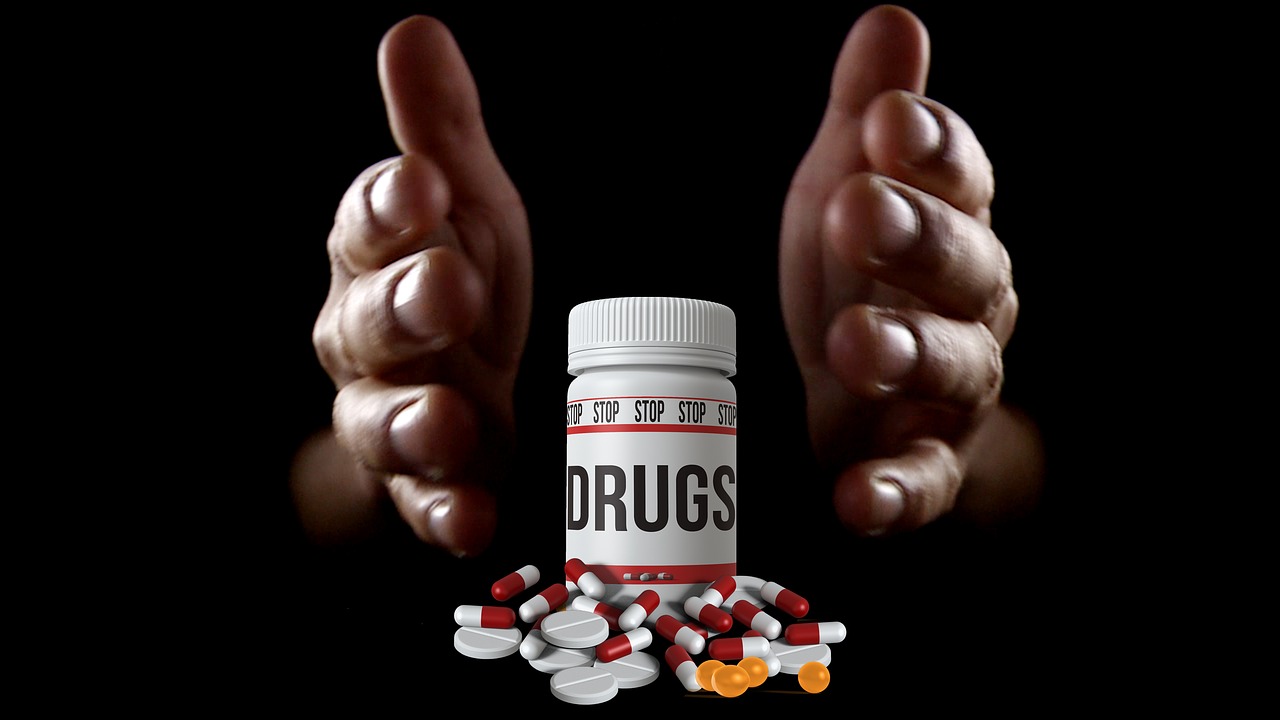
Drugs.

Drug Addiction. 
Photo courtesy of Pixabay.

Finding help for a child with a mental illness or drug addiction is difficult.

The question of how you get help for a child with drug addiction, mental illness, or alcoholism comes up frequently. Parents contacted me asking this question. Other therapists and counselors contact me looking for a referral to give their clients. The answers to these questions depend on a lot of factors and are never easy. My answer to the question of how to get help for a child typically begins with me asking some questions to gather more information. No one answer is right for everyone.

How old is your child who has the addiction?

If your child is under 18, you theoretically have not only control over the child but also the responsibility to act. Getting help for a child under 18 often is a parenting question. How do you get your child to go to school? Or how do you get your child to go to bed at night or eat their broccoli? For young children, you use discipline, that mixture of reward and punishment that shapes children’s behavior. Send them for treatment and make sure they go.

What if the child with an addiction is over 18?

I know if you are a parent you never stop thinking of your offspring as your child. The reality of the situation is that once they turn 18, you have very limited options to control their behavior. You may not like the person they want to have children with, the job they choose, or the chemicals they select to put into their bodies. Once they turn 18, you can only help them if they want to be helped, and even then, you need to be careful about the help you offer.

Does your addicted adult child want help with their addiction?

If the child says no to drug treatment than the only things you can do are hope, pray, and wait for the opportunity to be helpful. The only way adults are forced into drug treatment is by being arrested, and court-ordered into treatment. You can hope that your adult child with an addiction, encounters law enforcement or child protective services and is required to get drug treatment. Trying to force this by calling the police on your child is likely to backfire causing them to sever their relationship with you and maybe delaying them getting into treatment.

You should avoid enabling your adult addicted child to continue using.

A lot of parents offer their children with an addiction all kinds of help. You might let them live with you until they steal things to sell for drug money. You might feed them or pay their rent. Anything you do financially to help them carries the risk that it just frees up more money for them to use to support their drug habit.

Should you pay for your adult child to go into rehab?

Addiction is characterized by being a chronic, relapsing, and often fatal disease. One episode in rehab may not result in arresting the disease of addiction. I’ve seen families spend everything they have putting an adult addicted child into rehab only to have them walk out of treatment early or relapse shortly after the treatment episode. If you have lots of money, sending them to a month-long rehab at the beach may be an option. But think of how many famous people have gone through repeated expensive episodes of rehab.

If you do decide to pay for your child’s rehab, spend the smallest amount possible because you’re likely to have to do it more than once. If your adult child has medical insurance, have them contact their insurance carrier.

Remember that even if you write the check to the rehab facility your child is an adult child, and that facility can’t tell you anything without your child’s permission. It can be very frustrating to parents whose child has an addiction to find that because of confidentiality the treatment provider can’t tell you anything even after you paid for treatment. Even if you get your child to sign a consent to release information form, at any moment they can revoke that release.

What resources are available if your adult addicted child says they want help?

The simplest resource to use is self-help groups, Alcoholics Anonymous, or Narcotics Anonymous. There are meetings in almost every town, and there is no charge for their services.

You can also suggest you adult addicted child contact the local county behavioral health services. They can refer you to agencies that treat addiction in your county. Some of these agencies are low-cost or are funded by the County; others may accept medical insurance or have sliding fee scales.

Some private therapists and counselors specialize in treating clients with co-occurring disorders, both a mental illness and substance use disorder. Individual therapy is likely to be expensive. The therapist must pay for the office, and you’re buying an hour of their time. Going once a week to see a therapist will not result in an end to their addiction if they continue to use drugs between sessions.

Treating addiction is not a short-term process. Because of their using drugs over a long period the brain appears to change its default setting and the brain of the addict will continue to demand drugs long after the substances are out of the body. For most people, recovery from addiction is a long-term process requiring both treatment and the development of a support system that encourages the addict in recovery to stay sober.

What about interventions?

There used to be a lot of interventions. You still see TV shows about interventions. My experience has been that doing interventions has been a lot less effective than we would have hoped. Many people who are addicted refused to go into treatment. This can often lead to angry confrontations and an end to the relationship. For an intervention to work you also need to be able to get the addict into treatment immediately. Even a one-day delay can result in them changing the mind and not going into treatment. Unless you can pay for the treatment privately or are paying for their medical insurance you may not be able to reserve a bed in a rehab facility for an adult child.

So, what is your best option for getting an adult addicted child into treatment? Have an honest talk with them. Offer to be emotionally supportive but don’t enable their continued drug use. Expect to have to be patient until they are ready to go for treatment. A first step in the direction of recovery may be to agree to go with them to a 12-step self-help group.

I hope that it answered some of the questions. Feel free to leave a comment or use the contact me form if you’d like more information.

Staying connected with David Joel Miller

Seven David Joel Miller Books are available now!

My newest book is now available. It was my opportunity to try on a new genre. I’ve been working on this book for several years, but now seem like the right time to publish it.

Story Bureau.

Story Bureau is a thrilling Dystopian Post-Apocalyptic adventure in the Surviving the Apocalypse series.

Baldwin struggles to survive life in a post-apocalyptic world where the government controls everything.

As society collapses and his family gets plunged into poverty, Baldwin takes a job in the capital city, working for a government agency called the Story Bureau. He discovers the Story Bureau is not a benign news outlet but a sinister government plot to manipulate society.

Bumps on the Road of Life. Whether you struggle with anxiety, depression, low motivation, or addiction, you can recover. Bumps on the Road of Life is the story of how people get off track and how to get your life out of the ditch.

Dark Family Secrets: Doris wants to get her life back, but small-town prejudice could shatter her dreams.

Casino Robbery Arthur Mitchell escapes the trauma of watching his girlfriend die. But the killers know he’s a witness and want him dead.

Planned Accidents  The second Arthur Mitchell and Plutus mystery.

Letters from the Dead: The third in the Arthur Mitchell mystery series.

What would you do if you found a letter to a detective describing a crime and you knew the writer and detective were dead, and you could be next?

Sasquatch. Three things about us, you should know. One, we have seen the past. Two, we’re trapped there. Three, I don’t know if we’ll ever get back to our own time.

For these and my upcoming books; please visit my Author Page – David Joel Miller

Want the latest blog posts as they publish? Subscribe to this blog.

For videos, see: Counselorssoapbox YouTube Video Channel

The wounds of war last long after the soldiers return.

By David Joel Miller, MS, Licensed Therapist & Licensed Counselor.

Veterans.

Veterans Day.
Photo courtesy of Pixabay.com

Military parades don’t tell the whole story.

Today is Veterans Day in the United States. Various countries will celebrate their military veterans on other days.

On each of those veteran’s days, there will be parades and speeches and sometimes a lot of saber-rattling on the part of politicians.

It’s appropriate for people who served in the military to be honored today. Some will march in parades, and some will be honored with flags placed on their graves.

What we shouldn’t do is forget about these veterans the other 364 days of the year.

The physical wounds of war have become more pervasive.

The list of wars America has fought continues to grow. They used to be periods of peace between our wars, and we tried to believe that future generations wouldn’t have to fight. Unfortunately, across my lifespan, the periods of peace have grown shorter. We have reached the point where Americans have been fighting somewhere in the world continuously for the longest time in American history.

Many of the physical wounds of war today’s soldiers endure, traumatic brain injury, for example, are much more common today than they were in the past. It’s fashionable to spend money and manpower to win a war. It is a much lower priority to spend money and effort caring for the wounded warriors of America’s many conflicts across the remainder of these veteran’s lifespan.

The invisible wounds of war appear more common now than before.

PTSD and other psychological injuries are more common among today’s veterans than they were in past generations. At least that’s what the statistics tell us. It’s very likely that many cases of PTSD went unrecognized or underrecognized among veterans of World War II and Vietnam. It’s also probable that the more protracted wars, more frequent deployments, and the changing nature of warfare has made PTSD more common than it was before.

Homelessness among veterans remains much higher than it should be.

Politicians are far too willing to appropriate funds for new weapon systems to fight wars then they are to provide adequate resources for treatment and housing of those who have made the sacrifices to fight those wars.

Alcoholism and addiction are an occupational hazard among military veterans.

Medical facilities, particularly the VA, see many patients who are former military and whose medical issues have been caused by or made worse by, untreated alcoholism or drug abuse.

Substance abuse treatment facilities encounter a significant number of former military personnel who have struggled with alcoholism and drug addiction during and after the military service. For some former military personnel, drugs and alcohol have been their way of coping with the traumatic experiences they encounter during their military career.

However you celebrate Veterans Day, I hope during the day of parades, speeches, and ceremonies you don’t lose sight of the long-term personal costs borne by those who served their country, their families and friends, and the rest of our society.

Next week’s post will pick up where we left off in the series of posts about what drug counselors do on the job and the core functions of substance use disorder counselors.

Staying connected with David Joel Miller

Seven David Joel Miller Books are available now!

My newest book is now available. It was my opportunity to try on a new genre. I’ve been working on this book for several years, but now seem like the right time to publish it.

Story Bureau.

Story Bureau is a thrilling Dystopian Post-Apocalyptic adventure in the Surviving the Apocalypse series.

Baldwin struggles to survive life in a post-apocalyptic world where the government controls everything.

As society collapses and his family gets plunged into poverty, Baldwin takes a job in the capital city, working for a government agency called the Story Bureau. He discovers the Story Bureau is not a benign news outlet but a sinister government plot to manipulate society.

Bumps on the Road of Life. Whether you struggle with anxiety, depression, low motivation, or addiction, you can recover. Bumps on the Road of Life is the story of how people get off track and how to get your life out of the ditch.

Dark Family Secrets: Doris wants to get her life back, but small-town prejudice could shatter her dreams.

Casino Robbery Arthur Mitchell escapes the trauma of watching his girlfriend die. But the killers know he’s a witness and want him dead.

Planned Accidents  The second Arthur Mitchell and Plutus mystery.

Letters from the Dead: The third in the Arthur Mitchell mystery series.

What would you do if you found a letter to a detective describing a crime and you knew the writer and detective were dead, and you could be next?

Sasquatch. Three things about us, you should know. One, we have seen the past. Two, we’re trapped there. Three, I don’t know if we’ll ever get back to our own time.

For these and my upcoming books; please visit my Author Page – David Joel Miller

Want the latest blog posts as they publish? Subscribe to this blog.

For videos, see: Counselorssoapbox YouTube Video Channel

Intake – a core drug counselor function.

By David Joel Miller, MS, Licensed Therapist & Licensed Counselor.

Counseling questions

Counseling questions.
Photo courtesy of Pixabay.com

Intake involves a lot of paperwork.

Getting a client signed up for a drug treatment program involves a lot of paperwork that needs to be completed before the counseling can begin. Drug counselors need to know how to do this function, although the exact paperwork they will have to do can vary a great deal from program to program. Many treatment agencies now use computerized systems. As the counseling field shifts towards more electronic records, more of the intake paperwork will end up on the computer. Some systems now include electronic signature pads that will capture the client’s signature onto the electronic file.

Some of this paperwork part can be done by office staff. Larger drug treatment programs may have one person assigned to do the intake paperwork. There are some advantages to having the primary counselor, the one the client will see the client throughout treatment, do the intake. When the client first comes into drug treatment, they are likely to be anxious and uncertain. Developing a relationship, establishing rapport, is an essential part of what staff at a drug treatment program must do. It’s easier to build up a rapport when the client sees the same person throughout treatment.

Informed consent is a required part of treatment.

Informed consent is not a separate specific drug counselor function, but it should be incorporated into all the intake paperwork as part of the legal and ethical responsibilities of a counselor. Fees need to be discussed during the first session the staff spends with the client.

Limits of confidentiality and the exceptions to them, need to be explained to the client. What information will the program keep confidential and what information might be disclosed. Drug counseling has an extremely high requirement for confidentiality. Drug counselors should not even confirm or deny that someone is in their program.

Drug counselors are mandated reporters who must report clients who are a danger to themselves or others. They also are required to report abuse of the child, an elderly, or a disabled person. In some jurisdictions, they may be required to report clients who view child pornography. All these exceptions to confidentiality need to be explained to the client during the intake process.

Because so many clients are referred to drug treatment by the criminal justice system, parole probation, or the courts, more of the client’s information may be divulged than might happen in mental health counseling.

As part of the evidence that you did informed consent, the client will be required to sign a form called either a consent for treatment or a treatment agreement.

Consent to release information forms.

If any information about a client will be released to an outside party, a specific form called a consent for release of information should be filled out and signed by the client. These forms are often referred to by counselors as “releases.” Most releases can be revoked by the client, which must be done in writing if they decide they want the drug program to stop releasing information. One exception to this right to revoke consent to release information is the “criminal justice consent form.”

If the criminal justice system has sent a client to your program, they will require information about that client. If the client does not wish to sign a release of information, you will not be able to admit that client to your program. Clients who attend a drug treatment program without signing a release for the criminal justice system will not have met their legal requirements for a court-mandated program.

Financial forms are part of drug counseling intakes.

For most programs, someone is paying for treatment. If it’s insurance, then there will be insurance forms to fill out. If the treatment is paid for by the criminal justice system or the child protective services, there will be other forms they will need to fill out. Clients who self-pay will still need to fill out a financial agreement.   Some programs have a sliding scale fee agreement for low-income clients. Providing financial information and filling out additional forms may be a part of qualifying for these reduced fees.

HIPPA notice of privacy practices.

Almost all programs nowadays are “covered entities” and must follow the HIPPA regulations. The counselor needs to give the client a notice of privacy practices and have the client sign a form saying they received this information.

Demographic information.

Clients need to provide the program with their demographic information. You need to know who it is you’re working with. It’s good practice to have an address and phone number for this client. This form might also next of kin.

Consent to follow-up.

Some programs do follow-up studies to see how effective their treatment is. Studying the results of treatment may be a condition of receiving funding from grants or contracts with governmental agencies. It’s a good practice to have written permission to follow-up, signed at the time of intake. You should also make sure you know how you are allowed to contact the client. If the phone number they gave you is a work phone, they may not want you calling there for follow-up.

Program rules or expectations.

During the intake, the counselor may give the client rules, a form about client rights and responsibilities, and other information about the program. Some programs do this after the intake as part of a separate step referred to as the core function of orientation. More about orientation in an upcoming post.

There are a wide variety of other forms used by various treatment programs. Most of these forms have been created by the individual treatment program.

Assessment may take place during intake.

Assessment means different things in different contexts. Assessment is considered a separate drug counselor function and it’s a skill that counselors need to learn and to practice. Assessment may take place during the initial intake. Some programs will schedule a separate appointment for the assessment. Assessment functions as the bridge between the first domain which involves getting clients into treatment, and the second domain which is the work the counselor will do in creating a comprehensive recovery plan.

In our next installment of this “what do drug counselors do and how do they do it” series we will look at the core counselor function of assessment.

For more on the drug counselor domains and the core functions see John W. Herdman’s book Global Criteria; the 12 Core Functions of the Substance Abuse Counselor

Staying connected with David Joel Miller

Seven David Joel Miller Books are available now!

My newest book is now available. It was my opportunity to try on a new genre. I’ve been working on this book for several years, but now seem like the right time to publish it.

Story Bureau.

Story Bureau is a thrilling Dystopian Post-Apocalyptic adventure in the Surviving the Apocalypse series.

Baldwin struggles to survive life in a post-apocalyptic world where the government controls everything.

As society collapses and his family gets plunged into poverty, Baldwin takes a job in the capital city, working for a government agency called the Story Bureau. He discovers the Story Bureau is not a benign news outlet but a sinister government plot to manipulate society.

Bumps on the Road of Life. Whether you struggle with anxiety, depression, low motivation, or addiction, you can recover. Bumps on the Road of Life is the story of how people get off track and how to get your life out of the ditch.

Dark Family Secrets: Doris wants to get her life back, but small-town prejudice could shatter her dreams.

Casino Robbery Arthur Mitchell escapes the trauma of watching his girlfriend die. But the killers know he’s a witness and want him dead.

Planned Accidents  The second Arthur Mitchell and Plutus mystery.

Letters from the Dead: The third in the Arthur Mitchell mystery series.

What would you do if you found a letter to a detective describing a crime and you knew the writer and detective were dead, and you could be next?

Sasquatch. Three things about us, you should know. One, we have seen the past. Two, we’re trapped there. Three, I don’t know if we’ll ever get back to our own time.

For these and my upcoming books; please visit my Author Page – David Joel Miller

Want the latest blog posts as they publish? Subscribe to this blog.

For videos, see: Counselorssoapbox YouTube Video Channel

What do drug counselors do?

By David Joel Miller, MS, Licensed Therapist & Licensed Counselor.

Drugs

Drug counseling.
Photo courtesy of Pixabay.com

Drug counselors have many job duties besides talking to clients.

When you say counselor, most people envision a person who sits talking with the client. Many people who want to become counselors believe they would be good at it because friends have told them they’re good at giving advice. Professional counselors avoid giving advice. The stakes are just too high. It is the client’s life, and they need to make the decisions. What counselors may sometimes do is provide education, but that education needs to be objective not the counselor’s opinion.

Most drug counselors do not work in private practice but work for agencies. Because of this system, not every counselor does every one of these functions, but it is essential for them to know how to do each of these functions.

In the workplace, counselors perform many tasks other than counseling.

Peripheral tasks are probably true of all professions. There are lots of things that must be done by the professional beyond the function most people expect. One of those other things that the drug counselor needs to do is paperwork. The paperwork function, along with several other administrative tasks can take up a sizable chunk of the counselor’s day, but these other tasks need to be done to keep the program running so that it’s there when the client needs it.

There are different systems for classifying the drug counselor’s duties.

Defining what any profession does, and how they should do it, can be problematic. Many books have been written about how, in mental health counseling, the therapist or professional mental health counselor should do what they do. I have seen very few however which go into any detail about all the things they do each day other than counseling.

The what does the counselor do and how do they do it is especially problematic when it comes to drug counseling. Mental health counseling has its roots in medicine and psychology while substance use disorder counseling has its origins in self-help groups and recovery literature. As drug counseling has become more professional, it has become essential to define precisely what the job duties of the counselor may be or should be, in addition to the actual time spent “counseling” clients.

Here are the three primary sources in this area that I’m familiar with and have used in teaching substance abuse counseling classes. Along the way, there have been several workforce studies done that have informed these three sources.

John W. Herdman’s book Global Criteria; the 12 Core Functions of the Substance Abuse Counselor, first published in 1994 this book is now in its seventh edition just released in 2018. This book has been a standard text, especially among accredited programs, across the country as part of the introductory drug counseling training since it was first written.

Substance Abuse Mental Health Services Administration (SAMHSA) published TAP 21 Addiction Counseling Competencies: The Knowledge, Skills, and Attitudes of Professional Practice. This book was initially issued in 1998 and has been revised since. TAP21 has been incorporated into some of the tests used to license or certified drug counselors.

The International Certification and Reciprocity Consortium (ICRC.) The ICRC took all the various tasks a drug counselor might do and sorted them into four categories which they call performance domains.

While the three different systems use different labels, I see very little that is part of the tasks of the counselor that is not included in all three systems. So, what are the four domains that a drug counselor needs to know about to do their job?

Domain One: “Intake” or getting the client in the treatment.

This domain includes all the tasks that would be necessary to get the client to the point of the first counseling session. In Mental health treatment settings, some or all this work would be done by paraprofessionals or office staff. Some drug programs may have specialized intake counselors, but in many drug and alcohol counseling programs counselors would be doing this work themselves.

The intake domain would include such functions as screening, assessment, and engagement activities, as well as orienting the client to the program.

Domain Two: treatment planning, collaboration, and referral.

This domain includes developing a treatment plan, case management functions, referrals and linkages, and consultation.

Domain Three: counseling, both individual and group.

Most drug counseling is done in a group setting. These groups could include psychoeducational groups, “process” or discussion groups, feelings groups, or topical groups, often focused on the 12 steps or life skills.

There are many different theories and techniques for individual counseling.

Domain Four: professional, legal, and ethical responsibilities.

This domain includes the requirement to complete paperwork, meeting your legal responsibilities, and following the applicable code of ethics. Doing things professionally, legally, and ethically should be woven into everything the counselor does, but the counselor also needs to periodically review the decision-making model they’re using to be sure that they and the agency they work for are performing legally and ethically.

In future posts let’s look at the various tasks the drug counselor must do in each of these domains.

Staying connected with David Joel Miller

Seven David Joel Miller Books are available now!

My newest book is now available. It was my opportunity to try on a new genre. I’ve been working on this book for several years, but now seem like the right time to publish it.

Story Bureau.

Story Bureau is a thrilling Dystopian Post-Apocalyptic adventure in the Surviving the Apocalypse series.

Baldwin struggles to survive life in a post-apocalyptic world where the government controls everything.

As society collapses and his family gets plunged into poverty, Baldwin takes a job in the capital city, working for a government agency called the Story Bureau. He discovers the Story Bureau is not a benign news outlet but a sinister government plot to manipulate society.

Bumps on the Road of Life. Whether you struggle with anxiety, depression, low motivation, or addiction, you can recover. Bumps on the Road of Life is the story of how people get off track and how to get your life out of the ditch.

Dark Family Secrets: Doris wants to get her life back, but small-town prejudice could shatter her dreams.

Casino Robbery Arthur Mitchell escapes the trauma of watching his girlfriend die. But the killers know he’s a witness and want him dead.

Planned Accidents  The second Arthur Mitchell and Plutus mystery.

Letters from the Dead: The third in the Arthur Mitchell mystery series.

What would you do if you found a letter to a detective describing a crime and you knew the writer and detective were dead, and you could be next?

Sasquatch. Three things about us, you should know. One, we have seen the past. Two, we’re trapped there. Three, I don’t know if we’ll ever get back to our own time.

For these and my upcoming books; please visit my Author Page – David Joel Miller

Want the latest blog posts as they publish? Subscribe to this blog.

For videos, see: Counselorssoapbox YouTube Video Channel

Do you want to be a drug counselor?

By David Joel Miller, MS, Licensed Therapist & Licensed Counselor.

Drugs

Drug Counseling. 
Photo courtesy of Pixabay.com

The need for qualified drug counselors continues to grow.

The growing opioid epidemic has highlighted the need for more drug treatment. So has the use of other drugs, methamphetamine, the so-called bath salts, and a whole host of new substances that continue to grow. The need for treatment among the older generation is at an all-time high as many baby boomers have continued to use their drug of choice into their retirement years. While the increasing problem with hard drugs gets a lot of media attention, we can’t forget that the two legal drugs, nicotine and alcohol remain huge killers. In medical settings, most of the patients have illnesses caused by or made worse by the use and abuse of alcohol and drugs.

There are several reasons why you might want to become a drug and alcohol counselor. For over ten years now I’ve taught classes in counseling those with substance use disorders. This week another class is starting. Over the next few weeks, I’d like to talk to you about some of the things drug counselors learn. Let’s begin today with reasons you might want to become a drug counselor and why your reason might help or hinder you in becoming a good drug counselor.

The field of drug counseling continues to evolve. The laws and regulations vary from place to place, and so do the names given to drug counselors. Counselors in this field are sometimes called substance abuse counselors, substance use disorder counselors, drug and alcohol counselors, or AOD counselors which stands for alcohol and other drug counselors.

This field used to separate alcoholics from drug addicts and provide two different kinds of treatment. Today it’s rare to find treatment programs where the two issues are disconnected. People with alcohol only problems usually end up in a drunk driver program or self-help groups such as AA. People with drug problems go to drug programs even though they often also have alcohol problems.

If you are in recovery, you may want to become a drug counselor.

Today’s substance abuse counseling programs mainly grew out of the alumni from drug programs and people who had attended 12 step groups. If you’re in recovery yourself, you may want to give back. The good part about this is that you probably have a lot of knowledge about the process of addiction. Many of my students are former alcoholics or addicts now in recovery. I tell the class, only half-joking, that many of you have done “extensive field research” on drugs and alcohol.

If you’re a recovering person, you probably know a lot about the 12 steps. While a lot of research is being done about what works and doesn’t work in the substance use disorder field, working the 12 steps and attending self-help groups continues to be a significant component of most recovery programs.

The downside to being a recovering person is that you may struggle with the academic, professional part of the curriculum. People in recovery who rushed too rapidly into becoming drug counselors put themselves at risk for relapse. For a recovering person to work in the treatment field, they need to not only know the disease of addiction, but they also need to understand the process of recovery. If you’re in early recovery give yourself plenty of time to get used to your new sobriety before beginning to work in the field, otherwise you can put yourself at risk of relapse.

You may have had a family member or friend with an addiction problem.

Many people come into the field because they lost a family member or close friend to the diseases of addiction. I’ve seen some very effective counselors who have not themselves been addicts but have grown up in a home with an addicted parent or partner. If you’ve lost a child to addiction, death, or incarceration, that can be an exceptionally strong motivation to work in the field.

The caution for family members is like the one for recovering people. Make sure you are fully recovered from your experiences of living with an addicted person. Don’t expect to work out your own problems by working with addicts. Living with an addicted person can cause severe emotional trauma. You need to be fully recovered from that trauma if you plan to do this kind of work. A number of my drug counseling students were family members of addicts. They pretty much all told me they benefited by taking the classes. Many however decided they needed to work on themselves rather than trying to fix themselves by fixing addicts.

You have discovered a lot of the people you work with have drug problems.

No matter where you work there’s a strong possibility that many of the people you see each day have a drug problem. One survey estimated that 80% of the people in prison were drunk or high in the 24 hours before the committed the crime that led to their incarceration. VA Hospital estimated half of their hospital beds on the results of patients whose condition was caused by or made worse by alcohol. People who work in the criminal justice system or the medical field need to know about addiction and recovery.

People who work in the welfare system need to be knowledgeable about drugs, alcohol, addiction, and recovery. Many people who are unemployed have substance use issues. Among the homeless population, one drug is almost universal. It’s probably not the drug you are thinking of, the drug of choice among the homeless – is tobacco.

If you’re working in education, you need to know about drugs, alcohol, and the problems they’re creating for your students. Surveys tell us that at the college level F students consume twice as much alcohol as A students. Many elementary school students begin experimenting with drugs and drinking around the third or fourth grade. They start by smoking their parent’s cigarettes or drinking their alcohol. With the shift towards legalized marijuana more and more elementary and middle school students are using marijuana. If you work with kids in any capacity part of what you should be doing will be drug prevention and early interventions.

You work in mental health and clients want to talk to you about drug problems.

There’s a substantial overlap between mental health issues and substance use disorders. If you work in a program or facility that treats mental health problems you’re seeing people with substance use disorders whether you know it or not. Please don’t say “I don’t want to work with those people.” You are. If you give off the attitude you don’t want to talk to them about their drug problems, their sex problems, or their gambling problems; they just won’t tell you the truth about those issues.

Roughly half the people with a diagnosed mental illness, abuse substances and many go on to develop substance use disorders. About 60% of the people with substance use disorders also have a mental illness. The area of working with clients with both problems, now called “dual diagnosis” used to be called “co-occurring disorders.” The most effective treatment for people with both disorders is to get them both treated at the same time and either at the same place or with two different providers who work together to coordinate care.

You would like to help “those people.”

If your motivation to become a drug counselor is because you feel sorry for people with a history of a substance use disorder, I’m going to suggest, please don’t become a drug counselor. You’re likely to come across as feeling superior and looking down on them. If you want to be helpful, work with them on their other needs, housing, meals, job training, or basic literacy. Leave the drug counseling to people who will put in the time to develop the needed skills.

Stay tuned for more posts on what drug counselors do on the job and how someone would go about becoming a drug counselor. If you have questions as I move through this series of posts, please leave a comment or use the “contact me” form. I will get back to you just as quickly as my schedule allows.

Staying connected with David Joel Miller

Seven David Joel Miller Books are available now!

My newest book is now available. It was my opportunity to try on a new genre. I’ve been working on this book for several years, but now seem like the right time to publish it.

Story Bureau.

Story Bureau is a thrilling Dystopian Post-Apocalyptic adventure in the Surviving the Apocalypse series.

Baldwin struggles to survive life in a post-apocalyptic world where the government controls everything.

As society collapses and his family gets plunged into poverty, Baldwin takes a job in the capital city, working for a government agency called the Story Bureau. He discovers the Story Bureau is not a benign news outlet but a sinister government plot to manipulate society.

Bumps on the Road of Life. Whether you struggle with anxiety, depression, low motivation, or addiction, you can recover. Bumps on the Road of Life is the story of how people get off track and how to get your life out of the ditch.

Dark Family Secrets: Doris wants to get her life back, but small-town prejudice could shatter her dreams.

Casino Robbery Arthur Mitchell escapes the trauma of watching his girlfriend die. But the killers know he’s a witness and want him dead.

Planned Accidents  The second Arthur Mitchell and Plutus mystery.

Letters from the Dead: The third in the Arthur Mitchell mystery series.

What would you do if you found a letter to a detective describing a crime and you knew the writer and detective were dead, and you could be next?

Sasquatch. Three things about us, you should know. One, we have seen the past. Two, we’re trapped there. Three, I don’t know if we’ll ever get back to our own time.

For these and my upcoming books; please visit my Author Page – David Joel Miller

Want the latest blog posts as they publish? Subscribe to this blog.

For videos, see: Counselorssoapbox YouTube Video Channel

Dextromethorphan and paranoia.

By David Joel Miller, MS, Licensed Therapist & Licensed Counselor.

Grim Reaper

Paranoia.
Photo courtesy of pixabay.

Sometimes over-the-counter medications cause paranoia.

Dextromethorphan is a common antitussive (cough suppressant) medication found in over-the-counter medications. It is a common ingredient in over 140 over-the-counter medications. Unfortunately, Dextromethorphan has become an increasingly abused substance among those in the 18 to 25-year-old range. Abuse by younger teens is reported to be on the rise.

Because dextromethorphan can be purchased over-the-counter or stolen from grocery stores and pharmacies, many users have underestimated the serious, long-term effects of dextromethorphan abuse.

When taken according to directions most over-the-counter medications are relatively safe. Any medication, including over-the-counter medications, may result in side effects or allergic reactions. Abuse of Dextromethorphan can have some serious health consequences.

When Dextromethorphan is taken in larger than recommended amounts it can produce psychoactive effects. “Use in amounts exceeding those recommended, a practice which is known as “Robotripping,” may result in a toxidrome of psychomotor agitation, hallucinations and paranoia best characterized as Intoxication Delirium (Stanciu, C. et al., 2016.)

Dextromethorphan shares pharmacologic and neurobehavioral properties similar to opiates and phencyclidine (PCP.) Because of its cough suppression action is like the opiate codeine, as the dose increases it can produce dreamlike states and hallucinations somewhat like the “pipedreams” of opium smokers. As the dose increases significant unpleasant and health impairing results occur. At very high doses Delirium and misperceptions occur, resulting in paranoia and violent behavior similar to PCP intoxication.

“Intoxicated excited delirium describes the most serious and potentially deadly DXM-induced medical condition involving psychotic behavior, elevated temperature, and an extreme psychomotor agitation fight-or-flight response by the nervous system. Due to extreme violence frequently encountered such presentations, typically encountered in the emergency room setting with law enforcement involvement, have resulted in sudden death secondary to cardiac or respiratory arrest, an outcome associated with the use of physical restraints” (Stanciu, C. et al., 2016.)

One online user bulletin board, I will leave the website name out, included a number of user warnings. Users report tolerance to dextromethorphan happens rapidly, often after a single dose. Reports of paranoia were common, both paranoia caused by taking dextromethorphan and users reports of high anxiety which they called “paranoid” about the many other negative results from use.

Users have reported impaired daily functioning for as long as six years afterward.

On the way to psychosis and paranoia, users may experience a variety of alterations in perception. Commonly reported are auditory, visual, and tactile hallucinations. That may pass through a period of excitability and pressured speech which can easily be mistaken for bipolar mania. Nervousness, confusion, and disorientation can occur. A variety of physical symptoms are also likely, including tremors, slurred speech, and occasionally seizures. Some less pleasant symptoms include nausea, vomiting, respiratory depression, coma, and even death.

The particular gene responsible for metabolizing dextromethorphan is polymorphic meaning there are a number of different mutations of this gene in humans. Because of this a new user never knows just how dextromethorphan may affect them. Some people need to take a large amount to feel the effects while other people can have a serious adverse effect even at doses only a little above the label recommendations (Stanciu, C. et al., 2016.)

There are antidotal reports of serious interactions between dextromethorphan and commonly used substances such as alcohol and marijuana. In medical settings, life-threatening interactions between prescribed psychiatric medications and intentional overdoses of dextromethorphan-containing products.

Dextromethorphan is not the only drug of abuse that has been connected to an increased risk of developing paranoia. Reports of paranoia among drug users are common. Paranoia can be difficult to identify and diagnose. It is often only considered in the context of diagnosing the paranoid type Schizophrenia or Paranoid Personality Disorder. Recent studies have suggested that paranoia falls on a continuum and paranoia has rarely been studied outside the seriously mentally ill. Many things about the drug-using lifestyle increase the risk of paranoia. Another reason for the shortage of information about rates of paranoia and its treatment among drug users has been the systematic exclusion of those with a substance use disorder from psychological research. Given the large overlap between those with a substance use disorder and a diagnosed mental illness, there’s a lot we haven’t learned about trust issues, suspicion, and various levels of paranoia among those with a co-occurring disorder.

I’ll continue to watch for and read research about the trust to suspicion continuum so watch for future posts on this topic.

Recommended Mental Health Books

David Miller at counselorssoapbox.com is an Amazon Affiliate and may receive a small Commission if you purchase a book or product using the link on this page. Using the link will not increase the cost to you.

Staying connected with David Joel Miller

Seven David Joel Miller Books are available now!

My newest book is now available. It was my opportunity to try on a new genre. I’ve been working on this book for several years, but now seem like the right time to publish it.

Story Bureau.

Story Bureau is a thrilling Dystopian Post-Apocalyptic adventure in the Surviving the Apocalypse series.

Baldwin struggles to survive life in a post-apocalyptic world where the government controls everything.

As society collapses and his family gets plunged into poverty, Baldwin takes a job in the capital city, working for a government agency called the Story Bureau. He discovers the Story Bureau is not a benign news outlet but a sinister government plot to manipulate society.

Bumps on the Road of Life. Whether you struggle with anxiety, depression, low motivation, or addiction, you can recover. Bumps on the Road of Life is the story of how people get off track and how to get your life out of the ditch.

Dark Family Secrets: Doris wants to get her life back, but small-town prejudice could shatter her dreams.

Casino Robbery Arthur Mitchell escapes the trauma of watching his girlfriend die. But the killers know he’s a witness and want him dead.

Planned Accidents  The second Arthur Mitchell and Plutus mystery.

Letters from the Dead: The third in the Arthur Mitchell mystery series.

What would you do if you found a letter to a detective describing a crime and you knew the writer and detective were dead, and you could be next?

Sasquatch. Three things about us, you should know. One, we have seen the past. Two, we’re trapped there. Three, I don’t know if we’ll ever get back to our own time.

For these and my upcoming books; please visit my Author Page – David Joel Miller

Want the latest blog posts as they publish? Subscribe to this blog.

For videos, see: Counselorssoapbox YouTube Video Channel
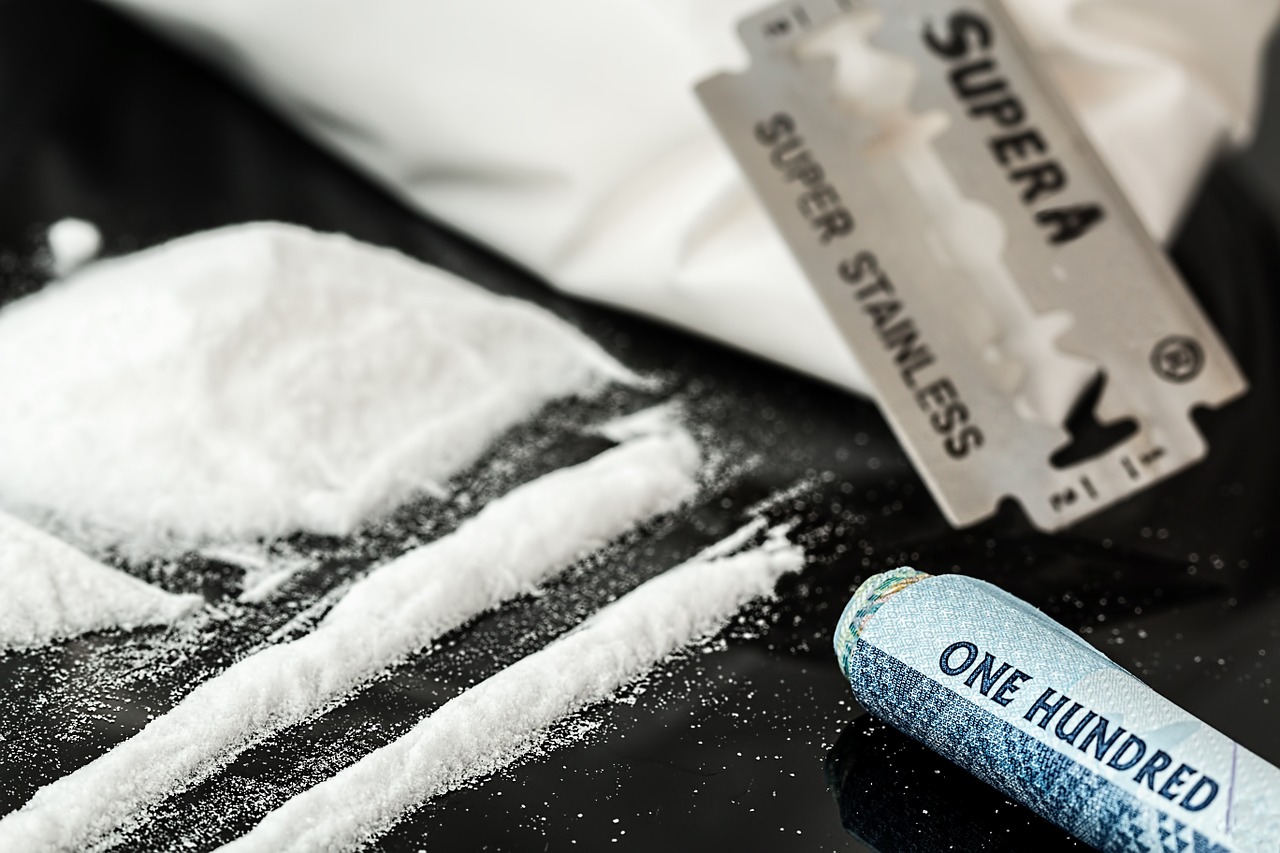
Pseudohallucinations – OK to see things?

By David Joel Miller, MS, Licensed Therapist & Licensed Counselor.

Hallucination

Hallucinations.
Photo courtesy of Pixabay.

Pseudohallucinations – sometimes we expect people to “see things.”

Sometimes it’s okay to see things that are not really there. When someone is under

the influence of drugs, particularly hallucinogens or powerful stimulants, it is common for them to see things that others don’t.

When crack cocaine first became common, the emergency rooms in large cities experienced a rash of people who were “seeing things.” Many of these people received a diagnosis of schizophrenia or a related psychosis.

The same phenomenon occurred again when methamphetamine became cheap and readily available. More recently we are seeing people under the influence of “bath salts,” who are hallucinating.

None of these drug-induced hallucinations should be used as symptoms for making the diagnosis of schizophrenia or related psychosis.

True hallucinations can be a feature of several mental illnesses. In addition to schizophrenia, people with severe major depressive disorder, bipolar disorder, and other mental illnesses may experience hallucinations. Sometimes people with severe mental illness also use drugs that can create Pseudohallucinations. Sorting out the meaning of hallucinations is a job for a professional.

Some authorities differentiate between Hallucinations, Pseudohallucinations, and Parahallucinations.

If someone is experiencing hallucinations and they know it is the result of “good drugs,” this is a Pseudohallucination and likely will be diagnosed as a drug intoxication disorder, Hallucinogen Persisting Perception Disorder F16.983, or stimulant-induced psychotic disorder if the hallucinations continue after withdrawal from a stimulant.

Alcohol can also cause hallucinations.

When chronic alcoholics are withdrawing from alcohol that can experience a condition called delirium tremens or the DT’s for short. DT’s consists of shakes and hallucinations when the level of alcohol in the bloodstream declines. This is a very serious condition and can lead to death. If someone has ever had the shakes or hallucinated while withdrawing from alcohol they should be sent to a hospital to detox. Friends don’t let friends die from DT, s.

David Joel Miller MS is a Licensed Marriage and Family Therapist (LMFT) and a Licensed Professional Clinical Counselor (LPCC.)  Mr. Miller provides supervision for beginning counselors and therapists and teaches at the local college in the Substance Abuse Counseling program.

Staying connected with David Joel Miller

Seven David Joel Miller Books are available now!

My newest book is now available. It was my opportunity to try on a new genre. I’ve been working on this book for several years, but now seem like the right time to publish it.

Story Bureau.

Story Bureau is a thrilling Dystopian Post-Apocalyptic adventure in the Surviving the Apocalypse series.

Baldwin struggles to survive life in a post-apocalyptic world where the government controls everything.

As society collapses and his family gets plunged into poverty, Baldwin takes a job in the capital city, working for a government agency called the Story Bureau. He discovers the Story Bureau is not a benign news outlet but a sinister government plot to manipulate society.

Bumps on the Road of Life. Whether you struggle with anxiety, depression, low motivation, or addiction, you can recover. Bumps on the Road of Life is the story of how people get off track and how to get your life out of the ditch.

Dark Family Secrets: Doris wants to get her life back, but small-town prejudice could shatter her dreams.

Casino Robbery Arthur Mitchell escapes the trauma of watching his girlfriend die. But the killers know he’s a witness and want him dead.

Planned Accidents  The second Arthur Mitchell and Plutus mystery.

Letters from the Dead: The third in the Arthur Mitchell mystery series.

What would you do if you found a letter to a detective describing a crime and you knew the writer and detective were dead, and you could be next?

Sasquatch. Three things about us, you should know. One, we have seen the past. Two, we’re trapped there. Three, I don’t know if we’ll ever get back to our own time.

For these and my upcoming books; please visit my Author Page – David Joel Miller

Want the latest blog posts as they publish? Subscribe to this blog.

For videos, see: Counselorssoapbox YouTube Video Channel

Abusing prescription drugs.

By David Joel Miller, MS, Licensed Therapist & Licensed Counselor.

Drugs.

Drugs.
Photo courtesy of Pixabay.

Almost 24 million Americans abuse prescription medication each year.

The majority (87%) of the people who get Rx’s use the meds responsible. The abuse is

the result of misuse by the other 13%. Many people underestimate the risks involved in using prescription drugs incorrectly.

Abuse of a prescription drug can result in addiction, permanent health damage, or even death.

Just because you get your drugs with a prescription doesn’t make them safe, particularly when you don’t use them as prescribed.

What meds are abused?

The national survey on drug use and health tracks the abuse of four types of prescription medication. Besides prescription pain meds many other prescription meds get abused. The other big abuse culprits? Tranquilizers (5.7 million) and RX stimulants (4.8 million, and sedatives (1.4 million.) Many other medications can be misused. Prescriptions don’t work well when you take them some days and not others. I’ve learned in working with mental health clients not task them if they are taking their meds. They almost always say yes. If I asked them how many days, they took their meds last week, I get answers like two or three days. Most prescriptions will be effective if you take them sporadically. You can’t make up for missed doses by taking extra on other days.

Pain medication abuse.

One-third of the US adult population, almost 92 million people, use prescription pain meds. Of those 92 million about 11.5 million abused their prescription pain meds. The majority of people (63.4%) who abuse prescription pain medication do so because of physical pain. Given the current publicity the people abusing prescription opiates, this is significant. The main reason people with a chronic pain condition abuse meds is because they are still in pain.

Approximately 40% abuse prescription pain meds for mental or emotional reasons, to relax, to sleep, to get high, or to simply see what it would be like to experiment with the drug. I think it’s important to note that much of the high-powered opiates being abuse are being manufactured or brought into the US illegally.

Even over-the-counter pain meds, while not included in many studies, are subject to abuse. People with emotional pain may experience this as pain in the body. Over-the-counter pain meds are not effective for treating depression or anxiety. Taking excessive amounts of over-the-counter pain medications can result in damage to your liver or kidney.

Abuse of prescription tranquilizers.

About one-third of the people prescribed tranquilizers abuse them. Of those abusing tranquilizers, two-thirds were using them for the reasons they have been prescribed but not in the way the doctor had prescribed them. The remaining one-third of abusers do so for emotional or recreational reasons.

A very dangerous way of abusing tranquilizers is to take them while consuming alcohol. This combination can result in death.

Abuse of prescription stimulants.

The primary legal use of these medications is to treat ADHD. About 30% of those taking prescription stimulant medications abuse them. Weight loss, to help study, or to get high are some of the reasons people reported abusing prescription stimulants.

What are some of the ways prescription meds are abused?

  1. Taking meds prescribed to someone else.
  2. Taking more pills or taking them more often than the doctor prescribed.
  3. Using prescription meds in a way other than the way the doctor recommended.

Over the counter medications were not included in the government’s survey of drug misuse despite the serious health consequences of abusing over-the-counter medications. I’ve tried to highlight some of the issues involved in abusing over-the-counter meds in the paragraphs above.

For more on this issue see SAMHSA report at https://www.samhsa.gov/data/sites/default/files/report_3210/ShortReport-3210.html

David Joel Miller MS is a Licensed Marriage and Family Therapist (LMFT) and a Licensed Professional Clinical Counselor (LPCC.)  Mr. Miller provides supervision for beginning counselors and therapists and teaches at the local college in the Substance Abuse Counseling program.

Staying connected with David Joel Miller

Seven David Joel Miller Books are available now!

My newest book is now available. It was my opportunity to try on a new genre. I’ve been working on this book for several years, but now seem like the right time to publish it.

Story Bureau.

Story Bureau is a thrilling Dystopian Post-Apocalyptic adventure in the Surviving the Apocalypse series.

Baldwin struggles to survive life in a post-apocalyptic world where the government controls everything.

As society collapses and his family gets plunged into poverty, Baldwin takes a job in the capital city, working for a government agency called the Story Bureau. He discovers the Story Bureau is not a benign news outlet but a sinister government plot to manipulate society.

Bumps on the Road of Life. Whether you struggle with anxiety, depression, low motivation, or addiction, you can recover. Bumps on the Road of Life is the story of how people get off track and how to get your life out of the ditch.

Dark Family Secrets: Doris wants to get her life back, but small-town prejudice could shatter her dreams.

Casino Robbery Arthur Mitchell escapes the trauma of watching his girlfriend die. But the killers know he’s a witness and want him dead.

Planned Accidents  The second Arthur Mitchell and Plutus mystery.

Letters from the Dead: The third in the Arthur Mitchell mystery series.

What would you do if you found a letter to a detective describing a crime and you knew the writer and detective were dead, and you could be next?

Sasquatch. Three things about us, you should know. One, we have seen the past. Two, we’re trapped there. Three, I don’t know if we’ll ever get back to our own time.

For these and my upcoming books; please visit my Author Page – David Joel Miller

Want the latest blog posts as they publish? Subscribe to this blog.

For videos, see: Counselorssoapbox YouTube Video Channel

Commonly abused stimulant drugs.

By David Joel Miller, MS, Licensed Therapist & Licensed Counselor.

Stimulant drugs.
Photo courtesy of Pixabay.com

A few stimulant drugs account for a major portion of drug abuse.

Abuse of stimulant drugs has become a major problem in America. Some of these stimulant drugs have some limited medical uses. Recreational drug use seems to run in cycles. A new drug or a new form of a drug becomes popular for a while only to be replaced by the next “in” drug. Here is a brief description of the primary types of stimulant drugs being abused today.

Cocaine.

Cocaine comes from the coca plant which was originally found growing wild in the Andes Mountains of South America. Coca leaves were used there, probably for thousands of years, by the native population who would chew the leaves or mix them with roasted seashells and hold the mixture next to their gum similar to the way chewing tobacco is used. Chewing a few leaves produces a mild stimulant effect which allowed the natives to work more effectively at high altitudes.

In the late 1800s, European chemists isolated the active ingredient, cocaine. Cocaine was promoted by Doctors, particularly Freud, for treatment for a variety of illnesses. The first great cocaine epidemic occurred in the 1880s.

Cocaine can be used in a variety of ways; powdered cocaine can be snorted, and crack cocaine can be smoked. The 1980s saw a second cocaine epidemic with the introduction of much cheaper crack cocaine. Cocaine was used for a while to treat depression but this is no longer an acceptable use because when a stimulant drug wears off the depression is worse than before.

The only currently accepted medical uses for cocaine are eye and nose surgeries.

Amphetamines.

Amphetamines became popular during World War II when both sides used them. Initially, they were thought of as wonder drugs and were used for the treatment of respiratory problems, obesity, and to increase attention and prevent sleep. Amphetamines were widely prescribed for both weight loss and to increase productivity.

In the 1960s the dangerous properties of amphetamines were recognized. Today use of the older amphetamines is largely restricted to the treatment of ADHD.

Methamphetamine.

There had been some use of injectable methamphetamine in the 1970s. In the 1990s methamphetamine began to replace other stimulant drugs, first in Hawaii and later, on the West Coast of the United States, ultimately spreading throughout America. Methamphetamine manufactured synthetically in large quantities became considerably cheaper and lasts longer than other stimulant drugs. Methamphetamine is used as an injectable drug and is available in a smokable crystal form.

From a mental health standpoint, methamphetamine is diagnosed as an amphetamine use disorder. Substance abuse treatment often provides separate categories for amphetamine and methamphetamine disorders. While amphetamines are usually prescription-grade medical pharmaceuticals which are diverted for illegal use, methamphetamine is produced by illegal labs in huge quantities for recreational use and abuse. See drug diagnoses.

The sight of the meth addict, sucked up from loss of weight, often covered with scabs, frequently paranoid and hallucinating, has become a common sight in hospital emergency rooms and on the streets of America’s cities.

Khat.

Khat is a stimulant plant which grows wild in East Africa, where it was chewed by natives the same way coca leaves were chewed in South America. The leaves are most stimulating when chewed fresh. Khat contains two stimulant chemicals, Cathine, and cathinone. Both of these chemicals and many other related compounds are now produced synthetically.

Bath Salts.

Bath salts have nothing to do with bathing. These synthetic stimulant drugs, largely related to cathinone, are imported into the United States labeled “not for human consumption.” These are often mixed and sold under various labels such as “bath salts, herbal incense, water pipe cleaner,” and many other names. This family of chemicals can produce strong stimulant effects as well as hallucinations. Because these are mixtures of chemicals and are sold labeled “not for human consumption” they have been very difficult to regulate. As quickly as federal regulators ban one chemical, the manufacturers and marketers of bath salts change their formulations. There are frequent reports of permanent neurological damage because of using these drugs.

Caffeine and related compounds.

Caffeine is one of the milder stimulant drugs and is the most widely used drug on planet earth. It is estimated that 90% of the world’s population consumes caffeine or a related compound on a regular basis. Occasionally someone receives a caffeine overdose and presents in an emergency room. Caffeine overdoses usually result from consuming energy drinks which are high in caffeine combined with alcohol or by consuming large quantities of caffeine pills to stay awake longer than the human body should.

Staying connected with David Joel Miller

Seven David Joel Miller Books are available now!

My newest book is now available. It was my opportunity to try on a new genre. I’ve been working on this book for several years, but now seem like the right time to publish it.

Story Bureau.

Story Bureau is a thrilling Dystopian Post-Apocalyptic adventure in the Surviving the Apocalypse series.

Baldwin struggles to survive life in a post-apocalyptic world where the government controls everything.

As society collapses and his family gets plunged into poverty, Baldwin takes a job in the capital city, working for a government agency called the Story Bureau. He discovers the Story Bureau is not a benign news outlet but a sinister government plot to manipulate society.

Bumps on the Road of Life. Whether you struggle with anxiety, depression, low motivation, or addiction, you can recover. Bumps on the Road of Life is the story of how people get off track and how to get your life out of the ditch.

Dark Family Secrets: Doris wants to get her life back, but small-town prejudice could shatter her dreams.

Casino Robbery Arthur Mitchell escapes the trauma of watching his girlfriend die. But the killers know he’s a witness and want him dead.

Planned Accidents  The second Arthur Mitchell and Plutus mystery.

Letters from the Dead: The third in the Arthur Mitchell mystery series.

What would you do if you found a letter to a detective describing a crime and you knew the writer and detective were dead, and you could be next?

Sasquatch. Three things about us, you should know. One, we have seen the past. Two, we’re trapped there. Three, I don’t know if we’ll ever get back to our own time.

For these and my upcoming books; please visit my Author Page – David Joel Miller

Want the latest blog posts as they publish? Subscribe to this blog.

For videos, see: Counselorssoapbox YouTube Video Channel

Why Pharmacokinetics matters.

By David Joel Miller, MS, Licensed Therapist & Licensed Counselor.

Drugs affect the body.

Why Pharmacokinetics matters.
Drugs affect the body.
Photo courtesy of Pixabay.com

What is pharmacokinetics and why does it matter?

Drugs are everywhere in our society. Not just Street drugs, or the legal drugs such as tobacco and alcohol. Most of us are exposed to drugs all day, every day. Even the people who say they “don’t do drugs” should be concerned about drugs and pharmacokinetics. When we hear about drugs, most of us think illegal drugs. It’s easy to overlook the long-term effects of use and abuse of prescription medication, over-the-counter medication, and the vitamins and herbal remedies all around us every day.

Pharmacokinetics deals with how drugs enter the body, how they get absorbed, how they get transported and delivered throughout the body, and ultimately how are drugs eliminated from the body. In a past post, we talked about routes of administration; the way drugs get into the body.

How much of that drug did you take?

For most drugs the more you take, the stronger the effect. Let’s take a simple, common drug, alcohol to illustrate this principle. If someone drinks a twelve-ounce beer, they consume about half an ounce of pure alcohol. Drinking twelve ounces of whiskey will result in the consumption of about six ounces of alcohol. With whiskey, you drink the same amount of liquid, but because the whiskey is more concentrated, you received a much higher dose of Alcohol than the beer drinker does. Measurement of alcohol consumption requires the use of an idea called the standard drink.

Drug dose is computed based on body weight.

A three-hundred-pound man will need to take a higher dose of medicine than a twenty-pound child. Heavier people contain more volume of liquids, so any chemical they take into their system becomes more dilute. For most medications, your doctor will want to know your body weight, so they know how much medication to give you.

When it comes to Street drugs or even alcohol, most people don’t consider the effect that body weight has on the drug-using experience. Thin people will get higher blood concentrations of the drug even when they take the same amount. Recently we have seen many people who had weight loss surgery, lost a large amount of weight, and developed a significant problem when they consume alcohol or other drugs.

Drug absorption matters.

Some drugs are readily absorbed into the bloodstream. When you consume liquid drugs or very soluble ones, they readily pass through the stomach, into the intestine, and are absorbed into the bloodstream. Solid drugs vary a great deal in their bioavailability, which is the part of the drug that becomes absorbed into the bloodstream and reaches the site of action.

An example of the problem of bioavailability involves pregnant women. Calcium is often added to the diet of a pregnant woman to help the fetus develop strong bones. Limestone is high in calcium, but no matter how much you grind it up, most of the limestone will pass through the body undigested. How much of the calcium in your vitamin supplement will be absorbed into your bloodstream, it’s bioavailability, matters.

Drug distribution varies from drug to drug.

Drugs that are highly water-soluble travel readily throughout the body. Blood nourishes all the cells in the body, and the parts of the body that received the most blood also received the largest doses of drugs. Drugs tend to accumulate in the heart, brain, kidney, and liver. Parts of the body that get little blood flow, the muscles and fat, received little of the active drug. Can you see why taking an oral supplement to “melt away fat” is unlikely to work?

A few drugs, such as THC in marijuana, are fat-soluble. These drugs will tend to accumulate in the parts of the body which have the largest fat content.

Drug elimination – how the drug leaves the body.

Eventually, any drugs that go into your body will get broken down and eliminated. Many drugs are metabolized by enzymes produced in the liver. These drugs are especially hard on the liver when taken in excessive quantities. This process is the reason heavy alcohol consumption increases the risk of four separate types of liver disease.

Some drugs are metabolized in the kidneys or the G.I. tract. Regardless of where the metabolism takes place, the majority of all drugs are removed from the body by the kidney. Some drugs, especially in large quantities, can be very hard on the kidneys. Drug abuse can result in impaired kidney function resulting in the need for kidney dialysis.

Drug metabolism is a sequential process.

Many drugs are broken down in stages. The first breakdown product is then metabolized into a second breakdown product and so on. These breakdown products or metabolic byproducts may also be psychoactive. When both cocaine and alcohol are present in the system, they and their metabolic byproducts can combine to produce Cocaethylene which is even longer lasting than the original cocaine and alcohol.

For more on this topic see – Drug Use, Abuse, and Addiction and Recovery

David Joel Miller MS is a Licensed Marriage and Family Therapist (LMFT) and a Licensed Professional Clinical Counselor (LPCC.)  Mr. Miller provides supervision for beginning counselors and therapists and teaches at the local college in the Substance Abuse Counseling program.

Staying connected with David Joel Miller

Seven David Joel Miller Books are available now!

My newest book is now available. It was my opportunity to try on a new genre. I’ve been working on this book for several years, but now seem like the right time to publish it.

Story Bureau.

Story Bureau is a thrilling Dystopian Post-Apocalyptic adventure in the Surviving the Apocalypse series.

Baldwin struggles to survive life in a post-apocalyptic world where the government controls everything.

As society collapses and his family gets plunged into poverty, Baldwin takes a job in the capital city, working for a government agency called the Story Bureau. He discovers the Story Bureau is not a benign news outlet but a sinister government plot to manipulate society.

Bumps on the Road of Life. Whether you struggle with anxiety, depression, low motivation, or addiction, you can recover. Bumps on the Road of Life is the story of how people get off track and how to get your life out of the ditch.

Dark Family Secrets: Doris wants to get her life back, but small-town prejudice could shatter her dreams.

Casino Robbery Arthur Mitchell escapes the trauma of watching his girlfriend die. But the killers know he’s a witness and want him dead.

Planned Accidents  The second Arthur Mitchell and Plutus mystery.

Letters from the Dead: The third in the Arthur Mitchell mystery series.

What would you do if you found a letter to a detective describing a crime and you knew the writer and detective were dead, and you could be next?

Sasquatch. Three things about us, you should know. One, we have seen the past. Two, we’re trapped there. Three, I don’t know if we’ll ever get back to our own time.

For these and my upcoming books; please visit my Author Page – David Joel Miller

Want the latest blog posts as they publish? Subscribe to this blog.

For videos, see: Counselorssoapbox YouTube Video Channel