The perspective of age

The perspective of age
Photo courtesy of Pixabay.com

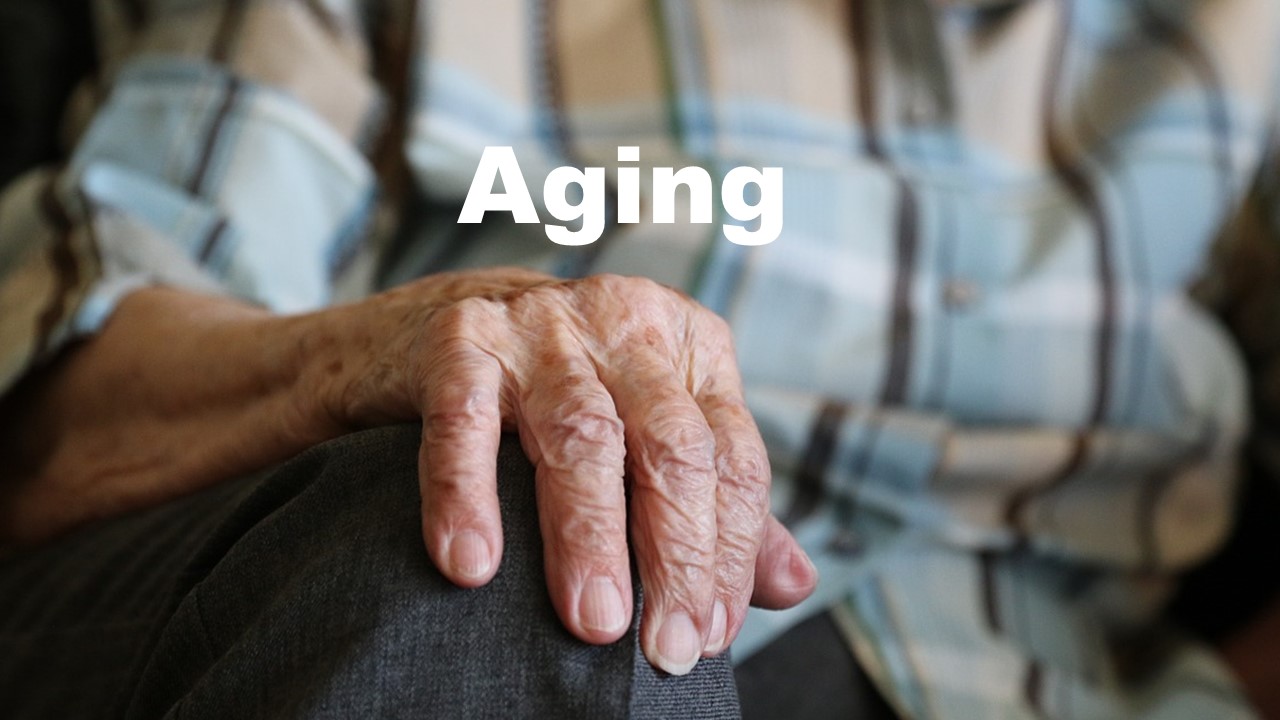
The perspective of age.

By David Joel Miller, MS, Licensed Therapist & Counselor.

Things look different as you drive farther down life’s road.

When I’ve gone on long trips, I’ve noticed that the mountains off in the distance don’t seem that far away, but after driving for several hours, those mountains don’t appear to be getting any closer. It’s not until you get to the foothills and start climbing up and down, and up again, that you begin to experience going over those mountains for real. The journey of life is a lot like that trip. As you age, things will look differently.

Your perspective will change as you live life.

I remember being young and anxious to grow up. Getting some of the pleasures of adulthood seemed very attractive. I remember how important it was to me to get first, my learner’s permit and then my driver’s license. Now that I’m past 70, I must retake the driving test in person. I know the numbers are different in other states, but the principle is the same. Eventually, when you get old, you start to lose some things you have become accustomed to.

Moving from one grade to another seemed like such a huge accomplishment. Leaving elementary school for middle school was a giant step. Leaving middle school for high school opened up new horizons. Then came college and graduate school.

When I was young, there was so much to do.

When I finally graduated from high school, the road suddenly took a sharp turn. I hadn’t seen all of the obstacles that would loom ahead of me in life while I rode along on the educational train. Suddenly, I face the challenge of finding a job or going to college. I have embraced lifelong learning, having gone to school for more than 70 years, both as a student and as faculty. Some semesters, I’ve been both taking a class and teaching one. I do a little bit of life coaching in addition to my counseling and therapy work, and I find coaching a lot like teaching a class only to one student at a time.

Only one of my four grandparents had graduated from high school. I don’t believe I had known anyone other than my teachers who had been to college. My conversations about going to college consisted of about fifteen minutes with a high school counselor who wanted to know what college I planned to attend.

With no real plan other than a love of learning, I enrolled at the community college more to avoid giving up going to school than because I understood what college would involve or how having a degree might affect the rest of my life.

Along the road of life, the scenery changed.

First, I got married. Then I went looking for a job. The next thing I knew, I was a father working to support my wife and child. Along that road, there were twists and turns. I got old enough to drink alcohol. Being twenty-one meant I was an adult.

Eventually, I discovered that being an adult meant watching my child grow up, get married, and see my grandchild be born. I also discovered that being an adult meant realizing my drinking was causing me problems and required me to break up with my long-term friend, Ethel, ethyl alcohol.

Growing old is not synonymous with growing up.

Growing old largely depends on the number of trips you make around the sun. Each year, the Earth makes one long rotation around that sun. I think that after a certain number of trips, you start to get dizzy, and it feels like each succeeding trip is moving more rapidly.

Looking back on my life, I realize the tremendous number of things I have had to learn and an even larger number of things I could have learned but haven’t mastered yet. The growing old part is relatively easy. The growing up part, that is hard. Despite being past retirement age, I still don’t know what I want to be when I grow up.

The body becomes high mileage as you age.

I like to think of my body as a vintage car. All the parts are still there, and they work most of the time, but they don’t always work as well as they used to, and sometimes, more than one part is giving me problems at the same time.

The longer you live, the more wear and tear there is on your body. I feel undeservedly lucky that despite my poor care of my body, I am in as good a shape as I am at this age. Eventually, the body begins to accumulate problems. Some people must face more medical challenges than others. Things that were only minor inconveniences can turn into major health challenges.

One thing you see from the perspective of age is that more and more of your life is behind you, and less is ahead. The biggest regrets for most people when they grow old are the things they always wanted to do but never found the time for. Try to live your life so that you have a minimum of regrets when you get to the end.

Does David Joel Miller see clients for counseling and coaching?

Yes, I do. I can see private pay counseling and therapy clients if they live in California, where I am licensed. If you’re interested in information about that, please email me or use the contact me form.

Recently, I began working with a telehealth company called Grow Therapy. If you’d like to make an appointment to work with me, contact them, and they can do the required paperwork and show you my available appointments. The link for making an appointment to talk with me is David Joel Miller, LMFT, LPCC. 

Life coaching clients must be working toward a specific problem-solving goal. Coaching is not appropriate if you have a diagnosable mental health problem. Also, life coaching is not covered by insurance. If you think coaching for creativity or other life goals might be right for you, contact me directly.

Staying in touch with David Joel Miller.

Want the latest blog posts as they are published? Subscribe to this blog.

For more information about my writing journey, my books, and other creative activities, please subscribe to my blog at davidjoelmillerwriter.com

Seven David Joel Miller Books are available on Amazon now! And more are on the way.

For more about my books, please visit my Amazon Author Page – David Joel Miller.

For information about my work in mental health, substance abuse, and having a happy life, please check out https://counselorssoapbox.com

For videos, see Counselorssoapbox YouTube Video Channel

Are you an indoor mountain climber?

Are you an indoor mountain climber?
Photo courtesy of Pixabay.com

Are you an indoor mountain climber?

By David Joel Miller, MS, Licensed Therapist & Counselor.

I think of myself as an indoor mountain climber.

As a child, I was sick a lot and was always skinny. I was not particularly good at sports, but that didn’t keep me from seeking out challenges. I don’t especially like cold and snow or heat and dehydration either, for that matter. Skinning my knuckles, breaking bones, or falling long distances to the rocks below has never particularly appealed to me.

When I first began applying the mountain climber metaphor to my life, I was thinking mainly of intellectual and creative challenges. More recently, I have begun to see how the idea of starting from nothing, achieving some level of success in a particular field, and eventually watching my abilities decline as I aged might be an apt metaphor for the entire process of living life.

My interest in intellectual challenges began in elementary school.

I think one of the great turning points in my life was the time my class went on a field trip to the school library. All the other students seemed to know just how to select a book. I had come from a home with virtually no books. What few books we had in our household were religious volumes, not especially suited for a child.

As the other students checked their books out, my teacher watched me with looks somewhere between annoyance and downright anger. Finally, in desperation, the teacher walked over, pulled a book off the shelf, and handed it to me. That book, part of the Laura Ingalls Wilder Little House on the Prairie series, got me started on nonstop reading.

In the early grades, I devoured largely fiction.

Throughout most of my elementary and middle school years, books were my primary friend. I recall several years when I read one book a day on average. Those books were largely escape fiction, and they fueled many of the constant daydreams I explored when I was supposed to be listening to the teacher in class.

In high school, teachers sparked my curiosity about nonfiction topics.

Gradually, I began to read about more and more subjects. Whether I started with the love of learning or it developed in me as a result of reading so many varied books, I can’t be sure. But what I am sure of is that while I struggled with the required subjects in high school, I developed a strong interest in pursuing whatever eclectic subject most interested me.

My college career resembles a hike across an unexplored continent.

I have said many times, and I’m only half joking, that I have been going to school for over 70 years. College extended from the time I was 18 until the present day when I am 76. Throughout most of that time, I have been taking classes, teaching classes, or often doing both at the very same time.

Along the way, my majors have changed repeatedly.

I have, in no particular order, studied natural history, art, business, economics, psychology, both normal and abnormal and a host of other topics too long to list here. But what I mainly discovered was that among my top character strengths were, love of learning, curiosity, and creativity. I am happiest when I am learning something new and sharing it with others, something that gives my life meaning and purpose.

Sixty-plus years later, my interest returned to fiction when I started to write my own novels. For more about my books, please visit my Amazon Author Page – David Joel Miller

Sitting safely at my desk, I seek out challenges.

Now, in my seventy-sixth year on this planet, I continue to think of myself as an indoor mountain climber. The mountain climber metaphor applies to a lot of people. Some people invest in stocks, and others invest in vintage cars. Your meaning and purpose in life may lie in discovering a new bacteria, proposing a new theory of economics, or learning to rebuild an engine. Most any pursuit can be worthy if it interests you and doesn’t harm others. That not harming others, therein lies the rub.

The process of aging looks a lot like the process of climbing a mountain.

Recently, I realized that mountain climbing as a metaphor not only fits the pursuit of new knowledge and skills but it also fits many of the things that have happened to me, and that seem to happen to almost everyone as we grow older. I can’t say that I’m an expert on geriatrics. I’ve purposely avoided learning more about that topic than I had to. But recent events, both personally and professionally, have forced me to learn a lot more about some of the things that might happen mentally and physically as I and others accumulate more trips around the sun.

When time permits, I want to tell you about how my life of pursuing various goals has affected my way of looking at the process of aging.

Does David Joel Miller see clients for counseling and coaching?

Yes, I do. I can see private pay clients if they live in California, where I am licensed. If you’re interested in information about that, please email me or use the contact me form.

Recently, I began working with a telehealth company called Grow Therapy. If you’d like to make an appointment to work with me, contact them, and they can do the required paperwork and show you my available appointments. The link for making an appointment to talk with me is: David Joel Miller, LMFT, LPCC 

Staying in touch with David Joel Miller.

Want the latest blog posts as they are published? Subscribe to this blog.

For more information about my writing journey, my books, and other creative activities, please subscribe to my blog at davidjoelmillerwriter.com

Seven David Joel Miller Books are available on Amazon now! And more are on the way.

For more about my books, please visit my Amazon Author Page – David Joel Miller

For information about my work in mental health, substance abuse, and having a happy life, please check out https://counselorssoapbox.com

For videos, see: Counselorssoapbox YouTube Video Channel

I feel like a fifth grader again

Technology
Photo courtesy of Pixabay.com

I feel like a fifth grader again.

By David Joel Miller, MS, Licensed Therapist & Counselor.

Rapidly changing technology makes me feel like an overwhelmed fifth grader.

Last week, I sat at my keyboard and experienced an overwhelming desire to break down and cry. I haven’t felt this overwhelmed and helpless since my elementary school days. Being a senior citizen, I have a lot of life experiences, and being a professional counselor, I have a lot of tools at my disposal. Still, sometimes the frustration gets so bad the only conceivable response is to act as immaturely as possible. Let me tell you about my growing frustration with the tech gods.

Recently, I’ve been struggling more than usual to keep up with rapidly evolving technology. Ever since the start of the Covid epidemic, when we moved to remote technology, I have been struggling to catch up. The upward curve of technological change turned into a vertical wall and is now an overhanging cliff.

I thought I was doing reasonably well. I moved the lecture materials between blackboard, canvas, and canvas companion with the adept skill of a fire juggler. I’ve learned to turn my lecture material into PowerPoints and my PowerPoints into videos. I have even established a YouTube channel so those videos are available continuously around the clock.

Despite some struggles, I’ve managed to keep my primary mental health blog going and occasionally add some posts to my writer’s blog. And through all this, I have written and published seven books. I thought I was doing reasonably well. Then, the avalanche of tech changes collapsed on top of me.

Let me tell you a parable about an overwhelmed ten-year-old.

Once upon a time, in a land far, far, away from sunny California, in a rural area where people ignored troublesome laws, there lived a sheltered, naïve ten-year-old boy. His family’s largest claim to fame was the mass quantities of ethyl alcohol, which they frequently consumed. One particular older male habitually consumed alcohol to the state of extreme incapacitation.

On this particular night, it was imperative that the man who could no longer walk on two legs and was having difficulty crawling on all fours somehow reached home before he froze to death in the snow. Hence, the patriarch of this story decided to have his ten-year-old son drive him back across the open fields to the farmhouse. What follows is my vague remembrance of the conversation between the father and son.

“Son, you gots to drive me home,” The old man said.

“But Dad, I don’t know how to drive,” the boy said.

“It for to is easy, I teaches you how. Here, tase these keys.”

“Now what?”

“Get in car and drive.”

“I can’t get in. The door is locked,” the boy said.

“Unlock the door.”

“How do I do that?”

“Stick the keys in the lock.”

“I put the key in the lock, but the door still won’t open.”

“Did you turn the key?”

“I have to turn the key?”

“Yes, yous got to turn the key.”

“I turned the key around, but the other end won’t fit.”

“Here, Leslie, me dooes it.”

At this point, the conversation is terminated when the patriarch falls face down in the snow, and their connection is terminated. If we were to wait several hours for the older gentleman to regain consciousness, we could listen in on the continuing conversation as the young man struggles to figure out how to put the key into the ignition, put the car into gear, and then drive across the open field without ending up in the ditch. I hope you can see how totally frustrating this might be to the young boy.

Fast forward sixty-five years later.

Four emails arrived in one day, all indicating that the protocols for logging into email accounts have been changed. Each of the four companies the boy, now an elderly adult, works for has decided to change their login, password, and security system. Each has changed in a different direction using different outside vendors.

“Tech support. How can I help you?” The tech bot says.

“I’m having trouble logging into my account.” The man says.

“Did you download the login app? You need to download the login app.” Click.

What download app? The old man asks. Only to be greeted by silence and, finally, the hum of the dial tone.

Wait a minute, wait a minute. If I am hearing a dial tone this is not a cell phone. Click. Again.

Minutes later the man connects with tech support.

“Did you download the login app?” Tech support says.

“What’s an app?” The old man replies. Click.

Clearly, this conversation is going nowhere.

A five-year-old gets to cry.

What does a seventy-five-year-old man get to do?

The old man calls tech service again after struggling for several hours to download the Bloody app.

“I can’t get into my login app. What do I do?”

“What kind of authenticator are you using?”

“What’s an authenticator?” The old man asks. Click.

Imagine that this scenario repeats itself four times with four different vendors.

I don’t have to imagine this. That sort of scenario seems to be happening to me on a regular basis.

I think I could catch up if they would just stop changing things.

How about you? Are you having trouble keeping up with technology?

Does David Joel Miller see clients for counseling and coaching?

Yes, I do. I can see private pay clients if they live in California, where I am licensed. If you’re interested in information about that, please email me or use the contact me form.

Staying in touch with David Joel Miller.

Want the latest blog posts as they are published? Subscribe to this blog.

For more information about my writing journey, my books, and other creative activities, please subscribe to my blog at davidjoelmillerwriter.com

Seven David Joel Miller Books are available on Amazon now! And more are on the way.

For more about my books, please visit my Amazon Author Page – David Joel Miller

For information about my work in mental health, substance abuse, and having a happy life, please check out https://counselorssoapbox.com

For videos, see: Counselorssoapbox YouTube Video Channel

Avoiding the Grim Reaper.

Avoiding the Grim Reaper
Photo courtesy of Pixabay.com

Avoiding the Grim Reaper.

By David Joel Miller, MS, Licensed Therapist & Counselor.

The Grim Reaper’s handiwork is everywhere.

Being one of those older people, I become increasingly conscious of the Grim Reaper and his handiwork. For those unfamiliar with this persona, the Grim Reaper is that long-standing picture of the ways of death stocks humankind just waiting for his opportunity to take one of us.

There was a time in history when the Grim Reaper frequently passed through the human village. I read that in the early eighteen hundreds in the American Midwest, as many as 30% of the people in a town might die every spring. We had a variety of names for the Grim Reaper’s tools. Sometimes, we would call it cholera, yellow fever, scarlet fever, or tuberculosis.

When I was a young person, the Grim Reaper frequently used the disease named polio, which left his victims unable to breathe until they finally died. I remember being among one of the very early groups to receive the polio vaccine, and gradually, this disease, like so many others, disappeared from the front pages of the news.

Gradually, the specter of the Grim Reaper’s nightly visit faded. Rather than a fear of diseases, we have come to fear wars, guns, gun violence, and those various diseases that were uncommon simply because humans had the good sense to die before reaching old age. In some parts of the world, this taker of life still uses wars and famine to reap his harvest.

Covid and other new evolving diseases have ripped the mask off the Grim Reaper.

Covid was definitely a shock to those of us who thought that modern medicine had largely tamed the area of infectious diseases, leaving the Grim Reaper to work only through the disorders of the elderly. Eventually, I expected that cancer, dementia, or some other disease of aging would get me. But if you were like me, you were totally unprepared for the onslaught of Covid and other new infectious diseases.

My strategies for keeping ahead of the Grim Reaper.

For most of my life, I simply ignored the Grim Reaper and lived my life as if Death would have difficulty finding me. I did take some simple precautions. I will describe here my choices and I am not trying to make a political statement about what I think others should do. Personally, I always wear my seatbelt when in the car. I get my vaccines. And when my doctor prescribed some medication for me, I attempt to take it as prescribed.

Beyond those simple precautions, as I have accumulated additional birthdays, I have begun to pay more attention to things I can do to maintain my physical health. Some of those supposed remedies have proven to be either allusive or ineffective.

One thing I have tried to do is to keep moving as much as possible. I think being active certainly keeps me out of the reach of the Grim Reaper for longer than sitting on the couch waiting for his visit. I recently underwent surgery for a problem I had neglected a great many years, and this forced me to take a further look at other things I might do to improve my health.

Walking appears to be mandatory for humans.

After my surgery, my doctor suggested that I should be walking at least 8000 steps a day. I believe that’s a reduction from the previous prescription of 10,000 steps per day. Initially, I thought this would be impossible, but I started with the modest goal of walking 4000 steps per day, which proved quite doable. Over time, I’ve increased that goal and am now routinely walking 4 miles per day, and on a good day, I may walk six or 7 miles.

Walking every day won’t keep me out of the Grim Reaper’s grip forever, but I’m going to make him work to catch up with me.

There is another significant benefit of walking.

I have read repeatedly, and I’ve told many clients my conclusion that walking outdoors, particularly where there are trees and greenery, improves your mental health. Walking outdoors for 15 to 20 minutes a day, five days or more per week, is just as effective at treating depression as taking some antidepressant medications.

Please, however, if you are currently on an antidepressant, don’t stop taking it and turn to walking. Antidepressant discontinuation syndrome, problems you will experience if you suddenly stop taking your medication, is a very real thing. Talk to your doctor before you stop any medication. However, I believe that in addition to medication, changes in behavior, such as walking and changes in thinking, which come from therapy, all work together to reduce depression and may also benefit many other mental health problems.

My attempt to lose weight was delusional.

Somewhere I had gotten the idea that I should lose weight. In fact, three doctors in a row had suggested that I needed to control my weight. Not that it was seriously out of control, but over the years, my weight gradually crept up from being a skinny person first to normal and then to being overweight. My past efforts to lose weight were ineffective, probably because I thought about it while sitting in my desk chair eating a package of cookies.

I somehow mistakenly thought that all this extra walking I had begun to do would miraculously result in weight loss. It didn’t. What it may well have done is convert some of the fat I had into muscles.

On a recent visit to the doctor, I told him I had tried losing weight but to no avail. His answer was that he no longer thought I should attempt to lose weight. I read now that older people, presumably those beyond retirement age, may actually be somewhat healthier if they are slightly above the BMI suggestions for normal weight.

It turns out that all people fall; some of them fall a lot, and a few extra pounds can be some padding. This is certainly no excuse if your blood sugar is out of control, but barring type II diabetes, I think a few extra pounds are not a problem for someone my age. Don’t take my word for this; however, make sure you consult with your personal physician.

Eating a healthy diet has proved to be more elusive.

I’m definitely not a nutritionist and hesitate to give you any advice in this area. I have learned, however, that becoming overly concerned about your diet in your past retirement life may be a mistake. Nutrition is a whole lot more complicated than switching to only eating vegetables. Balance in nutrition is just as important as it is in many other parts of our lives. Some of those foods we think of as unhealthy” when eaten in small amounts, may be beneficial for maintaining a balanced diet. My suggestion is not to go on a crash diet, trying to eat healthy and end up with nutritional deficiencies. Talk to your doctor or a nutritionist before you eliminate food from your diet that you have been eating for a long time.

So those are some of my thoughts and experiences now that I’ve reached a point in life where I am focusing more on trying to stay healthy and keep my life in balance. Comments are welcome. Hope you will continue to read this blog.

Does David Joel Miller see clients for counseling and coaching?

Yes, I do. I can see private pay clients if they live in California, where I am licensed. If you’re interested in information about that, please email me or use the contact me form.

Staying in touch with David Joel Miller.

Want the latest blog posts as they are published? Subscribe to this blog.

For more information about my writing journey, my books, and other creative activities, please subscribe to my blog at davidjoelmillerwriter.com

Seven David Joel Miller Books are available on Amazon now! And more are on the way.

For more about my books, please visit my Amazon Author Page – David Joel Miller

For information about my work in mental health, substance abuse, and having a happy life, please check out https://counselorssoapbox.com

For videos, see: Counselorssoapbox YouTube Video Channel

My Scary Encounter with the Department of Motor Vehicles

My Scary Encounter with the Department of Motor Vehicles
Photo courtesy of Pixabay.com

My Scary Encounter with the Department of Motor Vehicles

By David Joel Miller, MS, Licensed Therapist & Counselor.

The longer I live the more challenging life has become.

Recently, I was forced to confront the fact that I have gotten somewhat older. I have been putting off calling myself a senior citizen. Even though it’s not politically correct, I continue to refer to myself as an “old person.” For some reason, I’m resisting the term senior citizen. Maybe it’s because I’m so old that I’m stuck in my ways. In the interest of full disclosure here, I will turn seventy-six in the early days of 2024. I think seventy-six qualifies as an old guy.

Has the earth begun to move more rapidly?

Everything about life seems to be moving at an accelerating pace. I realize that one possibility might be that I am moving more slowly. But I’m doing my best to keep up. I think I do pretty well for an old guy, considering I am still working somewhere near full-time. I do write a blog, and I do have a YouTube channel. I did need to use the services of some technical consultants. One of my interns showed me how to answer a text message. And a preschooler has been teaching me how to stream videos. Even with the help of some younger people, it’s still getting harder to keep up.

Why did the rules keep changing?

One of the major challenges of adding more trips around the sun to your total is that the rules of life keep changing. Recently, I received a letter from the nice folks at the California Department of Motor Vehicles, informing me that since I was past seventy, I would need to take a written test at the DMV to renew my license. No more mail or online renewals for me. This struck terror in my heart.

What does an old academic do when faced with a challenge?

Of course, the first thing I did was go online and locate a copy of the current driving rules. I was flabbergasted to find out that they had significantly changed the driver’s handbook since I passed my first written test in 1964. Warning here: beware of online guides to passing your driver’s test. Even though I typed “California driver’s exam” into the search bar, I discovered some of the answers they taught me do not apply to California.

What new rules did I need to learn about?

It seems quite a bit of new content has been added to the driver’s handbook since I first learned to drive. I’ll only give you a short summary here.

Bicycle lanes.

I don’t remember anything about bicycle lanes in the driver’s handbooks from the nineteen sixties. If it was there, it wasn’t important. I was learning how to drive, after all. I had been riding a bicycle for ten or twelve years by this point. What was new and surprising were all the rules about when a motor vehicle could enter a bike lane. Bikes have lanes?

Some other things they snuck in just to confuse me.

Most of these changes in the rules came on, so gradually, I simply learned how to cope with them by watching what other people were doing and driving each day. But when it came to passing a written test on these changes in the law, I discovered I really needed to study.

For example, what are the rules applying to roundabouts? What are those blue signs and those blue zones? Of course, I knew about blue zones from having had a family member with a disabled parking permit, but the blue signs, they were a mystery.

I also discovered that there is a new sign appearing on the back of slow-moving vehicles. Apparently, we need to be told that horse-drawn carriages move more slowly than motor vehicles. I didn’t think I needed to be told that with that special sign since I remembered that they were on the roads first, and those of us driving vehicles came later.

Are all the stoners being discriminated against?

As I have aged, I’ve given up a lot of things. Among them are alcohol, drugs, and staying up past midnight. But do you realize that now the use of marijuana is included in the driver’s handbook? Just like open containers of alcohol, possession of an open container of marijuana is not permitted in a motor vehicle. Who knew?

Staying relevant can be quite a challenge as you age.

I felt pretty good that I could use the terminal to take my written driving test. Some people who were ten years younger than me needed to use the written test. And I did pass on my first try. One poor young man, probably barely past seventy, who was ahead of me in line, had just failed his written test for the third time.

I shouldn’t feel too cocky, however. I had just come to the DMV from picking up my new glasses. I now have one pair of glasses for looking at computer screens and a second set specifically for driving.

I have to feel sorry for the clerks at DMV. As hard as it must be for some of us senior citizens to be told our days of driving are coming to an end, it must be very hard for the employees to have to tell someone they can’t renew their license. All the people I talked with that day who worked at DMV were very kind and courteous. But the experience does serve as a reminder to me that the day may be coming when I will not be able to do some of the things, I used to be able to do.

Compared to DMV, my encounters with the technology people over the last few weeks suggest that some of the ghouls, fiends, and sadists who were unemployed after Halloween had moved into the technology sector. But that is a topic for another post.

In the meantime, try to have the best life possible, whatever that may mean to you.

Does David Joel Miller see clients for counseling and coaching?

Yes, I do. I can see private pay clients if they live in California, where I am licensed. If you’re interested in information about that, please email me or use the contact me form.

Staying in touch with David Joel Miller.

Want the latest blog posts as they are published? Subscribe to this blog.

For more information about my writing journey, my books, and other creative activities, please subscribe to my blog at davidjoelmillerwriter.com

Seven David Joel Miller Books are available on Amazon now! And more are on the way.

For more about my books, please visit my Amazon Author Page – David Joel Miller

For information about my work in mental health, substance abuse, and having a happy life, please check out counselorssoapbox.com

For videos, see: Counselorssoapbox YouTube Video Channel

Aging.

Aging.
Photo courtesy of Pixabay.com

Aging

Sunday Inspiration.     Post by David Joel Miller.

“Some day you will be old enough to start reading fairy tales again.”

― C.S. Lewis

“Wrinkles should merely indicate where the smiles have been.”

― Mark Twain

“When I was your age, television was called books.”

― William Goldman, The Princess Bride

Wanted to share some inspirational quotes with you.  Today seemed like a good time to do this. There are an estimated 100,000 words in the English language that are feelings related. Some emotions are pleasant, and some are unpleasant, but all feelings can provide useful information. If any of these quotes strike a chord with you, please share them.

Look at these related posts for more on this topic and other feelings.

Emotions and Feelings.

Inspiration

The Golden Years Don’t Have to Be Sexless

David Joel Miller, MS, Licensed Therapist & Licensed Counselor.

Affectionate Couple.
Photo courtesy of unsplash.com

The Golden Years Don’t Have to Be Sexless

Contrary to popular belief, sex isn’t just for the young. It’s a great stress reliever, a form of physical intimacy, and overall health booster for people of all ages, especially the older population. Here are some ways to ensure it stays a part of your life for as long as you want.

Address age-related issues

With age comes several physical changes that can affect our performance or enjoyment in the bedroom. Hormone levels drop and reactions to sexual stimuli slow, which can wreak havoc on your sexual health. There are several ways to address these issues, however, to enjoy a healthy and fulfilled sex life, no matter your age.

Older men who experience erectile dysfunction– like 60% of men in their 60s do, mildly or moderately– should speak with a doctor about a daily medication like tadalafil (generic Cialis) that improves the ability to get and maintain an erection, and enjoy more dependable functioning. Older women who have dryness– which nearly 1 in 3 experience after menopause– can benefit from a vaginal estrogen cream like Premarin that helps rebuild tissue atrophied with age, and provide a more comfortable experience. Facing these issues head-on can help ensure you and your partner maintain satisfactory sex lives, despite any physical changes that often come with age.

Get creative in the bedroom

If you and your partner have grown old together, your relationship may have become a little too familiar. All too often, the cause of a sexual dry spell is due to boredom in routine. If you and your partner have become indifferent in your physicality, it may be time to bring in some new experimentation to your sex lives.

Many couples benefit from adding in different aspects to their intimacy, like new positions or foreplay in order to experience a sense of freshness and excitement. And, trying something new together is a great way to build intimacy in your relationship and bond as a couple. Just be sure to bring up any thoughts to your partner ahead of time to ensure you’re both comfortable trying, then consider making it a game or competition to stay positive and fun. If your partner is uncertain, it’s imperative that you’re patient so you can maintain a healthy channel of sexual communication with them.

Communicate with your partner

As most couples have experienced, a significant aspect of physical intimacy relies on emotional closeness and effective communication. If you struggle to openly communicate with your partner, whether about your physical intimacy or your relationship in general, look into the root cause. Do you or your partner shut down conversations once they get uncomfortable? Does either of you tend to take an accusatory tone when discussing solutions? These are all ways to sabotage your communication as a couple and can filter into issues in the bedroom as your relationship grows older.

Be sure you’re both being open, honest, and understanding while trying to share your feelings, and don’t put any limits on the conversation. Get comfortable being completely open about your thoughts to develop a deeper intimate connection and improve your sexual satisfaction. Then, discuss likes, dislikes, or fantasies in the bedroom; it’s crucial that you and your significant other are performing constant check-ins before, after, and even during sex.

Whatever method you and your partner use, be sure you’re not becoming complacent in your sex life together. It’s important to both your relational and personal health that your sex life lasts well into your golden years.

Staying connected with David Joel Miller

Seven David Joel Miller Books are available now!

My newest book is now available. It was my opportunity to try on a new genre. I’ve been working on this book for several years, but now seem like the right time to publish it.

Story Bureau.

Story Bureau is a thrilling Dystopian Post-Apocalyptic adventure in the Surviving the Apocalypse series.

Baldwin struggles to survive life in a post-apocalyptic world where the government controls everything.

As society collapses and his family gets plunged into poverty, Baldwin takes a job in the capital city, working for a government agency called the Story Bureau. He discovers the Story Bureau is not a benign news outlet but a sinister government plot to manipulate society.

Bumps on the Road of Life. Whether you struggle with anxiety, depression, low motivation, or addiction, you can recover. Bumps on the Road of Life is the story of how people get off track and how to get your life out of the ditch.

Dark Family Secrets: Doris wants to get her life back, but small-town prejudice could shatter her dreams.

Casino Robbery Arthur Mitchell escapes the trauma of watching his girlfriend die. But the killers know he’s a witness and want him dead.

Planned Accidents  The second Arthur Mitchell and Plutus mystery.

Letters from the Dead: The third in the Arthur Mitchell mystery series.

What would you do if you found a letter to a detective describing a crime and you knew the writer and detective were dead, and you could be next?

Sasquatch. Three things about us, you should know. One, we have seen the past. Two, we’re trapped there. Three, I don’t know if we’ll ever get back to our own time.

For these and my upcoming books; please visit my Author Page – David Joel Miller

Want the latest blog posts as they publish? Subscribe to this blog.

For videos, see: Counselorssoapbox YouTube Video Channel

Eight ways depression gets overlooked in adults.

By David Joel Miller, MS, Licensed Therapist & Licensed Counselor.

Older people

Elderly couple.
Photo courtesy of Pixabay.com

As people age, the ways they show depression changes.

In mature adults, depression can often be overlooked. As people age, the symptoms of depression change and treatable depression is likely to be dismissed as just a part of the normal process of aging. Younger people commonly express their sadness by crying. Among older adults, depression is more likely to manifest as withdrawal, hopelessness, loss of appetite, and apathy.

Symptoms of depression in mature people are often misinterpreted as aches and pains. Depressed people of all ages are likely to self-medicate emotional problems by using pain relievers. Untreated depression in older adults can lead to their failure to take care of their physical needs. Failure to recognize and treat depression among older adults can make the course of their physical illnesses worse and can result in an increased risk of suicide.

Gerontologists have recognized many ways in which depression in older adults can be overlooked. Here are eight ways depression often goes unnoticed in older adults.

1. Joint and back pain can be symptoms of depression.

Joint and back pain can be symptoms of depression, or they can lead to depression. One study found that the more joints that are in pain, the more likely the person is to have depression. If someone has joint pain or back pain, they need to see a medical doctor and get that pain treated, but they also need to be screened for depression. Pain can be depressing, but depression can make the pain feel worse.

2. Cognitive impairment may be depression rather than aging.

Problems with memory and thinking among older adults may well be the results of depression rather than age-related disorders. A lack of motivation, apathy, is a characteristic feature of depression. Depression leads to confusion about your options and what to do. The longer the depression goes untreated, the higher the risks it will be dismissed as cognitive impairment due to aging.

3. Chest pain can be made worse by depression.

Having a heart condition or chest pain can lead to depression. People with depression are likely to experience those pains more acutely. While you shouldn’t neglect medical treatment for chest pain, an older adult who has chest pain should also be screened for possible depression and treated for depression if it’s present. Having depression leads to poor compliance with the doctor’s instructions, not taking medication as prescribed, and a poor prognosis.

4. Irritability is a common symptom of depression.

Regardless of age, when you don’t feel well, you’re more likely to be irritable and push people away. Among older adults with depression, irritability is such a common symptom; it is almost universal. If you find that you’re becoming more irritable as you age considered getting professional help for possible mental health issues.

Depression may also express itself in other negative emotions. Guilt, shame, fear, anxiety, and loss of hope all feelings that may be associated with depression.

5. Headaches, especially migraines, can be a sign of depression.

One large study found that among those people with migraines, more than half also had depression. This connection can run in either direction. We can’t be sure whether the headaches caused the depression or being depressed increases the chances of headaches and migraines. If headaches have begun to interfere with an older adult’s life, they should be screened for depression and anxiety disorders.

6. Digestive problems can be a sign of depression.

One of the core criteria symptoms for depression is changes in appetite. In younger people with depression, we usually see them either unable to eat or binge eating large amounts of food. In older adults, these changes in appetite may also be reflected in nausea, constipation, diarrhea, or other gastrointestinal upsets.

7. Changes in sleep patterns may be caused by depression.

There are two types of depression recognized, melancholy depression, and atypical depression. In melancholy depression, people can’t sleep or sleep poorly. In atypical depression, the person will be chronically tired and spend an increased amount of time in bed. Some changes in sleep are common across the lifespan. But if an older adult finds they are having trouble sleeping or sleeping a great deal more than usual, that change in sleep may be a result of an underlying depression.

8. Increased use of alcohol and drugs are connected to depression.

In the past, there’s been a tendency to excuse increased alcohol consumption among the elderly. They don’t need to work anymore and why shouldn’t they enjoy themselves? The truth is drinking to intoxication is not likely to be enjoyable. Depressed people tend to drink more, and alcohol is a depressant, making the heavy drinkers more depressed. Drinking to intoxication has been linked to a massive increase in the risk of suicide. For older adults, even a small amount of alcohol can make their physical health worse.

Historically, as people grew older, most of them, gave up their use of drugs. The baby boomer generation has tended to continue their use of drugs well into their retirement years. Escalating drug use can be a symptom of depression in older adults and can lead to creating and exacerbating physical health issues.

If you’re an adult moving to the older adult years, or you have a friend or family member in that age range, don’t overlook the signs of depression. Depression is not something you have to put up with as you age. Severe depression is a crippling disorder that is treatable by both medication and talk therapy. No one should have to suffer from depression in their “golden years.”

Staying connected with David Joel Miller

Seven David Joel Miller Books are available now!

My newest book is now available. It was my opportunity to try on a new genre. I’ve been working on this book for several years, but now seem like the right time to publish it.

Story Bureau.

Story Bureau is a thrilling Dystopian Post-Apocalyptic adventure in the Surviving the Apocalypse series.

Baldwin struggles to survive life in a post-apocalyptic world where the government controls everything.

As society collapses and his family gets plunged into poverty, Baldwin takes a job in the capital city, working for a government agency called the Story Bureau. He discovers the Story Bureau is not a benign news outlet but a sinister government plot to manipulate society.

Bumps on the Road of Life. Whether you struggle with anxiety, depression, low motivation, or addiction, you can recover. Bumps on the Road of Life is the story of how people get off track and how to get your life out of the ditch.

Dark Family Secrets: Doris wants to get her life back, but small-town prejudice could shatter her dreams.

Casino Robbery Arthur Mitchell escapes the trauma of watching his girlfriend die. But the killers know he’s a witness and want him dead.

Planned Accidents  The second Arthur Mitchell and Plutus mystery.

Letters from the Dead: The third in the Arthur Mitchell mystery series.

What would you do if you found a letter to a detective describing a crime and you knew the writer and detective were dead, and you could be next?

Sasquatch. Three things about us, you should know. One, we have seen the past. Two, we’re trapped there. Three, I don’t know if we’ll ever get back to our own time.

For these and my upcoming books; please visit my Author Page – David Joel Miller

Want the latest blog posts as they publish? Subscribe to this blog.

For videos, see: Counselorssoapbox YouTube Video Channel

When old – you just sit.

By David Joel Miller, MS, Licensed Therapist & Licensed Counselor.

man sitting

When you’re old you just sit.
Photo courtesy of Pixabay.com

Has your life become – just sitting?

Recently I have been talking with and hearing from an increasing number of “older people.” In the past, I have steadfastly avoided learning about the elderly in the belief that I did not know any of them. This belief, that neither I nor anyone I know is yet in that elderly class is constantly getting challenged by people who ask “How old are you?” with an incredulous look.

Those annoying people who sell medical insurance continue to force this topic on me by sending me advertisements asking me to switch my old-age insurance to their company. Worse yet they have been sending those notices to me for some years now. One of my life goals has become to outlive some of these annoying insurance companies.

My thinking, at this junction, is that being old is a combination of the effects of the physical process of aging and the mental attitude one takes towards this process. Self-care along the way is certainly a factor. Unfortunately, I learned that life lesson later rather than earlier. While my body may be accumulating aches and pains, defects of the body, I continue to work on keeping my mental faculties working.

I read somewhere that when you get old you just sit.

This was reported in an article about a woman who had passed her hundredth birthday. Is this a good thing or a bad thing? I can see that it might be nice to be relaxed and no longer stressed running hither and yon. But then it might also be that once you stop moving, at least mentally, your life loses purpose.

I have forgotten who that woman was or what age milestone she had just passed. This is a shame because I have a long-held belief that once you start school you have to stop counting half-years as in four-and-a-half and you do not get to begin counting those half years again until you pass that hundred mark. Anyone who lives past one hundred years ought to be recognized more than once per year.

You are all invited to my one-hundred-and-a-half birthday celebration. My fervent hope is that I will be able to attend it with you and will be lucid enough to realize what this gathering is for.

It has become apparent to me however that a lot of people entering those golden years have neither gold nor years. In fact, one great loss among the elderly is a loss of purpose. What do you do when you can’t go to school or work?

Young people are rushing to enter their disabled-years.

It is fully understandable that as we age we can accumulate injuries and disorders. As life moves on some people find it hard to get up and move around. For them, life’s high point may well be waking up and being able to watch some video entertainment.

What surprises me is the number of very young people who are resigned to sitting worshiping a talking box or a moving wall image. Have you all not heard the more time you spend seated the sooner that chair may become attached to your anatomy?

Despite all the encouragement to get up, out and exercise, more and more people past the age of 5 seem most motivated to sit as much as possible.

Has exercise become a spectator sport?

Lots of people drive in their cars (seated) to a sporting event where they can watch (seated) athletes perform. This is sometimes called “playing” a game.  Though most sporting events past preschool take on all the playfulness of gladiator bouts.

An oft-heard life plan is to work hard enough to make enough money to be able to sit around and do nothing. Once you retire from the active world of work, it would appear that you have to join a gym, take up golf, or otherwise pay others to allow you to exercise.

Why are there so few hero action figures of old people?

There was a time when old people figured prominently in our culture. Think of father time and the Greek god Zeus. Now that I think of it the Christian deity, when he gets any consideration at all is depicted as an elderly man.

It will soon be Christmas. Santa Clause used to be a prominent personality at this time of year. The last few years Saint Nick, and his propensity for generosity has been losing ground to Ghosts, vampires, turkeys, the babies of the New Year, and cupid. Getting the latest entertainment device has supplanted giving the gift of happiness in our common lives.

My suspicion is that one reason for our cultural shift from old people and wisdom to preschool heroes is that giving required getting up and doing, while receiving can be done passively in a seated position.

If, at this time of year you find yourself  “just sitting”, my hope for you is that this is a reward for a lot of lifetime doing, not the beginning of your resignation to spending the rest of your life in the not doing, seated position.

Staying connected with David Joel Miller

Seven David Joel Miller Books are available now!

My newest book is now available. It was my opportunity to try on a new genre. I’ve been working on this book for several years, but now seem like the right time to publish it.

Story Bureau.

Story Bureau is a thrilling Dystopian Post-Apocalyptic adventure in the Surviving the Apocalypse series.

Baldwin struggles to survive life in a post-apocalyptic world where the government controls everything.

As society collapses and his family gets plunged into poverty, Baldwin takes a job in the capital city, working for a government agency called the Story Bureau. He discovers the Story Bureau is not a benign news outlet but a sinister government plot to manipulate society.

Bumps on the Road of Life. Whether you struggle with anxiety, depression, low motivation, or addiction, you can recover. Bumps on the Road of Life is the story of how people get off track and how to get your life out of the ditch.

Dark Family Secrets: Doris wants to get her life back, but small-town prejudice could shatter her dreams.

Casino Robbery Arthur Mitchell escapes the trauma of watching his girlfriend die. But the killers know he’s a witness and want him dead.

Planned Accidents  The second Arthur Mitchell and Plutus mystery.

Letters from the Dead: The third in the Arthur Mitchell mystery series.

What would you do if you found a letter to a detective describing a crime and you knew the writer and detective were dead, and you could be next?

Sasquatch. Three things about us, you should know. One, we have seen the past. Two, we’re trapped there. Three, I don’t know if we’ll ever get back to our own time.

For these and my upcoming books; please visit my Author Page – David Joel Miller

Want the latest blog posts as they publish? Subscribe to this blog.

For videos, see: Counselorssoapbox YouTube Video Channel

One preventable disease killing seniors up 1100%

By David Joel Miller, MS, Licensed Therapist & Licensed Counselor.

Elderly couple.
Photo courtesy of Pixabay.com

One disease has resulted in an 11 fold increase in accidental deaths among seniors.

When we think of the illnesses plaguing seniors we tend to think of heart disease, cancer, and diabetes, diseases that have long been associated with the process of growing old. As the population of the elderly, and almost-elderly, has risen, one disease has taken off in unprecedented numbers.

Drug use and abuse among seniors are out of control.

Past generations left drug use and abuse to the young people. As people age across the lifespan, they tended to give up bad habits and settle down to more responsible lives. The current generation of aged has pioneered a new trend in this as in so many other areas. Seniors are abusing more drugs and dying as a result of that abuse at alarming rates. This is a trend that is not likely to abate any time soon.

Senior’s deaths from accidental drug overdoses are rising rapidly.

Government statistics report large and rising rates of drug use among seniors. The “baby boomer” – “old hippy” age group has held onto their drugs of choice while adding to the drugs they use. Large studies take time to complete but the more seniors enter the statistics the more startling the trend becomes. Some of these drug-related deaths are obvious, some are more hidden.

Being an almost-senior puts you at risk also.

CDC reported recently that 12,000 baby boomers in the age range 45 to 64 died in one year (2013) from accidental drug overdoses. That is more than the total number of deaths from car accidents, influenza, and pneumonia combined.

Seniors have held onto their drug of choice longer than past generations.

Many baby boomers have held onto their drug of choice as they have aged. Up to 50% of all hospital emergency room admissions of senior citizens is the result of an overdose of drugs and or alcohol. In the year 2015 seniors age 60 to 65 are three times more likely to be using illicit drugs that those who were in that age group in the year 2000. Old hippies are still getting high, sometimes with life-threatening consequences.

Prescription drug deaths predominate.

Just because the drug comes from the doctor or pharmacy does not make it safe. More and more drug abusers, particularly seniors, are moving from questionable street drugs to prescription medications as their drug of choice.

Two groups of drugs account for the bulk of these drug overdoses, painkillers, and anti-anxiety drugs. Overdoses can be the result of people taking the medication and then before that med has time to act taking more. Certainly, confusion and forgetting what was taken can play a role. Still, the overwhelming conclusion is that many of these drug overdoses deaths in seniors are the result of intentional abuse rather than accidental overdose. Recreational use of these drugs by seniors is the dominant problem.

Some of these overdose deaths come from the cumulative effects of multiple drugs take together. One study found that among seniors, those taking eight or more prescribed medications had a 100% chance that two of them were interacting and causing an unintended result.  It is recommended that anyone taking medications carry a list of those medications with them and let their treating professions see what they are taking. It also helps to get all your prescriptions filled at one pharmacy. That list should include over the counter and street drugs also. Your doctor and pharmacist need to know about all the drugs you take.

Sometimes suicide is the reason for senior drug overdose deaths.

It seems possible that some of these reported “accidental” drug overdoses are in fact deliberate. We know that older people have increased rates of suicide attempts. The older a person gets the more the chances that they will attempt suicide. Before we alibi this as somehow related to incurable diseases or right to die issues, we need to also consider the way in which seniors are routinely hidden away and marginalized. Society’s discard of the elderly has resulted in a great national resource that is being wasted as the elderly have progressively less of a role in society.

Accepting high rates of addiction, alcoholism, and suicide among the elderly as inevitable diminishes us all. Loss of hope fuels drug use, as well as suicidal thinking at all ages and particularly so as the years, add up.

For the record drugs as a way to end one’s life is neither a reliable or painless alternative in many cases.

Alcohol is the lubricant that facilities senior drug abuse.

A large proportion of drug overdoses at all ages are the direct result of having alcohol in the bloodstream. One study reported that binge drinkers are fifty-five times more likely to attempt suicide. Many drug overdose deaths are facilitated by having alcohol in the bloodstream.

V. A. reported that half of their hospital beds are attributable to alcohol-related health problems. Among the seniors, one drink per day may be way too much given the other medications and health-related problems.

As we age the percentage of water in our bodies tends to decline. Less water results in a higher blood alcohol content. With age, the blood flow through the liver declines. If you drink the same amount each day, at age 90 your blood alcohol will be 50% higher than it was at 20. The amount of alcohol that used to be tolerable now results in intoxication.

Alcohol abuse by seniors often goes unrecognized, the symptoms attributed to dementia. Alcohol abuse makes the symptoms of cognitive decline worse.

As little as one drink per day results in an 800% increase in the rate of serious falls.

Growing need for senior-specific drug treatment.

There is a rapidly growing need for drug treatment for seniors. Treatment programs are having to modify themselves to meet this need. Seniors often abuse different drugs than younger people. They have been abusing drugs longer and have more health problems as a result. They have mobility issues, can’t get into bunk beds, or may need the program to be wheelchair or handicap accessible.

Abuse of drugs and alcohol by seniors is not something we should accept. If you or someone you know has a problem with substances, please talk with your doctor or seek out professional help. Abusing substances reduces the quality of life at any age and the older we get the more that drug will steal away what is left of your life.

Staying connected with David Joel Miller

Seven David Joel Miller Books are available now!

My newest book is now available. It was my opportunity to try on a new genre. I’ve been working on this book for several years, but now seem like the right time to publish it.

Story Bureau.

Story Bureau is a thrilling Dystopian Post-Apocalyptic adventure in the Surviving the Apocalypse series.

Baldwin struggles to survive life in a post-apocalyptic world where the government controls everything.

As society collapses and his family gets plunged into poverty, Baldwin takes a job in the capital city, working for a government agency called the Story Bureau. He discovers the Story Bureau is not a benign news outlet but a sinister government plot to manipulate society.

Bumps on the Road of Life. Whether you struggle with anxiety, depression, low motivation, or addiction, you can recover. Bumps on the Road of Life is the story of how people get off track and how to get your life out of the ditch.

Dark Family Secrets: Doris wants to get her life back, but small-town prejudice could shatter her dreams.

Casino Robbery Arthur Mitchell escapes the trauma of watching his girlfriend die. But the killers know he’s a witness and want him dead.

Planned Accidents  The second Arthur Mitchell and Plutus mystery.

Letters from the Dead: The third in the Arthur Mitchell mystery series.

What would you do if you found a letter to a detective describing a crime and you knew the writer and detective were dead, and you could be next?

Sasquatch. Three things about us, you should know. One, we have seen the past. Two, we’re trapped there. Three, I don’t know if we’ll ever get back to our own time.

For these and my upcoming books; please visit my Author Page – David Joel Miller

Want the latest blog posts as they publish? Subscribe to this blog.

For videos, see: Counselorssoapbox YouTube Video Channel