
Could you have a Mental Illness?

By David Joel Miller, MS, Licensed Therapist & Licensed Counselor.
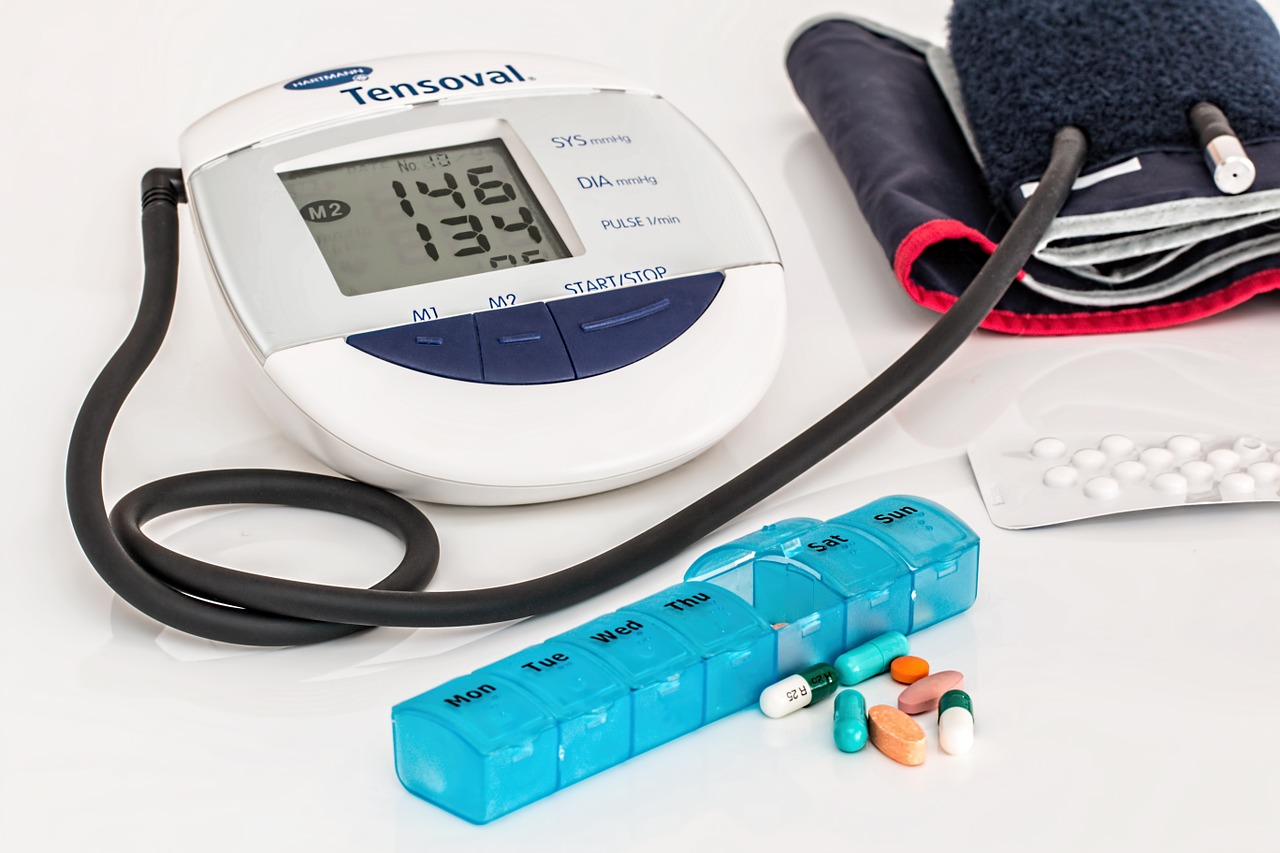
Could you be mentally ill?

What Causes Mental Illness?

You think you might have a mental illness, what should you do?

Have you ever thought that you were someone close to you might have a mental illness?  Being faced with mental illness doesn’t mean you’re crazy or have lost your mind.  Many people go through episodes of depression, or you may have excess anxiety.  Sometimes the stress of life just is overwhelming.  Or you may be having conflicts with your family, your spouse, or your children.  If you are having difficulties with your thinking, feeling, or behavior you may be at risk of developing a mental illness.  If so what should you do in this situation?  Below are some do’s and do not’s for people who are at risk for emotional problems.

Don’t ignore it, get help.

Just like physical illnesses, mental, emotional, or behavioral problems don’t get better without attention.  Pretending you don’t have an illness doesn’t keep you healthy.  There’s no great virtue in toughing it out and suffering.  Seeking help when under stress can help prevent more serious emotional problems from developing.

Discuss your problem with someone who feels safe.

If you are thinking your problems have gotten out of control, now is the time to find someone safe you can talk to about it.  Sometimes that trusted person will be your friend or family member.

Talk about your symptoms with your medical doctor.

Whenever you’re feeling out of sorts, the first thing you need to do is talk to a medical doctor. Physical problems can often look like mental health symptoms.  It is important to make sure that your feelings of sadness or depression are not a physical illness.  Sometimes prescription medications can create symptoms that look like emotional disorders.

See a counselor or therapist.

Going to see a counselor or therapist does not mean that you have given in to a mental illness.  Professional athletes have coaches because they can help them improve their performance.  In the emotional area, it helps to see a counselor to work on your stress and issues before they turn into something more serious.  Counselors are specially trained to listen to what’s going on in your life, evaluate your symptoms, and decide whether what you’re experiencing is normal or qualifies for a mental illness diagnosis.

Reduce your stress.

A little bit of stress is good for you.  We exercise to keep our bodies in top condition.  But holding onto too much stress over too long a period of time can overwhelm our emotional system.  Often it is not a huge overwhelming stress the causes people difficulty, it’s the accumulations of lots of little stress day after day.  Work on ways to reduce those little stressors and learn to stop stressing over the things that don’t really matter.

Increase your self-care.

Failing to take care of yourself is not a value.  Learn to take good care of yourself physically and emotionally.  Get plenty of sleep, exercise, and eat as healthy a diet as possible.

Work on solving those other life problems.

Often emotional crises are the result of failure to deal with other real-life problems.  Work on career problems.  Get some help with financial issues.  Tackle those legal problems you’ve been putting off.

Consider taking medication for your problems.

Taking medication to help you live a healthy life is a reasonable thing to do.  It doesn’t matter whether those problems are physical or emotional, medications can sometimes help.  Have that talk with your doctor, and see if there’s some medication which might help you deal with your depression, anxiety, or other emotional issues.

Taking inventory of where you are at.

After looking at all the possibilities listed above if you’re thinking that you might be experiencing a mental, emotional, or behavioral issues, something we might call a mental illness, now is the time to take action.  I hope some of the suggestions in this blog post are helpful.

Recommended Mental Health Books

David Miller at counselorssoapbox.com is an Amazon Affiliate and may receive a small Commission if you purchase a book or product using the link on this page. Using the link will not increase the cost to you.

Staying connected with David Joel Miller

Seven David Joel Miller Books are available now!

My newest book is now available. It was my opportunity to try on a new genre. I’ve been working on this book for several years, but now seem like the right time to publish it.

Story Bureau.

Story Bureau is a thrilling Dystopian Post-Apocalyptic adventure in the Surviving the Apocalypse series.

Baldwin struggles to survive life in a post-apocalyptic world where the government controls everything.

As society collapses and his family gets plunged into poverty, Baldwin takes a job in the capital city, working for a government agency called the Story Bureau. He discovers the Story Bureau is not a benign news outlet but a sinister government plot to manipulate society.

Bumps on the Road of Life. Whether you struggle with anxiety, depression, low motivation, or addiction, you can recover. Bumps on the Road of Life is the story of how people get off track and how to get your life out of the ditch.

Dark Family Secrets: Doris wants to get her life back, but small-town prejudice could shatter her dreams.

Casino Robbery Arthur Mitchell escapes the trauma of watching his girlfriend die. But the killers know he’s a witness and want him dead.

Planned Accidents  The second Arthur Mitchell and Plutus mystery.

Letters from the Dead: The third in the Arthur Mitchell mystery series.

What would you do if you found a letter to a detective describing a crime and you knew the writer and detective were dead, and you could be next?

Sasquatch. Three things about us, you should know. One, we have seen the past. Two, we’re trapped there. Three, I don’t know if we’ll ever get back to our own time.

For these and my upcoming books; please visit my Author Page – David Joel Miller

Want the latest blog posts as they publish? Subscribe to this blog.

For videos, see: Counselorssoapbox YouTube Video Channel

Which kind of sensitive are you?

By David Joel Miller, MS, Licensed Therapist & Licensed Counselor.

eye

How sensitive are you?
Photo courtesy of Pixabay.com

Are you too sensitive or not sensitive enough?

There are at least two kinds of sensitive. One is generally considered good and the other is thought of as bad. Some people are just way too sensitive.  You know the kind of person I mean.  Other people are extremely insensitive. Have you ever thought about the two kinds of sensitive and why you need more of one and less of the other?

Some people are just too sensitive.

Have you met people like this?  With people who are way too sensitive, any little thing you might say they take as an insult. They are always experiencing slights and they are often looking for ways to get even for these slights, real or imaginary.  You have to be careful what you say around people who are so very sensitive.

I think of these people as being like someone who has been in a car crash, covered in blood and broken glass. The wounds need cleaning but even when you try to be helpful, in the most caring manner, they scream in pain.  You reach the point where you are just afraid to interact with them because of their extreme sensitivity

People who are extremely emotionally sensitive are like that, hard to be around. You are always on edge when near them. Say the wrong thing and you set them off. They are constantly touchy. You wish they were just not so sensitive. Their life is the center of the emotional hurricane’s eye. Every day brings more drama and if you are not well grounded you can get swept away in their drama.

In fact, if they want to stay connected to you what they really need to be is – well just be more sensitive, sensitive in a good way.

Some people are just naturally very sensitive.

These sort of folks just always seem to know exactly the right thing to say. They intuitively know how you are feeling and are supportive in every way.  Everyone needs a few people like this in their life.

Don’t you just wish your friend or partner could be more in tune with your feelings, if only they could be more sensitive?  Especially more sensitive to you and how you’re feeling each day.

What is the difference between the two forms of sensitivity?

If In the first variety, the too sensitive form, the person’s sensitivity is focused inward. They see everything as if it pertains to them. “Why did you say that to hurt me” is their mantra.  That other people have feelings and matter is beyond their understanding.

In the second form, the intuitive and sensitive, the sensitivity is turned outward. They are looking to see how what they are doing is affecting others. This kind of extra sensitive person is empathetic and attuned to others.

Which kind of sensitive are you?

Are you focused inwardly, expecting others to always say and do the right thing to make you happy? Or do you stay focused on others,  looking for ways you can be of service and helpful to them?  The topic of sensitivity justifies some thought.  Consider how you might work on becoming more sensitive to the needs of others and less sensitive to everything they say and do that might affect you.

Staying connected with David Joel Miller

Seven David Joel Miller Books are available now!

My newest book is now available. It was my opportunity to try on a new genre. I’ve been working on this book for several years, but now seem like the right time to publish it.

Story Bureau.

Story Bureau is a thrilling Dystopian Post-Apocalyptic adventure in the Surviving the Apocalypse series.

Baldwin struggles to survive life in a post-apocalyptic world where the government controls everything.

As society collapses and his family gets plunged into poverty, Baldwin takes a job in the capital city, working for a government agency called the Story Bureau. He discovers the Story Bureau is not a benign news outlet but a sinister government plot to manipulate society.

Bumps on the Road of Life. Whether you struggle with anxiety, depression, low motivation, or addiction, you can recover. Bumps on the Road of Life is the story of how people get off track and how to get your life out of the ditch.

Dark Family Secrets: Doris wants to get her life back, but small-town prejudice could shatter her dreams.

Casino Robbery Arthur Mitchell escapes the trauma of watching his girlfriend die. But the killers know he’s a witness and want him dead.

Planned Accidents  The second Arthur Mitchell and Plutus mystery.

Letters from the Dead: The third in the Arthur Mitchell mystery series.

What would you do if you found a letter to a detective describing a crime and you knew the writer and detective were dead, and you could be next?

Sasquatch. Three things about us, you should know. One, we have seen the past. Two, we’re trapped there. Three, I don’t know if we’ll ever get back to our own time.

For these and my upcoming books; please visit my Author Page – David Joel Miller

Want the latest blog posts as they publish? Subscribe to this blog.

For videos, see: Counselorssoapbox YouTube Video Channel
Lessons Anxiety teaches you.

By David Joel Miller, MS, Licensed Therapist & Licensed Counselor.

Anxiety provoking.

Anxiety.
Photo courtesy of Pixabay.com

What are your fears teaching you?

Are you someone who suffers from high anxiety?  Have you learned the lessons that your anxiety is trying to teach you?  Anxiety can be a kind of bully, trying to scare you away from anything new and keeping you from the parts of life that might be beneficial. Or anxiety can become a good teacher and help you learn life lessons.

Below is the list of some lessons that anxiety might be able to teach you and ways that you could develop those lessons.

Just because it scares you does not make it dangerous.

A well-functioning anxiety system helps you identify risks and warns you of danger.  Some people’s anxiety system is turned up way too high.  Overly sensitive anxiety systems give off warning sounds and flashing lights even when the danger is minimal.

An important lesson you should learn from your experiences with anxiety is that not everything that makes you fearful or scares you is in fact, that dangerous.  Learn that your anxiety is a source of information, not an absolute life ruler.

It is OK to feel scared.

Some people believe they should never feel scared.  One of the lessons about anxiety it is important to learn is that it is possible to feel scared and still have nothing bad happened.  Let anxiety teach you this lesson.  Just because you’re scared does not mean that anything terrible or awful will necessarily happen to you

It is OK to feel what you feel.

Are you one of those people who was taught that you shouldn’t feel whatever it is that you are feeling?  A valuable lesson that anxiety and many of our other feelings has to teach us is that humans use feelings as a source of information.  Information is neither good nor bad in and of itself.  Was is important is for you to feel what you’re feeling, decide what that means, and then decide what you wanted to do with that information.

Feelings can be your friends.

Feelings are not automatically your enemies.  They can be your friends.  Sometimes anxiety and fear are friends warning you of danger.  What you need to decide is how real and how important that danger it is.  Every so often the danger is very real and very imminent.  During those times you will need to do something about it.  Other times your anxiety is detecting something new and unfamiliar and you’ll need to learn how you are going to respond to that new and novel situation.

Walking towards fear makes it shrink.

Fear is a natural-born bully.  Fear wants to have its way.  The more you give in to your fear the larger the fear grows.  Many things that look scary and are fearful at first sight becomes far less scary as you begin to do them.

If you walk towards something that scares you, what you will often find is that it is far scarier from a distance than once you get up close.

The first time is always the scariest.

Many people are afraid of something new that they’ve never experienced, but once they’ve tried it for that very first time that may discover that they enjoy it.  Don’t let your fears and your anxieties keep you from trying something that might turn out to be a great deal of fun.

Scary experiences create lasting memories.

Despite the fact that many people avoid things that make them anxious or scare them, most of us are also fascinated by the scary.  Scary movies draw large audiences.  Haunted houses are perennial Halloween favorites.

Because of the heightened level of hormones in the body during scary events the brain thinks that it is important to remember these times.  In thinking about the times that some event made you anxious it is important to remember the times that despite the anxiety those things turned out very well.

You can’t be calm and scared at the same time.

Ever notice when there’s a loud noise everyone turns to look at it and ignores everything else that is happening?  Anxiety and fear are like that.  They distract your attention from what else is going on at the same time.

One way of reducing anxiety’s impact on you is to learn ways to calm yourself.  Stress reduction techniques like deep breathing, mindfulness, and meditation can all be very helpful in reducing your anxiety.  What you will quickly learn, if you try these techniques, is that it’s not possible to be calm, relaxed, and scared at the very same time.

Learn to make this fundamental rule of emotions work for you.  Opposite sets of emotions don’t like to live together.  It’s difficult to laugh when you are sad.  People don’t seem to be able to be both excited and relaxed at the same time.  If you have found that your anxiety has gotten out of control, a quick way to reduce that anxiety is to learn ways to self-soothe and calm yourself.

The more skills you have the more you can handle.

In all aspects of life, it is important to develop a good set of skills.  While initially, it may be uncomfortable to work with strong emotions such as anxiety, the more you do this work the better you get at it.  Repeatedly putting yourself in situations that create a small amount of anxiety, which you discover you are able to handle, can result in increasing your ability to handle increasingly difficult anxiety-provoking situations.

Whenever the size of your comfort zone, if you spend too much time cramped inside it, that comfort zone will prevent your personal growth.  Gradually work on stretching out that comfort zone.  Before long you will have the skills to handle situations they used to seem impossible.

When you do good self-care less overwhelms you.

Another lesson than anxiety will teach you is the importance of good self-care.  With poor self-care, it’s easy to get stressed out and have everything overwhelmed you.  When you concentrate on taking good care of yourself you will be able to handle situations that you never thought possible.

You will handle most things better than you thought you would.

It’s normal to be very scared before something that you have never experienced. What surprises so many of us is how often we are able to handle far more than we ever believed possible.  Anxiety teaches you that you are capable of much more than you would have believed had you not been in those anxiety-provoking situations.

Most of the things we worry about turn out better than we thought.

Many people discover that the majority of things they have worried about turn out better than they expected.  It is a human failing to expect the worst.  Let your anxiety teach you that many good things can happen.

You almost always have more options than you think.

One bad habit that makes anxiety far worse than it needs to be is artificially limiting your options.  Often we only see a couple of alternatives.  Make sure that you look for other options.  People will tell themselves they have to get something done by a deadline or they’re going to lose their job. Only seeing those two options results in not making use of the many more options that might have resulted in a better outcome.  Besides not finishing the report or getting fired, you may also have the options of discussing the deadline with your boss or requesting additional help in completing the project on time.

If you make anxiety your friend you may find that it’s a wonderful teacher.

Recommended Mental Health Books

David Miller at counselorssoapbox.com is an Amazon Affiliate and may receive a small Commission if you purchase a book or product using the link on this page. Using the link will not increase the cost to you.

Staying connected with David Joel Miller

Seven David Joel Miller Books are available now!

My newest book is now available. It was my opportunity to try on a new genre. I’ve been working on this book for several years, but now seem like the right time to publish it.

Story Bureau.

Story Bureau is a thrilling Dystopian Post-Apocalyptic adventure in the Surviving the Apocalypse series.

Baldwin struggles to survive life in a post-apocalyptic world where the government controls everything.

As society collapses and his family gets plunged into poverty, Baldwin takes a job in the capital city, working for a government agency called the Story Bureau. He discovers the Story Bureau is not a benign news outlet but a sinister government plot to manipulate society.

Bumps on the Road of Life. Whether you struggle with anxiety, depression, low motivation, or addiction, you can recover. Bumps on the Road of Life is the story of how people get off track and how to get your life out of the ditch.

Dark Family Secrets: Doris wants to get her life back, but small-town prejudice could shatter her dreams.

Casino Robbery Arthur Mitchell escapes the trauma of watching his girlfriend die. But the killers know he’s a witness and want him dead.

Planned Accidents  The second Arthur Mitchell and Plutus mystery.

Letters from the Dead: The third in the Arthur Mitchell mystery series.

What would you do if you found a letter to a detective describing a crime and you knew the writer and detective were dead, and you could be next?

Sasquatch. Three things about us, you should know. One, we have seen the past. Two, we’re trapped there. Three, I don’t know if we’ll ever get back to our own time.

For these and my upcoming books; please visit my Author Page – David Joel Miller

Want the latest blog posts as they publish? Subscribe to this blog.

For videos, see: Counselorssoapbox YouTube Video Channel
What is an Adjustment Like Disorder? (F43.9)

By David Joel Miller, MS, Licensed Therapist & Licensed Counselor.

What is

What is an Adjustment Like Disorder? (F43.9)
Photo courtesy of Pixabay.

When is an adjustment disorder not an adjustment disorder?

Sometimes people have symptoms as a result of experiencing trauma or stress.

These difficulties are sufficiently severe that we think this person needs treatment but the exact group of symptoms they have doesn’t quite fit a listed disorder.

The new DSM – 5 solves this problem by creating another name for adjustment like disorders.

Other Specified Trauma- and Stressor-Related Disorders (F43.9)

This designation gives us five more ways to categorize problems of everyday living which were caused by stressors or trauma but do not quite neatly fit the defined adjustment disorders.  Below are the five reasons you might get an adjustment like disorder diagnosis.

1. You had a stressor but your problems did not begin until more than three months after the stressor.

2. The problems continue for more than six months even though the stressor has ended but your symptoms have not turned into another diagnosis.

3. You were having an “ataque de nervious.” This particular condition is listed in the back of the DSM – 5 under cultural concepts of distress. While not recognized in the United States as a mental disorder, this particular group of symptoms is widely recognized in Spanish-speaking countries.

4. Another cultural syndrome. There are a number of cultural syndromes that are recognized in a particular geographic or ethnic area.  The cultural syndromes are understood as an inability to cope with a particular stressor.

5. Persistent Complex Bereavement Disorder. This condition is listed in an appendix to the DSM under conditions for further study.  Since it didn’t make the list of official diagnoses, researchers needed a way to code it.  The result is this condition ended up here under adjustment like disorders.

I don’t think I’ve ever seen an adjustment like disorder listed in the person’s chart nor have I ever use this particular diagnosis myself.  But when I saw it was right there in the DSM-5 I just couldn’t resist letting you all know about this.  Maybe this illustrates how learning to diagnose mental illnesses is both an imprecise science and an area for continuing learning.

As with the other things we are calling a mental illness this adjustment like disorder needs to interfere with your ability to work or go to school, your relationships, your enjoyable activities or cause you personal distress. Otherwise, you may have the issues but you will not get the diagnoses if this is not causing you a problem. If the only time this happens is when you are under the influence of drugs or medicines or because of some other physical or medical problem this issue needs to be more severe than your situation would warrant. These other issues may need treating first, then if you still have symptoms you could get this diagnosis.

FYI These “What is” sometimes “What are” posts are my efforts to explain terms commonly used in Mental Health, Clinical Counseling, Substance Use Disorder Counseling, Psychology, Life Coaching, and related disciplines in a plain language way. Many are based on the new DSM-5; some of the older posts were based on the DSM-IV-TR, both published by the APA. For the more technical versions please consult the DSM or other appropriate references.

See Recommended Books.     More “What is” posts will be found at “What is.”

For more on this topic see Adjustment Disorders in the Trauma- and Stressor-Related Disorders category.

Staying connected with David Joel Miller

Seven David Joel Miller Books are available now!

My newest book is now available. It was my opportunity to try on a new genre. I’ve been working on this book for several years, but now seem like the right time to publish it.

Story Bureau.

Story Bureau is a thrilling Dystopian Post-Apocalyptic adventure in the Surviving the Apocalypse series.

Baldwin struggles to survive life in a post-apocalyptic world where the government controls everything.

As society collapses and his family gets plunged into poverty, Baldwin takes a job in the capital city, working for a government agency called the Story Bureau. He discovers the Story Bureau is not a benign news outlet but a sinister government plot to manipulate society.

Bumps on the Road of Life. Whether you struggle with anxiety, depression, low motivation, or addiction, you can recover. Bumps on the Road of Life is the story of how people get off track and how to get your life out of the ditch.

Dark Family Secrets: Doris wants to get her life back, but small-town prejudice could shatter her dreams.

Casino Robbery Arthur Mitchell escapes the trauma of watching his girlfriend die. But the killers know he’s a witness and want him dead.

Planned Accidents  The second Arthur Mitchell and Plutus mystery.

Letters from the Dead: The third in the Arthur Mitchell mystery series.

What would you do if you found a letter to a detective describing a crime and you knew the writer and detective were dead, and you could be next?

Sasquatch. Three things about us, you should know. One, we have seen the past. Two, we’re trapped there. Three, I don’t know if we’ll ever get back to our own time.

For these and my upcoming books; please visit my Author Page – David Joel Miller

Want the latest blog posts as they publish? Subscribe to this blog.

For videos, see: Counselorssoapbox YouTube Video Channel

What is Post-Traumatic Stress Disorder PTSD?

By David Joel Miller, MS, Licensed Therapist & Licensed Counselor.

What is

What is Post-Traumatic Stress Disorder PTSD?
Photo courtesy of Pixabay.

Would you know PTSD if you experienced it?

PTSD is something that we hear a lot about, but most people have only a general idea what it involves.  PTSD was first recognized in returning military veterans. It has since been recognized in children who were abused, in cases of domestic violence, as the result of sexual assaults as well as the result of other traumas. While each case of PTSD is unique, they have many features in common.  Many people with PTSD may also have one or more other psychiatric disorders, some of which are likely the result of traumatic incidents. Below is a list of the features that professionals use to identify PTSD.

PTSD involves a specific trauma.

Something has happened or there was a high risk it would happen.  This trauma involved death, possible serious bodily injury, or a sexual assault. This event needs to happen to you or someone close to you, not just be something you saw on the television.  This event was either violent or sudden and unexpected.

Also included in the definition of a trauma below, are the effects which dealing with the incident has on first responders or other emergency personnel.

This traumatic event keeps forcing its way back into your life.

Part of PTSD symptoms are the recurrent memories of the event.  You may have nightmares about what happened or things connected to that event.  Some people with PTSD experience spacing out or dissociation.  You may also experience flashbacks and in these times it can feel like the event is happening again.

These recurrent intrusive memories are easily triggered.  Both internal triggers, thoughts and feelings, and external triggers, people, places, and things, may bring back the memory.

People with PTSD try to avoid reminders.

There are all kinds of ways to avoid being reminded of something that has happened. You may avoid going to certain places or events. People may turn to drugs, alcohol or other distractions.  They may try to avoid having feelings, or other thoughts about the incident.

Sometimes the brain does this job for you.  You may find that there are periods of time for which you have no memory. Some people describe this as having a blackout or amnesia.  They may avoid activities which are in any way connected to these unpleasant memories.

Behavior changes when you experience Post-Traumatic Stress Disorder.

People with this disorder often become irritable and angry.  They may become either self-destructive or reckless.  Part of this condition is having an exaggerated startle response.  In the aftermath of the trauma, people may develop poor concentration and impaired sleep.  Someone with PTSD may stop engaging in activities that used to be fun, they detach from others and may say that they just can’t feel happy.  These behavioral changes are also characteristic of depression, and the two disorders often occur together.

PTSD can cause cognitive changes.

In the aftermath of trauma, it is common for people to blame themselves.  They may tell themselves that if they hadn’t been there, or had been more careful, it would not have happened.  Negative thought patterns may develop.  People begin to feel bad about themselves, other people, and the future.  These cognitive changes can result in developing depression.

PTSD needs to last a while and not be something else.

This condition is expected to last more than a month after the stressor.  As with the other things we are calling a mental illness this needs to interfere with your ability to work or go to school, your relationships, your enjoyable activities or cause you personal distress. Otherwise, you may have the issues but you will not get the diagnosis. If the only time this happens is when you are under the influence of drugs or medicines or because of some other physical or medical problem we’re likely to think this is something other than PTSD.

FYI These “What is” sometimes “What are” posts are my efforts to explain terms commonly used in Mental Health, Clinical Counseling, Substance Use Disorder Counseling, Psychology, Life Coaching, and related disciplines in a plain language way. Many are based on the new DSM-5; some of the older posts were based on the DSM-IV-TR, both published by the APA. For the more technical versions please consult the DSM or other appropriate references.

For more on this topic see Trauma- and Stressor-Related Disorders. 

See Recommended Books.     More “What is” posts will be found at “What is.”

What is an Adjustment Like Disorder? (F43.9)

Staying connected with David Joel Miller

Seven David Joel Miller Books are available now!

My newest book is now available. It was my opportunity to try on a new genre. I’ve been working on this book for several years, but now seem like the right time to publish it.

Story Bureau.

Story Bureau is a thrilling Dystopian Post-Apocalyptic adventure in the Surviving the Apocalypse series.

Baldwin struggles to survive life in a post-apocalyptic world where the government controls everything.

As society collapses and his family gets plunged into poverty, Baldwin takes a job in the capital city, working for a government agency called the Story Bureau. He discovers the Story Bureau is not a benign news outlet but a sinister government plot to manipulate society.

Bumps on the Road of Life. Whether you struggle with anxiety, depression, low motivation, or addiction, you can recover. Bumps on the Road of Life is the story of how people get off track and how to get your life out of the ditch.

Dark Family Secrets: Doris wants to get her life back, but small-town prejudice could shatter her dreams.

Casino Robbery Arthur Mitchell escapes the trauma of watching his girlfriend die. But the killers know he’s a witness and want him dead.

Planned Accidents The second Arthur Mitchell and Plutus mystery.

Letters from the Dead: The third in the Arthur Mitchell mystery series.

What would you do if you found a letter to a detective describing a crime and you knew the writer and detective were dead, and you could be next?

Sasquatch. Three things about us, you should know. One, we have seen the past. Two, we’re trapped there. Three, I don’t know if we’ll ever get back to our own time.

For these and my upcoming books; please visit my Author Page – David Joel Miller

Want the latest blog posts as they publish? Subscribe to this blog.

For videos, see: Counselorssoapbox YouTube Video Channel

What are the six types of Adjustment Disorders?

By David Joel Miller, MS, Licensed Therapist & Licensed Counselor.

What is

What are the six types of Adjustment Disorders?
Photo courtesy of Pixabay.

Adjustment Disorders include six types or specifiers.

In another post, I wrote about adjustment disorders. You might want to take a look at that post.  You will find it in the trauma- and stressor-related disorders category. But to briefly recap, an adjustment disorder is a time when you experience stress and that amount of stress is more than you can handle.

The kind of things that you might find stressful, and how that stress might affect you, can vary a great deal from one person to another.  Adjustment Disorder can be very chameleon-like, changing from person to person and from time to time. As a result of this variation and in order to help find the correct treatment for each person, professionals use six different specifiers for various presentations of adjustment disorder.  Listed below are the six specifiers or sub-types of adjustment disorder that are listed in the new DSM – 5.

Adjustment Disorder with Depressed Mood (F43.21).

Sometimes in addition to having difficulty coping with a stressor, as a result of this life problem, people develop depression.  If this goes on long enough or is severe enough they might eventually get a diagnosis of Major Depressive Disorder.  But until that happens treatment will mainly focus on the stressor and the depression that stressor is causing.

Adjustment Disorder with Anxiety (F43.22).

Sometimes the primary symptom that people experience when they are going through stress is an increase in their anxiety.  If this increase in anxiety is related to a specific stressor, is more severe than we expect, or goes on too long, Adjustment Disorder with Anxiety is the likely problem.

Adjustment Disorder with both Depression and Anxiety (F43.23).

Anxiety and depression frequently happen to people at the same time.  If this stressor has produced both depression and anxiety, then this specifier should be added.

Adjustment Disorder with Conduct Problems (F43.24).

Sometimes the principle way we know that stress has affected somebody is that they begin to act in inappropriate ways.  This diagnosis with this specifier is most commonly seen in children who rather than show their symptoms as anxiety or depression, begin to act out.

Adjustment Disorder with Disturbance of Emotions and Conduct (F43.25).

When stress overcomes a person’s ability to cope, we may see changes both in their behavior and in their feelings.  This is often the case in children and adolescents but may also be seen in adults with poor emotional regulation.

Adjustment Disorder Unspecified (F43.20).

When the counselor knows that the problem the client has is caused by their reaction to stress but none of the other sub-types quite seem to fit, this category may be used.

As with the other things we are calling a mental illness this problem needs to interfere with your ability to work or go to school, your relationships, your enjoyable activities, or cause you personal distress. Otherwise, you may have the issues but you will not get the diagnoses if this is not causing you a problem. If the only time this happens is when you are under the influence of drugs or medicines or because of some other physical or medical problem, this problem needs to be more than your situation would warrant. These other issue needs treating first, then if you still have symptoms you could get this diagnosis.

FYI These “What is” sometimes “What are” posts are my efforts to explain terms commonly used in Mental Health, Clinical Counseling, Substance Use Disorder Counseling, Psychology, Life Coaching, and related disciplines in a plain language way. Many are based on the new DSM-5; some of the older posts were based on the DSM-IV-TR, both published by the APA. For the more technical versions please consult the DSM or other appropriate references.

Staying connected with David Joel Miller

Seven David Joel Miller Books are available now!

My newest book is now available. It was my opportunity to try on a new genre. I’ve been working on this book for several years, but now seem like the right time to publish it.

Story Bureau.

Story Bureau is a thrilling Dystopian Post-Apocalyptic adventure in the Surviving the Apocalypse series.

Baldwin struggles to survive life in a post-apocalyptic world where the government controls everything.

As society collapses and his family gets plunged into poverty, Baldwin takes a job in the capital city, working for a government agency called the Story Bureau. He discovers the Story Bureau is not a benign news outlet but a sinister government plot to manipulate society.

Bumps on the Road of Life. Whether you struggle with anxiety, depression, low motivation, or addiction, you can recover. Bumps on the Road of Life is the story of how people get off track and how to get your life out of the ditch.

Dark Family Secrets: Doris wants to get her life back, but small-town prejudice could shatter her dreams.

Casino Robbery Arthur Mitchell escapes the trauma of watching his girlfriend die. But the killers know he’s a witness and want him dead.

Planned Accidents  The second Arthur Mitchell and Plutus mystery.

Letters from the Dead: The third in the Arthur Mitchell mystery series.

What would you do if you found a letter to a detective describing a crime and you knew the writer and detective were dead, and you could be next?

Sasquatch. Three things about us, you should know. One, we have seen the past. Two, we’re trapped there. Three, I don’t know if we’ll ever get back to our own time.

For these and my upcoming books; please visit my Author Page – David Joel Miller

Want the latest blog posts as they publish? Subscribe to this blog.

For videos, see: Counselorssoapbox YouTube Video Channel

What are Adjustment Disorders?

By David Joel Miller, MS, Licensed Therapist & Licensed Counselor.

What is

What are adjustment disorders?
Photo courtesy of Pixabay.

You don’t have to be “crazy” to have a mental illness.

Sometimes bad things happen, and those difficulties in life can overwhelm you. When these things happen, often people get right back up, but if something bad has happened to you and you find that you can’t get back on track you might well have an Adjustment Disorder. Adjustment Disorders are the result of bad things happening to you.

Professionals need to be careful not to turn everything that could possibly happen to someone into some sort of mental disorder.  Beginning professionals are cautioned to avoid pathologizing their clients by being so sure everyone who comes to their office must have some kind of extreme mental disorder.

Stress affects everyone differently.

A particular stress, divorce, for example, can have a very different meaning for different people.  One person may become very depressed.  Another might become quite angry.  Some people may even be happy and throw a party.

We know that stress can be quite difficult to handle.  But if someone’s response is far beyond what we expect, then that excessive response gets diagnosed as an adjustment disorder. To be diagnosed with an adjustment disorder your distress as a result of what happened has to be in excess of what we would normally expect.

Because of the large number of possible ways stress might affect someone there are six specifiers or some types of adjustment disorder.

This inability to adjust can result in suicide.

Adjustment disorders have come to be recognized as serious mental health issues because of the high rate of suicide, homicide, or other negative behavior that can occur in the aftermath of the stressor.  Things like divorce, loss of a job, business failure, or other negative events can overwhelm a person and exceed their ability to cope.

Adjustment disorder requires an identifiable trauma or stressor.

Just any difficulty coping with life does not get diagnosed as an adjustment disorder. In this condition, we know clearly that something specific happened in your life.  We call this the identified stressor. We expect to see the results of that experience start happening within three months of the original incident.  We also believe that adjustment disorder normally stops all by itself within six months of the time it began.

If you have a strong reaction to a stressor in the first month after the incident, we call that Acute Stress Disorder, a condition that usually resolves very shortly.

An Adjustment Disorder results in a change in your feelings or behavior.

As a result of this stressor, people find their feelings overwhelming them.  That may become depressed, anxious, or angry.  Not only are these feelings negative but they’re far beyond what would be useful.

People with Adjustment Disorders may begin behaving in ways that are just not normal for them.  That may be constantly angry, become violent, or begin abusing drugs and alcohol.  Some develop other addictions.

People with an adjustment disorder are at high risk to become violent towards those they blame for their misfortune.

Bereavement is not the same as Adjustment Disorder.

Having someone close to you die is something everyone experiences sooner or later.  Mental health professionals see this loss of a loved one as quite different from Adjustment Disorder. While everyone needs to grieve in their own way, most people eventually get past the loss of a loved one.

In an Adjustment Disorder not being able to adjust damages your life.

As with the other things we are calling a mental illness this needs to interfere with your ability to work or go to school, your relationships, your enjoyable activities, or cause you personal distress. Otherwise, you may have the issues but you will not get the diagnoses if this is not interfering with your everyday life.  If the only time this happens is when under the influence of drugs or medicines or because of some other physical or medical problem this adjustment difficulty needs to be more than your situation would warrant. These other issues may need treating first, then if you still have symptoms you could get this diagnosis.

FYI These “What is” sometimes “What are” posts are my efforts to explain terms commonly used in Mental Health, Clinical Counseling, Substance Use Disorder Counseling, Psychology, Life Coaching, and related disciplines in a plain language way. Many are based on the new DSM-5; some of the older posts were based on the DSM-IV-TR, both published by the APA. For the more technical versions please consult the DSM or other appropriate references.

Staying connected with David Joel Miller

Seven David Joel Miller Books are available now!

My newest book is now available. It was my opportunity to try on a new genre. I’ve been working on this book for several years, but now seem like the right time to publish it.

Story Bureau.

Story Bureau is a thrilling Dystopian Post-Apocalyptic adventure in the Surviving the Apocalypse series.

Baldwin struggles to survive life in a post-apocalyptic world where the government controls everything.

As society collapses and his family gets plunged into poverty, Baldwin takes a job in the capital city, working for a government agency called the Story Bureau. He discovers the Story Bureau is not a benign news outlet but a sinister government plot to manipulate society.

Bumps on the Road of Life. Whether you struggle with anxiety, depression, low motivation, or addiction, you can recover. Bumps on the Road of Life is the story of how people get off track and how to get your life out of the ditch.

Dark Family Secrets: Doris wants to get her life back, but small-town prejudice could shatter her dreams.

Casino Robbery Arthur Mitchell escapes the trauma of watching his girlfriend die. But the killers know he’s a witness and want him dead.

Planned Accidents  The second Arthur Mitchell and Plutus mystery.

Letters from the Dead: The third in the Arthur Mitchell mystery series.

What would you do if you found a letter to a detective describing a crime and you knew the writer and detective were dead, and you could be next?

Sasquatch. Three things about us, you should know. One, we have seen the past. Two, we’re trapped there. Three, I don’t know if we’ll ever get back to our own time.

For these and my upcoming books; please visit my Author Page – David Joel Miller

Want the latest blog posts as they publish? Subscribe to this blog.

For videos, see: Counselorssoapbox YouTube Video Channel

What is Separation Anxiety Disorder (F93.0)?

By David Joel Miller, MS, Licensed Therapist & Licensed Counselor.

What is

What is Separation Anxiety Disorder (F93.0)?
Photo courtesy of Pixabay.

Separation Anxiety Disorder used to be strictly a children’s condition.

In the past Separation Anxiety Disorder was listed in the section of the Diagnostic and Statistical Manual (DSM) under the category of Disorders First Diagnosed in Infancy, Childhood, and Adolescence.  Recently in the reorganization of the DSM, this disorder was moved to the chapter on anxiety disorders.

Increasingly we recognize that there are adults who suffer from Separation Anxiety Disorder.  In children, if they have the symptoms for four weeks or more, that meets the criteria.  But when we see this disorder in adults we expected it to last at least six months.  This is a disorder which may come and go throughout the lifespan.  It is likely to begin after, or to be triggered by, stressful events.

Separation Anxiety Disorder is about a fear of losing the major attachment figure.

In Separation Anxiety Disorder there is a fear of leaving home or being separated from a major attachment figure.  This is very different from people who are simply afraid of going out of the house, being around crowds, or meeting strangers.  In Separation Anxiety Disorder it is the fear of losing that significant person which causes them extreme distress.

This fear is clearly far more than life circumstances would warrant.  People with this disorder need to know where that important person is it all times.  And they may have an excessive need to stay in constant contact with their major attachment figure.  These people may be given to constantly texting, and may become quite upset if they’re communications are not immediately responded to.

You may also fear being taken away.

Separation Anxiety Disorder is also the fear that something will take you away from that major attachment feature.  People with this disorder worry about an illness, kidnapping, or being forcibly taken from a major attachment figure. Some people with this disorder are unable to be in a room by themselves.

Separation Anxiety Disorder can make you refuse to leave home.

The classic example of this is the child who is terrified of leaving their mother to go to kindergarten on the first day of school.  In normal children, if we expect them to get over this fear after a few days.  But in those with Separation Anxiety Disorder that fear continues for long periods of time. We may continue to see this behavior as children get older.  They may have frequent illnesses which keep them at home with their important attachment figure.

Like most other anxiety disorders, Separation Anxiety Disorder typically begins in childhood, but it may well continue throughout adult life.  In diagnosing this disorder the professional looks at the developmental stage of a person to see if what they are going through is appropriate.

Some adults are so afraid of leaving their significant family members that they are unable to venture out into society alone.  They will only be willing to go outside the house, to the store or an appointment, if that major attachment figure accompanies them.

That huge fear of being alone maybe Separation Anxiety Disorder.

An abiding characteristic of Separation Anxiety Disorder is the extreme level of fear of being alone.  Any time this person is separated from their major attachment figure, they become anxious and may even become terrified.

In children, the attachment figure is likely to be their parents or caregiver.  In adulthood people with this disorder are likely to become very anxious when separated from their spouse, partner, or their children.

If that important person is not home, then you can’t sleep.

People with Separation Anxiety Disorder find that they are unable to sleep when the major attachment figure is not in the house.  They may stay up all night on those occasions when that person they’re attached to needs to be gone overnight.

The person with Separation Anxiety Disorder will have a constant need for reassurance.  This need may result in frequent phone calls or other efforts to contact the attachment figure who is not there.  This constant need for reassurance may begin to interfere with their partner’s ability to work.

Separation Anxiety Disorder causes nightmares about being separated.

In this disorder, the content of the nightmare is that the important person will be taken from you or you from them and that you will never ever be able to see them again. These nightmares can be recurrent and play a role in maintaining the other symptoms.

Separation Anxiety Disorder can make you physically ill.

Symptoms of this disorder can look just like a physical illness.  These symptoms may include headaches, inability to eat, nausea, or even vomiting if there’s a chance that you’ll be separated from this major attachment figure in your life.

People with Separation Anxiety Disorder are likely to be described by others as needy and insecure.

There is help for Separation Anxiety Disorder.

While this condition often begins in childhood and may continue well into adulthood, someone with this issue does not have to continue to suffer.  There are treatments available.  If you or someone you love suffers from this condition, consider getting professional help.

More on this and other anxiety disorders see:  Anxiety

FYI These “What is” sometimes “What are” posts are my efforts to explain terms commonly used in Mental Health, Clinical Counseling, Substance Use Disorder Counseling, Psychology, Life Coaching, and related disciplines in a plain language way. Many are based on the new DSM-5, some of the older posts were based on the DSM-IV-TR, both published by the APA. For the more technical versions please consult the DSM or other appropriate references.

Staying connected with David Joel Miller

Seven David Joel Miller Books are available now!

My newest book is now available. It was my opportunity to try on a new genre. I’ve been working on this book for several years, but now seem like the right time to publish it.

Story Bureau.

Story Bureau is a thrilling Dystopian Post-Apocalyptic adventure in the Surviving the Apocalypse series.

Baldwin struggles to survive life in a post-apocalyptic world where the government controls everything.

As society collapses and his family gets plunged into poverty, Baldwin takes a job in the capital city, working for a government agency called the Story Bureau. He discovers the Story Bureau is not a benign news outlet but a sinister government plot to manipulate society.

Bumps on the Road of Life. Whether you struggle with anxiety, depression, low motivation, or addiction, you can recover. Bumps on the Road of Life is the story of how people get off track and how to get your life out of the ditch.

Dark Family Secrets: Doris wants to get her life back, but small-town prejudice could shatter her dreams.

Casino Robbery Arthur Mitchell escapes the trauma of watching his girlfriend die. But the killers know he’s a witness and want him dead.

Planned Accidents  The second Arthur Mitchell and Plutus mystery.

Letters from the Dead: The third in the Arthur Mitchell mystery series.

What would you do if you found a letter to a detective describing a crime and you knew the writer and detective were dead, and you could be next?

Sasquatch. Three things about us, you should know. One, we have seen the past. Two, we’re trapped there. Three, I don’t know if we’ll ever get back to our own time.

For these and my upcoming books; please visit my Author Page – David Joel Miller

Want the latest blog posts as they publish? Subscribe to this blog.

For videos, see: Counselorssoapbox YouTube Video Channel

What is Selective Mutism (F94.0)?

By David Joel Miller, MS, Licensed Therapist & Licensed Counselor.

Selective Mutism is the failure to speak at times when speech is necessary.

What is

What is Selective Mutism (F94.0)?
Photo courtesy of Pixabay.

Selective Mutism is an interesting disorder. It is one of the less common anxiety disorders and one which commonly first appears in childhood.  This disorder often co-occurs with Social Anxiety Disorder.  As with all the anxiety disorders, Selective Mutism may continue well into adulthood.

Selective Mutism is not the inability to speak or the willful refusal to speak.  Selective Mutism occurs when someone chooses not to speak in a particular situation even when not speaking may cause them difficult.  Children with this condition will avoid starting a conversation with other children.  When spoken to they will fail to respond.

Selective Mutism gets noticed when children begin to attend school.

Children with Selective Mutism do poorly in school because they do not respond verbally to the teacher and do not read out loud.  Those with this disorder may use other ways of communicating rather than speaking.  Sometimes they will point, grunt, or used personally significant gestures.  They may also be willing to engage in social activities when speech is not required.

Children with Selective Mutism are able to speak normally at home with their parents or primary caregivers.  They may be unwilling to speak in the presence of close relatives including cousins, aunts and uncles, and grandparents.

Risk factors for Selective Mutism.

Children who are shy are at extra risk to develop this disorder.  Having parents who are withdrawn or growing up in a socially isolated environment may also be risk factors.  It is possible that having overprotective or controlling parents increases this risk.  There’s some evidence that children with this disorder have difficulty understanding the things that are said to them.  Having Social Anxiety Disorder or a family history of it may also increase the risks.

Other problems may accompany Selective Mutism.

People with Selective Mutism also frequently are shy and experience social embarrassment.  They may be isolated and withdrawn.  Children with Selective Mutism may be clingy and become easily upset.  They may also exhibit temper tantrums and oppositional behavior.

Having this disorder early in life and not getting treatment for it puts the child at extra risk for poor development and failure to learn needed social skills.

Things that are excluded from a Selective Mutism diagnosis.

To get this diagnosis, this condition of not speaking even when you need to speak must go on for a month or more.  If the thing keeping you from speaking is the result of not knowing the English language or being bilingual in some way, this is not a case of Selective Mutism.

Also excluded from the definition of Selective Mutism are things related to speech fluency.  If the person involved is experiencing an episode of hearing voices, if being psychotic, or a schizophrenia-like condition, this also is outside the definition of Selective Mutism.

FYI These “What is” sometimes “What are” posts are my efforts to explain terms commonly used in Mental Health, Clinical Counseling, Substance Use Disorder Counseling, Psychology, Life Coaching, and related disciplines in a plain language way. Many are based on the new DSM-5, some of the older posts were based on the DSM-IV-TR, both published by the APA. For the more technical versions please consult the DSM or other appropriate references.

More “What is” posts will be found at What is.

Staying connected with David Joel Miller

Seven David Joel Miller Books are available now!

My newest book is now available. It was my opportunity to try on a new genre. I’ve been working on this book for several years, but now seem like the right time to publish it.

Story Bureau.

Story Bureau is a thrilling Dystopian Post-Apocalyptic adventure in the Surviving the Apocalypse series.

Baldwin struggles to survive life in a post-apocalyptic world where the government controls everything.

As society collapses and his family gets plunged into poverty, Baldwin takes a job in the capital city, working for a government agency called the Story Bureau. He discovers the Story Bureau is not a benign news outlet but a sinister government plot to manipulate society.

Bumps on the Road of Life. Whether you struggle with anxiety, depression, low motivation, or addiction, you can recover. Bumps on the Road of Life is the story of how people get off track and how to get your life out of the ditch.

Dark Family Secrets: Doris wants to get her life back, but small-town prejudice could shatter her dreams.

Casino Robbery Arthur Mitchell escapes the trauma of watching his girlfriend die. But the killers know he’s a witness and want him dead.

Planned Accidents  The second Arthur Mitchell and Plutus mystery.

Letters from the Dead: The third in the Arthur Mitchell mystery series.

What would you do if you found a letter to a detective describing a crime and you knew the writer and detective were dead, and you could be next?

Sasquatch. Three things about us, you should know. One, we have seen the past. Two, we’re trapped there. Three, I don’t know if we’ll ever get back to our own time.

For these and my upcoming books; please visit my Author Page – David Joel Miller

Want the latest blog posts as they publish? Subscribe to this blog.

For videos, see: Counselorssoapbox YouTube Video Channel

What is Reactive Attachment Disorder (RAD) F94.1?

By David Joel Miller, MS, Licensed Therapist & Licensed Counselor.

What is

What is Reactive Attachment Disorder (RAD) F94.1?
Photo courtesy of Pixabay.

Reactive Attachment Disorder begins early in life.

Reactive Attachment Disorder (RAD) is one of those disorders which was moved in the DSM-5.

It used to be included in the chapter on Disorders First Diagnosed in Infancy, Childhood, and Adolescence.

RAD now appears in the chapter on Trauma- and Stressor-Related Disorders.

Reactive Attachment Disorder is the result of deficiencies in early life care.

Reactive Attachment Disorder is an internalizing disorder. A related disorder called Disinhibited Social Engagement Disorder involves externalizing behaviors.  Both conditions are thought to be caused by poor caregiving early in life. RAD involves a consistent pattern of shutting down, withdrawing, and inhibiting emotions. This disorder starts before age five and is rarely given after that age.

While this is a diagnosis primarily applied to very young children, in working with adults we often see conditions that probably began as Reactive Attachment Disorder.  A common statement is that they “just don’t get close to others.” This condition involves an inability to regulate emotion and unexplained anger, both issues we frequently see in adults who came from dysfunctional homes.

With children, we usually know that the symptoms are caused by neglect and poor parenting.  With adults, similar symptoms show up as depression, chronic sadness, anxiety disorders, or even personality disorders.  Our understanding of reactive attachment disorder is pretty much an all or nothing condition.  I can’t help wonder about the effects which varying degrees of neglect or failure to meet the child’s emotional needs might be causing.

Reactive Attachment Disorder involves a consistent behavioral pattern.

Most of the Trauma- and Stressor-Related Disorders are related to anxiety and obsessive-compulsive disorders and are fear-based. Reactive Attachment Disorder is about shutting down and internalizing. In Reactive Attachment Disorder, there is chronic sadness, depression, and loss of pleasure.  There may also be accompanying anger, aggression, and dissociation. This involves a lot of withdrawal and inhibited emotion.

Reactive Attachment Disorder involves social and emotional problems.

Children with RAD are unresponsive to others.  They’re rarely happy or positive.  RAD involves frequent irritation, sadness and sometimes being afraid. Children with this disorder often react to adult caregivers in a negative way for no apparent reason. These patterns of poor relationships with adults continue even when caregivers change.

In adults, we see similar patterns with those people who get diagnosed with Persistent Depressive Disorder.  They often say they do not ever remember being happy.  What we often don’t know is if this person really had deficient care as a child or if they had a temperament which makes them difficult to parent.  Sick, or irritable temperamental children are harder to parent and more likely to be abused or neglected.

Extremely deficient care results in Reactive Attachment Disorder.

Characteristics of this less-than-adequate care include emotional needs not being met, frequent changes in caregivers, and being raised in impersonal institutionalize settings.  Mostly this deficient care results in poor relationships with caregivers and other adults, but it may also affect peer relationships.

Sometimes other things look like Reactive Attachment Disorder.

Sometimes children with Autism or developmental delays exhibit symptoms that can look like Reactive Attachment Disorder. In young children, it is important to be sure the problems were caused by poor caregiving.  In adults, we see behaviors that we suspect began as Reactive Attachment Disorder, but without a prior diagnosis, we can’t be sure. RAD may affect many other developmental areas.

Some cautions.

As with the other things we are calling a mental illness this RAD needs to interfere with the ability to work, or in children, go to school, relationships, or other enjoyable activities or cause personal distress. Otherwise, there may be issues, but the diagnoses will not be given. If the only time this happens is when someone is under the influence of drugs or medicines or because of some other physical or medical problem these problems would need to be more than the situation otherwise warrants. These other issues may need treating first, then if there are still symptoms, the diagnosis will be given.

Treatment for Reactive Attachment Disorder.

For children, getting into a situation with a caring, responsible, caregiver, can make all the difference.  For adults with problems now, which may or may not be the result of early childhood experiences, there are several therapies which may be helpful.

It is imperative that children who have Reactive Attachment Disorder get treatment early to prevent lifelong difficulties.  Adults who struggle with emotional difficulties may find that they still have early childhood issues that need to be addressed before their adult problems will resolve.

FYI These “What is” sometimes “What are” posts are my efforts to explain terms commonly used in Mental Health, Clinical Counseling, Substance Use Disorder Counseling, Psychology, Life Coaching, and related disciplines in a plain language way. Many are based on the new DSM-5; some of the older posts were based on the DSM-IV-TR, both published by the APA. For the more technical versions please consult the DSM or other appropriate references.

Staying connected with David Joel Miller

Seven David Joel Miller Books are available now!

My newest book is now available. It was my opportunity to try on a new genre. I’ve been working on this book for several years, but now seem like the right time to publish it.

Story Bureau.

Story Bureau is a thrilling Dystopian Post-Apocalyptic adventure in the Surviving the Apocalypse series.

Baldwin struggles to survive life in a post-apocalyptic world where the government controls everything.

As society collapses and his family gets plunged into poverty, Baldwin takes a job in the capital city, working for a government agency called the Story Bureau. He discovers the Story Bureau is not a benign news outlet but a sinister government plot to manipulate society.

Bumps on the Road of Life. Whether you struggle with anxiety, depression, low motivation, or addiction, you can recover. Bumps on the Road of Life is the story of how people get off track and how to get your life out of the ditch.

Dark Family Secrets: Doris wants to get her life back, but small-town prejudice could shatter her dreams.

Casino Robbery Arthur Mitchell escapes the trauma of watching his girlfriend die. But the killers know he’s a witness and want him dead.

Planned Accidents  The second Arthur Mitchell and Plutus mystery.

Letters from the Dead: The third in the Arthur Mitchell mystery series.

What would you do if you found a letter to a detective describing a crime and you knew the writer and detective were dead, and you could be next?

Sasquatch. Three things about us, you should know. One, we have seen the past. Two, we’re trapped there. Three, I don’t know if we’ll ever get back to our own time.

For these and my upcoming books; please visit my Author Page – David Joel Miller

Want the latest blog posts as they publish? Subscribe to this blog.

For videos, see: Counselorssoapbox YouTube Video Channel