
Getting past the fear.

By David Joel Miller, MS, Licensed Therapist & Licensed Counselor.
What do you fear

Fear
Photo courtesy of Pixabay.com

Ways to overcome your fears and anxiety.

Fear and anxiety are terrible roommates. They can take over your life and make you miserable. Anxiety is like some nasty monster lurking about your life controlling your destiny. Fear is a bully whispering in your ear all manner of negativity. The more you try to ignore your fears, pacify them by avoiding all the scary things, the more they take over your life.

If you have decided that you are tired of letting your fears and anxieties control your life then now is the time to get this relationship with your fears under control. Like an annoying relative, you may not be able to cut your anxieties out of your life altogether, but you can set up some new rules and take back control of your life. Here are some ways to tame the anxiety monster.

Accept the fear, recognize it is in the room.

Hiding from your fears will not make them go away. Neither will trying to run away. You can’t get rid of fear by hiding. Drugs, alcohol, or other distracting behaviors will only make matters worse.

Take a good look at this fear. What does it look like? How is this interfering with your life? Consider how your life would be different if you listen to the fear less. You can’t work on a problem until you recognize it.

Name the fear – what are you really afraid of?

Think about this fear. What is it really? Fear of flying? Or is it fear of crashing? Flying happens way more than crashing. Fear of snakes? Or fear of being bitten by a snake? Maybe even fear of being bitten by a poisonous snake. Snakes are not really interested in biting you, not unless you look like a meal. They will run if they get the chance. They may even hiss or rattle to scare you away. The biting happens when you don’t recognize the snake for what it is and wants until after the bite.

What does your fear really want from you? Is this outcome something you will accept rather than live the life you want?

Some fears are protective and some are not.

If someone is shooting at you be afraid and take cover. Fear, in that case, is trying to protect you. But if you hear a car door slams down the block and your fear sends you running for cover, this fear is far bigger than the real danger.

Just because it scares you does not mean there is a danger.

Being afraid of your shadow is more than an expression. Many of our fears and anxieties in adult life are fears left over from childhood when we were smaller and more helpless. Reevaluate those fears. Are they valid today in the world you are living in?

You may need an objective opinion to evaluate the risk.

When you are frightened the whole world looks scary. It can help to talk about your fears with an objective person. Sometimes you know already that your fear is excessive. It may even be keeping you from having a life, talking to a professional can help you get past the fear.

Being perfect is not possible.

Are you afraid to make a mistake? Are you worried that others will judge you and think you are incapable? Not taking action will guarantee the result you fear. There are no perfect people. Everyone makes mistakes. No one hits a home run every time or wins every contest. Letting fear keep you out of the game will prevent what could have been. You will not get 100% of the jobs you do not apply for.

Don’t go around collecting other’s fears.

Fear, like misery, loves company. If you grew up in a fear-filled home or live with someone who is full of fear then you may have been infected by other’s fears. If you are struggling with other people’s fears, return that fear creature and get the refund of your life back.

What would be better if you did not have this fear?

When you stay focused on the fear you miss out on the other possibilities. Ask yourself what would be better if you did not have that fear. Act as if that fear was already gone and as you move towards the thing you used to fear you will see it shrink. Anxieties bully people, tell that bully no.

Avoid comparing up.

One way to keep anxiety a part of life is to constantly compare yourself to someone who has more than you. This “comparing up” results in a lot of depression and anxiety. You are not as famous as that person you saw on the awards show. You do not have 152,000 friends on social media like that other person. If you keep comparing up you will start feeling bad about yourself and magnify your fear of not measuring up.

Collect successes.

Most people ignore their successes and collect the memories of their shortfalls. This is precisely the wrong approach. Make sure that you recognize your life’s good times. Pick those happy memories up and hold onto them. If you do not save successes you will lose count of them and then your inventory will look like all you have ever had were failures.

Sneak up on the fear. Systematic desensitization.

You can conquer that fear or anxiety using a process called systematic desensitization. I have written elsewhere about this process. The trick here is to approach the fear as close as you can and then hold that position. If you begin to experience feeling the fear and yet nothing bad happens the fear will move away. Keep this up and you can stretch your comfort zone and reduce the circle that fear stays in. Eventful that fear will come to serve you not the other way around. Working with a professional on this process can pay great rewards.

Build a fear-busting team. Support system.

Fears are much scarier when you have to face them alone. One of the best ways to tackle life’s problems is to develop a good support system. You need to surround yourself with people who can stand with you when you face this fear down.

Which of these fear busting tools are you going to try?

Staying connected with David Joel Miller

Seven David Joel Miller Books are available now!

My newest book is now available. It was my opportunity to try on a new genre. I’ve been working on this book for several years, but now seem like the right time to publish it.

Story Bureau.

Story Bureau is a thrilling Dystopian Post-Apocalyptic adventure in the Surviving the Apocalypse series.

Baldwin struggles to survive life in a post-apocalyptic world where the government controls everything.

As society collapses and his family gets plunged into poverty, Baldwin takes a job in the capital city, working for a government agency called the Story Bureau. He discovers the Story Bureau is not a benign news outlet but a sinister government plot to manipulate society.

Bumps on the Road of Life. Whether you struggle with anxiety, depression, low motivation, or addiction, you can recover. Bumps on the Road of Life is the story of how people get off track and how to get your life out of the ditch.

Dark Family Secrets: Doris wants to get her life back, but small-town prejudice could shatter her dreams.

Casino Robbery Arthur Mitchell escapes the trauma of watching his girlfriend die. But the killers know he’s a witness and want him dead.

Planned Accidents  The second Arthur Mitchell and Plutus mystery.

Letters from the Dead: The third in the Arthur Mitchell mystery series.

What would you do if you found a letter to a detective describing a crime and you knew the writer and detective were dead, and you could be next?

Sasquatch. Three things about us, you should know. One, we have seen the past. Two, we’re trapped there. Three, I don’t know if we’ll ever get back to our own time.

For these and my upcoming books; please visit my Author Page – David Joel Miller

Want the latest blog posts as they publish? Subscribe to this blog.

For videos, see: Counselorssoapbox YouTube Video Channel

Do the mentality ill need to stay sick?

By David Joel Miller, MS, Licensed Therapist & Licensed Counselor.

Mental health care is caught in a bind.

Mental Health or Mental Illness

Mental Health or Mental Illness?
Photo courtesy of Pixabay.com

What are we to do about the mentally ill? Our systems of care are stuck on the very sharp points of a modern dilemma. Most of those care systems are set up to care for the sick. We assume that there are two kinds of people, the “normal” ones and the mentally ill ones. Despite all the evidence that across the lifespan the two groups are largely indistinguishable, our programs are primarily focused on, sometimes restricted to, treating the ill.

We have systems in place to treat the sick. Often these programs are poorly funded and access is limited to only the most severely impaired. Despite their inadequacies programs do exist. Unfortunately our systems of care aren’t always prepared for people getting well.

The traditional mental health treatment paradigm consists of identifying a problem that could respond to our available treatments. Give them meds, give them therapy, manage their lives for them. Sometimes the system expects to cure them, a few of them, and send them away.

Only we know that paradigm stopped working in physical health a long time ago. Most health problems, mental or physical, do not get cured. They are chronic. You don’t get cured of diabetes, you get your symptoms under control. Then if you are no longer critically ill we need to move you out of the treatment facility.

Mental health systems only treat the ill.

Despite much evidence that people with mental health and substance abuse disorders recover, we insist that if they are to continue to see the doctor they need to remain sick. If their current care does not meet “medical necessity:” then they are not eligible for services. Keeping someone well, supporting their wellness is just not in the program.

Once you “flip out” and try to kill yourself or others you are eligible for help. Until that time no services for you.

Preventive medicine has not yet reached mental health.

Repeated studies have demonstrated that for every one dollar we spend on substance use treatment we save seven dollars in incarcerations and criminal justice costs. But until you commit a crime and do your time you are not eligible for rehab.

Strength-based recovery works so no one pays for it.

Treatment plans begin with current symptoms. The assessment form may start off with a history of the present illness, not what life problems has this person had to overcome and what strengths have they been using so far.

The biased assumption of this approach is that there is somehow something wrong with this person. The possibility that life and its stressors have overwhelmed you rarely comes into play.

If you want treatment you need to stay chronically ill.

Generally, once the symptoms subside the client gets discharged. The recommendation is when you feel like killing yourself again, call us. What is missing is what can we do to help you get well. If you want help you need to stay sick. Get too healthy and your encouragement gets withdrawn.

The system perpetuates itself by encouraging people to think that they cannot and shouldn’t get better. Disability rather than being a temporary support has become an all-or-nothing program. Stay sick and we will help you. If you decide to get better you are on your own.

There are some exceptions To the stay-sick requirements.

I realize that there are some exceptions to this paradigm, that you need to be very, very mentally ill before you can get coverage for your mental health issues. Some non-profits try, a few governmental programs are designed to help people stay well and continue to have productive lives. But those few programs are the exceptions. They are constantly hampered because they need to find funding sources to pay for prevention and rehabilitation services. Most funding streams are only available to treat illness and to get help in these places you need to stay ill.

What is needed to improve mental health?

What is sorely needed in the mental health and the substance use disorder field is a seamless system of care. People need access to brief counseling when they are going through life’s difficulties before those problems derail their life.

We also need mental health systems that assume people will get better and can have a happy productive life. Those systems should be able to offer help and encouragement during the difficult times without requiring you to prove you are permanently mentally ill to qualify for treatment.

Most importantly, systems of care ought to emphasize helping people reach their own happy life goals rather than requiring them to stay sick if they want help. Episodic and preventative care needs to replace the current program of requiring people to prove they are seriously mentally ill and will promise to stay that way in order to receive help. Outcome measures need to focus less on how many severe symptoms you have and more on how you are progressing on having the best life possible.

Wellness and recovery needs to move from being a slogan to being a reality.

Staying connected with David Joel Miller

Seven David Joel Miller Books are available now!

My newest book is now available. It was my opportunity to try on a new genre. I’ve been working on this book for several years, but now seem like the right time to publish it.

Story Bureau.

Story Bureau is a thrilling Dystopian Post-Apocalyptic adventure in the Surviving the Apocalypse series.

Baldwin struggles to survive life in a post-apocalyptic world where the government controls everything.

As society collapses and his family gets plunged into poverty, Baldwin takes a job in the capital city, working for a government agency called the Story Bureau. He discovers the Story Bureau is not a benign news outlet but a sinister government plot to manipulate society.

Bumps on the Road of Life. Whether you struggle with anxiety, depression, low motivation, or addiction, you can recover. Bumps on the Road of Life is the story of how people get off track and how to get your life out of the ditch.

Dark Family Secrets: Doris wants to get her life back, but small-town prejudice could shatter her dreams.

Casino Robbery Arthur Mitchell escapes the trauma of watching his girlfriend die. But the killers know he’s a witness and want him dead.

Planned Accidents  The second Arthur Mitchell and Plutus mystery.

Letters from the Dead: The third in the Arthur Mitchell mystery series.

What would you do if you found a letter to a detective describing a crime and you knew the writer and detective were dead, and you could be next?

Sasquatch. Three things about us, you should know. One, we have seen the past. Two, we’re trapped there. Three, I don’t know if we’ll ever get back to our own time.

For these and my upcoming books; please visit my Author Page – David Joel Miller

Want the latest blog posts as they publish? Subscribe to this blog.

For videos, see: Counselorssoapbox YouTube Video Channel
What is Antidepressant Discontinuation Syndrome?

By David Joel Miller, MS, Licensed Therapist & Licensed Counselor.

What is

What is Antidepressant Discontinuation Syndrome?
Photo courtesy of Pixabay.

Suddenly stopping antidepressant medications can be a problem.

Antidepressant Discontinuation Syndrome is one of those issues that may bring a person in to see a psychiatrist, medical doctor, or occasionally even a therapist which is not technically a mental illness but it can cause all sorts of problems. Disclaimer here, I am a therapist, not a medical doctor. I bring this topic up because clients have a way of wanting to talk with their counselor about symptoms and possibly letting you know this could happen to you will put you on the alert for when you need to have another conversation with your doctor.

Antidepressant Discontinuation Syndrome is a group of symptoms that result when there is a sharp decrease in dose or when someone is suddenly take off antidepressant medication. This can occur when someone thinks their depression is better and they decide to just stop taking their meds. Clients have also reported this problem when they lost insurance coverage or could not get a prescription filled in a timely manner.

The DSM (See APA DSM) describes this as occurring when someone has been taking an antidepressant for over a month, presumably this means they have built up some level of tolerance to this particular medication.

The symptoms caused by this sudden drop in the blood level of antidepressant medication can include thinking, feeling, and perceiving problems. This is described in technical language as Sensory, Somatic, or perception problems. Clients have described this as seeing flashes of light, feelings of Electric shock, nausea, or sensitivity to lights.

An increase in or the occurrence of acute anxiety, generalized anxiety or dread are also reported symptoms.

This underscores the concept that tolerance and withdrawal can occur with many medications including over the counter and prescribed medications. Tolerance and withdrawal are not restricted to illegal drugs or drugs of abuse. The major difference between withdrawal from prescribed drugs and withdrawal from drugs of abuse is the presence of cravings.  Clearly, many prescribed drugs can also result in cravings when you are withdrawing from them.

Most people who would be withdrawing from antidepressants would not be expected to feel cravings other than in the sense of having unpleasant feelings they wish would stop.

If these symptoms are caused by side effects while on a constant dose, or as the result of being under the influence of a substance of abuse or withdrawing from that substance then Antidepressant Discontinuation Syndrome should not be diagnosed.

Some substance abusers have tried to use antidepressants to reduce the crash from drug withdrawals. This is not what we are talking about when discussing Antidepressant Discontinuation Syndrome.

How significant the Antidepressant Discontinuation Syndrome will be, depends on a lot of factors. The higher the dosage you are on, the longer you have been taking the medication the more the risk of experiencing Antidepressant Discontinuation Syndrome. Most antidepressants can cause this condition.

Antidepressant Discontinuation Syndrome is not the same thing as side effects.

This syndrome is the result of changes in the dose which results in a sudden drop in the blood level. Side effects happen while taking the prescribed dose as prescribed. If you have any unpleasant or unexpected side effects call your doctor right away.

The Antidepressant Discontinuation Syndrome take away?

You should never suddenly stop taking a prescribed medication. If you want to get off your meds or reduce your dose talk with your doctor first. Some medication needs to be tapered off slowly over time. A further worry is that suddenly stopping a medication that has been working for you may result in it not working later if you need to restart your meds.

P.S. were you looking for a number for Antidepressant Discontinuation Syndrome?

Used to be 995.29

Now is T43.205 the first time, T43.205D if it happens more than once, and T43.205S if Antidepressant Discontinuation Syndrome causes another problem (sequelae.)

More “What is” posts will be found at What is.

Staying connected with David Joel Miller

Seven David Joel Miller Books are available now!

My newest book is now available. It was my opportunity to try on a new genre. I’ve been working on this book for several years, but now seem like the right time to publish it.

Story Bureau.

Story Bureau is a thrilling Dystopian Post-Apocalyptic adventure in the Surviving the Apocalypse series.

Baldwin struggles to survive life in a post-apocalyptic world where the government controls everything.

As society collapses and his family gets plunged into poverty, Baldwin takes a job in the capital city, working for a government agency called the Story Bureau. He discovers the Story Bureau is not a benign news outlet but a sinister government plot to manipulate society.

Bumps on the Road of Life. Whether you struggle with anxiety, depression, low motivation, or addiction, you can recover. Bumps on the Road of Life is the story of how people get off track and how to get your life out of the ditch.

Dark Family Secrets: Doris wants to get her life back, but small-town prejudice could shatter her dreams.

Casino Robbery Arthur Mitchell escapes the trauma of watching his girlfriend die. But the killers know he’s a witness and want him dead.

Planned Accidents  The second Arthur Mitchell and Plutus mystery.

Letters from the Dead: The third in the Arthur Mitchell mystery series.

What would you do if you found a letter to a detective describing a crime and you knew the writer and detective were dead, and you could be next?

Sasquatch. Three things about us, you should know. One, we have seen the past. Two, we’re trapped there. Three, I don’t know if we’ll ever get back to our own time.

For these and my upcoming books; please visit my Author Page – David Joel Miller

Want the latest blog posts as they publish? Subscribe to this blog.

For videos, see: Counselorssoapbox YouTube Video Channel
Overcoming your fears.

By David Joel Miller, MS, Licensed Therapist & Licensed Counselor.

Fear.

Fear.
Photo courtesy of Pixabay.com

Ways to keep fear from controlling you.

Don’t let your fears hold you back. Fear is a hard friend to have. It tells you to play it safe and not try or you might fail. Fear and its cousins, anxiety and worry, can rob you of the meaningful life you were meant to have.

If fear has been your all too frequent companion and is keeping you from creating the happy life you would like to have here are some tips for quieting those troublesome fears. Tell yourself these fear busting principles and see what other possibilities open up in your life.

Most of the things you are afraid of will never happen.

Many of the everyday fears you commonly have are very unlikely to happen. People who spend a lot of time entertaining fear and anxiety, continually expand the list of things that they worry about. Most of those things have a low probability of ever happening. For a maximally happy, productive life spend your time on the things that you have control over not the uncontrollable events that are unlikely to happen.

The things that happen in my house are far more important to my well-being than the things happening half a world away. Yes, care about others and do what you can to make the world a better place, but know your worry will not accomplish great things.

Shift your focus from what awful things might happen that you can worry about to the things you have control over, and if you are like me you will find that most of life is outside your control.

Many fears are irrational. Because it scares you does not mean it is dangerous.

Remember the cat that was scared of its own shadow? Many scary things in life turn out to be far less awful than we think they will be. Just because something scares you does not mean it is dangerous.

Motion dissolves the paralysis of fear.

Walk towards that hissing monster of fear and what you will find is your courage. Courage will tell you that fears shrink as you take action. It is common to be afraid of things that are different. Don’t let fear tell you that something is scary only because you have never tried it.

It may be hard, but you can get through it.

Courage is not a lack of fear, it is doing the scary stuff anyway. Great things can happen when you do something worthwhile despite the fear. If you say you can’t do something you are creating it being so. Continue to tell yourself you can get through it and you will. Once you have tackled a scary situation and overcome it, it becomes less daunting from then on.

The fears you beat make you stronger.

Unconfronted fears grow and take over your life. Confront your fear and conquer it and it will not return to haunt you. Each thing you try and endure will make you a stronger more purposeful person. Strength comes from successfully overcoming life’s obstacles and learning in the process.

Many of the things you avoid you can do just fine.

Often times people let their fear of things they have never done keep them from trying something new. Many of the things you are afraid of trying for fear of failing will, in fact, turn out just fine. You do not need to be perfect at things to enjoy new experiences.

You may have hidden talents and unknown strengths just waiting to be discovered. Try something new and see if you can’t surprise yourself by discovering a new ability.

The best way to beat fear is to do more stuff.

The wider your experiences the more life skills you will develop. Seeing how others do things gives you options for your own life. Be a keen observer of the novel. Try more things and you will discover that you have many underdeveloped talents. You will never find your greatness if you never attempt new things.

It is absolutely OK to fail some of the time.

Failure in many people’s minds is as simple as aiming for a target and missing it. Better to have made the effort and had the experience than to let fear keep you out of the game altogether.

Recognize your successes. Enjoy the applause and accept the compliments.

Many people hold onto the things that they are less than perfect at but ignore their successes. Learn to recognize and build on the things you do well. Accept the compliments, give yourself a round of applause for things well done, and build on those accomplishments.

Fear is a robber who takes the life you should have had.

Live your life. You are the only one who can. In a few short years, we are all gone and no one will remember the things you didn’t do. Your bloopers can get you on a T. V. show but the things you didn’t do? No one will notice them.

Do not let your fears and anxiety keep you from taking the chances on which a joyful life is constructed. How have you overcome a fear? How will you get the upper hand on those anxieties of yours?

Staying connected with David Joel Miller

Seven David Joel Miller Books are available now!

My newest book is now available. It was my opportunity to try on a new genre. I’ve been working on this book for several years, but now seem like the right time to publish it.

Story Bureau.

Story Bureau is a thrilling Dystopian Post-Apocalyptic adventure in the Surviving the Apocalypse series.

Baldwin struggles to survive life in a post-apocalyptic world where the government controls everything.

As society collapses and his family gets plunged into poverty, Baldwin takes a job in the capital city, working for a government agency called the Story Bureau. He discovers the Story Bureau is not a benign news outlet but a sinister government plot to manipulate society.

Bumps on the Road of Life. Whether you struggle with anxiety, depression, low motivation, or addiction, you can recover. Bumps on the Road of Life is the story of how people get off track and how to get your life out of the ditch.

Dark Family Secrets: Doris wants to get her life back, but small-town prejudice could shatter her dreams.

Casino Robbery Arthur Mitchell escapes the trauma of watching his girlfriend die. But the killers know he’s a witness and want him dead.

Planned Accidents  The second Arthur Mitchell and Plutus mystery.

Letters from the Dead: The third in the Arthur Mitchell mystery series.

What would you do if you found a letter to a detective describing a crime and you knew the writer and detective were dead, and you could be next?

Sasquatch. Three things about us, you should know. One, we have seen the past. Two, we’re trapped there. Three, I don’t know if we’ll ever get back to our own time.

For these and my upcoming books; please visit my Author Page – David Joel Miller

Want the latest blog posts as they publish? Subscribe to this blog.

For videos, see: Counselorssoapbox YouTube Video Channel
What is Abnormal Psychology?

By David Joel Miller, MS, Licensed Therapist & Licensed Counselor.

What is

What is Abnormal Psychology?
Photo courtesy of Pixabay.

How is Abnormal Psychology related to mental illness?

Abnormal Psychology used to be a chapter in psychology tests, sometimes it was a separate class. Personally, I am becoming increasingly uncomfortable with the whole idea of normal versus abnormal when it comes to psychology.

We used to think there were two kinds of people, normal and abnormal. Presumably the abnormal had something wrong with them and the rest of the people were just fine. The more we study people the more convinced we become that there is a very wide range of what is normal.

Wikipedia has an extended discussion of Abnormal Psychology, though as a note to students be careful with this article, it is not up to date on the recent changes taking place in the field of mental health. For example, the DSM-5 has eliminated the use of the five axes system.

The working definition Wikipedia is using, at least as of today, appears to be more in the realm of “unusual behavior” as opposed to what gets diagnosed as a mental or emotional illness. In psychology, there is this tendency to look at behaviors as either adaptive or maladaptive. In mental health, we think that “adaptive” may well be in the eye of the beholder.

Think back to that “bell-shaped curve.”  When people are so variable how are we to tell how abnormal is abnormal? I have written elsewhere about how along the way psychology and counseling, mental health, in particular, got a divorce. Rather than try to figure out whether atypical ways of thinking were “abnormal” we are looking at – does this different way of thinking help you, as in Steve Jobs or Bill Gates, or is this abnormality hurting you.

So the criteria for calling the behavior a mental illness is not that it’s an abnormality, but does this behavior, normal or not bother you, interfere with your working, school, or relationships, or does it interfere with other important areas of your life, like hobbies and so on.

The criteria for mental illness are about functioning and how do you feel about yourself. Those kinds of things. It is not about are you left-handed or extroverted.

People are not abnormal all the time about everything.

You can be very different about one thing and quite typical, I hesitate to use the word normal here, about other things. People can move around on this continuum we call recovery and wellness. So being abnormal about one thing, today, does not mean this abnormality applies to everything all the time. Even if it did, this is not necessarily a bad thing unless you think it is.

 Will studying Abnormal Psychology fix you?

Lots of students, typically first-year ones, find they are having emotional problems and they take a class in psychology, maybe become psychology majors, thinking this will “fix” them. They learn a lot of stuff but usually, none of this helps with the problems they are having.

Much of what you experience in life has to do with developmental stages. That high school to college transition can be a difficult time. Lots of stress, the competition to do well. There are also those things about getting into relationships, trying out drugs and alcohol, and figuring out who you are.

Some people get through, pass this hurdle, and some do not. Rarely does knowing that you are introverted or extroverted or exploring your thinking, knowing, perceiving, ENTI or other psychological theories help explain your depression or anxiety.

That normal think just does not always explain why some people do what they do. Really odd people become great successes and very normal people get angry about their partner’s behavior and show up at worksites with guns.

If you are feeling “different” consider talking with a professional who can explain what kinds of abnormal are OK and what kinds deserve treatment. No, you do not need to be crazy to get counseling. In fact, if you are having problems it makes sense to get help.

These “What is” sometimes “What are” posts are my efforts to explain terms commonly used in Mental Health, Clinical Counseling, Substance Use Disorder Counseling, Life Coaching, and related disciplines in a plain language way. For the more technical versions please consult the DSM or other appropriate references.

More “What is” posts will be found at What is.

Staying connected with David Joel Miller

Seven David Joel Miller Books are available now!

My newest book is now available. It was my opportunity to try on a new genre. I’ve been working on this book for several years, but now seem like the right time to publish it.

Story Bureau.

Story Bureau is a thrilling Dystopian Post-Apocalyptic adventure in the Surviving the Apocalypse series.

Baldwin struggles to survive life in a post-apocalyptic world where the government controls everything.

As society collapses and his family gets plunged into poverty, Baldwin takes a job in the capital city, working for a government agency called the Story Bureau. He discovers the Story Bureau is not a benign news outlet but a sinister government plot to manipulate society.

Bumps on the Road of Life. Whether you struggle with anxiety, depression, low motivation, or addiction, you can recover. Bumps on the Road of Life is the story of how people get off track and how to get your life out of the ditch.

Dark Family Secrets: Doris wants to get her life back, but small-town prejudice could shatter her dreams.

Casino Robbery Arthur Mitchell escapes the trauma of watching his girlfriend die. But the killers know he’s a witness and want him dead.

Planned Accidents  The second Arthur Mitchell and Plutus mystery.

Letters from the Dead: The third in the Arthur Mitchell mystery series.

What would you do if you found a letter to a detective describing a crime and you knew the writer and detective were dead, and you could be next?

Sasquatch. Three things about us, you should know. One, we have seen the past. Two, we’re trapped there. Three, I don’t know if we’ll ever get back to our own time.

For these and my upcoming books; please visit my Author Page – David Joel Miller

Want the latest blog posts as they publish? Subscribe to this blog.

For videos, see: Counselorssoapbox YouTube Video Channel

Is the world a good or bad place?

By David Joel Miller, MS, Licensed Therapist & Licensed Counselor.

Good world or bad world?
Photo courtesy of Pixabay.com

You create the world you live in.

The question of whether the world is inherently a good place seems like a simple question on the surface, but how you answer the question and why you chose the answer you do has a profound effect on your life.

How would we go about finding out the answer to this question?

Should you look for evidence or trust your gut?

Is this something you “just know” or do your beliefs dictate that answer?

The evidence for a bad world.

There is certainly a huge amount of evidence that the world is, in fact, an awful place. Each night on the evening news we see a number of stories about crimes and killings, disasters, and suffering.

Our history books are a litany of examples of how terrible a place the world can be. From the Holocaust to the killing fields from what was Yugoslavia to the invasion of Chad, everything bears witness that man is capable of constant unabated cruelty to his fellow man.

Each night the stories from the Middle East bring us yet another example of ways in which this world is a horrific place. Are there no limits to how bad our world can be? Is the story of our world a horror-filled nightmare?

On rare occasions, we get good news.

Most newscasts try to wrap up their parade of suffering, with a “feel-good story.” Mother Teresa feeds the poor and the fireman rescued a trapped puppy or kitten. There are stories of people opening their homes to the victims of tragedies and those who try to do good in the world.

This episodic dose of good news seems like a dash of salt on the wounds of all the terrible things in the world. Are there so few good things happening in the world or is there a systematic basis in our media to present the bad in preference to the good?

Bad news sells the paper or the broadcast. A sprinkling of good news may keep us from throwing away the paper and turning off the broadcast. Is good news really such a rarity or is it that we have an insatiable appetite for the dark and evil side of mankind?

Forgive at this point the gender basis of the term mankind. While males seem to stand in the spotlight of bad behavior. I have little doubt that some women are capable of equivalent misdeeds.

When we add up all the evidence for good and bad we don’t get a total.

Every person on earth may be having a different experience of the goodness and the badness of this world. Even collecting all those scores and adding them or subtracting them won’t give us the result we are looking for. Times change, things get worse and then better and then worse again. We can’t ever be sure we have the final tabulation of the worth of the experience of life here on earth. How else may we determine the goodness or badness of this planet?

Some people just can’t help believing in the good of their fellow humans.

There are those people, disgustingly happy people, who despite the evidence see this world as a good and happy place. They chose to see things in a rosy glow despite all the evidence to the contrary.

Psychology tells us, at least one of the classes I took did, that realistic people are depressed and happy people live in an unrealistic world. So are happy people really delusional? And if so should we medicate them to make them more realistically depressed? Possibly continuing to believe in a good and beneficial world in some ways makes the world a tad better.

Some people staunchly believe that all people are essentially bad.

This point of view appears to be a widely held one, particularly by parents of small children who report they are convinced that unless supervised every moment from birth to death these children will, at the first opportunity, do all manner of nasty things.

There are those religious groups who will insist that being sinfully evil is the inherent nature of man and that only a large dose of following rituals and self-punishment to the tune they are playing will suffice to make these people less than totally unacceptable to some religious body and presumably their specific higher power.

You get to choose your worldview.

All the evidence notwithstanding, you can decide that you will like and enjoy the trip we call life. Or you can insist on thinking the worse about what will happen.

Jeff Bell in his book about overcoming OCD “When in Doubt Make Belief.” Talks about the helpfulness of creating beliefs that reduce your doubt. My view is that belief creates hope, and hope makes recovery and a happy life possible.

Cognitive Behavioral Therapy along with positive psychology recommends picking beliefs that are helpful. For me, that would be believing those things that result in having a happy life regardless of the evidence to the contrary. If the belief is helpful it may be useful.

This also means that you may need to be aware that there will always be exceptions. You can insist that people are basically good and a few people will do evil things or you can insist that most people are evil and a few occasionally do good deeds. The choice is yours.

Personally, I go for having a happy life even though that means I may miss seeing some of the bad in the world. You can do either. The choice is up to you. Which belief do you want?

Staying connected with David Joel Miller

Seven David Joel Miller Books are available now!

My newest book is now available. It was my opportunity to try on a new genre. I’ve been working on this book for several years, but now seem like the right time to publish it.

Story Bureau.

Story Bureau is a thrilling Dystopian Post-Apocalyptic adventure in the Surviving the Apocalypse series.

Baldwin struggles to survive life in a post-apocalyptic world where the government controls everything.

As society collapses and his family gets plunged into poverty, Baldwin takes a job in the capital city, working for a government agency called the Story Bureau. He discovers the Story Bureau is not a benign news outlet but a sinister government plot to manipulate society.

Bumps on the Road of Life. Whether you struggle with anxiety, depression, low motivation, or addiction, you can recover. Bumps on the Road of Life is the story of how people get off track and how to get your life out of the ditch.

Dark Family Secrets: Doris wants to get her life back, but small-town prejudice could shatter her dreams.

Casino Robbery Arthur Mitchell escapes the trauma of watching his girlfriend die. But the killers know he’s a witness and want him dead.

Planned Accidents  The second Arthur Mitchell and Plutus mystery.

Letters from the Dead: The third in the Arthur Mitchell mystery series.

What would you do if you found a letter to a detective describing a crime and you knew the writer and detective were dead, and you could be next?

Sasquatch. Three things about us, you should know. One, we have seen the past. Two, we’re trapped there. Three, I don’t know if we’ll ever get back to our own time.

For these and my upcoming books; please visit my Author Page – David Joel Miller

Want the latest blog posts as they publish? Subscribe to this blog.

For videos, see: Counselorssoapbox YouTube Video Channel
Types of auditory hallucinations – hearing voices.

By David Joel Miller, MS, Licensed Therapist & Licensed Counselor.

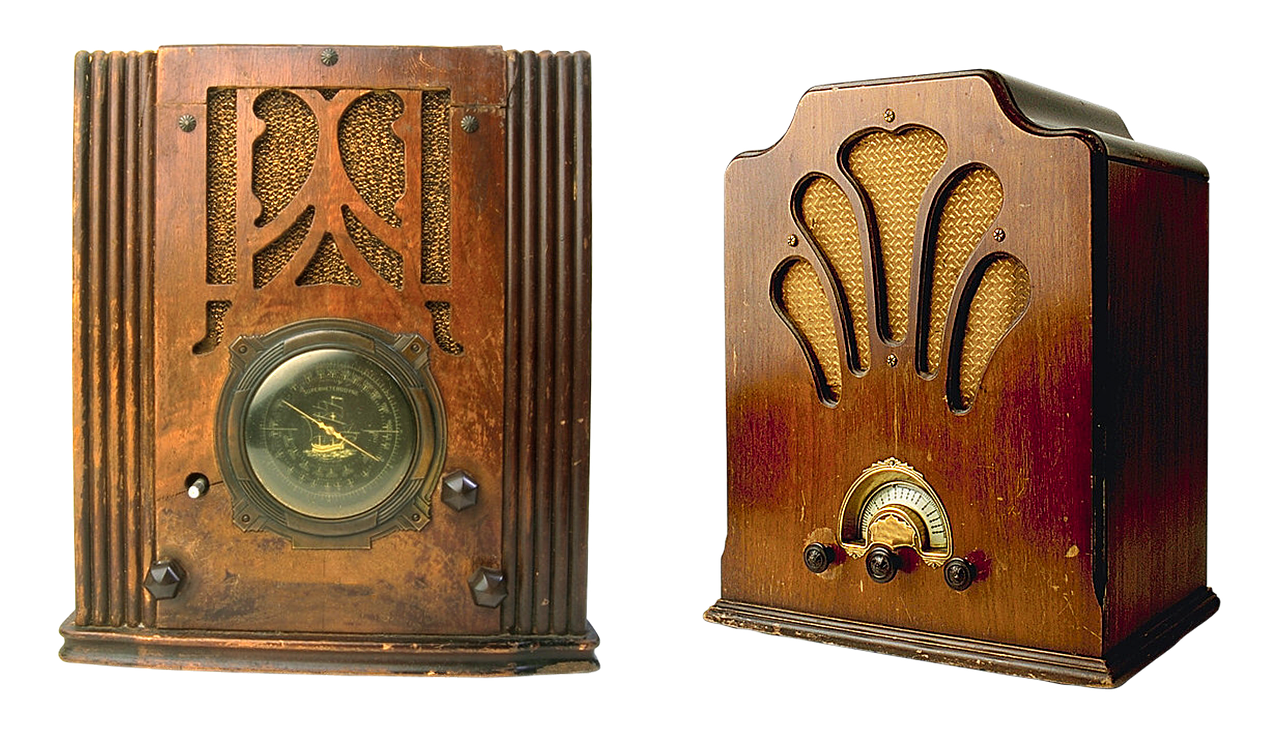
All radios

Hearing voices.
Photo courtesy of Pixabay.com

How many types of auditory hallucinations are there?

Hearing voices or sounds that no one else hears occurs in people both with and without a diagnosable mental illness. Originally this question came in from a reader who asked about types of voices. What that reader was asking about was, voices that speak in the first, second, or third person, a very different discussion from what we are talking about here. Their question got me thinking that all those things that get referred to as “auditory hallucinations” can be quite different experiences.

Since these auditory events can vary so much it may be useful to consider some types of auditory hallucinations, “hearing voices” as the auditory hallucinations are often referred to, and we can see just how different these auditory hallucinations might be. Some of these events are easily explained and other sound events are reasons to suspect a long-term mental illness is present.

Some “voices” are misinterpreted sounds.

Hearing voices or other sounds and then finding out that others did not hear what you heard, happens more often than most people realize. At several times in the human lifespan, this is so common that it appears normal. In children and adolescents and then again among the elderly these auditory hallucinations type “hearing voices” are common enough that we are inclined to think this is a normal developmental event.

Mistaking one sound for another is a type of auditory hallucination.

Say you are sitting at a table eating lunch and then you think you hear someone calling your name. You look around and no one is there. Leaving out religious or supernatural interpretations here, you have just had an “auditory hallucination.”  If you hear an indistinct sound, your brain is likely to interpret this sound as something familiar, like your own name.

We have limited information on what these auditory hallucinations are like.

Auditory hallucinations are very individual experiences. Since part of the definition of auditory hallucinations is that they are heard by one person and not others we have only two sources of information most of the time. We, as in counselors, can rely on the reports of those who hear them or we can have observers who see people they believe are having auditory hallucinations describe how this is affecting the person who presumably is hearing voices. More information is coming in from brain scans but it will be some time before this begins to be widely used for diagnosis.

This more “objective” evidence of auditory hallucinations based on professional’s observations is subjective and involves a lot of guesswork and inferences. Clinicians may refer to a client as “internally preoccupied” and the presumption is that the client is listening to voices but they may also be lost in thought or because of concussions or dementia be unable to think coherently.

The experience of having an auditory hallucination has many personal features. The voice can vary in frequency from one time only to constant running commentary that never stops. Voices or other sounds can vary in intensity. Some voices are louder than others. Those hearing voices report varying degrees of ability to control the voices.

A person hearing voices may develop unique or special relationships with the voices for good or bad. Young children, especially those who have been under stress or traumatized, can begin to hear voices.

Here are some of the possible auditory hallucinations that have been reported by both clinical and non-clinical populations. Auditory hallucinations have been described in many ways and this list is far from inclusive.

Hearing hums or rhythmic sounds.

People who later develop distinct voices sometimes have told me that the “voices” began as indistinct humming or tapping sounds. For some people, this progresses and for others, it does not. Hearing issues, tinnitus, and hearing loss have similar symptoms.

Non-word sounds are more commonly heard by seniors, which does not automatically mean they are developing a psychotic condition. One research study I read recently reported that an imbalance in hearing between the two ears increases the risk that sounds will be miss-attributed. This is more pronounced if the left ear has less hearing ability than the right.

For this reason and a bunch of others, seniors are getting prescribed a lot of sedating antipsychotic medication.

Mumbling, whispers, or indistinct conversations or laughter.

Clients whose auditory hallucinations went on to become distinct voices have told me that in the early stages this was more like whispering or several people talking at once. Over time the voices are likely to get more distinct and clearer.

Positive voice or voices.

This kind of voice may be a departed relative or friend, guardian angel, or other spiritual force offering you encouragement. Clients have reported that they hear their grandfather, grandmother, or other relative telling them they can do something.

This coincides with research that reports hearing voices does not appear to make you mentally ill or worsen an existing mental illness if you take the voices to be positive things. Your beliefs about hearing voices determine how much it will bother you when you do hear those voices (Hill, et. al., 2012)

A recognizable person who is known to the client.

Young children especially those who have been under stress or traumatized can begin to hear voices. These voices are often someone who has been negative, criticizing, or even abusive. These kinds of voices may well be more a matter of memory failure, not being able to remember who said this to you in the past, than a current auditory hallucination.

A single unknown voice.

These voices do not appear to be anyone the person recognizes having heard in the past. This voice may be good, bad, or may vary over time. What this voice says and how the person hearing it interprets this experience is important in how it will affect them.

Male only or female-only voices.

This may be a part of a single voice as above or multiple voices described next. Sometimes this connects to a specific life experience and sometimes not. Freudian psychoanalysts can have a field day with these kinds of voices.

Multiple voices speaking at the same time or taking turns.

These voices may be talking to each other or they may be talking to the hearer. What they are talking about is sometimes significant. With this one and most of the ones to follow medication is highly indicated if it has not been tried yet.

A malevolent threatening voice.

This is a bad sign. Especially if the person hearing this voice has lost the ability to shut the voice up.

God or religious figure can talk to you.

Some people find this comforting, others think the devil is in their head and freak out.

Voices from inside the head.

It has been suggested this is the result of an “attribution” error. If you lose track of when you are having internal thoughts and your own thoughts begin to sound like voices this is a problem.

Voices from outside the head.

More problematic, less likely the person hearing these voices will accept that these are their own thoughts or misinterpretations of sounds.

Voices that are only heard in certain situations.

Some people only hear voices when they are very depressed or when they are very anxious. These can be their own depression and anxiety taking on the role of speaking to them or we might interpret this as problems with the brain as a result of a deficit in a neurotransmitter. Treat the depression and these kinds of voices usually go away.

Voices giving commands – command hallucinations.

This is very worrisome to me. How can the person who hears the voices all the time resist these commands? Anyone having command hallucinations, even potentially good commands, needs treatment. If the voices never stop, people will act on the voices, sometimes giving in and sometimes self-harming just to get the voices to shut up.

Voice is part of re-experiencing a past event.

Sometimes voices are the result of re-experiencing the past. An abuser said bad things about you and you remember their voice calling you names. But then again I tell my students that when they take licensing exams I hope they will remember my voice telling them the answers. A good teacher hopes their student will take their voice with them. Bad teachers find the student can’t get that critical voice out of their head.

Hearing voices is not always a bad thing.

I should also mention that not everyone agrees that hearing voices, is a bad nor an abnormal event. Take a look at some of the things that the Hearing Voices Movement has to say about their perspective on hearing voices.

If you have experienced voices or have talked with someone who does feel free to comment. I will get to the comments as quickly as I can and this time of year that may take a while but rest assured eventually I will respond to your comments.

Staying connected with David Joel Miller

Seven David Joel Miller Books are available now!

My newest book is now available. It was my opportunity to try on a new genre. I’ve been working on this book for several years, but now seem like the right time to publish it.

Story Bureau.

Story Bureau is a thrilling Dystopian Post-Apocalyptic adventure in the Surviving the Apocalypse series.

Baldwin struggles to survive life in a post-apocalyptic world where the government controls everything.

As society collapses and his family gets plunged into poverty, Baldwin takes a job in the capital city, working for a government agency called the Story Bureau. He discovers the Story Bureau is not a benign news outlet but a sinister government plot to manipulate society.

Bumps on the Road of Life. Whether you struggle with anxiety, depression, low motivation, or addiction, you can recover. Bumps on the Road of Life is the story of how people get off track and how to get your life out of the ditch.

Dark Family Secrets: Doris wants to get her life back, but small-town prejudice could shatter her dreams.

Casino Robbery Arthur Mitchell escapes the trauma of watching his girlfriend die. But the killers know he’s a witness and want him dead.

Planned Accidents  The second Arthur Mitchell and Plutus mystery.

Letters from the Dead: The third in the Arthur Mitchell mystery series.

What would you do if you found a letter to a detective describing a crime and you knew the writer and detective were dead, and you could be next?

Sasquatch. Three things about us, you should know. One, we have seen the past. Two, we’re trapped there. Three, I don’t know if we’ll ever get back to our own time.

For these and my upcoming books; please visit my Author Page – David Joel Miller

Want the latest blog posts as they publish? Subscribe to this blog.

For videos, see: Counselorssoapbox YouTube Video Channel

Majority of mentally ill do not get treatment.

By David Joel Miller, MS, Licensed Therapist & Licensed Counselor.

Mental Health or Mental Illness

Mental Health or Mental Illness?
Photo courtesy of Pixabay.com

Why is it so hard for the mentally ill and the addicted to get treatment?

Worldwide there is a growing awareness that untreated illness is one of the major problems of our time. There are demonstrable connections between our other major issues and mental illness. Wars and violence are an everyday staple in the news. The trauma and the impact of Post-traumatic Stress Disorder get scant mention and are easily forgotten. Global environmental problems affect physical and mental health.

The heaviest users of physical health services, that 5 percent of the population on which we spend fifty percent of our health budget. The majority of them have either a mental health issue or a substance use disorder. More productivity, measured in days of work missed, is lost due to depression than most of the serious illnesses combined. Why then is it so difficult for those who need treatment for a mental or behavioral disorder to get treatment?

The majority of the mentally ill do not get treatment.

Fifty-five percent of the mentally ill receive no treatment. The statistics for those with a substance use disorder are even worse. Since 2013 the rate of treatment has risen, slightly. But the continuing reality is that majority of mentally ill people do not get treatment.

Every time there is a high-profile violent event, the news asks if that person has a history of mental illness. Even when they have been identified as a mentally ill person the odds are less than fifty-fifty that they were able to access treatment.

People who voluntarily come in for treatment most of the time are those who have depression and they realize they need help. If they are planning on killing themselves or others they may get easier access to the mental health system. If their symptoms are less severe they may be told they are not seriously enough mentally ill to get treated just now. Wait till you begin feeling like killing someone and then call again.

Cost, capacity, and cognitions are keeping people out of treatment.

The cost of treatment has been a major barrier to getting mental health up until now. The expansion of healthcare availability has given a few more people access to behavioral health treatment. Even when someone realizes that they need help their fears about the cost may keep them out of treatment. It is not just direct costs, doctor fees, medications the price of counseling, which is a problem. Some people have copays. There are also travel costs and problems in eating away from home.

The parity provisions in the current law were intended to make sure that behavioral health benefits were just as available as physical health ones. Accessing behavioral health services continue to be a challenge for both client and providers.

Recent surveys tell us that we have at best half the number of therapists that are needed to see the number of people who need services. The result of this imbalance between supply and demand is that there are long waits for services and people who really do need help may get turned away.

Mental illness gets in the way of getting treated.

People with anxiety get nervous around others. They cope by avoiding people. In treatment, they are often too scared to wait in crowded lobbies. They miss appointments and then get dropped for noncompliance. Distance or telemedicine is one possible solution but there are still issues about who can do this and when or if insurance will pay if you just talk with this client by phone or internet.

A symptom of depression is a loss of motivation. Severely depressed people do not have the energy to show up some days. Being symptomatic can get you turned away from treatment.

Drug and alcohol issues get almost no treatment.

Less than 12 percent of those with substance use disorders are getting treatment. Those who do are most frequently referred, mandated, to treatment by the courts or criminal justice system. The days of 28-day inpatient rehabs are largely gone, most insurers want the person using substances to stay in the place where they formerly used a substance and try to get clean there.

Most drug and alcohol treatment is done in outpatient treatment settings. Despite parity laws, it has been increasingly difficult to get insurance to pay for treatment. While we are making some progress at getting a few more of the mentally ill into treatment the percentages of those with a substance use disorder has not changed significantly in recent years.

Among those who really need treatment but don’t get it, a major barrier to treatment is the addict/alcoholics’ own thinking. Most would like to find a way to continue using or drinking and still not be addicted or an alcoholic. Admitting you have an illness, especially the one called addiction is a hard notion for most people to swallow.

More info on the low treatment rates of behavioral health problems can be found at the SAMHSA website.

Staying connected with David Joel Miller

Seven David Joel Miller Books are available now!

My newest book is now available. It was my opportunity to try on a new genre. I’ve been working on this book for several years, but now seem like the right time to publish it.

Story Bureau.

Story Bureau is a thrilling Dystopian Post-Apocalyptic adventure in the Surviving the Apocalypse series.

Baldwin struggles to survive life in a post-apocalyptic world where the government controls everything.

As society collapses and his family gets plunged into poverty, Baldwin takes a job in the capital city, working for a government agency called the Story Bureau. He discovers the Story Bureau is not a benign news outlet but a sinister government plot to manipulate society.

Bumps on the Road of Life. Whether you struggle with anxiety, depression, low motivation, or addiction, you can recover. Bumps on the Road of Life is the story of how people get off track and how to get your life out of the ditch.

Dark Family Secrets: Doris wants to get her life back, but small-town prejudice could shatter her dreams.

Casino Robbery Arthur Mitchell escapes the trauma of watching his girlfriend die. But the killers know he’s a witness and want him dead.

Planned Accidents  The second Arthur Mitchell and Plutus mystery.

Letters from the Dead: The third in the Arthur Mitchell mystery series.

What would you do if you found a letter to a detective describing a crime and you knew the writer and detective were dead, and you could be next?

Sasquatch. Three things about us, you should know. One, we have seen the past. Two, we’re trapped there. Three, I don’t know if we’ll ever get back to our own time.

For these and my upcoming books; please visit my Author Page – David Joel Miller

Want the latest blog posts as they publish? Subscribe to this blog.

For videos, see: Counselorssoapbox YouTube Video Channel

What causes mental illness?

By David Joel Miller, MS, Licensed Therapist & Licensed Counselor.

Could you be mentally ill?

What Causes Mental Illness?

If we find the cause of mental illness can we cure it?

Mental illness is costing us a lot more than most people realize.

Turns out that mental illness, untreated, undertreated, or treated in ways that are not working are costing us a lot more than most of us realize. Cases of violent behavior are an almost daily part of our news media’s presentation. When a tragedy strikes the first question is almost always about the mental health status of the perpetrator of violence. If we could spot the mentally ill and treat them shouldn’t we, society, and the professionals, be able to prevent this violence? Let’s set aside for the moment the uncomfortable truth that the mentally ill are more likely to be victims than perpetrators of violence.

Besides the human cost, mental illness is costing us a ton of money.

When we look at the cost to the economy of disabilities, the largest of all disabilities, as measured by days of work lost, that major disability is Major Depressive Disorder.

Mental illness is the major factor driving up health care costs.

In the discussion of what health care is costing us and how we pay for this ever-increasing cost, the role of mental illness is often overlooked.

Five percent of patients account for HALF of all medical spending. What do those patients have in common? These super heavy users of medical services are not heart patients, not cancer patients, not even diabetes patients, though they may have one, two, or all three of those diseases. The majority of super-heavy users have mental illness, substance use disorders and often they have both of these.

What are these things we are calling mental illnesses?

Over time professionals from a number of different professions have attempted to identify and categorize these things we call mental and emotional illnesses. The professions do not always agree and there are varying lists of just what should be diagnosed as an illness. Two lists are commonly in current use. The DSM (from the American Psychiatric Association) in the United States and the International Classification of Diseases from the World Health Organization. While these two lists are moving closer together there is still not an exact one-to-one correspondence between them.

Most of the things we are calling mental illnesses are in fact “syndromes” groups of people who have symptoms similar enough that they get lumped together even if their conditions are not exactly the same.

Take Depression for example.

We all sort of know what depression is like. If that sadness lasts for more than two weeks and there are changes in sleep and appetite then we start looking for depression. Some people eat more and sleep more like the bear hibernating for winter. Other people can’t sleep, are agitated, pacing around and they lose their appetite. We might think that both are “depressed” but the part of the brain involved may be very different. We also know that the reasons people become depressed can be very different. We can’t be sure that all the people we are calling depressed really have the same disease. So just how many different things can be the “cause” Of depression?

Most of these “disorders” are diagnosed by using checklists of symptoms. We run down the list, you have 5 of 8 symptoms and you get the diagnosis. Cross one of these off and add a different one and you get a different disorder. Before we can be really sure about causes we would need to be reasonably certain that we are looking at the same disorder in all those cases.

Spectrum Disorders may have many causes.

Since these things we are calling mental illness vary in their presentation from one person to another, we needed to create more and more disorders. No two people are exactly alike so in theory, we could end up with one unique mental illness for each and every person on earth.

The other option was to think of these things as “spectrums” that range from mild to severe.  One person could have one symptom and another might have three. But this raises the question if Bob has symptoms 1 and 3 and Mary has symptoms 1 and 4 do they have the same disease? You mathematician types will see that there is a very large number of possible combinations of symptoms that someone might have, not even considering the possible severity of each symptom. Different combinations of symptoms and symptom severities could have different causes.

What is causing these mental illnesses?

Lots of things have been postulated as causes for mental illnesses. The “chemical imbalance” theory has been especially popular. Unfortunately, this idea has not been especially helpful in either diagnosing or treating mental illness. If we could find one specific cause of an illness, depression for example, then we should be able to test and treat people for this illness reliably.

Turns out there are two groups of things that are implicated as causes of mental illnesses. The causes from way back when called distant or distal causes and the recent causes, that just happened which are often called close or proximal causes.

Distant causes of mental illness.

The distant cause of mental illness are things like genetics, or childhood trauma, abuse, and neglect. Inheriting certain genes would up your risk of getting schizophrenia or having an episode of depression. So far this has not worked exactly. Some disorders, schizophrenia and Autism spectrum, for example, have over a hundred different genes that increase the risk of getting this disorder but an increased risk does not guarantee you will get it. Two siblings, twins may both inherit the gene, but one gets a disorder and the other does not.

Other distant things can also increase the risk of getting a mental illness, exposure to drugs or alcohol in the womb, early childhood experiences, abuse, neglect, and just the stress of living.

Today’s, proximal, causes of mental illness.

Most mental illnesses get diagnosed because there has been a sudden change in functioning. Often this is the direct result of a recent life event. People get divorced or they lose their job. As a result of these events, they become depressed. Maybe it is the result of a death in the family or living through a traumatic event.

Many “first breaks” or episodes of a mental illness occur as the body changes in puberty or when someone leaves home for the first time and attends college. Substance use, drug experimentation can also precipitate the occurrence of a mental or emotional issue. All sorts of life events can cause someone to develop symptoms for the first time.

How can we treat mental illness if we don’t know what causes it?

Current treatments for mental illness are a lot more hit and miss than we would wish. Given a diagnosis and a medication on average one-third of people receiving that medication will get better and two-thirds will not improve. This partially explains why doctors often need to change meds and or add a second medication.

Psychotherapy fares only slightly better. Given any particular type of therapy, assuming it is done reasonably well, about half the people get better and the other half do not. Over time therapists may change the therapy they are doing with a client. If what they have been doing is not helping, and the client may need to change therapists also.

The conclusion.

At this point is history there is a lot more that can be done to help someone with a mental illness than ever before. None of this is anywhere near an exact science. We can spot risk factors for some people some of the time but risk does not mean you will get it. Meds or therapy can be helpful but there are no guarantees on either for all people all the time.

Regardless of what has caused a mental or emotional illness remember that treatment has helped millions of people overcome their issues and live meaningful, productive lives.

For more on this topic take a look at the article by Tom Insel’s (former director of the National Institute of Mental Health.)  Director’s Blog: What Caused This to Happen? – Part 2  where he talks about the causes of mental illnesses and what we know about them.

You might also want to check out the piece that Jonathan Roiser wrote for the British Psychological Society titled “What has neuroscience ever done for us?”

Staying connected with David Joel Miller

Seven David Joel Miller Books are available now!

My newest book is now available. It was my opportunity to try on a new genre. I’ve been working on this book for several years, but now seem like the right time to publish it.

Story Bureau.

Story Bureau is a thrilling Dystopian Post-Apocalyptic adventure in the Surviving the Apocalypse series.

Baldwin struggles to survive life in a post-apocalyptic world where the government controls everything.

As society collapses and his family gets plunged into poverty, Baldwin takes a job in the capital city, working for a government agency called the Story Bureau. He discovers the Story Bureau is not a benign news outlet but a sinister government plot to manipulate society.

Bumps on the Road of Life. Whether you struggle with anxiety, depression, low motivation, or addiction, you can recover. Bumps on the Road of Life is the story of how people get off track and how to get your life out of the ditch.

Dark Family Secrets: Doris wants to get her life back, but small-town prejudice could shatter her dreams.

Casino Robbery Arthur Mitchell escapes the trauma of watching his girlfriend die. But the killers know he’s a witness and want him dead.

Planned Accidents  The second Arthur Mitchell and Plutus mystery.

Letters from the Dead: The third in the Arthur Mitchell mystery series.

What would you do if you found a letter to a detective describing a crime and you knew the writer and detective were dead, and you could be next?

Sasquatch. Three things about us, you should know. One, we have seen the past. Two, we’re trapped there. Three, I don’t know if we’ll ever get back to our own time.

For these and my upcoming books; please visit my Author Page – David Joel Miller

Want the latest blog posts as they publish? Subscribe to this blog.

For videos, see: Counselorssoapbox YouTube Video Channel

How much baggage are you carrying?

By David Joel Miller, MS, Licensed Therapist & Licensed Counselor.

Baggage

Baggage.
Photo courtesy of Pixabay.com

You don’t realize how much stuff you are carrying until you empty that bag out.

So much emotional baggage around these days. Most of the time when we say baggage, people think about past relationships and the scars left from those relationships. When you reach the point you are ready to move on in your life you might be amazed at all the emotional baggage you have stored away in your cupboards.

If you have reached the time of starting over in life, of reinventing yourself, here are some types of baggage you may need to go through and see what you can dispose of. That extra baggage can weigh you down badly and keep you from ever reaching the happy, recovered life you deserve.

Some people find they can dispose of this unwanted baggage all by themselves. They use acceptance, radical acceptance even, to get rid of unwanted emotional luggage. Other people find that it helps to get professional help. For a house, you might need the help of a cleaning crew or an exterminator. For emotional things consider getting help from a counselor or therapist. Here are a few of the things that people have found they needed to get rid of if they wanted to move on in their lives.

Childhood hurts that keep you from moving forward.

One serious form of emotional baggage that brings people to therapy, or should anyway, is those hurts from childhood or early adulthood that you can’t seem to let go of. If someone let you down, or they were not capable of meeting your needs back then you need to find ways to make sense of this and stop demanding that somehow the past needs to change for you to be able to be happy in the future.

One reason that childhood hurts can linger on is that we learned those pains from the child’s perspective. Now that you are grown you need to take another look at those life lessons and see if you want to reexamine the meaning of things that happened or didn’t happen way back when.

Some of you have life blueprints you learned way back when that are not suited for a happy adult life.

Negative self-beliefs are terrible burdens.

If you have negative beliefs about yourself, that you are not good enough or don’t deserve something, those will drag at you and keep you stuck in place.

We used to talk about self-esteem a lot. There are plenty of ways to boost your self-esteem. One primary way is to do more things you can be proud of.

Other ways to avoid the trap of negative self-beliefs are to work hard on self-acceptance. However, you are is acceptable. Cut out that constant self-evaluation, stop rating yourself, and move on with life.

A counselor can help you with this, so can self-help books and positive affirmations.

Failed relationships don’t have to hold you back.

If you look at relationships that are no more and see them as failures, then you lose the lessons you needed to have learned. Process this experience with someone trustworthy and then see how much of that pain and suffering you are ready to let go of.

People come into and out of your life, for better or worse. That one relationship ended does not mean another cannot be. What you need to do is take a look at that past relationship. See what you can learn from it and see how it has made you who you are. From that vantage, you can decide where you want to go.

What you need to avoid is thinking that everything that went wrong was someone’s fault. Learn from the experience. Why did you pick them? What should you be looking for in the future?

Self-doubts are like a chain holding you back.

Stop doubting yourself. You are who you are. You need to try. You will accomplish some things and others will not happen for you. The only way to avoid failure would be to never try and that is the worst form of failure. Pick goals carefully and then aim high.

For a more fulfilling life let go of those doubts. No one knows how the game of life will turn out until it is over. Don’t let ruminating about what might happen to keep you from living in the present.

Unfinished business keeps you looking back over your shoulder.

It is hard to drive looking back over your shoulder. You can’t get on in life if your primary focus is on the past. Shift those experiences into memory and use the major part of your brain to keep your eyes on the present and the future.

Have unfinished business? Finish it! Write a letter to the past and then destroy it. Apologize or make amends. Please do not say that you can’t move on until someone else does something. Do your part to solve things and let the past go. Sometimes the only way to finish that unfinished business is to accept that what happened is the whole story and stop insisting that there should be another ending. Write “the end” and find your peace.

Addictions and bad habits own you.

If you have an addiction work on ending it. Bad habits will continue to hold you back until you toss them. Overcoming an addiction is not easy, but it has been done over and over. Look for help. Get support from a community of others that are seeking recovery and you will find that letting go of an addiction is the greatest achievement you can have.

Having gone through that baggage and tossed the things that are holding you back you will be ready to move on to the best possible future.

Staying connected with David Joel Miller

Seven David Joel Miller Books are available now!

My newest book is now available. It was my opportunity to try on a new genre. I’ve been working on this book for several years, but now seem like the right time to publish it.

Story Bureau.

Story Bureau is a thrilling Dystopian Post-Apocalyptic adventure in the Surviving the Apocalypse series.

Baldwin struggles to survive life in a post-apocalyptic world where the government controls everything.

As society collapses and his family gets plunged into poverty, Baldwin takes a job in the capital city, working for a government agency called the Story Bureau. He discovers the Story Bureau is not a benign news outlet but a sinister government plot to manipulate society.

Bumps on the Road of Life. Whether you struggle with anxiety, depression, low motivation, or addiction, you can recover. Bumps on the Road of Life is the story of how people get off track and how to get your life out of the ditch.

Dark Family Secrets: Doris wants to get her life back, but small-town prejudice could shatter her dreams.

Casino Robbery Arthur Mitchell escapes the trauma of watching his girlfriend die. But the killers know he’s a witness and want him dead.

Planned Accidents  The second Arthur Mitchell and Plutus mystery.

Letters from the Dead: The third in the Arthur Mitchell mystery series.

What would you do if you found a letter to a detective describing a crime and you knew the writer and detective were dead, and you could be next?

Sasquatch. Three things about us, you should know. One, we have seen the past. Two, we’re trapped there. Three, I don’t know if we’ll ever get back to our own time.

For these and my upcoming books; please visit my Author Page – David Joel Miller

Want the latest blog posts as they publish? Subscribe to this blog.

For videos, see: Counselorssoapbox YouTube Video Channel