
Middle class and starving to death in America – An Eating Disorder called Anorexia

By David Joel Miller, MS, Licensed Therapist & Licensed Counselor.

Unhealthy food

Unhealthy relationship with food.
Photo courtesy of Pixabay

Anorexia is a killer.

We know Anorexia Nervosa, Anorexia for short, is out there. This eating disorder can be a fatal disease. Most of us can name a famous celebrity or two who suffered and died as a result of Anorexia. But when someone we know, someone in our family develops Anorexia we are likely to look the other way until it is too late.

Anorexia Nervosa, along with Bulimia and Eating Disorder Not Otherwise Specified, mostly binge eating without an effort to lose the weight, these are the three currently recognized eating disorders. There are many misconceptions about Anorexia.

Anorexia is not dieting gone too far. Anorexia’s most recognizable feature is a refusal to maintain normal body weight. It is a distortion in the way the person sees themselves. The person with Anorexia sits in front of me. It is hard for me to look at them. The bones are visible and they look like a skeleton walking. They hid this from people for a long time with baggy clothes, strange secretive eating habits, or other devices.

Anorexia is not a loss of appetite. Even in the presence of extreme hunger, someone with Anorexia will refuse to eat.

I ask the person with Anorexia what she thinks of her weight. She says she needs to lose some weight, she is getting fat. I ask how much weight, she tells me five maybe ten pounds.  If I were to show her the mirror, let her see the bones sticking out, would that change her mind? Not likely. People with Anorexia even when confronted with a look at the bones that stick out will still insist they are too fat; they need to lose more weight. The problem is not in the diet but in the mind. The image in the mirror looks fat to them.

It is not about a lack of interest in food. Many with Anorexia watch cooking shows, own recipe books, and even hoard food. In the early stages, they may develop odd picky eating preferences and habits. Some appear to have Obsessive Compulsive Disorder when it involves food, weight, and dieting. They may refuse to eat in public and insist on taking their food to their rooms. They may have a strong perfectionist inclination.

They know the ingredients in the foods and can tell you more about the nutritional values than most dietitians, only they refuse to eat until they damage some organs. Sometimes the dieting and the other behaviors continue until death.

You don’t see a lot of Anorexia in poor families. It is more likely among the middle class and the rich. All the resources in the richest country on earth and still they starve – on purpose.

The thing that matters most to the anorexic is not the food – it is the control. They may have no control in any other area of their life but you can’t make them eat. Force feed them and they will vomit. The ways a person with Anorexia may reduce their weight are varied and imaginative. They may restrict, purge, use laxatives, or exercise to the extreme.

Anorexia doesn’t just cost weight. It affects a person’s overall psychical health, their psychology, and their social life.

Anorexia is most often not a stand-alone disorder. It like the other eating disorders, Bulimia and Binge Eating, frequently co-occur with anxiety and depression.

Besides the low weight, how can you tell if it is Anorexia and not just a dedicated dieter?

Someone with Anorexia will weigh less than 85% of what is considered normal for their height and age. They become extremely fearful of gaining any weight even when they know that they are thinner than their peers.

In women, they will have missed three or more menstrual cycles.

Someone with Anorexia sees their extremely low weight as a great achievement rather than a life-threatening illness.

Anorexia is not a phase teenagers go through even though many first develop the symptoms in their teen years. It is a life-threatening illness. Without treatment, it is highly unlikely to go away and is very likely to get worse until eventually it impairs health and may result in death.

Dieting is not the only way someone with Anorexia might control their weight. Some people binge eat and then purge, they may develop a ritual around their efforts to vomit and undo the binge eating. Those with Anorexia who binge and purge are more likely to develop other impulse control problems; they may abuse drugs and alcohol and engage in excessive, risky sex. Those who binge and purge are more likely to attempt suicide.

Anorexia Nervosa affects about one in two hundred people. Lots more cases come close but don’t get diagnosed because they don’t get below 85 % of normal weight measures. Most clients with Anorexia are female and this disorder most often starts in the early to middle teenage years, but not always.

Most any clinician can recognize and diagnose Anorexia but very few are willing to treat this condition. Even psychiatric hospitals are likely to refuse clients with Anorexia because of the high risk of permanent medical problems or death. There are effective techniques for treating Anorexia but they are specialized and often treatment occurs at treatment facilities that specialize in eating disorders.

Anorexia is a dangerous sometimes fatal condition. If you or someone you know has signs of this disorder please seek professional help before it is too late.

Other posts about eating disorders and the new DSM-V proposals will be found at:

Binge Eating Disorder – the other side of Anorexia and Bulimia 

Middle class and starving to death in America – An Eating Disorder called Anorexia

Love-Hate Relationship with food – Bulimia Nervosa

Eating Disorders and Substance abuse  

Avoidant Restrictive Food Intake Disorder

Staying connected with David Joel Miller

Seven David Joel Miller Books are available now!

My newest book is now available. It was my opportunity to try on a new genre. I’ve been working on this book for several years, but now seem like the right time to publish it.

Story Bureau.

Story Bureau is a thrilling Dystopian Post-Apocalyptic adventure in the Surviving the Apocalypse series.

Baldwin struggles to survive life in a post-apocalyptic world where the government controls everything.

As society collapses and his family gets plunged into poverty, Baldwin takes a job in the capital city, working for a government agency called the Story Bureau. He discovers the Story Bureau is not a benign news outlet but a sinister government plot to manipulate society.

Bumps on the Road of Life. Whether you struggle with anxiety, depression, low motivation, or addiction, you can recover. Bumps on the Road of Life is the story of how people get off track and how to get your life out of the ditch.

Dark Family Secrets: Doris wants to get her life back, but small-town prejudice could shatter her dreams.

Casino Robbery Arthur Mitchell escapes the trauma of watching his girlfriend die. But the killers know he’s a witness and want him dead.

Planned Accidents  The second Arthur Mitchell and Plutus mystery.

Letters from the Dead: The third in the Arthur Mitchell mystery series.

What would you do if you found a letter to a detective describing a crime and you knew the writer and detective were dead, and you could be next?

Sasquatch. Three things about us, you should know. One, we have seen the past. Two, we’re trapped there. Three, I don’t know if we’ll ever get back to our own time.

For these and my upcoming books; please visit my Author Page – David Joel Miller

Want the latest blog posts as they publish? Subscribe to this blog.

For videos, see: Counselorssoapbox YouTube Video Channel

Love Hate relationship with food – Bulimia Nervosa.

By David Joel Miller, MS, Licensed Therapist & Licensed Counselor.

Unhealthy relationship with food.
Photo courtesy of pixabay

Bulimia Nervosa a relapsing eating disease.

Bulimia Nervosa is included in the eating disorder category along with Anorexia Nervosa but it is very different from the other eating disorders. Anorexia progresses like a vice, starving the sufferer until their weight reaches a critical potentially fatal low. Bulimia runs its course in episodes of extreme eating and efforts to undo the overeating and lose the weight until it finally does its damage.

If you didn’t hear the person with Bulimia talking about food, should you only hear the emotional component, it would be hard to distinguish Bulimia from the binge drinking form of alcoholism.

Episodes of binging and the resulting guilt can be triggered by many of the same things that trigger addictive binges. Poor relationships and conflicts with others, the feeling of deprivation from excessively strict diets, or feeling out of control all can trigger the binges.

Binge eaters describe these overwhelming obsessive-compulsive urges as emotional eating. Emotional eaters who do not purge develop Binge Eating Disorder. Those who start compensating develop Bulimia.

Most people who develop Bulimia start off at normal or even a little overweight. They are likely to be a little older than the beginning person with Anorexia, perhaps late teens or even early twenties. There may be a period of moderate to strict dieting before the Bulimia strikes.

When they diet they have increasingly intense urges to eat. The tension continues to grow until the individual can’t stand it any longer, then like the alcoholic, the binge is on. At this point, the “just don’t think about it” approach does not work and may make things worse. In a previous post “Don’t think about Elephants.”   I described why the “just not thinking about things” approach does not work and what else can be done in this circumstance.

Binge drinking is defined as 4-5 drinks on a single drinking occasion, enough to get intoxicated. Binge eating is described as eating far more than a normal person during a single food intake episode lasting two hours or less. Bulimics crave food and then when they give in and eat it is not a little, but a lot of food consumed in a short amount of time. This overconsumption results in guilt and regret.

These episodes increase in frequency. Typically the person with Bulimia will have two or more episodes of loss of control, binge eating, and then efforts to purge the food every week for at least three months. The guilt over the episode increases the risk they will binge again.

Often the food of choice is ice cream or cake though no one food type is the choice of all people with Bulimia. They will eat until they reach the over-full point, become uncomfortable, or even painfully full.

The Bulimic then tries to undo the excess calories by deliberate vomiting or other compensatory behaviors. This is not a disease of gradual overeating and excess weight gain. Bulimia may result in sudden swings in weight, both increases, and decreases. The damage comes not from the weight gain or loss but from the radical behaviors used to undo the binge episode.

The emphasis is on the person’s use of “inappropriate” methods to undo the overeating. Someone with Bulimia may vomit so often that the enamel in the teeth is destroyed. They may develop calluses on the knuckles from repeated efforts to force the vomiting.

There can be damage to the throat and esophagus. A great many medical problems develop over time but may go unnoticed as the person’s weight swings up and down rather than moving to an extreme.

Bulimia is more common than Anorexia with up to three percent of women developing Bulimia during their lifetime.

These episodes of binge eating and the resulting efforts to undo the overeating are generally done in secret. The sufferer tries to be inconspicuous and may withdraw from family and friends damaging their relationships.

Self-esteem for the person with Bulimia is dependent on body shape and weight. They often develop intense depression after a period of bingeing and purging. Some have undiagnosed depression before the Bulimia, but Bulimia can also cause depression and anxiety.

Bulimia Nervosa like Anorexia Nervosa is treatable but both require specialized treatment by someone knowledgeable and experienced in treating eating disorders.

Bulimia is not associated with a high risk of suicide or death from medical complications, though some who have suffered from Bulimia can become severely depressed and have thoughts of self-harm.

Bulimia Nervosa is an illness not a case of vain or selfish behavior. If you want to be helpful to someone with this disorder listen to what they have to say in an open and non-judgmental way.

If you have Bulimia, get help now. If you know someone who has this problem encourage them to seek professional help.

Other posts about eating disorders and the new DSM-V proposals will be found at:

Binge Eating Disorder – the other side of Anorexia and Bulimia 

Middle class and starving to death in America – An Eating Disorder called Anorexia

Love Hate relationship with food – Bulimia Nervosa

Eating Disorders and Substance abuse  

Avoidant Restrictive Food Intake Disorder

Staying connected with David Joel Miller

Seven David Joel Miller Books are available now!

My newest book is now available. It was my opportunity to try on a new genre. I’ve been working on this book for several years, but now seem like the right time to publish it.

Story Bureau.

Story Bureau is a thrilling Dystopian Post-Apocalyptic adventure in the Surviving the Apocalypse series.

Baldwin struggles to survive life in a post-apocalyptic world where the government controls everything.

As society collapses and his family gets plunged into poverty, Baldwin takes a job in the capital city, working for a government agency called the Story Bureau. He discovers the Story Bureau is not a benign news outlet but a sinister government plot to manipulate society.

Bumps on the Road of Life. Whether you struggle with anxiety, depression, low motivation, or addiction, you can recover. Bumps on the Road of Life is the story of how people get off track and how to get your life out of the ditch.

Dark Family Secrets: Doris wants to get her life back, but small-town prejudice could shatter her dreams.

Casino Robbery Arthur Mitchell escapes the trauma of watching his girlfriend die. But the killers know he’s a witness and want him dead.

Planned Accidents  The second Arthur Mitchell and Plutus mystery.

Letters from the Dead: The third in the Arthur Mitchell mystery series.

What would you do if you found a letter to a detective describing a crime and you knew the writer and detective were dead, and you could be next?

Sasquatch. Three things about us, you should know. One, we have seen the past. Two, we’re trapped there. Three, I don’t know if we’ll ever get back to our own time.

For these and my upcoming books; please visit my Author Page – David Joel Miller

Want the latest blog posts as they publish? Subscribe to this blog.

For videos, see: Counselorssoapbox YouTube Video Channel

Does abuse of seniors and the disabled get reported?

By David Joel Miller, MS, Licensed Therapist & Licensed Counselor.

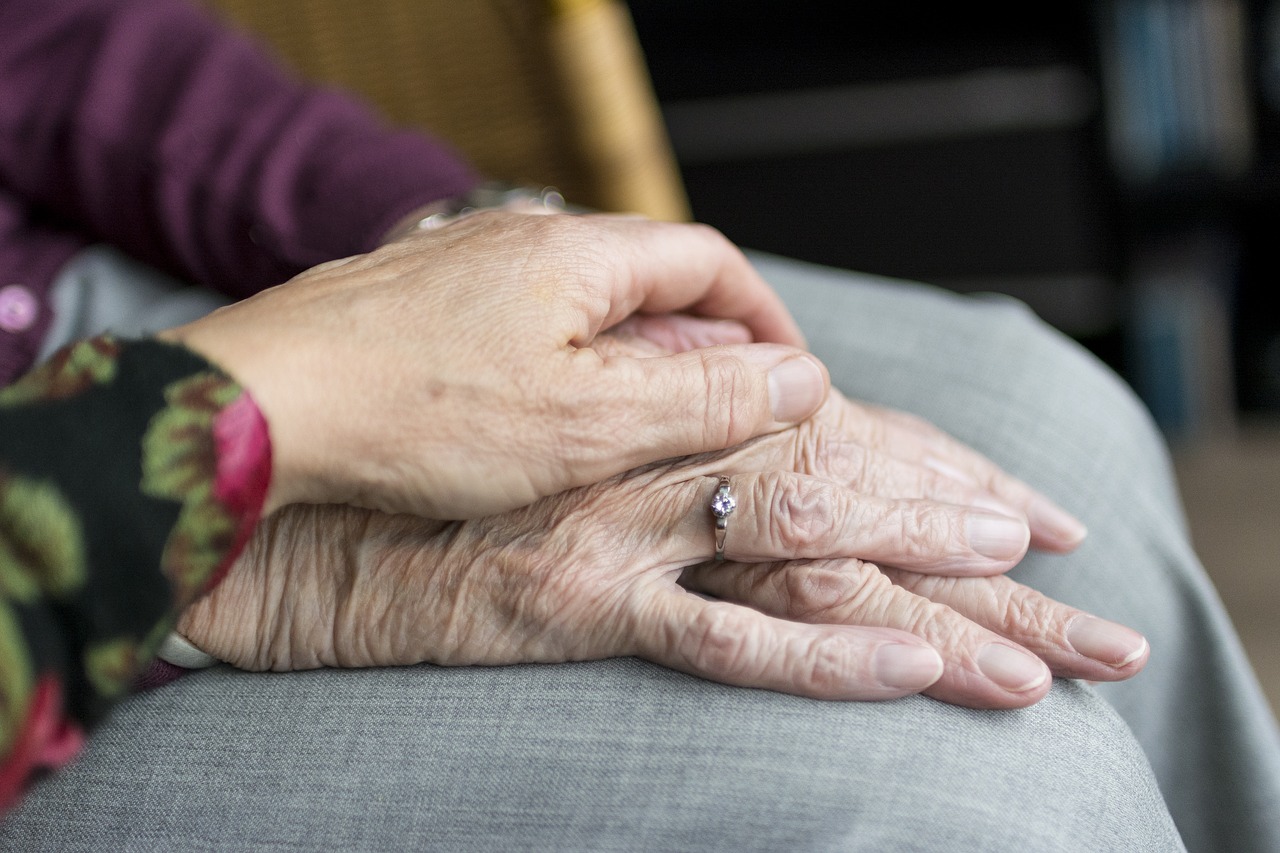
Older people

Elderly couple.
Photo courtesy of Pixabay.com

Reporting abuse of a senior citizen or a disabled person.

Most people are well aware that child abuse and neglect get reported, but reporting abuse of other vulnerable people gets forgotten. This is a legal and an ethical question. For legal advice please consult with a lawyer or your local statue. There are lots of ifs, and’s and exceptions here. I will keep this simple.

From a California LPCC and LMFT’s point of view here are some things to think about. Every two years when we renew our licenses we have to take a refresher course on Law and Ethics, so we stay up to date and don’t forget things we are required to do. Sometimes we need to check out the fine points of the law also.

There are two types of report categories, mandatory and permitted and then there are categories of victims of abuse, children, seniors, and the disabled.

Mandated Reports.

In most places, there are groups of people called “mandated reporters.” These are people who work with a vulnerable group of people, may learn about abuse or neglect, and are required by law and ethical codes to report abuse and neglect.

In California, mental health professionals (LMFT’s LPCC’s, LCSW’s, etc.) are mandated reporters. In short, if we know or should know about some abuse or neglect, we have no choice, we have to make the call and report this.

This does not mean that we go around the neighborhood looking over fences for a crime. Mental health professionals are not the police. We don’t report crimes and as a rule, are required to keep anything the client says confidential EXCEPT that abuse and neglect stuff.

But if while doing therapy, we are told about abuse or neglect we can’t let that go. We have to make this report.

There are some iffy areas here that can vary from place to place and are open to interpretations. Cruelty to animals and domestic violence are deplorable but most of the time this does not trigger mandatory reports. Some agencies would like to expand the number of things we have to report but if the list swells beyond what is absolutely needed it keeps people from coming to their therapist and telling them things that they need help with.

Because we have to make this report and others, we are supposed to inform our clients of the things that we must report. This along with fees and other stuff like that is called “informed consent.” You can’t very well consent if you have not been informed, can you?  Remember in most counseling settings, the abuse gets reported, like it or not and neither you nor the counselor has a choice in this.

Permitted reports.

Any member of the public can report abuse at any time. Permitted reports can be anonymous. The reporting person is supposed to be kept confidential but sometimes people do things they are not supposed to do like tell the person involved who reported them.

My understanding of this is – if I am a mandated reporter, I can’t make an anonymous report. Some of my colleagues have argued with me about this. But the first thing they ask me on the phone is “are you a mandated reporter?” Once I say yes I can’t very well try to make an anonymous report. Besides if I am required to do this I want a record that I did it. It took a lot of work to get these licenses and I want to keep them.

One difference between mandated and permitted reports may be that mandated reporters have lots of protection if they make a report, whether it turns out to be true or not. We don’t investigate people. We report it once and unless we learn more down the road we are done.

People who make Permitted reports get in a lot of trouble for making too many unsubstantiated reports. In divorce cases, there is this temptation to think your ex should never be allowed to see these kids again. He cheated on you, right? Cheating on a spouse is most likely not abuse of the child. If you make daily reports on your ex, pretty soon the authorities stop listening to you and they may even come after you for false reporting.

So the people who might get abused or neglected are Children, the elderly (seniors), and the disabled.

Child abuse and neglect are the most common by far.

Remember abuse is really bad stuff, not just stuff we don’t like such as strict parents. Lots of parents want their 17-year-old daughter’s 18-year-old boyfriend arrested for them having sex. That may be statutory rape, a crime, but it is not generally child sexual abuse. Counselors don’t report crimes they report abuse or neglect, which just happens to be a crime also.

If that 18-year-old boy is having sex with your eleven-year-old daughter that is pretty much child sexual abuse everywhere and that will get reported to the proper authorities in a heartbeat.

Abuse or neglect of Senior citizens and the disabled are also reported.

It is probably a mandated report if you are a mandated reporter. For sure it is here in California. These are classes of people who because of their age or disability cannot fully take care of and or protect themselves. Society steps in to take care of them.

Besides the types of abuse that apply to children, another type of abuse is common when it comes to the elderly and the disabled, financial abuse.

Now some seniors choose to have relatives live with them or give those relatives gifts. But if that other person does not care for the elderly person and bullies them or cheats them out of the money then it may be a crime. It may also be elder or disabled person abuse.

One warning here

Some people come to therapists and tell us tales of people being abused but they don’t want to get involved or make the report. All that second-hand information may not meet the criteria for a “mandated report.”  Calling a therapist to tell them about your suspicions will not help the person. The therapist can’t go out and investigate. If you think someone is being abused, you should be the one making the report.

Hope this helped to get you thinking about the problem of abuse and neglect in our society and the role of the mandated reporter and the possibility that abuse and neglect could include senior citizens and the disabled.

Staying connected with David Joel Miller

Seven David Joel Miller Books are available now!

My newest book is now available. It was my opportunity to try on a new genre. I’ve been working on this book for several years, but now seem like the right time to publish it.

Story Bureau.

Story Bureau is a thrilling Dystopian Post-Apocalyptic adventure in the Surviving the Apocalypse series.

Baldwin struggles to survive life in a post-apocalyptic world where the government controls everything.

As society collapses and his family gets plunged into poverty, Baldwin takes a job in the capital city, working for a government agency called the Story Bureau. He discovers the Story Bureau is not a benign news outlet but a sinister government plot to manipulate society.

Bumps on the Road of Life. Whether you struggle with anxiety, depression, low motivation, or addiction, you can recover. Bumps on the Road of Life is the story of how people get off track and how to get your life out of the ditch.

Dark Family Secrets: Doris wants to get her life back, but small-town prejudice could shatter her dreams.

Casino Robbery Arthur Mitchell escapes the trauma of watching his girlfriend die. But the killers know he’s a witness and want him dead.

Planned Accidents  The second Arthur Mitchell and Plutus mystery.

Letters from the Dead: The third in the Arthur Mitchell mystery series.

What would you do if you found a letter to a detective describing a crime and you knew the writer and detective were dead, and you could be next?

Sasquatch. Three things about us, you should know. One, we have seen the past. Two, we’re trapped there. Three, I don’t know if we’ll ever get back to our own time.

For these and my upcoming books; please visit my Author Page – David Joel Miller

Want the latest blog posts as they publish? Subscribe to this blog.

For videos, see: Counselorssoapbox YouTube Video Channel

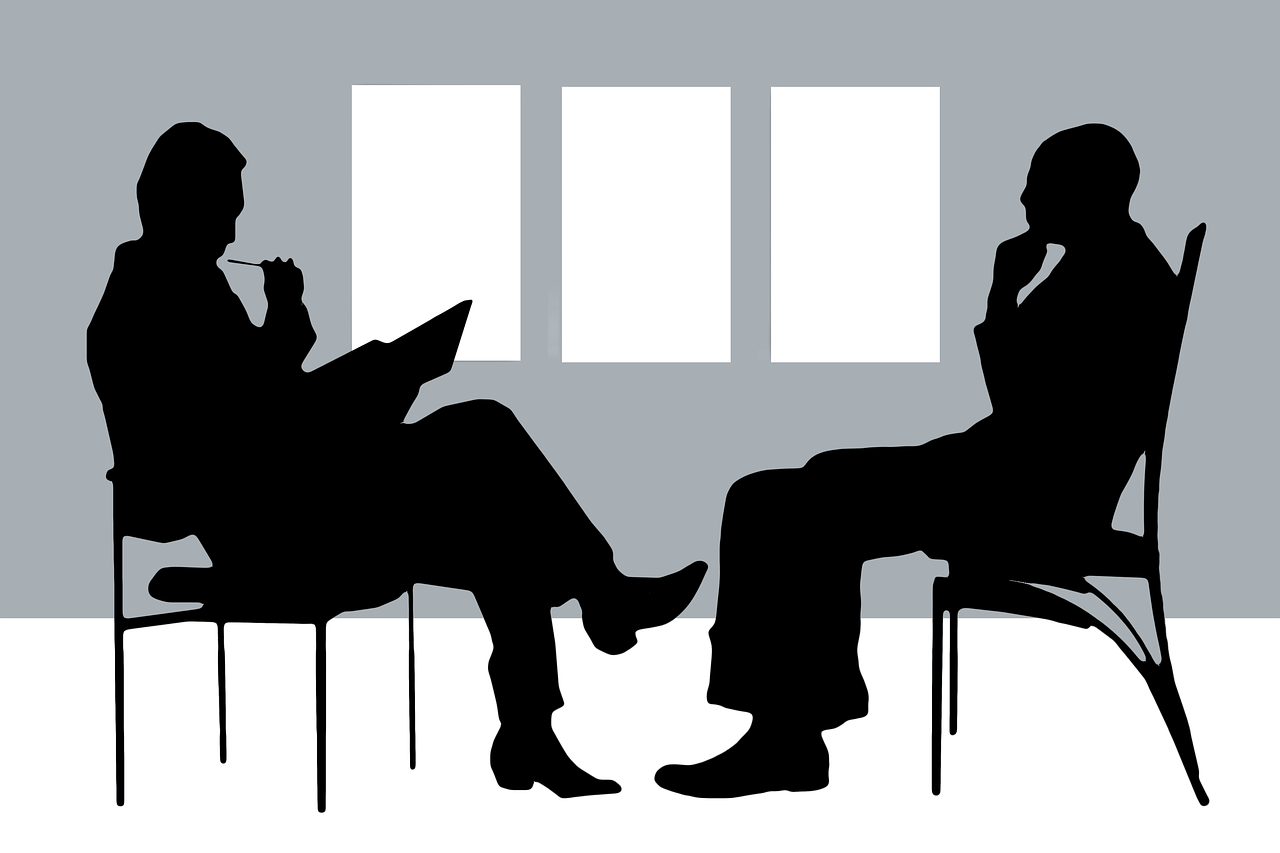
Therapist, Counselor or Social Worker?

By David Joel Miller, MS, Licensed Therapist & Licensed Counselor.

Therapist

Therapist.
Photo courtesy of Pixabay.com

LPCC, LMFT, or Social Worker?

Recently a number of people have asked me about the different mental health professions and which they should go to see. Students in my Substance Abuse Counseling classes also ask me about which career they should pursue. It might be helpful to talk about where these professions came from, what they do, and why you would choose to see or become one of these professionals. Many professionals in these fields are in recovery also and they often make excellent helpers.

Here is a brief explanation of my point of view on the subject. Remember that I am licensed as both a Licensed Professional Clinical Counselor (LPCC) and a Licensed Marriage and Family Therapist (LMFT), have taken classes in the Psychology Doctorate program but am a long way from finishing that one and that these are just my opinions.

The titles and what they are allowed to do depend on your jurisdiction.

California was the last of the 50 United States of America (North America) to license Professional Clinical Counselors. Substance abuse counselors in California are registered or certified not licensed and in some states, there are no requirements other than getting hired to do the work. Educational requirements and licensing rules can vary widely and have changed over the years.

These titles and what they may legally do vary from place to place. Check with your appropriate state or national agency to see what the regulations are in your location. Consumer protection agencies can sometimes tell you what the rules are in your locality.

Licenses, Job titles, and Educational degrees are not the same things.

Agencies hire people to work in a particular field. Not everyone who works in a social work agency has either an educational degree or a license in social work. Someone who processes welfare applications or inspects homes for child abuse or neglect may be called a social worker. Sometimes these workers have a degree in the field but not always. This depends on the rules of this agency.

If you are looking for work and have not yet finished your education there are far more entry-level positions for doing social work than any other of the behavioral health professions. There are two-year degrees (AA or AS) in social work and Substance abuse counseling but not much else in the Mental Health field. There are also many social work bachelor degrees that qualify you to work in the field but not to be a clinical social worker.

There is a large difference between a “social worker,” someone with a master’s degree in social work (MSW) and a Licensed Clinical Social Worker (LCSW.) To be an LCSW you would need to complete a master’s degree, complete a number of hours of supervised experience, and pass a test. LCSW’s spend a lot more time working with clients and some specialize in therapy around certain issues, such as foster family and abused or neglected children.

All of the licensed professions also have beginner categories of learners who are being trained and supervised by licensed people.

So what are the primary types of behavior health specialists?

They would be Social Workers, Marriage and Family Therapists, Clinical Counselors, psychologists, and Psychiatrists. Here is my oversimplified description of what each profession does. Let’s take a short look at a scenario that might show us how all these professions may interact with one family.

Police are called to the home where a domestic disturbance is in progress. The adults are both drunk and they are fighting. The kids are scared and under the bed. Parents are out of work and about to be evicted. Mom has a history of depression. Both parents are yelling about wanting a divorce.

So what does each profession do?

Social Workers (LCSW’s or beginners are called ASW)

They might be called to the scene. They will evaluate the home and maybe take the children into custody and place them in foster care. Once the parents are released from jail for the domestic violence charges the social worker might meet with the mother, get her in a battered woman’s shelter, arrange for both adults to attend substance abuse treatment, and enroll them in domestic violence counseling. A Licensed Clinical Social Worker could be assigned to work with the children to see if they have PTSD and need treatment for the effects of living in a violent home.

While an LCSW may do long-term therapy, they are specially trained in policy and referrals. They are likely to be running programs, deciding to leave the kids, or take them and making referrals to long-term treatment.

DV and substance abuse counselors

These professionals often have a short-term, two-year, or less training in their specialty. They are limited to working on one problem only and most often they must work for a licensed agency or under the supervision of a licensed person.

Parents may be required to complete a Substance abuse program and or Domestic Violence or anger management groups before the kids are returned to the home.

Once the parents stop drinking and they have learned how to control their anger, or not get angry in the first place they may decide to try to get back together.

Marriage and Family Therapists

Marriage and Family Therapists (LMFT’s, or MFT’s if they are licensed and beginners are called MFT interns or MFT trainees.)

MFT’s work from a systems approach that says that all humans have relationships and relationships are like dances. If one person changes, the others may change, and then the dance changes. So they would with couples or families on better communication and having a good relationship.  They most often work with the couple or the whole family at once. If they work with one person it is most often about that client’s learning skills to improve their relationship.

They might also have to tackle working with mom on how her depression or dad’s unemployment is affecting the kids and the family.

All the Marriage and Family Therapist programs I know of are 45-60 unit masters degrees. MFT’s often have bachelor’s degrees in all sorts of things unrelated to therapy. They frequently have had some life experiences that pointed them in this direction.

Professional Clinical Counselors (LPC or LPCC in California)

These counselors are specifically trained in mental health and problems solving. They might work with mom on changing her long-standing depression or they might work with dad on how to find a new job.

Should the marriage counseling fail they might also work on meditation and working out custody arraignments.

These three professions, LMFT, LCSW, and LPCC despite having differences in training may do very similar things. Beyond the basic degree or license, they are required to take continuing education classes each year. Some professional counselors or therapists specialize in a particular issue, some are generalists. If clients only had one problem we could all get really specialized but most people have multiple problems and so over time a counselor learns to work with clients on many issues.

Psychiatrists.

Psychiatrists are medical doctors with additional training in psychiatric medicines. Child Psychiatrists are even more specialized and unfortunately, there are never enough of these professionals. Because of the high demand for their services they are very busy. Most psychiatrists see clients for an initial “assessment” which is a medical assessment and very different from the counseling assessments we therapists do. After that first appointment, most psychiatrists will be seeing clients for a ten to fifteen-minute med check appointment every month or even every few months. They are looking for side effects of the medication and to see if they need to change meds or doses.

Psychiatrists generally do not have the time to spend talking with clients that are required for therapy. Most often they oversee the meds and refer the clients to see a counselor or therapist to work on the thought and behavior parts of the problem.

In our example of the couple above, the Social worker, therapist or counselor might refer the mother to a psychiatrist if the depression was severe. Some clients are so affected by their disorder that they can’t benefit from therapy until they are on medication. Some conditions are the result of changes in the brain and that person may need medication for the rest of their life. Meds may stabilize them but they will often need counseling for other problems like relationships and careers.

Psychologists.

This is a doctor’s level degree. I completed 6 units in this program before deciding that I did not have time for another degree and license. What their training appears to be directed towards are long-term problems. They can spend a lot of time studying, testing, and personality structure.

Many psychologists work with clients over the long-term on problems that are slow to change. They are also likely to be called upon to do evaluations for court or disability insurance.

In the example of the couple above the man might be court-ordered to see a psychiatrist who will determine if he should be allowed back around the family. The wife might be evaluated if she puts in for long-term disability saying she is so depressed or traumatized that she is unable to work.

So there you have it, a brief oversimplified outline of what the larger professions in the mental health field do. Whether you are a client or an aspiring professional you need to pick the profession that will be a good fit for you.

Licensed Professional Clinical Counselor (LPCC), Marriage and Family Therapists (LMFT), Social Workers, Psychiatrists, and Psychologists which is the right fit for you?

Staying connected with David Joel Miller

Seven David Joel Miller Books are available now!

My newest book is now available. It was my opportunity to try on a new genre. I’ve been working on this book for several years, but now seem like the right time to publish it.

Story Bureau.

Story Bureau is a thrilling Dystopian Post-Apocalyptic adventure in the Surviving the Apocalypse series.

Baldwin struggles to survive life in a post-apocalyptic world where the government controls everything.

As society collapses and his family gets plunged into poverty, Baldwin takes a job in the capital city, working for a government agency called the Story Bureau. He discovers the Story Bureau is not a benign news outlet but a sinister government plot to manipulate society.

Bumps on the Road of Life. Whether you struggle with anxiety, depression, low motivation, or addiction, you can recover. Bumps on the Road of Life is the story of how people get off track and how to get your life out of the ditch.

Dark Family Secrets: Doris wants to get her life back, but small-town prejudice could shatter her dreams.

Casino Robbery Arthur Mitchell escapes the trauma of watching his girlfriend die. But the killers know he’s a witness and want him dead.

Planned Accidents  The second Arthur Mitchell and Plutus mystery.

Letters from the Dead: The third in the Arthur Mitchell mystery series.

What would you do if you found a letter to a detective describing a crime and you knew the writer and detective were dead, and you could be next?

Sasquatch. Three things about us, you should know. One, we have seen the past. Two, we’re trapped there. Three, I don’t know if we’ll ever get back to our own time.

For these and my upcoming books; please visit my Author Page – David Joel Miller

Want the latest blog posts as they publish? Subscribe to this blog.

For videos, see: Counselorssoapbox YouTube Video Channel
He slept in trash cans.

He slept in trash cans.

“Mental health care advocates hope the video of police beating the homeless man, who later died, will spark systemic reforms in the treatment of the mentally ill, even in this era of funding deficiencies.”

This story about Kelly Thomas and how he died is moving reading. If you haven’t heard about this yet check out the story by Scott Gold, Richard Winton, and Abby Sewell of the Los Angeles Times.

The full text is at:

http://www.latimes.com/health/la-me-kelly-thomas-mental-20120509%2c0%2c4023045.story?utm_source=Join+Together+Daily&utm_campaign=61e7621ec3-JT_Daily_News_Senate_Opens&utm_medium=email

Scared or Excited?

By David Joel Miller, MS, Licensed Therapist & Licensed Counselor.

Scary stuff

Scared or Excited.
Photo courtesy of Pixabay.com

What is the difference between scared and excited?

Some people live their whole lives in fear. Everything is scary when you live in fear. Being afraid doesn’t make something dangerous but dangerous things ought to scare us. So how come there are those people who seek out the things other people call scary?

People in recovery often are overwhelmed by fear of the changes that need to be made. Fear can be a trigger to take someone back to the old patterns of behavior. That very same person who is afraid of the challenges of recovery may have been constantly seeking excitement via drugs or mania before they began recovery.

What makes some of us attracted to risk and excitement? One theory is that people range between two extremes, scared-anxious and stimulation seeking. As new-born babies some kids are easily overstimulated and need to take breaks and others are constantly seeking more stimulation.

Anxiety and stimulation are considered basic personality traits by some in the psychological professions. So the anxious person sees a situation as scary and a stimulus-seeking person thinks of the very same event as exciting.

Our appetite for risk and excitement can also be learned. We learn from our own experiences and we also learn from watching those around us. What is learned can be unlearned. If you are afraid of a change could you come to view the possibilities of a new life course with excitement?

Transforming fear into excitement is possible.

Consider the case of two clients.

First client, Betty, is 18 about to leave home and head off for college. She is scared to death. She will be leaving her family and friends. She has never been particularly close to her family and does not have many friends but she is terrified that at the new school she will know no one and thinks that they are likely to not like her. Betty is not sure she can do this and wishes she had not let her school counselor talk her into applying to an out-of-town school. What if she fails? She is sure something will go wrong and there will be no one at the school to help her. She is afraid. To cope with her fear she may drink, use drugs, or withdraw and hide in her room.

Client number two, Maria, attends the same high school as Betty, though the two don’t seem to know each other. Maria is also 18 and graduating. She likewise is about to leave home for a cross-country college. The difference is that Maria is excited to be on the go. She looks forward to the new things she will learn and the people she will meet. Maria has high self-esteem, she feels good about herself. She also has high self-efficacy; she knows she can do something if she sets her mind to it. Maria will be the first in her family to attend college and she is proud of what she will be accomplishing.

The primary difference between these two students is not the situation. Both are academically well-prepared students accepted to an out-of-town college.

The real difference between the two students is the way in which they view change. Yes, there are underlying differences in temperament and in the emotional skills they have learned, but either could be taught to see the situation from the other perspective.

As parents, we sometimes need to teach our children to be fearful to avoid excessive danger. They or we grow up and discover that our fears are keeping us trapped. Changing your perspective from fear to excitement can alter the whole experience. Changing your view can move something new from the scary categories to the exciting group.

Performers, actors, comics, and singers often get “butterflies” before they go on stage. They can interpret those symptoms as stage fright or they can think of this as the energy that sends them, to put out their best performance yet.

Athletes try to psych themselves up before a game or match. They transform that nervous energy which could be fear and keep them on the sidelines into the excitement that carries them to their best possible performance.

Is there something in your life that scares you which you need to start thinking of as an exciting new possibility?

Staying connected with David Joel Miller

Seven David Joel Miller Books are available now!

My newest book is now available. It was my opportunity to try on a new genre. I’ve been working on this book for several years, but now seem like the right time to publish it.

Story Bureau.

Story Bureau is a thrilling Dystopian Post-Apocalyptic adventure in the Surviving the Apocalypse series.

Baldwin struggles to survive life in a post-apocalyptic world where the government controls everything.

As society collapses and his family gets plunged into poverty, Baldwin takes a job in the capital city, working for a government agency called the Story Bureau. He discovers the Story Bureau is not a benign news outlet but a sinister government plot to manipulate society.

Bumps on the Road of Life. Whether you struggle with anxiety, depression, low motivation, or addiction, you can recover. Bumps on the Road of Life is the story of how people get off track and how to get your life out of the ditch.

Dark Family Secrets: Doris wants to get her life back, but small-town prejudice could shatter her dreams.

Casino Robbery Arthur Mitchell escapes the trauma of watching his girlfriend die. But the killers know he’s a witness and want him dead.

Planned Accidents  The second Arthur Mitchell and Plutus mystery.

Letters from the Dead: The third in the Arthur Mitchell mystery series.

What would you do if you found a letter to a detective describing a crime and you knew the writer and detective were dead, and you could be next?

Sasquatch. Three things about us, you should know. One, we have seen the past. Two, we’re trapped there. Three, I don’t know if we’ll ever get back to our own time.

For these and my upcoming books; please visit my Author Page – David Joel Miller

Want the latest blog posts as they publish? Subscribe to this blog.

For videos, see: Counselorssoapbox YouTube Video Channel
What is hitting bottom?

By David Joel Miller, MS, Licensed Therapist & Licensed Counselor.

Hands with pills

Addiction.
Photo courtesy of Pixabay

How would you know if you have hit bottom, and does it matter?

The idea that you have to hit bottom before you can start back up comes from the early days of the 12 step movement largely by way of Jellinek’s research on people who recovered in A.A.  It is not often applied to mental health but the two are just too similar in their disease and recovery processes to not take a look at the significance of the idea of hitting bottom and whether it applies to something other than addiction.

The hitting bottom expression referred to the point of accepting that the way you have been doing things was not working and it was time to try something different. You can think of this as “admitting complete defeat” but you can also think of this as “radical acceptance”, take your pick.

Most people will continue to struggle long after they should have changed directions. Who wants to admit they are an alcoholic? Who wants to say they have Bipolar Disorder or any other form of mental illness. I do not remember Alcoholic or Schizophrenic being included in the list of future careers when I was back in high school. It can be reassuring to tell yourself that you are not that bad. But some of us got there anyway.

So if there is some sort of bottom, lower than where you are, it can give you the false sense that you are not as bad as someone else. People fool themselves for a long time because they can believe that alcoholics are homeless bums. The truth is more than 90% of alcoholics have full-time jobs. People with Bipolar Disorder fool themselves into thinking they are more productive, creative, or have more energy than others until they crash.

So hitting bottom is different for different people. For one person the realization they have the disease of alcoholism will come after the first DUI or the first unpleasant incident with the family. Other people will continue to try to control their drinking, complete with recurrent episodes of out of control drinking until they have been sentenced to a fifth or tenth program, or have done more years in prison than on the street.

But it is not just alcoholics that try to deny their disease. People may try suicide multiple times, have repeated psychiatric hospitalization, and still believe that they just need to move somewhere else, that it is someone else’s fault, anything to avoid the fact that they have a mental health problem that needs treatment.

Many of us want to pretend we don’t have a disease. If you just ignore it then this problem will go away. Don’t give in to depression is their mantra. A few relatively minor conditions do go away without treatment. Colds and flu may remit without treatment. But serious conditions, Cancer, tuberculosis, and heart disease get worse if ignored. Alcoholism, addiction, and mental illness also can worsen if not treated. Pretending is not treatment.

The founders of A.A. concluded that sometimes we need to “raise the bottom” till it hits people. Why do people need to totally destroy their life, spend time in prison, or psych hospitals before they can accept that they have a condition that will respond to treatment?

Education can help sometimes. But the people who need education the most avoid it. What person who is manic, drunk, or on drugs wants to sit and listen to others talk about how they were unable to control their disease until they became willing to accept help?

Lots of people with addictions and mental illnesses will isolate, they will avoid others, and shrink from treatment. Their bottoms most often come when the losses and the pain become unbearable.

So you don’t need to wait for you or a loved one to “hit bottom” before you seek help. You do not reach bottom until you put the shovel down and quit digging. There is help available the moment you realize that you can’t dig your way out of a hole. Accepting that you have a problem, condition, illness, or defect of character that requires a new way of thinking and behaving can be your bottom. You don’t have to get any lower before you start your journey back.

Staying connected with David Joel Miller

Seven David Joel Miller Books are available now!

My newest book is now available. It was my opportunity to try on a new genre. I’ve been working on this book for several years, but now seem like the right time to publish it.

Story Bureau.

Story Bureau is a thrilling Dystopian Post-Apocalyptic adventure in the Surviving the Apocalypse series.

Baldwin struggles to survive life in a post-apocalyptic world where the government controls everything.

As society collapses and his family gets plunged into poverty, Baldwin takes a job in the capital city, working for a government agency called the Story Bureau. He discovers the Story Bureau is not a benign news outlet but a sinister government plot to manipulate society.

Bumps on the Road of Life. Whether you struggle with anxiety, depression, low motivation, or addiction, you can recover. Bumps on the Road of Life is the story of how people get off track and how to get your life out of the ditch.

Dark Family Secrets: Doris wants to get her life back, but small-town prejudice could shatter her dreams.

Casino Robbery Arthur Mitchell escapes the trauma of watching his girlfriend die. But the killers know he’s a witness and want him dead.

Planned Accidents  The second Arthur Mitchell and Plutus mystery.

Letters from the Dead: The third in the Arthur Mitchell mystery series.

What would you do if you found a letter to a detective describing a crime and you knew the writer and detective were dead, and you could be next?

Sasquatch. Three things about us, you should know. One, we have seen the past. Two, we’re trapped there. Three, I don’t know if we’ll ever get back to our own time.

For these and my upcoming books; please visit my Author Page – David Joel Miller

Want the latest blog posts as they publish? Subscribe to this blog.

For videos, see: Counselorssoapbox YouTube Video Channel

Posttraumatic Growth (PTG) vs. Posttraumatic Stress Disorder (PTSD)

By David Joel Miller, MS, Licensed Therapist & Licensed Counselor.

Words about PTSD

PTSD.
Photo courtesy of Pixabay.com

How are PTSD, PTG, and Resilience related?

Is some sort of personal growth possible as a result of living through a traumatic experience? Recently researchers have begun to study the concept of Posttraumatic Growth (PTG.) There has always been a body of literature about how some difficulty might spur changes in a person and lead to a new way of seeing life. But could something that was so severe a stressor as to be traumatic really lead to positive growth? And if that change might happen, why? What characteristics of the person, the treatment they received, or their support system might transform Posttraumatic Stress into Posttraumatic Growth?

Zoellner & Maercker defined PTG as “the subjective experience of positive psychological change reported by an individual as a result of the struggle with trauma.” So far studies of PTG have been lacking and those that have taken place include mostly groups of people who are different from the clients we see in therapy who have PTSD. For example, many patients with PTSD also have co-occurring substance abuse disorders. Most studies of PTG have excluded clients with substance use disorders. We know from many individual reports that overcoming substance abuse especially in clients with PTSD can result in the client developing a new way of seeing the world and many in recovery report that they have grown as a result. Clients with suicidal thoughts have also been excluded from studies of PTG despite the recurrence of clients telling us that being hospitalized for a mental illness, especially with suicidal thoughts, can be a life-altering experience.

Hagenaars & van Minnen (Journal of Traumatic Stress, Vol. 23, No. 4, August 2010, pp. 504–508 (c 2010), conducted a study using Exposure Therapy. The therapy included steps beginning with low-intensity experiences such as “Patients were asked to close their eyes and talk about the traumatic event in the first person and in the present tense, recollecting as many sensory details as vividly as possible, i.e., as if the trauma was happening “here and now.” The intensity progressed to real-life situations. This procedure is similar to systematic desensitization procedures in use for specific phobias.

So what did they find? The more PTG the less PTSD and vice versa. Also, the more someone was “emotionally numb” the less likely they were to benefit from the treatment, and the less likely they were to have PTG. They concluded that an inability to feel emotions is related to an inability to grow. So the ability to face problems leads to growth and the inability to face problems leads to staying stuck in the problem. Unfortunately, this leads us around in a circle to the place we started. Resilient people can grow as a result of trauma but trauma can make you less resilient especially repeated traumas.

Some clients who have been forced to relive traumatic events become re-traumatized. So sometimes the exposure techniques make you better but the same treatment can also make you sicker. How do you choose? Clients who share about trauma in a safe environment seem to get positive benefits; those who are cross-examined for details get worse. So, in the end, the value or damage of the technique depends on the relationship. This is one reason that group counseling is so appealing. People with similar traumas feel safer in talking about them in a group that has had a similar experience. Counselors who are seen as accepting help and rejecting professionals harm. It is in the case of PTSD as in other therapy – all about the relationship.

One further problem with the concept of PTG, how do we know it happens? Mostly we measure it by the client’s subjective report. They say they grew as a result of the trauma so that is evidence. But how did they grow? Did they take new actions or did they have a change of attitude? Maybe both? People who are spurred to action appear to grow more.

We also suspect that PTG is related to resilience. So do resilient people have more growth as a result of a traumatic event or do people who overcome a traumatic event become more resilient?

We know that PTG reduces PTSD symptoms and that the process of growth is related to resilience somehow. It is also clear that there is a lot more PTSD out there than we wanted to recognize. The challenge is making use of the things we learn in research and theory to help the clients who walk in the door in their journey from Posttraumatic Stress Disorder (PTSD) to Posttraumatic Growth (PTG.)

Do any of you have experiences with Posttraumatic Stress Disorder (PTSD) or Posttraumatic Growth (PTG) you would care to share?

This post was featured in “Best of Blog – May 2012

For more information on Stress and PTSD see:

Posttraumatic Stress Disorder – PTSD and bouncing back from adversity

8 warning signs you have PTSD

Acute Stress Disorder vs. PTSD 

Staying connected with David Joel Miller

Seven David Joel Miller Books are available now!

My newest book is now available. It was my opportunity to try on a new genre. I’ve been working on this book for several years, but now seem like the right time to publish it.

Story Bureau.

Story Bureau is a thrilling Dystopian Post-Apocalyptic adventure in the Surviving the Apocalypse series.

Baldwin struggles to survive life in a post-apocalyptic world where the government controls everything.

As society collapses and his family gets plunged into poverty, Baldwin takes a job in the capital city, working for a government agency called the Story Bureau. He discovers the Story Bureau is not a benign news outlet but a sinister government plot to manipulate society.

Bumps on the Road of Life. Whether you struggle with anxiety, depression, low motivation, or addiction, you can recover. Bumps on the Road of Life is the story of how people get off track and how to get your life out of the ditch.

Dark Family Secrets: Doris wants to get her life back, but small-town prejudice could shatter her dreams.

Casino Robbery Arthur Mitchell escapes the trauma of watching his girlfriend die. But the killers know he’s a witness and want him dead.

Planned Accidents  The second Arthur Mitchell and Plutus mystery.

Letters from the Dead: The third in the Arthur Mitchell mystery series.

What would you do if you found a letter to a detective describing a crime and you knew the writer and detective were dead, and you could be next?

Sasquatch. Three things about us, you should know. One, we have seen the past. Two, we’re trapped there. Three, I don’t know if we’ll ever get back to our own time.

For these and my upcoming books; please visit my Author Page – David Joel Miller

Want the latest blog posts as they publish? Subscribe to this blog.

For videos, see: Counselorssoapbox YouTube Video Channel

DSM-5 Diagnoses begin to disappear

By David Joel Miller, MS, Licensed Therapist & Licensed Counselor.

Medical record

Diagnosis.
Photo courtesy of Pixabay.com

UPDATE – changes in the DSM.

You can erase most of this post from your memory. During the process of updating the Diagnostic and Statistical Manual of Mental Disorders (DSM) from the DSM-IV to the DSM-5 a lot of things were proposed. Some of those suggested changes were instituted and others were left out. This post includes mostly ideas that did not make it to the final DSM-5. Because these ideas were included in a lot of research articles and other blog posts, I have left the post up but need to tell you that some of this information is now out of date.

Mental illnesses appear and disappear like magic – More DSM-5.

The effort to improve and refine the Diagnostic and Statistical Manual of Mental Disorders continues. This round of revisions has created a lot of concern about the way in which things we thought we knew about the nature and treatment of mental illness can change dramatically in a short time span.

There has been a lot of opposition to some of the proposed changes from both inside the American Psychiatric Association (APA) and those outside the association who have to work with the manual. The effects for consumers and clients may not be obvious for some time.

Recently the APA posted a notice on their website about changes they are making to the proposals for the new edition of the DSM. Not surprisingly, those revisions in proposals have coincided with the APA’s convention. The pressure to get this worked out is on now as the new edition is due out next year at the May 18-22, 2013 APA convention. That means the decisions need to be made and the book sent to the publishers by the end of 2012. The APA is accepting comments on their website from May 2nd to June 15th, 2012.

Most of these ideas are tested in carefully controlled trials with strict adherence to criteria. Unfortunately in daily practice clients don’t come in with only one problem and clinicians don’t have the time or resources to do extensive testing and diagnosing. The question remains, will this new understanding of mental disorders help or hinder the efforts to get clients the best possible care and still stay inside agency’s budgets?

Here are some of the most recent changes

1. Mixed Anxiety and Depression

This is getting moved to the back of the book under diagnosis for further study. We know that clients often have both of these together but then they also may have diabetes and sore throats but so far we are not creating lots of combo diagnosis. Bottom line if you have two mental illnesses you get two diagnoses, not one “combo,” for now.

2. Attenuated Psychosis

This moves to the back of the book also. We have plenty of psychosis class diagnosis, not sure one more will make any difference.

3. Depression gets a footnote about being careful not to make normal things into mental illnesses.

But that always has needed some judgment. If it is causing you too many problems it gets diagnosed if it is within normal it does not. So we still try to keep categories of illnesses while we also allow for variations in degree.

4. The Non-Suicidal Self-Injury Diagnosis (often called cutting)

So far has not worked the way they thought it would. Some have proposed adding Suicidal Behavior Disorder also. Currently, neither of these is considered a mental illness. They are symptoms of something but we are not all agreed on what they are symptoms of. These two are likely to end up in the back of the book along with that complex grief thing.

So the announced changes in the draft move us back closer to where we were before – except that to this point the APA is staying with their proposed changes in Autism and Substance Use Disorders. Only time will tell.

Staying connected with David Joel Miller

Seven David Joel Miller Books are available now!

My newest book is now available. It was my opportunity to try on a new genre. I’ve been working on this book for several years, but now seem like the right time to publish it.

Story Bureau.

Story Bureau is a thrilling Dystopian Post-Apocalyptic adventure in the Surviving the Apocalypse series.

Baldwin struggles to survive life in a post-apocalyptic world where the government controls everything.

As society collapses and his family gets plunged into poverty, Baldwin takes a job in the capital city, working for a government agency called the Story Bureau. He discovers the Story Bureau is not a benign news outlet but a sinister government plot to manipulate society.

Bumps on the Road of Life. Whether you struggle with anxiety, depression, low motivation, or addiction, you can recover. Bumps on the Road of Life is the story of how people get off track and how to get your life out of the ditch.

Dark Family Secrets: Doris wants to get her life back, but small-town prejudice could shatter her dreams.

Casino Robbery Arthur Mitchell escapes the trauma of watching his girlfriend die. But the killers know he’s a witness and want him dead.

Planned Accidents  The second Arthur Mitchell and Plutus mystery.

Letters from the Dead: The third in the Arthur Mitchell mystery series.

What would you do if you found a letter to a detective describing a crime and you knew the writer and detective were dead, and you could be next?

Sasquatch. Three things about us, you should know. One, we have seen the past. Two, we’re trapped there. Three, I don’t know if we’ll ever get back to our own time.

For these and my upcoming books; please visit my Author Page – David Joel Miller

Want the latest blog posts as they publish? Subscribe to this blog.

For videos, see: Counselorssoapbox YouTube Video Channel

Is Bereavement a mental illness?

By David Joel Miller, MS, Licensed Therapist & Licensed Counselor.

Bereavement

Bereavement, grief and loss.
Picture courtesy of pixabay.

Should bereavement, grief, the loss of a loved one be a mental illness?

How we see the death of a loved one is a real problem for our society.  The loss of a loved one is for many people the most traumatic event in their life. Grief and loss is an important topic. There are a gazillion books on the subject and plenty of therapists who say they specialize in “grief work.” We know that the closer the person is to you the worse the loss.

But is bereavement, grief, the loss of a person, loved one, or relationship a mental illness? Should it be?

Death and dying are something we don’t like to look at if we can avoid it. Most people die in hospitals behind closed doors. We consider death like birth a part of a human condition. It doesn’t seem right to make every emotion, happy or sad, suspect as being unacceptable. Should mental health help people avoid feelings or face them?

Professionals are just as confused about this as anyone else.  Up till now we specifically excluded grief as a diagnosable mental illness. This is a controversial issue among psychiatrists and therapists.

When someone dies do you get depressed? Should you? Bereavement is specifically excluded from the criteria of Major Depressive Disorder. So if you get depressed because your favorite T. V. show was canceled you can be treated for Major Depression but is a family member dies it is not by definition a mental illness.

In the revision of the DSM, as we move to the DSM-5 in the middle of 2013, the professional community is trying to find a solution to the whole grief and bereavement problem. So far there is not much agreement.

Sometimes professionals get around this in various ways. They wait a while and then say this is going on too long and then give the diagnosis of Major Depression anyway. There are some professionals that say that we should just delete the exclusion. Depression is depression they say. So let everybody be depressed if they want to.

The contrary to that is that including people who are depressed because of bereavement may be enlarging the category, increasing the number of people who get treated for depression and making a normal human reaction to loss into a mental illness.

Some people want to exclude bereavement for the first year. If you are sad more than a year after the death of a loved one maybe we would want to offer you counseling. Depending on how sad you were, is it really depression?

Currently, Grief is included as a V code. V codes are those things listed in the back of the book like parents and children who can’t get along that are sometimes treated but we don’t specifically count these as a mental illness. (In the DSM-5 the V codes became Z codes.)

I wrote in a previous post about the movement, coming from outside the APA, to add a new disorder called “Complex grief” as if this is somehow different from regular grief.

So how do you deal with grief? Is it normal or a mental illness?

See also: Bereavement, grief, and loss

Staying connected with David Joel Miller

Seven David Joel Miller Books are available now!

My newest book is now available. It was my opportunity to try on a new genre. I’ve been working on this book for several years, but now seem like the right time to publish it.

Story Bureau.

Story Bureau is a thrilling Dystopian Post-Apocalyptic adventure in the Surviving the Apocalypse series.

Baldwin struggles to survive life in a post-apocalyptic world where the government controls everything.

As society collapses and his family gets plunged into poverty, Baldwin takes a job in the capital city, working for a government agency called the Story Bureau. He discovers the Story Bureau is not a benign news outlet but a sinister government plot to manipulate society.

Bumps on the Road of Life. Whether you struggle with anxiety, depression, low motivation, or addiction, you can recover. Bumps on the Road of Life is the story of how people get off track and how to get your life out of the ditch.

Dark Family Secrets: Doris wants to get her life back, but small-town prejudice could shatter her dreams.

Casino Robbery Arthur Mitchell escapes the trauma of watching his girlfriend die. But the killers know he’s a witness and want him dead.

Planned Accidents  The second Arthur Mitchell and Plutus mystery.

Letters from the Dead: The third in the Arthur Mitchell mystery series.

What would you do if you found a letter to a detective describing a crime and you knew the writer and detective were dead, and you could be next?

Sasquatch. Three things about us, you should know. One, we have seen the past. Two, we’re trapped there. Three, I don’t know if we’ll ever get back to our own time.

For these and my upcoming books; please visit my Author Page – David Joel Miller

Want the latest blog posts as they publish? Subscribe to this blog.

For videos, see: Counselorssoapbox YouTube Video Channel