The six types of hallucinations. Video

A counselorssoapbox.com video by David Joel Miller, LMFT, LPCC

The six types of hallucinations.

We say hallucinations most people think immediately of seeing things or hearing voices, but there are six primary types of hallucinations. Some hallucinations are connected to mental illness. Drug use can cause temporary hallucinations or if the drug use damages the brain those hallucinations can become permanent, something we call substance-induced hallucinations. This video explains briefly the six types of hallucinations.

Will your counselor keep your secrets? Video

Will your counselor keep your secrets?

If you’re considering counseling, it’s important to understand what things you tell your counselor will be kept secret and what things they may be required to report. This video explains the concept of confidentiality, exceptions to confidentiality, and how to tell if the counselor will keep your secret.

Are your physical symptoms the result of stress or depression?

By David Joel Miller, MS, Licensed Therapist & Licensed Counselor.

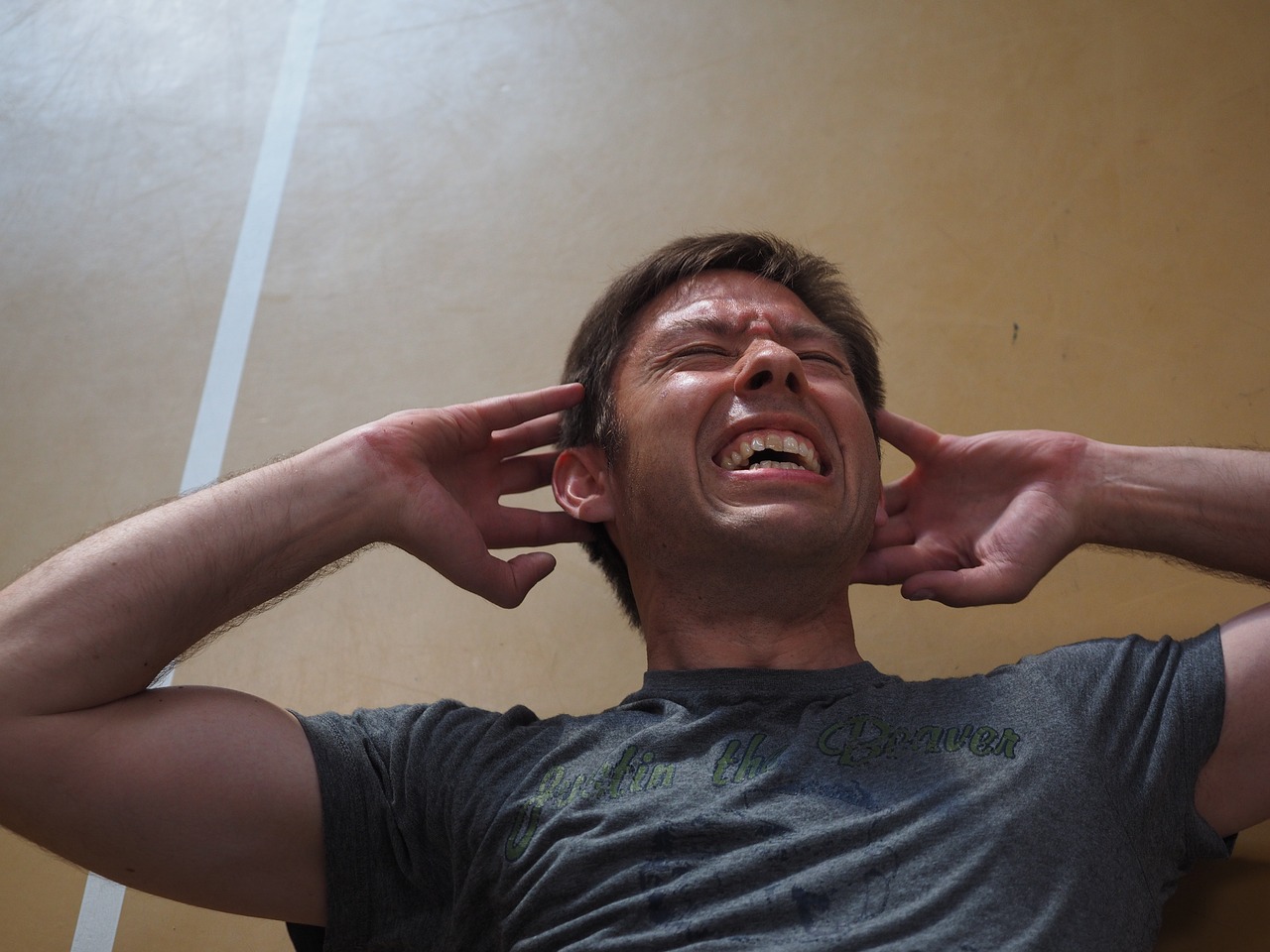
Stress person

Stress.
Photo courtesy of Pixabay.com

Mental and emotional problems can cause physical symptoms.

Stress, depression, and anxiety can result in damage to your physical health. If you are having physical health symptoms, you should always get those symptoms checked out by a medical doctor. But if your doctor has run all the tests and not found a physical cause for your problem, you may need an emotional checkup with a mental health professional. Therapy can improve your mental health and result in a reduction in physical health symptoms. Below are some of the physical symptoms which could be caused by a mental or emotional problem.

Do you feel tired all the time?

Emotional problems such as depression or job burnout can make you feel both physically and emotionally exhausted. If you find yourself being just flat worn out all the time, and there isn’t a good physical reason for it, the cause may be an emotional or mental disorder.

Being emotionally tired can carry over into being physically tired. Depression can wear you out. In one type of depression, people become so tired they find it challenging to walk may describe their bodies as being made of lead. It’s hard to be motivated when you feel like your best efforts won’t accomplish anything. Feeling helpless and hopeless will take all the energy out of your body.

Are you sleeping too much or too little?

Changes in sleep is a characteristic symptom of either depression or anxiety. There are two types of depression, melancholy and atypical. In melancholy depression, people can’t sleep. In atypical depression, people have an increased need for sleep. The connection between sleep and mental health works in both directions. Mental illness interferes with your ability to sleep. Pushing yourself too hard and not allowing enough time for sleep can cause depression, irritability, or an increase in anxiety.

Has your appetite unexpectedly changed?

Some physical ailments will affect your appetite. But it’s equally true that emotional upset can affect your appetite. When you’re anxious or depressed, you may not feel like eating. People with atypical depression will have sudden cravings for sugar or carbohydrates. Many people experience emotional eating. When upset you find yourself eating mindlessly? If your emotional eating has gotten out of control, you may be suffering from a condition called Binge Eating Disorder.

Have you lost interest in sex?

Losing interest in sex can be a symptom of depression. In couples going through marital conflict, loss of interest in sex is a common symptom. It’s hard to feel interested in being intimate with someone when you’re angry with them.

Do you worry a lot about your health?

Being concerned about your health is reasonable. Everyone should try to eat a healthy diet and get adequate exercise. If your worries about your health have started to take over your life, you need to get professional help. Obsessive-compulsive disorder can result in people who feel they must eat certain foods or absolutely can’t eat others. If your relationship with food makes you anxious, you likely have a diagnosable mental health problem.

Depression can also cause or worsen many other physical symptoms.

Emotional problems can cause constipation or diarrhea, increase or worsen pain, make you feel lightheaded, trembling, or experience numbness. If you have seen a recent change in your physical health, get it checked out by a medical doctor. But you should also be alert to the possibility that these physical symptoms of the results of stress, depression, anxiety, or another mental illness.

Besides depression and anxiety, you should be on the lookout for other serious mental illnesses.

If you or someone you know starts having unusual thoughts or suddenly has episodes of high irritability and impulsive behavior, these could be early symptoms of psychosis or mania. Don’t ignore these kinds of issues as they can get worse very rapidly.

Staying connected with David Joel Miller

Seven David Joel Miller Books are available now!

My newest book is now available. It was my opportunity to try on a new genre. I’ve been working on this book for several years, but now seem like the right time to publish it.

Story Bureau.

Story Bureau is a thrilling Dystopian Post-Apocalyptic adventure in the Surviving the Apocalypse series.

Baldwin struggles to survive life in a post-apocalyptic world where the government controls everything.

As society collapses and his family gets plunged into poverty, Baldwin takes a job in the capital city, working for a government agency called the Story Bureau. He discovers the Story Bureau is not a benign news outlet but a sinister government plot to manipulate society.

Bumps on the Road of Life. Whether you struggle with anxiety, depression, low motivation, or addiction, you can recover. Bumps on the Road of Life is the story of how people get off track and how to get your life out of the ditch.

Dark Family Secrets: Doris wants to get her life back, but small-town prejudice could shatter her dreams.

Casino Robbery Arthur Mitchell escapes the trauma of watching his girlfriend die. But the killers know he’s a witness and want him dead.

Planned Accidents  The second Arthur Mitchell and Plutus mystery.

Letters from the Dead: The third in the Arthur Mitchell mystery series.

What would you do if you found a letter to a detective describing a crime and you knew the writer and detective were dead, and you could be next?

Sasquatch. Three things about us, you should know. One, we have seen the past. Two, we’re trapped there. Three, I don’t know if we’ll ever get back to our own time.

For these and my upcoming books; please visit my Author Page – David Joel Miller

Want the latest blog posts as they publish? Subscribe to this blog.

For videos, see: Counselorssoapbox YouTube Video Channel

Am I going crazy?

By David Joel Miller, MS, Licensed Therapist & Licensed Counselor.

Going crazy?
Photo courtesy of Pixabay.com

Being afraid you’re going crazy is a common fear.

When people are going through difficult times and are emotionally overwhelmed, it’s not surprising that they feel like they’re going crazy. If you’ve had that thought, there are several reasons why you probably are not going “crazy.” However, if you feel like you’re losing your mind, there may well be something else seriously amiss.

Crazy is not a destination.

Many people have come to believe that crazy is a destination, and going there is like being sent to Siberia. They fear that once they cross that boundary, there’s no coming back. So, they fight not to have a problem for fear of getting caught on the other side of that boundary which they think of as crazy.

Professionals don’t like to use the word crazy anymore, at least as it applies to mental health, because it’s very misleading. The truth is that most mental illnesses fall on a continuum from very mild to more severe. With treatment, sometimes even without treatment, people can move from being well to being unwell, or back to well again.

People who think they’re going crazy may have two mental health problems.

People who are under a great deal of stress may temporarily find their coping abilities overwhelmed. Stress can interfere with thinking and behaving and make you prone to problems with a lot of unhelpful thoughts and unpleasant feelings.

The other reason that people may feel they’re going crazy is that they’re experiencing an excess of anxiety. High anxiety can overload your cognitive or thinking system. People who are experiencing high anxiety find themselves having difficulty thinking and concentrating. I think of this as a computer that has too much information to process. Maybe you’ve watched one of those little wheels spin around on your computer while it tries to catch up? Most of the time, the computer does eventually finish processing that information. Though sometimes, you need to upgrade the memory. I think of what counselors and therapists do as somewhat like the memory upgrade on your computer. Sometimes when you have too much to think about, you can’t concentrate on anything.

Doesn’t going to see a counselor mean you are going crazy?

Not at all. Top-performing athletes and businesspeople frequently have coaches. Much of what counselors do is similar to coaching. The counselor will listen to you talk through things. They may make some suggestions to help you clarify things. Or they can help you determine if what you’re going through is normal, given the experiences you’ve had.

How will you know if your problems need professional treatment?

The four guides professionals use to decide if someone’s problems have become excessive, and their condition has moved into the area of a mental illness. Remember, mental illnesses do not mean you’re crazy, but they may come in mild, moderate, or severe forms.

You should seek professional help if what you’re going through has resulted in any one of the following four problems.

1. Occupational functioning problems.

If your problems are interfering with your ability to work, get or keep a job, or your schoolwork, you should seek help. Professionals using the DSM – 5 would call this impaired occupational functioning.

2. Social functioning problems.

If what you’re going through is preventing you from having satisfying relationships with family and friends, you may have impaired social functioning. Close relationships often have their ups and downs. Treatment for relationship problems may fall into the category of marriage counseling, parent-child relational problems, and so on. All these kinds of relationship problems may benefit from counseling, but they usually don’t meet the criteria for mental illness. Now, if your problems in relationships prevent you from having satisfactory relationships with family or friends, that would be a reason to consider it a mental illness.

3. Subjective distress.

If your anxiety, depression, or other thinking, feeling, and behaving issues are upsetting you, then your issue may meet the criteria for being a mental illness.

4. Problems in another important area of functioning.

If what you’re experiencing has caused you to give up activities that you use to enjoy, or if because of your anxiety or depression you can no longer engage in your hobby, you may be developing a mental illness.

Does feeling like you’re going crazy mean you must take medication?

Many mental health challenges can be helped by medication. It’s important, however, to remember that while medications can control symptoms, no medication will cure you of a mental illness.

Good treatment for most mental illnesses includes much more than just medication. Counseling or therapy can be helpful and may result in a reduction or elimination of your mental health symptoms. Some mental illnesses can be treated by behavioral modification or exercise. A healthy diet, adequate sleep, increased activity, and improving social relationships can all help manage, reduce, or even eliminating mental health issues.

If you been feeling like you may be going crazy, I would encourage you to seek out professional assistance.

Staying connected with David Joel Miller

Seven David Joel Miller Books are available now!

My newest book is now available. It was my opportunity to try on a new genre. I’ve been working on this book for several years, but now seem like the right time to publish it.

Story Bureau.

Story Bureau is a thrilling Dystopian Post-Apocalyptic adventure in the Surviving the Apocalypse series.

Baldwin struggles to survive life in a post-apocalyptic world where the government controls everything.

As society collapses and his family gets plunged into poverty, Baldwin takes a job in the capital city, working for a government agency called the Story Bureau. He discovers the Story Bureau is not a benign news outlet but a sinister government plot to manipulate society.

Bumps on the Road of Life. Whether you struggle with anxiety, depression, low motivation, or addiction, you can recover. Bumps on the Road of Life is the story of how people get off track and how to get your life out of the ditch.

Dark Family Secrets: Doris wants to get her life back, but small-town prejudice could shatter her dreams.

Casino Robbery Arthur Mitchell escapes the trauma of watching his girlfriend die. But the killers know he’s a witness and want him dead.

Planned Accidents  The second Arthur Mitchell and Plutus mystery.

Letters from the Dead: The third in the Arthur Mitchell mystery series.

What would you do if you found a letter to a detective describing a crime and you knew the writer and detective were dead, and you could be next?

Sasquatch. Three things about us, you should know. One, we have seen the past. Two, we’re trapped there. Three, I don’t know if we’ll ever get back to our own time.

For these and my upcoming books; please visit my Author Page – David Joel Miller

Want the latest blog posts as they publish? Subscribe to this blog.

For videos, see: Counselorssoapbox YouTube Video Channel
Most read blog posts of 2019.

By David Joel Miller, MS, Licensed Therapist & Licensed Counselor.

Blog

Blog post.
Photo courtesy of Pixabay.com

Which’s counselorssoapbox.com blog posts were read the most in 2019?

As the year 2019 comes to an end, I thought it would be worthwhile to look back at the most-read blog posts here on counselorssoapbox.com over the last year. As you can see, these posts cover a wide variety of topics.

Over the next year, counselorssoapbox will continue to bring you information about mental health, substance abuse, having a happy life, and generally coping with the ups and downs of modern life. If you have any questions, please send them on to me. I am hoping to see you all again in 2020.

In addition to the counselorssoapbox.com blog, we plan to publish additional books both in paperback and e-book formats, as well as expand the videos available on the counselorssoapbox YouTube channel.

Reasons Counselors and Therapists Lose Licenses               

6 ways to recover from Complex Trauma or Complex PTSD         

Is nicotine a stimulant or a depressant?

How much should you tell a therapist?

Levels or types of Borderline Personality Disorder

What if you go to the hospital drunk or high?

Do therapists have to report a crime?

What do therapists tell the police?

Do therapists tell parents what kids say?

Do counselors report rape?

Can you force a teenager to go for therapy?      

What do drug dreams mean?

Are you a Parentified Child?

Do people really forget what happened when drinking? – Blackouts 

Staying connected with David Joel Miller

Seven David Joel Miller Books are available now!

My newest book is now available. It was my opportunity to try on a new genre. I’ve been working on this book for several years, but now seem like the right time to publish it.

Story Bureau.

Story Bureau is a thrilling Dystopian Post-Apocalyptic adventure in the Surviving the Apocalypse series.

Baldwin struggles to survive life in a post-apocalyptic world where the government controls everything.

As society collapses and his family gets plunged into poverty, Baldwin takes a job in the capital city, working for a government agency called the Story Bureau. He discovers the Story Bureau is not a benign news outlet but a sinister government plot to manipulate society.

Bumps on the Road of Life. Whether you struggle with anxiety, depression, low motivation, or addiction, you can recover. Bumps on the Road of Life is the story of how people get off track and how to get your life out of the ditch.

Dark Family Secrets: Doris wants to get her life back, but small-town prejudice could shatter her dreams.

Casino Robbery Arthur Mitchell escapes the trauma of watching his girlfriend die. But the killers know he’s a witness and want him dead.

Planned Accidents  The second Arthur Mitchell and Plutus mystery.

Letters from the Dead: The third in the Arthur Mitchell mystery series.

What would you do if you found a letter to a detective describing a crime and you knew the writer and detective were dead, and you could be next?

Sasquatch. Three things about us, you should know. One, we have seen the past. Two, we’re trapped there. Three, I don’t know if we’ll ever get back to our own time.

For these and my upcoming books; please visit my Author Page – David Joel Miller

Want the latest blog posts as they publish? Subscribe to this blog.

For videos, see: Counselorssoapbox YouTube Video Channel

Do you worry too much?

By David Joel Miller, MS, Licensed Therapist & Licensed Counselor.

Man worrying,

Do you worry too much?
Photo courtesy of Pixabay.com

Not everyone means the same thing when they say they worry.

Pretty much everyone “worries” at one time or another. When some people say worry, they mean they are concerned about something. People worry about having enough money for retirement, and that may motivate them to save more. It’s reasonable to be concerned and take action if you don’t have money or a job. People who are high in anxiety may worry unreasonably about everything. If you worry repetitively, and you worry about things that have a low probability of happening, you may be suffering from a serious mental illness called Generalized Anxiety Disorder.

Worry means more than just being concerned about something.

Dictionary definitions for the word worry include to give way to anxiety or unease, to dwell on one’s difficulties or troubles, a state of anxiety or uncertainty about one’s troubles, either actual or potential. Problematic worry involves worrying excessively about your problems rather than taking action to solve them or spending a great deal of time thinking about possible problems in the future even when the chances that will come to pass are very small. Ruminating about the future can make you more anxious and results in mental health problems.

Some worry is normal.

Doubts, worries, and anxieties are normal. Being concerned about something, having a real worry or anxiety, should motivate you to take action to prepare for possible negative outcomes. Buying insurance is one way of reducing your worries.

Worry and Anxiety can become your friends or your enemies.

How worry and anxiety affect you depends on your stress mindset. We all experience some stress before a novel experience. Going for a job interview, giving a speech, and athletic competition, taking a test, or a first date, can all be stressful. Some people interpret the butterflies in their stomachs as excitement and the second themselves up to do better. Other people become so anxious they avoid these kinds of situations.

How can you tell if you’re worrying too much?

Constant or excessive worry takes its toll on your physical and emotional health. Worry can interfere with your sleep and your ability to relax. If you’re not able to rest up between episodes of stress, you’re at high risk of developing burnout. Uncontrolled excessive worry can leave you unable to cope with life.

One sign of excessive worry is having constant negative, unhelpful thoughts. If worry becomes persistent, you’re worrying too much. People with uncontrolled worry begin to worry about every possible what-if.

Using drugs and alcohol to treat worry makes it worse.

It’s easy to fall into the trap of thinking that alcohol or drugs can help you cope with worry and anxiety. Unfortunately, substances only work for a very short time. Once the alcohol wears off you will experience rebound anxiety, which will be stronger than before. Using substances may help you forget about your worries temporarily, but they will interfere with your ability to take action to solve those problems.

Unexplained physical ailments are a sign your worry is out of control.

Worry leads to anxiety, and anxiety leads to a host of physical ailments. Excessive worry is a common cause of tension headaches. Worry can also lead to gastrointestinal difficulties, both constipation, and diarrhea. Worry increases the stress hormones in your bloodstream. If you’re in real physical danger and need to run for your life those stress hormones can be useful. But if your worry is creating those stress hormones, you’re going to feel it everywhere in your body.

People worry excessively are more likely to experience muscle aches and pains even when they haven’t used those muscles. Worry can also impair your concentration leading to poor performance at school or work. Worry leads to irritability, which can damage your relationships with family, friends, and coworkers.

You can learn to control your worrying.

Somehow you learn to worry, and you learn to stop worrying so much. Changing the way you think about worry, and eliminating unhelpful thoughts will reduce your worry. If worry is impairing your happiness or making you sick you may want to work with a counselor who can teach you techniques to reduce unnecessary worries.

Staying connected with David Joel Miller

Seven David Joel Miller Books are available now!

My newest book is now available. It was my opportunity to try on a new genre. I’ve been working on this book for several years, but now seem like the right time to publish it.

Story Bureau.

Story Bureau is a thrilling Dystopian Post-Apocalyptic adventure in the Surviving the Apocalypse series.

Baldwin struggles to survive life in a post-apocalyptic world where the government controls everything.

As society collapses and his family gets plunged into poverty, Baldwin takes a job in the capital city, working for a government agency called the Story Bureau. He discovers the Story Bureau is not a benign news outlet but a sinister government plot to manipulate society.

Bumps on the Road of Life. Whether you struggle with anxiety, depression, low motivation, or addiction, you can recover. Bumps on the Road of Life is the story of how people get off track and how to get your life out of the ditch.

Dark Family Secrets: Doris wants to get her life back, but small-town prejudice could shatter her dreams.

Casino Robbery Arthur Mitchell escapes the trauma of watching his girlfriend die. But the killers know he’s a witness and want him dead.

Planned Accidents  The second Arthur Mitchell and Plutus mystery.

Letters from the Dead: The third in the Arthur Mitchell mystery series.

What would you do if you found a letter to a detective describing a crime and you knew the writer and detective were dead, and you could be next?

Sasquatch. Three things about us, you should know. One, we have seen the past. Two, we’re trapped there. Three, I don’t know if we’ll ever get back to our own time.

For these and my upcoming books; please visit my Author Page – David Joel Miller

Want the latest blog posts as they publish? Subscribe to this blog.

For videos, see: Counselorssoapbox YouTube Video Channel

Are unhelpful thoughts causing you problems?

By David Joel Miller, MS, Licensed Therapist & Licensed Counselor.

Woman thinking

Unhelpful Negative Thoughts.
Photo courtesy of Pixabay.com

What are unhelpful thoughts?

Unhelpful thoughts are part of some people’s self-talk. What you tell yourself often enough becomes automatic thoughts. Becoming aware of the negative messages you’re giving your brain and challenging those messages is a part of the process of change that we call Cognitive Behavioral Therapy.

In the early days of Cognitive Behavioral Therapy (CBT), researchers and theoreticians noticed a connection between the kind of automatic thoughts or self-talk that some people engaged in and the development of severe mental illnesses, particularly depression and anxiety. Originally, these kinds of thoughts were described as irrational thoughts or dysfunctional thoughts. Those labels seem to me to be judgmental. Recently, I’ve noticed therapists using the term unhelpful thoughts, and I believe that’s a much better way to describe these automatic thoughts.

Most of these unhelpful thoughts are the result of one or more informal logical fallacies. When you think unhelpful thoughts, they seem true to you, but when an outside observer looks at the evidence, these unhelpful thoughts don’t hold up. These categories of unhelpful thoughts may be called by different names, but here is my version.

All-or-nothing thinking is unhelpful.

This unhelpful thought involves looking at things in black-or-white or yes-or-no categories. For the person with all-or-nothing thinking, there is no middle ground. They tell themselves, “I must be perfect, or I’m a failure.” This type of thinking has led to an increase in depression and even suicide attempts at some of the prestigious colleges where students fall into the trap of believing there are only two grades: an A or a Not-A. This is a form of perfectionism in which one flaw makes the person worthless. While striving for self-improvement is worthwhile, believing that you must be perfect or you’re no good will undermine your self-esteem and lead to depression.

Overgeneralization from a negative experience is an unhelpful thought.

This unhelpful thought involves the belief that one negative experience predicts the future. The person tells themselves, “I didn’t get hired for this job. I’ll never get any job.” If you get turned down for a date, you tell yourself no one will ever like me, and I will be alone for the rest of my life.

Having a negative mental filter creates unhelpful thoughts.

Someone with a negative mental filter never sees their accomplishments but only their mistakes. The student who gets one question wrong on a test believes that that means they’re stupid, despite the overwhelming number of correct answers.

A person with a negative mental filter fails to get a promotion or is turned down for a raise, and they believe that means they are no good at their jobs and are at risk of being fired.

Discounting the positive is a common, unhelpful thought.

Someone with this unhelpful thought might apply for a job and get hired, but rather than believing this is because they were a good candidate, they will tell themselves they only got hired because nobody better applied. No matter how many successes this person has, they only remember their failures and expect to fail the next time they attempt something.

Mind-reading is a very unhelpful way of thinking.

People who practice mind-reading believe that when someone doesn’t return a phone call, this means that that person hates them. The mind reader is continually telling themselves that something terrible is about to happen. Since they always predict the worst, they see the worst in every person and situation they encounter. Expecting your partner to be a mind reader is an unhelpful thought that comes up often in couples counseling.

Jumping to dire conclusions is an unhelpful thought.

The jumping to conclusions unhelpful thought takes you from the weather report saying it will rain tomorrow to canceling your camping trip because you’re sure there’s likely to be flooding, and lightning might strike your camp.

People with this unhelpful thought process always expect the worst possible outcome. It won’t invest in a retirement account because the stock market might crash. They don’t want to go on a vacation because the plane might crash.

Emotional reasoning will mislead you.

Feelings can be a useful source of information, but not everything you feel is real. Just because something scares you does not mean it is dangerous. Feeling embarrassed about something you did doesn’t mean everyone else noticed and is judging you. Question whether your feelings are providing you with accurate information, or are you assuming that because you feel something, that makes it accurate?

Trying to live by a long list of absolute rules is unhelpful.

Holding yourself to a strict list of what you should and shouldn’t do and beating yourself up if you break any of the rules is a very unhelpful way of thinking. “I should never have said anything to her. I’m such an idiot.” Trying to live by an arbitrary list of “should’s” and “musts” can result in a lot of emotional problems.

Negative self-labeling is unhelpful.

If you make a mistake or your performance is less than you would like it to be, don’t call yourself stupid or clumsy. Telling yourself you’re a failure creates failure.

Trying to control things that are not in your control is unhelpful.

If you’re one of those people who believes that everything that goes wrong is your fault, you have developed a very unhelpful way of thinking. Don’t try to control or protect other people by anticipating what could go wrong in their lives. You can plan, but don’t fall into the trap of thinking that your planning and worrying will somehow make everything come out the way you want it to.

What should you do if your life is full of unhelpful thoughts?

If you find that you fall into frequent use of these unhelpful thoughts, begin to challenge those anxiety-producing thoughts. Ask yourself what the evidence is that this thought is true. Get a second opinion from a friend. You may find self-help books based on Cognitive Behavioral Therapy especially helpful. Consider working with a counselor or therapist. A good coach can help improve an athlete’s performance, and a good counselor can help you overcome the problem of frequent unhelpful thoughts.

Recommended Mental Health Books

David Miller at counselorssoapbox.com is an Amazon Affiliate and may receive a small Commission if you purchase a book or product using the link on this page. Using the link will not increase the cost to you.

Staying connected with David Joel Miller

Seven David Joel Miller Books are available now!

My newest book is now available. It was my opportunity to try on a new genre. I’ve been working on this book for several years, but now seems like the right time to publish it.

Story Bureau.

Story Bureau is a thrilling Dystopian Post-Apocalyptic adventure in the Surviving the Apocalypse series.

Baldwin struggles to survive life in a post-apocalyptic world where the government controls everything.

As society collapses and his family gets plunged into poverty, Baldwin takes a job in the capital city, working for a government agency called the Story Bureau. He discovers the Story Bureau is not a benign news outlet but a sinister government plot to manipulate society.

Bumps on the Road of Life. Whether you struggle with anxiety, depression, low motivation, or addiction, you can recover. Bumps on the Road of Life is the story of how people get off track and how to get your life out of the ditch.

Dark Family Secrets: Doris wants to get her life back, but small-town prejudice could shatter her dreams.

Casino Robbery Arthur Mitchell escapes the trauma of watching his girlfriend die. But the killers know he’s a witness and want him dead.

Planned Accidents: The second Arthur Mitchell and Plutus mystery.

Letters from the Dead: The third in the Arthur Mitchell mystery series.

What would you do if you found a letter to a detective describing a crime, and you knew the writer and detective were dead, and you could be next?

Sasquatch. Three things about us, you should know. One, we have seen the past. Two, we’re trapped there. Three, I don’t know if we’ll ever get back to our own time.

For these and my upcoming books, please visit my Author Page – David Joel Miller

Want the latest blog posts as they publish? Subscribe to this blog.

For videos, see: Counselorssoapbox YouTube Video Channel

Things You Need to Know About Stress.

By David Joel Miller, MS, Licensed Therapist & Licensed Counselor.

Stress person

Stress.
Photo courtesy of Pixabay.com

Stress can be normal.

Everyone feels stressed from time to time, but some people experience more stress than they’re able to handle.

Stress is the body’s efforts to prepare for needed effort. Two things will determine how stress affects you. How you initially handle stress is critical. Some people may be able to handle physical stress easily, but not mental stress. You may not be able to manage financial stress equally to the way you handle emotional stress.

Not everyone recovers from stress at the same rate.

Athletes who train every day may recover from physical stress relatively quickly. If you’re one of those people who rarely exercise, doing something physically strenuous on the weekend may require several days for you to recover.

Stressful events can be temporary, or they may last a long time.

Moving from one house to another may be stressful until you have settled into the new home. Starting a new job can also be stressful. Being unemployed and homeless can remain stressful for a very long time.

Some stress is routine, and some are extraordinary.

Everyday stresses could be things such as getting ready and going to work every morning or getting the kids off to school. Most jobs involve routine stress. Extraordinary types of stress include such things as a death in the family, losing a job, or working at a job that has frequent episodes of high pressure.

Sometimes stress can be traumatic.

Experiencing a traumatic stressor can result in several types of mental illness. After experiencing a sudden traumatic stressor, some people experience a short bout of Acute Stress Disorder. If the impairment from the stressor does not remit, it may become Posttraumatic Stress Disorder.

Long-term constant stress can result in burnout.

Job burnout is the result of high levels of stress over a long period, which results in a person feeling both physically and emotionally exhausted and not being able to recover during their time of duty.

Stress isn’t always bad.

Physically stressing your muscles can increase your strength and abilities. Mental stress can lead to learning and creativity. Happy events can sometimes be extremely stressful. Interviewing for a job, starting a new job, getting married, or the birth of a child can all be stressful events. What’s important is to give yourself time to rest after the stressful events. Stress only becomes bad when it exceeds your abilities, continues to long, or is traumatic.

Chronic stress can overwhelm you.

Your automobile should be capable of rapid acceleration or high speeds on occasion. Run your car too many miles at high speed, and eventually something will break. While humans are not machines, the same principle applies. Living life with too much stress can eventually overwhelm you.

Self-care can help reduce stress.

Good self-care can reduce the impact of the stresses you experience. Good self-care does not necessarily mean doing nothing or vegetating on the couch all weekend. Varying your activities can reduce the impact of chronic stress.

Excess stress harms your health.

High levels of long-term stress are unhealthy. Continuing to mentally hold onto stress after the event will also damage your physical health. Excess stress can impair your sleep and appetite. Difficulty falling asleep, called sleep latency, is the result of ruminating about the thing that is stressing you. Chronic or excessive stress can also impair your immune system making you more susceptible to illness and infections.

High levels of stress cause physical and emotional symptoms.

You may experience excess stress in your body. Headaches, nausea, insomnia, and changes in appetite can all be symptoms of excess stress. Too much stress may also lead to irritability, anger, and sadness. Ultimately stress can lead to developing a mental illness such as an anxiety disorder or depression.

Can stress be managed?

Many people feel that stress is just a part of modern life, and they try to tough it out for as long as possible. Failing to manage stress can lead to physical and emotional illnesses, job burnout, and even permanent disabilities. There are things you can do to reduce the impact of stress on your life. In my next post in this series, I want to tell you about ways that you can manage stress and reduce its impact on your life.

Here are some resources for more about stress and stress management.

The National Institute of Mental Health has a handy brochure on stress and managing it.

Other counselorssoapbox posts on this topic are at Stress.

Staying connected with David Joel Miller

Seven David Joel Miller Books are available now!

My newest book is now available. It was my opportunity to try on a new genre. I’ve been working on this book for several years, but now seem like the right time to publish it.

Story Bureau.

Story Bureau is a thrilling Dystopian Post-Apocalyptic adventure in the Surviving the Apocalypse series.

Baldwin struggles to survive life in a post-apocalyptic world where the government controls everything.

As society collapses and his family gets plunged into poverty, Baldwin takes a job in the capital city, working for a government agency called the Story Bureau. He discovers the Story Bureau is not a benign news outlet but a sinister government plot to manipulate society.

Bumps on the Road of Life. Whether you struggle with anxiety, depression, low motivation, or addiction, you can recover. Bumps on the Road of Life is the story of how people get off track and how to get your life out of the ditch.

Dark Family Secrets: Doris wants to get her life back, but small-town prejudice could shatter her dreams.

Casino Robbery Arthur Mitchell escapes the trauma of watching his girlfriend die. But the killers know he’s a witness and want him dead.

Planned Accidents  The second Arthur Mitchell and Plutus mystery.

Letters from the Dead: The third in the Arthur Mitchell mystery series.

What would you do if you found a letter to a detective describing a crime and you knew the writer and detective were dead, and you could be next?

Sasquatch. Three things about us, you should know. One, we have seen the past. Two, we’re trapped there. Three, I don’t know if we’ll ever get back to our own time.

For these and my upcoming books; please visit my Author Page – David Joel Miller

Want the latest blog posts as they publish? Subscribe to this blog.

For videos, see: Counselorssoapbox YouTube Video Channel

Excoriation (skin picking) L98.1

By David Joel Miller, MS, Licensed Therapist & Licensed Counselor.

Skin picking

Scab or skin picking?
Photo courtesy of Pixabay.com

Sometimes skin picking is a mental health problem.

Excoriation, also known as skin picking, is included in the DSM-5 in the chapter on Obsessive-Compulsive and Related Disorders. Excoriation is one of those unusual crossover kinds of disorders. Sort of a medical problem, but also a mental health issue. Most mental health disorders have either an F or a Z code.

What is Excoriation (skin picking?)

To meet the criteria for this disorder, the skin picking must be both recurrent and must result in visible skin lesions. People with skin picking disorder often spend a lot of time in this activity, and it made go on for years. The picking is commonly done with fingernails, but it may be done by using tools or instruments. While skin picking can take place anywhere on the body, is most often done on the face, the arms, or the hands. Some people try to hide the results of picking under clothing.

OCD mental health part involves attempts to control, reduce, or stop the picking.

Like other mental health diagnoses, the skin picking needs to impair social relationships, school or job function, interfere with other important activities, or be very upsetting to the person doing the picking. Skin picking often occurs in response to negative feelings. Excoriation can be triggered by unpleasant emotions and may be used to manage uncomfortable feelings.

Excoriation is reported much more commonly in females. Some reports estimate the rate of Excoriation at between one and two percent of the population. It is common for those with Excoriation Disorder to also have other OCD related disorders.

Excoriation is not the same thing as “Meth” or “Coke” bugs.

The kind of picking you commonly see among drug users is the result of abuse of stimulant drugs. Stimulant drugs create the sensation the bugs are crawling on the skin. If the user quits doing the drugs, the feeling of bugs crawling on the skin, he goes away. Long-term methamphetamine or cocaine users may have picked at their skin so much that there is permanent scarring.

What else could Excoriation (skin picking) be?

Before someone gets this diagnosis, medical causes and effects of drugs or other substances must be ruled out. If the picking is the result of a psychotic disorder or body dysmorphic, a stereotypic movement disorder, or is intentional, the picking gets diagnosed as part of these other disorders.

There are some similarities between Skin Picking Disorder and non-suicidal self-injury, also known as “cutting.” Nonsuicidal self-injury is currently considered a symptom of borderline personality disorder, but it continues to be studied and may one day be recognized as a separate disorder.

As of now, Skin Picking Disorder is recognized as a specific disorder that may coexist with other conditions. If you or someone you know has symptoms of Excoriation (skin picking), you need to get medical attention. If those urges to skin pick are being triggered by feelings, seeing a therapist could help.

Staying connected with David Joel Miller

Seven David Joel Miller Books are available now!

My newest book is now available. It was my opportunity to try on a new genre. I’ve been working on this book for several years, but now seem like the right time to publish it.

Story Bureau.

Story Bureau is a thrilling Dystopian Post-Apocalyptic adventure in the Surviving the Apocalypse series.

Baldwin struggles to survive life in a post-apocalyptic world where the government controls everything.

As society collapses and his family gets plunged into poverty, Baldwin takes a job in the capital city, working for a government agency called the Story Bureau. He discovers the Story Bureau is not a benign news outlet but a sinister government plot to manipulate society.

Bumps on the Road of Life. Whether you struggle with anxiety, depression, low motivation, or addiction, you can recover. Bumps on the Road of Life is the story of how people get off track and how to get your life out of the ditch.

Dark Family Secrets: Doris wants to get her life back, but small-town prejudice could shatter her dreams.

Casino Robbery Arthur Mitchell escapes the trauma of watching his girlfriend die. But the killers know he’s a witness and want him dead.

Planned Accidents  The second Arthur Mitchell and Plutus mystery.

Letters from the Dead: The third in the Arthur Mitchell mystery series.

What would you do if you found a letter to a detective describing a crime and you knew the writer and detective were dead, and you could be next?

Sasquatch. Three things about us, you should know. One, we have seen the past. Two, we’re trapped there. Three, I don’t know if we’ll ever get back to our own time.

For these and my upcoming books; please visit my Author Page – David Joel Miller

Want the latest blog posts as they publish? Subscribe to this blog.

For videos, see: Counselorssoapbox YouTube Video Channel

Why your problems never end.

By David Joel Miller.

Problems time travel

Do your problems follow you around?
Photo courtesy of Pixabay.com

How come problems never end?

Doesn’t it seem like no matter what you do you have another problem? Some people think that life is nothing but a “veil of tears.” Have you started to feel like no matter what you do another challenge will be headed your way before you take a breath? Some people attribute their constant problems to bad luck or something wrong with them, but the truth is humans tend to view the world in a cognitively biased way. When you look at the world through dirty glasses, everything appears filthy.

We keep moving the goalposts – concept creep.

The closer you look at things, the more flaws you’re likely to see. From a distance, the lawn looks beautiful, but when you get close, you begin to see the weeds. Once you have defined what a weed is, the more weeds you will locate. Roughly a hundred years ago you wouldn’t find the word allergy in the dictionary. Once we created the idea, there was such a thing as an allergy more and more people have discovered they are allergic to more and more things.

When people lived far apart in rural areas what you did in your own home was pretty much your own business. The closer people live together the more laws have been enacted. The more laws we have, the more crime have.

This process of first identifying a problem and then finding more and more examples of similar issues has been going on long enough that we now have a name for this phenomenon, these constantly expanding definitions can be called “concept creep.”

More issues become mental illnesses, milder cases become disorders.

At one time there were only two types of mental illnesses, psychosis, and neurosis. Neurosis was just the everyday problems of life. Psychosis was a term for people who were thought of as “crazy.” Psychotic people were locked away in a mental sanitarium. Today we have medication, and we have treatment.

Where once someone had to be so severely depressed they couldn’t hold a job or maintain a relationship to receive a diagnosis of depression, we now recognize that major depressive disorder can come in severities from mild to moderate to severe. I see people with mild forms of mental illness who absolutely needed help to get their lives back. But as we recognize more and more varieties and intensities of mental illness, the list has gone from one serious mental illness that needed hospitalization to hundreds of types that require treatment.

When the problems look unsolvable, anything is progress.

Many people in America have financial problems. Up to two-thirds of all Americans are either in debt on credit cards or have so little money in the bank that if they are car broke down they couldn’t pay for the repairs. When you’re without savings or in credit card debt, becoming financially solvent looks like an overwhelming obstacle.

People who undertake getting out of debt may start by creating a small savings account. For others, financial health means paying down credit card debt. Months or even years later that goal of reducing debt becomes paying the charge cards off. The initial goal of saving 100 dollars becomes saving $1,000. Notice that people with lots of money still believe they need more to feel secure.

When crimes go down, neighbors call about “suspicious people.”

Many people are reluctant to call the police unless they’re the ones who have been victimized. There are still neighborhoods where nobody wants to call the police. To offset this lack of people caring about each other some areas instituted community watches. Initially, this can help the police prevent or solve crimes. Recently however we have seen people who are calling the police about all kinds of marginal issues. Be careful not to let your lawnmower get over onto the neighbor’s grass, or you may get the police called on you.

Find the purple dot – when there are no purple dots the blue ones get picked.

Psychologists attempted to see how well people can distinguish significant things. They would show them pictures of various colored dots. If you show people blue dots, purple dots, and green dots and tell them to keep track of how many purple dots they do well. But if you ask them the same thing but this time show them only the blue and green dots many people think that they saw a certain number of purple dots. Or put another way if they must press a computer key when they see a purple dot on the screen but are shown no purple dots they began pressing that key when shown the blue dots.

When the quality gets better things that used to pass get rejected.

People study quality control issues have discovered that as the quality on an assembly-line gets better things that used to pass get rejected. Rather than being able to identify poor quality items inspectors tend to pick a certain fixed percentage to reject.

Big depends on the last thing you looked at.

Humans have a cognitive bias to describe things as big or small by comparison to the object they looked at just before it. Show them several very tiny items, and suddenly the coin appears large. Show them a lot of car parts, and that coin looks small.

Food looks like more on a small plate.

The same amount of food on two different size plates is perceived differently. If you want to cut down on the amount of food you eat, use smaller plates. If you want kids to eat more give them larger plates. The same thing happens with problems. When you don’t have much everything can become a problem.

Given all these cognitive biases is it any wonder that no matter how many problems you solve you will still identify some of the things in your life as problems?

The way we perceive problems determines how many problems we have.

Staying connected with David Joel Miller

Seven David Joel Miller Books are available now!

My newest book is now available. It was my opportunity to try on a new genre. I’ve been working on this book for several years, but now seem like the right time to publish it.

Story Bureau.

Story Bureau is a thrilling Dystopian Post-Apocalyptic adventure in the Surviving the Apocalypse series.

Baldwin struggles to survive life in a post-apocalyptic world where the government controls everything.

As society collapses and his family gets plunged into poverty, Baldwin takes a job in the capital city, working for a government agency called the Story Bureau. He discovers the Story Bureau is not a benign news outlet but a sinister government plot to manipulate society.

Bumps on the Road of Life. Whether you struggle with anxiety, depression, low motivation, or addiction, you can recover. Bumps on the Road of Life is the story of how people get off track and how to get your life out of the ditch.

Dark Family Secrets: Doris wants to get her life back, but small-town prejudice could shatter her dreams.

Casino Robbery Arthur Mitchell escapes the trauma of watching his girlfriend die. But the killers know he’s a witness and want him dead.

Planned Accidents  The second Arthur Mitchell and Plutus mystery.

Letters from the Dead: The third in the Arthur Mitchell mystery series.

What would you do if you found a letter to a detective describing a crime and you knew the writer and detective were dead, and you could be next?

Sasquatch. Three things about us, you should know. One, we have seen the past. Two, we’re trapped there. Three, I don’t know if we’ll ever get back to our own time.

For these and my upcoming books; please visit my Author Page – David Joel Miller

Want the latest blog posts as they publish? Subscribe to this blog.

For videos, see: Counselorssoapbox YouTube Video Channel