
Surviving a Narcissist.

By David Joel Miller, MS, Licensed Therapist & Licensed Counselor.

a narcissist

Is he a Narcissist?
Photo courtesy of Pixabay.com

Some narcissists you just cope with.

It may be hard, but there are plenty of times in life when you are going to have to get along with difficult people. Narcissists turn up everywhere you go. Some occupations, business management, politics, and other high-pressure jobs attract people who are high in narcissistic traits. I’m beginning to believe that some jobs turn vulnerable people into pathological narcissists. Sometimes, for your own peace of mind, you must find ways to work with them.

If you are in a close, romantic relationship with the narcissist, or if they are a relative you may decide that you just have to accept them the way they are. Sometimes it’s not worth the conflict to upset your narcissist.

Here are some suggestions for surviving that narcissistic encounter.

Give that narcissist lots of praise.

Narcissists expect, need, frequent praise and compliments. The best way to get along with a narcissist is to give them lots of approval. Some narcissists are insecure, and they crave praise. If you don’t give it to them, they are offended. Other narcissists believe they deserve your appreciation and will feel cheated if you don’t express your admiration. Hand out that verbal recognition in front of others to maximize its effects.

If you must criticize a narcissist, do it in private.

Narcissists expect to be praised and admired. Saying anything negative or disagreeing with them in public is likely to be taken as a personal attack. If you are forced to disagree with a narcissist or give them bad news, do it privately so that their public persona remains undamaged.

Make the narcissist the center of attention.

The higher that someone in your life is in narcissism the more they believe they should be the center of attention. If you take the spotlight off the narcissist, expect an all-out war. When they are in the room, let them shine. Your time comes with a narcissist is off stage. If you want to earn extra points, make sure you mentioned their contribution favorably whenever you get recognized.

Get clear on the narcissist’s rules.

Narcissists believe they are superior to others. If you want cooperation, make sure you know what their rules are and follow them. They may have a distorted understanding of truth, lies, and loyalty. You need to develop an understanding of when leaving negative things out will be considered lying and when not telling them your criticism will be considered loyal.

Do not cross a narcissist.

Because of the narcissist’s sense of entitlement, they are very likely to take everything personally. Before you take action, consider carefully whether the narcissist will agree with what you said and did. In making choices, your primary consideration will be making the narcissist happy. Make sure what you do will make them look good.

Keep your narcissist laughing, use humor.

Don’t get heavy or serious with the narcissist. They expect to be the source of all important ideas. Keep it light. Look for ways to keep them laughing. When you make the narcissist happy, they like you. Avoid being the one to bring them the bad news. Narcissists are likely to blame the messenger. They tend to reward people who tell them what they want to hear even when it’s untrue. Narcissists are equally likely to punish people who bring them bad news even when it is a necessary truth.

More about Narcissists.

As we move through our series of Narcissism posts, feel free to ask questions, and leave comments. To help you find these posts, below are some links to point you in the right direction. Keep in mind that all the posts about narcissists appeared in the narcissism category but links to future posts will not be live until future posts appear.

Narcissism category.                          Personality disorders.

Narcissistic traits.                               Psychology. (coming soon)

Narcissistic relationship partner.        Relationships.

Self-esteem.                                        Narcissistic Personality Disorder.

Recommended Mental Health Books

David Miller at counselorssoapbox.com is an Amazon Affiliate and may receive a small Commission if you purchase a book or product using the link on this page. Using the link will not increase the cost to you.

Staying connected with David Joel Miller

Seven David Joel Miller Books are available now!

My newest book is now available. It was my opportunity to try on a new genre. I’ve been working on this book for several years, but now seem like the right time to publish it.

Story Bureau.

Story Bureau is a thrilling Dystopian Post-Apocalyptic adventure in the Surviving the Apocalypse series.

Baldwin struggles to survive life in a post-apocalyptic world where the government controls everything.

As society collapses and his family gets plunged into poverty, Baldwin takes a job in the capital city, working for a government agency called the Story Bureau. He discovers the Story Bureau is not a benign news outlet but a sinister government plot to manipulate society.

Bumps on the Road of Life. Whether you struggle with anxiety, depression, low motivation, or addiction, you can recover. Bumps on the Road of Life is the story of how people get off track and how to get your life out of the ditch.

Dark Family Secrets: Doris wants to get her life back, but small-town prejudice could shatter her dreams.

Casino Robbery Arthur Mitchell escapes the trauma of watching his girlfriend die. But the killers know he’s a witness and want him dead.

Planned Accidents  The second Arthur Mitchell and Plutus mystery.

Letters from the Dead: The third in the Arthur Mitchell mystery series.

What would you do if you found a letter to a detective describing a crime and you knew the writer and detective were dead, and you could be next?

Sasquatch. Three things about us, you should know. One, we have seen the past. Two, we’re trapped there. Three, I don’t know if we’ll ever get back to our own time.

For these and my upcoming books; please visit my Author Page – David Joel Miller

Want the latest blog posts as they publish? Subscribe to this blog.

For videos, see: Counselorssoapbox YouTube Video Channel

Fear and anxiety are not the same thing.

By David Joel Miller, MS, Licensed Therapist & Licensed Counselor.

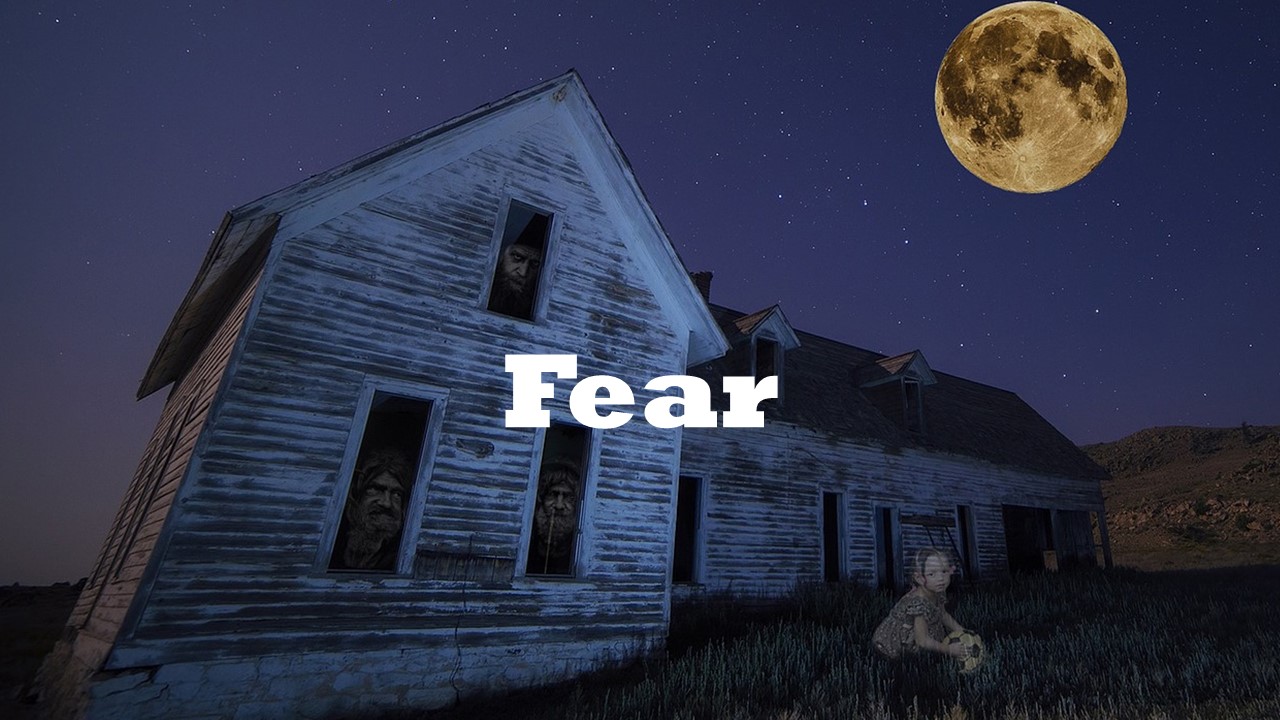
Fear.

Fear.
Photo courtesy of Pixabay.com

Confusing fear and anxiety cause you emotional pain.

Many people are high in anxiety. They report that they are afraid of a great many things. To conquer anxiety, you need to learn the difference between the things you are afraid of, the ones you really should be afraid of, and the things that make you anxious for very personal reasons.

Recent research suggests that we may have been getting two different things confused.  While fear and anxiety may look a lot alike, the kind of behavior we do to defend ourselves, the circuits in the brain for these two things are quite different.

Fear is about an immediate danger.

Defensive behaviors are controlled in the human brain stem. The brainstem controls automatic reactions to things. It’s the part of the brain that keeps your heart beating when you fall asleep. Many fears are hardwired into the brainstem and function to protect humans from harm.

If you are too close to the edge of a cliff, and about to fall off, fear kicks in and tells you to step back. For most people avoiding falling off a cliff or from another high place keeps them from getting injured or even killed.

If you’re out in the wilderness, it is a good thing to be afraid of bears and lions, tigers, and other wild animals. Most primates are instinctively afraid of snakes. Some steaks are poisonous and can kill you. Having an automatic fear eliminates the need to study the snake in front of you to determine if it’s poisonous. Experts, those who work with snakes on a regular basis, learn the difference between poisonous and non-poisonous snakes. Avoiding snakes, especially the poisonous ones, can save your life.

Anxiety is about distant possible dangers.

While fear is about a current immediate danger, anxiety is about the future. The majority of things that anxious people worry about are things that are unlikely to happen. Often anxiety is related to rumination.

The parts of the brain that appears to be involved in anxiety are the structures that should be used for thinking and planning as well as memory. People who are high in anxiety will attempt to improve results and keep themselves safe by trying to imagine all the things that could possibly go wrong.

The more you sit and try to think of things that might go wrong in the future, the more things you’ll find to be anxious about. It turns out that most of the things that we worry about will never happen. Anxiety is about trying to predict low probability events.

Planning for the future and for contingencies is a good thing. But if you find that you are spending a large amount of time trying to foresee everything that could possibly go wrong, you have moved from planning to trying to be a fortune-teller.

The more you try to be perfect and never make a mistake, to create a life in which nothing can ever possibly go wrong, the more you will worry. Unfortunately, the belief that you can somehow protect yourself from every possible catastrophe turns out not to be true.

Whenever you find that you’re worrying about something and it’s making you anxious, the first question to ask yourself is how close am I to this potential danger? Is this something that could happen in the next minute? The second question you should be asking yourself is how likely is this bad outcome to be.

Ask yourself do you want to give up 99% of your life to avoid the things that have a 1% chance of happening. Living, and having good things happen in your life, requires doing lots of things. Unless you really love your anxiety, consider adding more spontaneous, exciting things to your life. Try more things and pay special attention to the things that go well not the few things that don’t turn out the way you want them to occur.

Learning the difference between realistic fears and the high anxiety that worrying brings can result in a much happier life.

Staying connected with David Joel Miller

Seven David Joel Miller Books are available now!

My newest book is now available. It was my opportunity to try on a new genre. I’ve been working on this book for several years, but now seem like the right time to publish it.

Story Bureau.

Story Bureau is a thrilling Dystopian Post-Apocalyptic adventure in the Surviving the Apocalypse series.

Baldwin struggles to survive life in a post-apocalyptic world where the government controls everything.

As society collapses and his family gets plunged into poverty, Baldwin takes a job in the capital city, working for a government agency called the Story Bureau. He discovers the Story Bureau is not a benign news outlet but a sinister government plot to manipulate society.

Bumps on the Road of Life. Whether you struggle with anxiety, depression, low motivation, or addiction, you can recover. Bumps on the Road of Life is the story of how people get off track and how to get your life out of the ditch.

Dark Family Secrets: Doris wants to get her life back, but small-town prejudice could shatter her dreams.

Casino Robbery Arthur Mitchell escapes the trauma of watching his girlfriend die. But the killers know he’s a witness and want him dead.

Planned Accidents  The second Arthur Mitchell and Plutus mystery.

Letters from the Dead: The third in the Arthur Mitchell mystery series.

What would you do if you found a letter to a detective describing a crime and you knew the writer and detective were dead, and you could be next?

Sasquatch. Three things about us, you should know. One, we have seen the past. Two, we’re trapped there. Three, I don’t know if we’ll ever get back to our own time.

For these and my upcoming books; please visit my Author Page – David Joel Miller

Want the latest blog posts as they publish? Subscribe to this blog.

For videos, see: Counselorssoapbox YouTube Video Channel
Feeding your worry.

By David Joel Miller, MS, Licensed Therapist & Licensed Counselor.

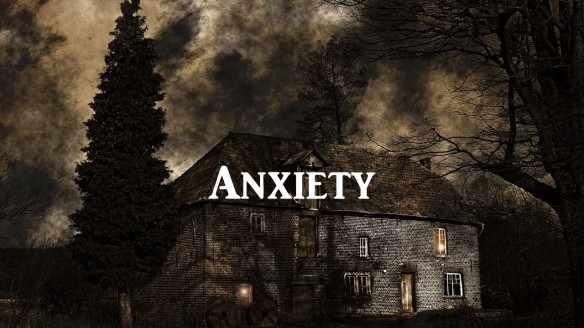
Anxiety provoking.

Anxiety.
Photo courtesy of Pixabay.com

Are you feeding the anxiety monster?

The more you feed your anxiety, the larger grows. It’s easy to miss the connection between worry and anxiety.

Some dictionary definitions of worry are:  to give in to anxiety or decrease, to let your mind dwell on your troubles and difficulties.

Continuing to worry increases your uncertainty and grows your anxiety until it takes over your life. How many of these ways are you feeding the anxiety monster with your worry?

Stay up all night keeping worry company.

When there is lots of uncertainty, potential problems ahead, many people hold on tightly to their worries. Often after a good night’s sleep, things look differently in the morning. A certain way to expand your anxiety is to sit up as long as possible, thinking through every possible negative outcome. Ruminating about low probability bad outcomes is just the sort of worry-food the anxiety monster craves.

You won’t let anyone else babysit your worry.

People who have their anxiety under control learn to use experts to manage their risks. One way to increase your anxiety is to keep all your worries to yourself, and never share them with anyone who might be able to put your mind at ease. Have financial challenges? You should talk to a financial professional. If you have medical issues, you need to see your doctor. For emotional issues, a good counselor can be helpful.

Some people become so attached to their anxiety that they would never consider allowing anyone else to babysit their anxiety monster. If you become unwilling to share your worry with anyone who might be able to help reduce the risks, you’ve taken on the care and feeding of an anxiety monster.

Every morning pick worry back up.

Should you ever get a good night’s sleep, make sure you pick up where you left off worrying the night before. Mentally healthy people can set aside their worries and engage in work and play and positive social relationships with others.

Some people come to view anxiety as their best friend. Their hope is that by worrying enough, they might be able to prevent something bad from happening. If you’ve adopted this thought, you’re likely to find that even when the danger is past, after being able to do something enjoyable with others, as soon as you can, you will pick your worries back up and cuddle them tightly.

Stay angry to grow anxieties.

When you’re angry at someone, you’re likely to expect the worst from them. If you’re angry at others, you expect them to be angry back. Your anger at others and your anticipation of their retaliation are certain to feed your anxiety monster.

Indulge negative feelings.

Negative feelings are a superfood for anxiety monsters. Indulging yourself in every possible negative feeling is guaranteed to increase your worry and anxiety. Should you ever chance to spot a silver lining, search carefully for the black cloud behind it.

People who are high in the ability to worry and make themselves anxious, are often skilled at seeing the worst in every person, place, or situation.

Remind yourself that it is your fault.

If you want to stay anxious and fearful all the time, take on the responsibility for the whole world. Tell yourself that you should have foreseen that earthquake and moved somewhere else. If something breaks, believe that it’s your fault. When others treat you badly, look for what you must’ve done wrong to create their bad behavior.

If someone you know abuses drugs or alcohol or gets in trouble with the law, ask yourself what you must have done wrong to make them misbehave. This constant believing that everything that goes wrong in the world must somehow have been the result of your failure to foresee it is guaranteed to keep you unhappy and anxious.

Search for evidence to grow your fears.

Whenever there is a doubt, do your best to find evidence to prove that the thing you’re afraid of is dangerous. If you can’t find reliable scientific evidence, post your worry on social media and ask people to tell you why you should be afraid of something. When there’s no evidence, believe that your fear is justified just because it feels scary to you.

The human brain has a bias toward negative information. Let ten good things happen, followed by one bad thing, most people will remember only the one problem. Say you get a job interview, and the interview goes well, you get the new job at a very good salary, but on the way home, you get a flat tire. Continue for the rest of your life to remind yourself nothing good ever happens to you “every time” you try to drive; you get a flat tire.

Especially worry about things you can’t change.

People with a well-developed anxiety monster rarely think about things they might be able to control. Nothing expands anxiety like focusing exclusively on things that are out of your control. To maximize anxiety don’t worry about working overtime and paying your electric bill, focus your worry on the possibility this will be an unusually cold winter, and there might be a worldwide shortage of fuel.

Have you had enough anxiety?

I tried to exaggerate all these ways in which people can increase their anxiety. I hope you can see that there may be thoughts you are practicing which are increasing your anxiety. Consider trying to have more helpful thoughts. Change some of the ways you’ve been dealing with life’s challenges and see if you can’t reduce your anxiety.

If your anxiety, worries, and fears have grown so large, that they are taking over your life, consider that now be might be the time to seek professional help. A good counselor or therapist can help you learn to manage and reduce your anxiety and fear.

Staying connected with David Joel Miller

Seven David Joel Miller Books are available now!

My newest book is now available. It was my opportunity to try on a new genre. I’ve been working on this book for several years, but now seem like the right time to publish it.

Story Bureau.

Story Bureau is a thrilling Dystopian Post-Apocalyptic adventure in the Surviving the Apocalypse series.

Baldwin struggles to survive life in a post-apocalyptic world where the government controls everything.

As society collapses and his family gets plunged into poverty, Baldwin takes a job in the capital city, working for a government agency called the Story Bureau. He discovers the Story Bureau is not a benign news outlet but a sinister government plot to manipulate society.

Bumps on the Road of Life. Whether you struggle with anxiety, depression, low motivation, or addiction, you can recover. Bumps on the Road of Life is the story of how people get off track and how to get your life out of the ditch.

Dark Family Secrets: Doris wants to get her life back, but small-town prejudice could shatter her dreams.

Casino Robbery Arthur Mitchell escapes the trauma of watching his girlfriend die. But the killers know he’s a witness and want him dead.

Planned Accidents  The second Arthur Mitchell and Plutus mystery.

Letters from the Dead: The third in the Arthur Mitchell mystery series.

What would you do if you found a letter to a detective describing a crime and you knew the writer and detective were dead, and you could be next?

Sasquatch. Three things about us, you should know. One, we have seen the past. Two, we’re trapped there. Three, I don’t know if we’ll ever get back to our own time.

For these and my upcoming books; please visit my Author Page – David Joel Miller

Want the latest blog posts as they publish? Subscribe to this blog.

For videos, see: Counselorssoapbox YouTube Video Channel
Therapy can make stress and anxiety disorders worse.

By David Joel Miller.

Traditional talk therapy may make your problems worse.

What do you fear

Fear
Photo courtesy of Pixabay.com

Don’t get me wrong; talk therapy has been helpful to a large number of people.  But occasionally I encounter a client whose condition has been made worse, not better, as a result of being in therapy.  One predictor of whether therapy will work for you is the fit between you and your therapist. If the kind of therapy they’re doing or the way they’re doing it is not helpful, begin by talking with the therapist about this. A good therapist will work with you to find helpful solutions. If you find your therapy making things worse, you may end up needing to switch to a new therapist. Below are some ways I have seen therapy be unhelpful and some suggestions for making it more helpful.

Repeated talking about it can retraumatize you.

Some therapists were trained that the way to be helpful to people, was to do a thorough biopsychosocial assessment before they began treatment.  This historical approach often means beginning with the first event in your life and move things forward one event at a time.  Therapists with this orientation may well believe that the key to fixing your current problems, is to thoroughly deal with your childhood issues first.

More than one client has told me that their therapist’s insistence that they needed to talk about past abuse in detail, became so painful they had to discontinue therapy. We often hear from victims of trauma that having to go over and over the details was more painful than the initial experience.

There’s some truth to the idea that you can’t heal injuries, physical or emotional, that you deny exist. The problem comes from efforts to dig up the graveyard to get at the root causes before the person is even able to cope with life today.

What is often more helpful is a “solution-focused” approach to your problems. This approach means beginning at the top with the problem that is affecting you today. If today’s problem is unemployment or a bad relationship, that may need working on right now. Keep in mind that early life experiences may be impacting today’s issues. As you get today’s problems under control, you may decide you want to work on those old long-term problems, or you may decide that having solved today’s problems you need to move on with your life.

Talking in therapy can turn into co-rumination.

Sometimes therapy can perpetuate problems.  It’s easy to stay stuck, week after week, reviewing the exact same problems.  When this is done with a friend, it is sometimes described as co-rumination.  The same process can be harmful when done with a therapist or counselor.

Narrative therapists described this as staying stuck in a problem-saturated story. Repeating the same story over and over can magnify its control over you. The challenge is to stop the pain and begin to create a story of how the future can be better than the past.

Being in the wrong group therapy can make your problems worse.

We see this often in substance abuse treatment.  A young adult gets caught with some marijuana, which is illegal in his particular jurisdiction.  This person gets referred to drug treatment and placed in a group made up largely of heroin addicts.  Not only is this group not helpful, but there is an increased risk that this person will develop a worse problem than before.

An equally bad problem can be created when a woman with a history of domestic violence ends up in a PTSD group with some returning military veterans. Group therapy can be extremely powerful, but only if you’re in the right group.

Sometimes the symptoms become the problem.

Many of the things that are described as symptoms of a trauma-related disorder are in fact ways that people adapt to having survived that trauma. When therapy focuses too much on ending symptoms, it can become unhelpful.

For example, a victim of trauma may begin drinking, trying not to have to remember the painful experiences. Someone notices the person’s drinking, maybe because they’re drunk at work or they get a DUI. They may end up in treatment for alcohol use disorder. The difficulty here is that for this person the alcohol is not their problem, it is their solution. The problem is the recurring intrusive memories of the trauma.

Using “unhelpful” behaviors to manage your current symptoms can become a habit. Rather than focusing too much on the unhelpful behaviors, many therapists will work with you on creating new helpful behaviors. Under stress, humans tend to revert to their habitual way of behaving. The therapist will want you to continue to practice your new helpful behaviors until they become your new automatic way of coping.

Don’t give up before the healing miracle happens.

I hope this post will help you understand the ways in which therapy can be helpful, and the times it may not be. If you’re currently coping with the results of trauma and stressors or you have high levels of anxiety that are interfering with your day-to-day life, know that there is therapy out there that can make your life better. If you have been for counseling in the past and it was not helpful, seek out a therapist you can feel comfortable working with. If you’re currently working with someone and it’s not helping, talk to them about this issue.

One other thing you need to keep in mind is that when you’re in severe emotional pain, you may feel like you’re stuck and nothing is getting better. It’s very common for people to make large amounts of progress and not realize they’re getting better. Sometimes your counselor, family, or friends will see the changes in you long before you do. Please don’t give up.

Staying connected with David Joel Miller

Seven David Joel Miller Books are available now!

My newest book is now available. It was my opportunity to try on a new genre. I’ve been working on this book for several years, but now seem like the right time to publish it.

Story Bureau.

Story Bureau is a thrilling Dystopian Post-Apocalyptic adventure in the Surviving the Apocalypse series.

Baldwin struggles to survive life in a post-apocalyptic world where the government controls everything.

As society collapses and his family gets plunged into poverty, Baldwin takes a job in the capital city, working for a government agency called the Story Bureau. He discovers the Story Bureau is not a benign news outlet but a sinister government plot to manipulate society.

Bumps on the Road of Life. Whether you struggle with anxiety, depression, low motivation, or addiction, you can recover. Bumps on the Road of Life is the story of how people get off track and how to get your life out of the ditch.

Dark Family Secrets: Doris wants to get her life back, but small-town prejudice could shatter her dreams.

Casino Robbery Arthur Mitchell escapes the trauma of watching his girlfriend die. But the killers know he’s a witness and want him dead.

Planned Accidents  The second Arthur Mitchell and Plutus mystery.

Letters from the Dead: The third in the Arthur Mitchell mystery series.

What would you do if you found a letter to a detective describing a crime and you knew the writer and detective were dead, and you could be next?

Sasquatch. Three things about us, you should know. One, we have seen the past. Two, we’re trapped there. Three, I don’t know if we’ll ever get back to our own time.

For these and my upcoming books; please visit my Author Page – David Joel Miller

Want the latest blog posts as they publish? Subscribe to this blog.

For videos, see: Counselorssoapbox YouTube Video Channel

Reasons to get mental health help now!

By David Joel Miller, MS, Licensed Therapist & Licensed Counselor.

Mental Health or Mental Illness

Mental Health or Mental Illness?
Photo courtesy of Pixabay.com

Some emotional problems need immediate attention.

There are some mental and emotional problems that shouldn’t be ignored.  Sometimes people think that if they’d just wait, the problem will go away all on its own.  Other people believe that by asking for help and let the problem get control of them. Unfortunately, many serious emotional problems get worse if they’re not attended to.  When should you wait to see if the problem resolves itself?  Which are the times that you need to take immediate action?

Here is my list of the times when you shouldn’t wait to see if a mental or emotional problem will get better. If you or someone you know is having any of the problems listed below don’t wait, seek help immediately.

Suicidal thoughts.

When someone is having thoughts of killing themselves, you should take immediate action.  Some people believe that when a person talks about suicide they won’t really do it.  That just is not true.  If someone you know has mentioned their thoughts of suicide, now is the time to take action.  If you are having these thoughts reach out for help immediately. One good resource is:

National Suicide Prevention Lifeline at 1-800-273-8255.

Paranoia.

Paranoia is defined as an unreasonable fear.  When someone is becoming more and more afraid of situations or people around them they are at risk.  Paranoid people may take actions that put themselves or others at risk.

Hallucinations.

There are lots of reasons people might have hallucinations.  Hallucinations are a lot more complicated than just hearing voices or seeing things.  In another post, I wrote about other types of hallucinations. Hallucinations can be caused by a mental illness.  They can also be caused by drugs, both street drugs, and prescription medications.  Some other types of hallucinations may indicate a medical emergency.  When someone is hearing voices or other sounds, seeing things, feeling things crawling on their skin, or having another perceptual distortion, there’s no time to lose in getting them help.

Self-harm.

Besides suicidal behavior, there are other types of Self-harm.  Some people do self-injurious behavior, like cutting or burning themselves as a way to regulate emotions.  The Self-harming behaviors can get out of hand.  By Self-harm, I am not talking about everyone who does something dangerous or disturbing to their families.  If someone is doing things to themselves with the clear intention of hurting themselves, they need help.

Racing thoughts.

Many people have episodes of racing thoughts.  Most of that time these turn out to be worry or excitement over upcoming events.  But when someone begins to experience racing thoughts on a recurring basis this needs to be looked at by a professional.

Impulsive behavior that is out of character.

Many people have times in their life when they do something impulsively.  But if this impulsive behavior is dangerous, reckless, and completely out of character for that person, this is the time that they need help.

Need to punish yourself.

Someone who develops a need to punish themselves is at risk.  It’s not uncommon for someone to make a mistake and then continue to beat themselves up, at least mentally about that mistake.  But if this self-punishment moves from being upset and reminding themselves not to do this act again, to active self-injurious self-punishing behavior, this person needs help.

Sudden unexplained changes in sleep and appetite.

Changes in sleep and changes in appetite are two of the diagnostic criteria for depressive disorders.  There can also be changes in sleep and or appetite in a number of other mental illnesses.  But when someone suddenly develops unexplained changes in sleep or their appetite they need to seek professional assistance.

Overwhelming fear or anxiety.

A certain amount of fear or anxiety when you are in a risky or dangerous situation is normal.  Many people experience overwhelming, uncontrollable fear and intense anxiety about the future.  These kinds of fears or anxieties can interfere with people’s ability to live life.  Anxiety disorders rarely go away on their own.

Serious loss of motivation.

Serious loss of motivation is likely to be a symptom of a developing or worsening mental illness.  When someone loses their motivation it’s time to seek assistance.

Extreme loss of pleasure.

Extreme loss of pleasure, sometimes called anhedonia, is one of the symptoms of a serious depressive disorder.  People who were unable to feel any happiness or pleasure are at higher risk to develop depression or another serious mental illness.

Staying connected with David Joel Miller

Seven David Joel Miller Books are available now!

My newest book is now available. It was my opportunity to try on a new genre. I’ve been working on this book for several years, but now seem like the right time to publish it.

Story Bureau.

Story Bureau is a thrilling Dystopian Post-Apocalyptic adventure in the Surviving the Apocalypse series.

Baldwin struggles to survive life in a post-apocalyptic world where the government controls everything.

As society collapses and his family gets plunged into poverty, Baldwin takes a job in the capital city, working for a government agency called the Story Bureau. He discovers the Story Bureau is not a benign news outlet but a sinister government plot to manipulate society.

Bumps on the Road of Life. Whether you struggle with anxiety, depression, low motivation, or addiction, you can recover. Bumps on the Road of Life is the story of how people get off track and how to get your life out of the ditch.

Dark Family Secrets: Doris wants to get her life back, but small-town prejudice could shatter her dreams.

Casino Robbery Arthur Mitchell escapes the trauma of watching his girlfriend die. But the killers know he’s a witness and want him dead.

Planned Accidents  The second Arthur Mitchell and Plutus mystery.

Letters from the Dead: The third in the Arthur Mitchell mystery series.

What would you do if you found a letter to a detective describing a crime and you knew the writer and detective were dead, and you could be next?

Sasquatch. Three things about us, you should know. One, we have seen the past. Two, we’re trapped there. Three, I don’t know if we’ll ever get back to our own time.

For these and my upcoming books; please visit my Author Page – David Joel Miller

Want the latest blog posts as they publish? Subscribe to this blog.

For videos, see: Counselorssoapbox YouTube Video Channel
Why you should talk to yourself.

By David Joel Miller, MS, Licensed Therapist & Licensed Counselor.

Talking to yourself, especially out loud has some benefits.

Girl talking out loud.

Girl Talking.
Photo courtesy of Pixabay.com

People who talk to themselves out loud can make people around them very nervous.  When we think about somebody who is talking out loud many people are likely to think of the psychotic person who was speaking to the voices or the disturbed person who is rambling on and on for no particular reason.  There can be some very definite positive benefits to talking to yourself.

Children are particularly likely to be talking to themselves out loud.  They have not yet developed the skills to self-monitoring and only speaking out loud when they are alone.  If you find that you are still talking out loud to yourself, this does not necessarily mean that are losing your mind.  But it may mean is that you have something very important on your mind and are forgetting to self-monitoring for other people around.  Below are some reasons that speaking to yourself out loud may be helpful.

You become a better public speaker.

Many famous public speakers began by practicing their speeches out loud.  If you know that you’re going to need to make a presentation, it can really improve your performance to practice that speech out loud.

Talking to yourself out loud reinforces memories.

If you just heard something and you need to remember it, saying it over and over again to yourself can help.  Going over a chain of events A happened and then B can help you to remember those events in sequence.

Talking allows you to practice what you are going to say.

Sometimes we know we’re going to have to have one of those difficult talks with someone.  It’s important to get the words just right.  Practicing what you’re going to say can help you identify things that may come out other than the way you want them to.  Listening to what you have to say can help you find just the right way to convey that information.

Talking to yourself helps you learn the step of a process.

When you’re trying to learn a new procedure and there are several steps, it can help you to remember this process if you repeat each step as you do it.  In skills training, the trainer may initially repeat the steps out loud to the client.  They will then have the client do the process while repeating the steps out loud.  Finally, the client repeats the process while saying the steps silently in their head.

Talking aloud helps to clear a crowded mind.

People with very active, busy minds find that it can be helpful to clear that mind by going ahead and saying the things that are bothering them.  Sometimes this can be an automatic unconscious behavior.  While this is helpful to the person with a busy crowded mind it can be upsetting to others who might accidentally overhear.

You develop storytelling skills.

Good storytellers practice telling their stories over and over.  If you’re going to be telling that story out loud to others it’s best to practice the story out loud.  Highly creative people often tell themselves stories. Sometimes when they’re alone they tell them out loud.  As you develop your storytelling and your self-monitoring skills you are likely to learn to tell the stories with your mouth closed and the words retained in your head.

You develop a supportive relationship with yourself.

You’re going to spend a lot of time with yourself.  Work of becoming your own best friend.  One way of becoming supportive of yourself is to have those self-talks that you wish you could have with other people.  The more you practice these self-talks the better you will be able to contain them within your head instead of having them leak out and others hear them.

It helps you to focus on a task or conversation at hand.

Sometimes we repeat things out loud during a conversation with another person.  It can help to confirm that we’ve heard things accurately.  You can also use talking aloud to help you focus your attention on what is being discussed or what you need to do.

It improves self-monitoring skills.

People who are working on their self-monitoring skills may find it useful to comment on their activities as they do them.

Self-talk helps you self-soothe.

When you’re feeling upset or on edge talking to yourself can be helpful.  Remind yourself that you are safe.

You improve your creativity by exploring possibilities.

Creative people may find it useful to have these conversations out loud to explore possible conversations.

So if you or someone in your life makes a habit of talking out loud consider whether this is a helpful skill or a lack of self-monitoring.

Staying connected with David Joel Miller

Seven David Joel Miller Books are available now!

My newest book is now available. It was my opportunity to try on a new genre. I’ve been working on this book for several years, but now seem like the right time to publish it.

Story Bureau.

Story Bureau is a thrilling Dystopian Post-Apocalyptic adventure in the Surviving the Apocalypse series.

Baldwin struggles to survive life in a post-apocalyptic world where the government controls everything.

As society collapses and his family gets plunged into poverty, Baldwin takes a job in the capital city, working for a government agency called the Story Bureau. He discovers the Story Bureau is not a benign news outlet but a sinister government plot to manipulate society.

Bumps on the Road of Life. Whether you struggle with anxiety, depression, low motivation, or addiction, you can recover. Bumps on the Road of Life is the story of how people get off track and how to get your life out of the ditch.

Dark Family Secrets: Doris wants to get her life back, but small-town prejudice could shatter her dreams.

Casino Robbery Arthur Mitchell escapes the trauma of watching his girlfriend die. But the killers know he’s a witness and want him dead.

Planned Accidents  The second Arthur Mitchell and Plutus mystery.

Letters from the Dead: The third in the Arthur Mitchell mystery series.

What would you do if you found a letter to a detective describing a crime and you knew the writer and detective were dead, and you could be next?

Sasquatch. Three things about us, you should know. One, we have seen the past. Two, we’re trapped there. Three, I don’t know if we’ll ever get back to our own time.

For these and my upcoming books; please visit my Author Page – David Joel Miller

Want the latest blog posts as they publish? Subscribe to this blog.

For videos, see: Counselorssoapbox YouTube Video Channel

Types of Posttraumatic Stress Disorder (PTSD.)

By David Joel Miller, MS, Licensed Therapist & Licensed Counselor.

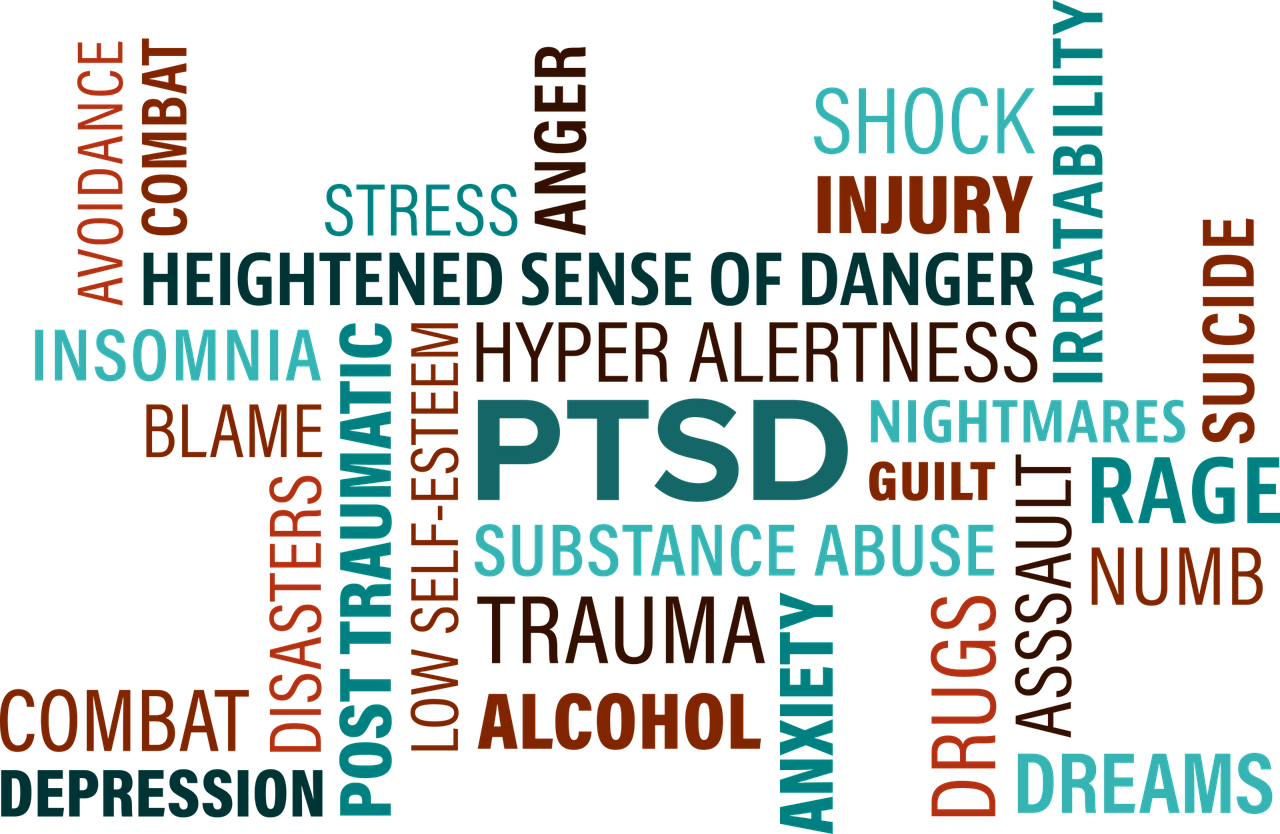
PTSD.
Photo courtesy of Pixabay.com

Not all trauma and stressor-related disorders are the same.

Most people are familiar with Posttraumatic Stress Disorder (PTSD) the granddaddy of all the trauma and stressor-related disorders.  In addition to PTSD, there are a number of other trauma and stressor-related disorders.  There are two types of attachment disorders, Acute Stress Disorder, a number of varieties of adjustment disorders, and even a category for other specified or unspecified Trauma- and Stressor-Related Disorders that don’t fit these categories of disorders.  For more on these other disorders take a look at these related posts on counselorssoapbox.com

In Posttraumatic Stress Disorder, there are recognized and unrecognized subtypes.

Recognized PTSD subtypes or specifiers.

Two subtypes of PTSD dissociative symptoms are recognized.

Depersonalization.

Depersonalization, that is the experience of feeling like you’re outside of yourself looking in.  You may feel like you’re in a dream or are an outside observer watching yourself.  It may feel as if time is moving more slowly or as if you are not real.

Derealization.

Derealization is the experience of feeling like the world is unreal.  You may feel like you’re in a dream or that things are very distorted and different.

Delayed PTSD.

When someone experiences delayed PTSD we use the specifier “with delayed expression.” Delayed expression occurs when it takes more than six months after the event for the symptoms to become obvious.

PTSD subtypes used with children under six.

There are slightly different criteria used in diagnosing PTSD in children under the age of six.  As a result, we also have two additional subtypes for use with children.  All of the subtypes used with adults can also be applied to children.

PTSD with persistent avoidance of stimuli.

Children with this subtype go to great lengths to avoid anything that would remind them of the original traumatic event.

PTSD with negative alterations in cognitions.

Children with this subtype develop all kinds of negative thoughts about themselves and the world.  That may have high levels of fear, shame, and guilt, confusion, and sadness.  They may withdraw from other people and lose their interest in playing.

PTSD unrecognized subtypes.

Complex Trauma.

While not officially recognized in the DSM-5 a good deal has been written about a condition referred to as “complex trauma.”  Both research and practical experience suggest there is some validity to this idea.

This condition occurs when someone is repeatedly traumatized in a very similar way.  Think about somebody who breaks their leg and goes to the hospital.  They have it treated and the leg mends.  If they were to break the same leg again, in the same place, it is less likely to heal a second time.

These types of repeated traumatization are often the result of abuse or domestic violence.  Complex trauma also frequently coexists with substance use disorders or behavioral addictions.

Staying connected with David Joel Miller

Seven David Joel Miller Books are available now!

My newest book is now available. It was my opportunity to try on a new genre. I’ve been working on this book for several years, but now seem like the right time to publish it.

Story Bureau.

Story Bureau is a thrilling Dystopian Post-Apocalyptic adventure in the Surviving the Apocalypse series.

Baldwin struggles to survive life in a post-apocalyptic world where the government controls everything.

As society collapses and his family gets plunged into poverty, Baldwin takes a job in the capital city, working for a government agency called the Story Bureau. He discovers the Story Bureau is not a benign news outlet but a sinister government plot to manipulate society.

Bumps on the Road of Life. Whether you struggle with anxiety, depression, low motivation, or addiction, you can recover. Bumps on the Road of Life is the story of how people get off track and how to get your life out of the ditch.

Dark Family Secrets: Doris wants to get her life back, but small-town prejudice could shatter her dreams.

Casino Robbery Arthur Mitchell escapes the trauma of watching his girlfriend die. But the killers know he’s a witness and want him dead.

Planned Accidents  The second Arthur Mitchell and Plutus mystery.

Letters from the Dead: The third in the Arthur Mitchell mystery series.

What would you do if you found a letter to a detective describing a crime and you knew the writer and detective were dead, and you could be next?

Sasquatch. Three things about us, you should know. One, we have seen the past. Two, we’re trapped there. Three, I don’t know if we’ll ever get back to our own time.

For these and my upcoming books; please visit my Author Page – David Joel Miller

Want the latest blog posts as they publish? Subscribe to this blog.

For videos, see: Counselorssoapbox YouTube Video Channel
.

Do you have an acute or a chronic illness?

By David Joel Miller, MS, Licensed Therapist & Licensed Counselor.

medical

Acute or Chronic Illness?
Photo courtesy of Pixabay.com

Getting the right kind of treatment for your illness is important.

Whether it’s a physical, emotional, or mental disorder, getting the right treatment makes all the difference.

One of the problems we have in the behavioral health field is a tendency to treat chronic illnesses as if they were acute illnesses.

What is an acute illness?

Acute illness is something like breaking your leg. It happened suddenly, you go to the hospital and the Doctor sets it in a cast.  Eventually, the broken leg heals and you walk normally. Another example of an acute illness would be a case of pneumonia.  This can be quite serious and may result in a hospital stay.  You may need emergency treatment.  When that pneumonia goes away and you can return home.  You may have some after effects, But at some point, you will be pronounced cured of your pneumonia.

How is a chronic illness different?

Chronic illnesses have to be managed not cured.  Things like diabetes and heart disease are managed.  With a chronic illness, the Doctor continues to provide care and monitoring to keep the disease from getting worse.  In the past, acute illnesses were the main things doctors treated, today more than 75% of what doctors treat are chronic illnesses.

Mental health and substance use disorders are chronic illnesses.

For years we’ve made a mistake by thinking that we can treat mental and emotional illnesses as if they were acute. Someone is under the influence of a substance and are sent to detox for 72 hours.  As if substance use disorders were the same sort of things as a broken leg or an overdose of poison.

The belief used to be that once the drugs were out of their system that person was cured.  If the substance use disorder was an acute disorder, like poisoning, that would have work.  It is common for people straight out of detox to pick up drugs again within a few days. Detoxification does not work to cure substance use disorders because they are chronic illnesses.

The person sent to the psychiatric hospital for a suicide attempt might be released after two or three days when they no longer were feeling suicidal.  Sometimes that person gets additional care after the hospitalization.  But not always.

This is often another case of treating a chronic illness as if it were an acute illness. Without further treatment, after the brief hospitalization, there is a good chance that the depression and thoughts of suicide will return.

Mental health problems and substance use disorders require long-term treatment.

Repeatedly we have found that people with mental health problems who get treatment over a longer period of time are less likely to have a return of symptoms. Those people who continue to stay in treatment for up to two years after an episode of depression are less likely to have a recurrence of that depression.

With substance use disorders we find that those people who continue to stay in some form of continuing care are less likely to have a relapse.  Staying connected to whatever program or treatment helped you to recover from your substance use disorder improves the chances that you will stay recovered. In drug and alcohol treatment this continuing care is often referred to as aftercare.

One thing that has been sorely missing in mental health treatment is some form of continuing care after the initial episode. Far too often mental health issues are treated as if they were acute illnesses rather than the chronic conditions they are. Providing some kind of continuing support, groups, or individual counseling, reduces the risk of relapse into an active state of mental illness.

One highly effective continuing care system is the development of a written wellness and recovery plan.

For more about aftercare see the post in the “What is.” series.

Staying connected with David Joel Miller

Seven David Joel Miller Books are available now!

My newest book is now available. It was my opportunity to try on a new genre. I’ve been working on this book for several years, but now seem like the right time to publish it.

Story Bureau.

Story Bureau is a thrilling Dystopian Post-Apocalyptic adventure in the Surviving the Apocalypse series.

Baldwin struggles to survive life in a post-apocalyptic world where the government controls everything.

As society collapses and his family gets plunged into poverty, Baldwin takes a job in the capital city, working for a government agency called the Story Bureau. He discovers the Story Bureau is not a benign news outlet but a sinister government plot to manipulate society.

Bumps on the Road of Life. Whether you struggle with anxiety, depression, low motivation, or addiction, you can recover. Bumps on the Road of Life is the story of how people get off track and how to get your life out of the ditch.

Dark Family Secrets: Doris wants to get her life back, but small-town prejudice could shatter her dreams.

Casino Robbery Arthur Mitchell escapes the trauma of watching his girlfriend die. But the killers know he’s a witness and want him dead.

Planned Accidents  The second Arthur Mitchell and Plutus mystery.

Letters from the Dead: The third in the Arthur Mitchell mystery series.

What would you do if you found a letter to a detective describing a crime and you knew the writer and detective were dead, and you could be next?

Sasquatch. Three things about us, you should know. One, we have seen the past. Two, we’re trapped there. Three, I don’t know if we’ll ever get back to our own time.

For these and my upcoming books; please visit my Author Page – David Joel Miller

Want the latest blog posts as they publish? Subscribe to this blog.

For videos, see: Counselorssoapbox YouTube Video Channel

Could you have a Mental Illness?

By David Joel Miller, MS, Licensed Therapist & Licensed Counselor.

Could you be mentally ill?

What Causes Mental Illness?

You think you might have a mental illness, what should you do?

Have you ever thought that you were someone close to you might have a mental illness?  Being faced with mental illness doesn’t mean you’re crazy or have lost your mind.  Many people go through episodes of depression, or you may have excess anxiety.  Sometimes the stress of life just is overwhelming.  Or you may be having conflicts with your family, your spouse, or your children.  If you are having difficulties with your thinking, feeling, or behavior you may be at risk of developing a mental illness.  If so what should you do in this situation?  Below are some do’s and do not’s for people who are at risk for emotional problems.

Don’t ignore it, get help.

Just like physical illnesses, mental, emotional, or behavioral problems don’t get better without attention.  Pretending you don’t have an illness doesn’t keep you healthy.  There’s no great virtue in toughing it out and suffering.  Seeking help when under stress can help prevent more serious emotional problems from developing.

Discuss your problem with someone who feels safe.

If you are thinking your problems have gotten out of control, now is the time to find someone safe you can talk to about it.  Sometimes that trusted person will be your friend or family member.

Talk about your symptoms with your medical doctor.

Whenever you’re feeling out of sorts, the first thing you need to do is talk to a medical doctor. Physical problems can often look like mental health symptoms.  It is important to make sure that your feelings of sadness or depression are not a physical illness.  Sometimes prescription medications can create symptoms that look like emotional disorders.

See a counselor or therapist.

Going to see a counselor or therapist does not mean that you have given in to a mental illness.  Professional athletes have coaches because they can help them improve their performance.  In the emotional area, it helps to see a counselor to work on your stress and issues before they turn into something more serious.  Counselors are specially trained to listen to what’s going on in your life, evaluate your symptoms, and decide whether what you’re experiencing is normal or qualifies for a mental illness diagnosis.

Reduce your stress.

A little bit of stress is good for you.  We exercise to keep our bodies in top condition.  But holding onto too much stress over too long a period of time can overwhelm our emotional system.  Often it is not a huge overwhelming stress the causes people difficulty, it’s the accumulations of lots of little stress day after day.  Work on ways to reduce those little stressors and learn to stop stressing over the things that don’t really matter.

Increase your self-care.

Failing to take care of yourself is not a value.  Learn to take good care of yourself physically and emotionally.  Get plenty of sleep, exercise, and eat as healthy a diet as possible.

Work on solving those other life problems.

Often emotional crises are the result of failure to deal with other real-life problems.  Work on career problems.  Get some help with financial issues.  Tackle those legal problems you’ve been putting off.

Consider taking medication for your problems.

Taking medication to help you live a healthy life is a reasonable thing to do.  It doesn’t matter whether those problems are physical or emotional, medications can sometimes help.  Have that talk with your doctor, and see if there’s some medication which might help you deal with your depression, anxiety, or other emotional issues.

Taking inventory of where you are at.

After looking at all the possibilities listed above if you’re thinking that you might be experiencing a mental, emotional, or behavioral issues, something we might call a mental illness, now is the time to take action.  I hope some of the suggestions in this blog post are helpful.

Recommended Mental Health Books

David Miller at counselorssoapbox.com is an Amazon Affiliate and may receive a small Commission if you purchase a book or product using the link on this page. Using the link will not increase the cost to you.

Staying connected with David Joel Miller

Seven David Joel Miller Books are available now!

My newest book is now available. It was my opportunity to try on a new genre. I’ve been working on this book for several years, but now seem like the right time to publish it.

Story Bureau.

Story Bureau is a thrilling Dystopian Post-Apocalyptic adventure in the Surviving the Apocalypse series.

Baldwin struggles to survive life in a post-apocalyptic world where the government controls everything.

As society collapses and his family gets plunged into poverty, Baldwin takes a job in the capital city, working for a government agency called the Story Bureau. He discovers the Story Bureau is not a benign news outlet but a sinister government plot to manipulate society.

Bumps on the Road of Life. Whether you struggle with anxiety, depression, low motivation, or addiction, you can recover. Bumps on the Road of Life is the story of how people get off track and how to get your life out of the ditch.

Dark Family Secrets: Doris wants to get her life back, but small-town prejudice could shatter her dreams.

Casino Robbery Arthur Mitchell escapes the trauma of watching his girlfriend die. But the killers know he’s a witness and want him dead.

Planned Accidents  The second Arthur Mitchell and Plutus mystery.

Letters from the Dead: The third in the Arthur Mitchell mystery series.

What would you do if you found a letter to a detective describing a crime and you knew the writer and detective were dead, and you could be next?

Sasquatch. Three things about us, you should know. One, we have seen the past. Two, we’re trapped there. Three, I don’t know if we’ll ever get back to our own time.

For these and my upcoming books; please visit my Author Page – David Joel Miller

Want the latest blog posts as they publish? Subscribe to this blog.

For videos, see: Counselorssoapbox YouTube Video Channel

Which kind of sensitive are you?

By David Joel Miller, MS, Licensed Therapist & Licensed Counselor.

eye

How sensitive are you?
Photo courtesy of Pixabay.com

Are you too sensitive or not sensitive enough?

There are at least two kinds of sensitive. One is generally considered good and the other is thought of as bad. Some people are just way too sensitive.  You know the kind of person I mean.  Other people are extremely insensitive. Have you ever thought about the two kinds of sensitive and why you need more of one and less of the other?

Some people are just too sensitive.

Have you met people like this?  With people who are way too sensitive, any little thing you might say they take as an insult. They are always experiencing slights and they are often looking for ways to get even for these slights, real or imaginary.  You have to be careful what you say around people who are so very sensitive.

I think of these people as being like someone who has been in a car crash, covered in blood and broken glass. The wounds need cleaning but even when you try to be helpful, in the most caring manner, they scream in pain.  You reach the point where you are just afraid to interact with them because of their extreme sensitivity

People who are extremely emotionally sensitive are like that, hard to be around. You are always on edge when near them. Say the wrong thing and you set them off. They are constantly touchy. You wish they were just not so sensitive. Their life is the center of the emotional hurricane’s eye. Every day brings more drama and if you are not well grounded you can get swept away in their drama.

In fact, if they want to stay connected to you what they really need to be is – well just be more sensitive, sensitive in a good way.

Some people are just naturally very sensitive.

These sort of folks just always seem to know exactly the right thing to say. They intuitively know how you are feeling and are supportive in every way.  Everyone needs a few people like this in their life.

Don’t you just wish your friend or partner could be more in tune with your feelings, if only they could be more sensitive?  Especially more sensitive to you and how you’re feeling each day.

What is the difference between the two forms of sensitivity?

If In the first variety, the too sensitive form, the person’s sensitivity is focused inward. They see everything as if it pertains to them. “Why did you say that to hurt me” is their mantra.  That other people have feelings and matter is beyond their understanding.

In the second form, the intuitive and sensitive, the sensitivity is turned outward. They are looking to see how what they are doing is affecting others. This kind of extra sensitive person is empathetic and attuned to others.

Which kind of sensitive are you?

Are you focused inwardly, expecting others to always say and do the right thing to make you happy? Or do you stay focused on others,  looking for ways you can be of service and helpful to them?  The topic of sensitivity justifies some thought.  Consider how you might work on becoming more sensitive to the needs of others and less sensitive to everything they say and do that might affect you.

Staying connected with David Joel Miller

Seven David Joel Miller Books are available now!

My newest book is now available. It was my opportunity to try on a new genre. I’ve been working on this book for several years, but now seem like the right time to publish it.

Story Bureau.

Story Bureau is a thrilling Dystopian Post-Apocalyptic adventure in the Surviving the Apocalypse series.

Baldwin struggles to survive life in a post-apocalyptic world where the government controls everything.

As society collapses and his family gets plunged into poverty, Baldwin takes a job in the capital city, working for a government agency called the Story Bureau. He discovers the Story Bureau is not a benign news outlet but a sinister government plot to manipulate society.

Bumps on the Road of Life. Whether you struggle with anxiety, depression, low motivation, or addiction, you can recover. Bumps on the Road of Life is the story of how people get off track and how to get your life out of the ditch.

Dark Family Secrets: Doris wants to get her life back, but small-town prejudice could shatter her dreams.

Casino Robbery Arthur Mitchell escapes the trauma of watching his girlfriend die. But the killers know he’s a witness and want him dead.

Planned Accidents  The second Arthur Mitchell and Plutus mystery.

Letters from the Dead: The third in the Arthur Mitchell mystery series.

What would you do if you found a letter to a detective describing a crime and you knew the writer and detective were dead, and you could be next?

Sasquatch. Three things about us, you should know. One, we have seen the past. Two, we’re trapped there. Three, I don’t know if we’ll ever get back to our own time.

For these and my upcoming books; please visit my Author Page – David Joel Miller

Want the latest blog posts as they publish? Subscribe to this blog.

For videos, see: Counselorssoapbox YouTube Video Channel