4 Stages of recovery

By David Joel Miller, MS, Licensed Therapist & Licensed Counselor.

Ball recovery

Recovery and Resiliency. Photo courtesy of Pixabay.com

How does recovery grow and develop?

Recovery does not happen suddenly, out of nowhere. It takes time and work. From my way of thinking there are customary predictable stages of recovery. People may move through these stages at varying rates, some people move backward at times, but the goal for all should be to reach a final place where recovery is stable and less at risk.

The concept of recovery used to be mostly applied to substance abuse. Recently the concepts of wellness and recovery have been incorporated into Mental Health and physical health issues.

In a series of earlier posts, we talked about stages of change. Those stages begin with Pre-contemplation, the I don’t have a problem and even if I did I wouldn’t want to change anything, to Contemplation, yeah so – maybe I do have a problem but I am not sure I am ready to do anything about it. After that is Preparation, sometimes called Determination, and finally, the action process, which we divided into Early Action and Late Action phases. The last part of this recovery journey was Maintenance.

In this model, Relapse is seen not as part of recovery but as the inability to maintain recovery once we reach it. This is understood as a common result of failure to do the maintenance activities. There has been lots of literature on relapse, triggers and lifestyle changes to make to avoid relapse. Much less has been written about what someone might expect during recovery.

Here are the four stages of recovery as I see them

1. In recovery.

People in this stage are seeking answers, working on themselves, and investing time in their recovery. This is the time when people are taking action steps or may begin to do maintenance to hold onto the gains they have made. Lots of people will describe themselves as “in recovery”

2. Recovering.

People who describe themselves as recovering have moved from the point of being hopeless and lost to having hope and seeing their symptoms reduced. The urges and cravings may decrees even if they are never totally gone. People with mental health symptoms, while not fully back on their feet, may find they are able to do more things more days. Symptoms while present are shrinking.

3. Recovered.

Some people are afraid to say this. They are afraid that feeling recovered, they will let down on working on themselves and relapse. The A.A. Big Book uses this language on the title page of Alcoholics Anonymous, “The Story of How Many Thousands of Men and Woman Have Recovered from Alcoholism.”

People who call themselves “recovered” are quick to point out that they are not cured. Just as when someone is diagnosed with diabetes they may get their disease under control but they will never go back to being a non-diabetic. With any chronic, relapsing disease you may recover but you are never really cured.

People who are recovered begin to get their life back. They may go back to work, volunteer or be able to participate fully in everyday life.

4. Life on life’s terms.

Every recovered person will have bumps on their road of life. This is a real-life, good happens and bad happens. A person’s recovery is secure when they are able to withstand the things that happen, good or bad, in life without a return to active symptoms.

Doing the maintenance steps helps, so does building a comprehensive support system. The real test of someone’s recovery is – can bad or unexpected things happen in your life without triggering a return of your symptoms.

Best wishes on your recovery and having the happy life you deserve.

Other posts on this topic can be found at Pre-contemplation, Contemplation, Preparation, Early Action, Late Action, Maintenance, relapse, recovery, triggers, support system, more on support systems, Resiliency

Staying connected with David Joel Miller

Seven David Joel Miller Books are available now!

My newest book is now available. It was my opportunity to try on a new genre. I’ve been working on this book for several years, but now seem like the right time to publish it.

Story Bureau.

Story Bureau is a thrilling Dystopian Post-Apocalyptic adventure in the Surviving the Apocalypse series.

Baldwin struggles to survive life in a post-apocalyptic world where the government controls everything.

As society collapses and his family gets plunged into poverty, Baldwin takes a job in the capital city, working for a government agency called the Story Bureau. He discovers the Story Bureau is not a benign news outlet but a sinister government plot to manipulate society.

Bumps on the Road of Life. Whether you struggle with anxiety, depression, low motivation, or addiction, you can recover. Bumps on the Road of Life is the story of how people get off track and how to get your life out of the ditch.

Dark Family Secrets: Doris wants to get her life back, but small-town prejudice could shatter her dreams.

Casino Robbery Arthur Mitchell escapes the trauma of watching his girlfriend die. But the killers know he’s a witness and want him dead.

Planned Accidents  The second Arthur Mitchell and Plutus mystery.

Letters from the Dead: The third in the Arthur Mitchell mystery series.

What would you do if you found a letter to a detective describing a crime and you knew the writer and detective were dead, and you could be next?

Sasquatch. Three things about us, you should know. One, we have seen the past. Two, we’re trapped there. Three, I don’t know if we’ll ever get back to our own time.

For these and my upcoming books; please visit my Author Page – David Joel Miller

Want the latest blog posts as they publish? Subscribe to this blog.

For videos, see: Counselorssoapbox YouTube Video Channel

The Long Courageous Battle – Reblog

By David Joel Miller.

Sorry, the original link seems to have disappeared. The gist of the post was that people seem to get lots of credit for fighting physical illnesses but little if any praise for struggling with their emotional or mental challenges.  

waywardweed's avatarWaywardweed's Blog

Another community fund raiser for a poor soul stricken with a horrific illness. Spaghetti suppers are planned, raffles, prizes, trips to Disneyworld. No doubt it’s for a worthy cause, but where are the helping hands for persons with mental illnesses or their families trying desperately to hold on? Where’s the offer of a ride to the doctor or a neighbor bringing dinner so you can get a break? At best you’ll get an “I’m sorry” and at worst avoidance with someone crossing the street to dodge that strange looking person who happens to be your loved one. Where I live there is even a suit before the State Supreme Court to keep a clubhouse for persons with MI out of a particular neighborhood.

Then there are the obituaries reading Mr. or Ms. X died after a “long courageous battle” with cancer or whatever. Well, what if Mr. X committed suicide due…

View original post 151 more words

Morning Question # 4 – Is there a mental illness you can’t recover from?

By David Joel Miller, MS, Licensed Therapist & Licensed Counselor.

Confused brain

Mental illness.
Photo courtesy of Pixabay.com

That depends on what you mean by recover.

People, in my opinion, can and do recover from a wide range of mental illnesses and substance use disorder problems. Recovery means that you get your hope back and you get your life back. It does not mean that you are cured or can cease your vigilance when it comes to self-care.

Somebody with type-two diabetes can lose some weight; get their blood sugar under control. They may even be able to live without medication. But does that mean they can or should begin to overeat or neglect their health again?

Someone with a serious mental illness may get their condition under control. They may be able to have happy relationships and friends. They get their hope and happiness back. Many people with mental illness are able to work, volunteer, or do productive activities again.

Millions of people have “recovered” from alcoholism, by which they mean they are no longer in a hopeless state of mind or body.”

To me, recovery is a process, not a destination. We can all move from unwell to less well to more well. But recovery only lasts when you continue to do the work to maintain it.

So – NO – I have not seen a mental or emotional illness from which you can’t recover if you are willing to do the work of recovery. Some recovery roads are just longer and more difficult than others.

When a question or comment comes in or someone uses a search term that needs a short answer but not a post. Time permitting; I post answers, like this one to those questions in the early morning.

Staying connected with David Joel Miller

Seven David Joel Miller Books are available now!

My newest book is now available. It was my opportunity to try on a new genre. I’ve been working on this book for several years, but now seem like the right time to publish it.

Story Bureau.

Story Bureau is a thrilling Dystopian Post-Apocalyptic adventure in the Surviving the Apocalypse series.

Baldwin struggles to survive life in a post-apocalyptic world where the government controls everything.

As society collapses and his family gets plunged into poverty, Baldwin takes a job in the capital city, working for a government agency called the Story Bureau. He discovers the Story Bureau is not a benign news outlet but a sinister government plot to manipulate society.

Bumps on the Road of Life. Whether you struggle with anxiety, depression, low motivation, or addiction, you can recover. Bumps on the Road of Life is the story of how people get off track and how to get your life out of the ditch.

Dark Family Secrets: Doris wants to get her life back, but small-town prejudice could shatter her dreams.

Casino Robbery Arthur Mitchell escapes the trauma of watching his girlfriend die. But the killers know he’s a witness and want him dead.

Planned Accidents  The second Arthur Mitchell and Plutus mystery.

Letters from the Dead: The third in the Arthur Mitchell mystery series.

What would you do if you found a letter to a detective describing a crime and you knew the writer and detective were dead, and you could be next?

Sasquatch. Three things about us, you should know. One, we have seen the past. Two, we’re trapped there. Three, I don’t know if we’ll ever get back to our own time.

For these and my upcoming books; please visit my Author Page – David Joel Miller

Want the latest blog posts as they publish? Subscribe to this blog.

For videos, see: Counselorssoapbox YouTube Video Channel

Support meetings for family members?

By David Joel Miller, MS, Licensed Therapist & Licensed Counselor.

Family torn apart

Family.
Photo courtesy of Pixabay.com

What kind of support is available for the families of people in recovery?

Why are there so few support group meetings for the families of recovering people?

There are lots of meetings for people in substance abuse recovery. In my local area in any given week, there are over 350 A.A. meetings and 50 N.A. meetings. Most towns have a local office. Call information and they can connect you with a local number who can direct you to a close-by meeting. There are all kinds of online meeting directories.

In an area the same size there might be a few Al-Anon meetings, say ten per week or so.  Sometimes one or two Nar-Anon meetings, but that is about it. Outside the major cities, just try to find a meeting for a family member.

When it comes to meetings that support family members of the mentally ill the situation is even worse.

To begin with, there are relatively few support meetings for someone with a mental illness. Many end up in A.A. and N.A. meetings because the co-occurrence of substance use disorders and mental illness is so common. The few self-help meetings that do exist specifically for people with a mental illness are usually affiliated with a particular psychiatric hospital or mental health system.

The best resources for family members are usually the websites of the large national associations in the mental health field. In many areas, the National Alliance on Mental Illness (NAMI) has local chapters and meetings.

I have had a few emails, my child, parent, spouse or relative has a mental illness, abuses substances, or is in recovery and their issues have taken a toll on the family, where can we get help? Often I have to admit I don’t have a ready resource referral.

One reason for the lack of support groups for family members is the reluctance of family members to concede that the whole experience has harmed them. Counselors often hear something to the effect of – Fix them – they are the ones with the problem. The idea expressed or implied is that if the recovering person gets better the whole family will be fixed. It does not work that way. The addict’s problems have affected the family. Living with a mentally ill person can strain any relationship. Those stresses on the family build up over time.

It is not unusual to have a person enter recovery only to have the spouse file for divorce or have the family decide they no longer want to see them. If someone you have been close to, has a mental health or addiction problem or has entered recovery, consider that you need help to heal also.

Here are a few websites for some national groups that offer online resources and they may also be able to direct you to additional resources for the members of the family.

If you know of other resources that should be listed here please share. Comments are welcome.

Nar-Anon               Al-Anon        National Alliance on Mental Illness

Hope you all find the resources you need to recover, individually and as a family. Have the happiest life you can.

Other posts about support systems can be found at:

How supportive is your support system?

Can one person be a support system?

How do you develop a support system?

Staying connected with David Joel Miller

Seven David Joel Miller Books are available now!

My newest book is now available. It was my opportunity to try on a new genre. I’ve been working on this book for several years, but now seem like the right time to publish it.

Story Bureau.

Story Bureau is a thrilling Dystopian Post-Apocalyptic adventure in the Surviving the Apocalypse series.

Baldwin struggles to survive life in a post-apocalyptic world where the government controls everything.

As society collapses and his family gets plunged into poverty, Baldwin takes a job in the capital city, working for a government agency called the Story Bureau. He discovers the Story Bureau is not a benign news outlet but a sinister government plot to manipulate society.

Bumps on the Road of Life. Whether you struggle with anxiety, depression, low motivation, or addiction, you can recover. Bumps on the Road of Life is the story of how people get off track and how to get your life out of the ditch.

Dark Family Secrets: Doris wants to get her life back, but small-town prejudice could shatter her dreams.

Casino Robbery Arthur Mitchell escapes the trauma of watching his girlfriend die. But the killers know he’s a witness and want him dead.

Planned Accidents  The second Arthur Mitchell and Plutus mystery.

Letters from the Dead: The third in the Arthur Mitchell mystery series.

What would you do if you found a letter to a detective describing a crime and you knew the writer and detective were dead, and you could be next?

Sasquatch. Three things about us, you should know. One, we have seen the past. Two, we’re trapped there. Three, I don’t know if we’ll ever get back to our own time.

For these and my upcoming books; please visit my Author Page – David Joel Miller

Want the latest blog posts as they publish? Subscribe to this blog.

For videos, see: Counselorssoapbox YouTube Video Channel

Sniping wires that connect you to problems.

By David Joel Miller, MS, Licensed Therapist & Licensed Counselor.

Cutting the wires that connect you to your problems.
Photo courtesy of Pixabay.com

Ending the connections with your problems.

Wouldn’t it be wonderful if we could solve our life problems by just tossing them out? Just toss that addiction, the depression, and the clutter out in the trash can and now life will be grand. Lose that excess weight – once and for all. Why doesn’t it work that way?

Our problems are not just a single thing ready for disposal. Often they are an integrated part of our life. Life problems are connected by lots of wires to other aspects of our life. We have a host of wires connecting our problems with the rest of our lives. These wires are elastic like bungee cords, toss the problem and it keeps bouncing back.

We see this in relationships that crash and burn. We see it in addiction and we see it in lots of self-help failures.

A couple can’t get along, they divorce, but there are children, the children act like wires pulling the parents back together. Calling the ex to complain about “look what your son did” or to argue about money and the needs of the children keep the dysfunctional relationship alive. I have seen couples ten years post-divorce and already with new partners who still manage to call each other once a week to continue the old marital argument.

“Rightism” that need to prove you are right long after it has stopped mattering is a common defect of character.

Just because you end a relationship does not mean the connections are severed. You divorce your partner but not your kids. I warn teens when I counsel them that you can break up with a boyfriend or girlfriend but babies mommas and babies daddies are forever. The key here is to maintain the relationship with the ex as your child’s parent while cutting all the old relationship wires. The wires of anger, bitterness, and resentment keep us connected to the pain of the past.

Any 12 step meeting is sure to have a couple of people, sometimes more, who are not drinking, but they are not happy about being sober. You can spot these people in a flash. Ten years not drinking and they are still angry and resentful, unwilling to do any work on self-change. They keep the wires that connect them to their addiction connected and eventually most of them are pulled back to the problem.

Three things we all should know can keep us connected to our problems, people, places, and things.

Most of us have people in our lives that help maintain our problems. Plan to lose weight? Do you drop by that friend’s house, you know the one I mean, the one that is a good cook and always has a fresh-baked cake ready to help you eat instead of exercise.

Do all your friends have your same problem and are they stuck in the problem and not the solution?  Addicts in recovery find most of their “friends” are really just using associates. Going to see old friends often means doing old behaviors. Hard to cut wires of bad relationships? They have a strong pull to take you back to old behaviors.

Places are also strong wires that bind us to our past. The old saying goes – “Hang out in a barbershop and you get a haircut. Do you think it is safe to visit a bar?

When a mental illness takes hold, people may find that they can’t return to the place they used to work or even the career they used to hold. Not that the place or job makes them mentally ill but the tendency to slip back into old patterns, to work too much, neglect self-care, all these things set you up for another round of illness.

Do you have some wires connecting you to your problems that need to be sniped?

Staying connected with David Joel Miller

Seven David Joel Miller Books are available now!

My newest book is now available. It was my opportunity to try on a new genre. I’ve been working on this book for several years, but now seem like the right time to publish it.

Story Bureau.

Story Bureau is a thrilling Dystopian Post-Apocalyptic adventure in the Surviving the Apocalypse series.

Baldwin struggles to survive life in a post-apocalyptic world where the government controls everything.

As society collapses and his family gets plunged into poverty, Baldwin takes a job in the capital city, working for a government agency called the Story Bureau. He discovers the Story Bureau is not a benign news outlet but a sinister government plot to manipulate society.

Bumps on the Road of Life. Whether you struggle with anxiety, depression, low motivation, or addiction, you can recover. Bumps on the Road of Life is the story of how people get off track and how to get your life out of the ditch.

Dark Family Secrets: Doris wants to get her life back, but small-town prejudice could shatter her dreams.

Casino Robbery Arthur Mitchell escapes the trauma of watching his girlfriend die. But the killers know he’s a witness and want him dead.

Planned Accidents  The second Arthur Mitchell and Plutus mystery.

Letters from the Dead: The third in the Arthur Mitchell mystery series.

What would you do if you found a letter to a detective describing a crime and you knew the writer and detective were dead, and you could be next?

Sasquatch. Three things about us, you should know. One, we have seen the past. Two, we’re trapped there. Three, I don’t know if we’ll ever get back to our own time.

For these and my upcoming books; please visit my Author Page – David Joel Miller

Want the latest blog posts as they publish? Subscribe to this blog.

For videos, see: Counselorssoapbox YouTube Video Channel

What is hitting bottom?

By David Joel Miller, MS, Licensed Therapist & Licensed Counselor.

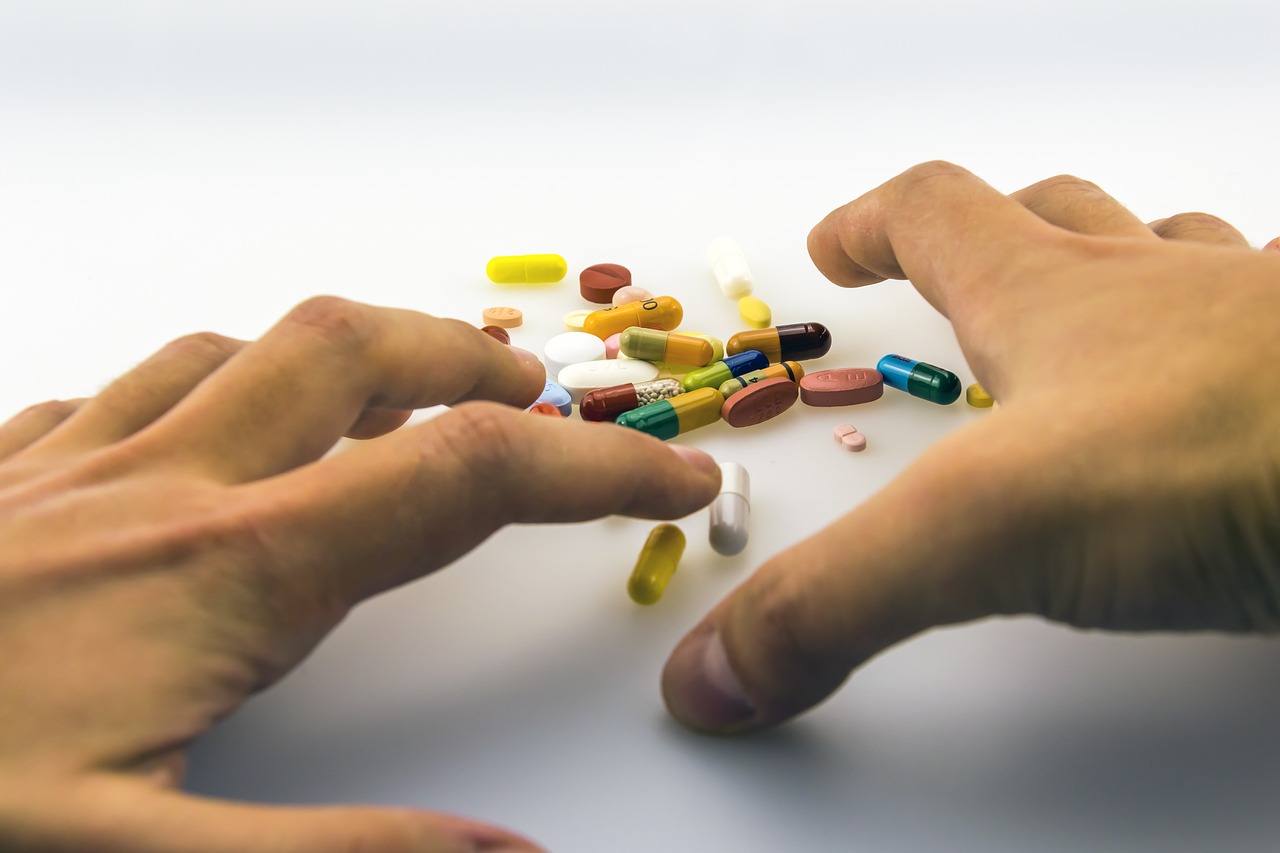
Hands with pills

Addiction.
Photo courtesy of Pixabay

How would you know if you have hit bottom, and does it matter?

The idea that you have to hit bottom before you can start back up comes from the early days of the 12 step movement largely by way of Jellinek’s research on people who recovered in A.A.  It is not often applied to mental health but the two are just too similar in their disease and recovery processes to not take a look at the significance of the idea of hitting bottom and whether it applies to something other than addiction.

The hitting bottom expression referred to the point of accepting that the way you have been doing things was not working and it was time to try something different. You can think of this as “admitting complete defeat” but you can also think of this as “radical acceptance”, take your pick.

Most people will continue to struggle long after they should have changed directions. Who wants to admit they are an alcoholic? Who wants to say they have Bipolar Disorder or any other form of mental illness. I do not remember Alcoholic or Schizophrenic being included in the list of future careers when I was back in high school. It can be reassuring to tell yourself that you are not that bad. But some of us got there anyway.

So if there is some sort of bottom, lower than where you are, it can give you the false sense that you are not as bad as someone else. People fool themselves for a long time because they can believe that alcoholics are homeless bums. The truth is more than 90% of alcoholics have full-time jobs. People with Bipolar Disorder fool themselves into thinking they are more productive, creative, or have more energy than others until they crash.

So hitting bottom is different for different people. For one person the realization they have the disease of alcoholism will come after the first DUI or the first unpleasant incident with the family. Other people will continue to try to control their drinking, complete with recurrent episodes of out of control drinking until they have been sentenced to a fifth or tenth program, or have done more years in prison than on the street.

But it is not just alcoholics that try to deny their disease. People may try suicide multiple times, have repeated psychiatric hospitalization, and still believe that they just need to move somewhere else, that it is someone else’s fault, anything to avoid the fact that they have a mental health problem that needs treatment.

Many of us want to pretend we don’t have a disease. If you just ignore it then this problem will go away. Don’t give in to depression is their mantra. A few relatively minor conditions do go away without treatment. Colds and flu may remit without treatment. But serious conditions, Cancer, tuberculosis, and heart disease get worse if ignored. Alcoholism, addiction, and mental illness also can worsen if not treated. Pretending is not treatment.

The founders of A.A. concluded that sometimes we need to “raise the bottom” till it hits people. Why do people need to totally destroy their life, spend time in prison, or psych hospitals before they can accept that they have a condition that will respond to treatment?

Education can help sometimes. But the people who need education the most avoid it. What person who is manic, drunk, or on drugs wants to sit and listen to others talk about how they were unable to control their disease until they became willing to accept help?

Lots of people with addictions and mental illnesses will isolate, they will avoid others, and shrink from treatment. Their bottoms most often come when the losses and the pain become unbearable.

So you don’t need to wait for you or a loved one to “hit bottom” before you seek help. You do not reach bottom until you put the shovel down and quit digging. There is help available the moment you realize that you can’t dig your way out of a hole. Accepting that you have a problem, condition, illness, or defect of character that requires a new way of thinking and behaving can be your bottom. You don’t have to get any lower before you start your journey back.

Staying connected with David Joel Miller

Seven David Joel Miller Books are available now!

My newest book is now available. It was my opportunity to try on a new genre. I’ve been working on this book for several years, but now seem like the right time to publish it.

Story Bureau.

Story Bureau is a thrilling Dystopian Post-Apocalyptic adventure in the Surviving the Apocalypse series.

Baldwin struggles to survive life in a post-apocalyptic world where the government controls everything.

As society collapses and his family gets plunged into poverty, Baldwin takes a job in the capital city, working for a government agency called the Story Bureau. He discovers the Story Bureau is not a benign news outlet but a sinister government plot to manipulate society.

Bumps on the Road of Life. Whether you struggle with anxiety, depression, low motivation, or addiction, you can recover. Bumps on the Road of Life is the story of how people get off track and how to get your life out of the ditch.

Dark Family Secrets: Doris wants to get her life back, but small-town prejudice could shatter her dreams.

Casino Robbery Arthur Mitchell escapes the trauma of watching his girlfriend die. But the killers know he’s a witness and want him dead.

Planned Accidents  The second Arthur Mitchell and Plutus mystery.

Letters from the Dead: The third in the Arthur Mitchell mystery series.

What would you do if you found a letter to a detective describing a crime and you knew the writer and detective were dead, and you could be next?

Sasquatch. Three things about us, you should know. One, we have seen the past. Two, we’re trapped there. Three, I don’t know if we’ll ever get back to our own time.

For these and my upcoming books; please visit my Author Page – David Joel Miller

Want the latest blog posts as they publish? Subscribe to this blog.

For videos, see: Counselorssoapbox YouTube Video Channel
Posttraumatic Growth (PTG) vs. Posttraumatic Stress Disorder (PTSD)

By David Joel Miller, MS, Licensed Therapist & Licensed Counselor.

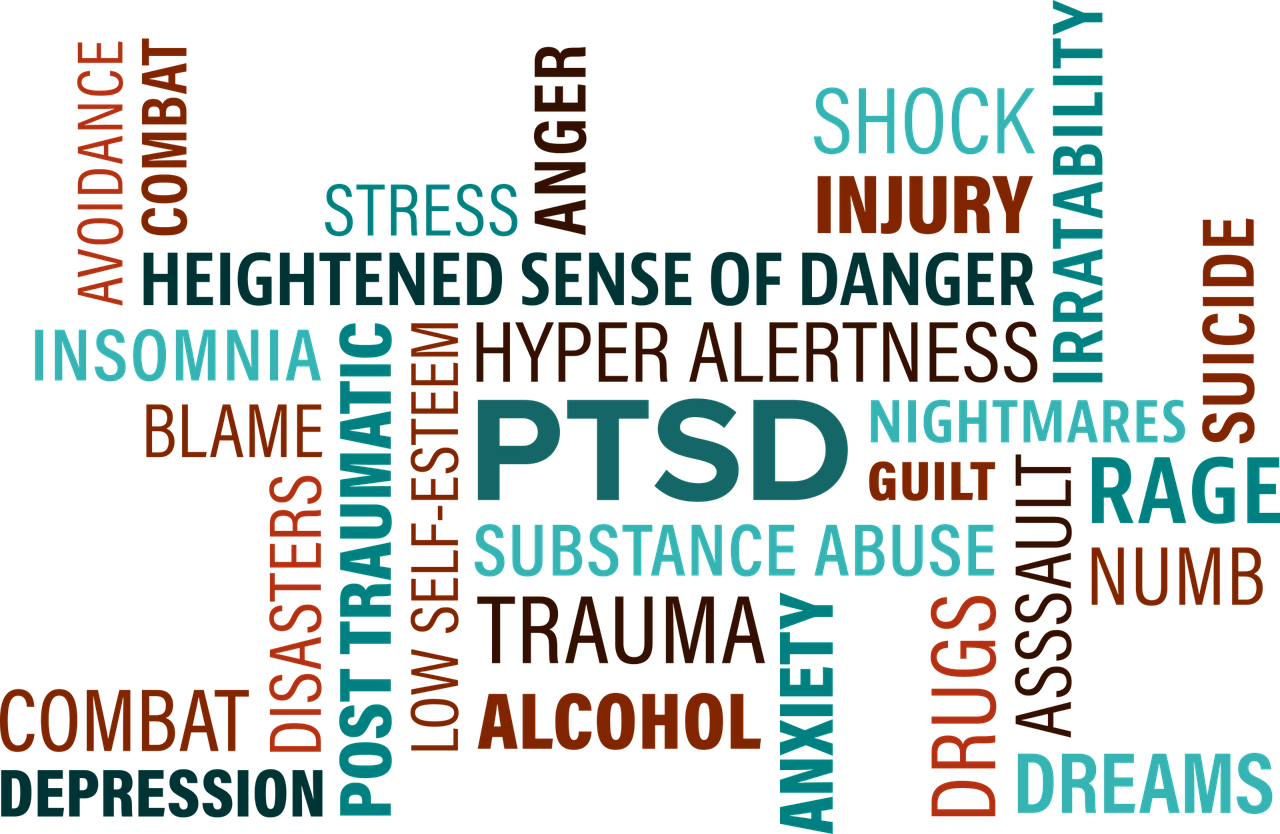
Words about PTSD

PTSD.
Photo courtesy of Pixabay.com

How are PTSD, PTG, and Resilience related?

Is some sort of personal growth possible as a result of living through a traumatic experience? Recently researchers have begun to study the concept of Posttraumatic Growth (PTG.) There has always been a body of literature about how some difficulty might spur changes in a person and lead to a new way of seeing life. But could something that was so severe a stressor as to be traumatic really lead to positive growth? And if that change might happen, why? What characteristics of the person, the treatment they received, or their support system might transform Posttraumatic Stress into Posttraumatic Growth?

Zoellner & Maercker defined PTG as “the subjective experience of positive psychological change reported by an individual as a result of the struggle with trauma.” So far studies of PTG have been lacking and those that have taken place include mostly groups of people who are different from the clients we see in therapy who have PTSD. For example, many patients with PTSD also have co-occurring substance abuse disorders. Most studies of PTG have excluded clients with substance use disorders. We know from many individual reports that overcoming substance abuse especially in clients with PTSD can result in the client developing a new way of seeing the world and many in recovery report that they have grown as a result. Clients with suicidal thoughts have also been excluded from studies of PTG despite the recurrence of clients telling us that being hospitalized for a mental illness, especially with suicidal thoughts, can be a life-altering experience.

Hagenaars & van Minnen (Journal of Traumatic Stress, Vol. 23, No. 4, August 2010, pp. 504–508 (c 2010), conducted a study using Exposure Therapy. The therapy included steps beginning with low-intensity experiences such as “Patients were asked to close their eyes and talk about the traumatic event in the first person and in the present tense, recollecting as many sensory details as vividly as possible, i.e., as if the trauma was happening “here and now.” The intensity progressed to real-life situations. This procedure is similar to systematic desensitization procedures in use for specific phobias.

So what did they find? The more PTG the less PTSD and vice versa. Also, the more someone was “emotionally numb” the less likely they were to benefit from the treatment, and the less likely they were to have PTG. They concluded that an inability to feel emotions is related to an inability to grow. So the ability to face problems leads to growth and the inability to face problems leads to staying stuck in the problem. Unfortunately, this leads us around in a circle to the place we started. Resilient people can grow as a result of trauma but trauma can make you less resilient especially repeated traumas.

Some clients who have been forced to relive traumatic events become re-traumatized. So sometimes the exposure techniques make you better but the same treatment can also make you sicker. How do you choose? Clients who share about trauma in a safe environment seem to get positive benefits; those who are cross-examined for details get worse. So, in the end, the value or damage of the technique depends on the relationship. This is one reason that group counseling is so appealing. People with similar traumas feel safer in talking about them in a group that has had a similar experience. Counselors who are seen as accepting help and rejecting professionals harm. It is in the case of PTSD as in other therapy – all about the relationship.

One further problem with the concept of PTG, how do we know it happens? Mostly we measure it by the client’s subjective report. They say they grew as a result of the trauma so that is evidence. But how did they grow? Did they take new actions or did they have a change of attitude? Maybe both? People who are spurred to action appear to grow more.

We also suspect that PTG is related to resilience. So do resilient people have more growth as a result of a traumatic event or do people who overcome a traumatic event become more resilient?

We know that PTG reduces PTSD symptoms and that the process of growth is related to resilience somehow. It is also clear that there is a lot more PTSD out there than we wanted to recognize. The challenge is making use of the things we learn in research and theory to help the clients who walk in the door in their journey from Posttraumatic Stress Disorder (PTSD) to Posttraumatic Growth (PTG.)

Do any of you have experiences with Posttraumatic Stress Disorder (PTSD) or Posttraumatic Growth (PTG) you would care to share?

This post was featured in “Best of Blog – May 2012

For more information on Stress and PTSD see:

Posttraumatic Stress Disorder – PTSD and bouncing back from adversity

8 warning signs you have PTSD

Acute Stress Disorder vs. PTSD 

Staying connected with David Joel Miller

Seven David Joel Miller Books are available now!

My newest book is now available. It was my opportunity to try on a new genre. I’ve been working on this book for several years, but now seem like the right time to publish it.

Story Bureau.

Story Bureau is a thrilling Dystopian Post-Apocalyptic adventure in the Surviving the Apocalypse series.

Baldwin struggles to survive life in a post-apocalyptic world where the government controls everything.

As society collapses and his family gets plunged into poverty, Baldwin takes a job in the capital city, working for a government agency called the Story Bureau. He discovers the Story Bureau is not a benign news outlet but a sinister government plot to manipulate society.

Bumps on the Road of Life. Whether you struggle with anxiety, depression, low motivation, or addiction, you can recover. Bumps on the Road of Life is the story of how people get off track and how to get your life out of the ditch.

Dark Family Secrets: Doris wants to get her life back, but small-town prejudice could shatter her dreams.

Casino Robbery Arthur Mitchell escapes the trauma of watching his girlfriend die. But the killers know he’s a witness and want him dead.

Planned Accidents  The second Arthur Mitchell and Plutus mystery.

Letters from the Dead: The third in the Arthur Mitchell mystery series.

What would you do if you found a letter to a detective describing a crime and you knew the writer and detective were dead, and you could be next?

Sasquatch. Three things about us, you should know. One, we have seen the past. Two, we’re trapped there. Three, I don’t know if we’ll ever get back to our own time.

For these and my upcoming books; please visit my Author Page – David Joel Miller

Want the latest blog posts as they publish? Subscribe to this blog.

For videos, see: Counselorssoapbox YouTube Video Channel
Is your marriage house collapsing?

By David Joel Miller, MS, Licensed Therapist & Licensed Counselor.

No Roof.

No Roof.
Photo courtesy of Pixabay.com

Sorry, this post is no longer available.

Is your marriage house collapsing?

New post on relationships

Is your marriage house collapsing?

Let me know how you like this post.

Staying connected with David Joel Miller

Seven David Joel Miller Books are available now!

My newest book is now available. It was my opportunity to try on a new genre. I’ve been working on this book for several years, but now seem like the right time to publish it.

Story Bureau.

Story Bureau is a thrilling Dystopian Post-Apocalyptic adventure in the Surviving the Apocalypse series.

Baldwin struggles to survive life in a post-apocalyptic world where the government controls everything.

As society collapses and his family gets plunged into poverty, Baldwin takes a job in the capital city, working for a government agency called the Story Bureau. He discovers the Story Bureau is not a benign news outlet but a sinister government plot to manipulate society.

Bumps on the Road of Life. Whether you struggle with anxiety, depression, low motivation, or addiction, you can recover. Bumps on the Road of Life is the story of how people get off track and how to get your life out of the ditch.

Dark Family Secrets: Doris wants to get her life back, but small-town prejudice could shatter her dreams.

Casino Robbery Arthur Mitchell escapes the trauma of watching his girlfriend die. But the killers know he’s a witness and want him dead.

Planned Accidents  The second Arthur Mitchell and Plutus mystery.

Letters from the Dead: The third in the Arthur Mitchell mystery series.

What would you do if you found a letter to a detective describing a crime and you knew the writer and detective were dead, and you could be next?

Sasquatch. Three things about us, you should know. One, we have seen the past. Two, we’re trapped there. Three, I don’t know if we’ll ever get back to our own time.

For these and my upcoming books; please visit my Author Page – David Joel Miller

Want the latest blog posts as they publish? Subscribe to this blog.

For videos, see: Counselorssoapbox YouTube Video Channel

How safe is your job?

By David Joel Miller, MS, Licensed Therapist & Licensed Counselor.

Filling out a job application

Job application.
Photo courtesy of Pixabay.com

The story of the Cordwainers, Redsmiths, and the disappearing jobs.

Did you get a job once and plan to work at that job, maybe even that company, for the rest of your life? Then one day the company went out of business. When that happens to you what do you do?

There was a time when most people learned their trade from their parents or underwent an apprenticeship and then worked at that trade for the rest of their life. Not anymore.

The career landscape has been completely reshaped in recent years. Some people lose their job and no matter how much they look they can’t find another job in their field. Our countries unemployment has continued to stay stuck at an unacceptably high level. Some places have higher unemployment than others, but even when you are willing to relocate – what if you can’t find a job that matches your skills? What if you are approaching retirement age?

It may be because of the Cordwainers and Redsmiths!

As a Professional Counselor, I see clients who are in that situation. I warn them about the Cordwainers and Redsmiths.

Check any help wanted ad. Look through the listings at your state’s employment development office, Can you find a help wanted ad for a Cordwainer? I have looked more than once. I can’t find one. Did you know there was a time when Cordwainer was a common occupation in America?

Cordwainers were leather workers. Mostly they made shoes from leather supplied by the factory owner. They formed one of the first unions in America. The Cordwainers strike in 1805 set a precedent for labor law for most of the early part of American history. It was big news. Today they are almost all gone. Most shoes are massed produced in factories overseas. Over time the old Cordwainers had to take other jobs. Not good-paying jobs, not jobs in their trade, but they took whatever work they could find. Not just a job or a company went out of business but a whole occupation essentially ceased to exist.

Does this story sound frightening? Does it sound familiar? What did you say you did for a living? Could that occupation cease to exist also?

What about the Redsmiths?

Have you seen any job openings for them? They have mostly come and gone like the Cordwainers. You have heard of blacksmiths, right? And goldsmiths? Redsmiths worked on red metal, copper, and brass. Some of them made their living traveling around in their wagon to the farmhouses where they repaired broken copper pots and kettles. Fixing copper vessels used to pay. Today we throw those old pots and pans out and buy new ones. The Redsmiths got thrown out also. Like most of the repair and fix-it shops.

Think about someone who lost their job as a Cordwainer’s and retrained to become a Redsmiths. That had to be a traumatic experience.

Could that happen to you? Sure it could.

The typical skilled worker will need to retrain for a different job 3 to 5 times in their lifetime. That has been getting harder not easier to do.

See also: Degree but can’t find a job?

Staying connected with David Joel Miller

Seven David Joel Miller Books are available now!

My newest book is now available. It was my opportunity to try on a new genre. I’ve been working on this book for several years, but now seem like the right time to publish it.

Story Bureau.

Story Bureau is a thrilling Dystopian Post-Apocalyptic adventure in the Surviving the Apocalypse series.

Baldwin struggles to survive life in a post-apocalyptic world where the government controls everything.

As society collapses and his family gets plunged into poverty, Baldwin takes a job in the capital city, working for a government agency called the Story Bureau. He discovers the Story Bureau is not a benign news outlet but a sinister government plot to manipulate society.

Bumps on the Road of Life. Whether you struggle with anxiety, depression, low motivation, or addiction, you can recover. Bumps on the Road of Life is the story of how people get off track and how to get your life out of the ditch.

Dark Family Secrets: Doris wants to get her life back, but small-town prejudice could shatter her dreams.

Casino Robbery Arthur Mitchell escapes the trauma of watching his girlfriend die. But the killers know he’s a witness and want him dead.

Planned Accidents  The second Arthur Mitchell and Plutus mystery.

Letters from the Dead: The third in the Arthur Mitchell mystery series.

What would you do if you found a letter to a detective describing a crime and you knew the writer and detective were dead, and you could be next?

Sasquatch. Three things about us, you should know. One, we have seen the past. Two, we’re trapped there. Three, I don’t know if we’ll ever get back to our own time.

For these and my upcoming books; please visit my Author Page – David Joel Miller

Want the latest blog posts as they publish? Subscribe to this blog.

For videos, see: Counselorssoapbox YouTube Video Channel

Buying happiness.

By David Joel Miller, MS, Licensed Therapist & Licensed Counselor.

Happy children

Happy.
Photo courtesy of Pixabay.com

Just how do you go about getting happiness?

Happiness seems to be so much harder to get than misery. In a previous post, I wrote about 13 ways to make yourself miserable. Finding ways to make yourself happy seems so much more difficult. It appears there are only a couple of ways we humans go about trying to acquire happiness. I did an internet search and found mostly things to do, places to go, to make me happy. There were also some sites devoted to treating unhappiness based on the assumption if we are less miserable we must then be happier.

Lots of people try to make themselves happy by buying. Despite more goods available now for purchase than ever before these things have not resulted in a universal reduction in unhappiness. More stuff and still we are unhappy.

More money does not make us happy, hence the old saying “money does not buy happiness.” Is that so? Then why do we keep spending money trying to become happy?

People also try to find happiness in frantic doing. The paradox here is that the people who do the most seem to be the least happy.

There are times when buying and doing do make people happy. Maybe the difference is in the way we spend our money and our time.

1. Doing for others makes us feel good.

Have you ever done something for a little child or a sick person? How did it make you feel to help someone else? Did you feel bad? Did you feel good? Most people tell me that helping a child makes them feel good.

This is a major part of the twelfth step as those who have been around a twelve-step group can tell you. Sponsors offer to help newcomers because it feels good to help. Anytime we are thinking about others and not ourselves our problems shrink. Twelve-step sponsors work with newcomers because it keeps them sober.

The joy of helping others sure looks like happiness to me.

2. The way we spend our money determines if it makes us happy or not.

Michael Norton has done a wonderful video on how the way we spend our money affects our happiness, more on Michael Norton at the end of this post.

People, who spend money on others, most often feel happier about the purchase than people who spend the money on themselves. Norton has done a lot of research on this. The results seem to be the same almost everywhere on the planet.

Donate money to charity and you will feel better. Spend it on yourself and the pleasure will last a very short time. Now, this does not say to neglect ourselves or that it is wrong to do nice things for ourselves. What he does point out is that money spent solely for the purpose of making ourselves happy is likely to fail.

The size of the purchase does not seem to matter. One huge donation to a charity, while commendable does not create the long-term happiness that developing a habit of being helpful or of service to people will create.

The conclusion I take from all this is that developing a habit of caring about others and spending your time and money on doing good, creates more happiness. Grow the habit of selfishness and spending on your own pleasure and no amount of time or money can make you happy.

About Mr. Norton, you can see the video of his presentation on the TED site. For those of you not familiar with TED it is an organization devoted to “ideas worth spreading.” This is one online video source worth watching. Here is the link.

Michael Norton TED – Ideas worth spreading

Any of you have stories about the way in which you spent your time and money and how those expenditures influenced your happiness?

Staying connected with David Joel Miller

Seven David Joel Miller Books are available now!

My newest book is now available. It was my opportunity to try on a new genre. I’ve been working on this book for several years, but now seem like the right time to publish it.

Story Bureau.

Story Bureau is a thrilling Dystopian Post-Apocalyptic adventure in the Surviving the Apocalypse series.

Baldwin struggles to survive life in a post-apocalyptic world where the government controls everything.

As society collapses and his family gets plunged into poverty, Baldwin takes a job in the capital city, working for a government agency called the Story Bureau. He discovers the Story Bureau is not a benign news outlet but a sinister government plot to manipulate society.

Bumps on the Road of Life. Whether you struggle with anxiety, depression, low motivation, or addiction, you can recover. Bumps on the Road of Life is the story of how people get off track and how to get your life out of the ditch.

Dark Family Secrets: Doris wants to get her life back, but small-town prejudice could shatter her dreams.

Casino Robbery Arthur Mitchell escapes the trauma of watching his girlfriend die. But the killers know he’s a witness and want him dead.

Planned Accidents  The second Arthur Mitchell and Plutus mystery.

Letters from the Dead: The third in the Arthur Mitchell mystery series.

What would you do if you found a letter to a detective describing a crime and you knew the writer and detective were dead, and you could be next?

Sasquatch. Three things about us, you should know. One, we have seen the past. Two, we’re trapped there. Three, I don’t know if we’ll ever get back to our own time.

For these and my upcoming books; please visit my Author Page – David Joel Miller

Want the latest blog posts as they publish? Subscribe to this blog.

For videos, see: Counselorssoapbox YouTube Video Channel