
Why counselorssoapbox by David Joel Miller

By David Joel Miller, MS, Licensed Therapist & Licensed Counselor.

Counselorssoapbox.com

Who is this David Joel Miller and why is he writing a blog called counselorssoapbox?

Counselorssoapbox is a blog about recovery, wellness, and having a happy life. Yes, you guessed it, I am David Joel Miller and I write this blog. It occurs to me though that I have not explained why I write this blog and why I called it counselorssoapbox.

Someone is snickering under their breath the words “for the money” If you were thinking that then you would be more delusional than I was when I started writing this blog. Not delusional in the psychiatric sense, but delusional in that I had no idea how much work writing a blog on a regular basis would be. As for this blog making money, I definitely will not be quitting my day job, or my night job for that matter, anytime soon.

My first exposure to all things psychological was, like many of you, a few classes in psychology. It was the sixties after all. I have since learned that psychology, the kind we study in high school or most colleges is only a distant relative of counseling and recovery. Clinical Psychology, that takes 6 years of college for a Ph.D. and then you can start looking for the answers to why life is the way it is.

My first exposure to counseling and therapy was as a client. I discovered school counselors could tell me what classes to take if I wanted to make the big bucks but none of them seemed to know how to be happy along the way. Eventually, I ended up seeing some therapists. I discovered that there were helpful therapists and unhelpful therapists.

Becoming a therapist was not in my original plan. I took the classes and became a drug and alcohol counselor. Along the way, I learned a few things. One was that there was a lot of wisdom in those 12 step programs. The other was that my AOD (Alcohol and Other Drugs) clients all had families. If I wanted to be helpful to those families, especially the children and the significant others, then I needed more training.

Next stop was the classes in how to be a Marriage and Family Therapist. Originally here in California, this was called a Marriage, Family, and Child Counselor. Marriage in this context means any two or more people who have a close, primary, usually sexual, relationship.

Over the years of trying to figure out who I was and what I wanted to be when I grow up, I discovered that having a job or at least a purpose in life was an immense part of being happy. The answer to the who and what question I am still working on, but at least now I know something about the how of being happy.

To help people with their job issues and substance use issues took me in the direction of Professional Clinician Counseling and today I have that license also. From there I drifted, more like jumped, into teaching and supervising other counselors and therapists. So now you know a little bit about me. More is on my “about me” page.

But I still haven’t told you “Why a blog named counselorssoapbox?”

Throughout my process of becoming a professional in this field I kept thinking about those times I had sat on the other side of the desk and what I had experienced. I decided I did not ever want to forget what it was like to be on the clients side of the room.

In graduate school, they explained a lot of stuff to us but honestly, I did not feel like some of these professionals I had seen had explained things to me in the way they were supposed to be explained. I asked about confidentiality and never seemed to get a straight answer.

Therapists were often good listeners but if they knew the answers to the “how to have a happy life question” they wanted me to suffer through the process of finding them myself and they flat resisted giving me any answers to these questions.

Counselorssoapbox started off as a way for me to express my opinions about what worked and what didn’t in the therapy world. I wanted to demystify the therapy process and explain what I had learned. Those times I got a reader question and didn’t have the answer took me back to reading the research and looking for more ideas. Writing a blog meant I needed to keep reading, studying, and living wellness and recovery. So I just took it one post at a time.

What quickly happened was you readers prodded me in a few directions. Counselorssoapbox received a lot of questions about the safety of counseling, confidentiality, and what gets reported. I was surprised at the number of search terms that involved counselors having sex with clients. So I put up a link to the publication “Professional Counseling Never Includes Sex.”  That post and the link keep getting hits so there remains an interest in this topic.

There has also been some interest in particular diagnoses and their treatment. While I can’t do therapy by blog post I have tried to provide general information on mental health and illness. All sorts of how to have a happy, productive, successful life posts find their way onto the blog also. Whatever tips on having the best life possible I come across I try to share.

There you have it. The answers to the questions who is this David Joel Miller and why a blog called counselorssoapbox.

What’s next? I continue to work on some books, both fiction and nonfiction and I write more blog posts looking for all the things that seem worthy of sharing with you. So if there are questions or comments related to the fields of substance use disorders, mental health, and wellness, or living a happy life, send them along. I will do my best to answer questions or send you to someone who can. Comments and information from you or others gets shared here also.

If you read this far an extra thanks. Talk with you again soon.

Staying connected with David Joel Miller

Seven David Joel Miller Books are available now!

My newest book is now available. It was my opportunity to try on a new genre. I’ve been working on this book for several years, but now seem like the right time to publish it.

Story Bureau.

Story Bureau is a thrilling Dystopian Post-Apocalyptic adventure in the Surviving the Apocalypse series.

Baldwin struggles to survive life in a post-apocalyptic world where the government controls everything.

As society collapses and his family gets plunged into poverty, Baldwin takes a job in the capital city, working for a government agency called the Story Bureau. He discovers the Story Bureau is not a benign news outlet but a sinister government plot to manipulate society.

Bumps on the Road of Life. Whether you struggle with anxiety, depression, low motivation, or addiction, you can recover. Bumps on the Road of Life is the story of how people get off track and how to get your life out of the ditch.

Dark Family Secrets: Doris wants to get her life back, but small-town prejudice could shatter her dreams.

Casino Robbery Arthur Mitchell escapes the trauma of watching his girlfriend die. But the killers know he’s a witness and want him dead.

Planned Accidents  The second Arthur Mitchell and Plutus mystery.

Letters from the Dead: The third in the Arthur Mitchell mystery series.

What would you do if you found a letter to a detective describing a crime and you knew the writer and detective were dead, and you could be next?

Sasquatch. Three things about us, you should know. One, we have seen the past. Two, we’re trapped there. Three, I don’t know if we’ll ever get back to our own time.

For these and my upcoming books; please visit my Author Page – David Joel Miller

Want the latest blog posts as they publish? Subscribe to this blog.

For videos, see: Counselorssoapbox YouTube Video Channel

Is falling in love part of recovery?

By David Joel Miller, MS, Licensed Therapist & Licensed Counselor.

Falling in love in recovery.
Photo courtesy of Pixabay.com

Does everyone that gets into recovery fall in love?

Everywhere you look people in early recovery are falling in love. This happens whether the recovery is from drugs and alcohol, mental health challenges, or just the problems of daily living. Some recovery programs lecture clients against getting into a relationship in early recovery. It is often suggested that those who fall in love in that first year are doomed to fail – at love and at their recovery. If these love and sex relationships are so problematic in recovery why do so many people go ahead and start that new relationship so rapidly?

Hooking up and “fraternization” gets more people kicked out of some drug treatment programs than relapses on drugs do. It is not unusual to have two clients in the psychiatric hospital make an effort to hook up. Plenty of relationships start before the two people involved ever hit the street.

The question is sometimes asked if love, falling in love especially, is good for or interferes with recovery. Falling in love clearly is meeting some needs. If it meets your needs why is it so universally frowned upon? What is the problem with the person in early recovery falling in love?

Sure it takes their attention off the work of recovery, but recovery is a lifelong process so we have to ask “Does this new relationship only delay recovery, or might it in some particular way send the person off in the wrong direction away from the goal of recovery?”

One model for human needs is Maslow’s hierarchy of needs. Let’s look at the problem of new relationships and recovery from this perspective. I will not pretend that this is a full or perfect representation of this theory only that some aspects of the hierarchy of needs might help us understand why people in early recovery are so prone to be diverted from recovery into falling into a new love relationship.

In the hierarchy of needs the list goes, physiological, safety and belonging, love, esteem, and self-actualization. The first four are ones recovering people are especially likely to be deficient in.

Love meets physiological needs.

People in their addiction to drugs or alcohol are prone to neglect their needs, physical and physiological. Good nutrition and sleep go by the wayside. Characteristics of depression and anxiety are changes in sleep and appetite. Sex is likely to become either a frantic desperate need or something that is neglected altogether.

When someone enters recovery they feel an urgent need to compete for a partner. Winning out in the competition for resources is a basic physiological need. Finding, getting, and having a new partner becomes an urgent need. For many Love is their new drug of choice.

Love meets belonging and social needs.

Safety is a basic human need. Having others around you should increase your safety. Many people in early recovery find themselves alone. “Hooking up” is one way of engaging a support system. Believing that this other person will protect or care for you can lead the recovering person back to a state of dependence. This time the dependence is on a new relationship rather than a drug.

The risk of this rapid entry into a relationship is that it will become a dependent relationship. What the recovering person needs is to learn to be self-reliant and capable of taking care of themselves. A new relationship can delay this development of self-reliance.

Spending some time by yourself getting to know yourself can improve the chances that you will not lose that self in the next relationship you enter. Another person is not a cure for your illness.

Humans are social animals. We all need other people. The person with friends and who is a member of a tribe has an added chance of being safe. We expect that being with someone in a relationship obligates them to come to our aid and rescue. Being part of a couple should be safer than being alone.

Being in love, part of the couplehood club can make you feel like you belong. Many recovering people have never felt like they belonged except when around other people with a like problem.

Love meets esteem needs, Self-esteem, and the esteem of others.

Early in romantic relationships, partners typically think of their new love interest as perfect, wonderful or other high esteem descriptions. It feels good to have someone who values you and thinks well of you. Being loved boosts your self-esteem, for a while.

Having someone who loves you or who craves your love can be a boost to your self-esteem as long as it lasts. The challenge is that in early recovery people do not know who they are and as they discover themselves those new relationships become less attractive.

Falling in love is easy, staying there is more difficult especially when the relationship turns out to be unhealthy. Falling in love while in the fog of confusion is a high-risk behavior and leads many back to their familiar problem.

Love and self-actualization.

Being the best you possible requires some time and some space to grow. It is hard to focus on yourself when you are distracted by trying to please and be pleased by another. Trees may belong in the forest but they still need some space to grow. People like trees benefit from being around others as long as they are not smothered and are allowed the room for personal growth.

There are likely to be some comments on this post telling me that they met their soul mate in the rehab or the psych hospital and have been happily together for decades. For every one of those people, there is a vast number who will tell us that those relationships begun when they were at their worse sent them back into their disorder or addiction.

Those are my thoughts. What are yours?

Staying connected with David Joel Miller

Seven David Joel Miller Books are available now!

My newest book is now available. It was my opportunity to try on a new genre. I’ve been working on this book for several years, but now seem like the right time to publish it.

Story Bureau.

Story Bureau is a thrilling Dystopian Post-Apocalyptic adventure in the Surviving the Apocalypse series.

Baldwin struggles to survive life in a post-apocalyptic world where the government controls everything.

As society collapses and his family gets plunged into poverty, Baldwin takes a job in the capital city, working for a government agency called the Story Bureau. He discovers the Story Bureau is not a benign news outlet but a sinister government plot to manipulate society.

Bumps on the Road of Life. Whether you struggle with anxiety, depression, low motivation, or addiction, you can recover. Bumps on the Road of Life is the story of how people get off track and how to get your life out of the ditch.

Dark Family Secrets: Doris wants to get her life back, but small-town prejudice could shatter her dreams.

Casino Robbery Arthur Mitchell escapes the trauma of watching his girlfriend die. But the killers know he’s a witness and want him dead.

Planned Accidents  The second Arthur Mitchell and Plutus mystery.

Letters from the Dead: The third in the Arthur Mitchell mystery series.

What would you do if you found a letter to a detective describing a crime and you knew the writer and detective were dead, and you could be next?

Sasquatch. Three things about us, you should know. One, we have seen the past. Two, we’re trapped there. Three, I don’t know if we’ll ever get back to our own time.

For these and my upcoming books; please visit my Author Page – David Joel Miller

Want the latest blog posts as they publish? Subscribe to this blog.

For videos, see: Counselorssoapbox YouTube Video Channel
Do people with problems not want to change?

By David Joel Miller, MS, Licensed Therapist & Licensed Counselor.

Need to change

Time for you to make a change?
Photo courtesy of Pixabay.com

Why do they say that people with problems want to be that way?

Lots of people, with varying problems and disabilities, seem to be dismissed with the expression that the reason for their problems is that they do not want to change. Is there any truth to these claims and why do we hear this so often?

First, let me give you a list of the things I have heard recently. Some of this comes from professionals, some from the news media, and some from just average people. After the list let me tell you why I think we are hearing this more these days and lastly what we should be doing about this.

People with depression are using this illness to avoid doing anything.

Fat people don’t really want to lose weight.

There is no such thing as mental illness, those people just want to get on disability.

People who say they have anxiety are just trying to get other people to take care of them.

The homeless prefer to live out on the street.

Drug users do not quit because they want to use.

The unemployed are unemployed because they do not want to work.

There are many other forms of these statements, but mostly they seem to me to be ways of dismissing people with problems by blaming them for having those problems and then saying that they are unwilling to change.

So why if obesity, homelessness, unemployment, loneliness, drug addiction, and mental illness cause all that pain, do people seem to so strenuously avoid doing exactly the things that would change their situation? Doesn’t it look sometimes as if people with problems really do not want to change or they would?

Turns out that change is far harder most of the time than doing nothing.

I can see why society and people who work in the helping fields could start blaming the people with the problems for their lack of progress. As long as we can blame them we do not have to think that our programs and policies might be letting the suffering down. It is easier to think that the homeless like to be out there in the cold, the rain, or the snow than to really try to tackle those issues.

Why do we blame those with problems for those problems?

Turns out that change is hard for humans. We learn a certain way of coping and then we continue that coping style over and over. Even when we come to believe that what we are doing is not working, deciding to do something different and then carrying through on that decision is difficult. People in these situations sometimes have to give up everything they have to reach for something else. Here are some examples.

Unemployment is rarely a choice.

If I think that unemployment is caused by a lack of jobs, I might get scared I could end up out of work. If I can convince myself it is because they don’t want to work I can pretend it won’t happen to me.

For a huge stretch of time since World War II here in the United States, we have had growth and expanding employment. There have been ups and downs but overall more people work as time goes on. There was a time when any able-bodied person who wanted to work could find a job. Recently we have seen a trend, there are jobs available, but those jobs require advanced skills and are often in distant places.

Many who are unemployed lack the skills needed to get a good job, they may live in places with high unemployment and as a result, become seriously depressed. When you are depressed doing anything can be at the limits of your abilities.

For the homeless shelters may mean giving up all you have.

If you are homeless, most of your friends and partners are homeless also. If you have a boyfriend or girlfriend you need to leave them behind. Your pet? That dog that kept you warm and comforted you on that cold night? That animal goes to the pound. There are few places a homeless person can take their partner or their pet.

While in the homeless shelter you need to be there in the early afternoon and leave in the early morning. Getting to and from the shelter takes up the whole day. Your life begins to revolve around being a recipient of a place to sleep.

When you have next to nothing you use what tools you can find to cope. Many homeless people drink to dull the pain, physical and emotional. Without an address, it is hard to get into medical or psychiatric services.

Homeless programs often require that the people they house stop alcohol and drug use altogether to get housed. It is easy to say that the homeless do not want housing and harder to recognize that they may not be willing to give up friends, relationships, pets, or other coping mechanisms to fit into the requirements of a given program.

Obesity is about more than just eating less.

Once upon a time, we idolize the person with some meat on their bones. When food was scarce the healthy, those who were not emaciated, made it through the winter to live another year. Then times change, food became instantly available, and the ideal change.

Weight loss has become big business. Despite a quizillion diet books and weight loss programs, the rate of obesity in America continues to climb. Food is available on every corner. Fast food and food available 24 hours a day in any season. The result of this increased availability of food has not been better health but more unhealthy food.

Most dieters learn all too rapidly that the minute you relax your diet the weight returns and brings a few pounds of extra fat with it. With the weight gain comes physical ailments. Exercise is harder the more weight you need to lose. The modern solution? Surgery to reduce the body’s ability to hold and process food.

The mentally ill are likely to be told to just snap out of it.

For most people who have a mental illness snapping out of it is only slightly more difficult than growing a few inches because you should be taller.

When you have depression, severe major depression, getting out of bed in the morning is an all-day task. This is not laziness, it is horrific work to make yourself do something that you lack the ability to do.

If you have an anxiety disorder, the most common mental disorder in America, you are likely to be told to just not worry about it. If you go for treatment those of you who have social anxiety can look forward to spending hours in crowded waiting rooms with people you do not know and with whom you wish you did not have to spend time.

I know there are exceptions. Programs to treat anxiety that are small and personalized. But all too often treatment programs are organized to meet the needs of the system, not the individual.

The truth is that those with problems no not always use programs, not because they like things the way they are but because they are being asked to do more than they are able to in order to access those helps that most of the rest of us take for granted. We need to stop blaming the sufferers for their illness and look for solutions that work rather than create more programs that fail the people they are designed to serve.

Staying connected with David Joel Miller

Seven David Joel Miller Books are available now!

My newest book is now available. It was my opportunity to try on a new genre. I’ve been working on this book for several years, but now seem like the right time to publish it.

Story Bureau.

Story Bureau is a thrilling Dystopian Post-Apocalyptic adventure in the Surviving the Apocalypse series.

Baldwin struggles to survive life in a post-apocalyptic world where the government controls everything.

As society collapses and his family gets plunged into poverty, Baldwin takes a job in the capital city, working for a government agency called the Story Bureau. He discovers the Story Bureau is not a benign news outlet but a sinister government plot to manipulate society.

Bumps on the Road of Life. Whether you struggle with anxiety, depression, low motivation, or addiction, you can recover. Bumps on the Road of Life is the story of how people get off track and how to get your life out of the ditch.

Dark Family Secrets: Doris wants to get her life back, but small-town prejudice could shatter her dreams.

Casino Robbery Arthur Mitchell escapes the trauma of watching his girlfriend die. But the killers know he’s a witness and want him dead.

Planned Accidents  The second Arthur Mitchell and Plutus mystery.

Letters from the Dead: The third in the Arthur Mitchell mystery series.

What would you do if you found a letter to a detective describing a crime and you knew the writer and detective were dead, and you could be next?

Sasquatch. Three things about us, you should know. One, we have seen the past. Two, we’re trapped there. Three, I don’t know if we’ll ever get back to our own time.

For these and my upcoming books; please visit my Author Page – David Joel Miller

Want the latest blog posts as they publish? Subscribe to this blog.

For videos, see: Counselorssoapbox YouTube Video Channel

Could you use a little magic?

By David Joel Miller, MS, Licensed Therapist & Licensed Counselor.Magic

This time of year magical things seem possible.

Is there something you wish would happen but you can’t believe it is possible?  You would like a better job or a loving relationship but can’t see how that might ever be a part of your life. Sometimes it is difficult, maybe impossible, to imagine that life could ever be happy for you.

Not sure what a happy life might be like? Can’t figure out what you want because you keep getting stuck on what you think is possible and you tell yourself that the things you want could never happen. Not for you.

There is a way to move from stuck, looking for the possible, to unstuck, moving towards the goals you really want, and making them possible. Several schools of therapy use things like magic questions, creative visualization, or turning things over to God to allow better things to enter your life.

Ask yourself the magic question.

Try asking yourself a magic question. What if the genie waved their magic wand? What if you woke one day and your problems had all been solved? What would your life be like then?

Take some time to let this picture seep into your mind. Pictures, visualizing things takes us so much closer to that little child part of our brain. Feel the feelings as you turn this picture around in your mind. If your problems could be solved what would your life be like?

You do not have to believe, you just need to be willing to imagine.

Where would you be living? With whom? What would you be doing for a living? Don’t start saying things can’t happen, not for you. Believe in the power of magic; believe that this genie can make things happen. If you really believe then things can change for you.

Somehow it seems believable when I or others suggest that a genie with a lamp or a wizard with a magic wand could transform people’s lives. People who talk to me about their faith in God seem to have more difficulty believing that their God could or would change the things in their life.

I am inclined to think that this is more a matter of people’s lack of faith in God or a Higher Power than in any lack of ability on that Higher Powers part.

People who have experienced recovery have less difficulty in believing that their “Higher Power” could change things for them. They believe because they have experienced that life transformation.

The first step in creating the kind of life you really want, the kind of life you should be living is to picture it in your mind, to see it as possible. What you can picture you can create.

Be careful what you create.

Do you picture a world in which you are all-powerful and everything is about and for you? You can create a world of selfishness if that is what your mind pictures. When you use the power of imagining a life you want, be careful to think it through. Believe in, wish for a life that you know you shouldn’t have and you will get a world that shouldn’t be.

Do you want a good job? Do you want that job without effort? Then you will create a world of pretenses where you get hired for that thing you can’t do. Create a world in which you have a good job and can do it? Then you need to create the education and training that would support this life you are creating.

When we start to imagine a better life, the steps necessary to make that life move into reality become clear. What also emerges are the things about that fictional life that you may not be willing to put up with to have those goals.

Do you want successes at the risk of losing those you love?

In creating this magical world of your dreams get clear on your values and life goals. What is really important to you? Some dreams are best left in the dream world. Avoid spending too much time dreaming about things that shouldn’t be. Over time you become the things you think about the most.

Every day ordinary people create extraordinary, magical, events. They picture the world a better place. They believe that good things can happen for them and for others. Others imagine a world of pain and control where they are the supreme ruler. What kind of world do you choose to create?

Staying connected with David Joel Miller

Seven David Joel Miller Books are available now!

My newest book is now available. It was my opportunity to try on a new genre. I’ve been working on this book for several years, but now seem like the right time to publish it.

Story Bureau.

Story Bureau is a thrilling Dystopian Post-Apocalyptic adventure in the Surviving the Apocalypse series.

Baldwin struggles to survive life in a post-apocalyptic world where the government controls everything.

As society collapses and his family gets plunged into poverty, Baldwin takes a job in the capital city, working for a government agency called the Story Bureau. He discovers the Story Bureau is not a benign news outlet but a sinister government plot to manipulate society.

Bumps on the Road of Life. Whether you struggle with anxiety, depression, low motivation, or addiction, you can recover. Bumps on the Road of Life is the story of how people get off track and how to get your life out of the ditch.

Dark Family Secrets: Doris wants to get her life back, but small-town prejudice could shatter her dreams.

Casino Robbery Arthur Mitchell escapes the trauma of watching his girlfriend die. But the killers know he’s a witness and want him dead.

Planned Accidents  The second Arthur Mitchell and Plutus mystery.

Letters from the Dead: The third in the Arthur Mitchell mystery series.

What would you do if you found a letter to a detective describing a crime and you knew the writer and detective were dead, and you could be next?

Sasquatch. Three things about us, you should know. One, we have seen the past. Two, we’re trapped there. Three, I don’t know if we’ll ever get back to our own time.

For these and my upcoming books; please visit my Author Page – David Joel Miller

Want the latest blog posts as they publish? Subscribe to this blog.

For videos, see: Counselorssoapbox YouTube Video Channel

Unpleasant truths you need to face.

By David Joel Miller, MS, Licensed Therapist & Licensed Counselor.

Telling the truth.

Truth.
Photo courtesy of Pixabay.com

Life principles you need to accept.

Do you spend a lot of your time and energy worrying about what others will think of you?

Low self-esteem? Do you beat yourself up because you made mistakes and think everyone knows about it?

Here are some huge life principles you may need to consider when evaluating your life.

A hundred years from now no one will remember this.

It is easy to think that “Everyone” knows what you have done and not done. Find yourself thinking badly about yourself? Consider that in a hundred years from now no one will know about your mistakes. There is, in fact, a low probability that anyone will know you ever lived.

The truth is that people two blocks from your house right now may not know anything about you. Very few of us are just that important. Stop worrying about what others think about you and focus on doing the things you think you should be doing.

None of this really matters.

Most of what we do is forgotten by the end of the day. Look in your history books. Those wars and conflicts – the people who fought in these wars are mostly forgotten. People died in labor strikes. A few of us remember, but once you are gone can you really convince yourself that what you bought and what you own will make any difference.

Enjoy it while you can, but as far as I can tell, you can’t take it with you and even the presidents get forgotten.  Be the kind of person you would like to be eventually. Quick can you tell me what President Tyler stood for?

No one gets out of here alive.

Eventually, we all die. The most you get is a line on the tombstone and maybe an obituary in a paper. A hundred years later even your descendants won’t know all that much about you. Live the best you can and let it go.

Things look different depending on where you are standing.

Most of what we know or think we know are the result of where we were born and grew up. If you had lived somewhere else your life would have been different. Stop being so sure that things are the way you see them and accept that others are standing in another spot.

What if there was something going on behind that tree that you can’t see?

Most of what we take for truth and surety is only our point of view.

It is always today.

You can’t change what you did yesterday and you can’t do anything tomorrow. It is always the same day – today. Live in today and stop looking over your shoulder. Do not leave things you should do for tomorrow. Do these things today.

Average gets lost in the crowd.

What to stand out? Want people to think highly of you? Want more self-esteem? Do more stuff. Take chances. Those who are afraid to be noticed do not get noticed.

Want to be exceptional? Do something others do not do every day.

You can’t please everyone.

No one can please everyone. Please one group or faction and you anger the others. Do what you feel you should be doing. Please yourself and stop being concerned about what others are thinking about you.

The higher you are the more people throw things at you.

Know who the president is? Do they say bad things about him? Did they do that to the president before him and the one before that? If you do something you will get criticized. The more you do the more you get criticized. Are you trying to tell me that people should not criticize you? What – you think you are more important than the president?

If it isn’t scary it isn’t special.

New things, especially the creative inventive things, always come with a large dose of risk. Want to be special, do special things.

You can’t win if you don’t play.

Sitting out the game does not make you a winner. You have to get in there run, pass, catch, and then you have a shot at it. Playing it safe is another name for planning to lose. Life has no safe spots. Stop telling yourself to be careful and start telling yourself that you need to take more risks. Intelligent, thoughtful risks are fine, but everything, even the expected things, has risks.

Staying connected with David Joel Miller

Seven David Joel Miller Books are available now!

My newest book is now available. It was my opportunity to try on a new genre. I’ve been working on this book for several years, but now seem like the right time to publish it.

Story Bureau.

Story Bureau is a thrilling Dystopian Post-Apocalyptic adventure in the Surviving the Apocalypse series.

Baldwin struggles to survive life in a post-apocalyptic world where the government controls everything.

As society collapses and his family gets plunged into poverty, Baldwin takes a job in the capital city, working for a government agency called the Story Bureau. He discovers the Story Bureau is not a benign news outlet but a sinister government plot to manipulate society.

Bumps on the Road of Life. Whether you struggle with anxiety, depression, low motivation, or addiction, you can recover. Bumps on the Road of Life is the story of how people get off track and how to get your life out of the ditch.

Dark Family Secrets: Doris wants to get her life back, but small-town prejudice could shatter her dreams.

Casino Robbery Arthur Mitchell escapes the trauma of watching his girlfriend die. But the killers know he’s a witness and want him dead.

Planned Accidents  The second Arthur Mitchell and Plutus mystery.

Letters from the Dead: The third in the Arthur Mitchell mystery series.

What would you do if you found a letter to a detective describing a crime and you knew the writer and detective were dead, and you could be next?

Sasquatch. Three things about us, you should know. One, we have seen the past. Two, we’re trapped there. Three, I don’t know if we’ll ever get back to our own time.

For these and my upcoming books; please visit my Author Page – David Joel Miller

Want the latest blog posts as they publish? Subscribe to this blog.

For videos, see: Counselorssoapbox YouTube Video Channel
Times you need to change

By David Joel Miller, MS, Licensed Therapist & Licensed Counselor.

Changing your life

Time for a life change?
Photo courtesy of Pixabay.com

10 Warning signs that it is time to change your life

Dedication and perseverance are important characteristics. Plenty has been written about the need to persevere when times get hard. It is equally important to know when there are things in your life that are holding you back and when it is time to stop doing things that are impeding your progress.

Here are some warning signs that things in your life need changing.

If you spend all your time looking back at the past you need some change.

Your past may have made you who you are but it does not need to define your future. If you spend more time looking back at the things in your past than looking forward to the future you are headed in the wrong direction.

Periodically you need to take another look at the past. What mistakes have you made and what can you learn from those mistakes. Keep these looks back as brief as possible. Develop a plan to move forward and get started. The sooner the better.

If you think that your happiness lies only in the future.

Do not wait for something or someone to begin being happy. Happiness occurs in the present. If you are not happy on the journey you will arrive at the future with nothing but regrets. Any unhappy now creates an unhappy future even if you reach the destination you are working towards.

Enjoy the trip for its own Sake and the result will take care of its self.

If you are full of anger you need to change.

Anger is a poison that destroys you from the inside out. Change what you can. Accept what you can’t and clear out those angry feelings as soon as possible. The heat of anger can burn you.

If you are full of anger, you need to change you. Demanding that someone or something else change will keep your stuck. Blame others and you avoid the only real solution, changing you.

You can’t remember being happy – life is no fun it is time to change.

If nothing makes you happy, if life is just no fun anymore, you need to change something. This may be a disease called Major Depressive Disorder. That disease needs professional treatment.

But if the case of your life of “no fun” is you, learn to lighten up. Let yourself have fun. Life was not designed to be all pain and drudgery. You have to go through some things but do not volunteer to be the victim. Work on creating the best possible situation in the place you find yourself.

Look for ways to make your life more fun. The little moments of joy add up to a happy life.

When you have to hide your real self from others you need change.

If you are hiding who you are, particularly if you do this because you need others to like you, this is a bad sign. If you are not who you want to be, work on changing that. If the problem is that others will never approve of you, then it is time to change friends, change jobs or change any other situations that are keeping you from being your fully authentic self.

When you feel you need to change others it is you that needs to change.

Trying to change others is a difficult proposition. You can create the right conditions to encourage others to grow but if you start to feel that your prime objective is to change others, take another look at yourself. Learn to accept others as they are or get as many of these people out of your life as you can and do it sooner not later.

Consistently feeling you need to change others in your life should tell you that you are living a conflicted life. Accept others or change your situation.

You protect others from themselves and the consequences of their actions.

If you are trying to protect others from themselves you are living someone else’s life. You need to stop doing that. Let others bear the consequences of their actions. Being over-involved in other’s lives is called codependency and this is a second-hand life. Let others solve their problems and you solve yours.

When nothing interests you anymore change is indicated.

Loss of pleasure, not being able to enjoy things you used to enjoy is a symptom of the depressive disorders. If nothing is fun anymore you need to change that.

Look at the things you used to like to do. Have you stopped enjoying them? Why? Is it you being the kind of person you would like or is it the people you are around?

Look for new interests, try to put the fun back in your life. Be open to new activities and new hobbies. Go places you have not been. Take a new route to work. Eat something new. Meet new friends.

If life is boring you need to make some changes.

When you live in constant emotional pain please change.

Pain circuits, especially the emotional ones, were not designed for constant pain. if you are never out of pain look for new positive solutions. Find new ways of looking at things. Let go of anything causing you pain.

Learn to be mindful and enjoy the positive things in your life. A good, mental attitude and learning to live mindfully and in the moment can reduce both physical and emotional pain.

You are settling for less of a life than you could have.

If you are settling for less of a life than you could have – why? Look for ways to improve your situation. Design a new happy life and move towards that joy-filled life. Life can get better if you just get willing to move out of the place where you are stuck and start living again.

Is now a time for you to change?

Staying connected with David Joel Miller

Seven David Joel Miller Books are available now!

My newest book is now available. It was my opportunity to try on a new genre. I’ve been working on this book for several years, but now seem like the right time to publish it.

Story Bureau.

Story Bureau is a thrilling Dystopian Post-Apocalyptic adventure in the Surviving the Apocalypse series.

Baldwin struggles to survive life in a post-apocalyptic world where the government controls everything.

As society collapses and his family gets plunged into poverty, Baldwin takes a job in the capital city, working for a government agency called the Story Bureau. He discovers the Story Bureau is not a benign news outlet but a sinister government plot to manipulate society.

Bumps on the Road of Life. Whether you struggle with anxiety, depression, low motivation, or addiction, you can recover. Bumps on the Road of Life is the story of how people get off track and how to get your life out of the ditch.

Dark Family Secrets: Doris wants to get her life back, but small-town prejudice could shatter her dreams.

Casino Robbery Arthur Mitchell escapes the trauma of watching his girlfriend die. But the killers know he’s a witness and want him dead.

Planned Accidents  The second Arthur Mitchell and Plutus mystery.

Letters from the Dead: The third in the Arthur Mitchell mystery series.

What would you do if you found a letter to a detective describing a crime and you knew the writer and detective were dead, and you could be next?

Sasquatch. Three things about us, you should know. One, we have seen the past. Two, we’re trapped there. Three, I don’t know if we’ll ever get back to our own time.

For these and my upcoming books; please visit my Author Page – David Joel Miller

Want the latest blog posts as they publish? Subscribe to this blog.

For videos, see: Counselorssoapbox YouTube Video Channel

What is a mental health relapse?

By David Joel Miller, MS, Licensed Therapist & Licensed Counselor.

Relapse

Relapse.
Photo courtesy of Pixabay.com

Do people with depression, anxiety, or emotional problems relapse?

The term “Relapse” is increasingly being applied to mental illnesses and for good reasons.  Many people are familiar with the idea that people with a substance use disorder, alcoholics, and drug addicts can relapse. The idea that people with a mental illness can relapse is becoming a recognized part of the mental (or behavioral) health field.

Wellness and recovery.

We know more now than ever before about mental and emotional illness. Professionals no longer think of the mentally ill as somehow different from others. We now know that them is us. In their lifetime half of all Americans will experience the occurrence of an emotional or mental health problem that meets the criteria for a mental illness.

Looking at mental health issues as chronic conditions rather than once and forever problems has helped us to understand how someone with a mental health issue can “relapse.”

Mental health and illness lie on a continuum.

There are not two discrete groups, the well and the ill. People who appear to be emotionally and mentally well may gradually develop symptoms. Disorders can come on suddenly or slowly. People with mental health issues can and do recover. They get better.

Along this continuum, people can move from unwell (ill) to less unwell to well. Others can move from well to unwell. Across your lifespan, you will probably make many trips back and forth on the continuum. You get sad and depressed or anxious and then you get better.

People can have a mental illness and then get better.

For professional treatment, we have set the point at which people get diagnosed as mentally ill very far over on the continuum. Your condition needs to interfere with school or work, prevent you from having good relationships, upset you, or impair some important part of your life for it to be diagnosed as a mental illness.

Plenty of people get life problems that almost, but not quite reach the point of being mental illnesses. These people benefit from counseling also if they are able to get some. For milder issues (subclinical) self-help books, blogs like this one, religious and social activities, and so on can help them maintain their mental health.

Mental illnesses are often chronic conditions.

Mental and emotional issues are a lot like being overweight and developing type two diabetes. Once you have been diagnosed as a diabetic it is unlikely that this will come off your medical file. You may take medications, exercise, and watch your diet. All those things may get your blood sugar back under control.

With chronic conditions, and mental and emotional disorders fit this pattern well, even once you recover there will be things that you need to do to keep your condition under control.

Our understanding of the need to do things to maintain mental health recovery is informed by the stages of change model. See Stages of Change for a list of all the posts on this process.

In that model, we discovered that when someone recovers from a condition, excess weight, substance use, depression or just the normal problems of life, there are things that they will need to do to maintain those changes. We call that recovery the “Maintenance steps or Maintenance Stage of Change.

People with mental illnesses do relapse.

By relapse, I mean a return to symptoms or an increase in symptoms that were previously under control. Sometimes that relapse is a result of new life events. Someone with PTSD or complex trauma may experience another trauma or something that reminds them of past trauma.

Someone with depression or anxiety may have an experience that is sad or makes them anxious. As these levels of emotion rise, the person may become overwhelmed. If their support system is not being supportive or their coping skills are overwhelmed then the person moves to being less well, less able to cope and they may experience another episode of whatever we chose to call their mental or emotional issue.

This continuum of wellness and the possibility of recovery is easier to see when we talk about relatively well know conditions. Anxiety, the most common of all mental illness, and depression, that cousin of sadness, are good examples of how the journey from wellness to illness and back may occur.

We have all experienced some anxiety and can see how it may get better or worse. Depression is understandable. Sometimes in life, we get sad, if we get too sad or stuck there too long that might turn into Major Depressive Disorder.

What about really serious mental illnesses, the ones where it is harder to understand the symptoms. Do people with Borderline Personality Disorder, Schizophrenia or Dissociative Identify Disorder ever recover?

There sure do. There are treatments for all those conditions. Most of these treatments are skills-based. Someone who hears voices all the time, they can learn to listen to the police officers voice and not the one in their head. This is not easy, it takes lots of skill development and practice, but many people with even the most serious of emotional issues do recover.

Do you get the picture that I and other mental health professions are coming to be strong believers in wellness and recovery? Recovery happens. If recovery happens, sometimes there may be a return of symptoms. When that happens we expect a return to doing the things that helped the first time to help them recover even faster than the first time.

If there are other skills they need to learn, well during a relapse is a really great time to try out new skills and find a way to create your happy life, however, you define it.

Staying connected with David Joel Miller

Seven David Joel Miller Books are available now!

My newest book is now available. It was my opportunity to try on a new genre. I’ve been working on this book for several years, but now seem like the right time to publish it.

Story Bureau.

Story Bureau is a thrilling Dystopian Post-Apocalyptic adventure in the Surviving the Apocalypse series.

Baldwin struggles to survive life in a post-apocalyptic world where the government controls everything.

As society collapses and his family gets plunged into poverty, Baldwin takes a job in the capital city, working for a government agency called the Story Bureau. He discovers the Story Bureau is not a benign news outlet but a sinister government plot to manipulate society.

Bumps on the Road of Life. Whether you struggle with anxiety, depression, low motivation, or addiction, you can recover. Bumps on the Road of Life is the story of how people get off track and how to get your life out of the ditch.

Dark Family Secrets: Doris wants to get her life back, but small-town prejudice could shatter her dreams.

Casino Robbery Arthur Mitchell escapes the trauma of watching his girlfriend die. But the killers know he’s a witness and want him dead.

Planned Accidents  The second Arthur Mitchell and Plutus mystery.

Letters from the Dead: The third in the Arthur Mitchell mystery series.

What would you do if you found a letter to a detective describing a crime and you knew the writer and detective were dead, and you could be next?

Sasquatch. Three things about us, you should know. One, we have seen the past. Two, we’re trapped there. Three, I don’t know if we’ll ever get back to our own time.

For these and my upcoming books; please visit my Author Page – David Joel Miller

Want the latest blog posts as they publish? Subscribe to this blog.

For videos, see: Counselorssoapbox YouTube Video Channel

Surviving sadness – avoiding depression

By David Joel Miller, MS, Licensed Therapist & Licensed Counselor.

Sad child

Sad.
Photo courtesy of Pixabay.com

How do you cope with sadness when your life goes on?

Sadness is a normal part of life. You feel sad sometimes and then the sadness passes and you move on. Sometimes we feel sadness and we get stuck there. The longer you stay stuck the more likely you are to slip down into the quicksand of depression.

So what should you do when that sadness feeling comes lurking around?

1. Let yourself feel what you feel.

It is OK to feel what you feel. Some things are sad. Sometimes we feel sad just because we do. We hear of someone else’s misfortune and it makes us sad. We see something and we feel this feeling. This is called empathy, the ability to understand and experience what others feel. Put yourself in another’s shoes and you will understand some part of their sadness.

Do not try to stop the feeling the second it comes on. It is OK to experience it. Just do not stay there and wallow in the feeling. Understand that this feeling like all other feelings can pass if you permit it.

2. Share with someone else.

In times of trouble, we need to share our sadness with others. We talk about our pain and grief with friends or family. If you have religious faith or a spiritual tradition you will want to seek out those with like beliefs.

When there is no one that you feel comfortable turning to, when there is no one there or when you do not feel comfortable putting your sadness on those close to you there are professionals that can help. Seek them out.

3. Share with yourself – write it out.

Sadness that continues to rattle around in the head magnifies itself. A first step in getting loose from the sadness is to get it out.

Some people find that journaling, writing about their sadness or depression, helps discharge it. Others use drawing or dance to express these sentiments.

4. Turn sadness into motivation.

A sad event in your life can be the tipping point that turns your life around. Lose someone to a drug overdose and you may be motivated to become a counselor.

How might your sadness, pain, and suffering become tools to help you find your purpose in life?

5. Treat yourself to things you like.

Learn those things that make you happy and make it a point to allow yourself those items on the list that are positive.

6. Budget extra sleep time

Not getting enough rest, being overtired, is a way to let sadness and depression overcome you. Get plenty of rest. Make bedtime a regularly scheduled event.

One type of depression (atypical features) results in people who start to stay in bed all the time. They eat more than normal, like a bear ready for winter, and then sleep day and night. If you find that you are tired all the time and just do not have the energy to get out of bed and do things, try setting a time for bed and one for getting up. If that still is a problem consider an evaluation by a professional for possible depression.

7. Eat regular meals.

Failure to eat on time, lack of energy can result in sad, tired feelings also. This makes it hard to get back into life after a life event that creates sadness. Take care of yourself and that especially means eating in a healthy way if you want to reduce the impact of sadness on your life and mental health.

8. Invest in laughter.

Laughing can be a powerful antidote for sadness. Watch a sitcom, visit a comedy club, tell jokes, and your sadness fades. Not able to laugh when the rest of the crowd does? That is a sign that your feeling has moved beyond sadness to major depression. Laughter is great medicine, take some daily if possible,

9. Hang out with positive people.

You become like the people you spend time with. Your friends are your future. Hang with the winners if you want to win. Hanging out with downers will pull you down.

10. Take frequent short breaks.

When you are down and sad, things can be overwhelming. Do what you can. Do not give up. Do a little and then take a break. Repeat as needed. Be kind to yourself when times are tough.

11. Exercise.

A little movement can brighten your mood. Walk around the block if that is all you are up to. Exercise is a good prescription for depression and a little can be a preventative when it comes to the progression from sadness to depression.

Try to include some exercise in your regular routine to improve both psychical health and mental health.

12. Change the scenery.

Get out of the house. Take your lunch break away from the office. Do something new on your time off. A change of scenery can create a new perspective on life and on your troubles.

13. Learn to say no.

When sad we tend to give in and go along. This can create feelings of resentment. Learn to set boundaries. Do not let yourself be taken advantage of. Saying no to requests that are beyond your current abilities can reduce your stress and keep your sadness from drowning you.

14. Avoid negative people.

Misery may love company, but it loves miserable company. If you want to get out of the sadness trap seek out positive people. Limit your exposure to naysayers and Negative Nellies.

15. Plan for time to yourself.

When you are down, too much commotion and too many people can be overwhelming. Include in your schedule quiet time for yourself.

16. Reconnect with supportive people.

Make sure those people you do contact are supportive. Call an old friend. Attend a self-help meeting even if you do not feel like it. Being around supportive people is good for your recovery and for your future mental health.

What other positive coping skills have you discovered that keep your sadness from becoming a serious depressive episode?

Staying connected with David Joel Miller

Seven David Joel Miller Books are available now!

My newest book is now available. It was my opportunity to try on a new genre. I’ve been working on this book for several years, but now seem like the right time to publish it.

Story Bureau.

Story Bureau is a thrilling Dystopian Post-Apocalyptic adventure in the Surviving the Apocalypse series.

Baldwin struggles to survive life in a post-apocalyptic world where the government controls everything.

As society collapses and his family gets plunged into poverty, Baldwin takes a job in the capital city, working for a government agency called the Story Bureau. He discovers the Story Bureau is not a benign news outlet but a sinister government plot to manipulate society.

Bumps on the Road of Life. Whether you struggle with anxiety, depression, low motivation, or addiction, you can recover. Bumps on the Road of Life is the story of how people get off track and how to get your life out of the ditch.

Dark Family Secrets: Doris wants to get her life back, but small-town prejudice could shatter her dreams.

Casino Robbery Arthur Mitchell escapes the trauma of watching his girlfriend die. But the killers know he’s a witness and want him dead.

Planned Accidents  The second Arthur Mitchell and Plutus mystery.

Letters from the Dead: The third in the Arthur Mitchell mystery series.

What would you do if you found a letter to a detective describing a crime and you knew the writer and detective were dead, and you could be next?

Sasquatch. Three things about us, you should know. One, we have seen the past. Two, we’re trapped there. Three, I don’t know if we’ll ever get back to our own time.

For these and my upcoming books; please visit my Author Page – David Joel Miller

Want the latest blog posts as they publish? Subscribe to this blog.

For videos, see: Counselorssoapbox YouTube Video Channel

Are you wasting your life chasing mirages?

By David Joel Miller, MS, Licensed Therapist & Licensed Counselor.

Chasing a mirage.
Photo courtesy of pixabay.

Stop chasing these mirages and you will finally get somewhere.

Life is full of illusions. People chase after all sorts of mirages and forget to enjoy the view from where they are. Here are some of the more common mirages you may have set your sights on.

1. Making everyone like you.

Not possible. Some people do not like themselves so they have no capacity to like you. If you bend yourself to try to please everyone you will please no one. In the process of trying to get everyone to like you, you will need to do things that undermine your values and self-worth.

Please enough people, and you forget who you were when you started out.

Make your priority to do things that are consistent with your values and your goals. First and foremost please you and those who like you and want the best for you will be pleased.

2. Being the best at everything.

No one is the best at everything. You will never be the best at everything. You may become good at a few things. With incredible luck and effort, you might be the best at one thing. Pick the areas that you try to perfect carefully. Do not set yourself up for disappointment when you are not number one in everything.

3. Trying to be perfect.

Like being the best at everything, trying to be perfect at something is an impossible to reach mirage. We spend our lives working toward that goal of perfecting something but there is always the possibility that you or someone will take that skill to another level. If you look close enough at anything you can find flaws.

4. Putting things off until someday.

Someday never comes. Every day is today. Most of life’s regrets are about things left undone. Do not let fear and hesitation keep you from doing things today rather than putting them off to that mythical someday.

5. Expecting others to make you a success.

If someone can make you they can unmake you. Having teachers and mentors along the way that help you perfect your skills is a wonderful blessing. Do not think that your successes are a thing someone can give you. Do not also stare at the mirage of believing your failures are the creation of someone else.

6. Finding the person who will complete you.

Two half-people do not make a whole person. There is not one person that completes you. Find that person that truly brings out the best in you and together you will grow into the two separate people you were meant to be.

The best combination is two people who are each working on becoming the best they can be.

7. Not needing others or their help.

Your successes do not depend on others but no one really goes it alone. We need the support and encouragement of others. The team accomplishes more than the one. What you make of life stands on the shoulders of others who came before you.

8. Trying not to change.

You will change. Time will change you. Life experiences will change you. Standing still is a recipe for failure. Take who you are with you through the process of change that is sure to come and you will become the person you envisioned.

9. Living through others (children.)

Trying to live to make others happy is a terrible burden. Your children cannot make up for your failures. You cannot make someone else the successes you wanted to be. What good teachers know is that they can pass on the lessons of their life to the next generation but what those prodigies do with those skills is up to them.

Trying to live your life through others is a formula for resentments, yours, and theirs.

10. There is something out there that will make you what you want to be.

The idea that drugs, alcohol, or some other thing out there will suddenly make you more than you are is a common illusion.  Superman’s cape only worked in the comics and the movies.

Thinking that there is a drug, especially alcohol, that will make you who you want to be will lead you off into the sands of the chemical desert.

Are you chasing after any of these mirages? Are there other things you pursue that are not real? Find your way back to the real world and do the work of recovery and things will begin to happen for you.

Staying connected with David Joel Miller

Seven David Joel Miller Books are available now!

My newest book is now available. It was my opportunity to try on a new genre. I’ve been working on this book for several years, but now seem like the right time to publish it.

Story Bureau.

Story Bureau is a thrilling Dystopian Post-Apocalyptic adventure in the Surviving the Apocalypse series.

Baldwin struggles to survive life in a post-apocalyptic world where the government controls everything.

As society collapses and his family gets plunged into poverty, Baldwin takes a job in the capital city, working for a government agency called the Story Bureau. He discovers the Story Bureau is not a benign news outlet but a sinister government plot to manipulate society.

Bumps on the Road of Life. Whether you struggle with anxiety, depression, low motivation, or addiction, you can recover. Bumps on the Road of Life is the story of how people get off track and how to get your life out of the ditch.

Dark Family Secrets: Doris wants to get her life back, but small-town prejudice could shatter her dreams.

Casino Robbery Arthur Mitchell escapes the trauma of watching his girlfriend die. But the killers know he’s a witness and want him dead.

Planned Accidents  The second Arthur Mitchell and Plutus mystery.

Letters from the Dead: The third in the Arthur Mitchell mystery series.

What would you do if you found a letter to a detective describing a crime and you knew the writer and detective were dead, and you could be next?

Sasquatch. Three things about us, you should know. One, we have seen the past. Two, we’re trapped there. Three, I don’t know if we’ll ever get back to our own time.

For these and my upcoming books; please visit my Author Page – David Joel Miller

Want the latest blog posts as they publish? Subscribe to this blog.

For videos, see: Counselorssoapbox YouTube Video Channel
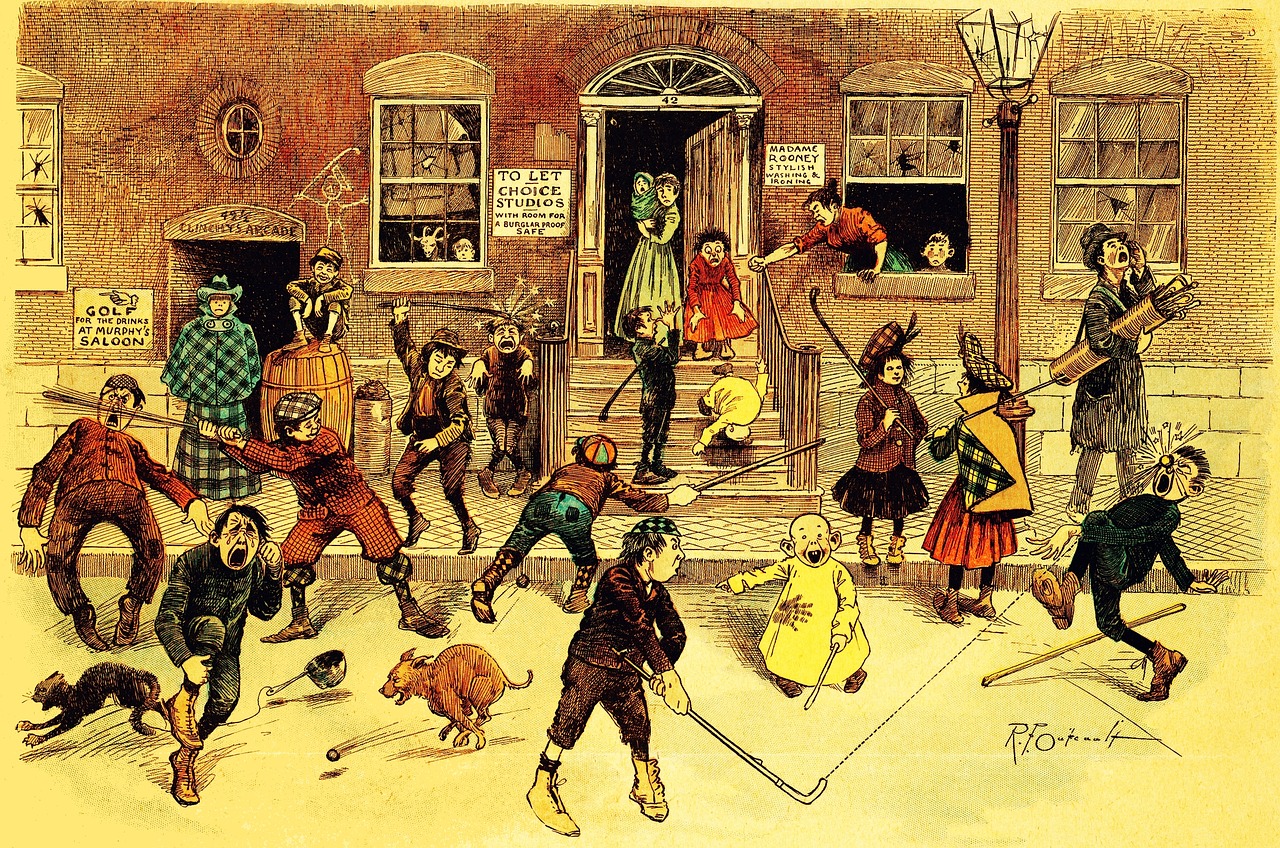
12 Ways to make your head a better neighborhood

By David Joel Miller, MS, Licensed Therapist & Licensed Counselor.

Bad neighborhood.
Photo courtesy of Pixabay.com

Is your mind a scary place? 12 Ways to clean up that neighborhood.

1. Adopt a daily affirmation.

Fill up that space between your ears with positive thoughts. Tell yourself you can. Remind yourself of the things that you do well.

Self-talk matters and replacing negative self-talk with positive affirmations can really help improve your mental neighborhood.

2. Before bedtime make up a list of things that you did well today.

It is easy to focus on the mistakes and to beat yourself up over them. To make your mind more positive make sure that you learn to accept compliments and to give yourself credit for things done well. You need lots of thoughts about how you did something well to withstand the storms of doubt that are sure to come.

3. Think of a favorite mental place and visit your happy place whenever times get bad.

Remember those good times and places. Take a short mental trip back to the mountains or the beach. Remember that time you were at the theme park or at grandma’s house.

Wherever and whenever you had a moment of happiness, hold fast to that memory and reinforce it so that it is a bright spot in your inner thoughts.

4. Increase the number of friends that inhabit your memories.

More friends, more happy memories. Watch out for acquaintances and drinking buddies. True friends want the best for you. You may have few or you may have many but cherish all you have.

5. Face your fears and anxieties.

If something is scaring you do not cower in negative thoughts. Face that fear boldly. Let it know that you will not allow that fear to ruin your mental home. Take small steps to create a safer world and to loosen the grip fear and anxiety holds on your mind.

6. Stop angering yourself.

People do not anger you. You may think they are but realize that there are a lot of sick and stupid people out there. They do sick and stupid things. Do not let them ruin your inner peace. Rather than insisting the world be the way you want it to be work on changing whatever small aspect you have the power to change.

Mostly what you can change are yourself and your attitude.

7. Forgive yourself repeatedly.

If you have made an error, been less than you wanted to be, learn to forgive yourself. Forgive yourself often, repeat as needed.

8. Accept your past made you who you are.

You may have experiences in the past that you would never want to undergo again. Accept that those experiences made you the unique person you are and then try to move forward from there. Make peace with the past but do not let it continue to run your present.

9. Stop blaming others and insisting they change.

Others are who they are. You are who you are. Take the actions to make you the best possible you. Do not blame your circumstances on them. They may have wronged you, hurt, and injured you. You can let that run your life or you can choose to take back as much control of your life as is possible.

Creating a happy successful life is the best way to erase their influence on your life.

10. Stop looking for someone or something to make you better.

You are the best expert on you. You can choose the things that are right for you. Do not wait for that one person that can come along and “fix” you. Make use of the coaches and counselors that come your way. Learn from each and every teacher but remember you are the one who is directing your thoughts and take them in the direction you need them to go.

11. Avoid seeing things as black or white, all or nothing.

Do not fall into the trap of thinking that things are either perfect or no good. Having some happiness is better than none. Enjoy the things you have. Be grateful for the blessings you receive. No one is ever all the things they want to be.

12. Thinking that your past has determined your future keeps you in the past.

Your past set you on the path to a possible future. You have many possible futures. Do not think that because you have one past that you have only one possible future. Be the architect of the path forward.

Set out today on your own mental urban renewal project and see what a wonderful neighborhood your own mind can be.

Staying connected with David Joel Miller

Seven David Joel Miller Books are available now!

My newest book is now available. It was my opportunity to try on a new genre. I’ve been working on this book for several years, but now seem like the right time to publish it.

Story Bureau.

Story Bureau is a thrilling Dystopian Post-Apocalyptic adventure in the Surviving the Apocalypse series.

Baldwin struggles to survive life in a post-apocalyptic world where the government controls everything.

As society collapses and his family gets plunged into poverty, Baldwin takes a job in the capital city, working for a government agency called the Story Bureau. He discovers the Story Bureau is not a benign news outlet but a sinister government plot to manipulate society.

Bumps on the Road of Life. Whether you struggle with anxiety, depression, low motivation, or addiction, you can recover. Bumps on the Road of Life is the story of how people get off track and how to get your life out of the ditch.

Dark Family Secrets: Doris wants to get her life back, but small-town prejudice could shatter her dreams.

Casino Robbery Arthur Mitchell escapes the trauma of watching his girlfriend die. But the killers know he’s a witness and want him dead.

Planned Accidents  The second Arthur Mitchell and Plutus mystery.

Letters from the Dead: The third in the Arthur Mitchell mystery series.

What would you do if you found a letter to a detective describing a crime and you knew the writer and detective were dead, and you could be next?

Sasquatch. Three things about us, you should know. One, we have seen the past. Two, we’re trapped there. Three, I don’t know if we’ll ever get back to our own time.

For these and my upcoming books; please visit my Author Page – David Joel Miller

Want the latest blog posts as they publish? Subscribe to this blog.

For videos, see: Counselorssoapbox YouTube Video Channel