
Lessons Anxiety teaches you.

By David Joel Miller, MS, Licensed Therapist & Licensed Counselor.
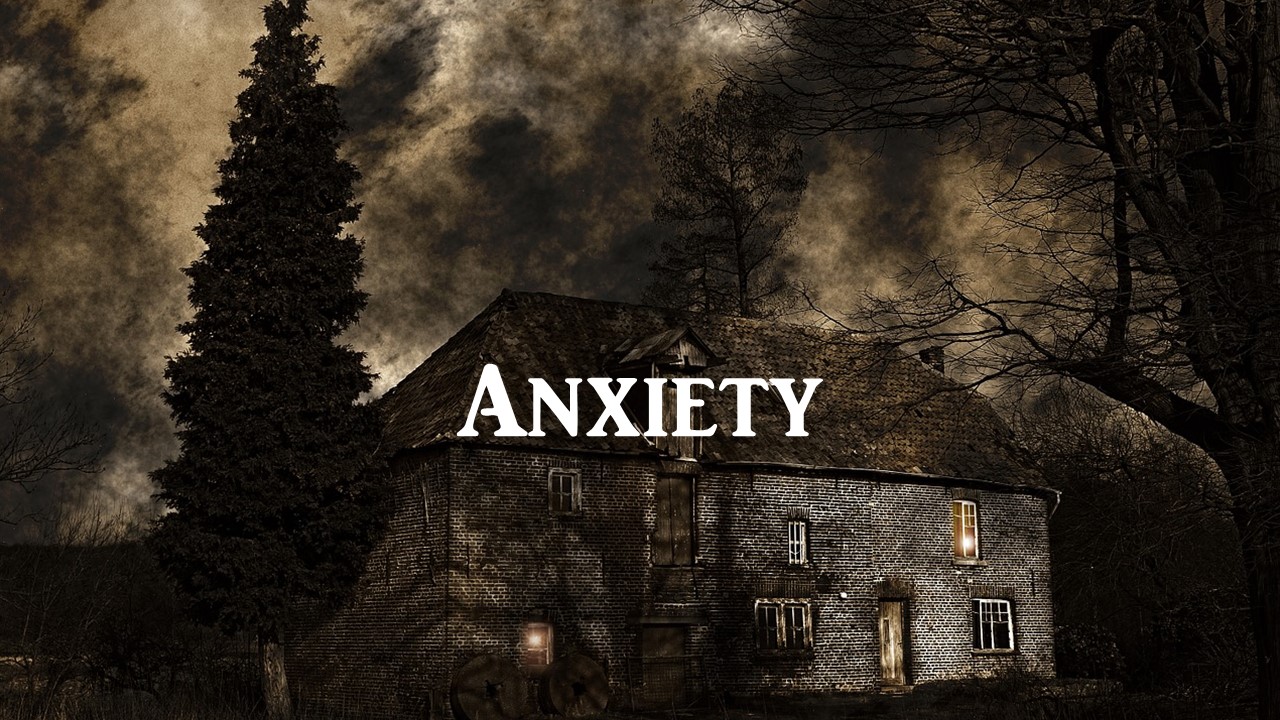
Anxiety provoking.

Anxiety.
Photo courtesy of Pixabay.com

What are your fears teaching you?

Are you someone who suffers from high anxiety?  Have you learned the lessons that your anxiety is trying to teach you?  Anxiety can be a kind of bully, trying to scare you away from anything new and keeping you from the parts of life that might be beneficial. Or anxiety can become a good teacher and help you learn life lessons.

Below is the list of some lessons that anxiety might be able to teach you and ways that you could develop those lessons.

Just because it scares you does not make it dangerous.

A well-functioning anxiety system helps you identify risks and warns you of danger.  Some people’s anxiety system is turned up way too high.  Overly sensitive anxiety systems give off warning sounds and flashing lights even when the danger is minimal.

An important lesson you should learn from your experiences with anxiety is that not everything that makes you fearful or scares you is in fact, that dangerous.  Learn that your anxiety is a source of information, not an absolute life ruler.

It is OK to feel scared.

Some people believe they should never feel scared.  One of the lessons about anxiety it is important to learn is that it is possible to feel scared and still have nothing bad happened.  Let anxiety teach you this lesson.  Just because you’re scared does not mean that anything terrible or awful will necessarily happen to you

It is OK to feel what you feel.

Are you one of those people who was taught that you shouldn’t feel whatever it is that you are feeling?  A valuable lesson that anxiety and many of our other feelings has to teach us is that humans use feelings as a source of information.  Information is neither good nor bad in and of itself.  Was is important is for you to feel what you’re feeling, decide what that means, and then decide what you wanted to do with that information.

Feelings can be your friends.

Feelings are not automatically your enemies.  They can be your friends.  Sometimes anxiety and fear are friends warning you of danger.  What you need to decide is how real and how important that danger it is.  Every so often the danger is very real and very imminent.  During those times you will need to do something about it.  Other times your anxiety is detecting something new and unfamiliar and you’ll need to learn how you are going to respond to that new and novel situation.

Walking towards fear makes it shrink.

Fear is a natural-born bully.  Fear wants to have its way.  The more you give in to your fear the larger the fear grows.  Many things that look scary and are fearful at first sight becomes far less scary as you begin to do them.

If you walk towards something that scares you, what you will often find is that it is far scarier from a distance than once you get up close.

The first time is always the scariest.

Many people are afraid of something new that they’ve never experienced, but once they’ve tried it for that very first time that may discover that they enjoy it.  Don’t let your fears and your anxieties keep you from trying something that might turn out to be a great deal of fun.

Scary experiences create lasting memories.

Despite the fact that many people avoid things that make them anxious or scare them, most of us are also fascinated by the scary.  Scary movies draw large audiences.  Haunted houses are perennial Halloween favorites.

Because of the heightened level of hormones in the body during scary events the brain thinks that it is important to remember these times.  In thinking about the times that some event made you anxious it is important to remember the times that despite the anxiety those things turned out very well.

You can’t be calm and scared at the same time.

Ever notice when there’s a loud noise everyone turns to look at it and ignores everything else that is happening?  Anxiety and fear are like that.  They distract your attention from what else is going on at the same time.

One way of reducing anxiety’s impact on you is to learn ways to calm yourself.  Stress reduction techniques like deep breathing, mindfulness, and meditation can all be very helpful in reducing your anxiety.  What you will quickly learn, if you try these techniques, is that it’s not possible to be calm, relaxed, and scared at the very same time.

Learn to make this fundamental rule of emotions work for you.  Opposite sets of emotions don’t like to live together.  It’s difficult to laugh when you are sad.  People don’t seem to be able to be both excited and relaxed at the same time.  If you have found that your anxiety has gotten out of control, a quick way to reduce that anxiety is to learn ways to self-soothe and calm yourself.

The more skills you have the more you can handle.

In all aspects of life, it is important to develop a good set of skills.  While initially, it may be uncomfortable to work with strong emotions such as anxiety, the more you do this work the better you get at it.  Repeatedly putting yourself in situations that create a small amount of anxiety, which you discover you are able to handle, can result in increasing your ability to handle increasingly difficult anxiety-provoking situations.

Whenever the size of your comfort zone, if you spend too much time cramped inside it, that comfort zone will prevent your personal growth.  Gradually work on stretching out that comfort zone.  Before long you will have the skills to handle situations they used to seem impossible.

When you do good self-care less overwhelms you.

Another lesson than anxiety will teach you is the importance of good self-care.  With poor self-care, it’s easy to get stressed out and have everything overwhelmed you.  When you concentrate on taking good care of yourself you will be able to handle situations that you never thought possible.

You will handle most things better than you thought you would.

It’s normal to be very scared before something that you have never experienced. What surprises so many of us is how often we are able to handle far more than we ever believed possible.  Anxiety teaches you that you are capable of much more than you would have believed had you not been in those anxiety-provoking situations.

Most of the things we worry about turn out better than we thought.

Many people discover that the majority of things they have worried about turn out better than they expected.  It is a human failing to expect the worst.  Let your anxiety teach you that many good things can happen.

You almost always have more options than you think.

One bad habit that makes anxiety far worse than it needs to be is artificially limiting your options.  Often we only see a couple of alternatives.  Make sure that you look for other options.  People will tell themselves they have to get something done by a deadline or they’re going to lose their job. Only seeing those two options results in not making use of the many more options that might have resulted in a better outcome.  Besides not finishing the report or getting fired, you may also have the options of discussing the deadline with your boss or requesting additional help in completing the project on time.

If you make anxiety your friend you may find that it’s a wonderful teacher.

Staying connected with David Joel Miller

Seven David Joel Miller Books are available now!

My newest book is now available. It was my opportunity to try on a new genre. I’ve been working on this book for several years, but now seem like the right time to publish it.

Story Bureau.

Story Bureau is a thrilling Dystopian Post-Apocalyptic adventure in the Surviving the Apocalypse series.

Baldwin struggles to survive life in a post-apocalyptic world where the government controls everything.

As society collapses and his family gets plunged into poverty, Baldwin takes a job in the capital city, working for a government agency called the Story Bureau. He discovers the Story Bureau is not a benign news outlet but a sinister government plot to manipulate society.

Bumps on the Road of Life. Whether you struggle with anxiety, depression, low motivation, or addiction, you can recover. Bumps on the Road of Life is the story of how people get off track and how to get your life out of the ditch.

Dark Family Secrets: Doris wants to get her life back, but small-town prejudice could shatter her dreams.

Casino Robbery Arthur Mitchell escapes the trauma of watching his girlfriend die. But the killers know he’s a witness and want him dead.

Planned Accidents  The second Arthur Mitchell and Plutus mystery.

Letters from the Dead: The third in the Arthur Mitchell mystery series.

What would you do if you found a letter to a detective describing a crime and you knew the writer and detective were dead, and you could be next?

Sasquatch. Three things about us, you should know. One, we have seen the past. Two, we’re trapped there. Three, I don’t know if we’ll ever get back to our own time.

For these and my upcoming books; please visit my Author Page – David Joel Miller

Want the latest blog posts as they publish? Subscribe to this blog.

For videos, see: Counselorssoapbox YouTube Video Channel
How to scare an anxious person.

By David Joel Miller, MS, Licensed Therapist & Licensed Counselor.

Anxiety provoking.

Anxiety.
Photo courtesy of Pixabay.com

How many of these things scare you?

People who are high in anxiety are easily frightened. A great many things can scare someone with high anxiety.

Unfortunately, it is often the person who is high in anxiety who is scaring themselves. How many of these thoughts do you entertain that result in feeding your anxiety monster until he is out of control?

Threaten them. 50% chance of an earthquake in the next few years.

Lots of bad things MAY happen. Particularly in the realm of nature and the environment. That earthquakes, hurricanes, tornadoes, and other weather phenomena may happen, does not guarantee they will.

Even in those places where these catastrophic events take place the chances that you and yours will get through unharmed are better than the chances you will be injured. Don’t waste a lot of effort considering low probability events when there are high probability events around the corner.

Does the chance something may happen, justify your using up space in your brain worrying about what may happen at some point off in the future. Eventually we humans all die but happy people live their life based on positive beliefs.

Asking “what if” questions will scare you.

Putting doubt in your head is a proven method to increase anxiety. Ruminating about the future is a sure-fire way to crank up your anxiety. Ask repeatedly “what if” questions about the future and you will discover plenty of possibilities to go wrong.

Attitude towards waiting, traffic jams, lines, being late, can increase anxiety.

For people high in anxiety any waiting is anxiety-provoking. Where someone with less anxiety might interpret the wait is a chance to relax and de-stress the anxious person will use the time to worry about what might happen, how this is not the way things are “supposed” to go. Anxious people can catastrophize about any delay in plans.

Remind yourself everyone is watching. Public speaking, presentations, inspections.

There are lots of situations in life where people might be watching you. Giving a bad talk or presentation might get you noticed in an unfavorable light.

The best remedy for that kind of unfavorable attention is to know what you are talking about and to thoroughly prepare that talk. Most of the time you will find that people are paying far less attention to you than you might wish. Even worse than doing a poor presentation, for the person who speaks a lot, is giving a good one and having no one notice.

One thing you will discover if you investigate what others think about you is that most of the time, those other people are far too preoccupied with their own lives to notice what you did or did not do.

Tell them to “dress appropriately.”

Fuzzy directions can create immense anxiety. Planning to be on time only works if you know what is “on time” for the particular function you will be attending. What is appropriate for one situation and a group of people can be very inappropriate for another.

The best way to quiet this fear is to do your homework or ask what is the proper time or attire.

Ask if they noticed that mole, rash, lump, itch.

You can spend countless hours of frantic involvement with your worries as you go over every inch of your body looking for imperfections to diagnose. Stop stressing and head to the doctor. They should be able to tell you what that mark is and put your mind to rest.

You are not wrong to ask a friend about some new mark you see on their body, just do it in a gentle way knowing that the high anxiety person may anxious themselves beyond belief at your question.

Have them work in a place with sudden unexplained noises.

Someone with high anxiety is always on the lookout for sudden unexplained events, noises, and movement. Put that person on a worksite that has random unexplained sights and sounds and by the end of the day, they are ready to become the proverbial basket case.

Worse than ending up in that sort of environment by chance is the person with high anxiety who ignores their mental health needs and takes on an unsuitable job or those anxious people who are living in a situation with those random, sight, and sound triggers.

Wait till the last minute, for appointments, gas, or essentials.

If you are a high anxiety person you know how unnerving last-minute changes of plans can be. You have planned things out in advance to prevent unexpected occurrences and suddenly plans get changed with possible “catastrophic” results.

If you have to live or work with an anxious person, plan ahead to avoid these last-minute emergencies. Stopping for gas on the way to the appointment may be no problem for you but the high anxiety person will come unglued at the thought that you may run out of gas or that you might be late for that appointment and then they would not be seen by the doctor and their cancer would go undiagnosed and they might die as a result —- See how that anxiety train picks up speed as they ruminate about unforeseen plan changes?

Take them for a drive along the cliff when the river floods.

There are a number of things that trigger anxiety so commonly these items made it into the most recent Diagnostic and Statistical Manual of Mental Disorders (DSM-5) in the section on specific phobias. While people can be specifically afraid of these things they can also be triggers for high anxiety even when the person with the fear attack is unaware of the phobia.

The list of Specific Phobias includes animals, nature, blood and surgery, close or confined places, choking, vomiting, and even costumed creatures.

If you have a person with anxiety in your life, try to avoid doing these things and triggering that person’s anxiety. If you are an anxious person, how many of these things are you creating for yourself, and are you willing to try some counseling to get past those anxiety triggers?

For more on this topic see:   Anxiety

Staying connected with David Joel Miller

Seven David Joel Miller Books are available now!

My newest book is now available. It was my opportunity to try on a new genre. I’ve been working on this book for several years, but now seem like the right time to publish it.

Story Bureau.

Story Bureau is a thrilling Dystopian Post-Apocalyptic adventure in the Surviving the Apocalypse series.

Baldwin struggles to survive life in a post-apocalyptic world where the government controls everything.

As society collapses and his family gets plunged into poverty, Baldwin takes a job in the capital city, working for a government agency called the Story Bureau. He discovers the Story Bureau is not a benign news outlet but a sinister government plot to manipulate society.

Bumps on the Road of Life. Whether you struggle with anxiety, depression, low motivation, or addiction, you can recover. Bumps on the Road of Life is the story of how people get off track and how to get your life out of the ditch.

Dark Family Secrets: Doris wants to get her life back, but small-town prejudice could shatter her dreams.

Casino Robbery Arthur Mitchell escapes the trauma of watching his girlfriend die. But the killers know he’s a witness and want him dead.

Planned Accidents  The second Arthur Mitchell and Plutus mystery.

Letters from the Dead: The third in the Arthur Mitchell mystery series.

What would you do if you found a letter to a detective describing a crime and you knew the writer and detective were dead, and you could be next?

Sasquatch. Three things about us, you should know. One, we have seen the past. Two, we’re trapped there. Three, I don’t know if we’ll ever get back to our own time.

For these and my upcoming books; please visit my Author Page – David Joel Miller

Want the latest blog posts as they publish? Subscribe to this blog.

For videos, see: Counselorssoapbox YouTube Video Channel

Fear, anxiety or phobia?

By David Joel Miller, MS, Licensed Therapist & Licensed Counselor.

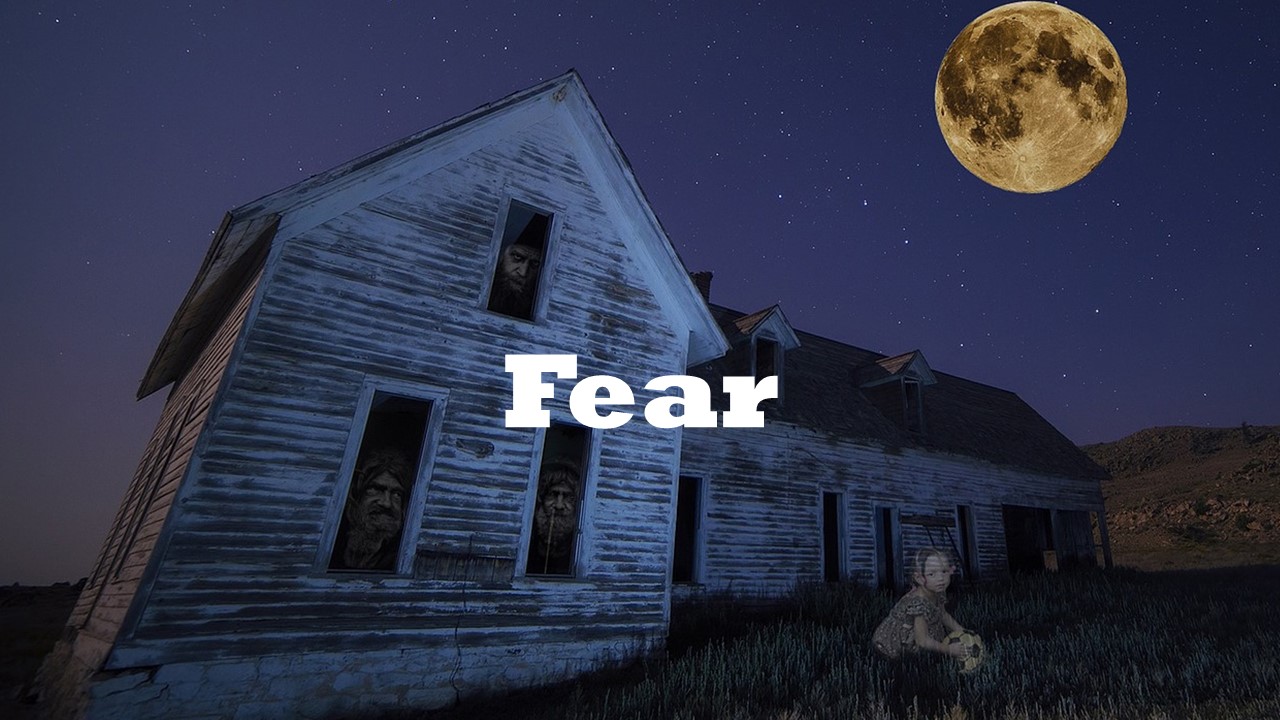
Fear.

Fear.
Photo courtesy of Pixabay.com

Is it fear, anxiety or have you developed a phobia?

The textbooks tell us there is a difference between Fear and Anxiety. The researchers use some specific criteria to differentiate the two. In our own lives, even without looking it up in the dictionary, we know if we are anxious or in fear. Like so many other words, fear and anxiety may have different meanings to different people.

Fear is about a sense of specific danger. We are afraid of a person with a gun or an animal chasing us. We might also be afraid of a relationship like marriage or an act like public speaking.

Anxiety, on the other hand, is a heightened sense of awareness, a being on alert looking out for danger. New situations, places known to contain dangerous items or risky relationships, can provoke anxiety because of the uncertainty.

Some authors suggest that fear is or should be about a real danger; though in practice many of the fears people are most worried about hold a small risk of harm.

One other distinction between fear and anxiety is that fear is largely about the future while anxiety is about the present. Anxiety is about not knowing.

Specific Phobia is a mental health diagnosis involving excessive anxiety when exposed to a feared object or situation. This used to be called Simple Phobia. This excess anxiety begins interfering in the person’s life to the extent of disrupting relationships, keeping them from school or work or making them personally unhappy.

Both anxiety and fear are survival mechanisms.  Fear tells us to avoid things that are known to be harmful. Anxiety is about being extra careful when in new, novel situations or at times of increased danger. Anxiety is often free-floating and attaches to any and all events that are not expected.

Fear becomes a problem when it is attached to things with a low likelihood of happening and this fear keeps you from doing things you need to do. When that fear becomes debilitating and prevents having a job, family, or friends, then it has gone out of control.

Fear is commonly learned as a result of three factors, personal experience, watching others, and verbal accounts.

A child who climbs on the roof of the house and falls, breaking a limb, may forever after be afraid of heights. People who grew up in homes where violence was a standard part of life may be afraid of relationships or commitment to a long-term relationship.

You do not have to experience the event personally. If you witness someone being injured or killed you will have an increased fear of whatever caused that injury or death. Social learning theory tells us that humans have a phenomenal ability to learn from the experiences of others.

Those experiences of others do not even need to be real to create fear in us. Children told often enough about the boogeyman become frightened of the dark. People of all ages can develop intense fears from watching events unfold on television. As parents discover, the young child may be unable to tell the difference between reality and fantasy and may become fearful of things they saw in fictional movies.

There is a long list of common fears below. This list is far from complete and is not in any particular order. The fear involved often greatly exceeds the risk of something happening but as anyone who has a specific fear (phobia) will tell you real or not that fear can cause great suffering.

Fear of Public Speaking or performing in public.

Public speaking is reported to be the most common fear exceeding even the fear of death. The principle concern here is that the larger the group the more likely you are to say something that alienates someone or causes them to judge you negativity.

This is especially crippling for people whose occupation requires them to appear in front of the public.

Fear of Snakes or Spiders.

The majority of snakes and spiders are not poisonous to humans. Still, this is no comfort if you are bitten and die. Being afraid of particular creatures helped people who lived in rural areas survive.

If your fear reaches a point that you can’t leave the house, it has gotten way out of hand.

Fear of Flying.

Despite plenty of statistics to show that flying in a plane is safer than driving a car on the freeway people are still afraid of flying. There are two reasons I believe for this heightened fear of flying.

In driving, we are largely able to maintain the illusion that we are in control. In flying there is no question that our lives are in the hands of a person we have probably never met.

Plane crashes are spectacular and widely publicized. We see extensive media coverage of these events. This heightened awareness results in an increased perception that flying is dangerous.

Fear of Failure.

Fear of failure is especially troubling for those who were raised in a home where success was everything and failure was interpreted as you were defective. If you have to always be perfect to be worthwhile any failure is catastrophic.

Other common fears include intimacy, marriage, heights, water, clowns, death, terrorist attacks, and violence.

Some of these have clear reasons for causing fear and others are likely learned from experiences and tales we were told.

If fear is impacting your life and the fear you feel is beyond the real risk of danger there is help available. Several therapies, as well as medication, have been shown to be effective in reducing the impact fear has on your life. Systematic desensitization is known to be effective in conquering many of these fears.

Have you been troubled by Fear, Anxiety, or a Specific Phobia and are you willing to do something about those fears?

Staying connected with David Joel Miller

Seven David Joel Miller Books are available now!

My newest book is now available. It was my opportunity to try on a new genre. I’ve been working on this book for several years, but now seem like the right time to publish it.

Story Bureau.

Story Bureau is a thrilling Dystopian Post-Apocalyptic adventure in the Surviving the Apocalypse series.

Baldwin struggles to survive life in a post-apocalyptic world where the government controls everything.

As society collapses and his family gets plunged into poverty, Baldwin takes a job in the capital city, working for a government agency called the Story Bureau. He discovers the Story Bureau is not a benign news outlet but a sinister government plot to manipulate society.

Bumps on the Road of Life. Whether you struggle with anxiety, depression, low motivation, or addiction, you can recover. Bumps on the Road of Life is the story of how people get off track and how to get your life out of the ditch.

Dark Family Secrets: Doris wants to get her life back, but small-town prejudice could shatter her dreams.

Casino Robbery Arthur Mitchell escapes the trauma of watching his girlfriend die. But the killers know he’s a witness and want him dead.

Planned Accidents  The second Arthur Mitchell and Plutus mystery.

Letters from the Dead: The third in the Arthur Mitchell mystery series.

What would you do if you found a letter to a detective describing a crime and you knew the writer and detective were dead, and you could be next?

Sasquatch. Three things about us, you should know. One, we have seen the past. Two, we’re trapped there. Three, I don’t know if we’ll ever get back to our own time.

For these and my upcoming books; please visit my Author Page – David Joel Miller

Want the latest blog posts as they publish? Subscribe to this blog.

For videos, see: Counselorssoapbox YouTube Video Channel