What is Acute Stress Disorder?

By David Joel Miller, MS, Licensed Therapist & Licensed Counselor.

What is

What is Acute Stress Disorder?
Photo courtesy of Pixabay.

Stress can knock you down and leave you in the mud.

Most people have heard of the granddaddy of all the Trauma- and Stressor-Related Disorders, Posttraumatic Stress Disorder, far fewer people have heard of the smaller member of this family, Acute Stress Disorder.

Acute Stress Disorder is a condition in which something bad happens and it knocks you for a loop but eventually, it goes away. We do not want to make the normal problems of living into a mental disorder so we only begin counting things as possible disorders when the stressor is still affecting your life at least 3 days after the incident.

A great many people experience some stressor which does not end up becoming PTSD. If you are still having symptoms a month after the event we start thinking this may become long-term and then you get the designation of Posttraumatic Stress Disorder.

We want to keep normal life events out of this equation, so expected events like having an elderly person in your family die an expected death do not count as a trauma disorder, either Acute Stress Disorder or Posttraumatic Stress Disorder.

The full text of the DSM-5 includes a detailed description of how to recognize Acute Stress Disorder but here is a short description of the condition.

Four conditions need to be met for this trauma to be Acute Stress Disorder.

  1. You get exposed to something that could kill or seriously injure you or someone close to you.
  2. It happens in the real world. Movies, TV, or your imagination does not count.
  3. This is unexpected.
  4. You can’t escape the results of this experience. You re-experience the events in more ways than one. Think of people who investigate child abuse or first responders at shootings or those who recover body parts in the war zone in addition to those who were the direct victim.

This experiencing and re-experiencing causes you problems.

The DSM-5 lists 14 symptoms. I will not repeat them all here. For the full text see the DSM-5. These 14 symptoms are clustered in 5 categories. To get Acute Stress Disorder you need to have at least 9 of the 14 symptoms but they can be from any category.

1.The experience keeps coming back.

You may have nightmares, intrusive thoughts, flashbacks, spacing out and this may be triggered by either internal thoughts or external triggers.

2. This experience bums you out.

Basically, you get into and stay in a really negative mood.

3.The trauma spaces you out.

You may get overwhelmed and just “bounce” mentally. In more clinical language we would call this dissociation.

4.The result of the experience is it keeps you away from things.

You may find yourself avoiding people, places, or things that remind you of the trauma. Some people do not like to be alone or they may use drugs and alcohol to knock themselves out rather than just falling asleep.

5.You are on edge and stay that way.

This could come out as poor sleep, being irritable or angry all the time, be losing your ability to concentrate, or being easily triggered by any little thing. People in this condition are always on high alert for something that might go wrong. The door slams down the block and those with Acute Stress Disorder will jump at a sound others will not notice.

As with the other things we are calling a mental illness, this needs to interfere with your ability to work or go to school, your relationships, your enjoyable activities, or cause you personal distress. Otherwise, you may have the issues but you will not get the diagnoses if this is a preference, not a problem. If the only time this happens is when you are under the influence of drugs or medicines or because of some other physical or medical problem this problem needs to be more than your situation would warrant. These other issues need treating first, then if you still have symptoms you could get this diagnosis.

FYI These “What is” sometimes “What are” posts are my efforts to explain terms commonly used in Mental Health, Clinical Counseling, Substance Use Disorder Counseling, Psychology, Life Coaching, and related disciplines in a plain language way. Many are based on the new DSM-5; some of the older posts were based on the DSM-IV-TR, both published by the APA. For the more technical versions please consult the DSM or other appropriate references.

Staying connected with David Joel Miller

Seven David Joel Miller Books are available now!

My newest book is now available. It was my opportunity to try on a new genre. I’ve been working on this book for several years, but now seem like the right time to publish it.

Story Bureau.

Story Bureau is a thrilling Dystopian Post-Apocalyptic adventure in the Surviving the Apocalypse series.

Baldwin struggles to survive life in a post-apocalyptic world where the government controls everything.

As society collapses and his family gets plunged into poverty, Baldwin takes a job in the capital city, working for a government agency called the Story Bureau. He discovers the Story Bureau is not a benign news outlet but a sinister government plot to manipulate society.

Bumps on the Road of Life. Whether you struggle with anxiety, depression, low motivation, or addiction, you can recover. Bumps on the Road of Life is the story of how people get off track and how to get your life out of the ditch.

Dark Family Secrets: Doris wants to get her life back, but small-town prejudice could shatter her dreams.

Casino Robbery Arthur Mitchell escapes the trauma of watching his girlfriend die. But the killers know he’s a witness and want him dead.

Planned Accidents  The second Arthur Mitchell and Plutus mystery.

Letters from the Dead: The third in the Arthur Mitchell mystery series.

What would you do if you found a letter to a detective describing a crime and you knew the writer and detective were dead, and you could be next?

Sasquatch. Three things about us, you should know. One, we have seen the past. Two, we’re trapped there. Three, I don’t know if we’ll ever get back to our own time.

For these and my upcoming books; please visit my Author Page – David Joel Miller

Want the latest blog posts as they publish? Subscribe to this blog.

For videos, see: Counselorssoapbox YouTube Video Channel

Is it Anxiety, Stress or PTSD?

By David Joel Miller, MS, Licensed Therapist & Licensed Counselor.

Stress person

Stress.
Photo courtesy of Pixabay.com

Just how stressed out are you?

Everyone experiences a little stress in their day-to-day life.  Having anxiety in your life is considered just a part of modern life.  But sometimes that stress and anxiety overwhelm people.  The things that get called trauma come in all shapes and sizes.  Many times these traumas resolve in a short period of time.  Traumas that don’t resolve, that hang on for long periods of time and interrupt your daily life, can turn into a serious mental illness such as an anxiety disorder a stress-related disorder, or even Posttraumatic Stress Disorder.

If you’re struggling with difficulties, anxieties, stress, or even some traumatic events it is helpful to know just what kind of problem you’re dealing with.  Some things will sort themselves out on their own.  Other times anxiety, stress, and trauma need professional help.  Here are some of the problems that you might be experiencing and some thoughts about how to tell the different problems apart.

Stress.

Stress is the reaction the body has to challenges from the environment.  Stress can be small and repeated or large and dramatic.  Even good things can be stressful.  That first day on a new job can be full of stress even when you really want that job.  Many people get sick the first week on a new job.  Weddings or the birth of a baby can be stressful also, even when these have been something you have looked forward to.

Most of the time people have stress and it goes away.  But over time people can accumulate a great deal of stress, and this can result in physical, emotional, and mental illnesses.  One very important life skill is learning how to manage and reduce stress.  Take a look at the other posts on counselorssoapbox.com about stress and stress management.

Animals get stressed and so do people.

Humans are not the only creatures to get stressed.  Animals in the wild can have a very stressful life.  Sapolsky wrote a very interesting book called Why Zebras Don’t Get Ulcers.”  The main difference between humans and animals seems to be how they adjust to stress after it has come and gone.  Animals who were stressed returned to a low-stress state very quickly.  Humans get stressed and years later they are still experiencing that stress.  For humans, this accumulation of stress over time can result in chronic illnesses.

Anxiety.

Anxiety is a normal human response.  But when it gets out of control it can become a disease.  If you’re in a dangerous situation, anxiety and even fear can help you stay safe.  If the volume on your anxiety is turned up too high, it can cause you to overreact to many everyday situations.  Sometimes people have what they call anxiety attacks.  For a brief period of time, they feel excessive anxiety but eventually, these anxieties attacks subside.

When this high anxiety continues too long and begins to interfere with your daily life, your job, or your relationships, it is excessive and may be diagnosed as an anxiety disorder.  There are a number of different recognized Anxiety disorders depending on the particular features of your anxiety.

Post-Traumatic Stress Disorder or PTSD.

Post-traumatic Stress Disorder or PTSD is a diagnosable mental illness.  Sometimes in life people experience overwhelming traumatic experiences.  They may witness a violent death, a tornado, hurricane, or other natural disasters.  In these events, the person may fear that they or someone close to them is going to die.

This condition was originally identified in the veterans returning from war zones.  It has since been identified in civilian populations who have been exposed to traumatic events and feared for their lives.

As a result of this trauma, people begin to develop difficulties functioning.  Some people will struggle with these problems for a short period of time, a month or so.  Other people will very quickly return to normal function.  In some cases, as a result of these traumatic experiences, people will continue to have symptoms for years afterward.  These continuing symptoms may be PTSD.

Complex trauma.

Repeated traumatization becomes more difficult to heal from.  There has been a good deal of research and writing about a condition that is sometimes called complex trauma.  While it’s not an official diagnosis, is helpful for many people to think about it this way.  Someone may be able to experience a trauma and recover from it.  If that same person experiences the same trauma repeatedly, each time it becomes more difficult to recover.

If you are struggling with anxiety, stress or PTSD consider getting professional help.

Staying connected with David Joel Miller

Seven David Joel Miller Books are available now!

My newest book is now available. It was my opportunity to try on a new genre. I’ve been working on this book for several years, but now seem like the right time to publish it.

Story Bureau.

Story Bureau is a thrilling Dystopian Post-Apocalyptic adventure in the Surviving the Apocalypse series.

Baldwin struggles to survive life in a post-apocalyptic world where the government controls everything.

As society collapses and his family gets plunged into poverty, Baldwin takes a job in the capital city, working for a government agency called the Story Bureau. He discovers the Story Bureau is not a benign news outlet but a sinister government plot to manipulate society.

Bumps on the Road of Life. Whether you struggle with anxiety, depression, low motivation, or addiction, you can recover. Bumps on the Road of Life is the story of how people get off track and how to get your life out of the ditch.

Dark Family Secrets: Doris wants to get her life back, but small-town prejudice could shatter her dreams.

Casino Robbery Arthur Mitchell escapes the trauma of watching his girlfriend die. But the killers know he’s a witness and want him dead.

Planned Accidents  The second Arthur Mitchell and Plutus mystery.

Letters from the Dead: The third in the Arthur Mitchell mystery series.

What would you do if you found a letter to a detective describing a crime and you knew the writer and detective were dead, and you could be next?

Sasquatch. Three things about us, you should know. One, we have seen the past. Two, we’re trapped there. Three, I don’t know if we’ll ever get back to our own time.

For these and my upcoming books; please visit my Author Page – David Joel Miller

Want the latest blog posts as they publish? Subscribe to this blog.

For videos, see: Counselorssoapbox YouTube Video Channel

What operating system is installed in your brain?

By David Joel Miller, MS, Licensed Therapist & Licensed Counselor.

Brain Apps

Brain Apps.
Photo courtesy of Pixabay.com

How is your brain programmed to handle life?

Most of us like to think that we have a lot of free will, we can make choices.  Psychology tells us that many of those choices we think we’re making are the result of programming, early life learning, which has created a default way in which we deal with life.

Sometimes it is helpful to think of these default operating systems as blueprints for living which we developed in childhood.  Many people find that the problems they deal with in adult life are things they learned between the ages of eight and eighteen which worked back then but do not work well as adults.

These default operating systems can sometimes work well and help us get through things.  Other times we find that there are flaws, fatal errors in our programming, which result in a less than ideal life. If you’re finding life isn’t going the way you thought it would, you may want to take a look at that programming and see if it doesn’t need an update.

Here are the most common brain operating system problems.

Act out, behavioral solutions.

For many people, this is the default setting.  When upset or angry they act out.  People who opt for the behavioral solution may become violent, throw things, yell at people, or swear.  In action-adventure movies, this is the way the hero frequently behaves.

Acting out and behavioral solutions are a typically male way of reacting.  In athletic competition, young men and women are encouraged to be aggressive.  Outside of athletic competition, these behaviors are unacceptable.

In school, many boys get in trouble for this and may be suspended or expelled.  Later on in life using behavioral solutions to life’s problems may get you arrested, put in jail or result in prison time.  Developing the skill to think it over before using a behavioral solution is an important part of the developmental process.

Stay inside your head, isolate.

A second response pattern which is often learned in childhood is to avoid problems by withdrawing and pulling inside.  Historically girls tended to use this strategy. When stressed they would often sit at their desks staring at their work.

The result of using the isolating, withdrawal strategy, is to avoid confrontations.  It may also result in you being considered less intelligent or incapable of doing the work.

High alert, stay in fear. Scan for the negative.

A certain amount of vigilance and anxiety can be protective.  Too much anxiety becomes a problem.  People who adopt a strategy of using high attention to avoid danger can become over-anxious.  This can result in hypervigilance.  People with hypervigilance often have an exaggerated startle response.  The door slams down the hall and they jump out of their seats.

Avoidance. Use drugs, don’t trust.

Another common way of dealing with problem situations is simply to avoid interacting with the situation.  Avoidance can be as simple as just don’t talk to or see someone who is upsetting.  Other common avoidance techniques are using alcohol, drugs, or another behavioral addiction.

Some people avoid painful situations simply by not interacting with others.  They may avoid friendships or close intimate relationships.  People who have been disappointed by others try to avoid additional disappointments by not putting their trust in other people.

Don’t feel.

In some family’s feelings are a banned substance.  The goal of not feeling was to avoid anything that would be upsetting.  In family’s like this people never talk about their pain or their hurt.  While this strategy may seem like a good way to avoid unpleasant emotions, it has some long-lasting negative effects.

If you grew up in a home which never dealt with feelings, you may be totally unprepared for the feelings that you do have.  People who never learned how to manage anger, pain, and sadness, are at high risk to be overwhelmed by these feelings when they do experience them.

People who have a history of not feeling are likely to also say that they have never experienced happiness.  In order to experience positive emotions, you also need to be able to experience the negative ones.  Consistently avoiding feelings can leave people feeling numb.

What are the rules? Tell me what to do.

When people don’t develop basic skills to make decisions, they may have a strong tendency to rely on extensive rules.  These people are often attracted to dogmatic leaders.  And they’re likely to be very legalistic.  You can easily spot these people.  They frequently can cite the exact rule that they believe applies to this situation.  What they find difficult to do is to function in situations where there are unclear rules or were new rules need to be made.

Rule users are also likely to try to impose their beliefs about what things should be like on other people.  They are likely to be intolerant of variation and nonconformity.

File everything for future use. Hold onto the hurts.

Another way of coping with life’s uncertainties is to never express how you feel about things.  People who adopt this strategy, often do a thing called gunny sacking.  When someone does something to bother or upset them they will hold onto that slight for later use.  They pick these little resentments up, one at a time, holding onto them for future use.  When the gunny sack gets full they unload the entire list of past resentments on the other person.

Act on those feelings, impulsivity.

Some people rather than using feelings as information feel compelled to do whatever those feelings urge them to do.  They become, in effect, slaves to those feelings.  Rather than taking ownership of their feelings, they believe that other people make them happy, make them sad, or make them angry.  Since they ascribe their feelings to another person, they also believe the other person is responsible for that feeling and for their actions.

Beat your body into submission.

Some people, when under stress, take it out on themselves.  They may engage in an excess of exercise or even in physical abuse.  These people are at high risk to become cutters or in other ways engage in self-injurious behavior.

No Starter.

Some people adopt a strategy of dealing with the risks of life but trying to avoid taking any risks.  They simply never begin anything and therefore never fail at anything.  The downside of this strategy is that by never starting anything they are never successful at anything.

No brakes.

Other people avoid the uncertainties of life by trying to never accept any feedback on their actions.  Once they begin on a course of action no matter how many difficulties they may encounter they continue going forward.  These are the people who find it impossible to admit they’ve made a mistake.

Not many functions. No vocabulary.

Some people’s brains are programmed for a limited number of functions.  They simply haven’t developed the skills necessary to do other things.  A lot of what humans do is symbolic.  We use words to talk about the feelings in our lives and what we want to do.  Some people lack the vocabulary to express the feelings they do have.

An executive function that decides what routine to use.

The most desirable and most effective operating system for humans is one that involves a great deal of executive function, the ability to think about, communicate about, and make decisions.  People with a good executive function are able to set a new course, stick to that course, and accomplish great things.

This is a brief description of possible human operating systems.  Many people probably use several of these methods on a daily basis.  Which of these mental operating systems have you developed?  Consider increasing the number of apps your brain has available for day-to-day life.

Staying connected with David Joel Miller

Seven David Joel Miller Books are available now!

My newest book is now available. It was my opportunity to try on a new genre. I’ve been working on this book for several years, but now seem like the right time to publish it.

Story Bureau.

Story Bureau is a thrilling Dystopian Post-Apocalyptic adventure in the Surviving the Apocalypse series.

Baldwin struggles to survive life in a post-apocalyptic world where the government controls everything.

As society collapses and his family gets plunged into poverty, Baldwin takes a job in the capital city, working for a government agency called the Story Bureau. He discovers the Story Bureau is not a benign news outlet but a sinister government plot to manipulate society.

Bumps on the Road of Life. Whether you struggle with anxiety, depression, low motivation, or addiction, you can recover. Bumps on the Road of Life is the story of how people get off track and how to get your life out of the ditch.

Dark Family Secrets: Doris wants to get her life back, but small-town prejudice could shatter her dreams.

Casino Robbery Arthur Mitchell escapes the trauma of watching his girlfriend die. But the killers know he’s a witness and want him dead.

Planned Accidents  The second Arthur Mitchell and Plutus mystery.

Letters from the Dead: The third in the Arthur Mitchell mystery series.

What would you do if you found a letter to a detective describing a crime and you knew the writer and detective were dead, and you could be next?

Sasquatch. Three things about us, you should know. One, we have seen the past. Two, we’re trapped there. Three, I don’t know if we’ll ever get back to our own time.

For these and my upcoming books; please visit my Author Page – David Joel Miller

Want the latest blog posts as they publish? Subscribe to this blog.

For videos, see: Counselorssoapbox YouTube Video Channel
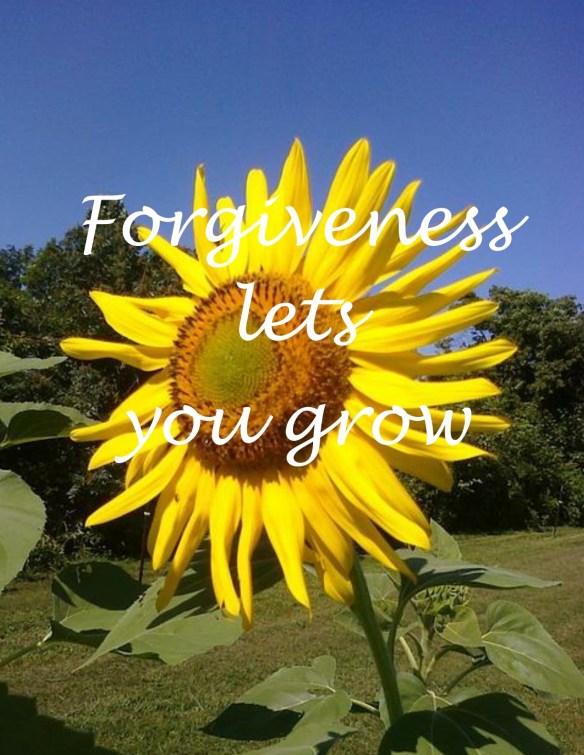
Forgiveness lets you grow.

Sunday Inspiration.   Post by David Joel Miller.

Forgiveness lets you grow.

Forgiveness

Forgiveness lets you grow.
Photo courtesy of Pixabay.com

“There is hope in forgiveness”

― John Piper, A Sweet and Bitter Providence: Sex, Race, and the Sovereignty of God

“The forgiving state of mind is a magnetic power for attracting good.”

― Catherine Ponder

“Always forgive your enemies; nothing annoys them so much.”

― Oscar Wilde

Wanted to share some inspirational quotes with you.  Today seemed like a good time to do this. If any of these quotes strike a chord with you please share them.

How anxiety holds you back.

By David Joel Miller, MS, Licensed Therapist & Licensed Counselor.

How anxiety holds you back.
Photo courtesy of pixabay.

Ways your fears keep you from living.

Anxiety and his friends “The Pack of Fears” are sneaky. They try to tell you that they are protecting you from bad things happening. Anxiety and Fear are like an abusive controlling lover wanting all your attention. Anxiety’s constant insistence that you pay him all your attention prevents you from turning your gaze to positive, happy things.

When you listen to Anxiety a lot, he begins to think he can tell you anything. Remember that sometimes your fears are telling you lies. The key is to become a discriminating listener and discover when your fears are warning you of real danger and when they are just trying to keep you from doing something new.

If you have been listening to Anxiety and the chorus of Fear a lot, here are some of the ways they have been holding you back from having the happy, positive life you deserve.

There are no good surprises.

When you expect the worst and avoid unexpected things that might make you anxious you make unexpected pleasant possibilities impossible.  In the negative zone, people expect anything out of the ordinary to be bad and harmful. The result of this thinking is to never be in the places where pleasant surprises occur.

People who live in the positive zone allow new and unique things to occur in their lives and they are able to see the positive when unexpected things happen. Some of the happiest moments in life are the result of serendipitous pleasant occurrences, but you have to go where those happy moments are to experience them.

Your comfort zone limits who you become.

Since Anxiety wants you to stay close to home, the wall of fear grows high. You can’t experience things outside that wall and your world, over time, shrinks. The pleasures you might have discovered just beyond that wall of fears won’t become a part of your life as long as you stay behind the fear wall.

Flowers don’t grow well in the dark shade of negativity. The longer you stay inside your comfort zone prison the harder it becomes to escape. Over time the wall of fears grows higher and you can be crushed by the weight of those fears pressing in on you.

That fear wall can keep out all the things that might have made you smile and laugh. Fears keep you from getting in on things that could have made your life a joyful place.

Your dreams all become nightmares. You can only imagine bad things happening.

Since Anxiety tells you to expect the worst and prepare for the worst, you see only two things happening, the worst and the almost worst. If you can’t imagine wonderful, joyful things happening you can’t have big dreams for yourself.

With no dreams to pursue, life in that walled prison of fears becomes a lifetime sentence to suffer.

They protect you from the uncomfortable part of growth.

Developing your personal strengths and growth as a person requires emotional exercise. You need to stretch your abilities to develop as a person. Exercise can leave you with sore muscles sometimes. Fear will tell you not to participate in life because you might get hurt. Eventually, your muscles, physical, mental, and emotional ones, will become soft and underdeveloped.

People who exercise their bodies become healthier. Those who don’t grow flabby and weak. Same in the emotional realm. If you avoid learning the hard lessons in life by not trying, you will be ill-prepared for the inevitable bumps on the road of life.

Fear of bad experiences prevents the good ones.

The price you pay for trying to avoid confronting Anxiety and his gang of fears is that they keep you captive and away from living a happy productive life.  Your own doubts become one of life’s worst bullies.

If you have allowed Anxiety and Fear to hold you hostage and your life has become a prison walled off from happiness, isn’t it time you began to confront those fears and see just what bullies they are?

How are you going to stand up to Anxiety and banish the voices of fear?

For more on this topic see Emotions and Feelings. and  Anxiety

Staying connected with David Joel Miller

Seven David Joel Miller Books are available now!

My newest book is now available. It was my opportunity to try on a new genre. I’ve been working on this book for several years, but now seem like the right time to publish it.

Story Bureau.

Story Bureau is a thrilling Dystopian Post-Apocalyptic adventure in the Surviving the Apocalypse series.

Baldwin struggles to survive life in a post-apocalyptic world where the government controls everything.

As society collapses and his family gets plunged into poverty, Baldwin takes a job in the capital city, working for a government agency called the Story Bureau. He discovers the Story Bureau is not a benign news outlet but a sinister government plot to manipulate society.

Bumps on the Road of Life. Whether you struggle with anxiety, depression, low motivation, or addiction, you can recover. Bumps on the Road of Life is the story of how people get off track and how to get your life out of the ditch.

Dark Family Secrets: Doris wants to get her life back, but small-town prejudice could shatter her dreams.

Casino Robbery Arthur Mitchell escapes the trauma of watching his girlfriend die. But the killers know he’s a witness and want him dead.

Planned Accidents  The second Arthur Mitchell and Plutus mystery.

Letters from the Dead: The third in the Arthur Mitchell mystery series.

What would you do if you found a letter to a detective describing a crime and you knew the writer and detective were dead, and you could be next?

Sasquatch. Three things about us, you should know. One, we have seen the past. Two, we’re trapped there. Three, I don’t know if we’ll ever get back to our own time.

For these and my upcoming books; please visit my Author Page – David Joel Miller

Want the latest blog posts as they publish? Subscribe to this blog.

For videos, see: Counselorssoapbox YouTube Video Channel

Confidence.

Sunday Inspiration.   Post by David Joel Miller.

Confidence.

Confidence

Confidence.
Photo courtesy of Pixabay.com

“Relentless, repetitive self-talk is what changes our self-image.” — Denis Waitley

“You probably wouldn’t worry about what people think of you if you could know how seldom they do.” ― Olin Miller

“Too many people spend money they haven’t earned, to buy things they don’t want, to impress people they don’t like.” – Will Rogers

Wanted to share some inspirational quotes with you.  Today seemed like a good time to do this. If any of these quotes strike a chord with you please share them.

Ways to take back control of your life.

By David Joel Miller, MS, Licensed Therapist & Licensed Counselor.

Control

Self-Control?
Photo courtesy of Pixabay.com

Taking control of your life is a choice, not an accident.

Do you ever feel that your life has gotten out of control? Would you like to find a way to get some of that control back? Here are some principles you need to apply to your life to get it back in your control. Some of these are easy, you just make the decision and then do it. Others are skills you need to learn and practice until they become automatic. Either way here are my tips for getting your life back in control.

Learn when to take advice.

When things are going out of control it can be hard to admit that you have lost it and need help. The first step in getting your life under control may be looking for and accepting the need to get some good sound advice.

This does not mean letting your family or friends tell you what to do. Have money problems, get financial advice. Have legal problems, get legal advice. Having career problems talk, with someone who has worked in your field for a while and who can offer you some sound advice.

If you are in recovery you might well find that your sponsor or mentor can share with you some personal experiences and a different viewpoint. A support or 12 step group cumulatively can offer you a better perspective than a single individual.

Being able to recognize when you need the advice of experts and experienced people and then using that advice is a practice that can help you get where you are going in life.

Decide when to steer your own course.

As much as you need to be able to accept needed advice there are times when you need to steer your own course. Don’t try to live your life headed to someone else’s dream. The job that was right for a family member may not be a good fit for you.

Spend some time getting clear about what your values are and then set some goals. If you let others be in control of your life you end up where they would go not where you wanted to be.

Learn to like yourself.

If you do not like yourself you make it hard for others to like you. We teach others how to treat us. You need to be your own best supporter and friend. Caring about you is not being selfish. It is being the captain of your own life.

Insecure adults who do not like the person they have become, contribute to the development of children who do not feel good about themselves and have low self-esteem.

You can’t please everyone – please yourself.

Trying too hard to please everyone leaves no one happy, especially you. Think carefully about what you want from life. Make sure you are not living someone else’s life. Do not be influenced by passing fads and fancies which come and go. Living well is timeless.

Doing what everyone else is doing creates a poor copy of others. Be yourself, be unique and you will create a life that you can be proud of.

Other people’s opinions of you matter very little.

You know in your heart if you are living your life. Do not be easily swayed by others. It is very reasonable to consider other people’s opinions but the final decision is yours. Do the thing you feel is right not the popular or expedient thing.

Learn when to say no.

One sure sign of an out of control life is someone who can’t say no. You need to decline offers and invitations that are not good for you. You should not be doing things only to please others. If you have to go along with things that make you uncomfortable for others to like you they are users, not friends.

Learn when to say yes.

Don’t let fear and reticence keep you from doing things that might do you some good. Many older people have reported that their great regrets in life were not the things they did but the things that they passed on that they now wish they had tried.

Do not let fear, timidity, or the opinions of the crowd keep you from the things that may bring joy to your life.

Keep your self-talk positive.

Negative self-talk creates a negative life. Don’t do that to yourself. Use positive self-talk. A good morning affirmation can set the whole day off on the right course. Tell yourself you can, you will, and that you deserve a good life and see what you create.

Get clear on your values.

There are lots of things you will be tempted to do. Ask yourself how this relates to your values. Do not do things that are objectionable to you just for the approval of those around you. Values determine how you will take this trip we call life.

Set some goals. Don’t be a victim.

Without goals, your life will wander aimlessly. Decide where you want to go, today and in the distant future. When it is done what do you want your life to be about? Set big goals then break them up into smaller sub-goals. Take the little steps each and every day and you will find you have traveled a long way in the right direction.

Be OK with disagreement.

You do not need everyone to agree with you. Accept that not everyone will agree with you. You do not need the agreement of the crowd to be good with yourself.  The more you stand for something, the more you accomplish, the more people will criticize you and disagree. Great people follow their own vision despite others urging them to take the easy path where no one criticizes.

Accept yourself warts and all.

Do not pretend to be more than you are. Accept yourself. However, you are is just fine. After accepting yourself think about those improvement opportunities. How you are is fine but how would you like to improve? Self-acceptance is the starting place on the path to being the best you can be.

Dream big.

If you set your sights low you end up in the dirt. Set high sites and even if you do not reach the moon you may well wind up in the sky.

Stop trying to be perfect and please everyone.

There are no perfect people. You cannot please everyone. Be the best you there is and do the best you can. Accept how you are and you will discover that you, not someone else, is in control of your destiny.

Get the bad, negative stuff, out of your life.

If you are controlled by addictions, bad habits or negativity get that self-limiting stuff out of your life. Addictions can take over control of your life. You won’t get back in control until you clear the negative influences out.

When will you get your life back under your control?

You may want to check out the other counselorssoapbox.com self-help posts.

Staying connected with David Joel Miller

Seven David Joel Miller Books are available now!

My newest book is now available. It was my opportunity to try on a new genre. I’ve been working on this book for several years, but now seem like the right time to publish it.

Story Bureau.

Story Bureau is a thrilling Dystopian Post-Apocalyptic adventure in the Surviving the Apocalypse series.

Baldwin struggles to survive life in a post-apocalyptic world where the government controls everything.

As society collapses and his family gets plunged into poverty, Baldwin takes a job in the capital city, working for a government agency called the Story Bureau. He discovers the Story Bureau is not a benign news outlet but a sinister government plot to manipulate society.

Bumps on the Road of Life. Whether you struggle with anxiety, depression, low motivation, or addiction, you can recover. Bumps on the Road of Life is the story of how people get off track and how to get your life out of the ditch.

Dark Family Secrets: Doris wants to get her life back, but small-town prejudice could shatter her dreams.

Casino Robbery Arthur Mitchell escapes the trauma of watching his girlfriend die. But the killers know he’s a witness and want him dead.

Planned Accidents  The second Arthur Mitchell and Plutus mystery.

Letters from the Dead: The third in the Arthur Mitchell mystery series.

What would you do if you found a letter to a detective describing a crime and you knew the writer and detective were dead, and you could be next?

Sasquatch. Three things about us, you should know. One, we have seen the past. Two, we’re trapped there. Three, I don’t know if we’ll ever get back to our own time.

For these and my upcoming books; please visit my Author Page – David Joel Miller

Want the latest blog posts as they publish? Subscribe to this blog.

For videos, see: Counselorssoapbox YouTube Video Channel
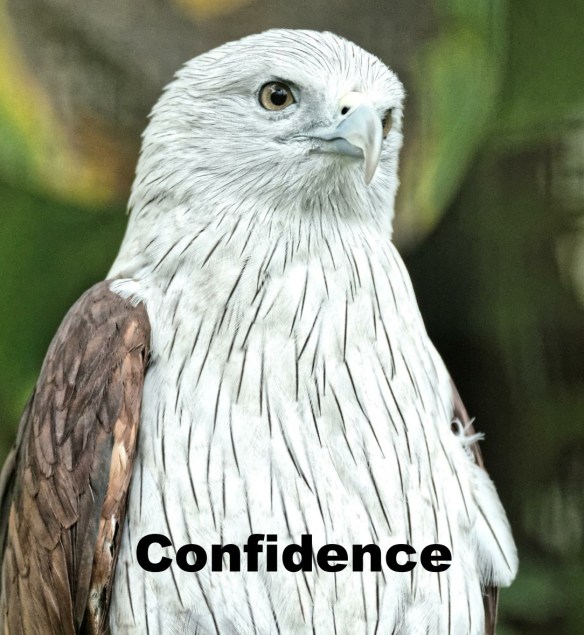
17 Ways to Boost Your Self-esteem.

By David Joel Miller, MS, Licensed Therapist & Licensed Counselor.

High self-essteem

Boost your self-confidence.
Photo courtesy of Pixabay.com

Common sense ways to increase your self-esteem.

Feeling badly about yourself? If you have low self-esteem this does not need to hold you back. There are many things you can do to crank up your belief that no matter where you have been or what your life has been like, you can move forward and accomplish good things. If “low self-esteem” has been getting in the way of having the life you want, here are seventeen ways to change your thinking and behavior and start creating a life you can be proud of.

1. Stop comparing.

Who you are is not some sort of contest. You do not need to be better than others to feel OK about yourself. One of the fastest routes to improved self-confidence is to accept yourself as you are and stop comparing yourself to others.

Most people have the bad habit of comparing up. You know that you do not look as good as someone on the red carpet. People with only a thousand connections on social media compare themselves to someone with 15,000 connections. More connections do not make you a better person. Life is not a popularity contest.

2. Hang out with confident people.

Hang out with insecure and non-affirming people and you become insecure. Want to be a winner? Hang with the winners. (No comparing now.) Associating with happy people and their happiness will rub off. You become, over time, like the people you hang with.

3. Build on your strengths.

Everyone has strengths. Find the things you are good at. Identify and name those strengths and then emphasizes those things that allow you to make use of your best qualities.

4. Develop your undeveloped strengths.

Some strengths are developed, more or less, and others you still need to discover. Look for strengths and then practice them. Try out new things. You do not need to be great at every new thing you try. Some will not be your cup of coffee. But among those things you try, you may discover the strength that can build you a better life.

5. Study successful people.

Study those people who have overcome adversity and achieved noteworthy things. Read books about those who had great accomplishments. Those people’s journey can inspire you to be the best you can be.

6. Look for “improvement opportunities.”

Reframe every undesired outcome. When you try and do not reach your goal this is a chance to learn more and practice some new skills. No matter where you start out life requires all of us to keep working on our skills and on ourselves.

7. Work with a coach, counselor, or mentor.

No one is instinctively perfect. Most “naturals” got to be good by years of practice. Practice alone will not get you there. Not if you keep making the same mistakes over and over until they become automatic. You can’t see your own swing, but a coach can. An outside opinion, counselor, or peer can help you find more “improvement opportunities.”

8. Do good stuff.

The more positive things you do the better a person you become. Think of this as moral or karmic exercises. Good people do not become good by doing one great perfect task after a life of awful actions. Little random acts of kindness and positivity nurture a positive person.

9. Make positive self-talk the rule.

Calling yourself names will not make you work harder or build self-esteem. What you tell yourself your mind will try to make come true. Use positive affirmations, what you tell yourself becomes who you are. Remember to tell yourself you can and then go out and see how much you can do today.

10. Get acquainted with your feelings. Call them by their real names.

Feelings are not evil creatures to be banished. You fear is telling you something, so is your irritation. Learn to recognize and listen to what information those feelings are giving you, but do not let their voices drown out your thinking. If you are afraid examine this carefully. Is this really a dangerous situation or are your childlike feelings just needing reassurance that you are in control?

11. Life is about the journey, not the contests you win.

No one wins everything every time.  In life, there will be some second and third places and sometimes you may finish last. Those are not failures. Not being the best at something this time does not mean that you are flawed. Accept that life is about trying on new activities to see which fit you. You do not need to win every game to enjoy playing.

12. Enjoy being a beginner.

One way to cripple yourself self-esteem is to expect to be great at everything the first time. You learn a lot more by being the beginner and mentally observing yourself developing skills.

13. Be proud of your scars.

Victories come with a price. Sometimes that is pain, sometimes you have to fall down and get back up. Love yourself scars and all. You will have life experiences that are painful. You may not want to repeat some experiences but accept that they made you who you are.

14. Work hard at being you. Do not live to fulfill someone else’s dream.

Be sure that the yardstick you use to measure yourself is yours and not someone else’s. Better still toss those yardsticks and stop the measuring. Explore life and get acquainted with you. Live to be you not to fulfill someone else’s ambitions.

15. Stop hiding your mistakes.

Mistakes and imperfections do not diminish your value as a person. Don’t be afraid to look at your shortcomings and to admit them. Especially admit them to yourself. Looking at these less than perfect outcomes can help turn them into improvement opportunities.

16. Remember to love yourself.

You don’t take good care of things you don’t like and you shouldn’t be spending a lot of time with people who dislike you. You will spend the maximum part of your life with you. Make sure you grow to enjoy your company. Mostly that will happen when you stop criticizing you and begin to accept that however you are is perfectly fine.

17. Take good care of yourself, you deserve it.

This one got left for last. It could easily have been first on the list. Others will not treat you any better than you treat yourself. If you want to feel better about yourself start treating yourself better. You deserve to be treated well.

Self-worth is something you should have regardless of what you do. Remember you are a human being, not a human doing. You are more than the list of things you do.

There you have it, some of my suggestions for giving up self-judging and looking at yourself in a more positive way. Try these on and see if you don’t begin to feel just fine about yourself.

Check out the other counselorssoapbox.com posts on Self-esteem.

Staying connected with David Joel Miller

Seven David Joel Miller Books are available now!

My newest book is now available. It was my opportunity to try on a new genre. I’ve been working on this book for several years, but now seem like the right time to publish it.

Story Bureau.

Story Bureau is a thrilling Dystopian Post-Apocalyptic adventure in the Surviving the Apocalypse series.

Baldwin struggles to survive life in a post-apocalyptic world where the government controls everything.

As society collapses and his family gets plunged into poverty, Baldwin takes a job in the capital city, working for a government agency called the Story Bureau. He discovers the Story Bureau is not a benign news outlet but a sinister government plot to manipulate society.

Bumps on the Road of Life. Whether you struggle with anxiety, depression, low motivation, or addiction, you can recover. Bumps on the Road of Life is the story of how people get off track and how to get your life out of the ditch.

Dark Family Secrets: Doris wants to get her life back, but small-town prejudice could shatter her dreams.

Casino Robbery Arthur Mitchell escapes the trauma of watching his girlfriend die. But the killers know he’s a witness and want him dead.

Planned Accidents  The second Arthur Mitchell and Plutus mystery.

Letters from the Dead: The third in the Arthur Mitchell mystery series.

What would you do if you found a letter to a detective describing a crime and you knew the writer and detective were dead, and you could be next?

Sasquatch. Three things about us, you should know. One, we have seen the past. Two, we’re trapped there. Three, I don’t know if we’ll ever get back to our own time.

For these and my upcoming books; please visit my Author Page – David Joel Miller

Want the latest blog posts as they publish? Subscribe to this blog.

For videos, see: Counselorssoapbox YouTube Video Channel

Today is Spring.

Sunday Inspiration.   Post by David Joel Miller.

Spring.

Spring is here. Photo courtesy of Pixabay.com

Spring is here.
Photo courtesy of Pixabay.com

“It is spring again. The earth is like a child that knows poems by heart.”

― Rainer Maria Rilke

“It’s spring fever. That is what the name of it is. And when you’ve got it, you want—oh, you don’t quite know what it is you do want, but it just fairly makes your heart ache, you want it so!”

― Mark Twain

“Spring work is going on with joyful enthusiasm.”

― John Muir, The Wilderness World of John Muir

Today is the first day of spring. Officially, here on the west coast of the U. S., it started at 9:31 last night but it is hard to see spring after dark. Let’s hope this Spring is a good one for you.

Wanted to share some inspirational quotes with you.  Today seemed like a good time to do this. If any of these quotes strike a chord with you please share them.

Anger Burns.

Sunday Inspiration.   Post by David Joel Miller.

Anger Burns.

Anger burning

Anger Burns the Holder.
Photo courtesy of Pixabay.com

Holding on to anger burns the holder.

“Anger is an acid that can do more harm to the vessel in which it is stored than to anything on which it is poured.”

― Mark Twain

“Anybody can become angry — that is easy, but to be angry with the right person and to the right degree and at the right time and for the right purpose, and in the right way — that is not within everybody’s power and is not easy.”

― Aristotle

Wanted to share some inspirational quotes with you.  Today seemed like a good time to do this. If any of these quotes strike a chord with you please share them.