Getting your needs met.

By David Joel Miller, MS, Licensed Therapist & Licensed Counselor.

Needs

Not getting your emotional needs met?
Photo courtesy of Pixabay.com

What if you haven’t been getting your needs met?

If you have been thinking that you have needs that are not being met, you need to be the one to take the steps to get those needs met. Too often people sit back waiting, expecting someone else to realize what is needed and meet those needs.

If you’re old enough to be reading this yourself, you have reached the age where you have to take responsibility for your own needs.  It would be wonderful if other people could know your needs, read your mind, and do the things you need for them to do. Unfortunately, mind reading is a skill most people do not have.

Effectively getting your needs met is a skill that you can develop.  Below are some ways that you might develop the skills to more successfully get your needs met.

Identifying the needs that you have.

One significant reason you may be unable to get your needs met is that you may be unclear about what those needs are.  Think about those things that you would like more of in your life.  Other things you may want less of in your life.  What specifically will you need in order to feel that your needs have been met?

It can help to write out these lists.  Sometimes you will have a very specific list of things you need.  You may need a ride going somewhere, you may need help with shopping, or it may be an emotional need that you want to meet.  Some needs are easier to identify than others.

On occasion, you may not be clear what your needs are.  You may simply feel uneasy, anxious, or discouraged.  Spend some time thinking about what these needs are.  It may help to discuss your unmet needs with a friend or supporter.  Be careful not to insist that this friend or supporter must be the one to meet that need.  Once you’ve identified specifically what the need is which must be met, you can move on to the next part of the process.

Can you meet this need yourself?

It’s likely that some of the needs you have, you will be able to meet yourself or you can learn to meet this need.  Work on identifying specifically how you could go about meeting your need rather than being dependent on others. You may have to develop a written plan to help you in the process of learning to meet your own needs.  Begin by identifying the things you need which you can learn to do yourself.  But what if you can’t meet this need yourself?

Who should you ask to get these needs met?

The next step in the process of learning to get needs met involves identifying who might be able to do that for you.  Maybe your need involves a problem with a business or government agency that you are dealing with.  You may need to talk to a specific person in order to get that problem solved.  Be sure that you are talking to the person who might be able to help you with this issue.

Sometimes a crisis crops up.  Say your car isn’t working and you need to get work.  Who could help you with this?  You may need to call some friends who have cars and might be able to give you a ride.  Other times you might need to find the bus schedule and how much time it would take to get there on the bus.  In some situations, the person who could meet this need may be a taxi or other paid ride service.

Persistence pays off, keep asking.

Some of the people who you will need help from in order to meet these needs may have many other things to do.  You may need to ask for what you want more than once.  Sometimes you have to remind people.  Other times you may need to be persistent enough that you become a priority in their daily schedule.

Think about using this process to do a better job of meeting your life needs.  First, get clear on what you need.  Secondly, decide whether this is something you can do yourself.  Then if this requires someone else to help you meet that need, identify who that person might be.  Lastly, be persistent, keep asking in a polite way.

Try using this process and see if you are not able to improve the number of your needs that are getting met.

Staying connected with David Joel Miller

Seven David Joel Miller Books are available now!

My newest book is now available. It was my opportunity to try on a new genre. I’ve been working on this book for several years, but now seem like the right time to publish it.

Story Bureau.

Story Bureau is a thrilling Dystopian Post-Apocalyptic adventure in the Surviving the Apocalypse series.

Baldwin struggles to survive life in a post-apocalyptic world where the government controls everything.

As society collapses and his family gets plunged into poverty, Baldwin takes a job in the capital city, working for a government agency called the Story Bureau. He discovers the Story Bureau is not a benign news outlet but a sinister government plot to manipulate society.

Bumps on the Road of Life. Whether you struggle with anxiety, depression, low motivation, or addiction, you can recover. Bumps on the Road of Life is the story of how people get off track and how to get your life out of the ditch.

Dark Family Secrets: Doris wants to get her life back, but small-town prejudice could shatter her dreams.

Casino Robbery Arthur Mitchell escapes the trauma of watching his girlfriend die. But the killers know he’s a witness and want him dead.

Planned Accidents  The second Arthur Mitchell and Plutus mystery.

Letters from the Dead: The third in the Arthur Mitchell mystery series.

What would you do if you found a letter to a detective describing a crime and you knew the writer and detective were dead, and you could be next?

Sasquatch. Three things about us, you should know. One, we have seen the past. Two, we’re trapped there. Three, I don’t know if we’ll ever get back to our own time.

For these and my upcoming books; please visit my Author Page – David Joel Miller

Want the latest blog posts as they publish? Subscribe to this blog.

For videos, see: Counselorssoapbox YouTube Video Channel

Who needs to change for you to be OK?

By David Joel Miller, MS, Licensed Therapist & Licensed Counselor.

Change

Change.
Photo courtesy of Pixabay.com

What do you do if they won’t change?

Have you ever thought to yourself, if only my partner, my child, my parents or my boss would just change than I would be OK?  Lots of people who come to counseling start by wishing that other people would somehow change and that would make them happy.  The problem with this is that most of the time those other people just refuse to change.

Teen’s often complain about how unreasonable their parents are.  I asked them had those parents been that way your whole life?  Most of the time they say yes.  Have you been trying to change them that whole time, I ask?  They tell me yes.  Then I asked them, “How successful have you been at getting your parents to change?” Most of the time the answer is “not very successful at all.”

If you’ve reached this point, where you concluded that the only way for you to be happy is for someone else to change you have a limited number of options.  The longer you wait for someone else to change without taking action the less likely it is that any change will ever happen.

If you ever said that your happiness depends on someone else changing here are some of the options.

You could try changing them.

Insisting that others change is not likely to happen.  For people to be willing to change they need to have an incentive.  Humans are creatures of habit.  Even when people try to change they tend to revert back to their old way of being unless they practice that change repeatedly.

There are two possible ways to get someone else to change.  One is to have that discussion with them, get them to see that they need to change, and have them agree to participate in this change effort.  Most of the time people who decide on this option come back to see me later and tell me it didn’t work.  The other person has refused to change.  The longer they continue to insist the other person change the longer they stay miserable.

The other option is to try to shape this other person’s behavior by changing your response to their behavior.  This procedure can work well with children by using reward and punishment to encourage them to modify their behavior.  For more on that process of changing others by behavioral modification look at the series of posts on counselorssoapbox.com on this topic.

If you’ve tried repeatedly to get someone else to change and had no success you may want to consider one of the options below.

Changing you – personal responsibility.

Interactions between people are sometimes like a square dance.  You move in a certain direction everyone else moves in that same direction.  If one person in the square turns and walks the other way the square falls apart.  This kind of repeating pattern, like a square dance, often occurs in families. To create change in this kind of situation, you need to change your behavior first.

Rather than continuing to insist that someone else needs to change you need to be the person to create the change you want to see.  If there something you don’t like and you can’t get the other person to change, you may need to go about making the changes that are needed yourself.

Letting go of your insistence they change.

One way to reduce this long period of suffering, while you wait for the other person to change, is to let go of the insistence that they change.  Say your boss is the kind of person who thinks that the only way to motivate employees was to constantly point out their faults.  In this situation you can continue to argue with them, you can stay unhappy and insist that they need to change for you to be happy, or and this is not easy to do, you can learn to simply accept that this is the way they are and not let them get to you.

In relationships, this is often the path that people take.  After years of insisting that your partner be neater, you may simply decide to accept they are not neat and let them be the way they are.

Sometimes change comes by ending things.

Say you’re were married to a person with an alcohol problem, you’ve insisted for years that they change, but nothing happens.  You may start trying to change your life without them.  Eventually, you may decide that it’s not worth staying together with the person whose primary relationship is with Ethyl alcohol.

Have you had enough of trying to get someone else to change?

If you’ve reached the point where you’re willing to let go of insisting they change so you can be happy, you will need to consider the other alternatives.  Thinking about trying to get them to change by altering your behavior.  Try learning to accept them the way they are and be happy anyway.  Eventually, you may decide you need to take the responsibility for your happiness and make the changes that need to be made.

Are you ready to stop insisting someone else needs to change for you to be happy?

Staying connected with David Joel Miller

Seven David Joel Miller Books are available now!

My newest book is now available. It was my opportunity to try on a new genre. I’ve been working on this book for several years, but now seem like the right time to publish it.

Story Bureau.

Story Bureau is a thrilling Dystopian Post-Apocalyptic adventure in the Surviving the Apocalypse series.

Baldwin struggles to survive life in a post-apocalyptic world where the government controls everything.

As society collapses and his family gets plunged into poverty, Baldwin takes a job in the capital city, working for a government agency called the Story Bureau. He discovers the Story Bureau is not a benign news outlet but a sinister government plot to manipulate society.

Bumps on the Road of Life. Whether you struggle with anxiety, depression, low motivation, or addiction, you can recover. Bumps on the Road of Life is the story of how people get off track and how to get your life out of the ditch.

Dark Family Secrets: Doris wants to get her life back, but small-town prejudice could shatter her dreams.

Casino Robbery Arthur Mitchell escapes the trauma of watching his girlfriend die. But the killers know he’s a witness and want him dead.

Planned Accidents  The second Arthur Mitchell and Plutus mystery.

Letters from the Dead: The third in the Arthur Mitchell mystery series.

What would you do if you found a letter to a detective describing a crime and you knew the writer and detective were dead, and you could be next?

Sasquatch. Three things about us, you should know. One, we have seen the past. Two, we’re trapped there. Three, I don’t know if we’ll ever get back to our own time.

For these and my upcoming books; please visit my Author Page – David Joel Miller

Want the latest blog posts as they publish? Subscribe to this blog.

For videos, see: Counselorssoapbox YouTube Video Channel

Ways to take back control of your life.

By David Joel Miller, MS, Licensed Therapist & Licensed Counselor.

Control

Self-Control?
Photo courtesy of Pixabay.com

Taking control of your life is a choice, not an accident.

Do you ever feel that your life has gotten out of control? Would you like to find a way to get some of that control back? Here are some principles you need to apply to your life to get it back in your control. Some of these are easy, you just make the decision and then do it. Others are skills you need to learn and practice until they become automatic. Either way here are my tips for getting your life back in control.

Learn when to take advice.

When things are going out of control it can be hard to admit that you have lost it and need help. The first step in getting your life under control may be looking for and accepting the need to get some good sound advice.

This does not mean letting your family or friends tell you what to do. Have money problems, get financial advice. Have legal problems, get legal advice. Having career problems talk, with someone who has worked in your field for a while and who can offer you some sound advice.

If you are in recovery you might well find that your sponsor or mentor can share with you some personal experiences and a different viewpoint. A support or 12 step group cumulatively can offer you a better perspective than a single individual.

Being able to recognize when you need the advice of experts and experienced people and then using that advice is a practice that can help you get where you are going in life.

Decide when to steer your own course.

As much as you need to be able to accept needed advice there are times when you need to steer your own course. Don’t try to live your life headed to someone else’s dream. The job that was right for a family member may not be a good fit for you.

Spend some time getting clear about what your values are and then set some goals. If you let others be in control of your life you end up where they would go not where you wanted to be.

Learn to like yourself.

If you do not like yourself you make it hard for others to like you. We teach others how to treat us. You need to be your own best supporter and friend. Caring about you is not being selfish. It is being the captain of your own life.

Insecure adults who do not like the person they have become, contribute to the development of children who do not feel good about themselves and have low self-esteem.

You can’t please everyone – please yourself.

Trying too hard to please everyone leaves no one happy, especially you. Think carefully about what you want from life. Make sure you are not living someone else’s life. Do not be influenced by passing fads and fancies which come and go. Living well is timeless.

Doing what everyone else is doing creates a poor copy of others. Be yourself, be unique and you will create a life that you can be proud of.

Other people’s opinions of you matter very little.

You know in your heart if you are living your life. Do not be easily swayed by others. It is very reasonable to consider other people’s opinions but the final decision is yours. Do the thing you feel is right not the popular or expedient thing.

Learn when to say no.

One sure sign of an out of control life is someone who can’t say no. You need to decline offers and invitations that are not good for you. You should not be doing things only to please others. If you have to go along with things that make you uncomfortable for others to like you they are users, not friends.

Learn when to say yes.

Don’t let fear and reticence keep you from doing things that might do you some good. Many older people have reported that their great regrets in life were not the things they did but the things that they passed on that they now wish they had tried.

Do not let fear, timidity, or the opinions of the crowd keep you from the things that may bring joy to your life.

Keep your self-talk positive.

Negative self-talk creates a negative life. Don’t do that to yourself. Use positive self-talk. A good morning affirmation can set the whole day off on the right course. Tell yourself you can, you will, and that you deserve a good life and see what you create.

Get clear on your values.

There are lots of things you will be tempted to do. Ask yourself how this relates to your values. Do not do things that are objectionable to you just for the approval of those around you. Values determine how you will take this trip we call life.

Set some goals. Don’t be a victim.

Without goals, your life will wander aimlessly. Decide where you want to go, today and in the distant future. When it is done what do you want your life to be about? Set big goals then break them up into smaller sub-goals. Take the little steps each and every day and you will find you have traveled a long way in the right direction.

Be OK with disagreement.

You do not need everyone to agree with you. Accept that not everyone will agree with you. You do not need the agreement of the crowd to be good with yourself.  The more you stand for something, the more you accomplish, the more people will criticize you and disagree. Great people follow their own vision despite others urging them to take the easy path where no one criticizes.

Accept yourself warts and all.

Do not pretend to be more than you are. Accept yourself. However, you are is just fine. After accepting yourself think about those improvement opportunities. How you are is fine but how would you like to improve? Self-acceptance is the starting place on the path to being the best you can be.

Dream big.

If you set your sights low you end up in the dirt. Set high sites and even if you do not reach the moon you may well wind up in the sky.

Stop trying to be perfect and please everyone.

There are no perfect people. You cannot please everyone. Be the best you there is and do the best you can. Accept how you are and you will discover that you, not someone else, is in control of your destiny.

Get the bad, negative stuff, out of your life.

If you are controlled by addictions, bad habits or negativity get that self-limiting stuff out of your life. Addictions can take over control of your life. You won’t get back in control until you clear the negative influences out.

When will you get your life back under your control?

You may want to check out the other counselorssoapbox.com self-help posts.

Staying connected with David Joel Miller

Seven David Joel Miller Books are available now!

My newest book is now available. It was my opportunity to try on a new genre. I’ve been working on this book for several years, but now seem like the right time to publish it.

Story Bureau.

Story Bureau is a thrilling Dystopian Post-Apocalyptic adventure in the Surviving the Apocalypse series.

Baldwin struggles to survive life in a post-apocalyptic world where the government controls everything.

As society collapses and his family gets plunged into poverty, Baldwin takes a job in the capital city, working for a government agency called the Story Bureau. He discovers the Story Bureau is not a benign news outlet but a sinister government plot to manipulate society.

Bumps on the Road of Life. Whether you struggle with anxiety, depression, low motivation, or addiction, you can recover. Bumps on the Road of Life is the story of how people get off track and how to get your life out of the ditch.

Dark Family Secrets: Doris wants to get her life back, but small-town prejudice could shatter her dreams.

Casino Robbery Arthur Mitchell escapes the trauma of watching his girlfriend die. But the killers know he’s a witness and want him dead.

Planned Accidents  The second Arthur Mitchell and Plutus mystery.

Letters from the Dead: The third in the Arthur Mitchell mystery series.

What would you do if you found a letter to a detective describing a crime and you knew the writer and detective were dead, and you could be next?

Sasquatch. Three things about us, you should know. One, we have seen the past. Two, we’re trapped there. Three, I don’t know if we’ll ever get back to our own time.

For these and my upcoming books; please visit my Author Page – David Joel Miller

Want the latest blog posts as they publish? Subscribe to this blog.

For videos, see: Counselorssoapbox YouTube Video Channel

Has Negativity take over your life?

By David Joel Miller, MS, Licensed Therapist & Licensed Counselor.

Negativity

Is Negativity taking over your life?
Photo courtesy of Pixabay.com

How can you tell that negativity has taken over your life?

Negativity is a trap. If you are around others who are negative they can sap you of all your strength. Your own negativity can undermine your life goals. Sometimes that negativity beast creeps in without you noticing. If negativity has taken up living in your family, your home, or in you, then you need to recognize it and banish it from your life.

Here are the top 14 ways to spot negativity camped out in your life.

1. You can’t stop worrying.

If you find that you are worrying all the time and about everything your world has turned negative. A little worry may protect you, but only if after considering the possible problems you take action. Constant ongoing rumination about what could go wrong is guaranteed to keep you living negatively.

2. Your life is run by should and have to’s.

A life ruled by the “should’s” and the “have-to’s” is a life drained of joy. Take another look at all these rules you are living by. Where did the “should’s” come from? Consider if you reached a point in your life where you have outgrown living by other’s rules.

3. You’re always on high alert – hypervigilant.

People who are ruled by negativity are often excessively jumpy. Do you startle at the least little noise? Do you frequently find that you have been startled by something that others would ignore? It is likely that you are on the high alert for the things that can go wrong in life.

This hyper-vigilance, rather than keeping you safe is misdirecting your attention away from the good and the beautiful to the scary and the negative. Work on becoming a happiness expert.

4. You are afraid to let people know the real you.

In negativity land, people hide their real selves, constantly afraid that if others knew who they really were they would be rejected or attached. Hide the real you from others long enough and you may discover you have lost you.

5. You are always expecting the worse.

Are you the person who can always see the gray part of every cloud? Once negativity moves into your life it obscures every positive thing. If you are always looking for the negative you will find it. When the good things walk by, you will neglect to invite them in.

6. You are always looking for bad news.

People who have become slaves to negativity are always looking to see what other misery they can find. Misery not only loves company it goes out of its way to create it in every life. When you spend all your time looking for the bad news you are sending the good news down the block to visit someone else.

7. You are very sensitive to criticism.

If you are mistaken about something and someone points that out you can take this as helpful, you now know something you didn’t know before. Negative people think that if they do not know everything they are failures. Being wrong about a fact makes them a “wrong” person.

If criticisms are valid, then take it to heart and use this as an improvement opportunity. If it is incorrect let it go and find the home it needs to live in. Do not adopt every critical comment and make it a permanent part of your emotional family.

8. You can’t accept a compliment.

Related to being overly sensitive to criticism is the converse behavior, rejection compliments. If you are so negative you can’t allow a positive feeling in your life you will reject any compliment offered to you.

Rejecting compliments does not make you modest. Accepting compliments does not make you arrogant. Constantly rejecting other’s compliments does make you insufferable.

9. Everything is yes-but, no-but.

If you are one of these people who sneaks a yes-but or a no-but into every conversation what you are doing is making excuses for why you want things to stay in the negative realm.

10. Any change is undesirable.

Negative people are terrified of change. They will assert that no matter how horrific things are now if they were to change then things will only get worse. Intractable people are in love with their misery and afraid that they do not deserve for things to get better.

Which do you prefer, the misery you have now or the risk of taking an action and having your life become unpredictably happy?

11. You don’t try because you might fail.

Negativity tells you don’t try you might fail. Negativity lies to you. Not trying does not protect you from failure, it guarantees you will not accomplish anything. You miss all the shots you do not take.

12. Nothing gets you excited.

Live without passion is life in the negativity zone. Caring about something, anything brings positivity into your life.

13. You’re afraid of good news because something will go wrong.

Negativity tells you to be skeptical of anything positive because good things come to an end. Negative things in life can be dragged out for as long as you want them to last. Letting go is the first part of moving on.

14. You have stopped caring about others.

Negative people can’t care about others. People who genuinely care about others find themselves becoming less negative. One of the fastest ways of getting out of self-negativity is to do something for someone else.

Staying connected with David Joel Miller

Seven David Joel Miller Books are available now!

My newest book is now available. It was my opportunity to try on a new genre. I’ve been working on this book for several years, but now seem like the right time to publish it.

Story Bureau.

Story Bureau is a thrilling Dystopian Post-Apocalyptic adventure in the Surviving the Apocalypse series.

Baldwin struggles to survive life in a post-apocalyptic world where the government controls everything.

As society collapses and his family gets plunged into poverty, Baldwin takes a job in the capital city, working for a government agency called the Story Bureau. He discovers the Story Bureau is not a benign news outlet but a sinister government plot to manipulate society.

Bumps on the Road of Life. Whether you struggle with anxiety, depression, low motivation, or addiction, you can recover. Bumps on the Road of Life is the story of how people get off track and how to get your life out of the ditch.

Dark Family Secrets: Doris wants to get her life back, but small-town prejudice could shatter her dreams.

Casino Robbery Arthur Mitchell escapes the trauma of watching his girlfriend die. But the killers know he’s a witness and want him dead.

Planned Accidents  The second Arthur Mitchell and Plutus mystery.

Letters from the Dead: The third in the Arthur Mitchell mystery series.

What would you do if you found a letter to a detective describing a crime and you knew the writer and detective were dead, and you could be next?

Sasquatch. Three things about us, you should know. One, we have seen the past. Two, we’re trapped there. Three, I don’t know if we’ll ever get back to our own time.

For these and my upcoming books; please visit my Author Page – David Joel Miller

Want the latest blog posts as they publish? Subscribe to this blog.

For videos, see: Counselorssoapbox YouTube Video Channel

Getting your life unstuck.

By David Joel Miller, MS, Licensed Therapist & Licensed Counselor.

Life stuck

Getting your life unstuck.
Photo courtesy of Pixabay.com

Ways to create a better life.

Have you ever felt like your life is stuck?

Time is passing and you are just standing still, going nowhere, and wishing that your life had more meaning and purpose?

Getting your life on track requires a shift in how you see and do things. Here are some ways you can start creating the life you want.

Inventory what you have not what is missing.

If you spend all your time looking at the things you want and do not yet have you can get discouraged easily. Make sure you count up all the things you have accomplished. Emphasize what you have and the shortages will seem less overwhelming.

Keep your eye on the future, not the past.

Let things go. Always looking over your shoulder at the “good old days” can result in losing the present. Bemoaning what you had that is no longer in your life can take the pleasure of those experiences from you. Value what has been a part of your life rather than sit and cry over what has gone. Don’t lose the joys when it is time for something or someone to leave your life.

Plan to be in a good place.

Expect to have a good day. Plan on an excellent day and see if you do not attract more of them into your life. If you expect to have a bad day your brain will willingly create one for you.

Victims wait for things to happen to them, winners plan for the best while preparing for all eventualities.

Start doing more positive things.

Do more positive things and life becomes more positive. Do for others. Be of service. Do things you can be proud of and watch your self-esteem soar.

Say goodbye to unhelpful urges. – don’t give in.

One hallmark of addictions and dysfunctional behaviors are the cravings. Giving in to that desire may seem like the way to reduce the discomfort in the short-term but over the long-term resisting urges will grow your inner strength.

Rethink your life rules. Who says you have to be that way.

What you tell yourself about you becomes who you are. Tell yourself often enough that you can’t do something and you make it true. What are those unhelpful rules you find yourself living by? Who told you that you were just that way and needed to accept things the way they are?

Clean out the unhelpful activities.

Are there lots of busy activities that are filling up your time? It is not just garages, drawers, and closets that need spring cleanings. Our lives can fill up with habits and activates that result in a cluttered, stuck life. If you find yourself out of time each and every day to do those great things start cleaning out the unhelpful activities and make room for the future.

Get rid of toxic friends.

Good friends can help you build your life. Toxic friends poison your environment. Getting unstuck involves looking at your life and deciding what to keep and what to jettison. Unhelpful thoughts and draining friends need to go.

Stop worrying about what others think and say.  Make your own decisions.

Do the things you believe in, they matter. Other’s opinions shouldn’t matter. Decide what is right and act on that view. This doesn’t mean that you should be selfish. It does mean that you need to follow your dreams and live your life rather than curtailing your hopes and dreams to fit other’s preconceived beliefs about how you should be.

Be careful who you listen too.

Get good advice from those who want the best for you. There is lots of advice around. Much of it free, but beware those who tell you what to do because it benefits them. True experts can give you facts and options, not answers to how you should live. If you want to get that life of yours moving in a positive direction seek out a coach or mentor, work with a counselor. Look to see what changes in you will produce the changes you want in your life.

Be open to new experiences.

Everything in life does not need to go as planned. Opportunity does not always knock, not loudly anyway. Sometimes the greatest opportunities in life go to those who put themselves in new situations and learn as a result.

Let go of resentments. No more blame.

Whose fault things are matters far less than whose responsibility is it to change things. If you want to get going stop blaming others for steering you wrong. Take back control of your life’s steering wheel.

Emphasize experiences and people, not things.

Things wear out and break. The latest fashion goes out of fashion, but the things you experience are with you for a lifetime. You will forget about those things you bought but you will treasure the memories of what you did.

Tell doubt to shut up. Do not listen to that committee in your head.

There are always those thoughts in your head. “You should do this” and “what about that.” Ignore those limiting voices. Heed the conscience but not the chorus of doubts. Be careful about believing your own thoughts, not everything you think is true. Those voices in your head, sometimes they lie to you.

Start with small steps, one day, one hour at a time.

Do not put off life improvements until you have the time. You get 168 hours a week like everyone else. There will never be a week with more hours or a year with more days. Start now going where you want your life to go and a little at a time you will get there.

Do nothing and ten years from now you will still be where you are now, stuck! Do some small thing to improve that life each day and in ten years you can look back and marvel at how far you have come. Most great projects can be broken down into a series of small baby steps. Take them one step at a time and see where it gets you.

Ask instead of waiting for someone else to take the first step.

Don’t fall into the trap of thinking others should anticipate your wants. There are very few mind readers around in spite of the large number who think they can read minds. If you expect others to know what you want, if you wait to be asked, you may miss out. That other person may be wanting for you to say something first.

Look for supporters, not obstacles.

Do not focus on the people or things that could get in your way. Look for those people who will be allies in your progress. Build bridges, not walls. There are all kinds of things that could hold you back but as long as you look around for obstacles you will miss identifying those who could truly help you get where it is you want to go.

Staying connected with David Joel Miller

Seven David Joel Miller Books are available now!

My newest book is now available. It was my opportunity to try on a new genre. I’ve been working on this book for several years, but now seem like the right time to publish it.

Story Bureau.

Story Bureau is a thrilling Dystopian Post-Apocalyptic adventure in the Surviving the Apocalypse series.

Baldwin struggles to survive life in a post-apocalyptic world where the government controls everything.

As society collapses and his family gets plunged into poverty, Baldwin takes a job in the capital city, working for a government agency called the Story Bureau. He discovers the Story Bureau is not a benign news outlet but a sinister government plot to manipulate society.

Bumps on the Road of Life. Whether you struggle with anxiety, depression, low motivation, or addiction, you can recover. Bumps on the Road of Life is the story of how people get off track and how to get your life out of the ditch.

Dark Family Secrets: Doris wants to get her life back, but small-town prejudice could shatter her dreams.

Casino Robbery Arthur Mitchell escapes the trauma of watching his girlfriend die. But the killers know he’s a witness and want him dead.

Planned Accidents  The second Arthur Mitchell and Plutus mystery.

Letters from the Dead: The third in the Arthur Mitchell mystery series.

What would you do if you found a letter to a detective describing a crime and you knew the writer and detective were dead, and you could be next?

Sasquatch. Three things about us, you should know. One, we have seen the past. Two, we’re trapped there. Three, I don’t know if we’ll ever get back to our own time.

For these and my upcoming books; please visit my Author Page – David Joel Miller

Want the latest blog posts as they publish? Subscribe to this blog.

For videos, see: Counselorssoapbox YouTube Video Channel
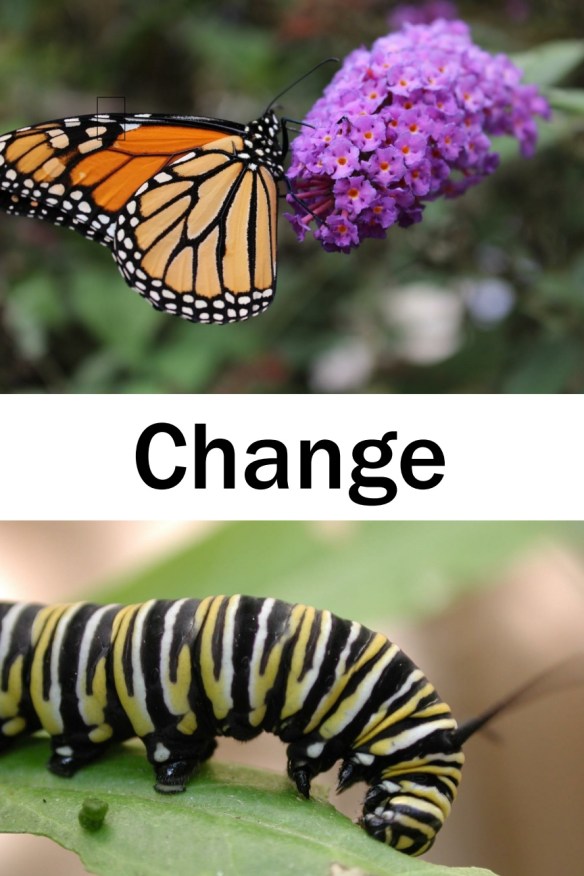
Experiencing Change.

Sunday Inspiration.   Post By David Joel Miller.

Change.

Change

Experiencing change.
Photo courtesy of Pixabay.com

Change can be scary, frightening, until after you experience the results.https://counselorssoapbox.com/category/self-help/self-help-skills/

“Life is a series of natural and spontaneous changes. Don’t resist them; that only creates sorrow. Let reality be reality. Let things flow naturally forward in whatever way they like.”

― Lao Tzu

“Love can change a person the way a parent can change a baby – awkwardly, and often with a great deal of mess.”

― Lemony Snicket, Horseradish

Wanted to share some inspirational quotes with you.  Today seemed like a good time to do this. If any of these quotes strike a chord with you please share them.

Self-talk and affirmations change your life.

By David Joel Miller, MS, Licensed Therapist & Licensed Counselor.

Positive self-talk

Positive Affirmations
Self Talk makes you who you are.
Photo courtesy of Pixabay.com

Self-talk makes you who you are.

Not all self-talk is positive. You may tell yourself positive things or you may criticize and belittle yourself. What you say to and about yourself, both out loud and in that running dialogue which takes place in your head determines who you become. What you repeat to yourself becomes your worldview. Having adopted that self-belief either positive or negative and with daily reinforcement, your brain heads your request.

Your unconscious thought processes will work overtime to make what you predict for yourself come true. It is natural to believe yourself. Would you lie to yourself? Your brain will believe you even when you tell it lies.

You may be programming your mind to believe you are incapable of better things. You can easily convince yourself that things will never be better for you. Ask yourself how sure you are about that. Could you be creating your own low self-esteem by trying to convince your brain that there is no use in trying?

Positive affirmations can create a happy successful life.

People who have used positive affirmations find that it changes their outlook on life. Telling yourself positive things makes them come to pass. There are a number of positive affirmation sites out there on the internet. Sundays I publish an inspirational post, many of which would make a good positive affirmation.

Many people find that they are working on one specific area of their life and they adopt an affirmation that attracts the feelings they need to set them on the right path. Whether you pick an affirmation from a ready-made list or you write a self-statement these things you tell yourself can help you create the life you would like.

Two times affirmations are most effective.

Personally, I have found that there are two times of day when affirmations and negative self-statements for that matter, are especially potent. Use affirmations when you are starting and when you are stopping an activity, especially your day.

Early each day, get things started in a positive direction by repeating your affirmation. This sets the stage for doing and feeling things that are consistent with the sort of life you wish for. If you leave home looking for the bad things in life you will easily find them If you prime your brain to notice those patches of sunshine, those moments of happiness, those will become more frequent.

Ending the day with a positive affirmation can also be useful. Avoid negative self-talk. Tell yourself something at bedtime and your brain seems to occupy itself all night with planning to create these things. Dwelling on what could go wrong tomorrow will keep you up all night and may be the cause of an awful next day.

You will sleep better if you slip off to dreamland thinking about the good that you may do and experience tomorrow. For those of you with a particular religious bent, prayer, telling your higher power, whom many of you call God, about your troubles, and asking for help in overcoming difficulties can show significant benefits.

A word of caution about prayer as an affirmation.

When using evening prayer as a way to clear out the negative and create the positive be very careful to not ask God to fix something and then after saying “goodnight God” take that worry back from God and spend the rest of the night trying to fix it yourself. You can’t give something away, particularly a problem given to God, and then keep taking it back.

Remember to end these prayers or meditations with a thank you to the universe or that higher power for the help you expect to receive. Withholding that thank you will suggest to your brain that you have some doubts that the particular force you have requested help from can or will be able to help you.

Negative, critical self-talk becomes a sort of anti-affirmation.

If you tell yourself you can’t then you won’t be able to. Those who consistently tell themselves they are too old, too stupid, or too fat, become or stay in those conditions. If you were put down or bullied as a child and you continue to repeat those negative things others told you, you have become your own life bully and are creating failure.

Negative affirmations can be the self-handicapping that keeps you stuck.

A common misconception is that self-criticism will make you work harder. Telling yourself you are a failure will not inspire you to work harder. It is likely to make you feel helpless and uninspired. You can learn to be helpless from what others told you and you can also teach yourself to be helpless by the put-downs you repeat to yourself.

Don’t lie to yourself.

In creating affirmations a common mistake is to start by telling yourself things you can’t believe. Don’t say “I am the most beautiful, smartest person on earth.” You either won’t believe this and will give up on affirmations all together, or you will believe this and become delusional.

Begin by telling yourself you are a beautiful person just the way you are. You are smart enough to create a happy life. You can set your course for a goal and accomplish that goal. Pick goals that you can and will believe, if not now then eventually. Positive affirmations should be things you can believe in.

Here are some examples of positive affirmations that have helped people transform their lives.

I deserve to be happy.

I can do this.

I am getting better every day.

I deserve a good life.

I am learning to love myself.

There are many more powerful positive affirmations. Which ones will you adopt, tell yourself daily, and take with you on the journey to a happy life?

Staying connected with David Joel Miller

Seven David Joel Miller Books are available now!

My newest book is now available. It was my opportunity to try on a new genre. I’ve been working on this book for several years, but now seem like the right time to publish it.

Story Bureau.

Story Bureau is a thrilling Dystopian Post-Apocalyptic adventure in the Surviving the Apocalypse series.

Baldwin struggles to survive life in a post-apocalyptic world where the government controls everything.

As society collapses and his family gets plunged into poverty, Baldwin takes a job in the capital city, working for a government agency called the Story Bureau. He discovers the Story Bureau is not a benign news outlet but a sinister government plot to manipulate society.

Bumps on the Road of Life. Whether you struggle with anxiety, depression, low motivation, or addiction, you can recover. Bumps on the Road of Life is the story of how people get off track and how to get your life out of the ditch.

Dark Family Secrets: Doris wants to get her life back, but small-town prejudice could shatter her dreams.

Casino Robbery Arthur Mitchell escapes the trauma of watching his girlfriend die. But the killers know he’s a witness and want him dead.

Planned Accidents  The second Arthur Mitchell and Plutus mystery.

Letters from the Dead: The third in the Arthur Mitchell mystery series.

What would you do if you found a letter to a detective describing a crime and you knew the writer and detective were dead, and you could be next?

Sasquatch. Three things about us, you should know. One, we have seen the past. Two, we’re trapped there. Three, I don’t know if we’ll ever get back to our own time.

For these and my upcoming books; please visit my Author Page – David Joel Miller

Want the latest blog posts as they publish? Subscribe to this blog.

For videos, see: Counselorssoapbox YouTube Video Channel
Is Recovery Practical?

By David Joel Miller, MS, Licensed Therapist & Licensed Counselor.

Ball recovery

Recovery and Resiliency.
Photo courtesy of Pixabay.com

We may need to rethink what recovery really is.

Just returned from a really great training titled “Making Recovery Practical.” The most important part of this training was its clear declaration that recovery is possible. Those of you who have been readers here for a long time know that I am a strong proponent of the concept of recovery.

In my professional life, I have seen many people recover. Unfortunately, many professionals still act as if people do not and should not recover. This prompted me to think I needed to write a few more posts about what recovery is and how it is that people do recover.

The presenter of this training was Dr. Mark Ragins, who is the medical director of the –MHA Villages Integrated Service Agency. Mental Health America Los Angeles is an affiliate of Mental Health America.   The particular training I attended was sponsored by the Fresno County Department of Behavioral Health.

Dr. Ragins covered a great amount of material in a very short time. If you ever get a chance to hear Dr. Ragins speak I would highly recommend him. While I won’t be able to say it the way Dr. Ragins did, in this and upcoming posts I would like to explore some of his “Making recovery possible” themes with all of you. What follows are my thoughts on the subject inspired by Dr. Ragins presentation but not specifically the material from his presentation.

The world changed and our approach to mental illness needs to change.

Societal responses to problems are most often about reacting to an immediate critical problem. It is much easier to motivate help for people impacted by flooding or hurricane damage than it is to do projects to prevent flooding. We typically do many things to cope with a recession after it happens, bail out the banks, and spend money to create jobs. It is hard to develop the political will to make structural changes that would prevent future bubbles from bursting and creating the next recession or depression. We now know that waiting for a serious mental illness to develop is waiting too long.

Our approach to mental illness has been largely the same. Wait for someone to “get sick” send them to a doctor or hospital and expect that they will “get fixed.” If mental illness is a disease why can’t the doctors “cure” them?

The diseases doctors treat have changed.

The medical model, like the financial model, the employment model, and so on is based on treating acute problems, not chronic illnesses. Break a leg and you get a cast, maybe surgery and medications and the leg heals. Medicine is good at treating acute problems. It is not so good at treating chronic problems.

Most medical and mental illnesses these days are chronic problems.

Doctors spend most of their time these days managing chronic illness, diabetes, high blood pressure, obesity, and its related complications. Same thing is true of mental illnesses. We are better at treating sudden issues like suicidal thoughts than we are at treating chronic conditions like depression or anxiety. Psychosis is all too often treated by the “put them on meds and then tell them to stay home and let others run their lives approach.”

Helping people manage their symptoms too often turns into professionals trying to manage people.

Black and white thinking does not work well in a colorful world.

We, as in professionals, used to think there were two kinds of people, the mentally ill and the “normal” people. Recently we have realized that most of those things we call mental illnesses and substance use disorders are chronic conditions, not acute ones. You may become more depressed or less depressed depending on other factors in your life. Substance abuse gets better if you stop drinking and using but being dry or putting down the drugs is not the same thing as being really sober or recovered.

Recovery means different things to different people.

Recovery from a chronic disease or disorder is not about a cure. It is about managing your life to have the best life possible regardless of whatever challenges someone is facing. The psychiatrist’s idea of recovery might be not hearing the voices and taking their meds as prescribed. Your idea of recovery might be having a relationship, a place of your own, and being able to engage in productive activates regardless of whether you hear the voices or not.

We need a new focus in the treatment of mental and emotional issues.

Rather than so much focus on the disease model and what disease does that person have? What is sorely needed is a focus on wellness, resiliency, and recovery. How can someone having had an episode of this thing we are calling mental illness learn to increase their wellness and live the manner of life they chose to live.

For far too long we have focused on what the mentally ill can’t do and the result has been convincing ourselves, the mentally ill, and society that they will never get better. As we shift the focus from expecting a full, complete “cure” to learning how to reduce or manage the symptoms of a chronic condition it becomes increasingly clear that recovery and a full life are possible.

Stay tuned and in future blog posts, we will talk again about wellness tools and how to make recovery possible.

Staying connected with David Joel Miller

Seven David Joel Miller Books are available now!

My newest book is now available. It was my opportunity to try on a new genre. I’ve been working on this book for several years, but now seem like the right time to publish it.

Story Bureau.

Story Bureau is a thrilling Dystopian Post-Apocalyptic adventure in the Surviving the Apocalypse series.

Baldwin struggles to survive life in a post-apocalyptic world where the government controls everything.

As society collapses and his family gets plunged into poverty, Baldwin takes a job in the capital city, working for a government agency called the Story Bureau. He discovers the Story Bureau is not a benign news outlet but a sinister government plot to manipulate society.

Bumps on the Road of Life. Whether you struggle with anxiety, depression, low motivation, or addiction, you can recover. Bumps on the Road of Life is the story of how people get off track and how to get your life out of the ditch.

Dark Family Secrets: Doris wants to get her life back, but small-town prejudice could shatter her dreams.

Casino Robbery Arthur Mitchell escapes the trauma of watching his girlfriend die. But the killers know he’s a witness and want him dead.

Planned Accidents  The second Arthur Mitchell and Plutus mystery.

Letters from the Dead: The third in the Arthur Mitchell mystery series.

What would you do if you found a letter to a detective describing a crime and you knew the writer and detective were dead, and you could be next?

Sasquatch. Three things about us, you should know. One, we have seen the past. Two, we’re trapped there. Three, I don’t know if we’ll ever get back to our own time.

For these and my upcoming books; please visit my Author Page – David Joel Miller

Want the latest blog posts as they publish? Subscribe to this blog.

For videos, see: Counselorssoapbox YouTube Video Channel

10 School of life lessons you need to learn.

By David Joel Miller, MS, Licensed Therapist & Licensed Counselor.

School classroom

School

The School of life is still in session. You can’t stop learning when you leave school.

In many places here in the northern hemisphere, school is back in session or soon will be. Regardless of whether you are a student or a teacher the lessons don’t stop when school lets out. The most important lessons are often the ones we learn in the process of living. No matter how young or old you are it is never too early or too late to learn the lessons life is trying to teach you. Here are some of the lessons you should be learning from your life experiences.

Learn the difference between tools, crutches, and burdens.

When you feel tested or weak, when you struggle with a problem, tools can be helpful.  Friends can help you move forward or hold you back. Substances, drugs, and alcohol, creep into lives disguised as crutches. They tell you that you need a drink to cope. Truth is that those crutches, substances, and behaviors start out looking like crutches to help you get through difficult times. They end up being heavy burdens to overcome.

Whether it is “retail therapy,” shopping just for the sake of shopping, or hanging out with negative friends, using crutches to get through life’s difficulties comes at a huge price. That unhelpful habit may move from being a crutch to being a heavy lifelong burden when you have to clean up the messes.

You find the things, good or bad, you look for.

Are you looking for more anxiety or more calm? Some people are well acquainted with anxiety. He is their best friend. Having some anxiety around can help you if you are in danger. But if every morning you set off on a quest to find more things to be afraid of, anxiety is no longer protecting you, he is holding you captive.

The negative things in life scream out for attention. The quieter things, happiness, and joy take an effort to notice. Calmness sits silently by, waiting to be noticed. If you look only for the negative you will get more negativity in your life.

Learn to find the positive in the difficult situation. Detect the calm in the center of every storm of life. Look for the good if you want a good life.

Watch out for “agains.”

Humans make mistakes. The more you do in life the more possible mistakes and errors you will find. Try to learn from these less than ideal outcomes. Avoid having to say, I made that mistake again. I have the same problems again.

Learn life’s lessons and then move on. Failure to learn the lessons at one point in your life dooms you to repeat these same errors over and over “again.”

Do not wear yourself out pushing on walls.

Many obstacles in life will not be moved by the use of brute force. Even a small barrier can wear you out if you insist on trying to force that difficulty out of your way. Look for the gates. Think about ways to make that obstacle a path you need to follow to find the way around.

We can often take one big challenge well enough. It is the constant fighting of the same battles, never learning how to work smarter that eventually will do you in.

Good relationships are more important than being right.

Avoid wasting time and friendships on fighting over who is right and who is wrong. People resent having to deal with a right-fighter. Certainly, you can and should have your beliefs and values. It is not required that you change their minds.

Treasure your friendships and close relationships. Think before you argue. Will I really be happier if I win this argument but lose this friend? Allow your friends to be wrong sometimes. Give yourself that same opportunity.

If you want something you need to ask. Did you ask?

Don’t go through life wishing that others would see your needs and fulfill them. If you are wishing for something, have you expressed that wish to the person who could make this happen? It is easy to blame others for the things we lack. They seem obvious to you. But if you never ask do not fall into the trap of thinking that others should recognize your needs before you speak them.

A great pitfall in relationships is expecting the other person to read your mind and then act on your desire in the way you would want them to. Unless your partner or friend earns their living reading minds do not expect others in your life to spontaneously develop that skill.

Are you building things up or tearing them down.

Don’t tear everything down unless you are ready to rebuild afterward. It is easy to complain. You can find faults in most any situation. But when something gets torn down, for a time there is nothing left there. Eventually, some person sees the empty space created by the destruction and begins to rebuild.

An important life lesson is to learn how to make things better. Building meets people’s needs, destroying things does not. Become the architect of a bright future, not the demolisher of what is.

Look for the similarities.

People mostly have the same needs. Situations tend to have similarities. Do not think that the way you do things is the only possible alternative. Many problems have common solutions. Applying knowledge from one experience to another reduces the need to be reinventing behaviors.

It is easy to think that others are somehow very different from you. Underneath all the differences are those common needs and desires.

Be aware of the differences.

Differences are neither good nor bad in and of themselves. Recognize how others could look at things and see a different meaning. Consider that old saw that if the only tool you have is a hammer you will see everything as a nail. Different problems in life need different tools.  Around every bend in the road of life, there will be something. Look for the novel and look for the similar, expect neither.

It is always today.

We plan for tomorrow, we remember the past but we always live in today.  Learn to keep those distinctions clear. It is always today. You may repeat yesterday’s actions or you may choose to do, say, and think something different. Change in life comes from getting up each day and living that day as fully as possible.

Are there other life lessons you have learned? Consider sharing what the school of life has taught you. You can leave a comment below or send a note directly to me by using the contact me form. I will do my best to get back to all of you who contact or email me.

Staying connected with David Joel Miller

Seven David Joel Miller Books are available now!

My newest book is now available. It was my opportunity to try on a new genre. I’ve been working on this book for several years, but now seem like the right time to publish it.

Story Bureau.

Story Bureau is a thrilling Dystopian Post-Apocalyptic adventure in the Surviving the Apocalypse series.

Baldwin struggles to survive life in a post-apocalyptic world where the government controls everything.

As society collapses and his family gets plunged into poverty, Baldwin takes a job in the capital city, working for a government agency called the Story Bureau. He discovers the Story Bureau is not a benign news outlet but a sinister government plot to manipulate society.

Bumps on the Road of Life. Whether you struggle with anxiety, depression, low motivation, or addiction, you can recover. Bumps on the Road of Life is the story of how people get off track and how to get your life out of the ditch.

Dark Family Secrets: Doris wants to get her life back, but small-town prejudice could shatter her dreams.

Casino Robbery Arthur Mitchell escapes the trauma of watching his girlfriend die. But the killers know he’s a witness and want him dead.

Planned Accidents  The second Arthur Mitchell and Plutus mystery.

Letters from the Dead: The third in the Arthur Mitchell mystery series.

What would you do if you found a letter to a detective describing a crime and you knew the writer and detective were dead, and you could be next?

Sasquatch. Three things about us, you should know. One, we have seen the past. Two, we’re trapped there. Three, I don’t know if we’ll ever get back to our own time.

For these and my upcoming books; please visit my Author Page – David Joel Miller

Want the latest blog posts as they publish? Subscribe to this blog.

For videos, see: Counselorssoapbox YouTube Video Channel

Sleep Skills – Sleep hygiene

By David Joel Miller, MS, Licensed Therapist & Licensed Counselor.

sleep

Child sleeping.
Photo courtesy of Pixabay.com

Do you have good sleep skills?

How did you learn to get a good night’s sleep? If you are like many of us, the sleep skills you learned taught you how to have insomnia, bad dreams, and a host of other sleep issues.

When you are young you do not want to go to sleep. Many children resist sleep and bedtimes with a vengeance. What you may have been taught, by example if not by words, was that sleeping was a punishment, and staying awake as long as possible was some sort of reward for becoming that mythical creature we all aspire to become “an adult.”

Sleep, too many of us, appears to be the result of doing and going until you wear yourself out and then you drop into an exhausted state of unconsciousness that passes for sleep. What gets missed in this equation are the many benefits of getting a good night’s sleep and how you develop the skills to have that restful sleep. One name for sleep skills is sleep hygiene.

The benefits of being a good sleeper.

Lots of good things happen to you when you sleep. Memories get consolidated and stored. Poor sleep reduces your ability to remember things and make sense of the world around you. A well-rested person is more alert and finds it far easier to “pay attention.”

During the day your brain does a lot of work. Even if you are engaged in a physically demanding endeavor you mind still consumes a lot of calories thinking about and directing all the other things you do. Your brain consumes somewhere between 20% and 25% of all the calories you use every day. Burning all those calories creates a lot of waste.

Most people understand that more exercise means more waste products. You eliminate the waste and you feel better. Exercise more and if calories taken in stay constant, you can expect to lose some weight. Wastes accumulated in your brain get cleared out at night while you sleep.

Poor sleep and you end up with a “trashy” mind which has difficulty with focus, concentration, and creativity.

Sleep skills can be learned.

Being a good sleeper is a matter of choices you make. There are secrets to most things in life. A good teacher or coach can show you how to improve your game. You can learn how to be a better, more rested sleeper by learning and then practicing a few basic sleep skills. Here are a few of the basic sleep skills.

To sleep, you need a cool-down period.

Between running around and falling asleep give yourself some time to decompress. Most people go and go and then leap into bed expecting to fall right to sleep. You need some cooldown time. Stop activities thirty to sixty minutes before bedtime. If you do any exercise do the slow mindful type not the strenuous kind in those last few minutes.

Unplug from electronics. Those bright lights hitting your eye condition you for more awake time. Reduce the light. Relax and get yourself in the state to sleep.

Avoid stimulants at bedtime.

Do not drink coffee, tea, energy drinks, or other stimulant beverages in the afternoon. Pay attention to the last one you had and see how this impacts your sleep. Some people can drink coffee late in the day and still sleep, others are more sensitive and even coffee at lunch will impact their sleep.

Train your brain to expect to sleep in bed.

Our brains quickly associate places with the thing you do there. Do not abuse the bed. Lounging around in bed reduces the sleep-bed connection. Use the bed only for sleep and sex. Your brain can connect sex with lots of locations but it won’t connect sleep with standing up. Do not confuse the default setting in your brain by expecting it to stay awake and social media surf one time while another time you ask it to sleep in bed.

Clear your mind of worries before going to bed.

Use whatever practice works best for you to clear out the problems and worries from the day before trying to sleep. Pray and turn the worries over to your higher power, journal out those thoughts. You may be able to call someone and talk about your concerns before bedtime.

Empty your head of things you need to remember to do in the future. Writing this down can help get them off your mind.

Have a set bedtime and a time to get up.

It can be hard to adjust to changes. Sleep is no exception to that rule. If every night you hit the sack at a different time your brain does not know when to let you get sleepy. Set a constant time and do your best to stick to it. People who stick to a wake-up time even on the days off find that their body adjusts and lets them know when it is time to sleep.

If you have different times for getting up and going to bed on the weekend it makes it more difficult to switch back and forth. The result may be waking up at the right time despite staying up late. Many people create a sleep deficit over the weekend.

Avoid daytime naps.

Taking daytime naps results in not being able to sleep when bedtime comes. Staying up till your tired can leave you exhausted the next day. Over time these daytime naps shift your schedule and can make it harder to switch back when you have to stay awake for the full day.

Develop a bedtime routine.

Running around frantically at bedtime wakes you up. You need a routine to let you wind down and get ready to sleep. Having a pre-bed routine reduces those last-minute things that need to be done and keep you up late.

Create a comfortable sleep place.

Dark sleep places help you sleep. Look for ways to reduce stray light. Turn off the electronics. Screen light tricks your brain into thinking you need to stay up a bit longer.

Do you sleep better when it is quiet? Do your best to curtail ambient noise. Earplugs work for some. If you prefer noise to drown out other sounds around you look for something that will not be diverting your attention. Background music may be helpful in managing the sound environment.

Cool temperatures help get the body ready for sleep. In hot climates or in the summer mouths coolness may be at a premium. If you don’t have or can’t afford air conditioning opt for a fan or fans that move the air over you. Feeling cooler at night than you did while awake will increase the chances of a restful night’s sleep.

Weed out life factors – shift work or recent stressful events.

Shift work can alter your sleep cycle. Some people can adjust while others never seem to. If you work when others sleep and sleep when others are up you will need to look for ways to accommodate that schedule. Some of these will be environmental things like darkness and consistency.

If you find that stress, anxiety, or trauma is impacting your ability to sleep, consider counseling or other help in reducing that stress. Mindfulness or meditation training can help.

Those are some thoughts on developing good sleep skills. Have you found any other things that improve your ability to sleep?

You might want to take a look at other posts on:

Sleep

Dreams and Nightmares 

Staying connected with David Joel Miller

Seven David Joel Miller Books are available now!

My newest book is now available. It was my opportunity to try on a new genre. I’ve been working on this book for several years, but now seem like the right time to publish it.

Story Bureau.

Story Bureau is a thrilling Dystopian Post-Apocalyptic adventure in the Surviving the Apocalypse series.

Baldwin struggles to survive life in a post-apocalyptic world where the government controls everything.

As society collapses and his family gets plunged into poverty, Baldwin takes a job in the capital city, working for a government agency called the Story Bureau. He discovers the Story Bureau is not a benign news outlet but a sinister government plot to manipulate society.

Bumps on the Road of Life. Whether you struggle with anxiety, depression, low motivation, or addiction, you can recover. Bumps on the Road of Life is the story of how people get off track and how to get your life out of the ditch.

Dark Family Secrets: Doris wants to get her life back, but small-town prejudice could shatter her dreams.

Casino Robbery Arthur Mitchell escapes the trauma of watching his girlfriend die. But the killers know he’s a witness and want him dead.

Planned Accidents  The second Arthur Mitchell and Plutus mystery.

Letters from the Dead: The third in the Arthur Mitchell mystery series.

What would you do if you found a letter to a detective describing a crime and you knew the writer and detective were dead, and you could be next?

Sasquatch. Three things about us, you should know. One, we have seen the past. Two, we’re trapped there. Three, I don’t know if we’ll ever get back to our own time.

For these and my upcoming books; please visit my Author Page – David Joel Miller

Want the latest blog posts as they publish? Subscribe to this blog.

For videos, see: Counselorssoapbox YouTube Video Channel