
What is Polydrug or Polysubstance use?

By David Joel Miller, MS, Licensed Therapist & Licensed Counselor.

Polydrug use is common.

Drugs

What is Polydrug or Polysubstance use?
Photo courtesy of Pixabay.com

Polydrug use, sometimes referred to as multiple drug use, is an increasingly common pattern. Diagnosis of Substance Use Disorders used to be divided along the lines of the particular substance that someone used or abused. Treatment systems separated the alcoholics from the Heroin users and so on. There was a lot of validity to that model but it is becoming less and less possible as more people are using combinations of many drugs.

Most drug users have a preferred “High.” Stimulant users like being way up. Depressant users like the falling asleep, passing out kind of high. Hallucinogen users are chasing an altered reality. Some people dabble in all three types and their pattern of addiction is more to the process of using drugs than to any one particular substance.

I have heard people with a history of polysubstance use describe themselves as “trashcan junkies” just open the lid and throw something in. When asked what drugs they do, the standard answer is “What have you got?”

Drugs of abuse have cultures.

Alcohol users and abusers tend to hang out together. They have their preferred beverage of choice and their favorite method of consumption. If you drink the way others in your social circle drink then you can maintain the illusion that your drinking is under control. Some drinking groups divide up a 12 or 24 pack, some pass around a bottle of wine or a paper bag containing the hard stuff. Other groups order fancy mixed drinks from the cocktail waitress. Alcohol is everywhere and most people develop some familiarity with this culture.

Weed smokers have their culture also. They pass around the blunt, smoke a bowl or roll a joint. They have particular names for the varieties of marijuana they smoke or those they disdain. Most drink alcohol from time to time. Many weed smokers also have cultural decorations, tribal music, and cultural heroes who smoked a lot of weed. But in a group of consistent marijuana users, it is likely that most primarily smoke marijuana.

Heroin users develop their own special culture. They know the process of making a rig. Users learn the concepts of going to the cotton and cotton fever. They also know the struggles of kicking and going cold turkey.

Some of the younger opiate abusers believe they are from a different tribe. They do their opiates as pills and liquids, obtained from doctors, pharmacies, and diverted medical supplies. They may even hold fast to the myth that they are not addicts because they do not use needles. That myth gets shattered when their supply is interrupted and they have to kick along with the heroin addicts.

Polysubstance users move between cultures.

Increasingly we are seeing those whose allegiance is not to one drug of choice but to the process of doing drugs of any and every kind. The use of multiple substances is the norm rather than the exception. Most people in drug treatment and a major part of our jail and prison populations have long histories of using a wide variety of substances.

Polysubstance dependence is a problem without a diagnosis.

The most recent edition of the DSM eliminated the diagnosis of polysubstance dependence. We never did use polysubstance abuse. From here on the plan is to list each drug someone may have developed a problem with and then rate each use disorder as mild, moderate or severe.

For those working in the Substance Use Disorder field, this is problematic. While a client may have a mild problem with each of eight or ten different drugs, overall they can have a significant problem living life without using drugs or destructive behaviors.

My own experience has been that when someone has this “polysubstance dependence” problem, there are usually some other significant mental health issues going on.  The best treatment when polysubstance abuse or dependence is encountered is the treatment of the mental health issues and substance use issues at the same time.

Terms and their meaning can differ with the profession using them. The literature from the Rehab or AOD (Alcohol and Other Drug) field may be very different from that in the mental health field. There is still a large gap between recovery programs and AOD professionals and the terms and descriptions used in the DSM.

FYI. These “What is” sometimes “What are” posts are my efforts to explain terms commonly used in Mental Health, Clinical Counseling, Substance Use Disorder Counseling, Psychology, Life Coaching, and related disciplines in a plain language way. Many are based on the new DSM-5; some of the older posts were based on the DSM-IV-TR, both published by the APA. For the more technical versions please consult the DSM or other appropriate references.

Staying connected with David Joel Miller

Seven David Joel Miller Books are available now!

My newest book is now available. It was my opportunity to try on a new genre. I’ve been working on this book for several years, but now seem like the right time to publish it.

Story Bureau.

Story Bureau is a thrilling Dystopian Post-Apocalyptic adventure in the Surviving the Apocalypse series.

Baldwin struggles to survive life in a post-apocalyptic world where the government controls everything.

As society collapses and his family gets plunged into poverty, Baldwin takes a job in the capital city, working for a government agency called the Story Bureau. He discovers the Story Bureau is not a benign news outlet but a sinister government plot to manipulate society.

Bumps on the Road of Life. Whether you struggle with anxiety, depression, low motivation, or addiction, you can recover. Bumps on the Road of Life is the story of how people get off track and how to get your life out of the ditch.

Dark Family Secrets: Doris wants to get her life back, but small-town prejudice could shatter her dreams.

Casino Robbery Arthur Mitchell escapes the trauma of watching his girlfriend die. But the killers know he’s a witness and want him dead.

Planned Accidents  The second Arthur Mitchell and Plutus mystery.

Letters from the Dead: The third in the Arthur Mitchell mystery series.

What would you do if you found a letter to a detective describing a crime and you knew the writer and detective were dead, and you could be next?

Sasquatch. Three things about us, you should know. One, we have seen the past. Two, we’re trapped there. Three, I don’t know if we’ll ever get back to our own time.

For these and my upcoming books; please visit my Author Page – David Joel Miller

Want the latest blog posts as they publish? Subscribe to this blog.

For videos, see: Counselorssoapbox YouTube Video Channel
What are Bath Salts?

By David Joel Miller, MS, Licensed Therapist & Licensed Counselor.

New drugs

Bath salts.
Photo courtesy of Pixabay.com

How come people are abusing Bath Salts?

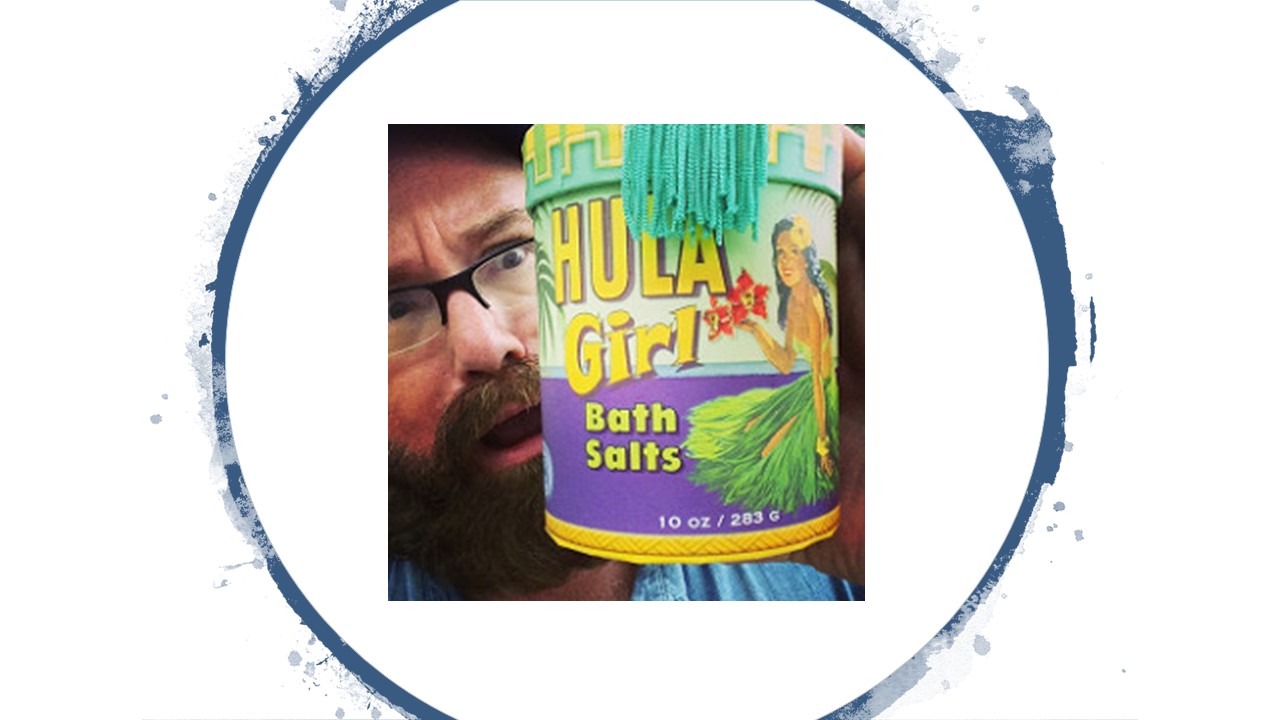
There is a growing tidal wave of use and abuse of Bath Salts. These are not the kind of Bath Salts you would ever put in water and soak in. Bath Salts are also sold under a number of other names including Plant Food, Water Pipe Cleaner as well as a host of brand and product names.

These products made use of a loophole in the laws of the U. S. and other countries, which exempted chemicals from regulation as drugs if they were “Not for Human Consumption.” These drugs were imported without restriction because of being labeled for uses other than human consumption. Here in the U. S. they were then repackaged in small amounts and sold in small stores. While labeled “not for human consumption” it has always been clear that users were buying these packages to consume them.

The primary ingredients in many of these products are amphetamine-like chemicals in the Cathinone Family. Cathinones are synthetic versions of a drug originally found in the Khat plant from north-eastern Africa. Before becoming popular as drugs of abuse these drugs were primarily used to kill insects hence the name “plant food.” The name “bath salts” is reported to come from the way these drugs are often packaged to look like bath salts.

Bath Salts can be consumed by snorting, swallowing, smoking, or injecting. Other possible routes of administration are sure to be attempted.

The use of Bath Salts has resulted in a significant number of admissions to hospital emergency rooms. Symptoms of Bath Salt intoxication include a number of serious symptoms including agitation, violent behaviors, heart palpitations, and psychotic symptoms. There are reports of these symptoms, particularity psychosis, lasting long after the drugs have been metabolized. At high doses, these drugs can be fatal.

The Synthetic Drug Abuse Act of 2012 was intended to reduce the problems with Bath Salts. Some particular ingredients have been made illegal. Unfortunately, this is a very large family of synthetic chemicals and many have never been tested. As fast as one chemical has been tested, found to be harmful to humans and banned, other chemicals have been substituted.

More and more synthetic chemicals are being sold and experimented with by drug users. The line between Bath Salts, Synthetic Cannabinoids, and other research chemicals has become fuzzy. New formulations are appearing so rapidly they are now being referred to as NPS (New Psychoactive Substances.) Expect Bath Salts of new formulations and other synthetics to become an increasing problem.

For more on these topics see:    Drug Use, Abuse and Addiction     Recovery      What is

Terms and their meaning can differ with the profession using them. The literature from the Rehab or AOD (Alcohol and Other Drug) field may be very different from that in the mental health field. There is still a large gap between recovery programs and AOD professionals and the terms and descriptions used in the DSM.

FYI These “What is” sometimes “What are” posts are my efforts to explain terms commonly used in Mental Health, Clinical Counseling, Substance Use Disorder Counseling, Psychology, Life Coaching, and related disciplines in a plain language way. Many are based on the new DSM-5; some of the older posts were based on the DSM-IV-TR, both published by the APA. For the more technical versions please consult the DSM or other appropriate references.

Staying connected with David Joel Miller

Seven David Joel Miller Books are available now!

My newest book is now available. It was my opportunity to try on a new genre. I’ve been working on this book for several years, but now seem like the right time to publish it.

Story Bureau.

Story Bureau is a thrilling Dystopian Post-Apocalyptic adventure in the Surviving the Apocalypse series.

Baldwin struggles to survive life in a post-apocalyptic world where the government controls everything.

As society collapses and his family gets plunged into poverty, Baldwin takes a job in the capital city, working for a government agency called the Story Bureau. He discovers the Story Bureau is not a benign news outlet but a sinister government plot to manipulate society.

Bumps on the Road of Life. Whether you struggle with anxiety, depression, low motivation, or addiction, you can recover. Bumps on the Road of Life is the story of how people get off track and how to get your life out of the ditch.

Dark Family Secrets: Doris wants to get her life back, but small-town prejudice could shatter her dreams.

Casino Robbery Arthur Mitchell escapes the trauma of watching his girlfriend die. But the killers know he’s a witness and want him dead.

Planned Accidents  The second Arthur Mitchell and Plutus mystery.

Letters from the Dead: The third in the Arthur Mitchell mystery series.

What would you do if you found a letter to a detective describing a crime and you knew the writer and detective were dead, and you could be next?

Sasquatch. Three things about us, you should know. One, we have seen the past. Two, we’re trapped there. Three, I don’t know if we’ll ever get back to our own time.

For these and my upcoming books; please visit my Author Page – David Joel Miller

Want the latest blog posts as they publish? Subscribe to this blog.

For videos, see: Counselorssoapbox YouTube Video Channel
What is Binge Drinking?

By David Joel Miller, MS, Licensed Therapist & Licensed Counselor.

Drinking

Binge drinking.
Photo courtesy of Pixabay.com

Binge drinking is a huge problem.

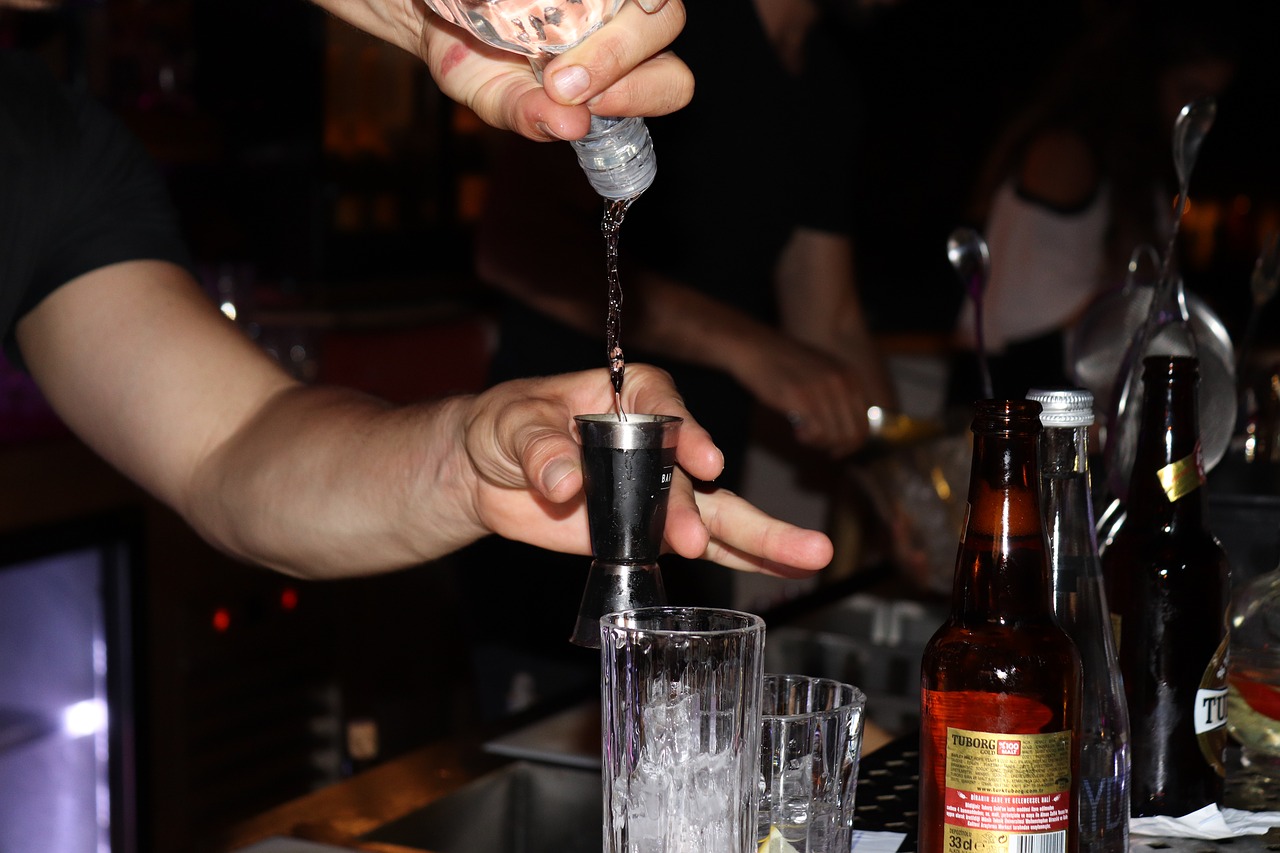
Some people have one drink after dinner each night. Other people save them up and have all seven on Friday night. Drinking seven drinks on Friday night is not the equivalent of one drink a day. The negative consequences, psychically, mentally, and legally, increase rapidly as the blood alcohol content rises on any one drinking occasion, a practice called binge drinking.

Binge drinking is defined as having five or more drinks on one drinking occasion for a man. For a woman, because of her reduced metabolism of alcohol in the stomach, four drinks on one occasion is considered binge drinking. That one “drinking occasion” could be over a short period of time, like drinking shots, or it might entail a more measure drinking like doing in most of a six-pack over the course of the afternoon.

Lots of people resisted the idea that they could be an “alcoholic” because they did not drink every day. The newer way of thinking about this is that it is not what you drink or how often you drink but what happens when you drink that defines an alcohol use disorder. If when you drink you end up drunk or you drink excessively, then you have an alcohol use disorder.

If you only drink occasionally, but when you do drink you consume a lot, you are a binge drinker and at risk for a great many alcohol-related problems.

Binge drinking alcohol is associated with increased drug use.

Among drinkers between 12 and 25, those whose typical pattern was to binge drink when they drank, they were also much more likely to use multiple other drugs. This pattern of drug use, called Poly-Substance use, is extra risky and correlates with a lot of complications physically, mentally, and legally.

Patterns of drinking can obscure the magnitude of alcohol use problems.

In treatment programs, there has been a tendency to separate drug users from the people who have legal consequences because they drove drunk. Rarely is a drunk driving case a driving problem despite all our efforts to treat DUI’s as if the problem was the driving after drinking.

There are a lot of misconceptions about who drinks, how often they drink, and how much the average American drinks. Half of all Americans have not had a drink in the last month. Ten percent of our population consumes half of all the alcohol. Those who binge drink can hide the existence of an alcohol use disorder for a long time by concentrating that drinking in occasional drinking binges.

Medical problems from Binge drinking.

Binging as well as daily high levels of alcohol consumption are associated with a large number of physical health problems. While one drink a day has been touted as good for everyone but fetuses and potentially pregnant women. Unfortunately the more you drink the more the risks of illness.

Alcohol consumption is associated with an increased risk of cancers, heart disease, problems of the digestive system, a variety of liver maladies, pancreatitis, and the list goes on and on.

Binge Drinking and Fetal Alcohol Spectrum Disorder.

Current thinking is that any amount of drinking on the part of a pregnant woman can affect the fetus. Binge drinking is particularly risky for women who are or may become pregnant. One challenging aspect of this problem is that women frequently do not know they are pregnant until after some period of time has passed. Women who binge drink are at increased risk to drink heavily, engage in risky sexual behaviors, and then find out that they became pregnant during that period of heavy drinking.

Mental Health overlooks a lot of alcohol and drug-related problems.

Those who work in the substance use disorder field see a lot of connections between substance use and mental, emotional, and behavioral disorders. Those who focus specifically on physical or mental health issues are less likely to notice those substance use disorders, especially something like binge drinking.

In drug treatment, those who only use occasionally and even then rarely get into trouble, are at high risk of developing problems eventually if when they use they binge. A small amount of alcohol consumption increases the risk of having problems with depression. Binge drinking even one time a year can result in DUI’s or other legal issues. Even occasional polysubstance abuse can result in life-altering consequences.

If you binge drink there is help available.

If when you drink you binge, or you find you are drinking and using more than intended consider getting help, talking with a professional, before your partying becomes a life-altering or ending event.

For more on these topics see:  Drug Use, Abuse and Addiction    Recovery   What is 

Terms and their meaning can differ with the profession using them. The literature from the Rehab or AOD (Alcohol and Other Drug) field may be very different from that in the mental health field. There is still a large gap between recovery programs and AOD professionals and the terms and descriptions used in the DSM.

FYI These “What is” sometimes “What are” posts are my efforts to explain terms commonly used in Mental Health, Clinical Counseling, Substance Use Disorder Counseling, Psychology, Life Coaching, and related disciplines in a plain language way. Many are based on the new DSM-5; some of the older posts were based on the DSM-IV-TR, both published by the APA. For the more technical versions please consult the DSM or other appropriate references.

Staying connected with David Joel Miller

Seven David Joel Miller Books are available now!

My newest book is now available. It was my opportunity to try on a new genre. I’ve been working on this book for several years, but now seem like the right time to publish it.

Story Bureau.

Story Bureau is a thrilling Dystopian Post-Apocalyptic adventure in the Surviving the Apocalypse series.

Baldwin struggles to survive life in a post-apocalyptic world where the government controls everything.

As society collapses and his family gets plunged into poverty, Baldwin takes a job in the capital city, working for a government agency called the Story Bureau. He discovers the Story Bureau is not a benign news outlet but a sinister government plot to manipulate society.

Bumps on the Road of Life. Whether you struggle with anxiety, depression, low motivation, or addiction, you can recover. Bumps on the Road of Life is the story of how people get off track and how to get your life out of the ditch.

Dark Family Secrets: Doris wants to get her life back, but small-town prejudice could shatter her dreams.

Casino Robbery Arthur Mitchell escapes the trauma of watching his girlfriend die. But the killers know he’s a witness and want him dead.

Planned Accidents  The second Arthur Mitchell and Plutus mystery.

Letters from the Dead: The third in the Arthur Mitchell mystery series.

What would you do if you found a letter to a detective describing a crime and you knew the writer and detective were dead, and you could be next?

Sasquatch. Three things about us, you should know. One, we have seen the past. Two, we’re trapped there. Three, I don’t know if we’ll ever get back to our own time.

For these and my upcoming books; please visit my Author Page – David Joel Miller

Want the latest blog posts as they publish? Subscribe to this blog.

For videos, see: Counselorssoapbox YouTube Video Channel

What is Cannabis (Marijuana) Withdrawal?

By David Joel Miller, MS, Licensed Therapist & Licensed Counselor.

Cannabis

Marijuana withdrawal.
Photo courtesy of Pixabay.com

Is there really such a thing as Marijuana Withdrawal?

Marijuana withdrawal is real and a lot more common than many people think. Among heavy marijuana smokers who enter residential treatment up to 95% experience very real symptoms of marijuana withdrawal. This set of symptoms is so significant that it was included in the new DSM-5 under the name Cannabis Withdrawal (F12.288.)

Cannabis covers a number of preparations made from the Cannabis Sativa plant including Marijuana, Hashish, and Hash Oil. There are hundreds of different chemicals in the cannabis plant, though current thinking is that the primary psychoactive chemical is THC (tetahydrocanibinoid.)

When we say withdrawal many people think of severe physical symptoms the way someone might experience withdrawal from Heroin. The symptoms of cannabis withdrawal while more subtle than that can be very problematic.

Back in the 1960s the thinking was that there were no withdrawal symptoms from marijuana. Some people still think that. One difference then to now is that the levels of THC are higher now. There are also a much larger number of people smoking marijuana on a regular daily basis.

SAMHSA published a treatment guide titled “Brief Counseling for Marijuana Dependence” based on studies of people who voluntarily requested treatment for a Marijuana Use Disorder. One of their conclusions was that people who experience this problem smoked marijuana 28 days a month or more. In other words, daily smoking is much more likely to result in a use disorder and withdrawal disorder than the occasional one-time user.

Cannabis Withdrawal, according to the DSM-5, is only diagnosed if you have a moderate to severe cannabis use disorder. This requires smoking most days for two months or more. Symptoms customarily start 24 to 72 hours after you last smoked. Symptom peak at one week and most are gone by two weeks. Sleep problems may continue for 30 days or more.

Cannabis withdrawal can also occur when people reduce their consumption of cannabis even when they do not completely stop. Family members or others living with the heavy weed smoker may recognize the symptoms of cannabis withdrawal before the smoker does.

In Cannabis Withdrawal seven signs or symptoms have been described as significant enough that they are common features of withdrawal from Marijuana and or other forms of Cannabis. Each of these symptoms might better be called a category of symptoms. For example, emotional issues list three possible emotions and physical symptoms list seven. To get diagnosed with Cannabis withdrawal you need to have one of the signs or symptoms from 3 or more of the categories.

The seven signs or symptoms of Marijuana Withdrawal.

1. Negative, Grouchy emotions during marijuana withdrawal.

Irritability, anger, or aggression are common during marijuana withdrawal.

2. High Anxiety during marijuana withdrawal.

During withdrawal from marijuana, people can become nervous, anxious, or fearful.  It is common for marijuana smokers to conclude that marijuana was helping them control anxiety and return to smoking before the withdrawal is completed.

3. Messed up sleep during marijuana withdrawal.

During the initial withdrawal from marijuana, you may experience difficulty falling asleep, staying asleep or you may have bad disturbing dreams. This initial period of poor sleep might also be followed by a period of rebound sleep during which you will experience an increased need for sleep.

4. You may lose your appetite during marijuana withdrawal.

Early in the withdrawal from marijuana you may lose your appetite or even lose some weight. This period of poor appetite may be followed by a rebound of hunger.

5. Restlessness accompanies withdrawal from cannabis.

6. Depressed mood is common during marijuana withdrawals.

This is one of the more common symptoms of giving up almost all drugs. Regular users get close to their drug of choice. Most miss the drug and the related rituals when they stop. Many become depressed or grieve for the loss of the drug’s companionship.

7. Physical symptoms can accompany Marijuana withdrawal.

Symptoms commonly reported during marijuana withdrawal include abdominal pain, shakiness, tremors, sweating, fever, chills, and headache.

These signs or symptoms need to happen during the first 3 weeks of abstinence otherwise we begin to look for other possible causes. Many marijuana smokers are using other drugs which obscure the signs of cannabis withdrawal.

Terms and their meaning can differ with the profession using them. The literature from the Rehab or AOD (Alcohol and Other Drug) field may be very different from that in the mental health field. There is still a large gap between recovery programs, AOD professionals, and the terms and descriptions used in the DSM.

FYI These “What is” sometimes “What are” posts are my efforts to explain terms commonly used in Mental Health, Clinical Counseling, Substance Use Disorder Counseling, Psychology, Life Coaching, and related disciplines in a plain language way. Many are based on the new DSM-5; some of the older posts were based on the DSM-IV-TR, both published by the APA. For the more technical versions please consult the DSM or other appropriate references.

Staying connected with David Joel Miller

Seven David Joel Miller Books are available now!

My newest book is now available. It was my opportunity to try on a new genre. I’ve been working on this book for several years, but now seem like the right time to publish it.

Story Bureau.

Story Bureau is a thrilling Dystopian Post-Apocalyptic adventure in the Surviving the Apocalypse series.

Baldwin struggles to survive life in a post-apocalyptic world where the government controls everything.

As society collapses and his family gets plunged into poverty, Baldwin takes a job in the capital city, working for a government agency called the Story Bureau. He discovers the Story Bureau is not a benign news outlet but a sinister government plot to manipulate society.

Bumps on the Road of Life. Whether you struggle with anxiety, depression, low motivation, or addiction, you can recover. Bumps on the Road of Life is the story of how people get off track and how to get your life out of the ditch.

Dark Family Secrets: Doris wants to get her life back, but small-town prejudice could shatter her dreams.

Casino Robbery Arthur Mitchell escapes the trauma of watching his girlfriend die. But the killers know he’s a witness and want him dead.

Planned Accidents  The second Arthur Mitchell and Plutus mystery.

Letters from the Dead: The third in the Arthur Mitchell mystery series.

What would you do if you found a letter to a detective describing a crime and you knew the writer and detective were dead, and you could be next?

Sasquatch. Three things about us, you should know. One, we have seen the past. Two, we’re trapped there. Three, I don’t know if we’ll ever get back to our own time.

For these and my upcoming books; please visit my Author Page – David Joel Miller

Want the latest blog posts as they publish? Subscribe to this blog.

For videos, see: Counselorssoapbox YouTube Video Channel
What is an Alcohol Use Disorder?

By David Joel Miller, MS, Licensed Therapist & Licensed Counselor.

Liquor

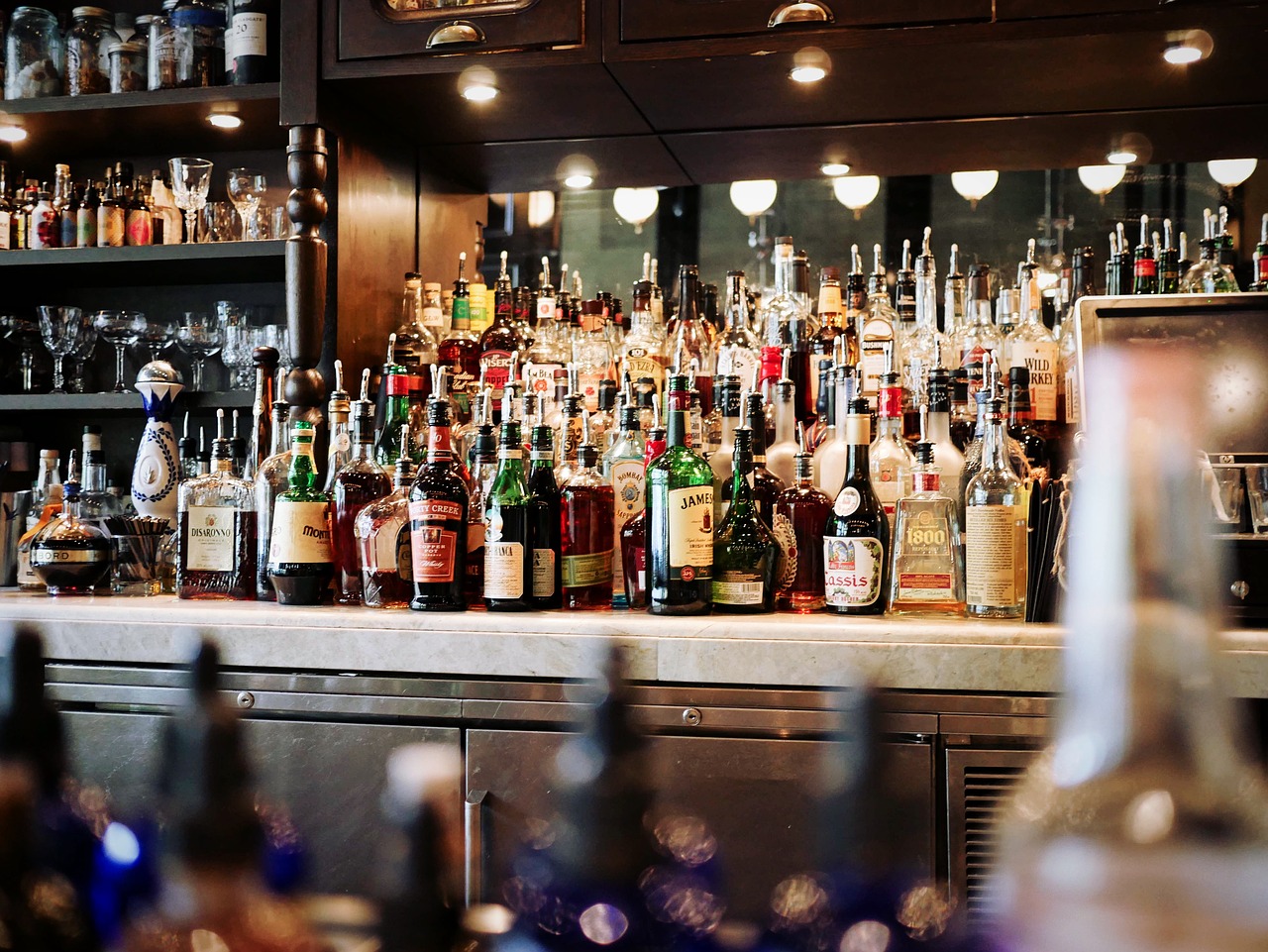
Alcoholic beverages.
Photo courtesy of Pixabay.com

How is Alcohol Use Disorder different from Alcoholism?

Used to be a time when doctors treated medical issues, Therapists treated mental illness, Social services treated poverty-related issues, and – well – no one exactly wanted to do anything with drug addicts and alcoholics. Times are changing.

Turns out that no matter where you are and who you work with there is a good chance that people around you are being affected by chemicals, alcohol in particular, long before they reach the “alcoholic” or “Chemically Dependent” stage.

In Drug and Alcohol counseling we used to spend a lot of time debating what made you an alcoholic or addict. Turns out the lines are fuzzy. One estimate is that 90% of alcoholics have full-time jobs. Some people do not drink that often. Half the adult U. S. population did not drink in the last thirty days.

Even if you only drink once a year, say for New Year, if you have gotten into fights while drinking, gotten DUI’s several times, then your only drink once a year is not of much import. If when you drink, bad things happen, then you have an Alcohol Use Disorder. The DSM uses the expression “Problematic Pattern of Alcohol Use.”

What we discovered was that it was not so much what you drink or when you drink that matters when it comes to Alcohol Use Disorders, it is what happens when you drink that is significant.

The Symptoms of Alcohol Use Disorder.

The new DSM-5 has switched to the use of the term “Alcohol Use Disorder” to indicate someone whose use of alcohol is causing them problems whether they are “Alcoholic” or not and lists 11 criteria for Alcohol Use being a problem. Here is my plain language version of those Criteria.

  1. Once you start drinking you drink more than you planned on and/ or keep drinking longer than planned.
  2. You keep trying to cut down on your drinking. In other Alcoholism texts, this is also described as efforts to control your drinking or to quit drinking. See, people do not try to cut down, control, or quit drinking unless it is a problem.
  3. Drinking eats up a lot of your time.
  4. You have cravings for alcohol when you are not drinking.
  5. Drinking gets in the way of work, school, home life, or recreation. A real Alcoholic cuts out this other stuff so they can concentrate on their drinking.
  6. You know that when you drink bad stuff happens but you keep drinking anyway.
  7. You start cutting out other parts of your life to spend more time drinking.
  8. You try to get away with drinking even when you know it makes the situation dangerous.
  9. You keep drinking even though you now realize it is causing you problems.
  10. Your body starts building up tolerance. (See post “What is Tolerance” in the “What is” section.)
  11. You experience “withdrawal” when you stop drinking and the blood alcohol level starts dropping. (See post “What is Withdrawal” in the “What is” section.)

These problems with Alcohol can come in mild, moderate or severe. Mild Alcohol Use Disorder would have 2-3 of these symptoms, Moderate has 4-5 symptoms and severe has 6 or more.

If you or someone you know is exhibiting these symptoms think about treatment and or self-help groups. The sooner Alcohol Use Disorder gets treated the better the life prognosis. While sooner is better it is never too late to get treatment for an alcohol use disorder as long as you are alive.

Terms and their meaning can differ with the profession using them. The literature from the Rehab or AOD (Alcohol and Other Drug) field may be very different from that in the mental health field. There is still a large gap between recovery programs, AOD professionals, and the terms and descriptions used in the DSM.

FYI These “What is” sometimes “What are” posts are my efforts to explain terms commonly used in Mental Health, Clinical Counseling, Substance Use Disorder Counseling, Psychology, Life Coaching, and related disciplines in a plain language way. Many are based on the new DSM-5; some of the older posts were based on the DSM-IV-TR, both published by the APA. For the more technical versions please consult the DSM or other appropriate references.

Staying connected with David Joel Miller

Seven David Joel Miller Books are available now!

My newest book is now available. It was my opportunity to try on a new genre. I’ve been working on this book for several years, but now seem like the right time to publish it.

Story Bureau.

Story Bureau is a thrilling Dystopian Post-Apocalyptic adventure in the Surviving the Apocalypse series.

Baldwin struggles to survive life in a post-apocalyptic world where the government controls everything.

As society collapses and his family gets plunged into poverty, Baldwin takes a job in the capital city, working for a government agency called the Story Bureau. He discovers the Story Bureau is not a benign news outlet but a sinister government plot to manipulate society.

Bumps on the Road of Life. Whether you struggle with anxiety, depression, low motivation, or addiction, you can recover. Bumps on the Road of Life is the story of how people get off track and how to get your life out of the ditch.

Dark Family Secrets: Doris wants to get her life back, but small-town prejudice could shatter her dreams.

Casino Robbery Arthur Mitchell escapes the trauma of watching his girlfriend die. But the killers know he’s a witness and want him dead.

Planned Accidents  The second Arthur Mitchell and Plutus mystery.

Letters from the Dead: The third in the Arthur Mitchell mystery series.

What would you do if you found a letter to a detective describing a crime and you knew the writer and detective were dead, and you could be next?

Sasquatch. Three things about us, you should know. One, we have seen the past. Two, we’re trapped there. Three, I don’t know if we’ll ever get back to our own time.

For these and my upcoming books; please visit my Author Page – David Joel Miller

Want the latest blog posts as they publish? Subscribe to this blog.

For videos, see: Counselorssoapbox YouTube Video Channel
What is Drug Withdrawal?

By David Joel Miller, MS, Licensed Therapist & Licensed Counselor.

Drugs.

Drugs.
Photo courtesy of Pixabay.

You’re more likely to have a drug withdrawal than you might think.

When people think of drug withdrawal the picture they see is the one of classic heroin withdrawal. Someone coming off heroin or other opiates does some “kicking” both drug wise and legs-wise. They also have diarrhea and “goosebumps.” Because opiates are pain relievers during withdrawals people can experience high levels of pain.

That dramatic type of withdrawal is not the only kind you might have. Each drug you might take can have some effects when the level in your body, principally in your bloodstream, begins to drop.

Drug Withdrawal Defined.

Drug withdrawal is an identifiable illness or syndrome that happens when someone stops taking a drug or reduces the amount they are using significantly. The symptoms begin when the level of a drug in the blood drops. Withdrawal symptoms can vary in severity and each drug has its own pattern of withdrawal symptoms. An alternative name for withdrawal is Abstinence Syndrome.

In the early stages of drug use, withdrawal symptoms may be minimal and go unnoticed. Once the body has adjusted to having that drug present and made adaptations the symptoms become more pronounced. Symptoms may not be entirely physical. For some drugs the primary withdrawal symptoms are psychological.

Withdrawal symptoms make it harder to stop using drugs.

The more severe the withdrawal symptoms the more likely the user is to pick that drug back up to reduce those symptoms. A withdrawal symptom of drugs taken to reduce anxiety, prescribed or self-medicated ones, is an increase in anxiety. People who smoke marijuana to reduce anxiety report that the anxiety gets really bad after they discontinue smoking it. This results in a return to marijuana use.

Getting rid of withdrawal symptoms is a strong motivator to resume drug use again.

The DSM-5 lists withdrawal effects for eight of the eleven classes of substances.

I find it interesting that some drugs such as Inhalants and Hallucinogens have no withdrawal symptoms specified. We also have only one diagnosis and F code for the group of drugs, Sedative, Hypnotic or Anxiolytic Drugs. Withdrawal from these drugs can be different with different drugs. Stimulant Withdrawal is separated and has one code for Cocaine and another for Amphetamines and other stimulants. These DSM-5 codes are a rough sketch. For the full details consult the DSM-5 text. Also, note that there are well-defined withdrawal criteria for Cannabis (Marijuana) and Caffeine.

Alcohol Withdrawal (F10.239 or F10.232)

Caffeine Withdrawal (F15.93)

Cannabis (Marijuana) Withdrawal (F12.288)

Opioid Withdrawal (F11.23)

Sedative, Hypnotic or Anxiolytic Withdrawal (F13.239, F13.232)

Stimulant Withdrawal

Amphetamine or other stimulant (F15.23)

Cocaine Withdrawal (F14.23)

Tobacco Withdrawal (F17.203)

Other (or Unknown) Substance Withdrawal (F19.239)

For more on drugs and recovery see:

Drug Use, Abuse, and Addiction      Recovery

Terms and their meaning can differ with the profession using them. The literature from the Rehab or AOD (Alcohol and Other Drug) field may be very different from that in the mental health field. There is still a large gap between recovery programs, AOD professionals and the terms and descriptions used in the DSM.

FYI These “What is” sometimes “What are” posts are my efforts to explain terms commonly used in Mental Health, Clinical Counseling, Substance Use Disorder Counseling, Psychology, Life Coaching, and related disciplines in a plain language way. Many are based on the new DSM-5; some of the older posts were based on the DSM-IV-TR, both published by the APA. For the more technical versions please consult the DSM or other appropriate references.

Staying connected with David Joel Miller

Seven David Joel Miller Books are available now!

My newest book is now available. It was my opportunity to try on a new genre. I’ve been working on this book for several years, but now seem like the right time to publish it.

Story Bureau.

Story Bureau is a thrilling Dystopian Post-Apocalyptic adventure in the Surviving the Apocalypse series.

Baldwin struggles to survive life in a post-apocalyptic world where the government controls everything.

As society collapses and his family gets plunged into poverty, Baldwin takes a job in the capital city, working for a government agency called the Story Bureau. He discovers the Story Bureau is not a benign news outlet but a sinister government plot to manipulate society.

Bumps on the Road of Life. Whether you struggle with anxiety, depression, low motivation, or addiction, you can recover. Bumps on the Road of Life is the story of how people get off track and how to get your life out of the ditch.

Dark Family Secrets: Doris wants to get her life back, but small-town prejudice could shatter her dreams.

Casino Robbery Arthur Mitchell escapes the trauma of watching his girlfriend die. But the killers know he’s a witness and want him dead.

Planned Accidents  The second Arthur Mitchell and Plutus mystery.

Letters from the Dead: The third in the Arthur Mitchell mystery series.

What would you do if you found a letter to a detective describing a crime and you knew the writer and detective were dead, and you could be next?

Sasquatch. Three things about us, you should know. One, we have seen the past. Two, we’re trapped there. Three, I don’t know if we’ll ever get back to our own time.

For these and my upcoming books; please visit my Author Page – David Joel Miller

Want the latest blog posts as they publish? Subscribe to this blog.

For videos, see: Counselorssoapbox YouTube Video Channel

What is Caffeine Withdrawal?

By David Joel Miller, MS, Licensed Therapist & Licensed Counselor.

What is

What is caffeine withdrawal?
Photo courtesy of Pixabay.

You can get sick when you stop caffeine.

There are five distinct symptoms that people often develop when they suddenly stop taking in caffeine, and yes those symptoms can get severe enough that the person reports they are sick. Caffeine withdrawal is extremely common. About 70% of those who try to permanently stop consuming caffeine experiencing this illness.

Caffeine is used more commonly than any other psychoactive drug. By psychoactive we are talking about a drug that changes the way you think, feel, and behave. Increasingly counselors in the substance use disorder field are looking at commonly used drugs like tobacco and caffeine and their impact on the client’s recovery from alcohol and other drugs.

Absolutely your body can get used to having caffeine in your system and there are physical withdrawal symptoms when you stop using caffeine. This problem is severe enough that in the DSM-5 it is a specific diagnosis Caffeine Withdrawal (F15.93.)

Caffeine use is more common than one might think. It is not just adults who are using caffeine and experiencing caffeine withdrawal. The DSM-5 reports that 85% of U. S. adults and CHILDREN use caffeine daily.

Drug and alcohol texts (Maisto, Galizio & Connors, 2015) report that worldwide 90% of the population uses caffeine. Aside from adults, the group receiving the highest daily dose are young preschool children. Caffeine is commonly found in sodas and energy drinks, both favored beverages among the very young. One has to wonder how this universal use of caffeine is affecting children’s thinking, feeling, and behavior.

Caffeine withdrawal sneaks up on you.

Many people are surprised when they experience caffeine withdrawal. The most likely times to have this disorder are when there is a sudden change in your routine. Weekends, vacation times, hospitalizations, travel, all are potential caffeine withdrawal experiences.

Caffeine withdrawal starts twelve to twenty-four hours after your last dose. The worst of the symptoms peak one or two days after you stop taking in the caffeine. Headaches from caffeine withdrawal have been reported up to three weeks after the last dose.

You do not have to be a daily or heavy caffeine consumer to experience caffeine withdrawal, though the more caffeine you take in each day the more likely you are to experience caffeine withdrawal. More important than your daily intake in the equation is how regularly you use caffeine and the suddenness of your stopping.

People experiencing caffeine withdrawal are likely to misattribute their symptoms and think it is the flu or another illness. The result is those withdrawing from caffeine use a lot more pain relievers than normal.

How do you know you have caffeine withdrawal?

To receive this diagnosis you need to have 60% or three of five of the possible symptoms, though each person may have a different group of symptoms. The hard part sometimes is to be sure all of these symptoms are the result of caffeine withdrawal and not some other issue.

One way to be sure your problem is caffeine withdrawal is to take in some more caffeine. That should work in an hour or less.

What are the five symptoms of caffeine withdrawal?

  1. Headaches
  2. Tired, fatigue, or drowsiness.
  3. Bad mood, unhappy, depressed, irritable. As a side note, people who consume a lot of caffeine can become very anxious.
  4. Concentration or attention issues.
  5. Is this a virus? Caffeine withdrawal can include muscle pain, nausea, and even vomiting that are characteristic of the flu.

As with all the other things that make it into the DSM, Caffeine intoxication only gets diagnosed if it interferes with your work, school, relationship with family and friends, causes you excessive discomfort, or makes you give up things you used to like to do. You also should not blame it on not having your coffee if this is better explained by another mental illness or the effects of another drug.

Terms and their meaning can differ with the profession using them. The literature from the Rehab or AOD (Alcohol and Other Drug) field may be very different from that in the mental health field. There is still a large gap between recovery programs, AOD professionals and the terms and descriptions used in the DSM.

FYI, these “What is” sometimes “What are” posts are my efforts to explain terms commonly used in Mental Health, Clinical Counseling, Substance Use Disorder Counseling, Psychology, Life Coaching, and related disciplines in a plain language way. Many are based on the new DSM-5; some of the older posts were based on the DSM-IV-TR, both published by the APA. For the more technical versions please consult the DSM or other appropriate references.

Staying connected with David Joel Miller

Seven David Joel Miller Books are available now!

My newest book is now available. It was my opportunity to try on a new genre. I’ve been working on this book for several years, but now seem like the right time to publish it.

Story Bureau.

Story Bureau is a thrilling Dystopian Post-Apocalyptic adventure in the Surviving the Apocalypse series.

Baldwin struggles to survive life in a post-apocalyptic world where the government controls everything.

As society collapses and his family gets plunged into poverty, Baldwin takes a job in the capital city, working for a government agency called the Story Bureau. He discovers the Story Bureau is not a benign news outlet but a sinister government plot to manipulate society.

Bumps on the Road of Life. Whether you struggle with anxiety, depression, low motivation, or addiction, you can recover. Bumps on the Road of Life is the story of how people get off track and how to get your life out of the ditch.

Dark Family Secrets: Doris wants to get her life back, but small-town prejudice could shatter her dreams.

Casino Robbery Arthur Mitchell escapes the trauma of watching his girlfriend die. But the killers know he’s a witness and want him dead.

Planned Accidents  The second Arthur Mitchell and Plutus mystery.

Letters from the Dead: The third in the Arthur Mitchell mystery series.

What would you do if you found a letter to a detective describing a crime and you knew the writer and detective were dead, and you could be next?

Sasquatch. Three things about us, you should know. One, we have seen the past. Two, we’re trapped there. Three, I don’t know if we’ll ever get back to our own time.

For these and my upcoming books; please visit my Author Page – David Joel Miller

Want the latest blog posts as they publish? Subscribe to this blog.

For videos, see: Counselorssoapbox YouTube Video Channel

om.

What are Alcohol-Related Disorders?

By David Joel Miller, MS, Licensed Therapist & Licensed Counselor.

Liquor

Alcoholic beverages.
Photo courtesy of Pixabay.com

Alcoholism is not the only problem alcohol causes.

Most of the time when people think of the problems that could be caused by alcohol they think of the “chronic” alcoholic. A lot of what people “know” about alcohol-related issues turns out to be untrue.

Most people who have the problem we used to call Alcoholism, and are now calling a moderate to severe alcohol use disorder, have full-time jobs. About 90% of those who are dependent on alcohol physically or mentally work full-time. They may have trouble keeping those jobs but they can go on getting and changing jobs for a long time.

Someone does not have to be an alcoholic or even have an Alcohol Use Disorder to experience an alcohol-related problem. If a surgeon shows up drunk to do your heart surgery, do you really care if this is the only time it happened? A pilot flying drunk even once is one time too many.

Because alcohol disinhibits and impairs coordination people do things when drunk they might not do when sober. They also fail to do things they should, like stop for an oncoming car. You will find a number of other posts at counselorssoapbox.com on the problems drugs, alcohol, and mental illness cause. The “What is.” This series of posts includes a number of posts on this topic and more will be published soon. If you want to see those other posts the best way is to subscribe or follow counselorssoapbox.com

Here is the short list of 5 problems that together make up the Alcohol-Related Disorders. This is based on the new DSM-5 but it parallels other classification systems and ways of thinking about Alcohol-Related problems.

Alcohol Use Disorder (F10.10 or 10.20.)

This used to get divided into Alcohol Abuse and Alcohol Dependence, then we started looking at the difference between physical dependence, psychological dependence, alcoholism, and Chemical Dependency and the lines got blurry depending on who was describing the problem. Now we think if when you drink you have a problem, you have an alcohol use disorder, which can come in mild, moderate, or severe. More on Alcohol Use Disorder in an upcoming post.

Alcohol Intoxication (F10.129, 10.229, or 10.929.)

This is not funny the way some entertainers portray it. When drunk, people can get distorted thinking. Being intoxicated increases the risk you will do something you would not do sober. Drunk people hurt themselves and others, both directly on purpose and in unintended ways. You only need to drive drunk once if you kill someone, and you have destroyed their life and yours. This, when you drink it is a problem, qualifies as an Alcohol Use Disorder.

It is also possible to drink enough to die if you run that blood alcohol level up high enough and fast enough.

Alcohol Withdrawal (F10.239 or F10.232.)

A well-kept secret is that you can die detoxing off alcohol, especially in combination with other drugs in your bloodstream. The experience of a hangover is so common that you will find lots of online hangover remedies. (Hint here, only not drinking and lots of time after drinking have been proven to treat hangovers.)

Alcohol withdrawal gets treated medically sometimes and in detox facilities a lot. Facilities that treat alcohol withdrawal are the busiest substance abuse treatment facilities there are.

Other Alcohol-Induced Disorders (lots of codes depending on what the alcohol induces.)

Sometimes things that look like a mental illness are caused by prolonged drinking. This can be a lifetime of prolonged drinking or just a single run. Contrary to popular opinion it is not necessary to make people sober up and get thirty days or any other period of time sober before assessing or treating them for other problems. It just takes a lot more effort and skill on the staff’s part.

Unspecified Alcohol-Related Disorder F10.99.)

This gets used when a clinician thinks that Alcohol may be the cause of or may have contributed to your problem but you do not have symptoms that match any of the other diagnoses close enough to get that other label. Yes, I know that these labels can be somewhat subjective. Despite the best efforts to create very precise categories for issues, there are some problems that just do not fit the existing categories. Still, Professionals need some sort of label for what they are treating, and not every client fits these labels exactly.

Those are the five Alcohol-Related disorders. More on this and related topics coming up in the “What is” series of counselorssoapbox.com blog posts.

FYI. These “What is” sometimes “What are” posts are my efforts to explain terms commonly used in Mental Health, Clinical Counseling, Substance Use Disorder Counseling, Psychology, Life Coaching, and related disciplines in a plain language way. Many are based on the new DSM-5; some of the older posts were based on the DSM-IV-TR, both published by the APA. For the more technical versions please consult the DSM or other appropriate references.

Staying connected with David Joel Miller

Seven David Joel Miller Books are available now!

My newest book is now available. It was my opportunity to try on a new genre. I’ve been working on this book for several years, but now seem like the right time to publish it.

Story Bureau.

Story Bureau is a thrilling Dystopian Post-Apocalyptic adventure in the Surviving the Apocalypse series.

Baldwin struggles to survive life in a post-apocalyptic world where the government controls everything.

As society collapses and his family gets plunged into poverty, Baldwin takes a job in the capital city, working for a government agency called the Story Bureau. He discovers the Story Bureau is not a benign news outlet but a sinister government plot to manipulate society.

Bumps on the Road of Life. Whether you struggle with anxiety, depression, low motivation, or addiction, you can recover. Bumps on the Road of Life is the story of how people get off track and how to get your life out of the ditch.

Dark Family Secrets: Doris wants to get her life back, but small-town prejudice could shatter her dreams.

Casino Robbery Arthur Mitchell escapes the trauma of watching his girlfriend die. But the killers know he’s a witness and want him dead.

Planned Accidents  The second Arthur Mitchell and Plutus mystery.

Letters from the Dead: The third in the Arthur Mitchell mystery series.

What would you do if you found a letter to a detective describing a crime and you knew the writer and detective were dead, and you could be next?

Sasquatch. Three things about us, you should know. One, we have seen the past. Two, we’re trapped there. Three, I don’t know if we’ll ever get back to our own time.

For these and my upcoming books; please visit my Author Page – David Joel Miller

Want the latest blog posts as they publish? Subscribe to this blog.

For videos, see: Counselorssoapbox YouTube Video Channel

What are the 11 drug categories in the DSM-5?

By David Joel Miller, MS, Licensed Therapist & Licensed Counselor.

What is

What are the 11 drug categories in the DSM-5?
Photo courtesy of Pixabay.

How does the DSM-5 classify drugs?

There are lots of ways to categorize drugs depending on why you are doing the categorizing. In the DSM-5 the drugs are primarily classified by the way they affect the body of the person who is using the drugs. This perspective is a medical one and the doctors likely have a different perspective on this than substance abuse or mental health counselors.

This classification of drugs appears in the substance use disorder section. Substance Use Disorders largely excludes the effects or side effects of prescribed medications. This classification system emphasizes drugs with similar effects on the body and which might be medically treated with similar medications. Counselors will likely see some of this from a somewhat different treatment perspective.

It is important to note that to get a diagnosis in the section the person does not have to intend to use the drug. Someone exposed to fumes or accidental exposure, say to pesticide, could meet criteria for a diagnosis if the chemical resulted in symptoms that fit one of these classifications.

Here are the 11 categories. Listed in the DSM in alphabetic order.

Alcohol F10.XX

Caffeine F15.9X

Cannabis (Primarily Marijuana) F12.XX

Hallucinogens F16.XX

Inhalants F18.XX

Opioids (Heroin and RX pills) F11.XX

Sedatives, Hypnotics, and Anxiolytics. F13.XX

Stimulants. (This combines Cocaine F14.XX and Amphetamines F15.XX, the DSM does not separate Meth from other amphetamines the way substance abuse treatment does.)

Tobacco F17.XX

Other or Unknown Substance Use Disorder F19.XX

Each particular drug may or may not have additional specifiers after the initial F number. Some have three digits after and some have only two available.

This DSM-5 classification system is only marginally related to the Federal Drug Schedules used here in the U. S. to regulate the sale and prescription of drugs. Various groups and authors have classified drugs, both drugs of abuse and prescribed drugs, using a number of other systems. Some things we know are drugs are often not regulated because they are sold with a label “not for human consumption.” Herbal products and supplements fall into a gray area and regulation of these products along with classification are more problematic.

Substance use disorders are included in the DSM-5 and hence qualify as a “mental disorder.” As with the other things we are calling a mental illness or disorder this problem needs to interfere with your ability to work or go to school, your relationships, your enjoyable activities, or cause you personal distress. Otherwise, you may have the issues but you will not get the diagnoses if this is a preference, not a problem.

One major reason people get this diagnosis is that they get arrested for breaking a drug-related law. This qualifies as a problem with some sort of functioning. With other mental illnesses, there is an exclusion if your problems only happen when you are under the influence of drugs or medicines or because of some other physical or medical problem. For substance use disorders we do not need to rule out drug use or exposure as causes.

FYI These “What is” sometimes “What are” posts are my efforts to explain terms commonly used in Mental Health, Clinical Counseling, Substance Use Disorder Counseling, Psychology, Life Coaching, and related disciplines in a plain language way. Many are based on the new DSM-5; some of the older posts were based on the DSM-IV-TR, both published by the APA. For the more technical versions please consult the DSM or other appropriate references.

You might also want to check out these other counselorssoapbox posts.

Drug Use, Abuse, and Addiction

Staying connected with David Joel Miller

Seven David Joel Miller Books are available now!

My newest book is now available. It was my opportunity to try on a new genre. I’ve been working on this book for several years, but now seem like the right time to publish it.

Story Bureau.

Story Bureau is a thrilling Dystopian Post-Apocalyptic adventure in the Surviving the Apocalypse series.

Baldwin struggles to survive life in a post-apocalyptic world where the government controls everything.

As society collapses and his family gets plunged into poverty, Baldwin takes a job in the capital city, working for a government agency called the Story Bureau. He discovers the Story Bureau is not a benign news outlet but a sinister government plot to manipulate society.

Bumps on the Road of Life. Whether you struggle with anxiety, depression, low motivation, or addiction, you can recover. Bumps on the Road of Life is the story of how people get off track and how to get your life out of the ditch.

Dark Family Secrets: Doris wants to get her life back, but small-town prejudice could shatter her dreams.

Casino Robbery Arthur Mitchell escapes the trauma of watching his girlfriend die. But the killers know he’s a witness and want him dead.

Planned Accidents  The second Arthur Mitchell and Plutus mystery.

Letters from the Dead: The third in the Arthur Mitchell mystery series.

What would you do if you found a letter to a detective describing a crime and you knew the writer and detective were dead, and you could be next?

Sasquatch. Three things about us, you should know. One, we have seen the past. Two, we’re trapped there. Three, I don’t know if we’ll ever get back to our own time.

For these and my upcoming books; please visit my Author Page – David Joel Miller

Want the latest blog posts as they publish? Subscribe to this blog.

For videos, see: Counselorssoapbox YouTube Video Channel

What is Drug Tolerance?

By David Joel Miller, MS, Licensed Therapist & Licensed Counselor.

Drugs.

Drugs.
Photo courtesy of Pixabay.

What does it mean to develop drug tolerance?

The term tolerance or to develop tolerance has been a common concept in substance use disorder treatment for a long time. Tolerance has one meaning in that context but can have a number of other meanings in the field of medicine or pharmacology. None of these types of tolerance have anything to do with the idea of acceptance of diversity the way the word tolerance is used in political or social contexts.

Tolerance in Drug Treatment.

In Alcohol and Drug Counseling and CD (Chemical Dependency), thinking Tolerance is one of the first signs that someone’s body is being altered by the use of chemicals. Tolerance for drugs, and in this context Alcohol is a drug, means needing more of a drug to get the same effect or getting a smaller effect if you use the same amount you had been using.

Tolerance, along with Withdrawal symptoms have long been the hallmarks of addiction. Recently, in recognition that people can and do develop tolerance for prescribed drugs, even those with low abuse potential, we have also begun adding the concept of cravings to the characteristics of a substance use disorder.

A simple example of tolerance to alcohol.

When someone first starts drinking one or two beers may have a significant effect on them. After years of practice, that person may need to drink 6 or even 12 beers a night to get the same buzz. Someone who drinks a lot and develops substantial tolerance may be able to talk coherently or even act “sober” after substantial consumption of alcohol. They may think they have learned to “handle their liquor.”

Despite developing this tolerance if we were to put that person on a driving simulator they would fail the test. They may be able to make some compensations in their behavior to fool themselves and others but their brain’s reaction times and coordination are not fooled.

Drugs of abuse are not the only ones that build tolerance.

Many prescribed drugs need to be started at low doses until the body or brain “adjusts” to the new medication. Even drugs with little or no abuse potential still develop tolerance. As time passes that person’s dose will need to be increased because tolerance has developed.

One aspect of tolerance is that you might develop a tolerance to the side effects of a drug over time while not developing a tolerance to the medicinal effects. This explains the need to sometimes gradually increase the dose of these drugs until the level in the body reaches a “therapeutic level.”

Technically there are multiple types of tolerance.

In pharmacology texts or AOD counseling books with sections on pharmacology, they describe three types of tolerance. These are sometimes subdivided. In substance abuse counseling we also talk about “selective tolerance” the concept that it may be possible for the body to develop tolerance for some effects of a drug but not others. Personally, I think of “tolerance” as the body’s natural adaption to the presence of a specific chemical. Sometimes that developing tolerance can be beneficial and sometimes it is harmful.

Tolerance can develop slowly to some drugs and rapidly for others. For example tolerance to many hallucinogens develops from a single dose. Try to use that drug again tomorrow and it will have little or no effect.

Functional Tolerance involves changes in the body’s behavior.

Functional tolerance can be further subdivided into Acute and Protracted Tolerance. Acute involves changes to the body’s reaction to that one first dose of drugs over the time that dose is in the body. Protracted tolerance is a change in the results from the second or third dose on the same using occasion.

Acute Tolerance develops during a single use of a drug.

In Acute tolerance, the body responds more significantly as the level in the blood is rising. As long as it keeps going up the effect is maintained. Once the blood level drops the adverse effects kick in. With alcohol as long as the level in the blood is rising the hangover is held at bay. Regardless of how high the level, once it starts to drop, the withdrawal effect, the hangover with alcohol, kicks in.

Protracted Tolerance

The second type of functional tolerance called protracted tolerance is best demonstrated by stimulant drugs like cocaine. The first dose produces a strong effect but after that first dose, each subsequent one produces less and less of an effect.

Metabolic or Dispositional Tolerance is how long the drug lasts.

How rapidly the drug is metabolized and eliminated changes over time and also varies from drug to drug.  For many, but not all drugs, the more you take or do the faster your body metabolizes and eliminates that drug. Some drugs, LSD for example, develop metabolic tolerance very rapidly.  Other drugs like Alcohol maintain a pretty constant rate of metabolism while the tissues and nerves alter their response.

Behavioral or Learned Tolerance.

People who frequently consume alcohol learn to slow down their walk and alter their stance to hide that they are under the influence. Many other adaptions of behavior to compensate for frequently having a particular drug in your system are possible.

Selective Tolerance.

When you develop tolerance to some of a drug’s effects but not others this is called selective tolerance. Heavy coffee drinkers find it stimulating in the morning but may develop a tolerance to caffeine’s sleep preventing effects.

Reverse Tolerance.

This form of tolerance involves becoming sensitized to a particular drug or substance so each time you take that drug there is a stronger effect than the previous time.

Cross-Tolerance.

Cross-tolerance is when someone who has been using a particular drug will develop a tolerance to other similar drugs. Someone who drinks alcohol will develop a tolerance to Barbiturates or surgical anesthetics even though they have never had those drugs in the past.

Terms and their meaning can differ with the profession using them. The literature from the Rehab or AOD (Alcohol and Other Drug) field may be very different from that in the mental health field. There is still a large gap between recovery programs and AOD professionals and the terms and descriptions used in the DSM.

Related posts: Drug Use, Abuse, and Addiction      Recovery

More “What is” posts will be found at “What is.”

FYI These “What is” sometimes “What are” posts are my efforts to explain terms commonly used in Mental Health, Clinical Counseling, Substance Use Disorder Counseling, Psychology, Life Coaching, and related disciplines in a plain language way. Many are based on the new DSM-5; some of the older posts were based on the DSM-IV-TR, both published by the APA. For the more technical versions please consult the DSM or other appropriate references.

Staying connected with David Joel Miller

Seven David Joel Miller Books are available now!

My newest book is now available. It was my opportunity to try on a new genre. I’ve been working on this book for several years, but now seem like the right time to publish it.

Story Bureau.

Story Bureau is a thrilling Dystopian Post-Apocalyptic adventure in the Surviving the Apocalypse series.

Baldwin struggles to survive life in a post-apocalyptic world where the government controls everything.

As society collapses and his family gets plunged into poverty, Baldwin takes a job in the capital city, working for a government agency called the Story Bureau. He discovers the Story Bureau is not a benign news outlet but a sinister government plot to manipulate society.

Bumps on the Road of Life. Whether you struggle with anxiety, depression, low motivation, or addiction, you can recover. Bumps on the Road of Life is the story of how people get off track and how to get your life out of the ditch.

Dark Family Secrets: Doris wants to get her life back, but small-town prejudice could shatter her dreams.

Casino Robbery Arthur Mitchell escapes the trauma of watching his girlfriend die. But the killers know he’s a witness and want him dead.

Planned Accidents  The second Arthur Mitchell and Plutus mystery.

Letters from the Dead: The third in the Arthur Mitchell mystery series.

What would you do if you found a letter to a detective describing a crime and you knew the writer and detective were dead, and you could be next?

Sasquatch. Three things about us, you should know. One, we have seen the past. Two, we’re trapped there. Three, I don’t know if we’ll ever get back to our own time.

For these and my upcoming books; please visit my Author Page – David Joel Miller

Want the latest blog posts as they publish? Subscribe to this blog.

For videos, see: Counselorssoapbox YouTube Video Channel