
What will you have to do if you go to an A.A. meeting?

By David Joel Miller, MS, Licensed Therapist & Licensed Counselor.

AA big book

Alcoholics Anonymous big book.

A. A. etiquette, Does and Don’ts.

You need to go to an Alcoholics Anonymous meeting, maybe you have decided you have a drinking problem, or maybe the judge or probation has told you that you will have to attend a certain number of meetings. Most rehab programs will require meeting attendance also.

What should you expect the first time you go? What will they ask you to do and say? What should you not do? Are they going to grill you about your private business?

When I teach Substance abuse counseling I encourage students who are not regular attendees of A. A. meetings to go to a meeting and have that experience of walking through the door the first time.

Here are some of the things that you might experience that first time at A. A.

For this description, I will assume that you have checked a schedule and are attending an “open” meeting so you will not be asked to qualify as an Alcoholic. I will describe a “typical” meeting, though things may happen differently in various areas and meetings are free to set up their own procedures as long as those procedures do not violate the 12 steps or the 12 traditions.

A. A. Members practice a policy called Anonymity. This is different from what counselors observe when we say most things we talk about in counseling are “confidential.”

When you introduce yourself, in order to protect your “anonymity” you will introduce yourself as let’s say “Mark A.” You are not expected to use your last name. You could use a middle name, an alias, or any name you chose. No one is going to check your I. D.

Just remember if you introduce yourself by an alias or a nickname that it will be embarrassing later when you know these people to have to say – oh and by the way my name is really Bob.

There may be a sign-in sheet that goes around. This is to help the secretary or meeting chair know who to call on. These sheets are not kept and are not used to prove you were there. They are destroyed after the meeting is over. You do not need to sign in if you chose not to.

If you have a “court card” or another document that you need to be signed to prove you are there get there before the meeting starts and give that paper to the person conduction the meeting. This person is customarily called the “secretary.

I will talk more about court cards in an upcoming post.

If this is a book study people will take turns reading. They may go around the table or the Secretary may call for volunteers or may call on people. If you do not feel like reading it is fine to just tell them you pass.

During the discussion part of the meeting or if this is an all discussion meeting, then anytime, you may get called on. Either by the name you signed in with or by something abstract like – “how about the man in the blue shirt over there, would you like to share?”

If you do not want to share it is perfectly permissible to say something to the effect of “I just want to listen.” At that point, the secretary or chairman will move on to someone else.

You will never be required to talk or answer questions, though some members may be interested in you and at breaks, before or after the meeting, they will come up to you and introduce themselves. At that point, they may ask you a question about yourself as a way of starting a conversation.

It is acceptable to just say you wanted to see what happens at an A. A. meeting or to ask the person who introduced themselves to tell you about their experiences in A. A.

At some point in the meeting, they will practice the “seventh tradition.”

This means that they will pass a basket and people put in what they can. If you are a member (want to stop drinking) put something in if you can.

A. A. does not accept money from outside sources so the money put in the basket pays for the room and the coffee. If there is food, someone bought it and donated it.

If you decide to share, talk about your problems with alcohol and staying sober. If you have other problems or issues, you may mention them in passing but stick to the topic which is mostly staying sober.

A. A. members understand that the people who come to meetings may well have many problems. There are now over 200 twelve-step groups patterned after A. A. Not all of those groups have meetings all over all the time the way A. A. does, so people may turn up at an A. A. meeting who do not think they have a problem with alcohol.

Most of those people who come in thinking that their main problem is something other than alcohol say depression or anxiety, may be surprised as they listen to learn how much their alcohol consumption is impacting those other problems.

Beyond those simple things, sit back and listen. Hang around after the meeting and talk to the people who are there. You just might make some new clean and sober friends and discover that going to meetings is something you enjoy doing rather than something forced on you by the court or a rehab program.

Next time let’s talk about “Carrying a Court card.”

The posts I write about AA are from my perspective as a therapist and clinical counselor and do not necessarily reflect the views of AA World Services. For more on AA and their program of recovery check out the “AA Big Book” titled Alcoholics Anonymous at the links below or contact AA World Services at their website.

The Big Book of Alcoholics Anonymous

The classic text on Alcoholism, recovery this is the book that started off the whole 12 step phenomenon.

Alcoholics Anonymous from The Anonymous Press

One of the Kindle editions – At 99 cents this is such a bargain. This edition needed a separate listing. No Kindle reader? No Problem, if you have a computer you can download a free Kindle reader.

http://www.aa.org

Staying connected with David Joel Miller

Seven David Joel Miller Books are available now!

My newest book is now available. It was my opportunity to try on a new genre. I’ve been working on this book for several years, but now seem like the right time to publish it.

Story Bureau.

Story Bureau is a thrilling Dystopian Post-Apocalyptic adventure in the Surviving the Apocalypse series.

Baldwin struggles to survive life in a post-apocalyptic world where the government controls everything.

As society collapses and his family gets plunged into poverty, Baldwin takes a job in the capital city, working for a government agency called the Story Bureau. He discovers the Story Bureau is not a benign news outlet but a sinister government plot to manipulate society.

Bumps on the Road of Life. Whether you struggle with anxiety, depression, low motivation, or addiction, you can recover. Bumps on the Road of Life is the story of how people get off track and how to get your life out of the ditch.

Dark Family Secrets: Doris wants to get her life back, but small-town prejudice could shatter her dreams.

Casino Robbery Arthur Mitchell escapes the trauma of watching his girlfriend die. But the killers know he’s a witness and want him dead.

Planned Accidents  The second Arthur Mitchell and Plutus mystery.

Letters from the Dead: The third in the Arthur Mitchell mystery series.

What would you do if you found a letter to a detective describing a crime and you knew the writer and detective were dead, and you could be next?

Sasquatch. Three things about us, you should know. One, we have seen the past. Two, we’re trapped there. Three, I don’t know if we’ll ever get back to our own time.

For these and my upcoming books; please visit my Author Page – David Joel Miller

Want the latest blog posts as they publish? Subscribe to this blog.

For videos, see: Counselorssoapbox YouTube Video Channel
What goes on at an A. A. meeting?

By David Joel Miller, MS, Licensed Therapist & Licensed Counselor.

AA big book

Alcoholics Anonymous big book.

What happens at an A. A. Meeting?

Last time, about a week ago I talked about the various kinds of A. A. meetings. The actual activates taking place could vary depending on whether this is a speaker meeting or a book study, still, every meeting will have a lot of similarities. If you are expecting to, or are expected to attend some other 12 step group, translate the rest of this as needed.

I refer a lot of clients to A. A. and I believe they need to know what to expect. Here are some of the things they need to be aware of in my area. Things may be slightly different in your town, but not very different.

Every sandwich comes on bread and probably has a spread on it, but the meat may be different, so may the garnish. Think of A. A. meetings in that manner. Various meetings will be slightly different so just some basic similarities first.

There are certain things that I can very much assure you will not happen at a meeting. This is not a networking group. Though you may make friends as time passes. There should be no political or commercial pitches. You will not be asked or required to sign up for anything or to contribute any amount of money. They will pass the hat or basket but putting something in it is up to you.

No pressure or requirement to do much of anything except listen if that is what you chose to do. They also ask that you stay on topic.

What is the topic at an A. A. meeting? – Not drinking.

The meeting will be called to order by the secretary or chairman. The Secretary usually serves for a period of time, say 6 months more or less. That person also will customarily have been sober for a period of time. Each group sets its own rules. If lots of people want to be secretary then the suggested sober period gets longer.

There may be a chairperson that changes from, week to week; less sobriety is required to chair a meeting than to be the secretary.

They may have passed around a sign-in sheet first, or they may pass it around now. As I mentioned before people sign in by first name last initial only (that confidentiality thing) and you do not have to sign in if you chose not to. No one keeps these sign-in sheets, not that I know of, so there is no way to prove you were there unless you get something signed at the time of the meeting.

The meeting will likely start with a moment of silence and the recitation of the “serenity prayer.” Many groups will have the serenity prayer, the twelve steps, and the twelve traditions as well as some sayings, posted on the wall.

There may also be a picture of three men and a bed. This refers to the very first meeting where two sober members went to visit a man in the hospital. The idea of A. A. all started with the understanding that to stay sober you need to get out of self and start doing for others. (They refer to that ideal as the 12th step.)

Court cards are an “outside issue.” A. A. does not get paid for this; they do it as a courtesy. If you ask the secretary for a signature to prove you were there, be nice about it. Get there on time, put your card in the basket, or ask the person upfront where it goes and stays until the end to get your card back.

Meetings often start with some readings, the Secretary may hand out some things to read or they may read from a page in the book. You do not have to read if you do not want to.

Once the meeting starts they will follow the format for that particular meeting. They may take turns reading and sharing or they may just share.

The 7th Tradition.

At some time during the meeting, they will pause to “practice the 7th tradition.” This means they will pass the basket. People who are members put in what they can. If you are not a member you are not expected to contribute.

You are a member if you have a desire to stop drinking. You do not have to say you are an alcoholic, though most people do because they define their problems as alcoholism. You do not go to Cancer treatment place for diabetes and presumably, no one goes of their own free will to an A. A. meeting if they do not have a problem with alcohol.

If you are there for some other reason, make sure you are attending an open meeting (most are) and confine what you share about to your problems related to alcohol. If you are a student required to attend or do not have a problem related to alcohol you simply tell them that you would like to listen.

At the end many meetings, but not all, they will hold hands and recite a prayer. Often this is called the “Lord’s Prayer, or Our Father.”

This is usually announced as “we will say this prayer for those who care to join us.” If this is not part of your religious or spiritual tradition you are not obligated to say the prayer. If you have problems with the hand holding thing – do not do it.

The best part of most meetings is the meetings before and after the meeting. This is the time when members and visitors sit around or stand outside and talk. This conversation is often accompanied by drinking coffee or smoking. Many meetings, but not all, have gone nonsmoking. Check the schedule or ask about this if this is a concern for you.

Aside from your own fears or embarrassments, attending or visiting a meeting is a pretty easy thing to do. You will find most people there willing to talk with you and shake your hand whether you think you are an alcoholic or not. They are likely to welcome you as long as you are not trying to sell them something or change them in some way.

Go with the flow and you will be surprised how enjoyable attending meetings can be and how much you will be welcomed and accepted.

Many people tell me that A. A. was the first place in their life they were accepted for themselves and not because they were drinking or paid for that acceptance.

The posts I write about AA are from my perspective as a therapist and clinical counselor and do not necessarily reflect the views of AA World Services. For more on AA and their program of recovery check out the “AA Big Book” titled Alcoholics Anonymous at the links below or contact AA World Services at their website.

The Big Book of Alcoholics Anonymous

The classic text on Alcoholism recovery, this is the book that started off the whole 12 step phenomenon.

Alcoholics Anonymous from The Anonymous Press

One of the Kindle editions – At 99 cents this is such a bargain. This edition needed a separate listing. No Kindle reader? No Problem, if you have a computer you can download a free Kindle reader. For more information on A.A.

Staying connected with David Joel Miller

Seven David Joel Miller Books are available now!

My newest book is now available. It was my opportunity to try on a new genre. I’ve been working on this book for several years, but now seem like the right time to publish it.

Story Bureau.

Story Bureau is a thrilling Dystopian Post-Apocalyptic adventure in the Surviving the Apocalypse series.

Baldwin struggles to survive life in a post-apocalyptic world where the government controls everything.

As society collapses and his family gets plunged into poverty, Baldwin takes a job in the capital city, working for a government agency called the Story Bureau. He discovers the Story Bureau is not a benign news outlet but a sinister government plot to manipulate society.

Bumps on the Road of Life. Whether you struggle with anxiety, depression, low motivation, or addiction, you can recover. Bumps on the Road of Life is the story of how people get off track and how to get your life out of the ditch.

Dark Family Secrets: Doris wants to get her life back, but small-town prejudice could shatter her dreams.

Casino Robbery Arthur Mitchell escapes the trauma of watching his girlfriend die. But the killers know he’s a witness and want him dead.

Planned Accidents  The second Arthur Mitchell and Plutus mystery.

Letters from the Dead: The third in the Arthur Mitchell mystery series.

What would you do if you found a letter to a detective describing a crime and you knew the writer and detective were dead, and you could be next?

Sasquatch. Three things about us, you should know. One, we have seen the past. Two, we’re trapped there. Three, I don’t know if we’ll ever get back to our own time.

For these and my upcoming books; please visit my Author Page – David Joel Miller

Want the latest blog posts as they publish? Subscribe to this blog.

For videos, see: Counselorssoapbox YouTube Video Channel
What is an Alcoholics Anonymous (A.A.) meeting like?

By David Joel Miller, MS, Licensed Therapist & Licensed Counselor.

AA big book

Alcoholics Anonymous big book.

What happens at an A. A. Meeting?

This should be an easy question. It’s not. Let me explain what an A. A. meeting is and how very different these meetings can be.

While most people think of Alcoholics Anonymous as meetings you go to, it all started with a book titled aptly enough “Alcoholics Anonymous.” Back then there were few A. A. meetings. Most people learned about Alcoholics Anonymous from buying and reading the book.

Reading the book “Alcoholics Anonymous.”

I continue to recommend that people read the book whether or not they elect to attend meetings.

Over time more and more meetings have sprung up, mostly meetings of people who had read the book and wanted to learn more or get help in participating in the A. A. program of recovery.

With all these groups starting up, they each had to develop their own set of rules. There got to be so many rules that at one point Bill W. one of the two co-founders, said if they followed all those rules, even he could not be a member. The result was that each group or meeting could figure out their own way of doing things as long as their rules did not conflict with the 12 Steps and the Twelve Traditions.

Today there are a whole lot of very different A. A. meetings. Most groups have their meeting times listed and included in schedules and you can find those schedules online or in print form.

Meetings can be categorized by what the program for a meeting will be, who is able to attend, where the meeting is held, and so on. There are also designations for rules for particular meetings.

Types of A. A. meetings.

They can also be categorized by what is on the program at that particular meeting. First the rule types and then the program types.

Smoking and non-smoking meetings.

In the old days, most meetings were smoking allowed. Back then you could tell a good meeting by the full ashtrays. Nowadays more meetings are non-smoking. They may be held in a place that does not allow smoking or the members may have decided to make their meeting a non-smoking one.

Open and closed meetings

There used to be more prejudice about people admitting they had a drinking problem, let alone saying they were alcoholics, so some meetings became closed meetings, meaning that they asked that only alcoholics attend those meetings.

The majority of meetings, especially the large ones, are open meetings that anyone who wants to go can attend. They do ask that if you share, you only talk about alcohol problems and your recovery from alcoholism. Sorry, no commercial pitches or religious and political solicitations are part of this program.

Men’s only or Women’s only meetings

I recommend to female clients that whenever possible they attend a few women’s only meetings. The point of meetings is to work on your recovery not to find a new partner.

Meetings and fellowships

Meetings customarily meet once per week at a particular time and place. They may use any room available; say a church meeting hall, a room at a school, or business. The meeting rents the room from the place and then has its own meeting. The A. A. group may meet at say the Methodist church on Friday night, but it is an A.A. meeting, not a Methodist meeting, so any faith, or those with no faith, are welcome to attend.

A fellowship is a group of meetings that goes in together and rents a room so that there are primarily A. A. meetings in that place. A fellowship might have a morning meeting each day, a noon meeting each day, and one or more evening meetings each day all in the same place.

Go to a fellowship for a few weeks and you will develop a group of clean and sober friends. I encourage clients to try out a fellowship as soon as possible. I also encourage them to try a number of meetings until they find the one that is right for them.

Different A. A. meetings will have different formats.

Speaker meetings

At a speaker meeting, one or a couple of people will get up and talk about their experiences in recovery.

Book studies

At a book study, a portion of the book is read and they people discuss what this means and how they might apply it to their recovery. Books would include the A. A. Big Book, 12 and 12; As Bill sees it, and so on. These meetings do not include reading from any religious books like the Bible or the Koran as that would make the meeting a religious meeting not an A. A. meeting.

Open participation meetings

At this meeting members, (remember you are a member if you decide you want to stop drinking) are encouraged to talk about what is on their mind as it applies to drinking, not drinking, and their recovery from alcoholism.

Meetings, by the way, are not therapy sessions. Sometimes it is hard to tell the difference but the focus of the meeting should be on your problems with alcohol and your efforts to not drink.

The Big Book suggests that people share “in a general way,” what they used to be like, what happened and what they are like now.

So there you have the types of meetings that you might choose to attend, but what will actually happen if you chose to go to an A. A. meeting? If you need to or want to attend a meeting, consider which meeting type you might like to attend or try out several and see what is best for you.

In a future post, I want to describe what the experience of attending an A. A. meeting might be like.

The posts I write about AA are from my perspective as a therapist and clinical counselor and do not necessarily reflect the views of A.A. World Services. For more on A.A. and their program of recovery check out the “A.A. Big Book” titled Alcoholics Anonymous at the links below or contact AA World Services at their website.

The Big Book of Alcoholics Anonymous

The classic text on Alcoholism, recovery this is the book that started off the whole 12 step phenomenon.

Alcoholics Anonymous from The Anonymous Press

One of the Kindle editions – At 99 cents this is such a bargain. This edition needed a separate listing. No Kindle reader? No Problem, if you have a computer you can download a free Kindle reader.

http://www.aa.org

Staying connected with David Joel Miller

Seven David Joel Miller Books are available now!

My newest book is now available. It was my opportunity to try on a new genre. I’ve been working on this book for several years, but now seem like the right time to publish it.

Story Bureau.

Story Bureau is a thrilling Dystopian Post-Apocalyptic adventure in the Surviving the Apocalypse series.

Baldwin struggles to survive life in a post-apocalyptic world where the government controls everything.

As society collapses and his family gets plunged into poverty, Baldwin takes a job in the capital city, working for a government agency called the Story Bureau. He discovers the Story Bureau is not a benign news outlet but a sinister government plot to manipulate society.

Bumps on the Road of Life. Whether you struggle with anxiety, depression, low motivation, or addiction, you can recover. Bumps on the Road of Life is the story of how people get off track and how to get your life out of the ditch.

Dark Family Secrets: Doris wants to get her life back, but small-town prejudice could shatter her dreams.

Casino Robbery Arthur Mitchell escapes the trauma of watching his girlfriend die. But the killers know he’s a witness and want him dead.

Planned Accidents  The second Arthur Mitchell and Plutus mystery.

Letters from the Dead: The third in the Arthur Mitchell mystery series.

What would you do if you found a letter to a detective describing a crime and you knew the writer and detective were dead, and you could be next?

Sasquatch. Three things about us, you should know. One, we have seen the past. Two, we’re trapped there. Three, I don’t know if we’ll ever get back to our own time.

For these and my upcoming books; please visit my Author Page – David Joel Miller

Want the latest blog posts as they publish? Subscribe to this blog.

For videos, see: Counselorssoapbox YouTube Video Channel

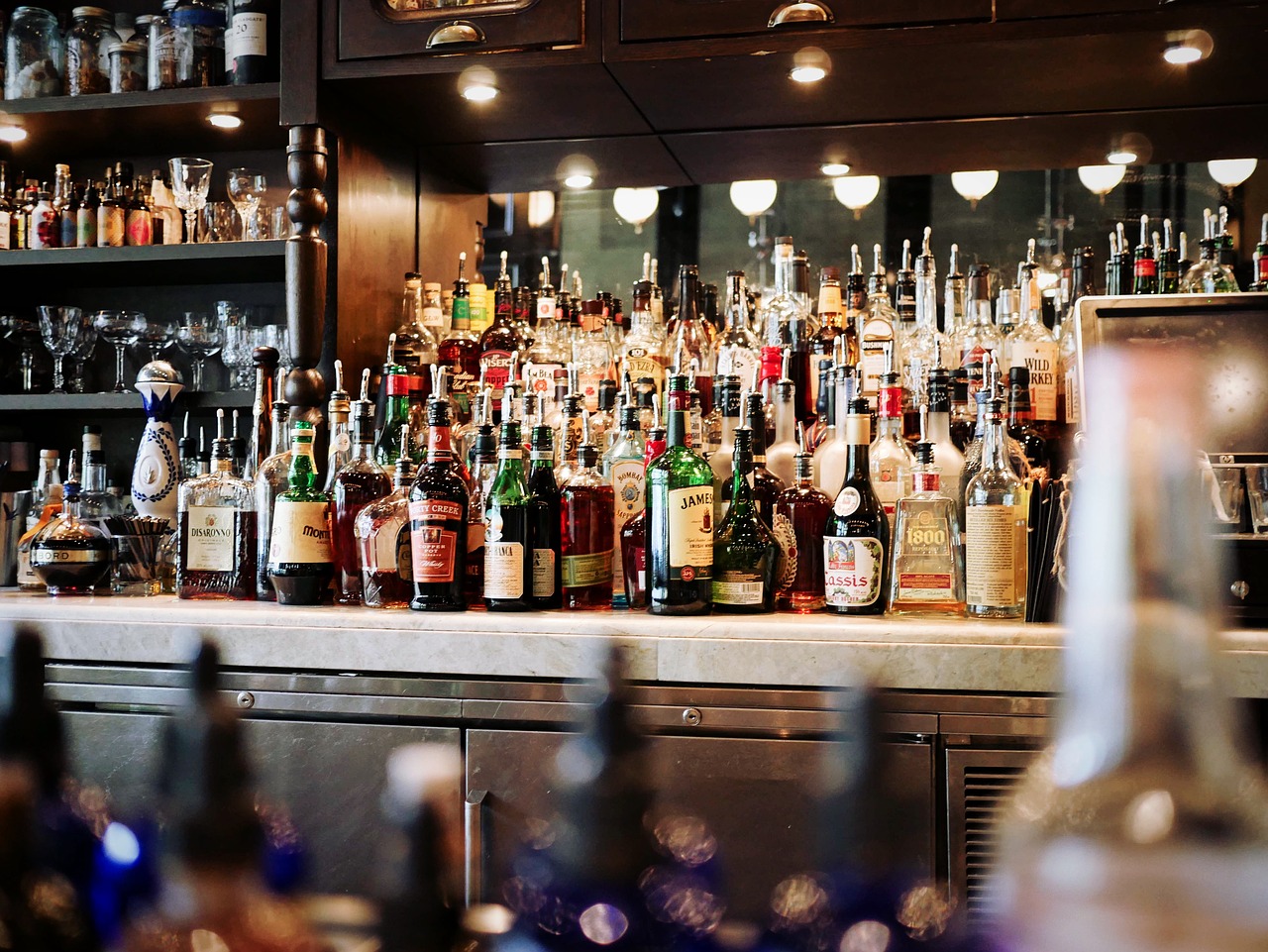
Alcohol prevents healing.

By David Joel Miller, MS, Licensed Therapist & Licensed Counselor.

Liquor

Alcoholic beverages.
Photo courtesy of Pixabay.com

Is a little alcohol medicinal?

We have long known that chronic alcoholics had a whole lot more health problems than non-alcoholics. Heavy drinkers get hurt a lot. They fall down and break things. We blamed it on their being drunk and uncoordinated.

Now, there is word, that drinking may also inhibit the ability of the body to repair cells. This inhibition seems to be at the molecular and cellular level.

This reduced ability to heal is not simply the result of problem drinkers having a poorer diet and other unsatisfactory health practices, although those are large issues also. It would appear that alcohol fundamentally impairs the ability of the body to repair cells that are damaged.

To test this theory out, that too much alcohol may inhibit healing, a study was done in mice. By raising the alcohol level to .20 over twice the legal DUI level researchers were able to see the effects of acute alcohol levels on healing rather than only looking at the long-term effects of excessive drinking.

These “binge drinking” mice, who had broken bones, were unable to heal at the same rate as their un-inebriated fellow mice.

Drinkers that break bones may have a reduced ability to heal, may heal more slowly and there are more complications during the recuperation process.

Those binge-drinking mice appear to have explained the problem. The presence of alcohol in the bloodstream and therefore in every cell in the body reduces the ability for bones to heal when damaged. We now suspect that binge drinking can result in poor healing in many other areas.

Drinking alcohol may be an old home remedy for pain, suffering, and sleeplessness but new research tells us it is a hindrance not a help for those applications.

Staying connected with David Joel Miller

Seven David Joel Miller Books are available now!

My newest book is now available. It was my opportunity to try on a new genre. I’ve been working on this book for several years, but now seem like the right time to publish it.

Story Bureau.

Story Bureau is a thrilling Dystopian Post-Apocalyptic adventure in the Surviving the Apocalypse series.

Baldwin struggles to survive life in a post-apocalyptic world where the government controls everything.

As society collapses and his family gets plunged into poverty, Baldwin takes a job in the capital city, working for a government agency called the Story Bureau. He discovers the Story Bureau is not a benign news outlet but a sinister government plot to manipulate society.

Bumps on the Road of Life. Whether you struggle with anxiety, depression, low motivation, or addiction, you can recover. Bumps on the Road of Life is the story of how people get off track and how to get your life out of the ditch.

Dark Family Secrets: Doris wants to get her life back, but small-town prejudice could shatter her dreams.

Casino Robbery Arthur Mitchell escapes the trauma of watching his girlfriend die. But the killers know he’s a witness and want him dead.

Planned Accidents  The second Arthur Mitchell and Plutus mystery.

Letters from the Dead: The third in the Arthur Mitchell mystery series.

What would you do if you found a letter to a detective describing a crime and you knew the writer and detective were dead, and you could be next?

Sasquatch. Three things about us, you should know. One, we have seen the past. Two, we’re trapped there. Three, I don’t know if we’ll ever get back to our own time.

For these and my upcoming books; please visit my Author Page – David Joel Miller

Want the latest blog posts as they publish? Subscribe to this blog.

For videos, see: Counselorssoapbox YouTube Video Channel

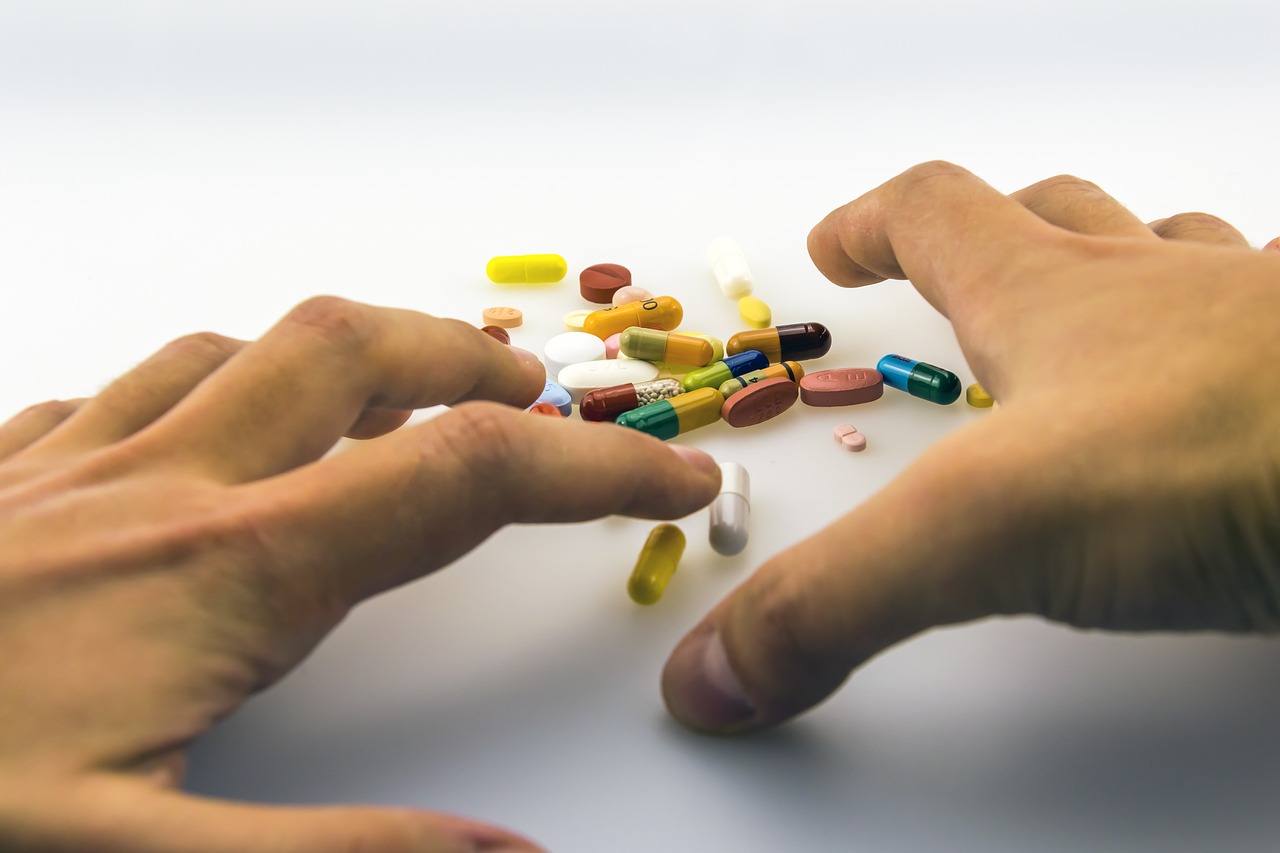
What is an addiction?

By David Joel Miller, MS, Licensed Therapist & Licensed Counselor.

Hands with pills

Addiction.
Photo courtesy of Pixabay

How many addictions are there?

More and more things seem to be getting labeled as addictions.  This mushrooming of addictions has resulted in a lot of skepticism about whether all these items are real addictions or just excuses by people who do too much of one thing or another.

The mental health professions don’t typically use the word addiction. We use other terms to help explain why what is commonly called an addiction may look so different in different people.

Let’s explore this problem by starting with the best known of all addictions, drug addiction, and then see what other things might qualify as addictions.

Drug addiction.

Most drugs, legal and illegal, result in two specific reactions in the body, tolerance, and withdrawal. Tolerance means that over time your body builds up a resistance to the drug so that it takes more and more of the same drug to get the same effect.

Physically addicting drugs all result in tolerance in the body.

Withdrawal is the phenomenon of symptoms that occur when the level of the drug in the bloodstream begins to drop. As many an alcoholic knows if you can keep the level of alcohol in the bloodstream up, you can hold off the hangover for a while. Eventually, you fall asleep or more precisely pass out, and then the blood alcohol level drops.

The drop in the level of drug in the bloodstream, not the absolute level is what is causing the withdrawal symptoms, sometimes also referred to as “abstinence syndrome.”

When someone has been abusing drugs, including alcohol, we take them to a detox. They go through a lot of symptoms, some very unpleasant, as the drugs leave their system. So after 3 days or so, defiantly in a week, almost all drugs (except marijuana) are out of the system.

The carvings problem.

No drug (alcohol) in the system, the hangover, or other withdrawal symptoms go away. In the case of heroin, the shakes, diarrhea, vomiting, goosebumps, and all the other classic symptoms of opiate withdrawal end, and the person, now with no detectable drugs in their system are discharged to go home.

The majority of all people who go through detox, somewhere over 90%, will relapse or use again in a month or so after the detox.

If the drugs are all out of their system why are they still exhibiting addictive behaviors?

The problem with addiction is not the chemical dependency in the body, as awful as that can be. The real problem of addiction is that it is a problem of the mind.

We might call this manifestation of addiction a psychological dependency on the drug to differentiate it from a physical addiction. Even when no drugs are in the body the cravings remain in the brain.

Behavioral Addictions.

So can people really be addicted to things like shopping, sex, or compulsive spending?

My belief is that these kinds of activities can also be addicting but are not automatically addiction.

Each activity produces thoughts, those thoughts move through the brain chemically. Change your thinking and your brain chemistry changes. Some experiences, falling in love, having sex, can produce chemical changes in the brain that can be like an addiction.

One key criterion for addiction is the loss of control, if you lose control of an activity you are approaching addiction land.

Continued use of a substance or continued repetition of a behavior despite negative consequences, loss of control over a behavior fits this pattern.

Hypothetical example.

A client says she is “addicted to poodles.” She has poodle skirts, poodle statues, and pictures all over her house. Her husband gripes about all these poodle things but they are still together after 25 years. She says she is “addicted to poodles.” I think she has an unusually large interest, even an obsession with poodles, but so far it does not sound like an addiction.

Let’s say she also has 25 live poodles in the one-room apartment and that she has spent all of their money on poodle stuff this month leaving them with no money for rent and food. Now has her poodle addiction crossed the line?

So while excessive involvement in many things might possibly reach the level of being an addiction the more strongly rewarding things like drugs, alcohol, sex or risk-taking (gambling) produce such high levels of chemicals in the brain that many people might become “Addicted” to these behaviors. Most people are not likely to develop an addiction to poodles. The internet on the other hand –

Let’s leave that for now.

So in many ways, I see addiction, to drugs or other things, as a special case of OCD. The person can’t stop thinking about the object of their addiction and with chemicals or behaviors like gambling once they start they lose control over the substance or the activity.

Most recently we are recognizing that it is possible to have a problem with a chemical or behavior way short of developing an addiction. We might call this a “Use Disorder” or with behaviors we might think of it as an impulse control problem.

However you see this, loss of control over a chemical or an activity can cause someone a lot of life problems and needs treatment.

Staying connected with David Joel Miller

Seven David Joel Miller Books are available now!

My newest book is now available. It was my opportunity to try on a new genre. I’ve been working on this book for several years, but now seem like the right time to publish it.

Story Bureau.

Story Bureau is a thrilling Dystopian Post-Apocalyptic adventure in the Surviving the Apocalypse series.

Baldwin struggles to survive life in a post-apocalyptic world where the government controls everything.

As society collapses and his family gets plunged into poverty, Baldwin takes a job in the capital city, working for a government agency called the Story Bureau. He discovers the Story Bureau is not a benign news outlet but a sinister government plot to manipulate society.

Bumps on the Road of Life. Whether you struggle with anxiety, depression, low motivation, or addiction, you can recover. Bumps on the Road of Life is the story of how people get off track and how to get your life out of the ditch.

Dark Family Secrets: Doris wants to get her life back, but small-town prejudice could shatter her dreams.

Casino Robbery Arthur Mitchell escapes the trauma of watching his girlfriend die. But the killers know he’s a witness and want him dead.

Planned Accidents  The second Arthur Mitchell and Plutus mystery.

Letters from the Dead: The third in the Arthur Mitchell mystery series.

What would you do if you found a letter to a detective describing a crime and you knew the writer and detective were dead, and you could be next?

Sasquatch. Three things about us, you should know. One, we have seen the past. Two, we’re trapped there. Three, I don’t know if we’ll ever get back to our own time.

For these and my upcoming books; please visit my Author Page – David Joel Miller

Want the latest blog posts as they publish? Subscribe to this blog.

For videos, see: Counselorssoapbox YouTube Video Channel

How do you become a member of A.A.?

By David Joel Miller, MS, Licensed Therapist & Licensed Counselor.

AA big book

Alcoholics Anonymous big book.

Is A.A. membership expensive?

What do you have to do to get accepted into membership?

A.A. is one of the more unusual organizations when it comes to becoming a member.

They do not charge a membership fee. There are no monthly or annual dues to pay. They do pass a basket and the money people donate is used to defray the expenses. No one is ever pressured to put something in the basket.

Unlike other groups who have frequent solicitations for funds, A.A. asks that only members contribute. Members are never required to contribute, but most give something, even if it is just the small change in their pockets.

There are no creeds to agree to. No catechisms to learn or memorize. They do read some things, but only those who want to read. There are no membership committees and no application forms to fill out.

You do not even need to be an alcoholic or agree to take the twelve steps to become a member. The twelve steps in A.A. are, like most everything else in the program, “suggestions” not requirements.

You do not need to agree to believe in a particular religion or worship any particular deity. In fact, you do not even need to believe in a God to be a member.

There is in fact only one requirement for membership in A.A.

“The only requirement for membership is a desire to stop drinking.”

If you can honestly say that you want to stop drinking, then you have qualified for membership.

Having become a member there is a suggestion that you get a book and read it, come to some meetings and find a sponsor to help you work your steps. None of those things are however requirements, they are suggestions.

Essentially, you are a member if you say you are a member.

With membership does come some duties. You, as a new member, will be asked to respect other member’s anonymity. You will also be asked to refrain from making public statements on behalf of A.A. Beyond that not much will be asked of you unless you chose to participate in your recovery.

All in all, A.A. is an easy group to join. So ask yourself “Do I want to stop drinking?” If so, head for a meeting because you have already qualified to become a member whether you knew it or not.

The posts I write about A.A. are from my perspective as a therapist and clinical counselor and do not necessarily reflect the views of A.A. World Services or A.A. members. For more on A.A. and their program of recovery check out the “A.A. Big Book” titled Alcoholics Anonymous at the links below or contact A.A. World Services at their website.

The Big Book of Alcoholics Anonymous

The classic text on Alcoholism recovery this is the book that started off the whole 12-step phenomenon.

Alcoholics Anonymous from The Anonymous Press

One of the Kindle editions – At 99 cents this is such a bargain. This edition needed a separate listing. No Kindle reader? No Problem, if you have a computer you can download a free Kindle reader.

Staying connected with David Joel Miller

Seven David Joel Miller Books are available now!

My newest book is now available. It was my opportunity to try on a new genre. I’ve been working on this book for several years, but now seem like the right time to publish it.

Story Bureau.

Story Bureau is a thrilling Dystopian Post-Apocalyptic adventure in the Surviving the Apocalypse series.

Baldwin struggles to survive life in a post-apocalyptic world where the government controls everything.

As society collapses and his family gets plunged into poverty, Baldwin takes a job in the capital city, working for a government agency called the Story Bureau. He discovers the Story Bureau is not a benign news outlet but a sinister government plot to manipulate society.

Bumps on the Road of Life. Whether you struggle with anxiety, depression, low motivation, or addiction, you can recover. Bumps on the Road of Life is the story of how people get off track and how to get your life out of the ditch.

Dark Family Secrets: Doris wants to get her life back, but small-town prejudice could shatter her dreams.

Casino Robbery Arthur Mitchell escapes the trauma of watching his girlfriend die. But the killers know he’s a witness and want him dead.

Planned Accidents  The second Arthur Mitchell and Plutus mystery.

Letters from the Dead: The third in the Arthur Mitchell mystery series.

What would you do if you found a letter to a detective describing a crime and you knew the writer and detective were dead, and you could be next?

Sasquatch. Three things about us, you should know. One, we have seen the past. Two, we’re trapped there. Three, I don’t know if we’ll ever get back to our own time.

For these and my upcoming books; please visit my Author Page – David Joel Miller

Want the latest blog posts as they publish? Subscribe to this blog.

For videos, see: Counselorssoapbox YouTube Video Channel

Why AA? Reasons therapists recommend you go to AA.

By David Joel Miller, MS, Licensed Therapist & Licensed Counselor.

AA big book

Alcoholics Anonymous big book.

Why do professionals send you to A.A?

Therapists and Counselors treat people with all sorts of serious and persistent mental illnesses so why do they recommend that clients with a drinking problem attend AA meetings?

It turns out that attending meetings provides a lot of benefits that a single therapy session each week can’t provide. In substance abuse treatment programs the standard treatment, after you are over the most immediate problems connected to your drinking or drugging, consists of recommending that clients attend twelve-step meetings.

Here are some of the reasons why professionals recommend A.A.

The 12 steps include a focused system of change.

Embedded in the “working” of steps are the elements of problem identification, change steps, and a program of maintenance. While a therapist may help you work on one problem, depression, or anxiety, the steps are a way of changing your thinking about life and all your problems.

Some people’s only problem is drinking too much, they just quit and are fine. Many others find that once they stop, all the problems they had before they drank are back in force. It takes more than putting the bottle down to stay sober.

Attending meetings helps creates a new set of friends that are clean and sober.

One critical issue in recovery is relapse triggers; hanging out with your old drinking or drugging friends results in a high risk of relapse. Finding friends that do not drink and use requires a change. The more sober friends you make the more support you will have in staying sober.

Seeing others who have changed is very encouraging.

When your therapist tells you that people can change and do recover, you may say yes some people do, but what about me? When you attend meetings and hear the stories of those who have turned their lives around it becomes easy to believe you can do this, especially with the help of people who have themselves recovered.

The longer you stay connected to therapeutic recovery the better the chances.

Continuing to stay in treatment for up to two years has been shown to create better results. Most therapy programs will not cover or include two years of aftercare. A.A. while not professional treatment is a free or very low-cost way to continue to have “booster shots” of recovery for as long as you need them.

Sometimes when I work with mental health clients, I find myself wishing this client had a drinking problem also, and then I could give them a referral to A.A.

There is a serious shortage of self-help, peer recovery groups for those with mental health issues. The few that do exist are often modeled after the 12 step system.

Therapists and counselors do not customarily work the steps with clients. That is something we encourage them to do at the 12 step meeting. What we should do is a process called 12 step facilitation, in which we explain A.A. or other self-help groups, how they work, what the steps are, and encourage people to participate in the meetings.

The posts I write about A.A. or other self-help groups are from my perspective as a therapist and clinical counselor and do not necessarily reflect the views of AA World Services. For more on AA and their program of recovery check out the “AA Big Book” titled Alcoholics Anonymous at the links below or contact AA World Services at their website.

The Big Book of Alcoholics Anonymous

The classic text on Alcoholism, recovery this is the book that started off the whole 12 step phenomenon.

Alcoholics Anonymous from The Anonymous Press

One of the Kindle editions – At 99 cents this is such a bargain. This edition needed a separate listing. No Kindle reader? No Problem, if you have a computer you can download a free Kindle reader.

Staying connected with David Joel Miller

Seven David Joel Miller Books are available now!

My newest book is now available. It was my opportunity to try on a new genre. I’ve been working on this book for several years, but now seem like the right time to publish it.

Story Bureau.

Story Bureau is a thrilling Dystopian Post-Apocalyptic adventure in the Surviving the Apocalypse series.

Baldwin struggles to survive life in a post-apocalyptic world where the government controls everything.

As society collapses and his family gets plunged into poverty, Baldwin takes a job in the capital city, working for a government agency called the Story Bureau. He discovers the Story Bureau is not a benign news outlet but a sinister government plot to manipulate society.

Bumps on the Road of Life. Whether you struggle with anxiety, depression, low motivation, or addiction, you can recover. Bumps on the Road of Life is the story of how people get off track and how to get your life out of the ditch.

Dark Family Secrets: Doris wants to get her life back, but small-town prejudice could shatter her dreams.

Casino Robbery Arthur Mitchell escapes the trauma of watching his girlfriend die. But the killers know he’s a witness and want him dead.

Planned Accidents  The second Arthur Mitchell and Plutus mystery.

Letters from the Dead: The third in the Arthur Mitchell mystery series.

What would you do if you found a letter to a detective describing a crime and you knew the writer and detective were dead, and you could be next?

Sasquatch. Three things about us, you should know. One, we have seen the past. Two, we’re trapped there. Three, I don’t know if we’ll ever get back to our own time.

For these and my upcoming books; please visit my Author Page – David Joel Miller

Want the latest blog posts as they publish? Subscribe to this blog.

For videos, see: Counselorssoapbox YouTube Video Channel

,

What is CAADE?

By David Joel Miller.

Update 2/1/18

At this time CAADE and its counselor certification body ACCBC are unable to certify AOD counselors. ACCBC is pursuing the ability to certify counselors again.  More information to follow.

California Association for Drug and Alcohol Educators.

CAADE stands for the California Association for Drug and Alcohol Educators. The first organization meeting was held here in Fresno in 1982 and CAADE was formally organized in 1984. CAADE is a nonprofit 501(C) 3 corporation and supports the efforts to educate drug and alcohol counselors and further the standards of the drug and alcohol treatment profession.

CAADE is one of the credentialing organizations included in the State of California Department of Drug and Alcohol Programs directory. Their website notes that they serve some 40 colleges and universities in California, Arizona, and Nevada.

Over the last few years, I have had the honor and the privilege of teaching at Fresno City College in their Drug and Alcohol Counseling program.  This program consists of a 36 unit curriculum in substance abuse counseling and related subjects, making it one of the more rigorous substance abuse counseling programs available.

In 2012 CAADE formed the Addiction Counselor Certification Board of California (an official affiliate of CAADE). This division clarifies the separate functions of improving the education provided to prospective counselors and the registration and certification of counselors as meeting the standards expected in this counseling specialty.

For more on the CAADE program, colleges, and universities that teach this program, and the CAADE annual conventions please visit the CAADE website.

Staying connected with David Joel Miller

Seven David Joel Miller Books are available now!

My newest book is now available. It was my opportunity to try on a new genre. I’ve been working on this book for several years, but now seem like the right time to publish it.

Story Bureau.

Story Bureau is a thrilling Dystopian Post-Apocalyptic adventure in the Surviving the Apocalypse series.

Baldwin struggles to survive life in a post-apocalyptic world where the government controls everything.

As society collapses and his family gets plunged into poverty, Baldwin takes a job in the capital city, working for a government agency called the Story Bureau. He discovers the Story Bureau is not a benign news outlet but a sinister government plot to manipulate society.

Bumps on the Road of Life. Whether you struggle with anxiety, depression, low motivation, or addiction, you can recover. Bumps on the Road of Life is the story of how people get off track and how to get your life out of the ditch.

Dark Family Secrets: Doris wants to get her life back, but small-town prejudice could shatter her dreams.

Casino Robbery Arthur Mitchell escapes the trauma of watching his girlfriend die. But the killers know he’s a witness and want him dead.

Planned Accidents  The second Arthur Mitchell and Plutus mystery.

Letters from the Dead: The third in the Arthur Mitchell mystery series.

What would you do if you found a letter to a detective describing a crime and you knew the writer and detective were dead, and you could be next?

Sasquatch. Three things about us, you should know. One, we have seen the past. Two, we’re trapped there. Three, I don’t know if we’ll ever get back to our own time.

For these and my upcoming books; please visit my Author Page – David Joel Miller

Want the latest blog posts as they publish? Subscribe to this blog.

For videos, see: Counselorssoapbox YouTube Video Channel

What are evidence based practices?

By David Joel Miller, MS, Licensed Therapist & Licensed Counselor.

Counseling questions

Counseling questions.
Photo courtesy of Pixabay.com

Update on the national registry of evidence-based programs and practices, 2/19/18.

SAMHS recently sent out a press release saying please disregard the National Registry of Evidence-based Programs and Practices.

The new administration questions whether some of these programs and practices listed there were added without much real evidence. The original post follows.

What are evidence-based practices?

How many evidenced-based practices are there anyway and why should you care? Should you care if your counselor or therapist is using an evidence-based practice, and what are those things anyway?

The talking cure and case studies.

In the beginning of psychotherapy, it came as a shock that just talking could help someone. Freud came up with a whole lot of ideas about how and why things were creating problems for clients. If you see early childhood sexual conflicts and the unconscious as the source of the patient’s issues you go in one direction.

So as the practice of psychotherapy grew, those practitioners, often called analysts, started trying all sorts of interventions. Some worked and some didn’t and often we had no idea what worked, for whom, and when.

Analytical psychotherapists started writing up case studies about clients they had treated. Then other psychotherapists tried similar interventions and often got different results.

How are we to know what works when? Is it the characteristics of the psychotherapist, the client or the intervention that is causing the results we see?

When someone else pays they care if your treatment is working.

If you are paying for your treatment then you can see whomever you want, but as there became more government and insurance funding we need a way to check and see if what others are paying for is really worth the money.

Some therapists, particularly Cognitive-Behavioral Therapists, believed that if a technique is valid then it should work most of the time and no matter who did the technique. That notion has spurred a lot of research.

What we find is that the larger the group in the study the more reliable the results of the study, all other things being equal. So more and more theories have been studied in larger and larger trials. We are starting to see that some interventions work most of the time, for most people, when the therapist does them correctly.

One way to further this process has been to create a “National Registry of Evidence-Based Practices.” New interventions, treatment manuals, etc. are registered here and as the research is conducted it gets added to this database.

SAMHSA (Substance Abuse and Mental Health Services Administration created a National Registry of Evidence-based Programs and Practices.  

Currently, the registry contains listings for over 300 different programs and practices that are registered and for which reports and evaluations are available. Some of these treatments are much better than others. Some treatments have a few or only one study showing they worked. Other treatments have hundreds of studies and thousands of clients and are much more recognized as worth the cost.

Over time we should be able to see what works and what does not. Understand that no treatment or intervention is guaranteed to cure every client every time. But some treatments are clearly worth their costs and others are rarely of value.

Also, consider that it matters who did the research and how many people were in the sample. A study of two friends does not mean as much as a study of 10,000 randomly selected clients. Not every counselor has the same level of skill. So in evidence-based practices, it would be reasonable to emphasize treatments that are “manualized,” meaning that there is an instruction book and we can see if the therapist is actually giving the client the treatment that is prescribed by a particular evidence-based practice.

While not all evidence-based practices are equal and some of those on our current list are sure to fade away with time, this system of asking practitioners to prove that what they are doing for or with clients is beneficial to those clients is certainly a huge step forward.

A program or practice inclusion does not necessarily mean that a practice works or that it will work all the time with every client. What it does mean is that these programs and practices have documentation to tell others how they should be conducted and research to document when and where they have been effective or not effective.

SAMHSA notes that “NREPP is not an exhaustive list of interventions, and inclusion in the registry does not constitute an endorsement.”

Whatever the drawbacks having a place where providers can go to look for programs and practices that may be helpful in designing treatment programs is hugely helpful in moving the mental health and substance abuse professions forward.

There was a time not that long ago when each place was doing their own thing sometimes with good and sometimes with poor results. We now have better ways of establishing that the treatment provided is generally effective in treating a particular condition.

Some of the programs included in the registry are expensive to get trained and certified and others are free or nearly so. Clearly, some practices were listed by their originators to sell more books and trainings; others are listed because the developer wants people to try them and to promote research. A few of the programs were developed by SAMSA or other government programs and the materials are all available to download for free.

A quick scan of the list came up with some treatments worth looking into.

Brief Marijuana Dependence Counseling

Mental Health First Aid

Seeking Safety

Take a look, and let me know what other Evidenced Based Practices you find interesting.

Staying connected with David Joel Miller

Seven David Joel Miller Books are available now!

My newest book is now available. It was my opportunity to try on a new genre. I’ve been working on this book for several years, but now seem like the right time to publish it.

Story Bureau.

Story Bureau is a thrilling Dystopian Post-Apocalyptic adventure in the Surviving the Apocalypse series.

Baldwin struggles to survive life in a post-apocalyptic world where the government controls everything.

As society collapses and his family gets plunged into poverty, Baldwin takes a job in the capital city, working for a government agency called the Story Bureau. He discovers the Story Bureau is not a benign news outlet but a sinister government plot to manipulate society.

Bumps on the Road of Life. Whether you struggle with anxiety, depression, low motivation, or addiction, you can recover. Bumps on the Road of Life is the story of how people get off track and how to get your life out of the ditch.

Dark Family Secrets: Doris wants to get her life back, but small-town prejudice could shatter her dreams.

Casino Robbery Arthur Mitchell escapes the trauma of watching his girlfriend die. But the killers know he’s a witness and want him dead.

Planned Accidents  The second Arthur Mitchell and Plutus mystery.

Letters from the Dead: The third in the Arthur Mitchell mystery series.

What would you do if you found a letter to a detective describing a crime and you knew the writer and detective were dead, and you could be next?

Sasquatch. Three things about us, you should know. One, we have seen the past. Two, we’re trapped there. Three, I don’t know if we’ll ever get back to our own time.

For these and my upcoming books; please visit my Author Page – David Joel Miller

Want the latest blog posts as they publish? Subscribe to this blog.

For videos, see: Counselorssoapbox YouTube Video Channel

More side effects of synthetic Marijuana

By David Joel Miller, MS, Licensed Therapist & Licensed Counselor.

THC in synthetic marijuana.
Photo courtesy of Pixabay.com

Synthetic Marijuana has side effects? Who knew!

Add another outbreak of mystery illness to the credit of synthetic marijuana.

Colorado’s tally of sick and dead as a result of synthetic marijuana has risen to 15 according to NPR. Previous reports had the total at 3 dead and 75 sick.

One problem with these outbreaks is that the chemicals involved keep changing. As fast as one chemical is banned the manufacturers of these products switch to another chemical.

Estimates I have seen of possible synthetic cannabinoids range up to 400 or more chemicals.

Symptoms of toxic effects of synthetic marijuana so far include:

Death

Kidney Failure

Loss of control

Inability to feel pain

Increased agitation

Seizures,

Vomiting

Spastic body movements

High blood pressure, palpitations, and increased heart rate

Past episodes of hospital admissions from synthetic marijuana smoking have been the result of new and novel chemicals making it difficult to detect and treat these overdoses.

The race continues between the manufacturers trying to find a product to sell for the next new high and the medical facilities that have to detect and treat these chemicals.

So far public health and well-being is the loser.

Synthetic marijuana’s sounded appealing to their users, a “legal” high and something that the drug test would not detect. Those qualities have turned out to be an illusion.

Death or permanent damage to your system are pretty serious side effects. The drug tests keep getting better, detecting things that the user thought they could get away with.

On balance synthetic marijuana’s, manufactured cannabinoids have turned out to be that friend who turns into a serial killer. Synthetic Marijuana has side effects? Who knew!

Staying connected with David Joel Miller

Seven David Joel Miller Books are available now!

My newest book is now available. It was my opportunity to try on a new genre. I’ve been working on this book for several years, but now seem like the right time to publish it.

Story Bureau.

Story Bureau is a thrilling Dystopian Post-Apocalyptic adventure in the Surviving the Apocalypse series.

Baldwin struggles to survive life in a post-apocalyptic world where the government controls everything.

As society collapses and his family gets plunged into poverty, Baldwin takes a job in the capital city, working for a government agency called the Story Bureau. He discovers the Story Bureau is not a benign news outlet but a sinister government plot to manipulate society.

Bumps on the Road of Life. Whether you struggle with anxiety, depression, low motivation, or addiction, you can recover. Bumps on the Road of Life is the story of how people get off track and how to get your life out of the ditch.

Dark Family Secrets: Doris wants to get her life back, but small-town prejudice could shatter her dreams.

Casino Robbery Arthur Mitchell escapes the trauma of watching his girlfriend die. But the killers know he’s a witness and want him dead.

Planned Accidents  The second Arthur Mitchell and Plutus mystery.

Letters from the Dead: The third in the Arthur Mitchell mystery series.

What would you do if you found a letter to a detective describing a crime and you knew the writer and detective were dead, and you could be next?

Sasquatch. Three things about us, you should know. One, we have seen the past. Two, we’re trapped there. Three, I don’t know if we’ll ever get back to our own time.

For these and my upcoming books; please visit my Author Page – David Joel Miller

Want the latest blog posts as they publish? Subscribe to this blog.

For videos, see: Counselorssoapbox YouTube Video Channel