
Therapy room secrets.

By David Joel Miller, MS, Licensed Therapist & Licensed Counselor.

Therapy

Therapy.
Photo courtesy of Pixabay.com

What do people get out of therapy?

Therapy room secrets.

Therapy room secrets.
Photo courtesy of Pixabay.com

People who have been to see a counselor or therapist, those who have gone long enough to see the results, know some secrets about the process that most other people never find out.

Counseling should help you create the life you want, not confirm someone’s opinion that there is something wrong with you.

Going for therapy does not mean you are crazy or a mental case. Plenty of people see a counselor to work on their life skills.

Being in therapy does not mean you are and will always be mentally ill. The point of counseling is to move you from being overwhelmed by life’s problems to a place where you can handle them.

Therapy should be about wellness, not sickness.

The really sick people don’t go for treatment even what they need it because they are afraid that getting treatment means they are ill. This is the equivalent of trying to not “give in to cancer.”

You can learn that what you are dealing with is normal.

We hear in the counseling room from a lot of people that they thought they were the only ones who felt that way or had that problem. Turns out that most of life’s problems are common, so is suffering in silence. It can help a whole lot to know that what you are going through happens to lots of people at a particular point in life. It can also help to hear how others have solved this problem. This is one reason that group therapy is extra helpful.

Sometimes you just need to talk it out.

Family and friends find it difficult to just listen. They want to fix you or tell you what to do. It pains them that you are having problems and they just want to stop hearing your pain. Talking too much about life’s problems with family and friends can burn them out.

Sometimes all you need to do is just talk this problem through with an objective person who will not judge you or tell you not to feel what you feel. Your partner can’t always be objective and hear you talk.

It helps to have someone listen to you.

They probably didn’t teach you about emotions in school.

Feelings are a taboo subject in many homes. You may have been taught that you should not have feelings or that it was not OK to express them.

Learning how to feel, recognize that feeling, and then give it a name, can help you learn to regulate your emotions. If you have unrecognized feelings, therapy can help you learn to manage those feeling inside you.

Therapy can de-stress you.

Sometimes therapy makes you really face your problems. People come in depressed and after explaining their life to the therapist they decide that their life is a mess. Then they have a choice, do the hard work of changing things or leave things as they are, depression and all.

There may be gaps in your life skills inventory.

Mostly what you know about life came from living the one life you have had so far, yours. There are all kinds of life skills you need and it is hard to pick them up while rushing through your daily activates.

Your counselor can help you with the life skills you may have missed out on. Making friends, regulating emotions, and getting things in perspective all require skills and practice.

It helps to have supporters.

You need supportive people in your life. Your therapist should be on your side. This does not mean that they will always agree with you or tell you that you are right. You need them to be honest if they are really supporting you.

They also should not try to make you dependent on them. You will need supporters after you are done with therapy. Helping you design a plan to create a support system is another thing your counselor may be able to do to help you get your life on track.

You can get a more objective opinion.

Friends tell you what they think you want to hear. Family members may want to influence you, get you to do things that are in their best interests or right for them but may not be good for you. A counselor can be really honest. They may slip up on that honesty, looking for a way to tell you things in a kind or gentle way, but know that at heart they want you to know exactly how things are.

You need to work on the things you are afraid of.

In the counseling room is one time you can really talk about the things you were afraid to tell anyone. This is the place to let your secrets out and know that this person will do all they can to maintain your confidentiality. Yes, there are a few things, like your being suicidal or abuse of a child they have to report, but most everything else they will keep to themselves.

If you have questions about this look at some of the other posts on counselorssoapbox.com about what is and is not confidential. It also helps to ask your counselor and see how they answer this question.

Change is a process.

In the therapy room, you learn about the course of change. You can experience change a little or a lot at a time. We all move through our change process at our own rate. Sometimes you need to change a little and then change some more.

Prevention is important.

Sometimes it pays to go in and talk with an expert when you are faced with issues. This can help you to cope with a problem before it swamps you. Sorting things out can prevent your struggle from becoming overwhelming.

This is one place you can really be you.

You do not need to worry about pleasing the counselor or if they will like you. This is a consulting relationship, not a long-term friend one. You should not need to worry about being judged. This is the one time you get to really “tell it like it is.”

Unpacking your baggage is painful and needs help.

Working through old issues, getting that baggage unpacked and sorted through, is something that happens often in the therapy room. This should be a safe place to work on those old hurts and pains that you can’t talk about anywhere else. This is one place you ought not to get judged.

Counseling should be taken as needed.

You may need to attend every week or every few weeks. Some people go for a while, take a break, and return as their life changes. This does not mean you are weak or can’t handle life. What it does means is you know how to make use of professional help as needed.

Counseling helps you find and accept you.

Working on me and trying to find myself are common themes in counseling. This is the time and place to explore your inner self and really get to know those parts of yourself that may be hard to stop and take a look at.

Your therapist is on your side.

Your therapist is an ally in your self-change and self-exploration. They really want the best for you and will do what they can to help you get there. If you don’t feel this then this is one of the first things you should talk about.

For more on this topic see:     Counseling and Therapy

Staying connected with David Joel Miller

Seven David Joel Miller Books are available now!

My newest book is now available. It was my opportunity to try on a new genre. I’ve been working on this book for several years, but now seem like the right time to publish it.

Story Bureau.

Story Bureau is a thrilling Dystopian Post-Apocalyptic adventure in the Surviving the Apocalypse series.

Baldwin struggles to survive life in a post-apocalyptic world where the government controls everything.

As society collapses and his family gets plunged into poverty, Baldwin takes a job in the capital city, working for a government agency called the Story Bureau. He discovers the Story Bureau is not a benign news outlet but a sinister government plot to manipulate society.

Bumps on the Road of Life. Whether you struggle with anxiety, depression, low motivation, or addiction, you can recover. Bumps on the Road of Life is the story of how people get off track and how to get your life out of the ditch.

Dark Family Secrets: Doris wants to get her life back, but small-town prejudice could shatter her dreams.

Casino Robbery Arthur Mitchell escapes the trauma of watching his girlfriend die. But the killers know he’s a witness and want him dead.

Planned Accidents  The second Arthur Mitchell and Plutus mystery.

Letters from the Dead: The third in the Arthur Mitchell mystery series.

What would you do if you found a letter to a detective describing a crime and you knew the writer and detective were dead, and you could be next?

Sasquatch. Three things about us, you should know. One, we have seen the past. Two, we’re trapped there. Three, I don’t know if we’ll ever get back to our own time.

For these and my upcoming books; please visit my Author Page – David Joel Miller

Want the latest blog posts as they publish? Subscribe to this blog.

For videos, see: Counselorssoapbox YouTube Video Channel

Anger Burns.

Sunday Inspiration.   Post by David Joel Miller.

Anger Burns.

Anger burning

Anger Burns the Holder.
Photo courtesy of Pixabay.com

Holding on to anger burns the holder.

“Anger is an acid that can do more harm to the vessel in which it is stored than to anything on which it is poured.”

― Mark Twain

“Anybody can become angry — that is easy, but to be angry with the right person and to the right degree and at the right time and for the right purpose, and in the right way — that is not within everybody’s power and is not easy.”

― Aristotle

Wanted to share some inspirational quotes with you.  Today seemed like a good time to do this. If any of these quotes strike a chord with you please share them.

What is Anorexia Nervosa (307.1, F50.01 or F50.02)

By David Joel Miller, MS, Licensed Therapist & Licensed Counselor.

What is

What is Anorexia Nervosa (307.1, F50.01 or F50.02)
Photo courtesy of Pixabay.

Anorexia is an eating disorder that is about more than food.

Anorexia Nervosa, Anorexia for short, is one of the Feeding and Eating Disorders that are officially recognized as a mental disorder in the DSM-5. Anorexia has recognized “subtypes.” Like that of many other mental health disorders, these subtypes may over time change enough that a person might get several different diagnoses during their life.

There have been several prominent people who have suffered from Anorexia and death is a possible outcome of this disease. This disorder affects women about ten times as often as it does men. Researchers and writers have compared this disorder to OCD and addiction. Similar pathways in the brain may be affected in all these conditions. More information on the alteration of the brain’s functioning in these disorders is likely to become available in the future.

The big three Anorexia symptoms.

There are three significant symptoms that professionals look for in diagnosing Anorexia. These include how the person with Anorexia sees their body, similar to the distortions we see in Body Dysmorphic Disorder. Also on the symptoms list is how the client feels about their body weight and lastly comes the result of this distorted body image and their altered feelings about body weight. This post as other posts on counselorssoapbox.com is my simplified, common language description. For the full text check out the DSM-5 by the APA.

People with Anorexia think they are fat even when the mirror disagrees.

It is common for those with Anorexia to report they dislike themselves because they are “fat” or overweight. They will persist in believing they are fat even when told by their doctor or other professional that their body weight falls below the minimum needed for health.

When asked about their weight they will often report that they need to lose a few pounds even when they are experiencing medical issues from malnutrition.

Some may only report that one part of their body is too large or misshapen. The solution to this oversized body part in their mind is extreme weight loss.

In Anorexia weight gain is more feared than death.

Someone who has Anorexia will demonstrate an extreme fear of gaining weight. They continue to assert that if they eat they will become “fat” and will go to extreme lengths to avoid weight gain.

A dislike of the self because of this distorted view of their body is common. Even when they know that this self-view is unrealistic they can’t seem to shake the belief that if they could just lose some more weight than they would be acceptable,

Using more calories than you take in is the continual goal.

Someone with Anorexia will attempt to reduce the calories taken in each day below the amount they need to maintain a normal weight. This is done not simply to prevent weight gain but to result in a loss of weight. This is nothing like typical dieting where the goal is to maintain a healthy weight. The goal here, presumably, is to continue to lose weight even when they are already thinner than a healthy weight.

Because of the two criteria above the person with Anorexia continues to think of themselves as fat and to fear any weight gain no matter how low the body weight may go.

In children or young adults, this may manifest more as a failure to grow and put on weight during the growing years rather than a measurable loss of weight.

There are two recognized types of Anorexia, although this may change over time.

Restricting type Anorexia.

In this condition, the person avoids taking in calories as much as possible. They may avoid eating around others, say they are full or not feeling well, or otherwise try to avoid even a minimal amount of calories.

Binge eating and purging type Anorexia.

In this subtype of Anorexia Nervosa, the person with Anorexia may give in to the look or taste of food and eat. When they do this it is like the alcoholic who just relapsed. Any food in sight is fair game. But as soon as they have eaten, they are overcome with an intense fear of weight gain and guilt. At this point, they will use extraordinary efforts to get rid of the unwanted calories.

These compensatory efforts may include purging, self-induced vomiting, or the use of laxatives to produce intense diarrhea. Some will resort to strenuous exercise in an effort to atone for the eating binge.

The primary distinction between Anorexia and Bulimia Nervosa is that the person with Bulimia looks like they have a normal body weight. They may even be a few pounds over and they eat well, just they use the compensatory methods to avoid weight gain.  Those purging binges can damage their health. In Anorexia the risk is that the damage to health may be more rapid and may result in death. More on Bulimia Nervosa in an upcoming What is. post

Risk factors for developing Anorexia include having currently or in the past had an Anxiety disorder, as well as cultures, occupations, or activities that emphasize being thin.

FYI these recent “What is” posts are based on the new DSM-5, some of the older posts were based on the DSM-IV-TR, both published by the APA. The descriptions are largely my own plain language versions.

For more on this and related topics see – Feeding and Eating Disorders.

Staying connected with David Joel Miller

Seven David Joel Miller Books are available now!

My newest book is now available. It was my opportunity to try on a new genre. I’ve been working on this book for several years, but now seem like the right time to publish it.

Story Bureau.

Story Bureau is a thrilling Dystopian Post-Apocalyptic adventure in the Surviving the Apocalypse series.

Baldwin struggles to survive life in a post-apocalyptic world where the government controls everything.

As society collapses and his family gets plunged into poverty, Baldwin takes a job in the capital city, working for a government agency called the Story Bureau. He discovers the Story Bureau is not a benign news outlet but a sinister government plot to manipulate society.

Bumps on the Road of Life. Whether you struggle with anxiety, depression, low motivation, or addiction, you can recover. Bumps on the Road of Life is the story of how people get off track and how to get your life out of the ditch.

Dark Family Secrets: Doris wants to get her life back, but small-town prejudice could shatter her dreams.

Casino Robbery Arthur Mitchell escapes the trauma of watching his girlfriend die. But the killers know he’s a witness and want him dead.

Planned Accidents  The second Arthur Mitchell and Plutus mystery.

Letters from the Dead: The third in the Arthur Mitchell mystery series.

What would you do if you found a letter to a detective describing a crime and you knew the writer and detective were dead, and you could be next?

Sasquatch. Three things about us, you should know. One, we have seen the past. Two, we’re trapped there. Three, I don’t know if we’ll ever get back to our own time.

For these and my upcoming books; please visit my Author Page – David Joel Miller

Want the latest blog posts as they publish? Subscribe to this blog.

For videos, see: Counselorssoapbox YouTube Video Channel

What are Alcohol-Related Disorders?

By David Joel Miller, MS, Licensed Therapist & Licensed Counselor.

Liquor

Alcoholic beverages.
Photo courtesy of Pixabay.com

Alcoholism is not the only problem alcohol causes.

Most of the time when people think of the problems that could be caused by alcohol they think of the “chronic” alcoholic. A lot of what people “know” about alcohol-related issues turns out to be untrue.

Most people who have the problem we used to call Alcoholism, and are now calling a moderate to severe alcohol use disorder, have full-time jobs. About 90% of those who are dependent on alcohol physically or mentally work full-time. They may have trouble keeping those jobs but they can go on getting and changing jobs for a long time.

Someone does not have to be an alcoholic or even have an Alcohol Use Disorder to experience an alcohol-related problem. If a surgeon shows up drunk to do your heart surgery, do you really care if this is the only time it happened? A pilot flying drunk even once is one time too many.

Because alcohol disinhibits and impairs coordination people do things when drunk they might not do when sober. They also fail to do things they should, like stop for an oncoming car. You will find a number of other posts at counselorssoapbox.com on the problems drugs, alcohol, and mental illness cause. The “What is.” This series of posts includes a number of posts on this topic and more will be published soon. If you want to see those other posts the best way is to subscribe or follow counselorssoapbox.com

Here is the short list of 5 problems that together make up the Alcohol-Related Disorders. This is based on the new DSM-5 but it parallels other classification systems and ways of thinking about Alcohol-Related problems.

Alcohol Use Disorder (F10.10 or 10.20.)

This used to get divided into Alcohol Abuse and Alcohol Dependence, then we started looking at the difference between physical dependence, psychological dependence, alcoholism, and Chemical Dependency and the lines got blurry depending on who was describing the problem. Now we think if when you drink you have a problem, you have an alcohol use disorder, which can come in mild, moderate, or severe. More on Alcohol Use Disorder in an upcoming post.

Alcohol Intoxication (F10.129, 10.229, or 10.929.)

This is not funny the way some entertainers portray it. When drunk, people can get distorted thinking. Being intoxicated increases the risk you will do something you would not do sober. Drunk people hurt themselves and others, both directly on purpose and in unintended ways. You only need to drive drunk once if you kill someone, and you have destroyed their life and yours. This, when you drink it is a problem, qualifies as an Alcohol Use Disorder.

It is also possible to drink enough to die if you run that blood alcohol level up high enough and fast enough.

Alcohol Withdrawal (F10.239 or F10.232.)

A well-kept secret is that you can die detoxing off alcohol, especially in combination with other drugs in your bloodstream. The experience of a hangover is so common that you will find lots of online hangover remedies. (Hint here, only not drinking and lots of time after drinking have been proven to treat hangovers.)

Alcohol withdrawal gets treated medically sometimes and in detox facilities a lot. Facilities that treat alcohol withdrawal are the busiest substance abuse treatment facilities there are.

Other Alcohol-Induced Disorders (lots of codes depending on what the alcohol induces.)

Sometimes things that look like a mental illness are caused by prolonged drinking. This can be a lifetime of prolonged drinking or just a single run. Contrary to popular opinion it is not necessary to make people sober up and get thirty days or any other period of time sober before assessing or treating them for other problems. It just takes a lot more effort and skill on the staff’s part.

Unspecified Alcohol-Related Disorder F10.99.)

This gets used when a clinician thinks that Alcohol may be the cause of or may have contributed to your problem but you do not have symptoms that match any of the other diagnoses close enough to get that other label. Yes, I know that these labels can be somewhat subjective. Despite the best efforts to create very precise categories for issues, there are some problems that just do not fit the existing categories. Still, Professionals need some sort of label for what they are treating, and not every client fits these labels exactly.

Those are the five Alcohol-Related disorders. More on this and related topics coming up in the “What is” series of counselorssoapbox.com blog posts.

FYI. These “What is” sometimes “What are” posts are my efforts to explain terms commonly used in Mental Health, Clinical Counseling, Substance Use Disorder Counseling, Psychology, Life Coaching, and related disciplines in a plain language way. Many are based on the new DSM-5; some of the older posts were based on the DSM-IV-TR, both published by the APA. For the more technical versions please consult the DSM or other appropriate references.

Staying connected with David Joel Miller

Seven David Joel Miller Books are available now!

My newest book is now available. It was my opportunity to try on a new genre. I’ve been working on this book for several years, but now seem like the right time to publish it.

Story Bureau.

Story Bureau is a thrilling Dystopian Post-Apocalyptic adventure in the Surviving the Apocalypse series.

Baldwin struggles to survive life in a post-apocalyptic world where the government controls everything.

As society collapses and his family gets plunged into poverty, Baldwin takes a job in the capital city, working for a government agency called the Story Bureau. He discovers the Story Bureau is not a benign news outlet but a sinister government plot to manipulate society.

Bumps on the Road of Life. Whether you struggle with anxiety, depression, low motivation, or addiction, you can recover. Bumps on the Road of Life is the story of how people get off track and how to get your life out of the ditch.

Dark Family Secrets: Doris wants to get her life back, but small-town prejudice could shatter her dreams.

Casino Robbery Arthur Mitchell escapes the trauma of watching his girlfriend die. But the killers know he’s a witness and want him dead.

Planned Accidents  The second Arthur Mitchell and Plutus mystery.

Letters from the Dead: The third in the Arthur Mitchell mystery series.

What would you do if you found a letter to a detective describing a crime and you knew the writer and detective were dead, and you could be next?

Sasquatch. Three things about us, you should know. One, we have seen the past. Two, we’re trapped there. Three, I don’t know if we’ll ever get back to our own time.

For these and my upcoming books; please visit my Author Page – David Joel Miller

Want the latest blog posts as they publish? Subscribe to this blog.

For videos, see: Counselorssoapbox YouTube Video Channel

The hidden cause of stress.

By David Joel Miller, MS, Licensed Therapist & Licensed Counselor.

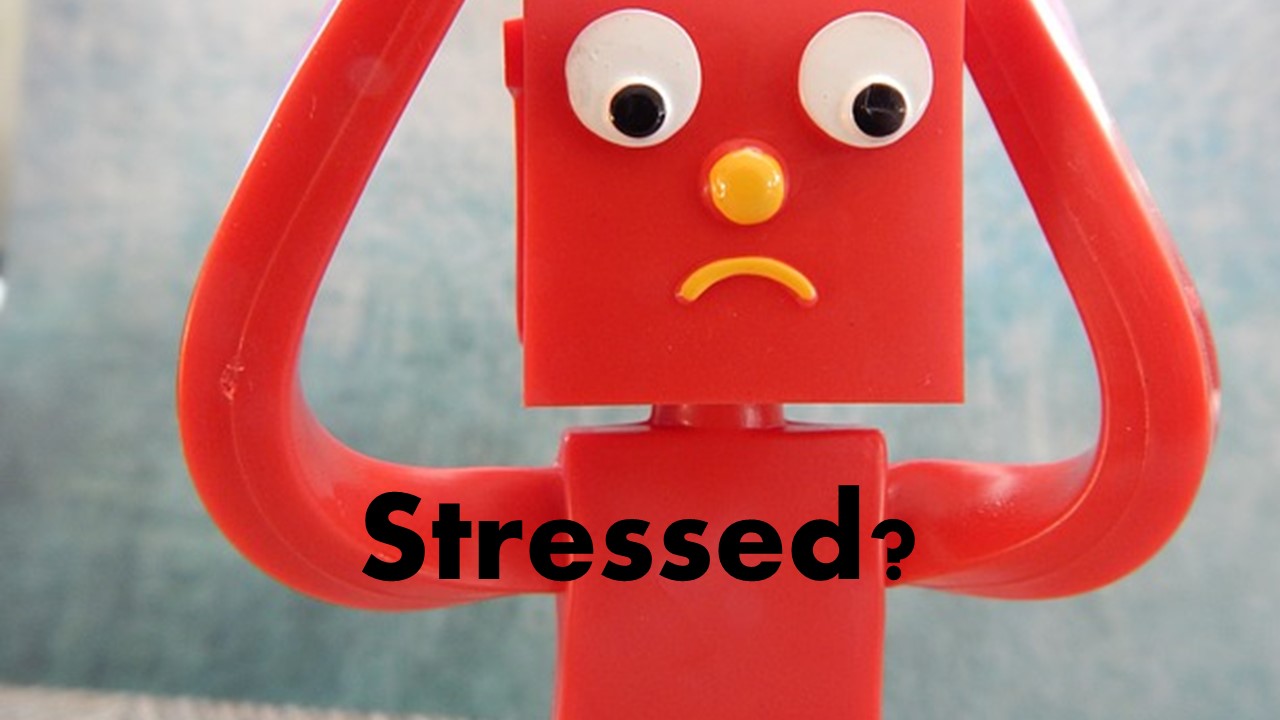
Stressed

Feeling stressed out?
Photo courtesy of Pixabay.com

Why are you stressed out if things are going so well?

Stress is epidemic in our modern world. Everyone has heard about stress management classes and tools. Everywhere you go these days people are talking about their stress levels and how hard their life is. We live in a world with more material comforts and technology than ever before. Why is everyone so stressed?

What comes as a surprise many times is that the people who are reporting the most stress are not the people who are going through the roughest times. Now we know that hard times are not always apparent. Some people have really difficult things going on in their lives and they never mention it. But what is so amazing is how people who for all apparent evidence are doing well, have so much stress.

Being unemployed is stressful but working can be even more stressful. Someone has a good job, one that pays well, and they work every day but the work is stressing them out. They have a relatively new car and the payments on that car are stressful. Frankly, the biggest stressors in life are often not the things that are the most harmful or the most painful. Why when so many people in the western industrial world have so very many things that look like advantages do we also have the corner on the world’s inventory of stress?

You can end up stressed out even if nothing bad ever happens.

What has largely gone unnoticed is that you can be so stressed out even when nothing bad ever happens. See it is not the actual event that is stressful. The fear you will lose your job can be more stressful than the actual loss. People live for years worrying that the place they work at will close or downsize and they will lose their job. That is stressful. Then the closure happens and life changes.

People can go through life always on edge, always stressed even when none of the bad things that should be the cause of their stress ever happen. Sometimes when it happens it is even a relief. At least once the shoe drops you can start making plans for the rest of your life.

The threat is more stressful than the event.

Stress is not about the actual event, at least most of the time it isn’t. Once the bad event happens people go through the grieving and adjusting process and then they get to work fixing things and rebuilding things. People who are out of work and unemployed may even go about the process of reinventing themselves.

Worry about the end of a relationship can be stressful, the thoughts about why and how come and what will you do next. But once you are convinced the relationship is in fact over and gone you can let go of the stress and start moving forward finding out who you are outside of that relationship.

Even good things can be very stressful.

The first week at a new job many people get sick. Trying to learn that new role can be stressful. You want to do well. Weddings and the birth of a child can all be extremely stressful. So can falling in love. Happy things can cause lots of stress.

What causes stress is not the reality. What is stressful are the expectations about what will or might happen. Uncertainty is stressful. Not knowing and worry wear you out.

Stress is about anticipation.

Turns out in the end that the major factor that decides if something will cause you stress is what you anticipate happening. Worry works the stress hormones over time. Fear and anticipation take their toll. Holding on to expectations, especially negative, fearful, possible results of things makes even the best of situations stressful.

It is the things we worry about, the things outside our control that are the most stressful. We can’t control the future. The most we may be able to do is to be prepared and work to influence the outcomes.

Are you ready to give up your expectations and let life be what it is? When will you be ready to release the stress?

Staying connected with David Joel Miller

Seven David Joel Miller Books are available now!

My newest book is now available. It was my opportunity to try on a new genre. I’ve been working on this book for several years, but now seem like the right time to publish it.

Story Bureau.

Story Bureau is a thrilling Dystopian Post-Apocalyptic adventure in the Surviving the Apocalypse series.

Baldwin struggles to survive life in a post-apocalyptic world where the government controls everything.

As society collapses and his family gets plunged into poverty, Baldwin takes a job in the capital city, working for a government agency called the Story Bureau. He discovers the Story Bureau is not a benign news outlet but a sinister government plot to manipulate society.

Bumps on the Road of Life. Whether you struggle with anxiety, depression, low motivation, or addiction, you can recover. Bumps on the Road of Life is the story of how people get off track and how to get your life out of the ditch.

Dark Family Secrets: Doris wants to get her life back, but small-town prejudice could shatter her dreams.

Casino Robbery Arthur Mitchell escapes the trauma of watching his girlfriend die. But the killers know he’s a witness and want him dead.

Planned Accidents  The second Arthur Mitchell and Plutus mystery.

Letters from the Dead: The third in the Arthur Mitchell mystery series.

What would you do if you found a letter to a detective describing a crime and you knew the writer and detective were dead, and you could be next?

Sasquatch. Three things about us, you should know. One, we have seen the past. Two, we’re trapped there. Three, I don’t know if we’ll ever get back to our own time.

For these and my upcoming books; please visit my Author Page – David Joel Miller

Want the latest blog posts as they publish? Subscribe to this blog.

For videos, see: Counselorssoapbox YouTube Video Channel
Self-Forgiveness.

Sunday Inspiration.   Post by David Joel Miller.

Self-Forgiveness.

Self-Forgiveness

Self-forgiveness is the best present you can give yourself.
Photo courtesy of Pixabay.com

To be happy you need to forgive yourself. When you hate you keep the pain with you.

Letting go is where the healing happens.

“Forgiveness is not an occasional act, it is a constant attitude.”

― Martin Luther King Jr.

“One of the keys to happiness is a bad memory.”

― Rita Mae Brown

Wanted to share some inspirational quotes with you.  Today seemed like a good time to do this. If any of these quotes strike a chord with you please share them.

What is Social Anxiety Disorder (Social Phobia.)

By David Joel Miller.

What is

What is Social Anxiety Disorder (Social Phobia.)
Photo courtesy of Pixabay.

Social Anxiety Disorder (Social Phobia.) Was 300.23 now F40.10.

Social Anxiety Disorder sometimes called Social Phobia is far more common and debilitating here in the United States than is generally recognized. The most recent estimates are that in excess of seven percent or over 22 million Americans have Social Anxiety Disorder. The U.S rate runs 3 to 6 times the rate reported in other countries.

Fully three-fourths of those who will revive this diagnosis first have symptoms during childhood from the fourth to the tenth grade. This results in significantly lower graduation rates by those with Social Anxiety Disorder. Lifetime someone with Social Anxiety Disorder is more likely to be lower-income and socioeconomic status.

The rates of Social Anxiety Disorder are highest among those who are single, unmarried, or divorced. The disorder may be severe when young and single, become milder when the person is married, and reemerge when they are divorced. The typical person with this disorder waits from fifteen to twenty years before seeking treatment.

The symptoms of Social Anxiety Disorder.

People with Social Anxiety Disorder become extremely, excessively, anxious when they will be in social situations where they may be judged or evaluated by others. While you are only required to be anxious in one social situation to be diagnosed with Social Anxiety Disorder most people with this condition are anxious in many situations.

Someone with Social Anxiety Disorder will report that they can’t relax around others. They may hide achievements that would get them noticed, avoid attention, avoid eating in front of others, and when in social situations they will listen instead of speak.

Other ways this disorder will manifest include, avoid confrontations, preferring to work alone, being afraid to ask questions, avoiding social gatherings, parties, etc. They will underachieve to avoid attention, may drop out of school, or not apply for a job or promotion.

Performance Anxiety is a special case of Social Anxiety Disorder.

People who are in the public eye are at extra risk for Social Anxiety Disorder. Many people are afraid of public speaking, this will not count towards Social Anxiety Disorder if you do not normally need to speak in public. But if your job requires public speaking, or being on stage and when you do this you become extremely anxious then that would be considered a case of Social Anxiety Disorder.

Children with Social Anxiety Disorder.

For children, we do not count situations in which they become anxious in front of adults. Children who develop the disorder also need to be excessively anxious in front of their peers.

Children may try to avoid social anxiety by crying excessively, having tantrums, being clingy, or going mute.

With Social Anxiety Disorder you can run or suffer.

Most people with Social Anxiety Disorder will go to great lengths to avoid social interactions. Some attempt to stay at home with parents well into adulthood convinced that they simply can’t venture out around strangers. They may settle for living in poverty, staying in abusive or dysfunctional relationships rather than attempt to move outside their residence.

Social Anxiety Disorder is neither brief nor temporary.

When we talk about Social Anxiety Disorder we are expecting a problem that is ongoing not a brief temporary fear of a social situation. Typically this has lasted for six months or more. Though clinicians are encouraged to use some judgment here. If you come in asking for help after only five months and three weeks you should get the help despite it being less than six months. In this disorder, the fear also should be far more severe than the situation would merit. If the danger is real and severe, this is not Social Anxiety Disorder.

Treatment for Social Anxiety Disorder.

Treatment for Social Anxiety Disorder can be very effective if the client can get to the treatment. One promising development has been the use of distance counseling over the internet for those too anxious to travel to the counselor’s office. Treatment has been effective both in reducing the Anxiety symptoms and in shortening the duration of the disorder.

There are other things that kind of look like Social Anxiety Disorder.

Professionals need to look at a bunch of other things and make sure that they are not sticking this diagnosis on someone when another diagnosis would fit better. The DSM-5 lists fifteen things that need to be ruled out before deciding on Social Anxiety Disorder. At the top of that list? Social Anxiety Disorder needs to be more severe and cause way more problems than just normal shyness.

As with the other things we are calling a mental illness, Social Anxiety Disorder needs to interfere with your ability to work or go to school, your relationships, your enjoyable activities or cause you personal distress. Otherwise, you may have the issues but you will not get the diagnosis if this is a preference, not a problem. If the only time this happens is when under the influence of drugs or medicines or because of some other physical or medical problem this fear needs to be more than your situation would warrant. These other issue needs treating first, then if you still have symptoms you could get the Social Anxiety diagnosis.

FYI These “What is” sometimes “What are” posts are my efforts to explain terms commonly used in Mental Health, Clinical Counseling, Substance Use Disorder Counseling, Psychology, Life Coaching, and related disciplines in a plain language way. Many are based on the new DSM-5, some of the older posts were based on the DSM-IV-TR, both published by the APA. For the more technical versions please consult the DSM or other appropriate references.

Staying connected with David Joel Miller

Seven David Joel Miller Books are available now!

My newest book is now available. It was my opportunity to try on a new genre. I’ve been working on this book for several years, but now seem like the right time to publish it.

Story Bureau.

Story Bureau is a thrilling Dystopian Post-Apocalyptic adventure in the Surviving the Apocalypse series.

Baldwin struggles to survive life in a post-apocalyptic world where the government controls everything.

As society collapses and his family gets plunged into poverty, Baldwin takes a job in the capital city, working for a government agency called the Story Bureau. He discovers the Story Bureau is not a benign news outlet but a sinister government plot to manipulate society.

Bumps on the Road of Life. Whether you struggle with anxiety, depression, low motivation, or addiction, you can recover. Bumps on the Road of Life is the story of how people get off track and how to get your life out of the ditch.

Dark Family Secrets: Doris wants to get her life back, but small-town prejudice could shatter her dreams.

Casino Robbery Arthur Mitchell escapes the trauma of watching his girlfriend die. But the killers know he’s a witness and want him dead.

Planned Accidents  The second Arthur Mitchell and Plutus mystery.

Letters from the Dead: The third in the Arthur Mitchell mystery series.

What would you do if you found a letter to a detective describing a crime and you knew the writer and detective were dead, and you could be next?

Sasquatch. Three things about us, you should know. One, we have seen the past. Two, we’re trapped there. Three, I don’t know if we’ll ever get back to our own time.

For these and my upcoming books; please visit my Author Page – David Joel Miller

Want the latest blog posts as they publish? Subscribe to this blog.

For videos, see: Counselorssoapbox YouTube Video Channel

What are the 11 drug categories in the DSM-5?

By David Joel Miller, MS, Licensed Therapist & Licensed Counselor.

What is

What are the 11 drug categories in the DSM-5?
Photo courtesy of Pixabay.

How does the DSM-5 classify drugs?

There are lots of ways to categorize drugs depending on why you are doing the categorizing. In the DSM-5 the drugs are primarily classified by the way they affect the body of the person who is using the drugs. This perspective is a medical one and the doctors likely have a different perspective on this than substance abuse or mental health counselors.

This classification of drugs appears in the substance use disorder section. Substance Use Disorders largely excludes the effects or side effects of prescribed medications. This classification system emphasizes drugs with similar effects on the body and which might be medically treated with similar medications. Counselors will likely see some of this from a somewhat different treatment perspective.

It is important to note that to get a diagnosis in the section the person does not have to intend to use the drug. Someone exposed to fumes or accidental exposure, say to pesticide, could meet criteria for a diagnosis if the chemical resulted in symptoms that fit one of these classifications.

Here are the 11 categories. Listed in the DSM in alphabetic order.

Alcohol F10.XX

Caffeine F15.9X

Cannabis (Primarily Marijuana) F12.XX

Hallucinogens F16.XX

Inhalants F18.XX

Opioids (Heroin and RX pills) F11.XX

Sedatives, Hypnotics, and Anxiolytics. F13.XX

Stimulants. (This combines Cocaine F14.XX and Amphetamines F15.XX, the DSM does not separate Meth from other amphetamines the way substance abuse treatment does.)

Tobacco F17.XX

Other or Unknown Substance Use Disorder F19.XX

Each particular drug may or may not have additional specifiers after the initial F number. Some have three digits after and some have only two available.

This DSM-5 classification system is only marginally related to the Federal Drug Schedules used here in the U. S. to regulate the sale and prescription of drugs. Various groups and authors have classified drugs, both drugs of abuse and prescribed drugs, using a number of other systems. Some things we know are drugs are often not regulated because they are sold with a label “not for human consumption.” Herbal products and supplements fall into a gray area and regulation of these products along with classification are more problematic.

Substance use disorders are included in the DSM-5 and hence qualify as a “mental disorder.” As with the other things we are calling a mental illness or disorder this problem needs to interfere with your ability to work or go to school, your relationships, your enjoyable activities, or cause you personal distress. Otherwise, you may have the issues but you will not get the diagnoses if this is a preference, not a problem.

One major reason people get this diagnosis is that they get arrested for breaking a drug-related law. This qualifies as a problem with some sort of functioning. With other mental illnesses, there is an exclusion if your problems only happen when you are under the influence of drugs or medicines or because of some other physical or medical problem. For substance use disorders we do not need to rule out drug use or exposure as causes.

FYI These “What is” sometimes “What are” posts are my efforts to explain terms commonly used in Mental Health, Clinical Counseling, Substance Use Disorder Counseling, Psychology, Life Coaching, and related disciplines in a plain language way. Many are based on the new DSM-5; some of the older posts were based on the DSM-IV-TR, both published by the APA. For the more technical versions please consult the DSM or other appropriate references.

You might also want to check out these other counselorssoapbox posts.

Drug Use, Abuse, and Addiction

Staying connected with David Joel Miller

Seven David Joel Miller Books are available now!

My newest book is now available. It was my opportunity to try on a new genre. I’ve been working on this book for several years, but now seem like the right time to publish it.

Story Bureau.

Story Bureau is a thrilling Dystopian Post-Apocalyptic adventure in the Surviving the Apocalypse series.

Baldwin struggles to survive life in a post-apocalyptic world where the government controls everything.

As society collapses and his family gets plunged into poverty, Baldwin takes a job in the capital city, working for a government agency called the Story Bureau. He discovers the Story Bureau is not a benign news outlet but a sinister government plot to manipulate society.

Bumps on the Road of Life. Whether you struggle with anxiety, depression, low motivation, or addiction, you can recover. Bumps on the Road of Life is the story of how people get off track and how to get your life out of the ditch.

Dark Family Secrets: Doris wants to get her life back, but small-town prejudice could shatter her dreams.

Casino Robbery Arthur Mitchell escapes the trauma of watching his girlfriend die. But the killers know he’s a witness and want him dead.

Planned Accidents  The second Arthur Mitchell and Plutus mystery.

Letters from the Dead: The third in the Arthur Mitchell mystery series.

What would you do if you found a letter to a detective describing a crime and you knew the writer and detective were dead, and you could be next?

Sasquatch. Three things about us, you should know. One, we have seen the past. Two, we’re trapped there. Three, I don’t know if we’ll ever get back to our own time.

For these and my upcoming books; please visit my Author Page – David Joel Miller

Want the latest blog posts as they publish? Subscribe to this blog.

For videos, see: Counselorssoapbox YouTube Video Channel

Shouldn’t evolution end mental illness?

By David Joel Miller, MS, Licensed Therapist & Licensed Counselor.

Confused brain

Mental illness.
Photo courtesy of Pixabay.com

Why are there so very many different genes involved in mental health?

Clearly, there were lots of lifeforms on the earth in the past that are no longer around. Without getting sidetracked here by the whole question of evolution or creation or some variant of the two, one still has to wonder how all those things which are calling mental illnesses arose. And why do mental illnesses still exist?

Every additional study I read tells me that someone has identified a gene they believe may be involved in creating or exacerbating a condition we are calling a mental illness. If they haven’t found that gene then they are suggesting one must exist and remains to be found.

This raises the question: “Why are there so many of these mutations?”

That makes me wonder if all these conditions we are calling mental illnesses are of recent origin or did they at some time in the past have some evolutionary advantage. If mental illness did not serve some purpose in the past, why does it still exist?

Ancient literature, the Bible, and other writings mention things like alcoholism, drunkenness, and some people with impaired reality testing who would in past times have been described as “mad.”  This was Mad as in insane or mentally ill not mad as in uncontrolled anger.

Shouldn’t natural selection be reducing not increasing the number of mental illnesses?

We know that mental illness shortens the lifespan, the mentally ill live fewer years than those without a diagnosable illness. Over time there should be fewer and fewer of the mentally ill left to reproduce. That would make some sense unless there was at some time, current or past, some advantage to what we now call a mental illness.

Humans now live longer and in larger clusters.

Some authors have suggested that many of the diseases we are now most concerned about, heart conditions, cancers, and diabetes are largely the result of humans living longer than before. When the average lifespan was 30 or 40 years, few people lived long enough to get those old-people diseases. See Sapolsky’s “Why Zebras Don’t Get Ulcers” for more on this topic.

So people live longer now and they also are living more and more in large industrial cities. Crowding of the sort that happens in cities can cause stress and changes in behavior. Is it possible that humans are mentally and emotionally un-adapted to live in large city masses?

There has been an avalanche of children getting mental health diagnosis.

We used to think that childhood was essentially a happy time and then you grew up and had to work. Only back then most children did not grow up, they died. So the more we look at the childhood prevalence of things we call emotional disturbances the more of these things we find. ADHD in elementary school girls is up 600 percent. Depression is more common than expected in children. Suicide rates of children are occurring in younger children and becoming more common.

Are mental illnesses ancient survival mechanisms?

What if some of those things we call mental illness helped people survive in the times when most people lived in rural areas, forests and jungles even, and some of these things use to be good things, but they are no longer as helpful in modern industrial situations.

How could some anger be a good thing?

Anger and its link to the fight or flight responses in the brain appear to occur in all the animals with a brain stem. For creatures of any kind that primitive response to threat can keep you alive in times of hunger when you need to fight for the food. Getting angry and fighting can also keep you from becoming that food.

Killing to preserve your life and your food supply makes sense when you live in the woods and that is a mountain lion out to eat you. That same anger mechanism is less helpful when someone cuts in line in front of you at the supermarket. Get angry and hit someone there and you may be the one getting carted off to jail or the psych hospital.

Why do bipolar people reproduce?

One of the characteristics of bipolar disorder is hyper-sexuality. This same driven sexual behavior can be seen in drug addicts also. Sexual “acting out” as it gets called, can get people with bipolar disorder in trouble with their family and their mates.

People, most of them, who are faithful to their mates get more sex on a regular basis and they tend to live longer than those who have lots of sexual partners. For someone in extreme danger who might get eaten at any moment being hypersexual may not improve your survival but that increased number of offspring may have helped humans expand their population at the expense of other animals.

What is good for the population as a whole is not always good for the individual person and vice versa.

Could depression have been an asset in the past?

Some of the characteristics of depression, the atypical type, are eating everything in sight and then sleeping as much as possible. This is a great strategy if you live in an ice age cave where food is unreliable and you need to conserve energy.

Eating everything in sight and sleeping all day does not work so well when you have a job to go to every day.

The point I am making is that many of the things we think of as “mental illness” may have been functional in the past. Some of these things that are getting labeled illnesses are more “maladaptations.” Even the bears don’t get to hibernate the way they used to.

ADHD may have saved lives.

One of the characteristics of this thing we are calling ADHD is restlessness and hyperactivity. This is useful if you need to outrun run a lion. The more you run around the stronger your legs get. Being fast on your feet keeps you from getting eaten or killed in some situations.

Today children need to stay put and not move to keep the teacher happy. That ancient part of the brain is telling them to run, play, and move fast. It may take a long time for the human brain to catch up with the move from the woods to the big city.

Just my speculation on how these things we call mental illnesses may at points in the past have been more adaptive than they are today.  What do you think about this?

Staying connected with David Joel Miller

Seven David Joel Miller Books are available now!

My newest book is now available. It was my opportunity to try on a new genre. I’ve been working on this book for several years, but now seem like the right time to publish it.

Story Bureau.

Story Bureau is a thrilling Dystopian Post-Apocalyptic adventure in the Surviving the Apocalypse series.

Baldwin struggles to survive life in a post-apocalyptic world where the government controls everything.

As society collapses and his family gets plunged into poverty, Baldwin takes a job in the capital city, working for a government agency called the Story Bureau. He discovers the Story Bureau is not a benign news outlet but a sinister government plot to manipulate society.

Bumps on the Road of Life. Whether you struggle with anxiety, depression, low motivation, or addiction, you can recover. Bumps on the Road of Life is the story of how people get off track and how to get your life out of the ditch.

Dark Family Secrets: Doris wants to get her life back, but small-town prejudice could shatter her dreams.

Casino Robbery Arthur Mitchell escapes the trauma of watching his girlfriend die. But the killers know he’s a witness and want him dead.

Planned Accidents  The second Arthur Mitchell and Plutus mystery.

Letters from the Dead: The third in the Arthur Mitchell mystery series.

What would you do if you found a letter to a detective describing a crime and you knew the writer and detective were dead, and you could be next?

Sasquatch. Three things about us, you should know. One, we have seen the past. Two, we’re trapped there. Three, I don’t know if we’ll ever get back to our own time.

For these and my upcoming books; please visit my Author Page – David Joel Miller

Want the latest blog posts as they publish? Subscribe to this blog.

For videos, see: Counselorssoapbox YouTube Video Channel

Tranquility.

Sunday Inspiration    Post By David Joel Miller.

Tranquility.

Tranquility.

Tranquility.
Photo courtesy of Pixabay.com

Only the development of compassion and understanding for others can bring us the tranquility and happiness we all seek.”

― Dalai Lama XIV

“And when the night is cloudy there is still a light that shines on me, shine until tomorrow, let it be”

― The Beatles

Wanted to share some inspirational quotes with you.  Sunday seemed like a good time to do this. If any of these quotes strike a chord with you please share them.