Not all triggers are bad.

By David Joel Miller, MS, Licensed Therapist & Licensed Counselor.

puppy makes you feel good

Puppy loves you!
Positive triggers.
Photo courtesy of Pixabay.com

Sometimes you need to get triggered.

The concept of “triggers,” things that you might see, hear, feel or do that could set off a change in thinking, feeling, and behavior is an established part of the way of thinking in the recovery field. People learn something called “relapse prevention” in an effort to avoid having things set off a craving for drugs, alcohol, or a return of depressive symptoms.

Just avoiding negative triggers is not enough for many people. You need some things in your life that trigger positive behaviors and emotions also.

Psychologists use the word “prime” instead of trigger for part of what we are talking about here. The concept is that seeing or experiencing something can “prime” your brain for a particular emotional response. Once primed it is easier to experience that feeling.

An example of a negative “prime” or trigger.

You walk into the house and see pictures of your ex. There are some broken things from your last fight. Lots of reminders of your disastrous relationship. The result? You are triggered to feel depressed or even to drink and use.

An example of a positive “prime” or trigger.

What if you redecorated that place? Put those old photos away. Go somewhere new with a friend and replace those photos with some new pictures. Same place, but this new environment, a few new things, some happy-making pictures can set off a positive mood.

Below is a list of things that might be positive triggers for you.

Things that make you feel loved are positive triggers.

What says love to you? Is that restricted to a sexual partner? Think about things that have made you feel loved in the past. Mementos from a friendship, reminders of parents, children, or things that you have done for yourself to express self-love. Consider buying yourself a gift. Something you will see each time you come through that door that says I care about myself.

For some people, this happy trigger can be a pet. What says unconditional love like the greeting a pet gives you when you come home? Don’t have or haven’t had a pet? Look for a picture of that animal you want to have someday. Put that pet substitute in a prominent place. Tell yourself and the animal picture each time you see it that one day this will be yours.

For others, your love trigger would be a souvenir you bought for yourself or pictures of a place you plan to take yourself someday.

Have you started a new hobby? Put out reminders of this new part of your life so that when you walk through the door you feel at home and loved.

Boost your self-confidence.

Look for things that bring up memories of feeling good about yourself. Did you win a contest once? This does not need to be some grand accomplishment. Small doses of self-esteem mount up.

Nothing builds self-esteem as quickly as doing something for another with no expectation of receiving anything in return. What if you volunteered to help someone else? Would that help you feel good about yourself?

Trigger happiness.

What makes you feel happy? What puts a smile on your face? Rent some funny movies. Put up pictures of funny sayings. Write out your favorite jokes and post them in prominent places.

Have you seen a picture online that makes you smile? Make it your wallpaper or print out a copy and post it where you will see it often.

Cute cat videos get a lot of looks because they help us feel good about things. Bookmark those happy videos. When you feel down revisit the positive things you have experienced.

Have people in your life that trigger feeling good.

Evaluate your friends and the people you spend time with. Do they help you feel good about yourself? If not start renovating your friendships. You may want a picture of a religious figure, you know the one I mean.

Was there someone whose life you admired? Find or draw a picture of them and put it up where it can trigger your inspiration.  Work on making new positive friends. Deepen friendships with others that trigger your positive emotions.

Smells are great memory triggers.

Is there a scent from your past that reminds you of happy times? Cinnamon at Christmas or flowers in springtime. Scents are strong memory cures. Herbs have been used for centuries because of the positive emotions they create. Get yourself a lavender or sage plant. Try some potpourri or some strongly scented cooking. Whatever scents trigger you in a positive way, work on having them with you more often.

Replace those negative triggers with a positive one.

As you work on your recovery be alert for the things that trigger negative feelings. Does something make you depressed, anxious, or remind you of bad times? What makes you want to drink or use? Work on exchanging those triggers for positive ones that will support your recovery and happiness.

Staying connected with David Joel Miller

Seven David Joel Miller Books are available now!

My newest book is now available. It was my opportunity to try on a new genre. I’ve been working on this book for several years, but now seem like the right time to publish it.

Story Bureau.

Story Bureau is a thrilling Dystopian Post-Apocalyptic adventure in the Surviving the Apocalypse series.

Baldwin struggles to survive life in a post-apocalyptic world where the government controls everything.

As society collapses and his family gets plunged into poverty, Baldwin takes a job in the capital city, working for a government agency called the Story Bureau. He discovers the Story Bureau is not a benign news outlet but a sinister government plot to manipulate society.

Bumps on the Road of Life. Whether you struggle with anxiety, depression, low motivation, or addiction, you can recover. Bumps on the Road of Life is the story of how people get off track and how to get your life out of the ditch.

Dark Family Secrets: Doris wants to get her life back, but small-town prejudice could shatter her dreams.

Casino Robbery Arthur Mitchell escapes the trauma of watching his girlfriend die. But the killers know he’s a witness and want him dead.

Planned Accidents  The second Arthur Mitchell and Plutus mystery.

Letters from the Dead: The third in the Arthur Mitchell mystery series.

What would you do if you found a letter to a detective describing a crime and you knew the writer and detective were dead, and you could be next?

Sasquatch. Three things about us, you should know. One, we have seen the past. Two, we’re trapped there. Three, I don’t know if we’ll ever get back to our own time.

For these and my upcoming books; please visit my Author Page – David Joel Miller

Want the latest blog posts as they publish? Subscribe to this blog.

For videos, see: Counselorssoapbox YouTube Video Channel

The Future

Sunday Inspiration    Post By David Joel Miller.

The Future.

the future

Living the Future
Photo courtesy of Pixabay.com

“It’s time to start living the life you’ve imagined.”

― Henry James

Wanted to share some inspirational quotes with you.  Sunday seemed like a good time to do this. If any of these quotes strike a chord with you please share them.

Have you picked the right goal?

By David Joel Miller, MS, Licensed Therapist & Licensed Counselor.

Hitting a target

Goal.
Photo courtesy of Pixabay.com

Not all goals will work out, here are ways to test your life goal.

You’re told that people who accomplish things pick goals and stick to them. We also hear plenty of stories about those who pursue life goals that take them nowhere and could never have been possible. How can you tell if the goals you are considering are worthwhile goals and the right goals for you?

Goals set the direction for your life. How viable are those goals? To measure anything you need a good ruler. Here is a set of measurement standards to help you decide if the goal you are considering is the right goal for you.

Is this goal consistent with my values?

You can pick a goal because it is popular or because you are told that is the thing you should be wanting, but you need to consider if when you reach this goal will you still like yourself. Will you be the person you would like to be?

It is easy to get caught up in the quest for someone else’s goal. Society talks about goals like popularity and financial wealth. If those goals work for you then go for it. But you need to take a good look at what really makes you happy and what you are all about. It is not success if what you value most is family, but you spend your life making money and mailing it home so your family can live without you.

If I do this will my family or friends be proud of me?

There are lots of goals that you could accomplish. Ask yourself if this goal is something you would want your children to share at school. Would you be proud that you accomplished this thing or is this a goal that needs to remain in the secret darkness?

Is it worth doing?

There are lots of things you might devote your life to. You could set all kinds of world records. But which records will make you feel like you have accomplished something and which are simply records for having done something a minute longer than someone else.

Can it be done? Not what they say but your belief.

Do you really believe in your heart that this is a possible goal? It is possible to trick yourself into believing that if you do this or that then you will be happy. If you are not happy in the process of getting there then you are unlikely to be happy when you reach that goal. Don’t be the little kid in you spending your life digging a tunnel to China. Do find better ways to open up connections to far off places.

Can you do it?

Are you the right person to accomplish this goal? To reach goals you need to believe in yourself. Are you that person now or will you need to change yourself to get there? You may need more schooling or have to develop an underdeveloped strength.

Is it possible for you? Pursuing a sports goal when you are physically ill-suited for the sport may set yourself up for failure. You can hate music and practice but be pursuing a goal of fame by being the rock star on stage. Consider other ways you might achieve that goal of fame that are better suited to who you truly are.

If you find that you are not the right person for pursuing this goal then it is also likely that giving your life in pursuit of this goal is not the right thing for you.

What will get in your way – obstacles?

In selecting goals for yourself one often overlooked factor is the obstacles that will get in your way. How much money will this take? How much time will be needed? Do you have those resources or how will you raise the required money? Are you starting on a goal that will take several lifetimes to finish? What part of your plan will need to be modified or given up in order to overcome this obstacle?

When you develop this plan to overcome the obstacle will you find the effort in overcoming that barrier will have reduced the value of reaching that goal to the point you no longer want to pursue it?

Can I get past the obstacles?

Some obstacles can be overcome and some can’t. Flying to the moon would have been an impossible achievement for someone living in colonial America. This goal required the invention of the airplane, missiles, and lots of other technology before it became possible. It required a large team effort.

Some obstacles can be overcome by you alone, others require help from contemporaries and some goals are just outside the possibilities of things as they are now.

Will the goal be worth the cost?

Reaching any goal requires expenditures and sacrifices. Always consider how much time, how much money, and how much pain and effort will be required to reach your objective. Just make sure that once you are there that reaching this goal will have been worth the sacrifices.

If you fail (Don’t make it) can you still be happy?

You want to be a great author and you write your whole life. No one may read that epic in your lifetime. Will it still be worth it? What if you wanted to play in the majors and you spend years trying. Will the journey be its own reward or will your life be ruined because you never made it to that goal?

If the pursuit of your objective is worth the effort by itself this is a great goal. If only the achieving will be worthwhile consider carefully what you will have given up or have lost in the pursuit of an unattained goal.

Staying connected with David Joel Miller

Seven David Joel Miller Books are available now!

My newest book is now available. It was my opportunity to try on a new genre. I’ve been working on this book for several years, but now seem like the right time to publish it.

Story Bureau.

Story Bureau is a thrilling Dystopian Post-Apocalyptic adventure in the Surviving the Apocalypse series.

Baldwin struggles to survive life in a post-apocalyptic world where the government controls everything.

As society collapses and his family gets plunged into poverty, Baldwin takes a job in the capital city, working for a government agency called the Story Bureau. He discovers the Story Bureau is not a benign news outlet but a sinister government plot to manipulate society.

Bumps on the Road of Life. Whether you struggle with anxiety, depression, low motivation, or addiction, you can recover. Bumps on the Road of Life is the story of how people get off track and how to get your life out of the ditch.

Dark Family Secrets: Doris wants to get her life back, but small-town prejudice could shatter her dreams.

Casino Robbery Arthur Mitchell escapes the trauma of watching his girlfriend die. But the killers know he’s a witness and want him dead.

Planned Accidents  The second Arthur Mitchell and Plutus mystery.

Letters from the Dead: The third in the Arthur Mitchell mystery series.

What would you do if you found a letter to a detective describing a crime and you knew the writer and detective were dead, and you could be next?

Sasquatch. Three things about us, you should know. One, we have seen the past. Two, we’re trapped there. Three, I don’t know if we’ll ever get back to our own time.

For these and my upcoming books; please visit my Author Page – David Joel Miller

Want the latest blog posts as they publish? Subscribe to this blog.

For videos, see: Counselorssoapbox YouTube Video Channel

What causes mental illness?

By David Joel Miller, MS, Licensed Therapist & Licensed Counselor.

Could you be mentally ill?

What Causes Mental Illness?

If we find the cause of mental illness can we cure it?

Mental illness is costing us a lot more than most people realize.

Turns out that mental illness, untreated, undertreated, or treated in ways that are not working are costing us a lot more than most of us realize. Cases of violent behavior are an almost daily part of our news media’s presentation. When a tragedy strikes the first question is almost always about the mental health status of the perpetrator of violence. If we could spot the mentally ill and treat them shouldn’t we, society, and the professionals, be able to prevent this violence? Let’s set aside for the moment the uncomfortable truth that the mentally ill are more likely to be victims than perpetrators of violence.

Besides the human cost, mental illness is costing us a ton of money.

When we look at the cost to the economy of disabilities, the largest of all disabilities, as measured by days of work lost, that major disability is Major Depressive Disorder.

Mental illness is the major factor driving up health care costs.

In the discussion of what health care is costing us and how we pay for this ever-increasing cost, the role of mental illness is often overlooked.

Five percent of patients account for HALF of all medical spending. What do those patients have in common? These super heavy users of medical services are not heart patients, not cancer patients, not even diabetes patients, though they may have one, two, or all three of those diseases. The majority of super-heavy users have mental illness, substance use disorders and often they have both of these.

What are these things we are calling mental illnesses?

Over time professionals from a number of different professions have attempted to identify and categorize these things we call mental and emotional illnesses. The professions do not always agree and there are varying lists of just what should be diagnosed as an illness. Two lists are commonly in current use. The DSM (from the American Psychiatric Association) in the United States and the International Classification of Diseases from the World Health Organization. While these two lists are moving closer together there is still not an exact one-to-one correspondence between them.

Most of the things we are calling mental illnesses are in fact “syndromes” groups of people who have symptoms similar enough that they get lumped together even if their conditions are not exactly the same.

Take Depression for example.

We all sort of know what depression is like. If that sadness lasts for more than two weeks and there are changes in sleep and appetite then we start looking for depression. Some people eat more and sleep more like the bear hibernating for winter. Other people can’t sleep, are agitated, pacing around and they lose their appetite. We might think that both are “depressed” but the part of the brain involved may be very different. We also know that the reasons people become depressed can be very different. We can’t be sure that all the people we are calling depressed really have the same disease. So just how many different things can be the “cause” Of depression?

Most of these “disorders” are diagnosed by using checklists of symptoms. We run down the list, you have 5 of 8 symptoms and you get the diagnosis. Cross one of these off and add a different one and you get a different disorder. Before we can be really sure about causes we would need to be reasonably certain that we are looking at the same disorder in all those cases.

Spectrum Disorders may have many causes.

Since these things we are calling mental illness vary in their presentation from one person to another, we needed to create more and more disorders. No two people are exactly alike so in theory, we could end up with one unique mental illness for each and every person on earth.

The other option was to think of these things as “spectrums” that range from mild to severe.  One person could have one symptom and another might have three. But this raises the question if Bob has symptoms 1 and 3 and Mary has symptoms 1 and 4 do they have the same disease? You mathematician types will see that there is a very large number of possible combinations of symptoms that someone might have, not even considering the possible severity of each symptom. Different combinations of symptoms and symptom severities could have different causes.

What is causing these mental illnesses?

Lots of things have been postulated as causes for mental illnesses. The “chemical imbalance” theory has been especially popular. Unfortunately, this idea has not been especially helpful in either diagnosing or treating mental illness. If we could find one specific cause of an illness, depression for example, then we should be able to test and treat people for this illness reliably.

Turns out there are two groups of things that are implicated as causes of mental illnesses. The causes from way back when called distant or distal causes and the recent causes, that just happened which are often called close or proximal causes.

Distant causes of mental illness.

The distant cause of mental illness are things like genetics, or childhood trauma, abuse, and neglect. Inheriting certain genes would up your risk of getting schizophrenia or having an episode of depression. So far this has not worked exactly. Some disorders, schizophrenia and Autism spectrum, for example, have over a hundred different genes that increase the risk of getting this disorder but an increased risk does not guarantee you will get it. Two siblings, twins may both inherit the gene, but one gets a disorder and the other does not.

Other distant things can also increase the risk of getting a mental illness, exposure to drugs or alcohol in the womb, early childhood experiences, abuse, neglect, and just the stress of living.

Today’s, proximal, causes of mental illness.

Most mental illnesses get diagnosed because there has been a sudden change in functioning. Often this is the direct result of a recent life event. People get divorced or they lose their job. As a result of these events, they become depressed. Maybe it is the result of a death in the family or living through a traumatic event.

Many “first breaks” or episodes of a mental illness occur as the body changes in puberty or when someone leaves home for the first time and attends college. Substance use, drug experimentation can also precipitate the occurrence of a mental or emotional issue. All sorts of life events can cause someone to develop symptoms for the first time.

How can we treat mental illness if we don’t know what causes it?

Current treatments for mental illness are a lot more hit and miss than we would wish. Given a diagnosis and a medication on average one-third of people receiving that medication will get better and two-thirds will not improve. This partially explains why doctors often need to change meds and or add a second medication.

Psychotherapy fares only slightly better. Given any particular type of therapy, assuming it is done reasonably well, about half the people get better and the other half do not. Over time therapists may change the therapy they are doing with a client. If what they have been doing is not helping, and the client may need to change therapists also.

The conclusion.

At this point is history there is a lot more that can be done to help someone with a mental illness than ever before. None of this is anywhere near an exact science. We can spot risk factors for some people some of the time but risk does not mean you will get it. Meds or therapy can be helpful but there are no guarantees on either for all people all the time.

Regardless of what has caused a mental or emotional illness remember that treatment has helped millions of people overcome their issues and live meaningful, productive lives.

For more on this topic take a look at the article by Tom Insel’s (former director of the National Institute of Mental Health.)  Director’s Blog: What Caused This to Happen? – Part 2  where he talks about the causes of mental illnesses and what we know about them.

You might also want to check out the piece that Jonathan Roiser wrote for the British Psychological Society titled “What has neuroscience ever done for us?”

Staying connected with David Joel Miller

Seven David Joel Miller Books are available now!

My newest book is now available. It was my opportunity to try on a new genre. I’ve been working on this book for several years, but now seem like the right time to publish it.

Story Bureau.

Story Bureau is a thrilling Dystopian Post-Apocalyptic adventure in the Surviving the Apocalypse series.

Baldwin struggles to survive life in a post-apocalyptic world where the government controls everything.

As society collapses and his family gets plunged into poverty, Baldwin takes a job in the capital city, working for a government agency called the Story Bureau. He discovers the Story Bureau is not a benign news outlet but a sinister government plot to manipulate society.

Bumps on the Road of Life. Whether you struggle with anxiety, depression, low motivation, or addiction, you can recover. Bumps on the Road of Life is the story of how people get off track and how to get your life out of the ditch.

Dark Family Secrets: Doris wants to get her life back, but small-town prejudice could shatter her dreams.

Casino Robbery Arthur Mitchell escapes the trauma of watching his girlfriend die. But the killers know he’s a witness and want him dead.

Planned Accidents  The second Arthur Mitchell and Plutus mystery.

Letters from the Dead: The third in the Arthur Mitchell mystery series.

What would you do if you found a letter to a detective describing a crime and you knew the writer and detective were dead, and you could be next?

Sasquatch. Three things about us, you should know. One, we have seen the past. Two, we’re trapped there. Three, I don’t know if we’ll ever get back to our own time.

For these and my upcoming books; please visit my Author Page – David Joel Miller

Want the latest blog posts as they publish? Subscribe to this blog.

For videos, see: Counselorssoapbox YouTube Video Channel

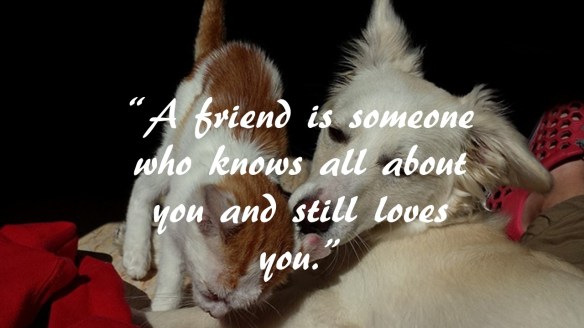
Friendship

Sunday Inspiration    Post By David Joel Miller.

Friend.

Friendship

Friendship
Photo courtesy of Pixabay.com

“A friend is someone who knows all about you and still loves you.”

― Elbert Hubbard

Wanted to share some inspirational quotes with you.  Sunday seemed like a good time to do this. If any of these quotes strike a chord with you please share them.

How much baggage are you carrying?

By David Joel Miller, MS, Licensed Therapist & Licensed Counselor.

Baggage

Baggage.
Photo courtesy of Pixabay.com

You don’t realize how much stuff you are carrying until you empty that bag out.

So much emotional baggage around these days. Most of the time when we say baggage, people think about past relationships and the scars left from those relationships. When you reach the point you are ready to move on in your life you might be amazed at all the emotional baggage you have stored away in your cupboards.

If you have reached the time of starting over in life, of reinventing yourself, here are some types of baggage you may need to go through and see what you can dispose of. That extra baggage can weigh you down badly and keep you from ever reaching the happy, recovered life you deserve.

Some people find they can dispose of this unwanted baggage all by themselves. They use acceptance, radical acceptance even, to get rid of unwanted emotional luggage. Other people find that it helps to get professional help. For a house, you might need the help of a cleaning crew or an exterminator. For emotional things consider getting help from a counselor or therapist. Here are a few of the things that people have found they needed to get rid of if they wanted to move on in their lives.

Childhood hurts that keep you from moving forward.

One serious form of emotional baggage that brings people to therapy, or should anyway, is those hurts from childhood or early adulthood that you can’t seem to let go of. If someone let you down, or they were not capable of meeting your needs back then you need to find ways to make sense of this and stop demanding that somehow the past needs to change for you to be able to be happy in the future.

One reason that childhood hurts can linger on is that we learned those pains from the child’s perspective. Now that you are grown you need to take another look at those life lessons and see if you want to reexamine the meaning of things that happened or didn’t happen way back when.

Some of you have life blueprints you learned way back when that are not suited for a happy adult life.

Negative self-beliefs are terrible burdens.

If you have negative beliefs about yourself, that you are not good enough or don’t deserve something, those will drag at you and keep you stuck in place.

We used to talk about self-esteem a lot. There are plenty of ways to boost your self-esteem. One primary way is to do more things you can be proud of.

Other ways to avoid the trap of negative self-beliefs are to work hard on self-acceptance. However, you are is acceptable. Cut out that constant self-evaluation, stop rating yourself, and move on with life.

A counselor can help you with this, so can self-help books and positive affirmations.

Failed relationships don’t have to hold you back.

If you look at relationships that are no more and see them as failures, then you lose the lessons you needed to have learned. Process this experience with someone trustworthy and then see how much of that pain and suffering you are ready to let go of.

People come into and out of your life, for better or worse. That one relationship ended does not mean another cannot be. What you need to do is take a look at that past relationship. See what you can learn from it and see how it has made you who you are. From that vantage, you can decide where you want to go.

What you need to avoid is thinking that everything that went wrong was someone’s fault. Learn from the experience. Why did you pick them? What should you be looking for in the future?

Self-doubts are like a chain holding you back.

Stop doubting yourself. You are who you are. You need to try. You will accomplish some things and others will not happen for you. The only way to avoid failure would be to never try and that is the worst form of failure. Pick goals carefully and then aim high.

For a more fulfilling life let go of those doubts. No one knows how the game of life will turn out until it is over. Don’t let ruminating about what might happen to keep you from living in the present.

Unfinished business keeps you looking back over your shoulder.

It is hard to drive looking back over your shoulder. You can’t get on in life if your primary focus is on the past. Shift those experiences into memory and use the major part of your brain to keep your eyes on the present and the future.

Have unfinished business? Finish it! Write a letter to the past and then destroy it. Apologize or make amends. Please do not say that you can’t move on until someone else does something. Do your part to solve things and let the past go. Sometimes the only way to finish that unfinished business is to accept that what happened is the whole story and stop insisting that there should be another ending. Write “the end” and find your peace.

Addictions and bad habits own you.

If you have an addiction work on ending it. Bad habits will continue to hold you back until you toss them. Overcoming an addiction is not easy, but it has been done over and over. Look for help. Get support from a community of others that are seeking recovery and you will find that letting go of an addiction is the greatest achievement you can have.

Having gone through that baggage and tossed the things that are holding you back you will be ready to move on to the best possible future.

Staying connected with David Joel Miller

Seven David Joel Miller Books are available now!

My newest book is now available. It was my opportunity to try on a new genre. I’ve been working on this book for several years, but now seem like the right time to publish it.

Story Bureau.

Story Bureau is a thrilling Dystopian Post-Apocalyptic adventure in the Surviving the Apocalypse series.

Baldwin struggles to survive life in a post-apocalyptic world where the government controls everything.

As society collapses and his family gets plunged into poverty, Baldwin takes a job in the capital city, working for a government agency called the Story Bureau. He discovers the Story Bureau is not a benign news outlet but a sinister government plot to manipulate society.

Bumps on the Road of Life. Whether you struggle with anxiety, depression, low motivation, or addiction, you can recover. Bumps on the Road of Life is the story of how people get off track and how to get your life out of the ditch.

Dark Family Secrets: Doris wants to get her life back, but small-town prejudice could shatter her dreams.

Casino Robbery Arthur Mitchell escapes the trauma of watching his girlfriend die. But the killers know he’s a witness and want him dead.

Planned Accidents  The second Arthur Mitchell and Plutus mystery.

Letters from the Dead: The third in the Arthur Mitchell mystery series.

What would you do if you found a letter to a detective describing a crime and you knew the writer and detective were dead, and you could be next?

Sasquatch. Three things about us, you should know. One, we have seen the past. Two, we’re trapped there. Three, I don’t know if we’ll ever get back to our own time.

For these and my upcoming books; please visit my Author Page – David Joel Miller

Want the latest blog posts as they publish? Subscribe to this blog.

For videos, see: Counselorssoapbox YouTube Video Channel
Is Recovery Practical?

By David Joel Miller, MS, Licensed Therapist & Licensed Counselor.

Ball recovery

Recovery and Resiliency.
Photo courtesy of Pixabay.com

We may need to rethink what recovery really is.

Just returned from a really great training titled “Making Recovery Practical.” The most important part of this training was its clear declaration that recovery is possible. Those of you who have been readers here for a long time know that I am a strong proponent of the concept of recovery.

In my professional life, I have seen many people recover. Unfortunately, many professionals still act as if people do not and should not recover. This prompted me to think I needed to write a few more posts about what recovery is and how it is that people do recover.

The presenter of this training was Dr. Mark Ragins, who is the medical director of the –MHA Villages Integrated Service Agency. Mental Health America Los Angeles is an affiliate of Mental Health America.   The particular training I attended was sponsored by the Fresno County Department of Behavioral Health.

Dr. Ragins covered a great amount of material in a very short time. If you ever get a chance to hear Dr. Ragins speak I would highly recommend him. While I won’t be able to say it the way Dr. Ragins did, in this and upcoming posts I would like to explore some of his “Making recovery possible” themes with all of you. What follows are my thoughts on the subject inspired by Dr. Ragins presentation but not specifically the material from his presentation.

The world changed and our approach to mental illness needs to change.

Societal responses to problems are most often about reacting to an immediate critical problem. It is much easier to motivate help for people impacted by flooding or hurricane damage than it is to do projects to prevent flooding. We typically do many things to cope with a recession after it happens, bail out the banks, and spend money to create jobs. It is hard to develop the political will to make structural changes that would prevent future bubbles from bursting and creating the next recession or depression. We now know that waiting for a serious mental illness to develop is waiting too long.

Our approach to mental illness has been largely the same. Wait for someone to “get sick” send them to a doctor or hospital and expect that they will “get fixed.” If mental illness is a disease why can’t the doctors “cure” them?

The diseases doctors treat have changed.

The medical model, like the financial model, the employment model, and so on is based on treating acute problems, not chronic illnesses. Break a leg and you get a cast, maybe surgery and medications and the leg heals. Medicine is good at treating acute problems. It is not so good at treating chronic problems.

Most medical and mental illnesses these days are chronic problems.

Doctors spend most of their time these days managing chronic illness, diabetes, high blood pressure, obesity, and its related complications. Same thing is true of mental illnesses. We are better at treating sudden issues like suicidal thoughts than we are at treating chronic conditions like depression or anxiety. Psychosis is all too often treated by the “put them on meds and then tell them to stay home and let others run their lives approach.”

Helping people manage their symptoms too often turns into professionals trying to manage people.

Black and white thinking does not work well in a colorful world.

We, as in professionals, used to think there were two kinds of people, the mentally ill and the “normal” people. Recently we have realized that most of those things we call mental illnesses and substance use disorders are chronic conditions, not acute ones. You may become more depressed or less depressed depending on other factors in your life. Substance abuse gets better if you stop drinking and using but being dry or putting down the drugs is not the same thing as being really sober or recovered.

Recovery means different things to different people.

Recovery from a chronic disease or disorder is not about a cure. It is about managing your life to have the best life possible regardless of whatever challenges someone is facing. The psychiatrist’s idea of recovery might be not hearing the voices and taking their meds as prescribed. Your idea of recovery might be having a relationship, a place of your own, and being able to engage in productive activates regardless of whether you hear the voices or not.

We need a new focus in the treatment of mental and emotional issues.

Rather than so much focus on the disease model and what disease does that person have? What is sorely needed is a focus on wellness, resiliency, and recovery. How can someone having had an episode of this thing we are calling mental illness learn to increase their wellness and live the manner of life they chose to live.

For far too long we have focused on what the mentally ill can’t do and the result has been convincing ourselves, the mentally ill, and society that they will never get better. As we shift the focus from expecting a full, complete “cure” to learning how to reduce or manage the symptoms of a chronic condition it becomes increasingly clear that recovery and a full life are possible.

Stay tuned and in future blog posts, we will talk again about wellness tools and how to make recovery possible.

Staying connected with David Joel Miller

Seven David Joel Miller Books are available now!

My newest book is now available. It was my opportunity to try on a new genre. I’ve been working on this book for several years, but now seem like the right time to publish it.

Story Bureau.

Story Bureau is a thrilling Dystopian Post-Apocalyptic adventure in the Surviving the Apocalypse series.

Baldwin struggles to survive life in a post-apocalyptic world where the government controls everything.

As society collapses and his family gets plunged into poverty, Baldwin takes a job in the capital city, working for a government agency called the Story Bureau. He discovers the Story Bureau is not a benign news outlet but a sinister government plot to manipulate society.

Bumps on the Road of Life. Whether you struggle with anxiety, depression, low motivation, or addiction, you can recover. Bumps on the Road of Life is the story of how people get off track and how to get your life out of the ditch.

Dark Family Secrets: Doris wants to get her life back, but small-town prejudice could shatter her dreams.

Casino Robbery Arthur Mitchell escapes the trauma of watching his girlfriend die. But the killers know he’s a witness and want him dead.

Planned Accidents  The second Arthur Mitchell and Plutus mystery.

Letters from the Dead: The third in the Arthur Mitchell mystery series.

What would you do if you found a letter to a detective describing a crime and you knew the writer and detective were dead, and you could be next?

Sasquatch. Three things about us, you should know. One, we have seen the past. Two, we’re trapped there. Three, I don’t know if we’ll ever get back to our own time.

For these and my upcoming books; please visit my Author Page – David Joel Miller

Want the latest blog posts as they publish? Subscribe to this blog.

For videos, see: Counselorssoapbox YouTube Video Channel

Joy- Inspiration

Sunday Inspiration    Post By David Joel Miller.

Joy.

Joy

Joy Grows
Photo courtesy of Pixabay.com

“We are shaped by our thoughts; we become what we think. When the mind is pure, joy follows like a shadow that never leaves.”

Guatama Buddha

“Joy springs from within; no one makes you joyous; you choose joyfulness.”

Unknown

“True joy results when we become aware of our connectedness to everything.”

Paul Pearsall

Wanted to share some inspirational quotes with you.  Sunday seemed like a good time to do this. If any of these quotes strike a chord with you please share them.

Are you a Co-ruminator?

By David Joel Miller, MS, Licensed Therapist & Licensed Counselor.

rumination

Rumination.
Photo courtesy of Pixabay.

What is Co-rumination and how does it affect you?

Having friends, positive ones, can be very helpful for your mental health, wellness, and recovery. Talking about your problems can be beneficial. This talking through your life problems is a major part of what counselors and therapists do when they use the “talking cure.’ Unfortunately not all talking over your problems is helpful.

We know that rumination, that constant reviewing, and hanging on to your problems, can make things worse. Focus on past difficulties over and over and you are likely to perpetuate your depression. Review repeatedly those things that might happen in the future and you can crank up the levels of anxiety you feel.

One especially problematic form of rumination is when one person enlists another to help them ruminate over their problems. So how can you tell if the time you spend with a friend or supporter is helping you work through and understand your problems or is this repeated discussion making things worse?

One definition of co-rumination is the excessive sharing of problems with peers. It has been seen and studied in those with poor relationships with caregivers and attachment disorders. Those who have been abused or traumatized are more likely to co-ruminate but anyone can become a co-ruminator.

Those who co-ruminate develop more not less mental health issues.

Sharing your problems with someone else should help you feel better, not worse. Co-rumination is not just a matter of talking about your problems with someone else. It also is about how frequently, intensely, and how much time you spend on sharing those problems.

If the time you spend talking with someone about your life problems does not seem to make you feel better than you may be engaged in a process called co-ruminations.

Here are some ways you can tell if the time spent discussing problems is co-rumination.

You and a friend frequently talk about your problems.

If the bulk of the time you and this friend spend together is talking about the problems of one or both of you then you are drifting into a co-rumination mode. Ask yourself do you ever talk about happy things? Do you have anything in common other than your discussion of problems? Do you talk about the same problems over and over?

Good friends can help each other through things. But if all you have in common is the problems then this is not much of a relationship.

What happens if you run out of problems to talk about? Do you share your day or do you revisit some past problem saturated conversation?

Co-rumination is talking about the same problems over and over.

If you find you are stuck on one problem and every conversation returns to that problem then this is co-rumination. Some co-ruminators take turns discussing their problems. You know before the conversation starts that when your turn comes you will be expected to revisit the problem you two always talk about.

Should you ever try to move the conversation forward to some new topic you can count on your partner in co-rumination to remind you of the time your problem occurred.

You encourage each other to talk about problems.

Do you frequently ask your friend questions about their problems? If every conversation turns into revisiting problems you are engaged in co-rumination. Certainly, it is good to have a friend you know will listen when you have a problem but be cautious if all they ever want to hear about are your problems. Good friends also share happy times.

You focus on negative feelings and what is wrong with you.

If the only topics of conversation becomes what is wrong, you are not supporting each other in being well. You and your friend should be able to switch to a dissuasion of what is going well in your life. Too much focus on the negative will make you increasingly depressed or anxious and you will find it harder to have any positive thoughts.

Talk about what something meant not what happened.

Co-ruminating talk is heavy on why and how-come questions. It is not about revisiting the story and what happened but involves trying to figure out what is wrong with you that these things keep happening. Co-rumination is heavy on blame talk and whose fault things are and short on ways to cope and move forward.

Co-rumination can be a group activity.

While co-rumination most often happens when two best friends begin to spend all their time together going over and over their respective problems it can become a group activity. Especially among teen or preteen girls. In that life stage, we see groups whose primary activity together and on social media is endlessly rehashing each other’s problems.

If all the posts on your social media page are about your problems and your friend’s problems, you have a problem sustaining relationships.

More posts on this topic are under the category Rumination.  Anxiety and Depression.

Staying connected with David Joel Miller

Seven David Joel Miller Books are available now!

My newest book is now available. It was my opportunity to try on a new genre. I’ve been working on this book for several years, but now seem like the right time to publish it.

Story Bureau.

Story Bureau is a thrilling Dystopian Post-Apocalyptic adventure in the Surviving the Apocalypse series.

Baldwin struggles to survive life in a post-apocalyptic world where the government controls everything.

As society collapses and his family gets plunged into poverty, Baldwin takes a job in the capital city, working for a government agency called the Story Bureau. He discovers the Story Bureau is not a benign news outlet but a sinister government plot to manipulate society.

Bumps on the Road of Life. Whether you struggle with anxiety, depression, low motivation, or addiction, you can recover. Bumps on the Road of Life is the story of how people get off track and how to get your life out of the ditch.

Dark Family Secrets: Doris wants to get her life back, but small-town prejudice could shatter her dreams.

Casino Robbery Arthur Mitchell escapes the trauma of watching his girlfriend die. But the killers know he’s a witness and want him dead.

Planned Accidents  The second Arthur Mitchell and Plutus mystery.

Letters from the Dead: The third in the Arthur Mitchell mystery series.

What would you do if you found a letter to a detective describing a crime and you knew the writer and detective were dead, and you could be next?

Sasquatch. Three things about us, you should know. One, we have seen the past. Two, we’re trapped there. Three, I don’t know if we’ll ever get back to our own time.

For these and my upcoming books; please visit my Author Page – David Joel Miller

Want the latest blog posts as they publish? Subscribe to this blog.

For videos, see: Counselorssoapbox YouTube Video Channel

13 Life beliefs that destroy self-confidence.

By David Joel Miller, MS, Licensed Therapist & Licensed Counselor.

Self-confidence

Self-Confidence
Believe in yourself.
Photo courtesy of Pixabay.com

Are your beliefs about life undermining your self-confidence?

The beliefs you have about things have a powerful impact on what you feel and what happens.  Believe you can’t do some things and the odds are you won’t be able to do them. Most people have a few unhelpful beliefs about life. Those beliefs create the feelings you have when you encounter an obstacle in life. Feelings result in doing or not doing things. The wrong beliefs can destroy your self-confidence and turn a possible success into a dire failure. How many of these self-confidence destroying beliefs are you holding onto?

1. You need to be better than others to be OK.

The belief that others are allowed to make mistakes but you will need to be perfect to be acceptable results in low self-esteem, reduced confidence in your abilities, and ultimately undermines your efforts to do things that could create a better life.

Do you always compare up? Come in second in the Olympics and you could easily compare yourself to the person who is first. That you had to beat hundreds, thousands, of other competitors to reach this level in the first place is something you lose sight of.

2. You need to obsess about what others think and do.

Other people’s opinions, particularly about you, are none of your business. Staying focused on others takes the focus off what you are doing. Concentrate on being the best person you can be. Take your game to the next level and you will find that where others are, does not matter.

3. You need attention to feel good about yourself?

Attention, like popularity, is fleeting. You have it one moment and the next it is gone. People who feel good about themselves work for their own approval not the applause of others. Like what you do and then the applause is a bonus, not the whole salary you will reserve for what you do.

4. Doing things for others means they are taking advantage of you.

If you feel taken advantage of stop doing that. Do good because it feels good to help others. If you do for others expecting their gratitude and thanks you will always end up feeling cheated. Do good because it makes you feel good to do it and no one can’t take that reward away from you.

5. Your accomplishments don’t matter.

Discounting your accomplishments tosses your self-confidence away. When you do something well do you tell yourself and others that it was no big deal? Do you think to yourself you should have done more, done it better and faster? Discounting your own accomplishments always leaves you short on the self-confidence end.

It is OK to accept compliments. Dismissing them devalues the person who has paid you that compliment. Accept compliments graciously and give yourself acknowledgment for things well done. The person you most need to have notice when you have done something well is you.

6. Everyone is your enemy. Do you think people are against you?

The belief that everyone is out to get you is guaranteed to destroy your self-confidence. What you are probably missing is that you are really not that important to others. They are mostly thinking about themselves. The only time’s people are jealous of you or out to get you is when you are way out front doing everything better than they are, or when you step on their toes in the process.  If you do well there will be people who criticize you. If no one says anything bad about you then you probably haven’t done much.

7. Everything you do is deadly serious.

Do you take yourself too seriously? Taking yourself too seriously magnifies your errors and minimizes your successes. Learn to enjoy life. Remember no one gets out of this alive so you can be miserable or you can enjoy the journey. The choice is up to you.

8. You can’t admit you made a mistake.

Accept that you are less than perfect. Trying to pretend that you never make a mistake takes its toll. If you say that you are lying. If you believe you never make a mistake you are lying to yourself. Get honest and accept that you, like everyone else, will miss a few things.

9. You need to control everything to be safe.

Are you trying to control the uncontrollable? Those who believe in God will tell you that you are trying to do God’s job. Some things are in your control and others are not. Not sure about that? Think if you tried harder you should be able to keep everything under control. Try making it rain exactly an inch a day. Did you get it right today? Ever try to teach a cat to bark or a dog to purr? How successful were you at that?

You will not be able to control your children, eventually, they escape. Your partner will resent you trying to control them and it will damage your relationship. Most things in life are out of your control. The only thing you really can control is your attitude as you set out each day to do what is in your control.

10. You shouldn’t have to praise people for just doing what they are supposed to do.

Does it pain you to praise others? If you find it hard to see the good in others, if you can’t praise them for what they have accomplished, then you will find praise for your efforts wanting.

Never tell a child they ever did anything right, point out all their mistakes and eventually, that child will learn to be helpless and will give up trying to please you. Has no one ever praised you? Did you give up somewhere along the way?

11. You expect others to let you down. You avoid working with others.

Expecting others to let you down and not offering them the opportunity creates what you fear. Yes, some people will let you down. They are not perfect. Neither are you. Even when you try your hardest you will let others down some of the time.

Humans are social animals. We need other people.  Let others be who they are and you will get the freedom to do likewise.

Yes, there are people you should avoid and dangerous places. Avoid them if you can and if you can’t exercise caution. But isolating does not result in self-confidence.

12. You don’t think you are any good.

If you don’t like you this is sure to undermine your self-confidence. Work on liking, loving you. Give yourself encouragement. Seek out the things you do well. Get to know yourself. If liking yourself is a challenge, work with a counselor, and try to search for your good points.

13. Without others, you will be lonely.

If when you are alone you feel lonely you have not yet made a friend of yourself. Some people are more introverted. Others are more extroverted. Healthy people, introverts or extroverts, need some time alone and some time with others. Get your life in balance. Learn to enjoy your time alone and your time with others.

The cure for low self-confidence?

Work on these unhelpful beliefs. Learn and practice new helpful beliefs. Do more things and better things and give yourself love and encouragement even if no one else does. Read books on wellness and recovery and positive psychology. Especial look at books based on Cognitive Behavioral Therapies. Work with a counselor, therapist, or life coach. You can change your beliefs, raise your self-confidence, and feel good about yourself.

Staying connected with David Joel Miller

Seven David Joel Miller Books are available now!

My newest book is now available. It was my opportunity to try on a new genre. I’ve been working on this book for several years, but now seem like the right time to publish it.

Story Bureau.

Story Bureau is a thrilling Dystopian Post-Apocalyptic adventure in the Surviving the Apocalypse series.

Baldwin struggles to survive life in a post-apocalyptic world where the government controls everything.

As society collapses and his family gets plunged into poverty, Baldwin takes a job in the capital city, working for a government agency called the Story Bureau. He discovers the Story Bureau is not a benign news outlet but a sinister government plot to manipulate society.

Bumps on the Road of Life. Whether you struggle with anxiety, depression, low motivation, or addiction, you can recover. Bumps on the Road of Life is the story of how people get off track and how to get your life out of the ditch.

Dark Family Secrets: Doris wants to get her life back, but small-town prejudice could shatter her dreams.

Casino Robbery Arthur Mitchell escapes the trauma of watching his girlfriend die. But the killers know he’s a witness and want him dead.

Planned Accidents  The second Arthur Mitchell and Plutus mystery.

Letters from the Dead: The third in the Arthur Mitchell mystery series.

What would you do if you found a letter to a detective describing a crime and you knew the writer and detective were dead, and you could be next?

Sasquatch. Three things about us, you should know. One, we have seen the past. Two, we’re trapped there. Three, I don’t know if we’ll ever get back to our own time.

For these and my upcoming books; please visit my Author Page – David Joel Miller

Want the latest blog posts as they publish? Subscribe to this blog.

For videos, see: Counselorssoapbox YouTube Video Channel