
Happy Valentine’s Day
Photo courtesy of Pixabay.com
Here is wishing you and yours a day full of love.

Happy Valentine’s Day
Photo courtesy of Pixabay.com
Here is wishing you and yours a day full of love.
By David Joel Miller, MS, Licensed Therapist & Licensed Counselor.

Happy life.
Photo courtesy of Pixabay.com
Ever thought you wanted more out of life but could not describe what that better life would look like? Try using brainstorming methods to create a life plan for that better life.
Brainstorming is an old technique and one that is not always used to best advantage. To use this technique effectively you need to do two things. When thinking about the questions below do not censor. Write down every idea you come up with no matter how crazy or impossible. Extreme ideas can be tamed down but boring ideas are hard to liven up. Do not think too long about any question, your first thought no matter how bizarre may well be just the idea you are looking for.
Write down the answers to the following questions and then see what they all have in common. Answer each question as if everything was possible. Do not talk yourself out of anything.
Lots of folks drift through life doing the jobs that come their way rather than finding their true passion and pursuing it. Career counselors will tell you that one good predictor of job success is the fit between the person and the job. Not every job is right for every person.
Dream big, then do your homework. Generating a list of dream jobs should take you to the next step, researching those jobs. What would you need to do to land that job? What other related jobs exist. That first idea may lead you to possibilities you had never imagined.
What would be your dream place to live? Would it be in the mountains or at the beach? Would it be close to your family and where you grew up, or would it be far away and exotic? Make plans to include some of that location in your life.
You may decide that you would like to live somewhere very different from where you grew up, say you fancy living in Japan, but want to be close to your family. Can’t get the whole clan to move to Japan? Then consider a vacation there, a school exchange trip, or simply include some Japanese culture in your life. Try a Japanese restaurant or cultural event.
Too much of life gets spent with people we may not wish to be around. If you could spend time with anyone who would that be? Emphasize time with family or friends. Avoid letting people use up your time that does not enhance your happiness.
Have you surrounded yourself with positive helpful people? If not, why not? There is truth to those old sayings. “Show me your friends and I will tell you who you are.” We end up being like the average of the people we hang out with. Spend more time with people you would like to emulate.
A large part of happiness is getting things out of your life that does not belong there. Some things may be mandatory but reexamine your choices. Can you reduce the time spent on activates that do not enhance your happiness? Can you find ways to transform the things you do into happy events by including those you want to be with?
Do you waste a lot of time complaining and gossip? What you do the most you practice doing. To change your life change the things you spend your time on.
Feel like you need more help in figuring things out? Look for a mentor. Consult a counselor or therapist. Read self-help books. Consult books and movies by and about inspirational people. Make religious and spiritual advisors a part of your support system.
Take your lists of things you would like to improve in your life and start developing a plan to increase the happy things and decrease the unhelpful things in your life and see how far towards that happy life you can move.
Look here for more Self-Improvement tips.
Staying connected with David Joel Miller
Seven David Joel Miller Books are available now!
My newest book is now available. It was my opportunity to try on a new genre. I’ve been working on this book for several years, but now seem like the right time to publish it.
Story Bureau is a thrilling Dystopian Post-Apocalyptic adventure in the Surviving the Apocalypse series.
Baldwin struggles to survive life in a post-apocalyptic world where the government controls everything.
As society collapses and his family gets plunged into poverty, Baldwin takes a job in the capital city, working for a government agency called the Story Bureau. He discovers the Story Bureau is not a benign news outlet but a sinister government plot to manipulate society.
Bumps on the Road of Life. Whether you struggle with anxiety, depression, low motivation, or addiction, you can recover. Bumps on the Road of Life is the story of how people get off track and how to get your life out of the ditch.
Dark Family Secrets: Doris wants to get her life back, but small-town prejudice could shatter her dreams.
Casino Robbery Arthur Mitchell escapes the trauma of watching his girlfriend die. But the killers know he’s a witness and want him dead.
Planned Accidents The second Arthur Mitchell and Plutus mystery.
Letters from the Dead: The third in the Arthur Mitchell mystery series.
What would you do if you found a letter to a detective describing a crime and you knew the writer and detective were dead, and you could be next?
Sasquatch. Three things about us, you should know. One, we have seen the past. Two, we’re trapped there. Three, I don’t know if we’ll ever get back to our own time.
For these and my upcoming books; please visit my Author Page – David Joel Miller
Want the latest blog posts as they publish? Subscribe to this blog.
For videos, see: Counselorssoapbox YouTube Video Channel
By David Joel Miller, MS, Licensed Therapist & Licensed Counselor.

Addiction.
Photo courtesy of Pixabay
Yes, there really does seem to be a physical change in the brain that accounts for why some people become addicted to chemicals, drugs in particular, and behaviors also. These brain changes may explain why and how people move from just experimenting, trying new novel exciting things, to the point of being addicted. Once addicted, the brain begins to demand more of the chemical or the behavior it has become dependent on.
It was quite by accident that I came across a description of deltaFosB and how it was causing a behavioral addiction. That instance had nothing to do with drugs, alcohol, or chemical dependency but came from the field of research on erectile dysfunction.
Erectile dysfunction was once considered purely a problem among older men and presumably their partners. Recently we have discovered there is a group of men who are developing erectile dysfunction at an amazingly young age.
The common denominator in this early onset of erectile dysfunction? Watching pornography. A few views appear to be no problem but those who watch a lot gradually develop a dependency on the watching of porn and become unable to be aroused by a real physical partner. The brain has rewired itself to become dependent on or addicted to porn to achieve sexual arousal.
For more on this see: Your Brain on Porn.
For those of you who like to watch – there is a YouTube TEDx Talks video on this research titled The Great Porn Experiment.
Research on cocaine, morphine, nicotine, ethanol (drinkable alcohol), and Delta (9)-tetrahydrocannabinol (Delta (9)-THC, the active ingredient in marijuana, found they all produce specific changes in the brain. These changes do not happen suddenly from one dose but gradually over time the levels of deltaFosB increase and at some point, different for different people or different for different mice, and the brain begins to rewire itself to depend on the drug. Interestingly enough each drug changes the brain in a different characteristic way.
Patterns of addiction to different drugs involve different changes in the brain. For more on this see: Distinct Patterns of ΔFosB Induction in Brain by Drugs of Abuse by Perrotti LI, Et. Al. Department of Psychiatry, The University of Texas Southwestern Medical Center, Dallas, Texas.
A full explanation of the chemistry involved is beyond my expertise or the scope of this blog but I have included a few links to some resources on the topic for those of you who are so inclined.
“The ΔFosB splice variant has been identified as playing a central, crucial (necessary and sufficient) role in the development of many forms of behavioral plasticity and neuroplasticity involved in both behavioral addictions (associated with natural rewards) and drug addictions.”
Genes are a lot more complicated than we used to think. When I went to school back in the post dark-ages era, we thought genes were yes or no things. You inherit your gene for eye color, hair color, height, and so on from your parents in a predictable, dominant-recessive way. Right?
Not really.
My gene for hair color dictated dark black hair. At least in my teens, it did. Those of you who have seen my blog bio picture realize that most of my hair is now gray, Ok maybe we should call it white. How did the gene for my hair color change?
As we age, or under the influence of environment and substances our genes can “Flip.” That switch in our genes moves and now that gene for black hair becomes the gene for white. The same thing happens for behaviors and drugs.
That chemical that used to be just an extra add-on for your pleasure becomes something you must have just to feel passable.
Here is a specific study on the process for those who take cocaine.
Expression of the transcription factor deltaFosB in the brain controls sensitivity to cocaine.
Now we have an explanation, of sorts, for how someone can use a substance or do a behavior for a while with no problem and then at some point the switch flips and they are now addicted to that drug or behavior. Presumably, this would also allow us to determine which behaviors fit the model as true behavioral addictions and which are just bad habits.
Can we flip that switch back? So far we have not found a way to turn an addict or an alcoholic back into a non-addicted person. You can dye your hair or you can let it go but once you turn gray you are stuck.
Be careful with the behaviors you practice and the chemical you use. They may be changing your brain.
Staying connected with David Joel Miller
Seven David Joel Miller Books are available now!
My newest book is now available. It was my opportunity to try on a new genre. I’ve been working on this book for several years, but now seem like the right time to publish it.
Story Bureau is a thrilling Dystopian Post-Apocalyptic adventure in the Surviving the Apocalypse series.
Baldwin struggles to survive life in a post-apocalyptic world where the government controls everything.
As society collapses and his family gets plunged into poverty, Baldwin takes a job in the capital city, working for a government agency called the Story Bureau. He discovers the Story Bureau is not a benign news outlet but a sinister government plot to manipulate society.
Bumps on the Road of Life. Whether you struggle with anxiety, depression, low motivation, or addiction, you can recover. Bumps on the Road of Life is the story of how people get off track and how to get your life out of the ditch.
Dark Family Secrets: Doris wants to get her life back, but small-town prejudice could shatter her dreams.
Casino Robbery Arthur Mitchell escapes the trauma of watching his girlfriend die. But the killers know he’s a witness and want him dead.
Planned Accidents The second Arthur Mitchell and Plutus mystery.
Letters from the Dead: The third in the Arthur Mitchell mystery series.
What would you do if you found a letter to a detective describing a crime and you knew the writer and detective were dead, and you could be next?
Sasquatch. Three things about us, you should know. One, we have seen the past. Two, we’re trapped there. Three, I don’t know if we’ll ever get back to our own time.
For these and my upcoming books; please visit my Author Page – David Joel Miller
Want the latest blog posts as they publish? Subscribe to this blog.
For videos, see: Counselorssoapbox YouTube Video Channel
By David Joel Miller
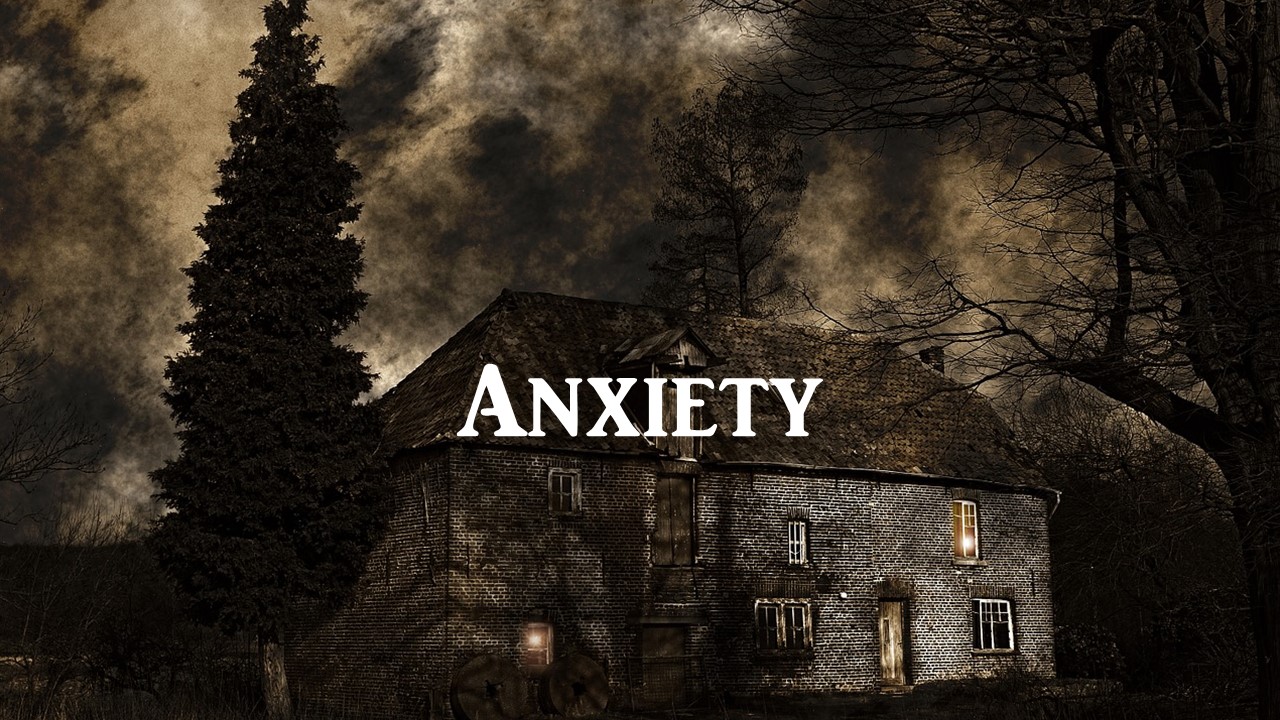
Anxiety.
Photo courtesy of Pixabay.com
How can you tell if your fears and anxieties are normal or are they the signs of a more serious mental illness? In everyday language, there is not much difference between fears and anxieties. In technical, mental health terms there are some key differences between fears, anxieties, and the times your anxiety symptoms get out of control and get diagnosed as a mental illness.
Of all the mental illnesses, Anxiety disorders are the most common. In any given year one in five Americans will experience Anxiety so severe it should be diagnosed as an anxiety disorder. Prevalence rates around the world are very similar to the U. S. experience. Anxiety disorders are also the ones most likely to be seen by medical doctors as the symptoms often look like symptoms of physical illnesses.
Fear in the mental health sense is a reaction to a thing or situation that causes an immediate reaction. You see something, something happens and you get that feeling you need to do something now. The standard reactions are to freeze, flee, or fight.
Say you see a poisonous snake and you become very scared. This sounds rational. But if you are afraid to visit a school because they might have pictures of snakes up in the science classroom, that is excessive and should qualify you for some kind of mental health diagnosis. Which diagnosis? We are not there yet.
Anxiety, the mental health type definition, is a feeling of nervousness or uncomfortable about something that may happen in the future. People with anxiety disorders become so afraid that something will or might happen in the future that they have to alter their present to avoid these possibilities.
People commonly report that they have “Panic attacks” or “Anxiety attacks.” If the thing setting off the anxiety attack is something that has a real potential danger then having fear and freezing, fleeing, or fighting might all be reasonable adaptive behaviors. Attacks of a symptom do not always equal a mental illness.
While some anxiety disorders are brief most, to get diagnosed, need to be more than temporary conditions. The criteria for many anxiety disorders it’s that you must have had this anxiety for six months or more. Of course, during that time period, your anxiety may have episodes of getting stronger, and other times it may be less troublesome. If it has interfered with your life for 6 months or more you most likely have an anxiety disorder.
Not every case of nervousness or anxiety is the result of having an anxiety disorder. Someone who is depressed and has difficulty doing things they used to do is likely to become anxious. We include that kind of anxiety as part of the depression. Same thing when someone with a psychotic disorder becomes fearful and think people are watching them. That paranoia is part of the psychosis and does not get a separate diagnosis of an anxiety disorder.
What makes this fear diagnosable is when it begins to interfere with or change your behavior or upset you. If you can’t leave the house or work because of your anxiety, that is probably a diagnosable anxiety disorder. If your extreme fearfulness, anxiety, or hyper reactiveness start affecting your relationships, that is a probable diagnosis.
There are a number of different types of anxiety disorders depending on what is causing your fear or anxiety. Further complicating this picture is that many people who have anxiety disorders have more than one kind. Having multiple anxiety disorders is considered very common.
Since people with anxiety disorders have by definition “excessive” fear or anxiety it takes an outside observer, usually a therapist to evaluate the risk and see if this person’s fear is reasonable given their situation and their life experiences.
Most anxiety disorders start in childhood, often before the end of middle school. Over time and untreated anxiety disorders get worse. The stats say two of every three people with anxiety disorders are women. I believe this is partly cultural. Boys and men are taught to approach what they fear. Attack it. Women are supposed to get away. This results in anxious men becoming more violent or using a substance to cover up their anxiety and as a result, they get a behavioral or substance use diagnosis.
Different people experience anxiety differently. Anxiety symptoms are frequently physical and many people interpret their anxiety symptoms as a physical illness.
If you experience an anxiety attack you may feel dizzy or light-headed. You may feel disoriented, have difficulty breathing or swallowing. The heart may race, you might sweat or tremble all over. Despite the feeling you want to run your legs could become rubbery or jelly-like.
Some people experience gastrointestinal symptoms, constipation, diarrhea, nausea or feeling like you may vomit. Sleep disturbances, mind racing, and confused thoughts can result in Anxiety disorders getting confused with Bipolar Disorder and other mental illnesses.
Here is the most recent list of recognized Anxiety Disorders. These are necessarily brief, general descriptions of the disorders in plain language. For the specific criteria consult the relevant edition of the DSM. For more on each separate disorder look for the articles I have written on specific disorders. I plan to write more of these posts on specific anxiety disorders in the future.
You will find the link to other articles on anxiety below.
This disorder customarily starts early in life. The child is afraid to leave or be away from a caregiver. They may think that something bad will happen to them or the caregiver if they are separated. We used to think of this mostly as a disorder of children and that they should “grow out of it.” We are starting to think that you can have this at any point in your life and that many clingy needy adults had this and or an attachment disorder since childhood.
Someone who speaks normally at home but is afraid to or refuses to speak when in public or around strangers fits the description of Selective Mutism. The criteria for this disorder does not imply that the child is being poorly behaved but just that they are so afraid they can’t speak around strangers. The result is poor grades or school failure. As they get older this may lessen but again there are adults who just avoid speaking around strangers as much as possible.
Spiders and snakes, blood, heights, or flying can all be objects of a specific phobia. With Specific Phobia we can point to things or situations that are the cause of the anxiety. People with specific phobias often had fears of several things or situations and may have other anxiety disorders as well.
In this disorder, the anxious person is afraid of social situations where others may watch them, evaluate them, or otherwise form an opinion about them. The fear here is about doing something “wrong” or being judged. This is about having your peers think poorly of you, what you wear, or how you do things. In severe cases, people avoid eating in public or going to social gatherings.
Panic disorder involves many of the physical symptoms we talked about above. The person having a panic attack may have shortness of breath or chest pain and think they are having a heart attack. Having had one attack people become afraid to leave the house for fear they will have another and not be able to get help in time.
Agoraphobia translates as “fear of the marketplace” mostly this involves crowded situations. Fear of buses, standing in lines, crowded places, stores, and similar situations. In severe cases, the person becomes unable to leave the house to go shopping and either needs someone to go with them or just go at times the store will be very empty.
This involves being over-anxious all the time. A person with Generalized Anxiety Disorder is anxious all the time about most anything. There may be real-life causes for this anxiety, like living through a war or being assaulted or harmed. The professional has to look carefully to separate this from PTSD or other Trauma and Stressor-related disorders.
There are also diagnoses for anxiety problems caused by drugs, medications, medical conditions, or other factors.
For more on Anxiety, treatments for anxiety and related issues see:
counselorssoapbox.com Anxiety Post list.
Staying connected with David Joel Miller
Seven David Joel Miller Books are available now!
My newest book is now available. It was my opportunity to try on a new genre. I’ve been working on this book for several years, but now seem like the right time to publish it.
Story Bureau is a thrilling Dystopian Post-Apocalyptic adventure in the Surviving the Apocalypse series.
Baldwin struggles to survive life in a post-apocalyptic world where the government controls everything.
As society collapses and his family gets plunged into poverty, Baldwin takes a job in the capital city, working for a government agency called the Story Bureau. He discovers the Story Bureau is not a benign news outlet but a sinister government plot to manipulate society.
Bumps on the Road of Life. Whether you struggle with anxiety, depression, low motivation, or addiction, you can recover. Bumps on the Road of Life is the story of how people get off track and how to get your life out of the ditch.
Dark Family Secrets: Doris wants to get her life back, but small-town prejudice could shatter her dreams.
Casino Robbery Arthur Mitchell escapes the trauma of watching his girlfriend die. But the killers know he’s a witness and want him dead.
Planned Accidents The second Arthur Mitchell and Plutus mystery.
Letters from the Dead: The third in the Arthur Mitchell mystery series.
What would you do if you found a letter to a detective describing a crime and you knew the writer and detective were dead, and you could be next?
Sasquatch. Three things about us, you should know. One, we have seen the past. Two, we’re trapped there. Three, I don’t know if we’ll ever get back to our own time.
For these and my upcoming books; please visit my Author Page – David Joel Miller
Want the latest blog posts as they publish? Subscribe to this blog.
For videos, see: Counselorssoapbox YouTube Video Channel
By David Joel Miller, MS, Licensed Therapist & Licensed Counselor.
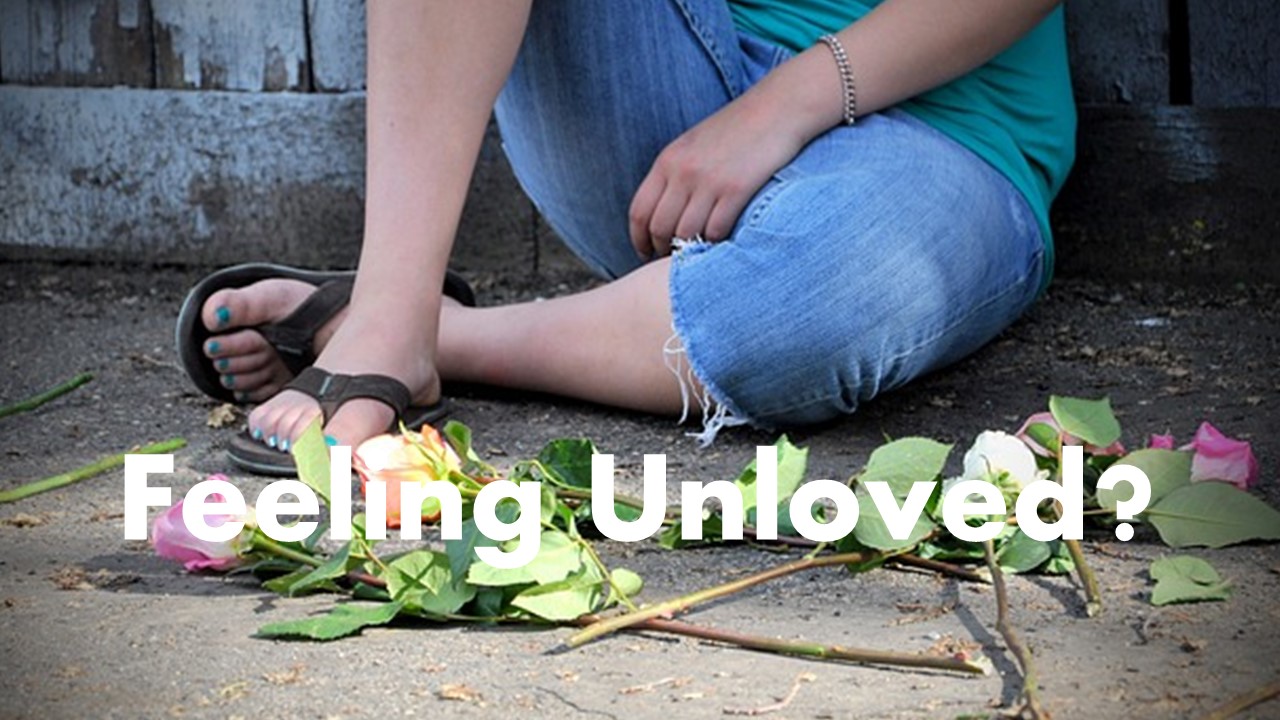
Feeling Unloved
Photo courtesy of Pixabay.com
Have you ever felt that you were unlovable? That no one will ever love you and that it is impossible to ever find someone who might really care about you? Both clients and commenters on this blog have expressed the belief that somehow they are different and that no one could possibly love them. This is just not so.
Thoughts of worthlessness or of being unlovable are common thoughts and feelings among people in early recovery from emotional and mental issues as well as those recovering from substance use issues.
Being lovable is not about popularity or people-pleasing. Being lovable and finding love in your life is about being the kind of person you want to be and then developing relationships that support you in being your real authentic self. Here are some reasons you may be feeling unloved and what to do about those issues.
If you do not like yourself you make it difficult for others to like you. The first step in becoming more likable is to work on liking yourself. Become your own best friend. The one important thing you need to do, and it is not an easy thing sometimes, is to stop judging yourself.
Work on feeling better about yourself. One way to increase your feelings of accomplishment and therefore feel better about yourself is to do more worthwhile things. Learn to stop judging yourself or comparing yourself to others. You are you and how you are is OK. Work on being the best you there is, not on trying to be a copy of someone else.
If you expect to be perfect, then, of course, you will fail to measure up. Judging yourself harshly does not inspire you to work harder. Negative motivation, beating yourself up, is notorious for keeping people down and depressed, not helping them get their life back on track.
Be realistic. Work on small increments of improvement. Give yourself acknowledgments for things done well even if there is still room for improvement. Look at things that are less than perfect as improvement opportunities, not failures.
Realize that if you came from a non-affirming family and nothing you ever did was good enough you may be perpetuating the unlovability fiction by continuing to judge yourself overly harshly. The result is that you do not think you measure up and therefore do not like yourself.
Understand that there have been others in your life that may have had their own scars from life before you existed. People who do not feel good about themselves judge others harshly as a way to make themselves feel better.
If you were treated poorly or even abused, consider that this treatment was not a statement about you and your worth. You may have had sick people in your life. Sick people can do sick things. If you were abused or mistreated do not continue that pattern of abuse by punishing yourself.
Some people use the statements “I am unlovable.” Or “no one will ever be able to love me” as excuses for not trying. Why try when you expect to fail? The result is that they do not have to risk, do not have to love, and hope to be loved in return.
This negative attitude reduces the risk but also eliminates the rewards. Avoid the risks of close relationships and you may not be hurt by rejection but you guarantee the pain of loneliness.
Recovery, from whatever you define as your issue, includes the need to forgive yourself for things you may have done but now regret. As you learn more you should do better things. If you see that things you do or have done have harmed others try to make amends, do what you can to make things right. Then accept and forgive yourself and work on becoming a better person.
Those are my take on five reasons people may have developed a belief that they are unlovable or unworthy of love. Begin today to work on loving yourself and treating yourself as someone worthy of love and see how much better your life can become.
For more posts related to this topic see: Love, relationships, and sex
Staying connected with David Joel Miller
Seven David Joel Miller Books are available now!
My newest book is now available. It was my opportunity to try on a new genre. I’ve been working on this book for several years, but now seem like the right time to publish it.
Story Bureau is a thrilling Dystopian Post-Apocalyptic adventure in the Surviving the Apocalypse series.
Baldwin struggles to survive life in a post-apocalyptic world where the government controls everything.
As society collapses and his family gets plunged into poverty, Baldwin takes a job in the capital city, working for a government agency called the Story Bureau. He discovers the Story Bureau is not a benign news outlet but a sinister government plot to manipulate society.
Bumps on the Road of Life. Whether you struggle with anxiety, depression, low motivation, or addiction, you can recover. Bumps on the Road of Life is the story of how people get off track and how to get your life out of the ditch.
Dark Family Secrets: Doris wants to get her life back, but small-town prejudice could shatter her dreams.
Casino Robbery Arthur Mitchell escapes the trauma of watching his girlfriend die. But the killers know he’s a witness and want him dead.
Planned Accidents The second Arthur Mitchell and Plutus mystery.
Letters from the Dead: The third in the Arthur Mitchell mystery series.
What would you do if you found a letter to a detective describing a crime and you knew the writer and detective were dead, and you could be next?
Sasquatch. Three things about us, you should know. One, we have seen the past. Two, we’re trapped there. Three, I don’t know if we’ll ever get back to our own time.
For these and my upcoming books; please visit my Author Page – David Joel Miller
Want the latest blog posts as they publish? Subscribe to this blog.
For videos, see: Counselorssoapbox YouTube Video Channel
By David Joel Miller, MS, Licensed Therapist & Licensed Counselor.

What is the DSM?
Photo courtesy of Pixabay.
The DSM, short for Diagnostic and Statistical Manual of Mental Disorders is a book created and published by the APA (American Psychiatric Association) which seeks to codify the classification of mental, emotional, or behavioral diagnoses. Currently, the DSM is in its fifth edition (DSM-5.) Each successive edition has seen significant shifts in how we understand and diagnose mental illnesses.
While this volume is published by an American organization it has been widely used throughout the world. A number of reasons for the creation of the DSM have been suggested but a few large reasons stand out as the most important.
Some of the earliest efforts to categorize diseases had to do with classifying causes of death. Other methods of classification were used on census reports to describe those who were unable to work because of mental retardation or mental illnesses.
It was also useful to doctors to have lists of diseases in order to help direct treatment. That medical model continues to influence mental health treatment. The APA is an organization of those people from a medical specialist who can prescribe medication. The result of reliance on doctors to write the classification system has been the medicalization of mental illness. If the main tool you have to treat illness is medications then they get classified by those disorders that will respond to a particular class of medication rather than those that will be best treated by a particular talk therapy.
One goal in encouraging the universal use of the DSM (and the International Classification of Diseases or ICD, more on the ICD in another post) is to increase the likelihood that when clinicians in various countries diagnose someone with a mental illness they are using the same definitions and criteria.
Standardized criteria, sometimes called strict criteria, are important in researching the treatment of mental disorders. Being sure that everyone in the research study has the same illness improves the chances that a treatment that works once with one group might work again on people with similar symptoms.
The DSM has undergone some huge alterations over the years. Early thinking separated mental illness into neuroses, the problems of living, and psychosis, the loss of contact with reality. Often mental retardation was tossed in with mental illness or vice versa.
Every time the list of mental illnesses has been revised the list has gotten longer. There is still a lot of debate over whether we have all the possible mental health issues listed in the DSM. The result of this uncertainty is a chapter in the back of the DSM-5 called “conditions for further study.” Some of these conditions will eventually get listed as disorders and some will disappear again.
The first or original version of the DSM came out in 1952. It is reported to have been influenced by government efforts to test soldiers during WWII. This was revised into DSM-II in 1968.
DSM-III was introduced in 1980. It introduced a thing called the “multi-axial system.” This was partially a recognition that the boundaries between mental illness, environmental issues, personality disorders, and physical illness were not always easy to fix precisely. The multi-axial system survived officially until Oct of 2015 when all were, in theory, required to adopt the new DSM-5. In the DSM-5 there is no longer a 5 axis system though we still look for most of the things that used to be placed on these five axes.
The DSM-III version was revised to be DSM-III-R in 1987 with lots of stuff changed and moved around.
In 1994 the DSM became DSM-IV, followed in 2000 by a minor text revision to become the DSM-4-TR.
The latest DSM revision was released in 2013 as the DSM-5. This version includes the codes for use with both the ICD-9 and the ICD-10. For those clinicians trained over the last 20 years, the DSM-5 was a sort of culture shock as some of the things we thought we knew about mental illness have been redefined. There was and continue to be some professional disagreements about how the DSM-5 classifies certain human problems.
The process of treatment research, especially in the area of brain scans and neuroscience makes it likely that our understanding of the human brain and mental illness will continue to change.
FYI These “What is” sometimes “What are” posts are my efforts to explain terms commonly used in Mental Health, Clinical Counseling, Substance Use Disorder Counseling, Psychology, Life Coaching, and related disciplines in a plain language way. Many are based on the new DSM-5; some of the older posts were based on the DSM-IV-TR, both published by the APA. For the more technical versions please consult the DSM or other appropriate references.
See Recommended Books. More “What is” posts will be found at “What is.”
Staying connected with David Joel Miller
Seven David Joel Miller Books are available now!
My newest book is now available. It was my opportunity to try on a new genre. I’ve been working on this book for several years, but now seem like the right time to publish it.
Story Bureau is a thrilling Dystopian Post-Apocalyptic adventure in the Surviving the Apocalypse series.
Baldwin struggles to survive life in a post-apocalyptic world where the government controls everything.
As society collapses and his family gets plunged into poverty, Baldwin takes a job in the capital city, working for a government agency called the Story Bureau. He discovers the Story Bureau is not a benign news outlet but a sinister government plot to manipulate society.
Bumps on the Road of Life. Whether you struggle with anxiety, depression, low motivation, or addiction, you can recover. Bumps on the Road of Life is the story of how people get off track and how to get your life out of the ditch.
Dark Family Secrets: Doris wants to get her life back, but small-town prejudice could shatter her dreams.
Casino Robbery Arthur Mitchell escapes the trauma of watching his girlfriend die. But the killers know he’s a witness and want him dead.
Planned Accidents The second Arthur Mitchell and Plutus mystery.
Letters from the Dead: The third in the Arthur Mitchell mystery series.
What would you do if you found a letter to a detective describing a crime and you knew the writer and detective were dead, and you could be next?
Sasquatch. Three things about us, you should know. One, we have seen the past. Two, we’re trapped there. Three, I don’t know if we’ll ever get back to our own time.
For these and my upcoming books; please visit my Author Page – David Joel Miller
Want the latest blog posts as they publish? Subscribe to this blog.
For videos, see: Counselorssoapbox YouTube Video Channel
By David Joel Miller, MS, Licensed Therapist & Licensed Counselor.

Anger.
Picture courtesy of Pixabay.
Some people are chronically angry, many things set them off. Others have a relatively few things that result in feelings of anger. Becoming one of those people who rarely gets angry and manages their anger well is possible but it takes some work.
Learning to cope with anger involves recognizing anger when it comes to visit, becoming aware of the things that increase your chances of being angry, and then learning control strategies to turn the “thermostat” on your anger down.
Many things may be “triggers” for making someone angry. In substance abuse work we spend a lot of time on learning to manage triggers to drink and use. For people with lots of anger or other emotional issues, learning your triggers is important as well.
Some authors define triggers as external events that may be the cause of your anger. I am used to thinking of triggers as being either external, situations, or people I encounter, or internal, what is going on in my body and my mind. I have roughly divided some reported triggers into these two groups. You may find that there are other very personal triggers for your anger that are not on my lists.
See how many of these fit you and then do some “field research” in your own life, looking for the things that are triggering your anger. Some of these triggers may be real threats to you or your family and friends. Other triggers may be things most of us would call minor but for you, they just “set you off.” Identifying your triggers can help you plan responses for the future.
These are things that happen to you, others do or events that upset you.
Facing a real threat physically or financially.
Being verbally or physically attacked or assaulted.
Being put down or disrespect in front of others.
An interruption to your plans.
Frustration at things that get in your way.
Financial losses or difficulties.
People who do things we believe are ethically or religiously wrong.
Unfair situations or treatment.
Things being out of our control.
People lie to you or let you down.
Having your things taken or damaged by others.
Having long waits or standing in lines.
Traffic or people getting in your way.
Crowds.
People talking about you.
Not being paid what you are owed.
People saying bad things about you.
Being accused of things you didn’t do.
People who do not clean up after themselves.
Being given the wrong information or directions.
Sometimes it is the things going on inside of you that can trigger anger or other negative emotions.
Lack of sleep
Being hungry or thirsty.
Having your mind occupied with problems.
Negative emotions, anxiety, depression.
Feeling physically ill or having health problems.
Being lonely.
Feelings of guilt or shame.
Believing that you are not good enough or unworthy of good things.
Not liking yourself.
How many of these things, either external people, places, or things or internal states are triggers for your anger, anxiety, or other emotional issues? Once you recognize what is setting your anger off you may be able to work on reducing the impact of those triggers and avoiding the negative consequences of out of control anger.
Staying connected with David Joel Miller
Seven David Joel Miller Books are available now!
My newest book is now available. It was my opportunity to try on a new genre. I’ve been working on this book for several years, but now seem like the right time to publish it.
Story Bureau is a thrilling Dystopian Post-Apocalyptic adventure in the Surviving the Apocalypse series.
Baldwin struggles to survive life in a post-apocalyptic world where the government controls everything.
As society collapses and his family gets plunged into poverty, Baldwin takes a job in the capital city, working for a government agency called the Story Bureau. He discovers the Story Bureau is not a benign news outlet but a sinister government plot to manipulate society.
Bumps on the Road of Life. Whether you struggle with anxiety, depression, low motivation, or addiction, you can recover. Bumps on the Road of Life is the story of how people get off track and how to get your life out of the ditch.
Dark Family Secrets: Doris wants to get her life back, but small-town prejudice could shatter her dreams.
Casino Robbery Arthur Mitchell escapes the trauma of watching his girlfriend die. But the killers know he’s a witness and want him dead.
Planned Accidents The second Arthur Mitchell and Plutus mystery.
Letters from the Dead: The third in the Arthur Mitchell mystery series.
What would you do if you found a letter to a detective describing a crime and you knew the writer and detective were dead, and you could be next?
Sasquatch. Three things about us, you should know. One, we have seen the past. Two, we’re trapped there. Three, I don’t know if we’ll ever get back to our own time.
For these and my upcoming books; please visit my Author Page – David Joel Miller
Want the latest blog posts as they publish? Subscribe to this blog.
For videos, see: Counselorssoapbox YouTube Video Channel
By David Joel Miller, MS, Licensed Therapist & Licensed Counselor.
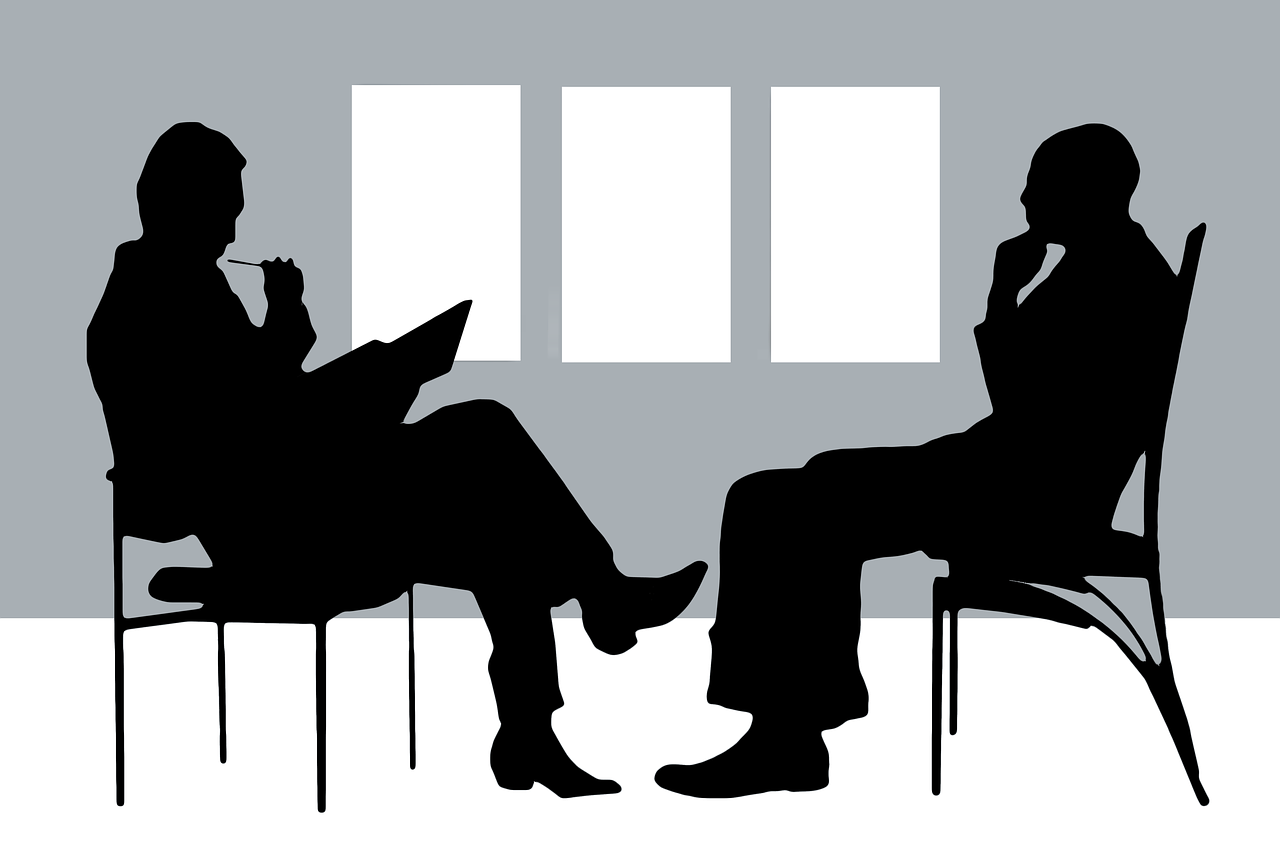
Therapy.
Photo courtesy of Pixabay.com
Clients tell me that “I am not crazy. I don’t need to be here.” Mostly I tell them I agree they are not crazy. But I do think some counseling or therapy could help them. Counseling may help them develop better life skills, find a better job, have better relationships, be a better parent or it may simply get that agency off their back. Government agencies, DCFS (Department of Children and Family Services), CPS (Child Protective Services, Parole, Probation, and welfare agencies of all sorts refer people to see therapists every day.
People often come because someone, somewhere, who has some control over their life says they need to see a therapist or counselor. They may not understand why, but I do think seeing a counselor or therapist could help them. Here are some reasons you might get a referral to see a therapist and how to make use of that referral to improve your life.
Depression, anxiety, stress, and a bunch of other problems do not just affect the parent. If you have struggles they are affecting your children. Being a parent is a lot more than the simple mechanical part of reproduction.
Most parents try to be the best parents they can but if you’re struggling each day just to get through the day you have nothing left to give your child.
The time to get help for your children is “the sooner the better.” Some things they may just outgrow but if you go for help no harm done. If your child does need help early intervention can change the trajectory of their life.
The most powerful intervention for children many times is helping their parents work out their problems. Marriage counseling for the parents can be helpful to a child with ADHD. Who can concentrate in school when your parents were having a loud argument last night?
It takes a lot more skill to have a happy relationship than most people think. Navigating life takes skill unless you have fantastic luck. Even the lucky need some skills to make use of those lucky breaks. What is happening in your life affects your relationship. What happens in your relationships affects your life.
If you and your partner are having conflicts at home that results in you taking that relationship stress to work. Being in a bad mood after an argument with your partner may cost you your job.
The reverse is also possible, Have a tough day at work and you are at risk to have arguments with your partner. Learning relationship skills that help smooth the way at work and at home can make your life more successful. A counselor can help with all these skill sets.
Finding a job is tough sometimes, the worse the economy the tougher that search becomes. Plenty of people have come to counseling discouraged. They may have been trying really hard but their job search is not working. They are applying at places that are not hiring, they lack the skills for the job they want and they had not thought about doing the job that is hiring.
Career counseling can help you figure out what job you want to do, what you might be good at, and how to get from where you are to where you want to be.
Getting a job does wonders for many people’s mental health. Finding a career that you love and that pays well can make a permanent improvement in your mental health. When you are down it is harder to find a job.
If your parents were not the best or if you were busy growing up and missed the lessons on being an adult and how to parent you should have received, then counseling can help.
Clients with no children and no plans to become parents can still benefit from taking a parenting education class. You may need to learn about the developmental tasks you should have learned at each age and if you did not get them along the way you need to learn them now.
Besides, you may encounter children in life other than your own and it is helpful to know about them.
Regulating your emotions is a skill and skills can be learned. Some people picked this up on their own. Some had great teachers or parents in their life. Most of us had to learn about anger and sadness and how to cope with negative emotions the hard way.
There are things you can do every day to improve your mental health and there are things you may be doing that can make that emotional life of yours worse.
Most people know about skills to stay physically healthy whether they use those skills or not. Learning skills to be mentally healthy, that is something you might need help with. You could get that help in small doses from the internet or reading self-help books, but to really get focused help working on your problems you need in-person individualized help.
If your emotional issues have gotten severe enough that you have developed a disorder, a mental illness, depression, anxiety, a substance use disorder, or anger problems, then for sure you need professional help to get out of that mentally unhealthy place.
You could wait for that physical illness to just go away on its own but most people are wise enough to go get medical help when they have an illness in their body. A mental or emotional illness responds to treatment in the same way.
Some people have great support systems, most do not. Family and partners can get worn out listening to your problems and sometimes what you need most are to talk those problems out.
The family gets emotionally involved, they want you to do certain things or not do them. They may take sides in disagreements. A counselor can be supportive while helping you find the answers that are best for you.
A huge number of referrals by agencies are for people who are using or abusing drugs or alcohol. The agency may not even know that you are using, but excessive reliance on substances can result in impaired ability to fulfill the other roles in your life.
Many people with emotional problems turn to substances to cope. A little beer or wine to relax or some stimulants to keep going. Over time that reliance on a substance can begin to cause problems rather than solve them. A counselor can help you judge whether your use is impacting other areas of your life and help you decide what you want to do about that.
I have written in other places about the times that the counselor has to report that kind of use and the times they can maintain that secret. That is a long discussion and you may need to read those other posts or the full version in a book that I am working on that should be out soon.
Rest assured that most therapist’s goal is to help you cope, not to get you to say something that they will use against you.
If you have been referred to counseling or therapy consider what you want to accomplish in your life and how that counselor might be able to help you make your life better.
Staying connected with David Joel Miller
Seven David Joel Miller Books are available now!
My newest book is now available. It was my opportunity to try on a new genre. I’ve been working on this book for several years, but now seem like the right time to publish it.
Story Bureau is a thrilling Dystopian Post-Apocalyptic adventure in the Surviving the Apocalypse series.
Baldwin struggles to survive life in a post-apocalyptic world where the government controls everything.
As society collapses and his family gets plunged into poverty, Baldwin takes a job in the capital city, working for a government agency called the Story Bureau. He discovers the Story Bureau is not a benign news outlet but a sinister government plot to manipulate society.
Bumps on the Road of Life. Whether you struggle with anxiety, depression, low motivation, or addiction, you can recover. Bumps on the Road of Life is the story of how people get off track and how to get your life out of the ditch.
Dark Family Secrets: Doris wants to get her life back, but small-town prejudice could shatter her dreams.
Casino Robbery Arthur Mitchell escapes the trauma of watching his girlfriend die. But the killers know he’s a witness and want him dead.
Planned Accidents The second Arthur Mitchell and Plutus mystery.
Letters from the Dead: The third in the Arthur Mitchell mystery series.
What would you do if you found a letter to a detective describing a crime and you knew the writer and detective were dead, and you could be next?
Sasquatch. Three things about us, you should know. One, we have seen the past. Two, we’re trapped there. Three, I don’t know if we’ll ever get back to our own time.
For these and my upcoming books; please visit my Author Page – David Joel Miller
Want the latest blog posts as they publish? Subscribe to this blog.
For videos, see: Counselorssoapbox YouTube Video Channel
Sunday Inspiration Post By David Joel Miller.

Curious?
Photo courtesy of Pixabay.com
“The important thing is not to stop questioning. Curiosity has its own reason for existing.”
― Albert Einstein
“Around here, however, we don’t look backward for very long. We keep moving forward, opening up new doors and doing new things, because we’re curious…and curiosity keeps leading us down new paths.”
― Walt Disney Company
“I think, at a child’s birth, if a mother could ask a fairy godmother to endow it with the most useful gift, that gift would be curiosity.”
― Eleanor Roosevelt
Wanted to share some inspirational quotes with you. Sunday seemed like a good time to do this. If any of these quotes strike a chord with you please share them.
By David Joel Miller, MS, Licensed Therapist & Licensed Counselor.

Anger Burns the holder.
Photo courtesy of Pixabay.com
Controlling anger is a problem for many people. Learning to recognize anger when you see it, find ways to avoid or reduce your anger, and then to not anger yourself in the first place can all help improve your health and your relationships.
Whether you have been required to learn about anger, someone you know has an anger problem or you want to find ways to reduce and control your anger, there are techniques that will prove helpful. Less anger can also have positive health benefits.
If you have difficulty with your anger let’s start on a crash course in how to recognize the anger monster when he rears his head.
Your body often responses to rising levels of anger way before you realize that anger is the feeling you are having. Think for a moment about how you experience anger and how you see it in others.
Do you feel hot or flushed? Does your blood pressure rise? Are their sudden onsets of “stress” headaches after which you discover you are feeling angry and resentful towards someone?
Changes in heart rate and in breathing are common as the body prepares for the flight or fight reaction that follows anger and hostility. Increasing anger also can trigger higher levels of anxiety in people with anxiety disorders. These fear, anxiety, and anger caused changes resulting in more blood flow to the muscles and less to things like digestion and rational thinking.
High anger is well-known to cause violence towards others but recently it has been recognized as a cause of self-harm also. Angering yourself, regardless of the provocation, can result in impairment of your physical health.
The result of anger is a flooding of the nervous system with stress hormones resulting in physical problems including, headache, digestion problems, abdominal pain, insomnia, skin problems, such as eczema, heart attack, stroke, and many others. Not only do high levels of anger increase your risk of heart disease, but anger can also impede the healing process if you have suffered heart damage.
Anger can increase your blood sugar levels, especially a problem for those with diabetes. Another common reaction to anger is to begin to sweat. Uncontrolled anger can reduce your immunity and increase the risk of getting colds or flu. Some research has shown correlations between high levels of anger and cancer.
For people in recovery from substance abuse or mental health issues, anger can be a trigger for relapse. If you are in recovery or have uncontrolled anger, the cost of that anger, whether you show it or not can be unbearably high.
Watch for these physical changes in your body and you will make progress in recognizing the things that trigger your anger.
For more on the medical aspects of anger see:
Better Health Chanel from State Government of Victoria.
Notice where your body goes without you during an anger episode. You may find that long before you realize you are getting angry you have clenched your fists, changed your body posture or had other automatic physical reflexes.
Pacing and wandering aimlessly may also be signs that anger is taking control of you. You may suddenly realize you have been staring off into space or otherwise zoning out. Many people when angry, find their voice has risen to extremely loud volumes without them being aware they are raising their voice.
Slamming doors, throwing things are also common manifestations of anger. You may begin to act badly even before you are aware you are angry. Some of these reflexes are biological but others have been learned based on how you learned about anger and how your anger experiences have unfolded as you grew.
Learning to spot these behavioral cues can make you an expert in recognizing the Anger monster.
Anger overlaps and cohabitates with many other negative emotions. When you are angry you may also become fearful, anxious, or begin having cravings for drugs or alcohol.
This coupling of emotions works in both directions. Anger triggers other negative emotions and those other emotions, especially pain, hurt, and loneliness, can trigger angry feelings. Just before you became angry what feeling were you feeling? Jealousy, rejection, feelings of being put down or disrespected can all trigger an angry response. If your anger was preceded by feelings of guilt, shame, or humiliation you may need to work on those other feelings to reduce the role of anger in your life. Frustration or impatience can trigger anger episodes.
Anger can also be a trigger for other mental health issues from dissociation to Post-traumatic Stress Disorder.
What you look for you get more of. Angry people are constantly on their guard watching for signs they are being criticized. Is someone comments on the things you do are you taking it as devaluing you and your actions?
Once the thought storm begins to build do you see insults and injury everywhere? Do you work yourself up into a lightning storm looking for someone to fry? Many episodes of anger are preceded by a storm of thoughts, rumination, about why people shouldn’t do or must do this or that. If you begin to believe that everything people around you do has something to do with you the anger will rise.
Have you seen changes in yourself as the anger rises? Watching for these cues help you spot anger and work to tame this beast before your anger damages your life.
Staying connected with David Joel Miller
Seven David Joel Miller Books are available now!
My newest book is now available. It was my opportunity to try on a new genre. I’ve been working on this book for several years, but now seem like the right time to publish it.
Story Bureau is a thrilling Dystopian Post-Apocalyptic adventure in the Surviving the Apocalypse series.
Baldwin struggles to survive life in a post-apocalyptic world where the government controls everything.
As society collapses and his family gets plunged into poverty, Baldwin takes a job in the capital city, working for a government agency called the Story Bureau. He discovers the Story Bureau is not a benign news outlet but a sinister government plot to manipulate society.
Bumps on the Road of Life. Whether you struggle with anxiety, depression, low motivation, or addiction, you can recover. Bumps on the Road of Life is the story of how people get off track and how to get your life out of the ditch.
Dark Family Secrets: Doris wants to get her life back, but small-town prejudice could shatter her dreams.
Casino Robbery Arthur Mitchell escapes the trauma of watching his girlfriend die. But the killers know he’s a witness and want him dead.
Planned Accidents The second Arthur Mitchell and Plutus mystery.
Letters from the Dead: The third in the Arthur Mitchell mystery series.
What would you do if you found a letter to a detective describing a crime and you knew the writer and detective were dead, and you could be next?
Sasquatch. Three things about us, you should know. One, we have seen the past. Two, we’re trapped there. Three, I don’t know if we’ll ever get back to our own time.
For these and my upcoming books; please visit my Author Page – David Joel Miller
Want the latest blog posts as they publish? Subscribe to this blog.
For videos, see: Counselorssoapbox YouTube Video Channel
 counselorssoapbox