
Why you get drunk and they don’t

By David Joel Miller, MS, Licensed Therapist & Licensed Counselor.

Inebriated people.

Alcoholism.
Photo courtesy of Pixabay.

Some people get higher blood alcohol concentrations (BAC) than others.

If a group of people all drink the same number of drinks, even if they are all drinking exactly the same amount of alcohol in those drinks, one person will end up with a higher blood alcohol content than others.

This unequal blood alcohol level is not about tolerance

We are not talking about the subjective feeling of being more or less drunk here. Some people feel it more than others. Some people have practiced drinking so much they have built up tolerance. They don’t look or act drunk even at high blood alcohol concentrations. But if we test them on a machine, that person with the high tolerance, the one that thinks they can hold their liquor, they will be just as uncoordinated and incoherent as anyone else.

The number of drinks is not the only thing that affects how high your blood alcohol content goes.

Here are some of the factors that affect how drunk you actually get as measured by blood alcohol content.

1. More drinks equals a higher BAC.

The more alcohol you consume the drunker you get. But not everyone gets to the same number. Drink an extra drink or a stronger one and you get more alcohol in your bloodstream.

2. Bodyweight influences blood alcohol.

Alcohol mixes very rapidly in water. Most of the body is water. The bigger you are the more that one drink gets diluted and the lower your blood alcohol level will be. A 200-pound person can drink more alcohol than a 100-pound person before they reach that legally drunk point. That big person cannot drink twice as much, by the way, but they can consume slightly more.

3. Gender influences how much you can drink.

Men’s stomach produces more of the enzyme that breaks down alcohol. One book reported that men’s stomachs neutralize 10% of the alcohol before it ever leaves the stomach. This means that women get a higher blood alcohol level than a man even if they are the same weight. Guys have known about this for years but ladies now you know.

4. Older people get higher blood alcohol levels.

As we get older our livers slow down even if it is low mileage and you rarely abused it. One drink per day may be OK for a thirty-something but past age seventy 4 drinks a week will be too much.

4. A damaged liver can’t metabolize alcohol like it used to.

Excessive alcohol consumption is one way to damage a liver, there are others. Viral infections, over the counter and prescribed medications when used in excess can also damage that liver. Add alcohol, a non-prescription pain reliever used in excess, and a viral infection and your liver may go on strike.

5. Just because you stop drinking does not lower your blood alcohol.

This is a common mistake. You feel a bit woozy. You stop drinking alcohol and start drinking coffee. Now feeling fully awake you feel safe to drive. You have not had a drink for an hour or more, it should be safe to drive right?

Most alcohol is absorbed in the small intestine. You stop drinking but the alcohol keeps moving from the stomach to the intestines to the bloodstream. The result? For the next 30 to 90 minutes your blood alcohol content will continue to go up.

An hour and a half after you stopped drinking your blood alcohol content is higher than when you stopped.

This does not mean you should knock down that last one and then drive home as fast as possible before it hits you. What it should tell you is that a whole lot of physical features will conspire to take your blood alcohol level above where you think it is.

One other Alcohol factor can get you.

Drinking energy drinks, strong coffee, and a little eye-opener. People do stimulants, legal and illegal kinds. And then they feel that they are alert enough to drive. Just like the person who has developed tolerance you may feel OK but given a test of reaction time or judgment you will probably fail. Missing a point in a video game is no big deal. Feeling OK and then driving and hurting yourself or others, that is a really big deal.

So there are some reasons why you may be drunker than you think you are and why one person can drink more than you and dot get drunk but you may need to drink less or not at all to avoid the consequences of high blood alcohol contents.

Staying connected with David Joel Miller

Seven David Joel Miller Books are available now!

My newest book is now available. It was my opportunity to try on a new genre. I’ve been working on this book for several years, but now seem like the right time to publish it.

Story Bureau.

Story Bureau is a thrilling Dystopian Post-Apocalyptic adventure in the Surviving the Apocalypse series.

Baldwin struggles to survive life in a post-apocalyptic world where the government controls everything.

As society collapses and his family gets plunged into poverty, Baldwin takes a job in the capital city, working for a government agency called the Story Bureau. He discovers the Story Bureau is not a benign news outlet but a sinister government plot to manipulate society.

Bumps on the Road of Life. Whether you struggle with anxiety, depression, low motivation, or addiction, you can recover. Bumps on the Road of Life is the story of how people get off track and how to get your life out of the ditch.

Dark Family Secrets: Doris wants to get her life back, but small-town prejudice could shatter her dreams.

Casino Robbery Arthur Mitchell escapes the trauma of watching his girlfriend die. But the killers know he’s a witness and want him dead.

Planned Accidents  The second Arthur Mitchell and Plutus mystery.

Letters from the Dead: The third in the Arthur Mitchell mystery series.

What would you do if you found a letter to a detective describing a crime and you knew the writer and detective were dead, and you could be next?

Sasquatch. Three things about us, you should know. One, we have seen the past. Two, we’re trapped there. Three, I don’t know if we’ll ever get back to our own time.

For these and my upcoming books; please visit my Author Page – David Joel Miller

Want the latest blog posts as they publish? Subscribe to this blog.

For videos, see: Counselorssoapbox YouTube Video Channel

Binging on food – Binge Eating

By David Joel Miller, MS, Licensed Therapist & Licensed Counselor.

Food.
Photo courtesy of Pixabay.com

Out of control eating is officially a mental illness.

With the advent of the DSM-5, Binge Eating Disorder (307.51 F50.8), is officially a recognized mental illness. Reading through the description of this newly recognized disorder it occurs to me that this is not what most non-professionals have been thinking of when they talk about people who overeat. What follows is my oversimplified explanation of how I understand this and how it might affect clients I see. For the full official description, you would need to read the APA’s DSM-5 text.

Why does Binge Eating Disorder matter?

Given the APA’s estimates, the number of people in the U. S. who currently have or meet the criteria for Binge Eating Disorder would run from 2 ½ to 5 MILLION people. A look at the criteria also indicates this is a lot more serious condition than we might first think. A lot of the criteria remind me of the features we see in alcoholism. This is more than just liking to eat. Binge Eating Disorder goes all the way to losing control.

First, some things that do not appear to be included in the definition of Binge Eating Disorder and then the things that might define the disorder.

What Binge Eating Disorder is not:

Binge Eating disorder is not being overweight or obese.

We think that excess weight is a medical problem. There are a lot of reasons someone could be overweight or even obese that have nothing to do with binge eating. Mental Health and obesity have a lot of connections but Binge Eating Disorder is not the only one. (More on how mental illness may be making you overweight in an upcoming post.)

Binge Eating Disorder is not Holiday Eating.

That Thanksgiving dinner is a good reason to gorge yourself. It is almost Un-American to eat lightly on that holiday. Lots of families have other traditional family or holiday celebrations and the food is a major part of that celebration. We do not count social eating events as Binge Eating Disorder even if after the holidays you find you have packed on some pounds.

Snacking all day is not Binge Eating Disorder.

Some people have told me that eating small amounts of food at many small meals a day is healthier than a few huge ones. I am also told that eating lots of food is healthy if you can do it all day long. (I am skeptical of that argument.) There was a time when low weight people died every winter and a fat baby was considered a healthy baby. Modern healthcare has severed that connection, but I know new parents often worry if their child is not gaining weight as rapidly as they expected.

Eating because you are chronically hungry is about poverty, famine, or bad nutrition.

If someone is low in body weight and eats a lot that is probably not Binge Eating Disorder. If they are staying low body weight because they do other “compensating” behaviors that is a different kind of eating disorder most likely Bulimia Nervosa.

Eating frequently because you are growing, expending energy, or just plain hungry is not Binge Eating Disorder. Binging is sneakier than that.

What factors do make it Binge Eating Disorder?

 The Binge eater feels bad when they do it.

People with Binge-eating Disorder may eat alone so others do not see how much they eat. This behavior reminds me of the alcoholic sneaking drinks. The Binge Eater does not want others to see them binging. They may eat in solitary, hide the evidence, and feel guilty or ashamed of what they do.

Eventually, that shame and or guilt become a separate problem that needs treatment and may be the thing that keeps the binging behavior going even if they want to stop.

Binge eaters lose control of their eating.

This loss of control takes many forms. The binge eater eats fast, very fast. They eat more than they want. They can’t stop eating even when they are overfull. They may keep on eating to the point of feeling sick to their stomach.

One of the defining features of this disorder is the tendency to eat huge amounts of food in a short period of time. A binge eater will eat enough food for two or three people and do it in 2 hours of mealtime or less.

Binge Eaters do these behaviors a lot.

This is not something that the binge eater does occasionally. To get this new diagnosis a person would need to binge at least 13 times over a three-month period.

The Binge Eating Disorder diagnosis allows for a range of severity.

The minimum is 13 times in three months. Extreme Binge Eating Disorder is binging two times a day all 7 days a week. To meet the 3-month rule and have extreme Binge Eating Disorder would require over 180 episodes of binging with no compensating efforts to lose the calories.

Emotional Eating does not automatically count as a Binge.

Most counselors have heard clients describe times they “emotionally eat.” You have a fight with your partner and there go the whole two gallons of ice cream. Those uses of food to make yourself feel better are more likely a part of depression, anxiety, or that often overlooked but sometimes fatal Adjustment Disorder.

The Binge Eating conclusion?

If you are overweight or obese see your doctor and work on your physical health. If you occasionally use food as a drug to treat your emotional problems work on those problems. But if you find that you or someone you know is repeatedly binging on food, feels shame and guilt about this behavior, or has lost control of how much they eat, it is time for some professional help.

Staying connected with David Joel Miller

Seven David Joel Miller Books are available now!

My newest book is now available. It was my opportunity to try on a new genre. I’ve been working on this book for several years, but now seem like the right time to publish it.

Story Bureau.

Story Bureau is a thrilling Dystopian Post-Apocalyptic adventure in the Surviving the Apocalypse series.

Baldwin struggles to survive life in a post-apocalyptic world where the government controls everything.

As society collapses and his family gets plunged into poverty, Baldwin takes a job in the capital city, working for a government agency called the Story Bureau. He discovers the Story Bureau is not a benign news outlet but a sinister government plot to manipulate society.

Bumps on the Road of Life. Whether you struggle with anxiety, depression, low motivation, or addiction, you can recover. Bumps on the Road of Life is the story of how people get off track and how to get your life out of the ditch.

Dark Family Secrets: Doris wants to get her life back, but small-town prejudice could shatter her dreams.

Casino Robbery Arthur Mitchell escapes the trauma of watching his girlfriend die. But the killers know he’s a witness and want him dead.

Planned Accidents  The second Arthur Mitchell and Plutus mystery.

Letters from the Dead: The third in the Arthur Mitchell mystery series.

What would you do if you found a letter to a detective describing a crime and you knew the writer and detective were dead, and you could be next?

Sasquatch. Three things about us, you should know. One, we have seen the past. Two, we’re trapped there. Three, I don’t know if we’ll ever get back to our own time.

For these and my upcoming books; please visit my Author Page – David Joel Miller

Want the latest blog posts as they publish? Subscribe to this blog.

For videos, see: Counselorssoapbox YouTube Video Channel

What is binge drinking?

By David Joel Miller, MS, Licensed Therapist & Licensed Counselor.

Drinking

Binge drinking.
Photo courtesy of Pixabay.com

Why binge drinking matters.

Binge drinking is a pattern of drinking that has been linked to a host of physical, mental, and behavioral problems.

In the binge drinking pattern, the drinker consumes a large quantity of alcohol on one drinking occasion. Anyone might experience an occasional episode of heavy drinking but with consistently heavy drinkers or binge drinkers, their typical pattern of consumption is that when they drink the get drunk.

The concept of binge drinking relates more to how high the level of alcohol in the bloodstream goes rather than when or how much the drinker consumed over a unit of time.

So if someone chooses to drink a lot one night why is this of any concern to others? Why should it matter to the drinker if their pattern of drinking is a binge-drinking pattern? First the concerns and then some more precise definitions of what qualifies as binge drinking.

There are two principal concerns with binge drinking.

1. Alcohol damages the drinker’s brain and body.

The higher the blood alcohol content (BAC) the more damage to the body. Alcohol and its primary breakdown product, Acetaldehyde, are highly toxic to the body. In small amounts, the body can cope with this foreign substance. Above a certain point, there is damage to the body. A single episode of binge drinking is likely to leave minimal long-term damage. Repeated binge drinking will leave more long-term damage.

At high enough levels many substances can cause death. For alcohol, that point is a blood alcohol content around .60 (point six zero.)

Have one drink per day and it may be healthy, or non-harmful anyway. Save those drinks up and consume them all on one night and the damage may be permanent.

Blood alcohol level is also related to repeated head trauma (Winquist et al., 2008.) Long-term high levels of alcohol damages brain cells in the prefrontal cortex which may decrease by 10% or more. Binge drinking also causes cells surrounding the lateral vertices to shrink resulting in an expansion of this fluid-filled cavity in your brain by about 42%. Alcohol and especially heavy or binge drinking cause these cells in your brain to shrink resulting in more empty, blood-filled spaces in the brain (Wolerock, 2009.)

High blood alcohol levels also result in memory loss and the creation of false memories, a process called confabulation.

2. Intoxicated people hurt themselves and others.

At high blood alcohol levels, there is an increased risk of harming self and others. Most places set strict limits on the legal level of alcohol in the bloodstream you may have and still drive. Those limits are admittedly imprecise. Two people with the same blood alcohol content may not be equally impaired, but the higher the level goes for any given individual the more impaired they become.

Increasing blood alcohol levels reduce coordination, lower inhibitions, and impair judgment and memory. Intoxicated people, those who have binge drank on this occasion are 55 times more likely to attempt suicide. They are the major source of serious and fatal car accidents. They are more likely to commit crimes and harm others.

There are exceptions, sober people can do bad things, many intoxicated people do not commit crimes, but the higher the blood alcohol content the more the risks.

There is also a severe risk if the person binge drinking is or becomes pregnant. The unborn fetus does not have a developed liver. So mom-to-be needs to have her liver do the alcohol detox for this unborn child. We used to think a drink or two each day was OK. Now we are convinced that any alcohol during pregnancy is a bad idea and binge drinking is especially risky for mom and unborn child.

What is the definition of binge drinking?

Most definitions of Binge drinking are common sense approximations. Using blood alcohol content would be more precise but all that blood drawing is inconvenient.

The definition of binge drinking we use here in the United States is five or more standard drinks for a man, 4 or more for a woman on any particular drinking occasion. This is roughly the amount of alcohol that will make you legally too drunk to drive.

Standard drinks are calculated so that regardless of what you are drinking you can estimate how much alcohol is in your drink.

Despite what many people think, the alcohol in any alcoholic beverage is the same substance, ethanol. So this “I only drink Beer” I can’t have a drinking problem is nonsense. All those other statements about why one beverage is better than others, nothing to do with the alcohol.

When it comes to blood alcohol content, alcohol is alcohol.

In the U. S. a twelve-ounce beer is one standard drink. A four or five-ounce glass of wine is also a standard drink. If you are drinking whiskey, scotch, vodka, etc., then one ounce of a 90 to 100 proof beverage is a standard drink.

No cheating here

People will try to fool themselves. You know that drinking a tall can or 40-ounce beer is not one standard drink. Right? Neither is drinking 151 (a beverage with 75 ½ % alcohol.)

Alcohol content can vary from state to state or country to country. Outside the U. S., tell me the alcohol content of beers is higher. Pouring more of a beverage in a glass does not let you count it as one standard drink either.

The amount of alcohol it takes to make one person’s blood alcohol content reach .08 or .10 may vary. Some tell me it’s not fair that others can drink a lot and not get arrested for driving drunk and they ended up in jail after only a few. Why this happens is a subject for another blog post.

Binge drinking is not a moral thing.

Some people have argued that telling people to not binge drink is making a moral judgment. They should be able to tie one on if they choose. Choosing to binge drink, drink till you get legally drunk (or illegally drunk if you prefer that term) does not necessarily make you a bad person.

If you drive 60 miles per hour in a 25 mile per hour school zone and a child runs out, your braking distance is a lot longer than if you were driving the prescribed 25.  There is more likelihood that you will harm a person’s crossing the street and if you hit them you could mess up the rest of your life also.

Similar case with binge drinking. If you binge drink this can increase the risk that you will damage yourself health-wise or harm others if you drive or are around them. We are just saying there is a warning out on this behavior.

Now if this is your typical pattern of behavior, when you drink you always binge and end up drunk this is a worry. If having developed some problems due to your excessive drinking in the past you continue to binge drink then this is a bigger problem.

If your drinking, binge, or otherwise is interfering with your life, consider changing your drinking pattern. If when you try to control your drinking you find you keep losing control, it is time for some professional help.

This blog is largely devoted to the topics of mental health and substance use disorders. Especially those times when people have both issues, which is called co-occurring disorders. Alcohol is one of the top problems in this area. Stay tuned for more on alcohol’s effect on your body, brain, and your mental health.

Past posts on this topic you may want to look at include:

Dangers of Binge Drinking

Alcohol prevents healing

6 Myths about alcoholism

Blackouts – common or rare?

What is confabulation? Relationship to false memories and Wernicke-Korsakoff’s syndrome 

Staying connected with David Joel Miller

Seven David Joel Miller Books are available now!

My newest book is now available. It was my opportunity to try on a new genre. I’ve been working on this book for several years, but now seem like the right time to publish it.

Story Bureau.

Story Bureau is a thrilling Dystopian Post-Apocalyptic adventure in the Surviving the Apocalypse series.

Baldwin struggles to survive life in a post-apocalyptic world where the government controls everything.

As society collapses and his family gets plunged into poverty, Baldwin takes a job in the capital city, working for a government agency called the Story Bureau. He discovers the Story Bureau is not a benign news outlet but a sinister government plot to manipulate society.

Bumps on the Road of Life. Whether you struggle with anxiety, depression, low motivation, or addiction, you can recover. Bumps on the Road of Life is the story of how people get off track and how to get your life out of the ditch.

Dark Family Secrets: Doris wants to get her life back, but small-town prejudice could shatter her dreams.

Casino Robbery Arthur Mitchell escapes the trauma of watching his girlfriend die. But the killers know he’s a witness and want him dead.

Planned Accidents  The second Arthur Mitchell and Plutus mystery.

Letters from the Dead: The third in the Arthur Mitchell mystery series.

What would you do if you found a letter to a detective describing a crime and you knew the writer and detective were dead, and you could be next?

Sasquatch. Three things about us, you should know. One, we have seen the past. Two, we’re trapped there. Three, I don’t know if we’ll ever get back to our own time.

For these and my upcoming books; please visit my Author Page – David Joel Miller

Want the latest blog posts as they publish? Subscribe to this blog.

For videos, see: Counselorssoapbox YouTube Video Channel
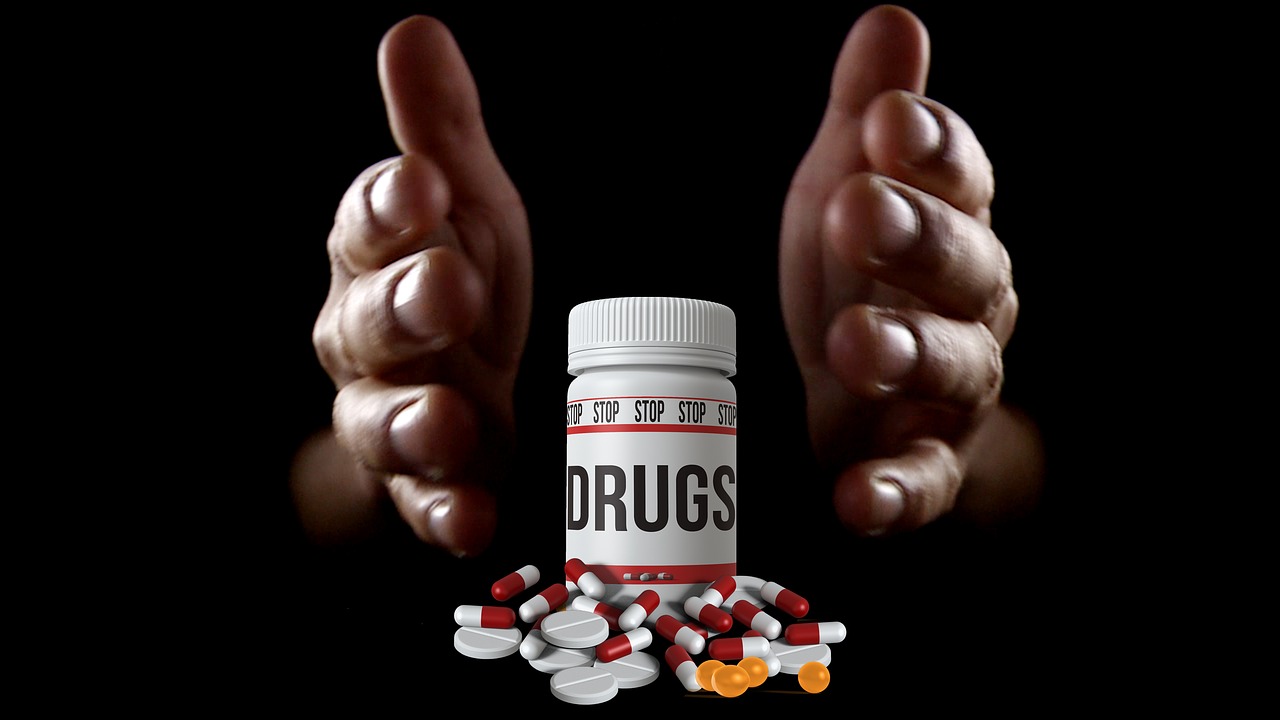
Alcohol, Drugs and Mental Illnesses

By David Joel Miller, MS, Licensed Therapist & Licensed Counselor.

Drugs.

Drugs.
Photo courtesy of Pixabay.

How are alcohol and other drugs connected to mental and emotional problems?

There are clearly a large number of connections between drug and alcohol use and abuse and mental, emotional, and behavioral illness. The recognition of these connections has resulted in a growing emphasis on the relationships between drugs and alcohol and those conditions that we call Mental Illnesses.

This overlap, those times when someone has both a substance use disorder and a mental illness, was called first dual-diagnosis and more recently co-occurring disorders. The overlap is common but not total.

There are people with a mental illness that do not have a substance use disorder. There are also those with a substance use disorder that do not have a mental illness. Over time we have come to see that the overlap is so large that it is more common to see someone with both of these problems than not. The professionals in the field have come to think of co-occurring disorders as an expectation and not an exception.

This understanding that there are reasons for the overlap, or co-occurrence, of these two different disorders has spawned a lot of efforts to find effective treatments for people with multiple disorders. The advances in brain studies have resulted in a lot of research studies on the effects of various drugs and the brain. We now know more than ever before about how drugs and alcohol are affecting people’s thinking, feeling, and behavior.

Alcohol, the drinkable kind, has been around and in use longer than any other drug. We know more about this particular substance and its effect on the brain than probably any other chemical. I recently did a literature search for current scientific articles on the effects of alcohol on the brain and the search returned 28,834 articles. Other searches would, of course, have returned even more.

Given this huge and growing body of research, I thought I should spend some time and some blog posts reviewing some of this new knowledge. While I can’t read every study and surely will only be able to report on a few highlights, I want to tell you about some of the things we know and some of the things I think about the effects of drugs on the brain and on those things we call mental illness.

There are several sources of this new knowledge. These studies, beginning with the ones focused on alcohol come from the following areas.

1. Fetal Alcohol Spectrum Disorders.

Studies of children who have been exposed to Alcohol before birth show changes in the body, brain, learning, and behavior of those children. We used to think that only those children who were exposed to large amounts of alcohol developed problems. The more the research progressed the more we have concluded that any amount of alcohol consumed during pregnancy increased the risks to the child.

Just because a woman drank during pregnancy does not automatically mean that any problems her child has are the result of her drinking. Still, the link is so strong that most authorities now believe that there is no safe level of alcohol consumption for a woman who is or may become pregnant.

One result of the large overlap between substance use disorders and other mental illnesses is that a lot of people with a diagnosed disorder are at extra risk for risky sexual behavior and unplanned pregnancy. Parents with a disorder or two are more likely than others to produce an unplanned child.

2. Binge drinking.

The amount of damage drinking does to the body is correlated with the blood alcohol level. As a society, we have been looking at how much alcohol in the bloodstream is a safe level for someone to have and still drive.

Studies of the effects of various levels of alcohol on brain function have taught us a lot about the way in which increasing the level affects the person.

It looks certain that the higher the blood alcohol content the more the damage to the body and the brain. One drink a day all month may be theoretically safe but 30 drinks on one day is a very hazardous way to drink.

3. Alcohol affects the structure and functioning of the brain.

We have known for a long time that chronic alcoholics have a reduced brain volume. We are now seeing studies of the effects of alcohol on brain regions and on the production of neurotransmitters. One treatment for depression is to increase the levels of serotonin in the brain. This is done by slowing the natural breakdown of serotonin which is one way many antidepressants work.

We know that alcohol is altering these neurochemicals and so may be increasing the risk of developing a mental illness, may make one worse, or may mimic a disorder.

4. Chronic Alcoholics.

Studies of chronic alcoholics, how their brain works, and the changes that the brain undergoes have added to our understandings of what the alcohol may be doing to the other parts of the body and brain. Because alcohol totally mixes with water, and blood contains a lot of water, no part of the body avoids being damaged by drinking.

5. Developmental studies.

Studies of teens have suggested ways in which alcohol consumption may be affecting the development of the brain. The correlations between the amount that a teen drinks and the results of the rest of their lives, while not a proof of cause and effect, makes us think there are more connections than we previously realized.

We know that “F” students typically drink at least twice as much per week as the “A” students.

We also know that heavy drinkers take longer to heal from injuries than nondrinkers.

6. Brain scans and mice studies on the effects of alcohol.

Brain scans typically capture only a moment in time. Mice studies are not proof that what we see in mice is what is happening in humans. But when the two agree it lends credence to the concept that alcohol is fundamentally altering the way in which brains and the nervous systems function.

7. Learning studies and functional studies.

There have been a lot of studies on how alcohol and other drugs have been affecting people’s memory, behavior, visual and special recognition, learning, and other specific brain functions.

Now that you know where the information is coming from let’s begin in future posts to look at why we think mental illness and substance use disorders so often occur together and then what are some of the specific effects of alcohol and other drugs on the body and the brain.

Staying connected with David Joel Miller

Seven David Joel Miller Books are available now!

My newest book is now available. It was my opportunity to try on a new genre. I’ve been working on this book for several years, but now seem like the right time to publish it.

Story Bureau.

Story Bureau is a thrilling Dystopian Post-Apocalyptic adventure in the Surviving the Apocalypse series.

Baldwin struggles to survive life in a post-apocalyptic world where the government controls everything.

As society collapses and his family gets plunged into poverty, Baldwin takes a job in the capital city, working for a government agency called the Story Bureau. He discovers the Story Bureau is not a benign news outlet but a sinister government plot to manipulate society.

Bumps on the Road of Life. Whether you struggle with anxiety, depression, low motivation, or addiction, you can recover. Bumps on the Road of Life is the story of how people get off track and how to get your life out of the ditch.

Dark Family Secrets: Doris wants to get her life back, but small-town prejudice could shatter her dreams.

Casino Robbery Arthur Mitchell escapes the trauma of watching his girlfriend die. But the killers know he’s a witness and want him dead.

Planned Accidents  The second Arthur Mitchell and Plutus mystery.

Letters from the Dead: The third in the Arthur Mitchell mystery series.

What would you do if you found a letter to a detective describing a crime and you knew the writer and detective were dead, and you could be next?

Sasquatch. Three things about us, you should know. One, we have seen the past. Two, we’re trapped there. Three, I don’t know if we’ll ever get back to our own time.

For these and my upcoming books; please visit my Author Page – David Joel Miller

Want the latest blog posts as they publish? Subscribe to this blog.

For videos, see: Counselorssoapbox YouTube Video Channel

Are you at risk for Postpartum or Peripartum Depression?

By David Joel Miller, MS, Licensed Therapist & Licensed Counselor.

Mother with child

Postpartum depression.
Photo courtesy of pixabay.

7 risk factors for Postpartum Depression.

What factors might put you at risk of Peripartum Depression?

When it comes to mental health, why one person gets a disorder and another person does not, is just not all that clear. A life event, something we call a stressor, could push one person into depression and a similar event could leave another person unscathed. Risk factors do not equal getting the disorder. But if you have these factors in your life then you are at more risk of Peripartum Depression than most.

For those not familiar with the term Peripartum depression, it is like Postpartum Depression only it allows for depression that starts in pregnancy rather than restricting the concept to those who become depressed after the birth of a child.

Here are 7 factors that put you at risk.

1. Past Episodes of Depression.

Women who have had episodes of depression in the past are at increased risk to develop Peripartum Depression. The more times someone has been depressed and the longer those episodes, presumably the higher that risk.

If you have had depression and received treatment, think back to what was helpful to you in reducing or controlling that episode of depression and do more of that. If you did not get help for those past episodes of depression or sadness, now is the time.

2. Stress in your life adds risk.

The more stress the woman is under the more the risk. What is stressful to one woman may not be to another. It is far more complicated than just financial stress.

Look for ways to reduce stress. Learn stress reduction and stress management techniques. Also, work on relaxing and being patient. Give your life the time to develop rather than pushing to have everything be done right now.

3. Poor relationship with your partner.

New couples need some time to adjust to each other. Some couples were never meant to be despite getting together and making that baby. Many other couples get off to a rocky start but with work, they develop a good long-term relationship.

Having a second person to share the duties, joys, and trials of child-rearing can be a beneficial thing for all involved. If there are problems in the relationship the sooner you work through those problems the better.

4. Having little social support increases your risks.

One person, your partner, no matter how supportive that person is, will probably not be enough support for the tasks of creating a family and raising children. Being a parent is hard work. Some people make parenting and relationships look easy but for most of us, it takes work.

Your partner will be going through things also. Sometimes you feel and think things your partner is not up to hearing. Work on strengthening your support system to reduce this risk of Peripartum Depression.

There are posts elsewhere on this blog about support systems and how to develop one. Some of those posts can be found here:

How supportive is your support system?

Can one person be a support system?

How do you develop a support system?

5. Your mother’s depression puts you at risk.

A family history of depression, any depression, increases the risk of you developing Depression. Having a mother had Peripartum or postpartum depression adds to the risk that a woman will have an episode of depression during pregnancy and the first year after the delivery of the child.

As with so many other “risk factors,great-grand-mother” a risk factor does not mean that absolutely positively this woman will be depressed, it just means it is one other thing to think about.

We have also seen research that suggests that the life experiences of your great-grandmother and beyond may be affecting your emotions. See the post – Pick your grandmas wisely – their life affects your feelings. 

6. Being poor – low SES.

Along with all the other burdens that come with being poor, living in bad neighborhoods, or being of low socioeconomic status there is the extra risk of developing postpartum depression.

Absolutely there are poor families that are happy and where there is little or no depression. Having money does not deter depression. But all things being equal having some money, at least enough to get by on sure relieves a lot of the stress of being a new parent.

Couples who are able to delay that first child until they have a job or career path do better. It helps if you have stable housing and something saved up. Many young parents have to rely on family, friends, or government programs to make ends meet.

Not having the money to get by on can strip the joy of a new child right out of your grasp.

7. Having a difficult infant.

There are those babies who from day one just are crankier than others. That child may have an illness or just an irritating disposition. Hard to care for children make their parent’s life more difficult. This is an extra burden on young or inexperienced parents.

These are the most commonly recognized risk factors for Postpartum or Peripartum Depression. I suspect there are other factors that up this risk, especially personal life experience factors. When you have come through difficult times or are still going through them, life’s challenges can be more difficult to manage.

If you or someone you know has a lot of these risk factors, look for ways to manage the stress of going through the pregnancy or being a new parent. Support systems can help so can professionals. And if you are feeling overwhelmed just now consider a help hot-line or reaching out for professional help.

Staying connected with David Joel Miller

Seven David Joel Miller Books are available now!

My newest book is now available. It was my opportunity to try on a new genre. I’ve been working on this book for several years, but now seem like the right time to publish it.

Story Bureau.

Story Bureau is a thrilling Dystopian Post-Apocalyptic adventure in the Surviving the Apocalypse series.

Baldwin struggles to survive life in a post-apocalyptic world where the government controls everything.

As society collapses and his family gets plunged into poverty, Baldwin takes a job in the capital city, working for a government agency called the Story Bureau. He discovers the Story Bureau is not a benign news outlet but a sinister government plot to manipulate society.

Bumps on the Road of Life. Whether you struggle with anxiety, depression, low motivation, or addiction, you can recover. Bumps on the Road of Life is the story of how people get off track and how to get your life out of the ditch.

Dark Family Secrets: Doris wants to get her life back, but small-town prejudice could shatter her dreams.

Casino Robbery Arthur Mitchell escapes the trauma of watching his girlfriend die. But the killers know he’s a witness and want him dead.

Planned Accidents  The second Arthur Mitchell and Plutus mystery.

Letters from the Dead: The third in the Arthur Mitchell mystery series.

What would you do if you found a letter to a detective describing a crime and you knew the writer and detective were dead, and you could be next?

Sasquatch. Three things about us, you should know. One, we have seen the past. Two, we’re trapped there. Three, I don’t know if we’ll ever get back to our own time.

For these and my upcoming books; please visit my Author Page – David Joel Miller

Want the latest blog posts as they publish? Subscribe to this blog.

For videos, see: Counselorssoapbox YouTube Video Channel
.

17 Ways to de-stress

By David Joel Miller, MS, Licensed Therapist & Licensed Counselor.

Stressed

Feeling stressed out?
Photo courtesy of Pixabay.com

How do you manage stress?

Stress can overwhelm you at any time or anywhere – Here are some suggested ways to turn down the stress volume.

1. Breath.

Under stress, most of us forget to breathe. The result is fewer shorter breathes and an overwhelming sense of panic that can follow a lack of air in your lungs.

Slow your breathing down. Take deep breaths from the diaphragm. You should feel your stomach moving in and out. Short fast breaths from high up in your chest can increase the feelings of stress.

Breathe slowly and deeply, pause between breaths. Watch your stress move out each time you breathe out and pause before taking in that next deep breath.

2. Make friends with silence.

There is noise everywhere. We have our radios and our televisions, our iPad’s and other electronics all screaming away at once. Add on people talking at you all day long and a few people screaming for whatever reason and you are bound to feel the stress meter rise.

Think back to that last time you felt really relaxed and distressed. Maybe a vacation in the mountains or at the beach. One thing you are likely to remember about that time is how quiet it was.

Those voices in your head can get awfully loud some days. Learn to quiet your mind down and embrace the silence. I keep a set of headphones at my desk to minimize the noise. Soft nature sounds help, sometimes no sound at all helps even more to reduce my stress.

3. Say a positive affirmation.

Affirmations are those little saying you tell yourself that help you to cope. Don’t lie to yourself or the whole affirmation will backfire. Tell yourself that this may be stressful but you can handle it. This too shall pass or whatever other saying works for you to put this current stress in perspective.

4. Make a list of the good things in your life.

If you keep thinking about all the problems your life story gets soaked through with problems. Most of us have lots of positive things going on. Take those little sparkling moments and hold on to them.

Writing out a list of things that are good, things you are grateful for can put the rest of your life in perspective. This list, sometimes called a gratitude list, can be a reference guide when things get tough.

The very act of writing down positive things in your life reinforces those things. Thinking saves the thought briefly in one part of the brain. Writing stores these blessings in a second part of the brain. Sharing them out loud with a friend stores them in a third part of the brain. The more of your brain that is full of happiness the less room there is for stress.

5. Stand more.

Stand and get the body moving. Stretch and relax those tense muscles. Tight muscles can be a result of stress but they can also be the cause of your body thinking that the stress is worse than it really is.

People who stand burn more calories than those who sit. Standing is a quick easy way to relax and reduce the stress of the moment.

6. Walk more.

Walking can be very effective in reducing depression. When the body shares the load the mind can get a rest. A quick walk to the end of the hall, the water cooler, or the bathroom can refocus the mind and move the stress off the front burner.

7. Make prioritized lists.

The human brain has a limit on the number of things you can keep in conscious memory at any one time. The more you try to keep in the front of the mind the less space is available to work on the current task.

Writing down a “to-do list” can free up space in your brain to get this task done. It also reduces the anxiety you may be feeling that you might forget something.

Once the list is down on paper, prioritize those things. Do one big hard thing first and leave the long list of quick things for later when you may only have a few minutes left.

Check those items off your list as you do them and by the end of the day you may find that you are far more productive and less stressed than when you were spending all that time trying to remember all those things you needed to get done today.

8. Feel what you’re feeling.

Feelings are not the enemy. They can convey much-needed information. Feelings like human friends are not always right. Because something scares you does not mean it is dangerous. Listen to the feelings but then make informed decisions on how you will handle those feelings.

See the post Making Friends with Feelings

9. Look at things that make you happy.

If you run from place to place with no time to take in the joys of life you will only accumulate more stress. Slow down sometimes and notice the pleasant things. Take an extra second or two and taste the thing you are eating. Pause to notice those flowers growing outside your office.

Accumulating those brief doses of pleasure can make the rest of the day less stressful.

Ever stop to really look at the pictures your workplace put up in the hall?

10. Carry a worry stone

A worry stone, religious symbol, or other personal object carried in your pocket can absorb a lot of that stress you are holding onto.

11. Make time for family and friends.

When you don’t have friends and family around you, then you are all alone. Seek out positive people for a role in your stress reduction plan.

12. A pet can help you reduce stress.

When no one else listens, when you feel all alone, that pet, a dog or cat, is waiting at the door when you come home. A pet is a great example of unconditional love.

13. Be an indoor explorer – look for new experiences.

Check out a new deli or other places to eat. Visit a new store or library. Keep an eye peeled for things you might try that you have never done. A local adult education or college class may offer all kinds of opportunities for new experiences.

There are lots of resources on the internet these days to allow you to take a class at a far off university or learn about something that interests you.

14. Develop a skill.

Is there a new skill you might develop? Something you always wanted to do but never got around to? Take the time to develop that skill and see where it takes you. Those breaks while you practice that skill reduce stress and challenge you to keep working on your self-improvement.

15. Do self-care.

The more stressed-out people get the less time they take for self-care. Do something nice for yourself. Look for ways to treat yourself well.

16. Practice your spirituality.

If you have a faith, practice it. Religion or spirituality are comforting when times are tough. If you have a belief make sure that your actions are consistent with that belief. Pray, meditate, or engage in other spiritual practices. Those moments of faith can get that stress volume down to a realistic size.

17. Express Yourself.

Write not because you have to but because you chose to. Draw if that interests you. Do this for yourself, not for the approval of others. Dance, pantomime or practice any other expressive skill.

There are my suggestions of 17 ways to reduce stress. Do you have other ways you have found to help you manage your stress?

Staying connected with David Joel Miller

Seven David Joel Miller Books are available now!

My newest book is now available. It was my opportunity to try on a new genre. I’ve been working on this book for several years, but now seem like the right time to publish it.

Story Bureau.

Story Bureau is a thrilling Dystopian Post-Apocalyptic adventure in the Surviving the Apocalypse series.

Baldwin struggles to survive life in a post-apocalyptic world where the government controls everything.

As society collapses and his family gets plunged into poverty, Baldwin takes a job in the capital city, working for a government agency called the Story Bureau. He discovers the Story Bureau is not a benign news outlet but a sinister government plot to manipulate society.

Bumps on the Road of Life. Whether you struggle with anxiety, depression, low motivation, or addiction, you can recover. Bumps on the Road of Life is the story of how people get off track and how to get your life out of the ditch.

Dark Family Secrets: Doris wants to get her life back, but small-town prejudice could shatter her dreams.

Casino Robbery Arthur Mitchell escapes the trauma of watching his girlfriend die. But the killers know he’s a witness and want him dead.

Planned Accidents  The second Arthur Mitchell and Plutus mystery.

Letters from the Dead: The third in the Arthur Mitchell mystery series.

What would you do if you found a letter to a detective describing a crime and you knew the writer and detective were dead, and you could be next?

Sasquatch. Three things about us, you should know. One, we have seen the past. Two, we’re trapped there. Three, I don’t know if we’ll ever get back to our own time.

For these and my upcoming books; please visit my Author Page – David Joel Miller

Want the latest blog posts as they publish? Subscribe to this blog.

For videos, see: Counselorssoapbox YouTube Video Channel
Reduce Stress by saying NO!

By David Joel Miller, MS, Licensed Therapist & Licensed Counselor.

Just say no.
Photo courtesy of Pixabay.com

Ways to say no and cut down on your stress.

There will always be more to do that there will be time to do it. The ability to say no and keep the stress in your life to a minimum is an important component of good mental health. Other people, of course, want you to do the things they want and so they take your yes for a given. Not telling people no can become the same as saying yes. Learning to be more assertive and to tell people no can help you keep your emotional life in balance.

Saying yes too much steals time from the things you really want to do. We would all like to make others happy. Sometimes it feels uncomfortable to say no to others. Every time you say yes or more importantly fail to say no you give up a little bit of you.

You get 168 hours of time each week. Spend them wisely. There will always be competing requests for your time. Your boss wants some, so does your spouse or partner. If you have kids they want all of your time they can get, at least until they become teens.

Your friends and family will also want some of your time. So do these people who call you on the phone or pound on your door wanting to sell you something.

Each time you let them have some time because you do not want to be rude or curt, you risk giving away some of the time you had planned to spend on something else.

When your life is over-full there is no room for new people or new activities.

If you let casual acquaintances take up your time, you spend that precious resource on them. If those people in your life ask you for money, whether you have it or not, remember that most of us have to give up some of our time to get that money. The more they ask of you the less there is for yourself or others.

If you have people in your life that take up your time and do not add value to your life, they are taking the place that could belong to someone else. Until you end a bad relationship there is no time or room in your life for a new one.

You can’t start something new till you end something you are doing now.

Any new activity will take time. Going back to school, starting a hobby, doing some traveling, they all require time.

You will not get any younger

Doing things you do not want to do spends your time. You will run out of that time reserve eventually.

Saying yes comes at a cost.

Saying yes creates an obligation, to yourself and others. The more the obligations the less the resources you have for you and the things that really matter. No not create obligations and then develop resentments because those other people are taking up your time.

Saying no does not make you a bad person.

If you feel that saying no is selfish or makes you a bad person think again. There are lots of good reasons to tell others no. Having good boundaries protects you and it protects others. Your children need to learn the word no and who but you are better qualified to teach them the power of no?

Giving reasons for your no sounds like you want to be talked into it.

If you have decided that the answer to this request should be no, state that answer and leave it at that. Offering reasons why you would like to do something but can’t just open the door for the other person to offer ways you can do what they requested.

Ever tell a salesman you do not have the money for something right now? And did they suggest using a credit card or time payments? See how your no’s may sound more like “talk me into it’s?”

Offer choices if you might want to do something another time or way.

In getting out of things, offering alternative choices can be a close cousin to saying no. The answer may be more like “I can’t do what you are asking but I can do —.” Consider this option if you do have something you would like to do with or for the person making the request but the original request is something you chose to not do.

Give yourself time to think it over.

You do not have to give everyone an answer the moment they ask the question. Many people have one of two default responses. They either say no to everything and regret it or they say yes to everything and regret a lot of those yes’s.

You can answer that you need time to think it over and then make that decision at your leisure.

Talk or write the decision out.

If you find it hard to make a decision and then stick to it consider writing out the request, the possible options, and then what will happen if you say yes, no or yes with some changes and qualifications.

Writing things out can often bring the correct responses into focus. Talking things out with a trusted friend or adviser can help clarify both the right decision and why it may be difficult for you to tell this other person the “No!” you are really feeling.

Do you have difficulty telling people no? How might your life be different if you practiced the “saying no” skill?

Staying connected with David Joel Miller

Seven David Joel Miller Books are available now!

My newest book is now available. It was my opportunity to try on a new genre. I’ve been working on this book for several years, but now seem like the right time to publish it.

Story Bureau.

Story Bureau is a thrilling Dystopian Post-Apocalyptic adventure in the Surviving the Apocalypse series.

Baldwin struggles to survive life in a post-apocalyptic world where the government controls everything.

As society collapses and his family gets plunged into poverty, Baldwin takes a job in the capital city, working for a government agency called the Story Bureau. He discovers the Story Bureau is not a benign news outlet but a sinister government plot to manipulate society.

Bumps on the Road of Life. Whether you struggle with anxiety, depression, low motivation, or addiction, you can recover. Bumps on the Road of Life is the story of how people get off track and how to get your life out of the ditch.

Dark Family Secrets: Doris wants to get her life back, but small-town prejudice could shatter her dreams.

Casino Robbery Arthur Mitchell escapes the trauma of watching his girlfriend die. But the killers know he’s a witness and want him dead.

Planned Accidents  The second Arthur Mitchell and Plutus mystery.

Letters from the Dead: The third in the Arthur Mitchell mystery series.

What would you do if you found a letter to a detective describing a crime and you knew the writer and detective were dead, and you could be next?

Sasquatch. Three things about us, you should know. One, we have seen the past. Two, we’re trapped there. Three, I don’t know if we’ll ever get back to our own time.

For these and my upcoming books; please visit my Author Page – David Joel Miller

Want the latest blog posts as they publish? Subscribe to this blog.

For videos, see: Counselorssoapbox YouTube Video Channel

What is Postpartum or Peripartum Depression?

By David Joel Miller, MS, Licensed Therapist & Licensed Counselor.

Is this postpartum depression or just the baby blues?

Postpartum depression.
Photo courtesy of Pixabay.

The idea that a woman can get sad, blue, even depressed as a result of giving birth has been around for a long time. Professionals have struggled with what this is and how to be helpful and we continue to struggle with those issues.

We knew that depression around the time of delivery causes a lot of suffering for the mother. Sometimes it becomes a problem for the father and other family members. And yes, we now know that having a depressed mother, immediately after birth, or later in childhood, can affect the child, possible for the rest of that child’s life.

There has been a reluctance to keep creating new disorders for each and every cause of depression. One way out of this dilemma has been to keep the same set of symptoms for depression regardless of what has caused the depression.

For depression, there is a list of specifiers for types. Most of those specifiers have to do with the way the symptoms present. Some people eat more and some eat less and so on.

Only two causes have gotten their own specifiers, seasonal pattern as in seasonal affective disorder and Postpartum Depression. Postpartum Depression is now called Peripartum Depression to also include depression that sets in before the birth of the child.

Symptoms of Peripartum Depression.

Symptoms of Peripartum depression are very similar to the symptoms of other forms of depression. Sleep disturbance, if it is over and above that caused by having a newborn who cries when it has needs, is one symptom. Changes in appetite and loss of interest in things that used to make you happy are other common signs this is depression and not just the normal getting used to being a parent.

Feeling hopeless or like a bad mother are serious symptoms of depression. Some women will become much more irritable or anxious than before pregnancy. You may also feel numbed out or disconnected from life and from those around you. Worrying, excessively about the child’s safety can also be a symptom of a mental health issue.

The new DSM (DSM-5) reports the frequency of Peripartum Depression at 3% to 6% of all women. The sheer fact that it gets its own separate specifiers suggests to me that the rate of women with depression during and after the birth of a child is higher than any 6%.

Some studies have followed women for the first year after the birth of the first child and they find significant stress and higher rates of depression over that year time period.

Research studies have reported that rates of “Baby Blues” those brief episodes of sadness that occur during and after pregnancy can run as high as 80% in some populations.

One reason for the discrepancy in the numbers is that we used to talk about mood disorders and treat Depression and Bipolar as part of the same mood disorder family. These two conditions have gotten a divorce and are now living in separate chapters in the new DSM-5. While Postpartum or Peripartum depression may only get 6% the new Peripartum Bipolar Disorder should also have some numbers. So far I have not seen any statistics on the number of women who develop Peripartum Bipolar Disorder but the new DSM-5 clearly allows for this possibility.

Some of these cases in which a woman develops symptoms during and after pregnancy also reach the point of having delusional or psychotic features. In these cases, the mother may believe there is something wrong with the child, that the child is evil or a similar delusion. Women who develop psychosis after the birth of one child have a risk (from 30% to 50%) of having psychotic symptoms during each pregnancy thereafter.

Another reason the rates of Peripartum Depression may be understated is that some women do not develop symptoms quickly enough to get the diagnoses in the first 4 to 6 weeks. After that, the diagnoses will probably be Major Depression and the Peripartum specific will get left off.

Those milder cases of sadness that happen during pregnancy and after delivery, the things that are popularly called baby blues, they most likely will not get a diagnosis at all. For a while there was a study of something called Minor Depression, there was even a set of proposed symptoms for minor depression in the older DSM-4. That has now been dropped.

While some cases of baby blues may not get the official nod of a diagnosis of “with Peripartum onset,” they need treatment. If you have been sad or depressed during pregnancy or afterward, consider getting professional help. Let the professional worry about what the correct diagnosis code should be.

If you have ever thought that your child was cursed or evil, get help fast before you harm that child and yourself.

What causes a woman to be at high risk for Peripartum or Postpartum Depression? There are at least 7 factors that put you at risk for postpartum depression. More on those factors in a coming blog post.

Staying connected with David Joel Miller

Seven David Joel Miller Books are available now!

My newest book is now available. It was my opportunity to try on a new genre. I’ve been working on this book for several years, but now seem like the right time to publish it.

Story Bureau.

Story Bureau is a thrilling Dystopian Post-Apocalyptic adventure in the Surviving the Apocalypse series.

Baldwin struggles to survive life in a post-apocalyptic world where the government controls everything.

As society collapses and his family gets plunged into poverty, Baldwin takes a job in the capital city, working for a government agency called the Story Bureau. He discovers the Story Bureau is not a benign news outlet but a sinister government plot to manipulate society.

Bumps on the Road of Life. Whether you struggle with anxiety, depression, low motivation, or addiction, you can recover. Bumps on the Road of Life is the story of how people get off track and how to get your life out of the ditch.

Dark Family Secrets: Doris wants to get her life back, but small-town prejudice could shatter her dreams.

Casino Robbery Arthur Mitchell escapes the trauma of watching his girlfriend die. But the killers know he’s a witness and want him dead.

Planned Accidents  The second Arthur Mitchell and Plutus mystery.

Letters from the Dead: The third in the Arthur Mitchell mystery series.

What would you do if you found a letter to a detective describing a crime and you knew the writer and detective were dead, and you could be next?

Sasquatch. Three things about us, you should know. One, we have seen the past. Two, we’re trapped there. Three, I don’t know if we’ll ever get back to our own time.

For these and my upcoming books; please visit my Author Page – David Joel Miller

Want the latest blog posts as they publish? Subscribe to this blog.

For videos, see: Counselorssoapbox YouTube Video Channel

Recovery is where you’re going – not where you’ve been

By David Joel Miller, MS, Licensed Therapist & Licensed Counselor.

Road to a happy life.
Photo courtesy of Pixabay.com

If things are bad keep moving.

Recovery is about the future and the process of getting where you want to be.

When things are at their worse don’t look down, don’t look back, keep looking forward.

If right now things in your life look bad and you are tempted to give up, keep reminding yourself that your future is more important than your past. No matter how bad things may look from where you’re standing recovery is possible.

Whatever your issue, an emotional problem, an addiction, or a severe mental illness, you should know that lots of others have had that problem or similar ones, and they have moved from being in the problem to being in the solution.

When things are bad it is easy to look down and see where you are and feel stuck in this terrible situation. You may be telling yourself that things “can’t” get better or that they will “always” be this way for you. You may feel that you are somehow different or that your issues are unique and that others are not having to struggle with the things you have to cope with.

The reality of this situation is that lots of people struggle with issues every day. Some stay stuck in the problem and some keep moving and eventually things change. The way of things is to change. People, on the other hand, they have to work at changing themselves.

We all have pasts. Some people’s pasts are a whole lot worse than others. Your past may have determined who you are today. It made you the person you are. It does not have to determine the person you become.

Whether you are 16 or 86, you can spend the rest of your life looking back over your shoulder at your past and wishing it had been different. But looking over that shoulder and saying, because a particular thing happened to you, nothing better can ever be, that keeps you stuck in the pain.

Embrace the future. Believe that change is possible. Change starts with changing you. Do new things if you want a new result. Keep your eyes focused down the road on where you want to go and see where the path of life might take you.

Without a dream, a vision of the future life can be a nightmare.

If you feel stuck look for some help. Here are some suggestions for getting that help.

Develop a support system

Getting help

Professional help.

12 step or other self-help groups.

Just because you have been in a bad place in the past does not mean your future is set in stone. There are no guarantees but people who keep moving towards recovery get a lot farther than those who give up and stay stuck in the past.

When you are living in the past you have no future. Where would you like your road of recovery to take you?

Staying connected with David Joel Miller

Seven David Joel Miller Books are available now!

My newest book is now available. It was my opportunity to try on a new genre. I’ve been working on this book for several years, but now seem like the right time to publish it.

Story Bureau.

Story Bureau is a thrilling Dystopian Post-Apocalyptic adventure in the Surviving the Apocalypse series.

Baldwin struggles to survive life in a post-apocalyptic world where the government controls everything.

As society collapses and his family gets plunged into poverty, Baldwin takes a job in the capital city, working for a government agency called the Story Bureau. He discovers the Story Bureau is not a benign news outlet but a sinister government plot to manipulate society.

Bumps on the Road of Life. Whether you struggle with anxiety, depression, low motivation, or addiction, you can recover. Bumps on the Road of Life is the story of how people get off track and how to get your life out of the ditch.

Dark Family Secrets: Doris wants to get her life back, but small-town prejudice could shatter her dreams.

Casino Robbery Arthur Mitchell escapes the trauma of watching his girlfriend die. But the killers know he’s a witness and want him dead.

Planned Accidents  The second Arthur Mitchell and Plutus mystery.

Letters from the Dead: The third in the Arthur Mitchell mystery series.

What would you do if you found a letter to a detective describing a crime and you knew the writer and detective were dead, and you could be next?

Sasquatch. Three things about us, you should know. One, we have seen the past. Two, we’re trapped there. Three, I don’t know if we’ll ever get back to our own time.

For these and my upcoming books; please visit my Author Page – David Joel Miller

Want the latest blog posts as they publish? Subscribe to this blog.

For videos, see: Counselorssoapbox YouTube Video Channel

Adult problems have been with you from childhood

By David Joel Miller, MS, Licensed Therapist & Licensed Counselor.

Crying child

Youth mental health.
Photo courtesy of Pixabay.com

You grew up – your problems didn’t.

Most adult problems are lessons you learned between 8 and 18 that you learned incorrectly or are no longer true.

If you got it wrong back then and are still holding on to those unhelpful beliefs about yourself and others, you are headed for a painful adulthood.

I think of this process as like trying to memorize the blueprints for a house and then, thinking you have them committed to memory, you toss those blueprints away. A year goes by, then more years, and now you start trying to build that house. What happens if you forgot a line or two? What if you build something where it shouldn’t be and leave something else out?

A very large number of adult problems, the kind of serious, painful things that bring people to therapy, are the result of things that you learned in childhood which are no longer true or helpful.

Some of those things are painful experiences that left scars, but a whole lot of other things are beliefs that you stored away in your brain, the result of those life experiences. You have been carrying around those beliefs about how life worked since you were small and you keep trying to make your adult life work using those rules you learned back then.

If you grew up in a negative hostile environment you may find it hard to relax and feel safe even when as an adult you have moved to a very safe location. If you came to believe that an adult’s bad moods were your fault you may be spending all your adult life trying to “make” people feel good.

Teased or Bullied?

If you were teased as a child, you may have come to believe the things others said to you. People called you fat and you have been worried about your weight ever since. You may even have stopped caring for your health because you formed this image of yourself that you were a “fat person.” As a result of this image you, somewhere along the line, stopped trying to live a healthy lifestyle.

Plenty of adults believe that they are “stupid” or incompetent because they were told they were slow so much that they adopted that as part of their persona. You may be used to thinking of yourself as the unpopular one that no one likes, long after the popular crowd from school has disappeared into the pages of old yearbooks.

You may have had problems and found that drugs, alcohol, sex, or gambling helped you feel better about yourself, at least temporarily. As a result of using negative coping tools, you came to believe that you could not do things without those harmful tools. You went from leaning on a crutch to believing you could not walk without that prop.

Part of recovery, from whatever challenge you are struggling with, is to take a fresh look at yourself and decide if all those lessons you learned back when you were small are still true today. Plenty of adult learners have discovered that they were a lot smarter and more capable than they thought.

A very large part of learning is interest. If you like something you can learn it. If you become discouraged and believe that you will never “get” a particular subject you make it so. Having been told you were not “good” at something you may have lost interest and given up before you ever learned how to do that skill.

Making friends, paying attention, and having self-confidence, those are all skills people have to learn. If you concluded you had no aptitude for something or could never do something your belief learned as a child has created that situation.

The good thing about having learned things as a child is – if those beliefs or behaviors are no longer working for you, if your head is full of unhelpful beliefs, you can change those beliefs. What you learned back as a child you can unlearn. Those unhelpful beliefs about yourself can be modified.

Whenever you find yourself having unhealthy thoughts, ask yourself where those thoughts came from? Is this something you are sure about or could you have learned this part of your happy life blueprint incorrectly and by learning a new skill could you change the way things are now in your present?

You might want to take a look at a past post: Why can’t we forget the painful past?

Coming up soon is a post on how to close the door on your past and stop those old experiences from continuing to govern your present and future.

Staying connected with David Joel Miller

Seven David Joel Miller Books are available now!

My newest book is now available. It was my opportunity to try on a new genre. I’ve been working on this book for several years, but now seem like the right time to publish it.

Story Bureau.

Story Bureau is a thrilling Dystopian Post-Apocalyptic adventure in the Surviving the Apocalypse series.

Baldwin struggles to survive life in a post-apocalyptic world where the government controls everything.

As society collapses and his family gets plunged into poverty, Baldwin takes a job in the capital city, working for a government agency called the Story Bureau. He discovers the Story Bureau is not a benign news outlet but a sinister government plot to manipulate society.

Bumps on the Road of Life. Whether you struggle with anxiety, depression, low motivation, or addiction, you can recover. Bumps on the Road of Life is the story of how people get off track and how to get your life out of the ditch.

Dark Family Secrets: Doris wants to get her life back, but small-town prejudice could shatter her dreams.

Casino Robbery Arthur Mitchell escapes the trauma of watching his girlfriend die. But the killers know he’s a witness and want him dead.

Planned Accidents  The second Arthur Mitchell and Plutus mystery.

Letters from the Dead: The third in the Arthur Mitchell mystery series.

What would you do if you found a letter to a detective describing a crime and you knew the writer and detective were dead, and you could be next?

Sasquatch. Three things about us, you should know. One, we have seen the past. Two, we’re trapped there. Three, I don’t know if we’ll ever get back to our own time.

For these and my upcoming books; please visit my Author Page – David Joel Miller

Want the latest blog posts as they publish? Subscribe to this blog.

For videos, see: Counselorssoapbox YouTube Video Channel