Getting clear on your values

Clear values.
Photo courtesy of Pixabay.com

Getting clear on your values

By David Joel Miller, MS, Licensed Therapist & Counselor.

Values clarification: what are your values?

By values, I don’t mean things like honesty, bravery, and thriftiness, those abstract qualities we used to attribute to good character or breeding. Those sorts of character values are fleeting and often appear in one situation and not another. What I’m talking about, when I say your values is much more concrete.

In group counseling, we often do an exercise called values clarification. We ask people what the most important thing is to them. We often got a range of answers depending on the population and where we were doing this exercise. Among the homeless or unemployed, the answers frequently are very basic things like housing or food. Some people say that what’s important to them is their job.

Other people will say that the most crucial thing in their life is a member of their family. This comes in the form of my son, my daughter, my husband or wife, my family, and often other relatives and members of their household. For some people, family is a matter of choice rather than genetics.

Eventually, we get around to more abstract qualities such as God, their spirituality or religion, happiness, and so on. If there were a lot of similar items, we combined them into categories. My son, my daughter, and my parents might become family. Physical and mental health can be combined into a single category called health.

Each person gets to make two suggestions, and once all the suggestions are written on the whiteboard, the voting begins. Each individual is given three votes and is encouraged to pick the three most important things on the board, not simply vote for what they had said.

What almost invariably happens is that the very concrete things, like food, a car, and even a house, get relatively few votes. The things that rise to the top invariably are more abstract. Religion, spirituality, family, and physical and mental health get the most votes. Having a lot of money or a fancy car doesn’t cut it if you have nothing to believe in and no one who cares about you.

Do values have anything to do with success?

Actually, values have a very large amount to do with success and being or feeling successful. One of the problems with success is that it very much depends on how you measure it. If you view success as having a lot of money that anything less than reaching that goal makes you feel unsuccessful. But if you value your relationship with your partner children working more hours and making more money take you farther and farther away from the value you hold most dear.

Some people equate success with reaching your goals.

To the extent that the goals you set in life reflect your basic values, than reaching those goals makes you a success. The problem here is to be very sure that your definition of success matches the values that are important to you.

I’ve written quite a few blog posts about success. Forty-four of them so far to be exact.


Some people set their goal in life to accomplish something great.

If you value your accomplishments, being a great artist or scientific researcher then you have set one of your life values as measuring yourself by what you do rather than who you are.

I’m not judging whether this is right or wrong but I think it’s important for you to get clear that you have made accomplishment a value rather than relationships.

  Part of life is balancing competing values.

Most people value more than one thing. Having a great job or a successful career is certainly desirable but not if it comes at the expense of your relationships, your physical or mental health. Achieving balance between your competing values is a lot more than just focusing on a work-life balance.

Does David Joel Miller see clients for counseling and coaching?

Yes, I do. I can see private pay clients if they live in California, where I am licensed. If you’re interested in information about that, please email me or use the contact me form.

Staying in touch with David Joel Miller.

Want the latest blog posts as they are published? Subscribe to this blog.

For more information about my writing journey, my books, and other creative activities, please subscribe to my blog at davidjoelmillerwriter.com

Seven David Joel Miller Books are available on Amazon now! And more are on the way.

For more about my books, please visit my Amazon Author Page – David Joel Miller

For information about my work in mental health, substance abuse, and having a happy life, please check out https://counselorssoapbox.com

For videos, see: Counselorssoapbox YouTube Video Channel

Moody

Moody
Photo courtesy of Pixabay.com

Moody

Sunday Inspiration.     Post by David Joel Miller.

“You can’t take back texts. If you come off all moody and melancholy in a text, it just sits there in your phone, reminding you of what a drag you are.”

― Rainbow Rowell, Fangirl

“Animals don’t lie. Animals don’t criticize. If animals have moody days, they handle them better than humans do.”

― Betty White, If You Ask Me

“They say it is better to be poor and happy than rich and miserable, but how about a compromise like moderately rich and just moody?”

― Princess Diana

Wanted to share some inspirational quotes with you. Today seemed like a good time to do this. There are an estimated 100,000 words in the English language that are feelings related. Some emotions are pleasant, and some are unpleasant, but all feelings can provide useful information. I’ve also included some words related to strengths and values since the line between what we think and what we feel may vary from person to person. If any of these quotes strike a chord with you, please share them.

Look at these related posts for more on this topic and other feelings, strengths, and values.

Emotions and Feelings.                      Inspiration

Staying in touch with David Joel Miller.

For more information about my writing journey, my books, and other creative activities, please subscribe to my blog at davidjoelmillerwriter.com

Seven David Joel Miller Books are available on Amazon now! And more are on the way.

For these and my upcoming books, please visit my Amazon Author Page – David Joel Miller

For information about my work in mental health, substance abuse, and having a happy life, Please check out counselorssoapbox.com

For videos, see: Counselorssoapbox YouTube Video Channel

You need to have a time budget.

Time Budget
Photo courtesy of Pixabay.com

You need to have a time budget.

By David Joel Miller, MS, Licensed Therapist & Counselor.

How do you budget your time?

Most people are familiar with the concept of a financial budget, though far too few people actually have one either mentally or written down on paper. I hear a lot about keeping your life in balance, but just like money, you only have so much time to spend, and how you spend it determines the quality of your life.

If you woke up at 12:00 AM Sunday morning and lived until 12:00 PM that Saturday night, you would have lived for precisely 168 hours. Every week, we get exactly 168 hours. No one gets any more, and no one gets any less. The only exceptions to that would be the week you’re born and the week you die. But between those two guideposts, during each week, you get your allocation of hours, and how you spend those hours is up to you.

In achieving work-life balance, time is the crucial factor.

Recently, I have been hearing a lot about the issue of work-life balance. It’s a massive problem for many of my clients, some of whom are burning out because of high-stress, high-demand jobs. We thought we got past that issue when we created the forty-hour work week. In some parts of Europe, thirty-two-hour work weeks are typical. Not in the United States.

High-tech and professional jobs assign their professional people, people who work on salary, more work than they can possibly do in forty hours a week. It is the norm now for people to be assigned more work than could possibly be achieved in forty hours. People in many professions tell me that they routinely work sixty or even eighty-hour work weeks.

There’s no way that you can have other parts of your life be in balance when you spend half of your allotted hours each week on work. Especially when you spend time preparing for work, commuting to work, returning home from work, and trying to unwind after work.

Excessive work weeks are leading to physical health problems, relationship problems, and severe mental health issues.

There’s no such thing as making time for the things you want to do.

In order to create more time for family, you have to take that time away from something else. No matter how hard you search, you will never discover any additional time. One of the most important tools for trying to get your overall life in balance is to start by creating a written schedule for your week.

Look at when you get up and when you go to bed. Is there adequate time to actually sleep? Is your sleep so restricted that you must fall asleep the second your head hits the pillow and must be ready to run the second the alarm clock goes off? If so, of course, you’ll be stressed out, and eventually, you will be burned out.

There are two ways we demonstrate what is important to us.

No matter what you say about the importance of your relationship or your family, you won’t participate in these relationships if you don’t spend time with your partner or family. We can quickly tell what’s important to someone; we look at what they spend their time on and how they spend their money. And the two are not interchangeable. You can’t compensate for neglecting your children by working more hours and buying them more things. It takes time to maintain a relationship.

Lots of relationships fail at about the twenty-year mark.

With work and sleep being the two highest priorities, once you spend time with your children, there’s not much left for your primary relationship and even less time left for self-care, however, you define that. We see a lot of relationships that end about the time the oldest child leaves home, either for college or to start a family of their own. This is when couples often look at each other and say, “We have stayed together all these years for the children; is there any reason for us to stay together now?” If you don’t spend time together doing things and talking about stuff throughout your relationship, it’s hard to keep alive when you no longer have a common purpose.

Does David Joel Miller see clients for counseling and coaching?

Yes, I do. I can see private pay clients if they live in California, where I am licensed. If you’re interested in information about that, please email me or use the contact me form.

Staying in touch with David Joel Miller.

Want the latest blog posts as they are published? Subscribe to this blog.

For more information about my writing journey, my books, and other creative activities, please subscribe to my blog at davidjoelmillerwriter.com

Seven David Joel Miller Books are available on Amazon now! And more are on the way.

For more about my books, please visit my Amazon Author Page – David Joel Miller

For information about my work in mental health, substance abuse, and having a happy life, please check out https://counselorssoapbox.com

For videos, see: Counselorssoapbox YouTube Video Channel
Mischievous

Mischievous
Photo courtesy of Pixabay.com

Mischievous

Sunday Inspiration.     Post by David Joel Miller.

“What does love mean?” Mom asked mischievously. “To discover beauty.”

― Won-pyung Sohn, Almond

“I’m beneath no man!” she replies harshly. Then, with a mischievous quirk to her mouth, she adds, “At least not without dinner and a drink first.”

― M. Leighton, Down to You

“THE MISCHIEVOUS DOG

There was once a Dog who used to snap at people and bite them without any provocation, and who was a great nuisance to every one who came to his master’s house. So his master fastened a bell round his neck to warn people of his presence. The Dog was very proud of the bell, and strutted about tinkling it with immense satisfaction. But an old dog came up to him and said, “The fewer airs you give yourself the better, my friend. You don’t think, do you, that your bell was given you as a reward of merit? On the contrary, it is a badge of disgrace.”

Notoriety is often mistaken for fame.”

― Aesop, Aesop’s Fables

Wanted to share some inspirational quotes with you. Today seemed like a good time to do this. There are an estimated 100,000 words in the English language that are feelings related. Some emotions are pleasant, and some are unpleasant, but all feelings can provide useful information. I’ve also included some words related to strengths and values since the line between what we think and what we feel may vary from person to person. If any of these quotes strike a chord with you, please share them.

Look at these related posts for more on this topic and other feelings, strengths, and values.

Emotions and Feelings.                      Inspiration

Staying in touch with David Joel Miller.

For more information about my writing journey, my books, and other creative activities, please subscribe to my blog at davidjoelmillerwriter.com

Seven David Joel Miller Books are available on Amazon now! And more are on the way.

For these and my upcoming books, please visit my Amazon Author Page – David Joel Miller

For information about my work in mental health, substance abuse, and having a happy life, Please check out counselorssoapbox.com

For videos, see: Counselorssoapbox YouTube Video Channel

The Introvert’s Roadmap to Self-Care

The Introvert’s Roadmap to Self-Care                                                                                                Photo via Pexels

Guest post by Jennifer Scott.

In today’s rapid pace, finding serenity seems daunting, especially for introverts cherishing solitude. The key is to find small ways each day to refresh your mind and body, and this is often easier than you might think. This guide, courtesy of Counselorssoapbox.com, shines as a beacon for anyone seeking self-care with genuine intent. Through small changes and mindful habits, introverts can transform their daily routines into sanctuaries of peace and renewal.

Consider Mindful Drinking

Reducing your alcohol consumption can significantly improve your well-being and health. If you find yourself struggling to quit, it’s important to seek support. Consider reaching out to free rehab centers in US cities for guidance and assistance on your journey to sobriety. These facilities can offer personalized treatments that will help you find the best path for your needs. Be sure to do some research on their approaches and read patient reviews before choosing a location.

Explore Your Creative Side

Engaging in creative endeavors is much more than a mere pastime; it’s an avenue for voicing your deepest emotions, thoughts, and aspirations. Activities like painting, writing, or crafting act as potent mediums for self-reflection and stress alleviation. When you immerse yourself in creativity, you unlock a space for introspection that not only aids in understanding oneself better but also serves as a therapeutic outlet for expressing unspoken words and untold stories.

Delve into the World of Books

Immersing yourself in a good book transports you beyond reality into new worlds, perspectives, and ideas. Reading, a favored solo activity for introverts, is key to developing empathy and expanding one’s horizons. Through reading, you traverse imaginative terrains, drawing comfort and inspiration from the narratives and universes of others.

Find Your Balance

For introverts, striking the right balance between social engagements and personal downtime is crucial. It’s imperative to heed your inner dialogue, distinguishing moments to connect with others from times to seek solitude for rejuvenation. This equilibrium is key to maintaining your mental health and ensuring that you have the energy and space to engage meaningfully with the world on your own terms.

Cultivate Gratitude

Adopting gratitude as a daily practice transforms your perspective, shifting focus from what’s missing to the abundance present in your life. By maintaining a gratitude journal, you engage in a reflective practice that fosters a sense of thankfulness and satisfaction. This simple yet profound habit encourages a positive outlook, contributing to an overall sense of well-being and happiness.

Create Your Sanctuary

Establishing a personal sanctuary at home, a space that mirrors your essence and provides a refuge for relaxation, is essential. This dedicated area should be a source of comfort where you can retreat, recharge, and find peace within yourself. Whether it’s a cozy reading nook, a tranquil garden space, or a creative studio, this personal haven is your retreat from the external chaos, a place where you can truly be yourself.

Embrace Digital Detox

Taking regular breaks from digital devices and screens is imperative in the digital age. Allocating specific times to unplug allows your mind to rest and rejuvenate, leading to decreased stress levels and improved sleep quality. This digital detox is crucial for maintaining mental clarity and fostering a healthier relationship with technology, enabling you to prioritize real-world interactions and personal well-being.

Practice Relaxation Techniques

Experimenting with relaxation techniques like meditation, yoga, or deep breathing is key to managing stress and anxiety. Finding the right method can greatly improve your self-care routine, providing ways to relax your mind and body. Such practices foster a deeper self-connection, leading to inner peace and stability.

Embarking on a self-care voyage as an introvert need not be a daunting endeavor. By weaving these mindful practices into your daily life, you can foster a sense of well-being that aligns with your introverted nature. Remember, self-care is not an act of selfishness; it’s a vital component for achieving balance and harmony in your life. Approach these strategies with an open heart and patience, and witness the transformation of your environment into a serene sanctuary, uniquely yours.

Counselorssoapbox.com offers counseling tips and resources from a professional point of view. Have a question or comment? Reach out today.

A special thanks to Jennifer Scott who wrote this guest post.

Does David Joel Miller see clients for counseling and coaching?

Yes, I do. I can see private pay clients if they live in California, where I am licensed. If you’re interested in information about that, please email me or use the contact me form.

Staying in touch with David Joel Miller.

Want the latest blog posts as they are published? Subscribe to this blog.

For more information about my writing journey, my books, and other creative activities, please subscribe to my blog at davidjoelmillerwriter.com

Seven David Joel Miller Books are available on Amazon now! And more are on the way.

For more about my books, please visit my Amazon Author Page – David Joel Miller

For information about my work in mental health, substance abuse, and having a happy life, please check out https://counselorssoapbox.com

For videos, see: Counselorssoapbox YouTube Video Channel

Mellow

Mellow
Photo courtesy of Pixabay.com

Mellow

Sunday Inspiration.     Post by David Joel Miller.

“Mellow is the man who knows what he’s been missing”

― Led Zeppelin

“Sweet is the memory of distant friends! Like the mellow rays of the departing sun, it falls tenderly, yet sadly, on the heart. ”

― Washington Irving

“One mellows almost without realizing it’s a compensation of age, because anger is exhausting.”

― Robert Galbraith, The Silkworm

Wanted to share some inspirational quotes with you. Today seemed like a good time to do this. There are an estimated 100,000 words in the English language that are feelings related. Some emotions are pleasant, and some are unpleasant, but all feelings can provide useful information. I’ve also included some words related to strengths and values since the line between what we think and what we feel may vary from person to person. If any of these quotes strike a chord with you, please share them.

Look at these related posts for more on this topic and other feelings, strengths, and values.

Emotions and Feelings.                      Inspiration

Staying in touch with David Joel Miller.

For more information about my writing journey, my books, and other creative activities, please subscribe to my blog at davidjoelmillerwriter.com

Seven David Joel Miller Books are available on Amazon now! And more are on the way.

For these and my upcoming books, please visit my Amazon Author Page – David Joel Miller

For information about my work in mental health, substance abuse, and having a happy life, Please check out counselorssoapbox.com

For videos, see: Counselorssoapbox YouTube Video Channel

Keeping your life in balance

stay in balance

Keeping your life in balance.
Photo courtesy of Pixabay.com

Keeping your life in balance

By David Joel Miller, MS, Licensed Therapist & Counselor.

There’s more to a balanced life than your work-life balance.

I read and hear a lot about people struggling to maintain a work-life balance. I know it’s getting increasingly difficult to have both. But when we look deeper, there’s a lot more that needs balancing than just work and personal life.

When I first started out in counseling, we were taught a model of a balanced life that is sometimes called the grapefruit or the pie of life. There are also scads of whole-person models. What they all have in common is the idea that your life is divided into segments or activities, and since the total number of hours each week is fixed, time or resources added to one segment must be taken away from another part of your life.

I think of this like those antique bicycles that had a limited number of spokes on the front wheel. You have probably seen pictures of bicycles with one huge front wheel and two smaller back wheels. If some of those spokes are longer than others, then you have a very bumpy ride. Life is like that. If one part of your life gets too much emphasis, all the other parts shrink, and your life becomes extremely unpleasant.

Here are some of the segments of your life that may need attention if you are to achieve a good life balance.

Financial relationships.

This includes work and your other sources of income, as well as how you relate to money. Some people are spenders, some are savers, and some manage their money. If you have a lot of debt, you may feel that money is managing you.

Work or other sources of income.

Most people either have a job or a partner who has a job. The idea that most people would prefer to be on welfare seems untrue to me. If you’ve ever needed public assistance, you might have found that the paperwork and the time you spend waiting for workers is more challenging than showing up for a job if you can find one.

Social relationships.

This segment of your pie of life includes family, friends, and your close sexual and romantic relationships. The topic of intimate relationships is too complicated to go into much detail here. The short part of this is that your relationships probably need more attention than they are getting.

Physical health.

Getting and staying healthy is a lifelong challenge. Diet, exercise, and medical care are all factors in how well you maintain your physical body. Having a chronic illness or disability affects every other part of your life.

Mental health.

How we measure and evaluate mental health has become increasingly complicated. There are over 400 recognized mental illnesses and 400 more “conditions for further study.” But those recognized conditions don’t begin to encompass all of the problems of living that so many people face each day.

Your emotional life.

Beyond the problem of mental health and mental illness are those emotional conditions that are not formal diagnoses of a mental illness but are significant challenges for many people. Anger is a common emotional issue that destroys families and friendships. Loneliness has recently been recognized as a problem that affects both mental and physical health. The impact of loneliness on physical health is as significant as smoking fifteen cigarettes a day.

Religious or spiritual life aspects.

A lot of the popular accounts of religion are oversimplified to the point of being misleading. It’s easy to classify countries as either Christian or Muslim, but there’s ample evidence that Sunnis fight Shiites and Protestants have had wars with Catholics. Because of the almost infinite range of denominations and sects, it’s hard to understand the role religion may play in our society. Increasingly, we see people who say that they are spiritual but not religious. Regardless of how we classify all these things, it’s clear that humans need to believe there is something beyond our species that matters. Having some kind of connection to a higher power is an ingredient in a flourishing life.

The need for self-actualization.

Humans seem to inherently feel a drive or need for such things as creativity, meaning and purpose in their lives, mastery, knowledge, learning, and some level of control over their lives. These self-actualization values often get overlooked in the quest for the basics. When you’re struggling to find food, clothing, and shelter, it’s easy to forget that anything else might matter.

But we see plenty of cases in the world where people will do without food and water and work in adverse conditions through pain and suffering because they believe in a cause or value that they find more important than their own lives.

Recommended Mental Health Books

David Miller at counselorssoapbox.com is an Amazon Affiliate and may receive a small Commission if you purchase a book or product using the link on this page. Using the link will not increase the cost to you.

Does David Joel Miller see clients for counseling and coaching?

Yes, I do. I can see private pay clients if they live in California, where I am licensed. If you’re interested in information about that, please email me or use the contact me form.

Staying in touch with David Joel Miller.

Want the latest blog posts as they are published? Subscribe to this blog.

For more information about my writing journey, my books, and other creative activities, please subscribe to my blog at davidjoelmillerwriter.com

Seven David Joel Miller Books are available on Amazon now! And more are on the way.

For more about my books, please visit my Amazon Author Page – David Joel Miller

For information about my work in mental health, substance abuse, and having a happy life, please check out https://counselorssoapbox.com

For videos, see: Counselorssoapbox YouTube Video Channel

Mastery

Mastery
Photo courtesy of Pixabay.com

Mastery

Sunday Inspiration.     Post by David Joel Miller.

“Courage is resistance to fear, mastery of fear – not absence of fear.”

― Mark Twain

“The secret of joy is the mastery of pain.”

― Anais Nin

“One can have no smaller or greater mastery than mastery of oneself.”

― Leonardo da Vinci

Wanted to share some inspirational quotes with you. Today seemed like a good time to do this. There are an estimated 100,000 words in the English language that are feelings related. Some emotions are pleasant, and some are unpleasant, but all feelings can provide useful information. I’ve also included some words related to strengths and values since the line between what we think and what we feel may vary from person to person. If any of these quotes strike a chord with you, please share them.

Look at these related posts for more on this topic and other feelings, strengths, and values.

Emotions and Feelings.                      Inspiration

Staying in touch with David Joel Miller.

For more information about my writing journey, my books, and other creative activities, please subscribe to my blog at davidjoelmillerwriter.com

Seven David Joel Miller Books are available on Amazon now! And more are on the way.

For these and my upcoming books, please visit my Amazon Author Page – David Joel Miller

For information about my work in mental health, substance abuse, and having a happy life, Please check out counselorssoapbox.com

For videos, see: Counselorssoapbox YouTube Video Channel

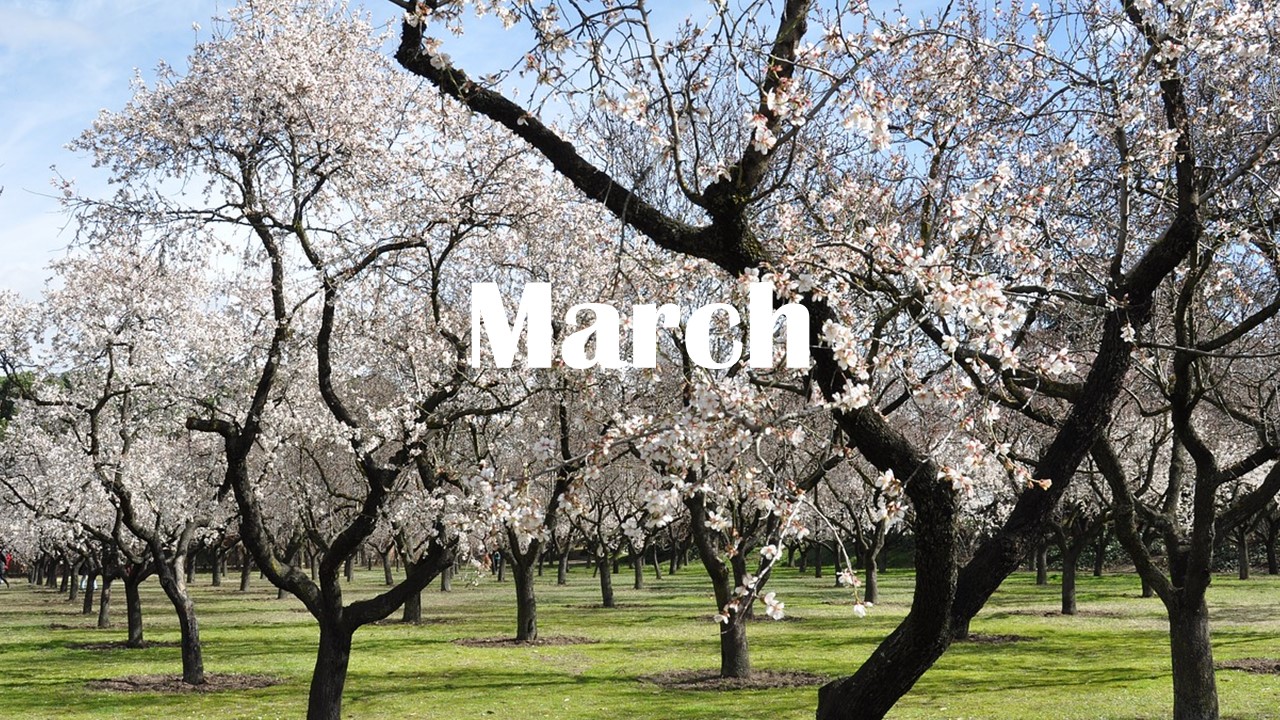
March

March
Photo courtesy of Pixabay.com

Inspiration.      Post by David Joel Miller.

March

“It was one of those March days when the sun shines hot and the wind blows cold: when it is summer in the light, and winter in the shade.”

― Charles Dickens, Great Expectations

“Take some more tea,” the March Hare said to Alice, very earnestly.

“I’ve had nothing yet,” Alice replied in an offended tone, “so I can’t take more.”

“You mean you can’t take less,” said the Hatter: “It’s very easy to take more than nothing.”

“Nobody asked your opinion,” said Alice.”

― Lewis Carroll, Alice in Wonderland

“March is such a fickle month. It is the seam between winter and spring—though seam suggests an even hem, and March is more like a rough line of stitches sewn by an unsteady hand, swinging wildly between January gusts and June greens. You don’t know what you’ll find, until you step outside.”

― V.E. Schwab, The Invisible Life of Addie LaRue

What makes March special?

Spring Arrival: March marks the official arrival of spring in the northern hemisphere. After a long and often cold winter, people look forward to the warmer temperatures, blossoming flowers, and longer days that come with the onset of this season.

Daylight Saving Time: In many regions, March is when Daylight Saving Time begins. This means that evenings become brighter and longer, allowing for more outdoor activities and extended daylight hours.

Renewal and Rebirth: March symbolizes renewal and rebirth in nature. Trees start to bud, flowers begin to bloom, and the landscape transforms into a vibrant and colorful scenery. It’s a time when nature comes back to life after the dormant winter months.

Celebration of International Women’s Day: March 8th is celebrated as International Women’s Day, a global day recognizing the achievements and contributions of women throughout history. It’s a time to promote gender equality and advocate for women’s rights.

St. Patrick’s Day: Celebrated on March 17th, St. Patrick’s Day is a cultural and religious holiday honoring St. Patrick, the patron saint of Ireland. It’s widely celebrated with parades, wearing green attire, and enjoying Irish food and music.

March Madness: In the world of sports, March is synonymous with “March Madness,” referring to the NCAA Men’s Basketball Tournament in the United States. It’s a highly anticipated event that captivates sports fans and sparks excitement around college basketball.

National Reading Month: March is designated as National Reading Month in the United States, encouraging people, especially children, to develop a love for reading. Various literacy-related events and initiatives take place to promote the joy of reading.

World Water Day: March 22nd is observed as World Water Day, focusing on the importance of freshwater and advocating for the sustainable management of water resources globally. It’s a day to raise awareness about water-related issues and promote water conservation.

Meteorological Transition: March signifies a transition in weather patterns, moving from winter to milder conditions. It’s a time when people can start enjoying outdoor activities, such as hiking, biking, and picnics, as the weather becomes more favorable.

Cultural and Religious Observances: Many cultures and religions have significant events, festivals, or observances in March. For example, the Hindu festival of Holi, celebrating the arrival of spring with vibrant colors, is often held in March.

These reasons collectively make March a special and dynamic month, marked by the changing seasons, cultural celebrations, and various events that bring people together.

Why is March special to you?

Since time is such an important part of human existence, humans being finite after all, the passage of time on planet Earth has affected our customs and our thinking. After writing a series of posts about various feelings and, character strengths, and values, I thought it might be worth exploring the connection between the seasons and our experiences and emotions.

Because planet Earth is tilted, the seasons in the northern and southern hemispheres are opposite. How you experience Mother Earth and our changing weather depends on where you’re situated on this planet. My apologies to those who might read this who live in the southern hemisphere, but since I am much more familiar with the weather and the seasons in the northern hemisphere, I’ll am following that system.

Our current calendar is heavily weighted toward the Roman calendar. Originally, there were only ten months with the stormy times after New Year’s left out. Eventually, two more months had to be added to cover what we now call January and February. The Irish calendar, sometimes called the Celtic calendar, begins each of the seasons one month earlier, probably due to the difference in the weather farther north. I hope you find some of these thoughts worthwhile.

Emotions and Feelings.                      Inspiration

Staying in touch with David Joel Miller.

For more information about my writing journey, my books, and other creative activities, please subscribe to my blog at davidjoelmillerwriter.com

Seven David Joel Miller Books are available on Amazon now! And more are on the way.

For these and my upcoming books, visit my Amazon Author Page – David Joel Miller

For information about my work in mental health, substance abuse, and having a happy life, Please check out counselorssoapbox.com

For videos, see: Counselorssoapbox YouTube Video Channel
Avoiding the Grim Reaper.

Avoiding the Grim Reaper
Photo courtesy of Pixabay.com

Avoiding the Grim Reaper.

By David Joel Miller, MS, Licensed Therapist & Counselor.

The Grim Reaper’s handiwork is everywhere.

Being one of those older people, I become increasingly conscious of the Grim Reaper and his handiwork. For those unfamiliar with this persona, the Grim Reaper is that long-standing picture of the ways of death stocks humankind just waiting for his opportunity to take one of us.

There was a time in history when the Grim Reaper frequently passed through the human village. I read that in the early eighteen hundreds in the American Midwest, as many as 30% of the people in a town might die every spring. We had a variety of names for the Grim Reaper’s tools. Sometimes, we would call it cholera, yellow fever, scarlet fever, or tuberculosis.

When I was a young person, the Grim Reaper frequently used the disease named polio, which left his victims unable to breathe until they finally died. I remember being among one of the very early groups to receive the polio vaccine, and gradually, this disease, like so many others, disappeared from the front pages of the news.

Gradually, the specter of the Grim Reaper’s nightly visit faded. Rather than a fear of diseases, we have come to fear wars, guns, gun violence, and those various diseases that were uncommon simply because humans had the good sense to die before reaching old age. In some parts of the world, this taker of life still uses wars and famine to reap his harvest.

Covid and other new evolving diseases have ripped the mask off the Grim Reaper.

Covid was definitely a shock to those of us who thought that modern medicine had largely tamed the area of infectious diseases, leaving the Grim Reaper to work only through the disorders of the elderly. Eventually, I expected that cancer, dementia, or some other disease of aging would get me. But if you were like me, you were totally unprepared for the onslaught of Covid and other new infectious diseases.

My strategies for keeping ahead of the Grim Reaper.

For most of my life, I simply ignored the Grim Reaper and lived my life as if Death would have difficulty finding me. I did take some simple precautions. I will describe here my choices and I am not trying to make a political statement about what I think others should do. Personally, I always wear my seatbelt when in the car. I get my vaccines. And when my doctor prescribed some medication for me, I attempt to take it as prescribed.

Beyond those simple precautions, as I have accumulated additional birthdays, I have begun to pay more attention to things I can do to maintain my physical health. Some of those supposed remedies have proven to be either allusive or ineffective.

One thing I have tried to do is to keep moving as much as possible. I think being active certainly keeps me out of the reach of the Grim Reaper for longer than sitting on the couch waiting for his visit. I recently underwent surgery for a problem I had neglected a great many years, and this forced me to take a further look at other things I might do to improve my health.

Walking appears to be mandatory for humans.

After my surgery, my doctor suggested that I should be walking at least 8000 steps a day. I believe that’s a reduction from the previous prescription of 10,000 steps per day. Initially, I thought this would be impossible, but I started with the modest goal of walking 4000 steps per day, which proved quite doable. Over time, I’ve increased that goal and am now routinely walking 4 miles per day, and on a good day, I may walk six or 7 miles.

Walking every day won’t keep me out of the Grim Reaper’s grip forever, but I’m going to make him work to catch up with me.

There is another significant benefit of walking.

I have read repeatedly, and I’ve told many clients my conclusion that walking outdoors, particularly where there are trees and greenery, improves your mental health. Walking outdoors for 15 to 20 minutes a day, five days or more per week, is just as effective at treating depression as taking some antidepressant medications.

Please, however, if you are currently on an antidepressant, don’t stop taking it and turn to walking. Antidepressant discontinuation syndrome, problems you will experience if you suddenly stop taking your medication, is a very real thing. Talk to your doctor before you stop any medication. However, I believe that in addition to medication, changes in behavior, such as walking and changes in thinking, which come from therapy, all work together to reduce depression and may also benefit many other mental health problems.

My attempt to lose weight was delusional.

Somewhere I had gotten the idea that I should lose weight. In fact, three doctors in a row had suggested that I needed to control my weight. Not that it was seriously out of control, but over the years, my weight gradually crept up from being a skinny person first to normal and then to being overweight. My past efforts to lose weight were ineffective, probably because I thought about it while sitting in my desk chair eating a package of cookies.

I somehow mistakenly thought that all this extra walking I had begun to do would miraculously result in weight loss. It didn’t. What it may well have done is convert some of the fat I had into muscles.

On a recent visit to the doctor, I told him I had tried losing weight but to no avail. His answer was that he no longer thought I should attempt to lose weight. I read now that older people, presumably those beyond retirement age, may actually be somewhat healthier if they are slightly above the BMI suggestions for normal weight.

It turns out that all people fall; some of them fall a lot, and a few extra pounds can be some padding. This is certainly no excuse if your blood sugar is out of control, but barring type II diabetes, I think a few extra pounds are not a problem for someone my age. Don’t take my word for this; however, make sure you consult with your personal physician.

Eating a healthy diet has proved to be more elusive.

I’m definitely not a nutritionist and hesitate to give you any advice in this area. I have learned, however, that becoming overly concerned about your diet in your past retirement life may be a mistake. Nutrition is a whole lot more complicated than switching to only eating vegetables. Balance in nutrition is just as important as it is in many other parts of our lives. Some of those foods we think of as unhealthy” when eaten in small amounts, may be beneficial for maintaining a balanced diet. My suggestion is not to go on a crash diet, trying to eat healthy and end up with nutritional deficiencies. Talk to your doctor or a nutritionist before you eliminate food from your diet that you have been eating for a long time.

So those are some of my thoughts and experiences now that I’ve reached a point in life where I am focusing more on trying to stay healthy and keep my life in balance. Comments are welcome. Hope you will continue to read this blog.

Does David Joel Miller see clients for counseling and coaching?

Yes, I do. I can see private pay clients if they live in California, where I am licensed. If you’re interested in information about that, please email me or use the contact me form.

Staying in touch with David Joel Miller.

Want the latest blog posts as they are published? Subscribe to this blog.

For more information about my writing journey, my books, and other creative activities, please subscribe to my blog at davidjoelmillerwriter.com

Seven David Joel Miller Books are available on Amazon now! And more are on the way.

For more about my books, please visit my Amazon Author Page – David Joel Miller

For information about my work in mental health, substance abuse, and having a happy life, please check out https://counselorssoapbox.com

For videos, see: Counselorssoapbox YouTube Video Channel