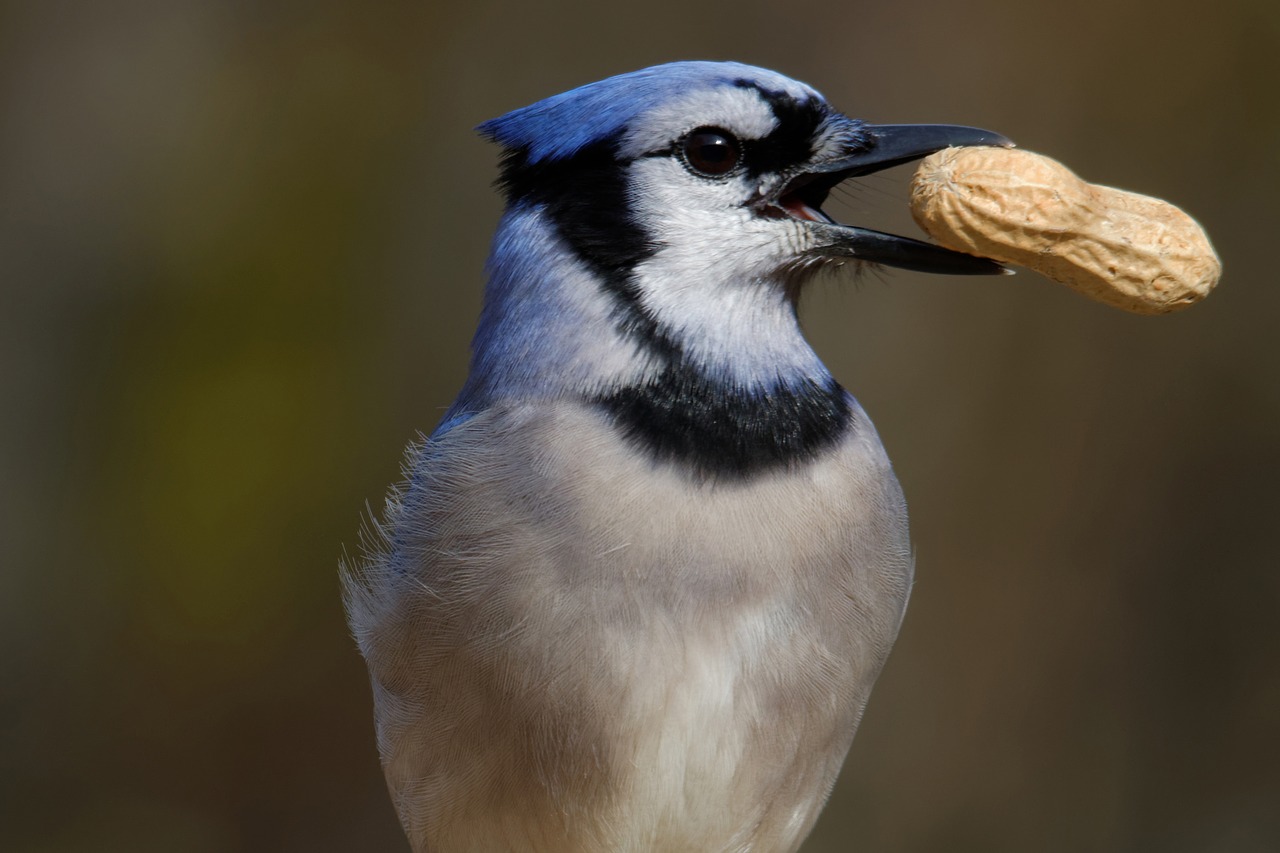
Healthy Habits available for adoption

By David Joel Miller, MS, Licensed Therapist & Licensed Counselor.

Would you like to adopt some healthy habits?

One sign of mental illness or substance use disorders is living an unhealthy lifestyle. People with depression do not have the energy to take care of themselves. People who are ill do not have the strength to maintain healthy habits.

Even those who don’t consider themselves “in recovery” find that adopting healthier habits can increase the happiness of their life and reduce the risk of becoming emotionally unhealthy.

One thing I have noticed from my time around the tables and the therapy rooms is that illnesses and diseases take a back seat to discussions of healthy habits. People who are really struggling talk about how hard, impossible it is to take care of themselves. As people recover then begin to talk increasingly about self-care.

Some will say that better self-care promotes recovery and others say that as you recover you begin to pay more attention to your self-care. I suspect there is some of both.

So what things are you doing to take better care of yourself?

Some people feel so responsible for others that they find it hard to spend time, money or effort on self-care.

Taking good care of yourself is not being selfish!

Here are some major areas of self-care that I see clients engaging in as their recovery progresses.

A better, healthier diet is part of self-care.

When you are in your disorder preparing food and eating can be a chore. Depressed people either eat nothing or they eat most everything. Often their food choices are unhealthy. Substance abusers have similar disruptions in their eating. As people begin to recover they pay more attention to what they are eating and how this is affecting them. How is your diet supporting your emotional health and recovery?

Exercise and health maintenance are parts of recovery.

Recovering people often begin an exercise program. They think about seeing a doctor. They get their physical health problems treated.

After years of failure to take care of your body, working on your health can become a priority. Recovering people need to balance their physical recovery with their emotional and spiritual recoveries. It is easy to turn an exercise program or being health conscious into a new addiction. This may be a “better addiction” but it can take you down a wrong path and away from real lasting recovery.

It is important to tell yourself that no matter how much damage to your body your old lifestyle has caused, you are worth taking care of. Depression and inactivity take their toll. So do anxiety and addiction. See to it that you get the health part of your recovery in balance with the other portions.

Setting boundaries with others safeguards recovery.

Part of recovery is learning to say no, set healthy boundaries. As you treat yourself better you will no longer be able to abide by others treating you poorly.

You will also find that you are more able to treat others as they should be treated. You will begin to recognize and respect other’s boundaries.

Safe and comfortable housing promotes recovery.

When you are down and discouraged you stay where you can. Once in recovery, you home becomes important.

You may need help finding a safe place to stay, do not hesitate to use public programs and private resources. Be sure that you make your nest in a place that is supportive of your recovery, not a place of settling for something less than you deserve.

Do what you can to make where ever you stay “your place.”

Improving relationships promotes recovery.

Recovering people want a healthy relationship with their children, parents, and significant others. They also may need to reexamine friendships and try to strengthen healthy supportive relationships, mending breaches where possible, and sometimes they find that there are former associates that need to be let go.

Even if you do not think of yourself as a recovering person, adopting healthy lifestyle practices can improve the quality of your life.

What healthy lifestyle practices are you ready to adopt and take home?

Staying connected with David Joel Miller

Seven David Joel Miller Books are available now!

My newest book is now available. It was my opportunity to try on a new genre. I’ve been working on this book for several years, but now seem like the right time to publish it.

Story Bureau.

Story Bureau is a thrilling Dystopian Post-Apocalyptic adventure in the Surviving the Apocalypse series.

Baldwin struggles to survive life in a post-apocalyptic world where the government controls everything.

As society collapses and his family gets plunged into poverty, Baldwin takes a job in the capital city, working for a government agency called the Story Bureau. He discovers the Story Bureau is not a benign news outlet but a sinister government plot to manipulate society.

Bumps on the Road of Life. Whether you struggle with anxiety, depression, low motivation, or addiction, you can recover. Bumps on the Road of Life is the story of how people get off track and how to get your life out of the ditch.

Dark Family Secrets: Doris wants to get her life back, but small-town prejudice could shatter her dreams.

Casino Robbery Arthur Mitchell escapes the trauma of watching his girlfriend die. But the killers know he’s a witness and want him dead.

Planned Accidents  The second Arthur Mitchell and Plutus mystery.

Letters from the Dead: The third in the Arthur Mitchell mystery series.

What would you do if you found a letter to a detective describing a crime and you knew the writer and detective were dead, and you could be next?

Sasquatch. Three things about us, you should know. One, we have seen the past. Two, we’re trapped there. Three, I don’t know if we’ll ever get back to our own time.

For these and my upcoming books; please visit my Author Page – David Joel Miller

Want the latest blog posts as they publish? Subscribe to this blog.

For videos, see: Counselorssoapbox YouTube Video Channel

When does recovery start?

By David Joel Miller, MS, Licensed Therapist & Licensed Counselor.

Ball recovery

Recovery and Resiliency.
Photo courtesy of Pixabay.com

When will your recovery start?

If we believe in recovery – and I do – we need to ask, when does recovery start? How does someone know that they have begun the process of recovery?

Recognizing what is wrong.

The starting point for recovery is to admit that there is something wrong.

As long as someone continues to pretend that there is nothing wrong nothing changes. I know the old conventional wisdom was to just suck things up and keep going to work doing your tasks, keep trying to control your drinking, and so on.

The result of this effort to deny the problems resulted in a whole lot of unhappy people who kept up pretenses but never felt happy, never was able to do all they should do, until that final breakdown occurred.

The nervous breakdown, the DUI, or the arrest was not the problem. The problem was that there has been an underlying emotional or substance use problem that has gone untreated because people believe that denying you have a disease keeps you from having it.

This happens a lot in the medical field. Lots of people avoid tests for cancer or HIV because they do not want to have the disease. As if not knowing would prevent you from getting it. The result of failing to acknowledge an illness is not avoiding that disease.

Not admitting your problem allows it to get worse.

You need to recognize that something is wrong before you reach a point of not being able to avoid it. Untreated problems may even reach the point of being fatal.

Yes, depression untreated can be fatal. So can alcoholism, and addiction.

Many recovered people report that they began their journey to recovery the day they admitted they had a problem.

If you have been chronically depressed or anxious, you know you have had to make a lot of excuses to get out of things that you were unable to do and still not have to tell people about your emotional problem. You know that relapse is a risk.

Making excuses gets in the way of real recovery.

The alcoholic who tries to stop drinking will often, in the beginning, make excuses for why they are not drinking. They have a headache, they need to get up early tomorrow or they just are not in the mood to drink tonight. Others around them will continue to offer to buy them a drink; they want them to join in the “fun.” Many times those friends are alcoholics also so they do not want someone else admitting a drinking problem as that might imply they have one too.

The depressed person misses a lot of activates because they have no energy to participate. The need to make excuses also. But eventually, those excuses wear thin. People begin to think you are avoiding them rather than understanding that there are days when your emotional condition makes it impossible for you to engage in activities that you used to do.

You can suffer for years trying to pretend you do not have a problem. What you may find is that once you recognize what the problem is, the treatment can be remarkably simple, simple but not easy.

You may be trying to avoid other issues.

Many times these things we call emotional illness are really the symptoms of something else we have been unable to cope with. If you hate your job or have relationship problems and drink to cope, you may think the problem is the alcohol. If you keep drinking to avoid other emotional problems, eventually that alcohol will become a problem also.

Sooner or later you need to face not only the depression or the addiction but also the bad relationships you have with your job or your close family and friends. Avoiding these problems of living causes emotional illnesses.

Once you admit to yourself and others the nature of your problem and become ready to take a good look at how you got this way, you may find that recovery is a whole lot easier than continuing to have the disease.

Staying connected with David Joel Miller

Seven David Joel Miller Books are available now!

My newest book is now available. It was my opportunity to try on a new genre. I’ve been working on this book for several years, but now seem like the right time to publish it.

Story Bureau.

Story Bureau is a thrilling Dystopian Post-Apocalyptic adventure in the Surviving the Apocalypse series.

Baldwin struggles to survive life in a post-apocalyptic world where the government controls everything.

As society collapses and his family gets plunged into poverty, Baldwin takes a job in the capital city, working for a government agency called the Story Bureau. He discovers the Story Bureau is not a benign news outlet but a sinister government plot to manipulate society.

Bumps on the Road of Life. Whether you struggle with anxiety, depression, low motivation, or addiction, you can recover. Bumps on the Road of Life is the story of how people get off track and how to get your life out of the ditch.

Dark Family Secrets: Doris wants to get her life back, but small-town prejudice could shatter her dreams.

Casino Robbery Arthur Mitchell escapes the trauma of watching his girlfriend die. But the killers know he’s a witness and want him dead.

Planned Accidents  The second Arthur Mitchell and Plutus mystery.

Letters from the Dead: The third in the Arthur Mitchell mystery series.

What would you do if you found a letter to a detective describing a crime and you knew the writer and detective were dead, and you could be next?

Sasquatch. Three things about us, you should know. One, we have seen the past. Two, we’re trapped there. Three, I don’t know if we’ll ever get back to our own time.

For these and my upcoming books; please visit my Author Page – David Joel Miller

Want the latest blog posts as they publish? Subscribe to this blog.

For videos, see: Counselorssoapbox YouTube Video Channel
Recommended self-help & Counseling books

Recommended Books.

AA big book

Alcoholics Anonymous big book.

We have had some trouble with the links to counselorfresno.com so here is a re-post of the books on self-help, counseling, and therapy. This is a work in progress so if you think of something else that warrants a listing here let me know.

Links to suggested self-help books.

Here are some books that I have found useful or that have been recommended by clients and colleagues. No book is a substitute for professional therapy but many of the things we talk about in therapy are explained in more detail in self-help books. The links will take you to the Amazon.com listing for the books.

More titles will be added as time permits. If you have suggestions for this list send them along. Leave a comment or there is a contact form available.

Self Help books

Broken Open: How Difficult Times Can Help Us Grow – Elizabeth Lesser

The story of how painful events can be the impetus for personal growth

Relationships

Men Are From Mars, Women Are From Venus

Some interesting observations about how men and women understand relationships differently. Not everything applies to everyone but you may well see large parts of your relationship behaviors depicted in this book.

Children

Windows to Our Children: A Gestalt Therapy Approach to Children and Adolescents by Violet Oaklander

Raising Good Children: From Birth Through The Teenage Years By Thomas Lickona

The Healing Power of Play: Working with Abused Children by Eliana Gill

How do people learn the difference between right and wrong and why do some people stay stuck at low levels of moral reasoning.

Alcoholism, addiction, and recovery   

The Big Book of Alcoholics Anonymous

The classic text on Alcoholism, recovery this is the book that started off the whole 12 step phenomenon.

Alcoholics Anonymous from The Anonymous Press

At 99 cents this is such a bargain. This edition needed a separate listing. No Kindle reader? No Problem, if you have a computer you can download a free Kindle reader.

Theory and counseling techniques

These books are recommended for professionals, interns, and students. They may also be of interest to some clients or consumers.

Changing for Good: A Revolutionary Six-Stage Program for Overcoming Bad Habits and Moving Your Life Positively Forward

Schizophrenia: Cognitive Theory, Research, and Therapy – Aaron Beck

Uncommon Therapy: The Psychiatric Techniques of Milton H. Erickson, M.D.– Jay Halley

The story of Milton Erickson’s very unusual and very effective way of conducting therapy.

Need a Kindle? Here is one for $69

Kindle, 6″ E Ink Display, Wi-Fi – Includes Special Offers (Black)

“Counselorssoapbox and counselorfresno.com are participants in the Amazon Services LLC Associates Program, an affiliate advertising program designed to provide a means for sites to earn advertising fees by advertising and linking to amazon.com.” We recommend only books we think are good and maybe occasionally make a buck.

Staying connected with David Joel Miller

Seven David Joel Miller Books are available now!

My newest book is now available. It was my opportunity to try on a new genre. I’ve been working on this book for several years, but now seem like the right time to publish it.

Story Bureau.

Story Bureau is a thrilling Dystopian Post-Apocalyptic adventure in the Surviving the Apocalypse series.

Baldwin struggles to survive life in a post-apocalyptic world where the government controls everything.

As society collapses and his family gets plunged into poverty, Baldwin takes a job in the capital city, working for a government agency called the Story Bureau. He discovers the Story Bureau is not a benign news outlet but a sinister government plot to manipulate society.

Bumps on the Road of Life. Whether you struggle with anxiety, depression, low motivation, or addiction, you can recover. Bumps on the Road of Life is the story of how people get off track and how to get your life out of the ditch.

Dark Family Secrets: Doris wants to get her life back, but small-town prejudice could shatter her dreams.

Casino Robbery Arthur Mitchell escapes the trauma of watching his girlfriend die. But the killers know he’s a witness and want him dead.

Planned Accidents  The second Arthur Mitchell and Plutus mystery.

Letters from the Dead: The third in the Arthur Mitchell mystery series.

What would you do if you found a letter to a detective describing a crime and you knew the writer and detective were dead, and you could be next?

Sasquatch. Three things about us, you should know. One, we have seen the past. Two, we’re trapped there. Three, I don’t know if we’ll ever get back to our own time.

For these and my upcoming books; please visit my Author Page – David Joel Miller

Want the latest blog posts as they publish? Subscribe to this blog.

For videos, see: Counselorssoapbox YouTube Video Channel

Serenity

“There are two ways to get enough. One is to continue to accumulate more and more. The other is to desire less.” 
― G.K. Chesterton

Serenity

What is CAADE?

By David Joel Miller.

Update 2/1/18

At this time CAADE and its counselor certification body ACCBC are unable to certify AOD counselors. ACCBC is pursuing the ability to certify counselors again.  More information to follow.

California Association for Drug and Alcohol Educators.

CAADE stands for the California Association for Drug and Alcohol Educators. The first organization meeting was held here in Fresno in 1982 and CAADE was formally organized in 1984. CAADE is a nonprofit 501(C) 3 corporation and supports the efforts to educate drug and alcohol counselors and further the standards of the drug and alcohol treatment profession.

CAADE is one of the credentialing organizations included in the State of California Department of Drug and Alcohol Programs directory. Their website notes that they serve some 40 colleges and universities in California, Arizona, and Nevada.

Over the last few years, I have had the honor and the privilege of teaching at Fresno City College in their Drug and Alcohol Counseling program.  This program consists of a 36 unit curriculum in substance abuse counseling and related subjects, making it one of the more rigorous substance abuse counseling programs available.

In 2012 CAADE formed the Addiction Counselor Certification Board of California (an official affiliate of CAADE). This division clarifies the separate functions of improving the education provided to prospective counselors and the registration and certification of counselors as meeting the standards expected in this counseling specialty.

For more on the CAADE program, colleges, and universities that teach this program, and the CAADE annual conventions please visit the CAADE website.

Staying connected with David Joel Miller

Seven David Joel Miller Books are available now!

My newest book is now available. It was my opportunity to try on a new genre. I’ve been working on this book for several years, but now seem like the right time to publish it.

Story Bureau.

Story Bureau is a thrilling Dystopian Post-Apocalyptic adventure in the Surviving the Apocalypse series.

Baldwin struggles to survive life in a post-apocalyptic world where the government controls everything.

As society collapses and his family gets plunged into poverty, Baldwin takes a job in the capital city, working for a government agency called the Story Bureau. He discovers the Story Bureau is not a benign news outlet but a sinister government plot to manipulate society.

Bumps on the Road of Life. Whether you struggle with anxiety, depression, low motivation, or addiction, you can recover. Bumps on the Road of Life is the story of how people get off track and how to get your life out of the ditch.

Dark Family Secrets: Doris wants to get her life back, but small-town prejudice could shatter her dreams.

Casino Robbery Arthur Mitchell escapes the trauma of watching his girlfriend die. But the killers know he’s a witness and want him dead.

Planned Accidents  The second Arthur Mitchell and Plutus mystery.

Letters from the Dead: The third in the Arthur Mitchell mystery series.

What would you do if you found a letter to a detective describing a crime and you knew the writer and detective were dead, and you could be next?

Sasquatch. Three things about us, you should know. One, we have seen the past. Two, we’re trapped there. Three, I don’t know if we’ll ever get back to our own time.

For these and my upcoming books; please visit my Author Page – David Joel Miller

Want the latest blog posts as they publish? Subscribe to this blog.

For videos, see: Counselorssoapbox YouTube Video Channel

You can recover from your mental illness

By David Joel Miller, MS, Licensed Therapist & Licensed Counselor.

Woman crying with alcohol

Mental illness
Photo courtesy of Pixabay.com

Recovery happens – Does that surprise you?

Mental and emotional illnesses are relatively common.

Some of you are denying that you have or could ever get a mental illness. Half the population at some time in their life will have a mental illness. Depression and anxiety problems are the most common but many other emotional problems can throw you for a loss.

Among those who do develop a mental or emotional disorder, the conventional wisdom has been that they are “seriously and persistently” mental illness. The implication, all too often, has been that once you get a mental health diagnosis then life is over for you.

Recovery happens.

The truth is that many people do recover from their mental illness. Some by using professional help and others recover in spite of the obstacles the system puts in the way of recovery.

Before the discovery that medications could help with mental illness, the prevailing thought was that the mentally ill were “Crazy” and that once you “lost your mind” it was unlikely you would regain it. This has turned out to be untrue.

Medication can help.

For some, but not all, medication has completely changed the prognosis of mental illness. If a few days on medication can restore someone to functional behavior then it is clear that having a mental illness is not an incurable condition.

We have also discovered that many of the things we used to consider mental illnesses were the result of a lack of skills. People who did not learn good social skills in childhood find it difficult to have good relationships in adulthood. The good news is that anything you learned incorrectly can be unlearned and that the human brain is never too old and rarely to sick to preclude the chance of learning new material.

The consumer movement emphasizes recovery.

One other factor has challenged the notion that once mentally ill, forever sick. Because of the stigma, the mentally ill have traditionally faced many people hid their diseases. More and more of those who have had a mental illness have come forward to talk openly and honestly about their struggles. This openness is sometimes referred to as the consumer movement.

It has become clear to me and to others that there are many highly functional individuals who have at one point or another in their lives have struggled with a mental, emotional, or behavioral illness.

Unfortunately, discrimination against the mentally ill continues to keep people away from treatment.

In truth, half of all Americans are likely to experience one or more episodes of mental illness in their lifetimes. Those fortunate enough to have a strong support system and willing to seek treatment can and do recover.

Many a tragedy, personal and public, might be averted if more people could be encouraged to go for treatment rather than trying to hide their symptoms and pretend to themselves and others that they were not struggling with a mental health challenge.

Put an end to the lie – let people know – recovery happens.

Staying connected with David Joel Miller

Seven David Joel Miller Books are available now!

My newest book is now available. It was my opportunity to try on a new genre. I’ve been working on this book for several years, but now seem like the right time to publish it.

Story Bureau.

Story Bureau is a thrilling Dystopian Post-Apocalyptic adventure in the Surviving the Apocalypse series.

Baldwin struggles to survive life in a post-apocalyptic world where the government controls everything.

As society collapses and his family gets plunged into poverty, Baldwin takes a job in the capital city, working for a government agency called the Story Bureau. He discovers the Story Bureau is not a benign news outlet but a sinister government plot to manipulate society.

Bumps on the Road of Life. Whether you struggle with anxiety, depression, low motivation, or addiction, you can recover. Bumps on the Road of Life is the story of how people get off track and how to get your life out of the ditch.

Dark Family Secrets: Doris wants to get her life back, but small-town prejudice could shatter her dreams.

Casino Robbery Arthur Mitchell escapes the trauma of watching his girlfriend die. But the killers know he’s a witness and want him dead.

Planned Accidents  The second Arthur Mitchell and Plutus mystery.

Letters from the Dead: The third in the Arthur Mitchell mystery series.

What would you do if you found a letter to a detective describing a crime and you knew the writer and detective were dead, and you could be next?

Sasquatch. Three things about us, you should know. One, we have seen the past. Two, we’re trapped there. Three, I don’t know if we’ll ever get back to our own time.

For these and my upcoming books; please visit my Author Page – David Joel Miller

Want the latest blog posts as they publish? Subscribe to this blog.

For videos, see: Counselorssoapbox YouTube Video Channel

It doesn’t have to be true for you to believe it

By David Joel Miller, MS, Licensed Therapist & Licensed Counselor.

Truth or lie

Separating truth from lies is hard work.
Photo courtesy of Pixabay.com

Just because someone believes it does not make it true.

We continue to see a lot of conflict and violence over differences in beliefs. It is hard to understand how different people could look at the same set of circumstances and come to such very different conclusions, but they do.

People can become pretty heated about the big stuff, politics, and religion, but progressively smaller things, like sports teams and physical appearance, can result in huge disagreements also.

Don’t think there is a correct way to look.

Would you kill someone or kill yourself because one of you is too tall or too short? How about being too fat or too thin? Just those sorts of beliefs are resulting in bullying, violence, and self-harm. Some of these bullying incidents have resulted in suicide even when the statement the bully made was clearly incorrect. The problem was that the victim believed something that was not true.

Being bigger or smaller, smarter, or less smart are not reasons for harm to others or self in my opinion but that is the topic of another post.

What we are seeing daily in the news is the way in which people who are told lies about themselves come to believe those lies and then take action based on those incorrect beliefs.

In counseling, we see a whole lot of people who are convinced they are too fat or thin, stupid, or ugly when the evidence in front of the counselor’s eyes contradicts that belief.

Do not believe everything you think.

Most of us fall into the trap of thinking that because we believe something, that is evidence that our beliefs are true and that others should quickly see the error of their ways when they do not agree with us.

What if some of your most firmly held beliefs turn out to be untrue?

One way in which incorrect beliefs come to be regarded as true despite no evidence or evidence to the contrary is called emotional reasoning.

If you become scared when you think of something, you could take that as evidence that the thing that scares you is dangerous.

Many of us fall into the emotional reasoning trap when we chose to believe something because it makes us feel better or more secure if that were true.

This is a way the bullies of the world torment their victims. They express a negative derogatory statement about their victim and then because others say something about you the victim is driven to believe the things the bully has said.

Many a person will make statements in your lifetime, some of them derogatory. Those comments from others do not make them true. And even if there is some grain of truth in them, remember the best lies contain just enough truth in them to be believable.

The opinions of others ought not to matter. Clearly, many of the things others say are not true. You don’t have to believe everything others tell you and you do not need to believe every negative thing you think about yourself.

Be very careful that you are not lying to yourself. The most hurtful lies are the ones we tell ourselves so often that we begin to believe them.

Staying connected with David Joel Miller

Seven David Joel Miller Books are available now!

My newest book is now available. It was my opportunity to try on a new genre. I’ve been working on this book for several years, but now seem like the right time to publish it.

Story Bureau.

Story Bureau is a thrilling Dystopian Post-Apocalyptic adventure in the Surviving the Apocalypse series.

Baldwin struggles to survive life in a post-apocalyptic world where the government controls everything.

As society collapses and his family gets plunged into poverty, Baldwin takes a job in the capital city, working for a government agency called the Story Bureau. He discovers the Story Bureau is not a benign news outlet but a sinister government plot to manipulate society.

Bumps on the Road of Life. Whether you struggle with anxiety, depression, low motivation, or addiction, you can recover. Bumps on the Road of Life is the story of how people get off track and how to get your life out of the ditch.

Dark Family Secrets: Doris wants to get her life back, but small-town prejudice could shatter her dreams.

Casino Robbery Arthur Mitchell escapes the trauma of watching his girlfriend die. But the killers know he’s a witness and want him dead.

Planned Accidents  The second Arthur Mitchell and Plutus mystery.

Letters from the Dead: The third in the Arthur Mitchell mystery series.

What would you do if you found a letter to a detective describing a crime and you knew the writer and detective were dead, and you could be next?

Sasquatch. Three things about us, you should know. One, we have seen the past. Two, we’re trapped there. Three, I don’t know if we’ll ever get back to our own time.

For these and my upcoming books; please visit my Author Page – David Joel Miller

Want the latest blog posts as they publish? Subscribe to this blog.

For videos, see: Counselorssoapbox YouTube Video Channel

The only two must-have things

By David Joel Miller, MS, Licensed Therapist & Licensed Counselor.

Happy children

Happy.
Photo courtesy of Pixabay.com

What two things are “must-haves?”

From my time as a counselor I find that there are two things, clients must have to create a happy, fulfilled life. Those two must-have things are not the things we have been led to believe are must-haves for happiness.

Whatever their challenge in life, my clients all seem to be missing two important ingredients to create a happy successful life. People who hear voices and see things and people who thought they were perfectly normal until life took a wrong turn both need those same things.

Humans as biological organisms need some minimal intakes to sustain their biology. We need some food, some water, air to breathe, and a small amount of clothing or shelter. Mostly though, as warm-blooded vertebrates, we adapt. Not having those things risks your health and life but having them does not automatically make you happy.

Happiness is not things.

America is blessed and cursed with an abundance of things. So many things we have to haul tons of them to the landfill each week just to keep our things from choking off our access to the remaining things and still – will all those things, we are not happy.

We live in a land of plenty and more people here suffer from excesses than from shortages. There is too much food and the result is obesity and diabetes. We have plenty of vehicles and we consume humongous quantities of energy in our pursuit of happiness and still, amid all those excesses we can’t find happiness. Americans consume the lion’s share of drugs and alcohol and still, we can’t arrive at happiness.

What then are those two things that appear vital in the creation of happiness whether you are rich or poor? Despite our unending search for therapies to help people with their depression two things consistently improve the depressed person’s mood, a healthy relationship, and a purpose in life. Both of these things while simple, are harder to do than they sound.

Humans need healthy relationships.

By this, I do not necessarily mean romantic or sexual relationships, though having a close romantic partner seems to make most warm-blooded vertebrates happy.

We need a relationship with other humans and we need relationships with those higher powers most of us call God or a Deity.

It is a difficult task to have a healthy relationship when you are emotionally sick. Many people find they need to develop a healthy relationship with themselves before they can have a healthy relationship with another. Falling in love is intoxication but the stupor soon wears off and you begin to see with clear eyes that not all love relationships are healthy.

You do need a meaningful purpose in life.

For most of us, this is some form of work. We have come to recognize that many people who we used to think were not capable of work, can despite those challenges we call disabilities, engage in meaningful work.

All work does not need to be paid employment. Having a task that brings meaning to your life gives you a reason to get up in the morning. So paid or volunteer, of someone else’s choosing or of our own, having something to do each day that aligns with a purpose or goal gives us hope and happiness.

You may not be rich but if your daily tasks have a higher purpose, doing God’s will or giving to others, you are most likely to find happiness in living those life purposes.

Finding a job is difficult sometimes. Finding a career that gives you more than just money is more complicated. The more you like your work, the more you are doing what you feel called to do the greater your happiness. No amount of money can compensate you for doing something that is not worth the effort.

We all may need to do something from time to time to pay the bills and keep the body and soul together but in the long haul we call life, those who can find a purpose and then find a way to earn a living at that purpose are well along the road of happiness.

Staying connected with David Joel Miller

Seven David Joel Miller Books are available now!

My newest book is now available. It was my opportunity to try on a new genre. I’ve been working on this book for several years, but now seem like the right time to publish it.

Story Bureau.

Story Bureau is a thrilling Dystopian Post-Apocalyptic adventure in the Surviving the Apocalypse series.

Baldwin struggles to survive life in a post-apocalyptic world where the government controls everything.

As society collapses and his family gets plunged into poverty, Baldwin takes a job in the capital city, working for a government agency called the Story Bureau. He discovers the Story Bureau is not a benign news outlet but a sinister government plot to manipulate society.

Bumps on the Road of Life. Whether you struggle with anxiety, depression, low motivation, or addiction, you can recover. Bumps on the Road of Life is the story of how people get off track and how to get your life out of the ditch.

Dark Family Secrets: Doris wants to get her life back, but small-town prejudice could shatter her dreams.

Casino Robbery Arthur Mitchell escapes the trauma of watching his girlfriend die. But the killers know he’s a witness and want him dead.

Planned Accidents  The second Arthur Mitchell and Plutus mystery.

Letters from the Dead: The third in the Arthur Mitchell mystery series.

What would you do if you found a letter to a detective describing a crime and you knew the writer and detective were dead, and you could be next?

Sasquatch. Three things about us, you should know. One, we have seen the past. Two, we’re trapped there. Three, I don’t know if we’ll ever get back to our own time.

For these and my upcoming books; please visit my Author Page – David Joel Miller

Want the latest blog posts as they publish? Subscribe to this blog.

For videos, see: Counselorssoapbox YouTube Video Channel

You can become a “natural”

By David Joel Miller, MS, Licensed Therapist & Licensed Counselor.

Skills.
Photo courtesy of Pixabay.com

Can you learn to be a natural?

When it comes to ability there are two schools of thought.

One group says that people are either born with a talent or they are out of luck. This used to be the prevailing theory. There are still a lot of folks who cling to this notion. They would have us believe that some folks are born to be poor, stupid, and uneducated and other people are born to be rich, privileged, and perfect.

The other school of thought decrees that people are all born with some genetic abilities but how those talents grow and develop are heavily influenced by the training they receive and the skills they develop.

School one says that if you are clumsy, that is the way you are and you will be clumsy the rest of your life. Coaches from this school search far and wide and try to recruit talent for their teams.

Coaches from the second school, the incremental skills school, look for ways to help the players they have developed more and better skills.

Personally, I think there is strong evidence for the second school. People who initially did not look like they could do something can often outplay, out study, and outperform those people who initially looked like “naturals.”

Naturals are developed over time not born that way. Some people who should have made the natural list never got the training they needed and as a result did not become the “natural” they could have become.

Some examples.

We expect that the tallest people should be the best at basketball. Yes, good players often enjoy the benefits of being above average in height, but have you ever known a really tall person who just could not play basketball? Are their short people who turn out to be extraordinary players? Appearances do not make for naturals and neither do inborn qualities.

The college degrees often do not go to the smartest people. We all know plenty of really smart people who did not apply themselves and as a result, failed to finish their education. Education does not always equal ability or opportunity but in many areas of life, without education, you don’t get to play the game in the first place.

“Naturals” practice – a lot.

If high levels of ability were all about being a natural, those top players would never need to practice. The truth is that the best players practice repeatedly until the things they want to do become automatic actions. They train themselves until they become that “natural” they wanted to be.

You have to practice the things that need improvement.

Highly successful people do not focus only on the things they do well. The difference between the top athletes and the next level down is that the top people continue to practice the things they do not do well until those things become part of their A routine. Those people who aspire to greatness but never make it often look for the things that they are good at, the things that they think reflect some natural ability, and then they practice what they are good at. Maintaining skills by practice is a good thing, but failing to improve yourself will prevent you from reaching the goals you would like to achieve.

The best way to be cone a natural is to find something that is an underdeveloped talent and practice this until you become proficient at it.

What thing would you like to look so good at that people would think you were a natural at it? Are you willing to work and practice until you become one of those high achieving people?

Staying connected with David Joel Miller

Seven David Joel Miller Books are available now!

My newest book is now available. It was my opportunity to try on a new genre. I’ve been working on this book for several years, but now seem like the right time to publish it.

Story Bureau.

Story Bureau is a thrilling Dystopian Post-Apocalyptic adventure in the Surviving the Apocalypse series.

Baldwin struggles to survive life in a post-apocalyptic world where the government controls everything.

As society collapses and his family gets plunged into poverty, Baldwin takes a job in the capital city, working for a government agency called the Story Bureau. He discovers the Story Bureau is not a benign news outlet but a sinister government plot to manipulate society.

Bumps on the Road of Life. Whether you struggle with anxiety, depression, low motivation, or addiction, you can recover. Bumps on the Road of Life is the story of how people get off track and how to get your life out of the ditch.

Dark Family Secrets: Doris wants to get her life back, but small-town prejudice could shatter her dreams.

Casino Robbery Arthur Mitchell escapes the trauma of watching his girlfriend die. But the killers know he’s a witness and want him dead.

Planned Accidents  The second Arthur Mitchell and Plutus mystery.

Letters from the Dead: The third in the Arthur Mitchell mystery series.

What would you do if you found a letter to a detective describing a crime and you knew the writer and detective were dead, and you could be next?

Sasquatch. Three things about us, you should know. One, we have seen the past. Two, we’re trapped there. Three, I don’t know if we’ll ever get back to our own time.

For these and my upcoming books; please visit my Author Page – David Joel Miller

Want the latest blog posts as they publish? Subscribe to this blog.

For videos, see: Counselorssoapbox YouTube Video Channel

Is relapse a part of recovery?

By David Joel Miller, MS, Licensed Therapist & Licensed Counselor.

Relapse

Relapse.
Photo courtesy of Pixabay.com

Is relapse a necessary part of recovery?

You will hear this a lot if you hang around treatment facilities, even self-help groups. I suppose it comes from seeing people relapse and feeling helpless to prevent those relapses. But is relapse really a necessary part of recovery?

Mostly this is applied to substance abuse, drugs, and alcohol, but more and more we are seeing that other emotional, mental, and behavioral challenges can follow the same processes. People get unhealthy; they may get sick and then they recover.

Do symptoms have to get worse before they get better?

Every time one of my colleagues says that relapse is a part of recovery I cringe. It feels like saying that heart attacks are a part of treating heart disease. I do not believe that good treatment should accept any negative outcome as a part of the recovery process.

Relapse is common, but it is not universal. Some people, more than you might think, recover, and never relapse.  A surprisingly large number of people report that they were able to quit drugs, get over their depression and anxiety, and stay quit and recovered.

So how do they do recover without relapse?

We need to talk about several things. What is recovery, what is relapse, and how do people go about changing?

Emotional challenges and substance use problems are a lot like chronic physical disorders. If you have had a stroke there has been some damage done. If you have been diagnosed with diabetes you will never be “cured.” Some changes will always remain as a result of your experience.

While you will never be “cured” you can, and most people do, recover from that disorder. The same thing happens to those people who have had an emotional or substance use disorder. They can and do recover but they are never fully cured. There is a risk that if they are not careful they may slip back into an active stage of their problem but if they are vigilant about their recovery they do not need to keep getting sick again and returning to their provider to, again and again, be treated and recover over and over.

These ideas about substance use problems and mental health problems are both included in the The Big Book of Alcoholics Anonymous. Bill W. wrote about the issues that those with Bipolar Disorder will face that may make their recovery more difficult than that experienced by people who do not have an underlying mental health disorder.

Bill W also wrote that in the early days of those who came to the program and stuck (meaning actually continued to attend and participate in the program) 50% quit drinking forever. That does not sound to me like he believed that relapse needed to be a part of recovery.

He went on to report that of the remaining half about 25 % had to quit a few times to get it right but those people did eventuality stop for good.

What about that last 25%? The big book reports that while some people never did manage to stay stopped those people, while attending A.A. were much improved. I take that to mean that while the treatment for a mental or emotional problem may not fully effect a cure, reducing your symptoms is a way to reduce the harm that a mental, emotional, or substance use problem creates.

These days we are applying the stages of change model to both mental health and substance use disorders. Take a look at some of the books on how people change such as Changing for good.

Changing for Good: A Revolutionary Six-Stage Program for Overcoming Bad Habits and Moving Your Life Positively Forward

I have written posts in the past on this model and how it can help you change and stay changed.

In this model, we see that people need to recognize they have a problem, gather information, get ready to change, and then go through the process of making real meaningful changes in their lives. In this model, we see that maintenance, those things you need to do to stay changed once you have made a change, those maintenance steps are the key to preventing relapses.

Relapse is a failure to maintain recovery.

Relapse is not a part of recovery, but the result of failing to continue doing the things that helped you get better in the first place. Whatever you did to get your emotional problem or substance use issue in remission in the first place, those actions need to continue to be a part of your life if you want to insure yourself against relapse.

If you do relapse, do not beat yourself up. Get back into recovery and practice the things you need to stay well. Just know that repeated relapses do not need to be a part of recovery if you practice your maintenance program.

Staying connected with David Joel Miller

Seven David Joel Miller Books are available now!

My newest book is now available. It was my opportunity to try on a new genre. I’ve been working on this book for several years, but now seem like the right time to publish it.

Story Bureau.

Story Bureau is a thrilling Dystopian Post-Apocalyptic adventure in the Surviving the Apocalypse series.

Baldwin struggles to survive life in a post-apocalyptic world where the government controls everything.

As society collapses and his family gets plunged into poverty, Baldwin takes a job in the capital city, working for a government agency called the Story Bureau. He discovers the Story Bureau is not a benign news outlet but a sinister government plot to manipulate society.

Bumps on the Road of Life. Whether you struggle with anxiety, depression, low motivation, or addiction, you can recover. Bumps on the Road of Life is the story of how people get off track and how to get your life out of the ditch.

Dark Family Secrets: Doris wants to get her life back, but small-town prejudice could shatter her dreams.

Casino Robbery Arthur Mitchell escapes the trauma of watching his girlfriend die. But the killers know he’s a witness and want him dead.

Planned Accidents  The second Arthur Mitchell and Plutus mystery.

Letters from the Dead: The third in the Arthur Mitchell mystery series.

What would you do if you found a letter to a detective describing a crime and you knew the writer and detective were dead, and you could be next?

Sasquatch. Three things about us, you should know. One, we have seen the past. Two, we’re trapped there. Three, I don’t know if we’ll ever get back to our own time.

For these and my upcoming books; please visit my Author Page – David Joel Miller

Want the latest blog posts as they publish? Subscribe to this blog.

For videos, see: Counselorssoapbox YouTube Video Channel