Maybe the world needs more dictators.

By David Joel Miller, MS, Licensed Therapist & Licensed Counselor.
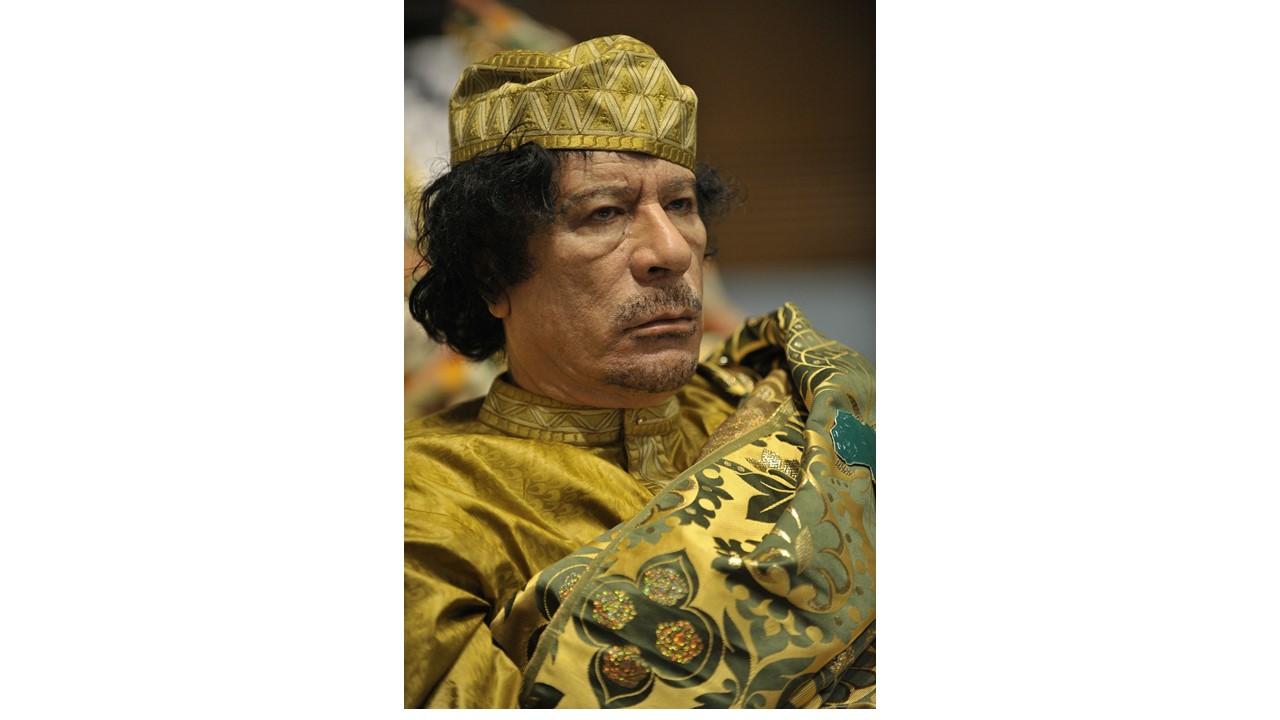
Dictator.
Photo courtesy of Pixabay.com

Has democracy outlived its usefulness?

Recent events, not just here in the United States but worldwide, have me wondering if the idea that decisions should be made to benefit everyone might be an idea whose time has come and gone.

Across the globe, there seems to be a movement toward strong leaders who can take control of the population.

Strongmen everywhere seek to convince the population the elite need to rule.

Is it possible that ending slavery was a mistake?

Is economic slavery any less oppressive?

Shouldn’t the rich and powerful be entitled to more?

We are barely ten years past the last financial crisis and already were moving back towards the good old days when the banks could charge high interest, charge you for accounts you didn’t open, and foreclose at will. As a societal value, the ability of the large banks and corporations to make huge profits seems more important than protecting the wage earner from financial ruin.

The conventional wisdom now appears to be that the rich need to make thousands of times what the average person makes. The emphasis seems to be on enriching those who have and illuminating “wasteful programs” aimed towards those who have the least. To maximize the benefits to society, they cut the taxes on people who are paid by corporations and trust while attempting to reduce the wages, in real terms, of those who try to exist on minimum age. The giveaway to corporate interests is permanent. The tax cut for the middle class looks like a temporary bribe and will expire in a couple of years.

To pay for the perks of the wealthy, those in power propose to reduce the programs for the neediest. Why waste money on food stamps, disability payments, services for children, and homeless when we can increase the availability of expensive furniture, first-class travel, and golf courses for the wealthy?

I believe it was Huxley in Animal Farm who expressed it in the phrase “everyone is equal, just some are more equal than others.”

Are people inherently evil?

The founding fathers of America seem to have made a mistake by trusting the average man to make decisions. Recently I notice some leaders were quick to tell us that left to their own devices people will do awful, terrible things. What we need is a strong government, lots of laws, and a really large number of people to enforce compliance with those laws.

Laws are, of course, designed primarily to regulate the masses who cannot be trusted to control their own lives. Laws, we are told, should be enforced most rigorously on those who are either poor or different.

We have especially been told that those people who leave one country and go to another do so with evil intent. Good people will stay in their country of origin working as hard as possible to make their rulers happy and rich. People who go elsewhere seeking a better life are probably murderers and rapists and a danger to the stability of society. A well-functioning society, so we are told, needs to have a ruling class, who controls the dangerous masses.

Do most people need to stay in their place?

There was a time when the belief was widespread that the nobles were more important than the common man. Some people seem to want to hold onto this idea. Here in America, we don’t use titles of nobility the way they did in medieval Europe. There does seem to be a resurgence in the belief that the poor deserve their state in life. This resistance to raising the minimum wage coupled with the belief that the rich contribute more to society than the average person.

In many ways, our system is designed to keep the poor in poverty, to require the mentally ill to stay sick, and to house large numbers of the poor, minorities, and the mentally ill in criminal justice facilities. The belief that the people at the top of society deserve to be there and those at the bottom need to stay in their place, appears to be the prevailing view these days.

Are we bringing back the era of “law and order?”

I remember, in my younger days, the expression “law and order.” This expression was a particular favorite of some politicians during the Nixon era. Law and order did not mean just and fair rules for all. What it did mean was the suppression of dissent. Increasing efforts to impose rigid rules on society resulted in cataclysmic divisions in society. Remember that Nixon, a veteran of the McCarthy hearings, resigned not because of what he had done or left undone but because in his words “I have lost my political base.” I fear a return to those values. Is it possible that America has forgotten the lessons learned from the incident at Kent State?

Today morality is being defined as telling people their religious faith is the correct one, rather than telling people there are right and wrong ways to treat others. Tell people how great they are, and you get a pass on bad behavior.

Is the right to have lots of guns more important than the safety of the children of the masses?

America’s had a huge problem with gun violence. Sometimes it happens in schools and sometimes on the streets. One way to mitigate the problem of gun violence in schools is to encourage the wealthy to send their children to private schools or educate them at home.

The rest of us are encouraged to buy more guns and shoot it out on school campuses the way they used to settle disagreements in the old West at high noon.

Is the “me too” movement misguided?

I remember a time when a woman who slept with a man outside of marriage was called a great many disgusting names. Men, however, who were able to sleep with a large number of women were idolized. While some men have lost their positions because of their sexual behavior, the more powerful you are, the more likely sexual indiscretions will be forgiven. Inappropriate behavior comes with a price tag and a nondisclosure agreement. Maybe the rich and powerful are entitled to a different standard of justice.

The truth is no longer useful.

Recently someone sent me an email saying that a person who disagreed with them had done all sorts of awful things. A quick Internet check of the “facts” in their email established that none of the things they said had ever happened.

Did they apologize? Not at all. The response to me was “I don’t like him; wouldn’t it be wonderful if all those things were true?” The “truth” has now become a synonym for unconscionable, hate-filled speech. “Truth” is now defined as those things said repeatedly and loudly by the people in control.

Rather than a rational discourse about facts and policy, our public conversations have become the occasion for bullying and name-calling. Want to discredit someone? Call them “fat, ugly, loser.” The bullies no longer run the playground, they run the planet.

Please pause the moment before you reply.

Before you report this post to the “thought-police” asked that it be banned as “fake-news” or frantically search for the phone number of the blacklist committee, there’s something you should know.

A good deal of this post is facetious and sarcastic. If you don’t know what that means, borrow a dictionary from someone who still owns one.

Remember, I’m one of those antique people who still believe in the right to “life, liberty, and the pursuit of happiness.” The matter how bleak things look right now, whatever your difficulties, I believe you can recover from life’s challenges and have a happy, meaning-filled life.

Staying connected with David Joel Miller

Seven David Joel Miller Books are available now!

My newest book is now available. It was my opportunity to try on a new genre. I’ve been working on this book for several years, but now seem like the right time to publish it.

Story Bureau.

Story Bureau is a thrilling Dystopian Post-Apocalyptic adventure in the Surviving the Apocalypse series.

Baldwin struggles to survive life in a post-apocalyptic world where the government controls everything.

As society collapses and his family gets plunged into poverty, Baldwin takes a job in the capital city, working for a government agency called the Story Bureau. He discovers the Story Bureau is not a benign news outlet but a sinister government plot to manipulate society.

Bumps on the Road of Life. Whether you struggle with anxiety, depression, low motivation, or addiction, you can recover. Bumps on the Road of Life is the story of how people get off track and how to get your life out of the ditch.

Dark Family Secrets: Doris wants to get her life back, but small-town prejudice could shatter her dreams.

Casino Robbery Arthur Mitchell escapes the trauma of watching his girlfriend die. But the killers know he’s a witness and want him dead.

Planned Accidents  The second Arthur Mitchell and Plutus mystery.

Letters from the Dead: The third in the Arthur Mitchell mystery series.

What would you do if you found a letter to a detective describing a crime and you knew the writer and detective were dead, and you could be next?

Sasquatch. Three things about us, you should know. One, we have seen the past. Two, we’re trapped there. Three, I don’t know if we’ll ever get back to our own time.

For these and my upcoming books; please visit my Author Page – David Joel Miller

Want the latest blog posts as they publish? Subscribe to this blog.

For videos, see: Counselorssoapbox YouTube Video Channel
Pensive.

Sunday Inspiration.     Post by David Joel Miller.

Pensive

Pensive.
Photo courtesy of Pixabay.com

Pensive.

“All this wondering was the weather vane on top of the building of unrest and of discontent”

― John Steinbeck

“Perhaps,” said the Doctor pensively. “It may also be that you Americans are work-cultists, and work is the structure that holds you up, not the joy of pure living.”

― Anaïs Nin, Seduction of The Minotaur

“love is enthusiasm rather than pensiveness”

― Pope John Paul II, The Jeweler’s Shop: A Meditation on the Sacrament of Matrimony Passing on Occasion into a Drama

Wanted to share some inspirational quotes with you.  Today seemed like a good time to do this. If any of these quotes strike a chord with you, please share them.

Abusing prescription drugs.

By David Joel Miller, MS, Licensed Therapist & Licensed Counselor.

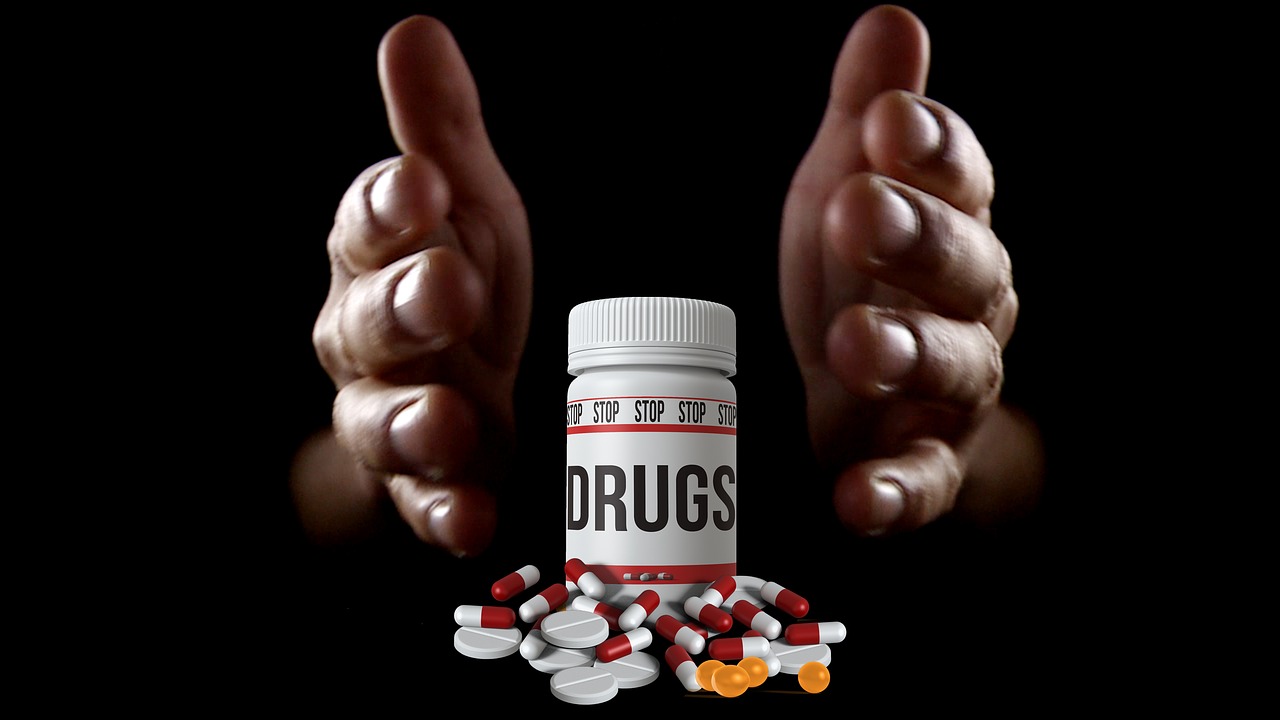
Drugs.

Drugs.
Photo courtesy of Pixabay.

Almost 24 million Americans abuse prescription medication each year.

The majority (87%) of the people who get Rx’s use the meds responsible. The abuse is

the result of misuse by the other 13%. Many people underestimate the risks involved in using prescription drugs incorrectly.

Abuse of a prescription drug can result in addiction, permanent health damage, or even death.

Just because you get your drugs with a prescription doesn’t make them safe, particularly when you don’t use them as prescribed.

What meds are abused?

The national survey on drug use and health tracks the abuse of four types of prescription medication. Besides prescription pain meds many other prescription meds get abused. The other big abuse culprits? Tranquilizers (5.7 million) and RX stimulants (4.8 million, and sedatives (1.4 million.) Many other medications can be misused. Prescriptions don’t work well when you take them some days and not others. I’ve learned in working with mental health clients not task them if they are taking their meds. They almost always say yes. If I asked them how many days, they took their meds last week, I get answers like two or three days. Most prescriptions will be effective if you take them sporadically. You can’t make up for missed doses by taking extra on other days.

Pain medication abuse.

One-third of the US adult population, almost 92 million people, use prescription pain meds. Of those 92 million about 11.5 million abused their prescription pain meds. The majority of people (63.4%) who abuse prescription pain medication do so because of physical pain. Given the current publicity the people abusing prescription opiates, this is significant. The main reason people with a chronic pain condition abuse meds is because they are still in pain.

Approximately 40% abuse prescription pain meds for mental or emotional reasons, to relax, to sleep, to get high, or to simply see what it would be like to experiment with the drug. I think it’s important to note that much of the high-powered opiates being abuse are being manufactured or brought into the US illegally.

Even over-the-counter pain meds, while not included in many studies, are subject to abuse. People with emotional pain may experience this as pain in the body. Over-the-counter pain meds are not effective for treating depression or anxiety. Taking excessive amounts of over-the-counter pain medications can result in damage to your liver or kidney.

Abuse of prescription tranquilizers.

About one-third of the people prescribed tranquilizers abuse them. Of those abusing tranquilizers, two-thirds were using them for the reasons they have been prescribed but not in the way the doctor had prescribed them. The remaining one-third of abusers do so for emotional or recreational reasons.

A very dangerous way of abusing tranquilizers is to take them while consuming alcohol. This combination can result in death.

Abuse of prescription stimulants.

The primary legal use of these medications is to treat ADHD. About 30% of those taking prescription stimulant medications abuse them. Weight loss, to help study, or to get high are some of the reasons people reported abusing prescription stimulants.

What are some of the ways prescription meds are abused?

  1. Taking meds prescribed to someone else.
  2. Taking more pills or taking them more often than the doctor prescribed.
  3. Using prescription meds in a way other than the way the doctor recommended.

Over the counter medications were not included in the government’s survey of drug misuse despite the serious health consequences of abusing over-the-counter medications. I’ve tried to highlight some of the issues involved in abusing over-the-counter meds in the paragraphs above.

For more on this issue see SAMHSA report at https://www.samhsa.gov/data/sites/default/files/report_3210/ShortReport-3210.html

David Joel Miller MS is a Licensed Marriage and Family Therapist (LMFT) and a Licensed Professional Clinical Counselor (LPCC.)  Mr. Miller provides supervision for beginning counselors and therapists and teaches at the local college in the Substance Abuse Counseling program.

Staying connected with David Joel Miller

Seven David Joel Miller Books are available now!

My newest book is now available. It was my opportunity to try on a new genre. I’ve been working on this book for several years, but now seem like the right time to publish it.

Story Bureau.

Story Bureau is a thrilling Dystopian Post-Apocalyptic adventure in the Surviving the Apocalypse series.

Baldwin struggles to survive life in a post-apocalyptic world where the government controls everything.

As society collapses and his family gets plunged into poverty, Baldwin takes a job in the capital city, working for a government agency called the Story Bureau. He discovers the Story Bureau is not a benign news outlet but a sinister government plot to manipulate society.

Bumps on the Road of Life. Whether you struggle with anxiety, depression, low motivation, or addiction, you can recover. Bumps on the Road of Life is the story of how people get off track and how to get your life out of the ditch.

Dark Family Secrets: Doris wants to get her life back, but small-town prejudice could shatter her dreams.

Casino Robbery Arthur Mitchell escapes the trauma of watching his girlfriend die. But the killers know he’s a witness and want him dead.

Planned Accidents  The second Arthur Mitchell and Plutus mystery.

Letters from the Dead: The third in the Arthur Mitchell mystery series.

What would you do if you found a letter to a detective describing a crime and you knew the writer and detective were dead, and you could be next?

Sasquatch. Three things about us, you should know. One, we have seen the past. Two, we’re trapped there. Three, I don’t know if we’ll ever get back to our own time.

For these and my upcoming books; please visit my Author Page – David Joel Miller

Want the latest blog posts as they publish? Subscribe to this blog.

For videos, see: Counselorssoapbox YouTube Video Channel
Serene,

Sunday Inspiration.     Post by David Joel Miller.

Serene

Serene.
Photo courtesy of Pixabay.com

Serene.

“Finish each day and be done with it. You have done what you could. Some blunders and absurdities no doubt crept in; forget them as soon as you can. Tomorrow is a new day. You shall begin it serenely and with too high a spirit to be encumbered with your old nonsense.”

― Ralph Waldo Emerson

“God, grant me the serenity to accept the things I cannot change, the courage to change the things I can, and the wisdom to know the difference.”

― Reinhold Niebuhr

“Peace is present right here and now, in ourselves and in everything we do and see. Every breath we take, every step we take, can be filled with peace, joy, and serenity. The question is whether or not we are in touch with it. We need only to be awake, alive in the present moment.”

― Thich Nhat Hanh, Peace Is Every Step: The Path of Mindfulness in Everyday Life

Wanted to share some inspirational quotes with you.  Today seemed like a good time to do this. If any of these quotes strike a chord with you, please share them.

Loneliness can make you ill.

By David Joel Miller, MS, Licensed Therapist & Licensed Counselor.

Lonely person

Loneliness.
Photo courtesy of Pixabay.com

Loneliness has been linked to many illnesses.

While loneliness is a common human emotion and happens to most people at certain points in their life, for most people, it is a very negative emotion, with significant consequences. Untreated loneliness can become a debilitating condition, which results in isolation, feelings of emptiness, and worthless. People with severe loneliness can feel personally threatened, rejected, and that they lack control of their lives.

Loneliness is often described as the difference between the quality and quantity of the social relationships you have, and the ones you wish you had. Some people experience loneliness only a few times in their life, while other people may experience high levels of loneliness throughout their lifetime. Despite loneliness not being a specific mental or emotional illness, feelings of loneliness play a major role in physical, mental, emotional, and behavioral illnesses.

Loneliness is a risk factor for physical illness.

The health risk from loneliness equals the risk from smoking. (Gerst-Emerson, Jayawardhana, 2015.) Feelings of loneliness make physical health problems worse. Feeling lonely increases blood pressure. Feelings of isolation play a role in eating and sleep disorders. Among people with obesity feelings of loneliness interfere with their ability to lose weight.

Among the elderly, increasing levels of loneliness results in increasing numbers of Dr. visits. While this is believed to be partially caused by a need for more social connection, it may also reflect the way that emotional symptoms are often misinterpreted as signs of physical illness. Fortunately, high levels of loneliness in the elderly do not also translate into more hospitalizations. Among people over the age of 80, more than 50% report being often lonely. Among middle-aged patients, those between 40 and 60 years of age, those who report higher levels of loneliness see their medical doctor more often than those who do not report being lonely.

Loneliness makes emotional problems worse.

Feeling lonely has been linked to depression. A common cause of substance use disorder and a relapse trigger for drug and alcohol use are feelings of loneliness. Feelings of isolation can increase stress. Not having a support system makes personality disorders worse, and it has been associated with psychosis, cognitive decline, and dementia. Loneliness can seriously undermine your self-esteem.

Behavioral problems are made worse by loneliness.

Feeling lonely along with binge drinking or drug use increases the risk of suicide attempts. This feeling is also connected with self-harm, such as cutting or other Nonsuicidal self-injury. Loneliness has also been associated with relationship violence and other impulse control problems. Being lonely can make you feel more vulnerable resulting in more vigilance to keep yourself safe, the result is more difficulty falling asleep and staying asleep. Poor sleep results in an increase in grouchiness and irritability.

Cognitive and thinking problems are made worse by loneliness.

People who are isolated and lack a support system are prone to an increase in irrational decision making. When you feel all alone, your mind can fill with unhelpful thoughts. Sometimes loneliness becomes a positive emotion when it encourages people to look at their lives and seek out more connections with other humans. It’s important to connect with people who will have a positive impact on your life. Don’t become so desperate for human connection that you allow negative, abusive people into your life.

Loneliness damages relationships.

Among couples heading for a breakup, we often find that both parties report being lonely. The higher the feelings of loneliness, the more likely the couple is to break up. If you’re in a relationship and feeling lonely, don’t automatically think you need a new partner. Begin by working on yourself, becoming your own best friend, and learning to not feel lonely when you’re by yourself. Also, work on improving the emotional connection you and your partner have.

If you’re suffering from loneliness and it’s starting to damage your health and your relationships now is the time to reach out for help. Consider getting involved in activities where you can make friends and seeking professional help.

Staying connected with David Joel Miller

Seven David Joel Miller Books are available now!

My newest book is now available. It was my opportunity to try on a new genre. I’ve been working on this book for several years, but now seem like the right time to publish it.

Story Bureau.

Story Bureau is a thrilling Dystopian Post-Apocalyptic adventure in the Surviving the Apocalypse series.

Baldwin struggles to survive life in a post-apocalyptic world where the government controls everything.

As society collapses and his family gets plunged into poverty, Baldwin takes a job in the capital city, working for a government agency called the Story Bureau. He discovers the Story Bureau is not a benign news outlet but a sinister government plot to manipulate society.

Bumps on the Road of Life. Whether you struggle with anxiety, depression, low motivation, or addiction, you can recover. Bumps on the Road of Life is the story of how people get off track and how to get your life out of the ditch.

Dark Family Secrets: Doris wants to get her life back, but small-town prejudice could shatter her dreams.

Casino Robbery Arthur Mitchell escapes the trauma of watching his girlfriend die. But the killers know he’s a witness and want him dead.

Planned Accidents  The second Arthur Mitchell and Plutus mystery.

Letters from the Dead: The third in the Arthur Mitchell mystery series.

What would you do if you found a letter to a detective describing a crime and you knew the writer and detective were dead, and you could be next?

Sasquatch. Three things about us, you should know. One, we have seen the past. Two, we’re trapped there. Three, I don’t know if we’ll ever get back to our own time.

For these and my upcoming books; please visit my Author Page – David Joel Miller

Want the latest blog posts as they publish? Subscribe to this blog.

For videos, see: Counselorssoapbox YouTube Video Channel

How healthy is your pie of life?

By David Joel Miller, MS, Licensed Therapist & Licensed Counselor.

Life pie

Healthy Pie of Life.
Photo courtesy of Pixabay.com

A healthy, balanced life is made up of many “slices” they all need to be healthy.

Recovery programs, whether they are mental health or substance use programs, frequently have clients fill out a form sometimes called a “pie of life” or a “grapefruit diagram.”

Your life is made up of many separate components. Each of these portions needs to be in balance for you to have a healthy emotional life. Periodically, it is useful to look at each of these life domains and see which requires improvement.

Social Relationships support good mental health.

One of the four criteria for diagnosing a problem as a mental illness is when it interferes with your ability to have healthy relationships. These relationships can be primary sexual relationships, or they might be family or friends. The problems involved in getting together and breaking up bring a lot of people to counseling so do conflicts with relatives. Today, in America, more than fifty percent of all marriages end in divorce, and there are lots of families who are not speaking to each other.

One reason for the high divorce rate is a failure to develop and maintain a good couple’s relationship. In the early stages of a couple’s relationship, loneliness and sexual urges drive people together. Failure to develop deep friendship dooms many couple’s relationships.

Whether you’re an introvert or extrovert, humans need support from other people. Failure to develop social skills can impair your mental health. People in early recovery are encouraged to work on their friend-making skills and to develop a support system of at least five friends, where possible family members may meet that need.

Another part of social relationships is your relationship to society in general. Dealing with legal issues, staying inside the law, is a part of recovery. Ask yourself how healthy is your relationship to society in general.

Work and meaning impact your emotional health.

Work provides more than just economic advantages. People who enjoy what they do each day are more mentally healthy. Work Burnout is a major source of emotional distress. People who feel that what they do for a living makes a difference are more emotionally stable.

Beyond simply working for the money, finding meaning and purpose in life will positively affect your mental health.

Your physical world impacts your emotional health.

Part of having a happy, healthy, and successful life is getting your body and physical environment into the best shape possible. Many people face serious physical and environmental challenges. Making the best of the situation you’re in can help to bring your life into emotional balance.

Manage your physical health to maximize your emotional health and your recovery. Good physical health starts with getting adequate sleep. You don’t have to become a healthy diet fanatic to eat a healthier diet. Make small changes and maintain them. Eat more healthy items and reduce the amount of unhealthy foods you consume.

Get some physical activity each day. Exercise is an important part of keeping your body healthy, and a healthy body has a positive effect on your emotional health. Even people with significant physical disabilities can still find ways to improve physical activity. People who are bedridden can be given physical exercises which they can do in bed. Talk with your medical doctor about ways you can increase your physical activity. Stand if you can, walk more each day when possible. Whatever you do, don’t give up. Each day, strive to take the best care of your body possible and your physical health will help care for your mental health.

Safety and security are also parts of caring for your physical health. If you’re in a dangerous situation, work on making it safer. Whatever you can do to make the place you stay feel comfortable and safe will improve your emotional health.

Intellectual growth encourages emotional growth.

A day where you don’t learn something new is a wasted day. Pursue hobbies, read books, and take classes whenever possible. If your mental illness or substance use disorder interfered with your education get back on track. Part of recovery is learning new things. Continue to challenge yourself.

Spiritual and religious practices support recovery.

Part of the process of growing up is deciding what you believe. If you have a religious or spiritual tradition, be sure you are following it. People with strong beliefs and a commitment to follow those beliefs find their faith will support their mental health. Be careful about falling into the need to make everyone else follow your religion. If you’re comfortable in your own faith, you are less likely to need to force others to agree with you.

Emotional and Psychological health, thinking, feeling, behaving.

Make friends with your feelings; they are valuable sources of information. Learn to regulate your emotions rather than letting them control you. If you have recurring thoughts or feelings that are causing your life to stay out of balance get professional help. If your behavior frequently brings you into conflict with others study anger management.

Financial health supports emotional health.

How much money you make, or how much you have, does not determine your financial health. When you are trying to get by on a very small income, it can be a struggle. But having lots of money does not guarantee emotional health. It’s possible to have a happy life despite having a very small income. Some very miserable people live in mansions.

The secret to financial health is to spend less than your income. What makes people unhappy is the gap between what they have and what they want. A large part of the world now owes more than they own. The fastest way to become financially unhealthy is to spend beyond your income and finance that gap on short-term credit card debt.

Part of your recovery may well be getting your financial life in order. Look for ways to increase your income. Invest in yourself by getting more education or job training. Look for ways to reduce your spending. Start a beginner’s savings account and then begin paying off your debts.

The downturn in 2008 resulted in a lot of people having to do some drastic belt-tightening. One lesson many learned was that when forced to do so they could live on a lot less income than they previously thought possible. For maximum financial health get your finances in order as soon as possible and don’t wait for a crisis to begin paying off bills and saving for a rainy day.

Some of these categories could be split or combined, but they are a starting point for taking an inventory of your life and deciding what most needs improvement. Getting your life in balance is an important part of recovery from whatever you may call your challenges.

David Joel Miller MS is a Licensed Marriage and Family Therapist (LMFT) and a Licensed Professional Clinical Counselor (LPCC.)  Mr. Miller provides supervision for beginning counselors and therapists and teaches at the local college in the Substance Abuse Counseling program.

Staying connected with David Joel Miller

Seven David Joel Miller Books are available now!

My newest book is now available. It was my opportunity to try on a new genre. I’ve been working on this book for several years, but now seem like the right time to publish it.

Story Bureau.

Story Bureau is a thrilling Dystopian Post-Apocalyptic adventure in the Surviving the Apocalypse series.

Baldwin struggles to survive life in a post-apocalyptic world where the government controls everything.

As society collapses and his family gets plunged into poverty, Baldwin takes a job in the capital city, working for a government agency called the Story Bureau. He discovers the Story Bureau is not a benign news outlet but a sinister government plot to manipulate society.

Bumps on the Road of Life. Whether you struggle with anxiety, depression, low motivation, or addiction, you can recover. Bumps on the Road of Life is the story of how people get off track and how to get your life out of the ditch.

Dark Family Secrets: Doris wants to get her life back, but small-town prejudice could shatter her dreams.

Casino Robbery Arthur Mitchell escapes the trauma of watching his girlfriend die. But the killers know he’s a witness and want him dead.

Planned Accidents  The second Arthur Mitchell and Plutus mystery.

Letters from the Dead: The third in the Arthur Mitchell mystery series.

What would you do if you found a letter to a detective describing a crime and you knew the writer and detective were dead, and you could be next?

Sasquatch. Three things about us, you should know. One, we have seen the past. Two, we’re trapped there. Three, I don’t know if we’ll ever get back to our own time.

For these and my upcoming books; please visit my Author Page – David Joel Miller

Want the latest blog posts as they publish? Subscribe to this blog.

For videos, see: Counselorssoapbox YouTube Video Channel

Muse.

Sunday Inspiration.     Post by David Joel Miller.

The Muse

The Muse.
Photo courtesy of Pixabay.com

The Muse

“If a man comes to the door of poetry untouched by the madness of the Muses, believing that technique alone will make him a good poet, he and his sane compositions never reach perfection, but are utterly eclipsed by the performances of the inspired madman.”

― Socrates

“There is a muse, but he’s not going to come fluttering down into your writing room and scatter creative fairy-dust all over your typewriter or computer. He lives in the ground. He’s a basement kind of guy. You have to descend to his level, and once you get down there you have to furnish an apartment for him to live in. You have to do all the grunt labor, in other words, while the muse sits and smokes cigars and admires his bowling trophies and pretends to ignore you. Do you think it’s fair? I think it’s fair. He may not be much to look at, that muse-guy, and he may not be much of a conversationalist, but he’s got inspiration. It’s right that you should do all the work and burn all the mid-night oil, because the guy with the cigar and the little wings has got a bag of magic. There’s stuff in there that can change your life. Believe me, I know.”

― Stephen King, On Writing: A Memoir of the Craft

“What I try to do is write. I may write for two weeks ‘the cat sat on the mat, that is that, not a rat,’…. And it might be just the most boring and awful stuff. But I try. When I’m writing, I write. And then it’s as if the muse is convinced that I’m serious and says, ‘Okay. Okay. I’ll come.”

― Maya Angelou

“This is the other secret that real artists know and wannabe writers don’t. When we sit down each day and do our work, power concentrates around us. The Muse takes note of our dedication. She approves. We have earned favor in her sight. When we sit down and work, we become like a magnetized rod that attracts iron filings. Ideas come. Insights accrete.”

― Steven Pressfield, The War of Art: Break Through the Blocks & Win Your Inner Creative Battles

Wanted to share some inspirational quotes with you.  Today seemed like a good time to do this. If any of these quotes strike a chord with you, please share them.

Separating truth from lies is hard work.

By David Joel Miller, MS, Licensed Therapist & Licensed Counselor.

Truth or lie

Separating truth from lies is hard work.
Photo courtesy of Pixabay.com

Types of lies and their relatives.

Have you ever noticed some people could twist the truth into the oddest shapes while still insisting they’re not lying? People seem to have a lot of trouble agreeing on the difference between truth and lies. Some people go through life constantly accusing others of lying to them. Other people will mislead you any way they can while insisting, sometimes under oath, continuing to insist they would never tell a lie. Here are some ways in which people may be deceiving you without having to tell detectable lies.

Lies of omission.

Someone close to you starts describing their plans for the weekend, you two are going somewhere to see friends. What they leave out that one of your exes will be there. Maybe they forget to tell you that you will be expected to set up for the party. They have exactly lied to you, but by leaving out part of the story, your expectation of a relaxing weekend has turned into another day or two of strenuous work.

Lying by leaving facts out, comes up in couples sometimes. One partner spends a lot of money, maybe sneaking new clothes into their closet, or hiding other expenditures. This deception goes on until credit card bill arrives. Some compulsive spenders will open new credit card accounts and hide the statement from the partner. Leaving out part of the truth can end up being more deceptive than an outright lie.

White lies.

Birthdays and the holiday season especially encourages white lies. These are things told to someone to mislead them with the intention of benefiting them. You tell your partner you are working late, but in fact, you have gone shopping for their birthday present.

Evasion is often used to mislead.

Maybe someone in your life has unpleasant news, you’re about to be laid off, or someone close to you as a health problem. They don’t lie to you, not directly, they just don’t answer your questions. By telling only half the story, leaving out the part you would not like, they have misled you.

Salespeople can be good at this. You ask about a feature you want on the product; they immediately launch into a description of several other features. They’ve avoided you finding out their product doesn’t have one of the features you were looking for.

Disagreeing about the truth can look like lying.

Disagreeing about the truth often happened in the areas of religion and politics. One person says this is good for the country, while the other candidate tells everyone how awful this would be. Both are likely to accuse the other of lying to the voters.

In close relationships, people often disagree about a great many things. When the argument gets heated, rather than acknowledge they have differing opinions, they are both likely to accuse each other of lying.

Mistaken beliefs may seem like lies.

Sometimes people are certain about something they say. “The company I work for will be doing a certain project. The store I shop at caries brand X.” You go there expecting a result, only to be disappointed. Did the other person lie to you? Not exactly. They told you something they thought was true, but you were misled. You may think that was a lie because you believe them and it turned out to be untrue.

Are predictions the truth or lies?

When someone predicts the future, be careful not to take that as a fact. Forecasters, whether it’s economic forecasts or weather forecasts, make lots of predictions. Some turn out to be accurate. Other predictions turn out to be wrong. If you invested money and lost a lot of it, or planned an outdoor event and it rained, you’re likely to be upset. Depending on who made the prediction, you may even believe they lied to you.

Ambiguous, misleading statements, can conceal the truth.

One way to slide something by others is to keep the statements very ambiguous. The fuzzier the statement, the more likely some people will hear what they want to hear. Some people talk a lot but include so few details that everyone hears a different version of the facts.

Lies of commission.

This is your basic, garden-variety, lie. It’s not true, they know it’s not true, but they say it anyway. With these kinds of lies, the liar is hoping you will believe them, and they can get away with something, at least for a while.

Boldface lies sometimes are believed.

Boldface lies are so huge and outlandish very few people will believe it. Initially, these statements sound laughable. The boldface liars tell these big whoppers loudly and repeatedly. If you tell a big enough lie, often enough, some people may start believing it.

David Joel Miller MS is a Licensed Marriage and Family Therapist (LMFT) and a Licensed Professional Clinical Counselor (LPCC.)  Mr. Miller provides supervision for beginning counselors and therapists and teaches at the local college in the Substance Abuse Counseling program.

Staying connected with David Joel Miller

Seven David Joel Miller Books are available now!

My newest book is now available. It was my opportunity to try on a new genre. I’ve been working on this book for several years, but now seem like the right time to publish it.

Story Bureau.

Story Bureau is a thrilling Dystopian Post-Apocalyptic adventure in the Surviving the Apocalypse series.

Baldwin struggles to survive life in a post-apocalyptic world where the government controls everything.

As society collapses and his family gets plunged into poverty, Baldwin takes a job in the capital city, working for a government agency called the Story Bureau. He discovers the Story Bureau is not a benign news outlet but a sinister government plot to manipulate society.

Bumps on the Road of Life. Whether you struggle with anxiety, depression, low motivation, or addiction, you can recover. Bumps on the Road of Life is the story of how people get off track and how to get your life out of the ditch.

Dark Family Secrets: Doris wants to get her life back, but small-town prejudice could shatter her dreams.

Casino Robbery Arthur Mitchell escapes the trauma of watching his girlfriend die. But the killers know he’s a witness and want him dead.

Planned Accidents  The second Arthur Mitchell and Plutus mystery.

Letters from the Dead: The third in the Arthur Mitchell mystery series.

What would you do if you found a letter to a detective describing a crime and you knew the writer and detective were dead, and you could be next?

Sasquatch. Three things about us, you should know. One, we have seen the past. Two, we’re trapped there. Three, I don’t know if we’ll ever get back to our own time.

For these and my upcoming books; please visit my Author Page – David Joel Miller

Want the latest blog posts as they publish? Subscribe to this blog.

For videos, see: Counselorssoapbox YouTube Video Channel
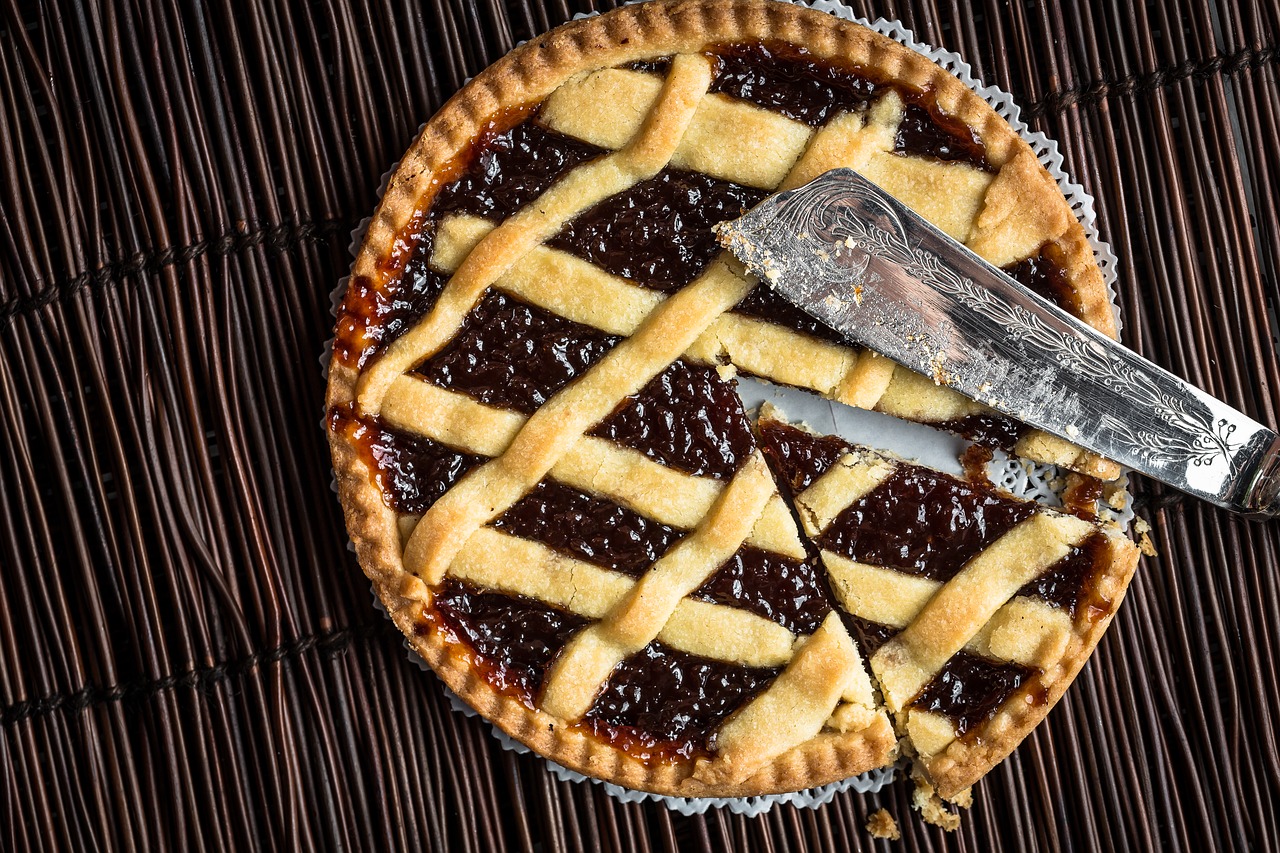
Are you starving for approval?

By David Joel Miller, MS, Licensed Therapist & Licensed Counselor.

Desperate for likes?

Desperate for likes?
Photo courtesy of Pixabay.com

Are you desperate for likes?

There are some very mentally unhealthy consequences of using social media in an unhelpful way. Don’t become one of those people who spends their life frantically looking for likes. Remember the like button it someone’s opinion about what you said, not a judgment about who you are as a person or what you are doing with your life. If you find your self-esteem is becoming dependent on likes, you have set yourself up to the victimized by bullies and trolls. Here are some reasons why likes are playing too big a role in your life.

In childhood, approval was your pay.

When you were a small child, adults, and caregivers in your life rewarded your behavior by giving approval and attention. As we grow in life, the locus of approval should shift from needing the attention of others to working for our own approval. If other people’s opinions matter more than your own is still have some growing up to do.

Learn to do things because you can be proud of them. Make it a point to notice your accomplishments. Don’t turn your self-esteem over to a button on a social media site.

Social approval looks deceptively like success.

Having lots of people like you is a success mirage. Successful people follow their own path. Sometimes doing good things means doing things that aren’t popular. Don’t mistake following the herd for doing something worthwhile. Highly successful people are not on social media, begging to be liked. Saying something for other’s approval is not an accomplishment. Successful people are busy doing things not talking about them.

Beware the effect trolls will have on your self-confidence.

People who don’t feel good about themselves delight in hurting others. There will always be someone out there to criticize you. Don’t set yourself up as a human sacrifice to the trolls. The more you do in life, the more people will criticize you. There will always be haters, the bullies of life, out to build themselves up by pulling others down.

Only your mother cared, don’t expect others to.

When you were small, someone, often your mother, fawned over everything you did. When you were very small, taking that first step may have been a big deal. Don’t forget that every other walking person had to take their first step. If something you do gets around applause, or a compliment, acknowledge the gift of appreciation by don’t start doing things expecting acknowledgments.

Don’t expect adults to care what clothing you bought, on what you ate for lunch. Real accomplishments take a lot of time and effort. Getting likes for spending money evaporates rapidly. What matters in your life is not the round of applause you get on social media but the difficult things you do when you are off-line.

Comparing up keeps you small.

When you start comparing yourself to others on social media, you are likely to develop a very biased view of the world. People very rarely compare themselves to others with fewer friends and fewer likes. If you constantly compare yourself to people with more friends and likes you will always feel small. The person with fifty friends always compares themselves to people with thousands of friends. Don’t forget there are other people who only have five friends. The more you compare, the more you judge and measure yourself, the more you harm your self-esteem and diminish your self-confidence.

David Joel Miller MS is a Licensed Marriage and Family Therapist (LMFT) and a Licensed Professional Clinical Counselor (LPCC.)  Mr. Miller provides supervision for beginning counselors and therapists and teaches at the local college in the Substance Abuse Counseling program.

Staying connected with David Joel Miller

Seven David Joel Miller Books are available now!

My newest book is now available. It was my opportunity to try on a new genre. I’ve been working on this book for several years, but now seem like the right time to publish it.

Story Bureau.

Story Bureau is a thrilling Dystopian Post-Apocalyptic adventure in the Surviving the Apocalypse series.

Baldwin struggles to survive life in a post-apocalyptic world where the government controls everything.

As society collapses and his family gets plunged into poverty, Baldwin takes a job in the capital city, working for a government agency called the Story Bureau. He discovers the Story Bureau is not a benign news outlet but a sinister government plot to manipulate society.

Bumps on the Road of Life. Whether you struggle with anxiety, depression, low motivation, or addiction, you can recover. Bumps on the Road of Life is the story of how people get off track and how to get your life out of the ditch.

Dark Family Secrets: Doris wants to get her life back, but small-town prejudice could shatter her dreams.

Casino Robbery Arthur Mitchell escapes the trauma of watching his girlfriend die. But the killers know he’s a witness and want him dead.

Planned Accidents  The second Arthur Mitchell and Plutus mystery.

Letters from the Dead: The third in the Arthur Mitchell mystery series.

What would you do if you found a letter to a detective describing a crime and you knew the writer and detective were dead, and you could be next?

Sasquatch. Three things about us, you should know. One, we have seen the past. Two, we’re trapped there. Three, I don’t know if we’ll ever get back to our own time.

For these and my upcoming books; please visit my Author Page – David Joel Miller

Want the latest blog posts as they publish? Subscribe to this blog.

For videos, see: Counselorssoapbox YouTube Video Channel
Jealous.

Sunday Inspiration.     Post by David Joel Miller.

Jealous

Jealous.
Photo courtesy of Pixabay.com

Jealous.

“Trifles light as air are to the jealous confirmations strong as proofs of holy writ.”

― William Shakespeare, Othello

“Suspicion is a virtue as long as its object is the public good, and as long as it stays within proper bounds. … Guard with jealous attention the public liberty. Suspect every one who approaches that jewel.”

― Patrick Henry

“Plain women are always jealous of their husbands. Beautiful women never are. They are always so occupied with being jealous of other women’s husbands.”

― Oscar Wilde

Wanted to share some inspirational quotes with you.  Today seemed like a good time to do this. If any of these quotes strike a chord with you, please share them.