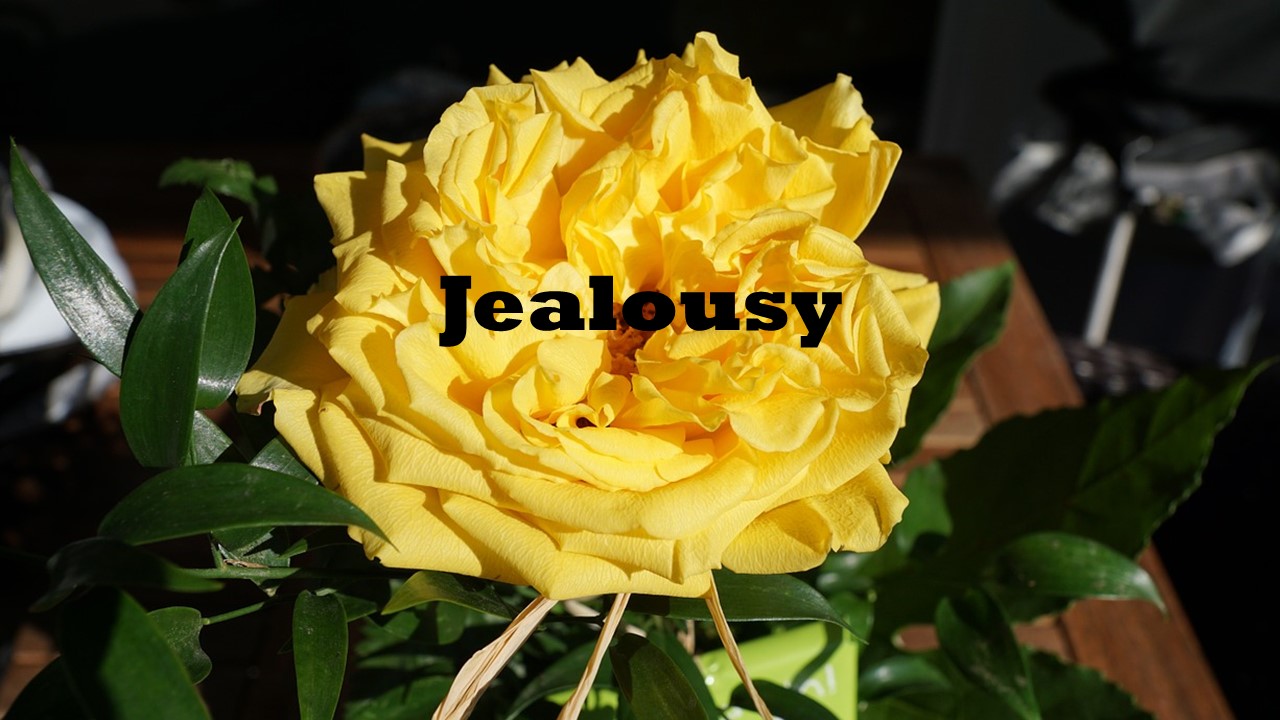
Jealous.

Sunday Inspiration.     Post by David Joel Miller.

Jealous

Jealous.
Photo courtesy of Pixabay.com

Jealous.

“Trifles light as air are to the jealous confirmations strong as proofs of holy writ.”

― William Shakespeare, Othello

“Suspicion is a virtue as long as its object is the public good, and as long as it stays within proper bounds. … Guard with jealous attention the public liberty. Suspect every one who approaches that jewel.”

― Patrick Henry

“Plain women are always jealous of their husbands. Beautiful women never are. They are always so occupied with being jealous of other women’s husbands.”

― Oscar Wilde

Wanted to share some inspirational quotes with you.  Today seemed like a good time to do this. If any of these quotes strike a chord with you, please share them.

Commonly abused stimulant drugs.

By David Joel Miller, MS, Licensed Therapist & Licensed Counselor.

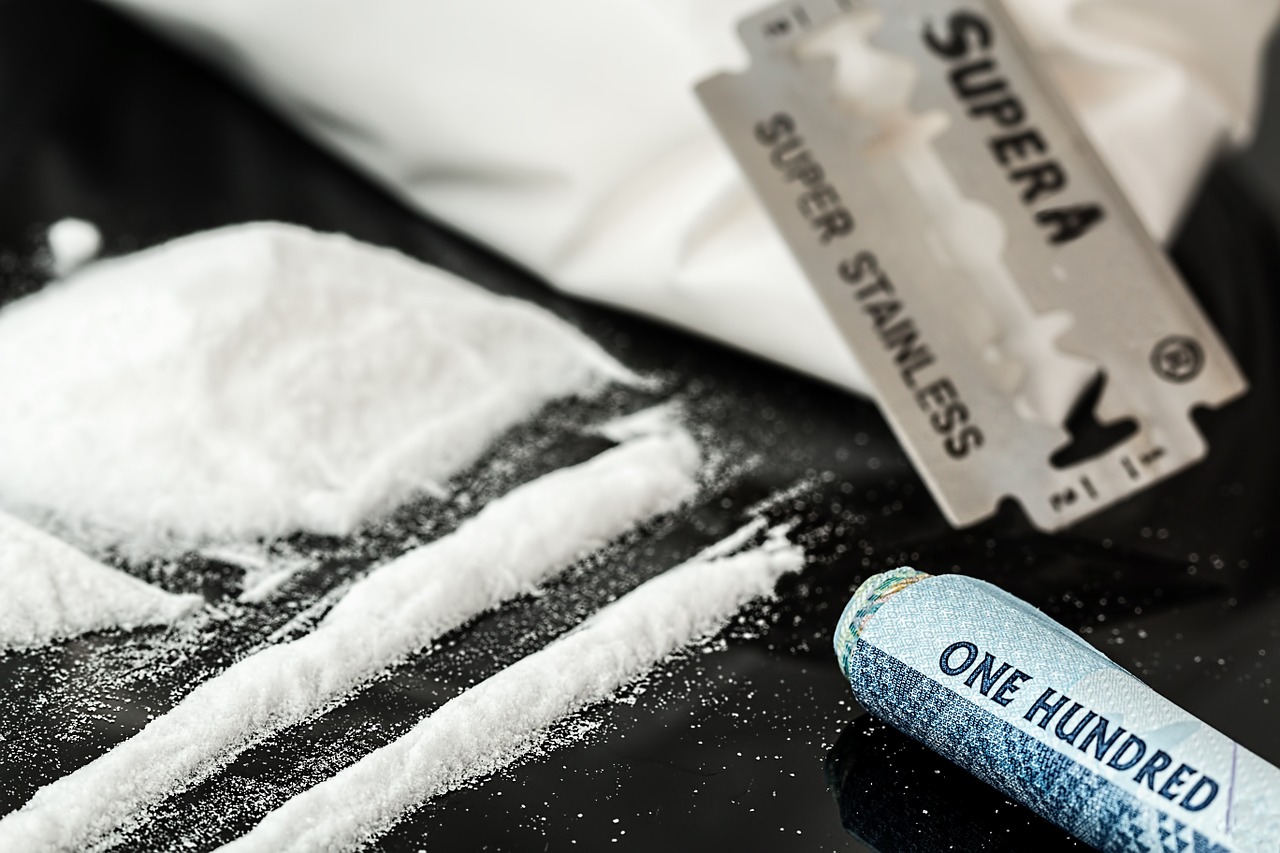
Stimulant drugs.
Photo courtesy of Pixabay.com

A few stimulant drugs account for a major portion of drug abuse.

Abuse of stimulant drugs has become a major problem in America. Some of these stimulant drugs have some limited medical uses. Recreational drug use seems to run in cycles. A new drug or a new form of a drug becomes popular for a while only to be replaced by the next “in” drug. Here is a brief description of the primary types of stimulant drugs being abused today.

Cocaine.

Cocaine comes from the coca plant which was originally found growing wild in the Andes Mountains of South America. Coca leaves were used there, probably for thousands of years, by the native population who would chew the leaves or mix them with roasted seashells and hold the mixture next to their gum similar to the way chewing tobacco is used. Chewing a few leaves produces a mild stimulant effect which allowed the natives to work more effectively at high altitudes.

In the late 1800s, European chemists isolated the active ingredient, cocaine. Cocaine was promoted by Doctors, particularly Freud, for treatment for a variety of illnesses. The first great cocaine epidemic occurred in the 1880s.

Cocaine can be used in a variety of ways; powdered cocaine can be snorted, and crack cocaine can be smoked. The 1980s saw a second cocaine epidemic with the introduction of much cheaper crack cocaine. Cocaine was used for a while to treat depression but this is no longer an acceptable use because when a stimulant drug wears off the depression is worse than before.

The only currently accepted medical uses for cocaine are eye and nose surgeries.

Amphetamines.

Amphetamines became popular during World War II when both sides used them. Initially, they were thought of as wonder drugs and were used for the treatment of respiratory problems, obesity, and to increase attention and prevent sleep. Amphetamines were widely prescribed for both weight loss and to increase productivity.

In the 1960s the dangerous properties of amphetamines were recognized. Today use of the older amphetamines is largely restricted to the treatment of ADHD.

Methamphetamine.

There had been some use of injectable methamphetamine in the 1970s. In the 1990s methamphetamine began to replace other stimulant drugs, first in Hawaii and later, on the West Coast of the United States, ultimately spreading throughout America. Methamphetamine manufactured synthetically in large quantities became considerably cheaper and lasts longer than other stimulant drugs. Methamphetamine is used as an injectable drug and is available in a smokable crystal form.

From a mental health standpoint, methamphetamine is diagnosed as an amphetamine use disorder. Substance abuse treatment often provides separate categories for amphetamine and methamphetamine disorders. While amphetamines are usually prescription-grade medical pharmaceuticals which are diverted for illegal use, methamphetamine is produced by illegal labs in huge quantities for recreational use and abuse. See drug diagnoses.

The sight of the meth addict, sucked up from loss of weight, often covered with scabs, frequently paranoid and hallucinating, has become a common sight in hospital emergency rooms and on the streets of America’s cities.

Khat.

Khat is a stimulant plant which grows wild in East Africa, where it was chewed by natives the same way coca leaves were chewed in South America. The leaves are most stimulating when chewed fresh. Khat contains two stimulant chemicals, Cathine, and cathinone. Both of these chemicals and many other related compounds are now produced synthetically.

Bath Salts.

Bath salts have nothing to do with bathing. These synthetic stimulant drugs, largely related to cathinone, are imported into the United States labeled “not for human consumption.” These are often mixed and sold under various labels such as “bath salts, herbal incense, water pipe cleaner,” and many other names. This family of chemicals can produce strong stimulant effects as well as hallucinations. Because these are mixtures of chemicals and are sold labeled “not for human consumption” they have been very difficult to regulate. As quickly as federal regulators ban one chemical, the manufacturers and marketers of bath salts change their formulations. There are frequent reports of permanent neurological damage because of using these drugs.

Caffeine and related compounds.

Caffeine is one of the milder stimulant drugs and is the most widely used drug on planet earth. It is estimated that 90% of the world’s population consumes caffeine or a related compound on a regular basis. Occasionally someone receives a caffeine overdose and presents in an emergency room. Caffeine overdoses usually result from consuming energy drinks which are high in caffeine combined with alcohol or by consuming large quantities of caffeine pills to stay awake longer than the human body should.

Staying connected with David Joel Miller

Seven David Joel Miller Books are available now!

My newest book is now available. It was my opportunity to try on a new genre. I’ve been working on this book for several years, but now seem like the right time to publish it.

Story Bureau.

Story Bureau is a thrilling Dystopian Post-Apocalyptic adventure in the Surviving the Apocalypse series.

Baldwin struggles to survive life in a post-apocalyptic world where the government controls everything.

As society collapses and his family gets plunged into poverty, Baldwin takes a job in the capital city, working for a government agency called the Story Bureau. He discovers the Story Bureau is not a benign news outlet but a sinister government plot to manipulate society.

Bumps on the Road of Life. Whether you struggle with anxiety, depression, low motivation, or addiction, you can recover. Bumps on the Road of Life is the story of how people get off track and how to get your life out of the ditch.

Dark Family Secrets: Doris wants to get her life back, but small-town prejudice could shatter her dreams.

Casino Robbery Arthur Mitchell escapes the trauma of watching his girlfriend die. But the killers know he’s a witness and want him dead.

Planned Accidents  The second Arthur Mitchell and Plutus mystery.

Letters from the Dead: The third in the Arthur Mitchell mystery series.

What would you do if you found a letter to a detective describing a crime and you knew the writer and detective were dead, and you could be next?

Sasquatch. Three things about us, you should know. One, we have seen the past. Two, we’re trapped there. Three, I don’t know if we’ll ever get back to our own time.

For these and my upcoming books; please visit my Author Page – David Joel Miller

Want the latest blog posts as they publish? Subscribe to this blog.

For videos, see: Counselorssoapbox YouTube Video Channel

Irritated.

Sunday Inspiration.     Post by David Joel Miller.

Irritated.

Irritated.
Photo courtesy of Pixabay.com

Irritated.

“Everything that irritates us about others can lead us to an understanding of ourselves.”

― C.G. Jung

“I don’t have pet peeves like some people. I have whole kennels of irritation.”

― Whoopi Goldberg

“If you are irritated by every rub, how will your mirror be polished??”

― Jalaluddin Rumi

Wanted to share some inspirational quotes with you.  Today seemed like a good time to do this. If any of these quotes strike a chord with you, please share them.

Happy Valentine’s Day.

Valentine's Day

Happy Valentine’s Day.
Photo courtesy of Pixabay.com

Is job burnout inevitable?

By David Joel Miller, MS, Licensed Therapist & Licensed Counselor.

Match on fire

Burnout.
Photo courtesy of Pixabay.com

Are you destined for job burnout?

Job burnout is taking a huge toll. Despite not being a recognized mental illness, work-related burnout is a major reason people go out on disability. We have tried various approaches to this problem. Sometimes we blame the employer, too much work, too much stress, not enough staff to meet the challenges. Other times we blame the employee. If you have worked anywhere with a significant number of employees, you know some people arrive at work already stressed out before the workday begins. Maybe they have relationship problems, sick children or financial stress, whatever the reason some people arrive at work already stressed out.

At some work sites, everyone is stressed out.

In some occupations, people are burning out faster than new employees can be hired. Some interesting research has been done recently in China. As they moved to modernize their economy, burnout has been a significant issue. In the aftermath of the financial crisis of 2008, bank workers were under significant work stress. It’s not customary to think of bank employees as likely to burn out, but in 2008 the burnout rate among Chinese bank employees reach seventy percent.

Repeatedly studies of social workers have reported burnout rates of more than fifty percent. One of the consequences of employee burnout is that the social worker becomes emotionally exhausted and tries to protect themselves by withdrawing emotionally from their clients. As the number of burned out employees increase, client satisfaction declines. One consequence of so many burned out human service employees is poor recovery rates among the clients they serve.

Why burnout doesn’t always result in high employee turnover.

Many of the professions with high burnout rates are highly paid but require advanced education. Doctors go through an incredible ordeal and accumulate a large amount of student loan debt. Social workers, counselors, and therapists, often have master’s degrees are Ph.D.’s. The process of continuing in school for six or eight years past high school can result in large student loan debt.

Careers that require long training periods and a large financial investment can trap burned-out employees who must work for years to pay off financial debt. They may also be unable to move to a new occupation without taking a huge pay cut, resulting in additional financial and family stress. Burned-out workers who feel trapped and unable to change their employment become less productive, less cooperative with other staff, and are more likely to become detached from, and cynical about, the clients they work with.

High burnout rates may result in everyone being inexperienced.

In some occupations burnout results in higher than normal turn over. One survey of drug and alcohol counselors revealed that more than half of the counselors had been on the job for less than a year. Many public mental health facilities have a high number of recently graduated clinicians compared to the number of senior staff available to oversee their work.

Many clients experience multiple changes in the person providing their service. It’s hard to develop a good relationship between therapist and client when the therapist keeps changing.

Don’t let yourself become a victim of burnout.

High systemic rates of burnout suggest that there is not much an employer can do to prevent burnout among employees. Certainly, anything the employer can do to reduce employee burnout will benefit that employer. Employee assistance programs can be very helpful in letting employees resolve stressful issues. But keeping yourself from burning out is something everyone needs to make a priority for themselves. Don’t make the mistake of pushing so hard in the early stages of your career, that you burn out and don’t have a career.

In future posts let’s explore some ways you can prevent burnout from taking control of your life.

More posts about – Burnout.

Staying connected with David Joel Miller

Seven David Joel Miller Books are available now!

My newest book is now available. It was my opportunity to try on a new genre. I’ve been working on this book for several years, but now seem like the right time to publish it.

Story Bureau.

Story Bureau is a thrilling Dystopian Post-Apocalyptic adventure in the Surviving the Apocalypse series.

Baldwin struggles to survive life in a post-apocalyptic world where the government controls everything.

As society collapses and his family gets plunged into poverty, Baldwin takes a job in the capital city, working for a government agency called the Story Bureau. He discovers the Story Bureau is not a benign news outlet but a sinister government plot to manipulate society.

Bumps on the Road of Life. Whether you struggle with anxiety, depression, low motivation, or addiction, you can recover. Bumps on the Road of Life is the story of how people get off track and how to get your life out of the ditch.

Dark Family Secrets: Doris wants to get her life back, but small-town prejudice could shatter her dreams.

Casino Robbery Arthur Mitchell escapes the trauma of watching his girlfriend die. But the killers know he’s a witness and want him dead.

Planned Accidents  The second Arthur Mitchell and Plutus mystery.

Letters from the Dead: The third in the Arthur Mitchell mystery series.

What would you do if you found a letter to a detective describing a crime and you knew the writer and detective were dead, and you could be next?

Sasquatch. Three things about us, you should know. One, we have seen the past. Two, we’re trapped there. Three, I don’t know if we’ll ever get back to our own time.

For these and my upcoming books; please visit my Author Page – David Joel Miller

Want the latest blog posts as they publish? Subscribe to this blog.

For videos, see: Counselorssoapbox YouTube Video Channel
Types of Jealousy.

By David Joel Miller, MS, Licensed Therapist & Licensed Counselor.

Jealousy

Jealousy.
Photo courtesy of Pixabay.com

There’s more than one type of jealousy.

When you hear the word jealousy, most people think about jealousy in a romantic relationship. That’s not the only type of jealousy that affects humans. Jealousy is a complex reaction to relationship threats. Being in relationships with other humans has lots of advantages. Groups of humans protect each other.

Relationships are inherently rewarding, producing feelings of affection, intimacy, and belonging. Anything that might undermine your relationships is likely to produce strong feelings, thoughts about the meaning of this relationship threat, and behaviors to respond to those threats. Jealousy can begin very early in life, and how it’s experienced change across the lifespan

Sibling jealousy.

Sibling jealousy, sometimes called sibling rivalries, is extremely common. It is generally in the mild to moderate severity range and rarely becomes a more severe morbid or pathological jealousy. Sibling jealousy in children is frequent, pervasive, and easily activated. The immediate cause is usually a lack of attention towards the jealous child or their perception that there is favoritism towards the other child.

For some children, this is easily resolved. Unresolved sibling jealousy can lead to serious problems later in life. Some adults continue to argue with their siblings, and the expression “mom always liked you best” is the classic example of this.

Our early family experiences set the pattern for our reaction to jealousy caused by relationship threats. Children compete for mom, dad, or another caregiver’s attention. The recent increase in blended families with their step-parent, step-children relationships, reveals how important relationship security is to humans and how jealousy grows in response to relationship threats.

Friendship jealousy.

In early childhood, everyone had, or wished for, a best friend. When those relationships were dyads, just the two of you, they tended to be stable and long-term. Add a third person, and the best friend relationship becomes unstable. Children often compete for friendships and demand exclusive attention. “It’s either them or me” is the slogan for early friendships.

Romantic jealousy.

Jealousy in romantic relationships is easily activated. A person with good self-esteem is likely to respond to threats in their relationship with partner retention efforts. If you think your partner may be looking at other people, you spend more time with them and make more efforts to impress them. You may try to scare off that other person or tell your partner they can’t have it both ways.

Morbid or pathological jealousy.

This is the most serious manifestation of jealousy. It may lead to stalking or acts of violence. This serious condition is most often associated with romantic relationships but can occur in any of the varieties of jealousy. People who develop pathological jealousy are likely to suffer from low self-esteem. When someone believes, they would have trouble attracting another partner, but their mate has many options, they are more likely to respond with angry, controlling, or violent behavior.

Professional jealousy.

Professional jealousies can lead to all sorts of workplace conflicts. Professionals competing for the attention or rewards from third parties can undermine the effectiveness of the school, business, or other entity.

Delusional jealousy involving neurocognitive problems.

This condition is associated with Parkinson’s, dementia, treatment with a dopamine agonist, alcohol addiction, and stimulant abuse disorders. It often coexists with hallucinations and increases the risk of violence towards caregivers.

People with neurocognitive disorders can become extremely fearful of losing a relation. They may begin to accuse their partner of having affairs, and they will come to believe these affairs are taking place even when the partner is almost never outside their sight.

Stay tuned in for more posts about jealousy; it’s causes and its treatment, which is coming up soon. More information about Jealousy and its treatment is or will be at Jealousy.  

David Joel Miller MS is a Licensed Marriage and Family Therapist (LMFT) and a Licensed Professional Clinical Counselor (LPCC.)  Mr. Miller provides supervision for beginning counselors and therapists and teaches at the local college in the Substance Abuse Counseling program.

Staying connected with David Joel Miller

Seven David Joel Miller Books are available now!

My newest book is now available. It was my opportunity to try on a new genre. I’ve been working on this book for several years, but now seem like the right time to publish it.

Story Bureau.

Story Bureau is a thrilling Dystopian Post-Apocalyptic adventure in the Surviving the Apocalypse series.

Baldwin struggles to survive life in a post-apocalyptic world where the government controls everything.

As society collapses and his family gets plunged into poverty, Baldwin takes a job in the capital city, working for a government agency called the Story Bureau. He discovers the Story Bureau is not a benign news outlet but a sinister government plot to manipulate society.

Bumps on the Road of Life. Whether you struggle with anxiety, depression, low motivation, or addiction, you can recover. Bumps on the Road of Life is the story of how people get off track and how to get your life out of the ditch.

Dark Family Secrets: Doris wants to get her life back, but small-town prejudice could shatter her dreams.

Casino Robbery Arthur Mitchell escapes the trauma of watching his girlfriend die. But the killers know he’s a witness and want him dead.

Planned Accidents  The second Arthur Mitchell and Plutus mystery.

Letters from the Dead: The third in the Arthur Mitchell mystery series.

What would you do if you found a letter to a detective describing a crime and you knew the writer and detective were dead, and you could be next?

Sasquatch. Three things about us, you should know. One, we have seen the past. Two, we’re trapped there. Three, I don’t know if we’ll ever get back to our own time.

For these and my upcoming books; please visit my Author Page – David Joel Miller

Want the latest blog posts as they publish? Subscribe to this blog.

For videos, see: Counselorssoapbox YouTube Video Channel
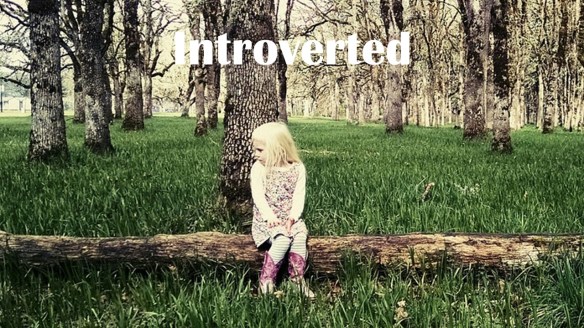
Introverted.

Sunday Inspiration.     Post by David Joel Miller.

Introverted.

Introverted.
Photo courtesy of Pixabay.com

Introverted.

“I’m an introvert… I love being by myself, love being outdoors, love taking a long walk with my dogs and looking at the trees, flowers, the sky.”

― Audrey Hepburn

“He was left a good deal to himself. He had been inclined to talkativeness, but gradually he became silent. He began to think of the difference between himself and others.”

― W. Somerset Maugham, Of Human Bondage

“There is no such thing as a pure introvert or extrovert. Such a person would be in the lunatic asylum.”

― C.G. Jung

Wanted to share some inspirational quotes with you.  Today seemed like a good time to do this. If any of these quotes strike a chord with you, please share them.

Why Pharmacokinetics matters.

By David Joel Miller, MS, Licensed Therapist & Licensed Counselor.

Drugs affect the body.

Why Pharmacokinetics matters.
Drugs affect the body.
Photo courtesy of Pixabay.com

What is pharmacokinetics and why does it matter?

Drugs are everywhere in our society. Not just Street drugs, or the legal drugs such as tobacco and alcohol. Most of us are exposed to drugs all day, every day. Even the people who say they “don’t do drugs” should be concerned about drugs and pharmacokinetics. When we hear about drugs, most of us think illegal drugs. It’s easy to overlook the long-term effects of use and abuse of prescription medication, over-the-counter medication, and the vitamins and herbal remedies all around us every day.

Pharmacokinetics deals with how drugs enter the body, how they get absorbed, how they get transported and delivered throughout the body, and ultimately how are drugs eliminated from the body. In a past post, we talked about routes of administration; the way drugs get into the body.

How much of that drug did you take?

For most drugs the more you take, the stronger the effect. Let’s take a simple, common drug, alcohol to illustrate this principle. If someone drinks a twelve-ounce beer, they consume about half an ounce of pure alcohol. Drinking twelve ounces of whiskey will result in the consumption of about six ounces of alcohol. With whiskey, you drink the same amount of liquid, but because the whiskey is more concentrated, you received a much higher dose of Alcohol than the beer drinker does. Measurement of alcohol consumption requires the use of an idea called the standard drink.

Drug dose is computed based on body weight.

A three-hundred-pound man will need to take a higher dose of medicine than a twenty-pound child. Heavier people contain more volume of liquids, so any chemical they take into their system becomes more dilute. For most medications, your doctor will want to know your body weight, so they know how much medication to give you.

When it comes to Street drugs or even alcohol, most people don’t consider the effect that body weight has on the drug-using experience. Thin people will get higher blood concentrations of the drug even when they take the same amount. Recently we have seen many people who had weight loss surgery, lost a large amount of weight, and developed a significant problem when they consume alcohol or other drugs.

Drug absorption matters.

Some drugs are readily absorbed into the bloodstream. When you consume liquid drugs or very soluble ones, they readily pass through the stomach, into the intestine, and are absorbed into the bloodstream. Solid drugs vary a great deal in their bioavailability, which is the part of the drug that becomes absorbed into the bloodstream and reaches the site of action.

An example of the problem of bioavailability involves pregnant women. Calcium is often added to the diet of a pregnant woman to help the fetus develop strong bones. Limestone is high in calcium, but no matter how much you grind it up, most of the limestone will pass through the body undigested. How much of the calcium in your vitamin supplement will be absorbed into your bloodstream, it’s bioavailability, matters.

Drug distribution varies from drug to drug.

Drugs that are highly water-soluble travel readily throughout the body. Blood nourishes all the cells in the body, and the parts of the body that received the most blood also received the largest doses of drugs. Drugs tend to accumulate in the heart, brain, kidney, and liver. Parts of the body that get little blood flow, the muscles and fat, received little of the active drug. Can you see why taking an oral supplement to “melt away fat” is unlikely to work?

A few drugs, such as THC in marijuana, are fat-soluble. These drugs will tend to accumulate in the parts of the body which have the largest fat content.

Drug elimination – how the drug leaves the body.

Eventually, any drugs that go into your body will get broken down and eliminated. Many drugs are metabolized by enzymes produced in the liver. These drugs are especially hard on the liver when taken in excessive quantities. This process is the reason heavy alcohol consumption increases the risk of four separate types of liver disease.

Some drugs are metabolized in the kidneys or the G.I. tract. Regardless of where the metabolism takes place, the majority of all drugs are removed from the body by the kidney. Some drugs, especially in large quantities, can be very hard on the kidneys. Drug abuse can result in impaired kidney function resulting in the need for kidney dialysis.

Drug metabolism is a sequential process.

Many drugs are broken down in stages. The first breakdown product is then metabolized into a second breakdown product and so on. These breakdown products or metabolic byproducts may also be psychoactive. When both cocaine and alcohol are present in the system, they and their metabolic byproducts can combine to produce Cocaethylene which is even longer lasting than the original cocaine and alcohol.

For more on this topic see – Drug Use, Abuse, and Addiction and Recovery

David Joel Miller MS is a Licensed Marriage and Family Therapist (LMFT) and a Licensed Professional Clinical Counselor (LPCC.)  Mr. Miller provides supervision for beginning counselors and therapists and teaches at the local college in the Substance Abuse Counseling program.

Staying connected with David Joel Miller

Seven David Joel Miller Books are available now!

My newest book is now available. It was my opportunity to try on a new genre. I’ve been working on this book for several years, but now seem like the right time to publish it.

Story Bureau.

Story Bureau is a thrilling Dystopian Post-Apocalyptic adventure in the Surviving the Apocalypse series.

Baldwin struggles to survive life in a post-apocalyptic world where the government controls everything.

As society collapses and his family gets plunged into poverty, Baldwin takes a job in the capital city, working for a government agency called the Story Bureau. He discovers the Story Bureau is not a benign news outlet but a sinister government plot to manipulate society.

Bumps on the Road of Life. Whether you struggle with anxiety, depression, low motivation, or addiction, you can recover. Bumps on the Road of Life is the story of how people get off track and how to get your life out of the ditch.

Dark Family Secrets: Doris wants to get her life back, but small-town prejudice could shatter her dreams.

Casino Robbery Arthur Mitchell escapes the trauma of watching his girlfriend die. But the killers know he’s a witness and want him dead.

Planned Accidents  The second Arthur Mitchell and Plutus mystery.

Letters from the Dead: The third in the Arthur Mitchell mystery series.

What would you do if you found a letter to a detective describing a crime and you knew the writer and detective were dead, and you could be next?

Sasquatch. Three things about us, you should know. One, we have seen the past. Two, we’re trapped there. Three, I don’t know if we’ll ever get back to our own time.

For these and my upcoming books; please visit my Author Page – David Joel Miller

Want the latest blog posts as they publish? Subscribe to this blog.

For videos, see: Counselorssoapbox YouTube Video Channel
Delusion or reality?

By David Joel Miller, MS, Licensed Therapist & Licensed Counselor.

Delusions.

Delusions.
Photo courtesy of Pixabay.com

Sometimes delusions get people into trouble.

One problem area for mental health is distinguishing between delusions and reality. If

something is highly unlikely and yet despite mounds of evidence that can’t be true, that someone still firmly believes in its truth, it’s likely to be a delusion. Unfortunately, one person’s belief may be another person’s delusion. Disagreements about the truth often result in violence. After there’s been a violent incident, the question often arises why hadn’t someone spotted that person who was likely to become violent?

Identifying when someone is delusional is the first step. Figuring out when that delusion will lead that person to violence is a much more difficult task.

Defining delusions.

The technical definition of delusions is fixed beliefs which people are unwilling to change even when presented with evidence to the contrary. The harder it is to tell what is truth and what is delusion, the more likely it is to result in violence. Religion and politics are two areas particularly prone to disagreements that lead to violence.

Here’s a list of the recognized themes of delusions.

  1. Someone’s out to get me, technically called persecutory delusions.
  2. Grandiose delusions, the person believes they are special and have exceptional abilities.
  3. Love and sex delusions are technically called erotomanic delusions, during which the delusional person believes someone is in love with them or wants them sexually.
  4. Nihilistic delusions involve the fixed belief that a major disaster will occur.
  5. Delusions regarding health and body functioning are called somatic delusions.

Is that delusion bizarre?

When other people in your culture don’t believe, something could happen, it would not be a normal experience for them. Common examples of beliefs that would be considered bizarre delusions include the idea that someone is beaming thoughts into your head or removing your thoughts. Some people also believe that an outside force is controlling them.

The problem with diagnosing delusions.

Delusions can occur in the course of several mental illnesses. There is also one specific category titled Delusional Disorder (F-22) which is a catchall for several distinct kinds of delusions which occur outside the course of another mental illness.

One type of delusion which results in a lot of problematic behavior is the delusional form of jealousy. Jealousy is a complicated topic; not all jealousy is delusional. But delusional jealousy, sometimes described as morbid or pathological jealousy, can result in stalking and interpersonal violence.

In upcoming blog posts, we will look at delusional disorder and then some of the varieties of jealous behavior, when is jealousy good for relationships, as well as how and when jealousy becomes dangerous.

David Joel Miller MS is a Licensed Marriage and Family Therapist (LMFT) and a Licensed Professional Clinical Counselor (LPCC.)  Mr. Miller provides supervision for beginning counselors and therapists and teaches at the local college in the Substance Abuse Counseling program.

Staying connected with David Joel Miller

Seven David Joel Miller Books are available now!

My newest book is now available. It was my opportunity to try on a new genre. I’ve been working on this book for several years, but now seem like the right time to publish it.

Story Bureau.

Story Bureau is a thrilling Dystopian Post-Apocalyptic adventure in the Surviving the Apocalypse series.

Baldwin struggles to survive life in a post-apocalyptic world where the government controls everything.

As society collapses and his family gets plunged into poverty, Baldwin takes a job in the capital city, working for a government agency called the Story Bureau. He discovers the Story Bureau is not a benign news outlet but a sinister government plot to manipulate society.

Bumps on the Road of Life. Whether you struggle with anxiety, depression, low motivation, or addiction, you can recover. Bumps on the Road of Life is the story of how people get off track and how to get your life out of the ditch.

Dark Family Secrets: Doris wants to get her life back, but small-town prejudice could shatter her dreams.

Casino Robbery Arthur Mitchell escapes the trauma of watching his girlfriend die. But the killers know he’s a witness and want him dead.

Planned Accidents  The second Arthur Mitchell and Plutus mystery.

Letters from the Dead: The third in the Arthur Mitchell mystery series.

What would you do if you found a letter to a detective describing a crime and you knew the writer and detective were dead, and you could be next?

Sasquatch. Three things about us, you should know. One, we have seen the past. Two, we’re trapped there. Three, I don’t know if we’ll ever get back to our own time.

For these and my upcoming books; please visit my Author Page – David Joel Miller

Want the latest blog posts as they publish? Subscribe to this blog.

For videos, see: Counselorssoapbox YouTube Video Channel

Relationships suffer when you don’t like you.

By David Joel Miller, MS, Licensed Therapist & Licensed Counselor.

Low Self-esteem

Low Self-esteem.
Photo courtesy of Pixabay.com

Low self-esteem poisons your other relationships.

In the aftermath of a failed relationship, many people come to counseling. One common theme is that they have low self-esteem. It’s a human tendency to try to use our relationship to boost our self-esteem and self-confidence.

People with low self-esteem are often like a leaky bucket. No matter how much love and affection their family or partner pours into them, they still feel empty. If you feel that something is lacking in your relationships, start by looking at yourself. People who are emotionally unwell tend to attract sick people into their lives.

Recovering people often find that as they become healthier, they develop more self-esteem. When you feel better about yourself, an unhealthy, dysfunctional relationship, will no longer be acceptable. Healthy people tend to attract other healthy people into their lives. Here are some ways that your low self-esteem may be damaging your relationships.

Low self-esteem makes you needy and dependent.

People who don’t feel good about themselves, don’t like or love themselves, are constantly hungry for approval from others. They seek out strong partners or friends to bolster their egos. That strong in control person you were dating can become that insufferable, controlling person. Extremely needy people drive other people away.

You may become pathologically jealous.

If you don’t feel good about yourself, you may doubt why your partner is staying with you. People who believe their mate has lots of options, while if they lose this partner, they are doomed to be alone, can become pathologically jealous.

When you don’t feel good about your self-worth you may begin to spy on your partner, follow them around, and endlessly question their behavior. If you’re becoming jealous ask yourself is this because you see real signs your partner is cheating on you? Or is this fear because you don’t understand why your partner is staying with you?

You become irritable and fight more.

People who don’t feel well, either physically or emotionally, become irritable and try to push others away. If you don’t like yourself, you may begin to doubt your partner. If you think your partner is likely to cheat on you and then leave you there is a risk you will begin to provoke fights, trying to make, the inevitable happened.

You are lonely even when you’re around others.

Loneliness is a powerful emotional complex. It drives people to associate with other people. If when you are alone, you feel frantic to be around others the problem may be that you don’t like yourself. People with low self-esteem don’t lose that lonely feeling even when they are in a crowd. How can you feel happy and connected when you expect others to dislike you, in the same manner, you just like yourself?

You attract negative people.

People with low self-esteem are hard to be around. They tend to drive away emotionally healthy people. When you’re feeling down, depressed, anxious, and unworthy, you become a magnet for other people with low self-esteem. People who are short on self-love are easy prey for narcissists, psychopaths, and other needy people who are out to use them.

Want healthy relationships?

Begin by improving your relationship with you. You feel better about yourself you will begin to view your relationships with others in a more realistic way. If you like yourself, you will begin to demand that others treat you well. Emotionally healthy people cut the harmful, toxic people out of their lives. As you become mentally healthy, feel better about yourself, you will either find your relationships improving or find it easier to let go of the unhealthy relationships in your life.

David Joel Miller MS is a Licensed Marriage and Family Therapist (LMFT) and a Licensed Professional Clinical Counselor (LPCC.)  Mr. Miller provides supervision for beginning counselors and therapists and teaches at the local college in the Substance Abuse Counseling program.

Staying connected with David Joel Miller

Seven David Joel Miller Books are available now!

My newest book is now available. It was my opportunity to try on a new genre. I’ve been working on this book for several years, but now seem like the right time to publish it.

Story Bureau.

Story Bureau is a thrilling Dystopian Post-Apocalyptic adventure in the Surviving the Apocalypse series.

Baldwin struggles to survive life in a post-apocalyptic world where the government controls everything.

As society collapses and his family gets plunged into poverty, Baldwin takes a job in the capital city, working for a government agency called the Story Bureau. He discovers the Story Bureau is not a benign news outlet but a sinister government plot to manipulate society.

Bumps on the Road of Life. Whether you struggle with anxiety, depression, low motivation, or addiction, you can recover. Bumps on the Road of Life is the story of how people get off track and how to get your life out of the ditch.

Dark Family Secrets: Doris wants to get her life back, but small-town prejudice could shatter her dreams.

Casino Robbery Arthur Mitchell escapes the trauma of watching his girlfriend die. But the killers know he’s a witness and want him dead.

Planned Accidents  The second Arthur Mitchell and Plutus mystery.

Letters from the Dead: The third in the Arthur Mitchell mystery series.

What would you do if you found a letter to a detective describing a crime and you knew the writer and detective were dead, and you could be next?

Sasquatch. Three things about us, you should know. One, we have seen the past. Two, we’re trapped there. Three, I don’t know if we’ll ever get back to our own time.

For these and my upcoming books; please visit my Author Page – David Joel Miller

Want the latest blog posts as they publish? Subscribe to this blog.

For videos, see: Counselorssoapbox YouTube Video Channel