
Is A.A. a religious group?

By David Joel Miller, MS, Licensed Therapist & Licensed Counselor.

AA big book

Alcoholics Anonymous big book.

A.A. describes itself in its literature as a spiritual program, not a religious one.

Members of A.A. are free to practice or not practice any religion they chose. Among the members of A.A., you will find Christians of most all the denominations. You will also find Jews, Buddhists, Hindus, Pagans, and both agnostics and atheists.

How it possible to be a member of a spiritual group and not believe in a specific deity?

The A.A. literature says “God as you understand him.” No particular understanding is prescribed. Clearly, some members are more emphatic about their particular faith and its role in their recovery than others.

“Him” here is in the English language tradition of not having gender-neutral pronouns. Using “They or Them” for God did not work also. So I think that there should be no objection if your understanding of God or your higher power were a she, them, or it.

What does matter is that this “higher power” has some ability to help you live your life on a more spiritual basis.

One member, who described themselves as an atheist reported that they understood their higher power as god, as opposed to GOD. Their higher power was a formula for making better more spiritual decisions.

g = Good

O = orderly

d = direction

Some members in early recovery find that simply checking out decisions with their sponsor or the group can improve the quality of those decisions and help them stay sober. For the time being the group can function as a “higher power.”

There is one other description of this process of making progress in A.A. that might help explain why the program does not insist on any particular religious belief.

If you are on the path to recovery, keep looking, you just might find a higher power.

The posts I write about A.A. are from my perspective as a therapist and clinical counselor and do not necessarily reflect the views of A.A. World Services. For more on A.A. and their program of recovery check out the “A.A. Big Book” titled Alcoholics Anonymous at the links below or contact A.A. World Services at their website.

The Big Book of Alcoholics Anonymous

The classic text on Alcoholism, recovery this is the book that started off the whole 12 step phenomenon.

Alcoholics Anonymous from The Anonymous Press

One of the kindle editions – At 99 cents this is such a bargain. This edition needed a separate listing. No kindle reader? No Problem, if you have a computer you can download a free Kindle reader.

Staying connected with David Joel Miller

Seven David Joel Miller Books are available now!

My newest book is now available. It was my opportunity to try on a new genre. I’ve been working on this book for several years, but now seem like the right time to publish it.

Story Bureau.

Story Bureau is a thrilling Dystopian Post-Apocalyptic adventure in the Surviving the Apocalypse series.

Baldwin struggles to survive life in a post-apocalyptic world where the government controls everything.

As society collapses and his family gets plunged into poverty, Baldwin takes a job in the capital city, working for a government agency called the Story Bureau. He discovers the Story Bureau is not a benign news outlet but a sinister government plot to manipulate society.

Bumps on the Road of Life. Whether you struggle with anxiety, depression, low motivation, or addiction, you can recover. Bumps on the Road of Life is the story of how people get off track and how to get your life out of the ditch.

Dark Family Secrets: Doris wants to get her life back, but small-town prejudice could shatter her dreams.

Casino Robbery Arthur Mitchell escapes the trauma of watching his girlfriend die. But the killers know he’s a witness and want him dead.

Planned Accidents  The second Arthur Mitchell and Plutus mystery.

Letters from the Dead: The third in the Arthur Mitchell mystery series.

What would you do if you found a letter to a detective describing a crime and you knew the writer and detective were dead, and you could be next?

Sasquatch. Three things about us, you should know. One, we have seen the past. Two, we’re trapped there. Three, I don’t know if we’ll ever get back to our own time.

For these and my upcoming books; please visit my Author Page – David Joel Miller

Want the latest blog posts as they publish? Subscribe to this blog.

For videos, see: Counselorssoapbox YouTube Video Channel

Sobriety

Serene

Serene and Sober.
Photo courtesy of Pixabay.com

Encarta Dictionary tells us Sobriety is:

Abstinence from or moderation in the use of alcohol or drugs

The quality of being serious and thoughtful

“Your best days are ahead of you. The movie starts when the guy gets sober and puts his life back together; it doesn’t end there.”
― Bucky SinisterGet Up: A 12-Step Guide to Recovery for Misfits, Freaks, and Weirdos

“We have learned that the satisfaction of instincts cannot be the sole aim of our lives.”
― Alcoholics AnonymousTwelve Steps and Twelve Traditions

“achieving true sobriety goes beyond abstinence. it’s also about healing your soul, apologizing for damage you did to other, and seeking forgiveness.”
― Lou GrammJuke Box Hero: My Five Decades in Rock ‘n’ Roll

Quotes from GoodReads

Are you sober today?

Why AA? Reasons therapists recommend you go to AA.

By David Joel Miller, MS, Licensed Therapist & Licensed Counselor.

AA big book

Alcoholics Anonymous big book.

Why do professionals send you to A.A?

Therapists and Counselors treat people with all sorts of serious and persistent mental illnesses so why do they recommend that clients with a drinking problem attend AA meetings?

It turns out that attending meetings provides a lot of benefits that a single therapy session each week can’t provide. In substance abuse treatment programs the standard treatment, after you are over the most immediate problems connected to your drinking or drugging, consists of recommending that clients attend twelve-step meetings.

Here are some of the reasons why professionals recommend A.A.

The 12 steps include a focused system of change.

Embedded in the “working” of steps are the elements of problem identification, change steps, and a program of maintenance. While a therapist may help you work on one problem, depression, or anxiety, the steps are a way of changing your thinking about life and all your problems.

Some people’s only problem is drinking too much, they just quit and are fine. Many others find that once they stop, all the problems they had before they drank are back in force. It takes more than putting the bottle down to stay sober.

Attending meetings helps creates a new set of friends that are clean and sober.

One critical issue in recovery is relapse triggers; hanging out with your old drinking or drugging friends results in a high risk of relapse. Finding friends that do not drink and use requires a change. The more sober friends you make the more support you will have in staying sober.

Seeing others who have changed is very encouraging.

When your therapist tells you that people can change and do recover, you may say yes some people do, but what about me? When you attend meetings and hear the stories of those who have turned their lives around it becomes easy to believe you can do this, especially with the help of people who have themselves recovered.

The longer you stay connected to therapeutic recovery the better the chances.

Continuing to stay in treatment for up to two years has been shown to create better results. Most therapy programs will not cover or include two years of aftercare. A.A. while not professional treatment is a free or very low-cost way to continue to have “booster shots” of recovery for as long as you need them.

Sometimes when I work with mental health clients, I find myself wishing this client had a drinking problem also, and then I could give them a referral to A.A.

There is a serious shortage of self-help, peer recovery groups for those with mental health issues. The few that do exist are often modeled after the 12 step system.

Therapists and counselors do not customarily work the steps with clients. That is something we encourage them to do at the 12 step meeting. What we should do is a process called 12 step facilitation, in which we explain A.A. or other self-help groups, how they work, what the steps are, and encourage people to participate in the meetings.

The posts I write about A.A. or other self-help groups are from my perspective as a therapist and clinical counselor and do not necessarily reflect the views of AA World Services. For more on AA and their program of recovery check out the “AA Big Book” titled Alcoholics Anonymous at the links below or contact AA World Services at their website.

The Big Book of Alcoholics Anonymous

The classic text on Alcoholism, recovery this is the book that started off the whole 12 step phenomenon.

Alcoholics Anonymous from The Anonymous Press

One of the Kindle editions – At 99 cents this is such a bargain. This edition needed a separate listing. No Kindle reader? No Problem, if you have a computer you can download a free Kindle reader.

Staying connected with David Joel Miller

Seven David Joel Miller Books are available now!

My newest book is now available. It was my opportunity to try on a new genre. I’ve been working on this book for several years, but now seem like the right time to publish it.

Story Bureau.

Story Bureau is a thrilling Dystopian Post-Apocalyptic adventure in the Surviving the Apocalypse series.

Baldwin struggles to survive life in a post-apocalyptic world where the government controls everything.

As society collapses and his family gets plunged into poverty, Baldwin takes a job in the capital city, working for a government agency called the Story Bureau. He discovers the Story Bureau is not a benign news outlet but a sinister government plot to manipulate society.

Bumps on the Road of Life. Whether you struggle with anxiety, depression, low motivation, or addiction, you can recover. Bumps on the Road of Life is the story of how people get off track and how to get your life out of the ditch.

Dark Family Secrets: Doris wants to get her life back, but small-town prejudice could shatter her dreams.

Casino Robbery Arthur Mitchell escapes the trauma of watching his girlfriend die. But the killers know he’s a witness and want him dead.

Planned Accidents  The second Arthur Mitchell and Plutus mystery.

Letters from the Dead: The third in the Arthur Mitchell mystery series.

What would you do if you found a letter to a detective describing a crime and you knew the writer and detective were dead, and you could be next?

Sasquatch. Three things about us, you should know. One, we have seen the past. Two, we’re trapped there. Three, I don’t know if we’ll ever get back to our own time.

For these and my upcoming books; please visit my Author Page – David Joel Miller

Want the latest blog posts as they publish? Subscribe to this blog.

For videos, see: Counselorssoapbox YouTube Video Channel

,

Is relapse a part of recovery?

By David Joel Miller, MS, Licensed Therapist & Licensed Counselor.

Relapse

Relapse.
Photo courtesy of Pixabay.com

Is relapse a necessary part of recovery?

You will hear this a lot if you hang around treatment facilities, even self-help groups. I suppose it comes from seeing people relapse and feeling helpless to prevent those relapses. But is relapse really a necessary part of recovery?

Mostly this is applied to substance abuse, drugs, and alcohol, but more and more we are seeing that other emotional, mental, and behavioral challenges can follow the same processes. People get unhealthy; they may get sick and then they recover.

Do symptoms have to get worse before they get better?

Every time one of my colleagues says that relapse is a part of recovery I cringe. It feels like saying that heart attacks are a part of treating heart disease. I do not believe that good treatment should accept any negative outcome as a part of the recovery process.

Relapse is common, but it is not universal. Some people, more than you might think, recover, and never relapse.  A surprisingly large number of people report that they were able to quit drugs, get over their depression and anxiety, and stay quit and recovered.

So how do they do recover without relapse?

We need to talk about several things. What is recovery, what is relapse, and how do people go about changing?

Emotional challenges and substance use problems are a lot like chronic physical disorders. If you have had a stroke there has been some damage done. If you have been diagnosed with diabetes you will never be “cured.” Some changes will always remain as a result of your experience.

While you will never be “cured” you can, and most people do, recover from that disorder. The same thing happens to those people who have had an emotional or substance use disorder. They can and do recover but they are never fully cured. There is a risk that if they are not careful they may slip back into an active stage of their problem but if they are vigilant about their recovery they do not need to keep getting sick again and returning to their provider to, again and again, be treated and recover over and over.

These ideas about substance use problems and mental health problems are both included in the The Big Book of Alcoholics Anonymous. Bill W. wrote about the issues that those with Bipolar Disorder will face that may make their recovery more difficult than that experienced by people who do not have an underlying mental health disorder.

Bill W also wrote that in the early days of those who came to the program and stuck (meaning actually continued to attend and participate in the program) 50% quit drinking forever. That does not sound to me like he believed that relapse needed to be a part of recovery.

He went on to report that of the remaining half about 25 % had to quit a few times to get it right but those people did eventuality stop for good.

What about that last 25%? The big book reports that while some people never did manage to stay stopped those people, while attending A.A. were much improved. I take that to mean that while the treatment for a mental or emotional problem may not fully effect a cure, reducing your symptoms is a way to reduce the harm that a mental, emotional, or substance use problem creates.

These days we are applying the stages of change model to both mental health and substance use disorders. Take a look at some of the books on how people change such as Changing for good.

Changing for Good: A Revolutionary Six-Stage Program for Overcoming Bad Habits and Moving Your Life Positively Forward

I have written posts in the past on this model and how it can help you change and stay changed.

In this model, we see that people need to recognize they have a problem, gather information, get ready to change, and then go through the process of making real meaningful changes in their lives. In this model, we see that maintenance, those things you need to do to stay changed once you have made a change, those maintenance steps are the key to preventing relapses.

Relapse is a failure to maintain recovery.

Relapse is not a part of recovery, but the result of failing to continue doing the things that helped you get better in the first place. Whatever you did to get your emotional problem or substance use issue in remission in the first place, those actions need to continue to be a part of your life if you want to insure yourself against relapse.

If you do relapse, do not beat yourself up. Get back into recovery and practice the things you need to stay well. Just know that repeated relapses do not need to be a part of recovery if you practice your maintenance program.

Staying connected with David Joel Miller

Seven David Joel Miller Books are available now!

My newest book is now available. It was my opportunity to try on a new genre. I’ve been working on this book for several years, but now seem like the right time to publish it.

Story Bureau.

Story Bureau is a thrilling Dystopian Post-Apocalyptic adventure in the Surviving the Apocalypse series.

Baldwin struggles to survive life in a post-apocalyptic world where the government controls everything.

As society collapses and his family gets plunged into poverty, Baldwin takes a job in the capital city, working for a government agency called the Story Bureau. He discovers the Story Bureau is not a benign news outlet but a sinister government plot to manipulate society.

Bumps on the Road of Life. Whether you struggle with anxiety, depression, low motivation, or addiction, you can recover. Bumps on the Road of Life is the story of how people get off track and how to get your life out of the ditch.

Dark Family Secrets: Doris wants to get her life back, but small-town prejudice could shatter her dreams.

Casino Robbery Arthur Mitchell escapes the trauma of watching his girlfriend die. But the killers know he’s a witness and want him dead.

Planned Accidents  The second Arthur Mitchell and Plutus mystery.

Letters from the Dead: The third in the Arthur Mitchell mystery series.

What would you do if you found a letter to a detective describing a crime and you knew the writer and detective were dead, and you could be next?

Sasquatch. Three things about us, you should know. One, we have seen the past. Two, we’re trapped there. Three, I don’t know if we’ll ever get back to our own time.

For these and my upcoming books; please visit my Author Page – David Joel Miller

Want the latest blog posts as they publish? Subscribe to this blog.

For videos, see: Counselorssoapbox YouTube Video Channel
Switching addictions, can a drug addict drink Alcohol?

By David Joel Miller, MS, Licensed Therapist & Licensed Counselor.

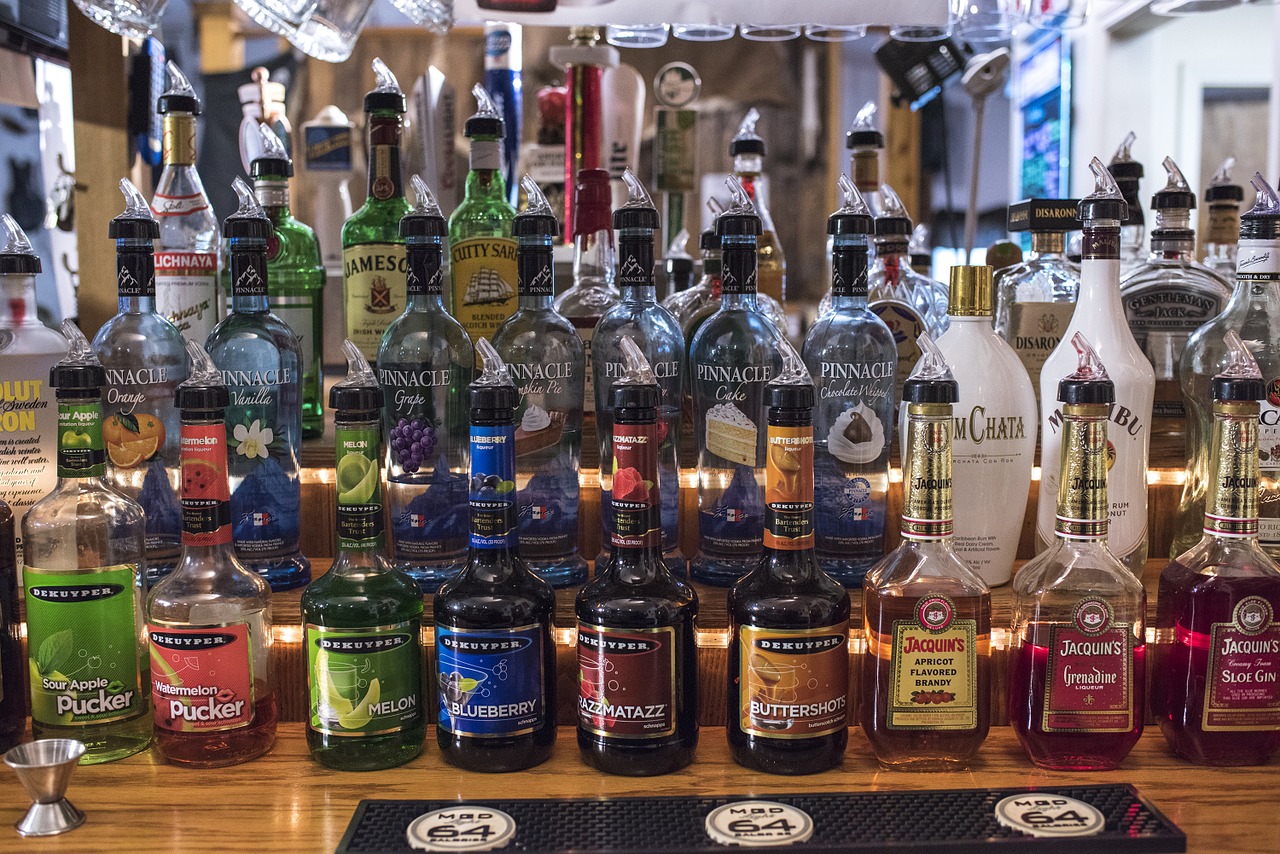
Bottles of alcohol.

Alcoholic Beverages.
Photo courtesy of Pixabay.com

Can or should a drug addict drink alcohol?

This comes up frequently in recovery circles. Typically after the person has drunk and had a bad result.

One saying, that may tell the story, is that if you scratch an addict underneath you find an alcoholic.

The great illusion of any addicted person is that the will find some other substance, some other process out there that will allow them to feel those same highs, to reach for a new solution to avoid their problems and be able to handle that substance.

Lots of addicts alibi that alcohol is legal so there should be no problem with their using it. Truth is that the legal drugs cause the most damage.

Alcohol is a drug, make no mistake about that. It alters thinking. Whether you have had a problem with alcohol in the past or not, alcohol will turn off the part of the brain that tells you “HEY STUPID, DO NOT DO THAT.”

For most people in substance use or abuse recovery, the drugs or the alcohol are not the problems. The drugs, alcohol, gambling, or addictive sex become the solution. The problem is that the user does not know how to live life without the thing or activity they have become dependent upon.

My recommendation is that if you are in recovery from drugs or any other addictive behavior you should avoid alcohol.

Alcohol is not the only substitute addiction that creeps up on recovering people. It is common for recovering people to switch addictions.

Often in groups, I hear from recovering people that they are trying to have fun without their drug of choice and they have been spending time at the local casino. That excitement of the risk of wagering is taking the place of the previous drug high.

No longer having to pay for drugs they take that leftover money and head for the casino. Recovering people can quickly find they have developed a problem with gambling, sex addiction or any other addictive behavior.

If you are in any type of recovery, be very careful about merely switching from one addictive substance or activity to another.

Staying connected with David Joel Miller

Seven David Joel Miller Books are available now!

My newest book is now available. It was my opportunity to try on a new genre. I’ve been working on this book for several years, but now seem like the right time to publish it.

Story Bureau.

Story Bureau is a thrilling Dystopian Post-Apocalyptic adventure in the Surviving the Apocalypse series.

Baldwin struggles to survive life in a post-apocalyptic world where the government controls everything.

As society collapses and his family gets plunged into poverty, Baldwin takes a job in the capital city, working for a government agency called the Story Bureau. He discovers the Story Bureau is not a benign news outlet but a sinister government plot to manipulate society.

Bumps on the Road of Life. Whether you struggle with anxiety, depression, low motivation, or addiction, you can recover. Bumps on the Road of Life is the story of how people get off track and how to get your life out of the ditch.

Dark Family Secrets: Doris wants to get her life back, but small-town prejudice could shatter her dreams.

Casino Robbery Arthur Mitchell escapes the trauma of watching his girlfriend die. But the killers know he’s a witness and want him dead.

Planned Accidents  The second Arthur Mitchell and Plutus mystery.

Letters from the Dead: The third in the Arthur Mitchell mystery series.

What would you do if you found a letter to a detective describing a crime and you knew the writer and detective were dead, and you could be next?

Sasquatch. Three things about us, you should know. One, we have seen the past. Two, we’re trapped there. Three, I don’t know if we’ll ever get back to our own time.

For these and my upcoming books; please visit my Author Page – David Joel Miller

Want the latest blog posts as they publish? Subscribe to this blog.

For videos, see: Counselorssoapbox YouTube Video Channel

Driving the recovery bus – the role of self-motivation in recovery

By David Joel Miller, MS, Licensed Therapist & Licensed Counselor.

Bus

Driving the recovery Bus.
Photo courtesy of Pixabay.com

Why you need to take charge of your recovery.

Have you ever considered who is in charge of your recovery? Someone needs to take charge and if not you then who? This recovery may be from mental illness, substance abuse, or most any other problem in life.

People go into recovery from the 28-day program (now often 30 days) to the long-term commitment without ever think about who will be guiding their recovery process. Yes, there are professions that work in these places but they can only do so much. As a professional, I can give you directions but to really arrive at the destination you want to reach you need to get upfront and take the wheel.

In recovery, we get out of programs what we put into them.

Recovery or treatment programs have their place. One reason that programs work is that they can break the cycle of drinking, drug use, and abuse or other self-destructive behavior. It is hard to get clean in a place where everyone is still active in their addiction.

This process can hold true for those with mental illness also. It is hard to get your life under control when you live in the midst of chaos. When you are struggling daily with your issues it is hard to look at the big picture and see what needs to change for you to find recovery.

If these programs, and sometimes the stays in the psych hospital, however brief, can be so very helpful in getting the journey of recovery underway, why does the situation revert to the old struggles so soon after you leave the safe walls of the program or hospital?

One reason that recovery does not “stick” is a misunderstanding of what recovery is and where it lives. Do not make the mistake of thinking that recovery lives in the white walls of safe places. You do not need to keep returning to that place where you first started your recovery journey in order to stay on track.

Recovery is a journey, a process, not a place. Once your recovery is launched you need to keep on doing the work. This is where so many people get in trouble. They expect the place, the counselors, therapists, and staff to change them, and then they will never have that issue again.

Change comes from the inside, not the out. Yes, knowledgeable people, professional staff, can give you lots of help and information in the beginning stages of your recovery, but to continue to recovery you need to take charge and drive that recovery bus yourself.

You should know what your life looked like when it was saturated with problems and have a clear idea of what recovery looks like. Helpful people can assist you along the journey but eventually, you need to take hold of that wheel and steer your life in the direction of a recovered life however you see that recovery.

Are you driving your recovery bus or are you a passenger going wherever life takes you?

Staying connected with David Joel Miller

Seven David Joel Miller Books are available now!

My newest book is now available. It was my opportunity to try on a new genre. I’ve been working on this book for several years, but now seem like the right time to publish it.

Story Bureau.

Story Bureau is a thrilling Dystopian Post-Apocalyptic adventure in the Surviving the Apocalypse series.

Baldwin struggles to survive life in a post-apocalyptic world where the government controls everything.

As society collapses and his family gets plunged into poverty, Baldwin takes a job in the capital city, working for a government agency called the Story Bureau. He discovers the Story Bureau is not a benign news outlet but a sinister government plot to manipulate society.

Bumps on the Road of Life. Whether you struggle with anxiety, depression, low motivation, or addiction, you can recover. Bumps on the Road of Life is the story of how people get off track and how to get your life out of the ditch.

Dark Family Secrets: Doris wants to get her life back, but small-town prejudice could shatter her dreams.

Casino Robbery Arthur Mitchell escapes the trauma of watching his girlfriend die. But the killers know he’s a witness and want him dead.

Planned Accidents  The second Arthur Mitchell and Plutus mystery.

Letters from the Dead: The third in the Arthur Mitchell mystery series.

What would you do if you found a letter to a detective describing a crime and you knew the writer and detective were dead, and you could be next?

Sasquatch. Three things about us, you should know. One, we have seen the past. Two, we’re trapped there. Three, I don’t know if we’ll ever get back to our own time.

For these and my upcoming books; please visit my Author Page – David Joel Miller

Want the latest blog posts as they publish? Subscribe to this blog.

For videos, see: Counselorssoapbox YouTube Video Channel
4 types of addiction

By David Joel Miller, MS, Licensed Therapist & Licensed Counselor.

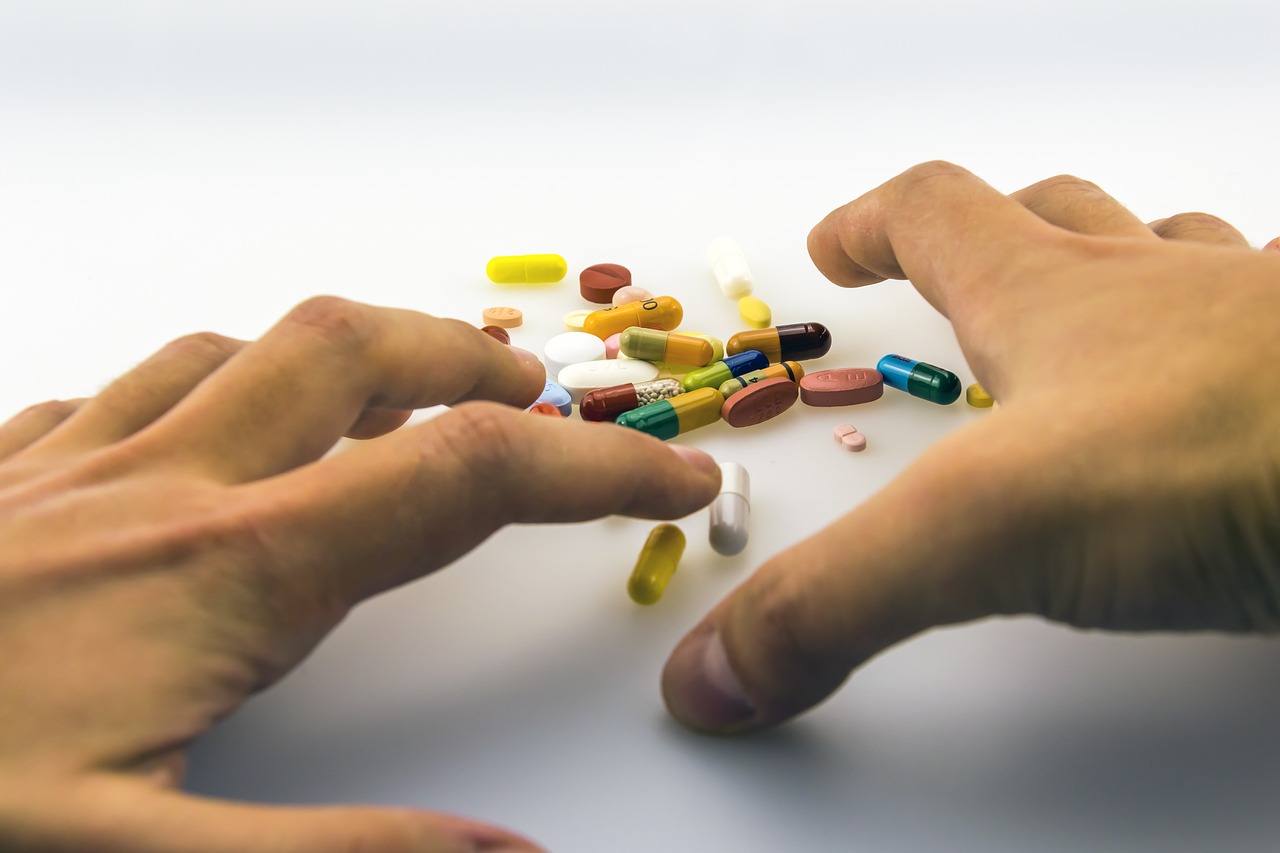
Hands with pills

Addiction.
Photo courtesy of Pixabay

Not all addictions are created equal.

The word addiction and the whole concept of addiction have taken on a number of meanings. The result is that when we talk about addiction we are not all meaning the same thing.

As a counselor, I have come to see 4 different classes or patterns of addictions.

The meaning of the word addiction has changed so much it becomes difficult to know when to use the word addiction in one way and when it is being used in another.

My favorite dictionary, a real physical, book type dictionary, is the Century Dictionary from 1889. It defines addiction as “A state of being given up to some habit, practice or pursuit; addictedness; devotion. This definition explains why so very many different patterns of behavior have come to be called addictions.

Modern on-line dictionaries have inserted a first meaning of drug dependency and reduced the notion of devotion to something to a secondary position. Both meanings bring people to the counseling room.

Here are 4 primary types of addiction that may call for treatment or recovery.

Physical tissue dependency on a substance is an addiction.

Doctors might refer to this form of addiction as “Chemical Dependency.” We all know about addictions to chemicals which result in severe withdrawal symptoms when the user stops. The Heroin or opioid user gets violently physically ill when they are without their drug for a period of time. Alcoholics may experience the DTs if they are without a drink for a period of time.

Psychological dependence on a substance is addiction.

This manifests when the addict goes through a rehab, 28 or 30 days, and then, when they leave rehab, they return to drug or alcohol use. Clearly, this form of addiction is in the mind, not the body.

One reason we might develop this variety of addiction is the belief that we should be able to handle our alcohol or that we need substances to have a good time. The idea of heavy alcohol or drug uses is almost synonymous with the concept of a party and with having fun.

When people develop problems, DUI’s or similar issues, from drug use, they think it is their fault, that they should be able to handle their alcohol. We are mostly reluctant to admit that drugs, including alcohol, are inherently problematic.

By the way – it is quite possible to have fun, enjoy yourself – without resorting to drugs or alcohol. And this is one case where more is not better, more is a bad thing.

Process addictions, when doing takes control of the doer.

Some processes are psychologically rewarding and become so reinforcing that people find themselves unable to stop an activity or to regulate the time they spend on this behavior.

Slot machines and gambling are one activity that can form a process addiction. Video games, sexual activity, and shopping can all become repetitive patterns that a person can give themselves over to. The result is an addiction, a loss of control of your life, as a result of over participation in this activity.

Overeating may well be a form of process addiction. Other eating disorders anorexia or bulimia may fall into the psychological dependency category.

Lifestyles can become addictions.

The dope game or criminal behavior can also be addicting. Dope dealers get caught up in the game. The lifestyle provides large amounts of money, status, and recognition within a subgroup. The lifestyle also provides many other personal benefits. Every dope man knows there are plenty of customers willing to trade sex or other illegal activities for more dope.

The great fallacy of this game is that because you can make a lot of money in a short time it is very profitable. Careful studies have shown that many a young man thought he had it made; the cars, women, the bling, and the cash. But when we factor in the fines, the legal fees, and the time locked up and making nothing, it is not unusual for the dope man to make less than minimum wage. The catch is that he makes thousands in a weekend and then nothing for the years he spends in prison.

No doubt I have left out listing examples of other items that might fit these four categories. Have you experienced an over-dependence, a devotion to something that has affected your life? Have you been chemically or psychologically dependent on a substance or developed an excessive reliance on a process or a lifestyle?

If you have any of these issues help is available.

Staying connected with David Joel Miller

Seven David Joel Miller Books are available now!

My newest book is now available. It was my opportunity to try on a new genre. I’ve been working on this book for several years, but now seem like the right time to publish it.

Story Bureau.

Story Bureau is a thrilling Dystopian Post-Apocalyptic adventure in the Surviving the Apocalypse series.

Baldwin struggles to survive life in a post-apocalyptic world where the government controls everything.

As society collapses and his family gets plunged into poverty, Baldwin takes a job in the capital city, working for a government agency called the Story Bureau. He discovers the Story Bureau is not a benign news outlet but a sinister government plot to manipulate society.

Bumps on the Road of Life. Whether you struggle with anxiety, depression, low motivation, or addiction, you can recover. Bumps on the Road of Life is the story of how people get off track and how to get your life out of the ditch.

Dark Family Secrets: Doris wants to get her life back, but small-town prejudice could shatter her dreams.

Casino Robbery Arthur Mitchell escapes the trauma of watching his girlfriend die. But the killers know he’s a witness and want him dead.

Planned Accidents  The second Arthur Mitchell and Plutus mystery.

Letters from the Dead: The third in the Arthur Mitchell mystery series.

What would you do if you found a letter to a detective describing a crime and you knew the writer and detective were dead, and you could be next?

Sasquatch. Three things about us, you should know. One, we have seen the past. Two, we’re trapped there. Three, I don’t know if we’ll ever get back to our own time.

For these and my upcoming books; please visit my Author Page – David Joel Miller

Want the latest blog posts as they publish? Subscribe to this blog.

For videos, see: Counselorssoapbox YouTube Video Channel
Were you happier drinking?

By David Joel Miller, MS, Licensed Therapist & Licensed Counselor.

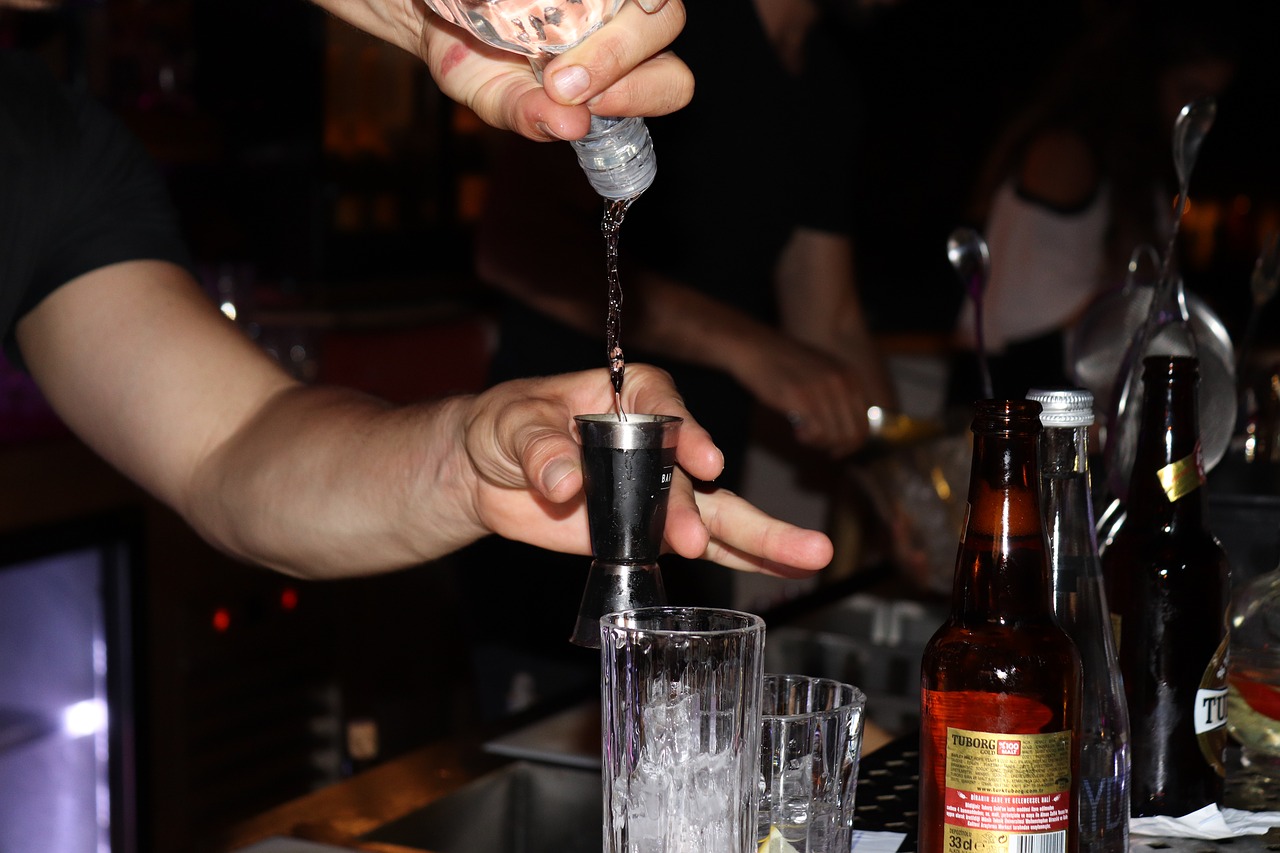
Drinking

Binge drinking.
Photo courtesy of Pixabay.com

Did you quit drinking, but your life did not get better?

You quit drinking but nothing is better. Life was more fun, you were happier when you were drinking, at least you tell yourself you were. Now you wonder why after you quit nothing is getting better.

In the beginning Alcohol, like any drug seems like the magic cure to all that ails you. Old Ethel, Miss Alcohol, is better than having a cape hanging in the closet. Each time you take a drink it makes you feel like a superhero. The result of that drink is absolutely predictable and miraculous, at least in the beginning.

Then something happens. The magic is not as strong. You need to drink more to get the same result. You begin to think that maybe you should stop drinking, only how would you have fun, how would you cope without your best friend the bottle, by your side.

As the negative consequences of drinking mount up you may think that if only you stopped imbibing all your problems would be cured. So you stop and nothing changes. That hoped-for happy life has eluded you.

You couldn’t find a way to be happy before the drinking or you thought you needed the booze to heighten your enjoyment. Now you can’t be happy with or without the liquor.

You don’t want to be an alcoholic. Who would willingly sign on for that job? So you try to control your drinking. If you could just return to being a social drinker you think then drinking and life would be fun again. Normal people do not have to control their drinking. People with a problem are the ones who try to get back control.

If you are like many an alcoholic, you know you need to stop. The negative consequences are piling up. You may have DUI’s. There may be all manner of wreckage, divorces, broken relationships, and lost jobs. So with all the bad, that has been happening to you when you were drinking you expected that when you stopped things would be better. You thought you should be happy and your life on track. What went wrong?

What you find is that the problem was never the alcohol. The alcohol was your solution, only now that solution has stopped working. The solution has become a new problem, one you didn’t have before. The new problem is called addiction, or alcoholism. But you still have the problem that you don’t like your life, maybe you don’t even like you when you are not drinking.

The solution is not to learn to control the drinking. The solution is to learn to accept and cope with life. Just because you stopped drinking your other life problems have not been miraculously solved.

Changing your life involves changing you. You need to learn to cope with life’s problems without leaning on a substance. That substance will only hold you up for so long and then it becomes the thing that holds you back and holds you down.

Living your life on Alcohol is like living in a dense fog. You go through life not seeing or feeling anything and eventually you lose your way. When you live life numbed out on alcohol or painkillers, you don’t feel anything so you go on hurting yourself.

Is it time for you to start the process of changing yourself?

Staying connected with David Joel Miller

Seven David Joel Miller Books are available now!

My newest book is now available. It was my opportunity to try on a new genre. I’ve been working on this book for several years, but now seem like the right time to publish it.

Story Bureau.

Story Bureau is a thrilling Dystopian Post-Apocalyptic adventure in the Surviving the Apocalypse series.

Baldwin struggles to survive life in a post-apocalyptic world where the government controls everything.

As society collapses and his family gets plunged into poverty, Baldwin takes a job in the capital city, working for a government agency called the Story Bureau. He discovers the Story Bureau is not a benign news outlet but a sinister government plot to manipulate society.

Bumps on the Road of Life. Whether you struggle with anxiety, depression, low motivation, or addiction, you can recover. Bumps on the Road of Life is the story of how people get off track and how to get your life out of the ditch.

Dark Family Secrets: Doris wants to get her life back, but small-town prejudice could shatter her dreams.

Casino Robbery Arthur Mitchell escapes the trauma of watching his girlfriend die. But the killers know he’s a witness and want him dead.

Planned Accidents  The second Arthur Mitchell and Plutus mystery.

Letters from the Dead: The third in the Arthur Mitchell mystery series.

What would you do if you found a letter to a detective describing a crime and you knew the writer and detective were dead, and you could be next?

Sasquatch. Three things about us, you should know. One, we have seen the past. Two, we’re trapped there. Three, I don’t know if we’ll ever get back to our own time.

For these and my upcoming books; please visit my Author Page – David Joel Miller

Want the latest blog posts as they publish? Subscribe to this blog.

For videos, see: Counselorssoapbox YouTube Video Channel
What is Alcohol and Drug tolerance?

By David Joel Miller, MS, Licensed Therapist & Licensed Counselor.

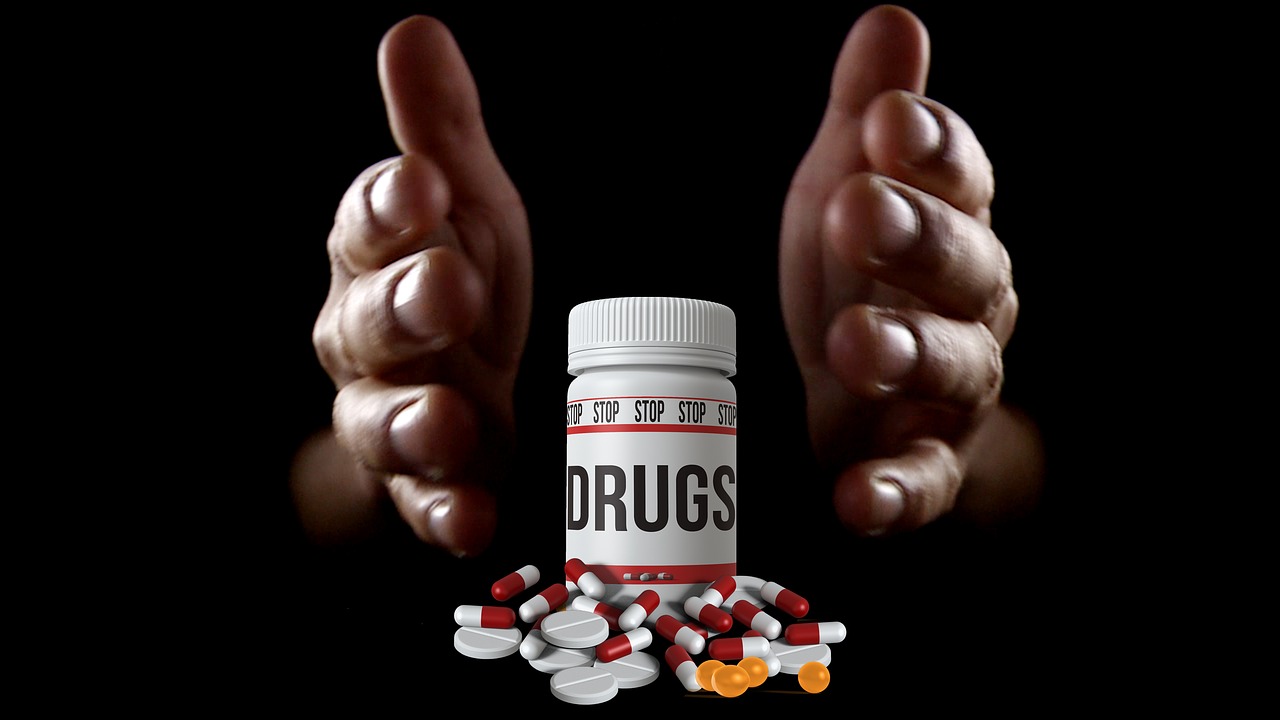
Drugs.

Drugs.
Photo courtesy of Pixabay.

When it comes to drugs and alcohol tolerance is not a good thing!

If your doctor, psychiatrist, or counselor has begun to talk with you about tolerance and your drug use this is a bad sign. The concept of tolerance when applied to drugs, and alcohol is a drug also, is a very different idea than when applied to civil rights.

Alcoholic tolerance does not mean that you are OK with a drunk sleeping on your lawn. It also does not mean that you are good with sleeping on other people’s lawns on the night you are too drunk to get home. Tolerance for the ill person is a commendable thing. Building up a tolerance to a drug of choice is not.

If your body develops a tolerance for the drug, that is a serious problem.

From here on we will use the definition of a drug as “anything that goes into your body and changes functioning or thought that is not food.” So yes Alcohol is a drug and so are prescribed medications whether you have the prescription or not. Remember also that this is written from a counselor’s perspective so if you have questions of a medical or legal nature ask your doctor or lawyer.

Alcoholic tolerance is about the ways in which your body and your mind become accustomed to the presence of alcohol or another drug of choice. As a result of having lots of this drug in your system, you begin to change from the inside out.

Tolerance along with Withdrawal are two of the hallmark, identifiable characteristics of addiction or alcoholism. Doctors might define this as chemical dependency but the concept is essentially the same.

Tolerance is that natural adaptive skill your body has to resist things in you that are not normally there.

So the first time you drink you will have a low tolerance. Once the liver has experienced the presence of alcohol it will ramp up and begin to produce more of the enzymes that break down the alcohol. Each successive time you drink you will need more alcohol to feel as drunk as last time. Over time you will develop a tolerance that means you can “hold your liquor” better and better.

This ability to “Hold your liquor” or other drug is not a good thing. It indicates that your body is already changing as a result of use.

As you develop higher tolerance you will feel less drunk or high than before resulting in a need or desire for more of the drug to get that same effect that you used to get.

For some drugs, this is described as “chasing the high” as users find that they can never recreate that first using experience. Over time you will need more and more drugs to get the same or similar effect and the same amount you used to use will produce less and less of an effect.

This does not mean that the danger from use is declining. Just the opposite.

I have worked with clients whose blood alcohol content (or level) was above .32 (read as point 32). Since .08 is legally drunk in this state, that person is drunk enough for four people.

They were talking and walking around just like any normal person, or close to it. How? Because this person practiced drinking on a daily basis. Does that mean that they were OK? Not a chance.

While they may be able to talk coherently and even walk a line close to the way a non-intoxicated person would, behind the wheel they would hit anything that was out there, on the road or not. In that condition a, person who is driving has been known to drive right into the tail lights of a parked car not recognizing that the car was not moving.

People in this state of high tolerance can and do die without ever realizing the risks.

Lots of heroin overdose deaths are a result of this tolerance phenomenon.

A person has a certain level of Heroin use, over time they need to increase the amount they use as their body builds tolerance. One day they get arrested. They are in jail for a while, say thirty days. Over that time the body resets. Their tolerance to their drug of choice goes down.

Now they get released from jail. When they get home they find that packet of drugs they had tucked away. They use exactly the same amount of the same drug as they were using the day before their arrest. They overdose and if medical attention is not fast enough they die.

Why did this happen? Because over the time in jail while they were not using their tolerance declined.

So if you stay off the drugs for a while then your tolerance will decline and you can start over using a small amount occasionally? Lots of alcoholics think this way. Give them a year of not drinking and they think they are cured and can safely drink again.

What we are told is that once the body increases its ability to neutralize that drug of choice that increased capacity may take a vacation but it is still there. An alcoholic who has not had a drink for 5 years can develop the same tolerance and use pattern they had before they quit in days rather than the years it took the first time.

Tolerance even after a long period of not using comes back fast and strong.

The moral here is that if you have begun to develop tolerance or have used long enough to have this result you will probably never return to safe use.

This tolerance effect explains why some prescribed medications need to be increased in dosage after a period of use. Sometimes doctors have to switch meds if you build up too much tolerance to one medication.

Not every drug results in tolerance at the same rate. Some drugs can be used for years and little or no tolerance develops. With other drugs, tolerance develops so rapidly that if you use the drug one day it will have no effect on you the next day. I won’t tell you which drug that is but those of you who use it know what I am talking about.

I should also point out that most street drugs, drugs of abuse, are much more likely to produce rapid tolerance and the resulting addiction than most prescribed medications but there are exceptions to that rule.

When in doubt about the physical signs and symptoms of tolerance consult your doctor. If you are having behavioral or emotional issues as a result of using to the point of tolerance then consider treatment or counseling.

This discussion about tolerance has focused on changes in physical tolerance. There are also characteristic mental and emotional changes that can occur as a result of drug use. For more on those mental health issues look under co-occurring disorders in the list of topics this blog covers.

David Joel Miller, LMFT, LPCC

Staying connected with David Joel Miller

Seven David Joel Miller Books are available now!

My newest book is now available. It was my opportunity to try on a new genre. I’ve been working on this book for several years, but now seem like the right time to publish it.

Story Bureau.

Story Bureau is a thrilling Dystopian Post-Apocalyptic adventure in the Surviving the Apocalypse series.

Baldwin struggles to survive life in a post-apocalyptic world where the government controls everything.

As society collapses and his family gets plunged into poverty, Baldwin takes a job in the capital city, working for a government agency called the Story Bureau. He discovers the Story Bureau is not a benign news outlet but a sinister government plot to manipulate society.

Bumps on the Road of Life. Whether you struggle with anxiety, depression, low motivation, or addiction, you can recover. Bumps on the Road of Life is the story of how people get off track and how to get your life out of the ditch.

Dark Family Secrets: Doris wants to get her life back, but small-town prejudice could shatter her dreams.

Casino Robbery Arthur Mitchell escapes the trauma of watching his girlfriend die. But the killers know he’s a witness and want him dead.

Planned Accidents  The second Arthur Mitchell and Plutus mystery.

Letters from the Dead: The third in the Arthur Mitchell mystery series.

What would you do if you found a letter to a detective describing a crime and you knew the writer and detective were dead, and you could be next?

Sasquatch. Three things about us, you should know. One, we have seen the past. Two, we’re trapped there. Three, I don’t know if we’ll ever get back to our own time.

For these and my upcoming books; please visit my Author Page – David Joel Miller

Want the latest blog posts as they publish? Subscribe to this blog.

For videos, see: Counselorssoapbox YouTube Video Channel

Addiction, substance use disorder or chemical dependency

By David Joel Miller, MS, Licensed Therapist & Licensed Counselor.

Drugs of addiction

Addiction.
Photo courtesy of Pixabay.com

What is the difference between addiction and chemical dependency?

A lot of different terms are applied to the usage of substances and problems that arise when people begin to experience difficulties with their use.

Various professions use different terminology to describe the same or similar problems and we don’t all use the same severity points to identify problems.

One way of understanding these differences is to think of substance use as being on a continuum. Let’s start with something most people are familiar with, alcohol use, and then add various drugs to the picture.

Alcohol use might range from no use to chronic daily drinking to the point of passing out. Fully 50% of the people in the U. S, who are old enough to drink, did not have a drink in the last 30 days. Clearly not everyone drinks and among those who do, not everyone has a problem.

Heavy Drinkers.

At the other end of the scale, the 10% heaviest drinkers consume 60% of all the alcohol drunk. The top 20% heaviest drinkers consume 80% of the alcohol sold in America. People at the high end of the drinking scale develop more and more serious alcohol use problems than those who consume less.

Among those who do drink, some people have one or two drinks on a special occasion such as a wedding or New Years’. People who drink at this level rarely have any problems. It is possible however to drink only once a year on New Year’s and end up drunk every time resulting in DUI’s or arrests.

The labels that will be attached to the person as their consumption of alcohol increases and problems begin to arise will vary with the profession and the reason the person is being given the label.

The person who has one drink and no ill effects would be considered by most of us an alcohol user but nothing more. The person who only drinks occasionally but when they drink has problems might be thought of as abusing alcohol.

The chemically dependent.

The medical profession often has special units which are called “Chemical Dependency units.” The people who reach these units have the most severe form of substance use disorder. They have reached the point of physical dependence on their drug of choice. Those who are chemically dependent on alcohol are at risk to die during withdrawal.

If someone has ever had a stroke, seizure, or experienced the D.T,s if there are any hallucinations occurring when the level of alcohol in this person’s bloodstream begins to drop, this person is at high medical risk and should be detoxed in a hospital or other medically managed facility. People can and do die from alcohol withdrawal.

People who are chemical dependent on other drugs may have severe physical withdrawal symptoms. The heroin or opioid user, for example, will have diarrhea, nausea, vomiting, shakes, and goosebumps. The withdrawals from opiates may feel like the person will die but deaths from opiate withdrawals are rarer than from alcohol. Overdose deaths are another issue.

Short of physical withdrawal is a form of substance use disorder that is called Substance Dependence. Clearly, not all cravings for a drug of choice are the result of physical withdrawal.

Someone goes through a 30-day treatment program, they have not used for over a month but the day they are discharged they use again. The craving is not a result of physical or chemical dependency but is a psychological need. Therapists would diagnose this as Substance Dependency. For the Therapist, this would include both physical and psychological dependency.

Alcoholism and addiction.

Twelve-step programs draw a different distinction. They would call this problem use of substances, addiction, or alcoholism. This addiction level of problem use may be reached even before psychological dependency has occurred. Addiction may begin at the point of wanting, craving, and thinking about the drug of choice even before the person has lost the ability to control usage. If you are struggling to control your usage then you have already reached a point of problem usage and probably would fit the description of an alcoholic or addict.

Substance abuse.

The lowest level of problem use would be referred to as substance abuse. This might be binge drinking, drinking more than planned or doing something dangerous after having consumed alcohol or another drug. The person who has a few too many drinks and then drives may be abusing alcohol but may not yet have developed alcoholism.

If this alcohol abuser can realize they have a problem and stop drinking to excess, they may be able to stop their progression to alcohol dependence, alcoholism, or chemical dependency.

Substance use disorder makes its debut.

The newer trend, now reflected in the DSM-5, is to avoid making fine distinctions between substance abuse, dependency, addiction, and chemical dependency and call all problem relationships with drugs including alcohol simply a substance use disorder.

Substance use disorder can come in mild, moderate, or severe forms.

Wherever the substance use disorder starts, it needs treatment long before it becomes an addiction or chemical dependency.

Whatever happens (It has happened with the DSM-5 and the new OCD-10 as of 10/1/15) with the DSM-5, expect the various professions and the recovery community to cling to their own special perspectives and their preferred terminology.

Did that explanation help with understanding the differences between Substance use, abuse, dependency, addiction, alcoholism, and chemical dependency?

Best wishes on your journey towards a happy life.

David Joel Miller, LMFT, LPCC

Staying connected with David Joel Miller

Seven David Joel Miller Books are available now!

My newest book is now available. It was my opportunity to try on a new genre. I’ve been working on this book for several years, but now seem like the right time to publish it.

Story Bureau.

Story Bureau is a thrilling Dystopian Post-Apocalyptic adventure in the Surviving the Apocalypse series.

Baldwin struggles to survive life in a post-apocalyptic world where the government controls everything.

As society collapses and his family gets plunged into poverty, Baldwin takes a job in the capital city, working for a government agency called the Story Bureau. He discovers the Story Bureau is not a benign news outlet but a sinister government plot to manipulate society.

Bumps on the Road of Life. Whether you struggle with anxiety, depression, low motivation, or addiction, you can recover. Bumps on the Road of Life is the story of how people get off track and how to get your life out of the ditch.

Dark Family Secrets: Doris wants to get her life back, but small-town prejudice could shatter her dreams.

Casino Robbery Arthur Mitchell escapes the trauma of watching his girlfriend die. But the killers know he’s a witness and want him dead.

Planned Accidents  The second Arthur Mitchell and Plutus mystery.

Letters from the Dead: The third in the Arthur Mitchell mystery series.

What would you do if you found a letter to a detective describing a crime and you knew the writer and detective were dead, and you could be next?

Sasquatch. Three things about us, you should know. One, we have seen the past. Two, we’re trapped there. Three, I don’t know if we’ll ever get back to our own time.

For these and my upcoming books; please visit my Author Page – David Joel Miller

Want the latest blog posts as they publish? Subscribe to this blog.

For videos, see: Counselorssoapbox YouTube Video Channel