
Goodbye to Drugs ritual – Breaking up with an addiction

By David Joel Miller, MS, Licensed Therapist & Licensed Counselor.

Writing a goodbye letter to your drug.
Picture courtesy of pixabay

Is it hard to let go of your addiction?

When the courtship began it was all good. That drug, the alcohol, the gambling they were fun. Your drug of choice stays with you no matter what.

People come and go in our lives but that addiction we develop it stays with us. Women come and go, Sherry is always waiting, along with Bud and Jose and their friends. Crystal will take you in when no one else wants to see you. It can be hard to say goodbye.

We have ceremonies for starting things, marriages, births of children, graduations. There are ceremonies for ending things also, divorce decrees and funerals, and the retirement dinner. How do you say goodbye to that drug?

Do you remember the first time you tried the drug, that first drink, and the feelings that your drug of choice gave you? In the beginning, was it good? Did it make you feel excited, happy, and successful?

Then did bad things start happening? Did the drug take you places you didn’t want to go? Did it send you to jails, institutions, homeless shelters, or to lonely places?

It is easy sometimes when all looks bleak to remember the good times if only you could reach that same high again. But you know that it takes ever more and more drug to reach the same high and then one day even the drug can’t get you high. Then it takes more of your drug just to get well, just to feel normal.

It is hard breaking up with someone you have been with for a long time, even when the relationship has gone bad. You remember those good times, long ago when the relationship was new and you wonder how you could live without that drug.

Ending a romantic relationship is often done with a goodbye letter, the “Dear John” or “Dear Jane’ letter. If you want to be free of your drug you may need to write it that same letter.

Dear Methie, Dear Alcehol, we had some good times way back when, but you done me wrong. You said you could make me rich and famous, but you took my money and put my picture on the wanted list. You said you would be my friend, but then you left me alone in jails, prisons, and hospitals. Now you have taken my life and left me looking for ways to end it. It’s time for me to say good-bye ole drug of mine.

Once that letter is written read it over. Have you said it all? Is it clear that you and the drug are through? Or did you leave the door open, breaking up and still wanting it to call again? Rewrite the letter if you need to. Make this one final. The relationship is over. Then send the letter the way your drug of choice will understand.

Some people find it helps to tear the letter up and flush it down the toilet, the way the drug tried to put your life in the toilet. Are your dreams up in smoke? You may need to take that letter to a safe place and burn it. Some people feel that everything about their life has gone downstream; they may wish to tear the goodbye letter up and toss it in the river.

Creating a ceremony marking the end of your relationship with that drug that used and abused you is a good way to start the next chapter of your life.

Some people prefer to do this sort of ritual alone. For others, it is helpful to have a trusted friend, counselor, or sponsor to help with the goodbye process.

However, you chose to do this goodbye ceremony, do it, and toss that drug of choice out of your life. Stop choosing drugs and start choosing yourself.

Staying connected with David Joel Miller

Seven David Joel Miller Books are available now!

My newest book is now available. It was my opportunity to try on a new genre. I’ve been working on this book for several years, but now seem like the right time to publish it.

Story Bureau.

Story Bureau is a thrilling Dystopian Post-Apocalyptic adventure in the Surviving the Apocalypse series.

Baldwin struggles to survive life in a post-apocalyptic world where the government controls everything.

As society collapses and his family gets plunged into poverty, Baldwin takes a job in the capital city, working for a government agency called the Story Bureau. He discovers the Story Bureau is not a benign news outlet but a sinister government plot to manipulate society.

Bumps on the Road of Life. Whether you struggle with anxiety, depression, low motivation, or addiction, you can recover. Bumps on the Road of Life is the story of how people get off track and how to get your life out of the ditch.

Dark Family Secrets: Doris wants to get her life back, but small-town prejudice could shatter her dreams.

Casino Robbery Arthur Mitchell escapes the trauma of watching his girlfriend die. But the killers know he’s a witness and want him dead.

Planned Accidents  The second Arthur Mitchell and Plutus mystery.

Letters from the Dead: The third in the Arthur Mitchell mystery series.

What would you do if you found a letter to a detective describing a crime and you knew the writer and detective were dead, and you could be next?

Sasquatch. Three things about us, you should know. One, we have seen the past. Two, we’re trapped there. Three, I don’t know if we’ll ever get back to our own time.

For these and my upcoming books; please visit my Author Page – David Joel Miller

Want the latest blog posts as they publish? Subscribe to this blog.

For videos, see: Counselorssoapbox YouTube Video Channel
7 places to avoid when looking for dates – Dave’s Dating Tips

By David Joel Miller, MS, Licensed Therapist & Licensed Counselor.

Comment

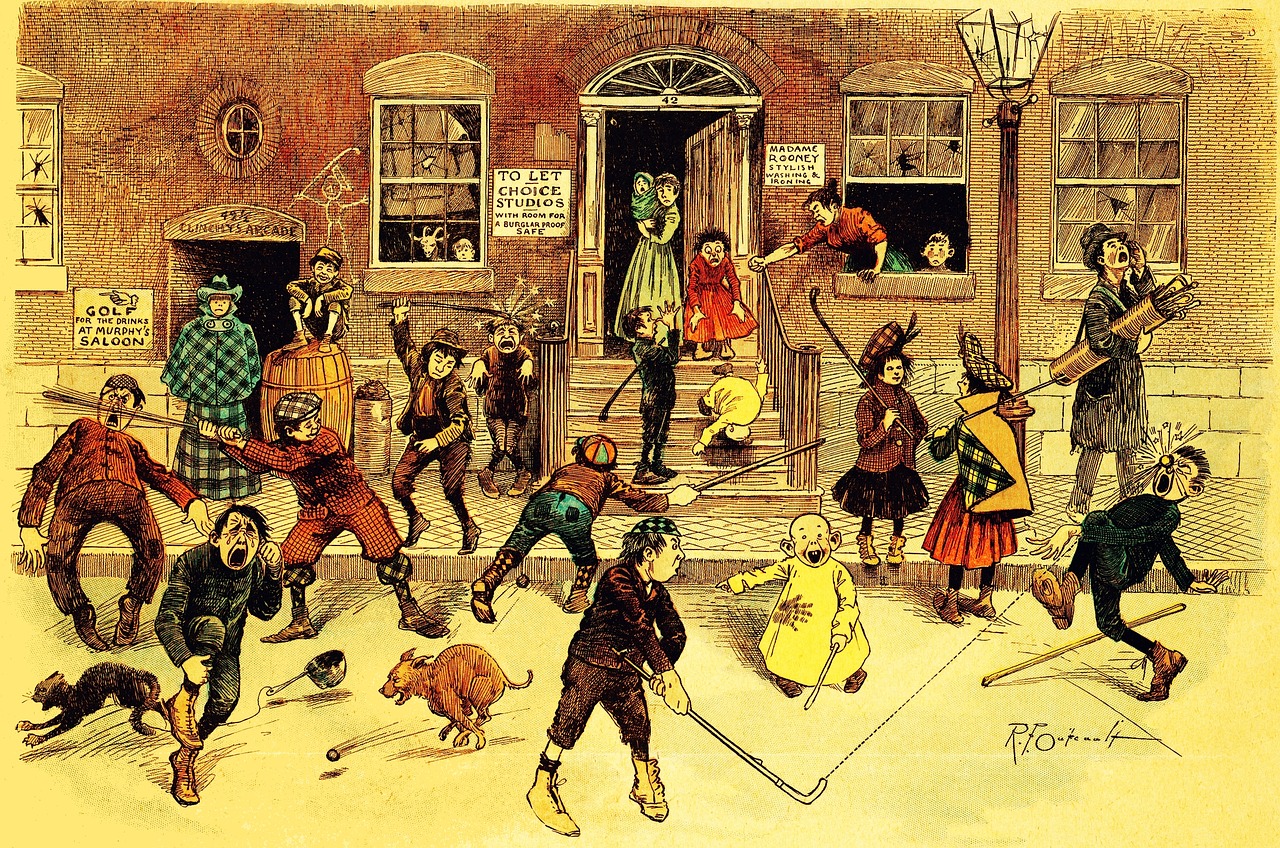
Bad neighborhood.
Photo courtesy of Pixabay.com

Places you should never go to find a date

People with a mental health challenge or who are in recovery, want, and need a close loving relationship just as much as anyone else. Sometimes in our search for a close partner, we look in all the wrong places. Here are a few of the places clients told me they found dates that I need to warn you about.

When people are sick they tend to attract sick people. Now two people with disabilities can be a great match and a great support system for each other. Just makes sure you and your potential partner are headed in the direction of recovery, not continued sickness.

Here are 7 places to avoid when looking for dates. There are good places to look; only these are NOT those good places.

1. Do not hang out around the V. D. clinic waiting for the easy ones.

When you pick a partner you pick a set of problems, different partner different set of problems. Try to avoid partners with incurable diseases. Remember when you sleep with a partner you are sleeping with all their ex’s. People with a history of sexual problems are likely to continue to have those problems. I know there are exceptions to every rule, but is this one you want to take a chance on?

2. Avoid crack houses or bars

Lots of people with an alcoholic ex get a divorce, and then their friends take them out to celebrate at — you guessed it – a bar. They meet someone; fall in love, only to discover that the new partner is — an alcoholic. People active in their addiction don’t have a place in their life for a new healthy partner. They are looking for someone who will enable them to keep drinking and using. People with an addiction are likely to be found in their natural habitat.

3. Don’t wait outside prisons for people with gate money.

Now if this is your old man or old woman getting out, that might be an exception. People do change, but give them time to find a job and a place to live before you sign on to put money on their books the next time they are away.

4. Homeless shelters are not prime dating spots

Sometimes bad things happen to good people. People are ending up homeless that never thought they would, but if you are cruising this kind of place for a date what does that say about you? Does the word predator come to mind?

5. Don’t try to pick people up while at the psychiatric hospital

This is not the time or place to start a relationship. You both need to work on you. Actually, come to think of it I know some people who met in a psychiatric facility and made a go of the relationship, but they didn’t hook up on the first hospitalization. Work on getting better first.

6. Avoid people who left domestic violence court and can’t go home because of the restraining order.

Just like some people keep hooking up with alcoholics or drug addicts there are people who keep being attracted to the strong forceful type. Then they are surprised when the relationship turns violent. If you were abused as a child or are just out of an abusive relationship be especially alert for this type of repeating pattern.

7. Avoid people with a lot of babies daddies or babies mothers.

Be especially cautious if the person you meet seems to have more children’s parents than they have children. Can’t tell you exactly where to find this sort of person but you will know then when you see them because there are just so many places they can’t go for fear of running into an ex.

So there are Dave’s 7 places to avoid when looking for people to date. Any of you have any other places you would care to add to this list? Any of you that found a great place to meet people to date that actually worked out and you would care to share?

Staying connected with David Joel Miller

Seven David Joel Miller Books are available now!

My newest book is now available. It was my opportunity to try on a new genre. I’ve been working on this book for several years, but now seem like the right time to publish it.

Story Bureau.

Story Bureau is a thrilling Dystopian Post-Apocalyptic adventure in the Surviving the Apocalypse series.

Baldwin struggles to survive life in a post-apocalyptic world where the government controls everything.

As society collapses and his family gets plunged into poverty, Baldwin takes a job in the capital city, working for a government agency called the Story Bureau. He discovers the Story Bureau is not a benign news outlet but a sinister government plot to manipulate society.

Bumps on the Road of Life. Whether you struggle with anxiety, depression, low motivation, or addiction, you can recover. Bumps on the Road of Life is the story of how people get off track and how to get your life out of the ditch.

Dark Family Secrets: Doris wants to get her life back, but small-town prejudice could shatter her dreams.

Casino Robbery Arthur Mitchell escapes the trauma of watching his girlfriend die. But the killers know he’s a witness and want him dead.

Planned Accidents  The second Arthur Mitchell and Plutus mystery.

Letters from the Dead: The third in the Arthur Mitchell mystery series.

What would you do if you found a letter to a detective describing a crime and you knew the writer and detective were dead, and you could be next?

Sasquatch. Three things about us, you should know. One, we have seen the past. Two, we’re trapped there. Three, I don’t know if we’ll ever get back to our own time.

For these and my upcoming books; please visit my Author Page – David Joel Miller

Want the latest blog posts as they publish? Subscribe to this blog.

For videos, see: Counselorssoapbox YouTube Video Channel
What do drug dreams mean?

By David Joel Miller.

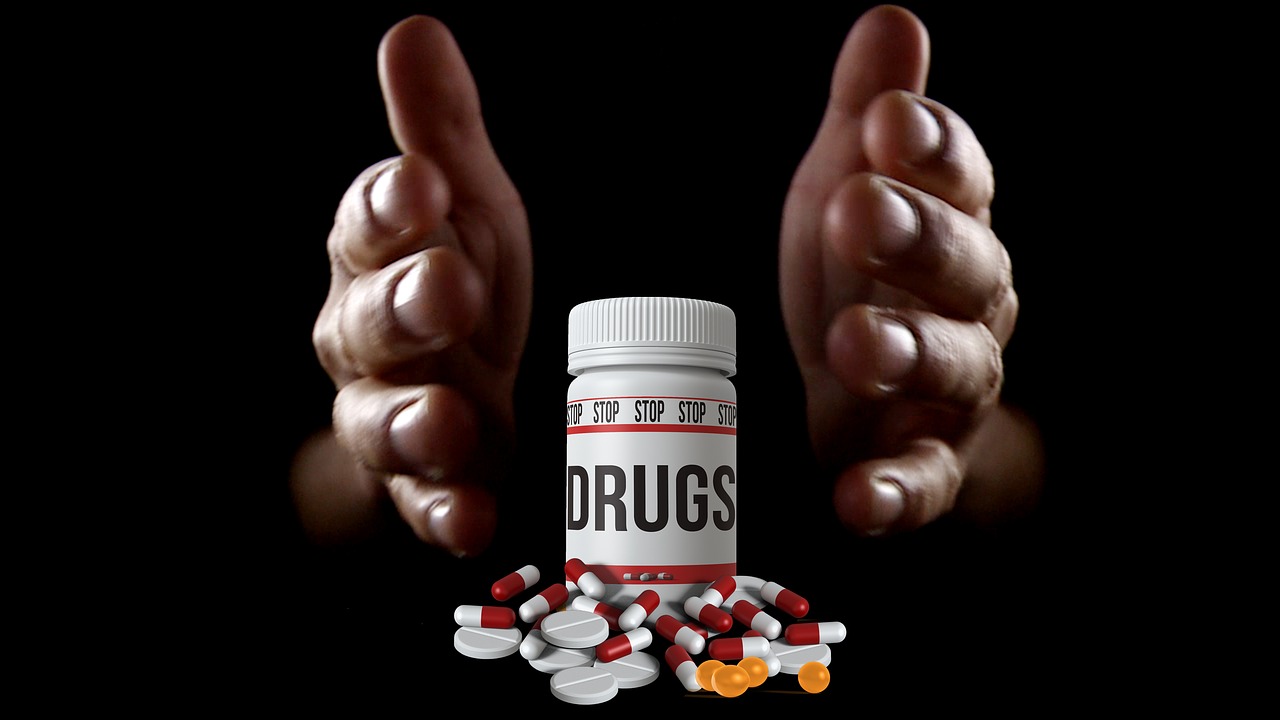
Drug dreams.
Photo courtesy of pixabay.

Drug dreams and nightmares in people with co-occurring issues.

An increase in dreams is a common occurrence among people in early substance abuse recovery. Some of these dreams become especially vivid and troubling. Many drugs suppress dreaming and the brain seems to need to make up for those lost dreams. Some of these dreams are memories being consolidated or current issues. Other previously suppressed dreams may be unfinished business, especially traumas that had not been processed while the client was using or drinking.

I remind clients that being unconscious is not the same thing as sleeping. The heavy use of drugs and alcohol has not allowed normal dreaming to take place.

Often there is an increase in nightmares as the person gets more time off the drugs or alcohol. As we discussed in a previous post (Getting rid of nightmares that maintain depression and PTSD) those dreams that are interpreted as nightmares play a role in maintaining depression, anxiety, and PTSD. This is an extra problem for those who have used alcohol to avoid the disturbing nightmares and now experience nightmares as a trigger for relapse.

One commonly reported dream by people in recovery is the dream about using their drug of choice. The conventional wisdom is that as the person withdraws from the drug, the brain adjusts to a new balance without the presence of drugs and at this point dreams about the drug are common.

Clients who awake from a dream and are genuinely scared that they may have used may experience a panicked reaction. They need reassurance that dreams of drug use which result in a fear of use are a common and expected occurrence in recovery.

Some drug use dreams are so realistic that the client has the sense of tasting the drug in their mouth or feeling the familiar body changes. This sensation can be especially disturbing and may be a relapse trigger.

Positive drug use dreams can be dangerous. Franey and Christo, researchers from London, report that of clients with six weeks or more clean, 85% had drug use dreams. The average number of dreams was between two and three per month. The more drug use dreams the more the risk of relapse.

Frequent positive dreams may be a warning that the addictive part of your brain is craving drugs.

If you have drug use dreams it is important to talk with someone whom you trust as soon as possible after awakening from the dream.

The use of alcohol or sleeping pills is generally not recommended for people with substance abuse issues. The risk of abuse is great and the benefits generally small. If you feel you need some sleeping aids, talk with your doctor or psychiatrists about the risks and benefits before starting to take anything.  Make sure you remind your doctor of any substance abuse issues or mental health diagnosis before beginning a treatment program that includes sleep aids.

You might want to take a look at other posts on:

Sleep

Dreams and Nightmares 

Have you experienced drug use dreams? Feel free to leave a comment about your experiences with drug or alcohol use dreams.

Staying connected with David Joel Miller

Seven David Joel Miller Books are available now!

My newest book is now available. It was my opportunity to try on a new genre. I’ve been working on this book for several years, but now seem like the right time to publish it.

Story Bureau.

Story Bureau is a thrilling Dystopian Post-Apocalyptic adventure in the Surviving the Apocalypse series.

Baldwin struggles to survive life in a post-apocalyptic world where the government controls everything.

As society collapses and his family gets plunged into poverty, Baldwin takes a job in the capital city, working for a government agency called the Story Bureau. He discovers the Story Bureau is not a benign news outlet but a sinister government plot to manipulate society.

Bumps on the Road of Life. Whether you struggle with anxiety, depression, low motivation, or addiction, you can recover. Bumps on the Road of Life is the story of how people get off track and how to get your life out of the ditch.

Dark Family Secrets: Doris wants to get her life back, but small-town prejudice could shatter her dreams.

Casino Robbery Arthur Mitchell escapes the trauma of watching his girlfriend die. But the killers know he’s a witness and want him dead.

Planned Accidents  The second Arthur Mitchell and Plutus mystery.

Letters from the Dead: The third in the Arthur Mitchell mystery series.

What would you do if you found a letter to a detective describing a crime and you knew the writer and detective were dead, and you could be next?

Sasquatch. Three things about us, you should know. One, we have seen the past. Two, we’re trapped there. Three, I don’t know if we’ll ever get back to our own time.

For these and my upcoming books; please visit my Author Page – David Joel Miller

Want the latest blog posts as they publish? Subscribe to this blog.

For videos, see: Counselorssoapbox YouTube Video Channel

How do you develop a support system?

By David Joel Miller, MS, Licensed Therapist & Licensed Counselor.

Supporters

Support system.
Photo courtesy of Pixabay.com

5 tips for developing a support system.

In the early stage of recovery developing a support system can be a challenge. We all know we need someone to support us, but who and how do we enlist their support? Let’s start with a description of a person in recovery from alcoholism and then expanded the description to other forms of recovery.

Newcomers in A.A. are encouraged to find a sponsor. It can be embarrassing to ask someone you hardly know to sponsor you. This relationship needs to be a good fit. The sponsor should be someone who has something in the way of recovery to offer and someone you feel comfortable in discussing your life with. They should also be someone you can trust to tell you the truth.

Have you ever done anything to help someone else? Let’s say you did something to help a child or an elderly person, how did that feel? Did it feel good to be able to help that person?

Sponsors do things for the person because it feels good to do so. They also work with others as part of the A.A. program because helping others keeps them sober. You are not imposing on a sponsor when you ask them to be your sponsor; you are offering them a chance to feel good about helping and to further their recovery. Don’t cheat a potential sponsor out of the opportunity to be of service.

Here is the process for selecting a sponsor that will likely be helpful.

1. Attend a variety of meetings

There are lots of A.A. and N.A. meetings. Most areas have central offices that can give you the address of a meeting nearby. With the changes in technology, there are lots of online resources, meeting lists, and even online meetings. If at all possible attend in-person meetings; it is important to make personal contacts.

Look for fellowships or places that have frequent meetings at the same location. Your car can find the bar without you steering it. Make it easy for your car to find the A.A. meeting on its own. Make a habit of going even when you don’t think you need to go. Someone there may need to see you. Support systems work in two directions.

There is likely to be one meeting that feels more comfortable than others. This may become your homegroup. Don’t stop there, however. Try out other groups for that time when you can’t go to your regular group but need a meeting. As you make friends at your home group consider going to other meetings together.

2. Get phone numbers.

At each meeting listen for people who say something that strikes you as helpful. After the meeting ask for their number. Many meetings will send around a phone card for members to give the newcomer their numbers.

Should you ask someone and they say no, please do not take this as something about you. Some people are very busy and don’t think they have the time for phone calls. Others, because of their jobs or situations, are not supposed to give out their phone number. If the potential sponsor says no keep asking till you find someone who is able to give out their number.

3. Every day call one other person in recovery.

When an alcoholic is thinking of drinking they will find that the phone receiver weighs two thousand pounds. They can’t lift the phone to their face to talk. By practicing phone calling every day you strengthen your arm and your habit of calling a recovering person. Sometimes you will find the other person needed the call even more than you did.

Don’t stop after one try. If the first person you call is not home or can’t talk keep calling until you reach someone. Having more than one person in your support circle is a huge plus.

It is also recommended that you not wait until after you are drunk to call. Call before you drink. Call as a way to manage the urges. Call as a way to build that connection with your support system.

4. Select someone to be your sponsor

One of those people you are calling, the one that is there for you, that is the person you are likely to ask to be your sponsor. Ask them. If they decline ask them for a recommendation. If you trusted them enough to ask them, trust them to refer you.

5. Develop social relationships with other recovering people

The best meetings are often the meeting-before-the-meeting and the meeting-after-the-meeting. Sit and talk. Go for coffee or dessert after the meeting. People hang out and talk not only about recovery but about the challenges of living life after drugs or alcohol.

Attend your fellowship’s social events, potlucks, picnics, sporting events, and so on. The more you develop social friendships the more people you have as potential support systems. Don’t wait until the crisis strikes to form strong friendships.

The process for finding sponsors at N.A. or other twelve-step programs is much the same.

What if your problem is a mental illness, not addiction, or both?

There are an increasing number of peer-run centers and peer-run groups. Ask at your local mental health providers about peer groups. Many areas have local NAMI chapters they can be especially helpful in referring you to peer support groups, so should local mental health agencies.

There are also online groups for mental health issues.

If you have both a substance abuse issue and a mental health issue look for co-occurring groups. It can also be helpful if you have multiple issues to attend more than one fellowship.

Think about how you would like your support system to support you.  Write out the things you would like them to do and not do. Make sure you discuss your wishes should a crisis strike. Make sure your support system knows about your professional providers or who to call if you have a crisis.

So there are some suggestions for creating and strengthening a support system. What have you done to create a support system?

Other posts about support systems can be found at:

How supportive is your support system?

Can one person be a support system?

How do you develop a support system?

Support meetings for family members?

Staying connected with David Joel Miller

Seven David Joel Miller Books are available now!

My newest book is now available. It was my opportunity to try on a new genre. I’ve been working on this book for several years, but now seem like the right time to publish it.

Story Bureau.

Story Bureau is a thrilling Dystopian Post-Apocalyptic adventure in the Surviving the Apocalypse series.

Baldwin struggles to survive life in a post-apocalyptic world where the government controls everything.

As society collapses and his family gets plunged into poverty, Baldwin takes a job in the capital city, working for a government agency called the Story Bureau. He discovers the Story Bureau is not a benign news outlet but a sinister government plot to manipulate society.

Bumps on the Road of Life. Whether you struggle with anxiety, depression, low motivation, or addiction, you can recover. Bumps on the Road of Life is the story of how people get off track and how to get your life out of the ditch.

Dark Family Secrets: Doris wants to get her life back, but small-town prejudice could shatter her dreams.

Casino Robbery Arthur Mitchell escapes the trauma of watching his girlfriend die. But the killers know he’s a witness and want him dead.

Planned Accidents  The second Arthur Mitchell and Plutus mystery.

Letters from the Dead: The third in the Arthur Mitchell mystery series.

What would you do if you found a letter to a detective describing a crime and you knew the writer and detective were dead, and you could be next?

Sasquatch. Three things about us, you should know. One, we have seen the past. Two, we’re trapped there. Three, I don’t know if we’ll ever get back to our own time.

For these and my upcoming books; please visit my Author Page – David Joel Miller

Want the latest blog posts as they publish? Subscribe to this blog.

For videos, see: Counselorssoapbox YouTube Video Channel

Why research is not about your problems – co-occurring diagnoses

By David Joel Miller, MS, Licensed Therapist & Licensed Counselor.

White mouse

Sometimes the mice get it wrong.
Photo courtesy of Pixabay.com

Feeling left out? You probably have been.

Have you had difficulty finding information that applies to the problems you are facing? You are not alone. The latest research usually doesn’t apply to your condition and should you find a relevant article it may end with the statement, this treatment has not been studied in patients with X, Y, or Z.  In the mental health field, this issue is especially acute, “acute” meaning sharp and painful not “a cute” as in nice to look at.

Most people don’t have only one problem. We have many, many problems. So when we look for treatment we want something that might help us. When people have multiple problems we call that dual diagnosis or co-occurring disorders. You may have two mental health diagnoses, maybe more. Sometimes this is called multi-occurring or even “complex.”

Most people with a mental illness will meet the criteria for two or more conditions. The overlap between substance abuse and mental illness is the rule, not the exception. People with mental illnesses are more likely to develop an addiction or substance abuse disorder than those without mental illness.

People with a mental illness often have a physical illness. People with an earlier physical illness are more likely to develop a mental illness. If you are seriously and chronically ill you might be a little depressed and anxious wouldn’t you?

As a therapist and a blog writer, I am always looking for the latest in research, things that might help my client. There are some new things, but frankly, there are a lot of studies that are not very helpful.

Most studies exclude from their population anyone who had a substance abuse problem until they are clean and sober for at least 6 months or more. They also exclude from studies those who have had a psychosis such as schizophrenia.

Most of my career has been spent in substance abuse facilities, crisis units, and psychiatric hospitals. Clients there have the greatest need for new effective treatments. They also have the most co-occurring disorders.  The newest treatments have not been tested on the people who need the help the most.

Drug companies would love to play this game. Many psychiatric meds cause weight gain. This excess weight gain can result in obesity and diabetes. So if I am a drug manufacturer and want to minimize side effects which I need to report to the government I would want to exclude a person who had diabetes, better yet let’s leave out anyone who is overweight. When it comes to drug companies there are regulatory agencies that keep an eye out for this sort of thing, with psychotherapy not so much.

Recently I have been doing some reading on the problems related to treating people with PTSD. We need to find better ways to help people with this condition. Right now there are lots of possible treatments but even the big names in therapy don’t seem to agree on the best approach. If therapists don’t agree on the best treatment how is the client to know if the treatment will help or harm them?

Most of the clients I see who have PTSD also have other problems. Substance Abuse is common. With those recurring intrusive memories that keep you from a good night’s sleep for years on end would you be tempted to drink?  Most of the “controlled” studies on PTSD exclude anyone with a substance use disorder or psychosis. These are the clients for whom we most need to find better treatments.

People who have a combination of PTSD and depression or substance abuse are at greater risk. Does it make sense to exclude high-risk clients from efforts to evaluate treatment for high-risk clients?

Recently I came across a study on a new treatment for PTSD. I won’t spoil the fun by telling you whose study this was.

The introduction sounded good until I read further. They excluded from their study anyone with Bipolar Disorder, Psychosis, or a history of addiction. By the time they got done excluding they were down to less than ten subjects. They had excluded more people than they included. To me, this means they should have gone the other way and tried this new treatment on the people with the most problems, the larger group. When they did their study they found out that all but one of their subjects had a history of alcohol abuse. While they had screened out current alcoholics they missed that all the people they serve had at some time or other had an alcohol problem.

A further concern should be mentioned here. Treatment should not make a client worse. Some of the current treatments for PTSD seem to make clients worse off, the treatment can retraumatize them.  Treatments that are too painful result in clients dropping out of treatment. I continue to believe that people do not benefit from the treatment they do not receive, no matter how great the treatment looked in a research study.

I will post more about treatments for PTSD as I wade through the newer studies.

For more blog posts on PTSD, substance abuse, or Co-occurring disorders see the newly revised list by categories to the right.

Staying connected with David Joel Miller

Seven David Joel Miller Books are available now!

My newest book is now available. It was my opportunity to try on a new genre. I’ve been working on this book for several years, but now seem like the right time to publish it.

Story Bureau.

Story Bureau is a thrilling Dystopian Post-Apocalyptic adventure in the Surviving the Apocalypse series.

Baldwin struggles to survive life in a post-apocalyptic world where the government controls everything.

As society collapses and his family gets plunged into poverty, Baldwin takes a job in the capital city, working for a government agency called the Story Bureau. He discovers the Story Bureau is not a benign news outlet but a sinister government plot to manipulate society.

Bumps on the Road of Life. Whether you struggle with anxiety, depression, low motivation, or addiction, you can recover. Bumps on the Road of Life is the story of how people get off track and how to get your life out of the ditch.

Dark Family Secrets: Doris wants to get her life back, but small-town prejudice could shatter her dreams.

Casino Robbery Arthur Mitchell escapes the trauma of watching his girlfriend die. But the killers know he’s a witness and want him dead.

Planned Accidents  The second Arthur Mitchell and Plutus mystery.

Letters from the Dead: The third in the Arthur Mitchell mystery series.

What would you do if you found a letter to a detective describing a crime and you knew the writer and detective were dead, and you could be next?

Sasquatch. Three things about us, you should know. One, we have seen the past. Two, we’re trapped there. Three, I don’t know if we’ll ever get back to our own time.

For these and my upcoming books; please visit my Author Page – David Joel Miller

Want the latest blog posts as they publish? Subscribe to this blog.

For videos, see: Counselorssoapbox YouTube Video Channel
Eating Disorders and substance abuse

By David Joel Miller, MS, Licensed Therapist & Licensed Counselor.

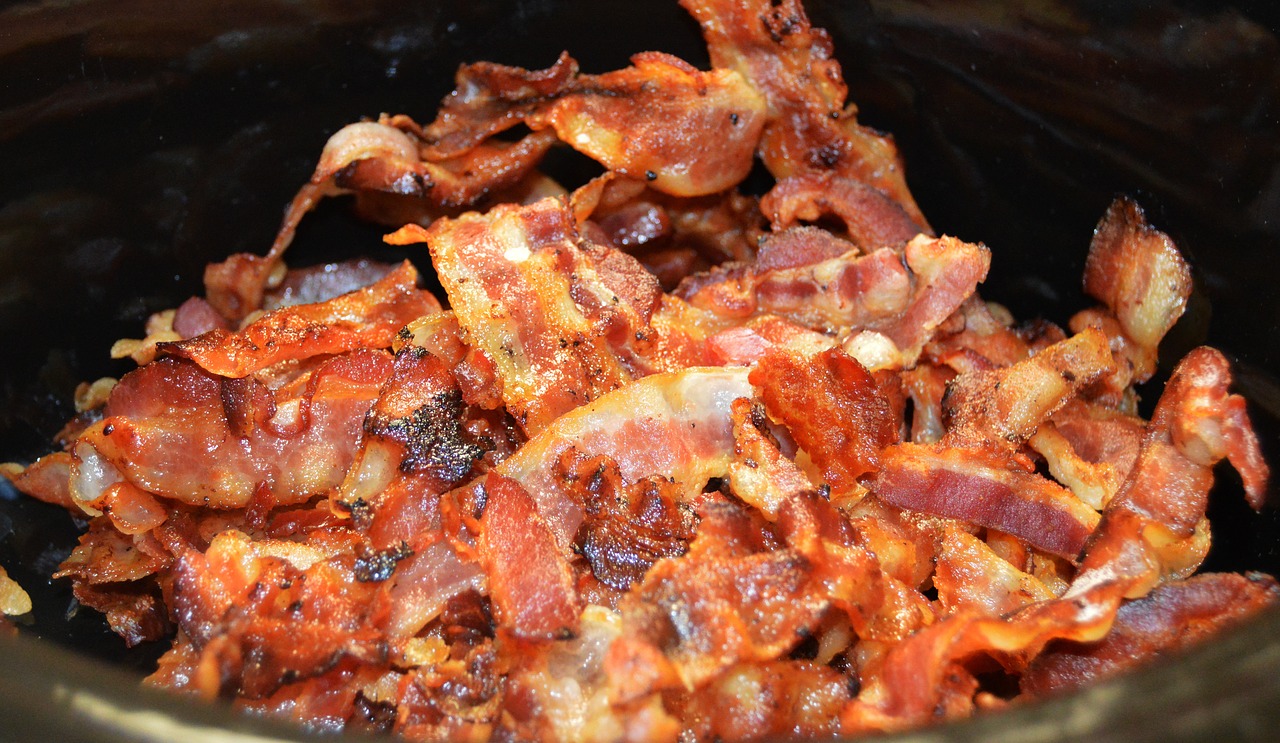
Unhealthy food

Unhealthy relationship with food.
Photo courtesy of Pixabay

More about eating disorders and substance abuse.

Risk factors for eating disorders.

Eating disorders, especially Anorexia, and Bulimia are far more common in women than in men. The ratio runs 10 women for every man. Our society’s emphasis on physical appearance puts young girls at extreme risk as they try to fit the image they see portrayed in the media. Eating disorders that begin in the teen or preteen years are unlikely to go away without treatment.

Certain activities and later on in life specific occupations have built-in an emphasis on keeping the weight off and having a particular body shape. Young women who train to become models, gymnasts, and dancers are at high risk.

Young men who engage in sports that emphasize weight classes are also at risk of developing Anorexia or Bulimia. Male gymnasts, wrestlers, and jockeys all experience pressure to lose weight and keep it off that may become unhealthy.

Added eating disorder dangers.

The dangers of eating disorders are not confined to those with anorexia who reach low body weight. Even when the bodyweight looks normal, the process of purging, intentional vomiting, and extreme dieting, can create health risks. Some methods harm health while being ineffective for weight loss.

Purging and diuretics can create extreme dehydration and an electrolyte imbalance. Dehydration does not equate with a loss of total weight and can seriously impair health.

Subclinical forms of eating disorders.

Milder forms of eating disorders are more common than previously thought. As the emphasis on obesity and weight loss has grown, many more people have resorted to extreme measures to get a sudden weight loss or to reduce weight gain. Despite the health risks involved it is tempting to allow yourself an occasional purge to offset the guilty feeling surrounding overeating or a meal with excess calories.

Co-occurrence of Eating Disorders and substance use disorders.

The overlap between Bulimia and substance abuse may be larger than previously thought.

Assorted studies on the co-occurrence of Bulimia and substance abuse have given varying estimates of the number of people with both issues. Current estimates run between a median of 25% and a high of 50%. Clearly, lots of milder cases of combined Bulimia and substance abuse are going undetected and untreated until one or both problems become acute. These two problems together are much more than the sum of adding up both disorders.

People with eating disorders are also more likely to currently have or have had a history of an anxiety disorder and a mood disorder. Many with an eating disorder have three or more disorders.

Those with eating disorders are at high risk to abuse or become dependent on stimulants. The “Jenny Crank” diet is legendary among Methamphetamine abusers. Abuse of stimulants for weight control regularly results in chemical dependency and serious health problems.

Boundaries between eating disorders are not firm.

During their lifetime people with eating disorders may move between the three principal eating disorders.

Medical issues in eating disorders are noteworthy.

Medical problems are especially challenging for those with an eating disorder. Untreated an eating disorder can lead to serious medical problems and sometimes death. Eating Disorders rarely go away by themselves and need professional treatment before the damage to the body and the emotions becomes permanent and possibly irreversible.

Other Eating Disorder posts can be found at:

Binge Eating Disorder – the other side of Anorexia and Bulimia 

Middle class and starving to death in America – An Eating Disorder called Anorexia

Love Hate relationship with food – Bulimia Nervosa

Avoidant Restrictive Food Intake Disorder

Staying connected with David Joel Miller

Seven David Joel Miller Books are available now!

My newest book is now available. It was my opportunity to try on a new genre. I’ve been working on this book for several years, but now seem like the right time to publish it.

Story Bureau.

Story Bureau is a thrilling Dystopian Post-Apocalyptic adventure in the Surviving the Apocalypse series.

Baldwin struggles to survive life in a post-apocalyptic world where the government controls everything.

As society collapses and his family gets plunged into poverty, Baldwin takes a job in the capital city, working for a government agency called the Story Bureau. He discovers the Story Bureau is not a benign news outlet but a sinister government plot to manipulate society.

Bumps on the Road of Life. Whether you struggle with anxiety, depression, low motivation, or addiction, you can recover. Bumps on the Road of Life is the story of how people get off track and how to get your life out of the ditch.

Dark Family Secrets: Doris wants to get her life back, but small-town prejudice could shatter her dreams.

Casino Robbery Arthur Mitchell escapes the trauma of watching his girlfriend die. But the killers know he’s a witness and want him dead.

Planned Accidents  The second Arthur Mitchell and Plutus mystery.

Letters from the Dead: The third in the Arthur Mitchell mystery series.

What would you do if you found a letter to a detective describing a crime and you knew the writer and detective were dead, and you could be next?

Sasquatch. Three things about us, you should know. One, we have seen the past. Two, we’re trapped there. Three, I don’t know if we’ll ever get back to our own time.

For these and my upcoming books; please visit my Author Page – David Joel Miller

Want the latest blog posts as they publish? Subscribe to this blog.

For videos, see: Counselorssoapbox YouTube Video Channel

.

Bipolar Disorder, Alcoholism and Addiction

By David Joel Miller, MS, Licensed Therapist & Licensed Counselor.

Bipolar.
Photo courtesy of Pixabay.com

HUGE connection between Bipolar Disorder and Substance Disorders.

There are so many connections between having Bipolar Disorder and having a Substance Use Disorder. In treatment facilities that screen for mental illness, it is not uncommon for Bipolar to be the single most common co-occurring mental illness. Anti-social disorders are common in court order referrals and sometimes you might see a lot of clients with PTSD but most often it is the combination of Bipolar Disorder and a Substance Use Disorder that really stands out.

Drugs and alcohol can mask psychiatric symptoms, can create them and both intoxication and withdrawal can look like mental illness, but the combination of Bipolar Disorder and a substance use disorder is so common it is an expectation.

Bipolar Disorder coexists with substance abuse more often than with all the Depressions put together. All mood disorders other than Bipolar Disorder are sometimes labeled unipolar depression to separate them from the bipolar condition.

The overlap between these two conditions is huge. The Epidemiological Catchment Area Study reported that more than 60% of people with Bipolar also had a substance use disorder.

Alcohol was the drug of choice for both people with Bipolar Disorder and unipolar depression.

Because many people with Bipolar Disorder report liking the mania or hypomania they most often go undetected and untreated for long periods of time. Most of the time they come in for treatment because of an episode of depression. Many also escape detection until they have legal consequences that send them to a treatment program.

Most people who finally do arrive at the diagnosis of Bipolar Disorder have seen five or more health care professionals and have spent ten or more years on the process before getting diagnosed with Bipolar Disorder.

The extreme fluctuations in mood in Bipolar Disorder interact with drugs and alcohol. The reported rate of Bipolar Disorder is 1-2 % though it seems likely that many subclinical cases go undetected for prolonged periods of time.

Cyclothymia is another diagnosis related to Bipolar Disorder that has low highs and not so low lows. It is sometimes described as on the bipolar spectrum. For a full diagnosis of Cyclothymia, you need to have had the condition for at least two years.

This disorder is rarely diagnosed and treated as it does not cause the huge impairment or legal consequences of the more severe forms of Bipolar Disorder. People with Cyclothymia have periods of feeling better and stop treatment. They only come in when depressed and hide the hypomania well. In my own clinical experience, this condition is probably vastly underdiagnosed.

When we talk about having a substance use disorder most people will respond that they are not drug addicts or alcoholics. There are forms of the disease of addiction that stop short of physical addiction but result in ruined lives, broken relationships, and periods of time incarcerated.

The hallmarks of a substance use disorder are:

Obsessions – you can’t stop thinking about it.

Cravings – repeated urges to use

Loss of control – using more and more often than planned.

Increased tolerance – Needing more to get the same high or getting less of a result from the same amount of drug.

Withdrawal effects when you run out of the drug.

Psychological addiction or dependence occurs long before physical addiction.

Bipolar Disorder may have existed before the substance abuse but did not get diagnosed because there had been no severe mania. Some people with Bipolar begin using to cover up the symptoms or to help themselves cope. We think of this as “self-medicating.

Drugs and alcohol may increase the risk of developing Bipolar Disorder.

People with Bipolar disorder and substance abuse issues are hospitalized more often and for longer. They are more likely to have rapid cycling Bipolar Disorder and to have developed the symptoms at a younger age. They are also much more likely to have mixed episodes of both mania and depression at the same time.

Co-occurring Bipolar Disorder and substance abuse are much more resistant to treatment and people with both conditions at the same time are far more likely to drop out of or fail to complete treatment.

Alcoholism is more often a result of having Bipolar Disorder rather than a risk factor and those with alcohol as their primary drug of choice do better in treatment than many other co-occurring disorders.

Further complicating this picture we should know that any alcoholic with or without a mental illness is likely to have severe mood swings. Alcohol withdrawal and alcohol intoxication can mimic many mental illnesses and it can take some period of sobriety before a baseline for diagnoses is clear.

Alcohol and illicit drug use will also interfere with getting the medication right resulting in many med changes that might otherwise not have been needed.

So there are some brief thoughts about the connections between Bipolar disorder and substance abuse, especially alcohol abuse.

If you or someone you care about has a problem with drugs, alcohol, or may have a mental illness please encourage them to go for professional assessment and treatment.

Other articles about Bipolar Disorders and related conditions can be found at:

Bipolar or Major Depression?

Bipolar – misdiagnosed or missing diagnosis?

Am I Bipolar?

Bipolar doesn’t mean moody

Are you Hyperthymic?

New Bipolar Drug Trial

Bipolar Disorder Genetics research study – Come one come all

Staying connected with David Joel Miller

Seven David Joel Miller Books are available now!

My newest book is now available. It was my opportunity to try on a new genre. I’ve been working on this book for several years, but now seem like the right time to publish it.

Story Bureau.

Story Bureau is a thrilling Dystopian Post-Apocalyptic adventure in the Surviving the Apocalypse series.

Baldwin struggles to survive life in a post-apocalyptic world where the government controls everything.

As society collapses and his family gets plunged into poverty, Baldwin takes a job in the capital city, working for a government agency called the Story Bureau. He discovers the Story Bureau is not a benign news outlet but a sinister government plot to manipulate society.

Bumps on the Road of Life. Whether you struggle with anxiety, depression, low motivation, or addiction, you can recover. Bumps on the Road of Life is the story of how people get off track and how to get your life out of the ditch.

Dark Family Secrets: Doris wants to get her life back, but small-town prejudice could shatter her dreams.

Casino Robbery Arthur Mitchell escapes the trauma of watching his girlfriend die. But the killers know he’s a witness and want him dead.

Planned Accidents  The second Arthur Mitchell and Plutus mystery.

Letters from the Dead: The third in the Arthur Mitchell mystery series.

What would you do if you found a letter to a detective describing a crime and you knew the writer and detective were dead, and you could be next?

Sasquatch. Three things about us, you should know. One, we have seen the past. Two, we’re trapped there. Three, I don’t know if we’ll ever get back to our own time.

For these and my upcoming books; please visit my Author Page – David Joel Miller

Want the latest blog posts as they publish? Subscribe to this blog.

For videos, see: Counselorssoapbox YouTube Video Channel

Sniping wires that connect you to problems.

By David Joel Miller, MS, Licensed Therapist & Licensed Counselor.

Cutting the wires that connect you to your problems.
Photo courtesy of Pixabay.com

Ending the connections with your problems.

Wouldn’t it be wonderful if we could solve our life problems by just tossing them out? Just toss that addiction, the depression, and the clutter out in the trash can and now life will be grand. Lose that excess weight – once and for all. Why doesn’t it work that way?

Our problems are not just a single thing ready for disposal. Often they are an integrated part of our life. Life problems are connected by lots of wires to other aspects of our life. We have a host of wires connecting our problems with the rest of our lives. These wires are elastic like bungee cords, toss the problem and it keeps bouncing back.

We see this in relationships that crash and burn. We see it in addiction and we see it in lots of self-help failures.

A couple can’t get along, they divorce, but there are children, the children act like wires pulling the parents back together. Calling the ex to complain about “look what your son did” or to argue about money and the needs of the children keep the dysfunctional relationship alive. I have seen couples ten years post-divorce and already with new partners who still manage to call each other once a week to continue the old marital argument.

“Rightism” that need to prove you are right long after it has stopped mattering is a common defect of character.

Just because you end a relationship does not mean the connections are severed. You divorce your partner but not your kids. I warn teens when I counsel them that you can break up with a boyfriend or girlfriend but babies mommas and babies daddies are forever. The key here is to maintain the relationship with the ex as your child’s parent while cutting all the old relationship wires. The wires of anger, bitterness, and resentment keep us connected to the pain of the past.

Any 12 step meeting is sure to have a couple of people, sometimes more, who are not drinking, but they are not happy about being sober. You can spot these people in a flash. Ten years not drinking and they are still angry and resentful, unwilling to do any work on self-change. They keep the wires that connect them to their addiction connected and eventually most of them are pulled back to the problem.

Three things we all should know can keep us connected to our problems, people, places, and things.

Most of us have people in our lives that help maintain our problems. Plan to lose weight? Do you drop by that friend’s house, you know the one I mean, the one that is a good cook and always has a fresh-baked cake ready to help you eat instead of exercise.

Do all your friends have your same problem and are they stuck in the problem and not the solution?  Addicts in recovery find most of their “friends” are really just using associates. Going to see old friends often means doing old behaviors. Hard to cut wires of bad relationships? They have a strong pull to take you back to old behaviors.

Places are also strong wires that bind us to our past. The old saying goes – “Hang out in a barbershop and you get a haircut. Do you think it is safe to visit a bar?

When a mental illness takes hold, people may find that they can’t return to the place they used to work or even the career they used to hold. Not that the place or job makes them mentally ill but the tendency to slip back into old patterns, to work too much, neglect self-care, all these things set you up for another round of illness.

Do you have some wires connecting you to your problems that need to be sniped?

Staying connected with David Joel Miller

Seven David Joel Miller Books are available now!

My newest book is now available. It was my opportunity to try on a new genre. I’ve been working on this book for several years, but now seem like the right time to publish it.

Story Bureau.

Story Bureau is a thrilling Dystopian Post-Apocalyptic adventure in the Surviving the Apocalypse series.

Baldwin struggles to survive life in a post-apocalyptic world where the government controls everything.

As society collapses and his family gets plunged into poverty, Baldwin takes a job in the capital city, working for a government agency called the Story Bureau. He discovers the Story Bureau is not a benign news outlet but a sinister government plot to manipulate society.

Bumps on the Road of Life. Whether you struggle with anxiety, depression, low motivation, or addiction, you can recover. Bumps on the Road of Life is the story of how people get off track and how to get your life out of the ditch.

Dark Family Secrets: Doris wants to get her life back, but small-town prejudice could shatter her dreams.

Casino Robbery Arthur Mitchell escapes the trauma of watching his girlfriend die. But the killers know he’s a witness and want him dead.

Planned Accidents  The second Arthur Mitchell and Plutus mystery.

Letters from the Dead: The third in the Arthur Mitchell mystery series.

What would you do if you found a letter to a detective describing a crime and you knew the writer and detective were dead, and you could be next?

Sasquatch. Three things about us, you should know. One, we have seen the past. Two, we’re trapped there. Three, I don’t know if we’ll ever get back to our own time.

For these and my upcoming books; please visit my Author Page – David Joel Miller

Want the latest blog posts as they publish? Subscribe to this blog.

For videos, see: Counselorssoapbox YouTube Video Channel
What is hitting bottom?

By David Joel Miller, MS, Licensed Therapist & Licensed Counselor.

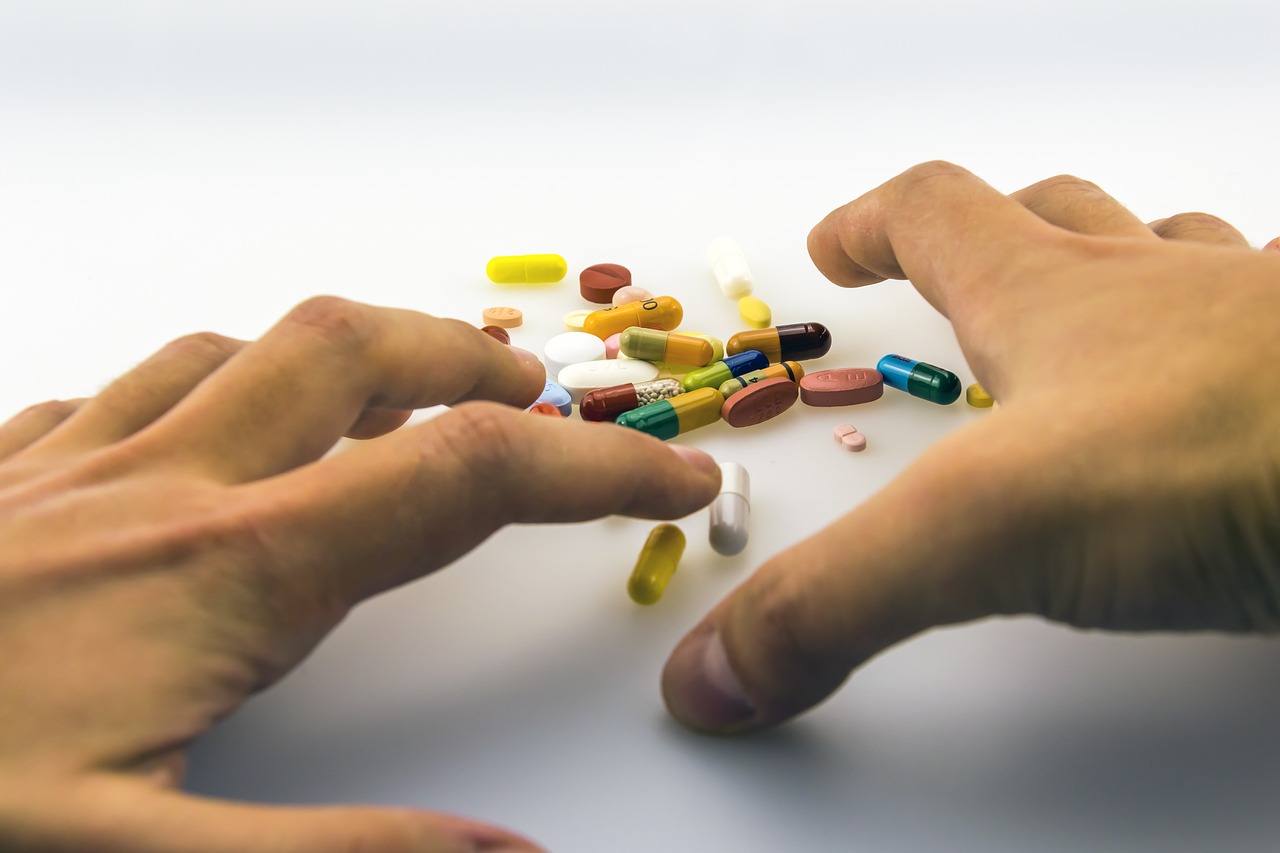
Hands with pills

Addiction.
Photo courtesy of Pixabay

How would you know if you have hit bottom, and does it matter?

The idea that you have to hit bottom before you can start back up comes from the early days of the 12 step movement largely by way of Jellinek’s research on people who recovered in A.A.  It is not often applied to mental health but the two are just too similar in their disease and recovery processes to not take a look at the significance of the idea of hitting bottom and whether it applies to something other than addiction.

The hitting bottom expression referred to the point of accepting that the way you have been doing things was not working and it was time to try something different. You can think of this as “admitting complete defeat” but you can also think of this as “radical acceptance”, take your pick.

Most people will continue to struggle long after they should have changed directions. Who wants to admit they are an alcoholic? Who wants to say they have Bipolar Disorder or any other form of mental illness. I do not remember Alcoholic or Schizophrenic being included in the list of future careers when I was back in high school. It can be reassuring to tell yourself that you are not that bad. But some of us got there anyway.

So if there is some sort of bottom, lower than where you are, it can give you the false sense that you are not as bad as someone else. People fool themselves for a long time because they can believe that alcoholics are homeless bums. The truth is more than 90% of alcoholics have full-time jobs. People with Bipolar Disorder fool themselves into thinking they are more productive, creative, or have more energy than others until they crash.

So hitting bottom is different for different people. For one person the realization they have the disease of alcoholism will come after the first DUI or the first unpleasant incident with the family. Other people will continue to try to control their drinking, complete with recurrent episodes of out of control drinking until they have been sentenced to a fifth or tenth program, or have done more years in prison than on the street.

But it is not just alcoholics that try to deny their disease. People may try suicide multiple times, have repeated psychiatric hospitalization, and still believe that they just need to move somewhere else, that it is someone else’s fault, anything to avoid the fact that they have a mental health problem that needs treatment.

Many of us want to pretend we don’t have a disease. If you just ignore it then this problem will go away. Don’t give in to depression is their mantra. A few relatively minor conditions do go away without treatment. Colds and flu may remit without treatment. But serious conditions, Cancer, tuberculosis, and heart disease get worse if ignored. Alcoholism, addiction, and mental illness also can worsen if not treated. Pretending is not treatment.

The founders of A.A. concluded that sometimes we need to “raise the bottom” till it hits people. Why do people need to totally destroy their life, spend time in prison, or psych hospitals before they can accept that they have a condition that will respond to treatment?

Education can help sometimes. But the people who need education the most avoid it. What person who is manic, drunk, or on drugs wants to sit and listen to others talk about how they were unable to control their disease until they became willing to accept help?

Lots of people with addictions and mental illnesses will isolate, they will avoid others, and shrink from treatment. Their bottoms most often come when the losses and the pain become unbearable.

So you don’t need to wait for you or a loved one to “hit bottom” before you seek help. You do not reach bottom until you put the shovel down and quit digging. There is help available the moment you realize that you can’t dig your way out of a hole. Accepting that you have a problem, condition, illness, or defect of character that requires a new way of thinking and behaving can be your bottom. You don’t have to get any lower before you start your journey back.

Staying connected with David Joel Miller

Seven David Joel Miller Books are available now!

My newest book is now available. It was my opportunity to try on a new genre. I’ve been working on this book for several years, but now seem like the right time to publish it.

Story Bureau.

Story Bureau is a thrilling Dystopian Post-Apocalyptic adventure in the Surviving the Apocalypse series.

Baldwin struggles to survive life in a post-apocalyptic world where the government controls everything.

As society collapses and his family gets plunged into poverty, Baldwin takes a job in the capital city, working for a government agency called the Story Bureau. He discovers the Story Bureau is not a benign news outlet but a sinister government plot to manipulate society.

Bumps on the Road of Life. Whether you struggle with anxiety, depression, low motivation, or addiction, you can recover. Bumps on the Road of Life is the story of how people get off track and how to get your life out of the ditch.

Dark Family Secrets: Doris wants to get her life back, but small-town prejudice could shatter her dreams.

Casino Robbery Arthur Mitchell escapes the trauma of watching his girlfriend die. But the killers know he’s a witness and want him dead.

Planned Accidents  The second Arthur Mitchell and Plutus mystery.

Letters from the Dead: The third in the Arthur Mitchell mystery series.

What would you do if you found a letter to a detective describing a crime and you knew the writer and detective were dead, and you could be next?

Sasquatch. Three things about us, you should know. One, we have seen the past. Two, we’re trapped there. Three, I don’t know if we’ll ever get back to our own time.

For these and my upcoming books; please visit my Author Page – David Joel Miller

Want the latest blog posts as they publish? Subscribe to this blog.

For videos, see: Counselorssoapbox YouTube Video Channel

How safe if your young child from drugs?

By David Joel Miller, MS, Licensed Therapist & Licensed Counselor.

Drugs

Drugs.
Photo courtesy of Pixabay.com

Are you keeping your child away from drugs?

We would like to think that we can keep our children safe. We expect drug use to be something teens or young adults might do. Not young children. The truth is that younger and younger children are trying drugs. Most kids have been exposed to drugs and alcohol by the end of the third grade. Even kids from drug and alcohol-free homes are at risk. If you are thinking “my kids would never do drugs” you may be fooling yourself.

If you are thinking alcohol, that’s not a drug, think again. Any alcohol use by an eight-year-old is a problem. The younger they begin to use drugs, the more likely there will be problems. Not just the problem of addiction but also changes in emotions and learning. The more a student drinks the lower the GPA they will have. One study said “F” students drink on average twice what “A” student’s drink.

Very young kids get their first drugs at home.

First experiences with drugs frequently happen at home. Sneaking some of their parent’s cigarettes or alcohol is many a child’s first experience with drugs. That half-consumed beer or the carelessly left pack of cigarettes is an easy way to get started. But there are bigger dangers lurking even if the parents don’t smoke or drink.

Early grade kids get their drugs under the kitchen sink or in the garage.

Those cleaning solvents, the gasoline, the spray paint, all these things can be used to inhale or huff. Spray cans are an easy way to alter consciousness. A lot of inhalant abuse goes unnoticed by parents who think “no not my child” until it has caused permanent health problems.

It is not the “pusher” that gets your kid on drugs.

We used to think that there were unscrupulous people out there trying to get our kids hooked on drugs. Most people are introduced to drugs by a close friend or family member. Boys are often started off by an older male cousin or uncle; girls learn drug use from an old sister, aunt, or their first boyfriend.

Most kids who use drugs on a daily basis tell me that at first, they didn’t have to pay for it. Friends gave it to them for free. Later on, the circle of friends began to pool their money to buy it. It is not until the drug habit gets regular and expensive that the kid has to come up with the money to pay.

Street drugs are not the biggest part of the problem

Abuse of prescription drugs is on the rise. In a previous post “Grandma is the drug connect”  I wrote about how unknowing family members, grandma, in particular, are becoming the drug supplier of choice for today’s teen.

When it comes to drug overdoses street drugs are way behind prescription drugs as a cause of death.

So have you really thought about this problem of young kids doing drugs? Just how sure are you that your child is safe from drugs?

Staying connected with David Joel Miller

Seven David Joel Miller Books are available now!

My newest book is now available. It was my opportunity to try on a new genre. I’ve been working on this book for several years, but now seem like the right time to publish it.

Story Bureau.

Story Bureau is a thrilling Dystopian Post-Apocalyptic adventure in the Surviving the Apocalypse series.

Baldwin struggles to survive life in a post-apocalyptic world where the government controls everything.

As society collapses and his family gets plunged into poverty, Baldwin takes a job in the capital city, working for a government agency called the Story Bureau. He discovers the Story Bureau is not a benign news outlet but a sinister government plot to manipulate society.

Bumps on the Road of Life. Whether you struggle with anxiety, depression, low motivation, or addiction, you can recover. Bumps on the Road of Life is the story of how people get off track and how to get your life out of the ditch.

Dark Family Secrets: Doris wants to get her life back, but small-town prejudice could shatter her dreams.

Casino Robbery Arthur Mitchell escapes the trauma of watching his girlfriend die. But the killers know he’s a witness and want him dead.

Planned Accidents  The second Arthur Mitchell and Plutus mystery.

Letters from the Dead: The third in the Arthur Mitchell mystery series.

What would you do if you found a letter to a detective describing a crime and you knew the writer and detective were dead, and you could be next?

Sasquatch. Three things about us, you should know. One, we have seen the past. Two, we’re trapped there. Three, I don’t know if we’ll ever get back to our own time.

For these and my upcoming books; please visit my Author Page – David Joel Miller

Want the latest blog posts as they publish? Subscribe to this blog.

For videos, see: Counselorssoapbox YouTube Video Channel