
Rewards gone wild

Need to change

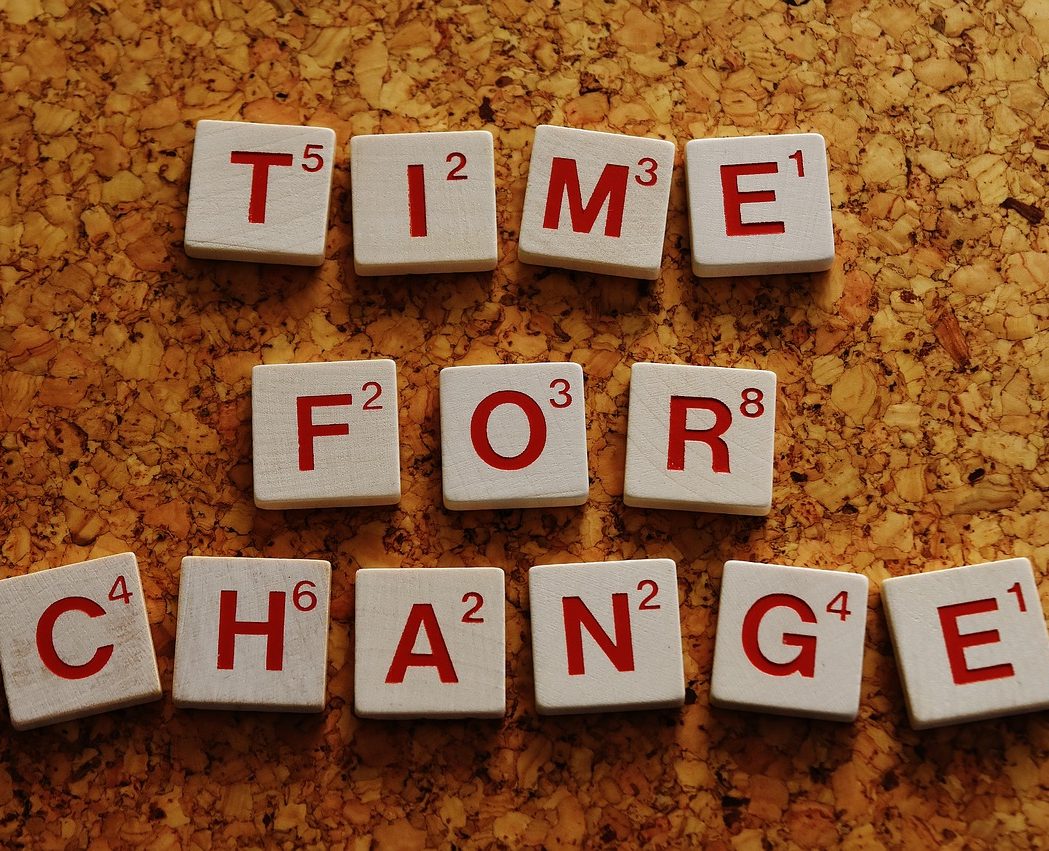
Time for you to make a change?
Photo courtesy of Pixabay.com

Changing others part 3.

By David Joel Miller, LMFT, LPCC.

Sometimes positive reinforcement goes wild. Instead of increasing desirable positive behaviors, positive reinforcement incorrectly applied can create more negative behaviors. Let’s look at some examples.

It is Super Bowl Sunday. Dad wants to watch the game. The kids who are bored to death start getting loud and thrashing around. Dad decides to get this to stop and gives the kids some money and sends them to the store. They don’t interrupt the big game. But then over time, something begins to happen. Dad notices that now every time he wants to watch a game on T. V., the kids get loud and rambunctious. He brings them to the therapist because they are “disrespectful.” What has gone wrong?

It is way too easy to positively reinforce bad behavior. Once you reward bad behavior it begins to expand. Often we do this without noticing that this is what we have done.

Another example. The child, in the store, begins to wine. Mom is getting tired and so she decides she has had enough. She leaves the store and goes home. The problem of whiny kid solved, for now. But over the years mom notices she has a very whiny kid. She can no longer go anywhere the child does not want to go or the whining begins. Another example of how a quick response to a misbehaving child can result in positively reinforcing bad behavior.

A more adult example. Dad can’t find his keys. He is late for work. He begins to swear and yell. Mom goes running and helps dad find the keys. Problem solved for today. But over time if mom runs every time dad is frustrated and yells, dad will yell and swear more. Mom is unknowingly training dad to yell and swear. Sometimes these cases end up in counseling. More of them should. After a while, we start to believe that it is others that are making us mad and of course when mad we should vent our frustration. Anger management classes which include cognitive-behavioral methods may be needed to break the cycle of anger, yelling, and swear words.

But it can get worse. Even if you do not reinforce bad behavior in your child other people may. I worked with one client who had older sisters. They lived in a poor part of town where there were lots of gangs. They used to dress their little brother up as a gang banger. At three it looked “cute” when he reached thirteen and became a real gang banger they were surprised. They shouldn’t have been. They had positively reinforced his looking like and acting like a gang member so much it was natural for him to become one.

This is one reason it worries me when people dress little girls in sexy or “trampy” outfits. Then when she gets to be a teen they try to clamp down on her clothes and behavior. She has been so thoroughly positively reinforced for acting in a sexualized manner why would she change? Besides she is not home now for you to change her behavior. She is out on an overnight date with that “cute” gang banger.

But other people, sometimes with good intentions, also undo our efforts to help children. A child who is shy and feels lonely often begins to avoid others and hide in the corner. So all the staff starts going over to talk to the child. Soon the child is getting lots of attention, which is what the child wanted. So does the child come out of their shell and start being less shy? Not on your life. All that attention for the “shy behaviors” was so completely positively reinforced that the shyness increases.  The right approach would have been for all staff to have watched the child and when they looked over to smile. Positively reinforce any outgoing behavior no matter how small and it might increase. But one staff member can unintentionally undo the work of all the others. So in the home how often do family members, knowingly or unintentionally undo the change efforts of the rest of the family?

It is very important that all the adults in a child’s life be on the same page when it comes to behavior modification. It is also important to be consistent.

Here is hoping that this series is helping you in your efforts to change both yourself and those around you. More to come.

For more on the process of change see the blog post series “Stages of Change

There is also a series of posts on helping others change, under the heading of “Changing Others.” and “Creating the Change you need.

Staying connected with David Joel Miller

Seven David Joel Miller Books are available now!

My newest book is now available. It was my opportunity to try on a new genre. I’ve been working on this book for several years, but now seem like the right time to publish it.

Story Bureau.

Story Bureau is a thrilling Dystopian Post-Apocalyptic adventure in the Surviving the Apocalypse series.

Baldwin struggles to survive life in a post-apocalyptic world where the government controls everything.

As society collapses and his family gets plunged into poverty, Baldwin takes a job in the capital city, working for a government agency called the Story Bureau. He discovers the Story Bureau is not a benign news outlet but a sinister government plot to manipulate society.

Bumps on the Road of Life. Whether you struggle with anxiety, depression, low motivation, or addiction, you can recover. Bumps on the Road of Life is the story of how people get off track and how to get your life out of the ditch.

Dark Family Secrets: Doris wants to get her life back, but small-town prejudice could shatter her dreams.

Casino Robbery Arthur Mitchell escapes the trauma of watching his girlfriend die. But the killers know he’s a witness and want him dead.

Planned Accidents  The second Arthur Mitchell and Plutus mystery.

Letters from the Dead: The third in the Arthur Mitchell mystery series.

What would you do if you found a letter to a detective describing a crime and you knew the writer and detective were dead, and you could be next?

Sasquatch. Three things about us, you should know. One, we have seen the past. Two, we’re trapped there. Three, I don’t know if we’ll ever get back to our own time.

For these and my upcoming books; please visit my Author Page – David Joel Miller

Want the latest blog posts as they publish? Subscribe to this blog.

For videos, see: Counselorssoapbox YouTube Video Channel

“Speeding up” the third grade

By David Joel Miller, MS, Licensed Therapist & Licensed Counselor.

Sad child

ADHD?
Photo courtesy of Pixabay.com

There must be a connection between Attention Deficit Hyperactivity Disorder (ADHD), Bipolar Disorder, and behavioral problems like Disruptive Behavior Disorder. If they are not connected why do I see so many children who progressively get all three diagnoses?

Recently a child was referred for assessment. The parents were concerned their child might have ADHD. They had been sent by the third-grade teacher with a stern warning that they needed to get this child help before it was too late. The teacher pointed out that she had been teaching for a great many years, she had seen many ADHD children, and that she knew a child with ADHD when she saw one. She was certain that this child had ADHD and needed medication. The teacher had told the parents she was sure of this because the child was in the bottom third of the class.

This troubles me. Now I know that there are people who suffer from ADHD. I have worked with adults who were unable to stay focused enough to succeed on a job without their medication. I have seen children with ADHD who have been struggling in school and then they get put on the right medication. It can work miracles. But this was different. If we are going to refer every child in the bottom third of the class for medications what does that say about us and our educational system? Really does that mean one in three children has ADHD? I find that hard to believe.

Now if this was an isolated incident I could explain it away. But this sort of thing is happening more and more.  Another parent shared with me that they were pressured to have their child evaluated for ADHD. The school had said that the child did not stay in their desk or do their work. Further, the parents were told that if the child continued to ignore the teacher and not do their work they might have to be placed on homeschooling. This parent took the bold step of talking to other parents in the class. Turns out that in this class of about thirty students more than half were on ADHD medication, most of them referred by the teacher and principal.

Have we reached the point where test scores are so important that we need to put a third of a class on stimulant medication to get their test scores up?

And if taking pills to get smarter really works, if drugs make kids smarter, than why only the bottom third? Aren’t we then cheating the top third by not giving them the drugs so they can do better also?

What also bothers me is the number of children who are diagnosed with ADHD who are subsequently suspended, sometimes expelled for fighting and violent behavior. I know from my work with substance abusers that when they abuse stimulants they are more likely to become violent or otherwise act impulsively. So could a stimulant ADHD med increase the child’s level of violence and result in him being expelled for behavioral problems? I asked a couple of psychiatrists about this issue. I was told that yes a side effect of some ADHD medications is an increase in violence.

On interesting new development in the field has been the availability of several newer drugs that are non-stimulant ADHD medications. While every medication has its side effects, and these meds are no exception, if the medication we are giving a child is making the problem worse not better shouldn’t we consider other options? I would if it was my child.

Now, remember here I am a therapist and not a doctor so if this gets you thinking how about talking with your doctor? And please don’t just suddenly stop giving or taking meds without consulting your doctor.

Here is another example of this problem. A child was referred for assessment. Please hold your CPS dialing finger till you read to the end. The caregiver, an older sibling, was trying to help her younger brother. He was constantly in trouble at school. Did not do his homework, daydreams in class, and would not stay in his seat. The teacher (different teacher this time) was sure this was another classic case of ADHD. The sister told me she tried to do what she could but she and her baby’s father were living with friends in a motel room and there was no place for this young man. Still, she was his school contact and she came to help him when she could. His primary care doctor had prescribed ADHD meds, but the minor still was not doing his homework and was not paying attention. His meds had been increased and still no improvement. What to think?

So I interviewed the young man. He reported his father was not around. Bio Father was in prison and would not be released for a few more years. He was staying with his mother but she was in jail right now and would not be released until Monday. So in the meantime, he had been staying with relatives. He had slept on the couch, several different couches for that matter, different relatives on different nights, and most of these homes were small and overcrowded. He had not slept well or eaten well since mom had been arrested. He was sad all the time and nothing made him feel better anymore. So was my diagnosis ADHD? Not on your life. Clearly, this young man was suffering, and I do mean suffering, from depression. The end of the story is, mom was released, the minor, and mom found a safe place to stay and the child is in counseling. I hope mom gets some counseling also.

Did I mention the referral for ADHD whose father was just deported and dad will not be allowed back in the U. S.again? He refuses to do his homework, will not listen to the teacher, and – Well you get the idea.

In each of these cases and so many, more, the first diagnosis was ADHD because of poor schoolwork, inattention, and not following rules, like being out of their seat. Later when the medication did not fix them they get diagnosed with some kind of disruptive behavior diagnosis. But in most cases when we look really carefully there was also a lot of depression and sometimes eventually a manic episode occurs and the diagnosis changes to Bipolar Disorder. Not every child who does not do homework has ADHD.

If you have had an experience with this issue or thoughts you would like to share please contact me. So much for my thoughts on Attention Deficit Hyperactivity Disorder (ADHD), Bipolar Disorder, behavioral problems like Disruptive Behavior Disorder, and Depression.

Staying connected with David Joel Miller

Seven David Joel Miller Books are available now!

My newest book is now available. It was my opportunity to try on a new genre. I’ve been working on this book for several years, but now seem like the right time to publish it.

Story Bureau.

Story Bureau is a thrilling Dystopian Post-Apocalyptic adventure in the Surviving the Apocalypse series.

Baldwin struggles to survive life in a post-apocalyptic world where the government controls everything.

As society collapses and his family gets plunged into poverty, Baldwin takes a job in the capital city, working for a government agency called the Story Bureau. He discovers the Story Bureau is not a benign news outlet but a sinister government plot to manipulate society.

Bumps on the Road of Life. Whether you struggle with anxiety, depression, low motivation, or addiction, you can recover. Bumps on the Road of Life is the story of how people get off track and how to get your life out of the ditch.

Dark Family Secrets: Doris wants to get her life back, but small-town prejudice could shatter her dreams.

Casino Robbery Arthur Mitchell escapes the trauma of watching his girlfriend die. But the killers know he’s a witness and want him dead.

Planned Accidents  The second Arthur Mitchell and Plutus mystery.

Letters from the Dead: The third in the Arthur Mitchell mystery series.

What would you do if you found a letter to a detective describing a crime and you knew the writer and detective were dead, and you could be next?

Sasquatch. Three things about us, you should know. One, we have seen the past. Two, we’re trapped there. Three, I don’t know if we’ll ever get back to our own time.

For these and my upcoming books; please visit my Author Page – David Joel Miller

Want the latest blog posts as they publish? Subscribe to this blog.

For videos, see: Counselorssoapbox YouTube Video Channel